Author: Lori Calabrese, M.D.

  • Discovery: A New Key to Ketamine’s Extraordinary Antidepressant Benefits

    Discovery: A New Key to Ketamine’s Extraordinary Antidepressant Benefits

    Ethan sat on his rock at the lake’s edge and stared across the water. He couldn’t help but wonder if it would ever be easier to get through a day.  Not really easy, per se. But what about functional? To just have stuff to do and to get it done. Routine, like other people.

    Ethan was so tired. Just didn’t feel the energy to do anything…and was deeply ashamed about it. He knew people thought he was just lazy. Maybe he was. He didn’t care about changing it, and felt so defeated. (There are so many people like this…who struggle, hopeless, and don’t know about ketamine’s extraordinary antidepressant benefits. Oh to get the word out!)

    Would he ever be able to actually think? He’d felt like a goober for so long. Years.  Really felt scrambled, it was so hard to read.  But he could read fine when he was a kid. What the heck??

    What was it like to feel loved?  To love and feel loved? Why was he so empty…and why did love seem to be beyond his reach?

    Why didn’t the antidepressants Ethan’s doctor had prescribed ever make a difference? Was medicine for this condition just worthless? Did it help anyone? Or was he just not doing his part somehow?  It seemed hopeless. And he felt worthless. What was the point anyway?

    Years of this empty futility had eroded Ethan’s endurance to keep trying. He could not for the life of him find a reason to live. Or a benefit to living.

    Someone tell Ethan about ketamine’s extraordinary antidepressant benefits…. and hurry.

    Ketamine's extraordinary antidepressant benefits can put joy and hope back in your heart.

    Is it Futile? Not With the Aid of Ketamine’s Extraordinary Antidepressant Benefits

    Depression and bipolar depression. What can help you feel like living? It turns out that 30% or so of depressed patients just find no real help with traditional antidepressants like SRIs. These medicines just don’t help enough people.

    When a second medicine is prescribed, if that doesn’t help either, well…we say that your case is treatment resistant. That doesn’t mean you’re treatment resistant, but that your depression medicine is failing to help you feel better and enjoy your life.

    But the good news is that small doses of IV ketamine – that is, doses smaller than might be used in anesthesia – can be remarkably effective for lifting depression systems and restoring your joy, your creative energy, and your hope.

    In fact, IV ketamine treatment can provide rapid and extraordinary relief of symptoms. And researchers have been trying to understand the WHY and the HOW of the underlying mechanism for years.

    While there are some actions that have emerged to illuminate this process, more information is coming available. We’ve talked of the lateral habenula and the synapses in the brain many times.

    New Research Unlocks a Ketamine Secret

    Ketamine’s extraordinary antidepressant benefits are the talk of the decade. But ketamine’s secrets have only slowly been coming to light.

    And just last month, research was published in Nature Research that shows that the ketamine  and the ketamine metabolite hydroxynorketamine provide their antidepressant effects when mTORC1kinase is activated in the cell. 

    This research shows one of the things mTORC1 does is to turn on mRNA which initiates special binding proteins 4E-BP1 and 4E-BP2. 

    Actually, these binding proteins get lots of the credit for ketamine’s antidepressant benefits…as well as that hippocampal synaptic plasticity that promotes so much healing.

    Remember that mRNA also turns on DNA to turbo boost brain-derived-neurotrophic-factor proliferating a dense growth of synapses.

    It turns out that these same binding proteins are necessary for ketamine’s benefits in the lateral habenula as well. You may remember also how ketamine moves those G-proteins off the lipid rafts to get signals moving fast!

    Ketamine is a powerful medicine. We don’t know why it isn’t effective for 100% of people who need it, or 100% of people who suffer from depression, bipolar depression, PTSD, and other conditions. We’re still researching and learning.

    But we do know that IV ketamine treatment in the form of serial expertly titrated infusions is effective for more treatment resistant depressed people than any other medicine currently known. 

    And the odds are excellent that it will help you achieve remission.
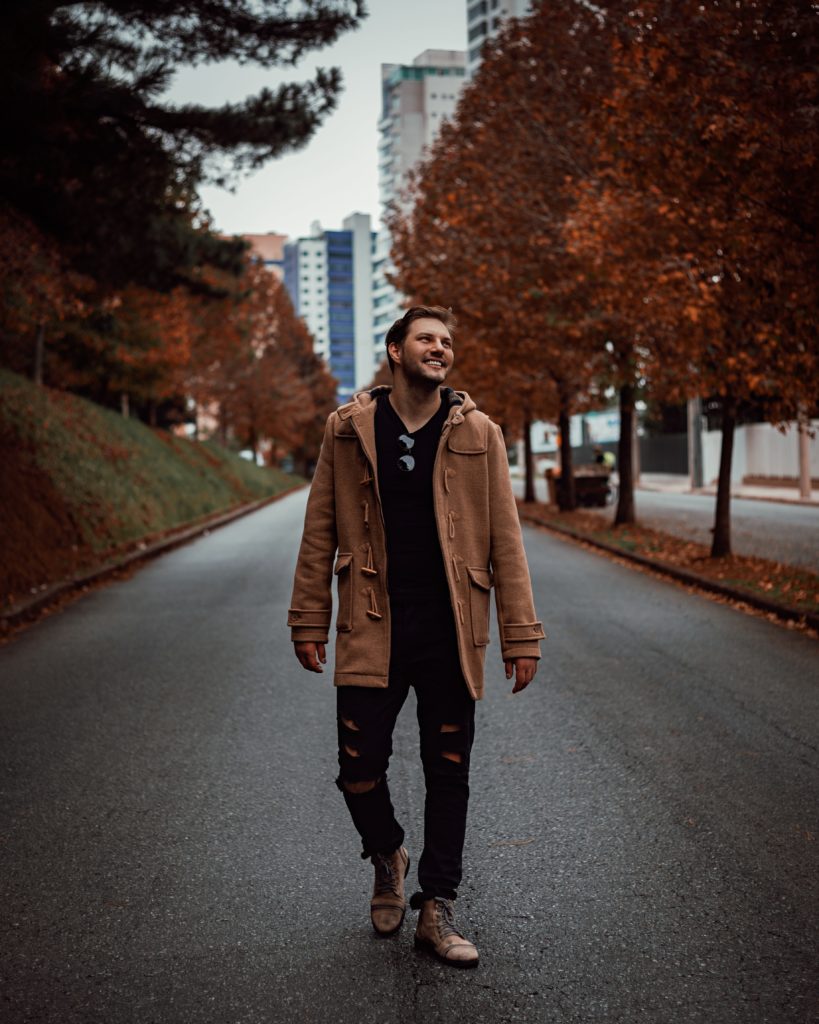
    Ketamine's extraordinary antidepressant benefits give you a spring in your step like this guy as he strolls and whistles.

    Imagine having a heart full of joy and courage, along with the determination to build a fulfilling life, and the initiative to develop healthy rewarding relationships.  

    Just imagine.

    Imagine really caring. About anything…about everything that matters. 

    Imagine hope.

    Ketamine’s Secret Unlocks Joy and Hope

    At Innovative Psychiatry, we cultivate hope… and joy… through expertise in titration, dose, and frequency of life-changing ketamine infusions. We have world class expertise in helping people get better.

    We also have a safe environment in the presence of COVID-19 pandemic. 

    Talk about world-class. We have transformed our offices into a coronavirus killing machine.  Units in each room that destroy and remove the virus…in fact all viruses….from the air, and a spectacular spray/fog that destroys all viruses – including COVID-19 – from all surfaces. 99.9999% is ALL.  

    You’re safe here. To be treated, restored, and empowered to live the life you want to work for. Your life. Your dream.

    If you have labored and struggled under the burden of treatment resistant depression, bipolar depression, PTSD, substance use disorders, and suicidal thinking, call us.

    And if you feel unsure, read the posts linked through this one. There is so much information, and hope.

    We’re here to listen, and to help.

    You’re the reason we do what we do. So call us.
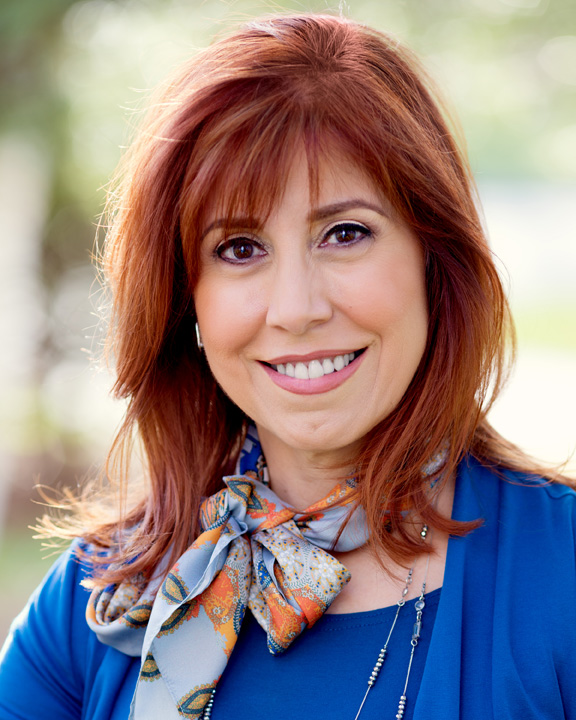
    Lori Calabrese, M.D. is on the front end of the race to stop PTSD in its tracks using IV ketamine treatment.

    To the restoration of your best self,
  • Strong Support System Can Protect You From COVID-Related Depression

    Strong Support System Can Protect You From COVID-Related Depression

    HAPPY NEW YEAR! Here’s our hope for you that you’ll find ways to make 2021 a more fulfilling and rewarding year for you and your family.

    Let’s talk about the difference in between  isolation, solace, and quarantine. People need people, and the pandemic has created an atmosphere where it’s hard to tell if you’re just enjoying solace, or if your isolating yourself and pulling back from socializing in a way that builds the habit of avoiding social interaction. And there there is quarantine, where you isolate yourself to avoid spread of COVID-19 after being exposed to it. But a strong support system can protect you from depression symptoms caused by isolation.

    In the hustle bustle world of daily activity in a non-pandemic world, it can be difficult to find peace and quiet for an hour. That works fine for some people, who soak up quiet and refuel in a quiet atmosphere of solace.

    You know who you are. Lovely quiet periods help you refuel, and give you energy to get back out there.

    There are also people who draw their energy from being with people, listening to and absorbing their energy. If you’re one of those, it can be really difficult to be stuck at home in silence all the time. Without outside stimulation, your battery can run down dead and flat. Both in your personality and your emotions.

    This is true even when there is no pandemic to deal with.

    However, in a pandemic it can get more complicated and put more people at risk for depression.

    We want to get a handle on what can make life better while we see the pandemic through to its resolution. Right?  We do!!

    Quarantine can cause isolation if it goes on too long, can’t it?

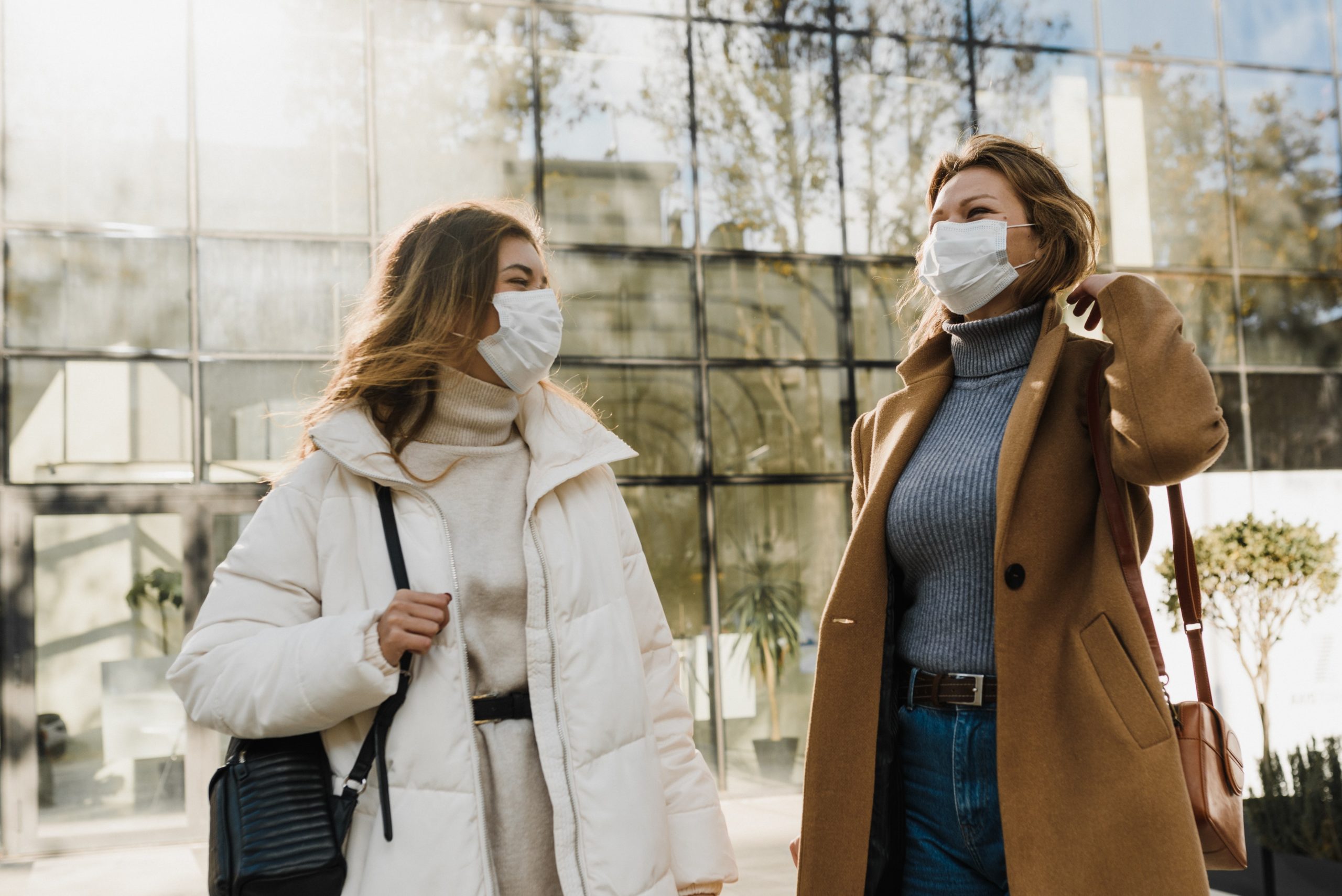
    When a family of 5 is exposed to the COVID-19 virus, and all test positive, they need to quarantine until they’ve been symptom free, according to CDC guidelines. But what can be done to help prevent the isolation that can lead to depression…?  Interaction is a big and important step.

    Online friendships are lifesavers during this time of isolation and quarantine. Family and friends in your support system can help protect you when discouragement threatens to cause depression.

    Here are two stories…about two different friends and how their outcomes compared in isolation vs. quarantine with online support.

    First meet Tamara. She’s 19 and was attending community college for her first semester when the COVID-19 pandemic emerged. 

    About 2 months into the semester, her school was closed and all classes were switched to remote online learning from home. Tamara was relieved at this because it’s natural for her to enjoy solitude, and looked forward to the peace and quiet and the chance to read voraciously without interruption.

    But there were some unexpected obstacles for Tamara. For one thing, as much as she loved to read, she struggled with algebra and chemistry. Quite honestly, in those subjects she’d always tried to get involved with study groups to help her grasp what she couldn’t seem to wrap her head around on her own.

    While study groups were available online, she didn’t benefit as much. However, she tried, and kept reaching out to various people in the group for help to understand the mysteries of those classes.

    So… she put in her time, worked on her assignments, and spent most of her free time reading books she enjoyed. 

    For the first 3 months, her freedom to enjoy the quiet and read one book after another was an indescribable luxury.

    However, because her mom had passed away a few years before this, she didn’t have her to talk to anymore. And talking to her dad didn’t go that smoothly. So she didn’t really have a true support group. Her only sibling was a brother who was in the Air Force, and his life was full.  She rarely heard from him.

    Long story short, Tamara was alone. Quite alone. 

    And the natural social interactions that had happened on campus before the pandemic weren’t available anymore.

    By the fourth month of the pandemic, she noticed she was losing her desire to have contact with anyone.  Online or in person.  She wore her mask and used hand sanitizer when she went to the pharmacy or grocery store…  But avoided eye contact.

    As Tamara moved into the summer months, she found she had far less energy she had before.  She didn’t want to leave her apartment. It became harder and harder to go to the mailbox. And she wasn’t really keeping up with friends anymore on facebook, text, or email.  

    Then someone stopped by and realized Tamara didn’t appear to be cleaning up her place — or even showering. She seemed shut down.

    Tamara was embarrassed, but honestly didn’t have the energy to do more than she was doing.  She was managing to keep her grades up in most of her classes, though Chemistry seemed a lost cause.

    Finally, her dad came by to see her.  He wore a mask and so did she, and they sat across the living room and tried to talk. Seeing her like this alarmed him. Dishes piled high in the sink, her own hygiene seemed to have lapsed…this wasn’t the Tamara he knew.  

    And he realized she was missing the support system that can protect against the threats of isolation and depression.

    So he asked her to let him help by getting her a telepsychiatry appointment.  That was actually a good solution, so she wouldn’t have to see anyone face to face…

    Now, meet Carolina. Carolina is 20, and knew Tamara in high school. They’d ended up at the same community college, but had not run into each other before classes closed for COVID-19. 

    Even though Carolina also enjoys solace, she has a nice group of friends to study with, and talk on her phone and text with. So even though she, too, has been home with remote online learning since a couple months after the semester started, she also has friends she talks to. 

    She doesn’t see them face to face, but they talk on FaceTime and Skype, as well as Marco Polo just so they can have live interaction. Carolina also lives at home with her family. Her parents are both working remotely from home, and her sister and three brothers are all learning remotely online.

    So, in spite of not seeing much of friends or relatives face to face, they meet up on Zoom, have a party, talk about their friends and their classes, music and the food they have delivered to their houses.  What’s tasty and what isn’t.

    If one of them is exposed to COVID-19 and then tests positive,  they all gather online to encourage and offer suggestions for managing it.

    The truth of it is that Carolina and her friends really haven’t struggled that much with feelings of depression. Maybe because they keep each other so engaged in daily living.  Somebody in the group always has a story to tell. All in all they offer each other a strong support system can protect against the damage that comes from too much isolation.

    Maybe it’s because their long term friendships have kept them all feeling more supported, resilient, and less vulnerable.

    It’s true that too much isolation can lead to depression symptoms in some people. And as we move into 2021, it’s a good idea to embrace the new year with a willingness to reach out to those who seem to lack support.  

    A really good idea.

    Everyone around you needs a support system right now. Some have it, others don’t really. But you can help with that online. 

    And there are also those who have been suffering under the weight of depression for a long time, and nothing has helped. Those who are sick and tired of feeling so hopeless, despondent, alienated, and drained.

    IV Ketamine Treatment Opens Doors of Hope

    For those, there is further hope in IV ketamine treatment. A series of 6 or maybe 8 infusions spread over a few short weeks, and expertly titrated to ensure you get the dose that’s right for you. Ketamine has blown the doors off depression treatment in the last ten years and especially the last 5. It’s reputation has grown from skeptical to celebrated in that time. Why?

    Because ketamine treatment does so much. In the brain-derived-neurotrophic-factor, the lateral habenula, the synapses, the G proteins heaped up on lipid rafts, the AMPA receptors and signals flying at high speed around your brain. For so many, ketamine can work so much better than the medications, therapy and treatments they have tried. It targets areas that were otherwise ignored before this.

    IV ketamine treatment can be extraordinary in its effectiveness to help you achieve remission.

    At Innovative Psychiatry, we’ve been so encouraged by the help ketamine offers that we’ve dedicated a section of our office for treating those who need to receive this breakthrough treatment. We’ve also responded to the concerns caused by COVID-19 by installing and using specialized technology that keeps the air and surfaces free of the virus that causes COVID-19, as well as the other viruses, bacteria, and molds that can threaten your health.

    While we’re not attempting to conquer the entire pandemic we are busily at work to help you get better, free of depression symptoms, in an environment where you feel — and are — safe.

    In spite of all the other challenges in the world, you can take them in hand best if you’re at your best. It helps so much if you’re strong, functioning, and creative to embrace today’s challenges. You need to be the best you, you can be. And a strong support system can protect you and help you build the resilience you need.

    We’re here to help with that, and to get you off to a much better start for the year.

    If you’ve been suffering, trudging, and feeling overwhelmed by daily living… if nothing much has helped, call us.

    We believe in what you can accomplish without depression symptoms holding you back.

    Lori Calabrese, M.D. is on the front end of the race to stop PTSD in its tracks using IV ketamine treatment.

    To the restoration of your best self,
  • Burgeoning Hope for 2021 & Saying Goodbye to 2020

    Burgeoning Hope for 2021 & Saying Goodbye to 2020

    It’s been a year unlike any you’ve ever known.

    You might think 2020 has been the worst year you’ve ever seen. You may have lost loved ones from COVID-19, or you may have lost your business. And I’m so very sorry for all your losses…. Maybe you lost your job, and your family has struggled for food and safety.  But… 2020 for you may have also been a year of change, re-evaluation, and new beginnings for you and your family. It depends on your circumstances and your response to them, doesn’t it? And as you say goodbye to 2020, don’t forget to embrace a burgeoning hope for new promise in 2021.

    In the world of psychiatric treatment, which is our own focus, we’ve seen lots of change. IV ketamine treatment is not the experimental, questionable treatment for depression and PTSD many people considered it to be in 2014. It has gained such confidence in the eyes of practicing physicians. And now they’re bundling it with other treatments and therapies. These developments ease more and more people into restoration, recovery, and hope.

    Just the story of ketamine treatment’s progress should give us burgeoning hope for 2021. And more hope for the discoveries of the new year.

    In short, ketamine treatment has grown up.

    This second decade of the 21st century has opened up hope for so many who’ve suffered with untreated symptoms for as long as they can remember. Besides the presence of the pandemic, what else has emerged during 2020? 

    It hasn’t been all bad, has it? 

    In the quest to treat alcohol use disorder, Elias Dakwar, MD conducted a study to test the effective outcome of adding motivational enhancement therapy to IV ketamine treatment. Dakwar’s research using IV ketamine for alcohol and cocaine use disorders goes back to 2013. His work published in 2020 shows his depth and dedication to study and breakthroughs for those who suffer these disorders.

    His team did their work related to cocaine use in 2019, and the one regarding alcohol use in 2020.

    Their results demonstrated that when ketamine treatment is combined with motivational enhancement therapy, abstinence is improved.

    We can’t wait to see what Dakwar and other front leading researchers will uncover in their work in the new year. More burgeoning hope for 2021.

    And as we reach toward 2021, let’s remember the naysayers ten years ago who scoffed about ketamine treatment, sensationalized it, laughed at the very idea of it. Let’s remember that new treatments are typically rejected by the mainstream and it requires innovative thinkers to help those treatments move forward. Real innovations are almost always surrounded by naysayers. For awhile.

    Anorexia nervosa has been the subject of research and longstanding debates about causative factors and effective treatment approaches. It is the most lethal psychiatric disorder. And although new research is presented each year at national medical conferences, reliable treatment that leads to long-term recovery has remained elusive. Our own experience with a case study this year using a new approach to treatment was promising, and we’re eager to see more innovative research in anorexia to furthering this hope.

    We’ve also learned that the stress of a pandemic can lead to an increase in severe depression, PTSD, substance use disorders, and suicidal thinking.

    That quarantining for individuals who already suffer these symptoms can exacerbate and exaggerate them. That people who had felt that their medications managed their symptoms before the pandemic found that sometimes that was no longer true when isolation was added to the mix… Not to mention social distancing, closed restaurants and businesses and online learning away from schools.

    Plus, a global pandemic can put everyone under stress, and we have a choice to decide how we treat those we meet. With kindness, patience, and understanding, or with agitation, criticism, and the belief that others should pay for our own frustration.

    We learned that social distancing, hand washing, masks and gloves seemed to create their own stress. And even people who enjoyed being alone, who enjoyed solace, often found this level of isolation stressful.

    A Vaccine is Emerging — More burgeoning hope for 2021

    The big story in the news has been the development of a vaccine for COVID-19, which has possibly caused other forms of research to take a back seat temporarily. But this has been a global priority and thankfully vaccines are emerging. 

     Meanwhile, we’ve been digging deep to find safe “work arounds” for you. We want to make it possible for our patients to receive the treatment you need during this crisis. And that has involved changes we’ve made at Innovative Psychiatry.

    Here’s another 21st century development. This one by NASA and MIT. And it destroys viruses like COVID-19, bacteria, and mold from the air and surfaces and removes them from the environment. We reached out to have this technology installed in our offices. Based on plasma cell technology that destroys the pathogen and leaves the air and surfaces in the office space pure, clean, and safe. Why? Because it’s pathogen free.

    Developed as a prepared response for biological warfare, this technology is exactly what is needed in a pandemic.

    And it can empower you to reach out to us for treatment no matter what is happening with the SARS-CoV-2 virus that causes COVID-19, so you can receive ketamine treatment in the safest possible place.

    And remember, this solution doesn’t just remove the COVID virus from the room, it destroys all airborne viruses.  The flu, too.  And bacteria like staph, and pneumococci … and whatever else might make its way into microdroplets.

    It’s been a tough year dominated by the pandemic, but we have the technology to fight that pandemic in a new fresh, effective way. Burgeoning hope for 2021 says the more ways we can destroy COVID-19, the better.

    In a few days 2020 will end. And 2021 will begin. 

    Once again, we have a choice. We’ll have to continue to weather the growing numbers of cases, and the overflowing hospitals… for awhile.

    For each of us, our mental and emotional wellbeing is best served by the kindness and generosity we show those around us. 

    At Innovative Psychiatry we’re in full swing. Eager to help you receive the treatment you need for anxiety, depression and bipolar depression, PTSDalcohol use disorder, substance use disorder…and especially suicidal thinking.

    We plan to beat this pandemic. To get to the other side of it. And to help you get to the other side of it.

    So you can feel safe to come in with confidence and receive the ketamine treatment that will help you get better. Help you cope with life as it is now, and as it unfolds. To build your resilience, and to aim for remission. 

    We’re here for you to help you live  2021 with a new fresh outlook that makes it so much easier to face challenges with confidence, and the creativity to devise useful solutions.

    We’re not saying that ketamine can do these wonderful things for everyone, since there is no medicine or treatment that works equally well 100% of the time in EVERY SINGLE PERSON.  Let’s be clear.

    But we continue to be stunned at how thorough and transformative ketamine treatment is for most. 

    We look forward to 2021 and to seeing  you blossom with hope in the days and weeks ahead. May Your Days Be Bright…

    If you suffer from symptoms that no other treatment has helped, call us.

    We’re here and available to make appointments for you within a few days to help you enjoy a rewarding and fulfilling life of joy, creativity, and meaningful healthy relationships.

    Lori Calabrese, M.D. is on the front end of the race to stop PTSD in its tracks using IV ketamine treatment.

    To the restoration of your best self,
  • Wake up and Dream Your Most Heartfelt Dreams This Holiday Season

    Wake up and Dream Your Most Heartfelt Dreams This Holiday Season

    A dream is a wish your heart makes, when you’re fast asleep…

    At least that’s what Cinderella sang, in Disney’s classic animated movie. But… the kind of dreams you have when you’re fast asleep are actually different than the dreams your heart makes. This is the week of Christmas, which has filled children’s dreams with sugar plum fairies and their favorite toys for centuries. It’s also the Christmas of the pandemic of 2020, which has had its own impact on dreaming. We’re living history right now; yet we’re also building our futures. So maybe we should all wake up and dream to make our lives better.

    But you’re not Cinderella or her Prince Charming. You’re you…and you live in the real world. And in a global pandemic, no less.

    You may know Jaxon. He’s been struggling to get his feet on the ground as long as he can remember. He’s tried one job after another, year after year. But during the COVID pandemic with its lack of job security, he’s realized he’s sick and tired of feeling he has no control in his life. So he’s decided to wake up and dream. He plans to take his uncle up on the offer to pay for his training as an airline mechanic. Jaxon is good with engines, and has been studying jet engines.  So as soon as the pandemic eases, he’s going to enroll in training. It will improve his life, and the life of his family. And he’s chomping at the bit to realize his dream.

    Then there’s Cheryl. She’s always dreamed of furthering her education so she can be a nurse practitioner or Advanced Practice nurse. She’s already a registered nurse with a Bachelor of Science degree. It will be a long road to earn the Advance Practice status, or Nurse Practitioner degree. But she wants more out of life. So she decided to not give up but wake up and dream. And the exhaustion of the COVID pandemic has shown her she wants to specialize and do her best work, as well as improve her income for her family’s sake. Her dream is to specialize in pediatrics. So she has begun taking online courses now to move toward that goal.

    After 10 months of COVID-19 this year, many have become discouraged and lost the pluck it takes to visualize life beyond this. Dreams of what we want to accomplish, or create…or overcome.  These are the dreams that are a wish your heart makes….

    “I want to own my own business…”

    “My wish is for a promotion..”

    “Wishing for a spouse and family…”

    “Someday, I’ll have my own daycare center.”

    “My dream is to be a doctor.”

    “I’m hoping to manage my symptoms so I can feel others respect me and I can build a life I’m proud of.”

    A dream is a wish your heart makes… it’s something you don’t have now, but wish you did. Something that you’re willing to wait for…and to work for… that you believe would improve your life.

    Your dream is the shape and color scheme of your hope. Hope says, “Life will get better.”

    Your dream determines HOW it will get better.

    A book published this year called Dream Big, written by the New York Times best selling author Bob Goff, is so timely for the pandemic and the stress you may feel. Actually, it’s called Dream Big: Know What You Want, Why You Want It, and What You’re Going To Do About It.

    Of course, it may not be that easy to know what you want. What you wish. What your big dream is. But it’s worth it to dig deep and figure it out.  You have to figure out what that dream is to figure out if it’s worth it to you to fight for it. 

    And figuring out why it matters is a good step toward putting down roots for the future you dream of. 

    Then, you’ll start taking steps. Because that dream is your lifeblood and fuel.

    It’s timely that this book was published this year — 2020 because so many have been so overwhelmed by the status quo of the pandemic, world economics, and politics, that they’ve given up the fight.  Their energy is drained, along with their determination and strength to move forward.

    But right now, in 2020, is the time to DREAM.  Not hide, not go to sleep. And certainly not give up. But since COVID has seeped into daily life, it may seem to you that it’s too late to fight.

    But you can stretch beyond the limitations you see around you in the pandemic. Reach far. Seek new possibilities. Dream big.

    It’s never too late to fight for YOU.

    Think of the time you have now to reevaluate and restructure your life plan. This is the time to decide if you want your life to continue, business-as-usual, or do you want to find ways to enjoy more, love more, help more.

    Right now is the time to make those decisions. The ones that pursue your dreams.  Because as the COVID vaccinations reach more people and the presence of this illness is reduced, and society becomes able to move around again… you’ll need to already be in your stride with your new plans, your new life style.

    But there’s another facet. And that’s the fact that symptoms prevent some hard working people from pursuing their dreams. In fact, severe symptoms of anxiety or depression can muddle a person’s ability to even form his own dream.

    When that happens, that person may need the treatment to get his symptoms under control so he can move forward toward his own fulfilling life.

    Depression and bipolar depression are two more disorders that can interfere with your power to pursue your dream.  Social anxiety can do that, too.

    PTSD is an example of a disorder that can severely block progress toward the fulfillment of a dream…or even forming one to pursue.

    IV ketamine treatment has well documented evidence for treating and relieving the symptoms of these disorders. It turns on mRNA which switches DNA to “ON” to turbo boost brain-derived-neurotrophic-factors which go to work proliferating the synapses (connections between brain cells) throughout your brain.

    Your brain wakes up, and signals light up your brain as they carry messages everywhere at high speed. You feel joy, you feel creative, you have a renewed ability to invest in your work and healthy relationships. You can wake up and dream because you have hope.

    At Innovative Psychiatry, we’re gratified to watch people come alive with hope and purpose after IV ketamine treatment. We offer this remarkable life-changing treatment in a safe atmosphere where we’ve invested in VB Enviro Care’s plasma cell technology that removes all COVID virus particles (in fact all viruses, bacteria, and mold) from the air and the surfaces in our offices.

    I know it sounds a little sci-fi and actually… it is. This technology was developed at MIT and NASA to fight biological warfare, and it’s extremely effective. You’re safe here and you can be treated without fear.

    We understand that the pandemic has taken a toll both emotionally and physically on so many and we want to help you restore, and achieve remission from your symptoms. So you can wake up and dream, and invest in the life you want to live.

    Ketamine doesn’t work for everyone. No treatment or medicine does. But it is so effective for the majority of patients who suffer from severe symptoms. It can be extraordinarily effective when everything else has failed.

    If you suffer from symptoms of severe depression, bipolar depression, PTSD, social anxiety, alcohol use disorder, substance use disorder, or suicidal thinking, call us.

    You can schedule appointments for IV ketamine treatment without a long wait…usually just a few days.

    Start 2021 hopeful, and empowered to live your life as your best self.

    We’re here to help so you can live a truly rewarding life.

    Lori Calabrese, M.D. is on the front end of the race to stop PTSD in its tracks using IV ketamine treatment.

    To the restoration of your best self,
  • Reduce Stress and Stay Safe This Holiday Season

    Reduce Stress and Stay Safe This Holiday Season

    Although some things are easier said than done…

    Cecilia and Ben have been working remotely since March 2020, so they both work in their home. They’ve faced the challenge of setting up work spaces in their home so they both have privacy for their online meetings. It took some doing, moving furniture, opening up areas and storing what they could when they’d rather be relaxing on the weekend. It’s all been about reduced stress and staying safe and healthy.

    So they’ve adapted. And have designed their lives around working remotely in their own spaces. For their own wellbeing and for everyone else.

    They’re very careful about avoiding exposure to SARS-CoV-2, the virus that causes COVID-19. Twice a month trips to grocery store with gloves and masks. Very cautious. 

    Cecilia also has concerns about managing her bipolar disorder. With the help of medication, she manages fairly well. But she and Ben are careful about avoiding stressful situations to help with her stability.

    They were invited to share Thanksgiving with Jake and Robin, Cecilia’s brother and sister-in-law…so they discussed–again, at length–how careful Jake and Robin were about isolation and precautions, and were assured they were extremely cautious. Both couples agreed to a COVID test the week before the holiday.  All four tests came back negative.

    Halfway through the day on Thanksgiving, they were enjoying a quiet time together chatting as they prepared the meal.

    Suddenly, the doorbell rang.  Jake and Robin looked at each other puzzled as if to say, Are you expecting anyone?  No… are you?

    When they answered the door, a jovial group of 8 more people roared Happy Thanksgiving!!! and charged through the door. The eight people included the Robin’s cousin, his wife, their 5 children, and Cecilia’s elderly mother.

    Jake and Robin stepped out of the way, baffled, shocked, and horrified; Ben and Cecilia were equally horrified. Grandma came in with her walker. Four children ran through the house, and a baby in a carseat wailed from her position on the floor.

    After quick greetings, and well-intended but strained smiles, Jake asked the parents of the wild offspring if they’d had recent COVID tests and they laughed and said, “No, of COURSE not!!  Don’t you believe that whole COVID propaganda, Jake!! Relax! It’s Thanksgiving and it’s time for family!!!”

    The new arrivals then commenced to talk about a party at another cousin’s house a few days before and what a great time they had.

    A party?  How many were there?”

    They held their breath.

    “Aww, I don’t know… 30 or so. You should see Tom’s oldest. She is really grown up!”

    So Robin said, “You know what? We love you guys and it’s great to see you…but we take this pandemic pretty seriously. We each got a COVID test last week to be sure we didn’t have the virus to expose to each other.

    “We don’t want to hurt your feelings but until this COVID thing is resolved, we’re not letting anyone be here in the house who isn’t carefully isolating, using precautions, and can show a negative test result. We’re really concerned about Mom, too, because she’s high risk–she’s vulnerable to the virus and all kinds of complications. And she’s being exposed to you guys today. You’ve been with at least 30 people who may or may not have COVID, so now she has been exposed to those 30 people, too.

    “To tell you the truth, you should all put on masks, and you should take her home. We can see that you don’t feel as cautious as we do, but we just have to protect our health and others the best we can.”

    With bruised feelings, the cousins and Grandma all accepted masks to wear and loaded back into the car. They weren’t happy about being sent away without welcome. To say they took it personally would be an understatement.

    The following week, Callie got a phone call from her mom.  Her mom had not been feeling well for a couple days, so she went to the ER. With a history of heart trouble and asthma, she was worried. The hospital COVID test was positive, and Grandma was admitted to the ICU. Within 4 days, her breathing had deteriorated, and become very difficult, so her diagnosis was upgraded to COVID and pneumonia. Doctors said it was grave.

    About the same time, Ben started feeling symptoms of severe fatigue, shortness of breath, and intestinal cramping. Cecilia drove him to a drive through testing center for another test. It came back in two days — positive.

    Ben was the sickest he’d ever been. So weak he could barely walk to the bathroom. Cecilia tried to keep him quarantined in the bedroom. And she wore a mask and gloves and washed her hands often. After about 16 days, Ben began to improve. And Cecilia was weary and discouraged.

    Cecilia’s daily calls to the hospital to check on her mom were frightening. Heartbreaking. Her mom was now on a ventilator. And her cousin’s wife was also sick with COVID.

    After taking every precaution, Ben and Cecilia still found themselves exposed to COVID and were facing the possible loss of her mother. Their fear and grief were only surpassed by their profound frustration and powerlessness. They really thought they could reduce stress and stay safe for Thanksgiving.

    You just never know, do you?

    But all the more difficult, Cecilia’s bipolar depression symptoms were rearing up in the face of the deep frustration she felt. First frustration, then anger, then rage…at her cousin who ignored all the warnings and put her mom and everyone else at risk. 

    She could feel her mood moving from neutral to a dark melancholy… bipolar depression was looming… she could feel it coming on.

    Oh no. How would she get through this and when her mom was in ICU? What if her mom died? It was all just too much. Her hope was dwindling. She felt both agitated and defeated… Even though she didn’t contract COVID, those around her who did played a role in her own condition worsening.

    Reduce Stress and Stay Safe at the SAME Time

    We’ve talked about how stress has become a traditional element of the holiday season, as we’ve allowed our traditions to become obligations. And how the stress that results from all those insurmountable obligations actually creates misery, sickness, and destructive conditions like depression and anxiety symptoms. So that to reduce that stress we need to make some hard decisions that put relationships and our own peace before the race to “get it all done.”

    We’ve also talked about how this holiday season 2020 is unique because COVID cases are increasing so fast that we’ve been asked not to travel, and to limit the gathering in our homes to those who live there–and possibly one or two who’ve tested for COVID and received a negative result, and who are extremely careful about isolation and protection.

    Of course, this appeal ricocheted around the internet and news media before Thanksgiving, and some heeded it.  Many others ignored it. 

    Aside from the precautions for limiting spread of the virus that is causing the COVID pandemic, there is another issue that deserves attention. That’s the tension, anxiety, and depression symptoms that can be relegated to the ongoing news about the virus and the damage it can cause. 

    Add to that the conflict that arises when individuals hold opposing opinions about their decisions for celebrating the holiday… and the disagreements that erupt. Yikes.

    This time of year is celebrated as a time of giving and receiving love and connection with friends and family. To worship true to your conscience, and hopefully be refreshed. Don’t you agree?

    So what can you do when friends and family stir up conflict?

    We all know someone who stirs up conflict wherever they go. The Button Pusher.  
    Then there are those who find their fuel by subtly inflicting guilt. We love them but we hate the guilt trips. 
    And every group has someone looking to push the crowd into doing something they don’t want to do…

    Yours isn’t the only family with these delightful people. 

    Aren’t you glad?

    The Good News. Disconnect your buttons before you have contact with the Button Pushers… Turn off your guilt switch and let the guilt purveyors buzz away while you walk away. And those Mr. Pushy types?  Just say NO.

    This is a year to consider fewer gifts and more emails, cards, letters, especially those cards with pictures enclosed or attached. Share your news without exposing yourself, your family, or the vulnerable family members to potential illness.

    Let the pandemic die down.  Give the vaccinations some months to do their job.  And let’s save Winter 2021 to hopefully move around the country and spend time with those we love.

    Reduce Stress and Stay Safe — Enjoy the Holidays and Enter 2021 Healthy and Happy

    And… if your efforts to reduce stress and stay safe are undermined like Cecilia’s and Ben’s were, you have options. They may be as simple as isolating and watching Christmas movies together, with popcorn and mugs of hot chocolate. But if you symptoms rise and intensify, if your medications aren’t effective in managing your symptoms of depression, bipolar depression, PTSD, alcohol use disorder, substance use disorderIV ketamine treatment may be a very real and lasting help for you. It doesn’t work for everyone — because nothing works for everyone — but it can be extraordinarily effective even when everything else has failed.

    With a series of titrated ketamine infusions personalized specifically for you and your response, you can feel like your best self again. Think back to the last time in your life when you were at your best self for a good stretch. Ketamine treatment can help you feel like that again.

    It can be amazing, and has a remarkable effect on the structures in your brain. You can feel restored, with the energy to give your best on your job and in your relationships, with improved creativity. And hope.

    At Innovative Psychiatry, people with these conditions and more come through every week. We have an atmosphere we keep safe from the spread of COVID due to 21st century plasma cell technology we’ve installed that destroys the COVID virus in the air and on surfaces. With the technology available anywhere to keep our air and surfaces COVID-free, and meticulous procedures in our office, you can come for treatment with confidence, and relax in a quiet private treatment room with reduced stress where you can stay safe.

    Above all, take very good care of yourself, your health, your outlook, and the wellbeing of your family.

    We care about you, and we’re here to help you experience relief of symptoms and the power to enjoy this time of year by enjoying what you love and those dear to you.

    If you want to see what IV ketamine treatment can do for you, call us.

    We understand and can help.

    Lori Calabrese, M.D. is on the front end of the race to stop PTSD in its tracks using IV ketamine treatment.

    To the restoration of your best self,

  • Does Mine Look Like His?? How Disorders Look Different in Different People

    Does Mine Look Like His?? How Disorders Look Different in Different People

    It can be alarming to see you brother try to navigate his way through a challenging diagnosis like depression or bipolar disorder. His symptoms may be alarming for you, and while you’re trying to be supportive, he may feel the world is crashing in. His dramatic reactions can be overwhelming, especially when you had a friend with bipolar disorder who had a volatile temper, it seemed, and seemed hypersexed, but she didn’t act like your brother is acting now. Surely they got his diagnosis wrong. But the doctor says that disorders look different in different people…at different times and under different circumstances.

    And it’s good to know.

    Charlotte might be a good example.

    Charlotte first began to show signs of less confidence and depression around the age of 6. She tried so hard to have a stiff upper lip, to invest her effort and perform well at school to please her parents, and to be industrious. Her parents were always so proud of her. But they didn’t recognize depression in herbecause she tried so hard.

    Now, Charlotte’s family already showed signs of psychiatric disorders in other members. Her mom had suffered from depression since childhood, her oldest brother had suffered from depression since he was 4. Plus, her other brother received a diagnosis of bipolar disorder. He had actually displayed symptoms since he was a young child. See the similarities?

    In addition, Charlotte’s uncle struggled with Narcissistic Personality Disorder. So did her grandfather.

    So much going on in Charlotte’s extended family. In fact, so much woven through the whole family.

    But in her case, her primary diagnosis turned out to be severe treatment-resistant bipolar disorder. Plus alcohol use disorder, social anxiety, and some phobias.  

    Happily, her bipolar depression, social anxiety, and alcohol use disorder, eventually improved dramatically. Some aspects reached remission after IV ketamine treatment.

    Sometimes depression or bipolar depression expresses itself as anger… even rage. Sometimes it can look like alcohol use disorder. In one person it may look like sadness and despair. In someone else, it may show up as disrespect for others. One person with bipolar disorder may seemed quiet, full of sorrow, and hopeless a lot of the time, but another might feel angry, disillusioned, and seeking revenge. How is it that the same disorder can present so differently? It can look different in different people and with different circumstances.

    Lots of people wonder about the same thing. Why does one person with depression act so angry?  Then someone else with depression suffers from quiet despair..? One eats carbohydrates in large amounts, and gains weight steadily. While another has no appetite and loses weight at an alarming rate?

    Which came first?  The chicken or the egg?  Disorders have a way of emerging and creating more difficulties. Depression can give way to phobias, weight gain, social anxiety

    Bipolar depression may show up as raging anger at times, unrestrained sexuality at times, and terrible despair in one person. Then, in another person, it may look like self-harming, unlawful behavior, and substance use.

    One reason? It’s not uncommon for someone with depression or bipolar depression to also experience anxiety, phobias, hypersexuality, or substance use disorder, alongside the original diagnosis. As a result, you may have a friend or relative who displays a certain cluster of behaviors, and you form the idea that this is what bipolar looks like.

    Then, someone else you know is given the same diagnosis, and while they display erratic behavior, it’s nothing like the behavior of your friend.

    The same disorder can look really different in different people.

    So now you can meet Grayson.

    He was first diagnosed with ADHD, then bipolar depression, and finally obesity. 

    It would be natural to assume that his depression, bipolar depression, and ADHD were all linked to each other. Since some people who exhibit ADHD symptoms as school age children, are later diagnosed with bipolar disorder. And depending on the type of depression you have, you may find you eat high carbs, or you may find out you eat very little. 

    Here’s Grayson’s experience:

    In Grayson’s case, ADHD emerged first when he was a child. About 6 years later, bipolar disorder became a more pressing concern, which SEEMED to lead to obesity. When Grayson is experiencing bipolar depression he tends to eat more, sleep lots, and feel listless and without energy.

    Disorders look different in different people.  

    In Grayson’s family, his own son was diagnosed with ADHD at the age of 7. Then, as he grew he was diagnosed with severe depression.  Grayson’s grandmother has suffered from depression all her life. His uncle has struggled with ADHD but learned to manage it in adulthood. 

    So.

    We know that depression, and many other psychiatric disorders, run in families. And these family connections call for us to show compassion for our family members who suffer from their own individual disorders. 

    If you suffer from depression along with other disorders, and if your current treatment isn’t working, feel free to call us.  Or ask your health care team to call us.

    We welcome the opportunity to work in conjunction with your healthcare team to help you get better.

    At Innovative Psychiatry, it’s true that we see multiple family members who each live with diagnoses and co-morbidities, and it’s true they may sometimes share the same diagnosis … or they may not. Although your symptoms need not necessarily be labeled, they do need to be evaluated as part of your overall self. And then they can be addressed, as needed, with appropriate treatment.

    While IV ketamine treatment is not the appropriate treatment for all of the symptoms you experience, we can work with your health care team to try to help you experience your best self.

    Does IV ketamine treatment help everyone who tries it? Unfortunately, no. But it does help many achieve remission and build fulfilling lives.

    So do try to avoid stressful situations or tasks during this season.

    Do make decisions that are productive for your own health and the health of your family.

    And do call us if we can help you get better with better with IV ketamine treatment. Give yourself the best opportunity for a fulfilled 2021.

    Lori Calabrese, M.D. is on the front end of the race to stop PTSD in its tracks using IV ketamine treatment.

    To the restoration of your best self,

  • Fantasize This: A Stress-Free Family Holiday Month… Crazy? Maybe Not.

    Fantasize This: A Stress-Free Family Holiday Month… Crazy? Maybe Not.

    December is National Stress-Free Family Holiday Month. Don’t Laugh. It really is…

    OK, yes, I get it. It’s the holidays. In a pandemic. COVID-19 spread is skyrocketing. Finances are a struggle and it’s the holidays. Depression can peak this time of year. Everybody needs something and to go somewhere. And don’t forget Personal Protective Equipment. Did I mention it’s the holidays? Stress-free family holiday month? You gotta be kidding me.

    We’ve talked about stress before, and the pathology that contributes to it. And how stress contributes to the wearing down of brain structures like synapses that can cause more serious disorders. Like depression, bipolar depression, PTSD, social anxiety, to name a few. 

    When do you need to be stress-free more than now??

    Add to the holidays the risk of seasonal affective disorder, which for some people creates the symptoms of debilitating depression as the days become shorter, the skies are gray more often, and less light gets through.

    When you feel bad, your stress increases. And when your stress increases, you feel crummy.

    So how on earth do you make December a stress-free family holiday month? Especially now?

    One approach might be to consider that even though the pandemic may create stress, the pandemic can also give us the freedom to reduce our own stress.

    Case in point:

    You can shop less. Agree with your family and friends that giving no gifts or else giving small token gifts is easier to manage this year.  You can reduce your shopping and wrapping by say…80%?  And use the time that’s left to do things you enjoy at home. And avoid exposure to others.
    Perhaps spend more quiet and quality time with your spouse and family. Playing cards and board games, or just talking and laughing together.
    You can bake together if you enjoy it.

    But you can definitely reduce the stress that goes with hustle and bustle.  You can make reasonable decisions to just pass up the hassles this year and give gifts next year.  

    Stressors Abound But Stress Doesn’t Have To

    While it’s true that US COVID-19 cases in the month of November — 4 million — actually doubled the number of cases in October, your risk of infection is pretty low if you stay quarantined and isolated a while longer. 

    Daily deaths from COVID-19 in the US are back up to the numbers back in April. On April 15, 2752 people died in a single day, the largest number of the pandemic…until this past Wednesday, when 2300 people died.

    COVID-19 is a serious risk, but that’s why you need to make good decisions that protect yourself.

    The more you stay inside, washing your hands, wearing a mask if anyone comes in, and finding ways to ENJOY yourself, the less risk you face of the COVID-19 virus spreading to you.

    And if you don’t feel afraid, the stress ratchets down. 

    If you don’t feel overwhelmed with more to do than you can every complete…well the stress ratchets down more.

    If you don’t have to prepare to host a houseful of company for 10 days…you got it: the stress ratchets down even more.

    Because one of the things that cause stress is fear. Another thing that causes it is exhaustion — mental and physical exhaustion.

    And illness causes it, too.

    Winter 2020 presents us with new options.  

    We can continue riding the treadmill in the midst of the storm…or we can just take a breath, and decide to make changes that help us — and our loved ones — enjoy improvements in life and relationships. And less risk of contracting the most contagious and potentially threatening virus we’ve seen in 100 years. 

    It won’t always be like this, will it?  This is temporary.  It may last a year or two.  But it is NOT permanent. 

    So let’s take care of ourselves and each other. 

    In doing that, we can make this a stress-free family holiday month.

    Another thought:

    Think back over the last 5-10 years before we’d ever heard of COVID-19.  During the hustle, bustle, and intense stress of December, can you remember thinking that somewhere along the way we’ve lost sight of what all this is about? That society — you and me — has gotten so caught up in the obligations at this time of year that we’ve forgotten how to enjoy ourselves and each other. To seize moments?

    That feeling of “stop the world…I wanna get off…”  Sound at all familiar?  Consider that this is your year for a reboot. Set new expectations, reduce expenses, invest less of yourself in “impressing” and more in “supporting” and “loving”…

    Meanwhile, if you suffer from severe symptoms of depression, bipolar depression, alcohol use disorder, substance use disorder, PTSD, social anxiety…maybe even anorexia….  then the stressors of the Winter 2020 season can only aggravate the symptoms.

    Some people whose symptoms were managed by oral antidepressants before COVID-19 and all the circumstances of this season, find the oral medications are no longer effective. In spite of medication adjustments and dosage changes.

    And some of these people are finding they want to reach out for ketamine treatment because nothing else is working anymore.

    If that sounds like you, just know you aren’t alone and that ketamine infusions may just make the difference. It has for so many others who have reached the point you have.

    Yes, there is still some people who are not helped by ketamine and we don’t understand why. But research continues to clarify the dose, response, and safety of ketamine treatment.

    At Innovative Psychiatry, we, too, are re-evaluating to find less stressful and safer means of helping you get better. We’re so gratified when we see patients who’ve suffered for years from treatment-resistant symptoms walk out of our offices with joy, relief, and hope following a series of ketamine infusions.

    It’s enough that there are as many stressors as there are these days, but our hope for you is a stress-free family holiday month in December 2020. This is a unique holiday season like we’ve never seen before…and one we’re unlikely to see again in our lifetime.

    And if you need ketamine treatment to achieve “stresslessness” at home… please do call us.

    It’s possible to make some strategic executive decisions to reduce the stress as well as exposure to others for yourself and your family…while using this time to rediscover meaningful experiences within your household.

    And by reducing stress in your home, life, and family…and receiving treatment for the misery of unmanaged symptoms, you and your family can enjoy a special and memorable December 2020 holiday month.

    We’re here and ready when you are, and wishing a happy holiday month for you.

    Lori Calabrese, M.D. is on the front end of the race to stop PTSD in its tracks using IV ketamine treatment.

    To the restoration of your best self,

  • Thanksgiving Day 2020 Holiday in the Pandemic – Learning New Ways to Share

    Thanksgiving Day 2020 Holiday in the Pandemic – Learning New Ways to Share

    We’ll never forget 2020. For the COVID-19 pandemic, for the social and political turmoil, for the economic struggles and adjustments that have accompanied all of it.

    And we’ll never forget the Thanksgiving Day 2020 holiday when people stayed home, meals attended by only a few, while watching the graphs of COVID cases, hospitalizations, and deaths skyrocket.. When the SARS-CoV-2 virus surged and spread around the world, and faster in the US than anywhere else. And families were isolated at home or in the hospital, rather than gathering. But the truth is, we’ve lived an historical event since January.  It will be in the history books. But for now, what do we do with it?

    Well, maybe a good place to start is with Giving Thanks. You may have lost loved ones this year, maybe even from COVID-19, or you may just miss them during the holidays because they’re gone…

    There are plenty of reasons to be sad, or angry, or frustrated. There are also reasons to be thankful.

    Choose Gratitude No Matter What

    A study at Berkeley found that people who practice gratitude on a regular basis have healthier emotional lives, are happier, and build resilience for tough times ahead.

    In addition, the more often we practice and feel a given emotion, the more space that emotion occupies in our psyche and becomes the mood we live within.

    Honestly, during terribly difficult and turbulent times like 2020, you get to choose your frame of mind. The way you see your life. If you tell yourself that life conspires against you…c’mon now…be  honest….  If you tell yourself that you’re a victim of some villainous force, then you will believe yourself, and live within a life of self-pity, blame, despair, powerlessness or bitterness…that’s all you’ll have.  

    But. if on the other hand, you tell yourself that you’re blessed in numerous ways…list them!…that life is working in your favor no matter what the challenges….you’ll feel gratitude, inspiration, and the power to make your life what you want it to be.

    For the Thanksgiving Day 2020 holiday, you can make the most memorable experience by applying gratitude.

    Gratitude …  expressing how grateful you are… is practice toward underpinning your brain’s circuitry, and strengthening your resilience. And doing that helps you see the good in challenging circumstances. 

    Because, truth be told, you want to be resilient and healthy, and we want that for you. During Thanksgiving, as you and your loved ones make decisions geared at the wellbeing of everyone involved, you need resilience, love, and the ability to adapt.

    First, for the older members of your family, and those with underlying or chronic conditions, this is not the time to take chances. 

    The increases in SARS-CoV-2 burgeons on. It’s far better to love your vulnerable family members to stay home and celebrate with you over FaceTime or Zoom, rather than risk their being infected, hospitalized, and worse. Next Year. Thanksgiving 2021 should be a  holiday — hopefully — when you can all safely be together again.  

    But for this one Thanksgiving, when you sacrifice face to face contact, you can yield a life shared for years to come. And don’t travel, or let anyone come to you who has to travel. The risks right now are only increased by transportation that involves contact with others.

    Second to that,  only those who you’ve been around and KNOW their attention to isolation, distancing, and precautions, are the ones to be allowed near you during the holidays. Maybe two or three trusted friends or family…?  If anyone comes to visit, insist on a COVID test before hand within time to get the results. All the rest can visit you online, but confine their exposure to those who live within their own homes.

    And third? Well, here’s a suggestion:

    Share your love and gratitude with those important people who can’t be there. Write the gift of a letter to each one with a list of why you’re thankful for them, or to remind them of a memory you share together. Find a way to shower your family with love, without face to face contact.

    Choose Warmth, Kindness, and Generosity for an Unforgettable Thanksgiving Day 2020 Holiday

    By choosing the frame of mind you want during this holiday time, by putting to work all the best safety precautions, by carefully selecting anyone from outside your home who joins you, and by reaching out to loved ones with love through email and gratitude, you can have the happiest and most fulfilling holiday in memory. 

    In the face of the pandemic, and the changes it causes, ADAPT. That’s how you survive and overcome difficulty.  By adapting and applying new approaches. And enjoying them.

    At the same time, if you find yourself depressed, or caught in the throes of PTSD, or struggling with alcohol use or substance use, or social anxiety, IV ketamine infusions can really help.

    At Innovative Psychiatry, we’re fully functional in spite of the pandemic, with newly installed technology that gives you and our staff the best possible protection from COVID-19 in our offices. 

    We continue to serve as an essential service and we’re here for you when you need ketamine treatment.

    There are lots of things about holidays and gatherings that unsettle and trouble some people who already suffer … 

    If oral medication hasn’t worked for you, if you’ve suffered from your symptoms that nothing has relieved, call us.

    We’re here to help you in a safe and supportive environment.

    You’re not alone. 

    Lori Calabrese, M.D. is on the front end of the race to stop PTSD in its tracks using IV ketamine treatment.

    To the restoration of your best self,

  • The Vicious Cycle Of Psychiatric Disorders and COVID

    The Vicious Cycle Of Psychiatric Disorders and COVID

    Sam wasn’t sleeping enough. As in, not much at all. She just couldn’t drop off.  But even if she did she’d wake right back up.

    Day after day, week after week. She’s done everything she knows to do. And she has to work, so she just has to get by. Still, it scares her because her mind just isn’t clear. On top of that, she felt nervous all the time… shaky. What’s so hard about walking to the mailbox? What was the matter with her…  Was there any connection to psychiatric disorders and COVID? The very idea made her shudder.

    But it was real.  And there were some things that had become harder and harder for her…since a couple months before she stopped sleeping. She didn’t know if being overly tired was making her feel uncertain about things like answering the phone or walking down the street, or if the nervousness was keeping her from sleeping?  

    Still, she was careful with COVID precautions. Always had her mask with her, and her hand sanitizer. She did have to work in the office, but everyone wore masks, and the cleaning service wiped everything down each night.

    In spite of all that, she started feeling bad. Odd symptoms.  On top of the shakiness. A tightness in her chest, strange feeling in her throat, and she felt sort of washed out.  Then she ran a fever so she called in. Since her symptoms continued, she went for a drive-through COVID test… and it was positive.

    Arrrgghhhh. So she had to stay home. But she felt so weak and crummy. After calling in to work, she went to bed. Fever and chills continued over night. And she realized she was getting weaker and weaker. Overall…her symptoms reminded her of the time she had mononucleosis in high school.  

    It was hard to be alone and try to figure out what to do.

    Time to Take Action

    The next day, she was afraid to wait any longer, so she called her doctor to get his advice. He told her she should go to the hospital.

    The harder it was to breathe, the more discouraged she felt. Thankfully, they put a commode by her bed, because even walking to the bathroom in her room was just too much exertion.

    This was far worse than mono. It was becoming scary. And because of the pandemic, her family couldn’t visit her. That night, she woke up panicking for air. She heard an alarm…her room filled with people in protective garb… then everything went black…

    Sometimes A Disorder Seems to Make You Vulnerable To Contract COVID-19, and Sometimes COVID-19 Seems to Make you Vulnerable to Developing a Disorder…

    Phil was 73, recently retired as COO of a successful marketing firm, and was beginning to enjoy his freedom. Of course, the pandemic wasn’t helping matters or helping him with his retirement plans.  He wore a mask when he went out, kept sanitizer in his car and used it often.

    Occasionally, he’d go fishing or play a round of golf. And when he did, he was outside and didn’t wear a mask.

    One day, he noticed one of his golf buddies seemed to have a cough. Phil asked him about it, and he said he had something stuck in his throat from breakfast. Three days later Phil didn’t feel right. Something was off. By lunch time, he was feeling bad. Achy, draggy, his throat hurt, his stomach hurt. He called his golf buddy who told him he had been admitted to the hospital. 

    What???

    Social Distancing and Masks Matter to Avoid the Vicious Cycle of Psychiatric Disorders and COVID

    Phil was healthy, spry, in good shape. He truly didn’t feel vulnerable to catching anything. He called his doctor, who told him to get a drive-through COVID test and to call back after taking his temperature.  Oh no. It was 101 degrees. He went for the drive through COVID test, and by the time he got home he felt like he was in trouble.  He had no idea …if this was COVID…. that it could get so bad so fast.

    By supper, he didn’t want to eat, and his breathing was shallow and rapid. His wife called 911, and by midnight he was on a ventilator.

    His wife was terrified. 

    Phil was so sick. His family was so afraid he wouldn’t survive.  But after 11 days in the hospital he began to improve, and they removed the respirator a couple days later. 

    Once he was home again, resting and rebuilding his strength, his wife noticed he was missing words. He called common objects by the names of something else. At first it embarrassed him, and then he lost track that it was happening.

    In less than 6 months, he forgot the names of his grandchildren, and a few months after that, they had to put special locks on the doors to keep him from walking out and getting lost.

    He didn’t really have dementia in his family, medical history… and his behavior was baffling for the people who loved him.

    Phil’s Battle with COVID May Have Set Him Up for Dementia, as It Has Others

    It’s a Vicious Cycle of Psychiatric Disorders and COVID

    As if we didn’t already have enough to think about, new research has emerged that reveals a vicious cycle between psychiatric disorders and COVID.  

    Yeah…I know.

    Specifically, between depression/anxiety as well as insomnia and COVID. And for the older patients, between COVID and dementia.

    The study, led by Paul Harrison at Oxford, examined the electronic health records of 69.8 million people from 54 healthcare organizations in the US between January 2020 and August 2020.

    They found that in the 14-90 day period after their COVID-19 diagnosis, 5.8% received their first-ever diagnosis of psychiatric illness. This compares to the 2.5 -3.4% who are diagnosed with psychiatric illness after another illness without COVID.
    Another study, led by Nora Volkow at the National Institutes of Health,  conducted a study of over 61 million adults found that people who have been diagnosed with a psychiatric disorder in the last year have a heightened risk for COVID…and they tend to have worse outcomes that those who fight COVID without a psychiatric diagnosis.

    Gee.

    And the diagnosis that seemed to cause the greatest risk was depression. So to provide perspective, for those who had been diagnosed within the last 12 months with a psychiatric disorder and also contracted COVID-19, the death rate was 8.5%, compared to 4.7% for those who had no psychiatric diagnosis.

    The study couldn’t reveal WHY this is the case, but researchers have some hypotheses.  

    For one thing, if you’re depressed, it’s hard to care, so therefore more likelihood of abandoning precautions. In addition, if you struggle with psychiatric symptoms, you may have a higher sensitivity to stress, and you may have less resilience to cope with the uncertainty, isolation, and financial challenges associated with the pandemic.

    All of that adds up to weakened resistance and greater risk for relapse.

    It all comes down to comorbidity…and psychiatric disorders fall into the category of “underlying conditions” that increase your risk, just as diabetes and heart disease do.

    And so, just like the grandmother who has chronic asthma, or the business man with heart disease, you need to take special precautions to protect yourself from becoming infected with COVID-19.

    These revelations about how COVID-19 illness can seem to make you more vulnerable for psychiatric disorders, including dementia, and how recent psychiatric diagnoses can also make you more vulnerable to being infected by COVID-19, tell you how important it is to protect yourself through the rest of the pandemic. This vicious cycle can result in long term problems that make the precautions worthwhile.

    Be extra careful to protect yourself from the vicious cycle of psychiatric disorders and COVID.

    At Innovative Psychiatry, we’ve taken more extra steps to protect you and our staff by using VB Enviro Care’s plasma cell technology tools to remove dangerous pathogens from the air and surfaces. And we still wear masks. And so will you. 

    Because our focus is for you to get better. To reach a point where you feel like the best you’ve ever been. So we want to treat your symptoms, and we also want you to stay well, free of COVID-19 and the flu.

    IV ketamine treatment has demonstrated dramatically that at this point it may be the most rapid and best treatment available for depression, bipolar depression and PTSD, and so much of the anxiety that goes along with them.

    If you believe ketamine treatment can help you, call us.

    Let’s work together to help you experience the rewarding life you long for.

    It’s the only life you have, right? Do this for yourself. Call us.

    Lori Calabrese, M.D. is on the front end of the race to stop PTSD in its tracks using IV ketamine treatment.

    To the restoration of your best self,
  • IV Ketamine Maintenance Infusions: How Many? How Frequently?

    IV Ketamine Maintenance Infusions: How Many? How Frequently?

    Charlene could not remember a time when she wasn’t depressed. A series of tragedies in her family along with psychiatric disorders in her relatives, all seemed to lead to her own depression. Antidepressants she’d taken for years seemed to do very little. Regardless of dosage or ration, she’d long ago lost hope that she’d every be better. Some people just had to live a life of wasted dreams. Dull. Flat. Empty. 

    That’s how she felt.

    This girl is depressed but IV Ketamine maintenance infusions may help her recover.

    She’d tried to go to college, but found she was too unstable.  She wanted to excel. But lack of motivation and dread seemed to have far more power over her than good intentions. She knew someone who went for IV ketamine maintenance infusions… but who knows? A lifetime of depression had tainted her, dulled her. She guessed the person she was must have become molded around the depression that had ruled her for so long. She hated herself, soaked herself in shame. Worth NOTHING. No education, no accomplishments, nada.

    She wondered how she could ever be any different.

    Now she had passed her 31st birthday, and she’d heard about ketamine treatment…she was thinking she might invest in it for a birthday present to herself. So she scoured the internet to learn what this treatment could do, and whether she should put hope in it.

    The more she read, the more she learned, and her confidence and hope grew. So she called for an appointment. She wondered if ketamine infusions would work. And if she would need IV ketamine maintenance infusions.

    She wanted an expert who really knew what they were doing. She wanted someone who would know what to do with severe symptoms. Symptoms that resisted everything. And everyone’s effort. She really wanted to find someone who was an expert in treating what she’d been told she had: treatment-resistant depression.

    To find a psychiatrist who emphasized treating each patient individually, with remission as the hopeful goal.

    She felt blamed. Like SHE was resistant. But she wasn’t. She did everything, took everything, tried to meditate in the morning, walked outside everyday, posted stickies on her mirror. Which she thought was stupid. And pointless.

    Because none of it worked.

    So was she just going to end up going to someone who would say, yeah, year, oh sure. ketamine? yes, you should do that …

    She wasn’t born yesterday. Nor was she an idiot. She didn’t need a yes-man or a yes-woman, or a yes-doctor, for Pete’s sake. Who would just plop her down and promise her the world.

    Here’s what she found: a place where she met a doctor who really wanted a ton of background information. Who took the time to collect it and read it and spent an hour with her before even getting to ketamine. (Not someone who did a phone screen. Nor someone who accepted someone else’s word for what she had. And not someone who interviewed her in a treatment chair.) Someone who wanted to know her story and her backstory. Who asked her questions that weren’t checklists. And someone who told her she was looking for all the factors that might indicate that ketamine could be helpful to her AND…all the things that she had working against her, that might make ketamine NOT work so well for her.

    She was bowled over.

    What if this actually worked? And if it did, was she going to need IV Ketamine Maintenance Infusions?

    A Plan for Charlene

    Lots of talk. Lots of tears.

    And then the treatment started. Charlene received a series of infusions over a couple of weeks. Six to be exact. And she could feel some change — but not enough. Then, she was hospitalized and in the ICU for 9 days…  The severity of her condition, the stress of it on her body and mind, resulted in her losing the improvement she thought she felt after the sixth infusion.

    She called the psychiatrist. Why would it fade so fast? Did that mean it wasn’t working? That it was never going to work? That it would be like every other thing she had tried?

    She was encouraged to have two more infusions. Here is where she got a migraine. She wasn’t sure it was worth it …the money! She wasn’t sure SHE was worth it.

    But she got 2 more infusions. She didn’t know if 2 more were considered IV Ketamine Maintenance Infusions or not. Still, she began to improve dramatically, but was under pressure to move to a new place. The extreme stress of moving under pressure with the earliest hints of remission blooming was too much.  

    IV ketamine maintenance infusions can help you maintain joy.

    Once again, the benefits of the ketamine treatment seemed to lapse. So she went in about 2 months later, and had another infusion. In all of them, her dose and rate were titrated to support dissociation.

    The goal was to get well — sustainedly well — and stay well.

    That’s what she wanted. That’s what her doctor wanted.

    (Isn’t that what everyone wants?)

    The next morning, Charlene reported learning a new song in her dream. She sang it for her family.  Someone told a little dad joke, and she exploded into laughter…with her eyes shining. 

    This never happened with her.

    Her family told her she used to sing for them when she was a preschooler.

    Early Signs of Remission

    That was just the beginning. Over the next couple of months she became more and more lighthearted, hopeful and joyful. She began building the friendships that had lapsed during her depressed years.

    It was as if the real person she was…the one that emerged from infancy… had replaced that person she thought was irrevocably tainted by depression.

    About four months later, she was sick and in the ICU again. But once she recovered, her remission remained solid. A year ago she had to go through a massive move involving her mother’s abandoned belongings, and years of her own belongings that had stacked up during her depression. 

    And her resilience stood strong.

    Feeling well was her goal. STAYING well was her goal. It’s called REMISSION.

    And she got there with an approach that was not cookie cutter. It’s a wellness model, not a business model.

    Her remission remained intact, and she maintained a light heart throughout the process of packing, throwing away old mementos of dear family members who’d died, and hauling off items she wanted to donate to charity. It was a gripping experience in addition to exhausting. But she felt resilient.

    Her remission remained solid. 

    Two years later she married a warm, loyal, and kind man her family loved. The stress of planning a wedding will bring many brides to their knees, but she remained strong and flexible through the process.   

    She was so glad to be alive. And to be in love. She never took a single day for granted.

    Somehow her physical health has also improved dramatically along with her emotional health. She had given up on antidepressants when she originally went in for ketamine treatment, and hasn’t looked back. It has been three years and she’s never had another booster or IV ketamine maintenance infusion.

    Maintenance Infusions: Yes or No?

    Each Person is Unique with Unique Needs for Treatment

    Charlene is not like anyone else. Of course not. Every person is different. But the questions that came up for her after her series of infusions come up for lots of people. Do I need more? How do I know if it will be worth it? How frequently should I have them?

    What’s the data really, about that?

    Turns out there’s not a lot of data about maintenance treatment out there.

    A recent retrospective chart review from Massachusetts General Hospital (my old stompin’ grounds!) looked at a group of 85 outpatients who received 2 ketamine infusions a week for 3 weeks starting at 0.5 mg/kg.

    The study followed these patients naturalistically — that means their outpatient psychiatrists could change their medications and they could change their therapists or the therapy they were getting while they were going through their infusions.

    Although the response to the first 6 infusions using was only modest, and the drop-out rates were high, about 47% of the patients went on to receive maintenance infusions and 33% continued maintenance.

    The investigators attributed this to the patients perceiving benefit from continued treatment. They received an average of an additional 2.3 +/- 1.5 infusions during maintenance.

    We applaud these efforts. Research is long, hard, and time-consuming. 

    I think one of the things this study points out is that a one-size-fits-all approach to treatment doesn’t yield the most beneficial outcomes. Because one size doesn’t fit all. And just like with antidepressants, one strength doesn’t fit all. We need more research on dosing, titration, and schedules.

    Each Doctor Chooses What He or She Believes is the Best Course

    Medicine is both an art and a science. We’re deeply steeped in the science (from Wellesley, Hopkins, and Harvard …how could you not be?) — and we’re deeply committed to the art.

    We bring the best of what we’ve learned, the best of what we know, and the best of who we are to you.

    At Innovative Psychiatry, we just don’t use a one-size-fits-all approach to depression treatment. Or to ketamine treatment. We don’t now and we never have since the beginning. With each patient we tease apart symptoms and medical history, along with the patient’s experiences and descriptions to find what’s needed for that particular patient. We custom fit the infusion protocol and recommendations between visits to each individual patient.

    See how that’s worked in a young woman with anorexia. Her anorexia has been in remission now for 10 months and counting.

    It’s a wellness approach to treatment because we want to see our patients achieve remission in every case possible. 

    It means doing our homework, staying up late and scouring the reading, to find out what other experts have experienced, learned, and tried. Going to conferences. (Well, staying at home and logging in to conferences now!) Then applying what we learn to each patient according to his or her specific needs.

    Because it’s all a vital part of helping each patient achieve remission. Some patients may need maintenance infusions, and when they do, we make it part of our wellness approach to their ketamine treatment.

    Overall, remission is the goal. We can’t promise it, but we do everything we can to make it possible.

    We want you well.

    Or as close to well as possible.

    We want to see you enjoying your life, investing in your future, and in healthy, strong relationships… and the things you most like to do.

    Give yourself the chance to live the best life you can live.

    Lori Calabrese, M.D. is on the front end of the race to stop PTSD in its tracks using IV ketamine treatment.

    To the restoration of your best self,
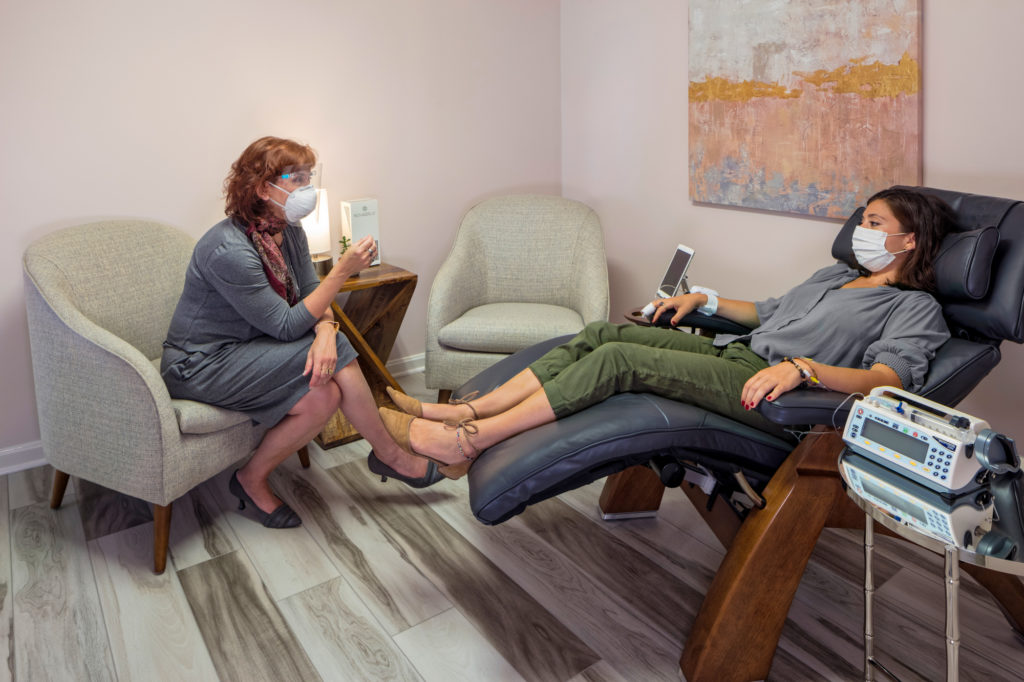
error: Content is protected !!