Category: Suicidal Thoughts

Articles About Suicidal Thoughts by Lori Calabrese, MD | The Ketamine Blog

We offer the following articles about suicidal thoughts to reduce the hype and stigma that seem to accompany the tragedy of suicide and those who consider it. We hope to show how changes in brain circuitry and structures lead to the torment of these thoughts, and as a result an individual can make attempts on his own life because he succumbs to those painful images and thought patterns.

Suicidal Thoughts Are Caused by a Variety of Disorders and Reactions

Suicide is not selfish, as some claim, any more than kidney failure is selfish. It’s part of a disease process that creates a cycle the individual is trapped within.

Suicidal thoughts can accompany a variety of psychiatric disorders. In fact, they can torment people who have never been diagnosed with a disorder at all. Sometimes changes can happen slowly over time in response to a significant life event that takes the joy out of life for an individual.  And that state can progress to thoughts of death.

The loss of someone near and dear, or other types of losses can also contribute. Sometimes a personal failure is behind the action.

In other cases, a person may suffer for a prolonged period of time from a diagnosis, or multiple disorders, that bring feelings of depression, despair, and despondency.  When this happens, in some cases mental images of death, or thoughts of dying, or even plans for dying can begin.

Of all of those who admit to thinking about death and dying, and those who think those thoughts but don’t talk about them, there is a smaller percentage of people who actually follow through.

But that’s not to say that there aren’t far too many suicides.

Suicide is the Second Leading Cause of Death in 15-29 Year Olds

And it doesn’t just happen in developed countries. Globally, 79% of suicides occur in lower and middle income countries.

And think about this: The greatest risk factor for suicide is a previous attempt.

The archaic idea that an unsuccessful suicide attempt is just a cry for attention is an idea that can eventually lead to tragedy.

Here’s the point.

Talk of suicide should always be taken seriously. We don’t know for sure who among this group will follow through and who won’t. But these thoughts put any person at risk who experiences them.

Suicidal Thoughts and Actions Are a Product of a Mind Out of Order

Unfortunately there are far too many who end their lives. But thanks to IV ketamine treatment, that number is decreasing.

What I’ve seen in my own practice is that IV ketamine can end those thoughts in an afternoon. That buys time for the individual to safely participate in therapy and build a more solid personal infrastructure for remission.

In fact, the use of IV ketamine for suicidal thoughts can prevent trips to the ER for suicidal attempts and prevent hospitalizations, as well.

It’s for this reason I offer IV ketamine to stop suicidal thoughts and save lives. Lives of people who can go on to enjoy love, productivity, and fulfillment.

As you read these articles about suicidal thoughts, I hope they’ll broaden your perspective about how widely thoughts like this are experienced, and how important it is to stop them so your loved one can heal.

  • Family: Suffering Together With Psychiatric Disorders

    Family: Suffering Together With Psychiatric Disorders

    If you have a family suffering together with psychiatric disorders reach out for support. You all need it.

    “I don’t care what the &%@!* you think!! It’s all your fault!! I’m outta here!!!”

    With that, Ben picked up the massive carved oak coffee table and  threw it at the window. It hit the window and the wall with a thud, pushing the window frame in a contorted mangle of metal and glass out toward the garden, knocking a gash into the wall with the impact. Families that are suffering together with psychiatric disorders know this scene so well…

    The table fell to the floor, unaffected by its collision, except for a few paint scrapes off the wall. The wall, however, didn’t do so well.

    By then, Ben had already grabbed a china lamp and slung it toward another window. The shattering glass of the window and the shattering china in the lamp base formed a tinkling wind-chimes sort of symphony as they fell.

    Ben beat his face with both fists, cursing his life.

    Suffering Together

    A little girl like this one can be lost in the chaos when a family suffering from psychiatric disorders is in turmoil.

    Little 6-year-old Sara shrank back into the shadows of the hallway. She knew not to cross her big brother at times like this. He was her hero and had been her best friend ever since she was born.  He was kind, patient and included her even though he was 7 years older. 

    It scared her when he got like this, but she also instinctively knew he just couldn’t help it.  She knew he’d probably cry again after this rage subsided, because he felt so helpless to control it and so sad about hurting the family.

    She slipped back into her room and quietly closed the door to play with her dolls…and try to not hear what was happening.

    Then her mom’s gentle voice sounded soothing and reassuring. She was helping him calm down, like she had so many times before. After 30 minutes or so  (it was hard to tell time, but especially when every second seems like an eternity…) she heard Ben trying to talk through sobs… she knew what he was probably saying, and she wanted to go hug him. But she thought it was better to let mom do that right now. He might be embarrassed to know she heard all of that.

    Each One Copes in His Own Way

    Sara felt confident the “storm” had passed, but then the front door slammed so hard the house seemed to crack. She quietly opened her door to look and listen. Ben and Mom were talking in low tones in the living room…but she could see her older brother’s door was open.

    Then a car started and screeched away outside.

    Ohhhhh.  I guess Ben’s episode made Gregory mad again.  (Huge sigh)  I wish everyone could just be happy.  We must be the only family that goes through this.. 

    Out of nowhere Scruffy, their mixed breed little dog, scooted between Sara’s legs and into her room for safety. She picked him up, and could feel him trembling…

    Hugging Scruffy close to her, Sara withdrew back into her room and ever-so-quietly closed the door.

    Quiet Distractions Provide Solace

    She set up a tea party in her closet where it would be extra quiet… and brought in Baby Alive and Jenna to share it with her.  hmmm….we need one more, she thought.  She reached under her bed and pulled out Timothy, her cream-colored teddy bear…and took him into the “tea room” in her closet floor. With the light turned on, she pulled her closet door shut.

    Shame Torments

    Ben had stopped sobbing by now…and was looking at his feet. It’s never going to stop, he thought.  What’s wrong with me?? I always ruin everything. I’m the black sheep of this family.

    Why can’t I be like everyone else…?  I’m so worthless, stupid, bad, and rotten to the core. I should never have been born… I’ll probably end up being a criminal…

    “Whatcha thinking, Ben?” Ben’s mom waited patiently for Ben to gather his thoughts.

    While Ben was searching for words, the front door opened. 

    Learning to Support Each Other In the Family

    His dad was home from work. Ben tried to look pleasant.

    “Hi Dad…”

    “What’s going on…?  Has something happened…?” Ben’s dad spotted the bashed windows and looked worried. Then his eyes fell on Ben’s swollen red face. Ben felt humiliated and didn’t know what to say.

    “Hi Bill.  How was your day?”  Ben’s mom hated to bombard him with the latest family crisis when he’d just walked in from a stressful day. And she also hoped to give Ben a break from his dad’s scrutiny.

    “It was fine, Lil. Is everything ok?”  

    The air in the room hung heavy with tension. But they were a family, and they needed to face times like these together, so Lily spoke up.

    “Everything’s fine, honey. Ben had another episode today. It was terrible for him…well, for all of us. He’s feeling pretty discouraged right now. We were talking about what we could do to find a doctor that might help more than Dr. Mendolssohn has. Someone maybe who specializes in adolescent bipolar disorder?”

    Ben focused on the pet hair on the rug. Bill nodded and stared at his feet, hands in his pockets. Lily stroked the sofa cushion. When a family is suffering together with psychiatric disorders…well, each one harbors his own secret pain.

    A big part of that pain is helplessness.

    This young man is angry because his family is suffering together with psychiatric disorders and he feels helpless.

    Bill spoke first. “I noticed the car is gone…did Gregory leave?”  

    Ben sighed.  Lily nodded.

    “And Sara…?”

    The NON-Squeaky Wheel Needs Attention, Too

    Lily sprang up from the sofa and headed for Sara’s room.  Her little girl had been so quiet…and with all the turmoil, she forgot to check on her. Guilt swelled up and threatened to choke her.

    Tap, tap, tap.  “Sara? May I come in please?”  Lily tried to sound cheerful.

    Tap-Tap-Tap. “Sara?”

    Lily opened the door and didn’t see Sara.  

    “Sara??”

    A tiny muffled voice squeaked, “yes, Mom?”

    Lily got down on her knees and looked under the bed. Nothing.

    She looked on the other side of Sara’s bed. Nothing but a couple stuffed animals.  

    “Sara? Where are you?”

    The closet door opened. Sara’s hair was disheveled and the rims of her eyes were red. She’d been crying.  Lily rushed over to her and swooped her up in a hug.  

    “Whatcha doing in your closet..?”

    “Tea party…”

    “Wanna help me cook supper?”

    “Yeah!”  

    She swung Sara onto her hip and off they went to the kitchen, chattering about the tea party.

    With Psychiatric Disorders, Symptoms Can Look Like Bad Behavior

    Ben is walking alone to sort his thoughts because his family is suffering together with psychiatric disorders.

    Bill was sitting with Ben, helping him with his algebra homework.  He knew a lecture about behavior wasn’t what Ben needed. He needed acceptance and support. Bill had made plenty of mistakes while he learned how to provide what his family needed in times like this.

    So.

    Another day. Once again they’d survived another major bump in the road. Tomorrow they’d call the insurance company about the damaged windows. But for now, they were thankful for peace.

    He and Lily did their best to try to help Ben’s self-image remain strong…though they knew all too well that their best efforts might not be enough. They also tried to be sure Gregory had their time, support, and attention, too. It was easy in this household to be overlooked.

    They were learning to avoid reacting with even more conflict or criticism. But rather to choose words and tone that soothed. Everyone needed it. And they believed their reactions were improving.

    Family: Suffering Together with Psychiatric Disorders

    Which brings up little Sara. They worked hard to try to protect her innocence and sweetness. But they couldn’t protect her from the frequent upheavals in her own home.

    Families suffering with psychiatric disorders work hard to keep their relationship strong.

    They also knew they had to be sure to communicate and make time for their relationship with each other. That was usually the first to be sacrificed.

    Most of the time they were both stretched pretty thin.

    Breathe.

    Got anyone in your family with a psychiatric condition?  It might be an eating disorder, bipolar disorder, severe depression, social anxiety (yes…that’s a disorder too), addiction, PTSD… there are lots of possibilities.

    No matter what the condition, and whether it’s you or someone else, a family with a psychiatric disorder suffers together, feels helpless together, gets frustrated together… no one escapes.

    And while it’s easy to blame, that doesn’t accomplish much, does it?  It just makes the wounds infect.

    When it gets right down to it, there is likely some genetic connection that links you all to the disorder. In this family, Ben drew the short straw.  And bears the stigma. 

    But just as Bill isn’t to blame for the high blood pressure he inherited from his grandmother, and Lily isn’t to blame for her kidney stones, Ben inherited the tendency to develop his condition before he was ever born.

    To try to manage his blood pressure, Bill either jogs or takes a brisk walk every night after work while Lily cooks dinner. Lily is careful to stay hydrated to avoid more stones. Ben tries to get out and play football in the afternoons and they work together to see that he eats balanced meals and gets to bed early. And they all take medication for these health problems.

    When The Brain is Disordered, It Can Be Hard to Maintain Order At All

    Not just for the person with the condition, but everyone close to him, too.

    So don’t be fooled. The family tries to maintain these routines, but that’s not as easy as it sounds. It takes a concerted effort, and they try to support each other and understand when things don’t go as planned. Because, when a family is suffering together with psychiatric disorders, everything is more complicated, it seems.

    Families like this have plenty of bad days.  More days than they care to admit actually… where all the opportunities to manage their collective health slip through their fingers.

    But they do try. And when things fall apart, they help each other get up and try again. Or at least they try to. Sometimes everyone just gets sick and tired of it all. So they retreat into their corners to recover a bit, then come together and face their life together again. At least that’s their intention.

    Life Is Challenging on Some Level for Us All

    If you don’t have a person in your family who has a health condition, maybe things go smoothly for you…?  But I bet they don’t go as smoothly as you wish. Nobody’s life is perfect.

    Still, if you do have one or more family members who endure chronic illness, (the genetics often strike multiple times in a family) you probably feel like no one can imagine what it’s like. You likely feel isolated and alone. Maybe you feel embarrassed, because your life isn’t perfect. And you’re right to some degree. No one knows what it’s like to live your life. But you don’t know what it’s like to live someone else’s either.

    I can say this however… that if your family suffers with a member who has a brain or behavior disorder, we know it impacts the whole family. And our hearts are with you.

    Is Your Outpost Suffering Together with Psychiatric Disorders?

    Family is our most important outpost of support. No matter what the challenges a family faces, they don’t manage them well all the time.  In fact, it’s fair to say there are LOTS of times the whole family seems to implode.

    Some families have financial struggles. Other families have marriage struggles. And still other families have health struggles.  But whatever the challenges, pulling together is the best way for everyone to come out in the best shape possible.

    But then, that’s life, isn’t it?

    It’s for you we work at Innovative Psychiatry to find better solutions, more effective treatments, and the compassion and support you need. And we’ve found extraordinary results for families like yours with ketamine treatment. You may have a family member with bipolar disorder, major depression, or PTSD. If so, call us.

    She just might be a candidate for IV ketamine treatment. That also goes for social anxiety, addictions…and of course suicidal thoughts. ALWAYS take suicidal thoughts seriously. And let us help.

    But don’t forget to take note of other family members who may be suffering in addition. They may need treatment, too, so they have the energy to conquer the days, weeks, and months of stress at home.

    There is help available for your family. To feel better, with restored hope, and more harmony.

    Lori Calabrese, MD offers innovative psychiatric treatment like IV Ketamine

    To the fresh emergence of your best selves,

    Lori Calabrese, M.D.

  • Are There Biomarkers for PTSD and Suicidal Thinking?

    Are There Biomarkers for PTSD and Suicidal Thinking?

    Biomarkers for PTSD and suicidal thinking can help doctors save lives.

    Know someone who’s suicidal? Or…how about this? Do you know someone you think might be?

    Is there someone in your life who’s always down, irritable, short-tempered… even jumpy, maybe? Maybe you wish they’d adjust their attitude, or take a chill pill. Sometimes, people can be like this and the problem is that they might be depressed. Or they may suffer from PTSD and even be suicidal. There are some researchers at Yale who are trying to identify biomarkers for PTSD and suicidal thinking. More about that in a moment, but first let’s talk about PTSD.

    Some 8% of people will meet criteria for PTSD at some point in their lives.  Those who have fought in active combat have roughly a 40% likelihood of receiving a PTSD diagnosis. But there are other life events that can also lead to PTSD such as sexual assault, domestic violence, cancer treatment, a child’s devastating illness, or a serious transportation accident, for example.

    The DSM-5 sets the criteria for diagnosis of psychiatric disorders. It says there are several criteria required to diagnose someone with PTSD:

    First, you must have been exposed to the threat of death or serious injury or sexual violence directly, or by witnessing it, or learning someone close to you experienced it.  Or by indirect exposure as a first responder

    Second, you have to re-experience this traumatic event by reliving memories,  or in nightmares, or maybe you suffer distress when you’re faced with a traumatic reminder of what happened.

    Third, you likely make effort to avoid situations that would remind you of the traumatic event, or to think thoughts that pull you back into the painful memories of it.

    Fourth, you have negative thoughts or feelings that resulted after the trauma.  Like blaming yourself or others, shaming yourself, holding a negative attitude, and isolating yourself. You have lost interest in doing things you used to enjoy or getting out with friends. Does any of this sound familiar? Stay with me…because there’s hope coming…

    This man shouts into his phone because his amygdala tells him to fight.

    Further, you find that you react to things that happen differently than you used to. Like you feel irritable and aggressive, or you may embrace high risk activities, or you may feel hyper-vigilant…always on edge for something to happen. Plus it’s hard to sleep  or stay asleep, and it’s hard to concentrate. You’re likely to experience depression, anxiety, possibly substance abuse in an effort to avoid thinking about the traumatic experience.

    Obstacles to Functioning

    And all these things often result in problems with friends, with family, with your job, your education…and even with taking care of yourself and your own needs.

    If you’re diagnosed with PTSD, these symptoms have lasted awhile and your doctor must know that you haven’t used other medications or illicit drugs that could have caused this.

    PTSD isn’t just feeling bad about something that happened. It’s a reaction inside you to something terrifying that changes the way you think and feel and respond to life. It changes your body… and your environment. Because it changes the way your mind interprets what you see, smell, hear, taste, and feel.

    How Fear is Connected to Suicidal Thinking

    The Brain and Behavior Research Foundation recently offered a webinar about the work they’re funding with regard to PTSD, suicidality,  and IV ketamine treatment. Lynnette A. Averill, Ph.D., Assistant Professor of Psychiatry at Yale University,  explained the link between the fear and anxiety people with PTSD have and how it’s connected to suicidal thinking.

    Three Regions of Your Brain are Key

    So let’s talk about your brain, and how PTSD affects it. There are multiple parts of your brain that play a role in your experience as part of this disorder.  And the trauma that caused this disorder triggered multiple changes in your brain. The prefrontal cortex, the amygdala, and the hippocampus are the primary areas involved, and what Dr. Averill’s team focused on.

    The prefrontal cortex regulates our emotions and helps us make decisions related to them. The amygdala helps us with fear processing. And the hippocampus helps us interpret emotional context.

    These three regions aren’t the only regions involved in PTSD, but they’re the most consistently significant.

    The hippocampus loses volume when you’re traumatized. So as PTSD increases and its symptoms increase, too, the volume of the hippocampus decreases.

    The prefrontal cortex thins in the presence of trauma.  In fact, the more severely traumatized you are, the thinner the tissues in the prefrontal cortex. It makes the decision whether you’ll fight, run, or chill.

    And the amygdala hyper-reacts. So it goes like this. Let’s say a T-Rex stomped down your street and through your yard. You look out the window and see his knees. Immediately, your amygdala sends out the alarm and calls upon adrenalin to scream, “FIGHT or FLIGHT!!”

    PTSD Changes Brain Function

    Biomarkers for PTSD and suicidal thinking can alert doctor to need for synaptic growth treatment, like ketamine.

    The job of the prefrontal cortex (PFC) is to call up the amygdala on speed dial…and tell him “Nothing’s wrong... It’s a hologram. Go back to your cable show… Everything’s ok.” And the amygdala settles back into his recliner.

    Because PTSD doesn’t just change the way the brain areas look, it also changes the way they functionand so, in turn, the way YOU function. 

    Now here’s the thing. People who are suicidal have impaired executive function.  This means that the organization, ability to focus and pay attention to others, as well as regulating emotion and disciplining yourself in a way that helps you meet goals…well, none of that is working well enough.

    It means you’re likely scattered, and probably unpredictable.  Maybe impulsive. The impairment of these abilities sets you at greater risk for making a tragic and impulsive final decision.

    Is Suicide Rare?

    Suicide is the 10th leading cause of death in the US across all age groups. To make that a little easier to grasp, think of it this way: 129 people take their own lives every single day in this country.

    In 2016, suicide was the 2nd leading cause of death for people aged 10 to 24. More than leukemia, or fire, or overdose.

    This is aside from the numbers for middle aged adults or the elderly. This includes children only 10 years old!  And we need to better understand any biomarkers that can help us identify those who are at higher risk to even attempt suicide.

    And it gets worse. Veterans are 1.5 to 2 times at higher risk for suicide. Sexual minorities are also at increased risk for suicidal thoughts and behaviors. The numbers include those individuals who suffer from bipolar disorder and have a 5 times greater risk for suicidal behaviors.

    So this brings up this point. We need something to point to that’s common to all these conditions.  Dr. Averill believes the link is synaptic growth.

    As this young man contemplates suicide, he needs to know there are biomarkers for PTSD and suicidal thinking, so he can be treated with ketamine treatment.

    Actually, it makes sense, doesn’t it?  When synaptic growth stops, and synapses break down and thin out, you’re more likely to experience depression, anxiety, and PTSD along with other disorders that are stress-based. And when you treat this synaptic deficit, the symptoms of these disorders tend to dissipate. 

    Ketamine Treatment Restores Synaptic Growth and Just May Be a Biomarker for PTSD and Suicidal Thinking

    The most effective treatment for these disorders is likely something that restores synaptic growth. Furthermore, that something needs to act rapidly, because there is the risk these patients may make suicidal attempts.

    It just stands to reason, doesn’t it?

    Well, it so happens that IV ketamine treatment does just that, and fast.

    It switches on mRNA which turns on DNA to turboboost brain-derived-neurotrophic-factor (BDNF) to rapidly proliferate new synapse connections with their dendrites and dendritic spines all through the brain. It also slides the G proteins off their lipid rafts in the brain cell membranes, so they can productively go to work enhancing signaling along these new synapse connections. And within 24 hours you can feel amazingly better. Or it might take you a few days depending on your brain and genetic makeup. 

    But traditional antidepressants take weeks or even months… in many cases it can be three or four.  And far too many people struggling with intrusive suicidal thoughts have ended their lives by then. That’s why it’s so extraordinary that ketamine is a RAAD (rapid-acting-antidepressant)  rather than a SAAD (slow-acting-antidepressant). 

    Biomarkers for PTSD and suicidal thinking help us discover solutions for those like this man suffer.

    Ketamine treatment is life-saving for a LARGE percentage of treatment-resistant cases.  Ketamine doesn’t work for everyone, but we’re learning every day how to help more people benefit from it’s restorative actions. 

    At Innovative Psychiatry, we work with people who suffer from PTSD and with people who suffer from suicidal thoughts. We’ve been so gratified to watch them walk out of the office with a smile, and energy, and a joy for living.

    If you suffer from PTSD, depression, bipolar depression, social anxiety, addiction, or other disorders that make life seem hopeless, or if you have thoughts about ending your life, call us. Let’s work together to help you find your joy, your hope, your fulfillment, and your relationships again.

    We want you to see how appealing life can be.

    Lori Calabrese, MD offers innovative psychiatric treatment like IV Ketamine

    To the emerging of your best self,

    Lori Calabrese, M.D.

    *****If you or someone you know is contemplating suicide, call the National Suicide Prevention Lifeline at 800-273-8255. There’s someone available to listen 24 hours every day.*****

  • Ketamine Tied to Remission from Suicidal Ideation for Most Patients

    Ketamine Tied to Remission from Suicidal Ideation for Most Patients

    Image result for clinical psychiatry news

    BY M. ALEXANDER OTTO

    REPORTING FROM APA 2019

    SAN FRANCISCO – Serial ketamine infusions eliminated suicidal ideation in more than two-thirds of patients at a psychiatry office in Connecticut but at significantly higher doses than those recently approved for Janssen’s new esketamine nasal spray (Spravato). The patients were treated by Lori V. Calabrese, MD, at Innovative Psychiatry, her private outpatient practice in South Windsor. She presented her first 235 IV ketamine cases at the American Psychiatric Association annual meeting. It was likely the largest real-world series to date of ketamine infusions for treatment-resistant depression and suicidality.

    The patients, 14-84 years old but mostly middle aged, received six infusions over 2-3 weeks, starting at 0.5 mg/kg over 40-50 minutes, then titrated upward for dissociative effect to a maximum of 1.7 mg/kg. Subjects filled out the nine-item Patient Health Questionnaire (PHQ-9) at baseline and before each in- fusion. Item nine – “thoughts that you would be better off dead or of hurting yourself in some way” – was used to gauge suicidality. That item has been validated as a predictor of suicide risk.

    Among 144 patients (62%) who were markedly suicidal, ketamine infusions were tied to diminished ideation in 118 (82%) and eliminated ideation in 98 (68%). They were severely depressed at baseline; PHQ-9 scores fell in 127 (89%), and depression went into remission in 89 (62%). There were no suicide attempts, ED visits, or hospitalizations during treatment and at 4-week follow-up.

    “Even if they had been suicidal for a long time, been hospitalized, and made suicide attempts, 68% had full remission of suicidality. This is a life-saving treatment, a breakthrough option for psychiatrists,” Dr. Calabrese said.

    Lori Calabrese MD

    The results are “fabulous,” said Jaskaran Singh, MD, who said he was clinical leader of the esketamine program at Janssen. “You prevented hospitalizations and saved lives,” Dr. Singh said. “This is a marvelous study that we should have done.”

    Dr. Calabrese’s report, however, raises the question of whether the nasal spray will be potent enough to achieve the same results. She found that cessation of suicidal thoughts required an average dose of 0.75 mg/kg IV ketamine, which is higher than the 0.5 mg/kg used by many ketamine infusion programs in the United States. It’s also significantly higher than Spravato dosing. The spray was cleared by the Food and Drug Administration in March for use with an oral antidepressant for treatment-resistant depression.

    Esketamine is approved in doses of 56 mg, which works out to almost 0.2 mg/ kg, and 84 mg, which works out to less than 0.4 mg/kg. Dosing is twice weekly at first, then weekly or biweekly for maintenance. When asked whether he thought those doses would be enough to prevent suicide, Dr. Singh said his company has finished two trials in suicidal patients and would present results later in 2019.

    Dr. Singh

    Dr. Calabrese, meanwhile, plans to incorporate intranasal esketamine into her practice, but will continue to offer ketamine infusions. “How can I not? I’ve seen how effective they are,” she said.
    Insurance companies have sometimes covered them for patients with a history of psychiatric ED visits and hospitalizations, on the grounds that infusions will prevent future admissions. But patients have to fight for coverage – and feel well enough to do so.

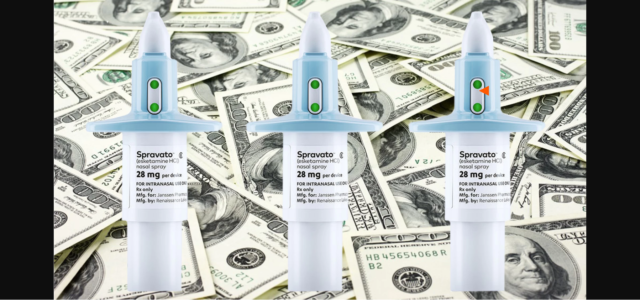
    That’s the main reason Dr. Calabrese plans to start offering Spravato; coverage will likely be less of a hassle for patients once Janssen works out the insurance issues. Spravato has been reported to cost about $600-$900 per treatment session.

    Posted with permission from the July 2019 issue of Clinical Psychiatry News ® Copyright © 2019 IMNG/Frontline Communications Medical Group LLC. All rights reserved.

    Read the Original Article Here

  • How the Biology of Suicide  Illuminates Prevention

    How the Biology of Suicide Illuminates Prevention

    The biology of suicide shows us to prevent suicide with ketamine treatment.

    When someone commits suicide, you’ll sometimes hear people say, “It makes no sense! She had everything to live for…” Or, “What a selfish thing to do. What about all the people who loved him? What about his kids…his wife..?” But this sort of tragedy isn’t about selfishness. To grasp what happens with your suicidal loved one, we are beginning to understand that there is a biology of suicide, and it can play into whether or not someone takes her life. It also helps to know what can be done. Read one young woman’s story to see what I mean…

    …Casey climbed the stairs and disappeared into the darkness of her room without flicking on the light. Somehow the darkness was more comfortable. More familiar. She dropped her keys on the hall tree and her purse and coat on the floor, then flopped onto the sofa.

    Settling back, her neck resting on the back cushion, she stared blankly at the ceiling. Another day was behind her. 

    It was always a feat to survive another day of work. Miserable. Now that she had, her mind wandered to nothingness. The billowing relief that would come if she could just get off this ride…this miserable journey day in and day out… Casey lost herself in reverie thinking about what a relief that would be.

    She couldn’t do it anymore. She just couldn’t. And…she wouldn’t.

    No one in Casey’s life had any idea what she goes through. She seemed astute, responsible, reliable to those around her. Quiet. Sometimes a little short-tempered… But pretty self-sufficient.

    The darkness wrapped itself around her, and she hung her head in exhaustion.

    Random thoughts drifted through her mind. The summer she was 3. She had climbed a tree and went too high.  As she looked down she felt a little lightheaded and swayed in the branch as the wind blew. She had thought that if she just jumped, she would go to heaven. 

    “Good grief,” she thought. “I was only 3 then. Was there ever a day in my life I didn’t think about dying? Wish I could die? Figure out how to die…??”

    She closed her eyes. “Thirty one years. I guess it will go on as long as I live…”  Then, she thought, but why? What’s the purpose of my life beyond dreading, thinking about dying, seeing only futility..?”

    “Why put it off any longer..?”

    And then, something happened.

    She opened the drawer in her nightstand, reached to the back, and pulled out a tin of pills she’d been saving for years. The prescription said TWO pills.  And she’d taken one and stashed one. There was another bottle she’d squirreled away in her closet, so she felt around till she found it and tossed it on the sofa. 

    After a bit she dragged herself into the kitchen, and pulled the Kentucky Honey Whiskey from the cupboard a friend had left at her house 6 months ago. As she reached up for it, she saw the Tylenol and grabbed it.

    She knew that too much Tylenol would damage the liver, so slipped that into her pocket. The whiskey bottle was three-quarters full. That will help, she told herself. Then she grabbed a glass and took the bottle to the coffee table. 

    With all she would need in place…she lay down and drifted off to sleep…

    Honking from the street below. HONK HONK HONK!! Wondering about the time, she looked at her watch. 11:49.  Just a few minutes before midnight.  

    Methodically, she poured Kentucky Honey into her glass and chased the first few pills. Then poured another glass, and swallowed 4 or 5 more. 

    Pain pills and sleeping pills… hmmmmmm…    It seems to me I should feel a little different by now.  She was glad for the late hour. Unlikely anyone would find her too soon. No one ever knocks or stops by.

    She popped more pills into her mouth.

    The Kentucky Honey was becoming harder and harder to swallow. Her head was spinning from the glasses of it she’d had so far.

    All she could think about was the relief she would feel when this was over…

    This lady sank as she wondered about her worth and her purpose in life.

    No one had any idea…she had always held her feelings and frame of mind close to the vest. Impossible to get her to talk, really…

    We do so much research about what drives someone to suicide. But what actually happens– biologically?

    Why Now? Why Tonight ?

    Some people think about suicide every day of their lives and never act on it. What’s behind the moment someone actually takes the step to end his life? And what role does biology — the biology of suicide — play?

    Two prominent researchers are known for their insightful hypothesis about this way back in the 1990’s. Their contemporaries swore by the prevailing belief that depression was caused by low levels of the neurotransmitter serotonin. (You remember those days?) These two were burning the midnight oil trying to figure out HOW that was true.

    Their names were Charney and Krystal. Dennis Charney is now the Dean of Icahn School of Medicine at Mount Sinai in New York. He was focused on depression. John Krystal was exploring schizophrenia to better understand and treat it. 

    In both cases, their work at Yale at the time led them to glutamate, the most prolific neurotransmitter in the human body. As an excitatory neurotransmitter, glutamate helps brain cells communicate, so it’s critical in learning, memory development, mood and …. the list goes on.

    So they went to work together to learn what they could.

    Now, you need to understand that at that time, even though ketamine was a solid and relied-upon anesthesia medicine, its dark reputation as an abused substance in the club scene — and on the street — kept it from getting much attention in research.

    Glutamate Paves the Way to Ketamine

    Ketamine causes specific behaviors in people who use it on the street, usually within 2 hours after taking it. But the amount they ingest is around 100 times greater than the doses used in anesthesia, or the even smaller dose these researchers gave their subjects. 

    This is where some people get the wrong idea about ketamine. If they’ve heard about it or seen it on the street, they tend to be terrified of its use therapeutically because of severe side effects they’ve seen.

    But when ketamine is used in tiny doses therapeutically, it’s a completely different “animal.”

    Even so, Charney and Krystal didn’t want to miss anything that might show up later so, in an abundance of caution, they decided to monitor their research subjects for a full 72 hours after their ketamine infusion. They chose 9 subjects to try the ketamine infusion, but 2 of them dropped out. So they followed 7 depressed subjects for 72 hours. This was a turning pointKeep reading…

    This joyful guy benefitted from the biology of suicide when his doctor gave him ketamine to erase suicidal thoughts.

    Four hours after the ketamine was administered, they checked on the patients. These patients declared they felt better.  In fact, they felt a great deal better! Our researchers were shocked beyond belief. Everyone knew that antidepressants take weeks or months to produce an antidepressant effect, and this medicine produced dramatic results within 4 hours.

    They didn’t expect anyone to believe them, and kept these results under the radar for years. When they finally did publish their results in 2000, they got …. not much attention. 

    Low Serotonin Severely Alters the Brain – Which Plays into the Biology of Suicide

    But during the same time another research team, John Mann and Victoria Arango, set out to study the brains of suicide victims. Over time, they discovered that certain areas of the brain showed alterations in serotonin. A significant kind of alteration.

    In fact, this situation reminded them of the well-known story of Phineas Gage, back in 1848. Gage was a railroad worker, and had been impaled by a 43-inch cylindrical iron tamping bar right through his skull.

    Amazingly, he survived the accident, but his personality completely changed. His doctor later wrote that Gage’s “character” was altered by the damage and his “animal propensities” emerged, as he put it. He wrote that Gage was fitful and irreverent. He called him capricious and vacillating, and complained that he used the “grossest profanity.” Now Gage had been a foreman: a responsible, circumspect, hardworking man before the accident. So you see, the change was dramatic.

    It wasn’t until more modern times that research revealed the area of the brain destroyed by the iron tamping bar is the area that controls inhibitions, and in Gage’s case, his social inhibitions.

    And that’s one of the same areas affected by “low levels of serotonin transporter binding.”

    So, with low levels of serotonin, the inhibition disappears. In the cases of these suicidal victims, the researchers think the inhibition that kept them from committing suicide was lifted, and they surged forward and ended their lives.

    But again, this may have happened as a number of other social, economic, and interpersonal factors were unravelling. There are so many contributing factors to suicide. And even when we can study and pinpoint biological correlates, we know that low levels of serotonin in the cerebrospinal fluid, and probably low levels of serotonin transporter binding don’t always result in suicide.

    Of course they don’t.

    Moreover, even if the doctors of these patients had known the exact biological areas and brain processes involved in suicide, and had a way to modulate the activity there, it still might have taken weeks or months to reach a therapeutic effect — and it might not even have worked …as it may have been too late.

    Ketamine Takes Its Cue From the Biology of Suicide in YOUR Brain

    So this is a HUGE key to why ketamine treatment can be so vital to erasing suicidal thinking.  Because it can erase those thoughts in an afternoon, in the psychiatrist’s office. No need to wait weeks or months and risk suicide while you wait for it to take effect. 

    Compassion for Suicidal Loved Ones

    People who succeed in, or even attempt, suicide, aren’t thinking about the feelings of others. (There’s some truth to that…but not necessarily what the criticizers think.) Quite honestly, in that condition they can’t. They may have been induced by their disordered brain to think about suicide for a very long time, or maybe just so intensely, whether they wanted to or not. Then, if the biology of suicide kicks in and they have little or nothing to help them hold back, they may act impulsively and without recourse or consideration of consequences.

    For those of us who love them, unless we’re tormented by the same suicidal thoughts, we can’t imagine what it’s like to want to die, or to feel compelled to die.

    This isn’t selfishness…it’s sickness. It’s also not selfish when a Type 1 diabetic’s blood sugar drops so low he convulses. It’s a consequence of his serious illness.

    And it’s for this reason that it’s important to never dismiss or ignore talk of suicide.

    Thankfully, IV ketamine treatment can provide the safety stop to put on the brakes and end the suicidal thoughts.

    It can give your loved one time to heal and move forward with their lives.

    Biology of Suicide at Innovative Psychiatry

    At Innovative Psychiatry, we’ve seen so many who fought the torment of suicidal thoughts and inclinations, walk out free of those thoughts after IV ketamine treatment.

    This young man is working with a rope to end his life because of the biology of suicide.

    Many times they’ve reached the point of emergency late in the day and needed immediate treatment. Then, after ketamine treatment, found immediate relief. The biology of suicide – in those cases — is side-stepped and overcome by the most rapid and effective treatment for suicidal thinking of our time.

    We’re also flooded with relief for them as the suicidal thoughts subside, the light comes to their eyes, and they leave relaxed and eager to continue restorative treatment for their depression symptoms. 

    ***If you have suicidal thoughts a few times a week, or 20 times a day: please know that there is hope. Those thoughts can stop. Reach out immediately for support by calling the National Suicide Prevention Lifeline at 800-273-8255. OR text HOME 741741. Someone is available to listen 24 hours every day. ***

    And consider IV ketamine treatment. It can help you experience freedom from those tormenting thoughts and find hope and purpose in your life again through relief from depressive and anxious symptoms. Fast.

    This joyful woman has been transformed from suicidal thinking since ketamine treatment.

    The first step happens when your life is no longer at risk. 

    Your life really can be fulfilling, rewarding, and productive as you experience what ketamine treatment can do for you. While it’s not a one-size-fits-all treatment, IV ketamine treatment can restore your motivation and initiative, your creativity and energy, so you can invest in your relationships, your career, and your hobbies with enthusiasm and joy.

    Can we stop suicide? Yes, with a series of IV ketamine infusions.
  • Antepartum and Postpartum Anxiety: Moms Who Suffer Without Feeling Sad

    Antepartum and Postpartum Anxiety: Moms Who Suffer Without Feeling Sad

    Ketamine treatment helped this mom restore from antepartum and postpartum anxiety.

    Treatment can help anxious moms relax and enjoy their babies.

    Jill was so excited to be pregnant.  She’d waited for 4 years after she and Joe were married to start trying.  She was just elated three months later when a home pregnancy test showed those two little lines.  She was pregnant! Even the slightest thought of antepartum and postpartum anxiety never crossed her mind.

    In spite of waves of nausea off and on the first couple months, by the time she got through her first trimester, she was feeling better.  Her excitement to see and hold her precious baby was bubbling up like crazy. How could she wait six more months??

    But as she moved through the 4th month, she began to feel… uneasy.  

    Just this vague sense that something bad could really happen… maybe something about her pregnancy wasn’t going as it should? She worried that something was going wrong with the baby. What if there was something wrong that they couldn’t see? Or a problem with his development?  What if he was in that 3%? What if something went really wrong during delivery?How would she take care of him?  

    Day by day the dread grew worse. She asked her doctor about her concern, and she assured her that everything looked good. Told her that she should enjoy her pregnancy.

    That was the problem. She couldn’t. She was worried sick.

    Then, when she reached her third trimester, the dreams started with a vengeance. Night after night she’d dream she gave birth … to an alien.  Or a forest creature.  Or a monstrous murderous demon. She was so ashamed that these were her nightmares that she couldn’t tell anyone. No one.

    When something is so terrible, who can you tell? Who can you trust?

    The nightmares were so cruel, so vivid, that she’d wake up in the wee hours sweating, heart pounding, and screaming. Her husband would try to comfort her, then she’d go back to sleep. And the nightmare would continue. It was as if she couldn’t escape. 

    By the time the baby was born, her joy was gone, and in its place loomed a terrible dread. She feared for the baby, and what he would grow to be.  Not who…but what.  She tried to nurse him in the hospital but would break down and cry and ask the nurses to take him for awhile to give her a break.

    Going Home From the Hospital Didn’t Help

    It wasn’t supposed to be like this!  What was happening to her?  Why couldn’t she enjoy her newborn son?

    The first 6 weeks or so she tried. She really tried. She was exhausted, and wondered if she’d ever get enough sleep to feel better. Waking every hour or two around the clock took a toll she didn’t anticipate. Her thoughts about her baby seemed irrational, even to her. She couldn’t imagine why she ever thought she wanted a baby.  Now here she was, stuck in a permanent nightmare. She felt cheated.

    Then her worries about what she might do to him if she let her guard down overwhelmed her.  She mentioned her concerns to her pediatrician during a routine visit, and he explained that this could be postpartum anxiety and gave her a card to see someone he trusted.

    Within a few months after her treatment began, she was beginning to see life, her son, and herself in a new light. She could sort of imagine now that it was possible she could have a good and loving relationship with him. 

    It helped enormously to know all this was a condition her hormonal imbalances and stress created. To fully realize that neither she nor her infant son were to blame. She read all she could find on antepartum and postpartum anxiety.

    There wasn’t much.

    But where, oh where, did it come from?

    We’re all familiar with postpartum depression, but you rarely hear people talk about postpartum anxiety. While the two often join forces, they’re actually individual disorders.  Since postpartum depression is often associated with sadness and anxiety, postpartum anxiety is sometimes overlooked.

    It’s actually possible to feel overwhelmed, severely stressed, and have thoughts of harming your baby or… of ending your own lifewithout feeling sad.

    When a woman gives birth, several changes go into high gear in her body. Pregnancy hormones drop, lactating hormones kick in, and the sudden changes in her brain give way to mood swings.  

    This woman suffers from antepartum and postpartum anxiety and needs treatment to feel relief and to bond with her baby.
    Add to that the painful engorgement in her breasts as milk comes in, lack of sleep from her baby’s waking every hour or two to eat, the soreness in her perineum from stitches, (or in her abdomen from a C-section) and cramping of her uterus as it recovers from pregnancy and childbirth, and this new mother is enduring substantial stress.

    Stress + Fear = Anxiety

    Even though many people are more familiar with postpartum depression, roughly 6% of all pregnant women and about 10% of those who are postpartum develop anxiety that’s severe enough to need treatment.

    It’s natural for a new mother to have mild worries or nervousness about whether her baby is eating enough, whether the baby’s stool is like it’s supposed to be…and wonder if she’ll ever feel rested again.

    But when mild worries become more intense, concern becomes a constant dread that something bad is going to happen, or intrusive thoughts begin of harming the baby or yourself, it’s time to seek help.

    So why do some mothers seem to adapt to the new addition to the family, along with hormone changes, the lack of sleep, and the new routine, while others feel and think things they don’t want to feel or think, struggle to bond with the baby or enjoy her, and wish for a way to escape … either temporarily or permanently…?

    There are a number of factors. And none of them are the anxious mother’s fault. 

    Risk Factors for Antepartum and Postpartum Anxiety

    First, mothers who have relatives with anxiety disorders –or have had anxiety disorders themselves in the past — are at higher risk for postpartum anxiety than woman with no family history of anxiety at all. In addition, women with thyroid imbalance are at higher risk, also. 

    Most of the time when we refer to postpartum anxiety, we’re talking about a generalized anxiety disorder that develops during or after pregnancy. Symptoms like nervousness, constant worry, difficulty sleeping, racing thoughts, tension…

    But there are a couple more types of postpartum anxiety that are important to highlight.

    Postpartum Panic Disorder

    Panic disorder doesn’t mean being panicky, or having anxiety that escalates easily until you feel wound up. It means having frank, out of the blue, and unprovoked panic attacks. You’re not just worried all the time about whether the baby is eating enough, whether you’re capable of being a good mother, or whether the baby will get sick, you begin to get random episodes of sheer panic.

    Sometimes multiple times a day.

    Shortness of breath, fast heart rate, chest pain, dizziness, and tingling along with feeling confined or like you’re suffocating can make it extremely difficult for you to take care of your baby, yourself, or the rest of the family. These sensations can come and go, but you may need professional help to cope with them and reduce their impact on you and your new family. 

    Postpartum Obsessive Compulsive Disorder (POCD)

    Symptoms of OCD can emerge during or after pregnancy, too. They’re similar to general symptoms of OCD but tend to be focused on the baby. Intrusive thoughts  about harm coming to your baby can crowd your mind, and even shock you.

    The next thing you know, you find yourself checking things over and over and repeating things over and over to try to avoid a circumstance that would allow your thought to come true. 

    And…you’re probably horrified at the thoughts that pop into your mind. But this is why we call them “intrusive” thoughts. They intrude into your thoughts without you inviting them.

    They’re a result of disordered circuitry, and misfiring signals, in your brain as the result of relentless and overwhelming stress, shock, and genetics.

    Of all of the antepartum and postpartum anxiety disorders, this may be the most difficult and the most upsetting of all. Even though you probably know in your head you would never follow through on the thoughts, and you also know that the repetitions and cycles of checking don’t really help, you probably feel powerless to stop. But treatment can do what you can’t by yourself.

    Because this condition is treatable, and you need to not endure these symptoms alone. Seek help and treatment so you can get your life and your relationship with your child back on track and in a healthier, brighter place.

    Postpartum anxiety disorders are not your fault.

    You’re not to blame for the intrusive thoughts, the fears, the compulsive reactions. These are a result of your genetics, your circumstances, your stress, and your family history. But treatment is not only available to you, it also can return your world back to its right and rewarding function.

    Antepartum and postpartum anxiety disorders come in various forms with a variety of faces.  But it’s vital that you not confront this alone. Rather, seek treatment. And please know that this is not your fault. Even so, you may not get better without help outside yourself. 

    Treatment for antepartum and postpartum anxiety is vital so mom and baby can bond and enjoy each other.

    If you’re pregnant and feeling feelings and thinking thoughts that aren’t what you wish you they were, there is help available. If your baby has been born, and those feelings are just starting or are getting worse, call us. We can help you feel better, or refer you to someone who can.

    Don’t face postpartum anxiety disorders alone.  

    You and your baby deserve a loving and happy relationship together. 

    Can we stop suicide? Yes, with a series of IV ketamine infusions.
  • Ketamine and Depression Treatment-Time Marches On

    Ketamine and Depression Treatment-Time Marches On

    Ketamine and depression treatment is the subject of this Time magazine special edition.

    Time magazine recently offered a Special Edition on mental health… Did you see it?

    The article about depression treatment – and ketamine specifically – by Mandy Oaklander published in July 2017, was reprinted for this special edition. The title of the special edition is “A New Understanding”…but since the article Oaklander wrote is two years old, I’m concerned this special edition may be misleading.

    Her cover article two years ago touted ketamine as an “anti-antidepressant.” This same term is repeated on this Special Edition cover. But, since Oaklander’s article created some misunderstanding when it was first printed, I’m not sure it’s accurate to refer to the contents of this edition as “a new understanding.”

    In fact, some of her representations of ketamine treatment border on archaic.

    Ketamine and Depression Treatment

    The field of ketamine for depression treatment is a new field in the “psychiatry and neuroscience universe” that’s been growing at break-neck speed. A wide variety of healthcare professionals offer this treatment in a wide variety of places and using a wide variety of methods.

    Ketamine and depression treatment as a whole is developing as a field and is helping people with treatment resistant depression enjoy their lives.

    Still, because we’re on this quest together, you and me, I want to take a few minutes to express my perspective on this reprint of her article.

    What quest?

    Well, that would be our passion to find more ways more people can be relieved of the symptoms that impair their lives.

    We talked about this after this article was published in TIME two years ago. But we’ve learned so much since then. Through neuroscience research as well as in private psychiatry practice and in meeting and collaborating with other healthcare professionals at national and international conferences since then.

    What Have We Learned Since TIME Published That Cover Story?

    Lots. About ways to prolong the effects of ketamine, ways to prolong and maintain remission, more of the actions of ketamine in the brain… We focus on ketamine treatment. So let’s talk again now about how she framed ketamine treatment in a less accurate light than we might wish.

    Because if you suffer, you want to know. You try treatments and medications for months – and years – in vain. You want to know that you’re getting the best possible information you can get your hands on. 
    Is TIME telling truth ketamine?

    Regarding the route of administration

    This article spoke of a lady named Barbara Reiger who’d been depressed since childhood. It said that since no other treatment helped, she goes monthly to a ketamine clinic. And there she has “a needle full of ketamine plunged into her deltoid…” 

    This route of administration for ketamine treatment is only one of many. In the 2 years since the article, there has been much more research about IV ketamine infusions. The intramuscular route is less predictable than an IV for getting the medicine on board. In addition, it’s more difficult to manage the onset of action or the experience once ketamine is sealed into muscle. You can’t slow its absorption or effects, or stop it.

    We later read that Ian Hanley, another person with treatment resistant depression, received ketamine infusions. I assume these are intravenous (or IV).  The term “infusion” speaks of the IV route. (Though surprisingly, I hear there are those who use this term to refer to IM injections.  This isn’t correct, and can be so misleading to patients who don’t know the implications.)

    Is Ketamine and Depression Treatment a “Trip?”

    Another point is the experience itself:  Is it a “trip?” What does the patient experience with ketamine treatment? Oaklander calls these treatment experiences “ketamine trips” as though the concept of a psychedelic trip is the foregone conclusion with ketamine treatment.  While it’s true that there will be a variety of experiences between various patients, and that ketamine is a visionary medicine, ketamine treatment for depression should not be confused with people who use ketamine for a psychedelic trip. 

    Oaklander’s perspective focuses on ketamine as a psychedelic drug. Such characterization draws a narrow crowd of people interested in psychedelic exploration, but can alienate the larger population of patients who have no interest in psychedelic anything. It’s a misunderstanding of ketamine and its properties to limit the characterization of it.

    Who’s in Charge? The Medicine or the Doctor?

    Ketamine for depression has changed the face of psychiatry.

    And it’s the responsibility of the physician administering the medicine to use a route, a rate, and a dose that allows the patient to know the ketamine is actively working. And to prepare and protect the patient from an overwhelming experience. 

    As it takes action in (1) her brain circuits, (2) her BDNF to proliferate synapse connections, (3) her lateral habenula, and (4) those G proteins on lipid rafts in the cell membrane, the patient will experience sensations, feelings, and possibly visuals as a result. (Amazing, isn’t it? These are just a few areas of action we know about ketamine! There may be far more!)

    Because the brain is made up of nerves that connect with each other, and complex systems that perform vital functions of all types, impacting these circuits gives you certain sensations, thoughts, and experiences.

    The sensations feel overwhelming if the dose is too high. And the patient can feel alarm if the rate is too fast or uncontrolled. In fact, the experience might even advance to something you might call a “trip.”

    But … a closely monitored infusion should prevent the overwhelm, while allowing full restorative freedom for the medicine to do its work.

    Ketamine Can Erase Suicidal Thoughts in an Afternoon

    Ketamine treatment lifted depression from this young man.

    Oaklander also pointed out the rapid and dramatic ability of ketamine to stop suicidal thoughts in a few hours, whether it relieves depression or not.

    This is a shining benefit of ketamine — that its ability to erase suicidal thinking is separate from its antidepressant benefits. Lifesaving.

    Now about how ketamine lifts depression.  Oaklander wrote that the “ketamine trips,” as she called them, help people disconnect from their bodies and thoughts. Her idea was that this experience changes the mindset so completely that the depression lifts. 

    However, while we know the experience is important as part of the ketamine and depression treatment, research presented at the American Psychiatric Association Conference in San Francisco a couple weeks ago shows it’s not enough to lift the depression by itself. In addition, if that were true, those who have had these “trips” would all be depressionfree … and that’s not true either.

    Even so, the dissociation the patient experiences during the infusion does serve as a sign of what’s actually going on in the brain. This is ketamine at work, restoring synapses, turbo boosting BDNF. This process is not for entertainment but rather it signals the restorative properties at work, just as pain signals something wrong in the body.

    How Ketamine Works… There’s More to Learn

    Oaklander’s statement that “experts aren’t sure exactly how ketamine works…” is still true, but we know far more than we did when she wrote the article two years ago. It seems this one medicine has spawned its own frontier, and we keep learning. Research on ketamine for psychiatric disorders presses on around the world.

    And real-world practices also present data to give the medical community, and our patients more information that ketamine has taught us.

    Learning more about what we already know is paramount. A recent study revealed how ketamine restores brain circuits. We understood that it did… or believed that to be so. But now a two-step process in restoring dendrites and dendritic spines has been revealed through a special laboratory process. This is the tip of the iceberg.

    There is so much more we want to know about this extraordinary treatment.

    Ketamine and Depression Treatment in General: Keep the Research Coming

    And this is where I’d like to see journalists like Mandy Oaklander and her contemporaries use their influence to call for more research. It’s wonderful that pharmaceutical companies continue to search for new possibilities in drugs to target more areas of the brain. The more the better.

    Ketamine and depression treatment helped this mom to enjoy her daughter and build a stronger relationship.

    But, as Oaklander pointed out in that article, the concern and caution about ketamine lies partly in its potential for abuse, but also in its potential for damaging side effects.

    Our concern is that it may be damaging eventually if it’s used too often for too long. 

    For those who receive ketamine infusions every few weeks or every single month with no end in sight, there may be risks. Since ketamine can help such a large population of people with treatment resistant disorders achieve resilience and remission… isn’t it worthy of the research to find out more that it can do? To build our body of knowledge…?

    How many more people can be restored with ketamine infusions if we find out what their physiological and psychological obstacles are? What do we need to learn to remove more of the hindrances to an individual achieving resilience… and even remission?

    It’s true that not everyone responds to ketamine treatment.  We’ve talked about how preliminary research suggests that those with the VAL-VAL allele respond so quickly, and those with MET-MET can respond more slowly, or sometimes not at all.

    But there are also those who respond within the first three infusions, but then their response dissipates. These are responders, and yet not remitters. There are studies that suggest differential responses in certain groups, like the Taiwanese. Let’s find out what we don’t know about why. 

    Ketamine and depression treatment can change an angry man to a happy man like this.

    In some cases, there’s a cerebral folate deficiency that hasn’t been treated, in others it’s Low T, in others it may be deficiencies only found in the cerebral spinal fluid… 

    And if deficiencies that cause depression are there, they need to be teased out and treated, so ketamine can do more to restore those lives.

    But..what other obstacles are there that can be treated so our patient can get the most out of his ketamine infusions…and enjoy resilience… and get the most out of his life?

    We applaud all efforts to find more treatments that will be effective for more patients. But rather than focus on ketamine’s potential danger in the long term, why not invest our resources in finding out how to get more people to remission so they’re NOT exposed for the long term?

    What if that pot of gold at the end of the rainbow is not in fact another medication we also don’t fully understand, but rather a better understanding of the one that works so well already?

    Thank you, Mandy Oaklander of TIME magazine, for spreading the word about this new frontier in treatment two years ago. While your characterization seemed to stray from our perspective through neuroscience, we have appreciated that TIME magazine helped to make this breakthrough treatment a household word. We’re learning so much and the more we learn, the more we see that we NEED to learn.

    Knowledge really is power against psychiatric symptoms.

    Man with peace in his heart is thankful ketamine treatment restored his life.

    Here’s hoping we can all walk together to get effective treatment to more people. Several years ago, studies showed that “60-70% of people with treatment resistant depression respond to ketamine” … but we’re making progress.

    A number of doctors in private practice are learning to get more out of each infusion for better outcomes for our patients. And we’re seeing responses much higher than 60-70%.

    At Innovative Psychiatry, we see extraordinary outcomes in our patients every week. Patients who were too ill to work, who had withdrawn from their relationships, and lost hope in their jobs, their lives, and themselves…go forward to find initiative, resilience, joy, and bushels of hope for a fulfilling and rewarding life after they receive carefully supervised ketamine treatment.  

    If you suffer and endure with symptoms of depression, PTSD, bipolar depression, addiction, social anxiety, and suicidal thoughts... give yourself the opportunity to feel better and live better. Call us and find out what joy feels like. 

    Ketamine KRIYA Conference 2018
  • Study Finds Ketamine Nasal Spray Effective For Treating Depression: What You Should Know

    Study Finds Ketamine Nasal Spray Effective For Treating Depression: What You Should Know

    A new study finds that a nasal spray formulated from the anesthetic ketamine is a safe, fast-acting and effective treatment for treatment-resistant depression. Researchers presented the findings this week at the annual meeting of the American Psychiatric Association.

    Esketamine, the intranasal formulation of ketamine, recently received FDA approval as a depression treatment when used with an oral antidepressant, based in part on findings from this study. The results open the door to a potential new alternative for the estimated 30% of depression patients suffering from treatment-resistant depression.

    The study included 197 adults from 39 outpatient centers over a two-year period. All of the participants had either moderate or severe depression and hadn’t responded well to at least two antidepressants in the past. Participants were randomly assigned to one of two groups: The first switched from their current antidepressant treatment to esketamine nasal spray and a new oral antidepressant; the other switched from their current treatment to a placebo nasal spray and a new antidepressant.

    The results showed significant improvements in depression symptoms among those in the esketamine group compared to the placebo group four weeks into the study, with signs of improvement starting much earlier.

    “The study supports the efficacy and safety of esketamine nasal spray as a rapidly acting antidepressant for patients with treatment-resistant depression,” the study concluded.

    “Not only was adjunctive esketamine therapy effective, the improvement was evident within the first 24 hours,” said Michael Thase, M.D., one of the study authors. “The novel mechanism of action of esketamine, coupled with the rapidity of benefit, underpins just how important this development is for patients with difficult-to-treat depression.”

    The researchers reported that most of the negative side-effects in the esketamine group, including dissociation, nausea, vertigo, dysgeusia (impaired sense of taste) and dizziness, disappeared within a couple of hours. A small percentage of patients dropped out of the study due to side effects.

    Ketamine has been in headlines for more than a decade as the party drug (aka “Special K”) with promise of becoming a next-generation depression treatment. Early studies showed patients with a history of treatment-resistant depression responded well to ketamine almost immediately. Those studies generally used intravenous ketamine at a low enough dose to not deliver anesthetic effects (what ketamine was originally designed to do in humans and animals), but intravenous ketamine for the treatment of depression hasn’t been approved by the FDA. The intranasal formulation (brand name Spravato) received FDA approval in March of this year but is only available through a restricted distribution system with a certified clinic or doctor’s office.

    The news isn’t entirely upbeat, however, with some researchers urging caution as the drug moves closer to pharmacy shelves. In commentary accompanying the study in the American Journal of Psychiatry, Alan Schatzberg, M.D., from Stanford University School of Medicine, cautioned that while this study shows potential benefits of using the drug, “there are more questions than answers…and care should be exercised in its application in clinical practice.”

    Schatzberg pointed out that clinicians don’t have adequate information about how often the medication should be prescribed, how long patients should use it, or what the correct course of action should be if patients eventually stop responding to it.

    He also highlighted the potential for abuse, echoing concerns raised by many health professionals all along the drug’s road to approval. Using the history of opioids as an example, he added, “We have witnessed four decades of supposedly new and safer opioids that have turned out often to be, if anything, even more abusable and lethal.”

    “Still, the agent [esketamine] could be helpful to many patients with refractory depression,” Schatzberg said, ending on the positive, “and efforts to develop rapidly acting agents for severely depressed patients need to be applauded.”

    The study was published online in the American Journal of Psychiatry.

    You can find David DiSalvo on TwitterFacebookGoogle Plus, and at his website, daviddisalvo.org.

    [Read the Original Article Here]

  • Opinion: The New Ketamine-Based Antidepressant Is a Rip-Off

    Opinion: The New Ketamine-Based Antidepressant Is a Rip-Off

    Johnson & Johnson patented a form of the psychedelic with less research and a ridiculous price tag.

    In a popular and public move, the United States’ Federal Drug Administration recently approved intranasal esketamine, one of the components of the psychedelic ketamine, for treatment-resistant depression. The nasal spray costs nearly $900 per dose—or roughly $7,000 for the first month of treatment, and each treatment takes at least two hours in a clinic. (It has yet to be decided how much of the cost insurance plans will cover.)

    Esketamine can be unwieldy to use and carries a number of significant potential side effects. Shockingly, it was no better than placebo in two of the three short-term Phase-III studies submitted to the FDA for approval.

    But the biggest problem at hand is not the drug itself. It’s the fact that instead of representing a revolution in mental health treatment, as it has been touted to do, esketamine is not a breakthrough at all. It’s just a way for pharmaceutical company Johnson & Johnson to make a significant profit off gullible insurance companies and vulnerable patients.

    Generic Ketamine Works

    Generic ketamine is available for a fraction of the price of esketamine, has been shown to work—and work safely—in small-scale single-dose and multidose trials for treatment-resistant depression, can be administered in a variety of ways, and has already been used off-label for decades to treat thousands of patients with depression and suicidality.

    It’s currently difficult, if not impossible, to provide generic ketamine treatment in public clinics, even to patients who need it, because there haven’t been any large-scale, randomized trials, both with and without psychotherapy. Without these trials, and resources, physicians can’t be reimbursed by insurance companies for ketamine treatment like they will be able to do with esketamine.

    Ordinary ketamine is a racemic medication, meaning it is made up of two molecules that are mirror images of each other. Because ordinary ketamine is generic, Johnson & Johnson simply isolated one of the two molecules in regular ketamine so that it qualified as “new.” The reality is that we don’t know whether esketamine is more or less effective than regular ketamine because there have been no head-to-head trials between the two. Johnson & Johnson only tested esketamine against a placebo, likely because they feared esketamine might actually perform worse than the generic version.

    As many critics have pointed out, this strategy has become the bread and butter of drug development in the United States today. Largely because of the influence of pharma on the FDA itself, our drug approval process rewards copycat variation of already-available drugs instead of truly innovative pharmaceutical design.

    When Psychotherapy Is Missing

    The trials for esketamine also reveal a larger issue in the field: they de-emphasized the importance of psychotherapy while focusing solely on its chemical effects. The most effective treatment strategy for treatment-resistant depression is intensive psychotherapy along with the use of medication, but the FDA esketamine trials didn’t include therapy at all.

    Getting insurance companies to pay for psychotherapy is already difficult, and without it as part of the protocol, they will likely offer no reimbursement for patients interested in receiving a psychotherapy session after their esketamine dose in order to process the experience.

    Our colleagues who offer ketamine-assisted psychotherapy say that this is a vital part of the process. One such session can require upwards of three hours of one-on-one treatment in order to prepare patients for the experience, take care of patients while they are under the influence of ketamine, and then integrate the effects afterwards. Ironically, insurance companies would save more money paying for generic ketamine-assisted psychotherapy rather than esketamine treatment alone, as the former is both cheaper than the latter and can lead to long-term remission of symptoms.

    Alternatives

    Private ketamine clinics currently do exist, but they have to fight the stigma of the drug, and sporadic cases of malpractice. Some private clinics do not properly screen patients prior to initiating treatment and often charge outrageous sums of money—one reason that both patients and medical systems have been hesitant to implement it more widely. Those clinics that are providing ketamine responsibly, however, offer a potentially lifesaving treatment for patients living with depression who have exhausted all other available options.

    Although there are no quick fixes for the broken drug-development and approval process that led us to esketamine, it is possible to take concrete steps to address the most glaring problems. Insurance companies and the FDA ought to require head-to-head study designs of clinical trials to investigate generic and patented medications. Additionally, current research on medication-assisted psychotherapy with other psychedelic substances such as MDMA and psilocybincan serve as a model for future research that explores ketamine-assisted psychotherapy, instead of the drug alone.

    While Johnson & Johnson rakes in the profits from esketamine, patients dealing with depression and trying to navigate our struggling mental health system will bear the cost. Fostering the development of mental health treatments that are novel, effective, and affordable will require a critical examination of the undue corporate interests that drive drug approval in American psychiatry today.

    Dr. Michael D. Alpert is a psychiatrist and clinical faculty at Harvard Medical School. He is also a therapist with the MAPS Clinical Study of MDMA-Assisted Psychotherapy for PTSD.

    Dr. J. Wesley Boyd, MD is a psychiatrist and associate professor at the Center for Bioethics at Harvard Medical School.

    Dr. Marco A. Ramos is a psychiatry resident at Yale University.

    [Read the Original Post]

  • Revitalize Psychiatry:  Disrupt – Include – Engage –  Innovate !! – The APA 2019 Conference

    Revitalize Psychiatry: Disrupt – Include – Engage – Innovate !! – The APA 2019 Conference

    Disrupt, Include, Engage, Innovate was the theme of the 2019 APA Conference.

    I just returned from the American Psychiatric Association’s 2019 Conference in San Francisco.

    This is the 175th Anniversary of the APA, and look how far we’ve come. The theme this year was: Revitalize PsychiatryDisrupt – Include – Engage – Innovate. and it certainly provided fodder toward those goals. It was an informative and eye-opening conference with a wide array of talks and poster presentations. Plus, I was privileged to make a presentation, too. More about mine in a bit.

    The attendance at this conference exceeded them all, with thousands of attendees from around the world and new research presentation abstracts which spread out over 800 pages!

    You may not be aware that the APA is the oldest medical organization in the nation. (We’re proud of that.) The venue was enormous and the camaraderie rich, inclusive, and restorative.

    The presentations flowed from every aspect of psychiatry, including geriatric issues as well as issues specifically relevant to children, and adolescents, too. There were talks from ADHD to dementia and addiction to psychosis.

    From Saturday through Wednesday the venue was chock-full of courses, convocations, lectures, symposia, talks, and media presentations by the hundreds. There were more than 360 new research presentations every day in the poster sessions which went up every morning and every afternoon.

    There’s no way I could ever provide a synopsis here of all the findings presented. But there were a couple I do want to mention.

    My own focus was on those presentations specifically related to suicide, depression and other mood disorder treatment, and especially ketamine treatment. I drank up all the information and data I could hold. (That and espresso kept me going.)

    Here we’ll talk about two of the presentations focused on ketamine and the one I presented on suicidal thinking.

    Ketamine’s Effect on OCD

    I was so pleased to see there has been more work focused on ketamine for obsessive-compulsive disorder (OCD). Clinical Psychiatry News featured this article with the title: “Ketamine may help OCD, but much work remains.”

    Young woman suicidal thoughts are gone since her ketamine treatment.

    The author, Carolyn Rodriguez, MD, pointed out that the symptoms of OCD are severe, and 1 in 7 people with OCD attempts suicide at some point in their lives. She said that there is a significant and painful delay between the time of diagnosis and the time when the patient experiences benefits from the medicine — 2-3 months or even longer.

    She talked about her interest in looking at therapies that worked much faster, and were more thorough. This is so important so that patients could feasibly experience more complete eradication of symptoms.

    Since more and more evidence indicates that glutamate seems to contribute to neuron communication as an excitatory chemical messenger, she chose to see what ketamine could do, considering it blocks the glutamate receptor.

    The only study using ketamine with OCD was conducted by Dr. Rodriguez and her team in 2013. Not surprisingly, she’s planning a new one now which will compare ketamine with midazolam, to study the effects of ketamine on the circuits associated with OCD. 

    She Called for More Studies On Ketamine’s Effects on OCD

    She says a larger study is needed to learn more about how long ketamine’s effects on OCD symptoms lasts. It’s also important to see if the effects seen in the 2013 study can be replicated.

    This is exciting work, as we need more information about what ketamine does for OCD so we can help more patients.

    Dr. Rodriguez commented on the FDA approval of esketamine this past March. She made the point that those OCD patients with “contamination OCD” are likely to be unwilling to use a nasal spray. 

    Disrupt – Include – Engage – Innovate …

    Ketamine and Opioid Receptors

    Another talk, presented by Nolan Williams, MD, from Stanford University, discussed ketamine’s mechanism of action. Since there’s wide recognition that stress is directly related to a buildup of glutamate outside the cells which causes unwanted effects, ketamine blocks the NMDA receptors, blocking glutamate, and reverses these unwanted results.

    Dr. Williams made the point that ketamine affects many neurotransmitter systems and has a wide variety of effects, both good and bad, as a result of that.

    Ketamine can eradicate chronic pain like this man on the bus suffers from.
    Researchers know that ketamine’s effect on pain is complex, and an opioid receptor antagonist prevents ketamine from relieving pain. We know that opioids have an antidepressant effect, and Dr. Williams wondered if ketamine’s antidepressant effect depended on the opioid system.

    There were 12 subjects in all who completed the study; 7 had dramatic relief of symptoms. Even more interesting, 6 of the 7 achieved remission. 

    Now, the design of the study included crossing over between 2 groups of subjects. So, to accomplish this, one half received a placebo an hour earlier, then ketamine. The other half received naltrexone an hour beforehand, then ketamine. As you may know, naltrexone blocks opioid receptors, so if ketamine relies on the opioid system, in part, then naltrexone should prevent ketamine from reducing depression symptoms.

    After the ketamine infusion, they allowed the subjects to become depressed again. They became deeply enough depressed to reach the 20% mark on their evaluation tool. Then they were given another infusion of ketamine. If they received placebo with the first infusion, this time they were given naltrexone. If they received naltrexone with the first infusion, this time they were given placebo.

    Opioid Receptor Antagonist Blocks Ketamine’s Effects

    Those who received naltrexone experienced no benefit from the ketamine infusion, whether they received it prior to the first ketamine infusion or the second one. 

    The same is true of suicidal thinking as measured on the tool. Those who received naltrexone experienced no reduction in suicidal thoughts.

    Interesting, right? But, keep in mind, this was a very small study, and much, much more work needs to be done looking at these issues. This is too preliminary, and these numbers are too small, to make sweeping generalizations. Certainly, closer to home, at Yale, patients treated with naltrexone have responded to IV ketamine. So much to learn!

    Disrupt – Include – Engage – Innovate…

    Ketamine Infusions Stop Suicidal Ideation in Outpatients and Avert ER Visits and Hospitalizations

    Finally, my own story. I had the opportunity to present my own data.

    I’m very interested in how IV ketamine can rapidly reverse suicidal thinking in patients with depression. Passionate about it, actually. Taking a long, hard look at my own experience with more 235 adults and adolescents with treatment resistant depression, I presented data which showed that serial, titrated ketamine infusions stopped suicidal thinking in the majority, and prevented ER visits and psychiatric hospitalization.

    We have dozens of case reports, small studies, beautifully written case series, and elegant placebo-controlled trials of ketamine treating depressive episodes — and very fine studies teasing out the effects of ketamine on suicidal thoughts in small numbers of patients.

    APA 2019 poster presentation: Disrupt. Include. Engage. Innovate.

    What’s been missing — for us all — are extensive results from real-world psychiatric treatment with ketamine in large numbers of patients like the ones we see every day–people who are complex, and have more than just one thing going on (like anxiety, OCD, trauma, and histories of substance misuse in addition to their depression or bipolar disorder). People who are medically ill, or in chronic pain. Those who have made numerous trips to the ER for suicidal ideation. So many who have been hospitalized, made suicide attempts, have been failed by ECT, or failed by TMS.

    People like you. Or like people you know.

    When I think about what ketamine can do best, and who it needs to work for first, it’s the patients I see — people like this: Depressed. Sick and tired of it. Sick and tired of treatment not working. With thoughts it would be a relief to not wake up, or with frank thoughts of suicide.

    There were No Suicide Deaths, Suicide Attempts, ER Visits or Hospitalizations in my High Risk Group Treated with IV Ketamine Infusions

    This is the first report from a real-world psychiatry office practice in the community using IV ketamine to treat suicidal thinking in hundreds of adult and adolescent patients with treatment resistant depression.

    The response from attendees to the data was enthusiastic. But we were even more excited with the breadth of new research presented during that same 2 hour poster session. Information that touched on ketamine, suicidality, and treatment resistant depression. It’s extraordinary to see so much energy and thought put into examining these connections. Here are some examples of the new research posters that surrounded me:

    This hand reaches desperately to survive to show how someone suicidal feels.
    • Effect of Ketamine and Esketamine in Suicidal Ideation: Relationship to Depression
    • Patient-Reported Outcomes in Major Depressive Disorder with Suicidal Ideation: A Real-World Data Analysis using Patientslikeme Platform
    • Care Setting Type and Readmission/Subsequent ED Visit Risk Among Patients with Major Depressive Disorder and Suicide Ideation or Suicide Attempt
    • Do the Impact of Risk Factors or Protective Factors for Suicidality
      Change in Response to Effective Treatment? A Case Study
    • Esketamine’s Antisuicidality Effects on Treatment-Resistant Depression: A Role for the Subcutaneous Route
    • The Relationship between the Big Five Personality Traits and the Suicide Crisis Syndrome in an Outpatient Population
    • Resilience Moderates the Relationship between Suicidal Narrative and Suicidal Behaviors
    • Effects of Ketamine and Esketamine on the Levels of Brain-Derived Neurotrophic Factor in Patients with Treatment Resistant Depression
    • Development of a Real-World Ketamine Database Registry: Centers of Psychiatric Excellent (COPE)
    • Managing Esketamine Treatment Frequency Toward Successful Outcomes: Analysis of Phase 3 Data
    • Esketamine’s Antisuicidality Effects on Treatment Resistant Depression: A Role for the Subcutaneous Route

    And the beat goes on.

    Disrupt – Include – Engage -Innovate !!

    So, in fact, we enjoyed a wealth of disruptive information shared through hundreds of studies, new technologies, and new paradigms. We engaged with the information and with each other, included diverse groups who attended and the patients they advocate for and treat. We’re moving forward to innovate in our mindset, our approach, our science, and our treatments.

    Because after all, it’s for you that we attend these conferences. No doctor practices in a vacuum, but our best and most healing practices are born from collaboration within the psychiatric and neuroscience community.

    Ketamine Treatment at Innovative Psychiatry

    So here at home, we focus our energies on you.  Do you have thoughts about suicide that treatment has not been able to stop? Do you suffer from symptoms of depression that recur or persist no matter what you do?

    If so, please call us.

    Young woman is happy with depression lifted by ketamine treatment.

    Let’s determine if you’re a candidate for IV ketamine treatment.

    While it isn’t the right treatment for everyone, (because nothing is) it is remarkably helpful to most. And we’re learning all the time more ways it can help more people.

    We live, study, collaborate, work, and share our findings to help you find the rewarding and fulfilling life you’ve longed for. Together, we can Disrupt -Include – Engage – Innovate …and help transform your life. Give yourself the opportunity to feel well and to enjoy the things in life that mean the most to you. We’re here to help.

    Ketamine KRIYA Conference 2018
  • The Oddities, Charm, and Suffering of Bipolar Disorder

    The Oddities, Charm, and Suffering of Bipolar Disorder

    Suffering of bipolar disorder can include indiscretions in dating and dancing.

    “Though I am often in the depth of misery, there is still calmness, pure harmony, and music inside me.”  —Vincent Van Gogh

    May is Mental Health Awareness Month, and I’ve been thinking about how to disrupt the stigma of “mental illness.” It’s a term I don’t like – but it’s still used throughout the world, unfortunately. To me, “mental illness” is an archaic and stigma-ridden phrase. Because it can isolate people who experience these illnesses in their own dark corner of misery, and surrounds their condition with mystery and skepticism. Yet cardiovascular, pulmonary, or liver disease are all discussed in the light of day and with credibility. There should be no difference. So, let’s talk about the ins and outs of one “brain” illness: the oddities, charm, and suffering of bipolar disorder.

    My patients encounter stigma every day. Family members and friends who are furious with them, and just worn out by it all. Critical. Disgusted. Steeped in stigma.

    And many of my patients are steeped in shame. It’s for them — and their families — that I’m writing today… and for you.

    So let’s talk about what a person can be like who endures the suffering of bipolar disorder. Because the symptoms of a disorder like this one can seem to be intertwined with the person’s personality … for better or for worse. 

    In fact, neuroscience researchers have discovered a genetic connection that influences the personality development of a person with bipolar disorder. We’ll be talking more about the scientific side of bipolar disorder in a future post.

    Emma was diagnosed with bipolar I when she was 15.  She’d stolen her parents’ credit card, and had charged $4700 in a weekend taking friends to nice restaurants, shopping for clothes, and attending concerts. She felt like a million bucks…and tried to spend a million, too.

    Her parents got alarmed, and she got admitted to a mental health crisis unit where she could be evaluated for 72 hours. It was here that she received her diagnosis of bipolar I disorder. The doctors there started medications to help stabilize her mood, and discharged her within a week.

    Shock and awe. Not enough time to see how the medications really worked, or to wade through her questions and fears about this new diagnosis. This wasn’t how it was supposed to go.

    She left confused, a bit shell-shocked, and with no small amount of anxiety as to what life would be like now. The shame she felt gripped her. How could she face anyone? She believed she’d never be able to show her face again anywhere… and the new pills she was taking made her feel weird.

    Bipolar disorder patients seek risky behavior, like this rave party.

    Emma’s next few years were tumultuous, as the medicines didn’t help her stabilize, but even seemed to make her more unstable. Add to that the hormonal changes of adolescence and their affect on symptoms, and the instability…better said, the roller coaster… of her emotions was almost impossible to endure.

    Everywhere she looked, she saw disapproval. Despite regular and frequent visits with her psychiatrist, she felt miserable and her symptoms seemed to get worse and worse.

    Emma and her parents participated in therapy, to become educated about this illness. They also learned how to support structure in her life, as well as methods of helping her decompress when the need arose. 

    Oddities, Charm, Suffering of Bipolar Disorder… So Many Facets

    But her ability to participate with them in counseling got sporadic as her symptoms worsened. During depression she couldn’t get out of bed, and anxiety made leaving the house seem insurmountable.

    But there were also transient periods when she felt a bit more like herself. Her sense of humor had always been spectacular, and often kept her family in stitches. Those light-hearted fun times reminded them of the history they shared, and endeared her to them all the more.

    But…her bedroom floor. Trashed! It was the place clothes and food wrappers went to die. And personal hygiene? …Let’s just say that was a work in progress. She didn’t bother to shower unless she was badgered. But she was feeling better, and creating magnificent, enchanting poetry, so no one wanted to argue with her about hygiene. They had all learned to choose their battles.

    Still, there were also the times when she came home drunk or high.  She told her parents she was sorry, but they feared for her…and wondered what to do.

    She craved the calm, a break from the suffering of bipolar disorder.

    The irony was that when her friends were high, they acted crazy. However, at the same time, when she was high it made her mind feel clear and grounded. She didn’t crave the substance, she craved the clarity. But her parents knew the dangers of addiction.

    She was an odd bird, and she knew it. She figured she’d always feel like the odd one out.

    But, for real, she had to give her parents credit. She could see they were really trying to understand. But it wasn’t a walk in the park.

    At times she felt anxious and angry, and couldn’t tell why. But her parents would react in ways that seemed to her more like an attack. So she responded in kind.

    So Complicated!!

     Through therapy they learned that “pulling rank” and trying to force her to comply only served to escalate her reactions and agitate her when she was manic. They learned to listen patiently when she verbally shot words like bullets in a long tirade. They learned this was a symptom.

    And they learned it was important to treat her with respect, in spite of her outbursts. After all, she wasn’t a spoiled child, she was ill. And… they learned that during times of peace, her talents, empathy, and growing wisdom had a richness they’d never seen in anyone before.

    They had to admit this was new territory, and they couldn’t fall back on their old parenting patterns without making matters worse.

    She was still their Emma, but there were times they didn’t recognize her. The counselor helped them see that all of these behaviors together were part of “their daughter with bipolar disorder.” Good times, bad times, times she amazed, and times she broke hearts.
    Happy young woman having fun in better times.

    Though Emma came home from the crisis center filled with shame, through counseling and the love and acceptance of her parents, along with time, she found she was slowly healing. She and her parents learned together that the mood swings – which were sometimes violent – were not a sign of her contempt for them, but rather a shift in her brain cell function that was involuntary.

    So her parents learned to show her they were standing with her when she found herself in mixed states, exploding with manic energy, rage, and heartbreak.

    Emma had made a friend at the crisis center, and was saddened for her and the awful scenes she described with her parents. Her friend felt so alone and hopeless because her parents viewed her behaviors as threats to their authority, rather than symptoms, and tried to shame her into compliance. Before long, her friend ran away from home.

    Emma knew she was really lucky to have parents who tried so hard to support her and stand with her in this illness.

    At times, she felt upbeat, pleasant, and enjoyed time with her parents, as well as a friend. In those same times, Emma often waxed poetic, writing pages of melodious rhyme, describing her magical wonder of the world as she saw it. Her words carried wisdom far beyond her years, and her creativity resulted in thoughtful and meaningful gifts for those she cared about.

    But as the wonder bubbled up…the bubbles came faster and faster until she felt as though she was all bubbles, like helium…and she was floating, exhilarated, and able to do anything.

    The Suffering of Bipolar Disorder Can Appear To Be Something Else

    People with bipolar disorder seek risky behaviors like climbing this water tower to paint graffiti on it.

    She’d climb a water tower and paint graffiti at the top, or she’d have sex with three different guys in the same night, or shoplift something from Macy’s.  Why?  Because she could do anything. (or at least she thought she could.)

    Was she rebellious? Not intentionally. But she was manic at those times, and her perceptions were distorted, as well as her judgment. And impulsive. Oh myintensely impulsive. Could that be fixed by her parents’ discipline? Ummm…not likely. Impulsivity and distorted perceptions are symptoms of bipolar disorder.

    Unfortunately, there were times the police brought her home, or the store security officer called her parents, or… once…she found out she was pregnant.

    Sadly, she miscarried 6 weeks later. It was all so terribly painful. The grief so suffocating. She really wanted that baby. It didn’t matter that she struggled to care for just herself…she wanted that baby more than she wanted air.

    The grief continues to this day. On bad days, the pain of it rises up fresh and in waves. It’s almost more than she can bear. And the pain never lessens, or heals, but is always fresh and suffocating…because of the disorder in her brain. And the pain she feels when the waves return often push her into another mixed state episode.

    But eventually, with sleep, healthy meals, and medication, she begins to recover each time.

    Then, just about the time she feels a little stable, here come the bubbles again. And she forgets to go home by curfew because of the adventure she’s on. Then the crash… and eventually, the recovery.

    The Suffering of Bipolar Disorder Untreated Leads to Worsening Symptoms

    Sad woman with suicidal thoughts because of suffering of bipolar disorder.

    Years later…?  Emma was 22, and the periods of depression became too frightening. The pressure within her gave way to visions of her death. The pain, then the end. The determination to end the pain rose higher and stronger. The risk of an impulsive act that would remove her hope permanently led her parents to deeply research the options that might be available to help her. 

    They learned about IV ketamine treatment and how it can end suicidal thinking in a few hours. They discussed it with her psychiatrist and made arrangements to see a psychiatrist who offered this treatment and would consult with Emma’s doctor to coordinate her care. 

    All three of them made the trip together, planning to stay for a couple weeks and make it a sort of vacation. They hoped the break and new scenery would do her good. And they believed that saving their daughter was the best investment they could make.

    They’d read of people who had experienced help from bipolar depression with IV ketamine treatment, but their greatest concern was to help her continue to live. 

    They’d also read that people with bipolar disorder have an average life span of 25 years less than those who don’t have this illness. They could see the risk and felt they had to take measures to protect her.

    After the couple of infusions, she didn’t appear to be so deeply and dangerously depressed. Her mom mentioned the suicidal thoughts, asking if there was any change.

    Emma blinked. Oh yeah. As a matter of fact, she realized she hadn’t had any thoughts like that in 2 days. With all that was going on…she forgot that was why she was here. Her parents exchanged a hopeful glance.

    With another infusion, her mom noticed she was picking up after herself. And she got in the shower and shampooed her hairthen blew it dry!  Now this was a moment both parents noticed…but tried to not make an issue of it.

    By the end of the series of treatments,  Emma’s mom saw a light in her eyes that had been gone for months. And Emma suggested a shopping trip and lunch, which never happened when she was depressed.

    Once they arrived back home, Emma was upbeat, and disappeared into her room to organize it and clean. This was no small chore, mind you. She asked her dad to carry out the 3 huge trash bags of trash she picked up from the floor. He jumped at the chance.

    This young woman is happy since ketamine lifted her depression.
    Emma, herself, was surprised about her own motivation and initiative. And she found she enjoyed the sun filtering through the trees…the ducks paddling around the pond at the park, and the aroma of someone’s barbecue cooking outside.

    There was no question about it. She was feeling better. In fact, she felt better every week. She slept better at night, and had more energy for living during the day. A few weeks later, she realized she had a song playing in her head. So she hummed along. Her mom flashed a grin at her. It was so good to see her feeling so much better.

    Emma has had some rough days and weekends since her IV ketamine treatment. Times when she felt exhilarated and knew she might make a bad decision. But she’d learned to call her doctor, report the subtle symptoms, go in and do what she needed to do to avoid sliding into hypomania.

    Overall, her life improved dramatically after ketamine. Every month she sent a note to her ketamine doctor to let her know how she was doing. She missed fewer appointments with her local psychiatrist and her therapist. And somehow she seemed better able to manage herself now.

    While Emma still has challenges, her life is happier and easier to manage. She’s more productive and was able to go to college and actually do the work. What traditional medications couldn’t do for her, IV ketamine treatment could.

    At Innovative Psychiatry, we see patients who suffer from bipolar disorder often. Patients who experience significant improvement through IV ketamine treatment. If the suffering of bipolar disorder, especially bipolar depression, begins to return at some point, we’ll quickly arrange an appointment so you can receive a new infusion to refresh your well being. 

    If you suffer from bipolar disorder or another mood disorder, and you’ve not been helped by the medicines your doctor prescribes up till now, please call us.  We will schedule a consult to determine if you’re a candidate for IV ketamine treatment. And if you are, you can begin your treatments right away.

    Be the best version of yourself with ketamine treatment for the suffering of bipolar disorder.

    We’ll help you connect with the version of the best you that has become hidden, and help you feel and function better, so you can enjoy a rewarding and fulfilling life.

    We’re here to disrupt stigma.

    And innovate— not just with fresh new effective treatments like ketamine, but innovate with understanding

    We don’t just infuse ketamine—we infuse compassion, and we infuse hope We live for that.

    With respect and appreciation for the beauty of your best self,

    Lori Calabrese, MD offers innovative psychiatric treatment like IV Ketamine
    This image has an empty alt attribute; its file name is Angled-dark-blue-Lori-Calabrese-MD.png

    Lori Calabrese, MD

error: Content is protected !!