Tag: Anxiety Treatment

  • TIME Magazine Runs Cover Story on Ketamine as a Treatment for Depression

    TIME Magazine Runs Cover Story on Ketamine as a Treatment for Depression

    New Hope for Depression

    Jul 26, 2017
    For more, visit TIME Health.ketamine in time magazine

    Every week, when Ian Hanley sits down with his therapist, he goes through a list of depression treatments he’s been researching online. The best-known treatments at the top of the list–half a dozen antidepressants and known combinations of those drugs–are all crossed out.

    “My therapist says he’s never had this much difficulty with somebody,” says Hanley, “which is sort of a dubious honor.”

    Hanley is only 21 years old, but he’s already six years into his search for something, anything, that can help him feel better for more than a few weeks at a time. “I’ve heard people describe it as sadness, and that’s not specific enough,” he says. Numbness is closer, but it’s not like depression inures you to suffering. “It’s like not quite being alive,” he says, “but still having to go through all the crappy parts of being alive.”

    When he was in the 10th grade, Hanley basically lost all desire to get out of bed in the morning. He started seeing a psychiatrist and a therapist–the same one he sees today–and went on Zoloft. “I wasn’t catatonic anymore,” he says. But the positive effects soon disappeared, like they would with every medication he’s tried since.

    This year, Hanley quit college and put on ice his ambitions to become a screenwriter. Now he spends most of his time waiting to start a new treatment, trying that new treatment or waiting to see if he feels better.

    Most diagnoses do not come with 20-plus medicines approved by the Food and Drug Administration to treat it–and yet with depression, more options don’t always mean better outcomes. Ever since the first antidepressants were introduced 60 years ago, doctors have had patients like Hanley–people who don’t seem to get better even after they’ve worked their way through the lengthy list of available drugs. About 30% of all people with depression don’t respond adequately to the available treatments. That’s a dismal failure rate for a class of drugs designed to improve a person’s basic ability to function.

    Not that it has hurt the market. At last count, about 12% of Americans took antidepressants. Global revenue for antidepressants was about $14.5 billion in 2014 and is projected to grow to nearly $17 billion over the next three years. Clinical depression affects 6.7% of U.S. adults, or about 16 million people, and a growing number of children and teenagers too. It’s the leading cause of disability in the world, costing the U.S. economy alone $210 billion a year in lost productivity, missed days of work and care for the many physical and mental illnesses related to depression, like anxiety, posttraumatic stress disorder, migraines and sleep disorders.

    There hasn’t been a major depression-drug breakthrough in nearly three decades, but a number of factors are conspiring to change that. Scientists are gaining a more nuanced picture of what depression is–not a monolithic disease, but probably dozens of distinct maladies–and they’re getting closer to learning what works for which kind of ailment. With suicides in the U.S. at their highest number in 30 years, experts agree that patients need faster ways to feel better, without waiting the typical four to eight weeks it takes for antidepressants to kick in. And as old drugs have gone off patent–making them less lucrative for drugmakers–companies are eager to find new revenue streams.

    The biggest development has been the rediscovery of a promising, yet fraught, drug called ketamine. It’s best known as a psychedelic club drug that makes people hallucinate, but it may also have the ability to ease depression–and fast.

    In a race to shape the next generation of antidepressants, Johnson & Johnson and Allergan are fast-tracking new medicines inspired by ketamine. The FDA could be reviewing new drug submissions by as early as next year. Researchers, too, are exploring how to harness big data and even genetic testing to come up with new ways of treating depression for the 30% of people who don’t respond to the current standard-of-care treatment options.

    All of this has psychiatrists, long frustrated with their menu of available treatments, hopeful for the first time in years. Finally, they say, their field is on the cusp of a much-needed breakthrough. “At this point, any new depression treatment that makes it to the finish line is a huge win,” says Dr. George Papakostas, director for treatment-resistant depression studies at Massachusetts General Hospital. “It’s going to have a major impact.” The question is, which method will prove to help the most people in the safest way possible?

    Doctors have always seen depression as something that’s distinct from ordinary sadness, but what causes it and how best to treat it has changed wildly over the years. In the 5th century B.C., Hippocrates believed the body was made up of four humors and that too much “black bile,” the humor secreted by the spleen, resulted in melancholia. Melancholia as described by the Greeks looked a lot like depression today: persistent dark moods with a deep, lasting fear or sadness that isn’t based on reason. The Greeks prescribed lifestyle treatments like diet, exercise, sleep, bathing and massage as well as rougher approaches like vomiting and bloodletting. In later ancient times, sex was also considered a helpful remedy.

    By the Middle Ages, depressive-like behavior was believed to be a disease of the spirit–the result of demonic possession. Many depressed women were thought to be witches, and the cure for them was to be burned alive.

    The idea that depression is rooted in the brain–and not a bodily fluid or possessed spirit–didn’t take hold until the 17th century, when a neurologist named Thomas Willis decreed that melancholia was “a complicated Distemper of the Brain and Heart.” Although he had little else to offer patients besides the lifestyle remedies of the Greeks, melancholia was finally thought to be at least partly biological. In subsequent years, everything from herbal remedies to opium to music therapy to spinning stools designed to make people too dizzy to feel pain fell in and out of vogue.

    Beginning in 1938, electroconvulsive therapy was thought to be the only effective modern treatment for depression, but the procedure sometimes caused memory loss, among other side effects.

    It wasn’t until the 1950s that doctors hit upon the idea that certain chemical cocktails could be used to treat depression. The first, called iproniazid, was found by accident when it was being tested as a treatment for tuberculosis. Doctors noticed that the TB patients taking the drug transformed from miserable and near death to euphoric, energetic and social. Newspaper articles of people “dancing in the halls tho’ there were holes in their lungs” captured the popular imagination, and in 1957 scientists decided to try it on a small group of psychiatric patients.

    According to that study, 70% of them became happier and more social. By the end of the decade, about 400,000 people with depression were on the drug. The high was short-lived, however: scientists soon discovered that the pills caused liver damage, and it was pulled from the market in 1961.

    Another experimental drug, imipramine, was supposedly an antipsychotic, but scientists discovered in 1957 that it worked much better on people with depression. It became the first in a class of what’s called a tricyclic antidepressant, so named for its three-ringed chemical structure.

    By studying how those early drugs worked, scientists were able to hit on a new idea about what caused depression in the first place: depleted levels of the brain’s neurotransmitters, namely serotonin, norepinephrine and dopamine. Those early drugs may have come with nasty side effects, but they ultimately gave rise to selective serotonin reuptake inhibitors, the drugs most widely prescribed today.

    Eli Lilly released the first one, Prozac, in 1987. It was an immediate hit; in just three years, 2 million people around the world were taking it, and pharmaceutical companies began churning out their own only slightly different versions of the drug soon after. SSRIs are still the field’s proudest and most profitable achievement, but they’re far from perfect. They can make people feel worse before they start feeling better several weeks after treatment begins. When the drugs work, they’re life-changing. But they don’t work for everyone. On SSRIs, about 35% of people taking them experience full remission.

    “We have no idea, after many decades of studying these drugs, why some people get better and some people don’t,” says Dr. Roy Perlis, director of the Center for Experimental Drugs and Diagnostics at Massachusetts General Hospital. “We desperately need truly new interventions.”

    The largest, longest study conducted on depression treatments, called the STAR*D trial, found that after people tried four antidepressants over the course of five years, about 70% of them were free of depressive symptoms. That’s a lot of trial and error to end at a place where 30% of patients don’t experience remission at all.

    The STAR*D trial ended in 2006, and despite a clear hole in the market–and a clear patient need–a golden age of new depression treatments still hasn’t arrived. Drug companies do not want to spend their money developing yet another SSRI–there are already a dozen approved by the FDA. “The drug companies basically shut down a lot of their brain research when it comes to psychiatry,” says Dr. Richard Friedman, director of the psychopharmacology clinic at Weill Cornell Medical College.

    “In my opinion, it wasn’t necessarily a lack of interest–it was just that people had felt that they’d gone as far as they could with things like Prozac, and they weren’t sure what the next targets were going to be,” says Husseini Manji, global head for neuroscience at Janssen, the pharmaceutical arm of Johnson & Johnson.

    Now, many experts–and drug companies–believe that target is ketamine hydrochloride, the only legally available psychedelic drug in the U.S.

    In large doses, anesthesiologists use ketamine to put people under before surgery. In smaller doses, clubgoers use “Special K” to trip and hallucinate; it’s one of the top drugs of abuse in Asia. However, its newest application, discovered serendipitously in the late 1990s, opened ketamine up to a whole new audience: those looking for a fast-acting drug for stubborn depression.

    There are two drugs, one from Allergan and one from Johnson & Johnson, that work similarly to ketamine and are in late-stage clinical trials. As of now, ketamine is not FDA-approved for depression. So far, clinical trials on ketamine for depression have been small, and there aren’t many of them. Only about 400 people have participated in such studies, and many had fewer than 100 people. (By comparison, the STAR*D trial had almost 3,000 participants.) Still, the results are promising enough to excite a number of prominent researchers in the field.

    “In the past 20 years, I’ve not seen anything like this,” says Dr. Cristina Cusin, a clinician and researcher who runs the ketamine clinic at Massachusetts General Hospital. Studies have shown that 60% to 70% of people with treatment-resistant depression respond to ketamine.

    Ketamine has also shown promise in putting an end to suicidal thoughts. “We have patients saying, ‘I’m exactly as depressed as I was before, I just don’t want to kill myself anymore,’” says Cusin. “This was very surprising. We can’t explain it.”

    Barbara Reiger, who’s 59 and lives in San Diego, says she tried nearly everything to lift her out of the depression that had plagued her since childhood and sometimes rendered her suicidal. When she learned about ketamine in 2015, she decided to try it at a ketamine clinic in her hometown. Since ketamine is FDA-approved as an anesthetic, physicians can legally prescribe it off-label for any condition they believe it may help, including depression.

    Since then, every six weeks or so, she shows up at a private ketamine clinic, where she’ll put on an eye mask in a dim room, sit back in a recliner and have a needle full of ketamine plunged into her deltoid. It doesn’t make her feel high, exactly, but she remembers that the first time she tried it, a grin and happy tears spread across her face. “I felt I was putting things in order, moving pieces of a puzzle around to make it all make sense,” she says.


    [Read the Full Article Here]

  • Can You Overcome Phobias?  Apply IV Ketamine to Your Backstory

    Can You Overcome Phobias? Apply IV Ketamine to Your Backstory

    Can overcome phobias IV ketamine Let’s talk about anxiety…and phobias.

    I guess we all have something that gives us the creeps, or we’d just like to avoid, like snakes or spiders, or pet poop.

    But for some people, there’s a strong persistent reaction to that thing or situation to the point  that it’s amplified far beyond the actual potential danger or threat of the “thing” in question.

    Most of us feel uneasy about something from time to time. Getting up to speak to a large group for the first time, for instance. You might feel a little shaky or have a tremor in your voice, sweaty palms, and the worst…? Blushing while you try to collect yourself to begin your talk! This level of anxiety is uncomfortable, but not all bad. It can help you focus on your goal…motivate you to work hard to prepare.

    The Crippling Burden of Phobias

    However, for some, the blushing can billow out of control, sending tremors through your body, along with trembling hands, incapacitating sweating, and a paralyzing halt to functioning.. When your mind is blitzed with fear, and you can’t move, it’s safe to say you may be trapped in the rigors of an anxiety disorder. And that thing or situation that triggered all this may be a phobia.

    And you know what? All of this started somewhere. Something probably happened, something traumatic, or heartbreaking, or terrifying. At some point there was probably a shocking experience that initiated this response of heightened anxiety, dread, and fear. Whatever that was..it’s your backstory. Your history. The reason you now suffer this way.

    There are as many phobias as there are people who suffer from them. Phobias tighten their grip on anxious people regarding anything from fear of embarrassment in front of other people to fear of spiders, or of a tree, or the color yellow. 

    It’s easy to make light of these fears if you’re not a sufferer, but for those who are, the fears are crippling.

    So, an anxiety disorder is not to be ignored. Anxiety demands your attention. In fact, it takes over and dominates your mind until you do something to find relief and reassurance.

    The throes of anxiety can lead to phobias, to depression, to obsessive compulsive disorder. It’s no laughing matter, and in some ways, it’s the flour in the recipe for psychiatric mood disorders.

    Phobias Leave the Sufferer Powerless

    Once you’ve experienced a gripping, fear-fueled shut-down, you’ll probably find yourself avoiding another opportunity for a similar incident.

    If you’ve been there, you know you can’t just “buck up” using mind over matter, and “get over it” as friends or co-workers might suggest. You can’t wish this reaction away. And time doesn’t automatically heal it. It’s embarrassing to be incapacitated by anything. People don’t usually understand.

    Typically, phobias are divided into 3 categories.

    • Simple phobias, like fear of a snake or dental work or air travel
    • Social phobias are fears of embarrassment or humiliation in front of others, and play on feelings of insecurity
    • Agoraphobia, the fear of being in a situation it would be hard to escape from… whether it’s fear of embarrassment or fear of harm

    And it gets complicated. In any of these situations, if you suffered a panic attack, that panic attack can become the thing you’re afraid will happen again.  So you avoid the situation for fear of suffering another attack. 

    Painfully Common

    Anxiety can lead to one phobia or another, because when a persistent dread plagues you to the point that you This boy with social anxiety needs to hear can you overcome phobias IV ketamine.arrange your life around a thing or event with the focus to avoid it, a phobia begins to form.
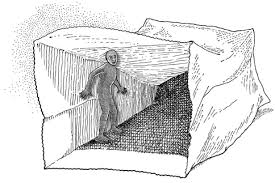
    Around 3.3 million Americans at some point in their lifetime suffer from an anxiety disorder. Roughly 19.2 million Americans wrestle with phobias.

    And anxiety often comes before depression.

    We’ve known this for years.  A very large study of thousands of female twins with major depression who all had various phobias — agoraphobia, social phobia, situational phobias, animal phobias — found that the most common phobia associated with major depression was agoraphobia.

    Another conclusion was that a “modest proportion” of the genetic vulnerability (remember these are twins) to major depression is shared with a genetic vulnerability to phobias. What’s more, the non-genetic factors — like  environmental experiences — that can predispose someone to depression, significantly makes a person more vulnerable to agoraphobia, specifically.

    Risk of Agoraphobia Highest After Trauma

    This means, if you’ve experienced something excessively painful, traumatic, and overwhelming in your life, your risk for agoraphobia is high. And the trouble with agoraphobia is that it isolates its victim…which makes the depression worse.

    So, you can see the link between anxiety, depression, and phobias. And you can also see that treating the anxiety can This man in trapped in paper bag needs to hear, Can overcome phobias IV ketamine.even prevent the depression as well as phobias.  But how?

    There are some medications that will relieve anxiety, as well as depression, in some people. But, as we’ve discussed so often, those antidepressants and anxiolytics don’t end the anxiety, they just reduce it…for some people.

    To the frustration of countless sufferers, the effectiveness of these medications for anxiety and/or depression is patchy… and it takes weeks or months for any given person to find out if she’s going to experience relief.

    Those weeks and months can be a dangerous waiting period for those whose misery is leading to thoughts of suicide.  And unfortunately, so many of these medications seem to stir up those very self-destructive thoughts.

    Can You Overcome Phobias…?

    Here’s good news. IV ketamine in low doses has shown consistent results in 80% of those who suffer with anxiety and depression where nothing else was effective. Nothing else brought relief.

    So, that’s how IV ketamine works on your backstory… it restores your brain to its optimum function by targeting the structures and systems in your brain that lead to anxiety…and depression. IV ketamine treatments focus their effects on those changes in your brain that happened when you were hurt, traumatized, shocked… and began experiencing feelings you want to avoid. When the phobias began. 

    And within minutes or hours of the infusion, suicidal thinking can disappear, and those thoughts are forgotten. In their place is relief, like a ton of weight has been lifted off the sufferer’s shoulders. The previously sullen, nervous, fidgety feelings dissipate during the course of treatment, and the power to enjoy life blooms.

    Three treatments a week for two weeks. That’s a typical treatment course. And your outlook becomes lighter throughout the two weeks of infusions. Lighter as the dread lifts. And lighter as the fear melts. Even lighter when the depression dissipates. Free of suicidal thoughts.

    A recent study published in the Frontiers in Cellular Neuroscience Journal demonstrated that long-term ketamine dosing can help erase fear memory … (which is what leads to phobias) … through DNA methylation of brain-derived neurotrophic factor.

    Another thing… You may have read about the “problem” that ketamine isn’t lasting.  But that’s the reason for the 6 session treatment protocol. Once you’ve had those 6 or so infusions, you’ll realize how much you really feel like the you Anxiety has lifted from this relaxed man. He says can you overcome phobias IV ketamine.that had been submerged all these years.

    Hope.

    Real hope.  And relief from the albatross that’s weighed you down.

    Fear. Dread. Nervousness.

    No more. Can you imagine??

    In some cases, we find it helpful to continue a monthly maintenance infusion. And that’s all it takes to give the freedom, energy, insights, and power to rebuild your life again.  The power to confront your fears . . . with confidence.

    Now, if you can’t remember when you were really yourself, without the sullenness, depression, listlessness, agoraphobia and more…  then you’re in for a treat. 

    Many patients say they’d lost sight of who they really were, of what it was like to be at ease. 

    It’s almost miraculous.

    If you’ve suffered from an anxiety disorder that doesn’t get better, or phobias that rob you of your freedom, call us or arrange an appointment. It’s our privilege to thoroughly evaluate you, your DNA, your history, to determine the best outcome for you.

    We live to see you well.  Let’s do this together.

    To the rediscovery of your best self,

    Lori Calabrese, M.D.

    Lori Calabrese, MD offers innovative psychiatric treatment like IV Ketamine

  • Breaking News: Another Way IV Ketamine SMASHES Depression

    Breaking News: Another Way IV Ketamine SMASHES Depression

    Another way IV ketamine smashes depression is by moving g proteins off lipid rafts in cell membrane.Another way IV Ketamine SMASHES depression

    Sometimes news is so hot it sizzles.

    It lures you away from whatever you’re into.  It captivates you.  And then — just face it — you think to yourself, with admiration, OMG.  You say to yourself … whoever came up with that is brilliant. They nailed it.

    Well, Mark Rasenik and his group from the University of Illinois Chicago College of Medicine nailed it.  They presented absolutely breathtaking work in May at the SBP meeting — the Society of Biological Psychiatry.  It’s the meeting where research is presented that is just so brilliantly conceived and executed that it’s mind-blowing.

    Rasenik’s work is like that.

    He and his group came in from left field with their brilliant discovery of a new way ketamine works which just might explain how and why it can begin to lift depressive symptoms in minutes.

    Understand ketamine’s talents, then get creative

    The goal was to learn what happens on a molecular level that causes IV ketamine’s fast depression relief.  Because, of course, someone wants to design a drug just as effective as ketamine but without its side effects. This is the ever-loving quest for new drugs that wannabe like ketamine.  

    Now, we’ve talked before about how IV ketamine acts on synapses to stimulate them to grow, branch out, and flourish — multiplying the numbers of connections between neurons that send signals deep into the brain. We’ve also talked about neuroplasticity, and how it’s key to this process that causes the brain to change.

    As new synaptic connections are built, and greater communication between brain cells develops, the brain gains the ability to see things in a different perspective, and your outlook becomes brighter and healthier. IV ketamine can jump start that process. Wait. No. It can turbo-charge it.

    How to Get Those G’s Back to Work

    So Rasenik and his team found that “g proteins” were packed on “lipid rafts” in the cell membrane with people G proteins on lipid rafts are moved off the raft shows another way IV ketamine smashes depression.who are depressed. In addition, their brain cell signaling is stifled, which may be the cause of that numbness depressed people experience.


    If this is you, listen up.  Numbness is no joke.

    They’ve demonstrated that when SSRI antidepressants are used, they move g proteins from lipid rafts (I love that visual…like the G’s are languidly floating on a raft in the pool…taking time off being lazy) very gradually, and back into WORK mode. Which is how SSRI’s help some people who are depressed — but it takes weeks or months for relief.

    You see, G proteins produce cyclic AMP, which is vital for the nerve cells to properly send their signals.

    And, Rasenick and his team noted that the movement of the G proteins under the influence of SSRI antidepressants, was gradual … over a period of several days.

    So, let’s take a breath here.

    The Many Talents of IV Ketamine

    We’ve talked about how IV ketamine stimulates neurons to flourish, grow branches, and become prolific with healthy connections for sending signals throughout the brain, especially into the deep brain structures like the hippocampus.

    Now, Dr. Rasenick and his team have discovered that IV ketamine also gathers up the tools the nerve cells need so they actually can send signals throughout this new and bountiful network of connections, or synapses.

    Those unemployed g proteins that were hanging out on the rafts, are pulled off the rafts and put to work to equip the brain cells to do their job.

    And they work fast.

    Remember how it takes several days for the g proteins to move off the rafts with an SSRI? Well, with IV ketamine, it happens in 15 minutes!!

    So … do you see why ketamine acts so fast to remove suicidal thinking and depression?Young man is relaxed as he benefits from yet another way IV ketamine smashes depression.

    I’m telling you, the more we know about IV ketamine, the more hope explodes with all of its potential.

    Letting Go of OLD Ideas

    There’s been a belief for years that ketamine’s one action was to block NMDA receptors.  (Boy, does that seem like the dark ages now!) But ketamine is the only drug that blocks NMDA receptors AND moves g proteins off lipid rafts. It’s a double whammy, a one-two punch!

    Once again, ketamine shows its highly targeted prowess in its assault on depression and its potential for assault on other psychiatric disorders.

    In addition, ketamine and other compounds like it, improve glutamate levels, which SSRIs really don’t touch. When the processing of glutamate doesn’t function properly, that also contributes to depression.

    So…wait a minute…that’s three actions ketamine uses to turn depression on its ear!

    Oh, and the fourth:  it turns on mRNA … to turn on DNA … to make more BDNF (Brain Derived Neurotrophic Factor) so that neurons grow new branches.

    The Four Ways.  Four different ways that ketamine smashes depression.  This has brought a level of excitement into psychiatry like nothing else.

    Someone should write a book.

    A full 80% of those who are treated with IV ketamine infusions in our Relieved and relaxed lady shows another way IV ketamine smashes depression.office respond, and many of those achieve complete remission of their symptoms. But, I’ve said before that it isn’t for everyone.  If it’s not for you, we have other treatments like TMS to help you get better.

    If you have symptoms of depression (chronic, recurrent, bipolar, postpartum),  PTSD, and treatment-resistant OCD and have not been helped by anti-depressants, call or email us to arrange an appointment for a consultation. We’ll thoroughly check you out, and analyze what we learn, to determine the treatment most likely to truly help you feel better. I don’t mean to reduce your current symptoms, but to actually get well.

    We’re Innovative Psychiatry.  (Um, you’d have to be to translate lipid rafts and g proteins into treatment that works in your office … )  And we’ll work with you to find the best steps that will help you get well and live the life you want to live.

    To the discovery of your best self,

    Lori Calabrese, M.D.

    Lori Calabrese, MD offers innovative psychiatric treatment like IV Ketamine

  • Could Ketamine Help Cure Depression?

    Could Ketamine Help Cure Depression?

  • No. 7 Medical Innovation for 2017: Ketamine for Treatment-Resistant Depression (Video)

    No. 7 Medical Innovation for 2017: Ketamine for Treatment-Resistant Depression (Video)

    Hope and Fast Treatment for the Severely Depressed.

    For one-third of U.S. patients with depression, standard medications aren’t enough. With nearly 43,000 suicides a year, the need for effective treatment looms large. In 2013, ketamine, a drug commonly used for anesthesia, was studied for its ability to inhibit nerve cells’ N-methyl-D-aspartate (NMDA) receptors. Within 24 hours of receiving ketamine, 70 percent of patients with treatment-resistant depression saw an improvement in symptoms.Cleveland Clinic experts predict that 2017 will be the year that NMDA-receptor-targeting medications become widely available.

    In this video, learn why ketamine for treatment-resistant depression is one of Cleveland Clinic’s top 10 medical innovations for 2017.

    [Read the Original Article]
  • IV Ketamine + Neuroplasticity = Relief, Relaxation, and Relishing Life

    IV Ketamine + Neuroplasticity = Relief, Relaxation, and Relishing Life

    Woman relishes a spring day after IV ketamine for her treatment resistant depression.I could use some of that.  We hear that all the time. Relief, relaxation and relishing your life can sound so far away … but it doesn’t have to be. As word gets out about IV ketamine treatment for depression and other psychiatric mood disorders, more and more studies are emerging.

    New information is surfacing about the effectiveness of this medication. And it’s inspiring more discussion, more research, and deeper understanding of the causes of depression.

    And there’s more.

    As evidence grows through research and clinical data, it seems clear that depression interferes with the neuroplasticity in the brain. Including diminished neurogenesis in the hippocampus and diminished synaptogenesis in the prefrontal cortex. In other words, depression messes with the growing neurons or brain cells and the synapses or connections that allow the neurons to communicate with each other.

    A big factor in this is that stress reduces an important growth factor called BDNF, or Brain Derived Neurotrophic Factor. Sort of a “compost” for neurons. Without BDNF, your neurons become tattered and sparse.

    They diminish in size and number … and thin out.

    When you’re depressed, these measly neurons with their poor synaptic connections just have a much tougher time communicating with each other … so there is less creative thought, if any. Well-being tanks. And your world becomes darker, less hopeful, and without future. It’s a bad place to be in.

    A brain that is well-connected is a brain that experiences creative thought and well-being. A brain in the dark is a depressed brain.

    IV Ketamine + Neuroplasticity

    Here’s where neuroplasticity comes in.  (Don’t let the word shut you down.)

    In this context, plasticity refers to the brain’s ability to change at any age … whether for better or for worse. So the term “neuroplasticity” refers to the ability of your neurons to adapt and remodel themselves. In the past 10 years or so, neuroscientists have come to understand that your brain is constantly remodeling itself throughout your life.  And when it remodels itself, it remodels its networks,  And because of that, it remodels how it works.

    So, to put it briefly, when you think dark and despairing thoughts, or angry and vindictive thoughts, day after day after month after year, this thinking actually reshapes and remodels your brain. It’s kind of shocking, really.

    The brain remodels itself.  Your brain remodels itself.

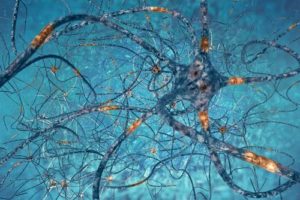
    This spectacular image of a neuron shows the rich prolific regeneration of neurons and synapses with IV ketamine + neuroplasticity.

    Dark, negative and hopeless thoughts have a detrimental impact on your brain’s structure and on how it functions. Your brain changes to fit your thought processes … to respond to your stressors.  By the same token, if you read inspiring and creative books, spend time with joyful people, and create joyful experiences, your brain can change over time for the better.

    The very structure of your neurons can change — in a lush way. Richly. For the better.  For your good.

    Wow.  

    This is where people say, “I want some of that.”

    Well, this is an oversimplification, of course.  It doesn’t account for all of the different factors, illnesses, and environmental influences that shape the way your neurons look and act — grow and function — but it IS an illustration of one way the brain can change. At any rate, It appears that one reason IV ketamine treatment is so effective for so many different psychiatric symptoms is because of the way it enhances neuroplasticity in the brain.

    Growing Your Brain Structure Garden

    For example, when you take the time to learn a new language as an adult, you’re putting parts of your brain to work that respond by growing to accommodate.

    A study of taxi drivers in London revealed that through the process of memorizing the streets of London to pass certification, that a specific structure in the brain enlarges to manage that information. The hippocampus is the memory center in the brain, and this study revealed that drivers who’d been driving taxis for decades had the largest hippocampi of the group.

    Just an example to show how the brain changes with the right type of stimulation.

    By the same token, the amygdala is the fear center in the brain, and it’s been studied extensively in childhood trauma, and in adult anxiety, depression, and bipolar disorder.  The newest research shows that the size of the amygdala can change rapidly in response to recent stressors — even in people who’ve never had any of the these conditions. The left amygdala was smaller in people who’d had a recent stressor — it didn’t even have to be longstanding or chronic. And the shrinkage was enough to be seen on an MRI.

    depressed man needs the relief from treatment with IV ketamine + neuroplasticity

    So here’s the point.

    Ketamine’s Rapid Action

    Ketamine acts rapidly in numerous ways, and its fast action is changing lives, as well as saving them. It stimulates changes in the brain that affect its structure and its function.

    One example is that it quickly matures new neurons so they’re functionally mature and doing their job within 2 hours. Traditional antidepressants just can’t do this.  As more neurons proliferate, mature, and migrate from the hippocampus into far-reaching brain regions, ketamine also stimulates the formation of more synapses, especially in the prefrontal cortex. The greater the communication throughout the brain, the better functioning the brain, and the greater the well-being of the individual.  You.

    The more synapses that are generated, the more neuroplasticity, or ability to change and grow, the brain will enjoy. And a growing, adapting brain provides a higher level of living and learning for you to experience. Plus a greater sense of joy and well-being.

    Let the Sunshine In

    It’s as if the proliferation of neurons – and the synaptic connections that empower them to communicate – opens doors and windows in the brain to let the light and fresh air in. This wonderful circulation of signaling gives the brain new thoughts, new hope, new relief.

    Basically, IV ketamine + neuroplasticity = relief, relaxation, and relishing your life.

    If you’d like to know more about innovative treatments for your psychiatric symptoms, please call for an appointment so we can evaluate what’s going on.

    Innovative Psychiatry is committed to help you find and develop your best self. Let’s work together.

    Joining forces with you to discover your best self,

    Lori Calabrese, M.D.

    Lori Calabrese, MD offers innovative psychiatric treatment like IV Ketamine

  • IV Ketamine: Doing What Prozac Can’t

    IV Ketamine: Doing What Prozac Can’t

    Man on top of mountains spreads arms in relief - IV ketamine doing what prozac can't.Excitement about IV Ketamine

    Recently, I shared my perspective about the consensus statement released by the American Psychiatric Association’s Council of Research on Novel Biomarkers and Treatments Task Force. Their statement was about the use of IV ketamine for treating mood and other psychiatric disorders.

    That Task Force, in its consensus statement, assured members of the APA that there’s compelling evidence that IV ketamine has the ability to provide rapid and robust antidepressant effects in patients with treatment-resistant mood disorders.

    Well, I was delighted to see that NPR published an article this past Monday, March 20, 2017, about Gerard Sanacora, M.D., Ph.D., Professor of Psychiatry at Yale School of Medicine, and his personal reflections on IV ketamine for mood disorders. You should read the article, too.

    Gerard Sanacora is a member of the same Task Force. He says he’s treated hundreds of patients who are severely depressed with IV ketamine and is excited about the results in these patients’ lives.

    He says doctors have asked him how he can use a medication when there is still unknown data about long-term use. 

    What Would You Do?

    His answer?

    “If you have patients that are likely to seriously injure themselves or kill themselves within a short period of time, and they’ve tried the standard Man with treatment-resistant depression needs IV ketamine doing what prozac can't.treatments, how do you not offer this treatment?” he says.

    Well, that’s how I feel, too, and why I offer IV ketamine infusions.  In good conscience, with what I know about ketamine, how could I not?  It’s what growing numbers of other psychiatrists are feeling, too.

    Ketamine has an effect no other medicine has had before. Within hours it can erase the suicidal thoughts of someone who’s been on the verge of suicide for some time.

    It removes the self-destructive thoughts, and the terrible mental images of death.  And it happens fast.

    This one extraordinary effect is changing the way we approach severely depressed individuals. There is something we can do to bring our patients relief from this dangerous, life-threatening symptom. And it succeeds in bringing them relief in 80% of cases.

    Dozens of doctors responded to surveys in the US and Canada, reporting that over 3,000 patients have been treated for mood disorders with ketamine. The good news is spreading, as well it should be!

    Even so, as we’ve discussed before, IV ketamine treatment has still not been studied in enough depth to answer some questions that remain unanswered. And that’s because of the lack of large-scale trials. Large-scale trials are needed. And with the attention ketamine is receiving from pharmaceutical companies, I expect those trials are just ahead.

    More Questions

    James Murrough, M.D. at Icahn School of Medicine at Mt Sinai in New York, worries that because of the lack of large trials, it’s not yet known how long a treatment regimen can be continued safely. And it’s true that it will take years of studies to establish that.

    From his perspective, that’s troubling because IV ketamine can wear off in a few days or a few weeks. Repeat infusions are necessary to prevent the return of depression. So, unless a form of ketamine is developed that lasts a great deal longer, we’ll need to continue giving those treatments to those who need them… until they achieve remission.

    But in spite of that, he strongly feels the case for IV ketamine is warranted and justified…much stronger than a few years ago. And so do we.

    Most Promising Since Prozac

    “There’s warranted caution that’s balanced with an optimism that says we’ve never had a new medication for depression since the era of Prozac,” Murrough says.

    IV Ketamine: Doing what Prozac Can’t

    No new medication for depression since Prozac!!!

    Treatment -resistant depression is relieved for this lady after IV ketamine doing what prozac can't.So just a quick review: Prozac emerged in the 1980’s and was the first of a “new class” of depression drugs targeting serotonin, one of the neurotransmitters.



    Prozac opened a world of possibilities in psychiatric treatment. But there have been far too many who suffered from mood disorders and were never helped by Prozac and its offshoots.

    Since then, sure, there have been new medications and new neurotransmitters that have caught our fancy — mine, too.  But no drug has has been more effective, more rapid, and more transformative — with an entirely novel mechanism of action — than IV ketamine.

    Period.

    IV Ketamine – Doing What Prozac Can’t

    Because ketamine acts on a different neurotransmitter than Prozac and other common antidepressants. Instead of Prozac’s focus on serotonin, ketamine acts on glutamate, another neurotransmitter that acts on a different system. Murrough says that because ketamine’s been so remarkably successful, the pharmaceutical companies are pulling old drugs off the shelf that act on the glutamate system.

    They’re as excited as we are at the possibility of creating a whole new class of more effective drugs for depression.Young man in orange hat lounges in the sun, reflecting over the years he spent in the dark with depression- IV Ketamine Doing what Prozac can't.

    So, there is actually a possible contender in the ring for ketamine being developed. Related to ketamine chemically, it’s called esketamine and is in testing. It’s not been considered by the FDA yet, but that’s not far off.

    And it’s one of a mountain of medicines in development that are related to ketamine, according to Gerard Sanacora.

    He also said, “This is probably the most interesting and exciting new development that I’ve seen in my career, and probably going back over the past 50 to 60 years.”

    And that’s certainly the case for me, too. For all of us who are seeing our patients doing better, looking better, and feeling better – after decades in practice.

    These are such exciting times in psychiatric medicine. I’m so thrilled to be a part of this life-changing and life – saving historical time. And I’m thrilled you are too.

    Until recently, our patients with treatment-resistant mood disorders weren’t getting better.Lady cries with treatment-resistant mood disorders, needs IV ketamine doing what prozac can't.

    Now they are.

    IV Ketamine is Changing – and Saving – Lives

    They’re living again, building fulfilling lives again, looking to the future with HOPE.

    If you know someone who’s been lost, sad, full of shame and despair, and just doesn’t seem to get better, there’s new hope now.

    Encourage them to call us, or call us yourself for an in-depth evaluation.  There is specific lab work we can do that will actually help us know if IV ketamine is likely to work and work quickly. It’s been successful with about 80% of our patients who have received infusions.

    IV Ketamine isn’t for everyone, but with appropriate screening, it may be exactly right right for you. It may be exactly what you’ve been waiting for.   And if you’re struggling with a treatment-resistant mood disorder, you owe it to yourself to find out.

    You can feel better.

    Much, much better.

    To the release of your best self,

    Lori Calabrese, M.D.

    Lori Calabrese, MD offers innovative psychiatric treatment like IV Ketamine

  • How to Stay Present Through Emotional Pain

    How to Stay Present Through Emotional Pain

    emotional painCoping with emotional pain may leave you feeling like life is passing you by. It can be difficult to remain focused on the present while you’re dealing with emotional pain, but it’s crucial to do your best to live for each day. If you’re having trouble staying present through emotional pain, here are some tips to help.



    1. Expose Your Fears

    At some point, we’ve all experienced the fear of losing control. Many people feel as though they have to control their feelings and emotions during trying times, but you need to let this go. In order to fully heal from emotional pain, you need to relinquish control by exposing your fears.

    2. Label Your Feelings

    Recognizing and labeling your feelings is another way to stay present through emotional pain. This allows you to fully understand what you’re feeling and why you’ve having those feelings. It greatly enhances your mindfulness because you’re focusing on what you’re feeling at that exact moment.

    3. Let It Out

    Sometimes, you just need to sit down and have a good cry to release all the emotions you’ve been carrying. Crying is a sign of strength and not a sign of weakness so don’t be afraid to let your emotions run down your cheeks. After a good cry, you may find yourself feeling a little better and able to focus more on the present than before.

    Dealing with emotional pain can be difficult but it’s important to remain focused on the present. Try your best not to let your emotional pain keep you from enjoying the little things life has to offer. To learn more about staying present through emotional pain, or to schedule an appointment, contact us at 860.648.9755.

    To getting you back to your best self,
    Lori Calabrese, MD
    calabrese-0510_g_crop

  • 3 Ways to Stop Repetitive Thoughts

    3 Ways to Stop Repetitive Thoughts

    repetitive thoughtsHave you ever had fast, recurring thoughts about a particular topic that you just couldn’t shake? You may be experiencing repetitive thoughts, which is a common symptom of anxiety. Psychiatrists sometimes refer to these as “ruminative thoughts.” Here are 3 ways to stop them.


    1. Write

    When you find yourself having repetitive thoughts, stop for a minute and write them down. Getting your thoughts on paper frees up your mind, allowing you to feel less anxious. Writing actually engages your mind and helps to reduce the power of your repetitive thoughts. You don’t have to forget about these thoughts entirely. Writing them down allows you to revisit them when you’re mind isn’t moving so quickly.

    2. Breathe

    You may find that your breathing changes during your bouts of repetitive thoughts. When your mind is racing, be aware and work to slow your breathing. Slowly breathe in through your nose, counting to 3, and breathe out through your mouth, slowly counting to 5. You’ll start to notice that your mind and body will be more relaxed.

    3. Focus

    When your mind is racing, it may be difficult to focus on anything but your thoughts. However, it’s important to focus on the present especially during times like this. Focusing on the present allows you to accept what you can’t change and let it go. As much as you may like to, you can’t change the past so it only encourages your anxiety to constantly think about it.

    Remember, it takes time to change old habits or develop new ones. Start slowly by choosing one of these tips to use the next time you find yourself dealing with repetitive thoughts. For more tips or to schedule an appointment, contact our office today.

    To getting you back to your best self,
    Lori Calabrese, MD
    calabrese-0180_G

  • 4 Strategies to Overcome Test Anxiety

    4 Strategies to Overcome Test Anxiety

    test anxietyIt’s that time of year when thoughts turn to beginning a new school year and thinking about how things may go. As a student, you may already be experiencing some anxiety about taking tests. Take these last few weeks to master these 4 strategies to overcome text anxiety!

    Plan Your Time

    You have a lot of material to study in a short amount of time, and that could make anyone anxious. How are you going to remember it all? The best course of action here is to make and keep a study plan. List out the tasks you need to accomplish and then break them into smaller, more manageable sub-tasks. This will keep you from feeling overwhelmed, and will keep you on task and focused on the material you need to know.

    Change Your Perspective

    Sometimes a change in perspective is all we need. See the test as your friend instead of your enemy. Embrace it and you’ll notice that the stress you usually experience may be a thing of the past. Stop all negative self-talk and focus on what needs to be done.

    Be Mindful

    It’s important to take time to regroup and collect your thoughts throughout the day. Being mindful of right here, right now is a great way to decrease your stress and anxiety. If the test you’re studying for is in a week, your mind may be flooded with thoughts on how you’re going to pass, when to study, how you’re going to retain the information you’ve learned, and so on. The practice of mindfulness doesn’t take that away; it just brings your thoughts and focus back to the present.

    Cover the Basics

    The basics consist of taking care of your basic needs; diet, sleep, and exercise. Eating a balanced diet will keep your body fueled with the nutrition it needs to stay focused and ready for anything that comes your way. Getting enough sleep is also essential as it calms your mind and body, which decreases stress and anxiety. Lastly, exercise gives you more energy and decreases stress.

    Education can be stressful for a number of reasons, but taking tests no longer has to be. Follow these 4 strategies to conquer test anxiety once and for all! For more information on conquering anxiety or to schedule an appointment, please contact our office today.

    To getting you back to your best self,
    Lori Calabrese, MD
    calabrese-0180_G

error: Content is protected !!