
Tag: Depression Treatment

  • 4 Ways to Ease Depression

    4 Ways to Ease Depression

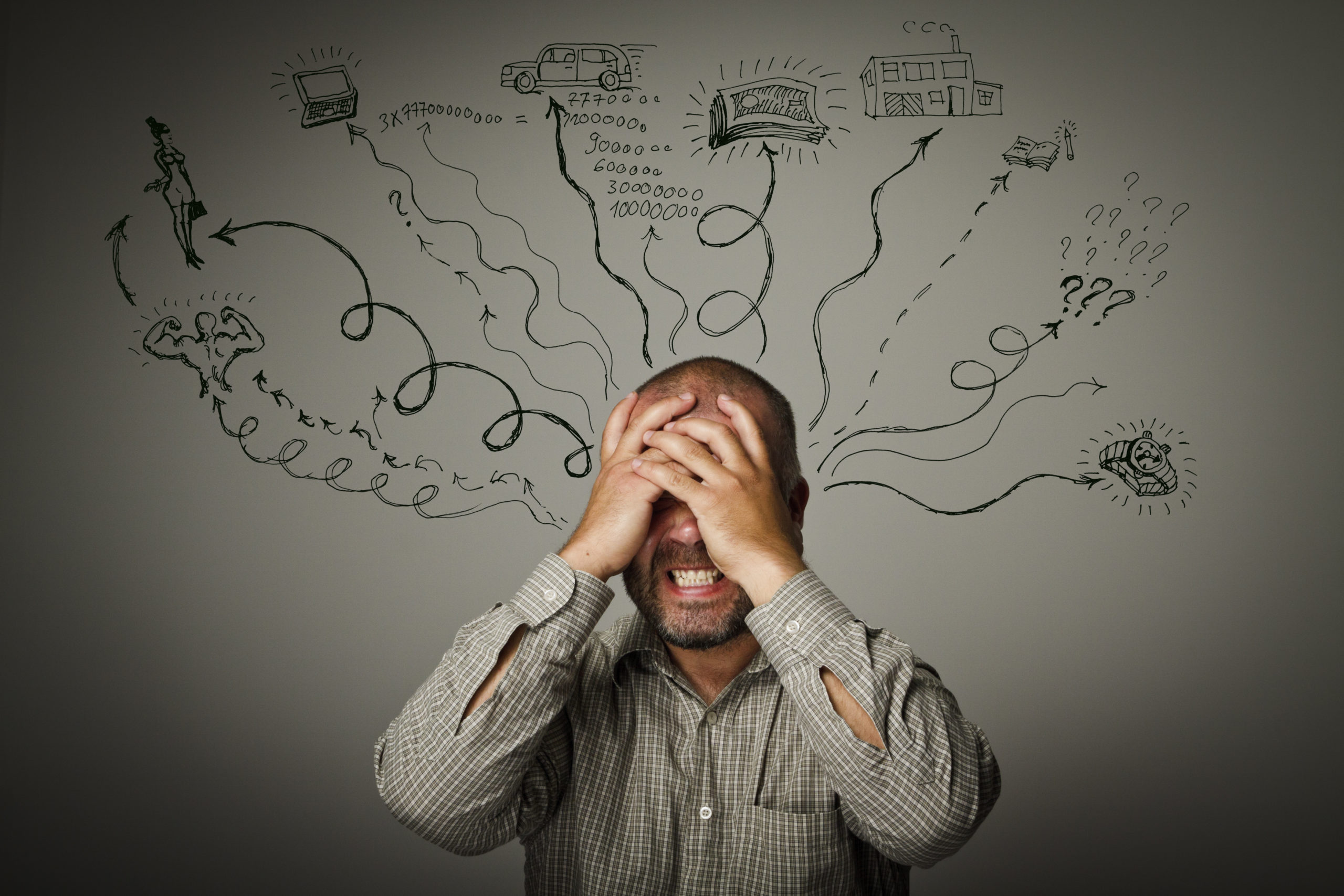
    ease depressionIf you’re battling depression, you know how debilitating it can be. It’s more than just feeling unhappy; it’s pervasive and it takes time to develop positive strategies to help lift your symptoms. While antidepressants and psychotherapy are the cornerstone of treatment, there are many tools that you use to help ease your depressive symptoms.

    1. Journal

    Journaling has a profound impact on your mood because it can work in two ways. You can write down all of your fears and worries to help ease and quiet your mind. You can also use journaling to remind you that things are never as bad as they may seem. Make a habit of jotting down a few things you’re grateful for each time you journal. Also try to make note of something positive that happened to you that day, no matter how insignificant you may think it is.

    2. Exercise

    Regular exercise isn’t only good for your physical health, it works wonders for your spirits. When you exercise, your body releases endorphins, which help improve your immune system and boost your mood and self-esteem. You should strive to get 20 minutes of cardio or weight work (something that gets you pumping) 5 times per week.

    3. Stop Negative Self Talk

    When you’re depressed, you may find that it’s easier to see things in a negative way instead of a positive one. You may blame yourself when things go awry because depression reinforces self-doubt. When your thoughts turn negative, get out your journal and jot down a few things you like about yourself. This will help you change your thought process and ease depression. Get on Twitter and follow Twitter handles that post motivational and inspiring quotes – there’s a bunch! They can give you a positive stream of hope and encouragement at the touch of a finger any time you need to nurture yourself.

    4. Listen to Music

    Music has healing powers that are often overlooked or easily dismissed. When you’re feeling depressed, turn on some upbeat music and you’ll notice that your mood can begin to improve.

    While these things can help ease minor depression symptoms, you should consult your doctor if your symptoms persist or worsen. To learn more about innovative treatments for depression, or to schedule an appointment, please call us at 860.648.9755.

    To getting you back to your best self,
    Lori Calabrese, MD

    calabrese-0510_g_crop

  • Post-Breastfeeding Blues

    Post-Breastfeeding Blues

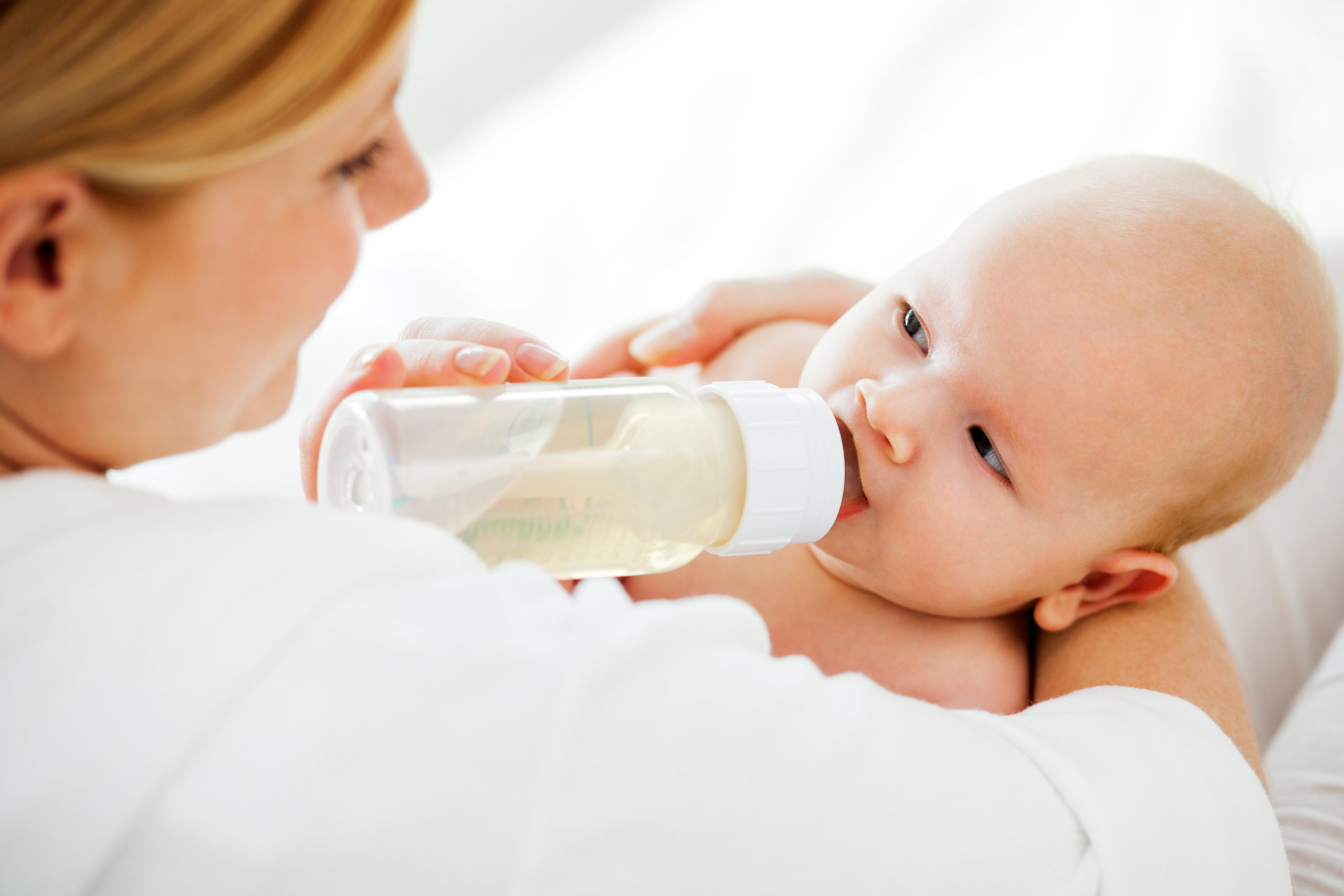
    breastfeedingThe time has come to start weaning your baby from the breast and you may be feeling a little sad. There are so many emotions that run through your body, especially when it comes to your child. If you are feeling a little blue as you stop breastfeeding, here are some things you need to know.

    What Causes Changes in Mood?

    While not much research has been conducted on post-breastfeeding mood changes, the consensus is that it is linked to hormonal changes in the body. When you’re weaning your baby off the breast, you experience a drop in prolactin and oxytocin levels. Prolactin is a hormone required for the production of milk but it also makes you feel calm and relaxed. Oxytocin is a hormone required for milk ejection and is often referred to as the love or cuddling hormone as it is associated with bonding and attachment. With the decrease of these two hormones, you’re likely to feel a bout of sadness.

    Can This Lead to Depression?

    It’s important to slowly wean your baby and yourself from breastfeeding to avoid an abrupt shift in hormone levels. If you suddenly stopped nursing, you could have adverse effects, which may lead to depression. If you have a family or personal history of depression, you may be more likely to experience it after weaning your baby.

    It’s important to note that having the post-breastfeeding blues is different than having depression. You’re going to feel a sense of loss and sadness during weaning and that’s okay. However, if you find that it’s not getting better or it’s interfering with your ability to care for yourself or your child, call us today at 860.648.9755 to schedule an appointment.

    To getting you back to your best self,
    Lori Calabrese, MD
    calabrese-0510_g_crop

  • IV Ketamine Therapy for Postpartum Depression

    IV Ketamine Therapy for Postpartum Depression

    postpartum depression

    Postpartum depression affects 1 in 7 women and can last for months if not treated. The symptoms of pervasive depressed mood, feelings of inadequacy and being overwhelmed are often accompanied by anxiety, irritability, inability to sleep despite exhaustion, inconsistent appetite, and intense isolation and guilt about experiencing these symptoms during what should be a joyful time. Some women have thoughts of harming themselves or intrusive thoughts of intentionally or unintentionally harming the baby.

    Treatment for postpartum depression includes support for the mother and baby, omega 3 fatty acids, bright light therapy, and acupuncture. Data on the effectiveness of these is limited, but some women have found them helpful. Multiple studies have found that postpartum depression responds to psychotherapy and to traditional antidepressant medications. However, psychotherapy can take weeks or months to help ease symptoms; antidepressants often take weeks to work and are transmitted to the baby if the mom is breastfeeding.

    Breastfeeding mothers with postpartum depression often agonize about whether or not to use antidepressants to treat their symptoms because they often don’t want to expose the baby to medication and don’t want to stop nursing in order to take a daily medication.  Yet they need rapid and effective relief–for their own health and the health and development of their babies. Multiple studies show that untreated postpartum depression affects mother-baby interactions and are associated with lower cognitive functioning and adverse emotional development in the baby. In these instances, IV Ketamine Therapy for Postpartum Depression can help.

    Explore IV Ketamine Therapy for Postpartum Depression Safely and Affordably

    If you have postpartum depression or know someone who does, IV ketamine can treat it within hours without requiring that you stop breastfeeding.

    IV ketamine is an extremely rapid, effective treatment for depression and 75-80% of patients respond quickly and dramatically to very low dose IV infusions. Although more research needs to be done, this makes IV ketamine therapy an exciting treatment option for postpartum depression, where getting better quickly is what every mom hopes for, and where restoring the health of the mother positively impacts the whole family.  Mood, negativity, hopelessness, anxiety and distractibility can improve within hours, and hopelessness and suicidal thoughts can evaporate. A series of low dose infusions over about 2 weeks can result in dramatic and complete remission of symptoms.

    Most women experience a mild floating feeling during the 45 minute infusion and lightheadedness, which clears within about 10 minutes.  Although other side effects are possible, they are rare, and have not occurred in our postpartum patients. We are careful to discuss and review these in depth with our patients, as well as the breadth of research that supports the use of IV ketamine in the treatment of depression.

    We Prioritize IV Ketamine Therapy for Postpartum Depression with Flexible Scheduling

    We offer IV ketamine infusions, called IV Ketamine Therapy, for depression and for postpartum depression, and we make it a priority to see postpartum moms.  We offer flexible scheduling in the late afternoon and evenings so that a breastfeeding mom can come in for her treatment and resume breastfeeding when the medication has cleared from her system so that her baby is not exposed to it.  We carefully calculate the time that it takes for ketamine to clear and work with our patients to plan breastfeeding or pumping around their treatments.

    This is dramatic and life-changing for new moms and their families and can be easily added to support, non-pharmacologic approaches and psychotherapy for the most robust and sustained result.

    If you or a loved one would like to learn more about IV Ketamine Therapy for Postpartum Depression, please reach out to our office. We are here to help restore you back to your best self.

    To getting you back to your best self,
    Lori Calabrese, MD

    calabrese-0510_g_crop

  • 4 Ways to Overcome Mental Exhaustion

    4 Ways to Overcome Mental Exhaustion

    mental exhaustionMental exhaustion often disguises itself as overwhelm and stress. If you’ve ever complained about not having enough time in the day, you may be suffering from mental exhaustion. Here are 4 ways to overcome it!
    1. Relax

    Relaxation is often elusive to many of us for one reason or another. It’s not enough to relax; you need to give yourself permission to relax. Don’t feel guilty about doing nothing. Your mind, body, and spirit need the rest so sit back and enjoy it!

    2. Be Realistic

    For many of us, our to do list is full of tasks we know we’re not going to accomplish that day. It’s time to start being realistic about how much you can get done during the day. Don’t overextend yourself with a full to do list. Leave some room for more enjoyable things, like taking a walk or reading.

    3. Practice Prioritization

    At the beginning of each day, choose the three tasks that must be completed that day. These are the most important tasks you should be focusing on, which help you prioritize your day. It’s also helpful to find more efficient ways of handling your tasks. For example, setting up your bills on auto-pay will take the stress off of you each month because you don’t have to manually pay them.

    4. Seek Rest Opportunities

    Rest opportunities are all around us but many of us are too exhausted to see them. While you’re waiting in line, try some mindfulness techniques or breathing exercises. Some mindfulness techniques include paying close attention to physical feelings, such as how your feet feel on the floor or in your shoes, how your shoulders feel (i.e. are they tense, back, hunched forward). These can be used in public, making it a perfect option while standing in line at the supermarket.

    Relaxing your mind and recovering from mental exhaustion is essential for good mental health. It’s important to take time for yourself, even if it’s just 20 minutes a day, to help you unwind and feel better.

    To getting you back to your best self,
    Lori Calabrese, MD
    calabrese-0180_G

  • Is IV Ketamine Therapy the Future of Depression Treatments?

    Is IV Ketamine Therapy the Future of Depression Treatments?

    Each year, millions of Americans are diagnosed with major depression. Not all of them will seek treatment, and roughly 40% of those who do will not respond to antidepressants.

    Fortunately, there’s an alternative to Treatment-Resistant Depression – IV Ketamine Therapy

    IV ketamine therapy relieves treatment-resistant depression.

    Ketamine is administered at a low dose by IV infusion, and it works quickly. Many patients feel the benefits within hours. Although it is not FDA approved for the treatment of depression, several studies have shown it to be safe and effective when used as an IV infusion in low doses.

    It’s not uncommon for doctors to go “off-label” in prescribing medications. That means they prescribe medications to treat conditions research has demonstrated the medication is effective for. The medication might not have been approved for that use, but the FDA often approves a given medication only once. Once it is approved for use, research and experience sometimes reveals other uses for the medication.

    Scientific studies have shown that even a low dose of ketamine administered IV can dramatically improve depressive symptoms. Symptoms like suicidal thoughts, loss of pleasure or interest in things, and decreased concentration tend to respond quickly. In fact, the rapid response to IV ketamine infusions can be life saving. Studies have shown that a single dose of IV ketamine often dramatically reduce suicidal thoughts.

    Patients with Depression Respond to IV Ketamine Therapy when Nothing Else Appears to be Working

    Low self-esteem, impaired sleep and appetite, overeating, decreased sexual desire, and other depressive symptoms also improve rapidly. With IV ketamine treatment, patients who’ve been unable to escape depression have a better chance. By putting lifestyle changes into place that help keep depression in remission, they can life more rewarding lives.

    It’s important to note that Ketamine is not a miracle drug. Although it’s effective for the majority of patients, it doesn’t always work for everyone. As we know, the treatment of depression is complex and the best outcomes occur when treatment is comprehensive and tailored to each patient individually.

    If you’ve been battling depression and feel as though traditional antidepressants aren’t working, it may be time to consider IV Ketamine infusions.

    For more information or to schedule an appointment, please contact my office today.

    To getting you back to your best self,
    Lori Calabrese, MD
    calabrese-0180_G

  • Can Exercise Ease Depression?

    Can Exercise Ease Depression?

    exercise-depressionExercise is important to our physical health but it’s also essential to our mental well-being. If you’re feeling down, one of the best things you can do is to get active. It doesn’t take much; a brisk 30-minute walk is sometimes all it takes to help you feel better.

    When you’re depressed, your brain doesn’t function like it should. In fact, depression shuts down the brain’s ability to adapt to new situations. Certain chemicals in the brain are limited that decrease communication in the brain during depression.

    During exercise, our bodies release endorphins and serotonin. Endorphins are a natural antidepressant and serotonin boosts mood. It also increases blood flow to the brain, which can cause an increase in memory and alertness.

    It has a number of physical and mental health benefits, including, but not limited to:

    • Increasing self-esteem
    • Gaining confidence
    • Creating a distraction from your nagging thoughts
    • Fresh air and sunshine to bolster mood

    Before you start any exercise routine, always check with your doctor to make sure it’s safe for you. In the meantime, prepare yourself for what you’ll do to burn calories and ease your depression symptoms. Think of activities you enjoy doing because making exercise fun means you’ll stick with it longer. Don’t forget to set reasonable goals for yourself and prepare for setbacks.

    While exercise is a great method to help you feel better, it may not be enough. You may still need an antidepressant, but that doesn’t mean you get to skip the exercise! Medication and exercise are a great combination and should be taken together.

    To getting you back to your best self,
    Lori Calabrese, MD
    calabrese-0180_G

error: Content is protected !!