Tag: IV Ketamine for Adolescent Depression

  • How Do You Disrupt a Fearful Memory? Learn to Erase a Conditioned Fear Response

    How Do You Disrupt a Fearful Memory? Learn to Erase a Conditioned Fear Response

    We’ve been talking lately about how neuroscience researchers explore for possibilities for better medicines. 
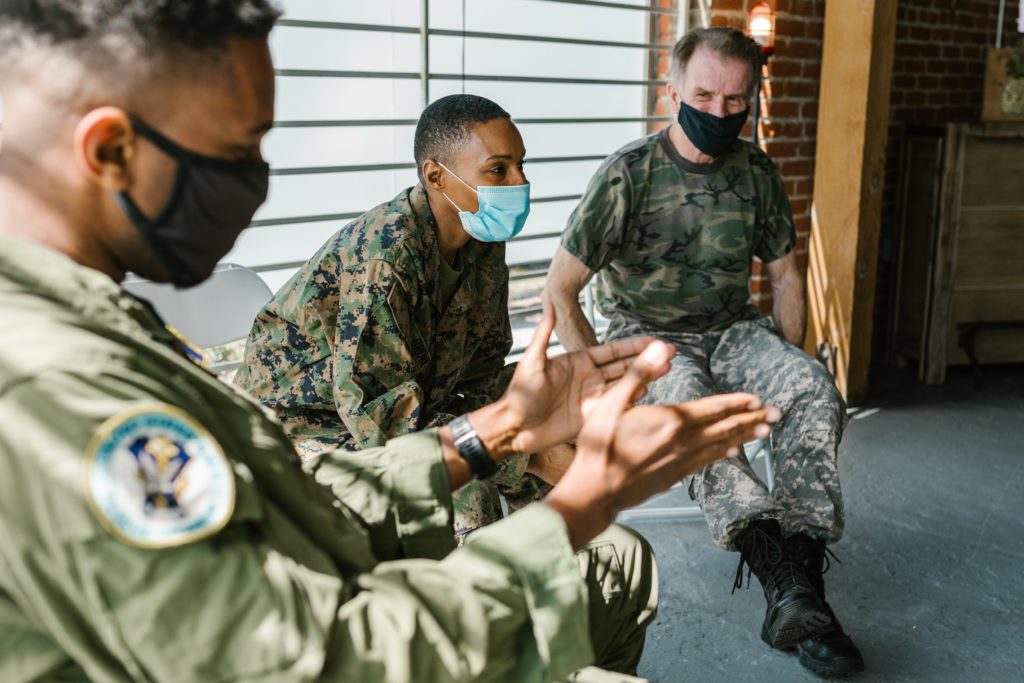
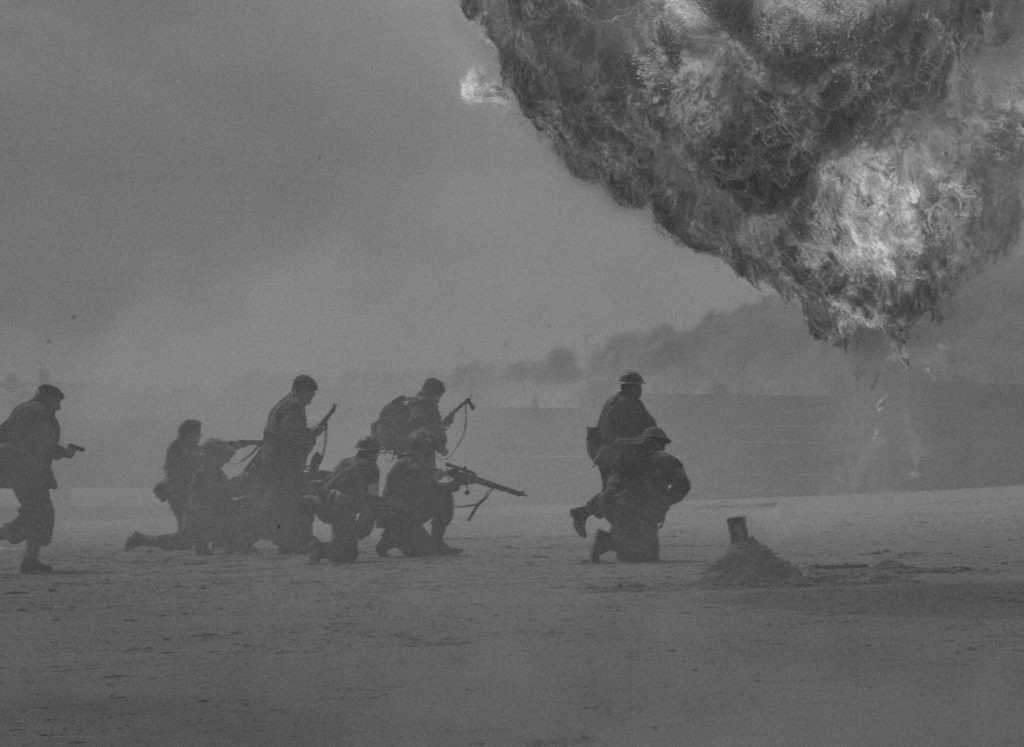
    Group therapy for combat veterans suffering from PTSD

    Lately, there’s been more work exploring fear and memories of fearful experiences, and how to erase those memories…or at least make the memories weaker. Those memories play a big role in anxiety, PTSD, and bipolar disorder. We talked about AKT. Now, a team of researchers at Texas A&M University led by Stephen Maren, Ph.D. recently published their work in Nature Neuroscience, and used prolonged exposure therapy in an effort to extinguish to erase or weaken conditioned fear response memories.

    These methods often work well for awhile…but in time about 50% of patients relapse and over the long-term the fear memories take hold with a vengeance.

    Briefly, the way these therapies work is to repeatedly expose you to situations, sounds, or other associations with the trauma, over and over and over… with the hope that, in time, the trauma is no longer triggered.

    But, unfortunately in many patients, remission from PTSD doesn’t last.

    So, knowing that these efforts don’t prevent relapses in some patients, Dr. Maren and his team have designed innovative experiments (in rodents) so they can test the possibility of disrupting the original fear memory… this is the memory that we think starts all the suffering in a person who develops PTSD. 

    How do you disrupt a memory?

    Because here’s the thing. The memory forms at the moment of the trauma…or in the 4-6 hour window that follows. This is a crucial time period.

    Keep in mind that the 4-6 hour period from the moment of trauma or shock is the period of memory consolidation, or when the memory forms.

    These skilled researchers sought to intervene during the period of time when memories are recalled due to a key stimulus …like a car backfiring… that might trigger a traumatic fear memory of assault, or combat…or a vehicle crash. This little window of time after a sound or other stimulus in the environment triggers the traumatic memory is called re-consolidation. The stimulus can result in reaction behavior… like hiding under a table… or striking someone nearby… or grabbing a weapon.

    Think of triggering memories by this method, like noises, as indirect retrieval. 
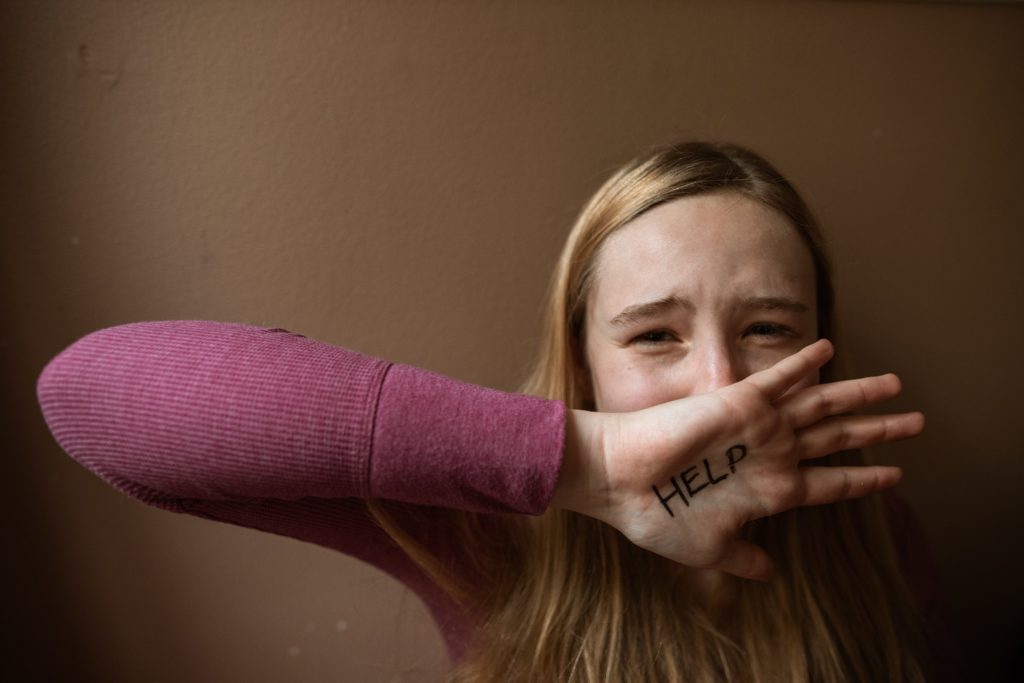
    Extinguish PTSD fear with erasing a conditioned fear response.

    But keep in mind that retrieving memories this way – by indirect retrieval – can help retrieve the traumatic memory but without an attempt to manipulate or otherwise change the original memory. The researchers’ intention is to retrieve that person’s response to it. To weaken or erase a conditioned fear response.

    …So back to the rodent experiment.

    Backward conditioning was a key intervention the team used.  It’s a unique and fresh method to get the rodents to retrieve their own trauma — a conditioned, context-dependent fear memory….without the subject being aware of the experience.

    Ok, so this is where it got reeeeeally interesting.

    With all this accomplished, they were facing 2 questions:

    1) Could they use neural tracing technology to identify basic circuits that were activated in this process?

    2) Could they intervene in such circuitry to see if they could alter the process of memory re-consolidation..to the extent they could alter or eliminate the fear memory and its potential to negatively impact behavior.

    Then, the team switched on cells in the hippocampal fear memory circuit, which caused the rodents to “freeze” because of prior conditioning to react with fear. 

    And, in the final stage of this experiment, the team used rapamycin to disrupt this particular circuit associated with conditioned fear memory. (Rapamycin is used to coat heart stents and to prevent rejection of transplanted organ tissue. Weird, huh? )

    Rapamycin interrupts the neuron’s ability to produce proteins that are necessary for the circuit to function. As a result, the inclination of the rodent to freeze in fear is weakened or erased altogether.

    And it worked. And they did succeed in associating fear memory reconsolidating with circuitry in the hippocampus. They did it!

    Basically, these researchers successfully interfered in a circuit to change an original fear memory… which is what begins and is key in trauma-related conditions like PTSD. By forcing the circuit to “forget” the fear, the “freezing” behavior can be weakened or erased completely.

    Like, gone.

    If you or someone you love suffers from PTSD… a painful fearful memory, that’s triggered by little noises, a sight or smell or other cues, this can be life-changing.

    Such an important step toward developing a new way to treat PTSD, or perhaps even substance or alcohol use disorders. Cues that trigger relapse might feasibly be interrupted in the circuit, to prevent it. 

    Heady, exciting stuff!

    Thankfully, as we watch this development unfold, we have IV ketamine treatment NOW. IV ketamine treatment that’s effective in treating PTSD, substance use disorder, alcohol use disorder, social anxiety… all cue-related conditions. And of course, it is robustly effective for treatment-resistant depression and bipolar depression, and there is new exciting evidence of how ketamine is effective in teenagers.

    It’s encouraging to see how research is exploding as we continue to seek treatments that can resolve devastating relapse and suffering.

    At Innovative Psychiatry, we are meticulous about our outcomes, present our data at scientific meetings, publish our own findings in peer-reviewed journals, and stay up nights and weekends reading. We are on the cutting edge for breakthroughs in psychiatry and neuroscience. You deserve to be treated by experts dedicated to excellence.

    If you suffer from any of these conditions, you would probably like some support, some help, and probably some treatment. We’ll schedule an appointment for you to come in and talk about your history, your current difficulties, and the possibility that you might be a candidate for IV ketamine treatment. We won’t be able to make a judgment about that until we talk.

    If you’re a candidate, you can come to our practice with confidence that you’re safe even in this ongoing pandemic. Our plasma cell technology for removes 99.99% all viruses, bacteria, and molds from our air and surfaces means you can relax and focus on your treatment… and getting better.

    Better days are ahead for you to live, dream, build, and hope.

    We really want that for you. And we’re ready to help.
    Lori Calabrese, M.D. is on the front end of the race to stop PTSD in its tracks using IV ketamine treatment.

    To the restoration of your best self,
  • Suffer from Postpartum PTSD?        Ketamine Can Bring Back Your Joy

    Suffer from Postpartum PTSD? Ketamine Can Bring Back Your Joy

    We say that childbirth is utterly natural. But the experience of giving birth doesn’t always go as planned. Sometimes there are surprises, disappointments, unexpected changes, fears, and excessive pain.

    A terribly painful labor or delivery can become a traumatic memory for a postpartum mom. Loss of the baby during the process can also create an unbearable trauma for the mom. Especially in situations where the infant doesn’t survive, the mom can be so deeply affected that the smell of baby powder or lotion can trigger a cascade of PTSD symptoms. Or the cry of a newborn baby. Mothers who suffer from postpartum PTSD can have severe reactions to triggers for months after delivery.

    Leanne has five children.  The first four of her deliveries were increasingly traumatic. In one case, the baby’s head was lodged at the side of the pelvis and after hours of pushing with no progress, she was moved to surgery for a C- section. This was the fourth delivery.  More about that one in a bit.

    With the first, she labored for 38 hours and when the baby was finally born, she tore through her rectum. Bonding with her baby didn’t go well, because she was in so much pain. Plus, she felt beat up, traumatized, exhausted, and unable to find any warm feelings for her newborn. (And too ashamed of this to say it out loud.) Eventually, over months, she began to improve.

    But within 7 months of that birth, she found out she was expecting again. She sat down and cried. She didn’t feel ready. The pain in her rectum had only recently subsided.

    Then, the circumstances of her second baby’s birth were also excessively painful. (We’ll leave out the details.) She began to feel like she just had terrible luck… or just wasn’t supposed to be a mother.

    From that time, she cried anytime her husband tried to touch her.  She couldn’t separate the suffering of the two births from amorous times with her husband. Leanne couldn’t face the risk of another childbirth. One day she was so angry, she slammed the dishwasher door hard over and over, then sat down and cried.

    Leanne’s husband quietly slipped out of the house and bought a new set of dishes.

    Leanne talked with her doctor, and he said that she suffered from Postpartum PTSD.

    Then, one day Leanne and her husband went to visit friends for a backyard cookout. They took the babies with them and really had a wonderful day. That night, they were both relaxed, and enjoyed cuddling. One thing led to another…

    And soon enough, Leanne was pregnant with her third child. She’d been in therapy for 2 years at that point, so she was guardedly optimistic…but on shaky ground.

    This time, unfortunately, the crisis was placenta previa… specifically the placenta was overlapping the opening of the womb to the birth canal.  Once she began to dilate, portions of the placenta broke free, causing a rush of blood loss. She started to hemorrhage.  She panicked, called her husband, called her doctor, called her mom. ( If only she had called 911…but she was too shaken to think clearly.)  Of course, her husband was on his way, and told her to call 911 NOW.  She called 911 then called a neighbor to come stay with her little toddlers. She was rushed to the hospital, unconscious when she arrived. Doctors went to work hoping beyond hope they could save both mother and child.

    Thankfully both mother and child survived, but again, Leanne was exhausted, shaken, and shut down. She just couldn’t relate to the baby.  She was overwhelmed with guilt that her mistakes had come so close to causing the baby’s death. 

    Even though Leanne and her husband were committed to living a natural lifestyle, and had never used birth control, she just felt she couldn’t go through this again.  But he stood strong about not using birth control. So she used the best form of preventing pregnancy she could think of. Anytime her husband touched her or was affectionate, she pushed him away…or sometimes she just fell to the floor in a heap, weeping her heart out.

    She had times when she just began to tremble and couldn’t stop. One day she dropped a jug of milk that spilled and splattered all over the kitchen. Then she had to pull herself together to clean it up. Who else would?

    By this point, she tried to be a good mom to her innocent babies, but so much of the time she felt vacant. Other times she felt angry. Then, there were times when she had such anxiety that she didn’t dare drive, even to the grocery store.

    If you suffer from postpartum PTSD, ketamine treatment can help.

    She managed to avoid pregnancy for two years. Her marriage had become volatile. She just couldn’t be calm to communicate with her husband. Everything was falling apart.

    Her husband suggested they let the 3 kids stay with Grandma and Grandpa, so they could take vacation to somewhere peaceful. They took a week in Jamaica. It was wonderful with swimming, great food, walks on the beach, and local music. (And those drinks with umbrellas! She loved them!) So many sites, smells, and friendly people. They both believed this was just what the doctor ordered.

    On their 5th night, they danced to local music, and drank more umbrella drinks than they realized…  They found their way to their room and collapsed in bed. The next day neither of them remembered how they got there. In their inebriated state, their celebration led to baby-producing activity. So rare for them, at this point.

    You guessed it…baby #4 was on the way.

    Leanne home-schooled her children, so by now she was doing lessons with babies #1 and #2.

    At least on the days she was functioning. But her anxiety was pretty high.  How could she take care of these children when she was so shaky?  A few times during the pregnancy she experienced a panic attack. Her therapist was working with her to help her work through the anxiety.

    Bless her heart. This was the delivery we mentioned earlier. The baby’s head seemed to be stuck to the side in her pelvis and they couldn’t get the baby to move into the birth canal. It was the last straw for Leanne. She had a full out panic attack during the latter portion of her labor. She was standing up in her bed and screaming and crying. No one could calm her. She just wasn’t rational. She was terrified. So they did an emergency C-section after putting her sleep.

    When she emerged from the anesthetic, she was disoriented, surprised to learn her 4th baby was born and doing well in the nursery.  Her doctor encouraged her to rest before they brought the baby to see her. But she just withdrew.

    Leanne had had dreams of being such a natural “earth mom” …she’d started out wanting to give birth to her children at home. But each childbirth had been too risky to continue at home. She felt cheated. Angry. Beaten. Each labor and delivery was a nightmare.

    All her plans for meaningful home births had been vanquished. She knew she suffered not just from postpartum depression but from postpartum PTSD … and she just didn’t know what to do about it.

    Her doctor had advised Leanne and her husband to consider a tubal ligation during this C-section but she had been far too distraught for a decision like that. So he encouraged them to consider it later, to give her a chance to  recover.

    While they were “thinking” about it, she got pregnant once again. She told her doctor she definitely wanted the tubal ligation done during her final C-section. As it happened, this 5th birth went smoothly as a C-section, and the tubal ligation was completed in the same procedure.

    She was able to bond with her new baby peacefully, and she enjoyed him so much. 

    A wonderful, simple, easy, planned C-section — with no crash carts, hemorrhages, horrible images, horrible fears, horrible pain. Why couldn’t it replace all those awful memories? Why did they shake her up during the day, and infiltrate her dreams at night? And why did every little thing seem to be a trigger? The kids were healthy, right? They were OK, right? She was OK, right? Well on that one, no…she was really not ok. She still suffered from postpartum PTSD symptoms — and all the treatment she had had over the years hadn’t made a dent in it.

    So when a friend encouraged her to consider IV ketamine treatment, Leanne grabbed her phone, and started trying to learn what ketamine can do for postpartum depression and postpartum PTSD. She made the call.

    Scheduled her appointment. And left the children with a babysitter. 

    After the first infusion, she felt no different. Same after the second. After the third she decided to cook a new recipe for supper. Such a little thing, right? But it was such a big deal—she hadn’t done that for months. (Ketamine can restore initiative and motivation.) After the fourth, she could feel rays of hope inside her. Almost like rays of sunshine, she said.  By the time she went for the 5th infusion, she was calmer. No longer shaking. And although there was still anxiety, she was becoming hopeful. She had good days and bad days. But there was improvement. She could feel it. She just wasn’t there yet.

    So she went for a 7th infusion…and then an 8th. By this time she went for her 8th infusion, she had joy. She felt free of the fear and anxiety.  And as the days passed, she felt more resilient all the time.

    She became her old self over the next several weeks — felt happy, calm, fun-loving. (Oh wow, when was the last she she’d felt that?) She had patience with her children, she had creativity in home schooling them, she enjoyed socializing. She also had the initiative and motivation to clean up the house and invite another couple with kids over for dinner — outside, on the patio. 

    Leanne hadn’t felt this good since her first baby was born.  

    If you suffer from postpartum PTSD, try ketamine treatment. This mom found her joy again after she did.

    She also found the patience, wisdom, and determination to work with her children in family therapy in hopes of improving their security with her and building the bonds that suffered with these pregnancies and deliveries. 

    And she was thankful that her husband was still at home so they could work together with a marriage counselor to strengthen their relationship.

    IV ketamine treatment has developed a track record for helping women who suffer from postpartum PTSD to achieve remission. Choosing to seek out this treatment was a wise move for Leanne to make. At the same time, it’s important that you understand that ketamine is not for everyone. (There isn’t anything that works for 100% of people 100% of the time.) But ketamine can be transformative for most people who are suffering from severe postpartum PTSD, depression, social anxiety, bipolar depression, postpartum depression, and more.

    Innovative Psychiatry provides IV ketamine treatment for postpartum PTSD.

    At Innovative Psychiatry, we’re experts in psychiatry, in postpartum disorders, and in all the treatments available for them—including IV ketamine—and we work with you to map out the best course of treatment for you. We have the protocols and — incredibly important — the technology to protect you from viruses including COVID-19, bacteria, and molds, so you can come for your treatment with peace of mind. You can breathe easy…even if you haven’t for months.

    If you suffer from postpartum PTSD, don’t keep toughing it out. Call us.

    We’ll set up an appointment to talk about your history and current symptoms and all the things we need to know to determine if you’re a candidate for IV ketamine treatment. You deserve the care of a specialist.

    Don’t hesitate to call. Get your hope back. And the power to enjoy your family.

    We want to help.

    Lori Calabrese, M.D. is on the front end of the race to stop PTSD in its tracks using IV ketamine treatment.

    To the restoration of your best self,

  • Pandemic Anxiety Depletes Bandwidth You Need to Cope With Stress of Living

    Pandemic Anxiety Depletes Bandwidth You Need to Cope With Stress of Living

    We’re all weary of hearing about COVID and mask wearing precautions. Aren’t we?

    About the negative impact of isolation. And while we see improvement on the horizon through wide spread vaccinations, there are still imminent risks, and new cases as well as deaths every day. Those risks add to your daily stress in ways you may not realize. Pandemic anxiety depletes your bandwidth for coping with daily living. The story of Carolee and Jacob illuminates the kinds of stressors that can go on behind closed doors…

    Carolee and Jacob walked the two blocks to the grocery story to pick up food for dinner. They were discussing a news story they’d read on the internet about how some states are lifting mandates for COVID precautions, like wearing masks, social distancing, and use of hand sanitizer. They liked walking to their neighborhood store when they could, just for fresh air and exercise.

    Since they passed a number of people on the sidewalk as they walked, they always wore masks, even when they were outside.

    Carolee expressed her frustration that those particular states were lifting the requirements, in spite of the fact that each governor had strongly encouraged citizens to continue to use precautions on their own.  

    Of course, there will be those who step up and “discipline themselves” and maintain the precautions. But she knew there would be so many… so so many…who would not. Her frustration and disgust exploded.

    “WHY?????  Why would they drop this requirement before we’re ready for it?  People aren’t going to do the right thing. They’re going to just be glad to be rid of it all and do what they want to do for fun!  And the cases will start growing…and more will die… and….”

    You Can’t Control Everyone… Just Yourself, Right?

    Jacob squeezed her hand and tried to soothe her. “Carolee, you know there are already so many who don’t follow the rules. But you and I can only do what’s best for us…Don’t you think it’s futile to struggle about everyone else, when it’s something we have no control over?  It’s really not worth you getting wound up and shaken about something you can’t control…is it?

    “It’s about bandwidth, Carolee. The amount of information your brain can receive…like per second. We’re flooded with so much more to consider about every detail of life than we’ve ever had to. This pandemic anxiety depletes the bandwidth we need just to get through every minute, every hour. We have to find ways to tamp down our own response to things, so we have more energy for everything else.”

    Jacob knew that Carolee hadn’t been sleeping well lately. She seemed to wake up frequently, sometimes walking through the house wringing her hands.  Sometimes just pacing. Staring out the window. Standing out on the patio.

    They’d talked several times about how the COVID-19 variants were spreading, asking questions about whether the new vaccines would be effective with the variants… About how long they were waiting on the list to get their own vaccines. Each time they talked, they agreed to let it go, for their own peace of mind.

    But that was easier said than done.

    To make matters worse, Jacob was feeling more and more worn down by the stress of the pandemic, his work responsibilities, and Carolee’s meltdowns.  He knew she would get past them, but he found himself worrying about her more and more. He needed to find a way to relax. In addition to Carolee, Jacob sure needed some relief.

    Worry. Worry. Then worry some more.

    Life was already full when COVID-19 came along. People were already stressed with daily responsibilities to job, family, faith organizations, maintenance of home and car, children and their struggles.

    When the pandemic appeared on the horizon like a vast dark cloud of pestilence, it pervaded everything.  Those aspects of life that were so routine and required little attention, came to require acute attention often overloaded with a sense of panic with fear of doing it wrong. 

    A psychiatrist wrote in Psychiatric Times about the fear and guilt she experienced when she stopped by the bank for cash only to find the drive-through banking not yet open. So she wrestled with herself about whether to go inside the lobby or park and wait  an hour for the drive-through to open. She went inside, but worried about whether she had been exposed to COVID-19 and  who she might expose through the day as a result. She worried about it all far more than she normally would have.

    Kate Murphy, a NYT journalist, made the point that your brain is overburdened by this pandemic. That things you normally relegate to your brain’s autopilot now require serious thought and risk analysis. And…as a result, you have less bandwidth for higher order thinking.  

    Less bandwidth.

    Isn’t it true?

    And those pandemic anxiety reactions eat up bandwidth.

    If you’ve depleted yourself through a panicky reaction to forgetting your mask when you MUST buy groceries, or driving through for a meal but your hand sanitizer is empty…how can you eat without sanitizing your hands?? Or you’re trying to cope with working from home and the kids are jumping out of their skins from cabin fever??

    What do you do when you keep hitting your thumb with a hammer?

    Those bandwidth-eating reactions are similar to hitting your thumb with a hammer, over and over and over…  because more and more damage is done. You can hardly cope with everything else when your thumb is screaming in pain, you know? You just have to step away from the hammer!!

    Then, if you’ve already been taking medication for anxiety, and the exponential expansion of anxiety caused by the pandemic sends your worry and panic through the roof, well, you have difficulties you hardly know how to manage.

    There was a time before the pandemic was anticipated, that worrying about little things blew up into worrying about disasters in your mind, and as your  grandma would say, “Honey, you’re borrowing trouble and making a mountain out of a molehill.”

    But now, the ongoing stream of changes and increased risks you face everyday can result in outright panic for some, and on a lesser scale, confusion and exhaustion…and dread. This pandemic anxiety just depletes your bandwidth for life.

    You probably know people who have contracted COVID-19. You may have seen some who experienced extremely mild symptoms, if any at all. Still, you may also know someone who experienced serious or extremely severe symptoms. Maybe you know people who have died.

    If you’ve known more than 1 person who has died, your anxiety about death may have filled you with alarm. Alarm about masks, about social distancing, about making sure OTHERS are doing what they’re supposed to be doing.

    And what’s more upsetting than people who won’t comply?? You just have to step away from that hammer…

    The more traumatic your experience has been, the more anxiety you may feel about the risks. On the other hand, if you have not known anyone who was hospitalized from COVID-19, exposure may not seem like a great risk to you at all.

    Unique Pandemic Trauma and Loss Requires More Bandwidth

    Either way, you need to be grounded. To let the world take care of the big solutions while you manage the challenges of your daily life. To help with that, take daily walks – wearing your mask! — but get out in the fresh air and sunshine. Take a friend or family member along and talk. Take care of YOU. Then look after your family.

    Pandemic anxiety depletes your bandwidth for your own life. Right now, you need all the energy and mental clarity you can get just to get through life, day by day.

    Because YOUR life needs to go on.

    Still, if your medications and fresh air and exercise don’t help at all, then you may need help getting your symptoms of depression, bipolar depression, PTSD, and suicidal thoughts under control. Then maybe… you should consider IV ketamine infusions.

    Since IV ketamine treatment is at the front lines transforming people when nothing else has helped, it may be an obvious next step for you. And receiving these infusions is a relaxing and comfortable experience. With your remission as our goal, your dose will be titrated according to your individual response during each infusion.

    Pandemic anxiety depletes bandwidth for coping with COVID, but you'll not be exposed to viruses in our office. You're safe here.

    At Innovative Psychiatry, we’re working every day to respond to the call for helping people who are against the wall in this pandemic. If your own bandwidth for coping with the demands of COVID on top of the demands of your life is growing slim, you’re not alone. A vast mob of stressed out, overwhelmed, exhausted, and depressed people surround you. You have to decide what to do about it, if your efforts toward exercise, fresh air, and medication have become futile.

    In that process, it could be that the results of stress have depleted your ability to cope anymore. You may need to reboot. You may need a remodeling project in your synapses to increase your synaptic plasticity. To relieve your symptoms of depression, PTSD, or suicidal thinking. To give you fresh bandwidth.

    For your safety, we’ve installed state-of-the-art technology that utterly removes and destroys COVID-19 and viruses and pathogens from the air and surfaces. So you don’t have to spend bandwidth on your safety, when getting treated is so important for you. Just one more thing to lighten your load. You have enough on your mind.

    If this sounds like you, and you’d like to discuss IV ketamine treatment, call us.

    This pandemic has been hard for everyone. You’re not alone. And we’re here to help.

    We look forward to talking with you and working together for your relief.

    Lori Calabrese, M.D. is on the front end of the race to stop PTSD in its tracks using IV ketamine treatment.

    To the restoration of your best self,
  • Keep Your Eyes on AKT: It Might Explain How We Learn and Forget Fear

    Keep Your Eyes on AKT: It Might Explain How We Learn and Forget Fear

    You may hear people say, “Antidepressants and other psych meds just don’t do anything…”

    Some people say, “…placebos work better…” Oh please. But why do they say that?  Maybe their own experience with prescribed medicines was disappointing. So — of course — they’re disillusioned about these medicines. We get it. And we know that any given medicine that works for some people won’t help some others at all, or might even make them worse. Sooo… what’s up with that? Well, the answer isn’t simple. We do know that antidepressants,when first prescribed, only help about 30% of depressed people. We know that psych drugs help some people but not others and that men and women can experience depression and anxiety and fear differently. It’s a tangle to unravel it all. That’s why we’re so excited about new developments. We want to keep your eyes on AKT because it might explain how we learn and forget fear.

    Meet Jill and Greg to see how differences affect their well being and livelihood:

    Jill and Greg own a coffee shop together and are partners in life as well. They have a great balance of power, in the tasks they divide between them and the strengths they each bring. Greg is a people person, creative, funny, and efficient at both designing new drinks and training staff to make them just right. Jill is a numbers person, and sometimes comes off a little stiff and awkward, because she just doesn’t have Greg’s gift for setting people at ease. She also has some social anxiety going on.

    She does ordering from suppliers, closes out the books every night, and keeps a close eye on profit and loss. They’re a perfectly matched pair and love working together. That is, as long as they’re both at their best. With Greg building relationships with customers and vendors, and Jill keeping the financial end sound, they really do provide strength for the weakness of the other.
    Unfortunately, they both suffer from disorders that periodically causes some lost time at the shop. When that happens, the one who is doing OK ends up carrying a double load. And both of them struggle with anxiety… or basically fear on some level.

    Greg was diagnosed with bipolar II disorder when he was a teenager. Jill was diagnosed with depression in college. She’s a worrier. He just explodes sometimes—and refuses to call it anxiety. Greg takes medication for mood stability that also has an antidepressant effect. Jill takes an antidepressant that only sort of works. They probably both need medicines that reduce anxiety.

    In a perfect world…

    Since their coffee shop venture requires all hands on deck to run smoothly, Jill and Greg are eager to find the right meds for both of them to help stay in the game. They need to be able to go in to work—they can’t afford not to. It seems to Greg that since his medication helps him as much as it does, Jill should ask her doctor to prescribe the same for her. She’s a nervous wreck! However, she knows enough about changing meds that she can’t just jump on another medication just because it works for Greg. She’s tried that before. It didn’t work.

    At this point, Jill has tried five different antidepressants over the past few years, and has researched enough about IV ketamine treatment that she wants to talk to her doctor about whether she’s a candidate for it.

    Considering something new takes a little bit of courage. She wasn’t sure what her psychiatrist would say. A visit with her psychiatrist surprised her–he was cautious but supported her trying something that might help. Jill decided to pay for it out of savings, because her bouts of severe depression were taking a toll on the shop and their income.

    She arranged for treatment and began infusions. When the treatment was complete, she had received 8 infusions over about 3 weeks, and she felt like she had a new lease on life. Her ketamine infusions seemed to wake up her brain. And that got better and better day by day — even after she completed treatment. She found she enjoyed singing and dancing, and painting became her new passion. When they had a problem in the shop, she had so many more ideas for solving it. Working on the book work was no longer a drudgery–she enjoyed it and got more accomplished in a shorter time.

    Jill and Greg’s life became so much better at work and at play. Greg still had slumps when his meds weren’t quite holding him, but their life was so much better overall. They had read that ketamine treatment could help bipolar depression, too. Maybe the next time he went through a bad bout of that, Greg would talk to his doctor about it. To see if it was right for him—not just to copy Jill.

    Finding the right medicine for you is sometimes a long search. And medicine that works for you may not work for your sister…or your son. But it’s well worth the work researchers do to better understand why.

    A research study at the University of Colorado Boulder offers one fascinating revelation about why those differences between people and genders might exist.

    It has to do with a key protein kinase in the brain called AKT…which functions differently between males and females.

    They found presence of a certain form of AKT (called an isoform) in male mice can help the male let go of fear from a past painful experience–and form a new adaptive response to get around the old fear. Wait, what? Doesn’t that remind you of the way synaptic plasticity helps you adapt?

    Ok, you’re right…mice aren’t people and it doesn’t work quite that way…. but AKT is remarkably similar across mice and humans and this kind of translational research can begin to give us specific information to make our medicines and medical care more specific. Potentially even gender specific.

    So you’ll do well to keep your eye on AKT because so much is being learned about how we learn and how we forget fear.

    By figuring out the very complicated cascades involved in creating synaptic plasticity, we may be on the verge of figuring out how to shape and foster the neuroplasticity–for the better.

    We may be able to personalize medication therapies so that they don’t just broadly address a disease state, but so that they can be specific for the man or woman who needs them. 

    Charles Hoeffer, the principal investigator of this study, said it like this: “We need to stop hitting every ‘disorder’ with the same hammer.”  Well said! (Wish I had said that!)

    We’re always talking about personalizing treatment. About how important it is to provide treatment that fits the individual. Just as that’s true with all of the fine details involved in ketamine treatment, it’s also true with all of the medicines we prescribe.

    So… about AKT. 

    It turns out AKT plays a lead role in synaptic plasticity. We’ve talked about that too…  The idea that the connections between cells in the brain can change and adapt. They can change and adapt as a result of an experience. (This is why trauma can change us.) But — so importantly — these connections can also grow, change, and adapt as a result of the deeply emotional experiences, like the incredibly deep and awe-filled experiences you can have during a ketamine infusion. So many of our patients do. We’ve talked about how taking advantage of that process by scheduling psychotherapy 24 hours after a ketamine infusion can enhance the effectiveness of the infusion. 

    Why? Because therapy helps you think differently about something…and synaptic plasticity empowers those changes in thought. Many of our patients also find that journalling, creative writing, meditation and other activities help to integrate those experiences into their lives, find meaning in the experience, and move forward. Keep your eyes on AKT… there’s so much more to learn.

    AKT helps you create memories. Like a child touching his hand to a hot stove. To encode that memory so that he will be cautious in the future around hot burners, his brain needs to activate protein kinases like AKT.

    In fact, AKT is one of the first proteins to present itself to form a memory like that.

    There are 3 main variants, or isoforms, of AKT and they do different things and affect people in different ways (More on that in a sec!)

    AKT1 is important in encoding new experiences and allowing you to forget the old.

    AKT2 is often found in the astroglia…which are star-shaped brain cells.

    AKT3 seems to be important in brain growth and development. This one plays a positive role in mental health and wellbeing. 

    And when AKT1 and AKT2 are working together in the prefrontal cortex, they’re vital for learning, for memory … for dynamic change.

    Maybe like the kind of dynamic change that you want for yourself. So yes. So many different forms, working singly and sometimes together, in ways we are only now just beginning to understand for people suffering with psychiatric disorders.

    Now. To add another twist to this picture. In this study, researchers found a dramatic difference between genders regarding AKT. 

    They found that male laboratory animals whose AKT1 was functioning well, had far more ability to replace unwanted memories with new ones…than those who were missing AKT1. 
    Draw that out for a moment now…. and imagine men who’ve experienced the trauma of illness, or assault, or combat… and imagine for a moment that they’re given the opportunity to experience something new — maybe hopeful, blissful, awe-filled, like they might during a ketamine infusion — and then the excitement of realizing that a tiny little protein kinase like AKT1 may play a part in helping to encode that new feeling. Turn it into a new memory. Make the old traumas fade. (That’s called extinction learning.) Teeny little AKT1 helps with this. In males. 

    Incredible.

    There are endless little nuances in your brain that translate your experiences, encode them, and shape your synapses…and your individual functioning. And maybe your future possibilities.

    AKT is one to keep your eyes on for sure.

    We keep learning, keep researching, and keep doing all we can to help you get better.

    (Let’s just say we read all this stuff for fun–at nights, on the weekends, and at 5 am with a double shot of espresso.)

    And at this point, serial titrated IV ketamine infusions still do the best job we’ve seen in bringing relief to more people with treatment-resistant depression and anxiety than just about anything else available today.

    But ketamine treatment doesn’t work for absolutely everyone. Is it because of AKT or something different? We don’t know. Not yet. Researchers like the ones at Boulder are still searching to understand the nuances of dendritic growth and synaptic plasticity in order to refine our treatments–and discover better ones.

    At Innovative Psychiatry, ketamine treatment is provided in a virus-free environment.

    At Innovative Psychiatry, we personalize treatment to fit you — all the complexity and all the wonderfulness of you! And we aim for remission. Not just response. That’s the reason we titrate your dose, duration of the infusion, and the number of infusions you need to help you discover — once again — your best self.

    When you struggle and suffer from the symptoms of disorders that can be tormenting and exhausting, getting treatment is paramount. And feeling safe is critical — so we have state-of-the-art technology that crushes 99.999% of all viruses and pathogens. During this pandemic we want to make things easy. We all need a little bit of easy.

    So now, reach out for IV ketamine treatment in a safe atmosphere where this treatment can help you live better, hope more, and enjoy the challenges and relationships in your life that give your life meaning.

    You can live a life of joy, fulfillment, accomplishment, and ongoing hope.

    If your meds have not been providing you relief from symptoms of depression, despair, PTSD, or suicidal thoughtscall us.

    Let’s talk about what you’ve tried that didn’t work. And if you’re a candidate for IV ketamine treatment, we can begin that.

    Even though ketamine treatment isn’t for everyone, it just might be a good fit for you.

    We’re here to help.

    Lori Calabrese, M.D. is on the front end of the race to stop PTSD in its tracks using IV ketamine treatment.

    To the restoration of your best self,
  • Repeated Ketamine Infusions Relieve PTSD Symptoms – New Study

    Repeated Ketamine Infusions Relieve PTSD Symptoms – New Study

    New study demonstrates that with repeated doses of IV ketamine, relief can last up to several weeks.

    A deep unfamiliar voice behind Sarah made her jump. In a flash, she turned and bolted down the stairs she’d been climbing, turned left, then left again, knocking into people in her path as she scrambled for a place to hide. A mad dash took her into the restroom, where she locked the door and turned off the lights to hide in the dark. Screams sounded as darkness enveloped the room. Her heart was pounding, sweat pouring from her scalp, down her face, her torso…her armpits. She willed her breathing to slow…so the man pursuing her would not hear her panting gasps. (Poor Sarah. She’s suffering… if only she knew what repeated ketamine infusions relieve…)

    Three women exploded out of their stalls complaining about the lights and searching for the switch. Sarah pushed past them to an empty stall and stood on the toilet seat with the door locked so her feet couldn’t be seen below the door.

    Sarah’s vision blurred as sweat poured into her eyes. With a quick swipe, she wiped the moisture from her eyes and forehead. And waited. Silently.

    By her watch, she saw time passing. She heard women come and go from the restroom…heard their quiet conversation…  but she waited, hands trembling.

    After 45 minutes crouched with feet on the toilet seat…Sarah began to feel calmer. It washed over her that she’d been hiding in a public restroom for close to an hour… and now she was late to work. 

    PTSD is Not Only Terrifying, It Seriously Interferes with Daily Living

    Again.

    Oh noooo.

    Reality settled in. After washing her hands without incident, she cautiously opened the door and saw nothing unusual outside the door. She began to realize that it had happened again. Like countless other times. The sound of that voice triggered her memory of the assault…and it was so real. Except it wasn’t. 

    She was surrounded in the trauma again. 

    And that was the problem. Yet again, she would clock in late and be reprimanded for it. There must be help to conquer the PTSD symptoms that had emerged after she was assaulted 2 years ago. She had to find peace. Sarah wanted her life back.
    Desperately.

    Repeated Ketamine Infusions Relieve PTSD Under Controlled Conditions

    PTSD can be so entrenched that it is very difficult to relieve — even with therapy, special trauma-based therapies, SRI’s, or a combination of approaches. Very early work with ketamine–and the brilliant neuroscientists behind those studies–showed ketamine could reduce PTSD symptoms.

    A recent study from the Icahn School of Medicine at Mt. Sinai published January 5, 2021 has made splashing news among ketamine researchers and clinicians as the first randomized, double blind, placebo-controlled trial of repeated ketamine infusions for chronic PTSD. Adriana Feder and her team deserve applause and admiration, and have just set the bar higher for ketamine clinical trials.

    It was brilliantly conceived, elegantly executed. Well done.

    Patients with chronic PTSD that had gone on for years, from a variety of traumas, were separated into two groups. One group received 6 ketamine infusions (3 times a week over 2 weeks); the other group received an infusion of midazolam, which was the “placebo” in the trial, but it is was an active placebo–it made them feel something but it wasn’t ketamine.

    Ok, now this is important: if you have PTSD, or if someone you love has PTSD, you want it to stop. That would be remission, and that would be ideal. But in the world of PTSD clinical research studies, researchers look for response, and response means a 30% decrease in your symptoms.

    That’s how response is defined, and that’s how it was defined for this study: 30% improvement. It doesn’t seem like a lot of improvement, does it? Unless your life is a nightmare. Then a 30% reduction is a lot of improvement.

    As it happened, 67% of those in the ketamine group responded after 6 infusions …  compared to only 20% of those getting the placebo study drug.

    A significant difference.

    And possibly even more exciting than that 67%, those who received ketamine infusions experienced significant improvements across 3 of the 4 PTSD symptom clusters: intrusions, avoidance, and negative alterations in cognitions and mood.

    So, Repeated Ketamine Infusions Relieve PTSD

    Dr. Feder and her team — and all of us, truly — are encouraged by this kind of outcome, and of course, call for more infusion studies using more infusions as well as trials using ketamine infusions combined with trauma-focused therapy. In fact, we can and are imagining all kinds of studies we’d like to see for PTSD — different infusion parameters, different infusion doses, titrated infusions, new medications, new therapies. The GREAT news is that relief for PTSD is under investigation and more effective treatment is on the horizon.

    Formal Studies Help to Establish Credibility

    Now, it’s important to note that for a study to be replicable, it’s required to use clear protocols and consistent dosing. In real world practice, we have the duty and the responsibility to treat each patient as an individual for the best possible outcome. Sometimes that means using a teeny, tiny dose, tinier that you would imagine; sometimes it means titrating the dose to get a better response.

    Medicine is a science and an art.

    Since we’ve learned that effective depression relief requires different treatment for different patients, and effective ketamine treatment often requires different ketamine doses for different patients (and different conditions), we might expect the same to be true for PTSD.

    The ketamine dose for each of the 6 infusions dose in this study was 0.5 mg/kg — the same dose used in the single-dose and early repeat-dose studies of treatment resistant depression.

    But we find clinically, and from our own published work, many patients with depression need higher doses to stop suicidal thoughts, to achieve remission, and to restore hope.

    By the way, notice that in the trial above, 67% of participants benefitted from ketamine infusions: they experienced a 30% drop in their symptoms. Ketamine is wonderful for those it helps — when it helps — but for reasons we don’t fully understand yet, it doesn’t help everyone. And it didn’t benefit everyone in the study. Ketamine is not a treatment that works for everyone. There isn’t anything that works for everyone.

    In real life practice, we can titrate. By that I mean that we use our expertise, in addition to evidence-based scientific results, to adjust the infusion dose during treatment (within certain parameters) to try to bring forth the most effective results for you.

    Because your treatment, of course, is about you. It’s all about you.

    New Studies, like this one with a Series of Ketamine Infusions for PTSD, build our Brain Trust about Ketamine so that We Can Provide More Relief to More People Who Need It

    One size may fit many, but not most, and one size never fits all.

    At Innovative Psychiatry, we treat PTSD with repeated titrated IV ketamine treatment. And we use our deep expertise with ketamine in psychiatry and in the treatment of trauma to give you the best possible results. We’re thrilled that randomized, controlled trials are now investigating this so carefully. Research underscores safety, efficacy, and credibility. The more researchers learn, the more we can help you.  

    If you’ve suffered with PTSD and other treatments and medications have not helped, repeated ketamine infusions may help remarkably. 

    And remember, until the COVID-19 pandemic has moved to another solar system (just kidding! — but wouldn’t that be great?),  we’re prepared to keep you safe when you’re here with us. We have the technology to keep the SARS-CoV-2 out of the air, and off of the surfaces in our office. We’re vaccinated, we’re tested regularly, we screen everyone. (And we keep the front door locked!) When you come for treatment, you can breathe easy. 

    We want you safe, and we want you relieved of PTSD and other symptoms.

    Because, like Sarah, you need a life that is free to develop. A life that’s not interrupted with unmanaged symptoms.

    And we want that life for you.

    So you can follow your own dreams, and build the life you want to build.

    If you suffer from PTSD and nothing has helped, call us.

    In fact, if you suffer from treatment resistant depression, bipolar depression, anxiety, suicidal thinking and nothing has helped, call us.

    Let us work with you to help you transform and enjoy your life.

    Lori Calabrese, M.D. is on the front end of the race to stop PTSD in its tracks using IV ketamine treatment.

    To the restoration of your best self,

  • Reduce Stress and Stay Safe This Holiday Season

    Reduce Stress and Stay Safe This Holiday Season

    Although some things are easier said than done…

    Cecilia and Ben have been working remotely since March 2020, so they both work in their home. They’ve faced the challenge of setting up work spaces in their home so they both have privacy for their online meetings. It took some doing, moving furniture, opening up areas and storing what they could when they’d rather be relaxing on the weekend. It’s all been about reduced stress and staying safe and healthy.

    So they’ve adapted. And have designed their lives around working remotely in their own spaces. For their own wellbeing and for everyone else.

    They’re very careful about avoiding exposure to SARS-CoV-2, the virus that causes COVID-19. Twice a month trips to grocery store with gloves and masks. Very cautious. 

    Cecilia also has concerns about managing her bipolar disorder. With the help of medication, she manages fairly well. But she and Ben are careful about avoiding stressful situations to help with her stability.

    They were invited to share Thanksgiving with Jake and Robin, Cecilia’s brother and sister-in-law…so they discussed–again, at length–how careful Jake and Robin were about isolation and precautions, and were assured they were extremely cautious. Both couples agreed to a COVID test the week before the holiday.  All four tests came back negative.

    Halfway through the day on Thanksgiving, they were enjoying a quiet time together chatting as they prepared the meal.

    Suddenly, the doorbell rang.  Jake and Robin looked at each other puzzled as if to say, Are you expecting anyone?  No… are you?

    When they answered the door, a jovial group of 8 more people roared Happy Thanksgiving!!! and charged through the door. The eight people included the Robin’s cousin, his wife, their 5 children, and Cecilia’s elderly mother.

    Jake and Robin stepped out of the way, baffled, shocked, and horrified; Ben and Cecilia were equally horrified. Grandma came in with her walker. Four children ran through the house, and a baby in a carseat wailed from her position on the floor.

    After quick greetings, and well-intended but strained smiles, Jake asked the parents of the wild offspring if they’d had recent COVID tests and they laughed and said, “No, of COURSE not!!  Don’t you believe that whole COVID propaganda, Jake!! Relax! It’s Thanksgiving and it’s time for family!!!”

    The new arrivals then commenced to talk about a party at another cousin’s house a few days before and what a great time they had.

    A party?  How many were there?”

    They held their breath.

    “Aww, I don’t know… 30 or so. You should see Tom’s oldest. She is really grown up!”

    So Robin said, “You know what? We love you guys and it’s great to see you…but we take this pandemic pretty seriously. We each got a COVID test last week to be sure we didn’t have the virus to expose to each other.

    “We don’t want to hurt your feelings but until this COVID thing is resolved, we’re not letting anyone be here in the house who isn’t carefully isolating, using precautions, and can show a negative test result. We’re really concerned about Mom, too, because she’s high risk–she’s vulnerable to the virus and all kinds of complications. And she’s being exposed to you guys today. You’ve been with at least 30 people who may or may not have COVID, so now she has been exposed to those 30 people, too.

    “To tell you the truth, you should all put on masks, and you should take her home. We can see that you don’t feel as cautious as we do, but we just have to protect our health and others the best we can.”

    With bruised feelings, the cousins and Grandma all accepted masks to wear and loaded back into the car. They weren’t happy about being sent away without welcome. To say they took it personally would be an understatement.

    The following week, Callie got a phone call from her mom.  Her mom had not been feeling well for a couple days, so she went to the ER. With a history of heart trouble and asthma, she was worried. The hospital COVID test was positive, and Grandma was admitted to the ICU. Within 4 days, her breathing had deteriorated, and become very difficult, so her diagnosis was upgraded to COVID and pneumonia. Doctors said it was grave.

    About the same time, Ben started feeling symptoms of severe fatigue, shortness of breath, and intestinal cramping. Cecilia drove him to a drive through testing center for another test. It came back in two days — positive.

    Ben was the sickest he’d ever been. So weak he could barely walk to the bathroom. Cecilia tried to keep him quarantined in the bedroom. And she wore a mask and gloves and washed her hands often. After about 16 days, Ben began to improve. And Cecilia was weary and discouraged.

    Cecilia’s daily calls to the hospital to check on her mom were frightening. Heartbreaking. Her mom was now on a ventilator. And her cousin’s wife was also sick with COVID.

    After taking every precaution, Ben and Cecilia still found themselves exposed to COVID and were facing the possible loss of her mother. Their fear and grief were only surpassed by their profound frustration and powerlessness. They really thought they could reduce stress and stay safe for Thanksgiving.

    You just never know, do you?

    But all the more difficult, Cecilia’s bipolar depression symptoms were rearing up in the face of the deep frustration she felt. First frustration, then anger, then rage…at her cousin who ignored all the warnings and put her mom and everyone else at risk. 

    She could feel her mood moving from neutral to a dark melancholy… bipolar depression was looming… she could feel it coming on.

    Oh no. How would she get through this and when her mom was in ICU? What if her mom died? It was all just too much. Her hope was dwindling. She felt both agitated and defeated… Even though she didn’t contract COVID, those around her who did played a role in her own condition worsening.

    Reduce Stress and Stay Safe at the SAME Time

    We’ve talked about how stress has become a traditional element of the holiday season, as we’ve allowed our traditions to become obligations. And how the stress that results from all those insurmountable obligations actually creates misery, sickness, and destructive conditions like depression and anxiety symptoms. So that to reduce that stress we need to make some hard decisions that put relationships and our own peace before the race to “get it all done.”

    We’ve also talked about how this holiday season 2020 is unique because COVID cases are increasing so fast that we’ve been asked not to travel, and to limit the gathering in our homes to those who live there–and possibly one or two who’ve tested for COVID and received a negative result, and who are extremely careful about isolation and protection.

    Of course, this appeal ricocheted around the internet and news media before Thanksgiving, and some heeded it.  Many others ignored it. 

    Aside from the precautions for limiting spread of the virus that is causing the COVID pandemic, there is another issue that deserves attention. That’s the tension, anxiety, and depression symptoms that can be relegated to the ongoing news about the virus and the damage it can cause. 

    Add to that the conflict that arises when individuals hold opposing opinions about their decisions for celebrating the holiday… and the disagreements that erupt. Yikes.

    This time of year is celebrated as a time of giving and receiving love and connection with friends and family. To worship true to your conscience, and hopefully be refreshed. Don’t you agree?

    So what can you do when friends and family stir up conflict?

    We all know someone who stirs up conflict wherever they go. The Button Pusher.  
    Then there are those who find their fuel by subtly inflicting guilt. We love them but we hate the guilt trips. 
    And every group has someone looking to push the crowd into doing something they don’t want to do…

    Yours isn’t the only family with these delightful people. 

    Aren’t you glad?

    The Good News. Disconnect your buttons before you have contact with the Button Pushers… Turn off your guilt switch and let the guilt purveyors buzz away while you walk away. And those Mr. Pushy types?  Just say NO.

    This is a year to consider fewer gifts and more emails, cards, letters, especially those cards with pictures enclosed or attached. Share your news without exposing yourself, your family, or the vulnerable family members to potential illness.

    Let the pandemic die down.  Give the vaccinations some months to do their job.  And let’s save Winter 2021 to hopefully move around the country and spend time with those we love.

    Reduce Stress and Stay Safe — Enjoy the Holidays and Enter 2021 Healthy and Happy

    And… if your efforts to reduce stress and stay safe are undermined like Cecilia’s and Ben’s were, you have options. They may be as simple as isolating and watching Christmas movies together, with popcorn and mugs of hot chocolate. But if you symptoms rise and intensify, if your medications aren’t effective in managing your symptoms of depression, bipolar depression, PTSD, alcohol use disorder, substance use disorderIV ketamine treatment may be a very real and lasting help for you. It doesn’t work for everyone — because nothing works for everyone — but it can be extraordinarily effective even when everything else has failed.

    With a series of titrated ketamine infusions personalized specifically for you and your response, you can feel like your best self again. Think back to the last time in your life when you were at your best self for a good stretch. Ketamine treatment can help you feel like that again.

    It can be amazing, and has a remarkable effect on the structures in your brain. You can feel restored, with the energy to give your best on your job and in your relationships, with improved creativity. And hope.

    At Innovative Psychiatry, people with these conditions and more come through every week. We have an atmosphere we keep safe from the spread of COVID due to 21st century plasma cell technology we’ve installed that destroys the COVID virus in the air and on surfaces. With the technology available anywhere to keep our air and surfaces COVID-free, and meticulous procedures in our office, you can come for treatment with confidence, and relax in a quiet private treatment room with reduced stress where you can stay safe.

    Above all, take very good care of yourself, your health, your outlook, and the wellbeing of your family.

    We care about you, and we’re here to help you experience relief of symptoms and the power to enjoy this time of year by enjoying what you love and those dear to you.

    If you want to see what IV ketamine treatment can do for you, call us.

    We understand and can help.

    Lori Calabrese, M.D. is on the front end of the race to stop PTSD in its tracks using IV ketamine treatment.

    To the restoration of your best self,

  • Why is Depression in Teen Girls Increasing So Fast??

    Why is Depression in Teen Girls Increasing So Fast??

    Depression in teen girls might be reduced by less social media and more involvement pets.

    Juliette stopped in her tracks.

    She could see from halfway down the hall that her locker had been trashed. Covered with photos, markings, and fake blood, it looked like a crime scene. As she got closer, she could see printed photos someone had taken of her while she was dressing in P.E. She ran to the locker and yanked off and crumpled the photos as fast as she could. (With friends like this, it’s no wonder there’s a rise in depression in teen girls.)

    As she stood staring at her locker frozen, her face burning with humiliation, she couldn’t think… Then, in one sweeping motion, she pulled all the trash off her locker door and wadded it up. 

    Only then did she look up and see the bystanders, the sidelong glances, and hear the snickering muffled giggles of her “friends” gathered around watching.

    She grabbed her books, slammed her locker door and shot off to class.

    Juliette sank into her seat, head down, heart-broken, and wondered why??  Who did this and why?  

    She felt betrayed, angry, heartsick. And abandoned.

    She didn’t say a word for the rest of the day, just kept her head down and shot out the front door when the bell rang to go home.

    Her mom was waiting outside, and Juliette jumped in the car, put her face on her lap and said, “Drive!”

    “What’s the matter, Jules?”  Her mom was alarmed.  She’d never seen her 13 year-old like this. 

    “Just drive.”  

    So her mom put the car in gear and did.

    Teen Trauma Triggered by Ridicule and Humiliation

    Once home, Juliette flew upstairs, slammed her door, and locked it. She dug her phone out of her purse for the first time since she saw the locker. Two hundred and thirteen messages. She wondered if there might be apologies… so she opened one …then another.

    NO apologies. Total strangers making jokes, rows of laughing faces, some even calling her crude names. The photos she saw on her locker had gone viral. All over Instagram, Pinterest, facebook…

    Her friends were silent.

    She thought she would die. How could she ever show her face in that school again? She could never leave her room again. She covered her head and sobbed.

    “Jules..?  Honey, are you OK?  Did something happen?”

    “Mom, I just want to be alone.”

    This isn’t something my parents can help with. I’m alone with this nightmare, she thought.

    So a traumatic experience begins to fester…

    Scenes like this aren’t uncommon if you have kids. You got her into ballet at 3, then gymnastics at 5, then soccer at 7. Always hoping to help her gain confidence in herself, to help make the transitions of childhood to adolescence, and adolescence to adulthood advance more smoothly. To help her develop an anchor within herself that would see her though the storms, and the things that others did.

    And your happy, socially-balanced child does great with her activities, her friends, slumber parties, and sports events.

    Until the day she’s publicly humiliated.

    The humiliation can happen on Snapchat, Facebook, Instagram, and other social media sites. It can happen in text messaging. Or it can happen at school and at slumber parties.

    And, while the cruel embarrassments and humiliations children and teens impose on each other are terrible — and seem almost insurmountable for some students– it’s what follows if they can’t get past it that can be life-threatening. 

    Believe it.

    Depression in Teen Girls Can Be Deadly

    Sometimes, what we parents see is a child, preteen, or adolescent, who is acting differently.  Who won’t talk to us. Since we don’t know what they’ve faced at school, we may be clueless about the trauma they’re experiencing. We may think they’re just being moody teenagers.

    Sadly, the trauma may cause such a deep pain that they can’t find words to “get it off their chest…” So they may isolate, huddle, and try to figure out how to cope on their own.

    An experience like Juliette endured isn’t usually a single event. There’s the aftermath. Someone in her shoes may skip school for a few days until she can muster the courage to step out and go again. But even when they do go, there are whispers, snickers, more text messages. 

    And sometimes even more incidents that go from bad to worse. 

    The stress continues, long after we parents think it should be over.

    Or we may never know it happened in the first place.

    And as we often talk about, prolonged severe stress can result in that pruning of the dendrites and dendritic spines that destroys synaptic connections between brain cells. And depending on how severe the pruning is, and how long it continues… the outcome is often depression.

    “But she’s a kid…” you may think. “She doesn’t have severe stress. How could she?”

    It’s an unfortunate miscalculation to think that a child can’t experience severe stress. Her world is her reality. And she’s been building that world since she can remember. If everything that makes her world a warm and inviting place of support, caring, and acceptance is disassembled and left in shambles, then her world is shattered. 

    And as her parents, you can’t fix it. 

    That’s not to say you can’t be a comfort and a support. But no one can fix her world for her but herself.  A pretty daunting task for a devastated 13 year-old.

    It turns out that teen depression rates have been increasing for years, but the rate of depression in girls is rising faster than it is in boys.

    Teen Depression is Threatening Our Children

    Girls and boys. But is there difference in how much and how often it strikes? Why are teen girls becoming depressed more often than boys?

    For one thing, by the age of 15, girls are actually twice as likely to become depressed as boys. It’s surprising, isn’t it?  …but there are reasons. 

    The smart phone, for instance. By the mid 90’s, both boys and girls were using them. And those babies born by then were the first generation to live out their entire lives in the age of smart phones. Those babies are 25 this year. 

    Let’s hear from those young women, shall we?

    A team of researchers analyzed 3 surveys that included 200,000 females in the US and the UK.  And…they learned some things.

    For example:

    Fill a classroom with 25 teens, and give them the freedom to use their smart phones. Then, walk up and down the aisles and glance at their screens. You know what you’ll see, first thing?

    They’re not doing the same things.

    The boys are playing games… on their smart phones, or talking about sports, and texting each other about the games.

    The girls?  They’re texting, and on social media.  What are they texting about ?  Their appearance, their clothes, their hair…and someone else’s appearance, clothes, and hair. 

    And when one sends off a text, she’s reassured that she’s accepted when she receives a response right back. No pauses.

    If there’s a pause before she receives a response…because maybe the other girl is in the restroom, or is carrying too much in her arms to text easily,  the first girl begins to feel dismissed.

    Anxiety rises.

    And that knee-jerk reaction happens over and over and over, day and night, month after month…year after year.

    Hurt Feelings, Misunderstandings, Feeling Left Out

    Now, add to that the pecking order on social media platforms. The girl with 8 likes is shamed when compared to the girls with 500 likes and shares. And don’t kid yourself. Those comparisons are made. Ruthlessly. 

    Images that create a fantasy of one girl’s life lead to others feeling ashamed of their “plain” homes, clothes, and activities. None of this is grounded in the real world. But then smart phones and social media have little to do with the real world.

    The pressure is intense enough that one study found that girls who compare themselves to other girls on social media were more likely to be depressed.  

    And get this: in 2017, a full one-fifth of teen girls said they’re suffering from major depression. One Fifth!

    Then, there are the cruel “jokes” some girls play on others, where messages, videos taken without permission, and compromising  photos are sent out and go viral.  And young girls become convinced there is no remedy to restore their lives after such exposure, and at the tender age of 10, or 12, or 14… they end their lives.

    So is it all social media?  No.

    Don’t boys use social media? Yes, they do.

    But these researchers also found that social media and the interactions there have a stronger effect on girls than boys. 

    They found that 15% of girls who were on social media only 30 minutes a day, due to other activities, family rules, etc, were unhappy. But 26% of girls who were on social media 6 hours a day were unhappy.

    Now let’s look at the boys. Only 11% of the boys who were on social media 30 minutes a day were unhappy.  And those boys who were on social media 6 hours a day? Only 18% of them were unhappy.  

    So what is it about girls that more of them seem to succumb to depression from social media? 

    Researchers found it was that being popular, and having positive interactions with others is tied to their sense of satisfaction, happiness, and confidence.

    Social media can either build up the social ties a teen girl enjoys, or it can destroy them through bullying, shame, and conflict.

    And we can’t forget that pressures about image and appearance continue to increase at this age…

    Now… what can parents do?

    One obvious step might be to postpone your child’s access to social media. That message is being disseminated by experts on adolescent mental health far and wide.  

    While it’s illegal for a child to have a social media profile before the age of 13, parents might consider extending a moratorium on social media use longer than that. 

    The social pressure among teens to excel on social media is not aimed at their growth, self-confidence, or character, but is actually designed to pull them into an addictive activity.

    We all know Mark Zuckerberg as co-founder of facebook. But do you know Sean Parker? He joined Zuckerberg 5 months after Facebook was launched as a student directory, and Zuckerberg credits him with the phenomenal growth it enjoyed. Which made him a billionaire.

    Referring to facebook, Parker said,“It’s a social-validation feedback loop … exactly the kind of thing that a hacker like myself would come up with, because you’re exploiting a vulnerability in human psychology.”

    He went on to say that social media like Facebook “…literally changes your relationship with society, with each other. It probably interferes with productivity in weird ways. God only knows what it’s doing to our children’s brains,” he said.

    Children aren’t equipped with the life experience or brain development to see these sites for what they are. Rather, they’re swept up in the tidal wave that is adolescence and the need for social acceptance at probably the most vulnerable time of their lives.

    As parents, they need us to be proactive, to give them time to develop the life skills to keep such activities in their place. 

    They need time to just grow, physically, mentally, emotionally, and socially. To develop healthy relationships with their peers, and to survive their preteens, teens, and early adulthood so they can go on to become the best they can be. 

    Depression in Teen Girls Needs to Slow Down. Let’s Do Something.

    Would this approach prevent depression in girls?

    No, no, of course not. But it just might protect your daughter from depression. And maybe her friends. And maybe some of their friends.

    By finding opportunities to get your daughters talking with their friends about the dangers and risks of social media, and using text messaging less… and in more responsible ways… perhaps we can open their eyes. And a lot of others.

    Maybe that could go viral.

    Maybe a new culture could emerge where our daughters lived well, and survived their own adolescence… and could go on to have daughters of their own.

    After all, that’s what we want for them, right?

    Ketamine For Treatment Resistant Disorders

    If your daughter — or son — has developed depression, and medicines aren’t helping, call us. Let’s talk about IV ketamine treatment — which shows a much higher response rate than antidepressants.

    The sooner your teen’s disorder is treated and relieved, the sooner her resilience is restored, the better equipped she (or he) will be to tackle the life issues she faces as she grows to adulthood.

    Depression in teen girls is increasing, but we’re not powerless to fight it. Let’s work together to turn the tide on disorders that result from things like the intense stress of social media.

    And if your teen is struggling without relief, learn about IV ketamine treatment. It’s saving lives.

    To the restoration of your best self…and your teen’s,

    Lori Calabrese, M.D. is on the front end of the race to stop PTSD in its tracks using IV ketamine treatment.

    To the restoration of your best self,

  • Can Use of Opioids Lead to PTSD? And If So, What Can You Do?

    Can Use of Opioids Lead to PTSD? And If So, What Can You Do?

    You know how a disorder – like bipolar disorder or PTSD – can make you so miserable…even make you want to self-medicate?  

    Doing so is rarely a good idea, though it may seem at the time that it helps.  But that’s for another post. Anyway, you know how self-medicating often accompanies these disorders, and we’ve assumed that the self-medicating is driven by the symptoms of the disorder: the ups, the downs, the agitation and rage, the misery… If the symptoms were to go away, there would be no need for self-medicating. Right? Doesn’t that seem logical? Well, a recent study says no…in fact, self-medicating with opioids… or even using prescribed opioids may lead to PTSD!

    Mood Swings in Bipolar Disorder Make You Want to Self-Medicate

    Take bipolar disorder, for example. You feel yourself swinging up, up, up until you’re confident, then agitated, shooting words like a machine gun, and feeling more energy than you can manage… you just want to feel normal, you know?  So you start drinking beers as fast as you can to slow down… and…well, it’s not an exact science.

    You end up drinking way too many until you’re frankly drunk…but there’s still energy you have to manage, somehow. You may want to jump in a car and head down the freeway… but thankfully, you can’t find your keys.

    OR… your mood starts plunging and plunging.  Way too fast… and before too long you want to scream and cry. You feel so hopeless, and disgust and self hatred take over your mind… and it feels like you have fire ants on your brain. 

    You need something to help you feel better. So you reach for something that helps you feel like you’re at a party. Then, after awhile, you’re a mixed up ball of horrific and frustrating feelings…and you decide to go for something different that will help you chill.

    This is a dangerous and destructive path, but it’s tragically common. This is self-medicating.

    And, unfortunately, you may not even realize that use of opioids may lead to PTSD.

    =============

    Meet Zach. He served two tours in Afghanistan. He wanted to go back for a third, but his family needed him at home. (At least that’s what he told himself.)

    Zach never talked about it, but he’d gotten high with friends off and on in high school. He had joined the Marines for the hard work and discipline, to get himself back on track.

    Now this.

    Anyway, he had rehab. Who was he kidding? There was no way he could go back. He figured he was nervous about going home after all that happened…

    The truth is, Zach got through the first tour fine. Then, on the second tour, he and some fellow marines were helping some children carry water to their homes.

    He and Rex were heading in the same direction when a little girl approached them with eyes as big as saucers. Rex naturally reached for the child and at that moment she detonated. The child had been wrapped in home-made explosives under her clothing.

    Rex blew apart, as did both children. Zach lost his right arm and his ear. Such an inhuman thing to do. The scene was tattooed in Zach’s memory and he couldn’t escape from it. Children’s body parts, his friend and marine brother’s hands, leg, organs, everywhere.

    Rage Begins… and Panic

    Rage burned within him that anyone would stoop to the evil of murdering children that way just to get rid of a marine or two.

    When he got home, he wasn’t the help to his family he wanted to be. He had trouble holding a job… any sudden startle stirred up the fight in him and sent him into a cold sweat at the same time. Like the wait staff dropping a dish. The clatter sounded like that explosion inside his head. His only thought in moments like that was to tear apart the reprobate who did this to these little kids. And stole his friend.

    Zach was seething all the time. Going through surgeries for his arm stump and ear reconstruction. Jumpy, easily provoked, irritable…and at times terrified. His marriage was deteriorating. His children afraid of him.

    He talked to a buddy about getting his hands on something to calm him down… he hated being like this.

    Something had to give…then his wife learned about a “new” treatment for PTSD…

    ============

    Researchers Asked, Can Use of Opioids Lead to PTSD?

    So…  it turns out this self-medicating road goes both ways. A new study released in December 2019 demonstrated that heavy opioid use over time before a traumatic event influences us to be traumatized by the event… basically it alerts us to be so fearful of that experience that we can develop PTSD as a result.

    We’re talking about Post Traumatic Stress Disorder, or PTSD. And like bipolar disorder, PTSD has an established reputation as a disorder that is quite often co-morbid (meaning you have more than one illness at the same time) with substance use disorder.

    In fact, 40% of people diagnosed with PTSD also struggle with substance use disorder (SUD) …meaning they may have addictions, or they may regularly use a substance that masks or combats the way they feel…until it doesn’t. 

    Now get this: almost 35% of people who struggle with an opioid use disorder also suffer from PTSD. Sound familiar?  

    PTSD <=> SUD

      40% <=> 35%

    A bit of a coincidence you think..? Maybe, but more likely this two way street of comorbidity with PTSD and substance use disorder does cause us to stop and think….can opioid use play a role in the development of PTSD?

    Laboratory Animals Develop PTSD after Opioid Use

    This study I mentioned was just published in Neuropsychopharmacology last month, by a team at UCLA led by Zachary T. Pennington. Their carefully planned study involved laboratory animals and demonstrated how the use of opioids during a time that preceded a trauma increased fear learning.  Or, to be more clear… use of opioids may lead to PTSD.  

    Interestingly, in cases where the opioid use occurred after the traumatic experience, there was no lasting fear or PTSD reaction.

    The team used an upsetting/frightening stimulus to create a traumatic experience for the animals and noted their reaction to it. Then after creating the condition of “withdrawal” from opioids using morphine and naltrexone (a medicine used to block the effects of opioids) they placed the animals in an environment where only a mild stimulus was used, and saw that the animals reacted strongly in fear — basically they froze in place — as though it was the original severe experience.

    Sounds a lot like PTSD, doesn’t it?

    Remember Zach? The guy who is a combat veteran with PTSD freezes when someone pats him cheerfully on the back to greet him. It’s all he can do to avoid turning and fighting that person to the ground. Why? Because it feels like he’s being assaulted, and all those horrific memories flood him as if they’re happening right now.

    Researchers also gave control animals (the ones who don’t receive opioids so they can be compared to the ones who do) saline injections instead of morphine, and then followed with the traumatic experience. Those animals experienced far less fear and anxiety reactions compared to the ones who had been given morphine prior to the traumatic experience.

    Stress Enhanced Fear Learning (SEFL)

    They call this approach “stress-enhanced-fear-learning” (SEFL) and it’s a model for us of PTSD and how it ca develop. 

    And this demonstration shows us that people who’ve used opioids, whether they were prescribed — or obtained illegally — could be vulnerable to PTSD from traumatic experiences in the future. The resilience necessary to quickly recover from trauma seems to be drastically reduced in those who are exposed to opioids.

    The media is full of the dangers of the opioid crisis, but this is one we didn’t see coming. Use of opioids at a particularly vulnerable time can lead to PTSD …or at least that’s what this study seems to tell us.

    Still, the researchers emphasize that there’s a difference between fear learning and fear expression. Fear learning is the process we go through where we’re frightened by something unpleasant that we don’t want to experience again…and by it we learn to be cautious and recognize danger.  (This is a good thing.) The amygdala is the primary place in the brain where fear is processed and stored. Some types of fears are then sent to the hippocampus for further storing.  But that’s not the point.

    Fear expression is what we do and how we look when we feel fear. Fighting or running are expressions of fear. Freezing can be an expression of fear, too.

    Fear expression is our response to the fear we feel.

    The way we express fear has nothing to do with the learning process we go through to establish a fearful memory. But the process we go through to learn the fear has a lot to do with whether we quickly recover from it, or whether it turns into a fearful memory that becomes traumatic every time we think of it…and that’s the story of PTSD.

    What we didn’t know before this study, is that using opioids may make you really vulnerable to PTSD, so avoiding them if you can is better for your overall wellbeing going forward. 

    Because use of opioids may lead to PTSD…

    Of course, since this is the first study that has identified the role opioids may play in the development of PTSD, there are lots more studies needed. We’d like to see studies that test the development of PTSD if the opioids were used 6 months ago, a year ago, 2 years ago…?  

    In this laboratory setting, with lab animals — not human beings — it had only been a week.

    And because this study focused on the reactions of lab animals, we don’t yet know how the results would look in human subjects. In addition, we can’t know without more research, what this means for people who already take opiates for pain.

    It’s certainly true that none of us knows when we might experience something traumatic. It can happen to anyone… at any time. An assault, a vehicle collision, a catastrophic illness, a vicious divorce.

    The study demonstrated this phenomenon only in cases where the animal had previously had the opioid before experiencing the trauma. When the opioid was administered after the trauma there was no PTSD reaction.

    So… of course we’d like to avoid opioids as much as possible for unexpected surgeries, accidents, and injuries just in case of trauma in the future…? At the same time, we don’t know enough yet to be alarmed.

    This is how it works with new discoveries. Tiny pieces of information eek out…one bit at a time. And so we look forward to what else can be learned about this PTSD – Opioid connection.

    Still, we’re excited about an effective treatment for PTSD if it does develop, and for certain substance use disorders, as well.

    IV ketamine treatment has demonstrated what it can do for both of those, both in studies and in real world practice.

    At Innovative Psychiatry, we use novel and advanced treatments for disorders that haven’t responded to traditional medicines and treatments. IV ketamine treatment reigns proudly at the top of that list. 

    And we’re always thrilled and amazed to see how effective ketamine can be in reversing a cluster of disorders all at once. By treating PTSD and depression with IV ketamine, we often see phobias disappear, too. By treating suicidal thoughts with ketamine, which can be utterly life-saving…we often see depression lift, and PTSD with it.

    There’s nothing magical about ketamine. It’s just a man-made molecule that happens to work in a surprising number of ways. But when you’ve been tormented by the traumatic flashbacks of PTSD, disrupting your life and your family, and then those terrifying visuals and experiences subside with ketamine infusions, it sure can seem like it’s magic. And it thrills your family just as much as it does you…when they see your new-found peace and resilience.
    If use of opioids leads to PTSD for you, IV ketamine treatment can help you achieve remission like this relaxed guy on the beach.

    If you suffer from fear and the fearful memories that disrupt you life, your career, and your relationships — or if you’ve been diagnosed with PTSD but treatments haven’t helped, you owe it to yourself and the people you love to reach out for the freedom you can enjoy after IV ketamine treatment.

    Your life can change through the extraordinary effects of IV ketamine treatment. 

    Expect around 6 -8 infusions or so… and be patient if you don’t immediately feel better after the first one. Give it a little time and a few more infusions…

    On average, it’s common for people to experience ketamine’s benefits after the 3rd infusion. But that’s an average and individual experiences vary.

    You do your part, we’ll do our part…and we’ll also eagerly embrace collaboration with the healthcare team who knows you well.

    You can have a better life. You really can. Find out how you can enjoy the resilience to snap back after something goes wrong. Reach out for help to get better with IV ketamine treatment. We’re here to walk you through it, and to help it go smoothly. You’ll be in a quiet, comfortable room, with lights turned low for your infusions. And you can bring soft music to play, if you like. A blanket to keep you warm and secure.

    This is your chance to emerge better, balanced, and joyful. This is your opportunity to restore hope.

    We look forward to talking with you. Call us.

    Lori Calabrese, M.D. is on the front end of the race to stop PTSD in its tracks using IV ketamine treatment.

    To the restoration of your best self,

  • IV Ketamine Can Create Resilience For You This Season

    IV Ketamine Can Create Resilience For You This Season

    Even during the holidays you can find yourself alone when everyone else is having a  good time, but ketamine can help you enjoy being with people again.

    This time of year conjures up visions of sugarplums, elves, and Christmas trees guarding piles of gifts.

    There are carolers singing on the corner, and menorahs and dreidels and flickering candle light. Families come together, and friends are invited to share in the celebrations. A manger with a Baby surrounded by angels, shepherds, and wise men. Oh the wonders of this time of year. And oh the suffering for those who find it difficult to cope. But, IV ketamine can create resilience for you… Some suffer because of painful losses and deaths brought to mind again by both treasured or painful memories. Others suffer because of disorders that make it difficult for them to blend at family gatherings, whose symptoms impose so much pain and heartache, even chaos, they’re unable to enjoy any of it. 

    It’s for these loved ones we write today. The ones who’ve suffered for years – even decades – because their symptoms of depression, anxiety, phobias, addiction, eating disorders, PTSD, OCD, and the suicidal thoughts that eventually often show up and threaten have not been helped by the medicines prescribed for them.

    Dreading a gathering can disappear because ketamine can create resilience.

    Dreading the family gathering, or finding something else to do so they can justify missing it, they’re often ostrasized for “creating a scene and making the holiday about them.” Cruel judgments and short-sighted disapproval abound. But few realize how very much these dear ones wish they could seamlessly fit in.  

    Their “scenes” may very likely be due to untreated symptoms. 

    This is the time when IV ketamine treatment can make all the difference. And it’s not just for this holiday season. It’s for all the holiday seasons that will come in the future.  For all the school days, business days, birthdays, and everydays that lie ahead. Ketamine can create resilience for facing whatever life brings…

    And let’s be clear about something.

    IV Ketamine Treatment is NOT Esketamine Nasal Spray

    The ketamine molecule is racemic, which means it is made up of two sides, or enantiomers, which are mirror images of each other. This has caused some confusion. Because they’re NOT identical. Each one possesses its own traits, it’s own strengths and weaknesses. It’s own benefits. 

    Esketamine nasal spray is the left mirror image. We call each side an enantiomer. Esketamine is the left enantiomer. It has strengths and weaknesses, but it’s not the complete ketamine molecule. This is often misunderstood. It’s also a great deal more expensive than ketamine.

    However, esketamine nasal spray is “covered” by some insurances, at least partly. (It’s very expensive and eats up most of your high deductible very quickly.) But having the medication pad for may be a benefit that may make it worth trying for you. The office visits required for administration are another fee–and they are very poorly covered by insurance companies.

    Ketamine infusions on the other hand, are not usually covered.

    We’re joining with others in psychiatry promoting the idea that IV ketamine treatment should be covered by insurance. It should be. Ketamine is the complete compound with all the benefits. When it’s administered properly, it can be — and often IS — transformative.

    IV ketamine treatment can liberate you from the symptoms that make the holidays so painful. Those things that make it nearly impossible for you to enjoy family gatherings. 

    IV ketamine helps build something to make life so much easier, even holiday gatherings.

    Ketamine Can Create Resilience: And It Empowers You to Enjoy

    It’s resilience. Depression, alcohol use disorder, anxiety, PTSD, OCD, opioid use disorder, social anxiety, bipolar depression…all of these conditions have symptoms that are sometimes hard to treat. You might say “treatment resistant.” And when the symptoms go on and on, they wear down circuitry in your brain in certain regions. 

    Enjoy the giving season - ketamine can create resilience for you.

    When the circuits are worn down, the dendrites and synaptic connections between neurons are pruned back and the signals are hard pressed to make much progress getting from one area to another. So you feel vacant…numb…dull…and dark.

    But ketamine treatment restores those circuits. It stimulates mRNA to turn on DNA to turbo boost your brain-derived-neurotrophic-factor. When that happens it’s as if a rich compost infuses fast prolific growth into those dendrites, and dendritic spines…and your synapses multiply like gangbusters. Suddenly, your brain comes alive with a wealth of signals darting at the speed of light to help you think, create, plan, accomplish…and to bring you joy…and hope.

    Then, there are those G proteins floating along on their lipid rafts. Ketamine shoves them off those rafts and puts them back to work, which gets signals moving really fast, too.

    That’s where the resilience comes from. Your active brain communication transforms your outlook and cognitive function. And if something comes along to knock you down, you finally have the resilience to think it through, get back up, and snap back. You have energy to face difficulty, energy to be around difficult people. Energy to contribute, and to rebuild strong, healthy relationships.

    Ketamine does that. Ketamine can create resilience by working in so many parts of the brain and it works fast.

    Think about it like you’ve rebuilt your car’s engine and you have the capacity now to take on difficult terrain, climb mountains, pull trailers, and get the job done. (I sound like a truck commercial but you see what I mean.)

    Restoration for the Holidays – Is There a Better Gift?

    If you enjoy this time of year, that’s wonderful. It’s supposed to be a wonderful time of year.  Enjoy it. Savor every moment.

    But if you don’t …if you can’t… call us. Let us help you find the resilience you wish you had. The resilience to rise above the struggles, and the ability to actually enjoy people you care about. 

    See how relaxed and joyful this woman is because ketamine creates resilience?

    IV Ketamine treatment may seem expensive at first blush, but when you consider how it can transform your life, and give you hope and resilience for the future, it’s worth finding a way. There are opportunities for financing your treatment through medical financing services. We also see families helping financially to get their loved one a chance to recover.

    Feeling better changes everything.  Everything.

    When you’ve felt like this so, so long, it’s hard to imagine what feeling good would be like. No worries. You’ll definitely know it when you see it. And your family may detect the changes in you before you even notice them yourself. 

    Reach for brighter days, healthier relationships, better performance in your career. Reach out for resilience.

    Lori Calabrese, M.D. is on the front end of the race to stop PTSD in its tracks using IV ketamine treatment.

    To the restoration of your best self,

  • Each 4-Hours of Exercise Reduces Future Depression

    Each 4-Hours of Exercise Reduces Future Depression

    This lady is jogging and knows that exercise reduces future depression.

    Can you believe it’s already December? 

    We’re smack in the middle of the holidays!  The last month of 2019 has begun. If this December is anything like the past, it will zoom by like a rocket. I hope your Thanksgiving was a joyful time for you. Going forward, it’s part of the tradition at this time of year to overindulge …then let diet and exercise obligations pelt us like hail at the start of the New Year. But I have another suggestion, and it’s related to exercise now. Beginning today, increasing your exercise can reduce your risk of depression going forward. In fact, exercise reduces future depression even in the holidays ahead. Wouldn’t that be nice?

    As you know, depression can run in families, and when you’ve experienced recurring bouts of depression all your life, it can seem like an albatross. Something that’s part of your life that robs you of resilience and the energy to face the demands of a busy time of year like this.

    If you have other family members who also struggle, you can start to think this is just how life is. And that there is just nothing you can do about it. 

    Trudging as if in mud, a dark cloud hanging over you…feeling listless and overwhelmed, and just wanting to go to bed.

    But it doesn’t necessarily have to be that way.

    Inherited Depression Isn’t a Life Sentence

    There really are things you can do. Things like eating foods that support a brighter outlook by strengthening the microbiome, and by strengthening circuitry through omega-3 fatty acids. 

    Another way is to spend at least 30 minutes a day in the sunshine, and in good weather, more than that. Good for your spirit, good for your body as it makes Vitamin D. It’s essential for nearly every chemical reaction that occurs in your body, and especially those that impact your emotions and frame of mind.

    And here’s another big one: the E word.   

    The E word?

    That word we dread hearing from our doctorS, and when they ask about it, we look at the floor and mumble.

    EXERCISE!!

    Now don’t tune me out.  Stay with me…

    Many of us are on a guilt trip about working out, about not exercising enough on a regular basis. There are those inspiring icons who are at the gym every day, running, lifting weights, building muscle, stretching… the SLEEK ones. You can pick them out anywhere. The mall, the grocery store, your favorite restaurant.  

    But, my friend, believe it or not, those people are not the mainstream. And you are NOT shameful that your exercise schedule doesn’t match theirs. 

    Exercise reduces future depression, even if it's just stretching.

    The truth is, exercise is for YOU. It’s for your enjoyment (no I’m not kidding), for your own release of tension, it’s for your health to keep your arteries clean and clear and your heart strong…and to ward off diabetes and other diseases.  

    But that’s not all.

    Exercise Reduces Future Depression

    Did you know that?  

    You’ve probably heard it will help you combat depression now…but who feels like getting out and moving anyway?  When you feel crummy, exercising is the last thing you feel like doing.

    Except that getting outside, breathing in fresh air, and moving your  body, your joints, your muscles… can be a lifeline of hope if you let it.

    In fact, a biobank cohort study published in Depression & Anxiety, showed that when you’re active it can help prevent depression in the future regardless of your genetic predisposition.

    Using a data base of 8000 people of European ancestry, Karmel Choi, Ph.D. and her colleagues determined that an increase in physical activity was associated with decreased likelihood of depression episodes in the future. And this wasn’t just in cases of people with a background of heavy daily workouts or participations in sports. 

    Whether the activity was intense, like aerobic exercise or the use of exercise machines, or lower-intensity movement like yoga and stretching, each time they added a 4-hour block of activity in per week it was linked to a 17% reduction in the likelihood of a new episode of depression going forward. According to these findings, exercise reduces future depression. It’s worth pushing through.

    Exercise – At Least As Important in Fighting Depression As What You Eat

    Recognizing this can help your psychiatrist prescribe more movement and activity to reduce depression for you going forward.

    When you’re depressed, it goes without saying that you just don’t feel like getting out, being active, pushing through the fog and inertia to initiate exercise, but doing so anyway can open the door to better days ahead.

    Jogging like this lady can lift your outlook with fresh air and beauty and exercise reduces future depression episodes.

    And even if your doctor tells you to be active 4 hours each week, it doesn’t mean that you will.  It can really seem futile, when your outlook is dark. But it’s worth the commitment and the effort.

    And if you find you can hardly get out of bed…if at all… and you really do need some sort of a leg up just to start the exercise, you may be a candidate for IV ketamine treatment.

    IV Ketamine Treatment Gives You a Head Start

    At Innovative Psychiatry, our patients often find they’re so much more able to participate in their own recovery after IV ketamine treatment. By restoring synaptic connections and signaling pathways in key brain regions, returning the lateral habenula to optimal function, your energy can improve dramatically — for getting exercise, building relationships, enjoying your family, doing things with friends, pursuing hobbies, and performing at work.

    The G proteins can slide off their lipid rafts to enhance neurotransmitters to do their jobs, and you can enjoy motivation and initiative you’ve lacked for so long…to do things like exercise for the sake of your future health.

    It’s true that IV ketamine treatment isn’t for everyone… Some people just don’t benefit like we want them to. But those are the exception rather than the rule. Sometimes when a patient doesn’t respond at first, several weeks later they’ll experience restoration as a sort of delayed response. It can seem to bubble up on its own.

    In fact, there has never before been a medicine for depression that has been so quickly and so widely effective. Never.

    You Can Enjoy Energy, Initiative, and Hope

    As this man carries his exhausted dog, he enjoys the glow of sunset.

    If you’ve tried antidepressants without improvement, you owe it to yourself to let IV ketamine treatment show you what it can do. We have financing options to help you access this extraordinary treatment, and we can schedule you within a few days in most cases.

    Whether you suffer from depression, bipolar depression, PTSD, opioid use disorder, alcohol use disorder, and/or suicidal thinking, IV ketamine treatment can transform your life. You really don’t have to just endure. You really can have the life you’ve wished for as long as you can remember. 

    If you want to be proactive toward your recovery with better diet and more exercise… and to invest yourself in the lives of people you love… but you just can’t find the initiative or energy to do it, call us.

    IV ketamine treatment offers the most robust, remarkable antidepressant benefits to more people with treatment resistant mood disorders than any treatment we’ve seen in psychiatry to date.

    This is YOUR time. 2020 can be your best year yet.

    Lori Calabrese, M.D. is on the front end of the race to stop PTSD in its tracks using IV ketamine treatment.

    To the restoration of your best self,
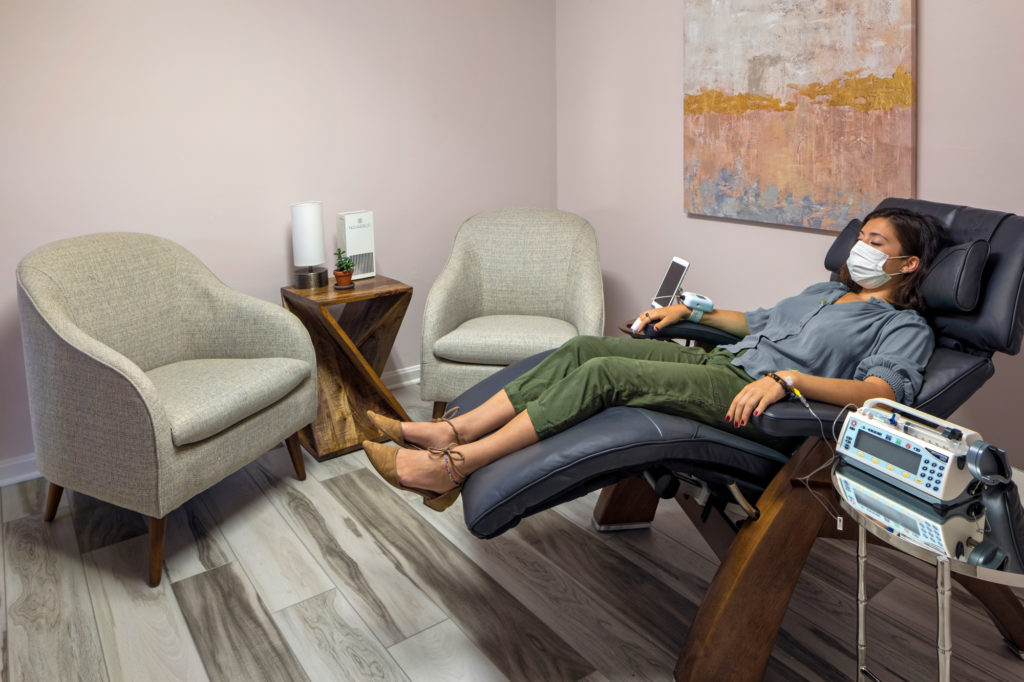
error: Content is protected !!