Tag: IV Ketamine for Anhedonia

  • Suffer from Postpartum PTSD?        Ketamine Can Bring Back Your Joy

    Suffer from Postpartum PTSD? Ketamine Can Bring Back Your Joy

    We say that childbirth is utterly natural. But the experience of giving birth doesn’t always go as planned. Sometimes there are surprises, disappointments, unexpected changes, fears, and excessive pain.

    A terribly painful labor or delivery can become a traumatic memory for a postpartum mom. Loss of the baby during the process can also create an unbearable trauma for the mom. Especially in situations where the infant doesn’t survive, the mom can be so deeply affected that the smell of baby powder or lotion can trigger a cascade of PTSD symptoms. Or the cry of a newborn baby. Mothers who suffer from postpartum PTSD can have severe reactions to triggers for months after delivery.

    Leanne has five children.  The first four of her deliveries were increasingly traumatic. In one case, the baby’s head was lodged at the side of the pelvis and after hours of pushing with no progress, she was moved to surgery for a C- section. This was the fourth delivery.  More about that one in a bit.

    With the first, she labored for 38 hours and when the baby was finally born, she tore through her rectum. Bonding with her baby didn’t go well, because she was in so much pain. Plus, she felt beat up, traumatized, exhausted, and unable to find any warm feelings for her newborn. (And too ashamed of this to say it out loud.) Eventually, over months, she began to improve.

    But within 7 months of that birth, she found out she was expecting again. She sat down and cried. She didn’t feel ready. The pain in her rectum had only recently subsided.

    Then, the circumstances of her second baby’s birth were also excessively painful. (We’ll leave out the details.) She began to feel like she just had terrible luck… or just wasn’t supposed to be a mother.

    From that time, she cried anytime her husband tried to touch her.  She couldn’t separate the suffering of the two births from amorous times with her husband. Leanne couldn’t face the risk of another childbirth. One day she was so angry, she slammed the dishwasher door hard over and over, then sat down and cried.

    Leanne’s husband quietly slipped out of the house and bought a new set of dishes.

    Leanne talked with her doctor, and he said that she suffered from Postpartum PTSD.

    Then, one day Leanne and her husband went to visit friends for a backyard cookout. They took the babies with them and really had a wonderful day. That night, they were both relaxed, and enjoyed cuddling. One thing led to another…

    And soon enough, Leanne was pregnant with her third child. She’d been in therapy for 2 years at that point, so she was guardedly optimistic…but on shaky ground.

    This time, unfortunately, the crisis was placenta previa… specifically the placenta was overlapping the opening of the womb to the birth canal.  Once she began to dilate, portions of the placenta broke free, causing a rush of blood loss. She started to hemorrhage.  She panicked, called her husband, called her doctor, called her mom. ( If only she had called 911…but she was too shaken to think clearly.)  Of course, her husband was on his way, and told her to call 911 NOW.  She called 911 then called a neighbor to come stay with her little toddlers. She was rushed to the hospital, unconscious when she arrived. Doctors went to work hoping beyond hope they could save both mother and child.

    Thankfully both mother and child survived, but again, Leanne was exhausted, shaken, and shut down. She just couldn’t relate to the baby.  She was overwhelmed with guilt that her mistakes had come so close to causing the baby’s death. 

    Even though Leanne and her husband were committed to living a natural lifestyle, and had never used birth control, she just felt she couldn’t go through this again.  But he stood strong about not using birth control. So she used the best form of preventing pregnancy she could think of. Anytime her husband touched her or was affectionate, she pushed him away…or sometimes she just fell to the floor in a heap, weeping her heart out.

    She had times when she just began to tremble and couldn’t stop. One day she dropped a jug of milk that spilled and splattered all over the kitchen. Then she had to pull herself together to clean it up. Who else would?

    By this point, she tried to be a good mom to her innocent babies, but so much of the time she felt vacant. Other times she felt angry. Then, there were times when she had such anxiety that she didn’t dare drive, even to the grocery store.
    If you suffer from postpartum PTSD, ketamine treatment can help.

    She managed to avoid pregnancy for two years. Her marriage had become volatile. She just couldn’t be calm to communicate with her husband. Everything was falling apart.

    Her husband suggested they let the 3 kids stay with Grandma and Grandpa, so they could take vacation to somewhere peaceful. They took a week in Jamaica. It was wonderful with swimming, great food, walks on the beach, and local music. (And those drinks with umbrellas! She loved them!) So many sites, smells, and friendly people. They both believed this was just what the doctor ordered.

    On their 5th night, they danced to local music, and drank more umbrella drinks than they realized…  They found their way to their room and collapsed in bed. The next day neither of them remembered how they got there. In their inebriated state, their celebration led to baby-producing activity. So rare for them, at this point.

    You guessed it…baby #4 was on the way.

    Leanne home-schooled her children, so by now she was doing lessons with babies #1 and #2.

    At least on the days she was functioning. But her anxiety was pretty high.  How could she take care of these children when she was so shaky?  A few times during the pregnancy she experienced a panic attack. Her therapist was working with her to help her work through the anxiety.

    Bless her heart. This was the delivery we mentioned earlier. The baby’s head seemed to be stuck to the side in her pelvis and they couldn’t get the baby to move into the birth canal. It was the last straw for Leanne. She had a full out panic attack during the latter portion of her labor. She was standing up in her bed and screaming and crying. No one could calm her. She just wasn’t rational. She was terrified. So they did an emergency C-section after putting her sleep.

    When she emerged from the anesthetic, she was disoriented, surprised to learn her 4th baby was born and doing well in the nursery.  Her doctor encouraged her to rest before they brought the baby to see her. But she just withdrew.

    Leanne had had dreams of being such a natural “earth mom” …she’d started out wanting to give birth to her children at home. But each childbirth had been too risky to continue at home. She felt cheated. Angry. Beaten. Each labor and delivery was a nightmare.

    All her plans for meaningful home births had been vanquished. She knew she suffered not just from postpartum depression but from postpartum PTSD … and she just didn’t know what to do about it.

    Her doctor had advised Leanne and her husband to consider a tubal ligation during this C-section but she had been far too distraught for a decision like that. So he encouraged them to consider it later, to give her a chance to  recover.

    While they were “thinking” about it, she got pregnant once again. She told her doctor she definitely wanted the tubal ligation done during her final C-section. As it happened, this 5th birth went smoothly as a C-section, and the tubal ligation was completed in the same procedure.

    She was able to bond with her new baby peacefully, and she enjoyed him so much. 

    A wonderful, simple, easy, planned C-section — with no crash carts, hemorrhages, horrible images, horrible fears, horrible pain. Why couldn’t it replace all those awful memories? Why did they shake her up during the day, and infiltrate her dreams at night? And why did every little thing seem to be a trigger? The kids were healthy, right? They were OK, right? She was OK, right? Well on that one, no…she was really not ok. She still suffered from postpartum PTSD symptoms — and all the treatment she had had over the years hadn’t made a dent in it.

    So when a friend encouraged her to consider IV ketamine treatment, Leanne grabbed her phone, and started trying to learn what ketamine can do for postpartum depression and postpartum PTSD. She made the call.

    Scheduled her appointment. And left the children with a babysitter. 

    After the first infusion, she felt no different. Same after the second. After the third she decided to cook a new recipe for supper. Such a little thing, right? But it was such a big deal—she hadn’t done that for months. (Ketamine can restore initiative and motivation.) After the fourth, she could feel rays of hope inside her. Almost like rays of sunshine, she said.  By the time she went for the 5th infusion, she was calmer. No longer shaking. And although there was still anxiety, she was becoming hopeful. She had good days and bad days. But there was improvement. She could feel it. She just wasn’t there yet.

    So she went for a 7th infusion…and then an 8th. By this time she went for her 8th infusion, she had joy. She felt free of the fear and anxiety.  And as the days passed, she felt more resilient all the time.

    She became her old self over the next several weeks — felt happy, calm, fun-loving. (Oh wow, when was the last she she’d felt that?) She had patience with her children, she had creativity in home schooling them, she enjoyed socializing. She also had the initiative and motivation to clean up the house and invite another couple with kids over for dinner — outside, on the patio. 

    Leanne hadn’t felt this good since her first baby was born.  

    If you suffer from postpartum PTSD, try ketamine treatment. This mom found her joy again after she did.

    She also found the patience, wisdom, and determination to work with her children in family therapy in hopes of improving their security with her and building the bonds that suffered with these pregnancies and deliveries. 

    And she was thankful that her husband was still at home so they could work together with a marriage counselor to strengthen their relationship.

    IV ketamine treatment has developed a track record for helping women who suffer from postpartum PTSD to achieve remission. Choosing to seek out this treatment was a wise move for Leanne to make. At the same time, it’s important that you understand that ketamine is not for everyone. (There isn’t anything that works for 100% of people 100% of the time.) But ketamine can be transformative for most people who are suffering from severe postpartum PTSD, depression, social anxiety, bipolar depression, postpartum depression, and more.

    Innovative Psychiatry provides IV ketamine treatment for postpartum PTSD.

    At Innovative Psychiatry, we’re experts in psychiatry, in postpartum disorders, and in all the treatments available for them—including IV ketamine—and we work with you to map out the best course of treatment for you. We have the protocols and — incredibly important — the technology to protect you from viruses including COVID-19, bacteria, and molds, so you can come for your treatment with peace of mind. You can breathe easy…even if you haven’t for months.

    If you suffer from postpartum PTSD, don’t keep toughing it out. Call us.

    We’ll set up an appointment to talk about your history and current symptoms and all the things we need to know to determine if you’re a candidate for IV ketamine treatment. You deserve the care of a specialist.

    Don’t hesitate to call. Get your hope back. And the power to enjoy your family.

    We want to help.
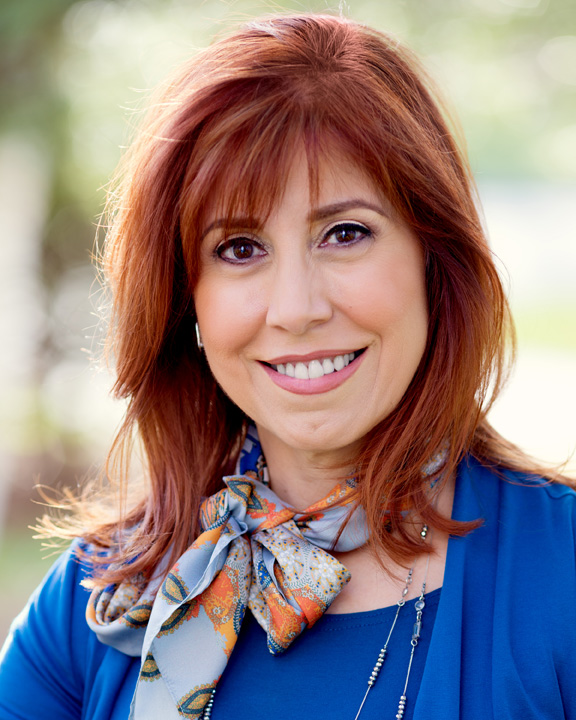
    Lori Calabrese, M.D. is on the front end of the race to stop PTSD in its tracks using IV ketamine treatment.

    To the restoration of your best self,
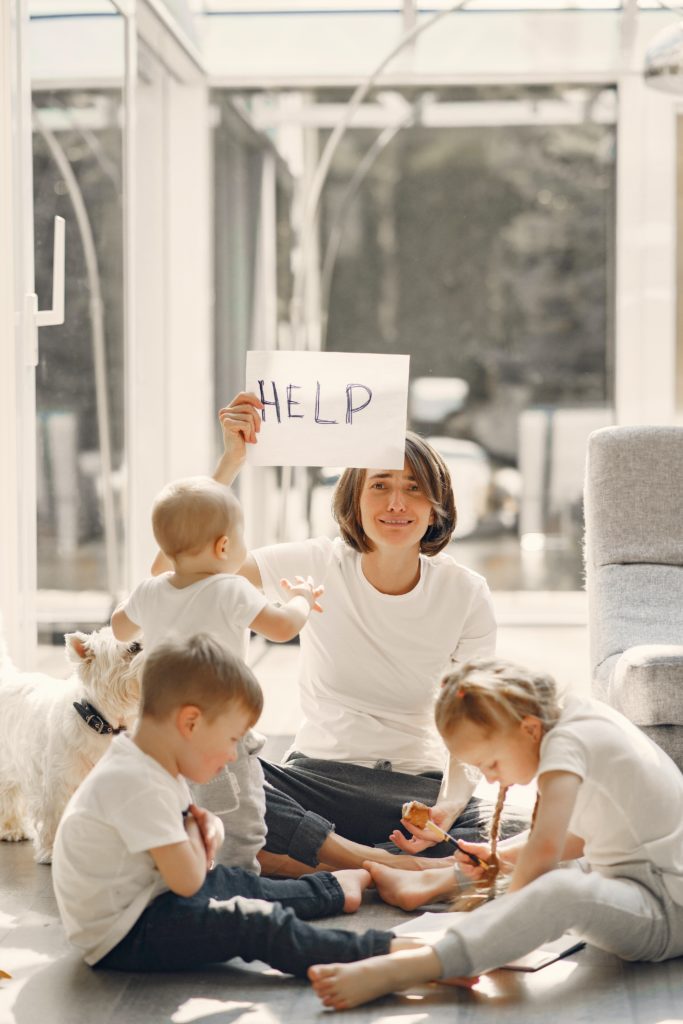
  • Postpartum Stress Is Vicious: Reach Out for Support…It Takes a Village

    Postpartum Stress Is Vicious: Reach Out for Support…It Takes a Village

    Do you have a COVID baby?  If so, you’ve had compounded stress.

    Most moms are familiar with the exhaustion (and the overwhelm!) that often takes over when your newborn comes home from the hospital. It isn’t as though you were sleeping great before you went into labor.  Then contractions started and progressed to active serious labor. Then the hard pushing. Bottom line, giving birth is hard, hard work. You think you just can’t wait till the baby is OUT of your body so you can finally sleep.  WAKE UP CALL!!! Actually, once baby is outside your body, she’s adjusting too.  So she cries.  And cries. What can you do but nurse her till she drops off to sleep… until 30 mins later she wakes up in your arms crying again. So you put her back on the breast. And then it starts. And a challenging pattern emerges. Baby feels warm, secure, and happy when she’s nursing. Then, bereaved when the nursing stops. And you? Stressed to the max. Postpartum stress can be persistent if you’ve had a COVID baby…and even if your baby was born before COVID.

    The trouble with that is that anxiety can shoot up when baby nurses, wakes, and nurses some more. Because you want some sleep… you NEED sleep.

    And when anxiety rises, it’s hard to go to sleep. Your mind just keeps racing.

    So what do you do?  You call your mom, your sister, or your best friend to come and walk baby while you get some rest. And that’s not all it’s cracked up to be either, because you lay on the bed, wide awake….staring at the ceiling…worrying about the baby. 

    This is especially true for first time moms who so want to be perfect moms in every way but hadn’t counted on exhaustion and stress making you miserable. In fact, postpartum stress can be especially brutal for moms who try to be perfect.

    Try to relax and let go. Perfect moms don’t exist. Cut yourself lots of slack and call in help when you feel like you’re at the end of your rope. Don’t keep pushing. Because you just have to break the stress cycle periodically.

    And kick guilt to the curb!

    This is also true for moms with a baby/toddler and other children…. it can be so hard to cover all the bases of everyone’s needs. Plus laundry, cooking, baths, keeping the house picked up after you’ve been up all night with the baby.

    And You Wonder…Where Can You Find Postpartum Stress SOLUTIONS?

    Parenting books are full of advice about how to manage your baby AND your other children when there’s no one to help. (Ha! is what I said when I read them, on baby #4.) But, when you try to put their advice to work…well it’s not as easy as it sounds.

    Postpartum stress is that midlevel and escalating stress that occurs after the baby blues but before postpartum depression takes over.

    If relief isn’t found, postpartum depression can settle in.

    FAST FOWARD 10 months…

    You finally got the baby into a schedule where she sleeps several hours each night and you depend on that chance to rest.  Then you go on vacation. (Ha! they say it’s a vacation….) The changed vacation schedule disrupts baby’s schedule and she starts wanting to find comfort in constant nursing again.

    By the time you get home from your trip, you’re exhausted again. And not sleeping. And you’re crying more than baby. Sound familiar?

    Stress plus exhaustion is a devastating combination.

    First, understand that babies are individuals with temperaments unique to them. Some are easy going, relatively relaxed, and honestly, some seem almost self contained. Moms with babies like this have no idea why you’re so stressed. So ignore what those moms say. Right??

    Some babies are “high need” and may require lots of patience.  This type of baby may also be colicky, and as the saying goes, it takes a village. To walk her, to soothe her, and to give you a break to rest and breathe.

    You always hear that childbirth is a natural part of life…and it is. But it’s still a huge strain on your body and emotions. If you don’t have support, it can be difficult to recover.

    And women who don’t receive support during childbirth have a harder time recovering from it. They can continue to struggle for weeks or longer. In fact, a study by researchers led by CT Beck found 18% of American moms reported symptoms of PTSD. We call that postpartum post-traumatic-stress-disorder –really!–and we’ll be talking about that, soon.

    What is postpartum stress anyway?

    It’s like this…when something goes on that sets you on edge, but it doesn’t happen just once…or twice. It happens all the time, all the time. Like a baby crying incessantly…or children screaming because they’re mad, The longer this cacophony goes on the more it strips your patience…your ability to cope…to endure. And it goes on and on, day and night, week after week after month. It goes from acute stress to chronic stress… postpartum stress.

    When this happens, think of it as wearing down the synapses — those connection between neurons in the brain that help messages go from one part of the brain to the other. Those synapses can break down. The dendrites and dendritic spines also break away. You can think of it as pruning, like you do to a tree. But in terms of synapses, this is not a good thing. As those synapses break down, the connections between neurons are lost. And what’s left is a depressed mood. Anxiety. Misery.

    Postpartum Stress Needs to be Relieved

    Whether by natural means of relief and support, or by a remarkable treatment. Because left untreated it can easily advance to postpartum depression, a more dangerous condition.

    What it comes down to is that you need all the synapses you can get in the right parts of your brain so you can be resilient and not defeated. So you can embrace challenges as they arise.

    This is why it takes a village. Because you must have support from grandparents, friends, family, and as your baby grows older and is easier to manage, you can help another young mom.  

    But what if postpartum stress has resulted in damage too extensive for you to find the relief and resilience you need just by taking a nap, or walking and relaxing while someone else cares for baby?

    Well maybe that’s where IV ketamine treatment comes in.

    Nothing restores resilience like IV ketamine treatment. Nothing restores those synapses as thoroughly or as fast as IV ketamine treatment. For so many. Because ketamine restores resilience by restoring those synapses, by causing mRNA to flip on DNA to turbo boost brain-derived-neurotrophic-factors. By moving those G proteins off the lipid rafts to get those neurotransmitters revved up to do their job. By stopping the cell bursting in the lateral habenula… all these things working together to help you feel up to the tasks before you… Full of initiative, the motivation to do what needs to be done, and the hope for making your life rewarding again.

    Postpartum Stress Disorder can be overwhelming so reach out for help.

    At Innovative Psychiatry we’re in place to meet you here when you arrive for ketamine treatment. Because if you want to rise above the hopeless and dark listlessness that is overshadowing your time with your baby, we’re here to help. And for the safety of you and your baby, and the confidence it brings, we’ve outfitted our offices with a space station technology developed by NASA to remove 99.99% of the viruses, bacteria, mold, and pollen from the air and surfaces in our office.

    We keep the door locked so that only those who have been scheduled to be there will be there. You can feel safe here.

    We’re here to help you get better, feel better, and have the power to enjoy your baby, and your family. To have the power to face the challenges with resilience.

    Take affirmative steps to find out if you’re a candidate for IV ketamine treatment. Call us.

    We’re here to help.

    Lori Calabrese, M.D. is on the front end of the race to stop PTSD in its tracks using IV ketamine treatment.

    To the restoration of your best self,

  • Pandemic Anxiety Depletes Bandwidth You Need to Cope With Stress of Living

    Pandemic Anxiety Depletes Bandwidth You Need to Cope With Stress of Living

    We’re all weary of hearing about COVID and mask wearing precautions. Aren’t we?

    About the negative impact of isolation. And while we see improvement on the horizon through wide spread vaccinations, there are still imminent risks, and new cases as well as deaths every day. Those risks add to your daily stress in ways you may not realize. Pandemic anxiety depletes your bandwidth for coping with daily living. The story of Carolee and Jacob illuminates the kinds of stressors that can go on behind closed doors…

    Carolee and Jacob walked the two blocks to the grocery story to pick up food for dinner. They were discussing a news story they’d read on the internet about how some states are lifting mandates for COVID precautions, like wearing masks, social distancing, and use of hand sanitizer. They liked walking to their neighborhood store when they could, just for fresh air and exercise.

    Since they passed a number of people on the sidewalk as they walked, they always wore masks, even when they were outside.

    Carolee expressed her frustration that those particular states were lifting the requirements, in spite of the fact that each governor had strongly encouraged citizens to continue to use precautions on their own.  

    Of course, there will be those who step up and “discipline themselves” and maintain the precautions. But she knew there would be so many… so so many…who would not. Her frustration and disgust exploded.

    “WHY?????  Why would they drop this requirement before we’re ready for it?  People aren’t going to do the right thing. They’re going to just be glad to be rid of it all and do what they want to do for fun!  And the cases will start growing…and more will die… and….”

    You Can’t Control Everyone… Just Yourself, Right?

    Jacob squeezed her hand and tried to soothe her. “Carolee, you know there are already so many who don’t follow the rules. But you and I can only do what’s best for us…Don’t you think it’s futile to struggle about everyone else, when it’s something we have no control over?  It’s really not worth you getting wound up and shaken about something you can’t control…is it?

    “It’s about bandwidth, Carolee. The amount of information your brain can receive…like per second. We’re flooded with so much more to consider about every detail of life than we’ve ever had to. This pandemic anxiety depletes the bandwidth we need just to get through every minute, every hour. We have to find ways to tamp down our own response to things, so we have more energy for everything else.”

    Jacob knew that Carolee hadn’t been sleeping well lately. She seemed to wake up frequently, sometimes walking through the house wringing her hands.  Sometimes just pacing. Staring out the window. Standing out on the patio.

    They’d talked several times about how the COVID-19 variants were spreading, asking questions about whether the new vaccines would be effective with the variants… About how long they were waiting on the list to get their own vaccines. Each time they talked, they agreed to let it go, for their own peace of mind.

    But that was easier said than done.

    To make matters worse, Jacob was feeling more and more worn down by the stress of the pandemic, his work responsibilities, and Carolee’s meltdowns.  He knew she would get past them, but he found himself worrying about her more and more. He needed to find a way to relax. In addition to Carolee, Jacob sure needed some relief.

    Worry. Worry. Then worry some more.

    Life was already full when COVID-19 came along. People were already stressed with daily responsibilities to job, family, faith organizations, maintenance of home and car, children and their struggles.

    When the pandemic appeared on the horizon like a vast dark cloud of pestilence, it pervaded everything.  Those aspects of life that were so routine and required little attention, came to require acute attention often overloaded with a sense of panic with fear of doing it wrong. 

    A psychiatrist wrote in Psychiatric Times about the fear and guilt she experienced when she stopped by the bank for cash only to find the drive-through banking not yet open. So she wrestled with herself about whether to go inside the lobby or park and wait  an hour for the drive-through to open. She went inside, but worried about whether she had been exposed to COVID-19 and  who she might expose through the day as a result. She worried about it all far more than she normally would have.

    Kate Murphy, a NYT journalist, made the point that your brain is overburdened by this pandemic. That things you normally relegate to your brain’s autopilot now require serious thought and risk analysis. And…as a result, you have less bandwidth for higher order thinking.  

    Less bandwidth.

    Isn’t it true?

    And those pandemic anxiety reactions eat up bandwidth.

    If you’ve depleted yourself through a panicky reaction to forgetting your mask when you MUST buy groceries, or driving through for a meal but your hand sanitizer is empty…how can you eat without sanitizing your hands?? Or you’re trying to cope with working from home and the kids are jumping out of their skins from cabin fever??

    What do you do when you keep hitting your thumb with a hammer?

    Those bandwidth-eating reactions are similar to hitting your thumb with a hammer, over and over and over…  because more and more damage is done. You can hardly cope with everything else when your thumb is screaming in pain, you know? You just have to step away from the hammer!!

    Then, if you’ve already been taking medication for anxiety, and the exponential expansion of anxiety caused by the pandemic sends your worry and panic through the roof, well, you have difficulties you hardly know how to manage.

    There was a time before the pandemic was anticipated, that worrying about little things blew up into worrying about disasters in your mind, and as your  grandma would say, “Honey, you’re borrowing trouble and making a mountain out of a molehill.”

    But now, the ongoing stream of changes and increased risks you face everyday can result in outright panic for some, and on a lesser scale, confusion and exhaustion…and dread. This pandemic anxiety just depletes your bandwidth for life.

    You probably know people who have contracted COVID-19. You may have seen some who experienced extremely mild symptoms, if any at all. Still, you may also know someone who experienced serious or extremely severe symptoms. Maybe you know people who have died.

    If you’ve known more than 1 person who has died, your anxiety about death may have filled you with alarm. Alarm about masks, about social distancing, about making sure OTHERS are doing what they’re supposed to be doing.

    And what’s more upsetting than people who won’t comply?? You just have to step away from that hammer…

    The more traumatic your experience has been, the more anxiety you may feel about the risks. On the other hand, if you have not known anyone who was hospitalized from COVID-19, exposure may not seem like a great risk to you at all.

    Unique Pandemic Trauma and Loss Requires More Bandwidth

    Either way, you need to be grounded. To let the world take care of the big solutions while you manage the challenges of your daily life. To help with that, take daily walks – wearing your mask! — but get out in the fresh air and sunshine. Take a friend or family member along and talk. Take care of YOU. Then look after your family.

    Pandemic anxiety depletes your bandwidth for your own life. Right now, you need all the energy and mental clarity you can get just to get through life, day by day.

    Because YOUR life needs to go on.

    Still, if your medications and fresh air and exercise don’t help at all, then you may need help getting your symptoms of depression, bipolar depression, PTSD, and suicidal thoughts under control. Then maybe… you should consider IV ketamine infusions.

    Since IV ketamine treatment is at the front lines transforming people when nothing else has helped, it may be an obvious next step for you. And receiving these infusions is a relaxing and comfortable experience. With your remission as our goal, your dose will be titrated according to your individual response during each infusion.

    Pandemic anxiety depletes bandwidth for coping with COVID, but you'll not be exposed to viruses in our office. You're safe here.

    At Innovative Psychiatry, we’re working every day to respond to the call for helping people who are against the wall in this pandemic. If your own bandwidth for coping with the demands of COVID on top of the demands of your life is growing slim, you’re not alone. A vast mob of stressed out, overwhelmed, exhausted, and depressed people surround you. You have to decide what to do about it, if your efforts toward exercise, fresh air, and medication have become futile.

    In that process, it could be that the results of stress have depleted your ability to cope anymore. You may need to reboot. You may need a remodeling project in your synapses to increase your synaptic plasticity. To relieve your symptoms of depression, PTSD, or suicidal thinking. To give you fresh bandwidth.

    For your safety, we’ve installed state-of-the-art technology that utterly removes and destroys COVID-19 and viruses and pathogens from the air and surfaces. So you don’t have to spend bandwidth on your safety, when getting treated is so important for you. Just one more thing to lighten your load. You have enough on your mind.

    If this sounds like you, and you’d like to discuss IV ketamine treatment, call us.

    This pandemic has been hard for everyone. You’re not alone. And we’re here to help.

    We look forward to talking with you and working together for your relief.

    Lori Calabrese, M.D. is on the front end of the race to stop PTSD in its tracks using IV ketamine treatment.

    To the restoration of your best self,

  • Explore: Method to Differentiate Bipolar Depression vs Unipolar Depression

    Explore: Method to Differentiate Bipolar Depression vs Unipolar Depression

    As you may know, May is mental health month.

    IV ketamine can restore her joy whether it's bipolar depression vs unipolar depression.

    And as such, it’s a good time to talk about symptoms of mental health disorders, don’t you think? We want to increase understanding and dispel stigma which will help people who suffer gain better access to the help they need. Stigma is steeped in ignorance about something someone doesn’t understand. In addition, the global circumstances of these last few months have impacted the mental health status of so many. So let’s use this month to broaden understanding and better equip us to respond to ourselves and those around us. So here’s something to talk about: A new way to differentiate bipolar depression vs. unipolar depression may be emerging.

    Leading Cause of Disability

    The leading cause of disability in the world today is not heart disease or cancer…it’s depression. Depression is that common. We talk about severe depression and we talk about bipolar depression. When you see someone with either of these conditions, they may look rather similar from your vantage point, but they’re actually two distinctly different conditions.

    When we diagnose someone in this depressed state, it can be difficult to determine whether they suffer from major depression or bipolar depression, unless they have a history of mania or hypomania to determine the difference.

    Unipolar depression and bipolar depression don’t feel the same…but they do sort of look the same.

    Which is why a doctor asks whether you’ve had times when your mood was elevated, you felt energetic, hyperactive, maybe irritable, angry… and overly confident…all at the same time?

    For this reason, so many with bipolar disorder are first diagnosed with major depression, especially those with bipolar II disorder, since their symptoms include far more depression than hypomania.

    When you first see a psychiatrist about your depression, it’s important to be patient. Because some of your symptoms may not have emerged yet…and you may appear to have unipolar depression. Then later, mania or hypomania emerges, and your doctor may change your diagnosis to bipolar disorder, along with your prescriptions.

    Because of the challenge of diagnosing someone accurately who has a low mood, researchers have been seeking a means of using some sort of biological markers to determine scientifically the proper diagnosis and character of the depressive symptoms.

    This man is in pain but doesn't know if it's bipolar depression vs unipolar depression.

    Something that would differ in patients with unipolar depression from those with bipolar depression. Possibly brain activity. Or maybe proteins in the blood? Possibly genetics?

    Exploring Bipolar Depression vs Unipolar Depression

    An interesting study conducted by Brain and Behavior Foundation researchers, led by Mary Phillips, Ph.D., performed with a relatively small group of subjects, suggests a way your doctor might differentiate the two disorders clinically to aid in accurate diagnosis.

    Using functional magnetic resonance imaging (fMRI), full brain scans were conducted on a group that included 18 bipolar patients who were in bipolar depression, 23 depressed patients who’d been diagnosed with major depressive disorder (MDD), and another 23 who were healthy without a diagnosed disorder.

    It’s unfortunate that their study involved so few, and also that 90% of those with bipolar disorder were diagnosed with bipolar II disorder, leaving only 10% who had bipolar I disorder. A more evenly distributed group might have told us more.

    Even so, they did make some significant observations.

    The working memory system is used by the brain to maintain, manipulate, and update information that is associated with tasks that are presently at hand. When the networks of nerves in this system are damaged, learning – reasoning – and decision- making ability can be disabled.

    This is particularly true in those with mood disorders, like depression.

    So, the researchers gave each participant an easy task and a difficult one, while the participant was undergoing an fMRI brain scan. The design of the tests was to highlight that people form expectations about a task before they fulfill it.

    Bipolar depression vs unipolar depression can both be treated effectively with IV ketamine treatment.

    A person might feel the task will be easy, so there’s little stress in performing it. But if he expects the task to be difficult, his stress increases before he begins.

    It turned out, that there were patterns of neural (brain cell) activation in the medial and lateral areas of the prefrontal cortex, that were related to how easy or difficult a task would be.

    Mechanism Defends the Person with Bipolar Depression From Emotional Pain

    The researchers reported that people with bipolar disorder may actually block anticipation of a negative experience to avoid experiencing negative emotion while performing a task. That basically people with bipolar disorder seem to have a built in defensive mechanism to help protect them from negative emotions.

    So enlightening. People with unipolar depression don’t do this. They feel what they feel. But those with bipolar experience such damage from their negative emotions.

    As I said earlier, unipolar depression and bipolar depression may look similar to someone observing people suffering from these. But they feel different.

    Let’s add to that, that both of these disorders can often end in suicide, unfortunately. Even so, it’s more common in bipolar disorder.

    There are traditional medicines for people with these disorders. And those medicines do help a lot of people.

    But not all.

    For that reason it’s important to seek help until you find treatment that helps you feel better, function better, and live a rewarding life.

    IV Ketamine Doesn’t Differentiate Between Bipolar Depression vs Unipolar Depression – It’s an Extraordinary and Robust Depression Treatment

    At Innovative Psychiatry, we offer IV ketamine treatment to help you experience relief from severe depression that prescriptions haven’t helped…. And for bipolar depression that is unrelenting in spite of prescription medications.

    Bipolar depression vs unipolar depression for this woman is still crushing.

    IV ketamine treatment isn’t effective with mania or hypomania. But the mania or hypomania is easier to manage and treat without bipolar depression. This treatment can be exceptionally effective for both unipolar and bipolar depression. In fact, it can be utterly life-changing.

    And… in regard to the risks of suicidal thoughts, IV ketamine treatment can erase those thoughts in an afternoon. A few hours. And if you’re not plagued by thoughts of death and dying, you’re a great deal freer to work toward healing, restoration, and joy.

    In this current global crisis, suicides have been increasing, among those with disorders, healthcare workers, physicians, and more.

    IV ketamine can save lives by removing thoughts that lead to suicide.

    IV ketamine has given her joy instead of depression.

    If you suffer from bipolar depression or unipolar depression, and medications haven’t helped, call us.

    Let us help you find your joy again, and your hope. The current global crisis is temporary, but it has affected the outlook of millions. The good news is that joy can be restored, and hope can return. You can feel resilient, and equipped for what life has in store.

    We’re here for you, and we’re working within a safety protocol so you can be treated without fear.

    Better days are ahead.

    To the restoration of your best self,
    signature of Lori Calabrese, M.D.

    Lori Calabrese, M.D.

  • Relieve the Heartbreak of Elderly Depression with IV Ketamine

    Relieve the Heartbreak of Elderly Depression with IV Ketamine

    Ruby’s daughter let herself in with her key at the back door.

    When she walked in, the house was dark. Strange…she thought. Her mom was usually home on Saturdays.  She quietly stepped through the house looking for some sign of her mom.  A grave sense of dread came over her as the house continued to be silent…what was she going to find…? She stepped into her mom’s bedroom, and saw her form lying in bed. Joan stopped and caught her breath. Joan had been worried about her mom lately, and the heartbreak of elderly depression, since her husband died 11 months ago.

    Then a weak voice said, “Hi honey…”

    Joan exhaled. What a relief.

    “Hi Mom! The house was dark and quiet…  I was concerned.  You rarely leave the house on Saturday…”

    Joan stopped short of voicing what she’d feared.

    “Are you feeling ok? Why are you in bed..? It’s really dark in here…”

    “What day is it?” Ruby quietly asked.

    “It’s Saturday, Mom. How long have you been in bed..?”

    “Well, I remember watching the weather on Tuesday…I was wondering if I needed to wrap the pipes.”

    “Ok.  That was Tuesday…  Do you remember what happened Wednesday?”

    “I guess I’ve just been sleeping…”

    “Mom?  Since Tuesday?”

    “I don’t know…maybe? I got up and went to the bathroom at times then just felt tired and went back to bed…”

    “Do you remember if you ate anything..?”

    “No…not really.”

    Joan was alarmed.  Her mom hadn’t eaten since Tuesday.  No wonder she was weak. And she’d gone four days without her medicines. 

    Four Days without Her Medication

    Joan headed to the kitchen to make her mom some soup.  She wanted to go easy and see how she digested soup before solid food.  After opening the can of soup and dumping it in the pan, she looked at her mom’s medicines.

    Well, that confirmed it. The pills were still in the Wednesday, Thursday, and Friday compartments.

    Joan was shaken to think if she hadn’t dropped by, and another week had gone by, what could have happened.

    Joan brought her mom the bowl of soup with some crackers and a glass of milk on a tray.  She helped her 84 year-old mom sit up and propped her with pillows, then set the tray in front of her.  Slowly, her mom nibbled on a cracker, sipped the milk and finally scooped a spoonful of hot chicken noodle soup.  She closed her eyes as she swallowed.

    “Ok mom?”

    “ Yes, it tastes good.”

    Joan talked about trivial things to try to lighten the mood. Ruby had looked after everyone all her life, but since Joan’s dad, her mom had seemed less and less engaged in her own life.

    Maybe listless was the word. 

    She’d withdrawn from her bridge friends. She’d said it didn’t seem as fun anymore. Her grandkids were all grown with families of their own. Cleaning house and cooking was a chore without Charles to do it for.

    She just got tired of the struggle. What was the point?

    She felt tired all the time, and found herself taking more and more naps.  

    How do you find purpose in life after the companion who’s been there for 62 years is suddenly gone?

    The Heartbreak of Elderly Depression

    The more questions Joan asked, the clearer it became that her mom wasn’t fighting the flu, she was depressed. At least she seemed to be.

    Joan wondered how long she’d been depressed. And whether she’d thought about ending her life… It had really shaken her to walk through that dark silent house.

    She asked her mom more questions. Ruby was matter-of-fact. “Yes, the doctor told me I was depressed a couple years before your dad died. He prescribed some pills for me, and I took them, but they didn’t do anything. I think they must have been those sugar pills you hear people talk about. I finally stopped taking them.  There was no point.”

    “Joan,” Ruby said, “I miss your dad. Charles and I talked about everything. Without him, life is flat. It’s just so empty. I have you and your sister, and I love you both, and all the grandkids and their families. But I feel so empty.”

    “Mom, I can only try to imagine how much loss you feel with Dad gone. We all miss him, but he was your constant companion and love for 62 years. I ache for you… and I can’t help but feel that even though grief has made you feel empty, that does’t mean your time on earth is finished. Maybe something can be done to help you feel better, you know? Would you be ok with me making an appointment to see Dr. McShane? We can go together.. Ok?”

    The Heartbreak of Elderly Depression – How Can We Help?

    Here’s the thing. Our parents (and grandparents) do look after everyone else all their lives. Then, they slow down, and the the rest of the family can easily forget to touch base. Why? Because life is busy. We all live with packed schedules, and a week can go by without our even noticing it.

    Our elderly loved ones can find themselves withdrawing, slowing down, and feeling somewhat useless. It’s not that unusual for depression to follow. 

    In many cases, prescribed antidepressants help. But in some, they don’t help in spite of trying more than one. When the disorder doesn’t respond to multiple treatments, something more advanced is needed.

    IV Ketamine Treatment Can Reverse Elderly Depression

    IV ketamine for treatment resistant depression may just be the treatment of choice, to restore your parent’s brain circuity. By turning on mRNA which switches DNA to “ON” your brain-derived-neurotrophic-factor (BDNF) turbo boosts the prolific and rapid production of dendrites and dendritic spines to sweep through the important parts of the brain with connections to send signals at the speed of light.

    Depression lifts, joy surges, creative thought grows, and Grandma gets that sparkle back in her eye,  and has the energy to play bridge with the girls again… and make cookies for children in the neighborhood.

    At Innovative Psychiatry we love treating grandparents and watching them get a new lease on life. Of course, if they’re grieving losses, they can grieve while still enjoying life. 

    Ketamine treatment doesn’t prevent grief, which is a part of life.  But ketamine can help them think through the grief in a healthy, healing way. And meanwhile, they can also enjoy their friends, family, and grandchildren.

    Your Loved One Can Recover from the Heartbreak of Elderly Depression, and So Can You

    Do you have a parent or grandparent who seems to have lost their joy for living? Maybe they’ve tried antidepressants but still seem serious, irritable, edgy… or bland, shut down, and without energy. Maybe you notice they don’t bathe very often anymore, and have lost interest in their appearance, or in things they normally love to do. 

    If this sounds familiar, and you have loved ones you hope can be helped by IV ketamine treatment, call us. 

    In fact, if this describes you, please call us and let us help you find your joy again.

    IV ketamine treatment rapidly proliferates your brain circuits with an abundance of new synapse connections that make the way for restored creativity, emotion like joy, happiness, love…and hope. You want to do things you enjoy again.

    Amazingly, this proliferation also increases emotional energy that can translate to more physical energy, too. Initiative and motivation increase, and joie de vivre abounds. Few phrases express what ketamine can do like this French phrase, which means “a cheerful enjoyment of life and exultation of spirit.” 

    If you have lost the song in your heart, you can have that restored. Some of our patients report waking up in the mornings singing. 

    How about you?  Have you lost your song? IV ketamine treatment can restore it, and give you that, “Oh what a beautiful morning!” feeling. 

    It’s amazing to realize that people with joy and a song in their heart are that way because they have a LOT more synapses than others, isn’t it? 

    Let us help you and your mom find your songs again.

    Lori Calabrese, M.D. is on the front end of the race to stop PTSD in its tracks using IV ketamine treatment.

    To the restoration of your best self,
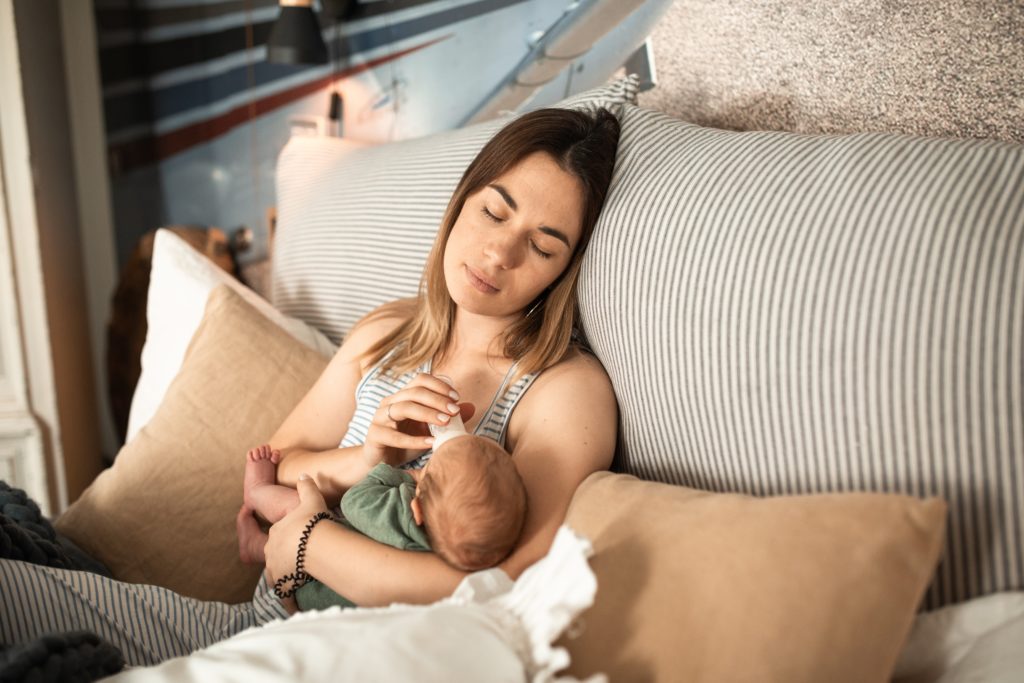
  • Depression in Pregnant Mom Can Affect Baby Before and After Birth

    Depression in Pregnant Mom Can Affect Baby Before and After Birth

    Depression in pregnant mom can affect her baby's brain development.

    Sarah Driscoll had looked forward to her first pregnancy for years.

    She had to complete her graduate degree first, so she could relax and enjoy every moment. Now she was pregnant, and it was going well. Every visit to the doctor revealed more growth in her baby. It was an exciting time. But as her delivery date approached, something seemed off. She’d heard of depression in pregnant moms but she had no reason to be depressed!

    Still, rather than feeling excited about her baby’s birth, she found herself with mixed feelings. The idea of the work ahead, the sleepless nights, the exhaustion… began to weigh on her. Each day she felt more nervous about it than the day before.

    She mentioned her fears to her husband who reassured her that it would probably all fall into place once she saw her beautiful baby’s face. She secretly hoped so, but was skeptical.

    One day she asked her mom if she felt the same way before her first baby, and her mom told her no, she was so excited about having the baby in her arms, she didn’t care what it required of her.

    That just made her feel more selfish and guilty.

    Her best friend chimed in with a similar perspective, except admitted she was worried whether she would be able to handle everything after her third baby was born. But she reassured Sarah that it turned out to not be a problem. Caring for her 3 children was not so hard to take in stride.

    Sarah’s anxiety rose higher and higher, and by the time she began having labor contractions, she felt exhausted about the whole thing.

    After 9 hours of labor, her baby boy was born healthy, looking around the room with big bright eyes. And he quickly began to nurse when the doctor placed him on her chest.

    Postpartum isn’t always a fairy tale

    Sarah felt she should feel happier. Pangs of guilt shot through her that she felt so little for this beautiful baby boy. Her lack of emotion seemed to confirm she just wasn’t fit to be a mother.  And now this poor child was stuck with her.  What should she do?

    The first 2 weeks after he was born seemed like a test of endurance. How long can you live without sleep, she wondered. She went through the motions of changing diapers, feeding, and holding this baby. But she felt like a robot. And she was consumed with guilt.

    Help Arrived: Her Sister Came to Visit

    When her sister came to visit, Sarah tried to be a hostess in her exhausted, bedraggled state. Her sister sensed she wasn’t doing well and finally asked. 

    “How are you feeling emotionally..?”

    Sarah’s chin quivered. “I feel like a terrible mom. I love my baby but I don’t feel it. I’m so tired. I thought this would be a happy time….”

    Her sister arrives to help new mom with depression.

    Her sister wrapped her arms around her. 

    “Sarah. You’re NOT a terrible mom. But you do need some rest and a chance to see the doctor.  Tell you what.  Go to bed.  Let me take over with Jake.  I’ll love every minute of it and you need rest. Then we can talk more.”

    No surprise, the nap helped Sarah feel revived, but it didn’t help the empty, blank, nervous feeling go away. So she Said that to her sister… who told her she had a friend who was diagnosed with postpartum depression and had described feelings kind of like Sarah did.

    She suggested they make an appointment to see the doctor, who then referred Sarah to his trusted psychiatrist friend. That psychiatrist explained that depression in pregnant moms happens sometimes. She recommended a special treatment that could give Sarah rejuvenation in her emotions, her bond with little Jake, and hope for the future.

    She called it IV ketamine treatment.  Sarah had never heard of it, and her only concern was whether it would hurt her baby through her breastmilk.

    The doctor explained how it worked, how quickly it’s eliminated, and how infusions are usually scheduled, but if she liked she could pump her breast milk for the next 2-3 weeks then resume breastfeeding afterwards. Sarah was fine with that, and frankly was game to try anything at that point…

    We don’t talk about depression in pregnant moms very often, do we? 

    In fact, at this point it’s been nearly 2 years since the last time. But treating depression is important. And when it comes to bringing a child into the world, that depression may have a reach beyond just you.  It may impact your baby as well.

    A study published in the American Journal of Psychiatry this past September authored by Zou, Tiemeier, et al, showed that maternal depressive symptoms during the time before and after childbirth actually can affect the development of the baby’s brain. 

    For the study, researchers collected data from 3469 mothers and their babies related to whether the mother experienced depression symptoms during pregnancy and afterward, through the baby’s childhood up to age 10. They measured behavioral and emotional problems in these children, at the end when the children were ten years old. 

    Children were assessed at age 2 months, 3 years, and 10 years. The timing of the mother’s depressive symptoms were charted as they pertained to these age points.

    What they found out was that at the age of 2 months, babies whose mothers had been depressed had less gray matter — meaning the volume of their brain was smaller. They also had less white matter, which is the areas of the brain where brain cell connections happen. The color is the result of the myelin that covers and protects these circuits. 

    This was not the case in older children, but was significant at the 2 month mark after birth.

    However, those children who had these changes at two months were more likely to have attention deficit problems at 10 years. Depression in pregnant moms can have a lasting effect in their children.

    Preparing for Your Child’s Best Future

    Seems pretty important, doesn’t it?

    Especially as you plan and prepare for conception. If you’ve been depressed, and medicines haven’t helped, consider IV ketamine treatment before you get pregnant. 

    On the other hand, we all know that not all pregnancies are carefully planned. So what happens if you find out you’re pregnant and you’re also depressed?

    The FDA classifies ketamine as a Category B drug, meaning it is believed to be relatively safe during pregnancy, but it really hasn’t been adequately studied during pregnancy yet.

    You Have Options

    The good news is that you can wait until the baby is born, then receive ketamine treatment to hopefully relieve the depression symptoms right after your baby is born. 

    As always, remember that ketamine isn’t for everyone. But those who’ve been severely depressed and not helped by traditional medications are usually dramatically improved with IV ketamine treatment, even to achieving remission.

    With that said, the best hope for you to have the well-being to bond with your baby, and to enjoy your life and motherhood, may lie in ketamine treatment.

    And just as important as your wellbeing, is your baby’s brain health and development during infancy and childhood. If your wellbeing could protect your baby from attention deficit problems later.. well, that’s a no-brainer. Right??

    We think about prenatal vitamins, exercise, and childbirth classes. But the idea of IV ketamine treatment before pregnancy hasn’t really been on the list, you know? 

    That’s because we didn’t have the info we have now about the effect of depression in pregnant moms on the developing baby.

    The more we learn, the more we can do to give our babies the best possible start in life. And the beauty of it is, taking care of baby this way will help you enjoy life, too.

    Moms, Dads, and Babies All Live Better

    At Innovative Psychiatry, we like to see moms come in for IV ketamine treatment because they deserve to feel good, to have the joy, energy, and initiative to give their families what they need, while enjoying their lives themselves. 

    This mom's depression is in remission and she's enjoying her baby and her life.

    But we’re especially happy for women who’d like to achieve remission from their life-long depression before they start their family.

    What a wonderful beginning. But you know what?  It’s not just about moms, either.  It’s also about dads.

    And when a dad realizes he wants a child but is depressed, this may be the ideal time to reach out for treatment and the potential of remission. Because if he hasn’t benefitted from other medicines, he may be a great candidate for IV ketamine treatment. It can help him be the best dad he can be…and enjoy his life and family to the fullest.

    Wouldn’t you love to have the zest for life to enjoy your children, camping with the family, coaching your kids’ soccer team …dancing with your spouse? IV ketamine treatment can give you your life back, and give you the freedom and stamina to do things you love to do, the initiative to invest in your career and hobbies, and to build strong, lasting relationships. 

    If you’ve suffered from symptoms of disorders that hold you back from moving forward in your life, call us.

    We want to help you plug in to a life that really matters to you.  

    Lori Calabrese, M.D. is on the front end of the race to stop PTSD in its tracks using IV ketamine treatment.

    To the restoration of your best self,

  • Can Use of Opioids Lead to PTSD? And If So, What Can You Do?

    Can Use of Opioids Lead to PTSD? And If So, What Can You Do?

    You know how a disorder – like bipolar disorder or PTSD – can make you so miserable…even make you want to self-medicate?  

    Doing so is rarely a good idea, though it may seem at the time that it helps.  But that’s for another post. Anyway, you know how self-medicating often accompanies these disorders, and we’ve assumed that the self-medicating is driven by the symptoms of the disorder: the ups, the downs, the agitation and rage, the misery… If the symptoms were to go away, there would be no need for self-medicating. Right? Doesn’t that seem logical? Well, a recent study says no…in fact, self-medicating with opioids… or even using prescribed opioids may lead to PTSD!

    Mood Swings in Bipolar Disorder Make You Want to Self-Medicate

    Take bipolar disorder, for example. You feel yourself swinging up, up, up until you’re confident, then agitated, shooting words like a machine gun, and feeling more energy than you can manage… you just want to feel normal, you know?  So you start drinking beers as fast as you can to slow down… and…well, it’s not an exact science.

    You end up drinking way too many until you’re frankly drunk…but there’s still energy you have to manage, somehow. You may want to jump in a car and head down the freeway… but thankfully, you can’t find your keys.

    OR… your mood starts plunging and plunging.  Way too fast… and before too long you want to scream and cry. You feel so hopeless, and disgust and self hatred take over your mind… and it feels like you have fire ants on your brain. 

    You need something to help you feel better. So you reach for something that helps you feel like you’re at a party. Then, after awhile, you’re a mixed up ball of horrific and frustrating feelings…and you decide to go for something different that will help you chill.

    This is a dangerous and destructive path, but it’s tragically common. This is self-medicating.

    And, unfortunately, you may not even realize that use of opioids may lead to PTSD.

    =============

    Meet Zach. He served two tours in Afghanistan. He wanted to go back for a third, but his family needed him at home. (At least that’s what he told himself.)

    Zach never talked about it, but he’d gotten high with friends off and on in high school. He had joined the Marines for the hard work and discipline, to get himself back on track.

    Now this.

    Anyway, he had rehab. Who was he kidding? There was no way he could go back. He figured he was nervous about going home after all that happened…

    The truth is, Zach got through the first tour fine. Then, on the second tour, he and some fellow marines were helping some children carry water to their homes.

    He and Rex were heading in the same direction when a little girl approached them with eyes as big as saucers. Rex naturally reached for the child and at that moment she detonated. The child had been wrapped in home-made explosives under her clothing.

    Rex blew apart, as did both children. Zach lost his right arm and his ear. Such an inhuman thing to do. The scene was tattooed in Zach’s memory and he couldn’t escape from it. Children’s body parts, his friend and marine brother’s hands, leg, organs, everywhere.

    Rage Begins… and Panic

    Rage burned within him that anyone would stoop to the evil of murdering children that way just to get rid of a marine or two.

    When he got home, he wasn’t the help to his family he wanted to be. He had trouble holding a job… any sudden startle stirred up the fight in him and sent him into a cold sweat at the same time. Like the wait staff dropping a dish. The clatter sounded like that explosion inside his head. His only thought in moments like that was to tear apart the reprobate who did this to these little kids. And stole his friend.

    Zach was seething all the time. Going through surgeries for his arm stump and ear reconstruction. Jumpy, easily provoked, irritable…and at times terrified. His marriage was deteriorating. His children afraid of him.

    He talked to a buddy about getting his hands on something to calm him down… he hated being like this.

    Something had to give…then his wife learned about a “new” treatment for PTSD…

    ============

    Researchers Asked, Can Use of Opioids Lead to PTSD?

    So…  it turns out this self-medicating road goes both ways. A new study released in December 2019 demonstrated that heavy opioid use over time before a traumatic event influences us to be traumatized by the event… basically it alerts us to be so fearful of that experience that we can develop PTSD as a result.

    We’re talking about Post Traumatic Stress Disorder, or PTSD. And like bipolar disorder, PTSD has an established reputation as a disorder that is quite often co-morbid (meaning you have more than one illness at the same time) with substance use disorder.

    In fact, 40% of people diagnosed with PTSD also struggle with substance use disorder (SUD) …meaning they may have addictions, or they may regularly use a substance that masks or combats the way they feel…until it doesn’t. 

    Now get this: almost 35% of people who struggle with an opioid use disorder also suffer from PTSD. Sound familiar?  

    PTSD <=> SUD

      40% <=> 35%

    A bit of a coincidence you think..? Maybe, but more likely this two way street of comorbidity with PTSD and substance use disorder does cause us to stop and think….can opioid use play a role in the development of PTSD?

    Laboratory Animals Develop PTSD after Opioid Use

    This study I mentioned was just published in Neuropsychopharmacology last month, by a team at UCLA led by Zachary T. Pennington. Their carefully planned study involved laboratory animals and demonstrated how the use of opioids during a time that preceded a trauma increased fear learning.  Or, to be more clear… use of opioids may lead to PTSD.  

    Interestingly, in cases where the opioid use occurred after the traumatic experience, there was no lasting fear or PTSD reaction.

    The team used an upsetting/frightening stimulus to create a traumatic experience for the animals and noted their reaction to it. Then after creating the condition of “withdrawal” from opioids using morphine and naltrexone (a medicine used to block the effects of opioids) they placed the animals in an environment where only a mild stimulus was used, and saw that the animals reacted strongly in fear — basically they froze in place — as though it was the original severe experience.

    Sounds a lot like PTSD, doesn’t it?

    Remember Zach? The guy who is a combat veteran with PTSD freezes when someone pats him cheerfully on the back to greet him. It’s all he can do to avoid turning and fighting that person to the ground. Why? Because it feels like he’s being assaulted, and all those horrific memories flood him as if they’re happening right now.

    Researchers also gave control animals (the ones who don’t receive opioids so they can be compared to the ones who do) saline injections instead of morphine, and then followed with the traumatic experience. Those animals experienced far less fear and anxiety reactions compared to the ones who had been given morphine prior to the traumatic experience.

    Stress Enhanced Fear Learning (SEFL)

    They call this approach “stress-enhanced-fear-learning” (SEFL) and it’s a model for us of PTSD and how it ca develop. 

    And this demonstration shows us that people who’ve used opioids, whether they were prescribed — or obtained illegally — could be vulnerable to PTSD from traumatic experiences in the future. The resilience necessary to quickly recover from trauma seems to be drastically reduced in those who are exposed to opioids.

    The media is full of the dangers of the opioid crisis, but this is one we didn’t see coming. Use of opioids at a particularly vulnerable time can lead to PTSD …or at least that’s what this study seems to tell us.

    Still, the researchers emphasize that there’s a difference between fear learning and fear expression. Fear learning is the process we go through where we’re frightened by something unpleasant that we don’t want to experience again…and by it we learn to be cautious and recognize danger.  (This is a good thing.) The amygdala is the primary place in the brain where fear is processed and stored. Some types of fears are then sent to the hippocampus for further storing.  But that’s not the point.

    Fear expression is what we do and how we look when we feel fear. Fighting or running are expressions of fear. Freezing can be an expression of fear, too.

    Fear expression is our response to the fear we feel.

    The way we express fear has nothing to do with the learning process we go through to establish a fearful memory. But the process we go through to learn the fear has a lot to do with whether we quickly recover from it, or whether it turns into a fearful memory that becomes traumatic every time we think of it…and that’s the story of PTSD.

    What we didn’t know before this study, is that using opioids may make you really vulnerable to PTSD, so avoiding them if you can is better for your overall wellbeing going forward. 

    Because use of opioids may lead to PTSD…

    Of course, since this is the first study that has identified the role opioids may play in the development of PTSD, there are lots more studies needed. We’d like to see studies that test the development of PTSD if the opioids were used 6 months ago, a year ago, 2 years ago…?  

    In this laboratory setting, with lab animals — not human beings — it had only been a week.

    And because this study focused on the reactions of lab animals, we don’t yet know how the results would look in human subjects. In addition, we can’t know without more research, what this means for people who already take opiates for pain.

    It’s certainly true that none of us knows when we might experience something traumatic. It can happen to anyone… at any time. An assault, a vehicle collision, a catastrophic illness, a vicious divorce.

    The study demonstrated this phenomenon only in cases where the animal had previously had the opioid before experiencing the trauma. When the opioid was administered after the trauma there was no PTSD reaction.

    So… of course we’d like to avoid opioids as much as possible for unexpected surgeries, accidents, and injuries just in case of trauma in the future…? At the same time, we don’t know enough yet to be alarmed.

    This is how it works with new discoveries. Tiny pieces of information eek out…one bit at a time. And so we look forward to what else can be learned about this PTSD – Opioid connection.

    Still, we’re excited about an effective treatment for PTSD if it does develop, and for certain substance use disorders, as well.

    IV ketamine treatment has demonstrated what it can do for both of those, both in studies and in real world practice.

    At Innovative Psychiatry, we use novel and advanced treatments for disorders that haven’t responded to traditional medicines and treatments. IV ketamine treatment reigns proudly at the top of that list. 

    And we’re always thrilled and amazed to see how effective ketamine can be in reversing a cluster of disorders all at once. By treating PTSD and depression with IV ketamine, we often see phobias disappear, too. By treating suicidal thoughts with ketamine, which can be utterly life-saving…we often see depression lift, and PTSD with it.

    There’s nothing magical about ketamine. It’s just a man-made molecule that happens to work in a surprising number of ways. But when you’ve been tormented by the traumatic flashbacks of PTSD, disrupting your life and your family, and then those terrifying visuals and experiences subside with ketamine infusions, it sure can seem like it’s magic. And it thrills your family just as much as it does you…when they see your new-found peace and resilience.
    If use of opioids leads to PTSD for you, IV ketamine treatment can help you achieve remission like this relaxed guy on the beach.

    If you suffer from fear and the fearful memories that disrupt you life, your career, and your relationships — or if you’ve been diagnosed with PTSD but treatments haven’t helped, you owe it to yourself and the people you love to reach out for the freedom you can enjoy after IV ketamine treatment.

    Your life can change through the extraordinary effects of IV ketamine treatment. 

    Expect around 6 -8 infusions or so… and be patient if you don’t immediately feel better after the first one. Give it a little time and a few more infusions…

    On average, it’s common for people to experience ketamine’s benefits after the 3rd infusion. But that’s an average and individual experiences vary.

    You do your part, we’ll do our part…and we’ll also eagerly embrace collaboration with the healthcare team who knows you well.

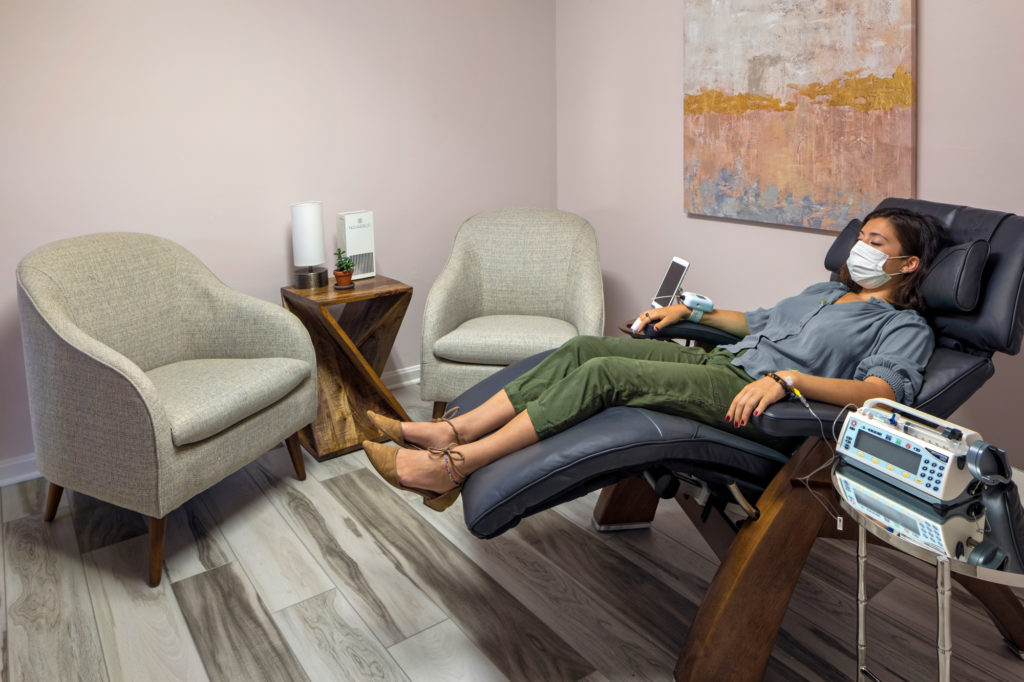
    You can have a better life. You really can. Find out how you can enjoy the resilience to snap back after something goes wrong. Reach out for help to get better with IV ketamine treatment. We’re here to walk you through it, and to help it go smoothly. You’ll be in a quiet, comfortable room, with lights turned low for your infusions. And you can bring soft music to play, if you like. A blanket to keep you warm and secure.

    This is your chance to emerge better, balanced, and joyful. This is your opportunity to restore hope.

    We look forward to talking with you. Call us.

    Lori Calabrese, M.D. is on the front end of the race to stop PTSD in its tracks using IV ketamine treatment.

    To the restoration of your best self,

  • IV Ketamine Can Create Resilience For You This Season

    IV Ketamine Can Create Resilience For You This Season

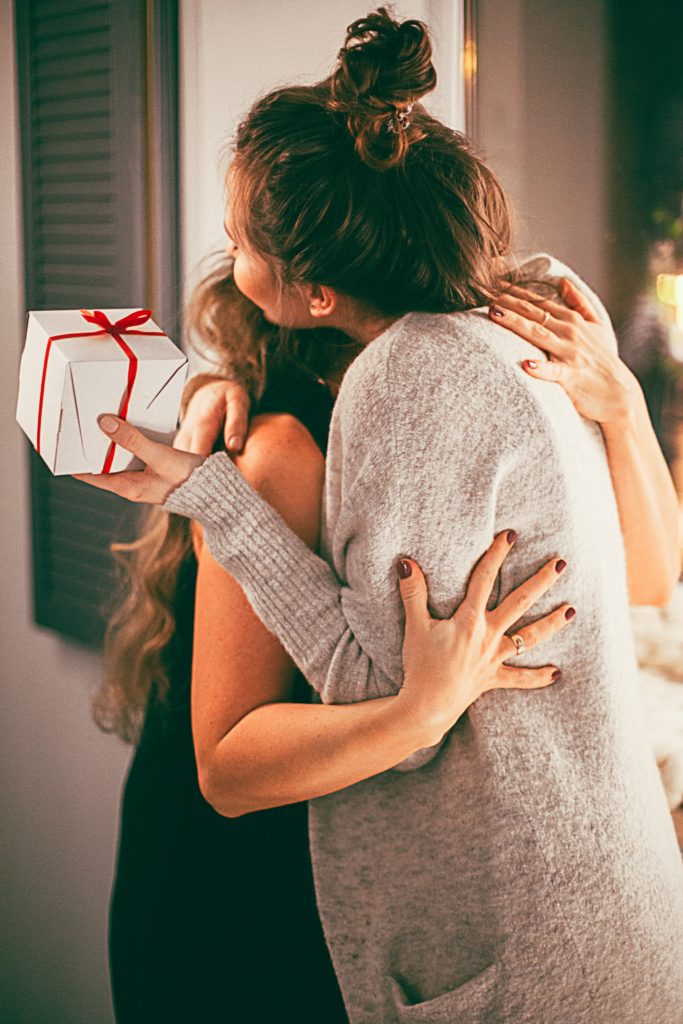
    Even during the holidays you can find yourself alone when everyone else is having a  good time, but ketamine can help you enjoy being with people again.

    This time of year conjures up visions of sugarplums, elves, and Christmas trees guarding piles of gifts.

    There are carolers singing on the corner, and menorahs and dreidels and flickering candle light. Families come together, and friends are invited to share in the celebrations. A manger with a Baby surrounded by angels, shepherds, and wise men. Oh the wonders of this time of year. And oh the suffering for those who find it difficult to cope. But, IV ketamine can create resilience for you… Some suffer because of painful losses and deaths brought to mind again by both treasured or painful memories. Others suffer because of disorders that make it difficult for them to blend at family gatherings, whose symptoms impose so much pain and heartache, even chaos, they’re unable to enjoy any of it. 

    It’s for these loved ones we write today. The ones who’ve suffered for years – even decades – because their symptoms of depression, anxiety, phobias, addiction, eating disorders, PTSD, OCD, and the suicidal thoughts that eventually often show up and threaten have not been helped by the medicines prescribed for them.

    Dreading a gathering can disappear because ketamine can create resilience.

    Dreading the family gathering, or finding something else to do so they can justify missing it, they’re often ostrasized for “creating a scene and making the holiday about them.” Cruel judgments and short-sighted disapproval abound. But few realize how very much these dear ones wish they could seamlessly fit in.  

    Their “scenes” may very likely be due to untreated symptoms. 

    This is the time when IV ketamine treatment can make all the difference. And it’s not just for this holiday season. It’s for all the holiday seasons that will come in the future.  For all the school days, business days, birthdays, and everydays that lie ahead. Ketamine can create resilience for facing whatever life brings…

    And let’s be clear about something.

    IV Ketamine Treatment is NOT Esketamine Nasal Spray

    The ketamine molecule is racemic, which means it is made up of two sides, or enantiomers, which are mirror images of each other. This has caused some confusion. Because they’re NOT identical. Each one possesses its own traits, it’s own strengths and weaknesses. It’s own benefits. 

    Esketamine nasal spray is the left mirror image. We call each side an enantiomer. Esketamine is the left enantiomer. It has strengths and weaknesses, but it’s not the complete ketamine molecule. This is often misunderstood. It’s also a great deal more expensive than ketamine.

    However, esketamine nasal spray is “covered” by some insurances, at least partly. (It’s very expensive and eats up most of your high deductible very quickly.) But having the medication pad for may be a benefit that may make it worth trying for you. The office visits required for administration are another fee–and they are very poorly covered by insurance companies.

    Ketamine infusions on the other hand, are not usually covered.

    We’re joining with others in psychiatry promoting the idea that IV ketamine treatment should be covered by insurance. It should be. Ketamine is the complete compound with all the benefits. When it’s administered properly, it can be — and often IS — transformative.

    IV ketamine treatment can liberate you from the symptoms that make the holidays so painful. Those things that make it nearly impossible for you to enjoy family gatherings. 

    IV ketamine helps build something to make life so much easier, even holiday gatherings.

    Ketamine Can Create Resilience: And It Empowers You to Enjoy

    It’s resilience. Depression, alcohol use disorder, anxiety, PTSD, OCD, opioid use disorder, social anxiety, bipolar depression…all of these conditions have symptoms that are sometimes hard to treat. You might say “treatment resistant.” And when the symptoms go on and on, they wear down circuitry in your brain in certain regions. 

    Enjoy the giving season - ketamine can create resilience for you.

    When the circuits are worn down, the dendrites and synaptic connections between neurons are pruned back and the signals are hard pressed to make much progress getting from one area to another. So you feel vacant…numb…dull…and dark.

    But ketamine treatment restores those circuits. It stimulates mRNA to turn on DNA to turbo boost your brain-derived-neurotrophic-factor. When that happens it’s as if a rich compost infuses fast prolific growth into those dendrites, and dendritic spines…and your synapses multiply like gangbusters. Suddenly, your brain comes alive with a wealth of signals darting at the speed of light to help you think, create, plan, accomplish…and to bring you joy…and hope.

    Then, there are those G proteins floating along on their lipid rafts. Ketamine shoves them off those rafts and puts them back to work, which gets signals moving really fast, too.

    That’s where the resilience comes from. Your active brain communication transforms your outlook and cognitive function. And if something comes along to knock you down, you finally have the resilience to think it through, get back up, and snap back. You have energy to face difficulty, energy to be around difficult people. Energy to contribute, and to rebuild strong, healthy relationships.

    Ketamine does that. Ketamine can create resilience by working in so many parts of the brain and it works fast.

    Think about it like you’ve rebuilt your car’s engine and you have the capacity now to take on difficult terrain, climb mountains, pull trailers, and get the job done. (I sound like a truck commercial but you see what I mean.)

    Restoration for the Holidays – Is There a Better Gift?

    If you enjoy this time of year, that’s wonderful. It’s supposed to be a wonderful time of year.  Enjoy it. Savor every moment.

    But if you don’t …if you can’t… call us. Let us help you find the resilience you wish you had. The resilience to rise above the struggles, and the ability to actually enjoy people you care about. 

    See how relaxed and joyful this woman is because ketamine creates resilience?

    IV Ketamine treatment may seem expensive at first blush, but when you consider how it can transform your life, and give you hope and resilience for the future, it’s worth finding a way. There are opportunities for financing your treatment through medical financing services. We also see families helping financially to get their loved one a chance to recover.

    Feeling better changes everything.  Everything.

    When you’ve felt like this so, so long, it’s hard to imagine what feeling good would be like. No worries. You’ll definitely know it when you see it. And your family may detect the changes in you before you even notice them yourself. 

    Reach for brighter days, healthier relationships, better performance in your career. Reach out for resilience.

    Lori Calabrese, M.D. is on the front end of the race to stop PTSD in its tracks using IV ketamine treatment.

    To the restoration of your best self,

  • Where Can You Find Real Help for a Suicidal Person?

    Where Can You Find Real Help for a Suicidal Person?

    To help a suicidal person, ask hard questions, then listen. Help them connect with people who care. You can save a life.

    What is a suicidal person like?  How do you find help for a suicidal person? Can you describe the profile of someone who wants to die? Are they melancholy?  Irritable or agitated?  Are they funny?  Always making people laugh when they’re dying inside? Do they present themselves one way in public and another way in private? Are they sad…do they fit in …or are they misfits?

    Yes. The answer is YES.  And NO.

    A suicidal person can be any of these people, or none of them.  Someone like you …or me.  Or different than both of us.

    Anyone is capable of suicide given the wrong set of circumstances.

    Someone who can’t remember a time when he wasn’t sad… or just vacant. A person who’s had a series of deep losses, major stressors, and profound disappointments: all in a row…or all at once.

    Someone who just finished medical school. A young mother; a 9 year-old child. An elderly field laborer. A mail carrier.

    The pastor of a mega church.  The owner of a multimillion dollar consulting firm. A thirty year-old single father. A world-famous performer. The head of a university medical department. A kindergarten teacher. A 14 year-old girl.

    Sister, father, son, daughter, grandmother.

    WHO is a Suicidal Person?

    For every person you find who ends his or her life, there are thousands with similar circumstances who don’t.  

    Why?  What makes the difference?

    You can help a despondent person like this man by talking to him, asking if he's thought about hurting himself, and talk to him about how IV ketamine can erase suicidal thoughts.

    What causes one person who seems to have “everything to live for” want to die, and another whose life is similar want to live and not even consider dying…? Why is it that two people can face shame, humiliation, failure; and one wants to die and the other bounces back and moves forward?

    One thing is for certain. It’s not about one person being weak and another being strong. 

    Or about one being flawed and another being “normal.”

    The complexities of suicidal thoughts as symptoms of a deeper, more complex underlying condition cannot be completely explained yet…certainly not here. But, somewhere in it all you’ll find genetic links, brain circuitry, complicated response mechanisms, and more. 

    Why does one person bear the burden of kidney malfunction or lung disease and another doesn’t?  Or Type 1 diabetes? Or liver disease?

    One person’s genetic makeup provides a tendency toward more resilience and another’s genes lean more toward less resilience. One woman’s genes map out a future with breast cancer while another’s don’t.

    How Many In a Week..?

    Last week was Suicide Prevention Week. On last Monday, September 9, 2019, a beloved associate paster of a prominent church in Riverside, California, officiated over the funeral of a lady who had ended her life. Before the day was over, he had ended his own, too.

    Don’t ask why. Ask, “How can I help?”

    We Need to Supply Real Help for a Suicidal Person

    Then, two days later, the director of psychological services at a prominent state university jumped from his 17th- story balcony.

    The gentle and caring pastor was a devoted, loving husband and father of two. He founded Anthem of Hope in 2016, for those who suffer from depression and suicidal thoughts. He had always been open about his own struggles with the same.

    Jarrid Wilson, pastor at Harvest Christian Fellowship, died by suicide last week.

    Jarrid Wilson was a kind-hearted, vibrant, encouraging person, with two beautiful children, and an amazing wife. He’d suffered from depression since childhood. His depression and suicidal thoughts became too much to bear for him that day. 

    His wife is grief-stricken, suffocating with the loss of her best friend, and his church is stunned.

    Our hearts go out to his family, his church, and all who knew and loved him. 

    Jarrid’s life didn’t end because of something that was wrong in his life, but because of something that was malfunctioning in his brain. This is why we promote treatment for suicidal thoughts. 

    When you hear someone say, “She had so much to live for,” remind them that this is an illness. It’s not about hating her life.

    We must find help for a suicidal person like Dr. Eells.

    Gregory Eells, Ph.D., was accomplished and a strong, capable leader. Was there a reason, or was his death also the symptom of an underlying disease..?

    That’s the thing about suicide. Since we don’t know what his thoughts were, we can only guess. But it’s important to understand that stress…too much of it for too long…can lead to depression.

    Prolonged Severe Stressors Can Result in Depression and Lead to Suicidal Thoughts

    Stress breaks down those signaling structures and interferes in other areas of the brain. When that happens, the connections between brain cells become pruned and sparse… and signals are reduced in strength and number. The more severe the depression, the more profusely suicidal thoughts may grow.

    Crisis on top of crisis; death and loss; financial difficulty; illness; divorce; foreclosure; …all of these things together can prune away those connections and lead to deep and overwhelming depression.

    Then come the thoughts. Maybe a desire to escape the torture? Possibly. But more likely they’re somehow related to the poor communication of signals within the brain. The darkness. The silence. The void. The vacancy of any reward.

    These thoughts tend to intrude in your mind when your depression and anxiety are most severe. Some people experience these intrusive thoughts of death and dying no matter what they’re doing. The more their condition worsens, the more these thoughts bombard their minds.

    Suicide is Reaching Epidemic Proportions

    In 2017, 1.4 million people attempted suicide, succumbing to those intrusive thoughts. Of those, 47 thousand people died. We talked last week about how this means that suicide is the 10th leading cause of death in this country alone.

    Let's help a suicidal person like this by reaching out and talking to her, and telling her about IV ketamine for suicidal thoughts.

    And we haven’t even scratched the surface of all the people who have suicidal thoughts, plans, or intentions. Most of us are unaware of the numerous people around us who struggle with suicidal thoughts, because they maintain a brave mask.

    This is why IV ketamine treatment is so vitally important now more than ever. As suicide threatens to take more lives, we need more and better ways to prevent it. And to do that, we need treatment that stops those thoughts.

    IV Ketamine Can Provide Extraordinary Help for a Suicidal Person

    By a mechanism that’s separate from what ketamine infusions do to relieve depression, they also can stop those intrusive suicidal thoughts in an hour or two…or an afternoon. So even those patients who might not feel relieved of depression symptoms after ketamine infusions, may still be relieved of those thoughts of death…and dying. 

    IV ketamine infusions are a life-saving treatment, and nothing else comes close. Other medicines that have been used for this purpose required weeks or months to be effective. And, well…with someone severely suicidal, that may be too late.

    Ketamine acts in a multiple areas in the brain, and in a variety of ways. We do know some of the ways it works, but we suspect neuroscience researchers will continue to uncover more and more of ketamine’s handiwork going forward.

    Ways IV Ketamine Goes to Work in Your Brain to Lift Depression

    We know that as a NMDA receptor antagonist, ketamine increases levels of the excitatory neurotransmitter glutamate, the most prolific neurotransmitter in the body. 

    We know that ketamine turns the mRNA switch to “ON” which turns on DNA, that turbo boosts BDNF (brain-derived-neurotrophic-factor). Then the BDNF acts like a rich compost, stimulating growth of the connections between neurons, or brain cells, called synapses…and their branches of dendrites and dendritic spines.

    IV ketamine helps suicidal thinking by erasing those thoughts and replacing them with hope.

    These synapses, and dendritic branches proliferate abundantly throughout the brain, building superhighways for signaling to be high speed and abundant, lighting up the brain like a Christmas tree. 

    The slow, dark, sluggish signals that crept along during depression, explode with speed and efficiency as the brain comes alive.

    When this happens, your thoughts become creative, extensive, and bright. Your outlook soars, and so does your initiative and sense of purpose. Resilience replaces despair, and hope sets down roots. THIS is real help for a suicidal person.

    While all this is going on, there’s a change in the lateral habenula, that tamps down that bursting of cells that prevents you from enjoying reward. Your ability to enjoy moments, scenery, beauty, appreciation, and love is restored.

    Then, there are those G cells stacked up on lipid rafts in the cell membrane. They lazily while away the afternoon. Then IV ketamine comes along and slides those G’s off the lipid rafts and puts them back to work moving signals down the highway.

    These are the things we KNOW about.  We’re sure there are more actions we don’t know yet. But we will.

    The result is joy. And hope. And the energy and motivation to take initiative and build relationships, strengthen bonds, improve productivity at work, creatively advance in all you do, for a rewarding and fulfilling life.

    Spread the Word and Stop the Torment to Provide Real Help for a Suicidal Person

    At Innovative Psychiatry we see people like Jarrid and Gregory often. And we see so many others. People who don’t want to die…but who don’t want to keep living like this, tormented by pain and suicidal thoughts, images, and ideas. People who want to enjoy life, enjoy their families, and invest their energy in their careers, hobbies, and interests.

    IV ketamine treatment can erase suicidal thoughts and restore your best self.

    We’re thrilled and relieved to see the majority of them walk out without suicidal thoughts at all, confident they can get better with therapy and medication. Or they walk out in remission.  

    That’s the beauty of IV ketamine treatment at work. We’re trying to get the word out that there is now a treatment that can rapidly stop suicidal thinking. Help us spread the word.

    We’d like to help you.

    Are you tired of living like this? Do you ache for the freedom to build your relationships, your career, and your hope?

    Protect yourself from those thoughts of death that try to lure you to an action you don’t want to take. Call us. Let us help you tap into the life you hunger for.

    You’re not alone, and we’re here to help.

    Please, if you have suicidal thoughts, call us. Or call the Suicide Prevention Lifeline: +1(800) 273-8255. Those intrusive thoughts are symptoms of an underlying condition and treatment can help.

    IV ketamine treatment can erase those thoughts in an afternoon. We want you to live and to discover what life can be for you. We want to help you heal.

    To the healing of your best self,


  • RESILIENCE! It’s the New Buzzword Among People with Mood and Anxiety Disorders

    RESILIENCE! It’s the New Buzzword Among People with Mood and Anxiety Disorders

    Reslience! it's the buzzword that people with psychiatric disorders are talking about.

    Too much screen time? Let yourself have 2 more minutes of it right now: because if you’ve been tooling around reading anything related to mood disorders or anxiety disorders, IV ketamine, and other advanced treatments, you’ve probably noticed that there’s buzz about resilience.

    Because of the world that has opened up since IV ketamine began treating depressed patients with its ability to create new branches and connections, the expectations of these patients have soared.

    No longer are patients satisfied to have a little relief from their depression. They’ve learned they can feel good. Feel “normal.” Enjoy participating in life the way others do.

    So now the question you hear on the internet isn’t this: “Will any medicine help me feel at least a little bit better…?”  No.. now it’s this: “Will this medicine help me feel resilient again?” Or “What can I do during this treatment to help it work… improve my chances of remission… develop more resilience?”

    Now before we go on, I want to clarify that no doctor can promise or guarantee remission of symptoms from disorders like depression, bipolar disorder, PTSD, addiction,social anxiety, or to promise or guarantee that suicidal thinking will go away. There just isn’t any medicine in psychiatry that helps 100% of people get well.

    Resilience! It's the Buzzword.
    But, even so, there are many people who’ve suffered for years, even decades, with these disorders who are now living lives they never dreamed possible. They’re painting, excelling at work, meeting the loves of their lives, enjoying their families, and contributing to their important relationships. They’re investing in hobbies, socializing with friends and family, and feeling good about themselves and their accomplishments.

    This doesn’t happen overnight, but resilience has freed them to invest in their lives, and provides the energy for things they could never do before.

    Resilience Protects You From Falling in the Ditch

    And when hard times come along, they have the resilience to grieve a bit, then brush themselves off and keep moving forward. This may be the most remarkable change of all.

    Resilience is the ability to adapt when a crisis comes along… to adapt to whatever the situation may be. To bounce back, recover, and move forward after an onslaught of difficulty.

    Since psychiatric mood and anxiety disorders often develop as a response to some degree, to something environmental or an upsetting/traumatic event, if you can adapt to that event or force in your environment, you can remove that response from your psyche.

    Adaptation is the way organisms throughout your world survive. When there’s a strong wind, if trees don’t bend under the wind they’ll be splintered and destroyed. But their ability to bend is their means of survival and the way they develop resilience.

    The same is true of you.

    If you have a continuous source of stress in your world, one that assaults your senses, emotions, or body, you can eventually be beaten down and weakened or destroyed by those assaults.

    But if you can find a way to bend like a tree does, to adjust yourself to accommodate those assaults, hurts, and winds of fury without being damaged, it will help you avoid being traumatized. And that’s how you’ll develop resilience.

    This brings up the story of a friend of mine. 

    Resilience! It's the new buzzword with patients who have been depressed.

    Jillian grew up in a small town in the midwest, and was a faithful member of a tiny congregation there. The pastor had served in her church for 40 years, and unwittingly preached a serious sermon every Sunday that reflected the smallness of his own tiny world in that tiny town.

    Jillian, like the rest of the church members, worked hard to live up to the expectations her pastor laid out in his sermons. Her town was small, her world was small, and those expectations left her view of life small, too.

    Culture Shock – From Small Town to Big City

    As she approached her thirtieth birthday, her husband broke the news to her. He’d been transferred to Chicago. 

    So they packed up their belongings, and moved into a pretty little apartment in that big, new city.  Her birthday was anything but a celebration. The traffic overwhelmed her … the variety of people she saw at the grocery store, the post office, and everywhere else were just so different than any she’d ever seen before.

    Hairstyles, clothing styles, and the way people just talked made her feel more like she was on another planet than just in a different city. She felt afraid to meet people or make friends. She was afraid she looked like a fool and she couldn’t imagine how you could trust anyone.

    This sad woman lacks resilience to bounce back after hardship.

    The more time she spent alone, the more isolated she felt. And the sadder she became. She was lonely. She missed the comfort of her home town.

    Her husband asked her often if she was making any friends. But she just told him that the people she ran into on the street weren’t “her kind of people” — and she felt safer alone.

    One day he arrived home from work and announced they’d been invited to dinner by one of his co-workers. She was excited to meet this co-worker and his wife. Surely they’d be a good match socially, too.

    The following Friday, Jillian and her husband drove to the address her husband pulled from his pocket. The front yard was alive with a variety of blooms that reminded her of English gardens she’d seen in books at the library. It was just beautiful.

    Jillian Adapts and Learns Resilience

    They knocked on the door — and it was opened by the strangest-lookingpeople she’d ever seen. She immediately wanted to go home, but her husband held her hand firmly as he warmly greeted the couple.

    Her husband’s co-worker had jet black hair that was shaved on the sides with a narrow path of hair from his forehead to his crown, pulled into a ponytail.  His wife had bright pink hair with spikes on top enhanced by a shag that softly fell on the left side of her head; the right side was shaved from her temple to her ear.

    Jillian’s alarm choked her. Then Cass, the pink-haired woman, spoke up and told her how glad she was to meet her. That most of her co-workers were middle- aged or nearing retirement, and she ached for friends her own age.

    When she spoke, Jillian began to relax. What a warm and genuine person, she thought. 

    “May I help you in the kitchen?”

    “Yes, I’d love the help!”

    So the two of them disappeared into the kitchen to finish up with dinner, and their husbands settled in to talk shop and about their hobbies outside of work.

    Jillian and Cass had so much more in common than she could have dreamed — and by the time they called the guys to sit down and eat, she had forgotten about the “strange” hairstyles.  She realized that her perspective of the world in her small town had apparently been pretty sheltered. And she was thankful she had found someone who could be a true friend.

    Resilience is Adapting to Your Situation, Which Helps You Bounce Back After Surprises, Disappointments, and Hardships

    The point is, that Jillian adapted. She was experiencing a stressful situation, and it was affecting her emotionally. Sadness was growing as well as isolation and loneliness. If she’d remained unwilling to bend, she might have eventually plunged into depression.

    Resilience gives this woman peace in the face of difficulty.
    But, after exposure to a stressor that felt threatening to her, she was instead willing to look beyond her distaste, and read the heart of a person who was ready and able to offer her real friendship. And many great adventures lay ahead as a result.

    Resilience! It’s the new buzzword for a reason. Beyond reduced depression symptoms, resilience protects your life from being interrupted by a trauma or disappointment.

    While this is an oversimplified example, it shows you how important it is to bend, rather than break. To change the way you think in a stressful situation so you can bounce back from disillusionment, disappointment, or betrayal.

    Resilience! It’s the New Buzzword for Adapting and Growing Stronger

    But, here’s the thing. Sometimes you face stressors that feel threatening to you when you don’t feel equipped to respond with resilience. In fact, sometimes you may not feel resilient at all.

    Sound familiar?

    Times when you’re drowning in depression or terrorized with PTSD. When you don’t have the energy to get out of bed, much less “bend with the wind.” What do you do then?

    Ketamine Treatment Enhances Resilience

    Well, that’s when you may need treatment. You need to get the help of your psychiatrist to get those symptoms under control. To empower resilience. And if the medications that have been prescribed for you haven’t helped, then you may need something more targeted, more potent.

    One medicine we use at Innovative Psychiatry for exactly this is IV ketamine treatment. We’re experts in ketamine treatment and we’ve offered it for years–way before most doctors–and most people–ever even heard about it.

    Resilience. It's the new buzzword among people who were depressed and now live in joy.

    You may need something like that to help you enjoy resilience and to make it stronger. Because from its vantage point, ketamine has a list of actions that can help you develop the resilience that will see you through stressors and losses that may come along in the future.

    Neuroplasticity Helps You Build Resilience

    Ketamine stimulates neuroplasticity, which is the ability of the cells in the brain to change and adapt. That neuroplasticity can enhance your psychotherapy, especially when your therapy is 24 hours after your infusion.

    It can also help you change your perspective of life and people. In doing that, it can help you learn how to “bend with the wind,” or whatever crosses your path. You can create and build up a level of resilience that empowers you to roll with the punches in life.

    Numerous studies have shown that the more often you adapt to small stressors in your life, the stronger you’ll be at adapting to big calamities. And the more you change your thinking to adapt to difficulty, the stronger your resilience can be.

    So, you can do things to strengthen your resilience…by choosing adaptive behaviors in smaller crises day by day.

    For example, you don’t have to succumb to the same old habits when something frustrates you, or makes you angry. With the help of ketamine stimulating your neuroplasticity, you can choose to think a different thought. Then practice it.

    I’m never going to get out of this job or this company. I’m doomed to a future of misery and mediocrity…

    You have the choice to accept that thought…or to grab the wheel and change its direction, like so:

    I’m not going to succumb to that thinking. I WILL excel at this job because I’m working hard to perform well. And I will be rewarded with promotions that will give me the resume that will promote me when I apply to new jobs. Bottom line, I’m not giving up..!

    You have choices when thoughts come to you, and when your choice is empowered by the neuroplasticity of IV ketamine treatment, you CAN overcome.

    Resilience helps you build a stronger remission of your symptoms... In fact, resilience is the reason so many people can undergo tremendous stressors, and bounce back.

    Resilience gives this woman peace in the face of difficulty.

    People like you, and those you love. Because resilience isn’t something you’re born with or NOT born with. Resilience is something you can develop with practice, determination, and persistence.

    That’s so important that I want to say it again: resilience is something that can be developed. You can develop it. And we can help you.

    We want you to live as the best YOU, you can be. And you can with the ability to adapt, and to apply resilience.

    Ketamine KRIYA Conference 2018
error: Content is protected !!