Tag: IV Ketamine for Antepartum and Postpartum Anxiety Disorders

  • APA IPS: Innovation and Collaboration Improve Access to Psychiatric Care

    APA IPS: Innovation and Collaboration Improve Access to Psychiatric Care

    I just returned from the annual meeting of the American Psychiatric Association’s Institute for Psychiatric Services: Mental Health Services Conference, in NYC.

    This conference was presented in collaboration with the World Psychiatric Association. The World Psychiatric Association represents 120,000 psychiatrists in 120 countries. The heart and focus was that innovation and collaboration improve access to psychiatric care. It’s easy to miss the numerous populations who struggle to get help. And need it so desperately.

    What a wonderful gathering. This group convened for psychiatrists and all the allied professionals who work together in mental health. Social workers, therapists, psychologists, counselors, psychiatric nurses, and mental health workers on every level. With the theme, “Improving Access Through Innovation and Collaboration,” the sense of learning and sharing together was palpable. 
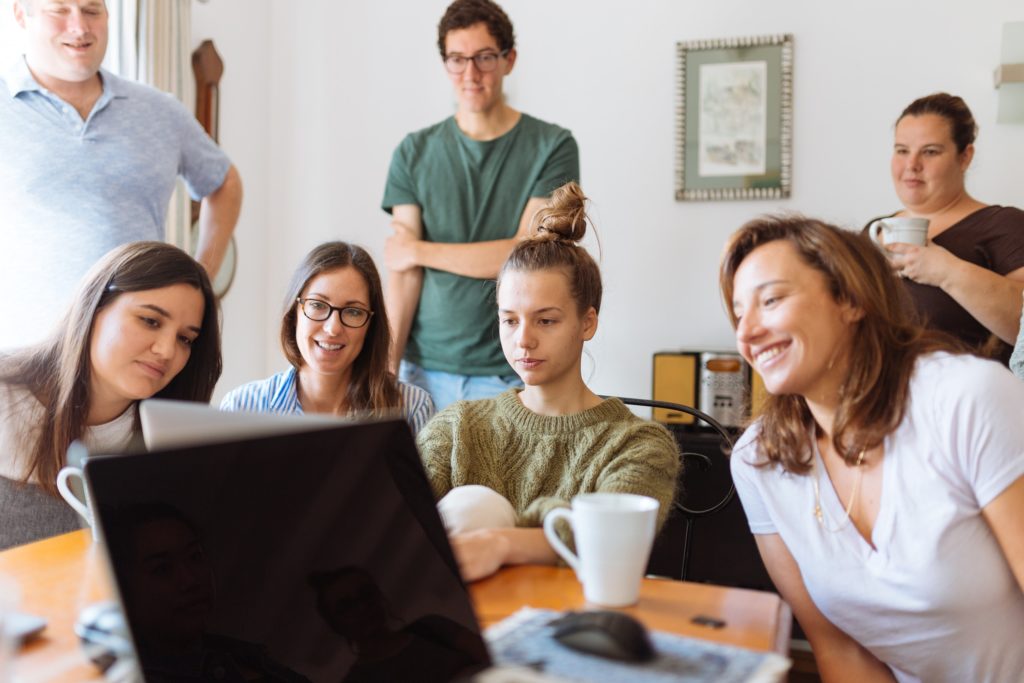
    Innovation and collaboration improves access to care.

    An audible commitment pervaded the crowd who recognized not only the value, but the vital role each discipline plays to provide mental health care to those who need it. The President’s theme concept definitely found its mark. Innovation and collaboration improve access to psychiatric care for everyone.

    Abundant Presentations

    There were presentations about suicide, about issues for LGBTQ youth, about the mental health and well-being of physicians and medical students, about addiction, and about where opioid use and psychiatric disorders intersect.  There was a round table discussion about the presence and needs of mental health sufferers in the criminal justice system, an area sorely in need of solutions.

    One session informed about talking, and listening, to patients about marijuana and CBD, and provided information psychiatrists need to know for these discussions.

    Poster Presentations on 3 Floors

    Then there were poster presentations. Four separate sessions of them! 

    Poster presentations on the latest findings in a wide variety of current subjects. One presented the issues that come into play when a patient requests a hastened death. Heavy subject matter, without question. Another considered a case of delusions of persecution in someone suffering from migraine. Another reported on psychiatric needs in the refugee crisis. Still another described educating an underserved community about ADHD.

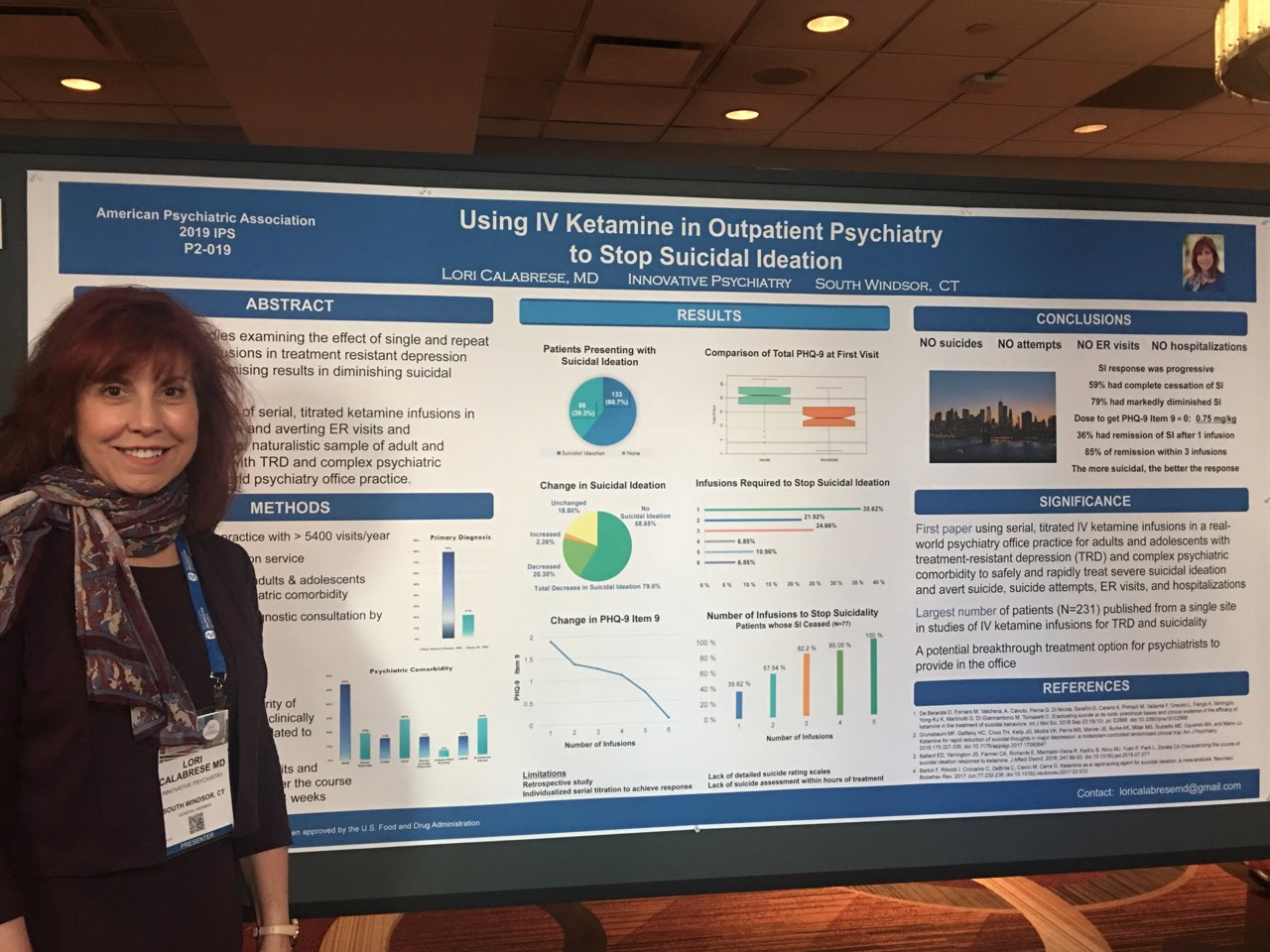
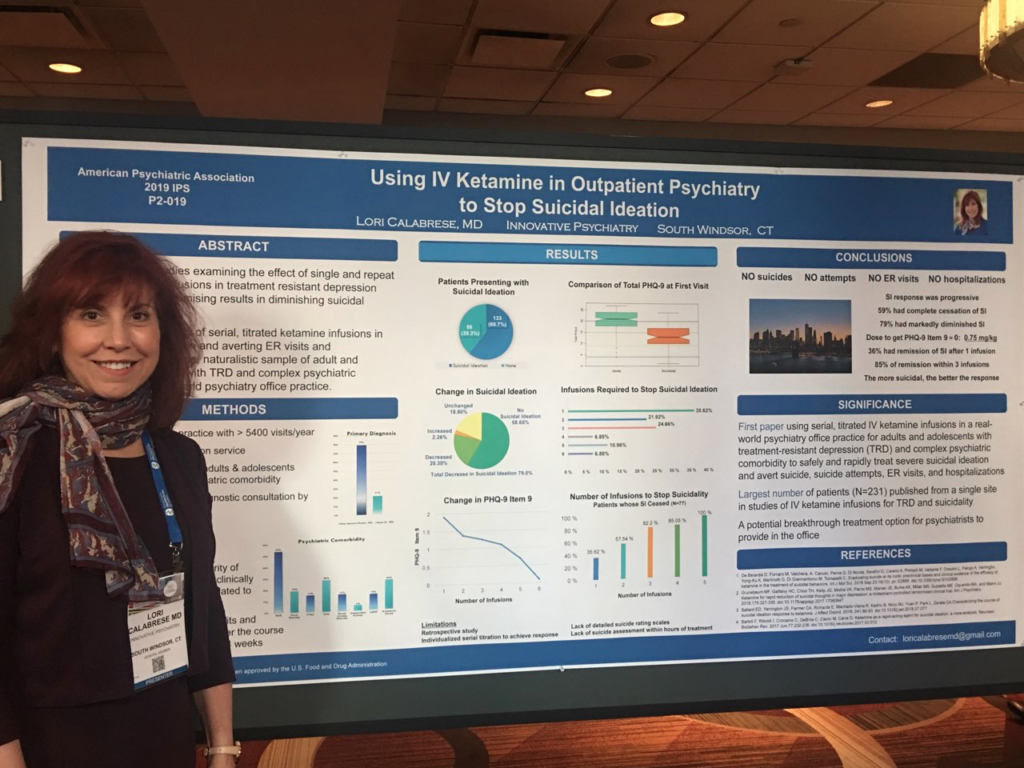
    And there were several on suicidality, where I also presented my own findings in treating suicidal thinking with IV ketamine infusions.

    The enthusiasm for my poster bubbled over. So many asking questions, wanting discussion and details. I wish I had had more time. But it was thrilling to see how much psychiatrists ache to have better treatment alternatives for their most vulnerable patients. I think many were captivated by the fact that out of this population we had no suicides, no suicide attempts — not even trips to the ER. No one needed to be hospitalized. 

    IV Ketamine Treatment Can Make Such a Difference

    IV ketamine treatment really is a game changer. And it can be a life-saver. We’re learning — and have so much more to learn— about how infusion dose and dissociation play a huge role in the outcomes.

    IV ketamine treatment is a game changer that replace despair with joy.
    We read the literature. (It keeps us up at night!) And we trust the literature. And sometimes we allow the literature to even think for us…  So it really helps when our colleagues try an approach we haven’t heard of especially if it turns out to be effective. It adds a tool to our tool belt.

    When we go to conferences, one of the driving forces is that we’re always hoping to find another tool or two we can use to help our patients improve.

    It was thrilling to me to talk with other psychiatrists who would like to learn more about how ketamine can help, and who want to make sure they know enough about it in real practice settings to begin to talk with their patients about if, when, and how much. We all want better tools, better responses, better results. We need to be careful, thoughtful. And bold enough to stay on the cutting edge.

    Some were hand-picked by the President of APA

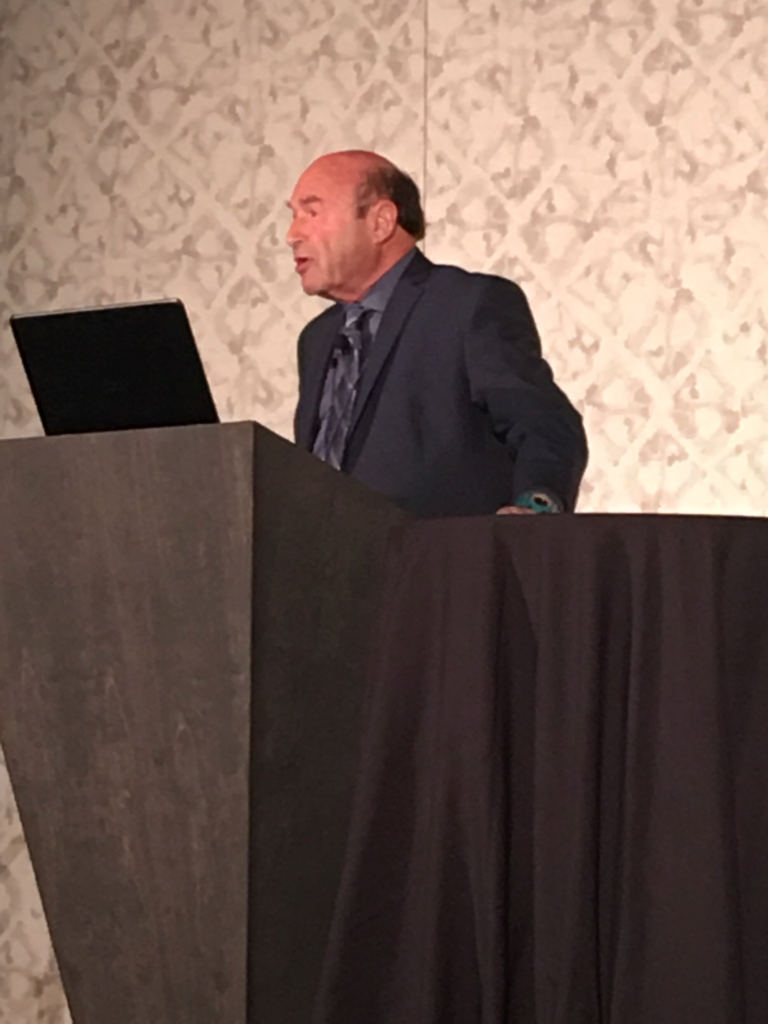
    There were presidential presentations, which were arranged by Bruce Schwartz, M.D., President of the APA. He invited specific leaders to speak on pressing subject matter from their expertise and experience.

    One highlight was the presidential presentation by the esteemed Charles Nemeroff, M.D., Ph.D. He’s Professor and Associate Chair for Research at the University of Texas Dell Medical School in Austin, TX. Dr. Nemeroff has published more than 1100 scientific reports focused on the pathophysiology of mood and anxiety, particularly in children of abuse and neglect. 

    Dr. Nemeroff’s presentation centered on personalized medicine in psychiatry. His point of view is that personalized medicine is advancing slowly, but as we move forward, the future for our patients shines brighter and brighter.

    I see the importance of his words in my own practice, and with my own patients. There is always room for improvement. Now, more than ever, the stakes are high, and time is short.

    The Tragedy of Inmates Who Need Treatment
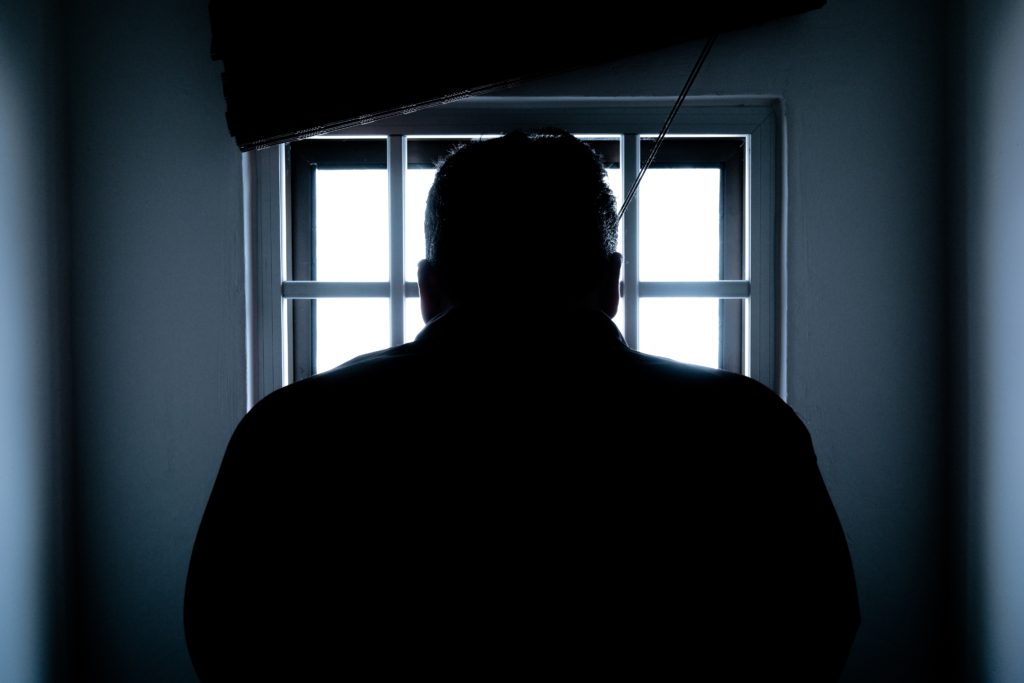
    IV Ketamine should be offered to prisoners whose ineffective treatment results in worsening symptoms.

    Another presidential presentation that was deeply felt by many was a round table discussion. It was chaired by Althea Jeanne Stewart, M.D., regarding the disjoint between mental health needs and the criminal justice system.

    If you’ve ever encountered the experience of an inmate with a disordered brain, you know— the pain and frustration these suffer, the frustration of staff, and the intense difficulties for everyone involved.

    We must continue to confront these difficulties in our system, and do the hard work required to apply better solutions.

    Innovation and Collaboration Improve Access to Care for All Patients

    Innovation and collaboration improves access to mental health care.

    The theme for this year’s conference was a solid one. Ongoing innovation will yield more effective treatment. And in collaborating with a team of experts, more psychiatric patients will have the care they need. But one of the stakeholders is the insurance industry and the insurance companies who pay for care. We need them to realize that and innovative treatment like IV ketamine can stop suicidal thinking enough to reduce their dollar spend on ambulances, mobile crisis calls, ER visits for suicidal ideation and hospitalizations for people who fear they will harm themselves.

    Because as we advance forward, our society will only benefit from a broader and larger population of people who are functioning well, and feeling well. Who can fill their positions, contribute their talent, raise their children, take care of their world. For that to happen requires accessible psychiatric care.

    And in the case of outpatient care in the privacy of an office setting, extraordinary treatments like IV ketamine …could mean the difference between life and death.

    We see it every week at Innovative Psychiatry. Not only life and death struggles, but life that’s rewarding. Full of hope. Where purpose, meaning, and reward replace despair. Where you have the energy and creativity to restore and strengthen your relationships. And where joy thrives.

    We attend meetings to bring home more to help you find restoration. If you have severe symptoms of depression, bipolar depression, social anxiety, PTSD, substance use disorder, or postpartum disorder, call us. We’ll help you find out if IV ketamine treatment can help you heal and find joy and purpose in your life.
    Dr. Calabrese believes that innovation and collaboration improve access to the best treatments for her patients.
    Lori Calabrese, M.D.

    To the healing of your best self,
    signature of Lori Calabrese, M.D.

  • Cost of Ketamine Treatment: Is it Worth It?

    Cost of Ketamine Treatment: Is it Worth It?

    The cost of ketamine treatment was worth it for James- his life is blooming.

    “IV Ketamine treatment…?  I can’t afford that.” 

    “Sure, I want to feel better.  I’ve tried so many medicines and treatments. I don’t even know what it’s like to enjoy something, anything…or to feel happy. I don’t have the energy to even get out of bed half the time, much less get anything done. But…the cost of ketamine treatment is way out of reach for me. I don’t even know if it’s worth it?” That’s Ann Marie, out loud.

    “When I go to work, my mind is plagued with images of people dying… or me dying. Dark, hopeless thoughts and pictures in my head. Sometimes gruesome…

    The cost of ketamine is a worthwhile investment.

    “But we all know IV ketamine treatment is for people who’ve got money….   right?”

    ……….

    This is what people say to themselves, and to their family…comments like this, or others similar…

    And since IV ketamine treatment can restore your hope, your motivation, and initiative, you’re likely to be far more able to make those payments after you’ve benefitted from the treatment.

    So, maybe they aren’t seeing the big picture…  in fact, maybe you aren’t seeing it either. It’s something to think about. 

    Because, you know, you don’t have to have the free cash to pull the payment out of your wallet on the spot. You know that, right? Countless companies offer medical financing to pay for medicines and procedures over time. Advance Care Credit, United Medical Credit, and M-Lend are a few.

    For example, have you thought about the benefits of investing in IV ketamine treatment ? Yes, there’s an initial investment, but have you thought about this..?

    Discontinue Medications and Save $$

    For one thing, you’ve likely been taking medications for your depression or other disorder for years…haven’t you? And even though they haven’t helped, you may still be taking them.

    But, the beauty of ketamine is that it works independently of SRIs, SNRIs, anxiolytics, etc. So by investing in as few as 6 ketamine infusions, or a few more as needed, you may find you’re well enough to think about eventually tapering some of the add-ons that didn’t add anything.

    IV ketamine treatment may make it possible for you to wean off expensive medications that don't help, so the cost of ketamine treatment may be reduced by savings.

    Some of your medicines may not be expensive, but some may be pretty pricey.  In some cases, people have found that IV ketamine treatment paid for itself in 3-6 months. Even when you have insurance, your treatment costs can be exorbitant. Now it seems like everyone has a huge deductible to pay before insurance even kicks in. How much money would you save if you were able to stop taking those …. add-ons that maybe aren’t adding anything? Well, that money could go toward paying for your IV ketamine infusions.

    Then, there are those calls for extra appointments with your doctor when your symptoms flares.

    Fewer Doctor Visits

    If you’re not having symptoms, you may find you don’t need to see your doctor as often as you were when your symptoms were so persistent and so severe. What a relief that would be–if you didn’t need to call to be fit in for extra appointments when you took a dive, didn’t have to reach out to an answering service on the weekend. You’d probably prefer to spend that time and money doing things you enjoy, right?

    Why pay for a parking garage and sit in a waiting room when you’d rather be hiking in the woods, or playing tennis, or shopping? When ketamine goes to work on your brain systems, and restores the circuitry there, you regain the power to enjoy. And if you’re enjoying yourself, it’s likely you may not feel the need to check in with your doctor nearly so often. 

    Add to that the expense and the hassle of lab work. Some medications require that regular lab work be done to monitor your liver, or your kidneys, or your blood sugar and your cholesterol.

    To spend more of your time enjoying your life, your work, your hobbies, and your relationships is a far more fulfilling way to spend your time than having blood drawn in a lab on a Saturday…don’t you think? 

    Cost of ketamine treatment can be offset by fewer meds and doctor visits so you can do things you enjoy, like picnics.

    And money spent on co-pays and fuel, as well as wages lost from missed work and days you take under your FMLA for symptom flares and doctors’ visits…well, those funds have such better uses when you feel really well.  Baseball tickets, funnel cake, or…a picnic in the park!

    Cost of Ketamine Treatment Improves the Quality of Your Life

    But most of all, it’s the quality of your life. While the costs can be reclaimed in countless ways by a happier, healthier you as time goes on, can you put a price on your improved, deeply rewarding, utterly fulfilling new life?

    James comes to mind. A patient of mine who couldn’t remember ever feeling happy, or having fun, or enjoying those little moments in his life. Ketamine worked for him. And now, he enjoys a fragrance he notices in the air, the way the meat responds to the fire when he’s cooking, the clear blue of a mountain spring.

    Things he never noticed before because of the dark gray cloud that hung over him, suffocating him. He arranged financing for his treatment, and that monthly payment feels easy, because he lives every day the life he had wished for as long as he could remember.

    And his life has bloomed, because he has the energy to step out and live. He has a family that’s growing and his mind is on his family’s future…in fact, he realizes his whole life is ahead of him. He invested himself and the cost of ketamine treatment was part of that.

    Then, there’s Lisa. She grew up in a home where she never felt understood.  She was sensitive, intelligent, and meticulous. Her parents were hard working, confident, and not so tuned-in. Not really understanding their daughter’s sensitive nature, they made a plan for her from earliest childhood. She would be a doctor, and would make them proud. 

    But Lisa’s heart turned to music, and she sang like an angel. From the time she was losing her front teeth, she could feel her parents’ pressure to be who they wanted her to be. She wanted so much for them to appreciate her for who she really was.

    Lifelong Depression Wears Down Brain Circuity

    Innocent child waits in the darkness for her parents.

    By her 6th birthday, she would arrive at home after she got off the bus, and enter the dark house frightened, alone, and shaken. The anxiety from those long afternoons alone in a dark house grew to a dread that followed her wherever she went.

    Depression drained her energy, and her hope in life. Adolescence turned out to be a cruel time, and she felt she didn’t fit in anywhere. College was a chance to excel. Getting married was a no-brainer. And though she had transient reprieves from the trudging existence she endured, the dark hopelessness and choking despair always returned.

    Pregnancy after pregnancy…she could conceive, but had no energy to care for the children, and would just go back to bed. The kids spent a lot of time at their friends’ houses while she slept on the couch. They learned how to make their own mac and cheese.

    Hospitalizations didn’t make much difference. Medicines her doctors prescribed brought no relief. The kids raised themselves.

    The Cost of Ketamine Treatment

    But finally, when her first grandchild was on the way, and Lisa wanted the ability to build a relationship with this child, she heard about what ketamine treatment was doing.  She learned that she would need at least 6 infusions, so she needed to be prepared to pay for them. 

    Those who knew her and loved her wanted to help. Eventually, a friend offered to help her pay for the treatment.

    For Lisa, it got unreal right then. There was an unreal-ness about suddenly having a way to get real help…to maybe have an opportunity to feel good for the first time in her memory.

    And as she’d hoped, within a week she was improving. Little beams of hope penetrated her cold damp tomb of anxious despondency …one little beam at a time. It was slow. She started taking walks, just because. Then she started reading books and meeting friends for lunch. 

    A friend’s help made the cost of ketamine treatment manageable.

    A joyful grandma is grateful she had the cost of ketamine treatment so help her get well and happy.

    Now, Lisa is a rosy-cheeked, very active grandmother. She takes her granddaughter on picnics and to the zoo, for ice cream, and to play in the park and feed the ducks. Her grown children watch in disbelief–where was she when they were little?–but they’re relieved that she is finally functioning, happy, productive, and interested.

    She has the energy to share all kinds of experiences with her grandkids…both the physical as well as emotional energy. They play games and she teaches them about good sportsmanship and the competitiveness to win, too.

    Lisa made little payments to her friend for three years to repay the loan that gave her back her life. She says that loan was the greatest gift she’s ever received. She has the power to love again. To dance and sing and play ball with her family.

    Ketamine Treatment Must Be Available to Those Who Need It

    Is there anything more important than the power to live your life well? Happily, generously, joyously?

    When people ask me how they can afford to pay for this treatment, I wonder. A lot.

    I wonder how we can afford to stand by while our sisters, our friends, our kids, and our husbands slowly shut down.

    I wonder how we justify the days lost, the jobs lost, the unpaid FMLA’s, the lost opportunities. The kids’ games that we missed, the holidays we suffered through, the long agony of a weekend that was empty.

    I wonder how our insurance companies so readily deny payment for an infusion that could stop suicidal thinking and save a life –but quickly fork over $1300 for an ambulance ride to the ER and another $1500 for the night spent on a gurney, waiting to see if the crisis worker will hospitalize you or send you home?

    Insurance will pay for that, and refuse to cover ketamine infusions? The procedure exists, the billing code is there, the diagnosis is clear …the results speak for themselves.

    I wonder, sometimes, not about affording ketamine, but about how we can afford this: to live like this, day after day. What’s it costing us? What’s it costing our kids?

    In the light of the transformative effect of ketamine at its best, you owe it to yourself to find a way to give yourself an opportunity to live – and live well. To enjoy your life, to invest in it, to learn and grow, to stop the suicidal thoughts, to get rid of the depressive symptoms. To be happy.

    Cost of ketamine treatment brings great returns on investment through joyful living and loving.

    It’s true that IV ketamine treatment can’t offer a 100% response rate, but no medicine can do that. The cost of ketamine is an investment… But there are few investments available to us with the return that comes from this extraordinary treatment.

    James made this comment, “Instead of spending all my energy trying to figure out how to survive the week and how to ignore the suicidal thoughts that are always there, I’m excited about figuring out my next step, and I’m looking forward to good things happening. I’ve never experienced anything like that before.”

    Everyone should have the opportunity to live free of symptoms, and to have the energy and hope to invest in the things you believe in.

    At Innovative Psychiatry, we’re investing in you and your future. If you’ve suffered and treatments haven’t helped, call us. The cost of ketamine treatment? We think it’s worth it. It can make real living, fulfilling engagement, rewarding relationships, available to you.

    To the unveiling of your best self,

    Lori Calabrese, M.D.

  • ASKP Conference 2019: Celebrating the Response to Ketamine

    ASKP Conference 2019: Celebrating the Response to Ketamine

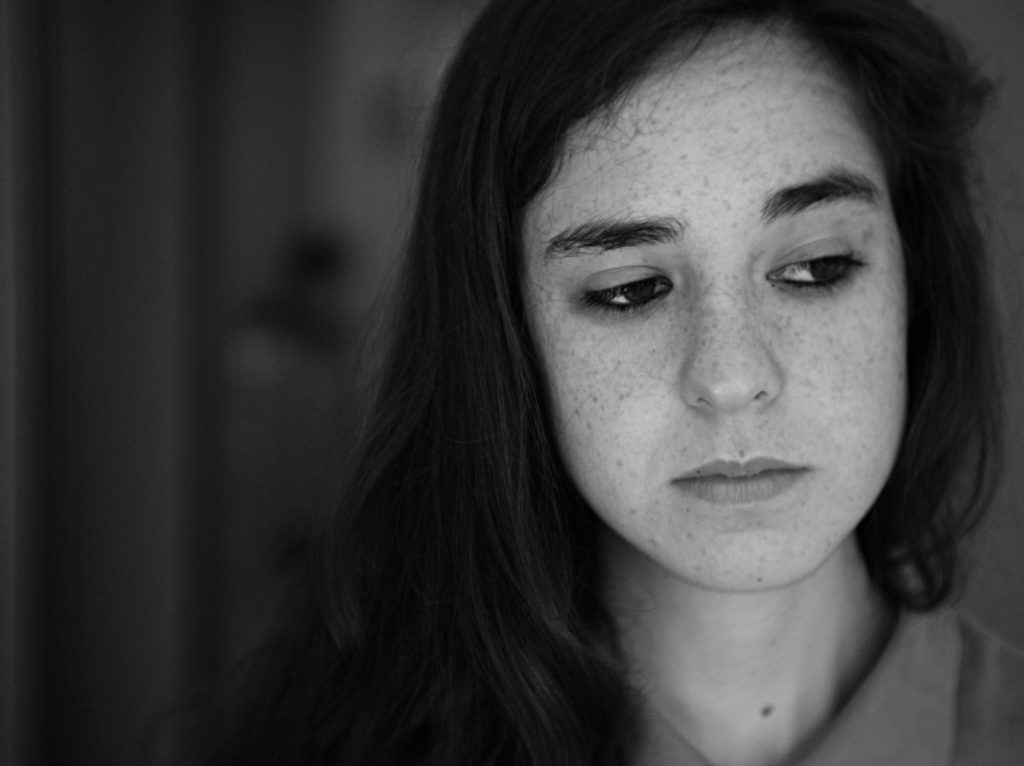
    A sullen, depressed teen girl is laughing and happy because she's fighting suicide with ketamine.

    The Importance of Meeting Together

    Every once in a while — sometimes only once or twice in a physician’s career — a medicine or treatment comes along that’s a game changer. Something that sets its own records, raises its own bar, and helps people so profoundly that their lives are better because of it. A treatment so remarkable, it establishes a turning point for them. Where life is divided by the “before” and “after” of that treatment. IV ketamine is such a treatment. And we’re celebrating the response to ketamine every day.

    In the field of psychiatry, ketamine’s use off-label has established that line: the misery of “before” and the wellbeing of “after” for growing masses of patients who suffered all their lives, lived at risk of suicide, and found life difficult to bear. The same people who now are enjoying their families, their friendships, their work, and their hobbies.

    And because ketamine is FDA-approved for anesthesia, it presents us with a double- edged sword. On the one hand, it has shown us how safe it is with patients in every age group for 50 years at very high doses as an anesthesia and in pain. And on the other hand, its rapidly growing use in psychiatric disorders is off-label — outside of its FDA labelling for anesthesia.

    Collaboration in a New Field: Ketamine Off-Label

    Neuroscience researchers, psychiatrists, anesthesiologists, emergency department physicians and more have been scrambling to understand this medicine and its effects for years as we navigate this new territory.  

    And the best way to do that?  

    To put our heads together and exchange information, experiences, ideas, and data; and learn all we can together to bring the safest, most effective treatment to our patients.

    Do we see it all the same way?  Of course not. But by coming together regularly we grow and expand our grasp of what ketamine can do for our patients.

    And we have something deeply in common. We’re all celebrating the response to ketamine we see at every turn.

    ASKP for Ketamine Treatment

    The American Society of Ketamine Physicians (ASKP) is about this very thing. We gathered a few days ago to learn from each other, grapple with difficult issues we face, and to expand our knowledge and expertise to better serve our patients.

    This was the second annual meeting of ASKP, and we’re inspired by how we’re growing in numbers and experience.

    As physicians we vow to first do no harm. And then of course, beyond that, we want to help. For more than 50 years, and in more than 19,000 scientific papers, brilliant minds around the world have dug deep and broad in their research — from their universities, their labs, their clinics, and their practices to understand the science and the nuances of ketamine.  All so ketamine can help people who suffer.

    Dr. Jennifer Winegarden, who spoke on the use of ketamine in refractory cancer pain,  put it like this: 

    We are really here because we want to relieve suffering, but coming up with a consensus for how exactly we’re going to do that is a lot of work; we are still in our infancy in discovering how we are going to do that.

    The Speakers

    Steve Mandel, M.D.

    ASKP conference where we were celebrating the response to ketamine.
    Steve Mandel, M.D.

    President of ASKP and one of its founding members, introduced the meeting with a call for collaboration.

    He quoted Stephen Hyde, MD, a pioneer in ketamine treatment in Australia, stating “Given the unacceptably high rates of suffering, disability, and premature death experienced by people with treatment-resistant depression and the surprisingly low rates of problems arising from the use of ketamine to treat the disorder, this is a therapy that all patients and their doctors should be discussing.”

    And the speakers? Well, to read the list is to begin to stroll through ketamine’s hall of fame in clinical psychiatry. It was inspiring to listen to speakers who’ve been blazing the trail in the field of ketamine for treatment resistant depression.

    Sanjay Mathew, M.D.

    Professor of Psychiatry and Behavioral Sciences at Baylor University Medical School Houston and a key player in ketamine research in psychiatry, addressed us with a comprehensive review of ketamine for treatment-resistant depression even though the Houston airport was under water! Fantastic.

    Gerard Sanacora, Ph.D., M.D.

    Director of Yale Depression Research Program, another major thought leader and key researcher in ketamine and esketamine for TRD — in fact, a leader every which way! — the lead author on the APA Council of Research Task Force on Novel Biomarkers and Treatments for the Consensus Statement in 2017 on the use of ketamine off-label for depression . . . I could go on and on. He summarized the new data on esketamine, the left-facing ketamine enantiomer from Phase 2 and 3 clinical trials.

    Amit Anand, M.D.

    Professor of Medicine at the Cleveland Clinic and Vice Chair for Research for the Center for Behavioral Health there, and an expert on brain imaging, psychopharmacology of mood disorders, and ketamine. He spoke on a new study of the comparative efficacy of ECT vs ketamine for treatment resistant depression (TRD) where they plan to enroll 200 patients–so exciting because it will be so large.

    David Sheehan, M.D.

    David Sheehan MD celebrates the response to ketamine at the ASKP conference.

    Of course, one of the true greats in our field. He is the father of anxiety research, and an expert in depression, suicide assessment and harm reduction…. and the list goes on. His clinical work and research career spans 50 years and more than 800 publications on anxiety, depression, and suicide. He has developed multiple rating scales in the field that are widely used in clinical research and presented a gripping talk on the assessment, documentation and pharmacologic management of suicidality. He is Distinguished University Health Professor Emeritus at the University of South Florida College of Medicine, and has mentored and collaborated with scores of the major researches in the field over his career.

    Rachel Dalthorp, M.D.

    ASKP Board member, clinical psychiatrist and specialist in reproductive psychiatry at Balance Women’s Health in Oklahoma City, OK, spoke about hormonal challenges in ketamine treatment, and how to work with them to ensure optimum response.

    Omid Naim, M.D.

    of Santa Monica, CA and La Maida, spoke about the importance of creating and building community in transformation and healing.

    ASKP conference, Jeff Becker, MD celebrating the response to ketamine in his brilliant presentation.
    Jeff Becker, M.D.

    Jeff Becker, M.D.

    a clinician with deep expertise in neurospychiatry funtional medicine and noetics, first researched ketamine in 1998, and has been using ketamine in his clinical since 2004. He spoke about fMRI findings in ketamine treatment, and the important roles of chandelier cells, pyramidal neurons, and basket cells during ketamine treatment. Jeff, as always, was brilliant.

    Daniel Richman, M.D.

    Attending Physician at the Hospital for Special Surgery and a Clinical Instructor in the Pain Management Ceneter at New York Presbyterian and Memorial Sloan Kettering, and an expert on the treatment of Complex Regional Pain Syndrome (CRPS), presented a review of the challenges and the success in using ketamine infusions in anesthesia for CRPS — extraordinary help for the worst pain imaginable.

    Jessica Katzmann, Psy.D.

    focuses on ketamine-assisted psychotherapy in her practice, Healing Realms, and she spoke about how to help patients experience wellness and process their improvement and their experiences after ketamine treatment.

    Jennifer Winegarden, D.O.

    an expert on hospice medicine and the Chief Medical Officer of The Medical Team Hospice in Michigan, spoke on end of life care in hospice treating intractable pain with ketamine.

    There were lightening abstract presentations which wrapped up the conference: ketamine infusions with concurrent TMS, (Cindy McKinzie, PsyD. and Melanie Dillon, LCPC of Chicago), a case report of ketamine use for PMDD (Cassandra Gentry, PA, of Balance Women’s Health, OK), and a a review of Ketamine for Anxiety (Michael Banov, MD of PsychAtlanta in Georgia).

    My Own Presentation

    I was honored to speak about my own work with ketamine. The talk was titled, “Real World Results: When Ketamine Stops Suicide” — pretty edgy, but thank goodness, I wasn’t the only one who spoke on suicidality. Suicide was discussed at so many different points throughout the conference, wherever we clustered, over coffee … and Dr. Sheehan’s superb talk on the assessment of suicidal ideation was a beautiful synthesis of clinical research, wisdom, and temperance. He drove home the important point that it is impossible to predict suicide for an individual.

    International Journal of Psychiatry Research celebrates the response to ketamine.

    My data on using IV ketamine in suicidal patients with treatment resistant depression was published recently in the International Journal of Psychiatry Research. As I said, we’re celebrating the response to ketamine at Innovative Psychiatry.

    I spoke about the real world results we’ve seen when we use ketamine for treatment resistant depression — and find that many of the people who come to us are suicidal, have made suicide attempts, have been hospitalized for suicidal thinking.

    Real Patients in the Real World

    Sometimes ketamine doesn't  work, and the sadness continues.

    They feel terrible, and want those terrible thoughts to stop. One of the striking findings in my practice is how quickly — and completely — ketamine stopped suicidal thinking in real patients.

    I say real patients because I really mean real people–with complicated lives, multiple stressors, multiple other psychiatric stuff going on at the same time — most had 3 other psychiatric diagnoses in addition to treatment-resistant depression. Most were on 4 or more psychiatric medications, and had failed multiple antidepressants in the past. Many had been hospitalized, many had made suicide attempts… or multiple attempts. Many had failed ECT. Some had failed TMS.

    Or….I should say, our available treatments had failed them.

    They were just doing the best that they could to hold on until a better treatment became available that could help them.

    A Holding Environment

    For many of them, that better treatment was a short series of IV ketamine infusions — with the dose increased (or “titrated”) along the way.

    We work to create a holding environment–to hold on to hope, to offer it to our patients when their hope is strung out pretty thin, to offer it to their families, to give them a chance and to buy a little time so that treatment of their underlying depression, anxiety and trauma can begin. So that the suffering can stop.

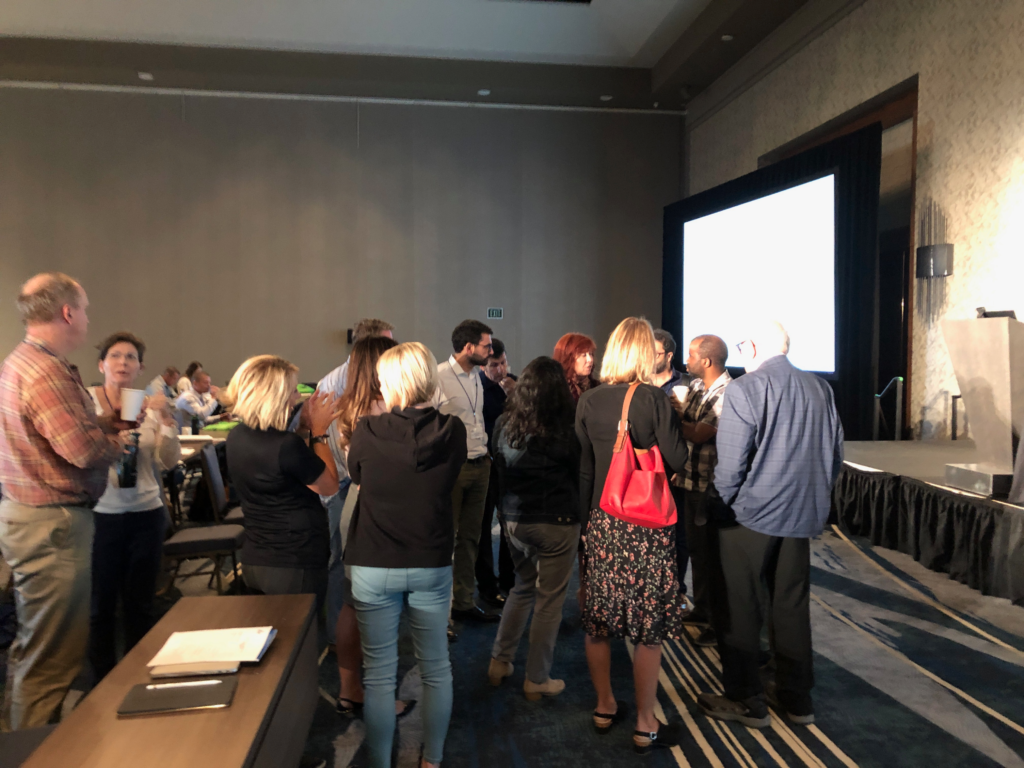
    Celebrating the response to ketamine after Lori Calabrese's presentation.

    There is palpable excitement in the room when suicidal thinking falls away. In the IV ketamine treatment room, in the patient’s living room, in a crowded lecture hall when you describe this to other doctors. (…That’s me answering questions on the floor after my talk.)

    Celebrating the Response to Ketamine – The Game Changer

    We're fighting suicide with ketamine to erase suicidal ideation and people are getting well.

    Ketamine infusions don’t always work. I have to emphasize that, because we have to be clear: of course they don’t. We’re trying desperately to understand what are the factors involved when they don’t work for some people.

    But when they do –and they often do — when suicidal thoughts just stop, when the veil lifts, when the ability to enjoy things again slowly creeps back in for someone who has been stuck for so long in such a bad place …. well, then, it’s a celebration.

    So today we’re celebrating the response to ketamine.

    We’re talking, we’re writing, we’re buzzing with hope for the future and for the future of our patients.

    And we have hope to offer them. Real data from hundreds of people that we’ve treated. So that we can say, in our hands, this is what we find, this is what we see, this is what you can expect.

    We need more research–the elegant, beautiful, randomized, placebo-controlled trials with carefully curated patient populations, and primary and secondary endpoints, and exhaustive data analysis.

    And we need more real-world results with real, lived experience. Live suffering. And, yes, the messiness that comes with the complex and devastating psychiatric disorders that we treat every day.

    So indeed, let’s work together.

    Let’s celebrate the response to ketamine, and talk.

    Let’s talk about serial, titrated ketamine infusions, and how they can stop suicidal thinking. How they can maybe turn around that trip to the ER because you might not need it. How they might keep you out of the hospital.

    Joyful girl is celebrating the response to ketamine that changed her depression to joy.

    Most definitely, let’s talk. While we celebrate (and let’s keep celebrating the response to ketamine). And let’s talk so that we can save lives.

    Let’s talk so that we get insurance to listen and to reimburse you for a treatment that can potentially save your life.

    Because an infusion is cheaper than an ambulance ride. Less expensive than a night on a gurney in the ER. Much less awful than days spent hospitalized on a psych ward.

    Oh yes, let’s do talk. Doctor to doctor. Doctor to patient. Mother to daughter. Friend to friend. Share the news:

    Lori Calabrese. Titrated Serial Ketamine Infusions Stop Outpatient Suicidality and Avert ER Visits and Hospitalizations. Int J Psychiatr Res. 2019; 2(5): 1-12.

    We’re working hard every day to help you find the resilience you wish for, the fulfillment of a rewarding life, the enrichment of strong, mutual relationships.

    To the reinvigorating of your best self,

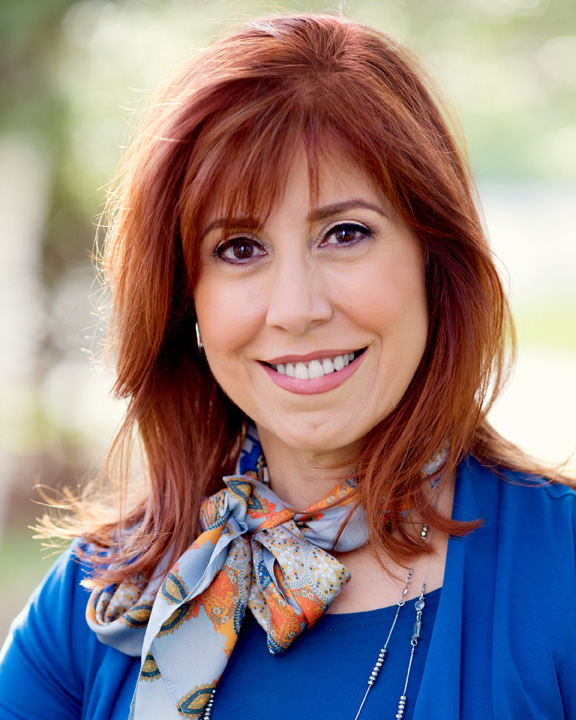
    Lori Calabrese, MD offers innovative psychiatric treatment like IV Ketamine

    Lori Calabrese, MD

  • Where Can You Find Real Help for a Suicidal Person?

    Where Can You Find Real Help for a Suicidal Person?

    To help a suicidal person, ask hard questions, then listen. Help them connect with people who care. You can save a life.

    What is a suicidal person like?  How do you find help for a suicidal person? Can you describe the profile of someone who wants to die? Are they melancholy?  Irritable or agitated?  Are they funny?  Always making people laugh when they’re dying inside? Do they present themselves one way in public and another way in private? Are they sad…do they fit in …or are they misfits?

    Yes. The answer is YES.  And NO.

    A suicidal person can be any of these people, or none of them.  Someone like you …or me.  Or different than both of us.

    Anyone is capable of suicide given the wrong set of circumstances.

    Someone who can’t remember a time when he wasn’t sad… or just vacant. A person who’s had a series of deep losses, major stressors, and profound disappointments: all in a row…or all at once.

    Someone who just finished medical school. A young mother; a 9 year-old child. An elderly field laborer. A mail carrier.

    The pastor of a mega church.  The owner of a multimillion dollar consulting firm. A thirty year-old single father. A world-famous performer. The head of a university medical department. A kindergarten teacher. A 14 year-old girl.

    Sister, father, son, daughter, grandmother.

    WHO is a Suicidal Person?

    For every person you find who ends his or her life, there are thousands with similar circumstances who don’t.  

    Why?  What makes the difference?

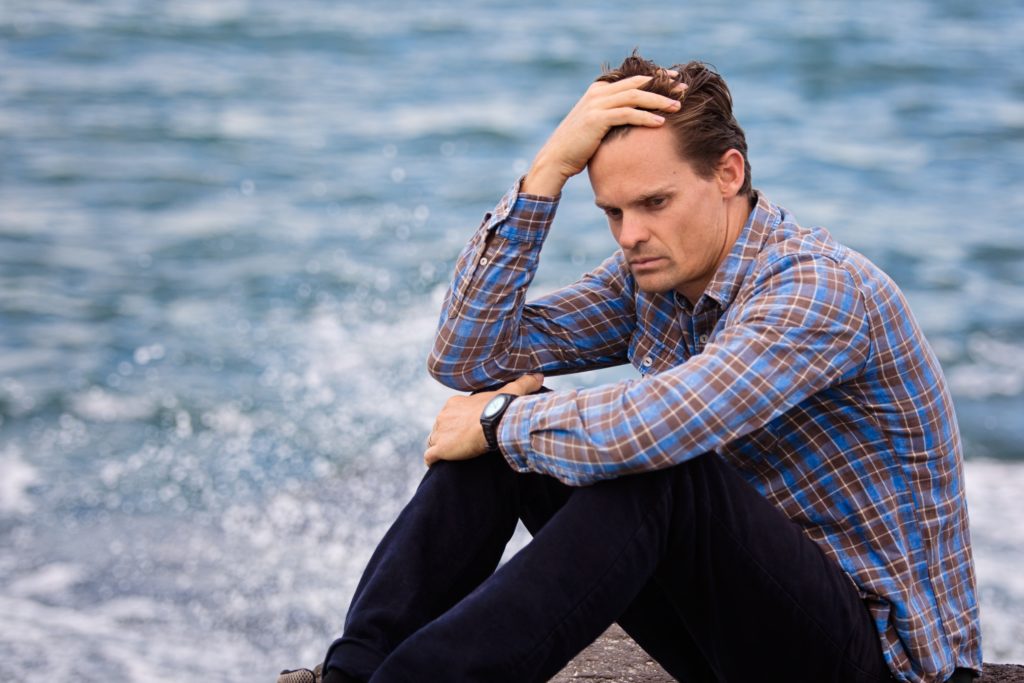
    You can help a despondent person like this man by talking to him, asking if he's thought about hurting himself, and talk to him about how IV ketamine can erase suicidal thoughts.

    What causes one person who seems to have “everything to live for” want to die, and another whose life is similar want to live and not even consider dying…? Why is it that two people can face shame, humiliation, failure; and one wants to die and the other bounces back and moves forward?

    One thing is for certain. It’s not about one person being weak and another being strong. 

    Or about one being flawed and another being “normal.”

    The complexities of suicidal thoughts as symptoms of a deeper, more complex underlying condition cannot be completely explained yet…certainly not here. But, somewhere in it all you’ll find genetic links, brain circuitry, complicated response mechanisms, and more. 

    Why does one person bear the burden of kidney malfunction or lung disease and another doesn’t?  Or Type 1 diabetes? Or liver disease?

    One person’s genetic makeup provides a tendency toward more resilience and another’s genes lean more toward less resilience. One woman’s genes map out a future with breast cancer while another’s don’t.

    How Many In a Week..?

    Last week was Suicide Prevention Week. On last Monday, September 9, 2019, a beloved associate paster of a prominent church in Riverside, California, officiated over the funeral of a lady who had ended her life. Before the day was over, he had ended his own, too.

    Don’t ask why. Ask, “How can I help?”

    We Need to Supply Real Help for a Suicidal Person

    Then, two days later, the director of psychological services at a prominent state university jumped from his 17th- story balcony.

    The gentle and caring pastor was a devoted, loving husband and father of two. He founded Anthem of Hope in 2016, for those who suffer from depression and suicidal thoughts. He had always been open about his own struggles with the same.

    Jarrid Wilson, pastor at Harvest Christian Fellowship, died by suicide last week.

    Jarrid Wilson was a kind-hearted, vibrant, encouraging person, with two beautiful children, and an amazing wife. He’d suffered from depression since childhood. His depression and suicidal thoughts became too much to bear for him that day. 

    His wife is grief-stricken, suffocating with the loss of her best friend, and his church is stunned.

    Our hearts go out to his family, his church, and all who knew and loved him. 

    Jarrid’s life didn’t end because of something that was wrong in his life, but because of something that was malfunctioning in his brain. This is why we promote treatment for suicidal thoughts. 

    When you hear someone say, “She had so much to live for,” remind them that this is an illness. It’s not about hating her life.

    We must find help for a suicidal person like Dr. Eells.

    Gregory Eells, Ph.D., was accomplished and a strong, capable leader. Was there a reason, or was his death also the symptom of an underlying disease..?

    That’s the thing about suicide. Since we don’t know what his thoughts were, we can only guess. But it’s important to understand that stress…too much of it for too long…can lead to depression.

    Prolonged Severe Stressors Can Result in Depression and Lead to Suicidal Thoughts

    Stress breaks down those signaling structures and interferes in other areas of the brain. When that happens, the connections between brain cells become pruned and sparse… and signals are reduced in strength and number. The more severe the depression, the more profusely suicidal thoughts may grow.

    Crisis on top of crisis; death and loss; financial difficulty; illness; divorce; foreclosure; …all of these things together can prune away those connections and lead to deep and overwhelming depression.

    Then come the thoughts. Maybe a desire to escape the torture? Possibly. But more likely they’re somehow related to the poor communication of signals within the brain. The darkness. The silence. The void. The vacancy of any reward.

    These thoughts tend to intrude in your mind when your depression and anxiety are most severe. Some people experience these intrusive thoughts of death and dying no matter what they’re doing. The more their condition worsens, the more these thoughts bombard their minds.

    Suicide is Reaching Epidemic Proportions

    In 2017, 1.4 million people attempted suicide, succumbing to those intrusive thoughts. Of those, 47 thousand people died. We talked last week about how this means that suicide is the 10th leading cause of death in this country alone.

    Let's help a suicidal person like this by reaching out and talking to her, and telling her about IV ketamine for suicidal thoughts.

    And we haven’t even scratched the surface of all the people who have suicidal thoughts, plans, or intentions. Most of us are unaware of the numerous people around us who struggle with suicidal thoughts, because they maintain a brave mask.

    This is why IV ketamine treatment is so vitally important now more than ever. As suicide threatens to take more lives, we need more and better ways to prevent it. And to do that, we need treatment that stops those thoughts.

    IV Ketamine Can Provide Extraordinary Help for a Suicidal Person

    By a mechanism that’s separate from what ketamine infusions do to relieve depression, they also can stop those intrusive suicidal thoughts in an hour or two…or an afternoon. So even those patients who might not feel relieved of depression symptoms after ketamine infusions, may still be relieved of those thoughts of death…and dying. 

    IV ketamine infusions are a life-saving treatment, and nothing else comes close. Other medicines that have been used for this purpose required weeks or months to be effective. And, well…with someone severely suicidal, that may be too late.

    Ketamine acts in a multiple areas in the brain, and in a variety of ways. We do know some of the ways it works, but we suspect neuroscience researchers will continue to uncover more and more of ketamine’s handiwork going forward.

    Ways IV Ketamine Goes to Work in Your Brain to Lift Depression

    We know that as a NMDA receptor antagonist, ketamine increases levels of the excitatory neurotransmitter glutamate, the most prolific neurotransmitter in the body. 

    We know that ketamine turns the mRNA switch to “ON” which turns on DNA, that turbo boosts BDNF (brain-derived-neurotrophic-factor). Then the BDNF acts like a rich compost, stimulating growth of the connections between neurons, or brain cells, called synapses…and their branches of dendrites and dendritic spines.

    IV ketamine helps suicidal thinking by erasing those thoughts and replacing them with hope.

    These synapses, and dendritic branches proliferate abundantly throughout the brain, building superhighways for signaling to be high speed and abundant, lighting up the brain like a Christmas tree. 

    The slow, dark, sluggish signals that crept along during depression, explode with speed and efficiency as the brain comes alive.

    When this happens, your thoughts become creative, extensive, and bright. Your outlook soars, and so does your initiative and sense of purpose. Resilience replaces despair, and hope sets down roots. THIS is real help for a suicidal person.

    While all this is going on, there’s a change in the lateral habenula, that tamps down that bursting of cells that prevents you from enjoying reward. Your ability to enjoy moments, scenery, beauty, appreciation, and love is restored.

    Then, there are those G cells stacked up on lipid rafts in the cell membrane. They lazily while away the afternoon. Then IV ketamine comes along and slides those G’s off the lipid rafts and puts them back to work moving signals down the highway.

    These are the things we KNOW about.  We’re sure there are more actions we don’t know yet. But we will.

    The result is joy. And hope. And the energy and motivation to take initiative and build relationships, strengthen bonds, improve productivity at work, creatively advance in all you do, for a rewarding and fulfilling life.

    Spread the Word and Stop the Torment to Provide Real Help for a Suicidal Person

    At Innovative Psychiatry we see people like Jarrid and Gregory often. And we see so many others. People who don’t want to die…but who don’t want to keep living like this, tormented by pain and suicidal thoughts, images, and ideas. People who want to enjoy life, enjoy their families, and invest their energy in their careers, hobbies, and interests.

    IV ketamine treatment can erase suicidal thoughts and restore your best self.

    We’re thrilled and relieved to see the majority of them walk out without suicidal thoughts at all, confident they can get better with therapy and medication. Or they walk out in remission.  

    That’s the beauty of IV ketamine treatment at work. We’re trying to get the word out that there is now a treatment that can rapidly stop suicidal thinking. Help us spread the word.

    We’d like to help you.

    Are you tired of living like this? Do you ache for the freedom to build your relationships, your career, and your hope?

    Protect yourself from those thoughts of death that try to lure you to an action you don’t want to take. Call us. Let us help you tap into the life you hunger for.

    You’re not alone, and we’re here to help.

    Please, if you have suicidal thoughts, call us. Or call the Suicide Prevention Lifeline: +1(800) 273-8255. Those intrusive thoughts are symptoms of an underlying condition and treatment can help.

    IV ketamine treatment can erase those thoughts in an afternoon. We want you to live and to discover what life can be for you. We want to help you heal.

    To the healing of your best self,


  • Suicide Prevention: #Bethe1to Save a Life

    Suicide Prevention: #Bethe1to Save a Life

    Suicide prevention: #Bethe1to ask how they're doing, to connect with them and listen.

    Today marks the beginning of National Suicide Prevention Week 2019, and tomorrow, September 10, is World Suicide Prevention Day.

    More than just observing a day or week like this, let’s use the opportunity to learn what we can actually do to make a real difference in the life of someone who suffers from suicidal thoughts. The National Suicide Prevention Lifeline has created the hashtag #BeThe1To to pull together people interested in learning what you can do to help.

    Suicide Prevention: #Bethe1to Intervene

    Approximately 1 million people die by suicide each year, according to the World Health Organization. That’s about 3000 people per day, or one death by suicide every 40 seconds. In the US, over 47 thousand people died by suicide in 2017. As such, suicide is the 10th leading cause of death in the US alone. But those are the ones who died.  1.4 million attempted suicide. 

    When someone experiences suicidal thoughts, it doesn’t mean they’ll necessarily make an attempt to end their life. So if there were 1.4 million people who attempted to die, can you imagine how many suffer in silence from the torment of suicidal thoughts?

    And here’s the thing…

    You don’t really know whether a particular person who’s experiencing suicidal thoughts will try to stop living, even if you do know they’re having suicidal thoughts. 

    And that’s why it’s so important to know what you can do, and learn how to get comfortable doing it.

    Suicide Prevention: #Bethe1to Make the Effort

    Suicide prevention: #bethe1to reach out and ask how she's doing.

    So let’s talk today about how YOU can intervene and help protect people in your circle from making an irreversible decision. National organizations dedicated to suicide prevention, like Suicide Prevention Lifeline and the American Foundation for Suicide Research cannot ferret out everyone at risk. To reach all of those suffering requires your help, engagement, and willingness to reach out.

    Most people do care about the number of people dying by suicide, but the majority of those who care, don’t really know what they can do to make a difference. And that’s why these organizations exist. 

    #Bethe1to highlights what you CAN do. YOU CAN be the one to listen. To reach out. There’s an abundance of myths and misunderstandings surrounding suicide, and more importantly, suicidal thinking.  When someone is having suicidal thoughts, those thoughts often begin as an intrusion into their mind in most cases, rather than a decision. In most cases, the thoughts are a symptom of an underlying condition.

    Think there’s nothing you can do? That’s a myth.

    Just be genuine. Sincere. Caring.

    The longer the thoughts go on, the more they can torment. And possibly influence the person experiencing them. So you can #Bethe1to interrupt the cycle, distract this friend or loved one from the influence of the thoughts, and counteract the thought’s impact.

    So WHAT CAN YOU DO?

    #Bethe1to  ASK

    Suicide prevention: #bethe1to be there for him.

    Start with developing a new habit, a new aspect to your interactions. Check on the people around you at work, at school, and at home. Ask questions. Inquire about their wellbeing. Show them that they matter to you. 

    “Are you Okay?”  

    Simply asking the people who are in your world if they’re okay can give you a more accurate idea about their wellbeing. Your question doesn’t need to be intrusive, but rather just a simple way of showing that you care about how they’re feeling, rather than just focusing on what they can do for you, your business, or your family. 

    “How are you feeling these days..?”

    The more you ask, the more comfortable you’ll get with asking the questions, and with the conversations that ensue. At the same time, it can set your friend at ease if you talk about your own mental health and experiences so he knows you can relate to his struggles. But avoid dominating the conversation by focusing on yourself. The goal is to get him talking.

    “You know, you have seemed kind of quiet lately, and I don’t notice you hanging out with the people you usually do. I just wondered how everything’s going for you..?”

    It’s true that much of the time, that person will say something like, “Sure, I’m great! How are you?” To which you can respond that you’re great, too, and smile and move on. But when someone is suicidal, they tend to isolate themselves… or may have been isolated from others. That aloneness leaves them without connections to others … and without feedback or support.

    The more isolated a suicidal person is, and continues to be, the more likely they may be at risk of imminent death. 

    So let them know you’re here… to listen. Resist the temptation to tell them why they shouldn’t hurt themselves…or how hurt people who love them would be.

    That isn’t productive. Ask them reasons why they want to die, and accept what they say without judgment. Then ask them reasons they might want to live. Focus on their reasons for living or dying…not your own.

    Studies show that by replacing their isolation with interaction, caring, support, and connections, you can help them move away from the risk of suicide and see value and purpose in their life again.

    Once they tell you they’ve thought about how much easier it would be if they died, you know they’re having suicidal thoughts. And you can say that the fact that they’re having these thoughts is likely an indication that something’s going on with them…

    #Bethe1to  Keep Them Safe

    Suicide prevention: #Bethe1to ask questions and listen, and show them you take them seriously to keep them safe.

    The next step is to keep them safe. If someone tells you they’ve been thinking about dying, or that their loved ones would be better off without them, they’ve admitted to you that they’re having suicidal thoughts.

    Begin your response with reassurance that they’ve taken a good step by talking about it. People can be overwhelmed by feeling vulnerable after revealing something so intensely personal. They may withdraw from fear of judgment.

    Your reassurance is invaluable at this point.

    To keep them safe, ask more questions and stay connected. Ask them if they’ve ever tried to hurt themselves, to see how concrete these thoughts are to them.  Ask them if they’ve thought about how they might do it…?  If they have a plan and if they’ve taken any steps toward that plan. It’s also important to find out if they’ve considered the timing yet… when do they plan to do this?

    While it may sound uncomfortable to talk about these details, this is where life-saving begins. Further, many people are reluctant to discuss these details because of the fear that they’re planting the idea of suicide in this person’s mind. And maybe they fear they’d feel responsible if the suffering person took action. But this is not the case. 

    Suicide Prevention: #Bethe1to Reach Out and Reverse Their Isolation

    Studies have shown that engaging this person in conversation and connecting with her about her plans, helps her air these thoughts…consider the realities and consequences. Most importantly, discussions like this promote connection, and dispel isolation. The very conversation itself establishes human connection and communicates the value of her life. Or of his life.

    In addition, the information you gather through this discussion helps you evaluate whether you need to take action. The more details they have thought through, the greater the risk and more imminent the danger they’ll complete their plan.

    Plus, if the method they plan to use is a method that’s likely to cause a final irreversible result, such as a firearm, and if they have access to that method readily available, then you may realize you need to do something to protect them.

    Perhaps drive them to the hospital, or call for help, if necessary, to protect them.

    Research has revealed that if you can put time and space between this person and his suicidal plan, he is likely to rethink the plan.

    How often have you heard, “If they’re determined to die, you can take the weapon away from them and they’ll just find something else…”  

    This is not actually true. In most cases, removing the method and keeping them safe for awhile gives them time to rethink their plan.  With support, they’re more likely to see value in their life and relationships and they tend to move away from the imminent threat.

    #Bethe1to  Be There for Them

    Suicide prevention: #Bethe1to listen, and care.

    Do the best you can to be there physically, if at all possible. At the very least, be on the phone with them. Talk with them about others in their life they trust and would like to have nearby. It’s important that you not commit to be there with them if you know you won’t follow through. Remember, protecting them from isolation is life-saving. Keep them connected to you and to others who will help them remember the good in their lives. 

    Someone with suicidal thoughts is likely isolated, and feels they don’t belong. Ask them about the people in their lives they like or trust and would like to have nearby.

    #Bethe1to  Help Them Connect

    Suicide prevention: #bethe1to listen, really listen, and show someone who feels isolated that you care.

    At this point, help them reconnect with those they’d like to have nearby. Help them connect to other resources where they can build more connections with people who understand and will listen. Online organizations or local organizations in the community will give them more to plug into. And a place to reach out.

    Ask them if they’ve considered a therapist, if they have insurance to help with that…what their feelings might be about it.

    This can give them the safety net of a place and people to turn to if there is a future crisis like this one.

    An excellent resource is to contact the Suicide Prevention Lifeline: 800-273-8255 for talking, more resources, and advice.

    There is also a MY3 app they can put on their phone for safety, crisis, and other resources. Through the app they can make connections for support, too.

    A study conducted by Gould et al. on the impact of Applied Suicide Intervention Skills Training (A.S.I.S.T.) used on the Suicide Prevention Lifeline showed that calling the Lifeline reduces the likelihood of death, and individuals were found to be less depressed, less overwhelmed, less suicidal, after talking with the trained counselors trained by Applied Suicide Intervention Skills Training.

    In other words, persons who call this crisis hotline actually feel better after the call because of the degree of insightful and targeted training the volunteers have had.

    #Bethe1to  Follow Up

    Suicide prevention; #bethe1to make them feel they belong.

    Once they’ve been released from the hospital or crisis center, give them a call, send text messages, drop them a post card – or all of the above – over time.

    This helps to remind them they’re valuable, that their life is valuable, and that they do belong. Combined with psychiatric care and community mental health support, your effort to maintain connectedness can help protect them from falling back into the “suicidal thinking” frame of mind.

    Supportive ongoing contact can help them move forward on a path toward restoration.

    When you talk with them, listen. What they say is far more important than all the things you may want to say. You’ll learn about where they are in terms of life-threatening decisions. And, since they’ve been so isolated, being heard and feeling cared about are vital tools for restoring their desire to live.

    And… don’t tell them “everything is going to be alright.” It can sound to them like you haven’t listened at all. Listen to how they’d like their life to be. Support their own view of the future. Their own reason to live. Not your own. 

    And one more thing: talking over a meal can also raise their blood sugar, and improve their mood. Deeply depressed individuals sometimes don’t eat well. The simple experience of eating nutritious food can boost their outlook in small increments, while combining the food with friendship can have a significant effect on their hope… at least temporarily.

    At Innovative Psychiatry we use innovative treatments to arrest suicidal thoughts:

    IV Ketamine Treatment Can Stop Suicidal Thinking in an Afternoon

    Suicide prevention: #bethe1to help them belong.

    Once you’ve helped your friend or loved one put some time and distance between them and their method and plan, they can consider IV ketamine treatment for suicidal thoughts. IV ketamine has proven to be remarkably effective for removing suicidal thoughts in most cases.

    That’s in addition to severe depression, bipolar depression, social anxiety, PTSD, addiction, panic disorder, and OCD. With a different mechanism used to relieve other symptoms, ketamine can erase those thoughts and images of death and suicide within just a few hours.

    By doing this, it can erase the tormenting images and thoughts, so you can feel better, sooner. And at the same time, you can turn your focus to building a better outlook to maintain remission through all of the things that help keep you well.

    IV ketamine treatment can lift the burden of suicidal thoughts and images, and can also transform your life with new initiative, motivation, fresh perspective…and hope. It can give you the energy to rebuild your relationships and your career.

    You can be free of suicidal thoughts, despair, and that awful feeling that you don’t belong or fit in.

    You can live a full and rewarding life, and IV ketamine treatment can help.

    Lori Calabrese, MD offers innovative psychiatric treatment like IV Ketamine

    To the restoration of your best self,
    Lori Calabrese, M.D.

  • “r” is for Recovery From Any Addiction – Lori Calabrese, M.D.

    “r” is for Recovery From Any Addiction – Lori Calabrese, M.D.

    When your recovery is established, your life can fill with joy.

    September is National Alcohol and Drug Addiction Recovery Month 2019, and as we celebrate and support everyone in recovery, let’s also talk about what might help others who are trying…to actually get there.

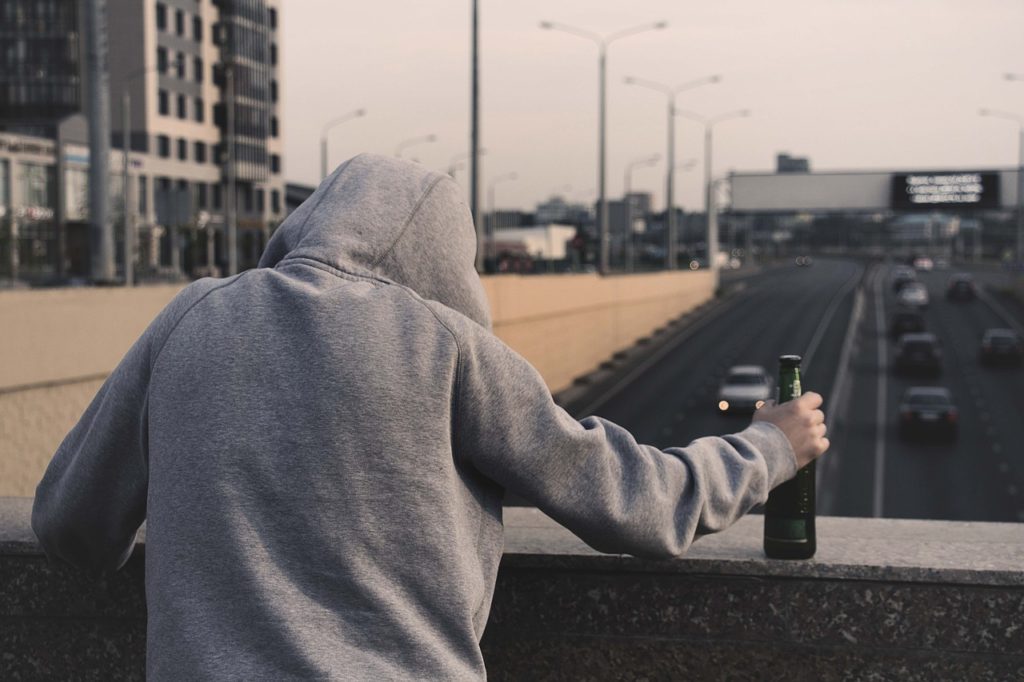
    “r” is for recovery whether you seek recovery or are actively working your recovery every day. Addictions can involve alcohol, opioids, other prescription medicines, illicit drugs, food, sex, the internet, amphetamines, hallucinogens, tobacco, cannabis,, inhalants, or something else. Then, addictions to impulses, like stealing, shopping, or setting fires also cause suffering and torment…and shame.

    Addiction Takes Hold in Small Steps

    Watch how our friend Nicholas subtly advances toward addiction one seemingly innocent step at a time…

    Nicholas enjoyed school while he was growing up. He was quick to raise his hand and answer the teacher’s questions. The fact that he was usually correct had nothing to do with his eagerness to answer. Nicholas just enjoyed people. He enjoyed connecting and interacting, whether it was one-on-one or in a classroom. Nicholas was a people person.

    He loved meeting new people and engaging them in conversation from the time he was 3 years old. His eyes sparkled as he listened and responded to their stories, and he just had a way that set people at ease and made them feel valuable.

    In elementary school he usually received A’s or Excellent. And he continued to try to do well in school as he got older. The other students really liked him, and he had friends across the various cliques that sprang up in middle school. He never saw the point in isolating himself with any particular group of students.  You could say he just relished activities with whomever he thought was nice to be around.

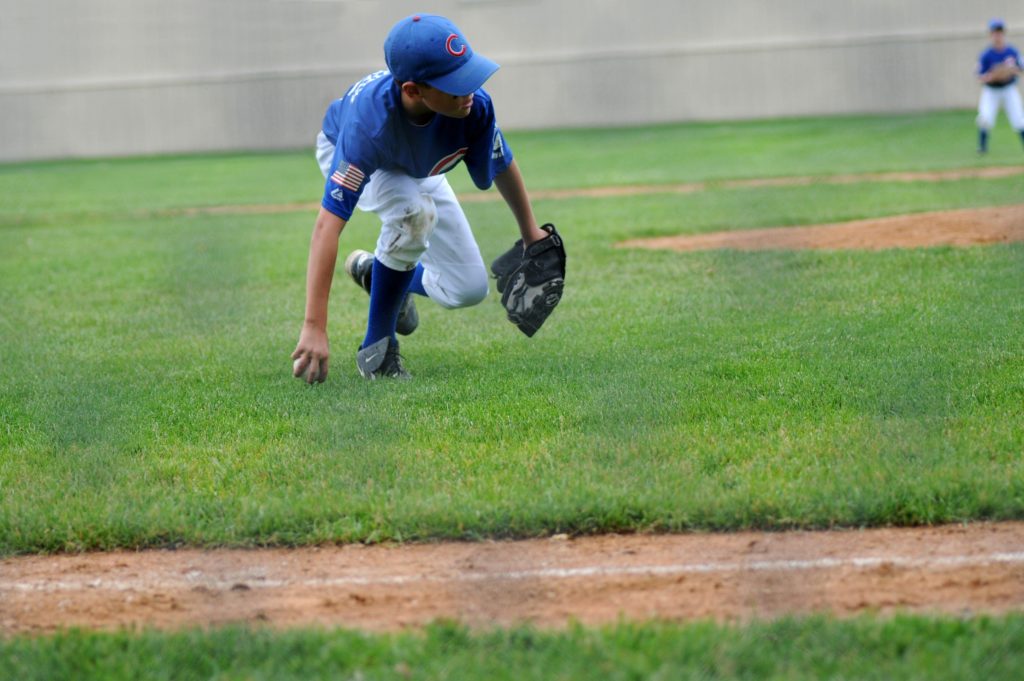
    A healthy childhood may include a boy playing baseball like this boy.

    Nicholas also loved baseball, and it didn’t hurt that his uncle was his coach. He built strong bonds with the boys on the team, and they played together every year.

    All in all, he liked his life, and made the most of opportunities to excel and have fun.

    Unresolved Pain

    But after his first year of high school, there was something that didn’t sit right. He felt less confident, and his parents noticed his moods changed more than they used to. The little disappointments of the past — with his friends, or his parents — began to build inside him. He found himself resenting his dad for the pressure he felt from him about school and sports. 

    “r” is for recovery… small steps lead to addiction…but small steps can also lead to recovery.

    The more that time passed, the worse his resentment became. Eventually, his emotions had blown past resentment until they were full-on rage.

    Sometimes he wondered why he was so mad.  Why now? What delayed his reactions to events from years ago until now?  He didn’t know.  But it was eating him alive.

    Little things can turn into big things if you don’t know how to resolve them… “r” is for recovery….

    He had some friends who were planning to see a movie on Saturday night. They said they would meet up with some girls and have a good time.

    He knew he needed a reprieve from the pressure so he told them sure, he’d meet up with them.

    The First Step that Led to Addiction –Eventually

    And he did. They met outside the movie…all four of the guys, and then 3 girls walked up. They decided they weren’t interested in the movie and all walked to someone’s van at the back of the parking lot. Before he knew it, plastic cups were being passed around and someone was pouring Jim Beam. 

    small steps. but “r” is for recovery…

    This was his first time to get drunk. And he did…so drunk he wasn’t sure where he was. And then a patrol car pulled up and started calling everybody’s parents.

    Nicholas was embarrassed when his parents showed up. Drunk as he was, he apologized every way but Sunday to them. He played the innocent card …but knew deep down this would not be the last time.

    Truth be told, he liked the way that bourbon made him feel. He wanted to feel that again.

    And soon.

    …step by step addiction happens subtly. but step by step recovery can take hold. “r” is for recovery …

    Addiction is a Hard Taskmaster

    At first it was just a misstep, but missteps snowballed, until he could no longer control it. The alcohol controlled him.

    Twelve years later, Nicholas thinks back and doesn’t remember very much of high school.  Getting drunk Fridays turned into staying drunk all weekend. By senior year, he was drinking every day. And only sometimes made it to class.

    “r” is for recovery…

    After high school, he tried to hold down one job after another, but sometimes he was too sick to go to work.

    "r" is for Recovery. You can recover fro addiction.

    Now he’s been through 3 different rehab programs. He’s determined it will work this time.

    He has his 90 day chip. But every day is hard. Every minute that passes he wishes he had a drink. 

    “r” is for recovery… one step, one minute, at a time…

    But his eyes look yellow and so does his skin. The doctor told Nicholas he’d not live to see 40 unless he stopped drinking. He told him he needed to get nutrition from a balanced diet, but Nicholas doesn’t feel much like eating. And hasn’t in a while.  Still, he knows he doesn’t want to die.

    Now after 30 days in rehab he’s got a good start. 

    “r” is for Recovery, One Day, One Hour At A Time

    He goes to AA every day. Sometimes 2 or 3 times. Staying sober scares him because he’s relapsed so many times before… But his life depends on it now.

    Nicholas isn’t alone. 

    September is National Alcohol and Drug Addiction Recovery Month.

    And 22 million Americans are in recovery as we speak.

    Alcoholics Anonymous Supports People in Recovery

    Alcoholics Anonymous is the 12-step program that’s most well-known. They report 2 million members globally, and there are around 130 other programs that work on a similar premise.  

    They say that 50% of their members stay sober, 25% are sober awhile, then relapse, then come back to sobriety.  The other 25% don’t stay sober.

    A key to recovery through this program is working the 12 steps, which helps the individual face the things that torment him/her and are triggers for relapse.  
    "r" is for recovery which means you are free to avoid places like this bar.

    Many in recovery say that Step 4 is the most difficult to get through because of the pain of facing their failures, hurts, and scars. Then each step advances you to facing, admitting, and making amends for offenses, failures, and injuries caused to others. 

    A key to helping the recovery process become solid and strong is persistence. Nurture resolve every day, and do the next right thing each minute.

    This process takes courage, but helps to resolve some issues that can trigger relapse. Addressing each one strengthens your freedom from them.

    Facing these steps is vital for your life to improve. “r” is for recovery…

    But there are still the 25% who never reach sobriety, healing, and stability.

    What about them…?

    IV Ketamine Can Help with Addiction

    At Innovative Psychiatry we have promising results with the use of IV ketamine infusions to treat the memories that trigger relapse. The same treatment also can dramatically relieve depression which may be caused by addiction … or may have predated it.

    One size doesn’t fit all in addiction treatment, whether the addiction is a substance or a behavior. But remarkable work has been done regarding ketamine treatment for various addictions.

    We talked before about the work carried out by Krupitsky and his colleagues, using IV ketamine to treat alcohol use disorder. They referred to the enhancement and regeneration of neurons seen in neuroplasticity and neurogenesis. The ability of brain cells to adapt and change is neuroplasticity. This process is invaluable in recovery from addiction.

    r is for recovery and the joy and peace that goes with it.

    Ketamine also blocks drug-related memories, as well as the painful memories that trigger relapse, and enhance the effectiveness of psychological therapy through neuroplasticity.

    If you have struggled with alcohol use disorder and would like additional help, call us. 

    You’ll still need to do the work to change your thinking, bu IV ketamine can give you a leg up so you can.

    Give yourself the best hope of freedom from addiction and a healthy lifestyle going forward. Rebuild your career, your relationships, and your hope.

    Lori Calabrese, MD explains esketamine FDA approval and what it involves.

    To the reconstruction of your best self,
    signature of Lori Calabrese, M.D.

    Lori Calabrese, M.D.

  • Why Are Young Girls Turning to Suicide?

    Why Are Young Girls Turning to Suicide?

    Why are young girls turning to suicide?

    It’s a heart-shattering tragedy when a child dies.

    How do you bear such tragedy?  …such loss? The waste of a beautiful life…it defies our logic to find reason in it, or to try to make sense of it. But what about when that young child kills herself? Why are young girls turning to suicide?

    It’s impossible to grasp. You’re left with the most engulfing sense of powerlessness. And loss…

    And it’s heartbreaking to say this horrific tragedy hasn’t happened just once. The numbers are growing.  And all too fast.

    It’s always been more common for boys to commit suicide than girls, but the number of girls who end their lives is rapidly rising to close the gap. But let’s be real…any child’s suicide is devastating. And any suicide is, too. We’re talking about suicide in little girls, teen girls, and young women.

    You wonder why.

    Why Are Young Girls Turning to Suicide?

    The specific reasons haven’t been studied yet, but Christine Moutier, Chief Medical Officer at the  American Foundation for Suicide Prevention, stresses that multiple factors play a role in suicide. Still, she suggests that a significant contributor may be social media.

    And more specifically, cyberbullying on social media.

    So even though we know that friendships are a high priority to young teens, and the way children and teens socialize is largely centered in social media, it’s also a source of isolation, cruelty, and bullying.

    At the age of 10 or 11, many children just aren’t prepared to withstand the verbal and emotional assaults they experience there.

    Now, let’s take it a step further.

    Since an ounce of prevention is worth a pound of cure, how can these painful social media experiences be prevented for young girls? Let’s think about that.

    Maybe there’s wisdom in postponing children’s online presence..?

    Why are many young girls turning to suicide.

    A study presented at the American Pediatric Association in 2017 focused on cell phone ownership and cyberbullying in 8-11 year olds. Researchers collected data from surveys with 4584 children of this age group between 2014 and 2016.

    They found that 9.5 % of these children who own cell phones had been cyber-bullied.

    Nearly 50% of the children surveyed reported owning a cell phone. Throughout this age group, there were more children who owned cell phones who also participated in cyber bullying than those who didn’t own a cell phone.

    So, again, while cyberbullying is not the only factor influencing the rising incidence of suicide among young girls, it’s an important factor…and one parents can do something about. 

    Extensive lessons on the responsibility and etiquette of owning a phone might be the obvious first step. Teaching morality and ethics to your child around the use of the phone should be an imperative about treating others with dignity and respect — whether face-to-face or online.

    Two world leaders of technology held a healthy respect for the power of online presence, as well as its dangers. The late Steve Jobs limited his own kids’ use of screen technology, and would not allow them to use an iPad when it came out.  

    Bill Gates and his wife did not allow their children to have cell phones until they reached the age of 14. 

    You may not realize the problems your daughter faces can drive her to consider suicide, but they can. So ask her often.

    Michael Cheng, a Canadian child and family psychiatrist, says that smart phone use at a very young age is damaging to developing brains. Damaging. The constant stimulation from the screen draws dopamine hits easily. This short-cuts the reward center and sets the stage for addiction to those rewards. 

    How much easier is it to stay online, play games, text back and forth for those rewarding bumps of dopamine, than to go outside, play ball, go fishing, ride bikes … to get the same amount of reward. Why work for that reward if you can get it without leaving your chair?

    Dr. Cheng also points out that children learn social skills face-to-face in real life settings. They learn how to read expressions and develop empathy, how to respect friendships and respect themselves. 

    If their social interaction takes place digitally, they miss learning the nuances of human interaction, while learning to rely too heavily on the acceptance of others online. 

    They need fresh air and sunshine, imagination and play, camaraderie and boundaries so that their brains develop well.

    So, with that said, let’s consider children who end their lives. Children who are bullied at school and online.

    Why ARE Young Girls Turning to Suicide…? And What Can Be Done?

    Suicide is the second leading cause of death in people between the ages of 10 and 34. Suicides have replaced homicides as the second leading cause of death in teenagers. While more boys than girls end their lives, more girls describe thinking about suicide, considering it, and attempt it.  

    You may be familiar with the story of 9-year-old McKensie Adams who hung herself after enduring a year of bullying by other students…  After reporting this abuse to parents, teachers, and a vice principal, she found a tragic solution. At 9.

    Or maybe you heard about 10-year-old Ashawnty Davis, who defended herself in a physical brawl on school grounds as part of an extended bullying campaign. Someone videoed the altercation, and the video went viral. Two weeks later Ashawnty hung herself in her closet.

    Or 10-year-old Kevin Reese, Jr., who hung himself in a closet when he reached his limit of bullying at school.

    These are just the stories in the news. Stories that have received wide attention. As well they should. But there are so many more that are the grief of a school and a family wherever they happen.

    Watch for the Signs

    Here are some warning signs to watch for: Is your child feeling overwhelmed with school work? Is she experiencing cyberbullying? In fact, if she’s spending much time on social media she may be increasing her risks… Are there problems within the family? And is she faced with bullying? (or is she being a bully?)

    It turns out that some children who have been bullied become a bully themselves. Either behavior adds to their suicidal risk.

    Why are young girls turning to suicide?

    You, her parent, need daily input from your child, including really listening and responding. They must know they have your support. Isolation can be a killer.

    These girls reported they were subjected to bullying for long periods of time — but maybe they felt they had to be strong and endure it when nothing changed..? 

    When people in authority didn’t intervene or make them feel safe, these girls —who were happy at home — made a plan and died. Some left notes for their parents, some didn’t. So maybe this is a part of the answer to that question, “why are young girls turning to suicide?” Maybe they thought it was the only solution left.

    These Children and Teens Need to Be Reminded We Have Their Back

    This is an age when bullying has become the norm. Children are bullied for their race, their faith, their name, their clothes, their friends, their car, their food, and their health.

    In most cases, the children doing the bullying are often releasing tension from their own private lives. And are quick to say they never intended for their victim to want to die.

    So it’s the parents and teachers who are their best advocates. Be sure there is a record of your report when you inform the school of any bullying you hear about from your child. Prepare yourself for mediation with the other child’s parents so that child’s parents can participate in resolving the problem, as well as teachers, counselors and maybe even a principal.

    Be aware that the problem of bullying is rampant. And the rise in suicides, especially among girls, is nearing epidemic proportions, so we just mustn’t assume all is well.

    Pay close attention to your child and her/his responses to what happens at school or in the neighborhood. Be aware that children do look for escapes from their pain if they can’t find a solution to their situation on their own or by reporting to people in authority. 

    Get Ahead of the Potential for Problems

    Do be proactive…Don’t assume that things are taken care of at their school. In many cases where a child died, the school had no report of bullying on file. You’re the best advocate your child has. Be involved, engaged, and stay in touch to ensure there are remedies put in place for the bullying. 

    The most important thing you can do is to encourage open discussions every day with your child about what she’s facing. So you’ll always know when something is going wrong. 

    As we said before, this applies to both boys and girls. There are still more boys ending their lives than girls, and all children need to feel safe.

    So why are young girls turning to suicide? Maybe sometimes it’s because of what’s happening to them.

    Suicidal Thinking Can Be Treated Before It’s Too Late

    Here at Innovative Psychiatry, we treat teens who who are plagued by suicidal thinking with IV ketamine treatment when they’re as young as 14. You should seek the care of a child psychiatrist for your child who’s younger than 14 and who’s struggling with these thoughts.

    IV ketamine can stop suicidal thoughts or plans within a few hours. Sometimes much faster.  It’s a way to keep your teen safe from suicide while you have the time to help him or her sort out whatever is going wrong at school or at home or inside.

    When a child feels safe she grows to a teen who feels safe, then grows to a happy woman, because of her parents' support.

    Even though we don’t treat children in this practice, the bully/suicide trend in children is alarming and heartbreaking. We need to be aware that children are facing things now that earlier generations didn’t. This is even being called “bullycide” in some communities. 

    If you (or your family member) suffers from the torment of suicidal thoughts, call us. Let’s work together to help you find peace from those thoughts, a renewed hope, and give you the opportunity set order in place in your life. 

    You can feel safe again, and experience joy again, and find the motivation and initiative to build the life you want to live.

    Lori Calabrese, MD offers innovative psychiatric treatment like IV Ketamine

    To the release of your best self,

    Lori Calabrese, MD


  • A Bit of Bipolar Science and a Dab On Schizophrenia, Too

    A Bit of Bipolar Science and a Dab On Schizophrenia, Too

    Like other disorders of the brain and mind, bipolar disorder is complicated. 

    With all the movies and cartoons made at the expense of people who suffer from disorders like this, we want to help more people know more about some of the facts with a bit of bipolar science.

    It’s different for each person. The length and intensity of manic episodes, the distribution of time from one end of the spectrum to the other. How hallucinations and delusions fit into the mix. These symptoms are individual.

    It’s physical. It can shake and shatter your body, through intense and sudden swings from one extreme to another. 

    Plus, it can cause such unexpected assaults on your emotions that your body is exhausted. Those swings can feel almost like a convulsion at times.

    It can also create sensations. Some people with this disorder complain of feeling like they have fire ants on their brain. Of course, there are no insects involved. But the disordered circuitry creates a sensation in some cases.

    And it’s mental. It changes your perceptions of what you see and hear. By coloring the way you interpret what happens, it tattoos that impression deeply in your memory. It can distort your view of yourself, and marinate your thoughts in shame. Then it can turn on the firehose of pain and rage, until you’ve experienced such extremity of horror, you can feel like you sweat blood.

    But, that’s not all. Bipolar disorder also seems spiritual, sometimes pulling you into its dungeons of horror until you lose all connection to your own spirit. Righteous indignation can morph to revenge. A little anxiety can billow until it’s a life-threatening terror.

    And yet, this disorder can be all of these things, or it can be none of them. OR… you can begin with these experiences, then medication can help them melt away. OR… there may be no medication that mitigates them at all.

    What you can’t know when all that is happening, is that specific changes in your brain cells are translated to the violent swings and misery you face in your daily life. You may find yourself craving a bit of bipolar science to try to gain perspective about what’s happening to you.

    To help reduce the stigma surrounding bipolar disorder, and the behaviors of people who suffer so deeply from it, let’s look at a tidbit of breakthrough science related to the spectrum of “bipolar disorders.”

    A Bit of Bipolar Science…

    You’ve heard of the blood-brain barrier, right? Relatively few people outside the medical field have any remote idea what that is. So if you’ve heard of it, consider yourself “in the know.” Kudos!  

    OK. There are two types of blood barriers in the brain. One is the blood-brain barrier, or BBB. The other is the blood-CSF barrier. And that’s the one we’re going to talk about now.

    So the blood-CSF barrier keeps the blood and whatever is in it separate from your cerebral spinal fluid (CSF). Since the CSF is constantly washing the brain tissues, it needs to be free of contaminants, toxins, or components that are harmful to the brain’s delicate circuitry and structures.

    The CSF performs a couple of primary functions.  One is to cushion and protect that most vital organ – your brain – that keeps everything else humming along. And the other is to keep the toxins in your brain and spinal cord flushed out.  

    CSF and the Choriod Plexus

    But…Where does the CSF come from?

    BruceBlaus Wikipedia Commons

    So glad you asked. The choroid plexus produces this most vital and beneficial fluid. There are special cells that secrete it, and other tissues absorb it.

    Because the ventricles of your brain can handle 150ml of CSF at a time, but the choroid plexus actually makes 450ml a day!  Clearly, as it circulates, it also is absorbed or drained off and replaced by more. 

    This keeps your brain cushioned and protected by fresh CSF at all times.

    If the choroid plexus makes too much CSF, and if the pathway for draining off excess become blocked, then the amount of CSF in the brain can increase dangerously, increasing pressure in the brain. And a condition known as hydrocephalus can develop, along with the risk of brain damage.

    By the same token, if the choroid plexus makes too little CSF, the brain cannot function. And the cushion it provides to help it remain buoyant within the bony chamber of the skull is inadequate.

    So there’s a need for balance between the CSF, the cavities in the brain, and the circulation of it.

    About Psychosis

    So let’s talk about how the choroid plexus relates to schizophrenia and bipolar disorder with a bit of bipolar science.

    There are four cavities in the middle of the brain called the ventricles. The CSF washes and cushions the brain all around, and is produced and distributed from choroid plexuses in these ventricles.

    New Research

    Newly published research sponsored by Brain and Behavior Research Foundation (BRRF) has directly linked the size of the ventricles with psychosis. While the size of ventricles is not specifically correlated to schizophrenia and bipolar disorder, the volume of the choroid plexus is significantly larger in subjects with psychosis.

    In addition, these researchers found that the volume of the choroid plexus in siblings, parents, and children of those with psychosis was less than the affected individual but still significantly larger than those unaffected by psychosis in their family. This demonstrated that the volume of the choroid plexus is something one inherits to a large degree.

    But here’s the big news.

    They found that when a subject had a larger choroid plexus, they also tended to have lower cognition, less grey matter, a smaller amygdala, larger ventricles, and fewer connections between neurons. 

    All of these things can be connected to the pathological processes that cause psychosis. 

    Now that’s news.

    But there’s more.

    That increased size in the choroid plexus in subjects with psychosis was also associated with increased levels of interleukin 6 (IL-6). IL-6 is a signaling cell in the immune system. 

    So here’s the rub.

    A bit of bipolar science helps this woman understand her terrible depression at least a little.
    IL-6 can penetrate and seep through the protective barriers between the brain, blood, and CSF.  Since researchers know that IL-6 is a strong suspect connected to bipolar disorder and schizophrenia, the identity of the gang of thieves behind psychosis – you might say – seems to be emerging. Add to that the connection between IL-6 and the reduced amount of grey matter in the cerebral cortex, and the case just grows stronger.

    “Our findings suggest the involvement of the choroid plexus across the psychosis spectrum, with a potential mechanism involving the neuro-immune system, which functions in regulating the brain and interacting with the body’s immune and inflammatory systems,” the team concluded.

    If you struggle with bipolar disorder, schizophrenia, or episodes of psychosis, you may appreciate the work of these researchers that sheds more light on what happens in the brain causing these difficult episodes.

    Neuroscience researchers are making great strides in learning more than has ever been known before about the symptoms of these disorders. And the more we understand, combined with a bit of bipolar science, the more research will lead to better treatments.

    No matter what your difficulty, whether you struggle with bipolar disorder, PTSD, social anxiety, severe depression, or even thoughts of suicide, we may be able to help. IV ketamine treatment is emerging as a dramatic game changer for people who suffer from specific types of symptoms. And happily, the types of symptoms keep growing in number.

    But if you think you’d like to know if IV ketamine treatment might help you, please call us. We’ll help you find out if you might be a candidate for ketamine…because some people aren’t. But if ketamine is for you, you can experience a transformation in your own life.  

    While ketamine isn’t showing promise for psychosis, it can bring remarkable relief to your depression symptoms. Every little bit helps, doesn’t it?

    Since bipolar depression can be the most debilitating symptom for many patients, resolving the depression in your illness can make your life so much more manageable.

    As research learns more, we’ll be right there using it to help our patients. Our whole purpose is a better life, and more hope, for you.

    Lori Calabrese, MD explains esketamine FDA approval and what it involves.

    To the restoration of your best self, 

    Lori Calabrese, M.D.

  • CT doctors using new nasal spray to treat severely depressed patients

    CT doctors using new nasal spray to treat severely depressed patients

    By Peggy McCarthy, Conn. Health I-Team Writer Published 11:51 am EDT, Tuesday, August 13, 2019

    Some Connecticut hospitals and doctors and a clinic are starting to treat severely depressed patients with a new nasal spray called Spravato, touted as the most significant federally approved depression medication since Prozac was approved in 1987.

    Spravato, which received Food and Drug Administration (FDA) approval in March, has raised hopes for preventing suicides and relieving depression after other treatments have failed. But there are concerns about possible side effects, including drug abuse, elevated blood pressure and heart rate, sedation, and hypersensitivity to surroundings.

    The nasal spray is prescribed for treatment-resistant depression after at least two other antidepressants haven’t worked and is given with an oral antidepressant. It is only administered in restrictive clinical settings to reduce potential for abuse and side effects.

    Nationally, of the 17.3 million adults with depression, one-third are treatment-resistant, increasing their risk of suicide.

    Yale New Haven Hospital, the Institute of LivingUConn Health John Dempsey Hospital, Wheeler ClinicVA Connecticut Healthcare, and Dr. Lori Calabrese in South Windsor report that they have either started or are planning to offer the fast-acting medication whose chemical name is esketamine. It is designed to show results in hours and days compared to the weeks and months it takes for traditional antidepressants to work.

    Dr. Jayesh Kamath, director of the mood and anxiety disorders program at UConn Health, has conducted esketamine studies for Janssen, its manufacturer. “I want to make sure people hear the positives and the negatives of this medication,” he said.

    While he said that “it is changing how we treat depression” and shows promise for enabling severely depressed people to function, he added that “the results are concerning about side effects.”

    Janssen, a Johnson & Johnson subsidiary, is charging $590 to $885 for the medicine, depending on dosage. This does not include costs charged by providers for administering it. Veterans who receive it at the VA will not be charged. Medicaid and Husky will cover it, according to the state Department of Social Services.

    A Janssen spokesperson said insurance companies are starting to cover it and Janssen is providing help, such as co-pay coupons.

    Janssen refused to provide a list of Spravato-certified treatment centers and applicants in Connecticut but said that nationally about 1,600 sites have been certified. Restrictions imposed on Spravato sites include: prohibiting it from being sent home with patients; requiring patients to remain at the site for at least two hours and not drive for another day; and specifications for dosages, screening and monitoring patients, and labeling and handling of the medication.

    Dr. Michael Twist, Wheeler Clinic’s medical director, said Spravato can be a replacement for electric convulsive therapy. “This is going to be a way of getting someone much better much quicker,” he said. “It’s huge.”

    Esketamine: A derivative of ketamine

    Esketamine is a derivative of ketamine, an anesthetic that has been abused as a party drug called Special K. Yale School of Medicine pioneered research on ketamine for depression starting in 1995. It has not been approved by the FDA to treat depression because as a generic drug, it doesn’t have the profit-making potential to attract research funding, several doctors said.

    Ketamine is FDA-approved as an anesthetic administered intravenously or by intramuscular injections. The chemical difference between the two drugs is that ketamine is comprised of two mirror-image molecules and esketamine (Spravato) is comprised of one of those molecules.

    Some doctors, including Calabrese, provide it intravenously “off label” for depression treatment, a legal use of a non-approved medication that is usually not covered by insurance.

    Calabrese, a psychiatrist, said she will continue to offer intravenous ketamine in addition to Spravato. She said an analysis of 144 of her suicidal patients showed 68 percent no longer had suicidal thoughts after ketamine treatment and 82 percent had diminished suicidal thoughts. She said there were no suicide attempts, emergency room visits, or hospitalizations from the time of treatment through follow-up four weeks later. She charges patients $502 for ketamine.

    Dr. Vincent Carlesi, an anesthesiologist and pain management specialist in Stamford and Ridgefield, is among other physicians who offer intravenous ketamine. Patients with depression are referred by psychiatrists, said Robin Asken, the practice’s manager. She wouldn’t provide numbers, but reported seeing “a marked improvement in quite a few of the patients.” The charge is $850 per infusion, which is typically not reimbursed by insurance, Asken said.

    Dr. John Krystal, psychiatry chairman of the Yale School of Medicine, said that “it is very moving to hear the stories of people who have been depressed for many years, who have tried multiple treatments without success, and then to hear how they had their first good clinical response to ketamine, often within 24 hours of their first doses.”

    He said people have told him it saved their lives.

    Yale medical school’s first ketamine study was at a clinic it ran at the Connecticut VA in 1995 and 1996. Five years ago, it established a ketamine clinic at Yale New Haven Hospital and last year, it opened a new ketamine program at the VA, Krystal said.

    This story was reported under a partnership with the Connecticut Health I-Team, a nonprofit news organization dedicated to health reporting.

    [Read the Original Post Here]

  • Nasal spray Spravato, offering fresh hope for severely depressed patients, arrives in Connecticut

    Nasal spray Spravato, offering fresh hope for severely depressed patients, arrives in Connecticut

    Spravato, which received Food and Drug Administration (FDA) approval in March, has raised hopes for preventing suicides and relieving depression after other treatments have failed. But there are concerns about possible side effects, including drug abuse, elevated blood pressure and heart rate, sedation, and hypersensitivity to surroundings.

    The nasal spray is prescribed for treatment-resistant depression after at least two other antidepressants haven’t worked and is given with an oral antidepressant. It is only administered in restrictive clinical settings to reduce potential for abuse and side effects.

    Nationally, of the 17.3 million adults with depression, one-third are treatment-resistant, increasing their risk of suicide.

    Yale New Haven Hospital, the Institute of LivingUConn Health John Dempsey Hospital, Wheeler ClinicVA Connecticut Healthcare, and Dr. Lori Calabrese in South Windsor report that they have either started or are planning to offer the fast-acting medication whose chemical name is esketamine. It is designed to show results in hours and days compared to the weeks and months it takes for traditional antidepressants to work.

    Positives and negatives

    Dr. Jayesh Kamath, director of the mood and anxiety disorders program at UConn Health, has conducted esketamine studies for Janssen, its manufacturer. “I want to make sure people hear the positives and the negatives of this medication,” he said.

    While he said that “it is changing how we treat depression” and shows promise for enabling severely depressed people to function, he added that “the results are concerning about side effects.”

    Janssen, a Johnson & Johnson subsidiary, is charging $590 to $885 per dose for the medicine. This does not include costs charged by providers for administering it. Veterans who receive it at the VA will not be charged. Medicaid and Husky will cover it, according to the state Department of Social Services.

    A Janssen spokesperson said insurance companies are starting to cover it and Janssen is providing help, such as co-pay coupons.[Health] State’s first pediatric dialysis center will open soon at Connecticut Children’s »

    Janssen refused to provide a list of Spravato-certified treatment centers and applicants in Connecticut but said that nationally about 1,600 sites have been certified. Restrictions imposed on Spravato sites include: prohibiting it from being sent home with patients; requiring patients to remain at the site for at least two hours and not drive for another day; and specifications for dosages, screening and monitoring patients, and labeling and handling of the medication.

    Dr. Michael Twist, Wheeler Clinic’s medical director, said Spravato can be a replacement for electric convulsive therapy. “This is going to be a way of getting someone much better much quicker,” he said. “It’s huge.”

    Diminished suicidal thoughts

    Esketamine is a derivative of ketamine, an anesthetic that has been abused as a party drug called Special K. Yale School of Medicine pioneered research on ketamine for depression starting in 1995. It has not been approved by the FDA to treat depression because as a generic drug, it doesn’t have the profit-making potential to attract research funding, several doctors said.

    Ketamine is FDA-approved as an anesthetic administered intravenously or by intramuscular injections. The chemical difference between the two drugs is that ketamine is comprised of two mirror-image molecules and esketamine (Spravato) is comprised of one of those molecules.

    Dr. John Krystal, psychiatry chair of the Yale School of Medicine.
    Dr. John Krystal, psychiatry chair of the Yale School of Medicine.

    Some doctors, including Calabrese, provide it intravenously “off label” for depression treatment, a legal use of a non-approved medication that is usually not covered by insurance.[Health] Bristol Hospital opens emergency center for patients in mental health crises »

    Calabrese, a psychiatrist, said she will continue to offer intravenous ketamine in addition to Spravato. She said an analysis of 144 of her suicidal patients showed 68 percent no longer had suicidal thoughts after ketamine treatment and 82 percent had diminished suicidal thoughts. She said there were no suicide attempts, emergency room visits, or hospitalizations from the time of treatment through follow-up four weeks later. She charges patients $502 for ketamine.

    Dr. Vincent Carlesi, an anesthesiologist and pain management specialist in Stamford and Ridgefield, is among other physicians who offer intravenous ketamine. Patients with depression are referred by psychiatrists, said Robin Asken, the practice’s manager. She wouldn’t provide numbers, but reported seeing “a marked improvement in quite a few of the patients.” The charge is $850 per infusion, which is typically not reimbursed by insurance, Asken said.

    , said that “it is very moving to hear the stories of people who have been depressed for many years, who have tried multiple treatments without success, and then to hear how they had their first good clinical response to ketamine, often within 24 hours of their first doses.”

    He said people have told him it saved their lives.

    Yale medical school’s first ketamine study was at a clinic it ran at the Connecticut VA in 1995 and 1996. Five years ago, it established a ketamine clinic at Yale New Haven Hospital and last year, it opened a new ketamine program at the VA, Krystal said.

    This story was reported under a partnership with the Connecticut Health I-Team, a nonprofit news organization dedicated to health reporting. (c-hit.org)

    [Read the Original Article Here]

error: Content is protected !!