Tag: IV Ketamine for Substance Abuse Disorder

  • Navigating COVID Delta and Omicron As the New Year Dawns To 2022

    Navigating COVID Delta and Omicron As the New Year Dawns To 2022

    We’ve been doing COVID’s version of life on this planet for close to 2 years. We’ve done what we’re told, but this coronavirus just keeps dumping more on us. When will this be over?

    About the time we think we’re pushing the delta variant back, who should step up to bat but omicron? We hope you’ve enjoyed Christmas and the winter holidays. Now as we look to the New Year, so many are asking, “When will it end?” How long must we continue wearing masks, testing, avoiding crowds, and getting boosters? Navigating COVID delta and omicron requires tenacity and determination going forward.

    As we move into 2022, we face a new highly contagious variant: omicron. For example, omicron, has caused a startling surge in cases in New York City… and is so contagious that it’s expected to become the dominant strain of COVID in just weeks, compared to delta’s timetable of taking months to do the same thing.

    One epidemiologist, Dr. Jay Verma, warns that if lightning speed adjustments aren’t made now, the danger of omicron taking over with record-breaking hospitalizations and death is irrefutable.

    And that’s the risk with navigating COVID delta and omicron.

    Every few months we seem to hear about another variant of COVID-19, and are given new instructions. 

    We’re tired of it. But even so, you can’t get millions of people to comply with new instructions all that quickly… People as a whole tend to resist change. At first, COVID gave symptoms like cough, shortness of breath, and fever. Now a “loud” symptom to watch for is a scratchy throat.

    So what do we do?  We get a scratchy throat and worry.  And worry.  We go for testing.  At any other time in our lives, a scratchy throat meant a cold or flu (or maybe just allergies), was starting. We knew what to do with it. But, a scratchy throat now means “get a COVID test.”

    And unlike the past symptom alarms, it also means it can get worse and worse if you haven’t been fully vaccinated. (Fully vaccinated used to mean two shots, but now it means two “plus a mRNA-based booster.”)

    Will it EVER Stop? Will COVID be with us forever?

    And, by the way, what on earth is an mRNA – based booster?  Well, specifically, It’s a booster supplied by Moderna or Pfizer.

    We’re at war.

    As to the question of whether the pandemic will ever end, there is no answer yet. There are experts who question whether we’ll ever see the end of COVID-19, and get back to normal. More experts suggest we should accept that we’re at war with this virus, and accept the adjustments that are inevitably part of wartime.

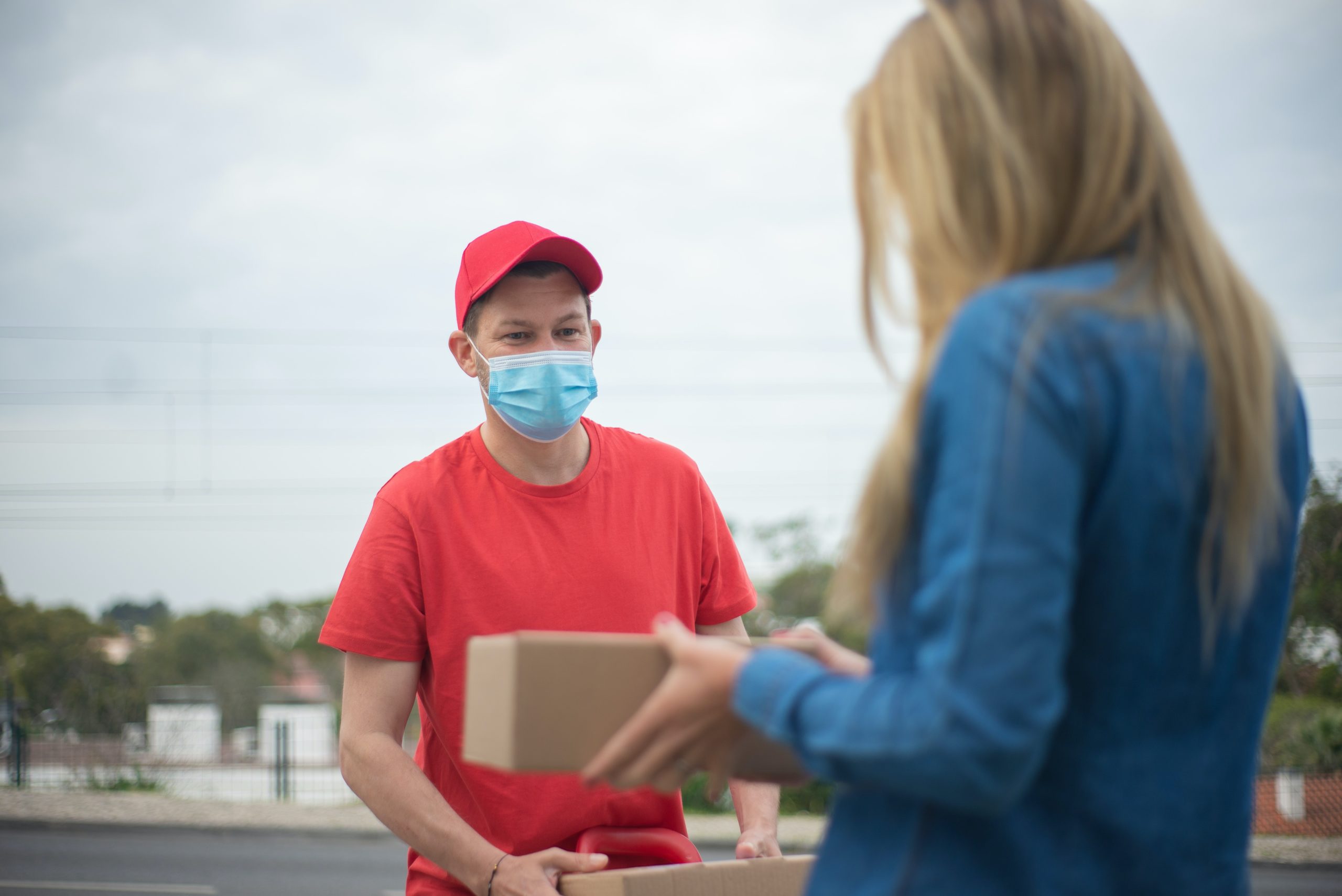
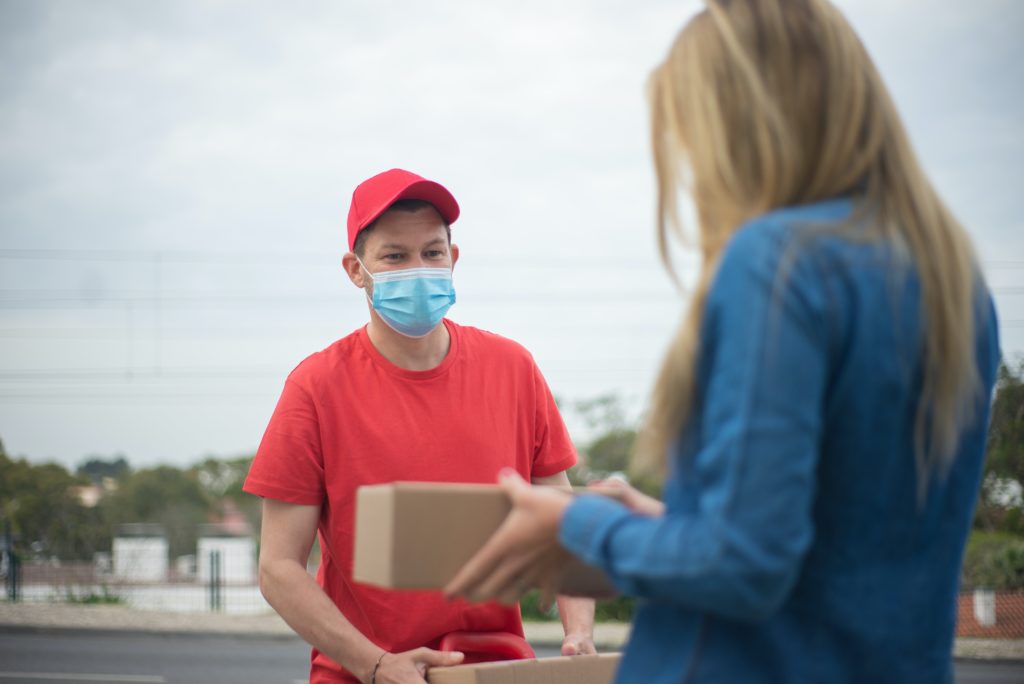
    We keep assembling our “antiCOVID troops” and so far that includes 3 vaccinations, masks, hand washing…and social distancing. (Been to UPS to ship gifts recently? The social distancing pushes people right out the door! This is December. And it’s cold out there…)

    Yes, we’re hoping for things to get better. But some experts believe these variants will keep reproducing ad infinitum. We’ll see. But what about in the meantime?

    It’s tough to make adjustments in war time.

    Meanwhile, we don’t want to isolate. We want to get out, mix with friends, gather for weddings, and we want to enjoy ourselves. 

    While we sympathize — we’re all in the same boat, right?—to keep our families well, to keep our children in school uninterrupted, we have to participate in these latest requirements put forth last Tuesday.

    We have to just do it.
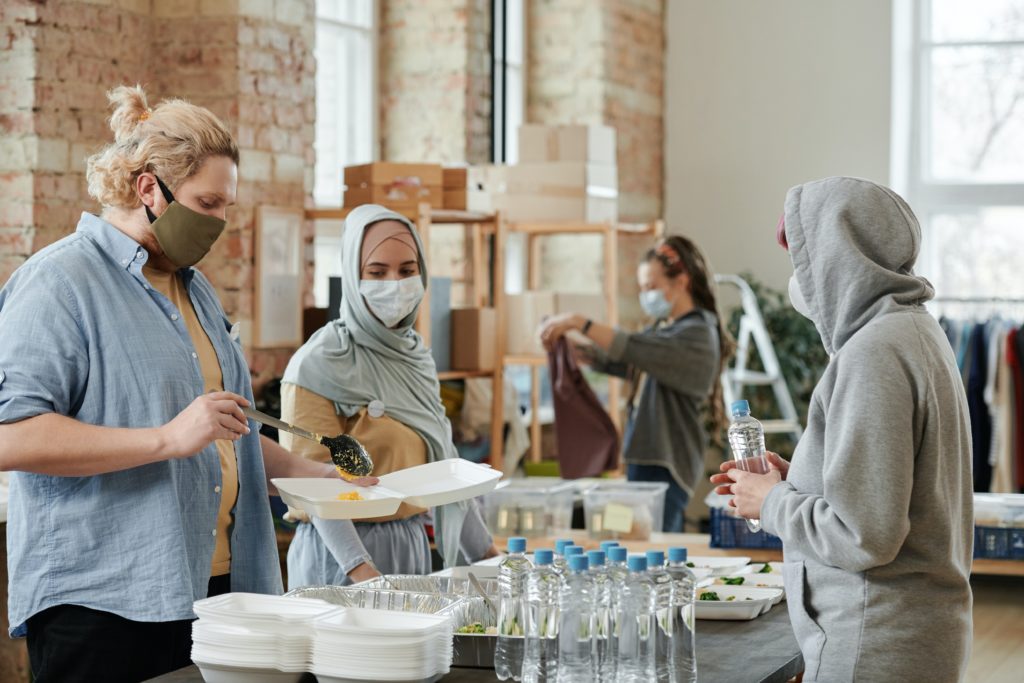
    If we don’t, omicron is going to spread faster than we can imagine. And those without all three vaccinations (including a booster), are likely to be the ones who get seriously sick in the coming year. Boosters offer additional protection against delta and omicron. They’re a necessary part of our arsenal.

    We’re told that those with all three vaccinations are less likely to get seriously sick if they’re infected. However, those without all three vaccines are most at risk for critical illness and death if they’re infected.

    So navigating COVID delta and omicron requires a few pointers for preparing for the new year and with it, the growing wave of omicron. 

    Are you playing tug o’war?

    Now let’s talk about you, and how this may affect you. Stress happens when you want a situation to be different than it is. Picture the rope in a tug-of-war. When someone’s stationed at each end, the tension in the rope is tight. Now picture yourself at one end of the rope and the COVID war at the other end. 

    As long as you pull on your end of the rope, and COVID pulls on the other, with the necessity of masks, hand washing, and social distancing that you may resent, stress is the result for you. That rope is tight. Your stress heightens, and anxiety takes hold …and maybe even depression.  

    But if you let go of the rope by deciding to accept that you can’t change the situation—by complying with the adjustments you’re asked to make in this war—your rope goes slack, and your stress is relieved over this issue.

    Over-simplified? Maybe. But clear.

    You could just stop tugging.

    You might want to evaluate your approach to the next leg of the pandemic that lies before us in the new year, navigating COVID delta and omicron. Your peace and emotional balance is worth more than your resistance… don’t you think?  

    And …if your anxiety and depression, or your substance and alcohol use, are already bad—and you can’t change your mind or make decisions that improve your frame of mind—then you may need treatment.

    If you’ve taken other medications and treatments that haven’t helped, IV ketamine treatment may be just the thing to not only relieve the symptoms of stress, but actually help you achieve remission.

    Imagine having your resilience restored, your outlook on life brightened, the strength and resolve to build meaningful, healthy relationships, the creativity and motivation to excel in your job. And the peace, freedom, and hope to build a rewarding life.

    Just Imagine.

    Ketamine isn’t for everyone. But odds are that you’re squarely in the middle of those whose lives can be transformed by this extraordinary treatment

    At Innovative Psychiatry, we work with people every day struggling with these same symptoms. They come in bearing up under the burden of these symptoms, and complete treatment with a new lease on life, new hope, new freedom from symptoms.

    IV ketamine treatment can reverse symptoms of these disorders, replace them with joy, motivation, initiative, and confidence.

    When you come for ketamine treatment, you'll have a comfortable, quiet room to get the most from your treatment.

    When you come in, you’ll find a comfy, heated recliner you can settle into, and relax. A little white box on the table will be quietly running, destroying (not filtering, but destroying) viruses and bacteria in the air. This little miracle worker uses plasma cell technology to destroy the DNA in the microbes in the air, making the air pure for you to breathe. And it’s efficient. It destroys 99.99% of all microbes in the air, including viruses like flu and COVID with all its variants like omicron and delta.

    We go the extra mile (in every way) to ensure you’re safe from infection and able to focus on getting the most from your treatment.

    IF you suffer from these symptoms and nothing else is helping, call us.

    What else has you in a tug of war? Depression? Apathy? Anxiety that doesn’t let up? Trauma? PTSD symptoms? Bipolar depression? Suicidal thoughts? Or worries about suicidal thoughts in someone you love?

    We’re here to help. With all the tugs. With all the wars you may be fighting…

    Lori Calabrese, M.D. is on the front end of the race to stop PTSD in its tracks using IV ketamine treatment.

    To the restoration of your best self,
  • Even One Dose of IV Ketamine Can Dramatically Reduce Heavy Drinking

    Even One Dose of IV Ketamine Can Dramatically Reduce Heavy Drinking

    Alcoholic drinks at a holiday party are abundant and a strong temptation if you're trying to stay sober.

    It’s the holiday season again and there are parties every weekend, with work, with friends, with family – they crop up everywhere.

    Festive gift bags provided at liquor stores make it easy to present a gift of alcohol in the busy bustle of the season. For some, holiday drinking is light and rare. For others, whose habit of drinking so excessively that it’s harmful to their health and to others, it’s almost continuous. In fact, it can be addictive. But it turns out, there is hope for those who would like to drink less, or stop drinking altogether. There’s a way, beyond sheer will, to dramatically reduce heavy drinking, and avoid the shame that goes with relapse.

    Take Jerry, for instance. His wife had suffered from breast cancer for 6 years, and every time they thought she had beat it, new tumors cropped up again. He watched her suffer in pain, with vomiting, severe weight loss, worsening weakness, until she just didn’t have anything to fight with anymore. 

    She had been in remission for a year, finally, and they were planning a trip to Europe, when suddenly she collapsed one day and tests showed an aggressive form of cancer had spread everywhere. In a matter of weeks, she was deteriorating fast. She died less than a month from the time of her collapse. 

    Just when they thought they had a future to enjoy together, she was gone. Jerry was devastated. He felt lost, without purpose, disillusioned. And so terribly alone.

    The Subtle Slide… 

    At first, he would drink a couple beers to relax after work in his empty, echoing house. The memories of her reverberated from every corner. After the first swallow of the ice cold beer, a relaxed feeling would wash over him. It felt like relief. Relief from the pain, the sorrow…the stress.  

    It wasn’t long before 2 beers turned into 3 or 4…then a 6 pack.  After that, he graduated to bourbon — or adding vodka to his soft drinks. By the time his wife had been gone a year, he was drunk all weekend every weekend…. and most nights after work.

    Friends invited him on outings, to dinner, camping and fishing… but he usually turned them down.  He just didn’t feel like socializing…

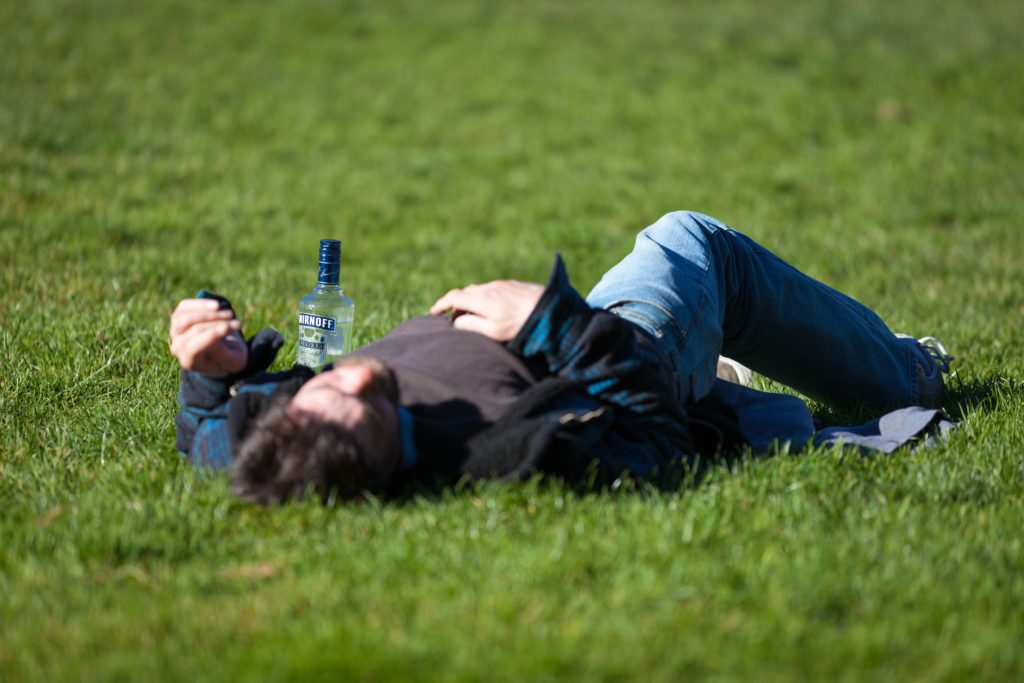
    This man drank whiskey till he passed out, but ketamine can dramatically reduce heavy drinking.

    Five years went by, and Although he managed to keep his job, his performance had dropped off. He hated his annoying itchy skin, and had some pain in his belly off and on… but not too bad. He just ignored it.

    One night after he had been to the cemetery to visit her, it started raining. Suddenly, an SUV made a sudden turn in front of him. As Jerry slammed on his brakes his car started spinning. When he realized he had finally stopped, he crawled out of his pickup. His head was bleeding onto his shirt… but the SUV was on its side. He could hear the cries of someone laying about 5 yards down the hill in the dark… then he saw flashing lights. Help was coming…

    It all began as grief, but spiraled until he committed a crime, and could have been responsible for someone’s death. Thankfully, no one died. But still…

    Jerry was in pain, grief-stricken, and depressed. His heavy drinking was his direct response to his terrible experience with his wife’s cancer and death. And the depression that had taken over left him with no reason he could find to take care of himself, or preserve his life.

    The other driver had caused the accident. Still, his blood alcohol was above the legal limit. So, he had to face charges for driving under the influence.

    Too Much Drinking Hurts You – and People Near You, Too

    While awaiting trial, he went to the doctor to find out about the pain he’d been having. The doctor told him he’d have to cut way back on his drinking. In fact, he urged him to quit altogether, if he wanted to live past the next few years.

    It was a wake-up call. 

    He really didn’t want to die. But could he stop drinking..? He’d tried before… and it always went by the wayside. He needed more help than just trying to use sheer will. He needed something that would help him dramatically reduce heavy drinking. And fast.

    So, he started with the internet. 

    He learned about a variety of 12 step programs. And about residential programs to help you not only stop and get the alcohol out of your system, but to also train you to respond to temptation so you could stay sober.

    And he read about promising studies with a medicine called ketamine — something he’d never heard of before.

    Jerry got the help he needed with IV ketamine treatment, and got stronger and healthier. He also started seeing a therapist. And he’s finding joy in living again…

    But now there are new findings that can help someone like Jerry even more. So you can dramatically reduce heavy drinking.

    A recent study — just published a couple weeks ago — has demonstrated that even a single dose of IV ketamine can dramatically reduce harmful drinking. As in, drinking so much that it harms your health and can cause harm to others around you, too.

    Ketamine Can Reduce Harmful Drinking By Rewriting Drinking Memories

    This is so cool.

    A group of researchers in London and Amsterdam conducted a study using ketamine applied to maladaptive reward memories, (MRMs) to see if ketamine can help rewrite those memories and thereby dramatically reduce heavy drinking. R. Das, G. Gale, and their team selected a group of 90 beer drinkers who had hazardous drinking patterns, but had not been diagnosed with alcohol use disorder. Also, no one in this group was seeking treatment for their alcohol consumption lifestyle. 

    A single dose of IV ketamine can dramatically reduce heavy drinking.

    The first day of the experiment, researchers showed all the participants photos of alcoholic drinks that included beer and stronger drinks. Then they asked the participants to rate how strong their desire to drink was.  Immediately after this, they gave each participant a cold beer to drink.

    On the second day, researchers divided the group into three sub-groups, but didn’t offer beer to anyone.

    Here’s where it gets interesting.

    With the first group, researchers showed them more photos of drinks to stimulate their memories about the pleasures of drinking. Then they gave them a dose of ketamine.

    In the second group. the research team showed them the photos of the drinks, then gave them a placebo drug.

    And finally, with the the third group, they showed them no pictures at all. They just gave them a dose of ketamine.

    Fast forward 10 days. 

    The people in Group #1, whose memory was stimulated by pictures, followed by ketamine, reported their consumption of alcohol had dramatically dropped. Then 9 months later, a follow-up revealed their alcohol consumption had dropped to half what it had been before the experiment.

    Group #3, who received ketamine without photos to trigger drinking memories, reported a smaller reduction in drinking, but still significantly less alcohol consumption. This was the case at both the 10 day mark and the 9 month follow-up.
    Group #2, the placebo group, reported a small decrease in drinking.

    So what happened here…?

    Ketamine Blocks Memory Restabilization

    Young man relaxing as he stares across the water, relieved.

    Das and his colleagues explained that maladaptive reward memories (MRMs) play an important role in “acquired overconsumption disorders” such as hazardous drug and alcohol use. Basically, the reward Jerry feels in terms of relaxation and relief from his grief when he drinks forms a memory, and when he thinks of it, he wants to drink again, even though that may not be good for his health or social, economic, and productive life.

    There’s a process that happens in a small time window each time Jerry thinks about having a drink to help him feel better. During that window, his recall of the memory of his relief when he drinks becomes rather fluid and changeable. If something can interfere with that association before he drinks, it can “rewrite” that memory so his desire to drink becomes a desire to do something different.

    Das and his colleagues explained that they believe ketamine can block specific receptors in the brain (such as the NMDA receptor) that help to RE-stabilize a memory. That blocking causes the memory to weaken. In this case, it’s the memory of the pleasure of drinking. In Jerry’s case, it might be the relief he feels from his grief when he drinks. 

    If someone wants to stop drinking, this change to that appealing memory of pleasure gives them the chance to rethink what they believe about alcohol, and what they believe about their health. 
    It gives them time to make a decision without that alluring maladaptive memory.

    Das encourages further study using ketamine to rewrite these MRMs. Because ketamine has demonstrated safety at high doses in anesthesia, they encourage studies using doses that can to saturate NMDA receptors to interfere with these MRMs.

    Addiction Relief with IV Ketamine 

    At Innovative Psychiatry, we’re thrilled every time a patient reports relief from addiction to alcohol or other substances. We get to see patients who’ve suffered from severe depression walk into our office smiling, happy, and full of hope. These people never take their new found wellbeing for granted. Their relief, surprise, and joy are palpable.

    IV ketamine treatment works in the brain in ways other medicines haven’t before, and it’s restoring and transforming lives like yours. 

    Don’t hesitate to call us if you’re plodding through a sorrowful, empty, hopeless existence because other medications and treatments you’ve tried haven’t helped. You still can find relief of depression symptoms and dramatically reduce heavy drinking.

    So much we’ve learned. So much more work to do.

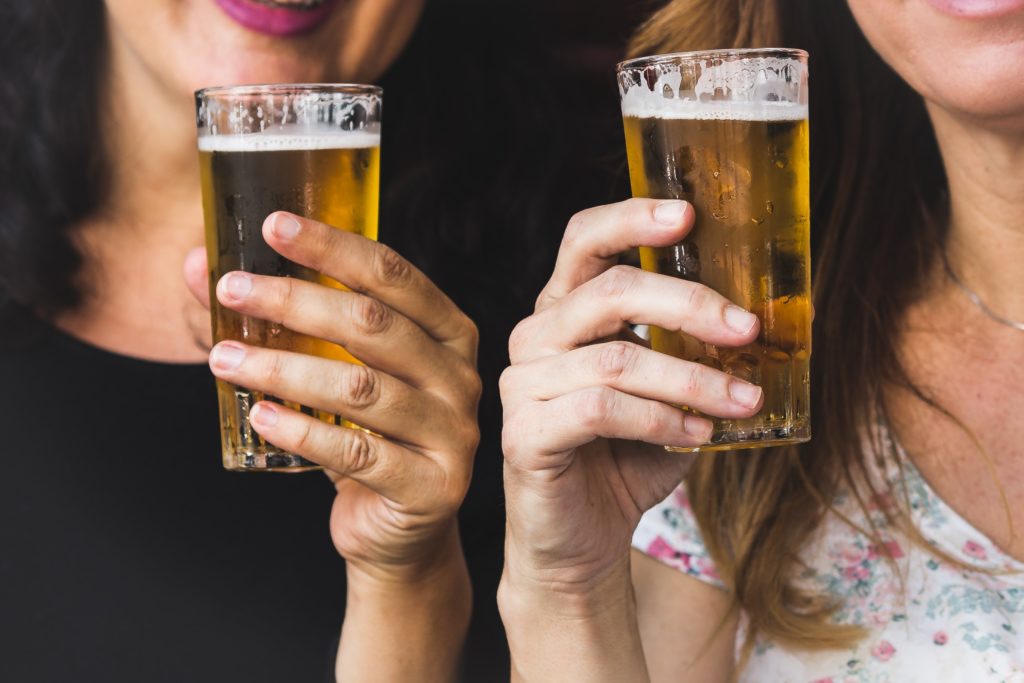
    No matter how hard her life was, ketamine could dramatically reduce heavy drinking.

    Ketamine works on newer and better systems in your brain. It doesn’t help everyone, but it helps so many that we just keep studying to learn how many more it can help. Even so, chances are pretty good that it will reverse your depression, your PTSD, you substance use disorder, and transform your life to one of hope, courage, initiative, and joy.

    So think about it a bit. And then give yourself the chance to live a rewarding life. 

    To the recovery of your very best self, 

    Lori Calabrese, M.D. is on the front end of the race to stop PTSD in its tracks using IV ketamine treatment.

    To the restoration of your best self,

error: Content is protected !!