Tag: IV Ketamine Treatment for Adolescent Depression

  • Strong Support System Can Protect You From COVID-Related Depression

    Strong Support System Can Protect You From COVID-Related Depression

    HAPPY NEW YEAR! Here’s our hope for you that you’ll find ways to make 2021 a more fulfilling and rewarding year for you and your family.
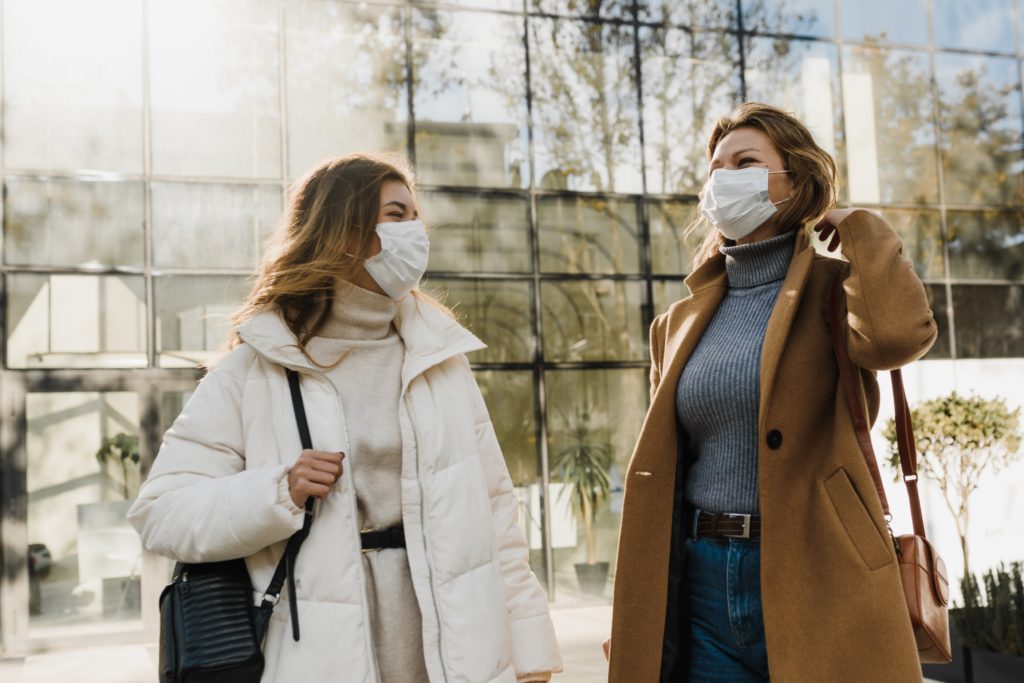
    Let’s talk about the difference in between  isolation, solace, and quarantine. People need people, and the pandemic has created an atmosphere where it’s hard to tell if you’re just enjoying solace, or if your isolating yourself and pulling back from socializing in a way that builds the habit of avoiding social interaction. And there there is quarantine, where you isolate yourself to avoid spread of COVID-19 after being exposed to it. But a strong support system can protect you from depression symptoms caused by isolation.

    In the hustle bustle world of daily activity in a non-pandemic world, it can be difficult to find peace and quiet for an hour. That works fine for some people, who soak up quiet and refuel in a quiet atmosphere of solace.

    You know who you are. Lovely quiet periods help you refuel, and give you energy to get back out there.

    There are also people who draw their energy from being with people, listening to and absorbing their energy. If you’re one of those, it can be really difficult to be stuck at home in silence all the time. Without outside stimulation, your battery can run down dead and flat. Both in your personality and your emotions.

    This is true even when there is no pandemic to deal with.

    However, in a pandemic it can get more complicated and put more people at risk for depression.

    We want to get a handle on what can make life better while we see the pandemic through to its resolution. Right?  We do!!

    Quarantine can cause isolation if it goes on too long, can’t it?

    When a family of 5 is exposed to the COVID-19 virus, and all test positive, they need to quarantine until they’ve been symptom free, according to CDC guidelines. But what can be done to help prevent the isolation that can lead to depression…?  Interaction is a big and important step.

    Online friendships are lifesavers during this time of isolation and quarantine. Family and friends in your support system can help protect you when discouragement threatens to cause depression.

    Here are two stories…about two different friends and how their outcomes compared in isolation vs. quarantine with online support.

    First meet Tamara. She’s 19 and was attending community college for her first semester when the COVID-19 pandemic emerged. 
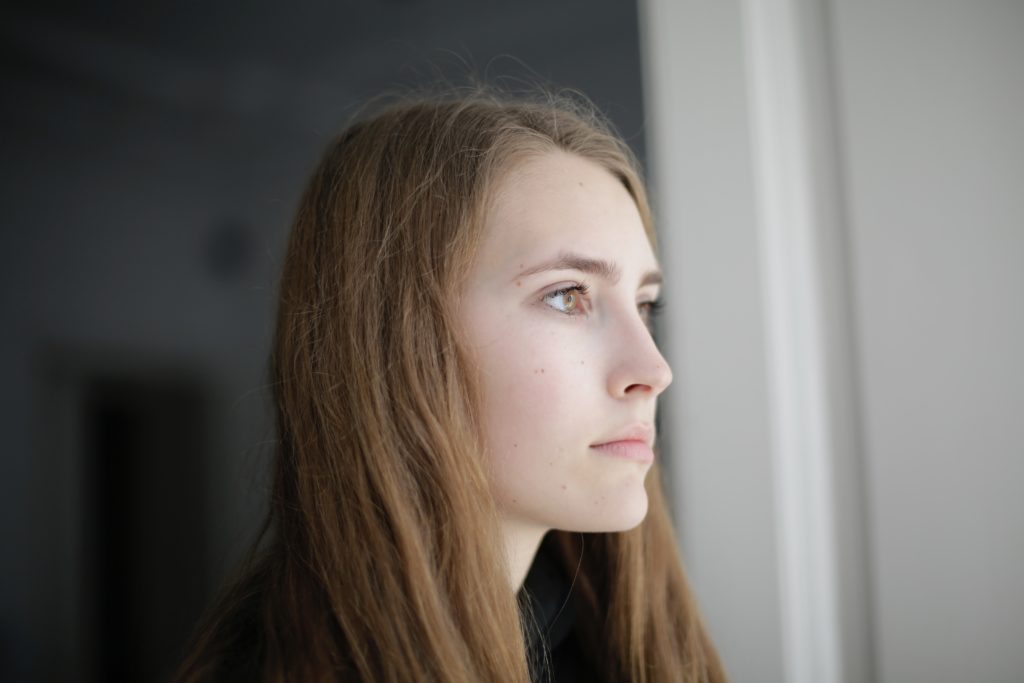
    About 2 months into the semester, her school was closed and all classes were switched to remote online learning from home. Tamara was relieved at this because it’s natural for her to enjoy solitude, and looked forward to the peace and quiet and the chance to read voraciously without interruption.

    But there were some unexpected obstacles for Tamara. For one thing, as much as she loved to read, she struggled with algebra and chemistry. Quite honestly, in those subjects she’d always tried to get involved with study groups to help her grasp what she couldn’t seem to wrap her head around on her own.

    While study groups were available online, she didn’t benefit as much. However, she tried, and kept reaching out to various people in the group for help to understand the mysteries of those classes.

    So… she put in her time, worked on her assignments, and spent most of her free time reading books she enjoyed. 

    For the first 3 months, her freedom to enjoy the quiet and read one book after another was an indescribable luxury.

    However, because her mom had passed away a few years before this, she didn’t have her to talk to anymore. And talking to her dad didn’t go that smoothly. So she didn’t really have a true support group. Her only sibling was a brother who was in the Air Force, and his life was full.  She rarely heard from him.

    Long story short, Tamara was alone. Quite alone. 

    And the natural social interactions that had happened on campus before the pandemic weren’t available anymore.

    By the fourth month of the pandemic, she noticed she was losing her desire to have contact with anyone.  Online or in person.  She wore her mask and used hand sanitizer when she went to the pharmacy or grocery store…  But avoided eye contact.

    As Tamara moved into the summer months, she found she had far less energy she had before.  She didn’t want to leave her apartment. It became harder and harder to go to the mailbox. And she wasn’t really keeping up with friends anymore on facebook, text, or email.  

    Then someone stopped by and realized Tamara didn’t appear to be cleaning up her place — or even showering. She seemed shut down.

    Tamara was embarrassed, but honestly didn’t have the energy to do more than she was doing.  She was managing to keep her grades up in most of her classes, though Chemistry seemed a lost cause.

    Finally, her dad came by to see her.  He wore a mask and so did she, and they sat across the living room and tried to talk. Seeing her like this alarmed him. Dishes piled high in the sink, her own hygiene seemed to have lapsed…this wasn’t the Tamara he knew.  

    And he realized she was missing the support system that can protect against the threats of isolation and depression.

    So he asked her to let him help by getting her a telepsychiatry appointment.  That was actually a good solution, so she wouldn’t have to see anyone face to face…

    Now, meet Carolina. Carolina is 20, and knew Tamara in high school. They’d ended up at the same community college, but had not run into each other before classes closed for COVID-19. 

    Even though Carolina also enjoys solace, she has a nice group of friends to study with, and talk on her phone and text with. So even though she, too, has been home with remote online learning since a couple months after the semester started, she also has friends she talks to. 

    She doesn’t see them face to face, but they talk on FaceTime and Skype, as well as Marco Polo just so they can have live interaction. Carolina also lives at home with her family. Her parents are both working remotely from home, and her sister and three brothers are all learning remotely online.

    So, in spite of not seeing much of friends or relatives face to face, they meet up on Zoom, have a party, talk about their friends and their classes, music and the food they have delivered to their houses.  What’s tasty and what isn’t.

    If one of them is exposed to COVID-19 and then tests positive,  they all gather online to encourage and offer suggestions for managing it.

    The truth of it is that Carolina and her friends really haven’t struggled that much with feelings of depression. Maybe because they keep each other so engaged in daily living.  Somebody in the group always has a story to tell. All in all they offer each other a strong support system can protect against the damage that comes from too much isolation.

    Maybe it’s because their long term friendships have kept them all feeling more supported, resilient, and less vulnerable.

    It’s true that too much isolation can lead to depression symptoms in some people. And as we move into 2021, it’s a good idea to embrace the new year with a willingness to reach out to those who seem to lack support.  
    A really good idea.

    Everyone around you needs a support system right now. Some have it, others don’t really. But you can help with that online. 

    And there are also those who have been suffering under the weight of depression for a long time, and nothing has helped. Those who are sick and tired of feeling so hopeless, despondent, alienated, and drained.

    IV Ketamine Treatment Opens Doors of Hope

    For those, there is further hope in IV ketamine treatment. A series of 6 or maybe 8 infusions spread over a few short weeks, and expertly titrated to ensure you get the dose that’s right for you. Ketamine has blown the doors off depression treatment in the last ten years and especially the last 5. It’s reputation has grown from skeptical to celebrated in that time. Why?

    Because ketamine treatment does so much. In the brain-derived-neurotrophic-factor, the lateral habenula, the synapses, the G proteins heaped up on lipid rafts, the AMPA receptors and signals flying at high speed around your brain. For so many, ketamine can work so much better than the medications, therapy and treatments they have tried. It targets areas that were otherwise ignored before this.

    IV ketamine treatment can be extraordinary in its effectiveness to help you achieve remission.

    At Innovative Psychiatry, we’ve been so encouraged by the help ketamine offers that we’ve dedicated a section of our office for treating those who need to receive this breakthrough treatment. We’ve also responded to the concerns caused by COVID-19 by installing and using specialized technology that keeps the air and surfaces free of the virus that causes COVID-19, as well as the other viruses, bacteria, and molds that can threaten your health.

    While we’re not attempting to conquer the entire pandemic we are busily at work to help you get better, free of depression symptoms, in an environment where you feel — and are — safe.

    In spite of all the other challenges in the world, you can take them in hand best if you’re at your best. It helps so much if you’re strong, functioning, and creative to embrace today’s challenges. You need to be the best you, you can be. And a strong support system can protect you and help you build the resilience you need.

    We’re here to help with that, and to get you off to a much better start for the year.

    If you’ve been suffering, trudging, and feeling overwhelmed by daily living… if nothing much has helped, call us.

    We believe in what you can accomplish without depression symptoms holding you back.
    Lori Calabrese, M.D. is on the front end of the race to stop PTSD in its tracks using IV ketamine treatment.

    To the restoration of your best self,
  • Wake up and Dream Your Most Heartfelt Dreams This Holiday Season

    Wake up and Dream Your Most Heartfelt Dreams This Holiday Season

    A dream is a wish your heart makes, when you’re fast asleep…

    At least that’s what Cinderella sang, in Disney’s classic animated movie. But… the kind of dreams you have when you’re fast asleep are actually different than the dreams your heart makes. This is the week of Christmas, which has filled children’s dreams with sugar plum fairies and their favorite toys for centuries. It’s also the Christmas of the pandemic of 2020, which has had its own impact on dreaming. We’re living history right now; yet we’re also building our futures. So maybe we should all wake up and dream to make our lives better.

    But you’re not Cinderella or her Prince Charming. You’re you…and you live in the real world. And in a global pandemic, no less.

    You may know Jaxon. He’s been struggling to get his feet on the ground as long as he can remember. He’s tried one job after another, year after year. But during the COVID pandemic with its lack of job security, he’s realized he’s sick and tired of feeling he has no control in his life. So he’s decided to wake up and dream. He plans to take his uncle up on the offer to pay for his training as an airline mechanic. Jaxon is good with engines, and has been studying jet engines.  So as soon as the pandemic eases, he’s going to enroll in training. It will improve his life, and the life of his family. And he’s chomping at the bit to realize his dream.

    Then there’s Cheryl. She’s always dreamed of furthering her education so she can be a nurse practitioner or Advanced Practice nurse. She’s already a registered nurse with a Bachelor of Science degree. It will be a long road to earn the Advance Practice status, or Nurse Practitioner degree. But she wants more out of life. So she decided to not give up but wake up and dream. And the exhaustion of the COVID pandemic has shown her she wants to specialize and do her best work, as well as improve her income for her family’s sake. Her dream is to specialize in pediatrics. So she has begun taking online courses now to move toward that goal.

    After 10 months of COVID-19 this year, many have become discouraged and lost the pluck it takes to visualize life beyond this. Dreams of what we want to accomplish, or create…or overcome.  These are the dreams that are a wish your heart makes….

    “I want to own my own business…”

    “My wish is for a promotion..”

    “Wishing for a spouse and family…”

    “Someday, I’ll have my own daycare center.”

    “My dream is to be a doctor.”

    “I’m hoping to manage my symptoms so I can feel others respect me and I can build a life I’m proud of.”

    A dream is a wish your heart makes… it’s something you don’t have now, but wish you did. Something that you’re willing to wait for…and to work for… that you believe would improve your life.

    Your dream is the shape and color scheme of your hope. Hope says, “Life will get better.”

    Your dream determines HOW it will get better.

    A book published this year called Dream Big, written by the New York Times best selling author Bob Goff, is so timely for the pandemic and the stress you may feel. Actually, it’s called Dream Big: Know What You Want, Why You Want It, and What You’re Going To Do About It.

    Of course, it may not be that easy to know what you want. What you wish. What your big dream is. But it’s worth it to dig deep and figure it out.  You have to figure out what that dream is to figure out if it’s worth it to you to fight for it. 

    And figuring out why it matters is a good step toward putting down roots for the future you dream of. 

    Then, you’ll start taking steps. Because that dream is your lifeblood and fuel.

    It’s timely that this book was published this year — 2020 because so many have been so overwhelmed by the status quo of the pandemic, world economics, and politics, that they’ve given up the fight.  Their energy is drained, along with their determination and strength to move forward.

    But right now, in 2020, is the time to DREAM.  Not hide, not go to sleep. And certainly not give up. But since COVID has seeped into daily life, it may seem to you that it’s too late to fight.

    But you can stretch beyond the limitations you see around you in the pandemic. Reach far. Seek new possibilities. Dream big.

    It’s never too late to fight for YOU.

    Think of the time you have now to reevaluate and restructure your life plan. This is the time to decide if you want your life to continue, business-as-usual, or do you want to find ways to enjoy more, love more, help more.

    Right now is the time to make those decisions. The ones that pursue your dreams.  Because as the COVID vaccinations reach more people and the presence of this illness is reduced, and society becomes able to move around again… you’ll need to already be in your stride with your new plans, your new life style.

    But there’s another facet. And that’s the fact that symptoms prevent some hard working people from pursuing their dreams. In fact, severe symptoms of anxiety or depression can muddle a person’s ability to even form his own dream.

    When that happens, that person may need the treatment to get his symptoms under control so he can move forward toward his own fulfilling life.

    Depression and bipolar depression are two more disorders that can interfere with your power to pursue your dream.  Social anxiety can do that, too.

    PTSD is an example of a disorder that can severely block progress toward the fulfillment of a dream…or even forming one to pursue.

    IV ketamine treatment has well documented evidence for treating and relieving the symptoms of these disorders. It turns on mRNA which switches DNA to “ON” to turbo boost brain-derived-neurotrophic-factors which go to work proliferating the synapses (connections between brain cells) throughout your brain.

    Your brain wakes up, and signals light up your brain as they carry messages everywhere at high speed. You feel joy, you feel creative, you have a renewed ability to invest in your work and healthy relationships. You can wake up and dream because you have hope.

    At Innovative Psychiatry, we’re gratified to watch people come alive with hope and purpose after IV ketamine treatment. We offer this remarkable life-changing treatment in a safe atmosphere where we’ve invested in VB Enviro Care’s plasma cell technology that removes all COVID virus particles (in fact all viruses, bacteria, and mold) from the air and the surfaces in our offices.

    I know it sounds a little sci-fi and actually… it is. This technology was developed at MIT and NASA to fight biological warfare, and it’s extremely effective. You’re safe here and you can be treated without fear.

    We understand that the pandemic has taken a toll both emotionally and physically on so many and we want to help you restore, and achieve remission from your symptoms. So you can wake up and dream, and invest in the life you want to live.

    Ketamine doesn’t work for everyone. No treatment or medicine does. But it is so effective for the majority of patients who suffer from severe symptoms. It can be extraordinarily effective when everything else has failed.

    If you suffer from symptoms of severe depression, bipolar depression, PTSD, social anxiety, alcohol use disorder, substance use disorder, or suicidal thinking, call us.

    You can schedule appointments for IV ketamine treatment without a long wait…usually just a few days.

    Start 2021 hopeful, and empowered to live your life as your best self.

    We’re here to help so you can live a truly rewarding life.

    Lori Calabrese, M.D. is on the front end of the race to stop PTSD in its tracks using IV ketamine treatment.

    To the restoration of your best self,
  • What Does Loneliness Do To Your Health and Your Relationships?

    What Does Loneliness Do To Your Health and Your Relationships?

    What does loneliness do to you at Thanksgiving?  Does the crowd of family help? Or hurt?

    Thursday is Thanksgiving, and most of us realize what a toll the holidays take on some people. But we may not understand why.

    Many of us have at least one loved one who is not comfortable in a family gathering at this time of year. They may be in pain, or mourning a loss, or just otherwise uncomfortable in a crowded room. Maybe you wonder what does loneliness do to someone who is isolated. Sometimes it could be age related: If they’re over the age of 65, they may feel like it’s hard to connect with the younger generation, and if they’re young they may feel like fish out of water.

    Or they may suffer from a psychiatric disorder that makes them miserable whether they’re alone or with family and friends. Bottom line, the holidays are a joyous time for many, but we need to stop and consider those who struggle at this time of year.

    Loneliness has been getting more attention lately, because it’s becoming more and more widespread.  It’s not just the elderly anymore, although the elderly who live alone or in certain settings still often ache so severely from loneliness that depression takes over and makes it worse. 

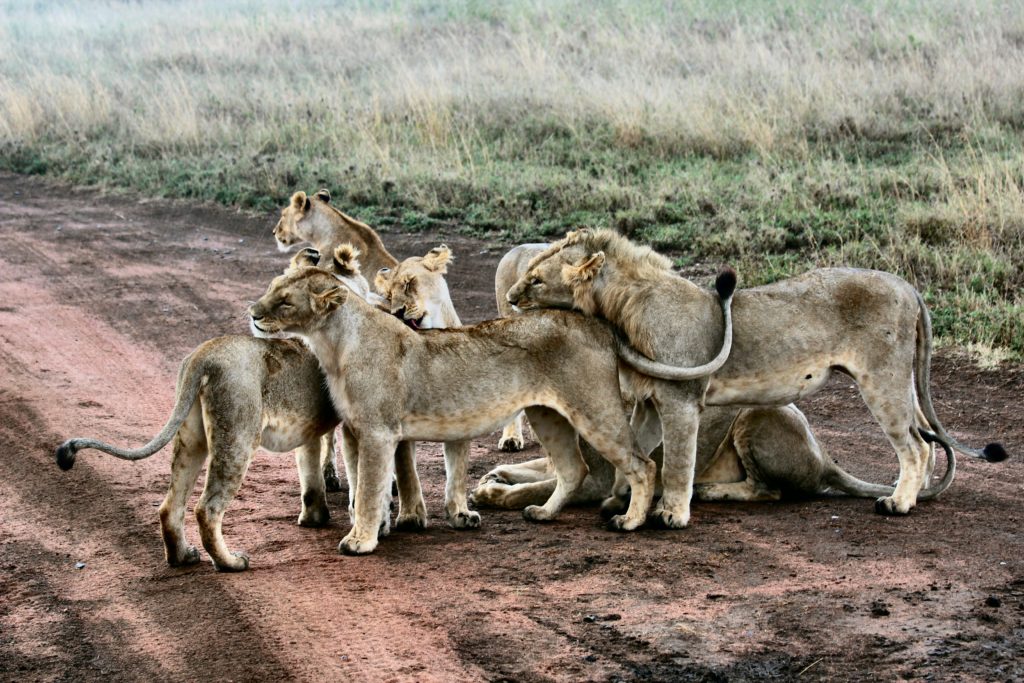
    What loneliness can do is to separate you from those you love and depend on, just as these lions depend on each other.

    You know that feeling when you’re lonely in a room full of people?  Loneliness doesn’t just attack when you’re by yourself.  If you’re mourning the loss of a companion because of death or divorce or breakup, the loneliness is so deep. Being surrounded with people, even people you know well and love, just may not soothe that deep corrosive ache you feel.

    But it’s not always about loss. 

    Tom is 69, has been single for decades, and has Narcissistic Personality Disorder. Tom has always been lonely. Because of his disorder, he doesn’t grasp that he does anything inappropriate, or that he offends others…especially his ex-wife or a girlfriend. His first marriage lasted over 20 years, but the older he got the more inflexible he got.

    What does loneliness do to you?

    And because of his disorder, he assumes that every conflict is because his mate doesn’t appreciate how good he is to her. He just can’t see that he causes the misery he does. All he knows is that he’s desperately lonely. So he is constantly on dating sights hoping to find the person who will fill that yawning void he feels. 

    Aging Sometimes Makes Isolation Worse

    Now at 69, he’s in a wheelchair and still looking for romance, but he’s run out of candidates…

    One day, he told his sister with incredulously…  “I figured out why my wives have all left me… they just didn’t appreciate how good I was to them.”  

    Tom just couldn’t see what was needed from him for a relationship to be fulfilling to both people.

    He couldn’t imagine he had room for improvement.  But that can go with Narcissistic Personality Disorder. And as much as he abused the people he loved, and drove them all away from himself, he couldn’t imagine there was anything he could do about their “lack of gratitude.”  And so he was desperately, heartbreakingly lonely.  And talked about it often.  

    But maybe that’s not so surprising really, for someone with that particular disorder.  

    Still, there are other scenarios.

    Some Think They’re Flawless, Others Believe Their Flaws Are Irreparable

    Either Way What Does Loneliness Do To Your Health, Your Relationships, and Your Self – Image?

    However, there are multitudes who struggle on the other end of the spectrum. Those who are unable to accurately assess their own worth to those who love them. They may be overwhelmed with shame and worthlessness. So many people who suffer from depression, bipolar disorder, PTSD, panic disorder….  

    What does loneliness do to someone covered in shame?

    So many feel inadequate, and struggle with feelings of such abject worthlessness, they struggle to receive love and support. When they join their family for a holiday gathering, they feel like they stand out like a sore thumb as the “loser,” the one who has amounted to nothing, the black sheep…They rehearse these self-defeating opinions about themselves in their own minds until it’s all they can imagine. 

    And they know without question this is the view held by everyone who knows them. (whether it’s true or not) These people are their own worst enemies. So they arrive at a gathering of people they love on the defensive, unable to absorb the love around them because they’ve convinced themselves they don’t deserve it.  And they’re even lonelier with their family than they are at home.

    It happens that sometimes lonely people are forgotten people. Sometimes they’re displaced people. Sometimes they’re people who have driven others away.

    But they’re all hurting.

    An editorial by Nicholas Kristof in the New York Times recently focused on the rampant, widespread impact of loneliness as a health crisis. He compared loneliness and social isolation with the health risks of smoking 15 cigarettes a day, or of obesity. He made the point that since obesity is associated with 300,00 to 600,000 deaths a year, loneliness must be a serious killer.

    Loneliness does what to you? It increases inflammation which leads to a host of diseases.

    What we do know is that loneliness increases inflammation, heart disease, depression, and suicidal thoughts… among a multitude of miseries. Inflammation alone can lead to cancer, a plethora of chronic and debilitating illnesses, and death. We’re social creatures, and fundamentally, we each need to be loved by someone, and to love in return.

    We need to contribute, and we need someone to give back. 

    In a survey taken in the US and Britain, more than half of respondents said they are often, if not always, lonely. With the rising numbers of single adults who never marry, and those who find themselves single again and stay that way, social isolation has become a growing cloud… The connectedness of multiple generations in a household is a thing of the past. 

    In Great Britain, an effort to counteract this disconnectedness, this isolation, led to the formation of the Ministry of Loneliness, complete with the Baroness of Loneliness to lead it. Baroness Barron’s direction instigated initiatives to bring people together. Things like benches for conversations. Clubs to draw people together who have similar interests. Public invitations to connect, share hobbies and activities.

    The Baroness stresses that everyone experiences loneliness at some point in their lives…some more than others. But because of the shifts in our western society away from extended family units, more and more people live alone. They don’t have the built-in structures that keep them connected. And their health suffers.

    So she encourages building ways to connect around people’s strengths… like their talents and hobbies. And to avoid focusing on their weaknesses, such as their isolation and lack of friends.

    What does loneliness do to you when you're facing hardship by yourself?

    So what is it, actually, that happens in your brain when you’re lonely, and you feel isolated?

    Social Neuroscience

    A study led by Livia Tomova and her team published in the Journal of Social Neuroscience considered the work of John Cacioppo.  Cacioppo was a social neuroscientist who defined this field… what happens in the brain in relation to our connections with others.  What if those connections are missing?

    He was the first to study the effects of loneliness in the brain. He said that the brain is the organ that creates, monitors, nurtures, and maintains social connections, and that everyone needs them. However, if you have some and don’t feel you have enough, then you’re likely to feel lonely, anyway. Because it’s how you feel about your connections with others that determines whether you feel fulfilled, or lonely.

    Loneliness is like hunger and thirst in that it makes you want to take action to feel better.

    He compares loneliness to hunger and thirst because it signals you to do something to to help yourself feel better.

    We Crave Connection

    And it isn’t just knowing people. It’s having someone or a few someones whom you trust, and you can give to, and who gives back to you in a way you can receive. A single trusted friend or a few is far better than a crowd of acquaintances who don’t meet that need.

    So in the study, Tomova and her team focused on the dopamine reward system, trying to integrate their experiences with animal and human responses. Their results showed that in lab animals, social isolation typically increased social motivation, which was managed by the brain’s mesolimbic dopamine system. 

    However, in humans, social isolation or “alone-ness,” can lead to either increases or decreases in social motivation.  Put another way, humans may withdraw… or reach out feverishly… in response to a painful rejection. This takes place in a part of the brain called the insular cortex.

    But chronic loneliness leads to decreased social motivation., due to changes in the dopaminergic responses in the striatum.

    What Does Loneliness Do in YOUR Life?

    All of this is to say that loneliness, or that feeling that comes from having unmet social needs, can come from a variety of life circumstances, but it occurs in the brain. And in the brain, we respond. 

    You’re built to love and be loved.  To trust and to be trusted. To be interested in someone else’s life…and for someone to be interested in yours.

    When you love someone who loves you back, loneliness has no power over you.

    There is no medicine that will heal loneliness. But there is help for those things in your life that may contribute to it. 

    By the same token, as you join with family and friends this Thanksgiving, you can keep your ear to the ground for others in your company who may not be socially motivated…and help them to break through obstacles that prevent connections. 

    On the other hand, if you feel isolated and alone, and want to withdraw, consider a baby step or two and reach out to someone…anyone…in your world who seems to be withdrawn, too. 

    Your helping hand just may help both of you. 

    Happy Thanksgiving

    Lori Calabrese, M.D. is on the front end of the race to stop PTSD in its tracks using IV ketamine treatment.

    To the restoration of your best self,
error: Content is protected !!