Tag: IV Ketamine Treatment for Postpartum Depression

  • What Makes Ketamine Work? This Research Team Seeks Answers

    What Makes Ketamine Work? This Research Team Seeks Answers

    What makes ketamine work? It brings joy to this mother.

    We’ve talked about ketamine’s rapid antidepressant effects. Last month we talked about the role of dissociation in ketamine’s antidepressant benefits. Neuroscientists are studying ketamine to find out WHY it provides such rapid antidepressant results. They’re hoping they can determine what exactly ketamine does in the brain, and whether they can isolate that action from the side effects without losing its extraordinary effectiveness. It’s a long road (rife with trials!), but they soldier on… hoping to make new medications that could become more available to more people. So let’s follow this team of neuroscientists through their quest over nearly 2 decades so far, to see what makes ketamine work.
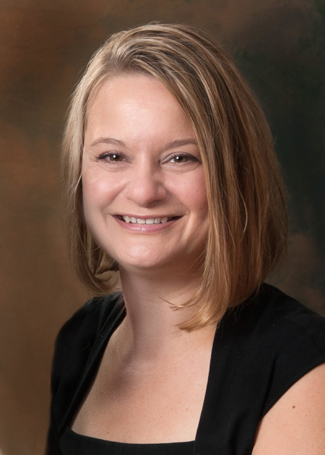
    Lisa Monteggia, Ph.D.

    A team of researchers, led by Lisa Monteggia, Ph.D., have studied this question for 18 years. Beginning in 2003, she and her team were interested in what makes antidepressants work. At the time, they knew that neurons released the neurotransmitter serotonin to keep the mood stable. Therefore, if the serotonin level was “low,” that was the cause of depression. (Or so they thought.)

    A lot of antidepressant medicines at that time were designed to increase serotonin availability. (They worked to prevent serotonin from being taken back up by the releasing neuron, and to keep it around in the synapse.)

    However, Dr. Monteggia’s team saw a problem with that whole explanation because those antidepressants (SSRIs and SNRIs–serotonin reuptake inhibitors and serotonin norepinephrine reuptake inhibitors) took weeks to relieve depressive symptoms — when the meds worked. So they realized other things must be going on at the same time, since serotonin alone wasn’t the key element.

    Next, her team identified an important aspect of neuronal signaling, as well as something vital for antidepressant effects… and that was brain-derived neurotrophic factor (BDNF).

    A variation of the gene that “tells” cells to make BDNF contains an error or oddity that can change what the gene and the BDNF do. And that’s significant. Because further studies showed that people who have this “odd” gene, can have a reduced, dampened effect from antidepressants.  

    Hmmm..!!

    Now don’t miss this next part of her story: As her team was studying this weird anomaly, another team (remember research was going on globally!) published their work about the ketamine, an anesthesia agent that can produce rapid antidepressant effects when given at a low dose — too low for it to produce anesthesia.

    Ketamine already had a reputation for abuse when taken in moderate to higher doses.

    But this finding was so important! That at a low dose, ketamine can effectively sweep away symptoms in someone who has severely treatment resistant depression. Basically, someone who has not been helped by anything else they’ve tried for their depression.

    So this really charged up Dr. Monteggia and her research team. They committed to learning all they could about ketamine. And they say they want to use it as a Rosetta Stone, so to speak. In other words, they want to use low dose ketamine as the key to understanding rapid acting antidepressant action. Why? Because maybe understanding the mechanisms of action of ketamine could fuel the development of new antidepressants without side effects… Ah!

    For one thing, it may hopefully show us how effective antidepressants work. (Actually work, not how we assume or think they work.) To learn the actual mechanism behind effectiveness; as in, something we haven’t yet seen or identified.  

    The other is that ketamine is known to impact a specific protein in the brain…the NMDA receptor. This receptor is found embedded on certain neurons — a lot of neurons!!
    The team confirmed that ketamine blocks the NMDA receptor. In addition, ketamine has specific effects on a certain signaling pathway, and when they blocked that pathway, ketamine didn’t work.

    Ok…the process of elimination. 

    But let’s see what else they learned.

    Here’s one exciting thing … and we count on it with ketamine treatment. They were able to show that when ketamine blocks the NMDA receptor which affects signaling…it produces a series of downstream effects which trigger a special form of neuroplasticity in the brain cells.

    Neuroplasticity is the ability of the connections (or synapses) between the brain cells to change their strength. So ketamine helps those synapses change their strength in new and unexpected ways.

    The team has tested other medications to see if they act like ketamine. (For instance, memantine is similar to ketamine in some ways, and it does block the NMDA receptor, but it goes about it in a different way. So interesting, though: despite all that, it does not have the same effect on signaling as ketamine, nor does it trigger this novel type of plasticity that ketamine does.)

    They only see this specific type of plasticity with rapid antidepressant action. Eureka!!

    (OK, so we’re a little excited here. I know.)

    So it occurred to them that perhaps this special form of plasticity may actually be an integral part of rapid antidepressant action.…? And they wonder whether this type of neuroplasticity plays a role in “healing” depression, and demonstrates what makes antidepressants work … Not sure yet. 

    But here’s something to keep in mind: some experts in the field of neuroscience call ketamine a “dirty” drug. 

    Don’t panic!

    When they say that, they don’t mean it’s grimy.  They mean that it works in many ways to affect many parts of the brain — it doesn’t do just one thing that explains definitively how it relieves depression. If they could develop a drug that targeted the absolute biologic mechanisms that are specifically involved in depression, bipolar depression, PTSD, suicidal thoughts, and the rest, that would be a breakthrough!

    So ketamine emerged as a treatment for psychiatric disorders — quite by surprise.  

    This team of researchers believe that ketamine’s actions are especially important in the hippocampus. They believe that after ketamine affects brain cells in the hippocampus, changes flow back to the prefrontal cortex (this part of the brain is behind your forehead) and other areas.

    So they’re hoping they can follow the path of those changes backward…from hippocampus to prefrontal cortex to other area. The more they learn, the closer they may come to understand rapid acting antidepressants better.

    They believe that blocking NMDA receptors results in that novel neuroplasticity and call it “homeostatic” neuroplasticity. This is a different form of plasticity than the one involved in learning.

    And as they continue forward with these experiments, studying homeostatic plasticity, which they believe is at the core of what makes ketamine work as an antidepressant, then they can work with other, perhaps newer, medications that do the same thing…to find more and better options.

    Meanwhile, we do have IV ketamine treatment. And people often experience remission with it. So we’ll keep using it, and celebrating your joy, freedom…and hope.
    At Innovative Psychiatry, we happily work with you in hopes you’ll achieve remission with IV ketamine treatment. We’ll joyfully welcome you for your treatment, and you’ll receive that treatment in a safe environment with clean, pure air. Sanitized to 99.99%. We take every precaution, like our intense plasma cell technology, to keep our environment here safe for you.

    Innovative. Super modern. Seeking the best.

    For you.

    IV ketamine treatment is just like that in our hands: innovative, supermodern, seeking your best self. Is it for everyone? Does it make everyone better? Sadly no. Which is why we’re so grateful that there are teams of researchers…around the world…who won’t give up, who seek more options and even better ones, for all of us.

    If you struggle with the kinds of disorders we’ve talked about, and treatments haven’t helped, call us.

    We’ll set an appointment to help you know whether you might be a likely candidate for this extraordinary treatment. Your rewarding and fulfilling life lies ahead.

    We look forward to meeting you.
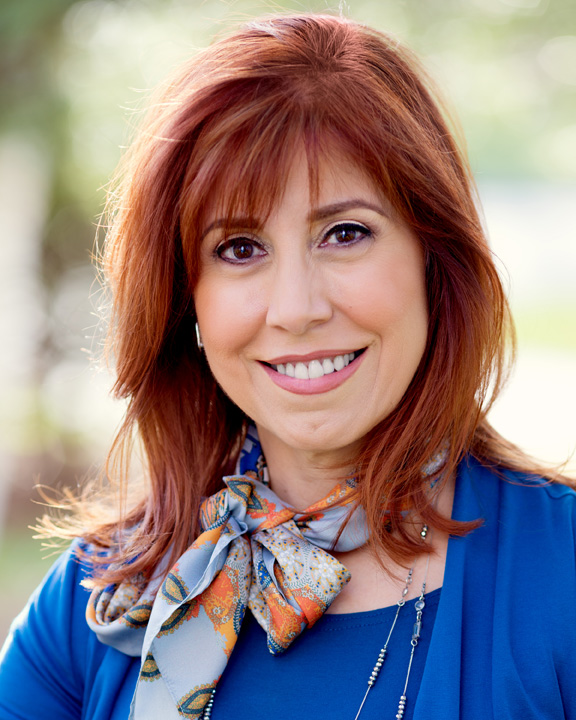
    Lori Calabrese, M.D. is on the front end of the race to stop PTSD in its tracks using IV ketamine treatment.

    To the restoration of your best self,
  • Suffer from Postpartum PTSD?        Ketamine Can Bring Back Your Joy

    Suffer from Postpartum PTSD? Ketamine Can Bring Back Your Joy

    We say that childbirth is utterly natural. But the experience of giving birth doesn’t always go as planned. Sometimes there are surprises, disappointments, unexpected changes, fears, and excessive pain.

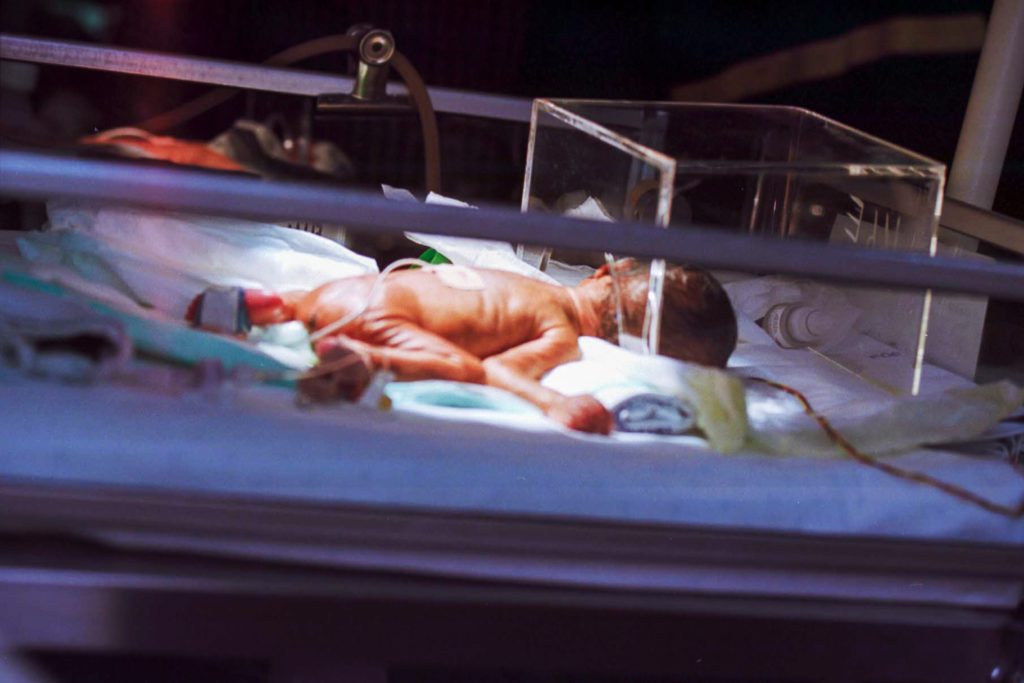
    A terribly painful labor or delivery can become a traumatic memory for a postpartum mom. Loss of the baby during the process can also create an unbearable trauma for the mom. Especially in situations where the infant doesn’t survive, the mom can be so deeply affected that the smell of baby powder or lotion can trigger a cascade of PTSD symptoms. Or the cry of a newborn baby. Mothers who suffer from postpartum PTSD can have severe reactions to triggers for months after delivery.

    Leanne has five children.  The first four of her deliveries were increasingly traumatic. In one case, the baby’s head was lodged at the side of the pelvis and after hours of pushing with no progress, she was moved to surgery for a C- section. This was the fourth delivery.  More about that one in a bit.

    With the first, she labored for 38 hours and when the baby was finally born, she tore through her rectum. Bonding with her baby didn’t go well, because she was in so much pain. Plus, she felt beat up, traumatized, exhausted, and unable to find any warm feelings for her newborn. (And too ashamed of this to say it out loud.) Eventually, over months, she began to improve.

    But within 7 months of that birth, she found out she was expecting again. She sat down and cried. She didn’t feel ready. The pain in her rectum had only recently subsided.

    Then, the circumstances of her second baby’s birth were also excessively painful. (We’ll leave out the details.) She began to feel like she just had terrible luck… or just wasn’t supposed to be a mother.

    From that time, she cried anytime her husband tried to touch her.  She couldn’t separate the suffering of the two births from amorous times with her husband. Leanne couldn’t face the risk of another childbirth. One day she was so angry, she slammed the dishwasher door hard over and over, then sat down and cried.

    Leanne’s husband quietly slipped out of the house and bought a new set of dishes.

    Leanne talked with her doctor, and he said that she suffered from Postpartum PTSD.

    Then, one day Leanne and her husband went to visit friends for a backyard cookout. They took the babies with them and really had a wonderful day. That night, they were both relaxed, and enjoyed cuddling. One thing led to another…

    And soon enough, Leanne was pregnant with her third child. She’d been in therapy for 2 years at that point, so she was guardedly optimistic…but on shaky ground.

    This time, unfortunately, the crisis was placenta previa… specifically the placenta was overlapping the opening of the womb to the birth canal.  Once she began to dilate, portions of the placenta broke free, causing a rush of blood loss. She started to hemorrhage.  She panicked, called her husband, called her doctor, called her mom. ( If only she had called 911…but she was too shaken to think clearly.)  Of course, her husband was on his way, and told her to call 911 NOW.  She called 911 then called a neighbor to come stay with her little toddlers. She was rushed to the hospital, unconscious when she arrived. Doctors went to work hoping beyond hope they could save both mother and child.

    Thankfully both mother and child survived, but again, Leanne was exhausted, shaken, and shut down. She just couldn’t relate to the baby.  She was overwhelmed with guilt that her mistakes had come so close to causing the baby’s death. 

    Even though Leanne and her husband were committed to living a natural lifestyle, and had never used birth control, she just felt she couldn’t go through this again.  But he stood strong about not using birth control. So she used the best form of preventing pregnancy she could think of. Anytime her husband touched her or was affectionate, she pushed him away…or sometimes she just fell to the floor in a heap, weeping her heart out.

    She had times when she just began to tremble and couldn’t stop. One day she dropped a jug of milk that spilled and splattered all over the kitchen. Then she had to pull herself together to clean it up. Who else would?

    By this point, she tried to be a good mom to her innocent babies, but so much of the time she felt vacant. Other times she felt angry. Then, there were times when she had such anxiety that she didn’t dare drive, even to the grocery store.

    If you suffer from postpartum PTSD, ketamine treatment can help.

    She managed to avoid pregnancy for two years. Her marriage had become volatile. She just couldn’t be calm to communicate with her husband. Everything was falling apart.

    Her husband suggested they let the 3 kids stay with Grandma and Grandpa, so they could take vacation to somewhere peaceful. They took a week in Jamaica. It was wonderful with swimming, great food, walks on the beach, and local music. (And those drinks with umbrellas! She loved them!) So many sites, smells, and friendly people. They both believed this was just what the doctor ordered.

    On their 5th night, they danced to local music, and drank more umbrella drinks than they realized…  They found their way to their room and collapsed in bed. The next day neither of them remembered how they got there. In their inebriated state, their celebration led to baby-producing activity. So rare for them, at this point.

    You guessed it…baby #4 was on the way.

    Leanne home-schooled her children, so by now she was doing lessons with babies #1 and #2.

    At least on the days she was functioning. But her anxiety was pretty high.  How could she take care of these children when she was so shaky?  A few times during the pregnancy she experienced a panic attack. Her therapist was working with her to help her work through the anxiety.

    Bless her heart. This was the delivery we mentioned earlier. The baby’s head seemed to be stuck to the side in her pelvis and they couldn’t get the baby to move into the birth canal. It was the last straw for Leanne. She had a full out panic attack during the latter portion of her labor. She was standing up in her bed and screaming and crying. No one could calm her. She just wasn’t rational. She was terrified. So they did an emergency C-section after putting her sleep.

    When she emerged from the anesthetic, she was disoriented, surprised to learn her 4th baby was born and doing well in the nursery.  Her doctor encouraged her to rest before they brought the baby to see her. But she just withdrew.

    Leanne had had dreams of being such a natural “earth mom” …she’d started out wanting to give birth to her children at home. But each childbirth had been too risky to continue at home. She felt cheated. Angry. Beaten. Each labor and delivery was a nightmare.

    All her plans for meaningful home births had been vanquished. She knew she suffered not just from postpartum depression but from postpartum PTSD … and she just didn’t know what to do about it.

    Her doctor had advised Leanne and her husband to consider a tubal ligation during this C-section but she had been far too distraught for a decision like that. So he encouraged them to consider it later, to give her a chance to  recover.

    While they were “thinking” about it, she got pregnant once again. She told her doctor she definitely wanted the tubal ligation done during her final C-section. As it happened, this 5th birth went smoothly as a C-section, and the tubal ligation was completed in the same procedure.

    She was able to bond with her new baby peacefully, and she enjoyed him so much. 

    A wonderful, simple, easy, planned C-section — with no crash carts, hemorrhages, horrible images, horrible fears, horrible pain. Why couldn’t it replace all those awful memories? Why did they shake her up during the day, and infiltrate her dreams at night? And why did every little thing seem to be a trigger? The kids were healthy, right? They were OK, right? She was OK, right? Well on that one, no…she was really not ok. She still suffered from postpartum PTSD symptoms — and all the treatment she had had over the years hadn’t made a dent in it.

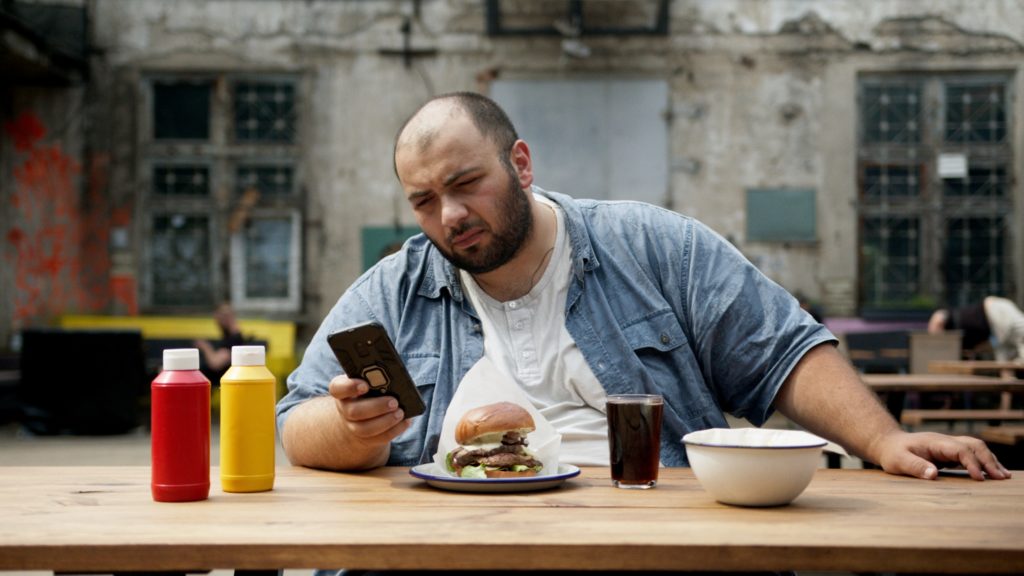
    So when a friend encouraged her to consider IV ketamine treatment, Leanne grabbed her phone, and started trying to learn what ketamine can do for postpartum depression and postpartum PTSD. She made the call.

    Scheduled her appointment. And left the children with a babysitter. 

    After the first infusion, she felt no different. Same after the second. After the third she decided to cook a new recipe for supper. Such a little thing, right? But it was such a big deal—she hadn’t done that for months. (Ketamine can restore initiative and motivation.) After the fourth, she could feel rays of hope inside her. Almost like rays of sunshine, she said.  By the time she went for the 5th infusion, she was calmer. No longer shaking. And although there was still anxiety, she was becoming hopeful. She had good days and bad days. But there was improvement. She could feel it. She just wasn’t there yet.

    So she went for a 7th infusion…and then an 8th. By this time she went for her 8th infusion, she had joy. She felt free of the fear and anxiety.  And as the days passed, she felt more resilient all the time.

    She became her old self over the next several weeks — felt happy, calm, fun-loving. (Oh wow, when was the last she she’d felt that?) She had patience with her children, she had creativity in home schooling them, she enjoyed socializing. She also had the initiative and motivation to clean up the house and invite another couple with kids over for dinner — outside, on the patio. 

    Leanne hadn’t felt this good since her first baby was born.  

    If you suffer from postpartum PTSD, try ketamine treatment. This mom found her joy again after she did.

    She also found the patience, wisdom, and determination to work with her children in family therapy in hopes of improving their security with her and building the bonds that suffered with these pregnancies and deliveries. 

    And she was thankful that her husband was still at home so they could work together with a marriage counselor to strengthen their relationship.

    IV ketamine treatment has developed a track record for helping women who suffer from postpartum PTSD to achieve remission. Choosing to seek out this treatment was a wise move for Leanne to make. At the same time, it’s important that you understand that ketamine is not for everyone. (There isn’t anything that works for 100% of people 100% of the time.) But ketamine can be transformative for most people who are suffering from severe postpartum PTSD, depression, social anxiety, bipolar depression, postpartum depression, and more.

    Innovative Psychiatry provides IV ketamine treatment for postpartum PTSD.

    At Innovative Psychiatry, we’re experts in psychiatry, in postpartum disorders, and in all the treatments available for them—including IV ketamine—and we work with you to map out the best course of treatment for you. We have the protocols and — incredibly important — the technology to protect you from viruses including COVID-19, bacteria, and molds, so you can come for your treatment with peace of mind. You can breathe easy…even if you haven’t for months.

    If you suffer from postpartum PTSD, don’t keep toughing it out. Call us.

    We’ll set up an appointment to talk about your history and current symptoms and all the things we need to know to determine if you’re a candidate for IV ketamine treatment. You deserve the care of a specialist.

    Don’t hesitate to call. Get your hope back. And the power to enjoy your family.

    We want to help.

    Lori Calabrese, M.D. is on the front end of the race to stop PTSD in its tracks using IV ketamine treatment.

    To the restoration of your best self,

  • Reduce Stress and Stay Safe This Holiday Season

    Reduce Stress and Stay Safe This Holiday Season

    Although some things are easier said than done…

    Cecilia and Ben have been working remotely since March 2020, so they both work in their home. They’ve faced the challenge of setting up work spaces in their home so they both have privacy for their online meetings. It took some doing, moving furniture, opening up areas and storing what they could when they’d rather be relaxing on the weekend. It’s all been about reduced stress and staying safe and healthy.

    So they’ve adapted. And have designed their lives around working remotely in their own spaces. For their own wellbeing and for everyone else.

    They’re very careful about avoiding exposure to SARS-CoV-2, the virus that causes COVID-19. Twice a month trips to grocery store with gloves and masks. Very cautious. 

    Cecilia also has concerns about managing her bipolar disorder. With the help of medication, she manages fairly well. But she and Ben are careful about avoiding stressful situations to help with her stability.

    They were invited to share Thanksgiving with Jake and Robin, Cecilia’s brother and sister-in-law…so they discussed–again, at length–how careful Jake and Robin were about isolation and precautions, and were assured they were extremely cautious. Both couples agreed to a COVID test the week before the holiday.  All four tests came back negative.

    Halfway through the day on Thanksgiving, they were enjoying a quiet time together chatting as they prepared the meal.

    Suddenly, the doorbell rang.  Jake and Robin looked at each other puzzled as if to say, Are you expecting anyone?  No… are you?

    When they answered the door, a jovial group of 8 more people roared Happy Thanksgiving!!! and charged through the door. The eight people included the Robin’s cousin, his wife, their 5 children, and Cecilia’s elderly mother.

    Jake and Robin stepped out of the way, baffled, shocked, and horrified; Ben and Cecilia were equally horrified. Grandma came in with her walker. Four children ran through the house, and a baby in a carseat wailed from her position on the floor.

    After quick greetings, and well-intended but strained smiles, Jake asked the parents of the wild offspring if they’d had recent COVID tests and they laughed and said, “No, of COURSE not!!  Don’t you believe that whole COVID propaganda, Jake!! Relax! It’s Thanksgiving and it’s time for family!!!”

    The new arrivals then commenced to talk about a party at another cousin’s house a few days before and what a great time they had.

    A party?  How many were there?”

    They held their breath.

    “Aww, I don’t know… 30 or so. You should see Tom’s oldest. She is really grown up!”

    So Robin said, “You know what? We love you guys and it’s great to see you…but we take this pandemic pretty seriously. We each got a COVID test last week to be sure we didn’t have the virus to expose to each other.

    “We don’t want to hurt your feelings but until this COVID thing is resolved, we’re not letting anyone be here in the house who isn’t carefully isolating, using precautions, and can show a negative test result. We’re really concerned about Mom, too, because she’s high risk–she’s vulnerable to the virus and all kinds of complications. And she’s being exposed to you guys today. You’ve been with at least 30 people who may or may not have COVID, so now she has been exposed to those 30 people, too.

    “To tell you the truth, you should all put on masks, and you should take her home. We can see that you don’t feel as cautious as we do, but we just have to protect our health and others the best we can.”

    With bruised feelings, the cousins and Grandma all accepted masks to wear and loaded back into the car. They weren’t happy about being sent away without welcome. To say they took it personally would be an understatement.

    The following week, Callie got a phone call from her mom.  Her mom had not been feeling well for a couple days, so she went to the ER. With a history of heart trouble and asthma, she was worried. The hospital COVID test was positive, and Grandma was admitted to the ICU. Within 4 days, her breathing had deteriorated, and become very difficult, so her diagnosis was upgraded to COVID and pneumonia. Doctors said it was grave.

    About the same time, Ben started feeling symptoms of severe fatigue, shortness of breath, and intestinal cramping. Cecilia drove him to a drive through testing center for another test. It came back in two days — positive.

    Ben was the sickest he’d ever been. So weak he could barely walk to the bathroom. Cecilia tried to keep him quarantined in the bedroom. And she wore a mask and gloves and washed her hands often. After about 16 days, Ben began to improve. And Cecilia was weary and discouraged.

    Cecilia’s daily calls to the hospital to check on her mom were frightening. Heartbreaking. Her mom was now on a ventilator. And her cousin’s wife was also sick with COVID.

    After taking every precaution, Ben and Cecilia still found themselves exposed to COVID and were facing the possible loss of her mother. Their fear and grief were only surpassed by their profound frustration and powerlessness. They really thought they could reduce stress and stay safe for Thanksgiving.

    You just never know, do you?

    But all the more difficult, Cecilia’s bipolar depression symptoms were rearing up in the face of the deep frustration she felt. First frustration, then anger, then rage…at her cousin who ignored all the warnings and put her mom and everyone else at risk. 

    She could feel her mood moving from neutral to a dark melancholy… bipolar depression was looming… she could feel it coming on.

    Oh no. How would she get through this and when her mom was in ICU? What if her mom died? It was all just too much. Her hope was dwindling. She felt both agitated and defeated… Even though she didn’t contract COVID, those around her who did played a role in her own condition worsening.

    Reduce Stress and Stay Safe at the SAME Time

    We’ve talked about how stress has become a traditional element of the holiday season, as we’ve allowed our traditions to become obligations. And how the stress that results from all those insurmountable obligations actually creates misery, sickness, and destructive conditions like depression and anxiety symptoms. So that to reduce that stress we need to make some hard decisions that put relationships and our own peace before the race to “get it all done.”

    We’ve also talked about how this holiday season 2020 is unique because COVID cases are increasing so fast that we’ve been asked not to travel, and to limit the gathering in our homes to those who live there–and possibly one or two who’ve tested for COVID and received a negative result, and who are extremely careful about isolation and protection.

    Of course, this appeal ricocheted around the internet and news media before Thanksgiving, and some heeded it.  Many others ignored it. 

    Aside from the precautions for limiting spread of the virus that is causing the COVID pandemic, there is another issue that deserves attention. That’s the tension, anxiety, and depression symptoms that can be relegated to the ongoing news about the virus and the damage it can cause. 

    Add to that the conflict that arises when individuals hold opposing opinions about their decisions for celebrating the holiday… and the disagreements that erupt. Yikes.

    This time of year is celebrated as a time of giving and receiving love and connection with friends and family. To worship true to your conscience, and hopefully be refreshed. Don’t you agree?

    So what can you do when friends and family stir up conflict?

    We all know someone who stirs up conflict wherever they go. The Button Pusher.  
    Then there are those who find their fuel by subtly inflicting guilt. We love them but we hate the guilt trips. 
    And every group has someone looking to push the crowd into doing something they don’t want to do…

    Yours isn’t the only family with these delightful people. 

    Aren’t you glad?

    The Good News. Disconnect your buttons before you have contact with the Button Pushers… Turn off your guilt switch and let the guilt purveyors buzz away while you walk away. And those Mr. Pushy types?  Just say NO.

    This is a year to consider fewer gifts and more emails, cards, letters, especially those cards with pictures enclosed or attached. Share your news without exposing yourself, your family, or the vulnerable family members to potential illness.

    Let the pandemic die down.  Give the vaccinations some months to do their job.  And let’s save Winter 2021 to hopefully move around the country and spend time with those we love.

    Reduce Stress and Stay Safe — Enjoy the Holidays and Enter 2021 Healthy and Happy

    And… if your efforts to reduce stress and stay safe are undermined like Cecilia’s and Ben’s were, you have options. They may be as simple as isolating and watching Christmas movies together, with popcorn and mugs of hot chocolate. But if you symptoms rise and intensify, if your medications aren’t effective in managing your symptoms of depression, bipolar depression, PTSD, alcohol use disorder, substance use disorderIV ketamine treatment may be a very real and lasting help for you. It doesn’t work for everyone — because nothing works for everyone — but it can be extraordinarily effective even when everything else has failed.

    With a series of titrated ketamine infusions personalized specifically for you and your response, you can feel like your best self again. Think back to the last time in your life when you were at your best self for a good stretch. Ketamine treatment can help you feel like that again.

    It can be amazing, and has a remarkable effect on the structures in your brain. You can feel restored, with the energy to give your best on your job and in your relationships, with improved creativity. And hope.

    At Innovative Psychiatry, people with these conditions and more come through every week. We have an atmosphere we keep safe from the spread of COVID due to 21st century plasma cell technology we’ve installed that destroys the COVID virus in the air and on surfaces. With the technology available anywhere to keep our air and surfaces COVID-free, and meticulous procedures in our office, you can come for treatment with confidence, and relax in a quiet private treatment room with reduced stress where you can stay safe.

    Above all, take very good care of yourself, your health, your outlook, and the wellbeing of your family.

    We care about you, and we’re here to help you experience relief of symptoms and the power to enjoy this time of year by enjoying what you love and those dear to you.

    If you want to see what IV ketamine treatment can do for you, call us.

    We understand and can help.

    Lori Calabrese, M.D. is on the front end of the race to stop PTSD in its tracks using IV ketamine treatment.

    To the restoration of your best self,

  • Does Mine Look Like His?? How Disorders Look Different in Different People

    Does Mine Look Like His?? How Disorders Look Different in Different People

    It can be alarming to see you brother try to navigate his way through a challenging diagnosis like depression or bipolar disorder. His symptoms may be alarming for you, and while you’re trying to be supportive, he may feel the world is crashing in. His dramatic reactions can be overwhelming, especially when you had a friend with bipolar disorder who had a volatile temper, it seemed, and seemed hypersexed, but she didn’t act like your brother is acting now. Surely they got his diagnosis wrong. But the doctor says that disorders look different in different people…at different times and under different circumstances.

    And it’s good to know.

    Charlotte might be a good example.

    Charlotte first began to show signs of less confidence and depression around the age of 6. She tried so hard to have a stiff upper lip, to invest her effort and perform well at school to please her parents, and to be industrious. Her parents were always so proud of her. But they didn’t recognize depression in herbecause she tried so hard.

    Now, Charlotte’s family already showed signs of psychiatric disorders in other members. Her mom had suffered from depression since childhood, her oldest brother had suffered from depression since he was 4. Plus, her other brother received a diagnosis of bipolar disorder. He had actually displayed symptoms since he was a young child. See the similarities?

    In addition, Charlotte’s uncle struggled with Narcissistic Personality Disorder. So did her grandfather.

    So much going on in Charlotte’s extended family. In fact, so much woven through the whole family.

    But in her case, her primary diagnosis turned out to be severe treatment-resistant bipolar disorder. Plus alcohol use disorder, social anxiety, and some phobias.  

    Happily, her bipolar depression, social anxiety, and alcohol use disorder, eventually improved dramatically. Some aspects reached remission after IV ketamine treatment.

    Sometimes depression or bipolar depression expresses itself as anger… even rage. Sometimes it can look like alcohol use disorder. In one person it may look like sadness and despair. In someone else, it may show up as disrespect for others. One person with bipolar disorder may seemed quiet, full of sorrow, and hopeless a lot of the time, but another might feel angry, disillusioned, and seeking revenge. How is it that the same disorder can present so differently? It can look different in different people and with different circumstances.

    Lots of people wonder about the same thing. Why does one person with depression act so angry?  Then someone else with depression suffers from quiet despair..? One eats carbohydrates in large amounts, and gains weight steadily. While another has no appetite and loses weight at an alarming rate?

    Which came first?  The chicken or the egg?  Disorders have a way of emerging and creating more difficulties. Depression can give way to phobias, weight gain, social anxiety

    Bipolar depression may show up as raging anger at times, unrestrained sexuality at times, and terrible despair in one person. Then, in another person, it may look like self-harming, unlawful behavior, and substance use.

    One reason? It’s not uncommon for someone with depression or bipolar depression to also experience anxiety, phobias, hypersexuality, or substance use disorder, alongside the original diagnosis. As a result, you may have a friend or relative who displays a certain cluster of behaviors, and you form the idea that this is what bipolar looks like.

    Then, someone else you know is given the same diagnosis, and while they display erratic behavior, it’s nothing like the behavior of your friend.

    The same disorder can look really different in different people.

    So now you can meet Grayson.

    He was first diagnosed with ADHD, then bipolar depression, and finally obesity. 

    It would be natural to assume that his depression, bipolar depression, and ADHD were all linked to each other. Since some people who exhibit ADHD symptoms as school age children, are later diagnosed with bipolar disorder. And depending on the type of depression you have, you may find you eat high carbs, or you may find out you eat very little. 

    Here’s Grayson’s experience:

    In Grayson’s case, ADHD emerged first when he was a child. About 6 years later, bipolar disorder became a more pressing concern, which SEEMED to lead to obesity. When Grayson is experiencing bipolar depression he tends to eat more, sleep lots, and feel listless and without energy.

    Disorders look different in different people.  

    In Grayson’s family, his own son was diagnosed with ADHD at the age of 7. Then, as he grew he was diagnosed with severe depression.  Grayson’s grandmother has suffered from depression all her life. His uncle has struggled with ADHD but learned to manage it in adulthood. 

    So.

    We know that depression, and many other psychiatric disorders, run in families. And these family connections call for us to show compassion for our family members who suffer from their own individual disorders. 

    If you suffer from depression along with other disorders, and if your current treatment isn’t working, feel free to call us.  Or ask your health care team to call us.

    We welcome the opportunity to work in conjunction with your healthcare team to help you get better.

    At Innovative Psychiatry, it’s true that we see multiple family members who each live with diagnoses and co-morbidities, and it’s true they may sometimes share the same diagnosis … or they may not. Although your symptoms need not necessarily be labeled, they do need to be evaluated as part of your overall self. And then they can be addressed, as needed, with appropriate treatment.

    While IV ketamine treatment is not the appropriate treatment for all of the symptoms you experience, we can work with your health care team to try to help you experience your best self.

    Does IV ketamine treatment help everyone who tries it? Unfortunately, no. But it does help many achieve remission and build fulfilling lives.

    So do try to avoid stressful situations or tasks during this season.

    Do make decisions that are productive for your own health and the health of your family.

    And do call us if we can help you get better with better with IV ketamine treatment. Give yourself the best opportunity for a fulfilled 2021.

    Lori Calabrese, M.D. is on the front end of the race to stop PTSD in its tracks using IV ketamine treatment.

    To the restoration of your best self,
  • Fight the Effects of Isolation Depression By Reaching Out to Help Someone

    Fight the Effects of Isolation Depression By Reaching Out to Help Someone

    Cameron pulled back the drape to look out into the empty street. No cars were moving, but an endless row of them lined each side of the street. A recent rain left the pavement dark and glistening. He let the curtain drop and walked into the kitchen for some herbal tea. The house was dark. Quiet. He had to admit to himself, it was lonely, too. Ok there. He said it. He felt lonely…as in alone. The effects of isolation depression were getting to him.

    Cam woke up each day wondering what his purpose in life could possibly be. There was no point in this endless endurance. He didn’t have the energy or motivation to do much at all. He’d been to the doctor a few times, only to take medicine that didn’t change anything except make him gain weight.

    The more he thought about it the more he wanted to die. His mind focused on how he could help that happen.

    He’d been fighting off this wretched despair for weeks … trying as hard as he could to rise above the gloomy, empty feeling that had been trying to drown him. Even though he’d tried cooking, he got bored with that pretty quickly. He’d tried reading. But the constant silence stifled his outlook.

    They’d been told on the news to stay home. Some sort of pandemic. But Cam didn’t care …he never went out much anyway. 

    He kept the blinds closed, the drapes pulled, and the door locked. The idea of seeing someone, or anyone, peering into his apartment made his heart race and the hair stand up on the back of his neck.

    To pay his bills, he offered accounting work for people online. You might say a virtual assistant, of sorts. He could work on his own timetable…when he could function. Office hours never had worked for him.

    The effrects of isolation depression are making this senior citizen want to give up hope.

    Then, he saw a post on social media. Something about how to reduce your own anxiety and depression. 

    That caught his attention.

    It said to find a way to help someone. Offer to do a favor for a friend or a stranger. That by doing that, it could help lift your own mood.

    Cam thought about it a moment. Hmm. The idea seemed far-fetched, even ludicrous. (Like, really ludicrous.) People who feel crummy, who have no energy, and who are miserable around others…have got to be the worst possible candidates for acts of kindness and helpfulness. People with energy should do those things.

    Right..??

    After digging around in the fridge, he came up with some frozen potato fries and put a generous pile of them on a baking sheet in the oven. He checked for ketchup, confirmed there was half a bottle, and returned to his desk.

    While he worked on a customer account, that message about generosity and kindness ran laps around his mind.

    Finally, he turned around in his chair and stretched.

    Could it be? Is it possible that a melancholy loner could actually do anything that would benefit someone else?

    Thoughtfully, he laced his fingers behind his head.

    Good grief, he thought. We’re not supposed to leave our homes. How on earth could someone like him do anyone any sort of favor?

    Aaaacccckkk!  Forget about it. It’s a crazy thought and it’s not happening.

    He reluctantly turned back to his work, then the timer sounded. 

    After serving the hot, steamy potatoes up on a plate, he decided they smelled sort of good. He poured himself a glass of iced tea, and munched away. It was unusual for him to have an appetite at all. 

    He studied the fried potato in his hand…rolling it to examine it top and bottom distractedly. 

    Finally, he dipped it in ketchup, put it in his mouth, and then it hit him.

    Numbers! That’s something I have to give, he thought. Something I understand. And all the kids are schooling at home. I wonder if they need math tutoring!  

    Maybe it was a little thing, but for someone who had found no purpose for his life, it was a world-changing revelation for Cam.

    He realized he could fight the effects of isolation depression with his own skill with numbers.

    Before self doubt had a chance to suffocate his idea, Cam got on the neighborhood social app, and announced that if there were any children or teens needing math tutoring, he would be happy to offer it online. For free.

    He pushed send, then his heart sank.

    What had he done???

    He couldn’t face people he didn’t know. He didn’t feel like they’d like him, and his way of explaining math probably wouldn’t  help at all.  The effects of isolation depression had intensified his social anxiety… but could he push through ?

    After all, he was weird… he knew he was.

    Just thinking about someone contacting him for math help — then failing at it — made him die a thousand deaths. He just didn’t need any more failure.

    An hour later, he heard the familiar :::BING:::  It was a message.  Someone in his building had a 12 year-old struggling with math. They were happy to pay him but just didn’t know how to help their son themselves. 

    Doing his best to sound like he was taking it in stride, he arranged a time the next day to talk with their son.

    His heart was beating pretty fast …but it wasn’t as much anxiety, he thought, but maybe more excitement.

    And he had discovered something he’d been missing.

    PURPOSE.

    Suddenly he had the purpose to help a preteen boy develop stronger math skills.

    The next morning, he woke up, got his coffee, and sat down at his desk. There were five more messages. People whose kids needed tutoring…ranging in age from 11 to 17.

    Oh yikes.

    He didn’t know if he should try to work with all of them. What if he had a bad day and couldn’t function?  That happened pretty often.

    What if he got sick ?

    The responsibility for all these kids loomed over him.

    But finally, he made himself calm down.  He decided he would try to do this a day at a time, and if it got to be too much he’d call his doctor.  Or he could quit.  

    But for the first time in a very long time, he wanted to try.

    Cameron isn’t alone, is he? You may be in a position a lot like his. Feeling cooped up, dragging from day to day, seeing no purpose in life, and wondering how long you can endure the days.

    The Effects of Isolation Depression

    If you live in a city that’s been “locked down” it can be hard to fight the isolated feeling of aloneness and despair.

    It may be that finding a way to reach out and help someone in a small way could give you a lift, too.

    IV Ketamine Serial Infusions Can Help You Fight The Effects Of Isolation Depression

    Or, it may be too much to try without some help.

    If that’s the case for you,…if you’ve tried prescriptions for many months that just never did help… and you would like to see what
    can do for you, we have good news. We’re offering this treatment at our office. Still.
    The effects of isolation depression are eased by family.
    Because it’s essential. Because it can be life-saving. 

    We’re sympathetic to your situation, and in this climate of lockdowns, isolation, and uncertainty, we want to help you with the equipping to not only face the days, but to enjoy them. To have the initiative and hope to find ways to help others, and to enjoy the reward of it.

    This public virus situation is temporary, but for now you need all the help you can get weathering the uncomfortable circumstances that arise, and to have the resilience to help others manage them, too.

    Give yourself the chance to rise above these difficulties. Give yourself the strength of resilience. We’re here to help.

    Lori Calabrese, M.D. is on the front end of the race to stop PTSD in its tracks using IV ketamine treatment.

    To the restoration of your best self,

  • Cost of Ketamine Treatment: Is it Worth It?

    Cost of Ketamine Treatment: Is it Worth It?

    The cost of ketamine treatment was worth it for James- his life is blooming.

    “IV Ketamine treatment…?  I can’t afford that.” 

    “Sure, I want to feel better.  I’ve tried so many medicines and treatments. I don’t even know what it’s like to enjoy something, anything…or to feel happy. I don’t have the energy to even get out of bed half the time, much less get anything done. But…the cost of ketamine treatment is way out of reach for me. I don’t even know if it’s worth it?” That’s Ann Marie, out loud.

    “When I go to work, my mind is plagued with images of people dying… or me dying. Dark, hopeless thoughts and pictures in my head. Sometimes gruesome…

    The cost of ketamine is a worthwhile investment.

    “But we all know IV ketamine treatment is for people who’ve got money….   right?”

    ……….

    This is what people say to themselves, and to their family…comments like this, or others similar…

    And since IV ketamine treatment can restore your hope, your motivation, and initiative, you’re likely to be far more able to make those payments after you’ve benefitted from the treatment.

    So, maybe they aren’t seeing the big picture…  in fact, maybe you aren’t seeing it either. It’s something to think about. 

    Because, you know, you don’t have to have the free cash to pull the payment out of your wallet on the spot. You know that, right? Countless companies offer medical financing to pay for medicines and procedures over time. Advance Care Credit, United Medical Credit, and M-Lend are a few.

    For example, have you thought about the benefits of investing in IV ketamine treatment ? Yes, there’s an initial investment, but have you thought about this..?

    Discontinue Medications and Save $$

    For one thing, you’ve likely been taking medications for your depression or other disorder for years…haven’t you? And even though they haven’t helped, you may still be taking them.

    But, the beauty of ketamine is that it works independently of SRIs, SNRIs, anxiolytics, etc. So by investing in as few as 6 ketamine infusions, or a few more as needed, you may find you’re well enough to think about eventually tapering some of the add-ons that didn’t add anything.

    IV ketamine treatment may make it possible for you to wean off expensive medications that don't help, so the cost of ketamine treatment may be reduced by savings.

    Some of your medicines may not be expensive, but some may be pretty pricey.  In some cases, people have found that IV ketamine treatment paid for itself in 3-6 months. Even when you have insurance, your treatment costs can be exorbitant. Now it seems like everyone has a huge deductible to pay before insurance even kicks in. How much money would you save if you were able to stop taking those …. add-ons that maybe aren’t adding anything? Well, that money could go toward paying for your IV ketamine infusions.

    Then, there are those calls for extra appointments with your doctor when your symptoms flares.

    Fewer Doctor Visits

    If you’re not having symptoms, you may find you don’t need to see your doctor as often as you were when your symptoms were so persistent and so severe. What a relief that would be–if you didn’t need to call to be fit in for extra appointments when you took a dive, didn’t have to reach out to an answering service on the weekend. You’d probably prefer to spend that time and money doing things you enjoy, right?

    Why pay for a parking garage and sit in a waiting room when you’d rather be hiking in the woods, or playing tennis, or shopping? When ketamine goes to work on your brain systems, and restores the circuitry there, you regain the power to enjoy. And if you’re enjoying yourself, it’s likely you may not feel the need to check in with your doctor nearly so often. 

    Add to that the expense and the hassle of lab work. Some medications require that regular lab work be done to monitor your liver, or your kidneys, or your blood sugar and your cholesterol.

    To spend more of your time enjoying your life, your work, your hobbies, and your relationships is a far more fulfilling way to spend your time than having blood drawn in a lab on a Saturday…don’t you think? 

    Cost of ketamine treatment can be offset by fewer meds and doctor visits so you can do things you enjoy, like picnics.

    And money spent on co-pays and fuel, as well as wages lost from missed work and days you take under your FMLA for symptom flares and doctors’ visits…well, those funds have such better uses when you feel really well.  Baseball tickets, funnel cake, or…a picnic in the park!

    Cost of Ketamine Treatment Improves the Quality of Your Life

    But most of all, it’s the quality of your life. While the costs can be reclaimed in countless ways by a happier, healthier you as time goes on, can you put a price on your improved, deeply rewarding, utterly fulfilling new life?

    James comes to mind. A patient of mine who couldn’t remember ever feeling happy, or having fun, or enjoying those little moments in his life. Ketamine worked for him. And now, he enjoys a fragrance he notices in the air, the way the meat responds to the fire when he’s cooking, the clear blue of a mountain spring.

    Things he never noticed before because of the dark gray cloud that hung over him, suffocating him. He arranged financing for his treatment, and that monthly payment feels easy, because he lives every day the life he had wished for as long as he could remember.

    And his life has bloomed, because he has the energy to step out and live. He has a family that’s growing and his mind is on his family’s future…in fact, he realizes his whole life is ahead of him. He invested himself and the cost of ketamine treatment was part of that.

    Then, there’s Lisa. She grew up in a home where she never felt understood.  She was sensitive, intelligent, and meticulous. Her parents were hard working, confident, and not so tuned-in. Not really understanding their daughter’s sensitive nature, they made a plan for her from earliest childhood. She would be a doctor, and would make them proud. 

    But Lisa’s heart turned to music, and she sang like an angel. From the time she was losing her front teeth, she could feel her parents’ pressure to be who they wanted her to be. She wanted so much for them to appreciate her for who she really was.

    Lifelong Depression Wears Down Brain Circuity

    Innocent child waits in the darkness for her parents.

    By her 6th birthday, she would arrive at home after she got off the bus, and enter the dark house frightened, alone, and shaken. The anxiety from those long afternoons alone in a dark house grew to a dread that followed her wherever she went.

    Depression drained her energy, and her hope in life. Adolescence turned out to be a cruel time, and she felt she didn’t fit in anywhere. College was a chance to excel. Getting married was a no-brainer. And though she had transient reprieves from the trudging existence she endured, the dark hopelessness and choking despair always returned.

    Pregnancy after pregnancy…she could conceive, but had no energy to care for the children, and would just go back to bed. The kids spent a lot of time at their friends’ houses while she slept on the couch. They learned how to make their own mac and cheese.

    Hospitalizations didn’t make much difference. Medicines her doctors prescribed brought no relief. The kids raised themselves.

    The Cost of Ketamine Treatment

    But finally, when her first grandchild was on the way, and Lisa wanted the ability to build a relationship with this child, she heard about what ketamine treatment was doing.  She learned that she would need at least 6 infusions, so she needed to be prepared to pay for them. 

    Those who knew her and loved her wanted to help. Eventually, a friend offered to help her pay for the treatment.

    For Lisa, it got unreal right then. There was an unreal-ness about suddenly having a way to get real help…to maybe have an opportunity to feel good for the first time in her memory.

    And as she’d hoped, within a week she was improving. Little beams of hope penetrated her cold damp tomb of anxious despondency …one little beam at a time. It was slow. She started taking walks, just because. Then she started reading books and meeting friends for lunch. 

    A friend’s help made the cost of ketamine treatment manageable.

    A joyful grandma is grateful she had the cost of ketamine treatment so help her get well and happy.

    Now, Lisa is a rosy-cheeked, very active grandmother. She takes her granddaughter on picnics and to the zoo, for ice cream, and to play in the park and feed the ducks. Her grown children watch in disbelief–where was she when they were little?–but they’re relieved that she is finally functioning, happy, productive, and interested.

    She has the energy to share all kinds of experiences with her grandkids…both the physical as well as emotional energy. They play games and she teaches them about good sportsmanship and the competitiveness to win, too.

    Lisa made little payments to her friend for three years to repay the loan that gave her back her life. She says that loan was the greatest gift she’s ever received. She has the power to love again. To dance and sing and play ball with her family.

    Ketamine Treatment Must Be Available to Those Who Need It

    Is there anything more important than the power to live your life well? Happily, generously, joyously?

    When people ask me how they can afford to pay for this treatment, I wonder. A lot.

    I wonder how we can afford to stand by while our sisters, our friends, our kids, and our husbands slowly shut down.

    I wonder how we justify the days lost, the jobs lost, the unpaid FMLA’s, the lost opportunities. The kids’ games that we missed, the holidays we suffered through, the long agony of a weekend that was empty.

    I wonder how our insurance companies so readily deny payment for an infusion that could stop suicidal thinking and save a life –but quickly fork over $1300 for an ambulance ride to the ER and another $1500 for the night spent on a gurney, waiting to see if the crisis worker will hospitalize you or send you home?

    Insurance will pay for that, and refuse to cover ketamine infusions? The procedure exists, the billing code is there, the diagnosis is clear …the results speak for themselves.

    I wonder, sometimes, not about affording ketamine, but about how we can afford this: to live like this, day after day. What’s it costing us? What’s it costing our kids?

    In the light of the transformative effect of ketamine at its best, you owe it to yourself to find a way to give yourself an opportunity to live – and live well. To enjoy your life, to invest in it, to learn and grow, to stop the suicidal thoughts, to get rid of the depressive symptoms. To be happy.

    Cost of ketamine treatment brings great returns on investment through joyful living and loving.

    It’s true that IV ketamine treatment can’t offer a 100% response rate, but no medicine can do that. The cost of ketamine is an investment… But there are few investments available to us with the return that comes from this extraordinary treatment.

    James made this comment, “Instead of spending all my energy trying to figure out how to survive the week and how to ignore the suicidal thoughts that are always there, I’m excited about figuring out my next step, and I’m looking forward to good things happening. I’ve never experienced anything like that before.”

    Everyone should have the opportunity to live free of symptoms, and to have the energy and hope to invest in the things you believe in.

    At Innovative Psychiatry, we’re investing in you and your future. If you’ve suffered and treatments haven’t helped, call us. The cost of ketamine treatment? We think it’s worth it. It can make real living, fulfilling engagement, rewarding relationships, available to you.

    To the unveiling of your best self,

    Lori Calabrese, M.D.

  • The Pain and Marginalizing of Stigma

    The Pain and Marginalizing of Stigma

    Young woman holds her hair back while she thinks about the pain and marginalizing of stigma.

    Stigma Isolates, Humiliates, and Separates

    As I think about what to write today, my thoughts are filled with a comment I received from a man who’d read last week’s blog, which you can read here. He wrote that he also suffers from bipolar 1 disorder and was upset and hurt by the description of the young man in the story who showed signs of violence. For him, a description like the one I wrote perpetuates stigma because it portrays someone suffering from a psychiatric disorder as a “dangerous” person.

    Pause. Deep breath here. Not what I intended.

    My concerned reader made the point that he takes medication to manage his symptoms and works hard to keep them from dominating his life. He emphasized that he had never thrown a lamp or a table (like the young man I’d described) … which is often the case. Most of the time, mood dysregulation is not accompanied by physical explosiveness or violence. He was right.

    And he felt that last week’s blog misrepresented him and others like him.

    It was heartbreaking to me that this reader felt hurt by my story. I never want to cause pain to anyone with my writing. But it can be hard to prevent. My readers come from a wide variety of backgrounds and experiences. My practice, on the other hand, consists primarily of the most ill, treatment-resistant patients for whom medications have failed.

    So today, I want to go a little deeper and talk about stigma and the damage it causes.

    And I want to explain why I write the accounts I do of severely ill patients and how they suffer.

    The Pain and Marginalizing of Stigma

    So what is stigma anyway? 

    We get the word “stigma” from the ancient Greeks, who used it to describe a mark made on the body that signaled to others to avoid or shun the bearer of the mark. And, we use it the same way today. Except in our present culture there’s no need for a mark on the body… with our words we make a mark on the soul.
    pain and marginalizing of stigma

    Stigma creates shame, disgrace, humiliation…and the bad reputation that goes with certain things in our society. It’s associated with anything in someone’s life that labels them. A label that results in judging someone by the label rather than on their own merits.

    Labels like this separate people from the group just as lepers were separated from the city in ancient times.

    An example might be the experience of prison. When someone breaks the law and is sentenced to prison, that label hangs over them, as much within themselves as from the outside. This person might feel they’re “less than” others, that they deserve less respect. And they’ll almost certainly run into narrow minded people who will hold that fact from their past over them… impose upon them the pain and marginalizing of stigma to bring them shame and humiliation. 

    But the fact is, that some of those who spend time in prison continue a lawless lifestyle and others use the opportunity to improve their lives and accomplish great things. Still, it’s fair to say that improvement isn’t easily won. That person has to work very hard to rise above the experiences from his or her past.

    Another example of stigma seems to accompany psychiatric disorders. There are those in our society who still associate the need for psychiatric treatment as a sign of weakness, “craziness,” and/or questionable character.

    Working to Reduce Stigma and Increase Enlightenment

    As we work to reduce stigma, and open conversations about brain disorders, behavior disorders, and the medications we use to manage them, we have to look honestly at individuals, and who they are.  And we need to try to understand each other.

    Because not all diabetics are alike. Not all the people with bipolar disorder are alike. Not all the people with PTSD are alike. Each one is an individual — with their own unique needs, symptoms, challenges, and vulnerabilities.

    Most of us know someone who suffers from diabetes, either Type 1 or Type 2. There is some amount of stigma associated with diabetes. If you’re well informed about this condition, you know that while diet and exercise can help improve the condition for people with Type 2 diabetes, there is nothing someone with Type 1 can do to make this condition go away.

    It’s pretty short-sighted of anyone who tells a person who suffers from this disease that they just need to stop being so sloppy about how they take care of themselves.

    While it’s true that diet and exercise can improve their control of symptoms, it’s a disease that progresses and is not preventable.

    Words can cut deeply … and we never really know the story that people keep hidden in their hearts.  

    In both cases, diet and exercise help in its management, but that’s true in a wide variety of illnesses. People with coronary artery disease, arthritis, hypertension, asthma, obesity, as well as depression, bipolar disorder, PTSD, and more…all can enjoy improved symptoms through diet and exercise. Improvement. Not cure.

    The cruelty of stigma lies in the cutting words and attitudes the “unenlightened” use to build a box around an individual without knowing his story.

    Pain and Marginalizing of Stigma ISOLATES

    Disorders like bipolar I disorder, bipolar II disorder, major depressive disorder, PTSD, substance misuse, dependence and addiction, eating disorders, OCD, panic disorder, ADHD — are not understood…and are not familiar….to a very broad segment of society. And what human nature doesn’t understand, human nature too often misjudges.

    But what we DON’T want to do is marginalize individuals no matter what their experience is. 

    Man sitting alone is isolated like stigma isolates.
    And just what do I mean by “marginalize” exactly? I mean that I don’t want anyone to feel shut out, alienated, trivialized, or ignored in any way by my words or actions. Whether you use all your strength to hold your symptoms under control or whether your medication helps you do that, your experience is important. You are important. And you matter.

    When someone suffers from one of these disorders, but has no outward symptoms — because of medication or their own unique disease process — they can feel blocked out and unheard…misunderstood and not represented.

    (By the same token, if you only know someone who takes medication that’s working, and never has any symptoms that show, it’s super easy to think that people with psych disorders should have their symptoms under control. Nothing should show.)

    Maybe you know someone with kidney disease who looks and acts like anyone else. And maybe I know someone with kidney disease who is thin, pale, with only patches of hair.  When I meet your friend I may believe there is no way your friend is ill.  And you may believe that my friend has something much worse than kidney disease because she looks so terribly ill.

    But in fact, they both have the same disease but it differs in severity.

    Why Assume Everyone’s the SAME?

    This is the case with disorders that are related to the brain. Why is a disorder more severe in one person than another?  I don’t know. I may know some factors that could affect its severity, but I don’t know why one person has bipolar I disorder and another has bipolar II, or a third person has cyclothymic disorder.

    None of these three got off scot-free. They all suffer.

    The pain and marginalizing of stigma results in silent suffering.
    And why does one person respond to medication and another doesn’t?  If I knew the answer to that, I’d go on vacation more often!  These are questions I’ve been studying to find answers to all the years I’ve been a psychiatrist.

    For those who respond to medications, I’m very glad and thankful.  For those who don’t, I search and read and research and seek hope for those patients. And when I write about people with severe cases of their illness, it’s to show others who suffer in this way that they aren’t forgotten. That there is no shame in their symptoms.  Because in their case, the medicines aren’t working. And the symptoms run rampant.

    It can be devastating.   

    Don’t Misinterpret Symptoms: Hollywood vs. Reality

    And I want to add –quickly– that a table or chair that is flung out the window is not necessarily a sign of danger to others. It signals dysregulation, sure, and warrants a very careful assessment. Because often, even someone who is markedly dysregulated can draw the line between hurling an inanimate object and hurting another person.

    Hollywood has a way of exploiting the human suffering of mental health problems, to intensify fear. That’s Hollywood. Get to know individuals and take note of how they differ from what you see on the big screen.

    Coronary Artery Disease

    One of my neighbors has coronary artery disease.  He took medications, but eventually had to have open heart surgery.  Does that mean that everyone with coronary artery disease needs open heart surgery?  

    No.  In fact, I have a relative who has coronary artery disease, who manages to live a full life with medicines, diet, and exercise and has never needed surgery.

    These individuals tell their own personal stories. And report their own personal symptoms.

    Words can be so hurtful even when they’re not intended to be. We’ve all done it. Without realizing someone’s personal story we tell the story of someone else that’s too close to their own…and it sounds to them like we’re judging them.

    Pain and Marginalizing of Stigma… is Cruel

    By the same token, when a treatment or clinic pops up that seems to promise a world of wonder to everyone, (which nothing can do, by the way), people can feel trivialized and ignored. Because they may not fit in that “slot” for a variety of reasons.

    Let’s put up our antennas and notice when the pain and marginalizing of stigma has someone walled off from the world. Alone. Isolated.

    Psychiatric disorders marginalize people, and we marginalize them, too.  Every doc-in-a-box or one-size-fits-all protocol marginalizes your individual experience of suffering by suggesting there is a panacea.  

    Of course, there’s no universal cure, but there IS hope in a jar. Remember that story? 

    That was the story of ketamine treatment as a medicine prescribed “off label” because of its unique healing abilities in addition to the purpose it was FDA-approved for.

    One Size Fits Some

    ONE SIZE DOES NOT FIT ALL. Each patient needs to be custom treated for his own individual version of disorders. Each person also needs to be ACCEPTED and supported for who he is, and what he manages in life.

    Let’s vanquish the pain and marginalizing of stigma. Let’s stop leaving people isolated in their suffering. And let’s look people in the eye and seek to understand their struggles.

    Let's get to know each other, so we can understand what each person manages in life.

    If you don’t know what he manages, ask him. Let’s try harder to get to know each other, and respect each human for the life he or she manages.

    And you know what? If you suffer greatly, or if your struggles are partially managed by medication, I want to hear from you. Not that I can solve your challenges, but you matter to me. And you matter to a lot more people than you may be aware. You are included here. And your experience can help someone else feel less alone in the world. Please share your comments below.

    And if you’ve read about ketamine treatment and you want to see if it can help you, call us.

    We want to help you experience some degree of relief from your symptoms, whether it be a little or a lot.

    Lori Calabrese, MD offers innovative psychiatric treatment like IV Ketamine

    To the recovery of your best self,

    Lori Calabrese, M.D.

  • How the Biology of Suicide  Illuminates Prevention

    How the Biology of Suicide Illuminates Prevention

    The biology of suicide shows us to prevent suicide with ketamine treatment.

    When someone commits suicide, you’ll sometimes hear people say, “It makes no sense! She had everything to live for…” Or, “What a selfish thing to do. What about all the people who loved him? What about his kids…his wife..?” But this sort of tragedy isn’t about selfishness. To grasp what happens with your suicidal loved one, we are beginning to understand that there is a biology of suicide, and it can play into whether or not someone takes her life. It also helps to know what can be done. Read one young woman’s story to see what I mean…

    …Casey climbed the stairs and disappeared into the darkness of her room without flicking on the light. Somehow the darkness was more comfortable. More familiar. She dropped her keys on the hall tree and her purse and coat on the floor, then flopped onto the sofa.

    Settling back, her neck resting on the back cushion, she stared blankly at the ceiling. Another day was behind her. 

    It was always a feat to survive another day of work. Miserable. Now that she had, her mind wandered to nothingness. The billowing relief that would come if she could just get off this ride…this miserable journey day in and day out… Casey lost herself in reverie thinking about what a relief that would be.

    She couldn’t do it anymore. She just couldn’t. And…she wouldn’t.

    No one in Casey’s life had any idea what she goes through. She seemed astute, responsible, reliable to those around her. Quiet. Sometimes a little short-tempered… But pretty self-sufficient.

    The darkness wrapped itself around her, and she hung her head in exhaustion.

    Random thoughts drifted through her mind. The summer she was 3. She had climbed a tree and went too high.  As she looked down she felt a little lightheaded and swayed in the branch as the wind blew. She had thought that if she just jumped, she would go to heaven. 

    “Good grief,” she thought. “I was only 3 then. Was there ever a day in my life I didn’t think about dying? Wish I could die? Figure out how to die…??”

    She closed her eyes. “Thirty one years. I guess it will go on as long as I live…”  Then, she thought, but why? What’s the purpose of my life beyond dreading, thinking about dying, seeing only futility..?”

    “Why put it off any longer..?”

    And then, something happened.

    She opened the drawer in her nightstand, reached to the back, and pulled out a tin of pills she’d been saving for years. The prescription said TWO pills.  And she’d taken one and stashed one. There was another bottle she’d squirreled away in her closet, so she felt around till she found it and tossed it on the sofa. 

    After a bit she dragged herself into the kitchen, and pulled the Kentucky Honey Whiskey from the cupboard a friend had left at her house 6 months ago. As she reached up for it, she saw the Tylenol and grabbed it.

    She knew that too much Tylenol would damage the liver, so slipped that into her pocket. The whiskey bottle was three-quarters full. That will help, she told herself. Then she grabbed a glass and took the bottle to the coffee table. 

    With all she would need in place…she lay down and drifted off to sleep…

    Honking from the street below. HONK HONK HONK!! Wondering about the time, she looked at her watch. 11:49.  Just a few minutes before midnight.  

    Methodically, she poured Kentucky Honey into her glass and chased the first few pills. Then poured another glass, and swallowed 4 or 5 more. 

    Pain pills and sleeping pills… hmmmmmm…    It seems to me I should feel a little different by now.  She was glad for the late hour. Unlikely anyone would find her too soon. No one ever knocks or stops by.

    She popped more pills into her mouth.

    The Kentucky Honey was becoming harder and harder to swallow. Her head was spinning from the glasses of it she’d had so far.

    All she could think about was the relief she would feel when this was over…

    This lady sank as she wondered about her worth and her purpose in life.

    No one had any idea…she had always held her feelings and frame of mind close to the vest. Impossible to get her to talk, really…

    We do so much research about what drives someone to suicide. But what actually happens– biologically?

    Why Now? Why Tonight ?

    Some people think about suicide every day of their lives and never act on it. What’s behind the moment someone actually takes the step to end his life? And what role does biology — the biology of suicide — play?

    Two prominent researchers are known for their insightful hypothesis about this way back in the 1990’s. Their contemporaries swore by the prevailing belief that depression was caused by low levels of the neurotransmitter serotonin. (You remember those days?) These two were burning the midnight oil trying to figure out HOW that was true.

    Their names were Charney and Krystal. Dennis Charney is now the Dean of Icahn School of Medicine at Mount Sinai in New York. He was focused on depression. John Krystal was exploring schizophrenia to better understand and treat it. 

    In both cases, their work at Yale at the time led them to glutamate, the most prolific neurotransmitter in the human body. As an excitatory neurotransmitter, glutamate helps brain cells communicate, so it’s critical in learning, memory development, mood and …. the list goes on.

    So they went to work together to learn what they could.

    Now, you need to understand that at that time, even though ketamine was a solid and relied-upon anesthesia medicine, its dark reputation as an abused substance in the club scene — and on the street — kept it from getting much attention in research.

    Glutamate Paves the Way to Ketamine

    Ketamine causes specific behaviors in people who use it on the street, usually within 2 hours after taking it. But the amount they ingest is around 100 times greater than the doses used in anesthesia, or the even smaller dose these researchers gave their subjects. 

    This is where some people get the wrong idea about ketamine. If they’ve heard about it or seen it on the street, they tend to be terrified of its use therapeutically because of severe side effects they’ve seen.

    But when ketamine is used in tiny doses therapeutically, it’s a completely different “animal.”

    Even so, Charney and Krystal didn’t want to miss anything that might show up later so, in an abundance of caution, they decided to monitor their research subjects for a full 72 hours after their ketamine infusion. They chose 9 subjects to try the ketamine infusion, but 2 of them dropped out. So they followed 7 depressed subjects for 72 hours. This was a turning pointKeep reading…

    This joyful guy benefitted from the biology of suicide when his doctor gave him ketamine to erase suicidal thoughts.

    Four hours after the ketamine was administered, they checked on the patients. These patients declared they felt better.  In fact, they felt a great deal better! Our researchers were shocked beyond belief. Everyone knew that antidepressants take weeks or months to produce an antidepressant effect, and this medicine produced dramatic results within 4 hours.

    They didn’t expect anyone to believe them, and kept these results under the radar for years. When they finally did publish their results in 2000, they got …. not much attention. 

    Low Serotonin Severely Alters the Brain – Which Plays into the Biology of Suicide

    But during the same time another research team, John Mann and Victoria Arango, set out to study the brains of suicide victims. Over time, they discovered that certain areas of the brain showed alterations in serotonin. A significant kind of alteration.

    In fact, this situation reminded them of the well-known story of Phineas Gage, back in 1848. Gage was a railroad worker, and had been impaled by a 43-inch cylindrical iron tamping bar right through his skull.

    Amazingly, he survived the accident, but his personality completely changed. His doctor later wrote that Gage’s “character” was altered by the damage and his “animal propensities” emerged, as he put it. He wrote that Gage was fitful and irreverent. He called him capricious and vacillating, and complained that he used the “grossest profanity.” Now Gage had been a foreman: a responsible, circumspect, hardworking man before the accident. So you see, the change was dramatic.

    It wasn’t until more modern times that research revealed the area of the brain destroyed by the iron tamping bar is the area that controls inhibitions, and in Gage’s case, his social inhibitions.

    And that’s one of the same areas affected by “low levels of serotonin transporter binding.”

    So, with low levels of serotonin, the inhibition disappears. In the cases of these suicidal victims, the researchers think the inhibition that kept them from committing suicide was lifted, and they surged forward and ended their lives.

    But again, this may have happened as a number of other social, economic, and interpersonal factors were unravelling. There are so many contributing factors to suicide. And even when we can study and pinpoint biological correlates, we know that low levels of serotonin in the cerebrospinal fluid, and probably low levels of serotonin transporter binding don’t always result in suicide.

    Of course they don’t.

    Moreover, even if the doctors of these patients had known the exact biological areas and brain processes involved in suicide, and had a way to modulate the activity there, it still might have taken weeks or months to reach a therapeutic effect — and it might not even have worked …as it may have been too late.

    Ketamine Takes Its Cue From the Biology of Suicide in YOUR Brain

    So this is a HUGE key to why ketamine treatment can be so vital to erasing suicidal thinking.  Because it can erase those thoughts in an afternoon, in the psychiatrist’s office. No need to wait weeks or months and risk suicide while you wait for it to take effect. 

    Compassion for Suicidal Loved Ones

    People who succeed in, or even attempt, suicide, aren’t thinking about the feelings of others. (There’s some truth to that…but not necessarily what the criticizers think.) Quite honestly, in that condition they can’t. They may have been induced by their disordered brain to think about suicide for a very long time, or maybe just so intensely, whether they wanted to or not. Then, if the biology of suicide kicks in and they have little or nothing to help them hold back, they may act impulsively and without recourse or consideration of consequences.

    For those of us who love them, unless we’re tormented by the same suicidal thoughts, we can’t imagine what it’s like to want to die, or to feel compelled to die.

    This isn’t selfishness…it’s sickness. It’s also not selfish when a Type 1 diabetic’s blood sugar drops so low he convulses. It’s a consequence of his serious illness.

    And it’s for this reason that it’s important to never dismiss or ignore talk of suicide.

    Thankfully, IV ketamine treatment can provide the safety stop to put on the brakes and end the suicidal thoughts.

    It can give your loved one time to heal and move forward with their lives.

    Biology of Suicide at Innovative Psychiatry

    At Innovative Psychiatry, we’ve seen so many who fought the torment of suicidal thoughts and inclinations, walk out free of those thoughts after IV ketamine treatment.

    This young man is working with a rope to end his life because of the biology of suicide.

    Many times they’ve reached the point of emergency late in the day and needed immediate treatment. Then, after ketamine treatment, found immediate relief. The biology of suicide – in those cases — is side-stepped and overcome by the most rapid and effective treatment for suicidal thinking of our time.

    We’re also flooded with relief for them as the suicidal thoughts subside, the light comes to their eyes, and they leave relaxed and eager to continue restorative treatment for their depression symptoms. 

    ***If you have suicidal thoughts a few times a week, or 20 times a day: please know that there is hope. Those thoughts can stop. Reach out immediately for support by calling the National Suicide Prevention Lifeline at 800-273-8255. OR text HOME 741741. Someone is available to listen 24 hours every day. ***

    And consider IV ketamine treatment. It can help you experience freedom from those tormenting thoughts and find hope and purpose in your life again through relief from depressive and anxious symptoms. Fast.

    This joyful woman has been transformed from suicidal thinking since ketamine treatment.

    The first step happens when your life is no longer at risk. 

    Your life really can be fulfilling, rewarding, and productive as you experience what ketamine treatment can do for you. While it’s not a one-size-fits-all treatment, IV ketamine treatment can restore your motivation and initiative, your creativity and energy, so you can invest in your relationships, your career, and your hobbies with enthusiasm and joy.

    Can we stop suicide? Yes, with a series of IV ketamine infusions.
  • PTSD in Parents: If Your Child is Diagnosed with a Life-Threatening Illness

    PTSD in Parents: If Your Child is Diagnosed with a Life-Threatening Illness

    PTSD in parents after their child is diagnosed with a critical illness can be healed with ketamine treatment.

    Your child. Devastating diagnosis. Potentially fatal.

    The very thought runs chills down your spine. Takes your breath away. You’re paralyzed.

    We’ve talked in the past about PTSD, and how there are varied events that can cause it. The best known cause is active combat. But many different kinds of traumatic events can lead to post-traumatic-stress-disorder (PTSD). And PTSD in parents can have an enormous impact on every family member.

    No way! She’s fine! She just has a cold!! She was running and playing just last week! There must be some mistake. A mixup in the lab? Are these people wrong? This can’t be real.

    PTSD. Because of things like domestic abuse, fire, or assault, to name a few. But something we haven’t discussed is the trauma parents experience when their child is suddenly diagnosed with a catastrophic or life-threatening illness.

    We’ve talked about the trauma when it’s you being diagnosed with a catastrophic illness. But we haven’t talked about the impact on parents.

    PTSD in Parents

    In fact, parents who endure this traumatic and often long-term struggle are often all but ignored in lieu of the more pressing issues. And their suffering, though hidden, may lead to a larger and wider disorder of their own.

    In the case of an auto collision, both the parents and the children involved have been subjected to trauma. If a child is critically injured, the parent’s trauma doubles . And as victims themselves, the parents are likely to be recognized as people who are in need of special support as they heal and cope with their child’s injuries and prognosis.

    When a preemie is born so early that he needs to have care in NICU, the stress and trauma can cause PTSD in parents.
    But in the case of the sudden diagnosis of a life-threatening illness, the focus is on the ill child. And the parent is left to try to cope with shock, fear, anxiety… maybe depression…and probably denial, too.

    PTSD in parents can be crippling.

    Studies conducted about this type of situation have shown that the parents have certain needs above all others. 

    If Your Child is Diagnosed with a Life-Threatening Illness

    First, you need to have clear and accurate information about your child’s condition and prognosis. You may or may not be ready to grasp what the doctor tells you the first time you hear it. For this reason you need to have the opportunity to see the doctor at least once a day if your child is in the hospital (or at least very frequently if he or she is not). If the prognosis is poor, you probably need several visits each day. There is just so much to take in.

    Second, you need to have privacy to hear this information, to discuss decisions, ask questions, and to grieve.

    Third, you need emotional support. You need your child’s doctor to be compassionate, to listen for a few minutes. You also probably need a specific staff member — a doctor, nurse, social worker, or someone else who really knows — help you consider options, and show they care.

    Fourth, and this is specific to situations where the child dies, you need to be able to hold and comfort your child in the final hours of his or her life. There comes a point when heroics need to be set aside to make way for grief, comfort, and goodbyes.

    By reading articles like this one, you can gain a clearer idea of parents’ needs if you or a loved one ever faces such a situation like this. And by becoming familiar with what those needs are, you can help another parent — or you will understand better what you need to ask for yourself.

    A number of studies have followed parents at the bedside of a critically-ill child to learn more about their needs, as well as their psychological reactions to their child facing this scenario. 

    And it turns out that these parents are so deeply affected by this threat to their child’s life that they often suffer symptoms that are in line with the symptoms of PTSD. 

    PTSD in parents after a traumatic illness in their child can lead to PTSD

    So let’s say your child nearly drowned, or was badly burned, or developed meningitis, or was in ICU with the new diagnosis of Type 1 diabetes, your reactions would be similar in all these scenarios… intense and difficult to relieve.

    Faced with the heartbreaking gravity of your child’s condition, you may be plunged into shock. Numbness. Dread.

    It may be difficult for hospital staff or family to effectively communicate with you because of your state of mind. You may have to ask several times for your child’s doctor to reiterate the current status of your child’s condition…until you “get it.”

    Because it’s not uncommon for a doctor to explain a poor prognosis for a child, and the parent to respond by saying, “So you’re saying she’ll be OK when she goes home?”

    Why does this happen?

    Because you’re in shock, and with it, denial. You’re human and “reality” as you know it has taken a sudden left turn. It may even have come to a crashing halt. You need time, support, privacy, and patience to catch up with what’s going on.

    At the same time, while you’re going through all this, your child is also suffering. Your instincts are telling you that she needs you. That she needs your comfort. And you want to provide that with everything in your being.

    PTSD in parents can cause them great anxiety and even panic attacks.

    But the accumulation of the astounding turn of events, the devastating prognosis, the enormous amount of information you’re trying to sort through and grasp…well all of it together can be tremendously overwhelming.

    You may find the doctors will repeat the same things to you each time they see you — to be sure you grasp it all and can move forward with decisions.

    Many parents in this situation may begin to show symptoms of post-traumatic-stress-disorder weeks or months after their child has recovered and is discharged from the hospital…or …after their child has died.

    These may include things like numbness, as we mentioned before, as well as denial. You might find yourself going over and over in your mind the string of events that led to this. 

    They may also find they avoid being near places that remind them of their child’s traumatic illness, or speaking of anything that might remind them of the pain their child suffered.

    And the nightmares. Reliving the experience in your sleep, trying to do something to prevent it. Or reliving it to the worst possible outcome.

    The misery, the trembling, the weeping…the headaches, stomach upset, even ulcers. And anxiety that escalates to panic, with such a pounding, fast heart rate, you wonder if you’re going to die.

    The initial shock of the diagnosis, and the intrusive medical treatments that follow — all may serve to drive you into a state of real PTSD.

    How You Can Increase Your Resilience

    PTSD in parents can reduce resilience in their child, but resilience in parents models it for their children.

    Can you prepare for a crisis like this? As a parent, you probably would like to so you can be sure to function at your best in such a difficult time.

    But, as we’ve talked about before, the impact all these stressors have on you is more determined by your own personal resilience, and less about your educational preparation for crisis in general.

    So how do you develop resilience? 

    By adapting.  

    How do you look at crises? Do you feel the very fact that you’re faced with a crisis is traumatic? Do you perceive yourself as a victim who’s been singled out to suffer? Are you overwhelmed with the unfairness of it all?

    This is important: There’s no wrong answer to these questions…only your answer. And what you learn from it.

    When you look at life as a series of mountains to be climbed, and you’re ready for the challenge, you’re less likely to be overwhelmed by crises when they come. When a crisis brings out your toolbox of problem-solving methods, you’re most likely to adapt and resolve the crisis.

    On the other hand…if you face each crisis you encounter in life as another problem to be resolved… Then you go into each crisis with a little extra strength, a bit more armor against the attack. 

    But if you view yourself as an innocent victim who didn’t deserve this difficulty, you’re more likely to be crushed by the situation. The key is in the way you think about yourself and the situation around you.

    So while you can’t prepare yourself for every inevitability, you can train yourself to adapt and seek solutions to every obstacle in life. You can train yourself to recognize that life is full of challenges for everyone, and obstacles can be taken in stride.

    Doing so over time may not make you immune to trauma during a life-threatening illness in your child, because a crisis of that magnitude can be overwhelming to anyone.

    But it can help you feel more equipped to navigate those waters until the seas calm again.

    Still, if you work on your attitude and outlook and still find yourself experiencing PTSD symptoms, that could be because of your genetic vulnerability if you are traumatized.

    We have patients at Innovative Psychiatry who fall into this category. And sometimes, the PTSD is stubborn, and difficult to relieve. PTSD in parents magnifies a family’s calamity.

    In fact, some patients who’ve been un-helped by medication and therapy for PTSD, consider ketamine treatment and enjoy remarkable relief.

    So understand that PTSD is not a failure to be resilient…or a failure of attitude. That’s just not the case. But sometimes those who work to remove the “victim” mentality from their outlook are less affected by a terrible life crisis than someone who has not done the same work in their thinking through therapy.

    When the crisis is past, and you can relax from the emergency, seek counseling since PTSD in parents can cause more problems for you in the future.

    Our hope is that you’ll be as healthy and resilient as you can be, and that your life will be an ongoing opportunity to learn about yourself, and the world around you. Seek out the lessons in each experience. This will help you become adaptable and strong.

    Because adaptability gives rise to the strength of resilience.

    Lori Calabrese, MD offers innovative psychiatric treatment like IV Ketamine

    To the emerging of your best self,

    Lori Calabrese, M.D.

  • PTSD Can Make You Sick. Can Ketamine Stop That Before It Does?

    PTSD Can Make You Sick. Can Ketamine Stop That Before It Does?

    You feel shattered with PTSD but can ketamine stop that and help you achieve remission?

    Studies Imply PTSD is a Gateway Condition That Can Lead to Other Critical Illnesses.

    Ketamine treatment can bring PTSD to remission, and hopefully prevent these other illnesses.

    Bang! A sudden loud noise breaks the stillness.

    “What tha…??!! Your companion jumps with a startled exclamation, missing that you’re standing there frozen, pale, and in-one-motion spun around with fists raised and ready for a right hook.

    In a flash, you’ve advanced from calm, to terrified, to ready-to-fight-for- your-life.

    Your friend laughs at his own jumpiness. But you’re not amused. With adrenalin coursing through your body, you’re angry.

    It’s awful to be so angry, when “nothing” has happened.

    It’s just not that easy to calm yourself when the deafening sound turns out to be a slammed door, rather than a life-threatening attack.

    Your hands are shaking, it’s hard to speak … you clench your jaws, trying to hold onto the thread of self-control that’s keeping you from doing serious damage.  A thread that grows thinner by the second.

    Your friend slaps you on the back in a good-natured gesture, to snap you out of it. That was the worse thing he could have done. In a fraction of a second, you’ve swung around and your powerful fist connects with his not-so-solid jaw.

    He groans and hits the floor.

    And suddenly you realize you may just have lost the best friend you’ve had all year.

    You never told him about your PTSD. You didn’t want to start the friendship out with shame. You wanted to be on even ground. Now this.

    PTSD Can Make You Sick

    PTSD has been called “a life sentence” according to a review of large cohort studies by a team led by KC Koenen in the Journal of Psychological Medicine in January, 2017. This “sentence” is derived from the multitude of health conditions that accompany PTSD symptoms.

    Several large studies have shown a link between PTSD and metabolic as well as cardiac diseases, such as myocardial infarction (commonly called “heart attack”), stroke, Type 2 diabetes, and coronary heart disease. Of these conditions, it seems that those hit hardest are African Americans and Hispanics.

    Combat in the war zone can cause PTSD in some soldiers. Can ketamine stop that?

    Having PTSD increased their risk over other combat veterans from the same war zones…veterans who even had other psychiatric disorders. Over 660,000 veterans were studied.  Compelling, isn’t it?

    Another study led by A. O’Donovan and published in the Journal of Biological Psychiatry in February of 2015, showed that combat veterans from Afghanistan and Iraq diagnosed with PTSD were more likely to develop autoimmune and endocrine disorders.

    They had a greater risk for IBS, thyroiditis, rheumatoid arthritis, multiple sclerosis, and lupus erythematosus.

    Terrible diseases.

    See the diseases and conditions piling up?

    But there’s still more.

    Genome studies of trauma and PTSD have identified specific genes that are linked to dysregulation of the immune system. Michael Breen led a team to write a mega-analysis published in Psychopharmacology of five studies that focused on genome effects from types of trauma and PTSD. 

    They found that there was lower expression of cytokine-related genes in men who’d been exposed to interpersonal trauma or combat… than was found in women.

    With the collection of all the data, they identified the common pathways of inflammation in PTSD, and painted a picture of extensive dysregulation in the immune system in people with PTSD.

    More Studies, Please, about PTSD and It’s Relationship to Illnesses

    Researchers recognize that more study is needed to understand whether activation of these inflammatory pathways are caused by PTSD, or whether they’re a natural consequence of the behaviors and lifestyles of people with PTSD, or something else.

    Can ketamine stop that progression of diseases that are associated with PTSD?

    For example, people with PTSD reportedly often smoke tobacco, have erratic sleep patterns, lack of physical activity, poor diet choices, etc.

    But if the associated illnesses are actually a result of the trauma itself and the conditions it triggers, it implies that PTSD is part of a broader systemic illness triggered by psychological trauma.

    I’ve pointed out for a very many years that I’m not a fan of the term “mental illness” — as though psychiatric disorders are not part of the body, not physical, not legitimate.  Something woo woo…  Kind of unbelievable given that there are so many complex brain structures, processes, and functions involved.

    Your brain is physical.  Your heart is physical. Your kidneys are physical. We refer to illnesses of the heart, of the lungs, of the kidneys, as physical illnesses. Well disorders of the brain are physical, too.

    So in this research that suggests that these psychiatric disorders are actually larger systemic illnesses, I’m surprised that’s not obvious but glad we’re talking about it. 

    How the Brain and The Body Interact

    Let’s look at some simple examples, just to illustrate.

    Ballet dancer was getting sick from PTSD but can ketamine stop that? Yes.

    If you have anxiety, you probably have some sort of physical symptoms that express it. For some people, it may be that they break out in hives. In others, it may be a sick pit in your stomach, or intestinal cramps and watery stool. In someone else, it may be shaking.

    When you’re in love… remember those butterflies? That’s a physical sensation that accompanies an emotional experience.

    If your heart is broken, it can feel like your chest is ripping apart.

    Rene Decartes was a French-born philosopher in Sweden who purported the theory of dualism. The idea that the mind and the body are utterly separate. But the simple act of shedding tears shows that the two are quite influential on each other.

    This is another important step in vanquishing stigma, and getting help for those who suffer.

    Can ketamine stop that terror of PTSD?
    With that said, it’s vital we understand more about PTSD and what it triggers in someone who has it. In fact, perhaps with deeper study, we could see insurance companies beginning to pay for all aspects of the disorder… autoimmune, cardiac, lung, kidney, Type 2 diabetes…and psychological terror and pain.

    PTSD Can Make You Sick. Can Ketamine Stop That Before It Does?

    Multiple trials with ketamine treatment for PTSD have demonstrated its rapid and robust effectiveness in treating symptoms. 

    One of the ways it works is by influencing cytokine production. And since cytokine-related genes seem to be expressed less in certain men with PTSD, improving the expression of cytokine may be one of the reasons for ketamine’s effectiveness in PTSD.

    There is so much to learn and understand about ketamine and how it works as well as it does. It doesn’t work with everyone…of course not. No medicine works for everyone. But, it works better and in a higher percentage of people than any medicine that’s ever been available for treatment-resistant mood disorders.

    Ketamine for severe depression.

    Ketamine for PTSD.

    And ketamine for bipolar disorder, ketamine for social anxiety… plus ketamine for OCD, and ketamine for addiction… and yes, ketamine for suicidal thoughts.

    At Innovative Psychiatry, we treat people every week with ketamine treatment for all of these psychiatric disorders.

    We’ll take an in-depth history of your symptoms, treatment course, health and family history, and evaluate whether you’re a candidate for ketamine treatment.

    We use only the best and most thorough practices when we provide your ketamine infusions. With a cozy and appealing environment, a comfy recliner or soft leather sofa, and warm blankets, the lights will be low and many people bring their own soft music to listen to.

    You’ll be monitored continuously during the infusion, and treated for any uncomfortable side effects. Most patients tell us they have never felt so relaxed.

    But what they really love is how they feel … better and better as the series of infusions advances.

    Most leave our office with a new lease on life, and report later they can enjoy hobbies, work, friends, again, and that they have initiative and motivation to tackle projects they’d put off for years. They enjoy their family and their friends — and have the energy to build relationships and make them strong again.

    PTSD can make people sick. Can ketamine stop that before it does?  Yes. And bring joy to life.

    Put simply, they have the power to build a rewarding and fulfilling life.

    PTSD is a serious disorder that can lead to serious, even critical, additional illnesses. Can ketamine stop that before it happens?

    If you wonder, how do I find a psychiatrist near me who can give me a good chance at getting better..??

    We sure understand.

    And if you suffer from PTSD, and no other treatment has helped you to function, call us. Call us now.

    Let us help you get your brain working again as it should, so the nightmares fade, the flashbacks melt away… and you can enjoy loving your family and your life.  You can even have fun again.

    If you suffer from any of these conditions and haven’t improved with at least two other medicines or treatments, call us. We want you to live the life you wish for, the best life you can live.

    Lori Calabrese, MD offers innovative psychiatric treatment like IV Ketamine

    To the restoration of your best self,

    Lori Calabrese, MD

error: Content is protected !!