
Tag: Ketamine for OCD

  • Fuel Hope With Gratefulness All Year Round

    Fuel Hope With Gratefulness All Year Round

    Fuel hope with gratefulness this season.

    Surprising Results Can Follow Counterintuitive Choices

    Thank you.

    Such sweet words.

    Here in the US, we’re just ending a four-day celebration we call Thanksgiving weekend. True, the official day for Thanksgiving is the fourth Thursday of November each year — but it’s also true that most families spend the entire four day weekend continuing to celebrate, spend time together, and enjoy this holiday set aside for gratefulness.

    Plus, you probably know that “the holidays,” starting with Thanksgiving and lasting through New Year’s Day, is a difficult time for some people. Yet many others actually enjoy all the festivities, sharing, eating, and laughing that goes with good times together.

    Whether you’re a celebrator or an abstainer from these gatherings, there are some things we can talk about to improve these days for the grievers, and improve sensitivity for the revelers.

    Thanksgiving was first conceived by the Pilgrims after their original successful harvest in the New World. 

    That doesn’t mean it was their first harvest, but rather the first time it was successful and there was food to eat. There’s nothing like starvation to inspire gratitude for food.

    They called it their harvest festival. 

    George Washington made a proclamation that Thanksgiving should be celebrated in 1789, and it was sporadically celebrated. However, Thomas Jefferson chose not to celebrate the observance, so the day of gratefulness tended to be hit and miss until 1863. 

    In the midst of the Civil war, Abraham Lincoln declared Thanksgiving be observed as a federal holiday on the fourth Thursday of November … and that has continued to this day.

    Fuel hope with gratefulness for family.

    It might strike you as odd that President Lincoln started a federal holiday observation when the country was at war with itself, when families were torn apart by sons, fathers, and grandfathers marching off to to battle…

    Homes and farms were burned. Families were seeing more funerals than birthdays. 

    Does that sound like a time to be thankful…?

    Can you imagine the uproar? 

    “Have you heard what he’s done now???  He’s declared thankfulness as a national holiday, of all things!!”

    “I’m not surprised…after all, seeing as how we do have SO MUCH to be thankful for right now… I’m so sick of  this war and this administration!  I’ve lost my farm!  How will I feed my family?!!

    …and on and on it might have gone.

    Doesn’t sound all that different from what we hear today, does it?

    Counterintuitive Declaration in the Middle of the Chaos

    Is it possible he had a higher purpose than just creating confusion in the midst of the terrible war?

    We do know that he had an abiding faith. He seemed to understand that choosing thankfulness can inspire better decisions and better outcomes. Thinking of others inspires generosity…and his nation needed generous hearts from top to bottom if it were to heal.

    Some of the most liberating principles of life have been around for hundreds of years and dozens of generations. And sometimes they’re hard to grasp because they’re locked in counterintuitive thinking.

    Oprah Winfrey put it this way:

    “Be thankful for what you have; you’ll end up having more. If you concentrate on what you don’t have, you will never, ever have enough.” — Oprah Winfrey

    And therein lies the secret. The secret of justice and unity that President Lincoln reached for, the secret of poverty vs. abundance that Oprah warned about, the benefit that we all receive when we take the time to focus on everything and everyone in our life that’s good.

    The Secret of Gratefulness.

    “At times our own light goes out and is rekindled by a spark from another person. Each of us has cause to think with deep gratitude of those who have lighted the flame within us.” –Albert Schweitzer

    Albert Schweitzer may not be a familiar name to anyone under the age of 50. But, he won a Nobel Peace Prize in 1952 for his extensive work in Africa in an area now known as Gabon, near the Republic of the Congo.

    He had studied extensively in theology and medicine, and as a newlywed set out with his bride to live in this place where sickness and suffering were crushing the people. Over the course of his life he built an enormous hospital complex to treat the thousands who came to him for help.

    He wasn’t perfect — and even embraced perspectives that would offend us now in our modern culture — but he gave what he had from who he was and helped make life better for thousands. 

    It’s no mystery why he might have felt his “light go out” from time to time. His work was demanding and unrelenting in a place where hardships abounded.

    But he understood gratitude.

    Do you ever feel as though your light is going out…and you need it rekindled? Me, too. In fact, most of us can say that words of encouragement spoken at the right time can help to turn us around.

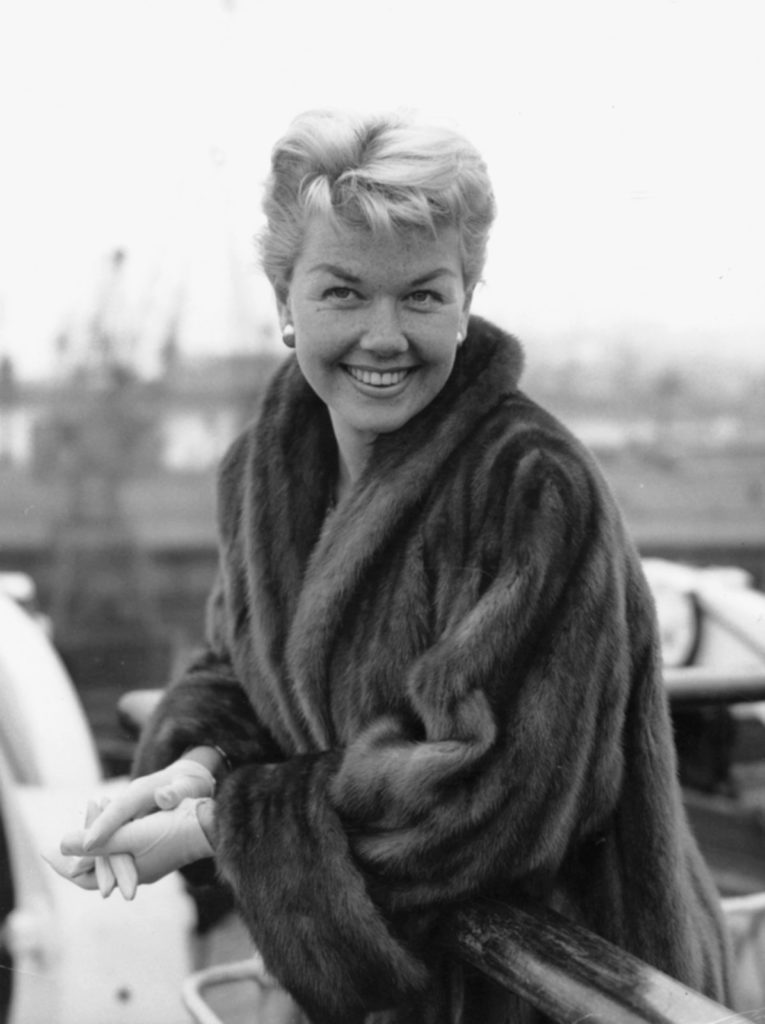
    Beloved 20th Century Actress Doris Day has seen it all.  She knows the value in that counterintuitive assertion of gratefulness. In her own words:

    “Gratitude is riches. Complaint is poverty.”
    Fuel hope with gratefulness.

    On her way to becoming a dance star, her car collided with a train. Her injuries took a serious toll that permanently ended her dancing career. But, rather than give up, she turned to singing under the training of a voice coach. She soon made movies that were wildly popular in the mid 1900’s … and her fans assumed her life was perfect.

    But behind the sweetheart-girl-next-door image she presented to the public… was a victim  of domestic abuse, a history of 4 marriages, the widow of the only man she loved, loss of her fortune, and complete exhaustion.

    But she, too, understands gratitude in the face of adversity.

    As humans we may envy what another has that we don’t. Wealth, charm, health, fame…but focusing on what we don’t have does nothing to improve our situation.

    Turning a laser beam of attention on our envy of another person only fuels a raging fire of jealousy inside us. And we grow more bitter and focused inward. It isolates us and doesn’t improve anything.

    On the other hand, being grateful for the gifts, the benefits, the talents we do have, empowers us to make those gift, talents, and benefits bigger, brighter, and more abundant.

    Helen Keller said that she cried that she had no shoes, until she met a man who had no feet.

    Helen Keller, if you’re not familiar with her, was blind, deaf, and mute… so you can see her metaphor about the lack of shoes…

    “Necessity is the mother of invention,” they say. So her gratitude for having feet led her to find ways to serve mankind, and especially others who were blind, deaf, or mute… or all three.

    Miss Keller knew there was no place in her life for self pity.

    She came to understand gratitude at a young age.

    During World War II, as able-bodied men went to war, and women and children were left behind, women who’d never considered such a thing went to work for wages.  It was a time of hardship. But, rather than complain, these women put on their work shoes and headed for the factories. 

    Many of us had grandmothers and great grandmothers who worked in the factories to make bombs, aircraft, trucks, and other tools needed to fight the war.

    Fuel hope with gratefulness.

    Is it any wonder that gratefulness and the can-do attitude that was required to rise above those difficulties led to a song in the last year of the war that strengthened that frame of mind? :

    You have to accentuate the positive, 

    Eliminate the negative, 

    And latch on to the affirmative, 

    But don’t mess with Mr. In-Between.

    Comical?  Maybe so…but you get the message.

    Like we saw with the man with no shoes, there is always something to be grateful for. And gratitude has a way of propelling you above the circumstances you wish would change, so you can see the bigger picture. 

    Gratefulness transforms your perspective.

    And when that happens, you’re no longer a victim, but rather on top of your circumstances. The circumstance may not change the way you want it to, but your improved outlook can give you power over it.

    No one is without flaws, and no one’s life is perfect. But each of us can contribute to the lives of others in some way, and in the process gain the freedom to overcome our own struggles on some level.

    Psychiatric disorders can render you emotionally paralyzed… trapped inside inertia, fatigue, and despair. And as you know, there are other types of paralysis. If you’ve experienced this, you may be able to relate to Jon Morrow.

    Jon Morrow is a wildly successful blogger whose body is paralyzed by Spinal Muscular Dystrophy.  He can move nothing except his eyes and lips. Helpless?  Well, he was for awhile. But he has pushed through from a point of inertia and despair to doing what he could do…until he learned to drive traffic to his blogs and has achieved the status of the most widely read blogger in the world.

    He has generated more than 200 million views of his blogs and earned $50 million as a result.  

    A spoiled rich kid?  Not in the least. This guy was facing the end of his life because of his need for healthcare, and no money to pay for it.  His story is hugely inspiring. If he can accomplish his dreams…anyone can.

    And Jon understands gratefulness.

    Look for his blog Unstoppable.me. It will give you a shot in the arm to choose and express gratefulness and overcome adversity.

    Gratefulness is liberating, empowering, and humbling… all at the same time. 

    Fuel hope with gratefulness

    So now that the Thanksgiving 2018 holiday weekend is behind us…let’s not lose sight of the lessons we’ve learned together as we venture through the rest of the winter holiday season and into the new fledgling year 2019.

    With gratefulness you can turn on the light in someone in your world, and illuminate your own heart at the same time.

    Still, if you’re suffering under the weight of a psychiatric disorder that hasn’t yielded to any medicine you and your doctor have tried, there is something more you can do as you focus on gratitude in your life.

    Ketamine treatment is a series of IV infusions that have demonstrated in thousands of cases an extraordinary capacity for relieving depression and anxiety in the vast majority of those who have not been helped by anything else.

    From severe treatment-resistant depression, bipolar depression, and suicidal thinking, to social anxiety, PTSD, OCD, and addictions, ketamine has the remarkable ability to rebuild signaling structures and systems along with regulating a wide variety of puzzle pieces in the brain that make up the sense of wellbeing, joy, motivation, and initiative you long for.

    Fuel hope with gratefulness.

    At Innovative Psychiatry, we’re big believers in joy. Happiness. And gratitude. We offer help and we offer hope — with new treatments that can turn things around for you.

    Call us. We want you to experience relief and the ability to build a rewarding life you enjoy… and to revive and renew the relationships in your life that are important to you.

    With gratitude for the opportunity to share my thoughts with you this year, I want to wish you a warm and heartfelt joyous season of holidays. 

    To the renewal of your best self,

    Lori Calabrese, M.D.
    Lori Calabrese, MD offers innovative psychiatric treatment like IV Ketamine
  • How Stress Takes Down the Best People…and What To Do About It

    How Stress Takes Down the Best People…and What To Do About It

    Stress takes down the best people, but ketamine treatment restores them.Heather was 38, and had had a series of extreme stressors over a period of several years. She was a giver at heart, always looking for ways to help — always trying to make the lives of people she knew easier or more fun.

    But then her husband left her. It was the same old, tired story — an affair with her closest and dearest friend.  But still … she was left with two enormous losses, and a crippling sense of betrayal about both of them.

    She tried to function for the sake her of two children, Katie and Noah. One foot in front of the other. One day at a time.

    Another Devastating Crisis

    Three years later, Noah was hit by a school bus and rushed to the hospital. He had a Stress takes down the best people, but ketamine treatment puts them back in working order.concussion and his pelvis and femur were broken in so many places they gave her minimal hope he’d walk again.  Weeks in the hospital, then months of rehab. Asking neighbors and family members to pick her daughter up at school, get her to piano lessons, grab dinner.
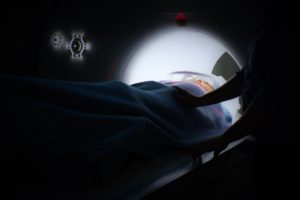
    She was exhausted. And Noah was beginning to walk with a walker and just starting back to school when she got a phone call from her mother.

    Another Overwhelming Tragedy

    Her dad had died when she was 25 and her mom lived alone. Mom just found out she had an aggressive form of breast cancer. She’d been told to expect a year minimum of treatment then re-evaluation. But when her mom got so tired she couldn’t drive back and forth to chemo, there was nothing to do but have her mom stay with her. She’d probably be there through radiation, too. Heather asked her mom’s neighbors to look in on her house.

    So a household of three greatly stressed people became a household of four extremely stressed people. Heather just held her chin up and set out to get through this, too.  The idea of losing her mom when she was so young was terrifying.

    She cooked, cleaned, ran the kids around. Made dinner. Went to work. Drove her mom to chemo. Did everything.

    Stress Takes Down the Best People

    Finally, 6 months later, her mom had to be admitted to the hospital. Her next door neighbor Stress takes down the best people, but they can restore with ketamine treatment.offered to take care of Katie and Noah for a few days. Thank goodness.  But then … Heather didn’t get out of bed or out of her pj’s for three days … and she felt less and less like getting out of bed after that. She went through the motions of getting her kids to school and back home again … and feeding them when they were hungry.  But she was numb. She was barely functioning.

    Finally, darkness wrapped around her like a cold box, and she felt hollow. Numb. Adrift.

    Someone from the church came to see her. When they saw how she looked, they could see she’d been through too much for too long. They went to work to take over the care of her mom, and took her to the hospital. Heather was admitted with severe Major Depressive Disorder.

    Heather’s a giving, kind, and generous person. But chronic and repeating stress can take down the best people, and Heather was no exception. It brought her to her knees.

    How Stress Brings Someone Like Heather to Her Knees

    We’ve talked and talked about what stress does to your brain, and how it contributes to depression.

    But let’s talk about why that happens.

    Thanks to recent studies sponsored by Brain and Behavior Research Foundation, we’ve learned some things lately.

    And I’m excited to share them with you.

    It all makes so much sense when you get a peek inside the brain to see what happens.

    MIcroglia Unwittingly Launch a Destructive Attack

    There are immune cells in the brain, called microglia, that are responsible for defending against infection, among other things. One of the other things they do is help build and change the construction of neural connections in the brain.

    Huge. And hugely important.

    In this study, the research team, led by Ronald S. Duman, periodically caused laboratory mice to undergo stress-inducing conditions over a period of weeks. Then they evaluated the effects of this chronic stress on their brains.

    It’s not surprising that the mice displayed symptoms of depression and anxiety. The team demonstrated that the neurons in the prefrontal cortex — which control your abilities to make decisions and function socially — react to the stressors.

    Specifically, these brain cells signal the microglia to begin “remodeling” pyramidal neuronal circuits … which basically WEAKENS them. The outcome is that the synaptic connections between the neurons in the prefrontal cortex begin to break down. And too many of them are lost.

    Sounds like Heather. Broken down.  Lost.

    Maybe that sounds like you.

    How to Stop the Damage?

    Then the team carried it another step.

    When they blocked the neurons from signaling the Stress takes down the best people, but ketamine treatment can put them back on their feet again.microglia, the chronic stress the mice were subjected to did not affect their synapses in their prefrontal cortex so they did not become depressed.
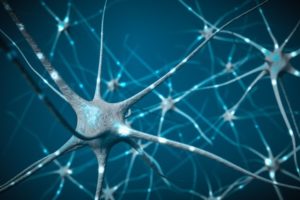
    The research team concluded that finding a way to block the neurons from signaling the microglia could be a way to treat anxiety and depression. 

    (It seems to me this could be a fantastic way to prevent anxiety and depression in those subjected to long term chronic stress, such as first responders, those with chronic illnesses, and more.)

    You can imagine that if you undergo extreme stress over an extended period of time, that more and more of these connections will be lost due to microglia activity. And depression and its accompanying anxiety become more and more severe.

    So what can be done about this deconstruction… these massive losses of synapses?

    Restoration through an Extraordinary Medicine

    Enter IV ketamine treatment, which has been shown to rapidly rebuild and proliferate these synapse connections that have been broken down by depression and anxiety … which are caused by stress and which create more stress of their own.

    Remember that tiny doses of ketamine, administered properly, turns on mRNA to switch on Stress takes down the best people, but ketamine restores synapses and restores peace.DNA which turbo charges the brain-derived-neurotrophic-factors (BDNF) so the synapses grow, branch out, and proliferate creating a dense forestation of neuron connections.

    And when all these neurons in the prefrontal cortex are tied together with a dense network of synapses, you come alive. Joy returns. Creativity blooms. Initiative and motivation billow.

    This is what we can do about those lost synaptic connections.

    Innovative Psychiatry Offers Expertly Administered Ketamine Infusions

    We know that stress takes down the best people. You probably know someone like Heather who tries to help everyone, but eventually she’s the one who breaks down and needs help.

    At Innovative Psychiatry, we see extraordinary, positive outcomes in treatment-resistant depression and bipolar depression, as well as in PTSD, OCD, social anxiety and suicidal thinking. That means that very ill people can get really, truly better. As in happy, upbeat, full of energy, initiative, and hope for the future.

    You can feel like yourself again. With the energy to embrace each day, the hope to look forward to the future. You can enjoy an afternoon breeze, a beautiful ocean view, or the fragrance of a summer rose.

    When was the last time that happened?

    If you suffer from depression, anxiety, bipolar disorder, PTSD, OCD, social anxiety or suicidal thoughts, and medications haven’t helped, call us. We can help you leave psychiatric disorders behind, and live a fulfilling life.

    Live as the best you you can be.

    Lori Calabrese, MD offers innovative psychiatric treatment like IV KetamineTo the emerging of your very best self,
    Lori Calabrese, M.D.

  • International Conference on Ketamine for Psychiatric Disorders 2018

    International Conference on Ketamine for Psychiatric Disorders 2018

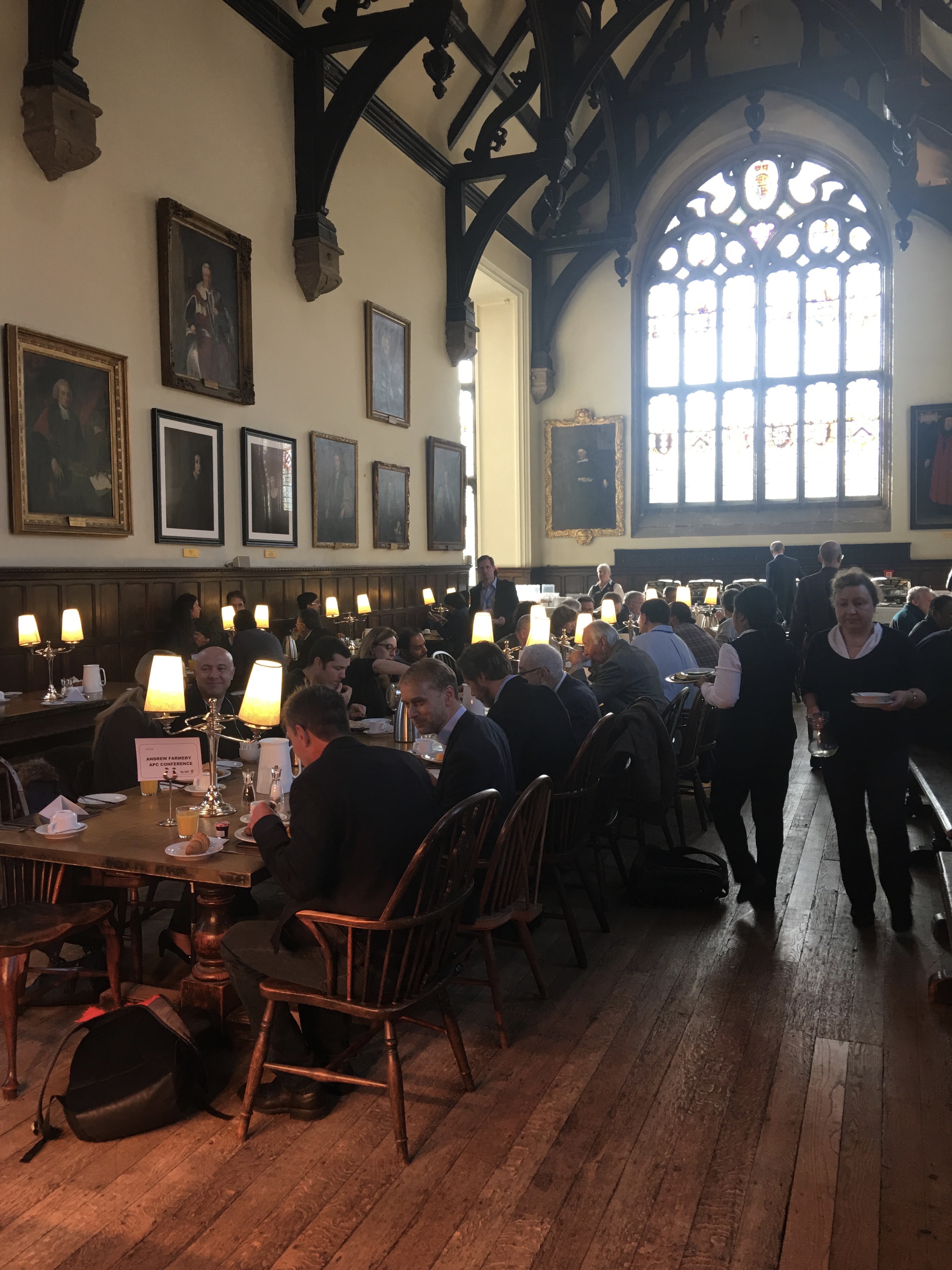
    Ketamine for Psychiatric Disorders breakfast.Can you say PHENOMENAL???

    Let’s hear it for Ketamine Treatment and Oxford!!

    I just returned from a history-making global conference focused on research and clinical evidence for ketamine for psychiatric disorders. Experts from nearly every continent spoke of their own data and evidence from this emerging field of the the science behind ketamine and the extraordinary help ketamine treatment provides. The entire room was held spellbound for three days, from the first word spoken until the final applause Friday afternoon. It was an unforgettable event in the most beautiful and historic venue at Wadham College, Oxford, UK.  

    A 400-Year-Old Chandelier in a 400-Year-Old Room

    In the 1650’s, a group of individuals including such celebrated thought leaders as Robert Hooke, Robert Boyle, Christopher Wren, and Thomas Willis began an “Experimental Philosophy” club where the fundamental premise required that orthodox thought was rejected and the world was viewed through the “broadened lens of experimental scrutiny.”

    Well, this club became the Royal Society when members of the family of King Charles II got Ketamine for Psychiatric Disorders International Conference 2018involved. When that happened, the revolutionary became the norm.

    It seems only fitting that this international conference on the revolutionary breakthroughs for treating psychiatric disorders should be held in this same building, and on these same grounds.

    Rupert McShane chaired this ground-breaking event. Hats off to him for beginning what we hope will become an annual international conference.

    Luminaries in the Ketamine Adventure

    Gerard Sanacora, a frontline researcher for ketamine treatment in psychiatry, spoke first. He previously served as the lead researcher of the American Psychiatric Association Counsel of Research Taskforce for Novel Biomarkers and Treatments which published a consensus statement about ketamine for this purpose in mid-2017.

    Dr. Sanacora kicked off the conference with an overview of the literature and key studies that have explored ketamine’s mechanism of action in treating psychiatric disorders. It was brilliant!

    We’ve been keeping you informed about some of those in recent times … but there was so much more that was discussed.

    Luminaries all around!  We were graced with Peter Somogyi and David Lodge whose seminal work on NMDA and axoaxonic cells paved the way. Many of the top ketamine researchers and clinicians in the world presented their findings: Colleen Loo, Jennifer Southgate, Nuri Farber, Steve Levine, David Feifel, Declan McLoughlin, Haggai Sharon, Alison McInnes, Samuel Wilkinson, Michael Grunebaum, Elias Dakwar, Rupert McShane, Raquel Bennett, Karen Lascelles, Jeffrey Becker, Ian Anderson, Gordon Fernie, James Stone, Meng Lei, and Dan Iosifescu. Jose Miyar covered regulatory issues. Jonn Donello and Suresh Durgam discussed new breakthrough findings for the mechanism of action of Rapastine, and Jaz Singh presented new data about the safety and efficacy of esketamine.

    And of course, the extraordinary international collaborative teams involved in all of this work … the freshness of perspective emerging across the field — from doe-eyed young researchers to seasoned principal investigators … the breadth and energy of molecular, cellular, neuroimaging, and clinical work represented in the posters.

    Breathtaking doesn’t do it justice.

    We talked about everything ketamine from mice to men … and from chandelier cells (just as gorgeous as the chandeliers King George IV gifted to Wadham College for the Holywell Music Room) to psychotherapy.

    How fitting that we heard about paradigm shifts in the very room where Handel and Haydn first played! Raquel Bennet, Founder of KRIYA Institute, explored the importance of the dissociative experience as transformative, and the many ways ketamine has been used in clinical practice.

    Biologically to induce neuronal plasticity (we talked about this before), as a sort of lubricant  to enhance psychotherapy, and to deliberately induce dissociation … which can be transformative for the patient.

    Jeffrey Becker offered us an elegant unifying hypothesis for ketamine in clinical practice, exploring the GABAergic interneurons and Jungian archetypes in treating people with depression. 

    The depth and breadth of this conference was amazing. The sheer richness of talents in the room, the knowledge and experience gathered into this one place from all over the world. Everyone talked about how much more we need to learn, and the questions that still need to be answered.

    Ketamine for Psychiatric Disorders – Global Conference! Stunning.

    These were basic scientists, principle investigators, neurimaging experts, clinical researchers, psychiatrists, anesthesiologists, Ketamine for Psychiatric Disorders International Conference illuminated ketamine's many therapies.psychologists … it’s astonishing to realize the scope of interest and exploration there is in perfecting this most remarkable treatment to help you get better.

    When you feel depressed, deeply and severely … or when your vigilance and terror from PTSD is tearing apart your family … or when bipolar disorder rips you apart … It can feel like you’re all alone and no one out there cares. You know you don’t know the solutions. So you feel like you’re relying on scientists to figure out the solutions … but … is anyone really trying to help you?

    This is why I tell you about this conference.  This sharing of data, preliminary findings, hypotheses, results… just to show you there are people all around the world who explore the solutions to your pain, and work on solutions for you … and others like you … as feverishly as they can. They care. And they’re dedicated to learning more and more. All to help you.

    As for me, I presented data from my clinical practice. It demonstrates that ketamine can be used to stop suicidal thoughts. And it happens often in a real-world outpatient clinical practice. What’s more, it provides an alternative to hospitalization.

    Someone recently mentioned to me that he predicts the excitement over ketamine will fade away.

    Of course, he’d probably read negative media accounts and had probably missed the science … and all the studies. But I have to say, I wish he and others who share that “doom and gloom” outlook could have been present to hear all the extraordinary work going on with ketamine and related compounds.

    It seems pretty clear to me: ketamine treatment is going to be with us a good while.

    Ketamine Can Make Antidepressants Work Better for Hospitalized Patients

    Declan McLoughlin spoke of his study in Dublin using ketamine to try to prolong remission after ECT. He also explained his work using ketamine as an additional treatment combined with antidepressants for hospitalized patients in Dublin.

    These are just examples. But they don’t even scratch the surface of all the topics covered these three days last week.

    There’s no question that ketamine treatment has a long way to go to reach “mainstream status.” Everyone in the upper echelons of research and practice seems to agree we need to know so much more. The more we learn the more questions arise that we need answers to. But we know so much more than we did even two years ago.

    This is the breakthrough we’ve wished for … depressed and anxious people, suicidal people, Ketamine for Psychiatric Disorders international Conference 2018people wracked with PTSD, or torn by bipolar disorder, trapped by OCD. This is what you’ve yearned for. So have I. Many say this is the greatest breakthrough in fifty years in psychiatry. But we can go further than that.

    This is the best, life-changing breakthrough for people who suffer with psychiatric mood disorders EVER.

    There is so much more to learn…so much! Ketamine is the new frontier in psychiatry and the treatment of psychiatric mood disorders and more.

    Ketamine for Psychiatric Disorders like Substance Use Disorders

    One more story I have to tell you about. Elias Dakwar (we’ve talked about his work) discussed his research with ketamine in treating substance use disorders. You might remember our post on crack cocaine use in February.

    We talked about how Dakwar and his team studied responses of crack cocaine users. Those who were currently using and had no intention of stopping.  When they had been given ketamine infusions the day before being offered either crack or money, they had the motivation to turn and choose money, and their craving was so diminished that they also had the power to turn down crack.

    That brings up something we’ve talked about here: that ketamine restores initiative and motivation.

    All in all, this conference gathering of great scientific minds, young researchers, and brilliant clinicians was a huge step forward for the needs of depressed and anxious people. A huge step forward for the use of ketamine in the treatment of psychiatric disorders.

    Research is ongoing to test ketamine’s use with psychotherapy, ECT, TMS, and traditional antidepressants. Plus, its effectiveness intravenously, intramuscularly, subcutaneously, orally, and intranasally.

    Now we’ve all gone back to our home offices, and our work will continue. And this time next year I hope we’ll see that ketamine’s advantages have taken another big step forward.

    Meanwhile, at Innovative Psychiatry, we’re still here providing IV ketamine treatment. And we see life-changing results with it for people with treatment-resistant depression, bipolar depressionsocial anxiety, bipolar disorderPTSD, OCD, and suicidal thoughts. 

    If you’re suffering from a mood or anxiety disorder, treatment hasn’t helped, I’m sure you’re far more concerned about your desire to feel better and function again, than about a conference. And that’s why we’re here and want to help. We try to offer you the best that the world has to offer. This time from the first International Conference for Ketamine and Related Compounds.

    Call us or schedule an appointment here to be evaluated.

    There is hope. You can feel truly better. 

    So don’t judge your next treatment by the ones you’ve had before. This time, chances are, you’ll see a difference. And you’ll remember how to live again.

    Lori Calabrese, MD offers innovative psychiatric treatment like IV Ketamine

    To your life and the emerging of your best self,

    Lori Calabrese, MD

  • What Your Friend With OCD Needs from You

    What Your Friend With OCD Needs from You

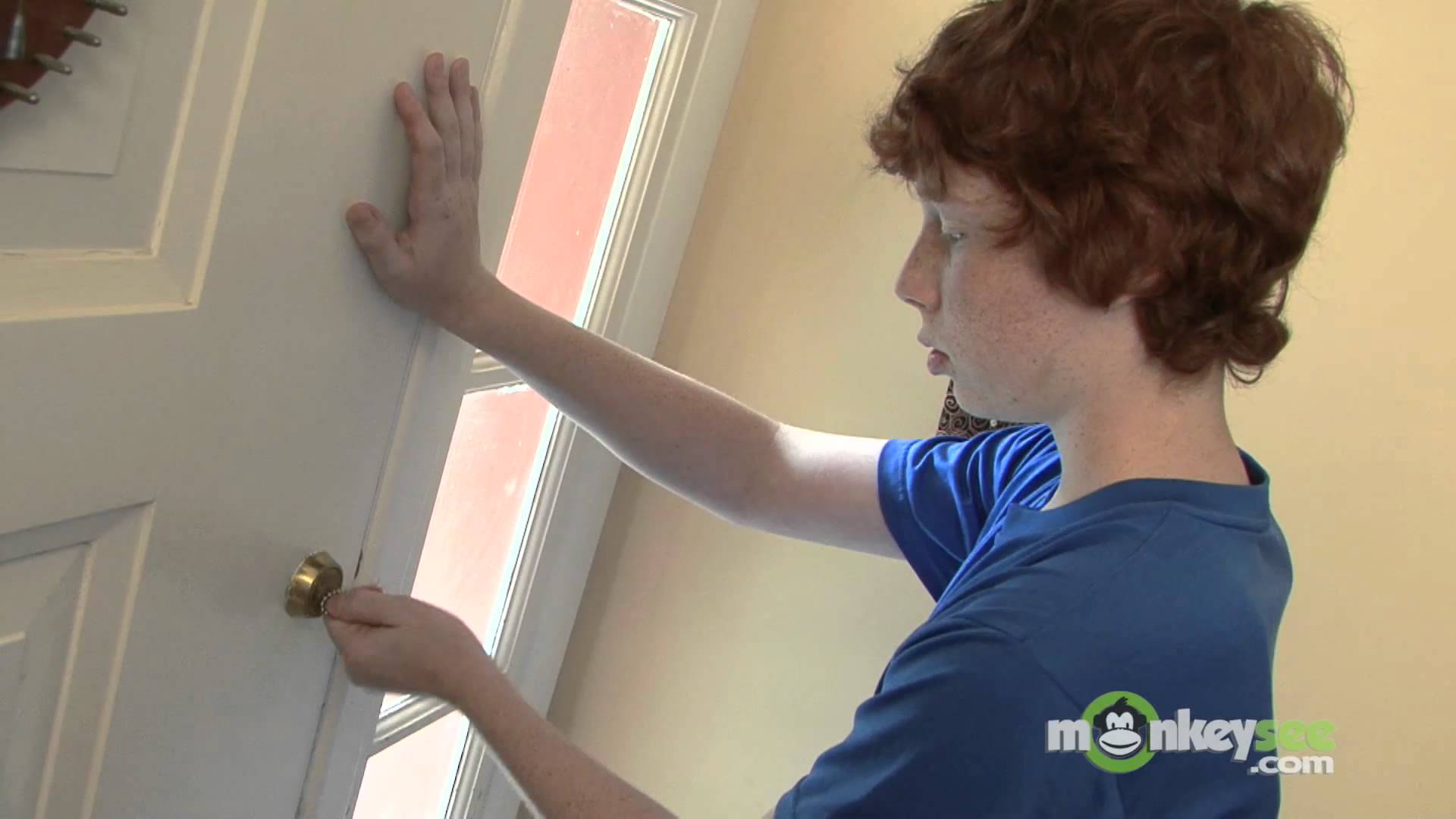
    Boy locks door repeatedly so what your friend with OCD needs from you?Wonder how to help someone with OCD? 

    Think about what your friend with OCD needs from you…

    Obsessive Compulsive Disorder, or OCD, is a condition where intrusive thoughts occur in your mind over and over again. You don’t want to have these thoughts or ideas…but you can’t stop them by sheer will.

    To make it worse, they’re often disturbing or upsetting.

    Compulsions follow the disturbing and repetitive thoughts…and you feel driven to act them out over and over again. When you actvigorous handwashing is hard to stop so what do your friend with OCD need from you. out these compulsions, your hope is that they’ll drive away the obsessions.
    Unfortunately, as hard as you try to drive away those obsessive thoughts with your compulsive and repetitive behaviors…they just don’t go away. In fact, they become stronger.  More compelling… even overwhelming.

    Eventually the overwhelming and compulsive behaviors become so demanding and cause such anxiety and are so time consuming…

    Well, it all becomes a vicious cycle.

    Some people with obsessive compulsive disorder are driven only by obsessions.  Others by only compulsions.  But most are driven by the obsessive – compulsive cycle of both. And it can occur as often in men as in women, and in children as often as adults.

    People with OCD weren’t born with these symptoms. In spite of extensive research, the cause is still pretty much unknown…although there seems to be a genetic connection in families for the tendency. And it may begin following a severe strep infection in children, or an accumulation of stressors in adults.

    Regardless of the cause, what’s important is the role you play, as someone who cares about anyone who seems to suffer with OCD.

    What Does Your Friend with OCD Need From You?

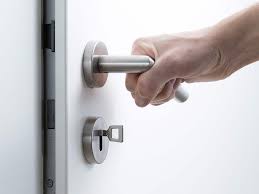
    Let’s talk about some ways you can support her. If you’re not alert to the behaviors you see, and what’s causing them, it may be Latching and unlatching the door may help but what does your friend with OCD need from you?easy to fall into criticism and judgment, teasing or ridiculing, which honestly, just makes things worse for them.
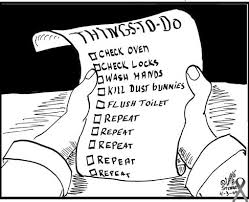
    For instance, you may begin noticing behaviors or habits that are frustrating to you, but are actually “signals” of OCD.  Things like spending way too long in the bathroom, continually showing up late, or constantly asking questions about themselves that are steeped in self-judgment, and needing continual reassurance.

    Long blocks of time doing anything… with no explanation for what was going on… simple chores that turn into prolonged undertakings… and doing the same thing over and over and over…

    If you see behaviors like these, coupled with irritability and an unwillingness to talk about it, be assured this isn’t about you or your friendship.

    Something painful is happening with your friend. While it may appear to you initially that she’s being weird, or that she has a wacko personality…she may be suffering from OCD.

    And if she is, she needs support and acceptance from you. If she feels you blame her … or you’re critical of her…anxiety will just skyrocket and her symptoms will likely get worse.

    What Symptoms Look Like

    She may have obsessions that center around a common theme…like fear of contamination or dirt, or maybe about everything around her being orderly and symmetrical … or maybe fear of harming herself or others.

    Those obsessions are likely to result in compulsive acts such as not wanting to touch things that have been touched by others. Maybe she wonders if she forgot to lock the door or turn off the iron…

    And she may feel mounting pressure to return to the house and check that the door’s locked and the iron unplugged. “Would you stop it?? We’re late already…!” isn’t the response that will calm things down and get you back on schedule. Instead, reassuring her that the schedule can be adjusted and it’s time together that matters is a much more productive response.

    Easy Tasks are Tougher for Her

    Taking a shower and dressing for a quick brunch may involve 5-6 hours, while you wait for her to emerge. Remind yourself that what does your friend with OCD need from you?she’s not treating you disrespectfully nor is she intending to be inconsiderate.
    She may or may not even realize what’s happening that takes her so much time …and she may not realize so much time has passed either.

    Also know that any change, even what seems like a good change, can stir up anxiety for her. And if you’re counting on her to carry her weight, such as in a move or cleaning the house, you’ll both end up miserable.

    More important than her equal share, is that she feels accepted, understood, and reassured. She’s likely already beating herself up. She probably has NO idea why each task takes her so long. Your friend with OCD needs your reassurance at times like this.

    She needs your help to cut herself some slack. “It’s no surprise you’re feeling stressed, or that your symptoms are worse right now…you’re going through a lot of change. Be patient with yourself, and give yourself time. This will subside — like it always does.”

    Give Her Credit for Improvement

    For anyone who doesn’t suffer from OCD, small tasks seem rather insignificant. But for your friend, shortening the length of her Two friends cook together so what think about what your friend with OCD needs from you?shower time by 5 minutes, or washing her hands one less time, can require an enormous amount of work, and fighting through gargantuan anxiety.

    Resist the temptation to compare her to you…but instead applaud her efforts and results. The gratification of those small victories can be so motivating to continue making progress.

    You’re Friends First

    In the midst of all the OCD centered interaction, remember your friendship comes first. You are individuals first.

    If you had thin hair, and she helped you with products to thicken it, that would not become the center of your friendship. But just one of many ways you connect and support each other.

    And just as she wouldn’t focus every conversation around your hair, you mustn’t allow too many conversations to be focused around her OCD symptoms. Just as you wouldn’t play “mother hen” to any other friend, this friend also needs time to herself and respect as an individual. And you need the same.

    What your friend with OCD needs from you is recognition of her best traits, as well as support for her struggles.  After all, that’s howEven friends with OCD need to be friends first, so what does your ocd friend need from you? friendship works, isn’t it?

    OCD is often treated with antidepressants and medications that reduce anxiety, but the results haven’t been stellar. However, an advanced treatment option is yielding some bright hope for those who suffer with this disorder.

    IV ketamine treatment treats OCD symptoms by rebuilding synapses and strengthening signaling throughout the brain. It also reduces anxiety, depression, suicidal thoughts, and relieves PTSD.

    At Innovative Psychiatry, we consistently see 80% recovery in treatment-resistant cases of depression, anxiety, PTSD, and obsessive-compulsive disorder.

    If you or someone you care about is someone who suffers from OCD symptoms, call us. We’re here to help you with advanced treatment options like IV ketamine treatment and Transcranial Magnetic Stimulation.

    Even though our practice is closed to new patients seeking medication management or therapy…we’re just too full…we are scheduling patients who want to see if advanced treatment options like ketamine treatment might be right for them.

    We look forward to working with you for the better.

    To the release of your best self,

    Lori Calabrese, M.D.

    Lori Calabrese, MD offers innovative psychiatric treatment like IV Ketamine

  • Considering Ketamine for Depression? Here’s How to Screen a Ketamine Clinic

    Considering Ketamine for Depression? Here’s How to Screen a Ketamine Clinic

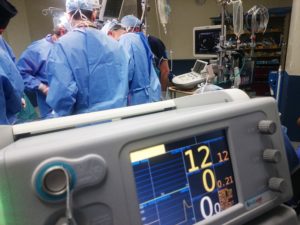
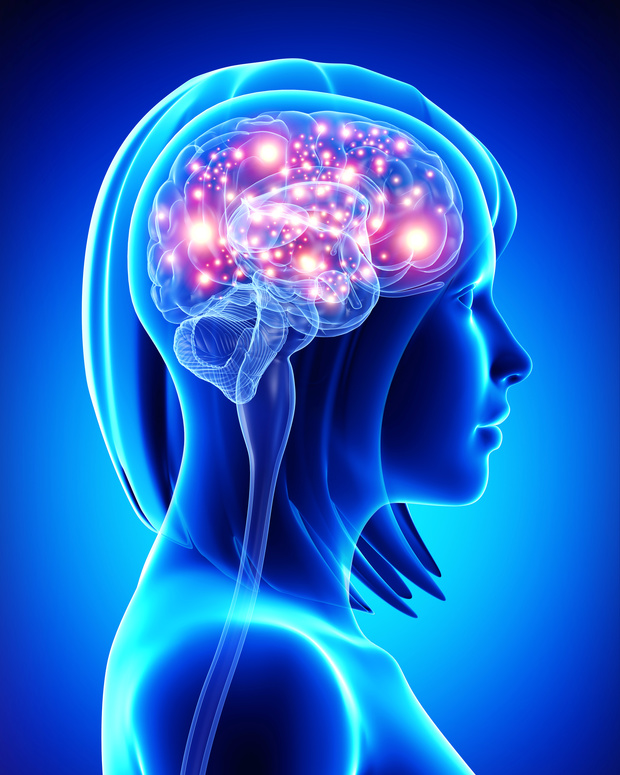
    Screen a ketamine clinic before receiving treatment. Your brain is complex with delicate systems.

    Maybe you’ve heard the buzz.

    Ketamine for depression is in the headlines, the journals, and the chatter at Starbucks. If you or someone you love wrestles with the exhausting symptoms of depression, you’ve likely heard about it.

    Or maybe you haven’t.

    Either way, it’s the biggest news in psychiatry these days, and seems to be high on the list for some entrepreneurs looking to make a profit. The result is clinics that have popped up all over the country — almost overnight– run by businessmen, anesthesiologists, psychiatrists, ER docs, ICU docs, and nurses.

    If you’re considering ketamine for depression, maybe you’ve looked for someone in your area who offers ketamine treatment?

    There may be more places to get treatment than you think. Or there may be fewer than you wish. Either way, your health, your brain, and your mind ought to be treated with care, caution, and best practices, for best outcomes as well as safety.

    Let’s talk about the ins and outs of these clinics and practices, so that you can be your own advocate. Scrutinize … and screen a ketamine clinic before you agree to treatment.

    Psychiatric Treatment as a Business..?

    Healthcare should not incorporate high pressure sales techniques. But there has been an explosion of ketamine clinics … pop-up clinics … and non-MD CEO-types setting up ketamine clinic franchises and making a nice profit from them. They work with anesthesiologists, emergency department physicians, family medicine docs, and other non-psychiatrists to run these clinics, and pocket a lot of the money.

    They operate as call centers or use centralized calling services to funnel and schedule appointments, collect your money … and bend over backwards to get you in the door. Some of the call centers or clinics are pretty aggressive in encouraging you to schedule followups for maintenance dosing or buy clinic “memberships”  so that you can get maintenance ketamine on a regular schedule.  Even though the whole question of maintenance hasn’t been well-studied. 

    This is a business model. Not a wellness model.

    And in our experience, most patients don’t need maintenance ketamine on a regular schedule.  (We need much more research to determine that.) 

    One Size Never Fits All in Psychiatric Treatment

    Just like the degree of response, the need for maintenance doses of ketamine is purely individual, and should be handled on a case by case basis. In short, ketamine treatment for mood and anxiety disorders should be given by psychiatrists who can evaluate each patient for their response to treatment, its effectiveness, and durability.

    So … if ketamine infusions are $500-800 each, you can see the business model in that — and the profits — in making sure everyone comes in once every month or two. Whether they need it or not…?  

    But psychiatric care, like all health care, demands personalized care.  Expect to be treated with what you need, not what someone’s wanting to sell.

    Screen a Ketamine Clinic Before Treatment

    There are lots of options for ketamine treatment. Lots of places all of a sudden. 

    Major academic and teaching centers which offer ketamine treatment during a study… if you qualify for one of their studies.

    Dedicated ketamine clinics which offer only ketamine treatment … for depression, or pain, or both.

    And individual psychiatrists in established practices on the forefront of medicine who offer ketamine treatment because they’re on the forefront of medicine … and as one of many treatment options they offer for their patients.

    If you have a severe mood or anxiety disorder, you need psychiatric care.  Not anesthesia care –  Not critical care – Not part-time care – And certainly not a business-type CEO or “closer” trying to get you to book a series of treatments before you know if they’re even appropriate for you.

    When your suffering comes from a mood disorder, you need a mood specialist.

    If you’re really sick, you want to go to the best person to figure it out. You’re probably already seeing an expert … or you’ve seen a lot of them.  And if the treatment you’ve had hasn’t helped and you’re considering ketamine, it’s crucial that your psychiatric care is individualized and personalized to fit you, your symptoms, your Seek a psychiatrist who carefully supervises each patient's ketamine treatment when you screen a ketamine clinic.responses, and your personal needs.

    For that to happen, you should be evaluated by a psychiatrist who will work with you — and everyone involved in your treatment — to determine if you’re a candidate for IV ketamine treatment, or if you would be better served by something else.

    You need a psychiatrist who has deep experience with ketamine treatment and its effects on psychiatric symptoms, disorders, and patients …. who is comfortable with medicine, on top of the technology, and knowledgable, skilled and responsive throughout the infusion experience to manage every aspect of it.

    And who is willing to coordinate this aspect of your psychiatric care with everyone else caring for you.

    And so, of course, it’s not the same for everyone. It’s personal. You’re unique. Your story could be filled with dashed hopes, trauma, and a lot of misery. Your history could be sprinkled with substance abuse and infused with shame.  Where you go with it, whom you trust … is critical. Sometimes, it’s a matter of life and death.

    Inferior Standard of Care?

    The early published studies using IV ketamine in treatment-resistant depression used a very small dose — called a subanesthetic dose — administered through an IV pump over a set amount of time.

    Many doctors use this protocol widely.  It’s a strong standard. This delivers a dose of ketamine at a speed that’s fast enough to elicit the therapeutic response we want to see — during the infusion itself and afterwards — but slow enough to keep any unpleasant side effects at a manageable level.

    A full course of treatment is considered to be 6 infusions typically given 3 times a week for two weeks.  Again, based on the early studies that dosed ketamine kind of like ECT is scheduled– every other day.

    Now, for many patients, this regimen is remarkably effective, but with real-world patients, with complex symptoms and complex histories … varied and complex medical issues … or because of a host of other medications they need, their genetic profiles, history of drug reactions medications, severe anxiety … the research-based infusion protocols need to be modified. 

    We can tell this even during the infusion itself based on how you respond during the infusion. Some need a different schedule of administration — and let’s be real — sometimes that’s just due to practical reasons like travel, work schedules, or the inability to get a ride home. We’ve used a variety of intervals between infusions. Just as an example, for patients traveling from out of state, we’ve modified the protocol and used 3 daily infusions and then another 3 the following week, and the results were remission. Sometimes we add additional infusion treatments beyond just 6 to get the best possible outcome.

    The researchers among you could say:  What?  It doesn’t follow the protocol.

    Life doesn’t follow a protocol.

    Neither does real-world psychiatric treatment.

    And the best psychiatrists among us are constantly evaluating and precisely adjusting medication as we work with the biologic, genetic, individual, and psychological factors for each of our patients.

    Especially when we work with IV ketamine as a medical treatment for severe depression and anxiety disorders.

    You should expect nothing less.

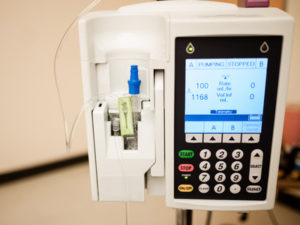
    Precision, by the way, is a big deal.  It’s best to use an infusion pump.  Infusion should be by infusion pump not a bag on a hook when you screen a ketamine clinic.Ketamine for depression is a safe drug but it’s a powerful drug for fragile patients with anxiety and mood disorders, and it should be administered with precision using a sophisticated infusion pump.  

    However, many clinics offer ketamine infusions from a bag that hangs on a hook with a little manual roller that adjusts the flow.

    The problem with this is the varying rate of the infusion. If it runs in too fast, you can have scary traumatic reactions or a scary spike in pulse and blood pressure — and if it’s too slow, it may not produce the therapeutic response during the infusion itself or the ultimate outcome we want to see.

    We can control the flow rate with an infusion pump — but without one, the flow rate could be adjusted or altered by anyone in the room. Not good.

    Routes of Administration

    If you suffer from treatment-resistant depression, ketamine treatment is the most advanced and effective treatment available. And it’s amazing to see ketamine at work in someone failed by traditional antidepressants.

    IV – Intravenous Precision

    But not all modes of administration are equal. IV delivery is the only route that allows you to receive exactly 100% of the dose you’re given. The only route.

    For ketamine to create the changes in the brain that relieve depression, you need to get the right dose, and your psychiatrist needs to know exactly how much ketamine your brain has seen in order to get that dose right … for you, for your next infusion, and for your overall treatment. Right dose, right rate, right length of time.

    IM – Intramuscular Gamble

    With IM administration of ketamine, you absorb about 93% of your dose … but not all the time, not every time, and not over the same period of time. What you get is a gamble. When you inject ketamine into muscle, you’re stuck. Literally. You can’t slow it down, you can’t turn it off, and you can’t decide to stop. Your right to discontinue treatment evaporates right there. If you suffer a reaction to ketamine, in the office (or hours later depending on how you absorb it), you have no recourse but to endure until it dissipates and the reaction ends.

    In fact, there’s nothing you can do but let it work its way through the tissues until the reaction subsides. “No” doesn’t work here.  “Um, I changed my mind” doesn’t work here. However, the psychiatrist can slow or stop IV ketamine immediately if you have an unexpected response … or if you just change your mind and say stop. Your psychiatrist can control the speed and intensity of the treatment. It’s just so much safer.   

    IN – Intranasal Roughshod and Random

    On top of that, if ketamine is given intranasally, it’s really poorly absorbed. You receive roughly 45% of the amount you spray. But, you only get that much if you’re lucky — if it doesn’t run down the back of your throat, or get trapped for a while in boggy sinuses. And since the right dose needs to reach your brain in order to work, what you’re doing with intranasal is just sort of sloppy. How could anyone really figure out what the right dose is for you, or what you actually got or absorbed, with all these variables?

    We’re not talking about treating allergies.

    We’re talking about suicide, trauma, severe intractable depression … anxiety that feels unbearable.

    And we’re dealing the brain and with structures — like neuronal dendrites — that have been altered physically and actually pruned, because of those experiences and symptoms … and the complex and delicate systems that operate there. Precise medication doses and rates can carefully change those systems and delicate balances for the better. And can get those dendrites to branch out again and connect.

    Intravenous infusion is the only way to be exact. Precise. Accurate.

    Checklist: What to Look For When You Screen a Ketamine Clinic

    Considering ketamine for depression?  Get a pen, or copy and paste this list.

    Satisfy yourself that all of your questions have been answered.  You want to know that if you undertake this treatment, it will be provided in the safest, most therapeutic and most effective way possible. You should know if your treatment is based on research protocols. Whether it’s standardized. If it’s personalized.

    1. Who is actually evaluating you and determining if this treatment is appropriate for you? Is it within their scope of practice to do the kind of comprehensive psychiatric evaluation you need? What do they base their evaluation on? How much time do they spend? Who do they talk to? How much information do they gather? How do they handle substance abuse?

    2. Is the doctor who does the evaluation the same one who provides treatment?

    3. Is the doctor who provides ketamine treatment specialized to be able to treat your condition itself? In other words, is your ketamine doctor a psychiatrist who specializes in treating severe mood and anxiety disorders?  You don’t need a technician here, you need a specialist.

    4. What is the extent of his or her ketamine infusion experience? Ask about numbers, outcomes, whether they keep a registry of their own patient data and results, how they follow outcomes both during a treatment course and afterwards, how they coordinate your care with everyone else who’s treating you.

    5. Is the route for administration of ketamine specifically IV?

    Infusion pump delivers precise dose of ketamine so screen a ketamine clinic if they use one.

    6. Is ketamine given with a computerized infusion pump? Is the dose adjusted during infusions or throughout the treatment course? How often? Is the adjustment standardized or does it vary?

    7. Is there a recommended frequency? What is their experience with the number of days between infusions? And with extending a course of treatment for a patient?

    8. How are you monitored psychologically during and after your treatment … or how is the treatment experience processed or integrated? Is there continuous monitoring of your vital signs?

    9. How do they work with the set and setting (your mindset and the treatment setting) to help you have the best possible outcome?

    10. What happens when it’s over?

    Delayed Response Doesn’t Mean Un-Responsive

    With all this said, the fact remains that ketamine doesn’t help everyone.  Or at least it doesn’t seem to help everyone. At least not within the typical infusion course. But … we’re learning more about these non-responders all the time and we’re learning about them in our offices … probably because we’re in the trenches.

    For instance, if you didn’t show a definite improvement within the first couple of infusions, we used to assume that ketamine was just not going to work for you.

    However, over time and with experience we’ve learned that some patients actually have a slow, delayed response to ketamine treatment. It may be weeks before they begin to experience the benefits of the ketamine treatment, but once it starts, it builds, and you can enjoy the same extraordinary benefits as patients who felt better after the first day.

    There are extraordinary individual stories where this has occurred (after they’ve left devastated that they didn’t respond!) … and we definitely need to learn much more about these treatment outliers and what turns the corner for them in the weeks or months following their treatment.

    For this reason, it’s important to stay in touch with your ketamine doctor and let them know how you are doing over time.

    Ketamine’s Not for Everyone…But It Could Be Just What You Need

    Ketamine isn’t for everyone, but 8 out of every 10 profoundly depressed patients we see whose previous treatment has failed them experience transformation from IV ketamine treatment.

    It’s fast and it’s powerful. For the sake of the rest of your life, your relationships, and your joy, give yourself the opportunity to turn your depression, suicidal thoughtsPTSD, severe anxiety, phobias, or OCD on its ear.

    Let’s talk and see if you’re a candidate for ketamine treatment. You can be free from the terrible weight and despair of depression, anxiety, and serious and compelling suicidal thoughts.

    At Innovative Psychiatry we’re available to offer you this extraordinary, life-changing medical treatment.

    Call us for an appointment to determine if you’re a candidate for ketamine treatment.

    You can feel good again. You can live a fulfilling life.

    To the emerging of your best self,

    Lori Calabrese, M.D.

    Lori Calabrese, MD offers innovative psychiatric treatment like IV Ketamine

error: Content is protected !!