Tag: Ketamine IV Therapy

  • IV Ketamine and Treatment-Resistant Mood Disorders

    IV Ketamine and Treatment-Resistant Mood Disorders

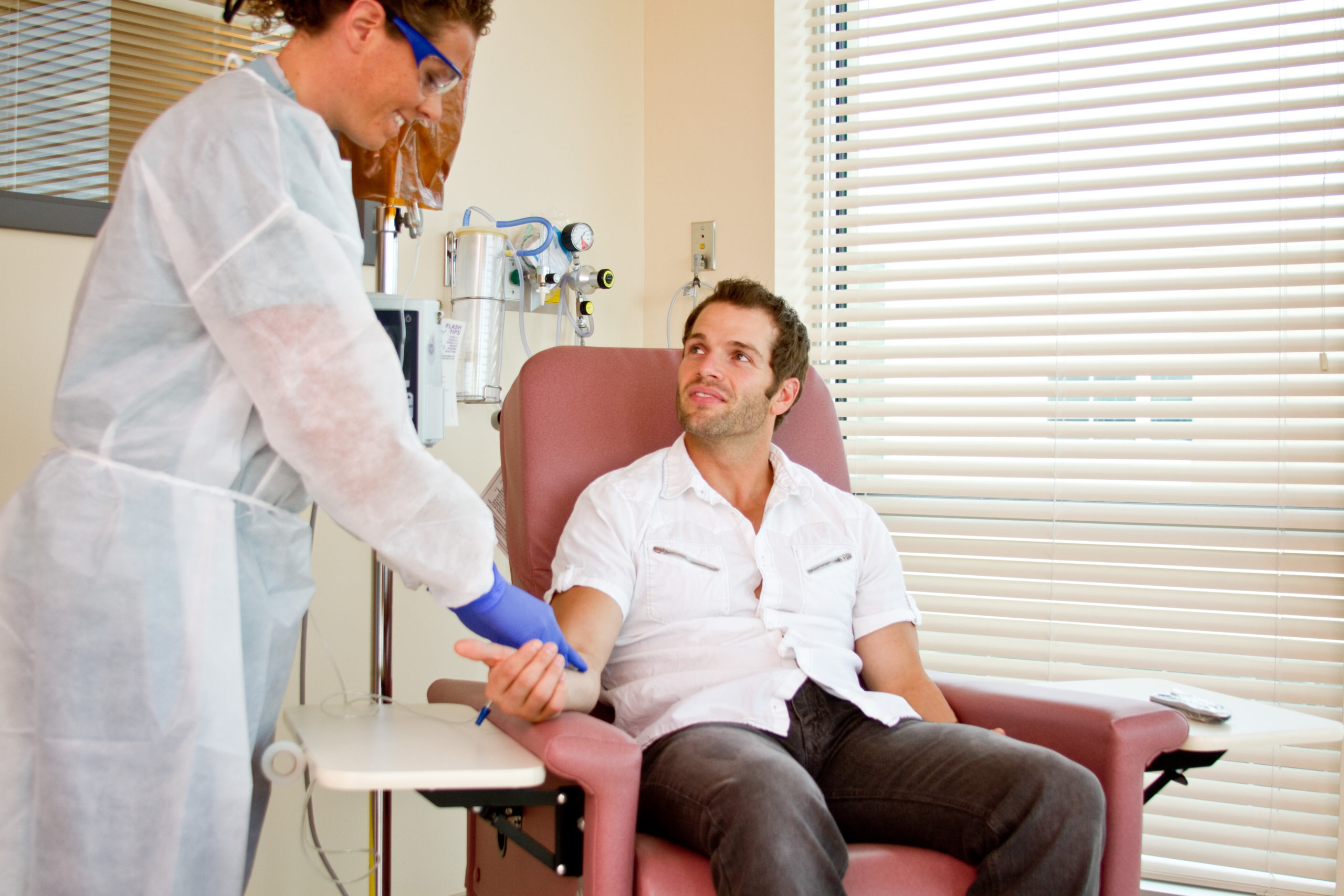
    This man feels good after treatment for PTSD because of IV ketamine and treatment-resistant mood disorders.

    IV Ketamine and Treatment-Resistant Mood Disorders

    After reading today about a beautiful young man – let’s call him Tom – whose life ended tragically at the crossroads of despair, I started thinking.

    Like many of my own patients, he had a wondrously warm and giving heart — and a compassionate heart the size of Montana for homeless animals.

    His talent for music generated moving, exquisite collections of melody and lyrics that stunned listeners with its charm.  

    Such sensitivity, such beauty for the world to enjoy.

    But his life ended far too soon, because he could find no relief for his illness.

    Bipolar disorder.

    Tragedy Without IV Ketamine

    I’ve treated many people with similar stories in my office.  I’ve offered the best that we had–medications, combinations, the latest research, the newest adjunctive treatment, supplements, recommendations for lifestyle changes, collaboration with the the best therapists in the area, resources, articles, support–everything I had.  I never stop trying.  But until a few years ago, we had little to offer those who didn’t respond to traditional treatment.  Or who were just sick of it.

    And that’s tragic. Really, really tragic. But more common than we can bear to think.

    It’s not just about bipolar disorder or treatment-resistant depression. We’re talking about postpartum depression, PTSD, and other psychiatric mood disorders.
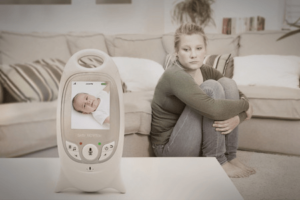
    Listless depressed mother is not responding to crying baby because of postpartum depression. Needs treatment with IV Ketamine and Treatment-Resistant Mood Disorders

    I thought about Jacie. Jacie wasn’t expecting to get pregnant when she did, but she was happy about it, and enjoyed the feelings of wonder about this tiny new person growing inside her.

    But around the time her second trimester began, she noticed her initial lilting emotions weren’t lilting anymore. In fact, she felt gray…dull…and couldn’t seem to relate to the idea of a baby.

    Once the baby was born, everything was a struggle. She felt angry, frustrated, and exhausted beyond belief. And guilty that she wasn’t enjoying this innocent baby girl. In desperation, she talked to her doctor honestly about how she had been feeling. And her fear she might do something to hurt herself or her child.

    He referred her to a psychiatrist he trusted, and she began seeing her. Her depression had gone on a long time — untreated.

    IV Ketamine and Treatment-Resistant Mood Disorders

    When depression comes during pregnancy, it can be so much worse than postpartum depression that begins after the baby is born … and so hard to treat. In Jacie’s case, her depression didn’t budge, and the persistence of it affected her relationship with her baby, and her marriage.

    She was surrounded with people who loved her. She was fortunate in that sense. But nothing seemed to ease the agitation and misery she endured. Or her self-hatred and guilt that she resented her baby and didn’t know how to change it, or feel better. To be the kind of mom her baby needed.

    Traditional antidepressants and psychotherapy just aren’t effective for some people.  If you’re one of them, or you know one of them, you know what I mean. Since depression is caused by a complexity of changes in the brain, there’s no simple solution.

    And in my musings, another man came to mind — Dan. He’d suffered with PTSD for over 15 years. War time trauma, loss of friends in combat and the powerlessness he felt to save or protect them; it all tormented him.

    He’d been told he should be “getting over this” by his friends and his family. Oh, they meant well. But they had no idea what they were saying. And suggestions like those didn’t help. Not at all. 

    He struggled just to get through the day … to have a relationship with his wife … to work at a job, to pay the bills.
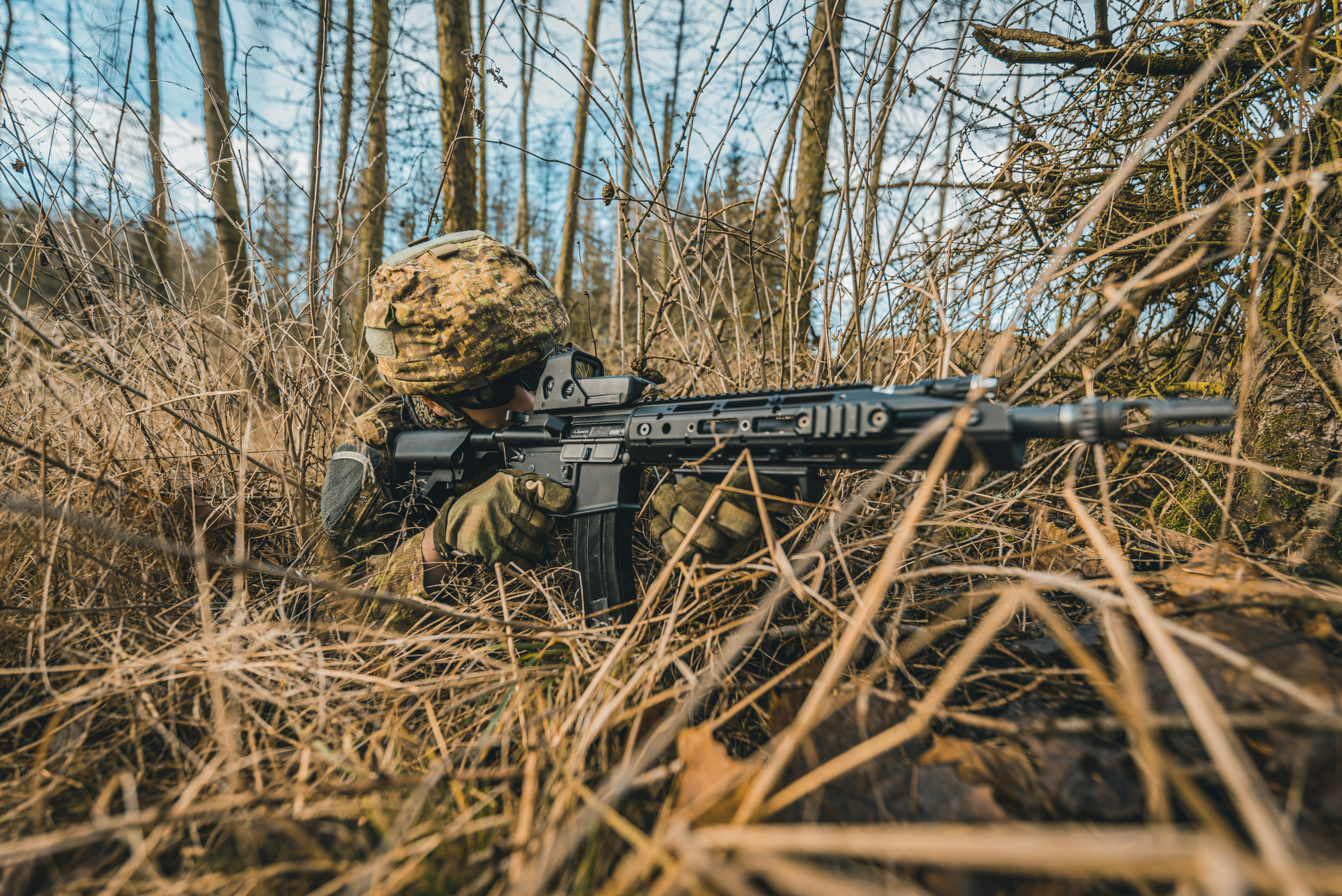
    The trauma of active combat can result in mood disorders. But IV ketamine can help.

    He wanted to be productive, but every time he had a few good days or weeks, it didn’t last because of the dreams, the night terrors…the reactions to noises or touch. Then he’d lose his confidence, walk off the job, and withdraw again.

    The loss of life, of peace, of relationships, of fulfillment, for people like these has been unavoidable till now.

    For those who couldn’t benefit from the traditional treatments for mood disorders, there just weren’t any solutions. IV ketamine and treatment-resistant mood disorders went to war. 

    Your treatment-resistant mood disorder won’t win over IV ketamine.

    These stories are just examples, but they represent multitudes of individuals whose lives have been interrupted, oppressed, tormented, or in some cases cut short, by symptoms of disorders that remained unaffected by traditional treatment.

    And that’s why I thought of all of these people.

    Because the ineptness of so many antidepressants left me feeling powerless to help; too many of my patients were crippled by their disorders, but desperately wanted the same chance at building happiness and fulfillment as anyone else.

    Too many.

    And that’s why I’m excited now and so full of hope.

    That’s why I talk so often and so enthusiastically about this emerging frontier of new therapeutic uses for that  anesthetic-turned-antidepressant, IV ketamine.

    Mom with postpartum depression can now show daughter affection because IV ketamine and treatment-resistant mood disorders.

    Because for all all the Toms, Jacies, and Dans who found no help at all from previous treatments, 80% now experience relief, restoration, and often total remission after IV ketamine treatment.

    We’re still working to find solutions for that other 20%, and we won’t stop. But we’re helping 80% of those for whom we had nothing, nada, zip…zero… that would help.

    All my training didn’t prepare me for the heartbreak of those who are so desperate for relief and can’t find it. But hope is growing, and ideas are flourishing for ways to use this new knowledge to spawn more solutions.

    Relief and Solutions are RISING

    So after my musings about those who weren’t helped, and the sadness I feel that we didn’t find solutions soon enough, it’s exhilarating to know there’s an entire frontier opening. A new world of treatment for those who weren’t helped before, through the discoveries surrounding ketamine for depression and other new solutions that will spring from it.

    IV ketamine and treatment-resistant mood disorders … it’s a fight to the finish, and ketamine is winning.

    Are you wondering if you’ll ever be able to have a life…?  If you’ll ever get to feel stable — emotionally, financially, socially?

    You really aren’t alone. Sometimes you just can’t see there’s support at your fingertips… help just beyond your line of sight. 

    Reach out and let’s talk about the things in your life and feelings that interfere with the power to live life the way you want to.

    Power to find your best self, and share it with those around you.

    Power to enjoy.

    To the power for finding your best self,

    Lori Calabrese, M.D.

    Lori Calabrese, MD offers innovative psychiatric treatment like IV Ketamine

  • Ketamine Off-Label = New Hope

    Ketamine Off-Label = New Hope

    Young woman walking at sunrise enjoying herself after her depression was lifted by ketamine off-label.Ketamine Off-Label

    Talk about ketamine off-label and it’s hard not to get a raised eyebrow or two. The one-eyebrow raise is the curious, skeptical, quizzical, or disapproving look when someone hears about IV ketamine infusions for depression, just before she takes a deep breath and then dismisses it.  But the two-eyebrow raise is another matter entirely.

    What Hope Feels Like

    The two-eyebrow raise happens in men and women—or their spouses, parents, or adult children–when they see first-hand what hope feels like.  When the veil lifts, when the suicidal thoughts stop, when the anxiety falls away.  It is the sign of disbelief… but another kind of disbelief—not the one-eyebrow kind.  The kind of disbelief that shouts out amazement.  And hope.

    There’s a face cream out there somewhere called Hope in a Jar.   IV Ketamine is like that—it’s in a vial, a sort of tiny, nondescript little glass jar.  And it offers hope for the relief of suffering to people with unrelenting depression…and anxiety…and suicidal thinking.  Symptoms that have lasted for months, or sometimes years on end.

    Ketamine is nothing new.  It’s been around for more than 50 years as one of the safest and most widely used medicines in anesthesia. In the OR, in the ER, in pediatrics, on the battlefield, and around the world, even in the most primitive medical settings.  But for almost as long, it’s been stolen and used illegally at extremely high doses as a recreational drug for the “out of body” experience that people report.

    “Special K”

    Because of that, when researchers discovered several years ago that ketamine has surprising effectiveness against depression, it was hard to break through the credibility problem ketamine unfortunately acquired under its name, “Special K,” the street drug.

    In fact, almost every headline in the press about ketamine tries to grab your attention with something sensational:  “Street Drug”  “Party Drug” “Special K”.

    How about grabbing your attention with this:  Hope.  Relief.  Resilience.

    To someone with depression, anxiety, or PTSD that won’t stop, hope is new.  And even though ketamine isn’t new, the way we’re using it is completely new, and fresh, and offers a way out of despair for people who have just given up on feeling better.

    Research studies using ketamine have exploded, and demonstrate that low doses of intravenous (IV) ketamine provide remarkable anti-depressive benefits.

    In fact, it goes way beyond “benefits.” In a mountain of cases, IV ketamine off-label provides remission from depression and anxiety in people who can’t remember a time when they weren’t depressed… as well as suicidal.  

    And get this: in most cases, those who’ve been suicidal feel relief within an hour or two. This is remarkable and unheard of before in an anti-depressant, since before now anti-depressants have required weeks or months to provide full benefits.

    But there’s a problem.

    A problem…?

    How can there be a problem with a medication that brings relief and even remission from depression and anxiety for a huge percentage of people who’ve not received relief from other antidepressants?

    It sounds more like a miracle than a problem…!

    The answer is simple.

    Off-Label Ketamine Use

    While the FDA has approved ketamine for use in anesthesia, it hasn’t been approved by the FDA for use as an antidepressant.

    Is ketamine the only drug that’s used for off-label purposes?

    Absolutely not.

    Other Medications Used Off-Label

    When the FDA approves a drug for a given purpose, the drug is approved for use. Physicians begin to prescribe it for that indication but are free to use their expertise and best judgment to prescribe it in other circumstances, too. And it’s not unusual for “side effects” to emerge that are so beneficial that the drug is prescribed for the side effect more often than it’s prescribed for its original use. In fact, 20% of the prescriptions written these days are for off-label uses.

    Surprising, isn’t it?

    One example of drugs commonly used off-label is beta blockers. These medications are approved by the FDA to control blood pressure, but cardiologists know they’re also very effective and widely accepted as standard medications in the treatment of heart failure, too.

    Psychiatrists prescribe them for performance anxiety, stage fright, to treat tremor and restlessness, and sometimes to reduce aggression. 

    Even though they haven’t been approved by the FDA for those uses, they’re widely accepted and prescribed as the optimum treatment for entirely different problems than the ones they’re approved for.

    Another example is the drug trazodone, which is approved for use as an antidepressant, but is usually prescribed off-label for sleep. Also, amitriptyline, approved as an antidepressant but prescribed off-label to prevent migraines, to treat nerve pain, and to improve motility.

    Or metformin, a diabetes drug which is prescribed off-label to reduce food scavenging and promote weight loss.

    So, many drugs are prescribed for off-label uses at some point. Some are so widely used for the off-label use their original purpose is all but abandoned.

    Risks With Off-Label Use

    That’s not to say there are no risks in prescribing medication off-label.

    There are.

    Plenty of risks exist for both the patient and the physician. Risks always accompany our looking outside the box. And occasionally a drug is used off-label and, because there hasn’t been enough testing, tragic outcomes result in the drug being removed from the market.

    But that’s a very, very low risk for ketamine. Anesthesiologists have been using ketamine for decades in much, much higher doses than the the doses studied to treat depression and anxiety.  This is not an untested drug.  It’s safe, with minimal side effects that dissipate in minutes.

    IV Ketamine infusions used off-label for depression require fractional dosages of ketamine compared to other uses, with minimal side effects that wear off in minutes. And the results are extraordinary.

    Safe, FAST, and So EffectiveWoman feels relieved and peaceful after ketamine off-label treatment lifts depression.

    People who’ve suffered throughout their lives with depression so severe they’re  looking for an exit, are experiencing restored lives from the lifting of depression. They feel relief and renewed creativity that improves almost daily throughout their initial IV infusion course.

    These most critically depressed patients often experience relief from suicidal thoughts within the first hour or two after their first IV ketamine infusion.

    You’ve heard that traditional antidepressants–SSRIs, or selective serotonin reuptake inhibitors and others–work through the monoaminergic system on specific neurotransmitters. 

    But we’ve moved way beyond talking about monoamine neurotransmitters in psychiatry. 

    We talk about inflammatory cascades across the blood-brain barrier. New signalling systems. Dendritic branching and synaptic density. Neural networks.  

    New lingo.  New news.  New hope.

    Ketamine works to bring balance to the body’s glutamate signaling system, a different system that hasn’t been addressed before in depression treatment.  Ketamine works in a startling and effective way:  it stimulates mRNA through the mTOR pathway to remodel neurons. 

    Wait.  Say that again.

    Ketamine turns on DNA to actually stimulate the growth and branching of neurons and to create more dense connections between them.  It can literally stimulate the remodeling of neuronal trees and improve neuronal rearborization.

    English, please.

    Ok, here we go:  IV ketamine infusions flip the DNA switch to “ON” to help neurons regrow the branches and connections that have been pruned away by stress. 

    This is extraordinary. 

    It’s so exciting that we should be throwing ourselves into studying it further, waking up early, reading voraciously, giving TED talks.

    And low-dose ketamine infusions do several other nifty things  that we’ll talk about in future posts. Things like bringing into balance the body’s glutamate signaling system–a different system that hasn’t been addressed before in depression treatment.

    So addressing that imbalance ignites a whole new hope for depressed patients.

    A New Approach

    This alternative approach to treating depression and anxiety has so many benefits. It works fast, often within an hour. And continues to relieve depression through the weeks of treatment. Those treatments can provide depression and anxiety relief that lasts for weeks or months, or perhaps much longer.

    As far as safety, there hasn’t been extensive testing for the long term effects of ketamine off-label use in depression. But there’s still the data from decades of ketamine use for anesthesia. As an anesthesia medication, the doses are much much higher, and it’s a safe drug with minimal, time-limited side effects.

    Some people achieve remission after one treatment.  But most need a short series of IV ketamine infusions over about 2 weeks to achieve remission—and still others need a bit longer. There are those who need maintenance doses to keep their depression at bay . Still, for those who are helped, this off-label treatment is a life-saver.

    It’s hope. Pure and simple. And exhilarating.

    Ketamine: Life Saving Innovation

    So, it’s true this use of ketamine off-label hasn’t been through the scrutiny of the FDA’s approval gauntlet.  Even so, the literature has shown striking benefit to severely depressed patients who have not received effective treatment in the past.

    If your results from your depression and anxiety medication have been unsatisfactory, consider exploring a breakthrough option.  Please do call for an appointment. 

    We’ll learn so much about you and the factors that can help predict your response to IV ketamine infusions through a thorough evaluation. 

    I look forward to meeting you.

    To restoring you to your best self,

    Lori Calabrese, MD

    Lori Calabrese, MD offers innovative psychiatric treatment like IV Ketamine

  • When Depression Medications Don’t Help

    When Depression Medications Don’t Help

    Options for treatment-resistant depression are IV ketamine and TMSTreatment-resistant depression

    When you’re depressed and taking an antidepressant, it may seem like it takes forever for it to work. While therapy, in addition to medication, can help… it may not be enough if you’re experiencing treatment-resistant depression. Some people find after many months with a medication that there’s no relief. If that’s the case, we can offer options that can make a dramatic difference. In addition to traditional antidepressant medications, there are new treatment options available.

    1. Ketamine

    Ketamine is an innovative, off-label treatment of depression, which has created a wave of scientific interest and excitement in psychiatry and is administered intravenously. Unlike traditional antidepressant medication, ketamine acts quickly and has few side effects. Many patients find that ketamine is a much better option when traditional medications don’t work for them.

    Most patients find that their mood improves within hours of treatment instead of weeks or months. For those with major depressive disorder (MDD) or those contemplating suicide, fast treatment is crucial.

    2. TMS

    Transcranial magnetic stimulation (TMS) is another alternative to the treatment of depression. This is a non-invasive procedure that uses magnetic fields to stimulate the nerve cells in the brain and can lead to response and remission even when other treatments haven’t been effective.

    During treatment, magnetic pulses are delivered to the specific section of your brain in charge of controlling your mood. It may activate regions of your brain that have been inactive due to depression, which improve your depression symptoms and allows you feel better.

    Being depressed can take its toll on your life in many different ways. If you think you’re medication isn’t working, there is hope, and we are here to help you. IV ketamine and TMS may work even when other strategies don’t. To learn more, or to schedule an appointment, please contact our office at 860.648.9755.

    To getting you back to your best self,
    Lori Calabrese, MD
    calabrese-0510_g_crop

  • IV Ketamine Therapy for Postpartum Depression

    IV Ketamine Therapy for Postpartum Depression

    postpartum depression

    Postpartum depression affects 1 in 7 women and can last for months if not treated. The symptoms of pervasive depressed mood, feelings of inadequacy and being overwhelmed are often accompanied by anxiety, irritability, inability to sleep despite exhaustion, inconsistent appetite, and intense isolation and guilt about experiencing these symptoms during what should be a joyful time. Some women have thoughts of harming themselves or intrusive thoughts of intentionally or unintentionally harming the baby.

    Treatment for postpartum depression includes support for the mother and baby, omega 3 fatty acids, bright light therapy, and acupuncture. Data on the effectiveness of these is limited, but some women have found them helpful. Multiple studies have found that postpartum depression responds to psychotherapy and to traditional antidepressant medications. However, psychotherapy can take weeks or months to help ease symptoms; antidepressants often take weeks to work and are transmitted to the baby if the mom is breastfeeding.

    Breastfeeding mothers with postpartum depression often agonize about whether or not to use antidepressants to treat their symptoms because they often don’t want to expose the baby to medication and don’t want to stop nursing in order to take a daily medication.  Yet they need rapid and effective relief–for their own health and the health and development of their babies. Multiple studies show that untreated postpartum depression affects mother-baby interactions and are associated with lower cognitive functioning and adverse emotional development in the baby. In these instances, IV Ketamine Therapy for Postpartum Depression can help.

    Explore IV Ketamine Therapy for Postpartum Depression Safely and Affordably

    If you have postpartum depression or know someone who does, IV ketamine can treat it within hours without requiring that you stop breastfeeding.

    IV ketamine is an extremely rapid, effective treatment for depression and 75-80% of patients respond quickly and dramatically to very low dose IV infusions. Although more research needs to be done, this makes IV ketamine therapy an exciting treatment option for postpartum depression, where getting better quickly is what every mom hopes for, and where restoring the health of the mother positively impacts the whole family.  Mood, negativity, hopelessness, anxiety and distractibility can improve within hours, and hopelessness and suicidal thoughts can evaporate. A series of low dose infusions over about 2 weeks can result in dramatic and complete remission of symptoms.

    Most women experience a mild floating feeling during the 45 minute infusion and lightheadedness, which clears within about 10 minutes.  Although other side effects are possible, they are rare, and have not occurred in our postpartum patients. We are careful to discuss and review these in depth with our patients, as well as the breadth of research that supports the use of IV ketamine in the treatment of depression.

    We Prioritize IV Ketamine Therapy for Postpartum Depression with Flexible Scheduling

    We offer IV ketamine infusions, called IV Ketamine Therapy, for depression and for postpartum depression, and we make it a priority to see postpartum moms.  We offer flexible scheduling in the late afternoon and evenings so that a breastfeeding mom can come in for her treatment and resume breastfeeding when the medication has cleared from her system so that her baby is not exposed to it.  We carefully calculate the time that it takes for ketamine to clear and work with our patients to plan breastfeeding or pumping around their treatments.

    This is dramatic and life-changing for new moms and their families and can be easily added to support, non-pharmacologic approaches and psychotherapy for the most robust and sustained result.

    If you or a loved one would like to learn more about IV Ketamine Therapy for Postpartum Depression, please reach out to our office. We are here to help restore you back to your best self.

    To getting you back to your best self,
    Lori Calabrese, MD
    calabrese-0510_g_crop

  • Is IV Ketamine Therapy the Future of Depression Treatments?

    Is IV Ketamine Therapy the Future of Depression Treatments?

    Each year, millions of Americans are diagnosed with major depression. Not all of them will seek treatment, and roughly 40% of those who do will not respond to antidepressants.

    Fortunately, there’s an alternative to Treatment-Resistant Depression – IV Ketamine Therapy

    IV ketamine therapy relieves treatment-resistant depression.

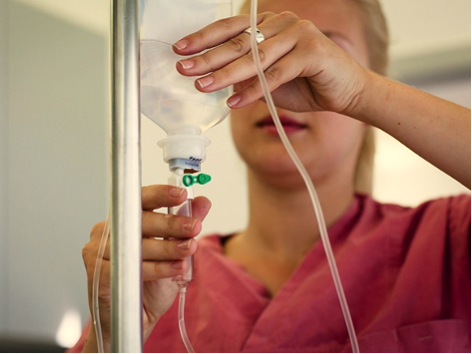
    Ketamine is administered at a low dose by IV infusion, and it works quickly. Many patients feel the benefits within hours. Although it is not FDA approved for the treatment of depression, several studies have shown it to be safe and effective when used as an IV infusion in low doses.

    It’s not uncommon for doctors to go “off-label” in prescribing medications. That means they prescribe medications to treat conditions research has demonstrated the medication is effective for. The medication might not have been approved for that use, but the FDA often approves a given medication only once. Once it is approved for use, research and experience sometimes reveals other uses for the medication.

    Scientific studies have shown that even a low dose of ketamine administered IV can dramatically improve depressive symptoms. Symptoms like suicidal thoughts, loss of pleasure or interest in things, and decreased concentration tend to respond quickly. In fact, the rapid response to IV ketamine infusions can be life saving. Studies have shown that a single dose of IV ketamine often dramatically reduce suicidal thoughts.

    Patients with Depression Respond to IV Ketamine Therapy when Nothing Else Appears to be Working

    Low self-esteem, impaired sleep and appetite, overeating, decreased sexual desire, and other depressive symptoms also improve rapidly. With IV ketamine treatment, patients who’ve been unable to escape depression have a better chance. By putting lifestyle changes into place that help keep depression in remission, they can life more rewarding lives.

    It’s important to note that Ketamine is not a miracle drug. Although it’s effective for the majority of patients, it doesn’t always work for everyone. As we know, the treatment of depression is complex and the best outcomes occur when treatment is comprehensive and tailored to each patient individually.

    If you’ve been battling depression and feel as though traditional antidepressants aren’t working, it may be time to consider IV Ketamine infusions.

    For more information or to schedule an appointment, please contact my office today.

    To getting you back to your best self,
    Lori Calabrese, MD
    calabrese-0180_G

  • Ketamine Reduces OCD Symptoms

    Ketamine Reduces OCD Symptoms

    ketamineObsessive-compulsive disorder is a psychiatric disorder that causes repetitive behaviors, intrusive thoughts, and fear. The traditional treatment for OCD has been cognitive behavior therapy, drug therapy, or a combination. But Ketamine has shown promise in reducing OCD symptoms. The theory that ketamine reduces OCD has been studied and continues to be backed up by ongoing research.

    Ketamine Reduces OCD Quickly and Affordably

    A recent study was presented to the American Psychological Association (APA) during the annual meeting showing promising results of ketamine therapy to reduce OCD symptoms. This study included 10 unmedicated patients with OCD who were each given an infusion of 0.5mg of ketamine and 0.5mg of saline randomly.

    During the first week, half of the patients responded to treatment. The patients who received ketamine in the first infusion were evaluated two weeks later; 40% responded to treatment.

    Ketamine Reduces OCD in 40% of Patients who Were Studied

    The theory is that ketamine infusions work through the glutamate system to rapidly decrease the symptoms of OCD. More research is necessary to fully understand the sustained effect of ketamine in the treatment of OCD. However, this study has shown promising results for future OCD treatment.

    Call My Office to Hear More about How Ketamine Reduces OCD

    To getting you back to your best self,
    Lori Calabrese, MD
    calabrese-0180_G

error: Content is protected !!