Tag: Ketamine Treatment for Adolescent Depression

  • 2018 Innovative Psychiatry: Ketamine Developments

    2018 Innovative Psychiatry: Ketamine Developments

    2018 Innovative Psychiatry ketamine developments show 80% response in treatment-resistant disorders.

    What a year it’s been!!

    As this busy year creeps toward its end, it’s fun to look back on all we’ve accomplished in our hard work to help find more effective treatment for those who suffer with symptoms that don’t respond to traditional treatment.

    Since the early beginnings in my work as a psychiatrist, I’ve been devoted to staying on the leading edge, and to finding solutions for those whose symptoms persist despite their best efforts.

    2018 Innovative Psychiatry ketamine developments demonstrated 80% response in patients with treatment resistant disorders.
    As I’ve added innovative and advanced treatments to my practice to extend our effectiveness. And I’ve discovered that IV ketamine treatment in a series of infusions given closely together, is the most exciting, effective treatment for depression that just won’t lift.

    So, we’ve invested time, money, and staff to help us learn more about this treatment for those who need it, and about what it can do.

    Interventions and Adjustments

    At the beginning of the year, we explored a variety of schedules and extended hours. We’ve continued to adjust them all year.  It’s always a moving target as we try to offer an opportunity for everyone to be seen and treated.

    Since I began providing ketamine treatment 3 years ago, we’ve been compiling data to learn more about the outcomes with our own patients here, as well as with those who come to us from outside Innovative Psychiatry.

    And we’ve consistently been amazed at what we see. But more about that in a bit.

    Then, in March, I had the opportunity to attend the International Conference on Ketamine and Related Compounds for Psychiatric Disorders 2018, in Oxford, England.
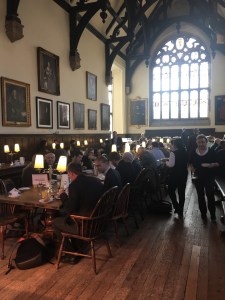
    2018 Innovative Psychiatry ketamine developments included attendance at the Oxford Conference.

    This conference was the first gathering globally of neuroscience researchers, psychiatrists, and psychopharmacologists specializing in ketamine research for psychiatric use.

    This momentous academic gathering explored the rapidly emerging data on the history, development, and use of ketamine, and related compounds in psychiatric treatment — in basic neuroscience, neuroimaging, and clinical studies. How does it work? Why does it work? How can we know? What does neuroimaging tell us about ketamine and the default mode network (DMN)? What’s in the pipeline with esketamine and related compounds? These are some of the questions research has been answering about ketamine. We’re gaining confidence in it as a viable and extremely useful treatment, as opposed to just an experimental treatment that would soon dissipate (as naysayers claimed). 

    I presented some of my data on treatment of suicidal thinking, and what ketamine can do to erase it in a poster session.  

    Next, came the first annual American Society of Ketamine Physicians (ASKP) Conference in September, where I saw a number of the same professionals I’d seen in Oxford…again meeting to share insights and experiences with the use of ketamine treatment in psychiatry and in pain management.

    Again, we talked about the broad applications of ketamine.  And the openness among us sharing information and insights helped to broaden the horizon for all present regarding what ketamine can do to relieve suffering in our patients.

    Suffering that, for far too many, had remained unrelieved before ketamine.

    Friendships were building at both of these conferences as we learned from each other, asked questions, and exchanged information. I took notes as fast as I could type. The information was compelling, exciting, and clinically useful.

    Then, in November, along came KRIYA Conference 2018. Many of the same medical professionals gathered along with a host of others, and something magical happened.

    These celebrated and deeply experienced experts in the field of ketamine treatment for psychiatric disorders left any pretense (they might have justifiably possessed) at the door.

    Deep connection happened. And a light bulb turned on. 

    2018 Innovative Psychiatry ketamine developments included a well-received presentation at the Kriya conference in San Francisco.

    We took notes voraciously, exchanged ideas generously, talked intensively, asked questions of each other, and utilized every second we were together.

    We gathered for coffee before the speakers began. Chatted on the steps. Talked on the way in and out, and everywhere in between. And lingered even after we were ushered from the building at the end of the day … then met at restaurants and continued far into the night. 

    I presented from the podium this time, and appreciated the enthusiastic response my data received. But I have to say, when it comes to the feats of ketamine, it’s hard to not be excited.

    In fact, Raquel Bennett Ph.D., the founder of KRIYA, declared in her opening remarks that we’re witnessing, and are also players in, the birth of a new field: ketamine for psychiatric disorders. And that this time will go down in history as a renaissance of psychiatric treatment.

    As the year has progressed, those of us in this new field are collaborating and continually refining and improving our methods of treatment as we probe more deeply into the potential of this extraordinary treatment.

    The Birth of a New Field

    If you or someone you love suffers from depression that has not responded to treatment, this collection of researchers and doctors understands, and we’re all working tirelessly to find answers for you.  

    You really aren’t alone.

    We’re also watching research for more evidence about new areas of ketamine research to show us more ways to apply it.
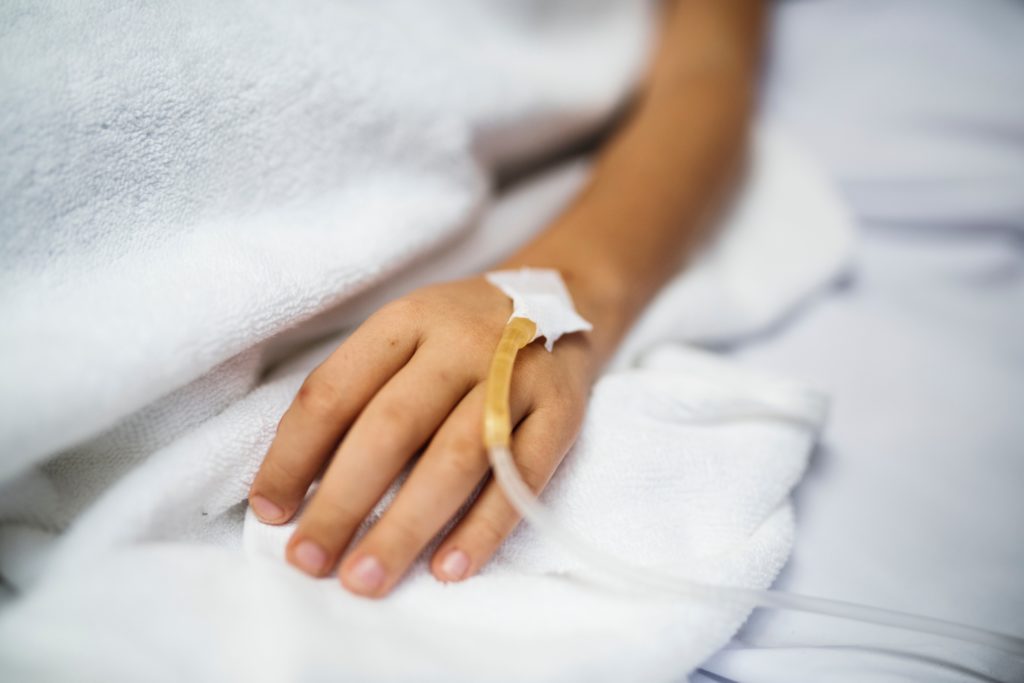
    2018 Innovative Psychiatry ketamine developments include ongoing research and collaboration globally.

    At the same time, ketamine’s actions inspire more research into why it’s so effective, and pharmaceutical companies are developing new and related medications with the advances in this frontier.

    Ketamine treatment consistently shows a strong response rate for treatment-resistant depression and bipolar depression; plus there is exciting emerging data for those with disorders like OCD, social anxiety, and substance use disorders that haven’t responded to other medications. 

    2018 Innovative Psychiatry ketamine developments include research opportunities.

    We continue to collaborate and follow research to find ways to increase those numbers. To make a rewarding life available to more people.

    I’ve been busy behind the scenes reviewing new research for upcoming new treatments– like esketamine, rapastinel infusions, and brexanolone infusions for post-partum depression and the exciting work done by the scientists at Neuro-Rx.

    Our Experiences at Innovative Psychiatry with You Provides Useful Aid to Other Patients in Other Practices

    My experiences with my patients in the last few years inspired me to respond to a Request of Information from the NIH/NIMH on the use of ketamine for suicidal patients — hopefully to help shape future research directions. And … to write an article that we plan to publish in a scientific journal. More information about this should be coming in the weeks ahead.

    As a result of all these new connections, I’ve had the opportunity to collaborate on an international level. 
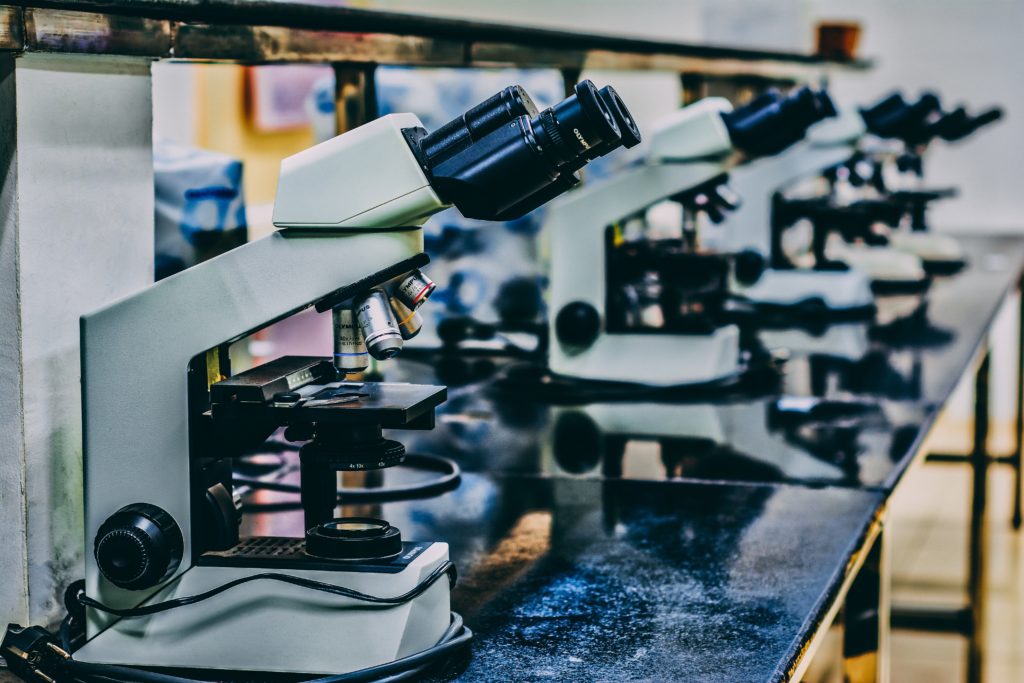
    2018 Innovative Psychiatry ketamine developments include ongoing research in my practice to allow new drug trials.

    Over the summer, we began exploring how to serve as a potential study site so we could offer patients the opportunity to participate in clinical research trials with new medications — more on that to come. 

    This would give people an opportunity to get treatment with a new agent long before it’s available to the general public.

    Exciting, isn’t it?

    As you know, we’re all about educating our patients.

    In addition to our Ketamine Blog, we offer The Ketamine Library for our patients. (Who does that? I can tell you, from my trips around the country and into Europe … no one we know.)

    Extraordinary efforts at education. It’s one of the things we’re known for. 

    2018 Innovative Psychiatry

    And we’ve also added Instagram to reach more of our readers. We’re getting the word out about new breakthroughs in treatment.

    And have you noticed the facelift to our website menu bar

    You’ll notice a new menu along the top emphasizing our Ketamine Blog.  (It should really be called the Ketamine and So Many Other New Things Blog –but that didn’t fit very well!)  Seriously, we’ve been busy writing all year. 

    If you haven’t explored the blog much, jump in — we write about everything from science to heartache, from fear to gratitude, from children to aging gracefully, from friendships to loneliness, from narcissism (STILL such a hot topic!) to ketamine wannabees.

    And… we also offer advice, recommendations, and insights on the topics that are hard to find anywhere else — from how to screen a ketamine clinic to why your doctor might not yet be offering ketamine treatment. Check it out!

    We write about stories, successes and failures.

    I look forward to telling you more about all that and about other new initiatives we have planned, coming up in the new year ahead.

    This has been such an exciting year in the advancement of better and more effective treatment for our patients. The ground is rumbling with new breakthroughs for 2019.

    Enjoy your holiday season as it unfolds, and remember to take a moment to show kindness to those around you. It’s one of the most important things we can do for each another.

    Ketamine Inspires Hope

    Lots of inspiring news here. The purpose in all we do is to help you get better. And with the hundreds of medicines at our disposal, only about 2/3 of people psychiatrists treat with all those medicines actually improve. 

    Ask your psychiatrist to help you get better. But if you’ve tried a couple of medications…or even if you’ve tried 30!…and you don’t feel better, ketamine may really help you. 

    Ketamine treatment is amazing. It can smash depression, relieve social anxiety, dismantle PTSD, break addiction, and erase suicidal thinking within a couple hours. That’s why we’re celebrating the 2018 Innovative Psychiatry ketamine developments that are saving and restoring lives. 

    Ketamine treatment seems to demonstrate its greatest power with those who are the most ill, who’ve had the least amount of hope.

    If this sounds like you, or someone you love, call us. 
    2018 Innovative Psychiatry ketamine developments help more people achieve a fulfilling life.

    We are most thrilled by the opportunity to help you get better, really truly better, and to feel well and able to build the life of meaning you’ve always wished for.

    To find the motivation and initiative to pursue, and invest in, those things that are important to you. To build relationships that have the depth and longevity to add strength to your life. Basically, to have the energy to live well, rather than endure.

    Give yourself your best hope.  Call for an appointment to see if ketamine treatment is right for you.

    To the release and restoration of your best self, 

    Lori Calabrese, MD offers innovative psychiatric treatment like IV Ketamine
    Lori Calabrese, M.D.

  • The Right Dose of Ketamine for You

    The Right Dose of Ketamine for You

    The right dose of ketamine for you helps you enjoy the things you use to love doing.

    Ketamine Treatment for Mood Disorders is NOT One-Size-Fits-All

    Have  you suffered from severe depression, suicidal thoughts, social anxiety… or PTSD, OCD, bipolar disorder, addiction… and the treatments your doctor prescribed didn’t help?

    Did you reach out to a doctor who offers ketamine, or a ketamine clinic in your area, and find that it hardly helped?

    It’s so disappointing. 

    To put your hope in a new treatment that seems like it could finally make a difference and give you your life back … only to find out it didn’t help any more than anything else you tried — well, that can be shattering. Devastating, really.

    I have some thoughts –

    The right dose of ketamine for you will help you have joy again.

    It’s true that ketamine treatment doesn’t help everyone reach remission, but it does help most… Still, there may be reasons that it didn’t do as much for you as it could have done. That disappointment you feel just may be remedied…just possibly…. by more effective means of treatment.

    Perhaps the provider who administered your ketamine treatments used a route that robs ketamine of its best opportunity to help you.

    So here’s a question:  Did you receive just a dose or two? Separated by, say, two weeks or more?

    Ketamine has been studied long enough to show us that one initial infusion is just that:  it’s the first step.  And it needs to be followed by others if you’re looking for long-lasting benefits.

    It’s been known for some time that the best way to overcome ketamine’s short duration is to stack several infusions together, every 2-3 days. And so far, the best results follow a series of 6 infusions. Over 2 weeks, and now 3.  For others, they need 6-8 infusions, maybe even 9… over 3 weeks.  And now the numbers start to rumble:

    2,2,1,1

    3 over 2 weeks

    one a week for 4 weeks 

    two a week for 3 weeks

    Geez, is this all just made up? Is there an evidence basis for how we dose and administer ketamine beyond replicating how we administer ECT, or beyond convenience — building a dosing schedule around your driving time, your spouse’s availability, or when you can get a ride? Is there a strong base of evidence for how much or how little to use?

    This is where science becomes art.  This is what the practice of medicine is.

    With IV ketamine, a foundational series of infusions can set in motion changes in the brain structures and systems that can give you the best chance of remission.

    For some patients, a few more treatments may be necessary for you to achieve remission…

    In other cases, it may be necessary to refresh your remission and bolster it, a few times a year…or once or twice a year. 

    But in many cases, that remission may remain strong after the initial series — especially if you’re able to strengthen what I like to call the infrastructure of your life.

    The right dose of ketamine makes you feel like living again.

    To reduce stressors by making positive changes.

    To work with your therapist to develop productive thoughts and actions in response to daily challenges.

    And you may need to receive those refresher infusions periodically while you work on these things. 

    Researchers are looking at why … and at how many, how often, how high, and how long. We don’t know all the answers yet.

    Another consideration is the route your doctor used.  Ketamine’s beneficial antidepressant effects are precisely delivered by IV infusion — but it has been delivered an an intramuscular injection, and it can be delivered by inhaler, or swallowed as a bitter liquid, or formulated in an oral lozenge (called a “troche.’)

    And now, there are providers out there offering ketamine by “IM infusion.”

    An “IM infusion” of ketamine is an oxymoron.

    Ketamine was originally developed for anesthesia and to be administered straight into the bloodstream, where 100% of the medicine can reach the brain — where it does its work.

    For treatment-resistant psychiatric disorders, we believe this route is especially important.

    Any other route – IM (intramuscular), intranasal, oral, sublingual, involves obstacles to the medicine reaching your brain, and a doctor can only estimate the amount that actually reaches your brain. We talked about this in detail in March of 2017.

    So…if you’re not getting the full dose of medicine but rather only 50% or even 30%…it’s not hard to see that ketamine could be being shackled from doing its best work. So important.

    Why would you risk that?

    And there’s another important detail that can rob you of your best results.

    The Right Dose of Ketamine for YOU

    The right dose of ketamine for you can help you laugh again.

    Every person is unique, every body has its own history, and your brain is unique to you.

    Yes, it’s true that a brain is a brain, but yours has its own precise, infinitesimal variations. The systems in your brain are uniquely yours. And this uniqueness must be addressed in your ketamine dose for you to experience the best possible results from your treatment.

    This is why we have a personalized, individualized approach to medical care. To customize your treatment to fit you.

    We talked about the importance of dose seven months ago, but something new has emerged on the scene. You need to hear about this.

    You may have seen the press. A study focused on ketamine dosing (finally!) which revealed two strengths of IV ketamine that provide effective symptom relief in patients with treatment-resistant depression.

    Now, keep in mind as we move through this study that the subjects in the study had treatment-resistant depression, specifically. But we know that ketamine is also effective in treating bipolar disorder, panic disorder, social anxiety, PTSD, OCD, addiction … and that it can stop suicidal thinking within just a few hours.

    So keep these conditions in mind also as we look at what the researchers found.

    Study Finds Two Doses of Ketamine Treatment That Provide Significant Relief of Symptoms

    The study, published in Molecular Psychiatry in the October 2018 issue, was led by researchers at Massachusetts General Hospital, and identified 2 doses of IV ketamine that effectively reduced symptoms of treatment-resistant symptoms.  Four were tested — two made the cut.

    The right dose of ketamine for you is most likely to restore your mental health.

    This study investigated 4 dosages of IV ketamine: 0.1mg/kg, 0.2mg/kg, 0.5mg/kg, and 1.0mg/kg. 

    Now we have a paper that confirms that doses under 0.5 mg/kg are not effective, so hopefully more focus can be devoted to dosages above 0.5 mg/kg.

    Such as 0.6, 0.7 or 0.8mg/kg.  And may even 1.1 mg/kg and 1.2 mg/kg, too.

    Of course we want to use the smallest dose possible that achieves optimum results, but physicians don’t want to administer a dose so small that it can’t achieve relief. And certainly we shouldn’t be cavalier — and provide unnecessarily large doses  —   when we know that too much ketamine can cause damage.

    At the tiny doses we use, however, there’s a wide safety margin.

    So back to the study. 

    What Doses Worked?

    The four dosage strengths were tested against an active placebo — which means a non-ketamine medicine that has similar side effects to ketamine. This helped to prevent the study subjects from being able to tell if they got ketamine or not.

    The researchers accepted 99 adults with current diagnoses of treatment-resistant depression. These subjects were chosen across 6 different geographical regions, and were involved in the study at 6 different research centers: Massachusetts General Hospital, Baylor College of Medicine/Debakey VA Medical Center, Icahn School of Medicine at Mt. Sinai, Stanford University School of Medicine, University of Texas/Southwestern Medical Center, and Yale University.

    A real hall of fame in research centers!

    The 99 participants were divided randomly into 5 groups — a group for each dose and one for the active placebo group.

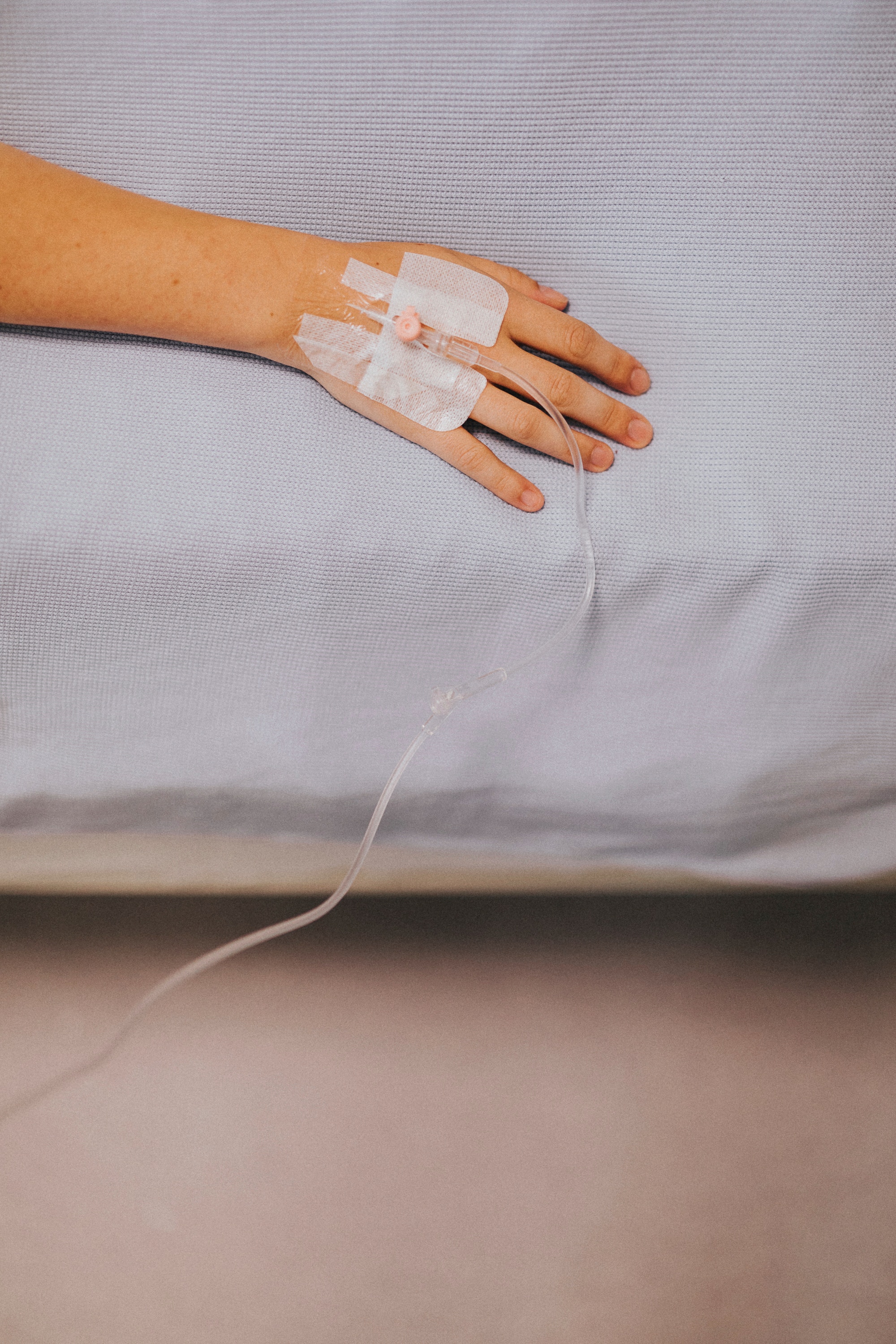
    The right dose of ketamine for you by IV infusion.

    Each participant was assessed with a series of standard depression rating scales on the first day of the infusion study with a series of questions about their symptoms at that time — to established a baseline for each person.

    Then they were assessed again on the second day, the third, the fifth, the seventh, the 14th, and 30th day after that infusion. Other assessment instruments determined their mood and suicidal thinking.

    Because this was a study, the goal was to check which dose was most effective and lasted the longest. (It wasn’t designed to be a dose-titration study to help participants achieve remission.)

    So they were only given one infusion.  

    Turned out the participants receiving ketamine enjoyed substantially higher symptom improvement the first 3 days according to the depression scale, than those who received the active placebo.

    When they compared the 4 dosage groups, those who received the 0.5 mg/kg and 1 mg/kg were the only ones who showed significantly higher symptom relief. This symptom relief lasted 3 days then began to diminish. After 5 days, the antidepressant benefits were gone.

    And Ketamine Treatment Research Continues

    This is great information. And this study shows us that there needs to be more investigation of ketamine dosing — like maybe between 0.5 mg/kg and 1 mg/kg? Don’t you think?

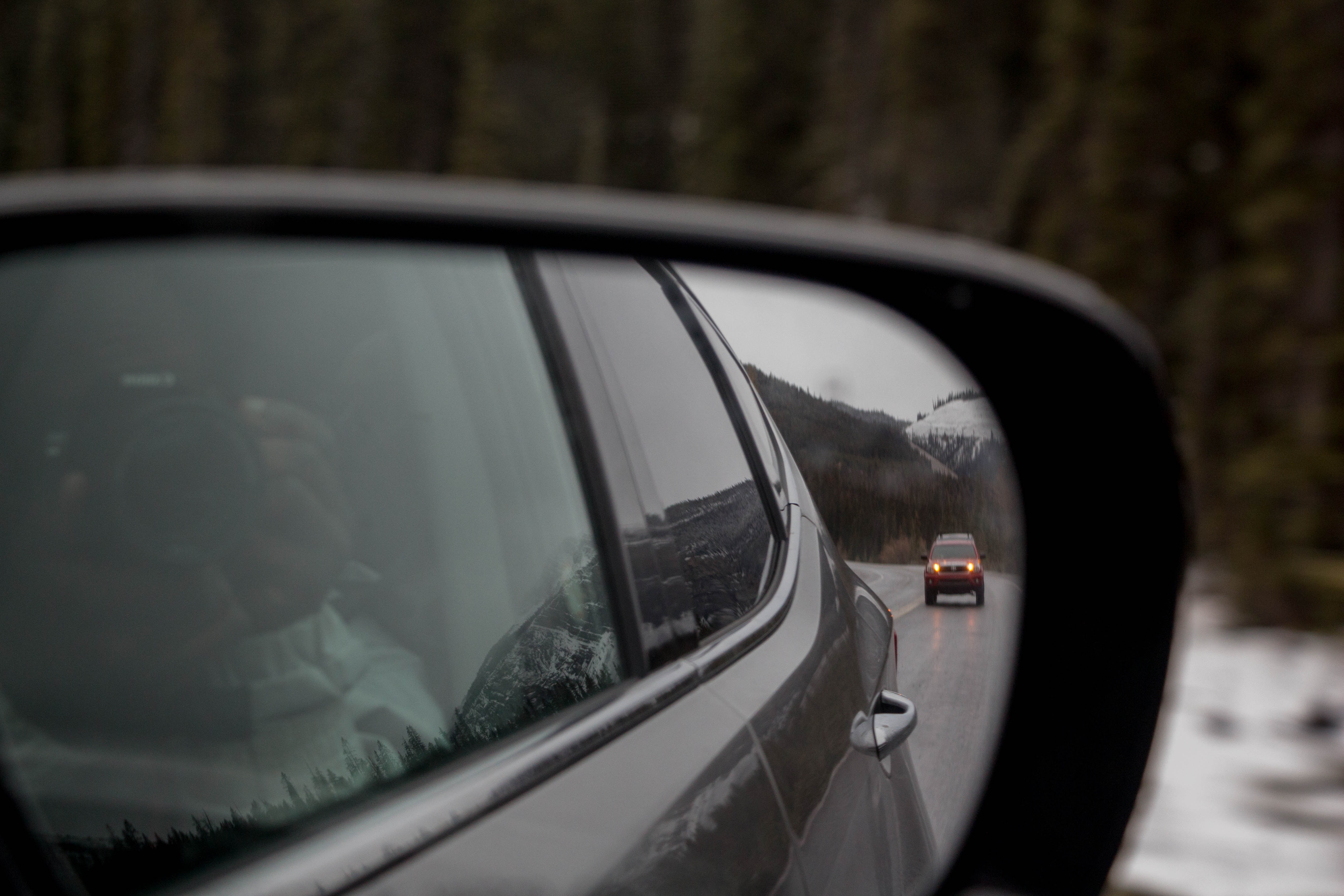
    The right dose of ketamine for you helps you enjoy breathtaking scenery.

    It also gives us yet another reminder about why most ketamine experts administer a short series of ketamine infusions when you begin treatment. We don’t want your antidepressant benefits to decline, we want them to build. And right now the best evidence we have shows that it seems to require several infusions in a row.

    If you’ve been struggling with a disorder that stubbornly resists treatment, or if you’ve had ketamine administered in a way that was less than ideal like we’ve mentioned here, give us a call. What’s important is that you achieve the very best possible relief from your symptoms.

    Let’s put ketamine treatment on notice for your life. You need to enjoy living again.

    You really can feel better, function better, live better. It’s possible for you to enjoy like you haven’t in years, and discover motivation and initiative to accomplish what’s important to you.

    Lori Calabrese, MD offers innovative psychiatric treatment like IV Ketamine

    To the resurrection of your best self,

    Lori Calabrese, MD

error: Content is protected !!