
Tag: ketamine treatment for anxiety

  • Anxiety and Panic Disorder: Can This Condition Be Quelled?

    Anxiety and Panic Disorder: Can This Condition Be Quelled?

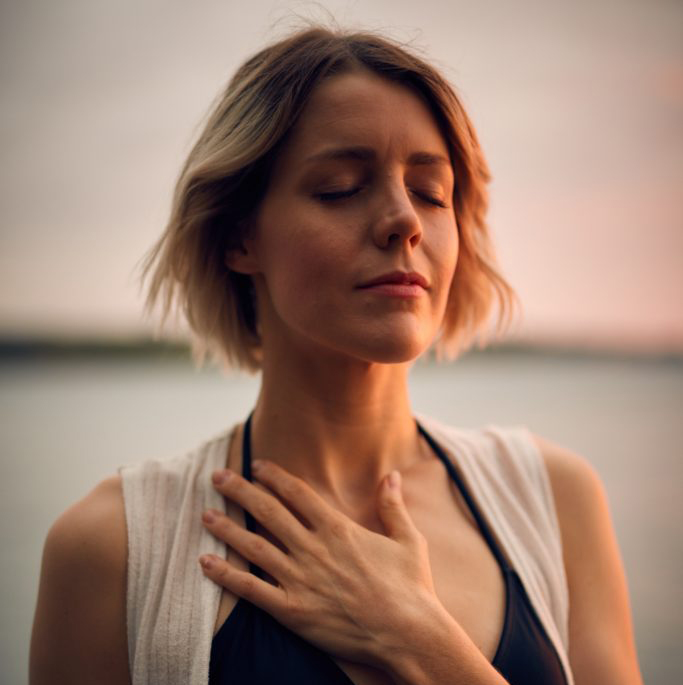
    This woman is enjoying peace after treatment for anxiety and panic disorder. Anxiety and Panic Disorder – A Tormenting Presence

    “Am I going to die? I feel like I’m dying…” 

    “No, you’re going to get through this. You’re having a panic attack. Just keep looking in my eyes and holding my hand. These feelings are going to pass in a few minutes. Hold on…” The emergency department nurse reassured the shaken young man. 

    He looked to be in his mid-twenties, a handsome, dark-haired guy with a 5 o’clock shadow getting ahead of itself.

    “What’s happening to me?  Am I dying …?”

    “No. This is fear. It’s a real feeling…but it’s not an accurate assessment of what’s happening.  You’re doing fine. This feeling is going to pass. Hold my hand…”

    “How do you know I’m not dying…? It feels like I’m dying…”

    The nurse ached for him. “I’ve seen this before. This is a feeling you’re experiencing. It’s a panic attack. Do you have a pet at home?”

    “Yes, I have a dog.”Anxiety and panic disorder isolate the sufferer, but TMS and ketamine infusions can set you truly free.

    “What’s his name…?”

    “Barkley. Do you think I’m dying now?  Just tell me the truth.”

    “No…you aren’t dying. Your pulse is a little faster than usual but it’s regular and your blood pressure is sta-“

    He cut her off…

    “Are you sure…?? Why am I sweating? Because I feel like I’m dying…”

    “I know you do.  It’s hard to feel like this. But you’re ok. This feeling is going to pass.  Do you have any children?”

    “Yes, I have a little boy. Will you please tell him I always loved him very much?”

    Panic Attacks Can Take Many Forms

    Sometimes you may scream and cry; sometimes you may feel frozen and unable to move, sometimes you might just talk about the feelings of imminent death or impending doom like our friend Tom in the Emergency Department.

    If you’ve never had one, here’s how to imagine it:
    Think how you’d feel if you came upon a grizzly bear in the woods. You might be frozen with fear or feel overwhelmed with your imminent death… or you might just break into a sweat — or a scream…

    “Tom, you’re going to be able to tell him that yourself in just a little while. What grade is he in…?”

    “He’s in second grade. Are you sure this is a feeling? Because…it feels like it’s real. I wish I had spent more time just playing with him. He doesn’t deserve this.”

    “Tom, just make the decision now that you’ll spend more time with him.  You’ll have plenty of opportunities. What would you like to do more with him…?

    “Oh anything. Basketball, soccer, playing at the park… He deserves more…  I might be feeling a little better…. Is that possible?”

    The nurse sighs in relief. “That’s great to hear. I gave you some medicine to help you relax. I’m glad you’re feeling better…it’s going to get better and better now… “

    “Oh, I hope you’re right. I thought I was dying…”

    Tom has never seen a psychiatrist. No one in his family has. But there’s high blood pressure, heart problems, an uncle with diabetes.

    He checks again. “You’re sure I’m not going to die…?”

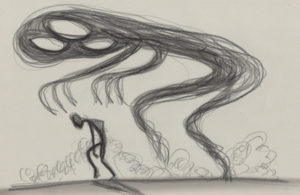
    Anxiety is a bear, but panic attacks are dragons.Anxiety and panic disorder can be treated with TMS or ketamine if traditional methods don't help.

    Panic attacks come when you least expect them, and in full force. If this happens to you often … even regularly … you may have panic disorder.

    Traditionally, anxiety and panic attacks have been treated with anxiolytics, or medicines that cause symptoms of anxiety to diminish.

    And also antidepressants – both SRI (serotonin reuptake Inhibitors) and SNRI (serotonin norepinephrine reuptake inhibitors) varieties. And when they work, well…they’re a Godsend. 

    But far too often they don’t help. Even after trying 2 or 3 different prescriptions, increasing the doses, adding augmentation agents like buspirone. 

    Sometimes the side effects of the medicines are just too much.  Maybe they’ve made you tired all the time, or interrupted your sleep. Maybe you’ve gained weight. Developed chronic GI side effects. Found that your libido is non-existant or that you’ve developed other sexual side effects.

    Then what?

    Some people are able to get the panic under control with a combination of SRI or SNRI antidepressants combined with Cognitive Behavioral Therapy (CBT).

    If your doctor has tried antidepressants, anxiolytics, and even mood Anxiety and Panic Disorder cause mental chaos, but ketamine can lift the panic and you can enjoy your life.stabilizers in an attempt to help you get better, but no combination has worked… then it may be time to consider more novel advanced treatments.

    Things like Transcranial Magnetic Stimulation (TMS) or ketamine treatment.

    Novel Advanced Treatments To Consider for Anxiety and Panic Disorder

    Sound weird? 

    These treatments aren’t weird…they’re very 21st century.

    Transcranial Magnetic Stimulation (TMS)

    TMS uses a magnetic coil placed over your head, that sends pulses deep into the brain. These pulses stimulate your brain cells to become healthier and function properly.

    As a result, you begin to feel better and better during the 3rd or 4th week. It doesn’t work fast…but it works well in about 70-75% of people. TMS requires appointments five days a week for roughly 4-6 weeks. And there are treatment protocols for anxiety disorders that are quite effective.

    Ketamine Treatment for Anxiety and Panic Disorder…?

    Ketamine was developed in a laboratory in the 1960’s as an anesthetic. And it’s been used in the operating room for over 50 years. It’s effective and has proven itself as a safe medicine when used for that purpose.

    Then, several years ago, ketamine began to be tested for depression. And it’s made a huge difference for many of those who received it. There have been some bumps along the way, as we’ve learned about how to help its benefits last, and which routes allow the most wonderful outcomes.

    Now, in 2018, ketamine is receiving increasing respect as the most extraordinary antidepressant neuroscience has seen in the last 50 years.

    What’s more, it’s being tested in laboratories and clinical practices, and we’re finding ketamine’s benefits are widely experienced by people who suffer with a host of different psychiatric disorders.

    Things like major depression, postpartum depression, treatment-resistant severe depression. Also anxietygeneralized anxiety disorder, social anxiety, and panic disorder.

     Add to that PTSD, OCD, and suicidal thoughts.

    This medicine is life changing.

    But let’s talk about panic disorder and a case study from 2016 that indicates that ketamine might be useful for it. Because right now, panic disorder lacks extensive studies using ketamine. More studies are needed to validate the results some doctors are seeing regularly in the office.Anxiety and Panic Disorder make it hard to enjoy life but with treatment you CAN enjoy the little things.

    In the case study, Ms. A suffered deeply from panic disorder, agoraphobia, generalized anxiety disorder, and major depressive disorder.

    For far too long, she’d been unable to leave the house or use public transportation, and felt unable to learn to drive because of her anxiety. Panic attacks at least every week caused her to believe that she’d never be able to manage the anxiety that ruled her life.

    Her psychiatrist prescribed substantial doses of escitalopram and an intense regimen of electroconvulsive therapy treatments. Then she added 400mg of lamotrigine combined with 30 intensive sessions of CBT. In other words, Ms. A was receiving aggressive treatment. And…

    All of this helped to reduce her suicidal thinking and mood improved.

    But her anxiety didn’t improve. She remained home-bound because of her fear of leaving and having a panic attack.

    Then, 6 or 7 months later, she was seen in the emergency department of her local hospital for severe pain in her neck. An MRI showed she had 2 herniated discs in her spine, so in the ER, she got IV ketamine to treat the pain.

    One infusion. For pain.

    Symptoms of Panic Disorder, Agoraphobia, and Major Depression IMPROVED

    And in the weeks following her ER visit, her anxiety symptoms improved. (This is really pretty cool.)

    She felt like shopping at the department store, started a business with a friend, volunteered at a market in her community. Her mood was positive and “normal” for at least 10 weeks.  Her doctors attributed it to ketamine — although of course there are a dozen other possible factors.

    Still.

    We see patients who present to us with all kinds of complex symptoms and often panic disorder is just one of the many that bring them to our office. And we see the pit in their stomachs go away. The anxiety lift. The worry diminish. In each case, one at a time.  The stories are too complex and too varied to see them as anything more than case reports right now.

    So we need to see researchers conduct more studies. When we treat a patient for another disorder, or when a patient is treated with ketamine for severe pain, and their anxiety and panic disorder symptoms fade away at the same time, we’re the first to smile with them. Then they keep smiling all the way home … and all the way back into their day to day lives.

    But we need researchers to do their gold standard, double-blind, placebo controlled studies to rule out variables that may enter into the mix in the office, and to verify ketamine is demonstrating effectiveness for this disorder.

    There are backup studies for ketamine and social anxiety … another anxiety disorder. We see extensive positive outcomes in treating PTSD with ketamine, an anxiety disorder that often includes panic attacks.

    We need to see more studies for ketamine and panic disorder.

    At Innovative Psychiatry, we’re seeing patients with anxiety and panic disorder getting better every week and every month. We want to see you get better, too. If you suffer from panic attacks, anxiety, and any other disorders, call us.You can feel so much better. And we want that for you.

    Lori Calabrese, MD offers innovative psychiatric treatment like IV Ketamine

    To the healing of your best self,

    signature of Lori Calabrese, M.D.


    Lori Calabrese, M.D.

  • The Heartbreak of Suicide: You and Ketamine Can Help

    The Heartbreak of Suicide: You and Ketamine Can Help

    Traditional depression treatment fails until ketamine.The Heartbreak of Suicide – What Can We Do?

    Each day last week,122 people in the United States took their lives by suicide.  We want to talk about Kate Spade … and you. And how the heartbreak of suicide is stealing our loved ones. And what we can do to change that.

    By now, most of us have read that Kate Spade died by suicide this past week. This is too important to ignore as if it’s just another news story. Yes, Kate Spade was an icon and many have cherished her distinctive purses, bags, and wallets.

    But this isn’t about her products. This is about her.

    And others who suffer like she did.The heartbreak of suicide: you and ketamine can prevent it in the people you love.

    Quietly. In silence… and despair.

    All sorts of reports have swept through the news without sensitivity to Kate Spade and her family. A note published publicly by her husband expressed his horror that a note allegedly by Kate to her daughter was published by sensationalistic news media without his consent.

    Traditional Depression Treatment Fails Sometimes…Then What?

    The bottom line is that when suffering from a psychiatric disorder ends in death by suicide, the public considers that death the business of mankind in general… regardless of the suffering of the family.

    It turns out, Kate suffered from depression and anxiety for the last six years before her death. She was engaged in intense psychiatric care regularly. But she wasn’t getting better.

    Her family and close friends wanted to help, tried to help, but she probably reached the point that just talking about her struggles wasn’t changing anything… maybe she laughed it off when her best friend expressed concern. Maybe she looked fine. Sounded fine.

    Psychiatric Disorders Can Be Hard on Relationships

    She and her husband lived in separate apartments the last 10 months, but near each other so their daughter could easily go back and forth between them. The three of them continued to share meals, and vacations.

    Kate and her husband Andy had been together for 35 years and the love between them was strong… enduring. But Andy says now they just needed a break to work out their problems…divorce was never considered.

    If you’ve known severe depression and anxiety, you know that the depression can be suffocatingThe heartbreak of suicide: you and ketamine can prevent it in the people you love.the anxiety crippling. And for some, as the depression worsens, the anxiety becomes more intense.

    The longer depression goes untreated, the more likely it seems that phobias, panic attacks, and other forms of anxiety can emerge that can leave you feeling unable to function in your life like you used to.

    People like to speculate. They’ll tell you maybe it’s not depression. Maybe it’s bipolar disorder. 

    Kate’s husband has been adamant that she suffered from depression and anxiety for the last six years, and that she’d been in psychiatric treatment for the last five.

    And that’s the tragedy.

    When you know you’re suffering from a psychiatric disorder, and your doctor provides the best treatment he knows to offer, what if it doesn’t help?

    What do you do?

    The Heartbreak of Suicide

    For decades, this has been the situation with up to 50% of patients suffering with depression. They take medications year in and year out. But they don’t work…or maybe they don’t work well enough. So they try to keep going through their routine until they just can’t anymore. At some point they occasionally mention death… or dying…or funerals…

    And they try and try to buck up, keep enduring…until they just can’t anymore.

    Their thoughts fill with the idea of relief that would follow the end of life. They resist as long as they can. Sometimes, they succumb.

    And someone finds them, after it’s too late to help.

    For all of our lifetime, when medications and therapy didn’t make a real difference for a suffering person, doctors have sometimes just said, “I’ve done all I know to do.” It sounds so horrible. Like that’s it. There’s nothing else.

    Others suggest trying yet another and another new medication or therapy. When hope just keeps being deferred indefinitely…well, we get heartsick…and can give up.

    There’s Hope That Rises Above Traditional Treatment

    But here’s the tragedy for Kate Spade, and others like her.

    We’ve never had ketamine treatment before the last several years. But we have it now. She suffered for 6 years without relief.

    What about you? Untreated depression and anxiety can slowly erode your relationships, your confidence, and your hope.

    Does your doctor know about the effectiveness of ketamine treatment, or how to provide it with the best, most effective methods…? 

    She had made a fortune with her Kate Spade brand in partnership with her husband over the years. So she didn’t miss her chance for effective treatment because of cost. She had the resources to pay for the best treatment.

    We see people like her all the time here at Innovative Psychiatry. People at the top of their game who suffer from an array of psychiatric disorders … and need treatment so they can continue contributing to their world, engaging with their families, enjoying their lives.

    We can wish Kate had known about ketamine treatment. We can wish her life had been restored, her relationships with family and friends strengthened because she had the energy to invest in and build them again. Because she no longer feared that openness would harm her brand.

    But for Kate Spade, sadly it’s too late for that.

    Still, stop and think.

    So Many Suffer in Silence Until They Can’t Stand It Another Day

    How many people across the US died by suicide last week…? 122 each day. One of them happened Friday, when beloved celebrity chef Anthony Bourdain also died this way. How many more…?

    We have to ask how many of those deaths could The heartbreak of suicide: you and ketamine can help.have been prevented if everyone knew about ketamine’s effective treatment that takes the pain away?

    How many people in our world still don’t know that treatment actually IS available that can give them their lives back…restore their joy, their motivation, their well-being? That can stop suicidal thinking.  Quickly.

    We can work together to share this reality with everyone we know so no one else has to die without hope.

    We must work together to help people who suffer like Kate suffered find help. And hope. We must talk about psychiatric symptoms without shame. As freely as we talk about back pain, migraines, cancer.

    If a friend talks about death…about dying…even off the cuff…even laughing about it…

    What do you think?

    Oh, weird… wonder why she’s talking about this right now…embarrassing…

    I hope not.

    But the stigma is right there. Along with shame. The heartbreak of suicide: you and ketamine can help.

    What if I’m overreacting..?

    Overreacting to a possible call for help is not life-threatening….but ignoring the situation just may be.

    You can reach out. You can confide in your friend about something you’ve been through that was embarrassing. Lower the wall.  You can ask if there’s anything you can do. You can share things you’ve read, like this blog for instance.

    Brain and Behavior Institute published this statement by Dr. Jeffrey Borenstein on Friday:

    “If you are concerned about a loved one, you should express your concern. Some people have the misconception that asking a person about suicide will increase the risk, but in reality asking does not increase the risk of suicide, but can save a life.”

    And you can provide your friend with the Suicide Hotline and encourage her to call you or call this number if she ever feels serious about it:

    If you or someone you know is in crisis, call the U.S. National Suicide Prevention Lifeline at 800-273-8255, text TALK to 741741 or visit SpeakingOfSuicide.com/resources for additional resources.

    Ketamine treatment can stop suicidal thinking in 4 hours or less. Tell your friends and loved ones.

    Ketamine Treatment Ends Suicidal Thinking in 4 Hours or Less!

    The heartbreak of suicide can be prevented.

    It’s true that ketamine treatment isn’t for everyone…but it’s effective for most, and even some of those who seem to not respond at first have a delayed response…and are living their lives with joy several months later. Ketamine is so remarkable, it deserves a chance to show you what it can do.

    And you deserve the chance to experience the rapid and robust action of ketamine in your brain, relieving your symptoms.

    If you suffer from a psychiatric disorder, or if you know someone who does, read the articles linked to The heartbreak of suicide: you and ketamine can help.this one and inform yourself. It’s no longer necessary to suffer under the burden of a seemingly untreatable disorder.

    At Innovative Psychiatry, we offer a variety of novel, advanced options to reach the source of your disorder and help you get better. We’re not interested in treatment that just takes the edge off…

    When you’re in pain, you’re in pain. A little reduction in symptoms really doesn’t help that much. You need to feel good. You need to feel well.

    Please call us. Let us help you get better.

    May the husband and daughter of Kate Spade, as well as her family and friends, be comforted and find peace. Our hearts weep for you.

    And if you find your thoughts filled with images of death and dying…call us. We can help lift this terrible burden from you to help you rebuild a happier, more fulfilling life.

    Lori Calabrese, MD offers innovative psychiatric treatment like IV KetamineTo the healing and restoration of your best self,

    Lori Calabrese, MD

  • Dance of the Genes: Activity Patterns that Link Some Mental Health Disorders… and Not Others

    Dance of the Genes: Activity Patterns that Link Some Mental Health Disorders… and Not Others

    Genetic mental health disorders ketamine treatment treats.May is Mental Health Awareness Month!

    That means we have the privilege to talk about the realities of mental and emotional well-being, and the psychiatric disorders that threaten it.

    Even 20 years ago, our society was still so steeped in the stigma that people with depression and other psychiatric disorders were often overwhelmed with burdens of shame and ostracized at school, work, and even within families. We haven’t completely defeated the stigma, but let’s take a moment to appreciate how far we’ve come.

    Mental Health Awareness Through Media

    It was an exciting moment when we first saw the public service announcement showing Glenn Close talking about her sister’s disorder and her love for her 8 years ago. Score ONE Against Stigma.

    Glenn Close, the actress, whose sister has bipolar disorder and whose nephew has schizoaffective disorder, began speaking out with her family in 2010.

    She and her sister founded BringChange2Mind that year, and have broadcast public service announcements and interviews about life with psychiatric disorders.

    Her sister, Jessie Close, writes blogs for the BringChange2Mind website. Jessie responds to those who write or call about their own difficulties or of those who love them.

    And Glenn Close’s family is not the only one who has spoken out. A host of celebrities have stepped up to expose their own personal struggles with depression, bipolar disorder, substance abuse disorder, and more.  People like Mariah Carey, Catherine Zeta-Jones, Carrie Fisher, Ted Turner, and lots more have told their their stores and spoken openly about their struggles.

    Thank goodness.

    Neuroscience Breakthroughs Stamp Out Stigma

    One of the most important ways we strike a blow to the stigma of psychiatric disorders is to talk Genetic mental health disorders ketamine treatment treats.openly about these illnesses, just as we do about illnesses of the heart, lungs, liver, and kidneys.

    The more we make psychiatric disorders part of casual conversation, educating as we go, the further back we push the stigma associated with this suffering.

    We also spread the word about everything neuroscience discovers related to the causes and treatments for mental health disorders.

    And by the way, genetic links have been found for pretty much every major psychiatric disorder.  Even 15-20 years ago there was enormous speculation among certain aspects of society about whether psychiatric disorders were even real…

    But now, we have functional MRIs, genetic links and maps, and the pathophysiology of these disorders. Suffering patients are pushed into corners far less than they used to be, with demands to “prove” they’re ill.

    But it’s not over.

    Dance of the Genes

    We need to keep learning, and keep shouting out the truths about psychiatric illness for the sake of those who suffer and need help. Always to drive away uninformed judgment, and stigma.

    So let’s talk about some things that have been uncovered regarding the solid foundation of psychiatric illness. And the breakthroughs in treatment that are emerging. The treatments that can not just relieve, but conquer, these terrible illnesses. Let’s talk about the dance of the genes: activity patterns that link some mental health disorders and not others.

    Researchers discovered certain arrangements of gene activity associated with specific psychiatric genetic mental health disorders can be seen in patterns in genes.disorders in a recent study. Illnesses like depression, autism, alcohol use disorder, bipolar disorder, and schizophrenia show up as the result of these genes expressing themselves, according to the study published in Science in February 2018.

    These researchers studied postmortem brain tissue from 700 identified patients with those disorders, and compared them with matched controls and with controls with a non-psychiatric inflammatory disorder. They were looking for patterns of genetic similarities and differences in the cerebral cortex — across large brain regions.

    They found similar levels of certain molecules among people who suffered from autism, bipolar disorder, and schizophrenia.

    As they studied further, they found out that there are links between bipolar disorder and depression, which doesn’t seem that surprising. BUT … also between depression and autism. And between bipolar disorder and schizophrenia — and autism and schizophrenia.

    Researchers have known that since 2013. But most of the rest of us haven’t.

    What’s really news is that certain psychiatric disorders are more similar biologically than we’d ever thought if we’re just looking at the diagnoses themselves–the names we use. If we just dig deeper…

    Astrocytes Activate to Signal Specific Conditions

    There are star-shaped cells in the brain and spinal cord called astrocytes that provide support for those cells that make up the blood-brain barrier, among lots of other things. They supply nutrients for nerve tissue, and help with repair in the brain and spinal cord after serious injury.

    So the genetic patterns or systems these researchers found actually affect how the brain cells communicate with each other.

    Because the astrocytes activate with certain conditions.  And many of the same astrocytes activate in conditions we wouldn’t have expected to be linked to each other.

    These researchers see potential for identifying those patterns that genes express in astrocyte activation for each condition, which can eventually help us identify the underlying biologic vulnerabilities for these conditions.

    As complicated as this sounds, this is a stigma buster!  It’s not only “proof” for these disorders, as if anyone has anything to prove. But, it paves the road to improving the diagnosis of psychiatric disorders in the future — faster and with better accuracy, so treatment can be the RIGHT treatment for better outcomes.

    Reach Out to Those Around You

    While these possibilities are brewing, reach out with compassion to those in your world, in your circle, who clearly suffer.  You see it in their “inappropriate behavior,” their inability to perform, and their Genetic mental health disorders ketamine treatment treats.despair.

    Take a breath. Give them a moment of kindness.  Of patience. Recognize that they didn’t ask for these limitations. But they carry them every day without relief.

    Give to mental health research. Support organizations that offer respite and treatment.

    Psychiatric illness isn’t elusive or ethereal.  It can be identified in genes, in functional brain scans, in genetic patterns that write their own recipes for health and wellbeing… or disabling illness.

    Environmental, biological, psychological, and genetic factors come together and spark most, if not all, psychiatric conditions. There is pretty much always a combination of factors behind each illness.

    The fact remains that countless people suffer without help. They reach out on Facebook, on Twitter, and especially on Quora. So many people who have taken the medicines and aren’t any better.

    Thankfully, there are also those who are better. Those fortunate ones who get better with antidepressants, anxiolytics, and mood stabilizers. But far too many don’t improve…and feel more desperate every day.

    For you, we want you to know you’re not alone in this struggle.  As you can see, neuroscientists press forward, as well as psychiatrists and neurologists, working to help people like you get better.

    Studying to find improved treatments.  And hope.

    Innovative Psychiatry Specializes in Tough to Treat Illnesses

    At Innovative Psychiatry, we’ve been specializing in helping those who couldn’t find effective Genetic mental health disorders ketamine treatment treats.treatment before for many years. We love a challenge. And we offer a variety of novel and advanced treatment options to help you get truly better.

    Ketamine treatment is the most dramatically effective treatment we’ve seen in our lifetime. It doesn’t help everyone, but it does help most. Furthermore, its extraordinary antidepressant effects help our patients improve with such vigorous speed and depth that their lives begin anew. 

    Ketamine treatment relieves mental health disorders.

    If you’ve been suffering from a psychiatric disorder that hasn’t improved from other treatments, call us. The right medicines given with the necessary expertise can change a life forever.

    Lori Calabrese, MD offers innovative psychiatric treatment like IV KetamineTo the emerging of your very best self,

    Lori Calabrese, M.D.

  • Anxiety Treatment That Doesn’t Make You Sleepy

    Anxiety Treatment That Doesn’t Make You Sleepy

    Anxiety treatment that doesn't make you sleepy? Ketamine gives this young woman resilience.
    What Is Anxiety, and How Do You Treat It?

    People talk about depression, talk about PTSD, and about bipolar disorder. But how do you talk about anxiety? How do you know if you have anxiety, and how do you find anxiety treatment that won’t make you sleepy so you can do things without being tired…or without being overwhelmed?

    What is it, really?

    Anxiety Shatters Innocent Trust

    Seven-year-old Chrissy climbed the stairs to take her bath…. It was dark upstairs. She wondered what could be lurking in the shadows. Surely there was nothing to be afraid of.  She tried to convince herself that this is home, and her parents kept the doors locked, so no one could have crept in to wait for her upstairs in the dark.

    There was nothing to be afraid of!

    But her reasoning didn’t seem very convincing. As she reached the top stair step, and turned past the landing, groping in the darkness to find the bathroom doorway so she could flip on the light, her eyes tried to adjust.

    Out of nowhere, two hands grabbed her in a sudden burst and she screamed in terror. Her 12-year-old brother burst into laughter and fell to the floor rolling around in glee.

    “That’s not funny, Ben!!”

    Anxiety Builds Obstacles to Moving Forward

    …Eleven years later, Chrissy hugged her mom and dad goodbye, after they’d unloaded the car of all her boxes. They were about to drive back home and leave her to unpack and set up her dorm room. She would register tomorrow for classes. This was her first time living away from home.

    She climbed the stairs of the dorm, walked down the long lonely hall, and stood before the door to her room.

    Chrissy froze.

    Her throat went dry, her stomach cramped, her palms sweaty.

    She couldn’t open the door.   

    Insomnia caused by anxiety. Anxiety treatment that doesn't make you sleepy.

    The key was in her hand but she couldn’t bring herself to push the key into the lock. A nightmare of some kind awaited her … she just knew it. What if her roommate didn’t like her?  What if she wasn’t welcome…?  Or worse, what if there were people inside who made fun of her?? This would have to be her home now, and what if she couldn’t relax here?

    Why did she come? She wasn’t ready for this. She was too insecure, too shy. This was never going to work. 

    What had she been thinking????

    Chrissy continued to stand in the hall.  Looking at that closed door. Off behind her, she could hear voices. Chatter. Laughing….

    She knew they were laughing at her. NO ONE goes to college without the maturity to walk into a dorm room.

    She was going to be the laughingstock of the entire campus.

    Minutes passed.

    Finally, in one big moment of resolve, she wiped her wet palms on her jeans, shoved the key into the lock, opened the door, and walked in.

    Anxiety Can Erode the Foundations of a Solid and Resilient Life

    Nine years have passed since that day in the dorm hallway.  Chrissy thinks sometimes she’ll never be able to manage her own life. She’s been to college, completed her degree, although there were some shaky times.

    She’s held a couple jobs, but something always seems to go wrong. She keeps thinking she needs to build a career … but hardly knows where to begin. 

    Her self-confidence isn’t great, and she tries to hide it behind flashy clothes and makeup. She tries to appear to “have it all together,”  but deep inside she wishes she could hide from the world.

    Gripping chest from anxiety. Anxiety treatment that doesn't make you sleepy.

    Her live-in boyfriend works hard and works out, but with abuse in his childhood and PTSD from combat in Afghanistan, there isn’t much peace at home. His hyper-vigilance and flashbacks make the nights like a terror movie. She never knows when he’ll fly into a rage … or come at her. It’s a living nightmare, but she doesn’t want anyone to know what goes on…so she keeps it all to herself.

    Over time, it seems to get harder and harder to just leave the house. One day last week she was at work and panic rose up inside her.  She was shaking, trembling, and just couldn’t see much besides bright lights.  She grabbed her purse and walked out. Got in her car and drove home.  She hasn’t left the house since.

    Not that she hasn’t tried. This morning she even put her things in a bag to go see a friend. Got into her car. And sat there. Why was this so hard?  She reached into her purse to get the key.  But couldn’t get it into the ignition. Just …couldn’t.

    So she sat there. And cried…and cried….

    Severe Anxiety Can Prevent You From Finding Your Place in This World …and Flourishing

    Anxiety comes in lots of forms. It can be a nagging dread about entering a public place, or about joining a group of people. Sometimes the dread is worse than other times.

    Sometimes it’s a sickening feeling that interferes with your good intentions. 

    Other times it’s a crippling terror that plants your feet – as if they’re concrete – bolted to the sidewalk.

    Sometimes anxiety turns on faucets of sweat that run down your face and sides while you ride an elevator. Or makes your mind go blank when you stand up to give a presentation you’ve worked on for weeks.

    A date with a someone new can lead to abdominal cramps, headache, and diarrhea

    But anxiety symptoms can get much, much worse.  A rapid heartbeat and sweaty hands, face, and torso, along with severe chest
    Man with chest pain caused by anxiety. Anxiety treatment that doesn't make you sleepy.
    pain and shortness of breath can mimic a heart attack. Many people wind up in the emergency room — and they’re shocked when they’re told they’re having a panic attack, not a heart attack.

    How Can You Get Ahead of Anxiety…???

    The traditional treatment for anxiety has been antidepressants, anxiolytics, and therapy. 

    But.  Unfortunately, only about one third of people who suffer with depression, anxiety, or both, get better with antidepressants or therapy, or both. Another third are believed to be helped with a second medication or combination of medications.

    So about a third of all people with anxiety continue to suffer, lose their jobs, and sabotage their relationships with symptoms they can’t control.

    Is There An Anxiety Treatment that Doesn’t Make You Sleepy?

    Because IV ketamine works on different parts of the brain than traditional antidepressants, ketamine treatment can now make the difference for 80% of those people who’ve been left untreated. And un-helped.

    And it yields extraordinary results in people who suffer from mood disorders by:

    All in all, ketamine helps rebuild brain structures that support communication through the prefrontal cortex and deep into the brain.

    Ketamine Brings Your Brain to Life

    Ketamine doesn’t make you sleepy.  In fact, ketamine wakes up your brain. As the synapses are restored, signals travel faster and
    Dread of anxiety follows man everywhere. Anxiety treatment that doesn't make you sleepy.
    faster deep into the brain, bringing a sense of well-being along with initiative, creativity, and order.

    Your brain will function at a much more effective and efficient level. You’ll feel like your best self. Your sleep will improve when you’re sleeping, and your alertness will improve when you’re awake.  It’s pretty extraordinary.

    This is anxiety treatment that doesn’t leave you sleepy. There’s no fatigue, no weight gain, no sexual dysfunction, no constipation or diarrhea, and none of the other side effects you can see with other medications used to treat anxiety.

    Ketamine is an anesthesia medicine that’s been used in emergency and surgical settings for 50 years, and has been found to be safe and reliable. It’s only been in the last several years that it has emerged as a remarkable treatment for depression, anxiety, and other mood disorders.

    Ketamine’s rapid and robust antidepressant action is restoring the lives of those who’ve suffered with treatment-resistant psychiatric mood disorders.

    At Innovative Psychiatry, we’re seeing a consistent response rate of 80% to IV ketamine treatment. So, while ketamine isn’t for everyone, chances are pretty good that it can really help you.

    Message on the beach says HELP... anxiety treatment that doesn't make you sleepy.

    If you suffer from anxiety disorders that haven’t responded to other traditional treatments, call us for an appointment.

    We’re not able to take on new patients who need medication management. That arm of our practice is just too full. However, we are accepting patients who want to see if they can benefit from ketamine for severe depression, crippling anxiety, and other serious mood disorders.

    Let’s work together to help you get better.

    To the restoration of your best self,

    Lori Calabrese, M.D.

    Lori Calabrese, MD offers innovative psychiatric treatment like IV Ketamine

error: Content is protected !!