
Tag: KETAMINE TREATMENT FOR DEPRESSION

  • Learning Emotional Regulation Skills Can Prevent Relapse

    Learning Emotional Regulation Skills Can Prevent Relapse

    Learning emotional regulation can prevent relapse.

    Emotional Regulation in Mood Disorders

    Can be Improved !!       

    Ketamine Treatment and Psychotherapy                   

    “Cassie..?”

    “Yes, Mom?”

    “Sam called … says he can’t come over because he has to go to the mall with his mom …”

    “WHAAAAATT??? That CREEP!!”

    The freshly opened Coke can in Cassie’s hand flew at the door like a bullet and exploded into a hole just above the door facing … carbonation spewing everywhere.

    “Cassie…. it was his mother’s decision…” But before her mom got the words out, Cassie had crashed through the front door and was gone.

    Ever reacted to disappointment the way Cassie did?  Know anyone who has?

    Adapting or Stressing Out?

    There’s a whole cascade of adaptations or maladaptations that occur in a moment of disappointment or frustration … or hurt. The things that go through your mind, the decisions you make in the split second after the moment and beyond, determine how an event will affect your life.

    If you choose healthy ways to look at the event, and to respond, your mood will reflect that you have the skills to adapt, and roll with the punches. Learning emotional regulation skills can make the difference.

    When you choose maladaptive thoughts that are self-destructive and create more conflict, you lay another brick in the foundation within yourself for an eventual diagnosis of depression.

    In many psychiatric disorders, impaired emotional regulation (or emotional dysregulation) is a common characteristic. For most of us, it’s not that hard to see that some people with certain disorders — like, say, bipolar disorder — may have a hard time regulating and controlling their emotions.

    There are other disorders where this may happen, too. Like PTSD, panic disorder, and depression

    A child affected by a disorder like depression or bipolar disorder often has Learning emotional regulation skills can prevent relapse.difficulty developing his emotion-managing skills. Add to that certain conditions that also interfere, like alexithymia, for instance … and it’s all that much harder.

    Emotion Regulation and Alexithymia

    Alexithymia is a term coined in 1972 by Peter Sifneos, introducing to psychiatry the condition of a person who can’t identify or describe their emotions. Since emotion is felt physically … if you can’t feel it… it must be awfully hard to articulate.

    In your case, maybe you don’t feel emotions or find it hard to put them in words … or maybe you do feel them.

    If so, your condition can be just as difficult for you as it is for someone who experiences alexithymia, because both can put you in awkward, even embarrassing, situations.

    Society Maintains Certain Expectations of Us All

    Emotion self-regulation is the ability to respond to whatever is going on at the moment in a way that’s socially “tolerable” … but also Learning emotional regulation skills can prevent relapse.flexible to fit the circumstances. For instance, so you can either react spontaneously or … if the situation requires it … delay your response til a more appropriate time and manner.

    The ability to self-regulate your emotions is a complex stack of dominoes. A thousand different things stimulate in you a potential response or reaction…every single day.

    If you don’t develop the ability to manage your reactions — in other words, if you don’t find out how to respond to a given situation in an appropriate way — your inappropriate reactions can isolate you from jobs, relationships, and fulfillment. People may see you as someone who doesn’t fit in. 

    The Behavior Police

    Society imposes pressure on everyone to adapt to behaviors it considers in line with a civilized community. And people can be cruel as they police the boundaries to ensure everyone “behaves.”

    If you’re able to develop an intuitive understanding of those boundaries as you grow through childhood, and if you can implement the “acceptable” behaviors in various situations, it will help you in every situation as you grow through adulthood.

    However, as we mentioned before, some people are unable to do this adapting. And you may find yourself reacting forcefully and loudly in situations where you feel strong emotion. 

    Learning Emotional Regulation Skills Can Be Difficult

    On the one hand, this difficulty regulating and adapting emotions to Learning emotional regulation skills canthe situation is important, but what can you do if you just can’t? Furthermore, what happens if you never learn how…? Or never get better enough to learn…?

    So here’s the thing.

    It’s tough to learn how to redirect and adapt your responses to situations you’ve found upsetting in the past…especially when you’re in the heat of it. So treating the disorder and minimizing the pressure you feel to react is a solid first step.

    It’s Easier to Learn Emotional Regulation Skills Without Symptoms

    With medications that drastically reduce symptoms, you’re in a better position to actually use therapy that can help you develop skills to respond differently to circumstances that you’ve reacted to in the past.

    Therapy that helps you learn to problem solve rather than erupt, and handle circumstances instead of brooding or avoiding those situations altogether can be far more effective if your emotions aren’t in overdrive.

    Because, according to studies, when you can’t modulate your emotions, it does seem to set you up for relapse of your disorder. To stay healthy, you need to learn to think healthy. This underpins that infrastructure within you to sustain mental and emotional health.

    Poor Emotional Regulation Leads to Relapse

    Researchers in Norway published a meta-analysis of studies on Learning emotional regulation skills can prevent relapse.emotional modulation in May of this year in Frontiers in Psychology. The report analyzed 72 studies involving 3371 participants with major depression or those in remission from depression, and 5094 healthy controls.

    Huge numbers.

    They studied the way the participants managed their emotions through difficult and stressful experiences.

    Then, they found that when they compared the way the healthy people (who’d never been depressed) responded the way those with major depression and those in remission responded, the healthy people had constructive, self-loving ways of responding and those with depression had more self-destructive ways of responding.

    These researchers also found that the more “maladaptive” a person’s response to difficulty or conflict, the more likely that person will become depressed.

    Conversely, the more healthy and constructive a person is in adapting to stressful situations, the less likely he will be depressed.

    So poor ability to respond to difficulty and conflict correlates to likelihood of depression. And learning emotional regulation skills can prevent depression relapse.

    And there’s more…

    3 Factors Influence Emotion Regulation in Depression Remission

    They found there are factors that influence how well someone with depression in remission can regulate his or her emotions:

    Clearly more study is needed. We need to understand healthy adaptive means of emotion regulation. And we need to learn how to help depressed patients even when their disorder is in remission. We want to help them develop healthier responses. And by doing that, prevent relapse.

    How many times do people stop psychotherapy — or stop their meds — as soon as they feel better? How many times have you?

    Also, they urged more study of alexithymia in patients with remission so that they can understand how it impacts their ability to learn healthier responses.

    How Ketamine Treatment Can Help

    And keep in mind, if you’ve been treated for these disorders and you have not achieved remission, you may be a candidate for ketamine treatment. No other treatment has been as effective in as many treatment-resistant cases.

    As we said before, it’s not easy to unlearn old habits and learn new Learning emotional regulation skills can prevent relapse.ones in the way you think about and respond to painful or frustrating situations. If you’re in pain yourself, and the structures in your brain are broken and worn down from the stress of a mood disorder, this is especially true.

    Remission can empower you to build a healthier inner thought life that sustains remission when you do achieve it.

    At Innovative Psychiatry, we see people achieve remission through ketamine treatment every week. We’d love to work with you to help you build a healthier, more rewarding life.

    Give yourself the chance to be well. 

    If you’ve suffered with a mood disorder and other medicines and treatments haven’t helped much or at all, call us at 860.648.9755. Let us help you achieve remission and a more meaningful life.

    Lori Calabrese, MD offers innovative psychiatric treatment like IV KetamineTo the development of your best self,

    Lori Calabrese, MD

               

  • True Recovery From Trauma and How to Find Restoration

    True Recovery From Trauma and How to Find Restoration


    True recovery from trauma happens when you know what you've learned from it, and you become calm when you think about it.Trauma: Don’t Beat Yourself Up – Allow Your Loved Ones to Lift You UP

    Have you been through something traumatic …? Maybe you’re a combat veteran, a first responder, or a victim of severe domestic abuse. It might have been a car wreck, or the unexpected sudden loss of someone you love. Fixed beliefs you form about that traumatic experience can insulate you from working through the scars you feel. If you tell yourself you “shouldn’t” be reacting to the incident, it keeps sitting deep inside you…haunting…but not healing.

    Truth be told, you were traumatized. By rape. Infidelity. Fire. Hurricane.

    What matters is that it traumatized you.

    No one but you knows what has shaken you to your core. And continues to keep you shaken. But no one needs to. This was your experience. And YOU need to heal.

    People are individuals and don’t react the same to the same stimulus. One combat veteran finishes his tour and goes back home, gets a job, and proceeds to build his “after-combat life.”

    It’s not that he’s not shaken. But his reaction to all that happened True recovery from trauma requires patience and sometimes counseling.may not have shattered him like the next guy. People go through divorce. One ex-wife gets thoroughly angry and surges forward like a steam engine to overcome the heartbreak she feels about her husband’s infidelity. But another one may be so shattered, so disillusioned she can’t work, can’t function, and trembles or vomits when she sees her errant ex-husband or drives by their favorite restaurant.

    Sometimes It’s Appropriate to Let Yourself Feel Loss

    But then, there’s another reaction. This is you if you’re the abandoned spouse who’s so empathic toward others and their pain that when you’re in pain you just try to ignore your sorrow when you see others who seem to be suffering more.

    Sadly, you validate the pain and sorrow of others, and dismiss your own. The result is that you can’t validate your own grief like you would for someone else to help them heal. Sound familiar…?

    Hey, Loss is Traumatic: It’s Not a Competition

    If a woman loses her husband in a car wreck, and watched him die, True recovery from trauma can be experienced with the right support and treatment.she has reason to be heartbroken and deeply shaken. The fact that another woman lost her infant child in a sweeping illness does not trump the widow’s pain.

    Both woman have lost a treasured loved one through horrifying circumstances. Both women felt helpless. There is no measuring stick to compare the loss of a husband with loss of a child. Both losses are terrible, and life-altering. In both cases, the women hurt terribly. Both were traumatic.

    And both women need support, kindness, a listening ear, and patience. Both may certainly need counseling at some point to help them restore their desire to live and go forward. They’re not in any sort of contest with each other.

    In fact, they’re each faced with shock and grief. And people do have to find their way through these very difficult times of life. Often they come through such times as a natural process. Other times it requires treatment.

    But either way, the loss is devastating. And each person who suffers terrible loss is justified to feel traumatized…to grieve.  To be supported. And to recover.

    Let’s look at another perspective.

    When a Traumatized Person Who’s Evaluated For PTSD, Is Not Given that Diagnosis…

    Does it mean he or she wasn’t traumatized…? Or that the shock or pain of it wasn’t that serious? 

    NO.

    There are certain criteria required for a PTSD diagnosis. Every True recovery from trauma is healing from the terrifying memory of the event.person is different and responds to painful or traumatic experiences individually. Your pain, loss, grief, and trauma are real and valid.

    Don’t let a label or diagnosis invalidate what you’re going through.

    Some people, after a deeply traumatic experience, are actually diagnosed with PTSD. Most aren’t. What’s more, there can be other diagnoses after you endure something like this. If it’s not PTSD, it may be depression, or it might be panic disorder, or substance abuse, or an eating disorder. 

    Or…it might be that you’re sorting through all the complicated effects of grief, shock, and pain that can accompany a traumatic event or experience. To achieve true recovery from trauma requires that you be honest with yourself, as well as patient. 

    Let’s set labels aside.

    If you’re suffering, that’s all anyone needs to know. And your suffering is valid. As time goes by, after a few years, if you’re still suffering the same symptoms you suffered immediately after the event…or even during the event …. then it might be time to see a psychiatrist to find out how to hTrue recovery from trauma comes when you can finally find peace with it.elp you move forward.

    Because a life-altering event isn’t something you just get over. It’s a part of who you become…every major life event is. But if the way you feel about it is preventing you from living your life and productively contributing to your job or hobbies you enjoy, it may be that an intervention can help you get your life back.

    True Recovery From Trauma

    Mental and emotional health isn’t defined by a lack of difficulty or upheaval, but by the skills you learn as you live to cope and recover from those challenges and difficulties that happen.

    Resilience … takes time to develop.

    And…even if your ability to cope needs a little nudge or a leg-up, you’re still learning and building your life skills. And you’ll continue.

    The Secret of the Phoenix

    There will be fires and wars in life. Betrayals and shocks. But if your goal is to learn to rise True recovery from trauma like the terror of a fire can be achieved when you accept the truth about the fear you experienced and the reality of now.from the ashes, you’ll likely gain strength and resilience through the processes you endure, and the storms you weather.

    Even so, if you find that the results of trauma in your life have interfered dramatically in your ability to move forward — whether you have PTSD, general anxiety disorder, panic disorder, severe depression, bipolar disorder, substance use disorder, and especially if you have suicidal thoughts — call us.

    At Innovative Psychiatry we specialize in helping people who haven’t gotten better with other treatments.

    And the most powerful tool we’ve found among the novel, advanced treatments we offer is ketamine treatment. Sometimes in the process of grief, or in processing trauma, you can get sort of stuck, unable to progress forward into a healthier place. Ketamine treatment has proven over 50 years its safety with adults and children.

    The extraordinary actions of ketamine treatment can rebuild the structures in your brain that stress and trauma break down. It’s like it True recovery from trauma leaves you at peace and able to enjoy daily living.restores your tool box so you can rebuild your life. And it can be a huge help in your true recovery from trauma.

    Learn about how to choose the best ketamine clinic, or best psychiatrist who offers ketamine treatment,  and be your own best advocate.  You deserve to live well and enjoy a restored life.     

    Lori Calabrese, MD offers innovative psychiatric treatment like IV KetamineTo the restoration of your best self,

    Lori Calabrese, MD

               

  • The Heartbreak of Suicide: You and Ketamine Can Help

    The Heartbreak of Suicide: You and Ketamine Can Help

    Traditional depression treatment fails until ketamine.The Heartbreak of Suicide – What Can We Do?

    Each day last week,122 people in the United States took their lives by suicide.  We want to talk about Kate Spade … and you. And how the heartbreak of suicide is stealing our loved ones. And what we can do to change that.

    By now, most of us have read that Kate Spade died by suicide this past week. This is too important to ignore as if it’s just another news story. Yes, Kate Spade was an icon and many have cherished her distinctive purses, bags, and wallets.

    But this isn’t about her products. This is about her.

    And others who suffer like she did.The heartbreak of suicide: you and ketamine can prevent it in the people you love.

    Quietly. In silence… and despair.

    All sorts of reports have swept through the news without sensitivity to Kate Spade and her family. A note published publicly by her husband expressed his horror that a note allegedly by Kate to her daughter was published by sensationalistic news media without his consent.

    Traditional Depression Treatment Fails Sometimes…Then What?

    The bottom line is that when suffering from a psychiatric disorder ends in death by suicide, the public considers that death the business of mankind in general… regardless of the suffering of the family.

    It turns out, Kate suffered from depression and anxiety for the last six years before her death. She was engaged in intense psychiatric care regularly. But she wasn’t getting better.

    Her family and close friends wanted to help, tried to help, but she probably reached the point that just talking about her struggles wasn’t changing anything… maybe she laughed it off when her best friend expressed concern. Maybe she looked fine. Sounded fine.

    Psychiatric Disorders Can Be Hard on Relationships

    She and her husband lived in separate apartments the last 10 months, but near each other so their daughter could easily go back and forth between them. The three of them continued to share meals, and vacations.

    Kate and her husband Andy had been together for 35 years and the love between them was strong… enduring. But Andy says now they just needed a break to work out their problems…divorce was never considered.

    If you’ve known severe depression and anxiety, you know that the depression can be suffocatingThe heartbreak of suicide: you and ketamine can prevent it in the people you love.the anxiety crippling. And for some, as the depression worsens, the anxiety becomes more intense.

    The longer depression goes untreated, the more likely it seems that phobias, panic attacks, and other forms of anxiety can emerge that can leave you feeling unable to function in your life like you used to.

    People like to speculate. They’ll tell you maybe it’s not depression. Maybe it’s bipolar disorder. 

    Kate’s husband has been adamant that she suffered from depression and anxiety for the last six years, and that she’d been in psychiatric treatment for the last five.

    And that’s the tragedy.

    When you know you’re suffering from a psychiatric disorder, and your doctor provides the best treatment he knows to offer, what if it doesn’t help?

    What do you do?

    The Heartbreak of Suicide

    For decades, this has been the situation with up to 50% of patients suffering with depression. They take medications year in and year out. But they don’t work…or maybe they don’t work well enough. So they try to keep going through their routine until they just can’t anymore. At some point they occasionally mention death… or dying…or funerals…

    And they try and try to buck up, keep enduring…until they just can’t anymore.

    Their thoughts fill with the idea of relief that would follow the end of life. They resist as long as they can. Sometimes, they succumb.

    And someone finds them, after it’s too late to help.

    For all of our lifetime, when medications and therapy didn’t make a real difference for a suffering person, doctors have sometimes just said, “I’ve done all I know to do.” It sounds so horrible. Like that’s it. There’s nothing else.

    Others suggest trying yet another and another new medication or therapy. When hope just keeps being deferred indefinitely…well, we get heartsick…and can give up.

    There’s Hope That Rises Above Traditional Treatment

    But here’s the tragedy for Kate Spade, and others like her.

    We’ve never had ketamine treatment before the last several years. But we have it now. She suffered for 6 years without relief.

    What about you? Untreated depression and anxiety can slowly erode your relationships, your confidence, and your hope.

    Does your doctor know about the effectiveness of ketamine treatment, or how to provide it with the best, most effective methods…? 

    She had made a fortune with her Kate Spade brand in partnership with her husband over the years. So she didn’t miss her chance for effective treatment because of cost. She had the resources to pay for the best treatment.

    We see people like her all the time here at Innovative Psychiatry. People at the top of their game who suffer from an array of psychiatric disorders … and need treatment so they can continue contributing to their world, engaging with their families, enjoying their lives.

    We can wish Kate had known about ketamine treatment. We can wish her life had been restored, her relationships with family and friends strengthened because she had the energy to invest in and build them again. Because she no longer feared that openness would harm her brand.

    But for Kate Spade, sadly it’s too late for that.

    Still, stop and think.

    So Many Suffer in Silence Until They Can’t Stand It Another Day

    How many people across the US died by suicide last week…? 122 each day. One of them happened Friday, when beloved celebrity chef Anthony Bourdain also died this way. How many more…?

    We have to ask how many of those deaths could The heartbreak of suicide: you and ketamine can help.have been prevented if everyone knew about ketamine’s effective treatment that takes the pain away?

    How many people in our world still don’t know that treatment actually IS available that can give them their lives back…restore their joy, their motivation, their well-being? That can stop suicidal thinking.  Quickly.

    We can work together to share this reality with everyone we know so no one else has to die without hope.

    We must work together to help people who suffer like Kate suffered find help. And hope. We must talk about psychiatric symptoms without shame. As freely as we talk about back pain, migraines, cancer.

    If a friend talks about death…about dying…even off the cuff…even laughing about it…

    What do you think?

    Oh, weird… wonder why she’s talking about this right now…embarrassing…

    I hope not.

    But the stigma is right there. Along with shame. The heartbreak of suicide: you and ketamine can help.

    What if I’m overreacting..?

    Overreacting to a possible call for help is not life-threatening….but ignoring the situation just may be.

    You can reach out. You can confide in your friend about something you’ve been through that was embarrassing. Lower the wall.  You can ask if there’s anything you can do. You can share things you’ve read, like this blog for instance.

    Brain and Behavior Institute published this statement by Dr. Jeffrey Borenstein on Friday:

    “If you are concerned about a loved one, you should express your concern. Some people have the misconception that asking a person about suicide will increase the risk, but in reality asking does not increase the risk of suicide, but can save a life.”

    And you can provide your friend with the Suicide Hotline and encourage her to call you or call this number if she ever feels serious about it:

    If you or someone you know is in crisis, call the U.S. National Suicide Prevention Lifeline at 800-273-8255, text TALK to 741741 or visit SpeakingOfSuicide.com/resources for additional resources.

    Ketamine treatment can stop suicidal thinking in 4 hours or less. Tell your friends and loved ones.

    Ketamine Treatment Ends Suicidal Thinking in 4 Hours or Less!

    The heartbreak of suicide can be prevented.

    It’s true that ketamine treatment isn’t for everyone…but it’s effective for most, and even some of those who seem to not respond at first have a delayed response…and are living their lives with joy several months later. Ketamine is so remarkable, it deserves a chance to show you what it can do.

    And you deserve the chance to experience the rapid and robust action of ketamine in your brain, relieving your symptoms.

    If you suffer from a psychiatric disorder, or if you know someone who does, read the articles linked to The heartbreak of suicide: you and ketamine can help.this one and inform yourself. It’s no longer necessary to suffer under the burden of a seemingly untreatable disorder.

    At Innovative Psychiatry, we offer a variety of novel, advanced options to reach the source of your disorder and help you get better. We’re not interested in treatment that just takes the edge off…

    When you’re in pain, you’re in pain. A little reduction in symptoms really doesn’t help that much. You need to feel good. You need to feel well.

    Please call us. Let us help you get better.

    May the husband and daughter of Kate Spade, as well as her family and friends, be comforted and find peace. Our hearts weep for you.

    And if you find your thoughts filled with images of death and dying…call us. We can help lift this terrible burden from you to help you rebuild a happier, more fulfilling life.

    Lori Calabrese, MD offers innovative psychiatric treatment like IV KetamineTo the healing and restoration of your best self,

    Lori Calabrese, MD

  • Dance of the Genes: Activity Patterns that Link Some Mental Health Disorders… and Not Others

    Dance of the Genes: Activity Patterns that Link Some Mental Health Disorders… and Not Others

    Genetic mental health disorders ketamine treatment treats.May is Mental Health Awareness Month!

    That means we have the privilege to talk about the realities of mental and emotional well-being, and the psychiatric disorders that threaten it.

    Even 20 years ago, our society was still so steeped in the stigma that people with depression and other psychiatric disorders were often overwhelmed with burdens of shame and ostracized at school, work, and even within families. We haven’t completely defeated the stigma, but let’s take a moment to appreciate how far we’ve come.

    Mental Health Awareness Through Media

    It was an exciting moment when we first saw the public service announcement showing Glenn Close talking about her sister’s disorder and her love for her 8 years ago. Score ONE Against Stigma.

    Glenn Close, the actress, whose sister has bipolar disorder and whose nephew has schizoaffective disorder, began speaking out with her family in 2010.

    She and her sister founded BringChange2Mind that year, and have broadcast public service announcements and interviews about life with psychiatric disorders.

    Her sister, Jessie Close, writes blogs for the BringChange2Mind website. Jessie responds to those who write or call about their own difficulties or of those who love them.

    And Glenn Close’s family is not the only one who has spoken out. A host of celebrities have stepped up to expose their own personal struggles with depression, bipolar disorder, substance abuse disorder, and more.  People like Mariah Carey, Catherine Zeta-Jones, Carrie Fisher, Ted Turner, and lots more have told their their stores and spoken openly about their struggles.

    Thank goodness.

    Neuroscience Breakthroughs Stamp Out Stigma

    One of the most important ways we strike a blow to the stigma of psychiatric disorders is to talk Genetic mental health disorders ketamine treatment treats.openly about these illnesses, just as we do about illnesses of the heart, lungs, liver, and kidneys.
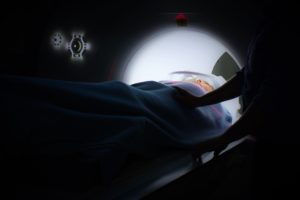
    The more we make psychiatric disorders part of casual conversation, educating as we go, the further back we push the stigma associated with this suffering.

    We also spread the word about everything neuroscience discovers related to the causes and treatments for mental health disorders.

    And by the way, genetic links have been found for pretty much every major psychiatric disorder.  Even 15-20 years ago there was enormous speculation among certain aspects of society about whether psychiatric disorders were even real…

    But now, we have functional MRIs, genetic links and maps, and the pathophysiology of these disorders. Suffering patients are pushed into corners far less than they used to be, with demands to “prove” they’re ill.

    But it’s not over.

    Dance of the Genes

    We need to keep learning, and keep shouting out the truths about psychiatric illness for the sake of those who suffer and need help. Always to drive away uninformed judgment, and stigma.

    So let’s talk about some things that have been uncovered regarding the solid foundation of psychiatric illness. And the breakthroughs in treatment that are emerging. The treatments that can not just relieve, but conquer, these terrible illnesses. Let’s talk about the dance of the genes: activity patterns that link some mental health disorders and not others.

    Researchers discovered certain arrangements of gene activity associated with specific psychiatric genetic mental health disorders can be seen in patterns in genes.disorders in a recent study. Illnesses like depression, autism, alcohol use disorder, bipolar disorder, and schizophrenia show up as the result of these genes expressing themselves, according to the study published in Science in February 2018.

    These researchers studied postmortem brain tissue from 700 identified patients with those disorders, and compared them with matched controls and with controls with a non-psychiatric inflammatory disorder. They were looking for patterns of genetic similarities and differences in the cerebral cortex — across large brain regions.

    They found similar levels of certain molecules among people who suffered from autism, bipolar disorder, and schizophrenia.

    As they studied further, they found out that there are links between bipolar disorder and depression, which doesn’t seem that surprising. BUT … also between depression and autism. And between bipolar disorder and schizophrenia — and autism and schizophrenia.

    Researchers have known that since 2013. But most of the rest of us haven’t.

    What’s really news is that certain psychiatric disorders are more similar biologically than we’d ever thought if we’re just looking at the diagnoses themselves–the names we use. If we just dig deeper…

    Astrocytes Activate to Signal Specific Conditions

    There are star-shaped cells in the brain and spinal cord called astrocytes that provide support for those cells that make up the blood-brain barrier, among lots of other things. They supply nutrients for nerve tissue, and help with repair in the brain and spinal cord after serious injury.

    So the genetic patterns or systems these researchers found actually affect how the brain cells communicate with each other.

    Because the astrocytes activate with certain conditions.  And many of the same astrocytes activate in conditions we wouldn’t have expected to be linked to each other.

    These researchers see potential for identifying those patterns that genes express in astrocyte activation for each condition, which can eventually help us identify the underlying biologic vulnerabilities for these conditions.

    As complicated as this sounds, this is a stigma buster!  It’s not only “proof” for these disorders, as if anyone has anything to prove. But, it paves the road to improving the diagnosis of psychiatric disorders in the future — faster and with better accuracy, so treatment can be the RIGHT treatment for better outcomes.

    Reach Out to Those Around You

    While these possibilities are brewing, reach out with compassion to those in your world, in your circle, who clearly suffer.  You see it in their “inappropriate behavior,” their inability to perform, and their Genetic mental health disorders ketamine treatment treats.despair.

    Take a breath. Give them a moment of kindness.  Of patience. Recognize that they didn’t ask for these limitations. But they carry them every day without relief.

    Give to mental health research. Support organizations that offer respite and treatment.

    Psychiatric illness isn’t elusive or ethereal.  It can be identified in genes, in functional brain scans, in genetic patterns that write their own recipes for health and wellbeing… or disabling illness.

    Environmental, biological, psychological, and genetic factors come together and spark most, if not all, psychiatric conditions. There is pretty much always a combination of factors behind each illness.

    The fact remains that countless people suffer without help. They reach out on Facebook, on Twitter, and especially on Quora. So many people who have taken the medicines and aren’t any better.

    Thankfully, there are also those who are better. Those fortunate ones who get better with antidepressants, anxiolytics, and mood stabilizers. But far too many don’t improve…and feel more desperate every day.

    For you, we want you to know you’re not alone in this struggle.  As you can see, neuroscientists press forward, as well as psychiatrists and neurologists, working to help people like you get better.

    Studying to find improved treatments.  And hope.

    Innovative Psychiatry Specializes in Tough to Treat Illnesses

    At Innovative Psychiatry, we’ve been specializing in helping those who couldn’t find effective Genetic mental health disorders ketamine treatment treats.treatment before for many years. We love a challenge. And we offer a variety of novel and advanced treatment options to help you get truly better.


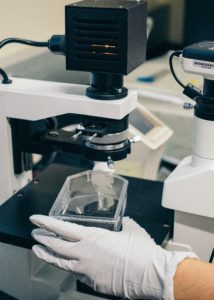
    Ketamine treatment is the most dramatically effective treatment we’ve seen in our lifetime. It doesn’t help everyone, but it does help most. Furthermore, its extraordinary antidepressant effects help our patients improve with such vigorous speed and depth that their lives begin anew. 

    Ketamine treatment relieves mental health disorders.

    If you’ve been suffering from a psychiatric disorder that hasn’t improved from other treatments, call us. The right medicines given with the necessary expertise can change a life forever.

    Lori Calabrese, MD offers innovative psychiatric treatment like IV KetamineTo the emerging of your very best self,

    Lori Calabrese, M.D.

  • 21st Century Psychiatry: Neuroscience Discoveries Fight Stigma

    21st Century Psychiatry: Neuroscience Discoveries Fight Stigma

    Neuroscience discoveries fight stigma toward those with psychiatric disorders.Stigma: A Mark of Disgrace Based On Belief in Certain Assumptions That Have No Factual Basis


    “He’s not depressed…he just needs to get up and get busy.”

    “PTSD is just a fancy name for weakness.  Get over it!!”

    “Bipolar disorder? What an excuse for bad behavior! Get some discipline in your life and you’ll be fine.”

    Sound familiar?

    Comments like these are insulting, stigmatizing, and prejudicial. They hurt. And they have no basis in fact.

    In this day and age, there is no excuse for them.

    These are just some examples of the stigma expressed in hurtful words that serve to fuel shame in people who have depression, bipolar disorder, a trauma history, or who struggle with substance abuse.

    Why Are Psychiatric Diagnoses So Hard for Some People to Accept?

    Do you ever hear someone say, “Diabetes… ridiculous. Work harder and you won’t have trouble with blood sugar. I work hard and I don’t have diabetes!”Neuroscience discoveries fight stigma and this woman's depression and tears show the real suffering of depression.

    Or…

    “Cardiovascular my foot!  You’re fine. Get back to work.”

    Probably not. Why is that?

    Because there is no real stigma attached to malfunctions in the heart or the terrible sudden dysfunction in the pancreas of a child who develops Type I diabetes.

    The more science learns about the human body, and its ailments, the more credibility those ailments have.  

    Why The Brain is Such a Target of Stigma

    Except for one part of the body…. And that’s the brain.

    Since ancient times, the intricate and complex functions of the brain have been steeped in mystery and wrapped in tales of fear, sorcery, and voodoo. All of this has contributed to the stigma that has hovered over people with psychiatric illnesses like a dark cloud of shame.

    As recently as decades ago, patients admitted to psychiatric hospitals for behaviors their families didn’t understand were heavily drugged and incapacitated.

    There is a population of individuals today who still stand by the opinions that reigned at that time…and they’re still influencing younger family members and friends with those erroneous views.

    Stigma-busting  Research

    If you’ve faced stigma about your psychiatric symptoms from family, friends, or your job, we have some encouraging news for you. We both know that the expression of stigma is simply a sign of ignorance. Lack of up-to-date information underscores old and outdated beliefs. The best defense against stigma we see about psychiatric disorders is information — scientific information.

    A recent study shows we can use a blood test to distinguish biomarkers in bipolar disorder that are different from those in schizophrenia. Investigators have also developed a blood test that could help doctors more quickly diagnose schizophrenia and other disorders.

    This one detects certain types of inflammation and oxidative stress. Another test can differentiate 20 metabolites found in urine that distinguish schizophrenia and bipolar disorder.

    Tests like these are building a foundation of what we would call biological proof for various psychiatric disorders — proof that they’re real, that there are underlying genetics for many and pathophysiology — how things go wrong — that is being worked out and understood in labs and universities and clinics around the world.

    These are exciting times!

    Neuroscience discoveries fight stigma .. .And the more we talk openly about the data points, the sooner we can dispose of the stigma. 

    HOPEFULLY. 

    If you know me, you know I abhor the term “mental illness” —  a term that subtly suggests that psychiatric disorders are somehow different — maybe even less valid — compared to so-called “physical illness.”

    This is just another way of perpetuating the myth… and the stigma… that psychiatric illness has less credibility.

    The fact is, psychiatric disorders are just as physical as pancreatic disorders, or pulmonary disorders, or gastrointestinal. They’re just a lot more complex to see.

    The brain is the most intricate, “multi-media”This woman undergoing a brain scan knows that neuroscience discoveries fight stigma. operating system in the human body. It is absolutely the “last frontier” in medicine. And it has as much credibility as any other body system…and is as real as Saturn or Jupiter…two planets we can see but can not yet touch.

    And if you’ve suffered from severe psychiatric symptoms, you KNOW how terribly real and concrete they really are. Because psychiatric disorders can encompass your whole body.

    Neuroscience Discoveries Fight Stigma

    So here’s another piece of scientific discovery that rips yet more of the stigma-fied rug out from under uninformed individuals who make hurtful and ignorant comments.

    Millions of people are living today who remember when psychiatric disorders were blamed on poor parenting or even demon-possession. Thankfully, we’ve made light years of progress since then through the dedicated work of neuroscience.

    In a commentary on many studies, published February 2018 in Biological Psychiatry, the authors explained discoveries made by researchers about micro RNA (miRNA) and how it plays a role in either improving or exacerbating symptoms of psychiatric illness.

    One finding showed that a certain type of miRNA could be found in tumors; another type was found throughout the body serving a variety of purposes. 

    miRNA-9 is found most abundantly in the brain, while miRNA-21 is abundant in a variety of tissues in the body. miRNAs can regulate a multitude of genes throughout the body.

    And certain miRNAs regulate processes in the brain, like synapses and the replenishing of brain cells, or neurons. They estimate that 60% of all genes are regulated by at least one miRNA …and sometimes by many.

    Tight and Multi-layered Gene Control

    When multiple miRNAs regulate the same gene, it allows for regulation of many layers of This happy young woman in this field is glad that neuroscience discoveries fight stigma. Ketamine treatment has stopped her suffering.processes and tight control of the protein “expression” of these genes. Genetic expression basically involves turning on the protein or RNA that the DNA creates to fulfill that gene’s blueprint.

    This is how genes “express” themselves in the organism they are designed for. When something goes wrong in that process, it can lead to illness. In fact, improper expression of genes has been linked to pretty much every kind of illness or disorder across most of the body’s systems, such as cardiovascular, autoimmune, infectious, neurodegenerative, and psychiatric disorders.

    So in the study of miRNA, researchers discovered that miR-137 regulates the maturing and differentiation of neurons, which has an impact on cognition and the physiology of the brain.

    How about that?

    miRNA and Neurogenesis

    Another miRNA, miR-16 hinders the development and growth of neurons. Fluoxetine, an antidepressant, seems to decrease that hindering function, allowing more neurons to grow and thereby decrease depression.

    Also, it seems to suggest that antidepressants that hinder or block the function of miR-16 increase growth of neurons in the hippocampus. Another plus!

    And if fluoxetine can decrease those miRNA hindering functions, how much more so could IV ketamine treatment …right?

    Neuroscience Discoveries Fight Stigma…

    Well-meaning (but uninformed) adults in the ’60’s, ’70’s, and 80’s used to say “if mental illness is real, show me…where is it?  Take a picture and show me!” These comments were even made by people in medicine. Shameful, really.

    Stigma is such a terrible thing.

    Well, the pictures are emerging. Concrete evidence is spreading.

    And if you suffer with psychiatric symptoms…you don’t have to listen to those heartless comments anymore.  There is a wealth of documented science that’s growing every day, every month, and every year.


    Neuroscience discoveries fight stigma and this young woman is feeling better after ketamine treatment.

    Neuroscience Discoveries

    I hear the things people say to my patients that cause deep hurt … that promote shame … that silence good hearts, and I’m struck by their courage to keep going. To fight stigma. To get well.

    So, another point or two about miRNAs.

    Various alterations, like the one accomplished by miRNAs to block the work of miR-16, have been linked to a number of psychiatric disorders. Researchers found this link in blood, postmortem brain tissue, and cerebral spinal fluid.

    … And Another Discovery

    Also, researchers have found that miR-132 is altered in the brain tissue of subjects in cases of schizophrenia and autism, and in the blood serum of subjects with major depressive disorder…as well as in animal models of depression and addiction.

    Researchers think this may be due, in part at least, to the alteration of miR-132. Researchers suggest that this happens because of the role miRNA play in circadian rhythm or brain-derived-neurotrophic-factor (BDNF). We know (and love) BDNF. This protein has a clear role in mood regulation, cognition, and the growth of neurons.

    Neuroscience Discoveries Fight Stigma

    One last thought. This increasing knowledge about miRNA and how it can shape the causative factors of psychiatric disordersNeuroscience discoveries fight stigma of psychiatric disorder. lays another row of bricks in the foundation of our understanding of the causes of different psychiatric conditions, and opens up new directions to improve treatment.
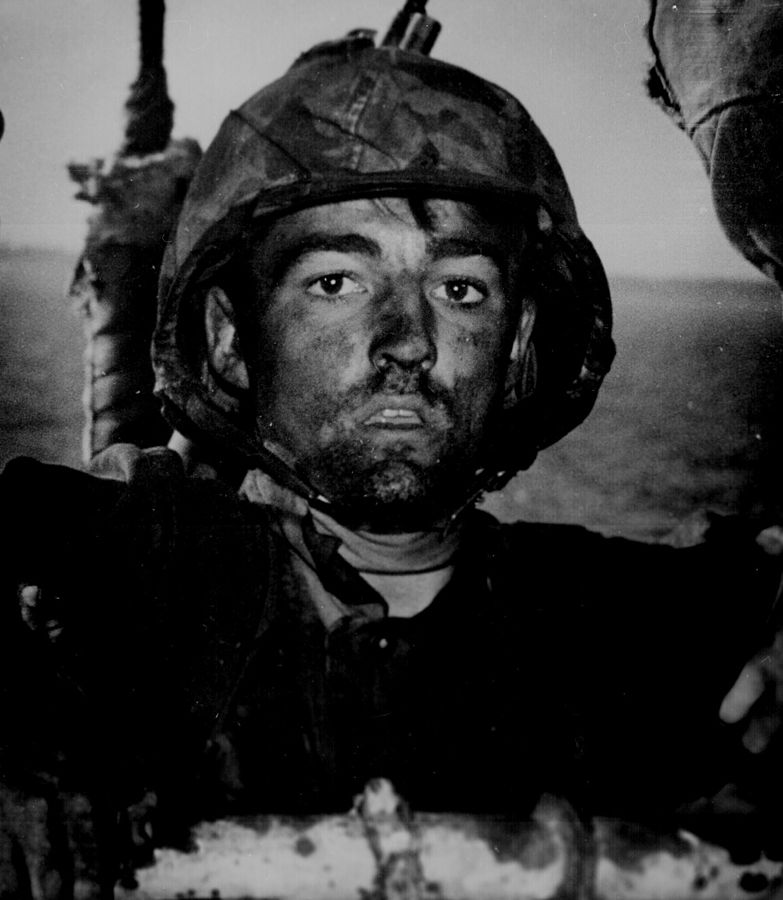
    In addition, it’s further documentation that there are real cellular, biologic processes behind our diagnoses. And our treatments.

    If stigma has intimidated you, take heart.

    Neuroscience has your back.

    Innovative Psychiatry Offers Advanced Treatment

    And so do we. We see all forms of psychiatric illness here, and we work hard to find more effective ways to help you heal. At Innovative Psychiatry, we offer the most advanced and effective novel treatment options, like IV ketamine treatment and transcranial magnetic stimulation (TMS), along with medications, adjunctive help with nutrients like curcumin, and strategies to strengthen your microbiome

    To date, IV ketamine treatment rises above all other forms of treatment for many individuals who’ve been failed by traditional treatment.

    If you suffer from depression, anxiety, cocaine or alcohol use disorders, PTSD, OCD, bipolar disorder, or suicidal thinking… and have not been helped by medications, call us. We’ll work together to determine the best treatment to help you live a productive, joy-filled life again. Build relationships again. Enjoy your favorite interests again.

    Lori Calabrese, MD offers innovative psychiatric treatment like IV KetamineTo the restoration of your best self,

    Lori Calabrese, M.D.

  • Ketamine: PTSD and Depression Treatment For Veterans …and For You, Too

    Ketamine: PTSD and Depression Treatment For Veterans …and For You, Too

    PTSD and depression treatment - ketamine.There’s No PTSD and Depression Treatment Like This Treatment: IV Ketamine


    Do sudden noises make you jump and feel like your heart just stopped?  If someone pats you on the back while saying hello, does it take everything inside you to keep from beating them to the ground?  Do you find yourself on edge, feeling more and more tense and vigilant as the sun goes down…? 

    If this sounds familiar, you may be suffering from Post Traumatic Stress Disorder, or PTSD.

    PTSD is cruel, and happens as a result of severe traumatic experiences that live on in your head even after the event is over.

    Military men and women who’ve seen active combat sometimes suffer from PTSD. As time passes, the symptoms are more likely to become worse than better.

    PTSD Caused By More Than Combat

    But, it’s not only the combat zone that causes it. It can be caused by a dangerous event, like a car crash, or domestic violence, or a major natural event.

    Whatever the original cause, PTSD has a way of creating a life of its own. You tend to reach a point where you separate the past from the present based on date of that event. Life before the trauma, and life after the trauma.

    That particular battle where you were ambushed, and your friends were maimed or killed.

    That specific day when the beating was so vicious, his rage so terrifying, that you dream about it every night and wake up in a cold sweat.PTSD and depression treatment are needed for domestic abuse.

    That storm of storms that ripped your house apart while you trembled in the bathtub with your children…

    As painful and terrifying as these memories are, many people just don’t know what to do but try to white-knuckle the nights of terror, then pull themselves together and muscle through the days.

    The trouble is, “just muscle-ing through” doesn’t improve the symptoms. At least most of the time.

    Instinctive Responses to PTSD Symptoms Don’t Help You Get Better

    People tend to respond to the horrific symptoms of PTSD in either of two ways.  Either they avoid thinking about the event, the traumatic memories, and anything associated with it, or they become extremely alert and on edge.

    If you’re trying to avoid thinking about the painful and terrifying memory, it might look something like this:

    • You’d probably avoid going places, or seeing people that reminded you of what happened. 
    • You’d also likely avoid discussing it with anyone, or talking about anything that might stir up the memory
    • As a result, you’d likely not want to be around other people, since you can’t know when someone might talk about something that conjures that pain
    • And you’d probably feel safer just not going out, and not making plans to do much of anything in the future, because you just feel safer at home.

    PTSD and depression treatment ketamine is the only fast acting treatment available.On the other hand, if you’re one to respond to this trauma with extreme alertness, you might have these reactions:


    • You can’t go to sleep or even if you can, it doesn’t last.  Sleep becomes almost impossible to maintain.
    • Emotional outbursts are frequent, out of proportion to the circumstances, and leave others shaken and you embarrassed.
    • Concentration is tough. Focus almost impossible.
    • Irrational reactions to common everyday things like a barking dog, a ringing doorbell or honking car, or even someone patting you on the back…

    These are part of your daily life.

    PTSD and Depression Treatment

    As widespread as PTSD is, you’d think treatment would have been figured out long ago.  But that’s not the case. Until now, PTSD and depression treatment have been limited to certain SRI’s that have been prescribed like Zoloft and Paxil, with limited results. These are the only two medications approved by the FDA for PTSD. But they aren’t always effective.

    PTSD has a long-standing reputation for being really hard to treat. And that’s been especially true among those who are serving and have served in active duty military settings. In real English: Combat.

    Combat PTSD Conference

    On October 18 of this year, Dr. John Krystal, Chair of the Psychiatry Department at Yale University, spoke to a group of researchers at the PTSD and depression treatment ketamineSan Antonio Combat PTSD Conference.

    Dr. Krystal studies ketamine, and how it affects the brain. As he spoke, he expressed that ketamine works rapidly relieving symptoms of depression in trials, and some patients showed a reversal of symptoms after just one intravenous dose.

    With excitement in his voice, he spoke about the astonishment of working with people who suffer from treatment-resistant depression, and seeing their response to a single dose of ketamine. He said, “it’s the most remarkable thing I’ve seen in my career…!”

    When he spoke about ketamine’s impact on men and women with PTSD, he noted that while not all achieve complete remission from symptoms, the average achieve 50-75% reduction in symptoms. Since traditional antidepressants only provide about 10% reduction in symptoms, this is clearly a remarkable relief for these patients.

    And, he added, ketamine’s dramatic improvement over symptoms isn’t the only reason for its promise for PTSD patients.

    Its rapid onset makes it the one medication that can reverse the suicidal thinking fast in these people.

    Ketamine Does More Than Anesthetize Symptoms – It Restores Brain Structures

    As we’ve talked about here before, PTSD and depression can cause the synaptic structures in the brain to break down. Dr. Krystal refers to this as “loss of synaptic connectivity.” When these breakdown, certain mental functions are impaired. Things like memory, planning ability, andPTSD and depression treatment is most effective with ketamine. emotional control are greatly affected – as seen in patients with PTSD.

    The beauty of ketamine is its action in restoring those structures, replenishing them, and doing it very fast.

    A 4 week study is underway on ketamine and its use in PTSD. The study takes place in San Antonio, TX and West Haven, CT, involving nearly 200 military personnel. The aim of the study is to test various ways of dosing ketamine, and its effectiveness.

    We welcome studies conducted to learn more about ketamine. My professional reaction to the impact of this remarkable drug on those who suffer from PTSD, depression, and other psychiatric mood disorders is similar to Dr. Krystal’s: “It’s one of the most remarkable things I’ve seen in my career.”

    Ketamine: Most Remarkable PTSD and Depression Treatment Out There

    At Innovative Psychiatry, we’ve consistently seen 80% of cases of PTSD, depression, anxiety, and other mood disorders achieve a strong response to ketamine treatment. We offer a variety of innovative treatments, but ketamine is hands-down the most extraordinary PTSD and depression treatment we offer.

    If you suffer from PTSD, you know that this condition can wreck your life and relationships. You know the helplessness and shame you feel after flashbacks, irritable over-reactions, and night terrors.

    I’ve heard PTSD patients who endured traumatic combat experiences say they refuse to see anyone who hasn’t been in the military. And I PTSD and depression treatment ketamine brings relief. understand why.

    But, this medication is not like the others. Patients with PTSD emerge from ketamine treatment feeling as if a weight has been lifted off, feeling more at ease, less vigilant, and more able to process their trauma.  They feel more resilient, more able to contribute to healthy relationships. They feel safer in their own skin.

    After treatment, we encourage you to work with your own psychiatrist or therapist to continue to rebuild your life. You’ll most likely find your ketamine treatment has dramatically transformed your ability to process the trauma you’ve experienced, your outlook, and your desire to move forward in your life.

    To the restoration of your best self,

    Lori Calabrese, M.D.

    Lori Calabrese, MD offers innovative psychiatric treatment like IV Ketamine

  • Why Doesn’t My Doctor Provide Ketamine as Treatment for Depression?

    Why Doesn’t My Doctor Provide Ketamine as Treatment for Depression?

    This man has hope after asking why doesn't my doctor provide ketamine as treatment for depression.

    Why Doesn’t My Doctor Provide Ketamine as Treatment for Depression?

    It’s all over the news. Even the recent TIME magazine cover story. Ketamine as treatment for depression is blowing the doors off traditional treatments for psychiatric mood disorders.  Have you heard?

    Studies are piling up that demonstrate ketamine’s remarkable effectiveness. It’s making people who suffer better.  Not just “feel” better, but physiologically better.

    You know…  it’s really amazing when your brain is repaired and functioning well, how many aspects of your health and well-being improve. When you feel better and your outlook improves, you begin to see other aspects of well-being bloom.

    Things like initiative, motivation, resilience. We know it’s true that depression compromises the immune system. And we also know a healthy, balanced outlook strengthens it. You feel like eating healthier. You don’t get sick as often, and can be more physically active. Which in turn improves cardiovascular and respiratory function. And that activity improves stamina.

    Depression and anxiety sap stamina. Remission restores it.

    At this point, the drug therapy winning the most kudos for reversing depression and anxiety that isn’t helped by Soldier with PTSD asks why doesn't my doctor provide ketamine as treatment for depression?traditional antidepressants is ketamine treatment. In my practice, we see a consistent response of 80% among those who’ve tried other medications without relief.

    Ketamine is not specifically FDA-approved for the treatment of depression or other psychiatric disorders. And because it’s no longer brand name, it’s unlikely that any drug company will spend the colossal money required to gain FDA approval. But here’s the thing.

    It works.

    And it’s safe.

    Ketamine has been used safely in adults and for children for more than fifty years.

    In fact, it holds a solid position on the international list of drugs needed by the Red Cross for emergencies and disasters around the world.

    It’s up to a physician’s discretion whether to prescribe a drug for an off-label use. And ketamine for depression is an off-label use of the drug.

    Off-Label Use of FDA-Approved Drugs Can Provide Solutions

    When doctors prescribe a drug for an “off-label” use, they do it prudently and inform themselves in advance about the drug’s benefits for this off-label purpose.

    Neurontin, for example, was FDA-approved for epilepsy, but was found remarkably effective off-label for nerve pain and then got approved for it.  It’s also effective off-label for anxiety and in alcohol detox.

    Prazosin is FDA-approved for high blood pressure, but is often prescribed off-label to treat nightmares that accompany PTSD.

    Propranolol is FDA-approved for treatment of high blood pressure and angina pectoris, or chest pain.  However, it’s been found very effective off-label in treating performance anxiety. So a student whose mind freezes in a testing situation can be calm and perform on a test with mental clarity after a single dose.

    Cymbalta is FDA-approved for depression but doctors found it to be so effective for fibromyalgia in their depressed patients while Lilly still had it under patent that Lilly got it approved for fibromyalgia.  And then spread the word.

    So you can see that prescribing off-label is not only medically acceptable — and common — but can lead to safe and effective breakthroughs.

    For ketamine, which is FDA-approved as an anesthetic, studies by neuroscientists have demonstrated it is effective Young woman asked why doesn't my doctor provide ketamine as treatment for depression?for relieving depression by at least four different actions across the brain.  And clinical results have underscored the same.

    Thousands of patients around the US have been treated with ketamine for psychiatric mood disorders at a 75-80% response rate.

    Well with all this … why doesn’t my doctor provide ketamine treatment for depression, you ask?

    Well, the answer is multi-faceted.

    Any Emerging New Treatment Requires In-depth Study

    For one thing, doctors don’t prescribe something they haven’t investigated. There are more than 1200 scientific papers about ketamine to digest and evaluate. With their very busy schedules, how do physicians access all that information efficiently?

    There’s a plethora of scientific articles that range from basic science to clinical studies and that describe ketamine’s actions. And then there are the peer-reviewed studies, metanalyses, and opinion papers throughout the world literature on ketamine use in psychiatry that summarize current findings. Thousands of papers, tens of thousands of pages, and neuroscientists all over the globe are studying it.

    But there is no drug company promoting it. There are no glossy brochures. Or drug reps with samples and sound-bites. Not even slick TV ads to make you clamor and ask your doctor for it. No easy ad campaigns. Nothing like that.

    You need nights and weekends. LOTS of nights and weekends. Tons of hours. Academic privileges to access the journal articles or the willingness to purchase them one by one. All this extensive information isn’t prepared in a format that’s easily absorbed. The whole process can be daunting.

    Complete Paradigm Shift for Psychiatrists to Offer a “Procedure” in the Office

    Most psychiatrists haven’t done a procedure since residency. So it’s a horse of a different color to think about “treatment” as involving procedures other than the clinical work of talking, evaluating, providing psychotherapy, and writing a prescription for medication.

    Many still consider ketamine an “experimental” drug. They don’t feel ready to invest the necessary time, money, space, staff and other adjustments required to offer a treatment and a procedure that requires thinking outside the box.  Again, they need access to extensive information to move past their doubts and make those adjustments. But … an easily assimilated form of that information isn’t being generated for them.

    Add to that the state and federal regulations regarding obtaining, storing, and administering controlled substances and OSHA regulations regarding safety and hazardous waste. What psychiatrist has ever had to deal with hazardous waste…?

    It’s like starting a practice within a practice, with each side having its own requirements, staff, problems, demands, equipment, furnishings, regulations, reports, oversight, and on and on. It’s a gargantuan undertaking.

    Caution About Trying a New Drug

    In addition, there’s the issue of off-label use. Most doctors use some drugs off – label. But each time they make a decision to do that, they want to be assured of safety.

    Ketamine requires space — for storage and equipment — and room for patients and the people they bring with them to drive them home — and special equipment for safe handling and safety monitoring. Most psychiatrists don’t know where to get it, how to start, how to monitor patients appropriately and safely and for how long. There is no manual or how-to book. Many don’t have the staff. Some don’t even have an answering service or a receptionist.

    Beyond that, and despite the growing body of evidence, some doctors just feel cautious. They’re reluctant to try something new before all the potential obstacles have been removed and the effectiveness and safety statistics are well-established.

    This is why a task force made up of some of the best and the brightest minds in neuroscience and psychiatry issued a consensus statement regarding the off-label use of ketamine for depression. Led by Gerard Sanacora, M.D. for the American Psychiatric Association, they published their experience about its use and its remarkable results,. And issued suggestions for appropriate screening, monitoring, and safety.

    IV Ketamine Treatment Is Costly 

    Why is that?  Because ketamine itself is kind of cheap.

    But psychiatrists who do offer IV ketamine treatment take on responsibility and big expenses to provide it safely. Since the preferred route of administration at this point is intravenous infusion, or IV, extra safeguards have to be put in place.

    Things like space, equipment, regulations for handling, storing and disposing of controlled substances are required. Add to that the extensive policies and procedures for all of this. Plus new staff, DEA compliance, hazardous waste disposal, nursing staff salaries, equipment for continuous monitoring of vital signs.

    Think about this. Many psychiatrists don’t even have an answering service. Or office staff.

    SO … what drives us, the ones who take it all on?

    Ketamine treatment is saving lives.

    Doctors Make Up Their Own Minds About Ketamine – In Their Own Time

    Of course we do. Some are willing to reach out and try something they haven’t tried before, to find solutions for their patients who suffer.  Others worry about the data, and the risks of lawsuit for potential reactions to a drug they don’t fully understand. Still others prefer to wait until more drugs are developed that mimic the action of ketamine, and that can be FDA approved on their own merit.

    Meanwhile, the cost for that caution? Unnecessary loss of life. Ketamine demonstrates its ability to not only provide relief for psychiatric mood disorders, but also its tandem and separate action to rapidly erase suicidal thinking that saves lives in emergency situations in clinics and doctor offices around the world.

    While traditional antidepressants reduce suicidal thinking within 9-12 weeks, many patients at riskAs a doctor you can provide ketamine as treatment for depression and lend a helping hand to at-risk patients. of suicide can’t wait that long. Ketamine acts to erase those thoughts within 4 hours…and many times in only 45 minutes.

    Dr. Stephen Hyde, an Australian psychiatrist, says that once those new drugs are developed and approved by the FDA – a many-years-long process – there will still be no data about long term side effects until 20 or 30 more years have passed. Sooo….how many lives will be lost in the meantime? Ketamine is available now.

    His suggestion: Why not use it now for those who won’t live that long without effective treatment, and compile data now about long term use?

    Some of us believe that’s the best choice.

    Sanacora, the lead in the APA consensus statement, expressed it this way. In an interview with NPR news that followed the publishing of the task force consensus statement he said:

    “If you have patients that are likely to seriously injure themselves or kill themselves within a short period of time, and they’ve tried the standard treatments, how do you not offer this treatment?” 

    We offer Ketamine as Treatment for Depression, When It’s a Good Match for You

    I hope that more and more psychiatrists learn about ketamine, and choose to stretch their capabilities even farther than they have. That in following the guidelines of the APA task force, they’ll help more people achieve rewarding lives through ketamine treatment.

    In the meantime, in my practice, I offer everything I possibly can that can safely bring relief to patients whose lives are passing in misery…or torment…or are about to end in suicide.

    At Innovative Psychiatry, 80% of our patients respond well who’ve been failed by traditional Reach out for help from a doctor who does provide ketamine as treatment for depression.treatments. And for the other 20% we continue to pursue solutions, and apply a combination of treatments to bring them relief. We never stop. We live to see you well.

    If you suffer from psychiatric mood disorders such as major depression, anxiety disorders, PTSD, OCD, bipolar depression, or a similar illness, and traditional antidepressants have failed you, call us.  Schedule an appointment to determine if ketamine treatment is right for you.

    We look for genetic markers and other signs that indicate if you’re likely to respond and benefit from ketamine, and determine the best treatment plan for you.

    Ketamine treatment is not for everyone, but it could be just right for your recovery, renewal, and restoration.

    To the emerging of your best self,

    Lori Calabrese, M.D.

    Lori Calabrese, MD offers innovative psychiatric treatment like IV Ketamine

error: Content is protected !!