Tag: Ketamine Treatment for OCD

  • Can You Overdo Probiotics? What Will it Hurt? What Can Happen?

    Can You Overdo Probiotics? What Will it Hurt? What Can Happen?

    What’s too much? Too little? Or maybe it’s the wrong strain? How do you get it right..?

    You know the saying, “If a little does a little bit of good… then a lot must do a whole lot of good…”  But when it comes to probiotics, too much of a good thing can be a bad thing.

    We’ve talked before about the microbiome, the ginormous collection of microbes that live in your gut.

    Some of those bacteria, fungi, viruses, and other microbes maintain a thriving ecosystem of sorts that assists your body in many of its functions. And they also provide a powerful immune system to protect you from infections, cancer, and viruses from the common cold to HIV.

    There are — at any given moment – -10 microbes to every single cell in the human body. So we’re vastly outnumbered from the start.
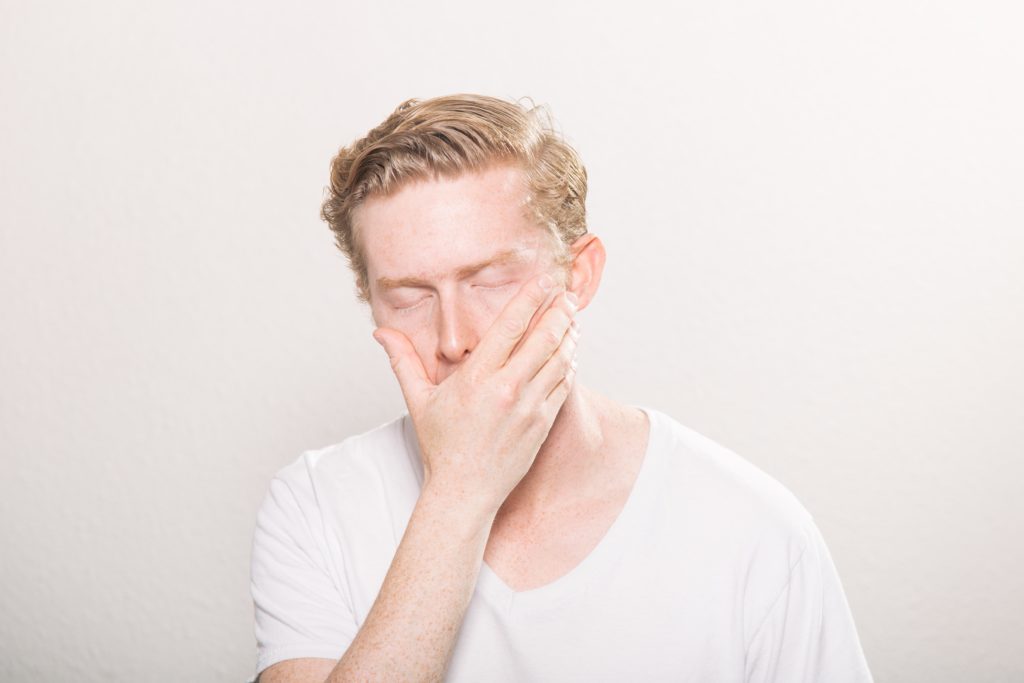
    Side effects too much probiotics can be alarming, like racing thoughts,  pounding heart rate, numbness in left arm.

    But thankfully, the majority of those microbes help us function and protect us from invaders. The rest of them are always on the attack and being destroyed or eaten by the “good” bacteria.

    Until something happens that jars that system out of balance. For example:

    An infection treated by antibiotics, where the good bacteria are wiped out along with the bad.

    Stomach upset that results in vomiting or diarrhea, where massive evacuation of the intestine leaves behind a weakened balance of beneficial and destructive microbes.

    An injury that drives you to take a heavy load of ibuprofen, and your stomach lining becomes irritated, causing pain and bleeding.

    In each of these examples, ingesting probiotics can help to restore balance in your gut, and relieve symptoms.

    But, there are so many probiotic products! How do you know what to take and what to avoid? How do you know you won’t cause more harm than good?

    The fact is, it’s hard to know. And unless you conduct some deep research on the subject, but rather grab a bottle off the grocery store shelf, you may not know now or ever.

    Since you hear all around you how probiotics make you healthy, it’s natural that so many people want to overload their systems with “good bacteria” without respecting the balance within the microbiome that keeps everything working. But, can you overdo probiotics?

    Balance is The Secret to Nature’s Success

    For instance, when you think about the jungle, it may be tempting to remove everything you consider unpleasant so you can enjoy an exotic hike when you’re on vacation.

    So let’s say we had a way of removing all the mosquitos, spiders, and other pesky insects, as well as lions, and snakes, and gila monsters. That does make it sound like strolling through the jungle would be so much safer for us…  

    But.  

    We know, don’t we, that there is a balance in the eco system, and every creature is somewhere on the food chain? So if we removed insects… then birds and reptiles and anteaters might starve. And that would starve the larger predators and soon… well, the whole system would likely collapse.

    We know we can’t do that. Balance is the key all through nature, and it’s when our body systems are balanced that we experience well-being.

    Microbes in our body must be balanced too.

    The same is true with the microbes in your gut. We must respect and support the balance there. 

    So when you get sick you may need to build up the good microbes a bit. But if you try to flood your system with good microbes that overwhelm the balance with the destructive ones, other systems can be thrown out of balance, too.

    As we’ve stressed before, your microbiome is your gut-brain axis. So what goes on in your microbiome shows up in your emotions and vice versa.

    There are even specific bacteria that contribute to a happier outlook, reduce anxiety, and increase wellbeing. Some of the most helpful are Lactobacillus plantarum, Lactobacillus acidophilus, Lactobacillus brevis, Bifidobacterium lactis (B. animalis), and Bifidobacterium longum.

    Can you overdo probiotics? Not by eating fermented foods rich in them.

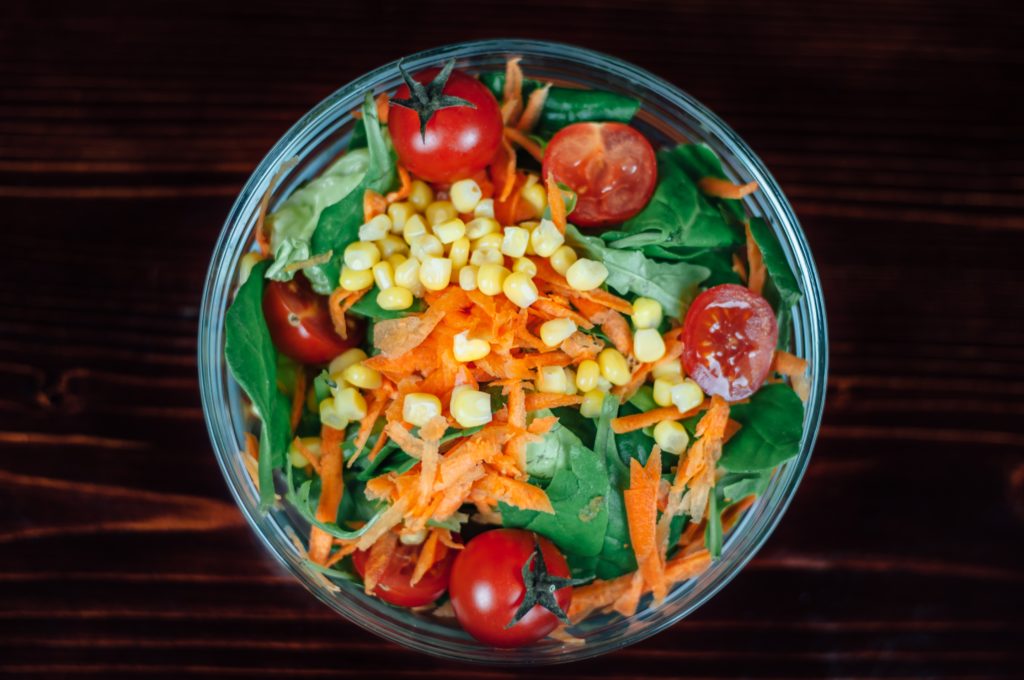
    Fermented foods, like kombucha, kimchi, kefir, plain yogurt and sauerkraut introduce live bacterial cultures. They’re probiotic foods–they introduce varied bacterial strains that are so important to your health.

    But sometimes, if you can’t or don’t eat these, you might choose to buy a probiotic capsule. (Yep … we’ve all been guilty.) Sometimes it’s easier, faster, or you just need or want the extra assurance of varied bacterial cultures.

    If you choose a probiotic, it should include the specific bacterial strains above that help prop up and stabilize your outlook.

    And your dosing should be in moderation. Researchers state that a good probiotic should have up to 10 billion colony forming units (CFU) that you take daily, and that it should have at least 5 different strains per bottle. The more variety the better. 

    The reason you take a probiotic is to strengthen your beneficial bacteria so they’re not overwhelmed by the destructive ones, right?

    At the same time, you don’t want to overwhelm your system with those beneficial bacteria. There are so many questions we don’t yet have answers for… like can you overdo probiotics?

    Or… what happens if the yin-yang balance of tension between the two is removed? Do some of the beneficial bacteria switch sides? Do they become destructive… mimicking symptoms they have always before helped to eradicate?

    In which case… maybe too much of a good thing is a bad thing?

    Here is a better, more effective approach.

    Balance of Power in Your Microbiome is the Ticket

    But here’s where balance comes in. If your probiotic provides a great deal more than 10 billion CFU per day, you need to get your doctor’s advice. There are some products that provide 40 billion…and others even 400 billion CFUs.

    And while these may be helpful in someone who has been seriously ill and may need a strong probiotic for a few days, it’s not that hard to introduce too much probiotic into your system.

    Overdoing It By Over Dosing Probiotics

    Can You Overdo Probiotics?

    When this happens, side effects can emerge. It may be as simple as stomach upset and diarrhea, which can be terribly unpleasant. Or as complex as mimicking severe psychiatric symptoms like depression or anxiety or panic attacks.

    We need to learn from each other, and from research, and take caution when we hear of bad experiences others have had from accidentally mismanaging their probiotics.

    While research has not caught up with the widespread use of probiotics yet — we don’t have hard and fast guidelines about exactly what, how strong, how much, how often and for what, exactly — we’re learning more all the time. And there are cases of those who took a misstep and paid the price.

    Here’s one example…something that could happen to anyone:

    Carolyn is a 64-year-old woman in excellent health who’s always been robust and energetic.

    She’s cared for pets and farm animals all her life and loves working with and riding horses. There’s nothing she’s afraid of… nothing she won’t try.  In a word, she’s resilient.

    Years earlier, Carolyn had suffered a knee injury that occasionally flared up. She had been taking large doses of ibuprofen that eventually irritated her stomach and led to bloating, shortness of breath, cramping, and bloody diarrhea.

    She was frustrated with the misery and prolonged diarrhea, so she sought the advice of her nutritionist. He suggested a potent probiotic that provided 400 billion CFUs a day until the bottle was empty.  So she followed his advice and took the whole bottle. At that point she was feeling wonderful… physically and emotionally. 
    Can you overdo probiotics? Sometimes too much of a good thing is a bad thing.

    She was wrapped in a sense of burgeoning wellbeing and decided if a little did a little bit of good…  Her nutritionist suggested if she was to continue taking the probiotics, she should cut her dose in half.

    She went to the store to buy another bottle and continued to take the original dosage without reducing them. What could it hurt?

    Four days later, she awoke in the middle of the night feeling anxious. Her heart was racing, her left arm numb, and she was lightheaded. Eventually, she was able to go back to sleep, but the feelings of anxiety kept recurring.

    Three more days passed. She was laying in her bed at night when gripping fear overwhelmed her. Her thoughts were racing out of control, she was lightheaded…she thought of dying, of losing her mind, felt detached and terrified.

    Eventually, the terrible fear subsided, the racing thoughts slowed down, and she realized she was going to be ok. 

    But she was shaken.

    Carolyn had never experienced anything like this before in her life. She’d always been resilient and solid…both feet firmly planted… through even the most severe crises in her life.  What had happened to her?

    Even though the symptoms had passed again, they recurred often and unpredictably the next few days. She researched frantically to find answers for what was happening to her.

    The only thing that was different in her life was the probiotics, which had quickly healed her stomach problems. Could it have caused these new symptoms?

    Then she found an article in Mental Health Daily about the side effects and adverse reactions to probiotics that people have reported. And there she found her answer.

    That if you take more than 20 billion CFUs (she was taking 400 billion CFUs) per day, you can get side effects. And anxiety is listed as one of them. Who knew? She stopped the probiotics immediately. And hoped it would help.

    To the Emergency Department…A Heart Attack?

    Then, the next day, she woke from a sound sleep and believed she was having a heart attack. With her heart beating out of her chest, thoughts of dying in her bed overwhelmed her. She drove herself to the ED to get help. (Maybe not the best decision, but Carolyn was an independent sort.)

    She told the emergency department personnel that the only thing in her life that had changed was that she was taking probiotics. The nurse sloughed it off and said, “Probiotics never hurt anyone.”

    Her EKG was clear, so they gave her a medicine to calm her and sent her home.

    Happily, three days after she stopped taking the probiotic supplement, the anxiety dissipated, and she felt like herself again.

    She wanted to throw a party to celebrate!

    Professional Nutritionist Baffled

    The fact that the ED nurse had no idea probiotics could do this comforted Carolyn. She felt embarrassed to have unwittingly taken too much probiotics for too long…but apparently even some medical professionals weren’t aware there could be side effects with probiotics.

    Later, she told her nutritionist what happened, and he asked her why she didn’t stop when he told her to???  

    She sheepishly explained. 

    Then he said, “In my 25 years in nutrition, I’ve never heard of side effects with probiotics!”

    Carolyn told him, “Well, it sure happened to me!”

    She’s been doing great ever since the whole incident and is elated to be herself again. But she learned a hard lesson. “Harmless” probiotics deserve respect for their power and impact on the human system.
    Can you overdo probiotics? Maybe, but if you get them right you'll have health and wellbeing.

    From now on, she’ll ALWAYS follow directions when it comes to over-the-counter remedies. And especially probiotics!

    The good news is that if probiotics can cause this much change in someone who’s healthy, they can also make a significant difference in anyone who’s not.

    Along with improving health in your stomach and intestines, as well as reducing inflammation and infection throughout your body, they can also relieve symptoms of depression and anxiety.

    But be aware, they’re not to be taken lightly. Experts say that since each individual is unique, there is no one-size-fits-all for probiotic supplementation.

    Remember: In general terms, up to 10 billion CFUs daily. Start gently. Watch for out-of-the-ordinary symptoms. A specific strain may not be right for you, or a specific combination. Take several days or a couple weeks to test the effects of partial doses, raising the dose a little each day as long as you have no negative symptoms. Include your doctor in the process.

    This story isn’t to scare you away from using a preparation that can help you become stronger and more resilient. But rather to alert you to possible risks if you use probiotics without supervision or awareness of potential side effects.

    One more piece to the puzzle of health and wellbeing.

    And speaking of wellbeing, how is yours?

    When Nothing Else Helps, What Then?

    The use of things like probiotics to strengthen your microbiome, and bioavailable curcumin to improve your health, your mood, and your wellbeing, eating a healthy diet that includes fermented dishes like kimchee, sauerkraut, and yogurt, along with frequent exercise and a good night’s sleep, can all help you to achieve wellbeing in your life and reduce stress.

    But some of us are genetically predisposed to certain conditions, or find that life stressors spark symptoms or depression, anxiety, PTSD, OCD, addiction, and even suicide.

    Maybe you’ve taken the medicines your doctor prescribes but don’t feel they work because you’re still not better. Maybe the wait, or the weight gain, or other side effects are all not worth it any more.

    If that sounds like you, you may be a candidate for the kind of forward-thinking, innovative ketamine treatment that we offer.

    Since the beginning of this century it’s been intensively studied for treatment-resistant depression, bipolar depression, suicidal thoughts, and now for other psychiatric disorders. In the last few years its use has become more and more widespread, and studies have proliferated to learn more.

    For those of us in psychiatry who are treating our sickest patients with it, it’s the most extraordinary medicine we’ve seen in 50 years. In fact, in our lifetime.

    Can you overdo probiotics? Maybe, but you can get well with ketamine treatment.

    Interestingly, it seems to have the most robust effects on those whose disorder is the most severe. 

    If that sounds like you, we may be able to help you get better.

    As we say so often, ketamine isn’t for everyone…  But nothing else available works so rapidly and so well for so many struggling with hopelessness.

    So, if you’ve endured symptoms of a severe mood disorder way too long, call us.

    We want to help you start your new year on better footing, with the power to enjoy your life and relationships, and contribute to the lives of others.

    Here at Innovative Psychiatry, we see people who’ve been depressed for years walk out with joy, hope, and the energy to engage in the things that are important to them.

    Give yourself the chance to really live.

    To the emergence of your best self, 


    Lori Calabrese, M.D.
    Lori Calabrese, MD offers innovative psychiatric treatment like IV Ketamine

  • Treatment of Psychiatric Disorders: 2019 Year of Promise

    Treatment of Psychiatric Disorders: 2019 Year of Promise

    Treatment of psychiatric disorders with ketamine brings remarkable results.

    Compounds and methods for treating severe psychiatric disorders are getting better and better…

    Charlie sank into a chair in utter discouragement, as she realized she had awakened again, after hoping as she went to sleep that this would be her last night. Her last time to breathe. Night after night she prayed to die in her sleep. Morning after morning she woke up again. Ugh.

    She felt betrayed by whatever cruel powers that be…that there seemed to be no compassion for her misery…and no escape.

    She dragged herself to the bathroom and turned on the shower. Instantly, she saw an image of herself hanging by a rope from the shower head.

    And she screamed.

    Then climbed into the bathtub and stood sobbing under the shower.

    Finally, she shampooed her hair, soaped up her body, rinsed, and turned off the water.

    There was nothing to do but go to work…AGAIN…and try to function…AGAIN… and hopefully not get fired, because of her poor performance.  Tears filled her eyes…

    Suicidal Thoughts Can Be Deadly

    Charlie is one of millions in the US who want to die as a result of depression.  Approximately a million people commit suicide each year, and many times that amount try but survive. And many times more than those get struggle with suicidal thoughts that keep coming back.

    Because relatively few tell anyone they’re thinking about or even considering suicide, it’s been impossible thus far to estimate the number.

    Treatment for psychiatric disorders can turn anguish into joy.

    They don’t want to die, they just don’t want to live with this kind of misery any more. Maybe you know someone like this… or you’ve felt like this yourself.

    You are the ones we want to reach, to help, and to treat so you can rebuild fulfilling and rewarding lives again.

    Ketamine Treatment Continues to be Misrepresented

    With all its talents — with all its extraordinary mechanisms of actions — IV ketamine treatment may need a good PR firm!

    When have you seen a safe, rapid, extraordinarily effective, life-saving treatment misrepresented, misunderstood, lambasted, and gossiped about more than ketamine? (Think about that for a minute.)

    I saw a comment in STAT magazine the other day that took the cake.

    There were lots of great comments, some more informed than others. But you do sort of expect that in a national publication. And… there was a lengthy comment–difficult to decipher–claiming ketamine was inherently dangerous.

    It was clear the individual didn’t know about the research and data. All the information that’s poured out around the globe about ketamine and related compounds for psychiatric disorders over the last 10-15 years.

    The commenter seemed to only be acquainted with its dangerous and highly abusable street form, Special K. And with the extremely high doses used on the streets… repeatedly over and over and often… he or she had seen the damage that abuse of ketamine can do.

    As a psychiatrist, I hate to see it represented that way, but I cherish free speech, and freedom of expression. I also cherish scientific advancement and use it — every day — to relieve suffering.

    Ketamine should definitely be administered under a psychiatrist’s close supervision, not self-dosed.

    Then … there are the articles by young residents and clinicians, aspiring academics, and others. Those who have little true experience with the medicine or the treatment. But they’ve jumped in to write reviews of the literature or opinion pieces about it.

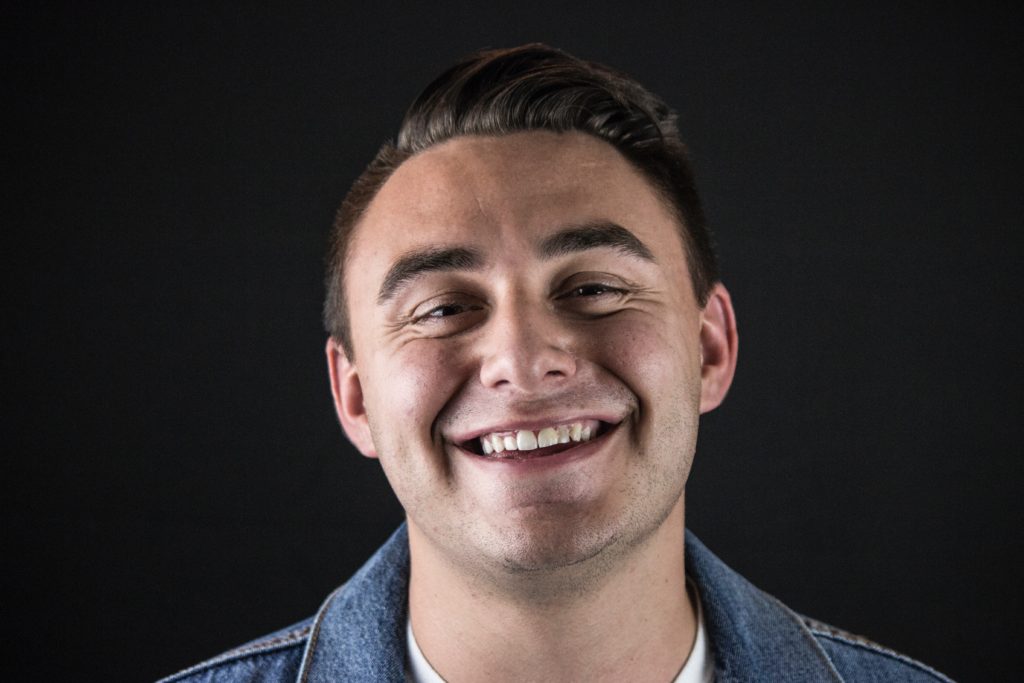
    Treatment of psychiatric disorders gave this man his smile.

    The best way to learn about ketamine treatment for psychiatric disorders is to hear directly from experts who actually use it — with many, many patients — every day in their offices or research units to treat psychiatric conditions. In this case, from the neuroscience researchers and psychiatrists who have worked with it a long time.

    Because the truth is, the majority of physicians have read snippets about it here and there. They’re just now getting up to speed. And some have distorted ideas about it.

    An article in VeryWell Mind by Naveed Saleh, M.D., May 2018, made some erroneous statements about ketamine treatment for suicidal thinking.

    First, he claimed that ketamine is best absorbed through the intramuscular (IM) route, which is just simply false.

    Ketamine is 100% bioavailable only when it’s given by the intravenous (IV) route. In IV form it’s delivered straight to the brain tissues that so desperately need its benefits. IM and IN (nasal spray), lozenges, troches, and oral liquids are all less bioavailable.

    In addition, there are other problems with IM injections of ketamine that we’ve discussed and that are described in that Time Magazine article we talked about.

    He also made claimed that if ketamine is to be widely-used, it most likely will be as an adjunct to other medications. Another misunderstanding of his research. Because the evidence says…

    Ketamine Treatment Acts Independently of Other Medications

    While that may or may not be true, my vote is that it won’t need to be. Evidence shows it doesn’t depend on other medicines for its mechanism of action. It’s not dependent on other medications to create a “partial response” that it augments. It acts independently on its own merits.

    In fact, the most robust research is in patients where medication has FAILED — patients who have TRD, or treatment-resistant depression.

    The left half of the ketamine molecule, known as esketamine, is nearing completion in its FDA trials and IS being tested as an adjunct to other medicines, not as a primary or stand-alone treatment. It’s being packaged as an intranasal spray, and has had some serious setbacks while seeking FDA approval.

    It’s exciting to see what new glimpses researchers will find as they continue to study ketamine and other related compounds for treatment of suicidal thoughts, depression, bipolar depression, PTSD, OCD, social anxiety, and addictions. Maybe it will be a new action not yet identified, or maybe additional applications or conditions that could be responsive to this extraordinary treatment. 

    But the majority of patients who receive IV ketamine treatment report that other antidepressants or anxiolytics have failed, and, even if they walk in on antidepressants and mood stabilizers, they attribute their response and remission to ketamine treatment.

    Ketamine Treatment of Psychiatric Disorders…

    At Innovative Psychiatry, we see the majority of patients with severe treatment-resistant depression, bipolar depression, and suicidal thoughts. respond and achieve remission. They are real-life, real-world people just like you or people you know. Often, they don’t have just one thing or just one disorder — because psychiatric symptoms and disorders are complex and tend to run hand-in-hand.

    We call that complex psychiatric cormorbidity.

    Don’t let the term scare you.

    It just means that when we see patients with treatment-resistant depression — as in unipolar depression and bipolar depression — they often also have other things, too, like social anxiety, PTSD, OCD, and addictions.

    They’re often hopeless. Often suicidal.

    It’s one of the reasons we’re so interested in following the research in using ketamine to treat suicidal thoughts and these other psychiatric conditions — and one of the reasons I write about them so often and devote space to them here.

    Suicidal thinking can disappear within a few hours with IV ketamine treatment. Think about what that would be like for you … or someone you love.

    If you’d like to consider ketamine treatment, give us a call. We can talk it through.

    The Microbiome Has Been Underestimated

    The microbiome is the collection of genes included in the trillions of bacteria, fungi, and viruses that populate the gut along nerve pathways connecting your brain to the rest of your body. These microorganisms provide our immune system and all work together to help our minds and bodies function properly and in partnership.

    Treatment for psychiatric disorders includes feeding your microbiome.

    Another area psychiatry is advancing quickly forward is in its understanding of the importance of the microbiome and its effect on psychiatric illness.

    When the balance between good organisms is outweighed by “bad” organisms, we become sick in some way. This may be an upset stomach, a systemic virus, or a disorder like depression, to name a few. Restoring the balance of these systems in our gut can help restore our health.

    In fact, physicians have come to understand that sometimes the extensive use of antibiotics may destroy so much bacteria that the good bacteria that fights disease becomes depleted.

    The more we learn, the more we can refine this essential part of our bodies to support our emotional well-being, as well as fight inflammation throughout our bodies.

    But, we’re also learning it’s possible to overdo good organisms, too.  And other disease symptoms can begin if there are far too many of them. It’s a balanced eco-system we’re looking for…  We’ll be talking more about that soon.

    Plans Unfolding for the 2019 Year Ahead

    And we’re brimming at Innovative Psychiatry. (How’s that for 2019?) With new initiatives, new efforts, and exciting plans.

    We’re expanding our hours and our availability, and preparing to publish our outcomes peer-reviewed journals in the hope of adding to the growing body of evidence of ketamine treatment’s remarkable benefits for treating an array of psychiatric disorders. (I’ll keep you posted as that develops.)

    We hope to present our outcomes at more national and international conferences this year.

    On top of that, we’re adding some opportunities to help us get more help to more of our patients to finance the cost of their treatment, and help fight for insurance companies to reimburse patients for the cost of their treatment.

    Ketamine Treatment: Getting Better, Giving Back

    Another opportunity in the wings is a program we’re developing — the first in the country– that would allow us to help patients Get Better and Give Back to their communities with special volunteer opportunities

    This program can help patients who would not have access to treatment any other way.

    As we get all our irons in the fire scheduled and the details sorted out, we’ll update you so you’ll know what to watch for. G

    2019 promises to be a year of hope, and a year of gratitude and goodwill, as we see more people feeling better... and getting well… after years of struggling without solutions.

    We want to see progress made toward insurance companies covering ketamine infusions for psychiatric disorders. The medical billing code for ketamine infusions exist but it is usually rejected when it is linked to a psychiatric diagnosis. We continue to fight stigma and stigmatizing terms.

    Hope is on the horizon. It’s going to be a good year.

    If you battle depressive symptoms, or suicidal thoughts like Charlie, that haven’t gotten better, despite various medicines you’ve tried, please get in touch with us if you’re interested in ketamine treatment.

    It consists of several doses of IV ketamine, usually about 6, and sometimes a few more, over 2-3 weeks. Ketamine isn’t appropriate for all patients — and doesn’t work as well for some as it does for most of our patients — so it’s not for everyone.

    But we see such high percentages of response, we can say that most likely the chances are it will be a great help to you.

    Treatment of psychiatric disorders like ketamine brings unparalleled relief.

    Most of our patients find after a full series of infusions, they can do things they’ve procrastinated about for years, enjoy things they used to enjoy, take advantage of energy to work, create, and socialize they had found impossible, in many cases for years.  And build relationships and careers that are rewarding and satisfying.

    We look forward to talking with you, and helping you find your smile again.

    To the best YOU you can be in 2019,

    Lori Calabrese, MD offers innovative psychiatric treatment like IV Ketamine
    Lori Calabrese, M.D.

  • Marti’s Story: How Ketamine Smashes Treatment-Resistant Depression

    Marti’s Story: How Ketamine Smashes Treatment-Resistant Depression

    Ketamine smashes treatment-resistant depression.Ketamine Can Eradicate Severe Depression

    Do you know anyone who’s severely depressed?

    I want you to meet Marti. If you’ve never experienced severe depression yourself, learning about Marti’s journey may give you a glimpse into what it’s like. And if you have…well…I hope Marti’s story helps you feel less alone…and helps you find hope for your future, too.

    Marti was a sparkling preschooler, obviously intelligent, and full of charm and spunk. But the spark disappeared when she was about six years old. She was also diagnosed with Type 1 diabetes that same year…which only increased the stress in her young life.

    In spite of the depression, she pushed through the best she could Ketamine smashes treatment-resistant depression.and performed well in school…receiving all sorts of academic awards.  School was her refuge and solace. Even so, her immunity to infection was reduced by the diabetes and she seemed to get sick with every bug that floated through. That made things worse…and pushed her stress higher.

    Family Crises Can Trigger Greater Severity in Symptoms

    Then, when she was in 8th grade, her dad collapsed and had to go to the hospital by ambulance.  Long QT syndrome they called it… basically a heart attack but he survived. However, he was in the hospital for 2 weeks…and because she was sick she couldn’t visit him. The helplessness of the diabetes, the constant double workload at school, her brothers’ illnesses, and her dad’s near death event, became the final straw.

    A darkness began to build inside her beyond anything she’d known before. Her mind seemed to become numb…vacant… she seemed unable to think. Things like motivation, initiative…or even the energy to do anything… had disappeared. She felt lost, but that wasn’t all.

    There were new fears. Fears of people, places, leaving the house, Ketamine smashes treatment-resistant depression.answering the telephone. School became an insurmountable mountain to climb. She began to hide under her bed for the school day so no one would know she didn’t go. She couldn’t go. 

    That was on the worst days. On the days she could muster the courage to get on the bus, she sat silently in class…looking at her desk. Holding onto her chair with all her might to keep herself from running out.

    Classmates would watch her behavior and assume she was using drugs. They’d ask her…and she’d tell them no, horrified that she gave that impression.

    Academics Suffer When Medications Fail

    Her parents took her to regular visits with an acclaimed psychiatrist. After 18 months he was amazed she wasn’t doing any better. Concerned their intelligent and awarded student would not graduate from high school without close support, her parents took her out of school and homeschooled her during her senior year. She was able to make up the credits she’d lost and graduate, mostly due to the decreased stress of the public school atmosphere.

    But…her condition worsened. She registered in a university hoping the new routine would help her improve. But it wasn’t that simple.

    She had intermittent periods of working at school and making top grades, then falling back into the abyss of darkness that had become her  constant prison. A good semester then a terrible semester. Ketamine smashes treatment-resistant depression.Finally, she was placed on academic suspension for a semester… and eventually dropped out.

    Her doctor continued to increase her dosage, and change her medicines. But nothing really worked. She slogged along in the proverbial mud, losing her hope, her self respect, and adopting a new outlook that was angry, bitter, and critical… an outlook she called “realistic.”

    These changes in her view of herself and others resulted in friendships with others who were also angry and despondent. The motivated and emotionally-healthy friends she’d had during her childhood and early teens all but disappeared.

    Treatment-Resistant Depression Spreads DOOM

    Marti wore “toughness” like an overcoat, and functioned well enough to be sullen and angry with her friends. Her social circle was a tough lot, but she tried her best to fit in with them.

    Then she met “him.”  He was handsome, weathered, and wore chains and black leather. Her epic bad boy.

    Within 2 weeks, they’d had their first big fight.

    Shattered by his dirty and cruel tactics, Marti realized she was in over her head. But she was determined to live up to the challenge. Ketamine smashes treatment-resistant depression.The verbal abuse and horrific scenes deteriorated to physical abuse, but just reminded her that she knew what it was to suffer. And he’d been alone without support, so she was determined to be that support and “help him heal.”

    This pattern continued, with periodic breakups, apologies, and a patched-up relationship for two or three years. Marti’s depressed condition deprived her of the energy, the judgment, or the initiative to improve her situation. And she told herself magical stories about how her love and loyalty – no matter what he did – could heal his wounds…and they’d enjoy a happy life together forever.

    So she trudged.

    A Disordered Brain Obsesses on Death

    And there were suicidal attempts. And interventions that saved her life. But if you know anything about depression, you know that suicidal thinking or attempting doesn’t stop because you want it to. Your disordered brain creates images of death and darkness…and compulsions… It’s the very opposite of a healthy, imaginative  brain that creates beauty and joy.

    Marti’s nightmares became a constant torment. Waking up in a cold sweat over and over in the same night, with visions of cruel and terrifying demons destroying her… and as soon as she fell asleep again they were back.

    Insomnia kept her awake for 5 or 6 days at a time…she’d feel brittle, reactive, hysterical at the smallest provocation. Screaming and cursing when the dog barked or the doorbell rang. Her coordination was also brittle, so she’d accidentally break a glass or stub her toe and fly into a screaming, cursing rage.

    The phobias increased. Marti loved photography and was given an all expense-paid trip to Thailand with a professional photography group who would help her learn more artistic techniques for her craft.

    An Opportunity Becomes a Crisis

    She’d acquired outstanding equipment for her photography business, but the depression made it nearly impossible for her to follow through on opportunities.

    Meeting with clients, doing a shoot or a sitting, became too difficult to manage, as social anxiety, fear of failure, and agoraphobia stripped her of the confidence to follow through.

    She boarded the plane to Thailand with her gear, and on a layover inKetamine smashes treatment-resistant depression. Bangkok she suffered a gargantuan panic attack. She couldn’t think to find her luggage, her gear, or her phone. Finally, she called her family collect and asked them to help her get home. Knowing her fragile state, they readily complied.

    Once home she slept for days as she recovered.

    Her Own Worst Critic

    Then the shame set in. How could she squander such a life-changing opportunity? How irresponsible could she be? She’d always hated herself, but now she LOATHED herself. How could she bear the disgust she felt for her inept failure?

    You know, when you’re struggling, you need a best friend… and if no one else…you need to be your own best friend. But sadly, whenever life got hard, Marti would use that moment to beat herself down into a shriveled nub.

    And that’s how it goes, isn’t it? When we feel awful, we tend to make it worse. And we usually need an intervention from outside ourselves to turn the disastrous tide.

    A final year with “him” was packed with physical abuse and cruel unspeakable torment that resulted in injury for Marti in her spine, her pelvis, and her neck.

    From Abuse of Herself to Assault by Someone Else

    The stress of her life led to muscle cramping in her neck and Ketamine smashes treatment-resistant depression.shoulders that left her left shoulder 3 inches shorter than her right one. She was unable to move her upper body without extensive treatment.

    But those wounds were just physical. It would be years before physical therapists and chiropractors could help her body recover from the damage.

    Still, the worst was the emotional damage. The silent scars that held her in a vice of fear.

    Chronic hospitalizations plagued her life as the multitude of terrible stressors triggered vomiting spells that lasted for days at a time. Every 5-10 minutes…around the clock.

    And those vomiting spells threw her body’s pH out of whack…and triggered diabetic ketoacidosis…a potentially fatal condition that won’t correct itself without emergency medical intervention in an ICU.

    Over. And over. And over.

    Then, it got worse. The repeated diabetic ketoacidosis and the high blood sugars that accompanied it, caused damage to the nerves in her stomach.

    Gastroparesis… a condition where the stomach’s ability to empty itself is paralyzed… led to deteriorating nutritional absorption. Basically, she was starving because her body couldn’t absorb nutrients.

    Depression Can Kill and Must Be Stopped

    It all began with depression. But depression is just the beginning… and when it’s severe, it can trigger a cascade of circumstances that can suffocate life.

    One day late in the summer, on one of many days when “he” tried to kill her, she grabbed her shoes and keys and fled.

    And she never went back.

    In the aftermath of that day, she spent more and more time in the hospital intensive care unit. A year and a half later, she was transported to the ICU so often, she was in the hospital more than she was home. A lot more. And she knew she was dying…

    She also knew she was losing her ability to see. What began as foggy-out-of-focus  moments in the early fall, progressed to full blindness by Christmas.

    A retina specialist was called in and she went for surgery the day Ketamine smashes treatment-resistant depression.she got out of the hospital.  Within two days she was back in ICU…but the surgery had succeeded in repairing the retina in her right eye. Her left eye was not reparable. But it was a start.

    Then, her doctors recommended she undergo surgery for a feeding tube placement in her intestine, and formula was pumped into her body through that tube 24/7. After another week in the hospital, she was beginning to improve. The vomiting stopped. And she began to feel a little stronger.

    A Mysterious Joy Begins to Bubble Up

    But there was something else. She was feeling better. In barely perceptible ways at first. But little by little, joy was growing. In spite of her intestinal feeding tube. In spite of her blindness. She had hope. And she didn’t know why.

    She would wake in the morning, remember she was blind…and cry. She grieved the loss of her eyesight. And facing that each day was so difficult.

    But then she would launch into the day with a spring in her step.  Initiative to move past this disability and build a new life. She had not had initiative since she was in 8th grade. She’d not felt joy since she was in kindergarten. What was causing this?

    Ketamine Smashes Treatment-Resistant Depression

    She heard about ketamine treatment… and someone suggested she check her surgery record to see what anesthesia she’d been given in surgery… so she did.

    When the surgery record arrived in the mail 10 days later, she was astounded to find out she’d been given ketamine as an anesthesia in surgery. Could that be why she was feeling so much better??

    Marti danced across the room just to consider that ketamine might be the reason she was coping so much better, and enjoying so much again. She set out to learn all she could.

    That first IV ketamine infusion in surgery restored her wellbeing for 7 Ketamine smashes treatment-resistant depression.months. Then she began to feel the old depression returning, the critical thoughts, the anger, the hopelessness…but for the first time since she was a little girl…she didn’t want to die anymore. 

    6 IV Ketamine Infusions + A Couple Booster Infusions

    So she set out to find a way to pay for a series of 6 infusions, as she’d learned that stacking infusions would produce more lasting results.

    Within a couple weeks, her parents were able to help her with the money for a treatment of 6 infusions over 2 weeks. She’d heard that ketamine was available IV, IM, or intranasally...but she’d been convinced that IV was the best route for ketamine’s full benefits.

    After the first infusion she felt no better…but that night her mother noticed she was folding clothes…for the first time in four years. Initiative.

    Then, after the second infusion she thought she had a glimmer of hope. A lifting of pressure…of the weight that had been crushing her. Decreasing anxiety and diminishing sadness…she could tell she felt a bit lighter.

    After the third infusion, she laughed a little, and talked a bit more freely… And from there her outlook grew better and brighter day by day through the last 3 infusions and over the next few weeks.

    A few months later she’d been hospitalized more times (and with  the intense stress of severe illness) she started “sinking” again…and called her doctor for a booster infusion of ketamine. She’d heard that sometimes that’s necessary. And she was glad she got it… it helped.

    But four months later she needed yet another. Even so, that infusion of IV ketamine has held her remission steady for a long time.

    She’s learning Braille, training to work, and excited about the life that’s ahead. She’s 32, in love with a wonderful guy who stood by Ketamine smashes treatment -resistant depression.her through the illnesses and surgeries, and life is working for her now on an exciting new level.

    Marti believes in herself now and in her potential. And she’s eager to contribute to the lives of others. She’s joined the board of a non-profit blindness advocacy group. She has new friends who also have bright outlooks on life. Who are also productive and contribute to the community and to each other.

    By the way, remember those terrifying nightmares that plagued her? They’re gone. Her dreams are bright and beautiful now…or at worst a little frustrating. The terrors that beat her up through all her nights for so many years are gone.

    It All Began With Depression

    And a co-existing illness. But treating the illness didn’t resolve the depression. Ketamine treatment did.

    Marti feels transformed. Her family says she’s finally the person she was when she was 3 years old, before the assault of life hit. Her cleverness, wit, spunk, and joy for life has returned.

    Marti is one of those people for whom the 6-infusion ketamine protocol wasn’t enough. She had researched extensively to understand how ketamine treatment ought to work and what to watch for. She also understood that to stay better required building a stronger infrastructure that would support her remission from depression. 

    And she actively worked to put that in place, through friendships, attitudes, and improved health. Active cooperation with her team of doctors, and doing the work in her outlook about her career and her relationships all helped strengthen that infrastructure.

    And today, she’s in full remission. She sings every morning, dances a jig of her own design when she thinks no one is looking.  Her life is full of promise.

    She’s attracted to upbeat, healthy-minded people, and she loves herself. She enjoys life in a way she’s never been able to, and marvels at the frame of mind that held her captive 25 years.

    Severe Depression Affects Every Aspect of Life

    For those who have never experienced major depressive disorder in its severity, the fallout in Marti’s life may seem outlandish.

    But Marti’s story demonstrates how all-encompassing and Ketamine smashes treatment-resistant depression.dangerous depression can be.

    And why ketamine treatment is the golden child in psychiatric treatment these days. There’s no other treatment available that is as effective, potent, and all-encompassing for restoring life, hope, motivation, initiative, and a bright outlook to this degree.

    At Innovative Psychiatry we’ve watched thousands of patients with treatment-resistant disorders follow the path Marti has in full remission.

    Relief from social anxiety, depression, panic disorderPTSD, OCD, bipolar disorder, addiction, substance use disorder, and suicidal thinking.

    (Did I mention ketamine can stop suicidal thinking in 4 hours or less?)

    If you suffer from severe depression that other treatments haven’t helped, call us. We can help you rediscover the life you’ve lost, just like Marti did. You, too, can enjoy remission from the crippling throes of mood disorders.

    Give yourself the opportunity to live again, or even for the first time, and develop a fulfilling and productive life. Because you can.

    Lori Calabrese, MD offers innovative psychiatric treatment like IV KetamineTo the restoration of your best self,

    Lori Calabrese, MD

  • Dance of the Genes: Activity Patterns that Link Some Mental Health Disorders… and Not Others

    Dance of the Genes: Activity Patterns that Link Some Mental Health Disorders… and Not Others

    Genetic mental health disorders ketamine treatment treats.May is Mental Health Awareness Month!

    That means we have the privilege to talk about the realities of mental and emotional well-being, and the psychiatric disorders that threaten it.

    Even 20 years ago, our society was still so steeped in the stigma that people with depression and other psychiatric disorders were often overwhelmed with burdens of shame and ostracized at school, work, and even within families. We haven’t completely defeated the stigma, but let’s take a moment to appreciate how far we’ve come.

    Mental Health Awareness Through Media

    It was an exciting moment when we first saw the public service announcement showing Glenn Close talking about her sister’s disorder and her love for her 8 years ago. Score ONE Against Stigma.

    Glenn Close, the actress, whose sister has bipolar disorder and whose nephew has schizoaffective disorder, began speaking out with her family in 2010.

    She and her sister founded BringChange2Mind that year, and have broadcast public service announcements and interviews about life with psychiatric disorders.

    Her sister, Jessie Close, writes blogs for the BringChange2Mind website. Jessie responds to those who write or call about their own difficulties or of those who love them.

    And Glenn Close’s family is not the only one who has spoken out. A host of celebrities have stepped up to expose their own personal struggles with depression, bipolar disorder, substance abuse disorder, and more.  People like Mariah Carey, Catherine Zeta-Jones, Carrie Fisher, Ted Turner, and lots more have told their their stores and spoken openly about their struggles.

    Thank goodness.

    Neuroscience Breakthroughs Stamp Out Stigma

    One of the most important ways we strike a blow to the stigma of psychiatric disorders is to talk Genetic mental health disorders ketamine treatment treats.openly about these illnesses, just as we do about illnesses of the heart, lungs, liver, and kidneys.

    The more we make psychiatric disorders part of casual conversation, educating as we go, the further back we push the stigma associated with this suffering.

    We also spread the word about everything neuroscience discovers related to the causes and treatments for mental health disorders.

    And by the way, genetic links have been found for pretty much every major psychiatric disorder.  Even 15-20 years ago there was enormous speculation among certain aspects of society about whether psychiatric disorders were even real…

    But now, we have functional MRIs, genetic links and maps, and the pathophysiology of these disorders. Suffering patients are pushed into corners far less than they used to be, with demands to “prove” they’re ill.

    But it’s not over.

    Dance of the Genes

    We need to keep learning, and keep shouting out the truths about psychiatric illness for the sake of those who suffer and need help. Always to drive away uninformed judgment, and stigma.

    So let’s talk about some things that have been uncovered regarding the solid foundation of psychiatric illness. And the breakthroughs in treatment that are emerging. The treatments that can not just relieve, but conquer, these terrible illnesses. Let’s talk about the dance of the genes: activity patterns that link some mental health disorders and not others.

    Researchers discovered certain arrangements of gene activity associated with specific psychiatric genetic mental health disorders can be seen in patterns in genes.disorders in a recent study. Illnesses like depression, autism, alcohol use disorder, bipolar disorder, and schizophrenia show up as the result of these genes expressing themselves, according to the study published in Science in February 2018.

    These researchers studied postmortem brain tissue from 700 identified patients with those disorders, and compared them with matched controls and with controls with a non-psychiatric inflammatory disorder. They were looking for patterns of genetic similarities and differences in the cerebral cortex — across large brain regions.

    They found similar levels of certain molecules among people who suffered from autism, bipolar disorder, and schizophrenia.

    As they studied further, they found out that there are links between bipolar disorder and depression, which doesn’t seem that surprising. BUT … also between depression and autism. And between bipolar disorder and schizophrenia — and autism and schizophrenia.

    Researchers have known that since 2013. But most of the rest of us haven’t.

    What’s really news is that certain psychiatric disorders are more similar biologically than we’d ever thought if we’re just looking at the diagnoses themselves–the names we use. If we just dig deeper…

    Astrocytes Activate to Signal Specific Conditions

    There are star-shaped cells in the brain and spinal cord called astrocytes that provide support for those cells that make up the blood-brain barrier, among lots of other things. They supply nutrients for nerve tissue, and help with repair in the brain and spinal cord after serious injury.

    So the genetic patterns or systems these researchers found actually affect how the brain cells communicate with each other.

    Because the astrocytes activate with certain conditions.  And many of the same astrocytes activate in conditions we wouldn’t have expected to be linked to each other.

    These researchers see potential for identifying those patterns that genes express in astrocyte activation for each condition, which can eventually help us identify the underlying biologic vulnerabilities for these conditions.

    As complicated as this sounds, this is a stigma buster!  It’s not only “proof” for these disorders, as if anyone has anything to prove. But, it paves the road to improving the diagnosis of psychiatric disorders in the future — faster and with better accuracy, so treatment can be the RIGHT treatment for better outcomes.

    Reach Out to Those Around You

    While these possibilities are brewing, reach out with compassion to those in your world, in your circle, who clearly suffer.  You see it in their “inappropriate behavior,” their inability to perform, and their Genetic mental health disorders ketamine treatment treats.despair.

    Take a breath. Give them a moment of kindness.  Of patience. Recognize that they didn’t ask for these limitations. But they carry them every day without relief.

    Give to mental health research. Support organizations that offer respite and treatment.

    Psychiatric illness isn’t elusive or ethereal.  It can be identified in genes, in functional brain scans, in genetic patterns that write their own recipes for health and wellbeing… or disabling illness.

    Environmental, biological, psychological, and genetic factors come together and spark most, if not all, psychiatric conditions. There is pretty much always a combination of factors behind each illness.

    The fact remains that countless people suffer without help. They reach out on Facebook, on Twitter, and especially on Quora. So many people who have taken the medicines and aren’t any better.

    Thankfully, there are also those who are better. Those fortunate ones who get better with antidepressants, anxiolytics, and mood stabilizers. But far too many don’t improve…and feel more desperate every day.

    For you, we want you to know you’re not alone in this struggle.  As you can see, neuroscientists press forward, as well as psychiatrists and neurologists, working to help people like you get better.

    Studying to find improved treatments.  And hope.

    Innovative Psychiatry Specializes in Tough to Treat Illnesses

    At Innovative Psychiatry, we’ve been specializing in helping those who couldn’t find effective Genetic mental health disorders ketamine treatment treats.treatment before for many years. We love a challenge. And we offer a variety of novel and advanced treatment options to help you get truly better.

    Ketamine treatment is the most dramatically effective treatment we’ve seen in our lifetime. It doesn’t help everyone, but it does help most. Furthermore, its extraordinary antidepressant effects help our patients improve with such vigorous speed and depth that their lives begin anew. 

    Ketamine treatment relieves mental health disorders.

    If you’ve been suffering from a psychiatric disorder that hasn’t improved from other treatments, call us. The right medicines given with the necessary expertise can change a life forever.

    Lori Calabrese, MD offers innovative psychiatric treatment like IV KetamineTo the emerging of your very best self,

    Lori Calabrese, M.D.

error: Content is protected !!