Treating bipolar disorder with all its comorbid symptoms can be a delicate process.
Some people suffer tragically when all’s right with the world. The COVID-19 changes have made the last 5 months especially difficult for them. Those who suffer severely lack the medications and treatments to help them function during this period of isolation and quarantine. For example, bipolar disorder treatment for depression, anxiety, and suicidal thoughts is all the harder in crises like these.
Many people suffer with these symptoms when the world is balanced and functioning. However, during this period of crisis their difficulties torment them mercilessly.
Bipolar disorder is one of the most severe psychiatric disorders, but unfortunately it has not received the most attention for studies, breakthroughs, and relief. Not even close.
This serious disorder plays a significant role in the lives of people who live in shelters, in jail, or who commit suicide.
To take it a step further, some doctors warn that no one should still be prescribing antidepressants for bipolar disorder.
I’m not one of them—but more on that in a bit.
It’s true that depression is a terrible symptom of bipolar disorder. In most cases, it dominates many more of your days compared to mania or hypomania. And it’s vital to find a way to treat the depression while also avoiding the mania (or hypomania).
Add to that the other conditions that often run hand in hand with mood disorders. Those that accompany the depression and mania — like severe anxiety, panic disorder, and OCD. Anxiety can appear as a cluster of conditions that vary in severity, with flares that occur willy-nilly. Boy, can they exacerbate each other! And boy, can a simple straightforward medication for an anxiety disorder suddenly make your mood disorder worse. And vice versa.
If you or someone you care about has bipolar disorder, you know what I mean. The meds that are supposed to help can be hellish.
Then, there’s another point to be aware of…
Bipolar Disorder Treatment for Depression, Anxiety, and Suicidal Thoughts …is Tricky
An article in Psychiatric Times recommended we use evidence-based medications like lithium, quetiapine, lamotrigine, lurasidone, and cariprazine, and avoid antidepressants in people with bipolar disorder. And they have reasons for that.
Those are excellent medicines. But what about when a patient doesn’t respond to any of them?
But people are individuals. And we design and personalize the treatment for each individual.
For instance, when we find that patients with bipolar disorder also have severe anxiety disorders (panic disorder, OCD), the anxiety can be hard to address with therapy alone or occasional medications. Sometimes it’s just so bad that it needs to STOP. We can sometimes control these it best with a concurrent SRI — the current updated term for SSRI — to suppress panic attacks or OCD.
Why do that? Because some people with frequent unpredictable panic attacks just can’t function very well. Some people with OCD are tortured by it.
Give them an SRI and it could go a long way towards suppressing all of that. But then … their mood can really go haywire. Rapid cycling can occur — and everything can spiral out of control.
There is no one-size-fits-all for psychiatric treatment. Especially if you have bipolar disorder. And its friends. Anxiety? Agitation? Hyped-up energy? Frustration? Each symptom must be teased apart and treated carefully, without upsetting the other symptoms. Without upsetting the rest of your life.
Because the fact is, bipolar depression can be severe, unrelenting, and life-threatening. To expect someone with severe bipolar disorder to muscle through bipolar depression along with panic attacks, anxiety, OCD, being untreated, too, is cruel. While you’re waiting for the proposed mood stabilizing medicines to relieve the plethora of symptoms you suffer…when it never happens, it can feel pretty desperate. You can feel pretty hopeless.
People who suffer from bipolar disorder live at risk for ending their own lives. Their frustration with unrelenting symptoms, their shame over behaviors when their mania –or hypomania– is not controlled, and their impulsiveness during mixed states make effective treatment so important.
The stakes are high.
Sometimes an SRI can ease the panic attacks…or the OCD… without actually relieving the depression.
And yet, what’s the alternative?
For some patients, these medicines can help prevent hypomania or mania, and in some they also stabilize depression, too. But when they don’t help the depressive symptoms, something more really does need to be done. Pretty quickly.
Ketamine Treatment Can Help with Bipolar Depression
And ketamine treatment can relieve bipolar depression pretty quickly. It helps many patients whose depressive symptoms aren’t relieved by these mood stabilizing medicines or SRIs. But we use it carefully. Because ketamine infusions occasionally induce hypomania.
At Innovative Psychiatry, we see people with bipolar disorder improve dramatically from ketamine treatment’s extraordinary antidepressant effects on their bipolar depression. By bringing relief with this treatment to the dangerous and overwhelming threat this condition causes, and by reversing the suicidal thoughts that can accompany it, mood stabilization can become easier.
Bipolar disorder is not a walk in the park, but effective treatments and personalized, innovative psychiatric care can bring you joy, peace, and a rewarding life.
It’s what we do. It’s what we live for.
We invite your healthcare team to work together with us to get you back to your best self. Please feel free to have them call.
Is it something suffered only by the rare individual…? The World Health Organization says it’s the leading cause of disability. Have you heard that? Not those rare people no one ever sees… but people all around you struggle to function, and paste on their “upbeat faces” … while feeling more alone than words can say. Likely as not, chronic stress pathology is at work wearing them down.
But all these disorders also have something in common. Something called chronic stress pathology or CSP. They may have been triggered by a traumatic event, or a terrible loss, and just a constant nagging of unrelenting heaps of difficulty that wear away at your ability to cope.
There’s something else they have in common. They tend to clump together …why? Because of what happens in your brain. We call it comorbidity.
We’ve often talked about how long and severe chronic stress prunes the dendrites and dendritic spines of the neurons in the prefrontal cortex and the hippocampus, breaking down synapses (or “synaptic connections”).
Well …it turns out that there is a cascade of changes during these chronic stress situations that also increases brain derived neurotrophic factor or BDNF to increase synaptic connections in the amygdala and nucleus accumbens in another area of your brain. The nucleus accumbens is part of the basal ganglia located near the hypothalamus.
Oh dear…this is getting a bit tongue-twisting.
But get this: in one part of the brain, the synaptic connections are SHRINKING from chronic stress while in another area, they’re EXPLODING where they shouldn’t be.
You heard right.
This creates a vicious cycle that continuously drags you back into this disordered condition over and over…making it terribly difficult for you to recover. In the amygdala, the hippocampus, the prefontal cortex, and the nucleus accumbens, nerve connections (called neuronal connections) are being changed and damaged because of long term chronic stress.
That condition may be major depression. It may be PTSD. It may be an anxiety disorder. But it goes on and on. And on.
These Disorders are NOT a Chemical Imbalance
You can see why the old idea — and people still talk about it like it’s a thing — that this is “a chemical imbalance”…is archaic, mistaken, and doesn’t even describe what’s going on at all.
We’re talking about dramatic changes in structures in your brain. Damage. Not just chemical changes.
Misinformation Feeds Stigma… But Knowledge is Power
This idea of chemical imbalances is leftover from 30 years ago, before neuroscience understood these structural changes and thought depression was the result of changes in serotonin alone….a neurotransmitter that turned out to be a only a component in the overall process.
Ketamine Research has Taught Us So Much More… About Chronic Stress Pathology And Its Effects on Your Brain
As we’ve talked about before, evidence has been accumulating for years showing that ketamine treatment can reverse the pruning of synaptic connections in the prefrontal cortex and hippocampus – caused by stress – by robustly increasing them — turning on your mRNA to switch on your DNA… and that releases BDNF.
And you know what BDNF does. It TURBO boosts those synaptic connections in those areas, which in effect turns the light on in the darkness. You feel better, function better. Your creativity flourishes. And you have the patience and capacity to build and repair your relationships. Hope surges and futility morphs into purpose.
But you know what? We don’t talk very often about ketamine’s effect on the synapses in the amygdala and nucleus accumbens. There, it turns off the production of BDNF and reduces those connections there which helps to reduce your symptoms.
It also tamps down the cell bursting in the lateral habenula to help you relax and enjoy yourself. So you can revel in the fragrance of honeysuckle, and the aroma of burgers on the grill.
The fact is that chronic stress pathology is at the root of much of your suffering. Your body is intricately balanced, your emotions are influenced by a complicated series of changes in your gut through your microbiome, in your brain cells, as well as your muscles and organs.
If you have a severely broken leg, the pain, repair, and convalescence of that injury can have a significant effect on your emotions. And symptoms of chronic stress, depression, and anxiety can make your muscles and joints ache.
Which is why I’m on a mission to eradicate the term “mental illness.” Because your whole body is affected when something is malfunctioning in just one part of it.
For example, diabetes can predispose you to depression. And so can open heart surgery. Your brain is part of your body…not a separate entity. And when one part of your body is affected, other parts are affected, too.
So, the more we learn about our brains and bodies, the more we understand about the intricacies of how we function on every level.
Now… what if you do have chronic stress pathology working against you? What if you’ve been traumatized… or what if you’ve weathered a long, repetitive, unrelenting assault of stressors?
Cheryl’s Story
Cheryl did. Cheryl’s husband began complaining about the family’s budget..insisting they needed to make changes or there would be nothing to retire on. He finally became harsh about the need to find a less expensive house. Cheryl worked 60 hours a week…and the kids had needs, and schedules, and practices, and uniforms…. When could she look at houses..? Or worse…when could she possibly pack?
But since her husband Ben was so adamant about it, she tried to cooperate. She looked at houses during her lunch break, and after she dropped her sons off at practice.
She stayed up late searching the internet for houses she could look at, but she and her husband couldn’t seem to find the time to look together. Finally, she found one that could work, and Ben took a look on his lunch hour and agreed it was just fine.
After frantically packing every free minute for weeks…they closed on the house and moved. Cheryl was exhausted and the rooms packed with unopened boxes in the new house just made her want to cry.
Then as soon as she moved, her mother asked her to go to the doctor with her. At the appointment, the doctor told her mother she had breast cancer. She explained the details, the treatment, and prognosis to both of them.
When they got back in the car they cried together.
Cheryl knew her mother would need her extensively through this process. And she was committed to be at her side as much as she could.
She rearranged her schedule, her children’s schedules, and approached her boss about shortening her work hours for the next several months.
Unpacking the new house was a mountain to climb…and Cheryl kept wondering why Ben wasn’t on hand to help…
And why was his job so demanding through all this, anyway??
Then she found out… Ben told her he wanted a divorce.
“A divorce?? NOW?? IS THIS WHY YOU WANTED TO MOVE…??”
Cheryl felt herself coming apart..
There was nothing to do but keep moving. Her children needed her to be reliable through this. To be a safe haven…a comfort.
Her mother needed her support as she looked a life threatening condition in the face.
Cheryl couldn’t think about how she felt…she had to keep going.
But 8 months later, after the divorce was final and her mother’s treatments were complete… Cheryl couldn’t get out of bed.
Over the weekend…Cheryl just felt like she was in a long dark tunnel. She called in to work on Monday. Her sister came over and got the kids on a bus…
Sometimes it’s just too much.
And what about you?
Have intense stressors piled up in your life and worn down your hope? Have you taken prescriptions that just didn’t help?
Do you feel like the crises just keep pelting you without mercy?
Sometimes we’re subjected to repeated stressful assaults in life that we can’t control. But there is something you can do about your ability to cope with it. Reach out for IV ketamine treatment.
At Innovative Psychiatry, we offer IV ketamine treatment expertly titrated and see resilience return to our patients every week. We also have published research that you can read about our results. We’re serious about what we do.
Things have changed since the days of “chemical imbalance” thinking. (That’s so 20th century!) Neuroscience is making 21st century discoveries that offer better treatments than we’ve ever known before.
And you get to take advantage of those advances.
If you can relate to Cheryl and prescriptions haven’t helped, call us. If you have symptoms of PTSD, call us.
IV ketamine treatment can reverse the damage caused by chronic stress pathology. Chronic stress doesn’t always result in this damage, but it does all too often.
And when you’re the one suffering, you need a solution. You need to cope. While ketamine doesn’t work like this for everyone, it does provide rapid, robust relief for most. And chances are, it will transform your life to allow joy, hope, and resilience.
Give yourself the opportunity to live well again. To enjoy a fulfilling and rewarding life.
Jocelyn and her friends missed their interaction on Friday nights after a week of work.
They’d meet somewhere and have dinner and talk about work, their plans for the weekend, the people they knew, and their hopes for the future. But since the COVID-19 crisis, they worked from home and Friday was just another day. So they decided to have a meet-up online. Jack set up a zoom meeting so they could all see each other, and it commenced Friday night at 7pm like they’d always done before. They ate their dinner in front of their laptops and chatted about this and that, vented about isolation, about technical problems when all work had to take place online, and family frustrations. And they talked about the horrid emotions they felt. The idea that millions were expected to get sick and die. Scott, a therapist, mentioned ways of coping with anticipatory grief. Someone else said, “Wha..??” Jack said, “What the heck is anticipatory grief??”
Scott went on to explain that horrid feeling they all described, the dread they felt about all the sickness and death, the fear that their friends or family members would likely be among the dead…that this all falls under the category of anticipatory grief: Grieving about losses that haven’t happened yet, but might.
He also said that when you read all the articles that come out every day about the potential damage the COVID-19 virus can do, that dread increases day by day. Then you hear about someone’s co-worker or family member who tested positive for the virus, it gets a bit closer to home, and your dread and fear of loss increases.
When Fear and Grief Hit Home
Next, you get word that your own relative or co-worker dies… or the relative or coworker of someone close to you dies, then you feel the loss up close. It becomes your own loss. And it hangs on you, weighing you down, long after…because it goes so deep.
Celia hesitated, then spoke up. “My aunt died. It’s been so sad I haven’t wanted to talk about it. But she lives in New York City, and tested positive. She tried to recover at home…then her breathing got really bad one night and they had to take her to the ER. She was in the ICU with a ventilator for 17 days. Just about the time she seemed to be getting better, she suddenly got bad again…and died that day.”
Everyone told Celia how sorry they were. How terrible it was to lose someone you love over a virus.
Nick spoke up. He had a sadness about him most of them had noticed. He said, “ A friend of our family…someone I grew up with…started feeling bad, and called the doctor. The doctor told her to go for a test at a drive through testing center. She tested positive and her cough was so intense, her breathing so bad, they admitted her to the hospital, too. Within 3 days she was gone. She was my age!It’s so hard to make sense of it.
“I hear about people protesting the lock down…or throwing COVID parties…and I want to scream. So many people don’t get it. I wondered myself in the beginning. But as I saw the numbers increase around the world, I realized this is real. I wish each one of those people who went to one of those parties could see how it feels to lose someone you care about. And who knows who’s next?? It could be one of us!”
Celia jumped in and said, “Yes…or to see what’s it like to be sick with this. Sure there are people who aren’t having symptoms, but talk to the ones who are! My friend got sick and had to let someone take care of her child while she convalesced. She said it was the worst thing she ever experienced.”
Scott then pointed out how THIS is anticipatory grief. Realizing that someone you care about could get sick. Could die. And worrying about it.
“And,” he said, “there are things you and I can do to help us get through this.”
Study: 40% Say Anticipatory Grief Is The Worst
“A Swedish study,” he went on,” found that no matter how much you grieve before you experience the loss, it doesn’t reduce your grief after the loss really happens. And that 40% of the people studied felt the grief you experience when you anticipate loss is far more stressful than the grief you experience afterward.”
Jocelyn asked, “If that’s the case, then it sounds as though I’d be much better off waiting until someone dies to grieve, than grieving about everyone in advance. But I do feel fearful…I have anxiety all day and especially at night…On top of that, I’m drinking more than I ever have. Just to try to relax and not think about what could happen.”
Scott agreed. “But how do you wait until you have someone’s death to actually grieve??? Coping with anticipatory grief is so much harder than we could have expected!”
Celia finally blurted out, “My husband is beside himself. He’s so angry, filled with doom and gloom. Constantly rehearsing the latest statistic in illnesses and deaths in every country around the world. His rage is so hard to be around, even though I know it’s just how he’s coping. But it all makes me all the more lonely…
Symptoms of Anticipatory Grief
“Ok let’s all look at this, guys…” Scott was talking in a softer voice now. “We have Nick, who’s been so sad, and has lost a lifelong friend, and Celia’s husband who is irritable and furious about what’s happening…and likely struggling with feeling out of control…which he is… and Jocelyn who feels fear, anxiety, and uncertainty… and Celia who’s sad about her aunt, stressed about her husband, and lonely.
“You know what? All of these things are symptoms of anticipatory grief. So what can you do, what can WE do, to cope right now…and get through this?
Coping With Anticipatory Grief – We Need Each Other
Nick, Celia, and Jack all said at the same time: “Keep getting together like this!”
Scott and Jocelyn laughed…and heartily agreed.
Nick admitted that meeting and talking, opening up and feeling understood were all amazing for him. He could see that spending time together was great medicine.
So they agreed that the lockdown would no longer interfere with their mutual support. And they would continue their Friday night @ 7 gathering online, until they could meet in person again.
Grief is a looming and saturating condition for many, if not most, of us during this COVID-19 crisis. Grieving over the death of someone we care about is a form of grief that’s inescapable when we lose someone, no matter the circumstances.
But anticipatory grief is another form that can cause anxiety, depression, and overwhelm. In trying to prepare for loss, it magnifies the suffering of loss itself, and can continue to cause more pain months or more after that loss occurs. Right now, news from government and medical experts can ignite enough fear to trigger anticipatory grief.
How long will I be out of work? Will we lose the house? How will we feed the family? What if one of us dies? Who will take care of the children?…And that suffering intensifies the actual suffering from this global crisis. Coping with anticipatory grief includes finding ways to stop the cycle of fear in our thinking.
Like these friends, fear of what might happen, fear of losing loved ones or other things in life you hold dear, can overwhelm your outlook, and drown your perspective.
But if you have friends like these, people who care about you and with whom you can discuss your feelings and listen to theirs, you may be able to restore balance to the way you look at life.
But What if You’re NOT Coping with Anticipatory Grief? And Friends Don’t Help?
Unfortunately, sometimes talking, listening, and caring isn’t enough. Sometimes you realize you don’t have many friends. Sometimes you need help. If the stressors of life, and of this period of isolation, have worn you down, stripped your resilience, and damaged your hope, then you may need the help of a treatment that can make a real difference in everything for you.
At Innovative Psychiatry, we know that the COVID-19 crisis, and the enforced isolation that has been necessary because of it, can drain your hope, your energy, and your motivation.
It can make it almost impossible to just keep being brave, and willing, and steadfast. It can make you feel like you’re afloat at sea, all alone, without hope or remedy.
But as we’ve talked about so many times before, this is caused by the pruning and wearing down of synapses in your brain. That’s what stress does. But ketamine treatment gets your brain-derived-neurotrophic-factor (BDNF) going…burgeoning…which works like a rich compost to produce…no— more than that…to PROLIFERATE… the dendrites and dendritic spines that create those synaptic connection between the neurons in your brain.
With all that going on, believe it or not, you can be resilient whether you’re isolated or not.
Ketamine Treatment Can Erase Suicidal Thoughts, Too
That’s the beauty of ketamine treatment. And what’s more? It’s so effective.
And remember. The kind of discouragement, depression, and fear we’ve been talking about can make some people want to stop living. If you have struggled with those thoughts, if you’re not coping well with anticipatory grief, we want to help. Because ketamine treatment can stop suicidal thoughts in an afternoon.
This is why we’re open when everything else is closed. Because taking care of you is essential. And that’s what we’re here to do.
If you’ve struggled with some of the feelings Jocelyn, Nick, Jack, Celia, and Scott were talking about, call us.
We’re here and still providing ketamine treatment right now with safety protocols to protect you and to protect our staff. Just call us, and we’ll talk you through the process.
You don’t have to suffer alone. We’re here to help you get through this confusing time, and to help you experience the joy and hope that will see you through.
“May you have interesting times always…” the asian proverb says.
Well, these are interesting times. Some of us might think a little too interesting…! And I guess most of us are eagerly looking toward the time when we’ll have times that are less interesting and more peaceful and predictable. Who could blame us? Still, for now, these interesting times require most to be shut-in in the name of social distancing, to “flatten the curve.” And prolonged periods of missing our routines, our friends, our gatherings, and enjoyable habits can really take a toll. Many otherwise healthy people are experiencing anger..even rage…, depression, feelings of anxiety, and grieving over the loss of friends or family members, as well as the loss of what makes life feel “normal.” But it’s actually possible to experience resilience during social distancing, believe it or not.
Even the basic loss of freedom to do what you want when you want to is devastating for some. And even though we know in our heads that this is temporary, that doesn’t necessarily help as much as you think it should.
And while there’s no right or wrong way to feel through this challenging time, there are some things you can do to improve your own resilience.
For Some, Resilience is Second Nature
Take Annie, for instance.
Annie is a single, middle-aged woman who lives alone with her orange tabby cat. She has always been upbeat, generous, and helpful, while taking care of her responsibilities. The one who bakes cookies as a gift when a new neighbor moves in, pitches in after the garbage collectors come by returning her neighbors’ receptacles to their garage doors, and offers a bright smile to whomever she meets.
When the COVID-19 pandemic emerged, she was dutiful in washing her hands often, and being careful during trips to the grocery store. Then the social distancing order meant she stayed in her house or garden at all times. She was fine for the first few weeks, enjoying contact with her friends and family online.
Resilience During Social Distancing May Not Be as Easy as Expected
But, after awhile, she noticed a dark wave of melancholy creeping over her. She was surprised by it, and discouraged. What was the matter with her…? She didn’t object to staying home awhile, to help stop the spread of the virus, and prevent more people getting sick.
Why did she feel this way?
Day after day, the gloom grew darker, and more overwhelming. Then she even found it was hard to get out of bed.
Why??
Where was this coming from???
She tried to fight it, to drag herself out of bed, clean and disinfect the house, and sweep the porch and sidewalk. She tried to pull weeds from her flowerbeds…but after 2 or 3 weeds, she just lost interest. And went back to bed with a book.
For a week, she forced herself to be productive, hoping this weight that was getting heavier would dissolve.
Eventually, she stopped sleeping. Laying in bed in the dark all night long, watching the sun come up then dozing a little while. Night after night. She grew more and more tired, and anxiety wound her up till her thoughts raced all night long.
She had a prescription the doctor had given her for sleep in case she needed it about 6 months ago. So she took the prescribed dosage, and it made no difference. All night long — wide awake.
Who would have thought that the lack of resilience during social distancing could interfere with sleep?
Finally, she decided to stop fighting it. She could do nothing about the social distancing, or about the weight of gloom. But she could just take the time to take care of herself and see what happened.
So Annie gave some thought to her dietary habits. For one thing, she decided to be careful to eat what was good for her, as she had avocados, walnuts, salmon, and chicken from her last trip to the store. She stayed away from the chips and cookies in the cabinet and tried to eat foods that actually benefitted her brain and body.
And she gave herself the next week off. No cleaning or gardening unless she wanted to. Why not?? She was home every day anyway.
It was an experiment, and the world wouldn’t end if she didn’t clean for a week. She hoped that by taking pressure off, and taking care of herself, resilience during social distancing would become strong again.
Since news of the pandemic began, Annie had searched the internet throughout the days looking for information about hospital capacities, testing availability, and masks and gloves up till now. So she decided to stay off the internet for the coming week, too.
“They’ll have to figure it out without me I guess…” and she laughed to herself at the absurdity.
And she chose books to read that had hope in their message. Fiction with happy endings, non-fiction with a message of hope. About that time, a trusted friend sent her an email to see how she was doing.
It seemed like a good idea to get some of this off her chest. So she told her friend how she’d been feeling, and how baffling it was.
A Friend Can Divide the Burden
Her friend, Carrie, was so understanding. Carrie said, “Annie! You’re not alone! I’ve been having some bad days, too. I think lots of people have. When you look on facebook, it’s everywhere!”
Carrie went on, “Some people are angry, others are whining and complaining, others are criticizing the government or other countries or whoever they can find to blame. I think that these changes, along with worry about whether we will get it, or someone we love will die, along with the uncomfortable reality that we’re out of control, just takes a greater toll than we realize. I think we all need to be patient with ourselves. This pandemic is going to end. It’s not permanent.”
Nothing Carrie said was a surprise, but somehow talking about all this, and hearing her support, seemed to help a little.
When Resilience is Natural for You, It’s Easier to Restore
So Annie embarked on her “week off” and just did what she felt like doing and what she enjoyed. She read books, relaxed, drank coffee in the mornings, and San Pellegrino at night with her healthy foods.
After 3 days of this, Annie woke up and realized she had slept all night. That was a breakthrough. The next day she went for a walk on her street.
Then, the next day, she worked in her flowerbed, and pulled out weeds and turned the soil. Her heart was getting lighter, she could tell. A few days later, she was ready to clean her house, a little at a time. Most importantly, she sensed hope emerging inside her again. A little exercise, reduced pressure, good food, and sunshine…as well as avoiding depressing news sources …and Annie was almost as good as new.
You may find that Annie’s remedy can help you, too. It’s helped lots of people going through these “interesting” times.
When You Aren’t Naturally Resilient, There’s Still Hope…
But, if you’ve been depressed,anxious,overwhelmed since long before the pandemic began, Annie’s remedy may not be strong enough to make the difference you need. And if that’s the case, don’t worry.
There’s no shame in a condition that saps your energy and darkens your outlook. It just might mean that you need treatment to help you find the hope Annie did.
We have a treatment that can restore hope, joy, and resilience for you if you’ve lost them. It’s not a temporary or artificial “fix” like some people seek in shadowy places. Ketamine treatment goes into your brain cells and stimulates the growth of essential elements that are missing.
Things like brain derived neurotrophic factor (BDNF) that proliferates the production of synaptic connections that brighten the communication of thoughts and creative signals in your brain.
And when that happens, your mind can function to provide you with a sense of wellbeing, so you feel hopeful, joyful, and resilient.
At Innovative Psychiatry, we’re an essential service in this crisis, present and ready with a full safety protocol for treating patients who need to be treated during this difficult and challenging time of social distancing.
The coronavirus hasn’t reduced the need for treatment of depression, PTSD,anxiety,suicidal thinking, and other conditions, but has actually increased it. And we’re here to help you get through this uncertain time with treatment that can reduces, or even eradicate your symptoms.
Resilience during social distancing due to the pandemic is important, and can be restored in you.
We understand the difficulty of social distancing, of feeling isolated, and of coping with symptoms that traditional medicines aren’t helping.
If you believe ketamine treatment can help you, call us.
We’ll talk about whether ketamine treatment might be a good fit for you and talk you through the process of treatment.
There really is a way to function and feel up for the challenges of life during this time. You really can have joy again, and hope.
Shannon awoke, looked around the room hoping the new day would reveal it had all been a nightmare, and that life was back to normal.
But when she saw the the shattered mirror – cracks spreading out from a broken center – she remembered hitting it with her fist last night and realized nothing had changed. She looked at her hand…to see if it was cut. It was no surprise to see the cuts on the heel of her hand, the dried blood. It looked like the damage was minor and it would heal on its own. Why do fear, PTSD, and panic strike so hard at night?
The nights were hard.
Stay Safe, Stay Home the governor had said…
But for someone like Shannon, these instructions were costly. She understood it was important. But the silence, the darkness, the feeling that the walls were closing in turned her apartment into a house of horrors at times. Those sounds she couldn’t identify that made the hair stand up on the back of her neck and her heart race.
She’d grab the 18” long flashlight she kept in bed with her, to defend herself if an intruder broke in. The baseball bat was just under her bed if she needed it.
Last night she couldn’t see anyone, but the sounds started reverberating around her, and she finally exploded through the house ready to fight. She screamed, she cried, and she finally sank to the floor sobbing.
She’d wanted to die. She wondered how she could escape her life and her terrifying thoughts.
The mirror happened at some point during that experience and she wished she had never woken up again. But she did.
Right now she was calm. Why did she get so wound up by the dark?
Fear, PTSD, and Panic Attacks Seem to Get Worse at Night
All day she tried to manage herself. Her doctor had reminded her to try to avoid news broadcasts and news websites. Just reading about all the evolving changes in the city and country every day was overwhelming and depressing. Her doctor had pointed out that the sheer volume of information was too much for anyone to digest.
Instead she encouraged Shannon to find people online she could encourage. Or to offer to pick up groceries for people in the apartment complex who were at greater risk for the COVID-19 virus.
She’d said that doing things to help others can give her more peace and good feelings. And can help her stay balanced.
But it was hard.
Even though Shannon had followed her doctor’s advice, even interacting with friends on social media was becoming more challenging as more and more people were spewing anger, rage, and blame.
Sometimes it seemed as though fear attracted fear. And she wondered how to attract optimism, instead.
Listening to the rants of her friends stirred up her anger, too. But more than anger was the fear that their fears ignited.
And when you have a disorder, fear can present its own danger.
Counting her pills helped her verify she had been taking her meds on schedule. Of all times, this weird time shut in her apartment was not the time to miss her meds. She needed all the help she could get and she knew it.
Shannon decided she better request an online meeting with her doctor on the secure server. She thought she better tell her what happened last night. She didn’t want to.
It was embarrassing, but she was learning that facing her symptoms in all their “glory” gave the doctor the information needed to make sure her meds were at the best dosage.
She’d only been coming clean with her doctor for a couple years. Before that, she’d always tried to protect herself with a clean and respectable image and then everything would fall apart. She guessed she’d learned that her condition wasn’t something she should be ashamed of, but rather a condition with symptoms she and her doctor worked together to manage.
It had lifted a load off her to finally accept the condition rather than hide it. She wondered…if she did die here, how long would it be before they found her body…?
Shannon forced herself to stop thinking that way. She just had to not think like that…but how could she make the thoughts go away?
The Relief Ketamine Treatment Can Bring
Next door, Sam woke up after the night of bumping, pounding, broken glass, screaming, and crying that kept him awake last night, wondering how he could face the day. He thought he might have dozed for an hour or two in all.
One of the hard things about working at home was the desire to crawl back into bed or doze on the couch when he was tired.
Nevertheless, he showered, got his coffee, and sat at his computer at 8:30am right on schedule.
Fear, PTSD, and Panic Attacks Can Affect People Near You, Too
As his day began, he was distracted thinking about all the noise from next door. It wasn’t the first time. He wondered if the person who lived there was being mistreated by someone or if she was there alone.
If she was there alone, he sure could understand this social distancing getting to her. It seemed to him that social distancing is great for happy introverts who want to quietly read books or something but it had to be hard for people who draw their energy from spending time with other people.
As for himself, he was just so relieved that he had as much self control in these circumstances as he did.
For years, PTSD had kept him so torn up, so terrified at times, that his wife and children were afraid of him. Being shut in like this would have been really really hard.
But he was lucky.
He’d learned about a treatment that helped him find a calm, a feeling of well-being, and a peace he didn’t know was possible.
His buddies from Afghanistan had talked about all kinds of special treatments. There were camps people went to that were so expensive, he didn’t have the means to try them.
One of his friends came back doing somewhat better, but still had the awful flashbacks at times. A couple others didn’t get much out of it…after all that money.
There were counseling programs, outpatient medicines, and more.
But one guy told him about ketamine treatment. And this guy seemed almost well. Hard to believe but he did. They became good friends and talked more and more often. He said that fear, PTSD, and panic were much more rare now.
Turned out the guy went for 6 treatments at his psychiatrist’s office… and he just kept feeling more and more normal.
So Sam looked into it. He found out he could get special financing from a medical loan service, so he went for it.
That was a year and a half ago, and he was just so glad for his calmer frame of mind during this lockdown. He could only imagine what this period of time would be like otherwise. Fear, PTSD, and panic would have been the fabric of his existence. But…
By eating healthy, working out in his living room over lunch hour, and looking for ways to help people around him, he felt a bit more like a hero to some of the older people in his complex, and less like someone who came home from the war broken.
He did attend an online meeting for people with PTSD once a week, and tried to apply everything the therapist suggested. But he also felt like he had things he could contribute, too. This treatment almost seemed to increase his insight into the trauma he experienced, so the more meetings he attended, the less victimized he felt.
Sam wished he could help the girl next door. He wished he had something to offer. He needed to think about that more. Maybe he could come up with something to cheer her up without having actual contact with her.
He felt so privileged to be living this well. It was as if he’d been to hell and back…and he just wanted to give something somehow to those who hadn’t found the freedom he had.
Weathering The Coronavirus Crisis
As you get through the days in your home, you look around you, and there are people in all the other homes and apartments you see. Some are coping fine, though they may be getting cabin fever. Others are working hard, with some tension building as they work because of the conditions in the world.
But some are suffering. Fear, PTSD, and panic attacks along with severe depression threaten the health and wellbeing and sometimes the lives of some. From ailments that make life alone at home a lot harder. And those whose symptoms are intensified by the isolation they feel may be suffering more than you can imagine.
Here at Innovative Psychiatry, we’re seeing patients every day. Our psychopharmacology patients we see by telemedicine. It’s important for all of us to avoid face to face contact, but it’s also important to take care of our patients.
And those patients who need ketamine treatment? We’re carefully treating you here at the office. Using a safety protocol that protects you, and protects us, too.
We’ll screen you for exposure to COVID-19 to protect your safety and ours, as well.
Ketamine treatment can help ease your symptoms, improving the neuroplasticity in your brain cells, so you can change the way you see things, and respond to them.
And …often even separately from your symptom improvement, it can erase suicidal thoughts in a few hours. If you’re isolated, and the suicidal thoughts have become overwhelming, call us.
What’s too much? Too little? Or maybe it’s the wrong strain? How do you get it right..?
You know the saying, “If a little does a little bit of good… then a lot must do a whole lot of good…” But when it comes to probiotics, too much of a good thing can be a bad thing.
We’ve talked before about the microbiome, the ginormous collection of microbes that live in your gut.
Some of those bacteria, fungi, viruses, and other microbes maintain a thriving ecosystem of sorts that assists your body in many of its functions. And they also provide a powerful immune system to protect you from infections, cancer, and viruses from the common cold to HIV.
There are — at any given moment – -10 microbes to every single cell in the human body. So we’re vastly outnumbered from the start.
But thankfully, the majority of those microbes help us function and protect us from invaders. The rest of them are always on the attack and being destroyed or eaten by the “good” bacteria.
An infection treated by antibiotics, where the good bacteria are wiped out along with the bad.
Stomach upset that results in vomiting or diarrhea, where massive evacuation of the intestine leaves behind a weakened balance of beneficial and destructive microbes.
An injury that drives you to take a heavy load of ibuprofen, and your stomach lining becomes irritated, causing pain and bleeding.
In each of these examples, ingesting probiotics can help to restore balance in your gut, and relieve symptoms.
But, there are so many probiotic products! How do you know what to take and what to avoid? How do you know you won’t cause more harm than good?
The fact is, it’s hard to know. And unless you conduct some deep research on the subject, but rather grab a bottle off the grocery store shelf, you may not know now or ever.
Since you hear all around you how probiotics make you healthy, it’s natural that so many people want to overload their systems with “good bacteria” without respecting the balance within the microbiome that keeps everything working. But, can you overdo probiotics?
Balance is The Secret to Nature’s Success
For instance, when you think about the jungle, it may be tempting to remove everything you consider unpleasant so you can enjoy an exotic hike when you’re on vacation.
So let’s say we had a way of removing all the mosquitos, spiders, and other pesky insects, as well as lions, and snakes, and gila monsters. That does make it sound like strolling through the jungle would be so much safer for us…
But.
We know, don’t we, that there is a balance in the eco system, and every creature is somewhere on the food chain? So if we removed insects… then birds and reptiles and anteaters might starve. And that would starve the larger predators and soon… well, the whole system would likely collapse.
We know we can’t do that. Balance is the key all through nature, and it’s when our body systems are balanced that we experience well-being.
So when you get sick you may need to build up the good microbes a bit. But if you try to flood your system with good microbes that overwhelm the balance with the destructive ones, other systems can be thrown out of balance, too.
There are even specific bacteria that contribute to a happier outlook, reduce anxiety, and increase wellbeing. Some of the most helpful are Lactobacillus plantarum, Lactobacillus acidophilus, Lactobacillus brevis, Bifidobacterium lactis (B. animalis), and Bifidobacterium longum.
Fermented foods, like kombucha, kimchi, kefir, plain yogurt and sauerkraut introduce live bacterial cultures. They’re probiotic foods–they introduce varied bacterial strains that are so important to your health.
But sometimes, if you can’t or don’t eat these, you might choose to buy a probiotic capsule. (Yep … we’ve all been guilty.) Sometimes it’s easier, faster, or you just need or want the extra assurance of varied bacterial cultures.
If you choose a probiotic, it should include the specific bacterial strains above that help prop up and stabilize your outlook.
And your dosing should be in moderation. Researchers state that a good probiotic should have up to 10 billion colony forming units (CFU) that you take daily, and that it should have at least 5 different strains per bottle. The more variety the better.
The reason you take a probiotic is to strengthen your beneficial bacteria so they’re not overwhelmed by the destructive ones, right?
At the same time, you don’t want to overwhelm your system with those beneficial bacteria. There are so many questions we don’t yet have answers for… like can you overdo probiotics?
But here’s where balance comes in. If your probiotic provides a great deal more than 10 billion CFU per day, you need to get your doctor’s advice. There are some products that provide 40 billion…and others even 400 billion CFUs.
When this happens, side effects can emerge. It may be as simple as stomach upset and diarrhea, which can be terribly unpleasant. Or as complex as mimicking severe psychiatric symptoms like depression or anxiety or panic attacks.
We need to learn from each other, and from research, and take caution when we hear of bad experiences others have had from accidentally mismanaging their probiotics.
While research has not caught up with the widespread use of probiotics yet — we don’t have hard and fast guidelines about exactly what, how strong, how much, how often and for what, exactly — we’re learning more all the time. And there are cases of those who took a misstep and paid the price.
Here’s one example…something that could happen to anyone:
Carolyn is a 64-year-old woman in excellent health who’s always been robust and energetic.
She’s cared for pets and farm animals all her life and loves working with and riding horses. There’s nothing she’s afraid of… nothing she won’t try. In a word, she’s resilient.
Years earlier, Carolyn had suffered a knee injury that occasionally flared up. She had been taking large doses of ibuprofen that eventually irritated her stomach and led to bloating, shortness of breath, cramping, and bloody diarrhea.
She was frustrated with the misery and prolonged diarrhea, so she sought the advice of her nutritionist. He suggested a potent probiotic that provided 400 billion CFUs a day until the bottle was empty. So she followed his advice and took the whole bottle. At that point she was feeling wonderful… physically and emotionally.
She was wrapped in a sense of burgeoning wellbeing and decided if a little did a little bit of good… Her nutritionist suggested if she was to continue taking the probiotics, she should cut her dose in half.
She went to the store to buy another bottle and continued to take the original dosage without reducing them. What could it hurt?
Four days later, she awoke in the middle of the night feeling anxious. Her heart was racing, her left arm numb, and she was lightheaded. Eventually, she was able to go back to sleep, but the feelings of anxiety kept recurring.
Three more days passed. She was laying in her bed at night when gripping fear overwhelmed her. Her thoughts were racing out of control, she was lightheaded…she thought of dying, of losing her mind, felt detached and terrified.
Eventually, the terrible fear subsided, the racing thoughts slowed down, and she realized she was going to be ok.
But she was shaken.
Carolyn had never experienced anything like this before in her life. She’d always been resilient and solid…both feet firmly planted… through even the most severe crises in her life. What had happened to her?
Even though the symptoms had passed again, they recurred often and unpredictably the next few days. She researched frantically to find answers for what was happening to her.
The only thing that was different in her life was the probiotics, which had quickly healed her stomach problems. Could it have caused these new symptoms?
Then she found an article in Mental Health Daily about the side effects and adverse reactions to probiotics that people have reported. And there she found her answer.
That if you take more than 20 billion CFUs (she was taking 400 billion CFUs) per day, you can get side effects. And anxiety is listed as one of them. Who knew? She stopped the probiotics immediately. And hoped it would help.
To the Emergency Department…A Heart Attack?
Then, the next day, she woke from a sound sleep and believed she was having a heart attack. With her heart beating out of her chest, thoughts of dying in her bed overwhelmed her. She drove herself to the ED to get help. (Maybe not the best decision, but Carolyn was an independent sort.)
She told the emergency department personnel that the only thing in her life that had changed was that she was taking probiotics. The nurse sloughed it off and said, “Probiotics never hurt anyone.”
Her EKG was clear, so they gave her a medicine to calm her and sent her home.
Happily, three days after she stopped taking the probiotic supplement, the anxiety dissipated, and she felt like herself again.
She wanted to throw a party to celebrate!
Professional Nutritionist Baffled
The fact that the ED nurse had no idea probiotics could do this comforted Carolyn. She felt embarrassed to have unwittingly taken too much probiotics for too long…but apparently even some medical professionals weren’t aware there could be side effects with probiotics.
Later, she told her nutritionist what happened, and he asked her why she didn’t stop when he told her to???
She sheepishly explained.
Then he said, “In my 25 years in nutrition, I’ve never heard of side effects with probiotics!”
Carolyn told him, “Well, it sure happened to me!”
She’s been doing great ever since the whole incident and is elated to be herself again. But she learned a hard lesson. “Harmless” probiotics deserve respect for their power and impact on the human system.
From now on, she’ll ALWAYS follow directions when it comes to over-the-counter remedies. And especially probiotics!
The good news is that if probiotics can cause this much change in someone who’s healthy, they can also make a significant difference in anyone who’s not.
Along with improving health in your stomach and intestines, as well as reducing inflammation and infection throughout your body, they can also relieve symptoms of depression and anxiety.
But be aware, they’re not to be taken lightly. Experts say that since each individual is unique, there is no one-size-fits-all for probiotic supplementation.
Remember: In general terms, up to 10 billion CFUs daily. Start gently. Watch for out-of-the-ordinary symptoms. A specific strain may not be right for you, or a specific combination. Take several days or a couple weeks to test the effects of partial doses, raising the dose a little each day as long as you have no negative symptoms. Include your doctor in the process.
This story isn’t to scare you away from using a preparation that can help you become stronger and more resilient. But rather to alert you to possible risks if you use probiotics without supervision or awareness of potential side effects.
One more piece to the puzzle of health and wellbeing.
And speaking of wellbeing, how is yours?
When Nothing Else Helps, What Then?
The use of things like probiotics to strengthen your microbiome, and bioavailable curcumin to improve your health, your mood, and your wellbeing, eating a healthy diet that includes fermented dishes like kimchee, sauerkraut, and yogurt, along with frequent exercise and a good night’s sleep, can all help you to achieve wellbeing in your life and reduce stress.
Maybe you’ve taken the medicines your doctor prescribes but don’t feel they work because you’re still not better. Maybe the wait, or the weight gain, or other side effects are all not worth it any more.
If that sounds like you, you may be a candidate for the kind of forward-thinking, innovative ketamine treatment that we offer.
Since the beginning of this century it’s been intensively studied for treatment-resistant depression, bipolar depression, suicidal thoughts, and now for other psychiatric disorders. In the last few years its use has become more and more widespread, and studies have proliferated to learn more.
For those of us in psychiatry who are treating our sickest patients with it, it’s the most extraordinary medicine we’ve seen in 50 years. In fact, in our lifetime.
Interestingly, it seems to have the most robust effects on those whose disorder is the most severe.
If that sounds like you, we may be able to help you get better.
As we say so often, ketamine isn’t for everyone… But nothing else available works so rapidly and so well for so many struggling with hopelessness.
So, if you’ve endured symptoms of a severe mood disorder way too long, call us.
We want to help you start your new year on better footing, with the power to enjoy your life and relationships, and contribute to the lives of others.
Here at Innovative Psychiatry, we see people who’ve been depressed for years walk out with joy, hope, and the energy to engage in the things that are important to them.
Strengthen your microbiome, build up your BDNF: Live Better and Enrich Your Relationships
Feel sluggish…like your brain is falling down on the job? “Why did I come into the kitchen?” “Where are my keys?” “I’m so overwhelmed…!” Wishing you had more physical and mental energy… and feel kind of foggy..?
We’ve talked before about BDNF (brain-derived-neurotrophic-factor) and how it works like a rich compost causing brain cells to branch prolifically creating a dense network of connections to move signals around and through the brain.
We talked about how the abundance of signals help you think more clearly and understand with more depth. In turn, you have more neuroplasticity to change your perspective and your outlook to improve your enjoyment of life and the meaning you draw from it.
We’ve talked about the impact stress can have. How it prunes away signaling structures in the brain, wearing down and destroying synapses, and leaves you with a sparse number of connections between brain cells that slows down thinking, creativity, problem-solving, and hope.
Brain Cell Connections Empower Life Connections
Dr. Hannah Critchlow is a Cambridge neuroscientist whose work shows us how we form our own subjective views of the world. She weighed in on the effect of stress on your function as a leader in the workplace which also applies to your role in important relationships in your life, and basically your own well-being, as well.
In a NYT article by David Donaldson April 4, 2018, she made the point that stress “seeps into the brain, and basically starts to damage the dendritic spines — the connections in the brain — so you get a much less connected brain and it becomes much more difficult to think flexibly and creatively.”
She points out that research has shown that working out at the gym or going for a jog can help reduce the effects of stress on the body, and mental and physical activity can reduce the effects of stress on the brain’s functioning.
And…since BDNF is such a huge boost for building synapses — those connections between brain cells — and improves resistance against stress – doing things that increase BDNF is the ticket.
Dr Critchlow says that some people have high levels of BDNF naturally. This certainly helps them with productivity when they’re under stress. But for those who don’t, regular exercise can actually boost their own BDNF levels.
But there’s more.
BDNF and Microbiome: There’s More To It than Exercise
She emphasizes that beyond exercise, engaging in meaningful socialization and getting a full night’s sleep also boost BDNF. Things like going to new places, exploring new environments, exchanging new ideas — both listening and expressing — also give more synapses a jump start.
But here’s the rub. It’s tough to discipline yourself to regular exercise, go to new places, stretch your boundaries, and have stimulating conversations when you’re depressed and lack the energy to do anything. Even if you’re just feeling a bit blue.
So Dr. Critchlow recommends developing an attitude of positivity, to keep those synapses growing.
Her own hack is to maintain a gratitude journal…and she writes down 3 things at the end of every day she’s grateful for. Doing that helps her keep her mind focused to help herself think with more positivity as well as think about how she might pay it forward and help others have more positive days ahead.
It’s also helpful to listen to your own emotions, and use them to try to pick up on key alerts within you… and try to make sense of them. It’s not always easy, but it helps to learn to let them inform our decisions, rather than pulling us down into a dark pit.
Sometimes the alert is about something or someone in our environment, and other times it’s about our own “slightly flawed view of reality.” Either way, it gives us something to work on or make new decisions about how to live better and help others, too.
What Makes BDNF Increase?
So…since you and I want to live better lives, and enjoy richer relationships by deeply engaging in stimulating conversations… and reaching out to show interest in others, how can we increase our BDNF to help us have the energy to want to?
Harvard neuropsychiatrist John Ratey is the author of, Spark, The Revolutionary New Science of Exercise and the Brain. He stresses the importance of exercise for release of BDNF. From his point of view, exercise is more for the brain than the body. (Think about this and how important this might to you!) He says that it turns the power switch in the brain to ON.
But, if exercise isn’t the only way to cultivate the release of BDNF, what else can you do?
Well, one suggestion is to reduce your intake of sugar. Because it so happens that high glucose decreases BDNF release, the neuroplasticity fuel in your brain that helps you learn and change, and stimulates the very ability to learn itself.
Most of us are either trying to lose weight or avoid gaining it. (So we already have a guilt trip in place about our waist size.)
Try this instead of self-reproach:
Reach for a clearer mind, success in your work, and fulfillment in your relationships…. Make your diet decisions in light of your desire to enjoy your friends, your spouse, and your children. And to find work meaningful, to work more effectively with your coworkers, and to enjoy the success that goes with better team building.
No guilt here. Just rewards.
Give Your Pancreas a Break!
Another method is to use short periods of fasting now and again. You can work it into your schedule daily like some do, or just plan it for once a week. For example, if you stop eating at 8pm, then go to bed and sleep from 10pm-6am and put off breakfast til 8am, you’ve given yourself a 12-hour fast and hardly notice it.
A 12-16 hour reprieve like this gives your pancreas some off-duty time and boosts BDNF.
There have been a number of studies focused on what happens to BDNF following intense exercise. One example involved a 3 minute sprint, followed by 2 minutes of rest, then another 3 minute sprint.
Participants enjoyed a 20% increase in their learning ability immediately afterwards.
You can, too.
Rich Socialization = Higher BDNF
Did you know that children who grow up in a highly stimulating and engaging social environment display less anxiety and higher levels of BDNF? In addition, they develop better social behavior in adulthood as a result.
You can probably think of someone this describes.
Children involved in team sports with social activities that occur around their team are an example that comes to mind. The exercise, the sense of accomplishment, and the great times with their friends increases their BDNF — and their synapses — and their sense of well-being.
But, this need for rich social interactions — and their benefits! — applies to all of us, even the introverts. Rich socialization is about the quality, more than the quantity, of your relationships. And as long as there is quality engagement with people you enjoy stimulating your emotions and your mental performance, BDNF increases.
The Benefit of Supplements
Supplements can boost BDNF, too, and including them in your diet or supplement regimen can play an important role in your sense of well-being, emotional balance, and bright outlook.
Krill oil, for instance, increases the omega-3 levels in your body, and one of the omega-3 fatty acids can help increase BDNF.
Resveratrol is found in dark grapes and red wine. It can also help increase BDNF, as can components found in green tea.
And, curcumin can increase BDNF, so it’s not surprising that it’s being studied for its antidepressant as well as anti-inflammatory benefits. We’re learning that it may help prevent cognitive decline as you age.
But what if you do all these things — really do them –and still don’t feel well? In that case, you may need treatment to gain enough function so you can improve your outlook.
Some people need something novel…more advanced than pills.
Consider ketamine.
Ketamine treatment is a series of IV infusions that can turbo boost your BDNF to stimulate dense branching and new connections between the neurons in your brain. Its actions are so rapid, so robust, that you can begin to feel improvement within a couple of hours.
Last weekend I attended and presented at the ketamine KRIYA Conference 2018 in San Francisco. This conference emerged as the most dynamic gathering of front-line ketamine practitioners I’ve ever experienced.
And what an event!
The ketamine KRIYA Conference 2018 was extraordinarily different than any other research or clinical conference I’ve attended. It’s clear that the realm of ketamine treatment for psychiatric disorders is growing wider and deeper.
There was a true spirit of inquiry, extraordinarily open collaboration, and presentations of risks, failures, and triumphs. Sheer transparency. Openly exposed vulnerabilities. A clear admission of the limitations of what we know. The latest information about clinical uses of ketamine in psychiatry.
The insider news.
What happened when Raquel put all of it — and all of us — together?
Palpable energy instantly exploded!
During the presentations — which were riveting. As we met for coffee. Chatted on the beautiful conference grounds, sprawled out over the steps, snugged down into comfy couches, talked over creative and inventive lunches, inhaled coffee (for some of us, all throughout the day!) — there was the sense that we needed to learn from each other as fast as we could. So … we shared Ubers and Lyfts and dinner tabs.
We came from all over the country … and from as far away as Russia.
We’re serious about this.
And what a weekend! We learned so much from each speaker and each other. We talked about our data, our practices, our experiences, what we’ve learned. What we still don’t know.
Soooo many different backgrounds, so many different approaches providing patient care, so much desire to reduce suffering in our patients.
Founded byRaquel Bennett, Ph.D., KRIYA is the Ketamine Research Institute and it is devoted to understanding the use of therapeutic ketamine in psychiatry and psychotherapy.
I must give a shout out to Raquel Bennett.
In such a few short years, she single-handedly founded, organized and grew KRIYA, an organization devoted to helping people heal and live fuller lives through safe, legal, and effective ketamine treatment. She is originator of the first international ketamine conference — KRIYA’s first conference, in 2015 — on the therapeutic use of ketamine.
Raquel has earned our respect, appreciation, and applause for the enormously hard work of bringing together experts who work with therapeutic ketamine in very different ways, using different routes, for different therapeutic purposes, in all aspects of psychiatry and psychotherapy, as well as in chronic pain and hospice.
Ketamine is a visionary medicine.
But Raquel Bennett, Ph.D, is a visionary.
Fantastic speakers, wonderful food, and gorgeous (read: non-hotel) settings gave all of us opportunities to pick the brain of someone nearby. We shared, we ate, we discussed, we listened. And at the end, we kept talking until they put away the chairs, and turned out the lights … until we each left for the airport. And then checked in and kept going.
Meet me in Terminal 2. I’m at Starbucks. Find us in the International Terminal. We’re sitting in the food court.
Until one by one, each had to break away to catch a plane.
… You haven’t seen anything til you’ve seen the excitement that comes from connection.
Many thanks to Raquel and her incredibly talented, organized and generous team for making this all possible.
Raquel Bennet, Psy.D.
Though our backgrounds are different, and our methods varied, it was clear that we share the same passion: to help reduce suffering from psychiatric symptoms and physical pain.
Next, let me say, I can’t possibly share it all with you here — there were 30 different speakers over 2 days, fascinating and varied discussion panels, and a lively sharing of experiences and ideas that kept us on our toes till the wee hours.
This conference was thrilling.
Thrilling.
I attended KRIYA last year. But there has been so much growth, so much more research, so many new frontiers since then … that this gathering really can’t compare.
These 30 speakers ran the full gamut of experience with using therapeutic ketamine in psychiatry — different practice settings, different studies, varied doses, varied routes of administration, varied preparation. Varied goals.
This was no room for small or closed minds.
We ALL learned and grew during those two days.
Raquel Bennett opened to set the stage for this smorgasbord of ideas.
She said, “We are witnessing the birth of a new field.” She spoke about how ketamine was developed for anesthesiology and has served that field well. But the therapeutic use of ketamine has birthed a new field of ketamine in psychiatry.
And she emphasized that the two are as different as apples and toast.
One way they’re different is in the goals of treatment. For anesthesiologists, ketamine has been used for managing consciousness or sedation and addressing physical pain. In psychiatry, the goal of treatment is all about treating psychiatric symptoms and managing psychiatric distress.
The second difference is in training and areas of expertise, diagnostic skills, and managing emergencies, and she described the differences between anesthesiologists and psychiatrists. Anesthesiologists are best at managing surgical emergencies, interventional pain procedures and life support. But psychiatrists are experts in diagnosing psychiatric conditions and managing psychiatrist emergencies.
The third difference is in the type of patient who presents for treatment. In psychiatry, our patients need a lot of contact, a high degree of emotional safety, and a great deal of emotional support and reassurance. Things we’re deeply attuned to by our psychiatric training.
She also talked about the differences in routes of administration as well as the dose used for each type of patient to reach the individual goals of sedation vs. relief of psychiatric symptoms.
Add to that the amount of preparation required in each field. An anesthesiologist can walk into the surgical area, say hello to his patient, and tell him to count backwards from 12.
However, psychiatrists and psychologists offering ketamine treatment invest in substantial and detailed preparation of the patient before beginning ketamine treatment — to prepare for the treatment itself, the treatment experience, and how to metabolize or make sense of the treatment experience.
And the preparation involves not only a thorough history of symptoms, treatment course, previous medication and treatment failures, but also a thorough developmental and social history.
Our education and training centers on entering into an ongoing therapeutic relationship with our patients and the critical understanding and provision of a safe, therapeutic frame to do the deep work we do.
These two fields are two different animals.
Dr. Bennet encouraged everyone to learn from everyone else, in effect, to “cross pollinate” these fields and help each other to improve in clinical practice.
Then she described the use of ketamine in psychotherapy as a “lubricant” for psychotherapeutic work.
Several of the speakers described this method in their practices. This is called ketamine-assisted psychotherapy, or ketamine-facilitated psychotherapy.
And she went a step further, to describe the use of therapeutic ketamine in psychotherapy as a tool for deep spiritual exploration. This is where the goal of treatment is not symptom relief per se, but personal growth, self-knowledge, or transcendent exploration.
All in all, she encouraged matching the treatment to the individual patient, recognizing our responsibility to learn more about varied strategies and to share our findings within our field.
Speakers were diverse and fascinating. If you’ve been keeping up with progress in the field of psychiatric ketamine treatment, some of these names are sure to jump out at you:
Will Van Derveer, M.D., Wesley Rylan, M.D., Scott Shannon, M.D., Michael Stanger, M.D., Jeffrey Becker, M.D., Jason Wallach, Ph.D., Dan Engle, M.D., Lori Calabrese, M.D., John Krystal, M.D., Phil Wolfson, M.D., Jeff Guss, M.D., Elias Dakwar, M.D., George Greer, M.D., Evgeny Krupitsky, M.D., Patrick Sullivan, D.O., and Jennifer Winegarden, D.O.
And we had some lively and fascinating panelists, including Gary Bravo, M.D., Alison McInnes, M.D., Steven Levine, M.D., Steve Best, M.D., Veronica Gold, M.F.T., Greg Wells, Ph.D., Bob Grant, M.D., Genesee Herzberg, Psy.D., Jessica Katzman, Psy.D., Jennifer Dore, M.D., Julie Megler, P.N.P., Steven Levine, M.D., Steve Best, M.D., Sandhya Prashad, M.D., Steve Mandel, M.D., and me.
Oh yes, I mentioned I also presented my own data, and am excited to tell you more about that…
But… that will have to wait for another day … Without question, our fledgling new psychiatric field has turned a corner.
Ketamine KRIYA Conference 2018.
We’ll never forget this one. We can only hope they keep getting better…if that’s possible.
Ketamine isn’t for everyone. Of course not. It doesn’t help everyone. But even among those who aren’t helped initially… sometimes there are those who get a delayed response and in a few months reach remission quite by surprise.
And even though we can’t promise everyone they’ll reach remission, the truth is that a very large percentage do.
As we’ve said before, ketamine is the most rapid and effective treatment for depression that we’ve seen in our lifetime … and really … ever.
We’re constantly learning ways to help more people benefit and get better. And chances are…you’ll experience the most remarkable transformation you could have imagined.
Our Results
At Innovative Psychiatry, we see people with these symptoms and disorders get better every week with ketamine treatment. Our results are extraordinary, and our remission rate is very high. Call for an appointment and let’s talk.
Ketamine works in some different areas of the brain in different ways than traditional medicines you might have tried that didn’t work for you. Your life really can improve dramatically.
Find out what this remarkable treatment can do for you.
Treatment for Psychiatric Mood Disorders Has Been Quietly Waiting To Do Its Magic for 50 Years
He was 48, in the midst of a booming career, and like some others who demonstrate that special kind of genius, he had periods when depression came over him unexpectedly…and made it extremely difficult to function.
Because of his star-level performance most of the time, his boss gave him some room during these times to find “whatever he needed to find” to get back on his feet. It was humiliating…and he felt powerless to change it. He wished he could disappear into a hole and never come out.
After a lifetime of trying to physically and mentally brute his way through the days, training himself to function anyway no matter what…using muscle memory...he was growing weary of the battle.
Prolonged Years Fighting a Mood Disorder – Demoralizing
These long bouts made him feel foolish and stupid…like he couldn’t find two thoughts to rub together, and anyone who knew him could certainly see the pain and vulnerability in his face.
His productivity and accomplishments tanked during these times, and co-workers made insensitive and cruel remarks.
“They’re jealous, honey,” his wife tried to soothe him. “Because they can’t keep up with you most of the time. You’ll be yourself again…just hang on.”
Finally, in desperation, he decided to pick up the card his sister had given him six months ago for a psychiatrist she really liked, and make a call. He didn’t know what he’d say…but at least he was calling.
…You Have to Take the First Step
Mary answered the phone. She had a soft voice, and she didn’t sound rushed. And at the end of her greeting, she asked him, “How may I help you?” It blew his mind. He didn’t know.
So he hesitated. He hadn’t called a doctor’s office in years.
“Uh. I’m wondering if I could have an appointment. I’m in bad shape. A couple times a year I get like this. Depressed, I think, but it makes me feel dumb, and weak.
“May I ask your name?”
“James.”
“Thank you, James. I think you’d really give yourself a chance to feel better if you met with the doctor as soon as possible. She has a number of advanced forms of treatment for depression that might make a real difference for you.”
“Well, I ran out of hope a long time ago.”
“Not today you didn’t–you called!”
When James arrived at the office, it was his Hail Mary last ditch effort. He sat down in the waiting room and spotted beautiful binders with The Ketamine Libraryon the front.
They were filled with articles and studies about ketamine treatment. It seemed the more he browsed, the more the articles answered any question he could think of…Something new for depression. hmmm.As he began to read the articles, he was astonished at the reports people gave and how much better they felt…
The articles also referred to esketamine, something about mirror images … and said it wasn’t yet available. He wondered why it was advertised when it wasn’t yet available. And he wondered how the two were related… so he kept reading…until his name was called. He stood up and walked into the office, hoping beyond hope that this time would be different…
Why Ketamine Over Esketamine (Still Testing for FDA Approval)
As esketamine nears completion of its FDA trials, and crawls closer to the coveted approval status, people all over the US who suffer from mood disorders are clamoring for more information.
Why Ketamine Over Esketamine?
The answer is rather logical.
Recently, I was asked some questions about the behavior of s-ketamine and r-ketamine, the two enantiomer Siamese twins that you get when you divide the ketamine molecule. S- stands for left, and it’s the left half of the ketamine molecule that has been named esketamine.
Someone said he had been excited about esketamine, but as he understands more about it, his enthusiasm is waning. So he asked:
What is an AMPA receptor?
Is it a part of the NMDA receptor, or a separate thing itself?
And is it possible that there could be a synergistic effect of ketamine (Dextro + Levo) combined — meaning is it necessary to have both halves of the ketamine molecule to get the full benefits when ketamine is used for depression and other psychiatric disorders?
Why Ketamine Over Esketamine? Because It Works…and It’s Available NOW
This was my response:
“Thanks! Wow–these are great questions!
“There are 3 kinds of glutamate receptors:NMDA receptors, AMPA receptors, and kainate receptors. (Each kind has variants.) So AMPA receptors are just one of the 3 kinds of glutamate receptor and they’re different from NMDA receptors. They exist independently of NMDA receptors but they can be on the same cells next to NMDA receptors–and they often are.
“Even though there is so much interest in glutamate receptors, it’s the AMPA receptors that are really responsible for the majority of FAST excitatory transmission in the brain.
“And it’s the changes in AMPA receptors that are really at the core of synaptic plasticity.
The Nitty-Gritty On NMDA vs. AMPA Receptors – Clearing the Fog
“And long-term synaptic plasticity can last from minutes to a lifetime–a brilliant phrase that’s well known in neuroscience. Hold that thought.
“Here’s where it gets so exciting: a molecule (let’s think medicine) can bind to an NMDA receptor or to an AMPA receptor.. or to either or to both. Sometimes, a molecule can bind to an NMDA receptor and when it does, the NMDA receptor tells the neuron to make more AMPA receptors and bring them up to the surface quickly –
“Then, the numbers can increase rapidly, dramatically, and can stay high. This helps create quick responsiveness, flexibility, growth and change….and it can be for the long-term.
“Ketamine binds to NMDA receptors. And for a long time, people thought this was why it helped with depression. But then a lot of other drugs that bind to the same place failed when tested in depression and function as antidepressants.
“Hmmm…
The More We Learn, The Better It Gets
“What we now know is that ketamine directly binds to AMPA receptors and directly increases their numbers and the phosphorylation of those receptors (i.e., the activation of them) — wow! If AMPA is a major player in plasticity (and it is!) and AMPA production, activation, and movement in neuronal members increases long-term synaptic plasticity (and it does!), it may help you understand why we are all so incredibly excited about using sub-anesthetic doses of ketamine for depression: because it not only directly activates NMDA receptors (which can up the number and the location of AMPA receptors on the same cells), and because it also directly activates AMPA.
“More action, more firing, more growth… more opportunity for flexibility of thought, more opportunity for the kinds of changes that people with depression want to see in their lives.
“We see this every day in my office.
“Finally, it’s possible that there is a synergistic effect when both the r- and s- forms (the dextro- and levo- forms) of the ketamine molecule are present — which is what we use in our IV ketamine infusions. I need to explore this more, and we need more research into which form of ketamine — the r-, the s- or the racemic compound — best activates AMPA.
“Calling all neuroscientists!”
Another Question: Why Aren’t All Doctors Seeing Equal Results?
Because there are a variety of ways doctors are administering ketamine, and because research is going on in laboratories and hospitals around the world to better understand what ketamine does, how it works, and what its limitations are, there are mixed reports coming from all directions.
Outstanding Outcomes Emerging in Private Practice
My intent in telling you what I see is to inform you to make the best decisions for your health. And at Innovative Psychiatry, we’re seeing the majority of our patients with treatment-resistant disorders enter remission daily, weekly, and all the time in between.
Now it’s true that there are some patients who don’t seem to be helped by ketamine, and we don’t yet know why. But. We’ve found that even some who weren’t helped initially…and went home disappointed…later responded to the treatment and entered remission within a few months. We can’t explain that….
It does matter how this medicine is administered, and we adhere to the best research, the best recommendations, and the best psychiatry we can offer — and we see outstanding… really extraordinary… results with IV ketamine treatment. We know that all doctors, and all clinics, aren’t getting the best results. But those of us who are … well, we know at least part of the reason why.
The only thing that motivates us here at Innovative Psychiatry — and always has — is finding solutions that help our patients get better. So they can live and enjoy their lives, their work, and their families.
If you’ve tried at least two traditional antidepressant treatments with no relief, ketamine treatment may be the solution. It has been for over 80% of our treatment-resistant patients up till now. No other medicine for mood disorders has come close.
If you haven’t been helped by other treatments, call us.
This is National Suicide Prevention month, and we’re here to tell you that ketamine treatment can stopsuicidal thinking in just a few hours. Often less. So that when those obsessive thoughts of death and dying stop, you can use the freedom that gives you to really dive into treatment and therapy that can help you save and rebuild your life.
Trauma: Don’t Beat Yourself Up – Allow Your Loved Ones to Lift You UP
Have you been through something traumatic …? Maybe you’re a combat veteran, a first responder, or a victim of severe domestic abuse. It might have been a car wreck, or the unexpected sudden loss of someone you love. Fixed beliefs you form about that traumatic experience can insulate you from working through the scars you feel. If you tell yourself you “shouldn’t” be reacting to the incident, it keeps sitting deep inside you…haunting…but not healing.
Truth be told, you were traumatized. By rape. Infidelity. Fire. Hurricane.
What matters is that it traumatized you.
No one but you knows what has shaken you to your core. And continues to keep you shaken. But no one needs to. This was your experience. And YOU need to heal.
People are individuals and don’t react the same to the same stimulus. One combat veteran finishes his tour and goes back home, gets a job, and proceeds to build his “after-combat life.”
It’s not that he’s not shaken. But his reaction to all that happened may not have shattered him like the next guy. People go through divorce. One ex-wife gets thoroughly angry and surges forward like a steam engine to overcome the heartbreak she feels about her husband’s infidelity. But another one may be so shattered, so disillusioned she can’t work, can’t function, and trembles or vomits when she sees her errant ex-husband or drives by their favorite restaurant.
Sometimes It’s Appropriate to Let Yourself Feel Loss
But then, there’s another reaction. This is you if you’re the abandoned spouse who’s so empathic toward others and their pain that when you’re in pain you just try to ignore your sorrow when you see others who seem to be suffering more.
Sadly, you validate the pain and sorrow of others, and dismiss your own. The result is that you can’t validate your own grief like you would for someone else to help them heal. Sound familiar…?
Hey, Loss is Traumatic: It’s Not a Competition
If a woman loses her husband in a car wreck, and watched him die, she has reason to be heartbroken and deeply shaken. The fact that another woman lost her infant child in a sweeping illness does not trump the widow’s pain.
Both woman have lost a treasured loved one through horrifying circumstances. Both women felt helpless.There is no measuring stick to compare the loss of a husband with loss of a child. Both losses are terrible, and life-altering. In both cases, the women hurt terribly. Both were traumatic.
And both women need support, kindness, a listening ear, and patience. Both may certainly need counseling at some point to help them restore their desire to live and go forward. They’re not in any sort of contest with each other.
In fact, they’re each faced with shock and grief. And people do have to find their way through these very difficult times of life. Often they come through such times as a natural process. Other times it requires treatment.
But either way, the loss is devastating. And each person who suffers terrible loss is justified to feel traumatized…to grieve.To be supported. And to recover.
Let’s look at another perspective.
When a Traumatized Person Who’s Evaluated For PTSD, Is Not Given that Diagnosis…
Does it mean he or she wasn’t traumatized…? Or that the shock or pain of it wasn’t that serious?
NO.
There are certain criteria required for a PTSD diagnosis. Every person is different and responds to painful or traumatic experiences individually. Your pain, loss, grief, and trauma are real and valid.
Don’t let a label or diagnosis invalidate what you’re going through.
Some people, after a deeply traumatic experience, are actually diagnosed with PTSD. Most aren’t. What’s more, there can be other diagnoses after you endure something like this. If it’s not PTSD, it may be depression, or it might be panic disorder, or substance abuse, or an eating disorder.
Or…it might be that you’re sorting through all the complicated effects of grief, shock, and pain that can accompany a traumatic event or experience. To achieve true recovery from trauma requires that you be honest with yourself, as well as patient.
Let’s set labels aside.
If you’re suffering, that’s all anyone needs to know. And your suffering is valid. As time goes by, after a few years, if you’re still suffering the same symptoms you suffered immediately after the event…or even during the event …. then it might be time to see a psychiatrist to find out how to help you move forward.
Because a life-altering event isn’t something you just get over. It’s a part of who you become…every major life event is. But if the way you feel about it is preventing you from living your life and productively contributing to your job or hobbies you enjoy, it may be that an intervention can help you get your life back.
True Recovery From Trauma
Mental and emotional health isn’t defined by a lack of difficulty or upheaval, but by the skills you learn as you live to cope and recover from those challenges and difficulties that happen.
And…even if your ability to cope needs a little nudge or a leg-up, you’re still learning and building your life skills. And you’ll continue.
The Secret of the Phoenix
There will be fires and wars in life. Betrayals and shocks. But if your goal is to learn to rise from the ashes, you’ll likely gain strength and resilience through the processes you endure, and the storms you weather.
At Innovative Psychiatry we specialize in helping people who haven’t gotten better with other treatments.
And the most powerful tool we’ve found among the novel, advanced treatments we offer is ketamine treatment. Sometimes in the process of grief, or in processing trauma, you can get sort of stuck, unable to progress forward into a healthier place. Ketamine treatment has proven over 50 years its safety with adults and children.
The extraordinary actions of ketamine treatment can rebuild the structures in your brain that stress and trauma break down. It’s like it restores your tool box so you can rebuild your life. And it can be a huge help in your true recovery from trauma.
Learn about how to choose the best ketamine clinic, or best psychiatrist who offers ketamine treatment,and be your own best advocate.You deserve to live well and enjoy a restored life.


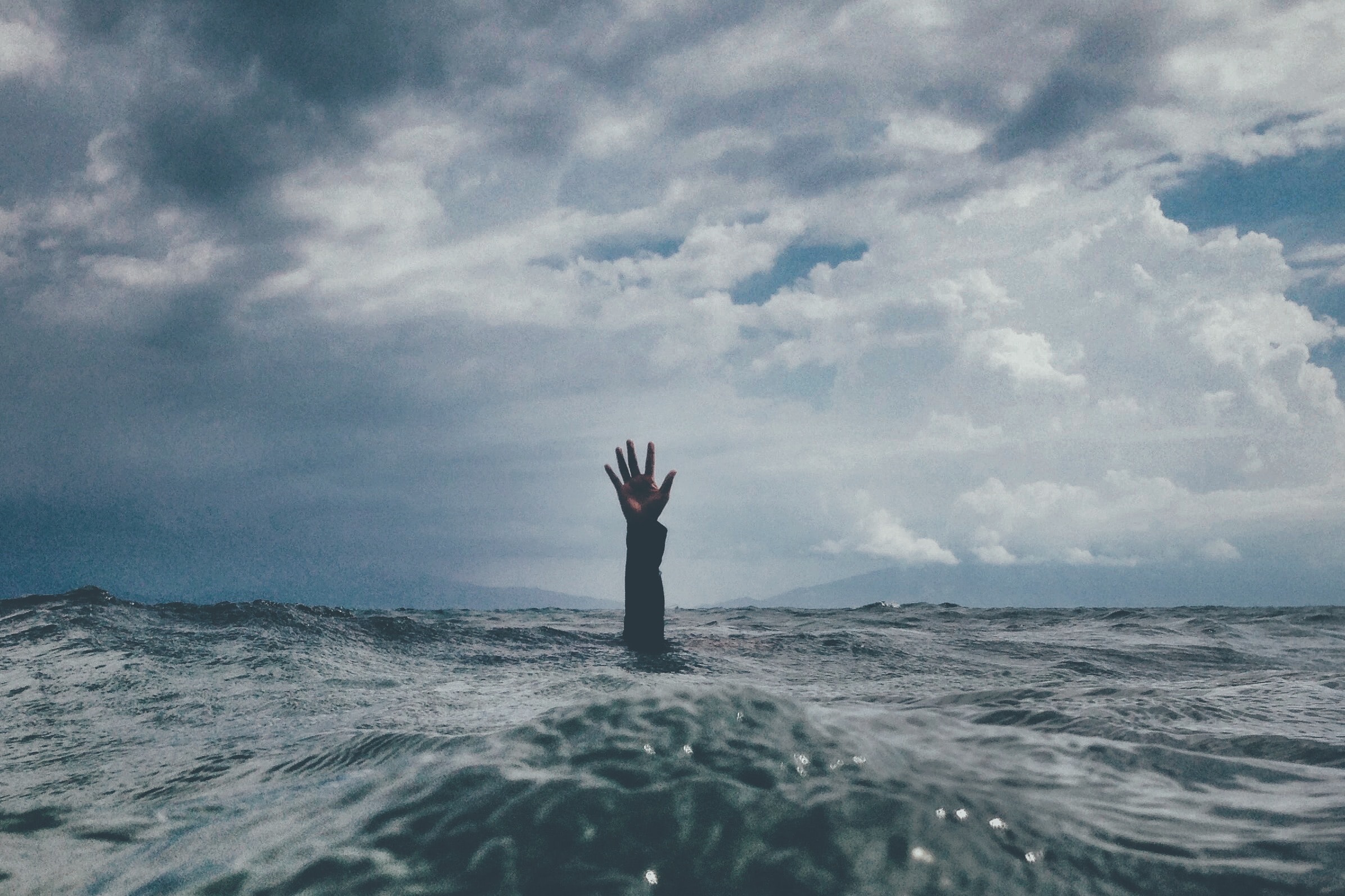

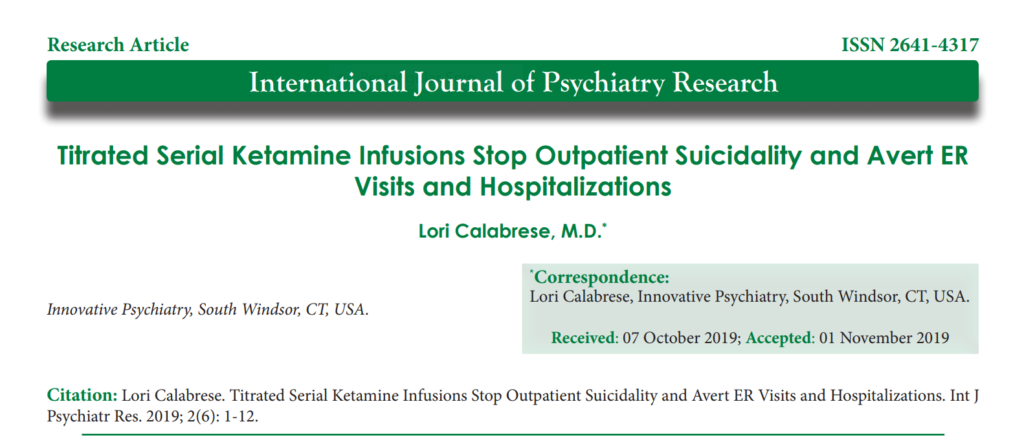

















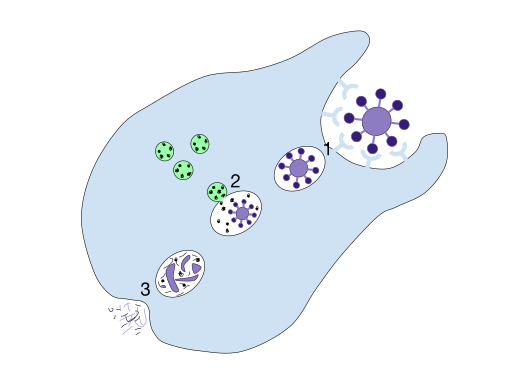



















 Treatment for Psychiatric Mood Disorders Has Been Quietly Waiting To Do Its Magic for 50 Years
 workers made insensitive and cruel remarks.
  down in the waiting room and spotted beautiful binders with The Ketamine Library on the front.
  coveted approval status, people all over the US who suffer from
  AMPA receptors, and kainate receptors. (Each kind has variants.) So AMPA receptors are just one of the 3 kinds of glutamate receptor and they’re different from NMDA receptors. They exist independently of NMDA receptors but they can be on the same cells next to NMDA receptors–and they often are.
 This helps create quick responsiveness, flexibility, growth and change….and it can be for the long-term.
 because research is going on in laboratories and hospitals around the world to better understand what ketamine does, how it works, and what its limitations are, there are
  research, the best recommendations, and the best psychiatry we can offer — and we see outstanding… really extraordinary… results with IV ketamine treatment. We know that all doctors, and all clinics, aren’t getting the best results. But those of us who are … well, we know at least part of the reason why.
 To the reinvigorating of your best self,

 Trauma: Don’t Beat Yourself Up – Allow Your Loved Ones to Lift You UP
 may not have shattered him like the next guy. People go through divorce. One ex-wife gets thoroughly angry and surges forward like a steam engine to overcome the heartbreak she feels about her husband’s infidelity. But another one may be so shattered, so disillusioned she can’t work, can’t function, and trembles or vomits when she sees her errant ex-husband or drives by their favorite restaurant.
 she has reason to be heartbroken and deeply shaken. The fact that another woman lost her infant child in a sweeping illness does not trump the widow’s pain.
  person is different
 elp you move forward.
 from the ashes, you’ll likely gain strength and resilience through the processes you endure, and the storms you weather.
 restores your tool box so you can rebuild your life. And it can be a huge help in your true recovery from trauma.