Tag: Ketamine Treatment for Postpartum Depression

  • The New Molecular Masterclass Ketamine Conference – Online!

    The New Molecular Masterclass Ketamine Conference – Online!

    Ketamine continues to move forward.

    This NMDA receptor antagonist, ketamine, was studied in treatment of major psychiatric disorders during the first decade of 2020. Certainly, as these studies galvanized physicians to offer ketamine treatment in their offices, its use has become more and more widespread, the studies continue, and ketamine as a breakthrough treatment for psychiatric disorders and pain is gaining maturity. This online gathering is the first of its kind… a new Molecular Masterclass Ketamine Conference that explored the ketamine molecule inside and out.

    In 2018, we enjoyed the first meeting of the American Society of Ketamine Physicians. Plus, the year before, we enjoyed the burgeoning interest and excitement of KRIYA. Patients who suffer treatment resistant psychiatric disorders need what ketamine can do. So, physicians and researchers energetically work to learn all they can to meet that need.

    Organizer of Molecular Masterclass ketamine conference.

    This year, August 21 and 22, marked the first Ketamine Molecular Masterclass (what a cool title!). Organized by our friend and colleague in psychiatry, Jeffrey Becker, MD, CEO of Bexson Biomedical.

    The presence of this event on the calendar speaks to the advancements of ketamine treatment and its growing sophistication. The conference was sponsored by Bexson Biomedical and other cosponsors to show the potential benefits of ketamine in patient care, research, and investments.

    If you remember, we first talked about Dr. Becker at the International Conference on Ketamine for Psychiatric Disorders that took place in Oxford, England in 2018. He’s presented at KRIYA Conference several times and at ASKP 2018 and 2019 conferenc. He’s a player. A leader. And an innovator. He hit the trifecta!

    Leaders In Ketamine Science

    Experts in the field — clinicians, researchers, digital tech wizards, marketers and investors shared their perspective and experience for all to digest. Clearly, this conference made it clear ketamine treatment is no longer an experimental and untrusted anomaly.

    Happily, with two decades of studies and experience, innovators are moving it forward. This new molecular masterclass ketamine conference educated, enlightened, and inspired us. It piqued the curiosity of participants, and excited interested in furthering research and development in this new space.

    Ya shoulda been there!

    But if you weren’t able to zoom in on us, the MasterClass was recorded and you can access it through Microdose, the host.

    So let’s stay real. Ketamine treatment isn’t a panacea and it isn’t perfect, as we know. We haven’t found a treatment or medicine that is, actually. So, one of the goals of this conference was to present information about possibilities, pitfalls, medical concerns, delivery gaps, and medical/legal issues.

    From psychiatrists, anesthesiologists, and other practitioners, to neuroscientists, business men seeking new streams of revenue, and investors jumping in on new leads, the vibe on this online gathering was charged with excitement.

    For instance, speakers grouped into vibrant panels to explain one aspect or another of this budding industry.

    They talked about treating depression. Then compared the clinical dissociative and psychedelic effects of ketamine during treatment compared to the classical psychedelics associated with 5HT2a receptor responses. They elaborated on how music can shape and affect treatment…

    With each new panel, we saw a sort of fruit basket turnover. We were always hearing from a new group of experts, with the opportunity for chat on the side.

    Truly, with the social distancing of 2020 and all that has gone with it, an online molecular masterclass ketamine conference pumped us with a breath of fresh air. We were packed full of information, inspiration, and hope.

    A grand parade of highly respected and beloved leaders like David Feifel, M.D., PhD, Wes Ryan, M.D., and Will Van Derveer, M.D. were added to talk about the differences in bolus doses of IM ketamine and IV ketamine given over time. Furthermore, they also talked about whether the benefits of ketamine treatment are as rapid as people say…

    The Technical Side of Ketamine Innovations

    We heard from the founders of Osmind and Maya in a panel moderated by Steve Best, M.D., in combining ketamine with TMS and talked about what we need to do and discussed how data can drive change, and drive payors to pay for this treatment
    Ketamine Suicidality

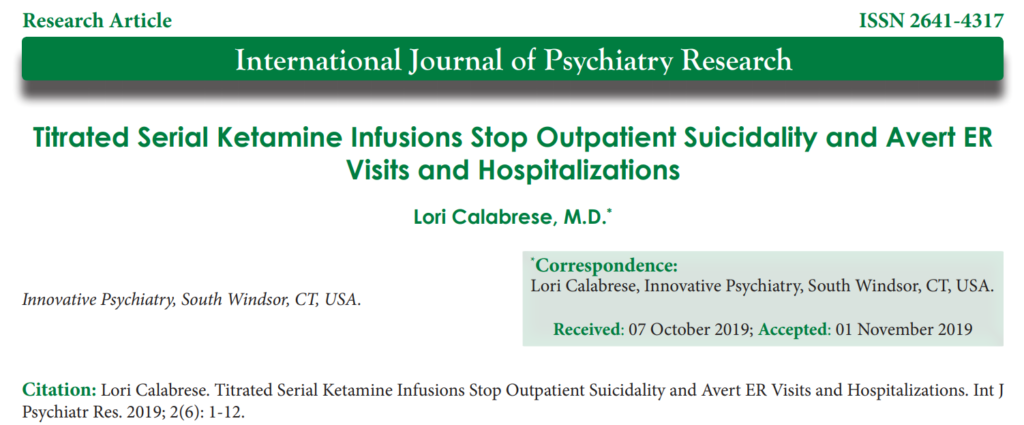
    I had the opportunity to touch on my own data using ketamine to stop suicidal thoughts in the office and avoid ER visits and hospitalization. (Aetna, are you listening?)

    And I snuck in a reference to our most recent case report of a new sequenced treatment using a metabolic diet and IV ketamine. This produced rapid (and startling!) remission and recovery in a young woman with severe chronic anorexia.

    Next came Gregg Petersen, MOD, Daniel Richman, M.D., Nadiv Samimi, M.D., and Jennifer Winegarden, D.O. They talked about pain management with ketamine, and explained answers to a myriad of questions regarding pain management.

    A fine panel elaborated on the use of ketamine for PTSD. Brent Turnipseed, M.D., Tatiana Santini, Jesse Gould, Jon Wolfe, and Abid Nazeer, M.D.

    If you can imagine, there were more than 40 impressive speakers and thought leaders. They spoke on pharmacology issues, business related issues, the risks involved with ketamine, training programs, new developments using ketamine for post-operative pain and more.

    We’ve come a long way in our quest to develop the many therapies ketamine can provide. To see businessmen and investors stepping up to the plate along side physicians and therapists.

    Wow.

    Connecting the people who need the hope ketamine can provide with the treatment itself is just gratifying and thrilling. Just Wow.

    These are people who make things happen.

    And that comes back to helping you. Do you suffer from symptoms or a psychiatric disorder that medicines and treatments haven’t helped?

    At Innovative Psychiatry, we get up every morning to help people like you with this extraordinary treatment.

    And we assure you, we continue to use the safest protocols during this pandemic to protect you and our staff so you can receive the treatment you need. Just call us.

    Conferences only have value if we bring the knowledge home … if people can get better as a result, one person at a time.

    So, let this week be your week. You can feel better, function better, overflow with hope, joy, and fulfillment, living with gusto the rewarding life you have ached for.

    Let us help you get better.
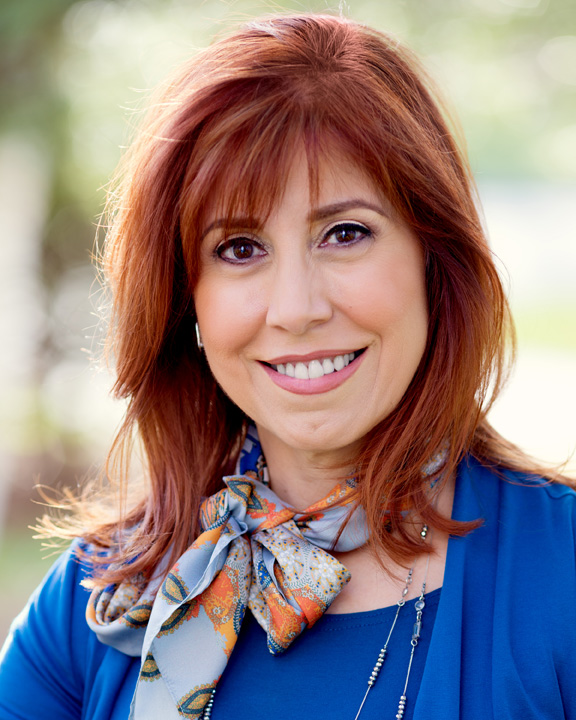
    Lori Calabrese, M.D. is on the front end of the race to stop PTSD in its tracks using IV ketamine treatment.

    To the restoration of your best self,
  • School’s Starting: How’s Your Teen Now? Watch for Anger, Depression, Anxiety

    School’s Starting: How’s Your Teen Now? Watch for Anger, Depression, Anxiety

    School is starting for the 2020-21 school year, whether remotely or on campus. 

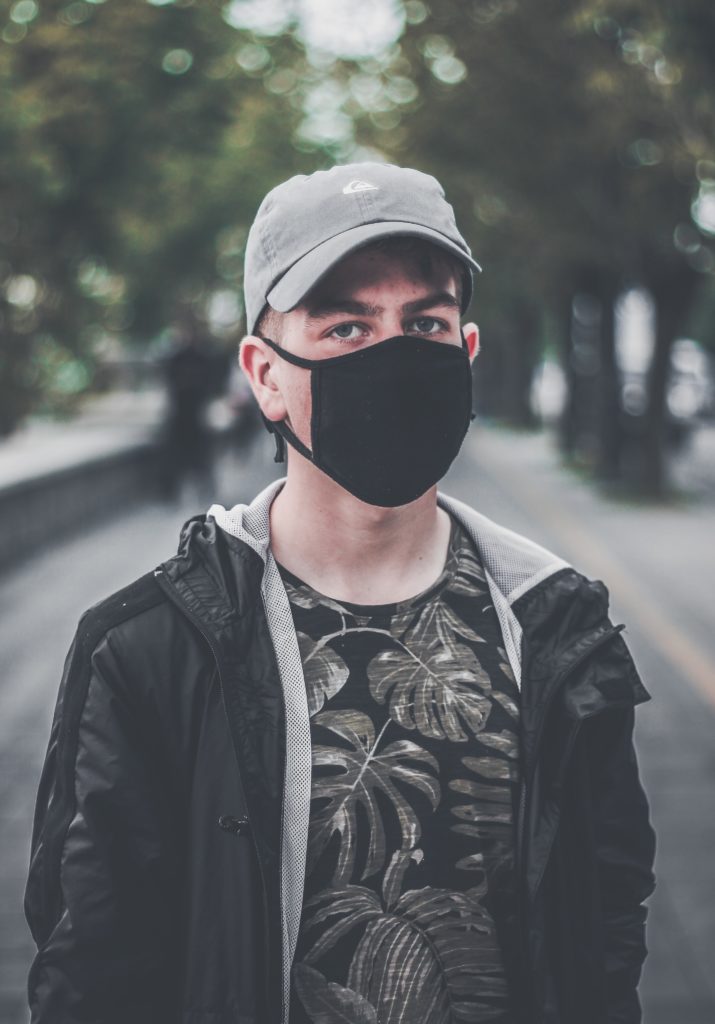
    Never before have these students started a new school year during a pandemic. It’s been over 100 years since the last one, and few of those students are still alive. But these students, yours and mine, are pioneers now.  School’s starting, how’s your teen coping with what lies ahead? They’re facing a new school year with social distancing, mask wearing, frequent hand washing… and they’re also facing new subjects, anxiety about whether the pressure will be too much, whether they’re up for the task… and they’re concerned about socializing.

    Some have already started.  The desks are six feet apart, they’re wearing masks.  And they feel uncertain. Shy… afraid they’ll do something wrong. Others are afraid of the long hours at their desks… Because those need movement and stimulation.  They’re afraid of consequences.

    Some of our students will take whatever changes they face in stride. Those are the adaptable ones. But others won’t.. because change causes them to suffer anxiety. 

    While, as a parent,  you may be eagerly awaiting school to start so you can get those kids back into school, since you may have had them home since March.

    But, make sure you’re in tune with them. Listen to their fears and don’t dismiss them. No matter how you feel about what’s happening in the world, your teen may not be equipped to handle the early adjustments of this new experience.

    Because here’s the thing… stress, especially long term continuous stress, can lead to circuitry damage in their brain cells…and that damage can result in depression. 

    Stress Damages. In Fact, It Can Kill.

    In a teen, depression doesn’t usually come with a label written across their forehead.  

    It may look like anger or rebellion. It may look like laziness. It may look like stubbornness.

    And symptoms like these are actually depression, PTSD, bipolar depression, substance abuse, social anxiety, suicidal thoughts…  and if it is, it may need treatment.

    Because these conditions create their own fallout, like poor grades, inappropriate behavior, non-compliance…

    Then, without proper and EFFECTIVE treatment, the condition can deteriorate to criminal behavior…or even suicide.

    Suicide is the 3rd cause of death among teens. 

    Did you know?

    If your teen talks about wanting to die, listen.

    Adolescents are emotional, their hormones rage, and they sometimes seem to be all over the map. 

    But listen to them with respect. 

    Because you need to watch… since school’s starting: How’s your teen doing?

    Parents of teens who have ended their own lives will be the first to say that dismissing these claims was a mistake. But in retrospect they realized their child had been crying for help for a long time.

    Is a “cry for help” really just manipulation?

    No…a cry for help is a plea for HELP. And what seems to you to be a solvable, transient struggle – or growing pains – to your teen may seem like the end of the world. 

    Don’t let it be. 

    Now, it can get tricky.

    If your adolescent has never been diagnosed with a disorder, you may not realize his disorder is escalating.  A fellow psychiatrist tells the story of seeing a 14 year-old he’d known since he was born as a family friend.

    During the intake evaluation, he finds out the boy has been deeply subdued, without joy, extremely shy, and having difficulty making himself participate in school work.  He looks at the parents and asks, Why am I just now hearing about this??

    Truth be told, if the boy’s parents had perceived psychiatric care in the same category as dental care, he would have. But, they’d never dealt with a disorder in the family before and didn’t know how to identify it. They tried more structure, more emotional support, more consequences… until one evening they found him in the fetal position in the shadows…and realized they needed help.

    Your heart goes out to that fellow. 

    And it goes out to his parents, too.

    Because they loved him and wanted him to be happy. They just didn’t recognize the signs.

    What about you?

    School's starting: how's your teen

     And what about your teen?

    Would you know the signs if your teen displayed the need for help?

    Are you sure?  His life may depend on it.  

    So think about this:

    Has your son or daughter suffered a severe loss like a crippling humiliation,  a lost relationship, or death of someone close…?

    What about substances like drugs or alcohol…?

    Has he or she been depressed for a long time? Has treatment helped?  Because if it hasn’t, it’s the same as no treatment at all.

    Has he or she ever been abused physically, emotionally, or verbally? Are you sure?

    Does he or she suffer from a dual diagnosis, like bipolar depression and substance use disorder, or depression and anxiety, or PTSD and alcohol use disorder..?

    Has there ever been a suicide attempt before?

    Has there been an arrest before?

    These are all risk factors for potential suicide attempt or completion.  Any of these indicate the need for special care.

    Further, if your teen talks about death, or feeling rotten inside, or hopeless, or worthless… is withdrawn, sullen, and talks about violence, or wanting to die, reach out for help.

    The National Suicide Prevention Lifeline 1-800-273-TALK (8255)

    At Innovative Psychiatry, we offer ketamine treatment every week. Specifically, if you’ve tried other antidepressant medication trials for at least a few months each, and have experienced no relief, ketamine treatment can help you achieve remission when other medicines didn’t come close.

    Ketamine Suicidality

    And if you endure suicidal thoughts and visuals, ketamine can erase those thoughts in a few short hours…maybe less.

    In this era of psychiatric treatment, you just don’t have to endure without treatment… or with treatment that doesn’t work.

    So… like I said, school’s starting: How’s your teen doing now?

    We treat adolescents and adults, age 14 and up with ketamine treatment when it’s appropriate, and celebrate with our patients as they complete treatment and walk out with the joy of a life of freedom of symptoms.

    While ketamine treatment doesn’t affect everyone this way, it does do this for most. And there are other ground breaking treatments you can try if you’re one of those rare people not transformed by ketamine.

    Thankfully, we no longer live in the Dark Ages even our grandparents did when it comes to psychiatric care. There is hope now. Wholeness. Remission.

    If you struggle with symptoms like we’ve talked about here, call us.

    We want to help you glide through the challenges ahead with resilience.

    Lori Calabrese, M.D. is on the front end of the race to stop PTSD in its tracks using IV ketamine treatment.

    To the restoration of your best self,

    We can all help prevent suicide. The National Suicide Prevention Lifeline provides 24/7, free and confidential support for people in distress, as well as prevention and crisis resources for you or your loved ones.

    The National Suicide Prevention Lifeline 1-800-273-TALK (8255)

    The Veterans Crisis Line and Military Crisis Line 1-800-273-8255 Press 1

    Crisis Text Line: 741-741 Free text hotline 24/7

  • Ketamine Plus Motivation Enhancement Therapy = Better Abstinence

    Ketamine Plus Motivation Enhancement Therapy = Better Abstinence

    Study shows abstinence from alcohol improved when ketamine and talk therapy were combined.

    We’ve talked before about the benefits of ketamine to reduce the craving for cocaine and for alcohol use, as well. A substance use disorder is can be a prison with no way out. We’re going to talk about the work of researcher who works for relief and freedom for those with disorders like this, Elias Dakwar, M.D., and his study using ketamine plus motivation enhancement therapy. But first, Jackson’s story can give an idea about how much suffering can happen for those with this type of disorder.

    Jackson’s Story

    Jackson wiped the sweat from his forehead, and told himself he could do this. He had an AA meeting in a few hours. Surely, he could make it till then.

    He tried to focus on the TV, to get his mind off the yawning craving he felt for a drink.  It had been three days since his last drink, and he knew if he started drinking again, he’d be right back at the crack house.

    Nobody told him it was like this. 

    If he could stay away from crack, he might almost be able to get clean and stay clean. But he knew from experience that if he saw some on the table, there would be no avoiding it.

    But what was really frustrating, was that drinking alcohol always led to his seeking out crack cocaine. He didn’t know why…but it just happened that way.

    You know, when you’re partying with friends, or even just getting together for dinner… everyone’s always drinking. And you think Why not? Glass of wine or a beer… no big deal, right?

    But one drink would lead to another… and another. And the next thing he knew he was waking up wasted. Hating himself.

    Why oh why did he ever try cocaine the first time? It had wrecked his life. But he couldn’t blame it all on that. He knew that tendency to have one drink after another could be a problem, even if he hadn’t tried crack cocaine.

    It definitely was not a well thought out, informed decision, by any stretch. It was sudden, impulsive, and fit right in with the fun he was having.

    And it destroyed his life.

    There was no way he realized at the time how it would put a ring in his nose and lead him around whether he liked it or not.

    Ketamine plus motivation enhancement therapy can break addiction that began at parties like this.

    It was fun for awhile, but after some time he’d burned through his paychecks, his credit cards, and sold what he had just to get more. He’d stolen from his family, and betrayed everyone who mattered to him. 

    He wanted out.

    But there was no getting out…  it was like a vice clamped on his mind that wouldn’t let go. 

    Sheer Will is Often NOT Enough

    So he’d stayed away from it for nearly a week, then went to dinner with friends. Of course, everyone had drinks, so he ordered one too.  By dawn…he’d been using this stuff all night long. And had no idea what had happened to his car.

    That happened over and over…and over.

    He would have the best intentions, and ask his family to loan him money for his car payment, or help him buy a new car, so he could go to work and keep his job. And over and over again… he’d have a drink with friends and end up at the crack house.

    So now. He had been going to Alcoholics Anonymous, and to Narcotics Anonymous. He was determined to win. 

    Then, his girlfriend just got fed up with it all and broke up with him. He NEEDED her.   Why would she leave him now when he needed her the most??

    He just needed something to help him relax…So he picked up a six pack of beer. Three days later he finally dragged himself out of that same awful flop house… and he was hating himself. Why couldn’t he find the willpower to stop drinking and stop using crack cocaine?

    What Do You Do When You Can’t Stop?

    If you suffer with substance use disorder or alcohol use disorder, the cravings  can be so strong because of changes in your brain that cause them. But as far back as 2013, Elias Dakwar, M.D., published his research showing that IV ketamine can dramatically reduce these cravings.

    Now, a research team led by Dr. Dakwar that includes shining stars like Sanjay Mathew, M.D., Frances Levin, M.D., and Carl Hart, M.D. has published another study that has taken this work a step further.

    This new pair of studies shows that ketamine plus motivation enhancement increases abstinence for people with dependence.

    In our story of Jackson above, we learned about his experience trying to abstain from both alcohol and cocaine. There are also those who struggle to abstain from either alcohol or cocaine individually.

    This man is trapped in cocaine use disorder and can't stop.

    People who fit in both of these categories can benefit from the work of Dr. Dakwar’s team.

    They completed two studies in 2019 and 2020. One for alcohol use disorder and one for cocaine use disorder.

    Cocaine Use Disorder

    Dr. Dakwar’s team, including Sanjay Mathew, M.D., Frances Levin, M.D., and Carl Hart, M.D., has published another study that has taken this work a step further. These researchers were part of the team who conducted the 2013 study.

    His early study included 8 volunteers and demonstrated how IV ketamine could reduce cravings for cocaine.

    This new 2019 study included 55 cocaine dependent individuals who were admitted as inpatients for 5 days. During this study, they were randomly divided and one group received a single ketamine infusion and the other received a midazolam infusion. In addition, they began a 5 week course on mindfulness-based relapse prevention.

    As it turned out, 48.2% of those who received ketamine with the mindfulness-based course maintained abstinence through the last 2 weeks of the treatment course, whereas only 10.7% of the midazolam group achieved the same.

    So, this led to the study with alcohol use disorder.

    Alcohol Use Disorder

    It’s surprising to realize that death from alcohol use disorder accounts for a whopping 3.8% of all deaths globally. 

    And that’s just the deaths. It goes without saying that the impairment of life, the breakdown in families, the cost due to sick days related to alcohol use disorder is gargantuan and is an enormous social and economic problem in our society. 

    And while 12 step programs provide a valuable service, helping many to abstain and rebuild their lives, there are too many that fall through the cracks.  Because of cravings.

    Ketamine Plus Motivation Enhancement Therapy

    So this team designed a study that involved more subjects than the earlier work, and that measured the impact of combining IV ketamine plus with motivation enhancement therapy in subjects with alcohol dependence.

    These subjects were enrolled in motivation enhancement therapy, which had been determined to be only modestly effective by itself. They were given 6 sessions during a 5 week period, with a single ketamine infusion at week 2 then a motivational enhancement session 24 hours after that infusion.

    Social drinking is hard to resist except with ketamine plus motivation enhancement therapy.

    Another group was given midazolam instead of ketamine infusions during week 2 with a motivation enhancement session 24 hours after the infusion.

    As it turned out, the subjects who were given ketamine with the motivation enhancement therapy were able to abstain from alcohol longer than those given midazolam. 82% of them were still abstaining at the end of 3 weeks when the study completed. Of those given midazolam, only 65% were still abstaining.

    And possibly one of the best outcomes of all, was that more of those given ketamine resumed abstinence if they relapsed than those given midazolam. 

    And this was with only one infusion. 

    Studies are conducted under strict controls, but imagine how much a full ketamine plus motivation enhancement therapy 24 hours after each infusion can do for you ability to stay sober and build the life you want to live.

    She is free of substances and happy thanks to ketamine plus motivation enhancement therapy.

    Ketamine plus motivation enhancement therapy can be life-changing for you if you can relate to someone like Jackson.

    At Innovative Psychiatry, we welcome the opportunity to collaborate with your therapist and the rest of your healthcare team to help you break the hold that cocaine or alcohol may have in your life.

    There is evidence that talk therapy 24-48 hours after your ketamine infusions can be far more effective than talk therapy alone. One reason for this may be the neuroplasticity that ketamine stimulates. It makes it easier for your brain to change, think new and different thoughts…see things in a new way.

    There is hope for Jackson, and there is hope for you. Don’t give up if substance use disorders have made you lose control of your life. Ketamine plus motivation enhancement or some form of relapse prevention therapy can give you back your life and your sense of control.

    Of course, it will take work, but you don’t have to feel helpless. You can get your self respect, your dignity, and your joy back. You can rebuild those damaged relationships and build a rewarding life.

    If you can relate to Jackson, and want out of the vicious cycle, call us. If you need freedom from alcohol or other substance abuse disorders, call us.

    We want to see you whole and free.

    Lori Calabrese, M.D. is on the front end of the race to stop PTSD in its tracks using IV ketamine treatment.

    To the restoration of your best self,

  • Suicidal Risk Triggered by Stressors in the Covid-19 Crisis

    Suicidal Risk Triggered by Stressors in the Covid-19 Crisis

    Russell paced back and forth by the window. 

    The gray, rainy morning had finally broken and sunshine peeked through the clouds as they parted. Patches of clear blue were spreading across the sky. It seemed to Russell this change in the weather should brighten his thoughts, but they didn’t. He guessed it would take something much more powerful than a weather change to alter his outlook. He thought about how dark he felt…and wondered if there was suicidal risk triggered by stressors that affected people right now.

    Russell was losing his belief in living. This wasn’t the first time he’d felt such futility in the daily endurance exercise that characterized his life. He’d felt hopeless before — but with time, a new job, and better pay, he’d lightened up and everything began to make sense again. 

    Then, he met someone and felt like he was basically sitting on top of the world. He hoped he could keep his life working so well. The idea that joy would become commonplace for him… that would be so great.

    The job was such a good fit. And he seemed to learn it quickly. His skills improved every week and every month… then he was promoted. His boss would pat him on the back…tell him to keep up the good work and all that.

    He believed he had a real future in this job…and a career in the making.

    Jenna came along, and maybe it’s because he was feeling so much better, or maybe it was because she was so amazing…but it was easy to talk to her, and so rewarding to listen. It wasn’t long until they were spending lots of time together.

    Then, the coronavirus crisis took over the world. There was no place to escape to…it had covered the entire globe!  Nowhere was safe.

    Settling Into a New Normal in a Global Crisis

    He was assigned to work from home. That was ok. Not great. It wasn’t easy to do as well, or be as creative, under these circumstances. But he was grateful for the paycheck. Surely this was a temporary setback.

    Next thing he knew, however, the governor ordered a lockdown. HIs company laid off thousands of people. And he was included in the second round of cutbacks. 

    So, now he’s home, he has no job, and no way to get one.  Russell made a point to watch the statistics around the world to see if the tide was turning yet. He was lonely, and he missed Jenna. Even though it helped to talk on the phone or online. There were plenty of apps to connect with her. But it wasn’t the same.

    The Crisis Hits Close to Home: Fighting Panic

    One day, she sent him a text. “Russell, my sister Beth tested positive for the coronavirus today. She’s self-quarantined in her apartment. I’m so worried. And my mom is beside herself.”

    Russell tried to be understanding…this was terrifying. He wondered when Jenna last saw her sister.  When her mother had last seen Beth. He wondered if either of them had been exposed.

    This made it all seem so much more real. More threatening, to himself and everyone he cared about.

    He felt horrifically helpless. So he paced. He washed his hands for good measure. Then paced more.

    Darn!  It’s so hard to feel useless like this!! He checked on Jenna often, and always remembered to ask about Beth’s condition.

    Finally, it turned out that Beth was being transported to the hospital. She was struggling to breathe at all. 

    Russell felt his throat closing. He fought panic.

    Jenna was devastated about her sister’s decline. She said their mom was in a heap. Neither Jenna nor her mom could be at the hospital with Beth.  

    Weeks were going by. 

    How could you stand with someone if you couldn’t be near them?  How do you do it all verbally?  He feared his relationship with Jenna was disintegrating like his job had. But he knew her primary concern was her sister, and he was sure worried about her, too.  

    Russell had never been the best communicator. In times of difficulty it was hard to find the words. He’d always made up for it with effort. Showing his support with hugs, helping out with food, etc.

    He had no idea how to do that from miles away.

    He feared his relationship with Jenna was disintegrating like his job had. But he knew her primary concern was her sister, and he was sure worried about her too.  

    And felt so helpless.

    When he wasn’t talking or texting with Jenna, he was applying for jobs online. It seemed he had surely applied for hundreds of them by now. But nothing. No responses to his applications. He could only imagine the number of applicants competing for each job. He was sure it was more than ever before in his life.

    Still he kept applying. 

    It was good to stay busy, and at the same time, it felt so futile. 

    Weeks turned into months, and he finally applied for unemployment. Sickening.

    How could everything be so good, then take a 90-degree turn straight into the toilet??

    As if it all wasn’t enough, he heard from Jenna about her sister. Beth, who’d been in the ICU on a ventilator, finally died. They had thought she was improving…thought she would come off the ventilator soon… then suddenly, she deteriorated. And died.

    Russell was stunned. Speechless.

    Jenna was heartbroken. Blind with grief. He tried so hard to comfort her.  To listen. But there was nothing he could say to relieve her pain.

    He couldn’t go to her, hold her, take her out to dinner so she could vent. And her mom was grief stricken and seemed to expect Jenna to comfort her. 

    He couldn’t think. It was as if the entire world was self-destructing around him. His head was spinning.

    Profound Grief Causes Its Own Isolation

    Jenna seemed to just be gutted…depleted…with no more to give to anyone.

    She withdrew after that. She and her mom could not have a funeral for Beth. As the days went on, they both seemed more and more traumatized by the circumstances surrounding Beth’s death.

    Russell became less and less vital to their grief, it seemed. If they needed his support, he didn’t know how to give it. He felt so useless. So powerless. Utterly flabbergasted that life had collapsed as it had in a couple short months.

    The grief he felt for Jenna’s loss eroded his foundations. His resilience. The energy seemed to drain out of him. His hope disappeared.

    He’d been in his house for 2 months, and the strain, disappointment, disillusionment, loss, confusion, and anxiety of his circumstances became worse and worse until they were unbearable.

    He saw no reason to go on. He looked at the future through his dark perspective, and it looked hopeless.

    Even after the lockdown was lifted, he still wouldn’t have a job, right along with millions of other people. He would be evicted from his apartment, and lose his car. 

    The melancholy of the past swelled until he was drowning in it. Russell just didn’t have the energy to go on.  He didn’t believe he was strong enough to face any more…

    He wanted to die. Every hope… every purpose… for living was gone. He couldn’t see how he could go on…

    Russell’s Not Alone: So Many Fight Despair in Times Like This

    The crisis created by this COVID-19 coronavirus is creating stressors and fears that go far beyond the risk of the viral illness. And as our friend Russell identified, there is no where to escape to. 

    Hundreds of thousands of people feel the same feelings and are thinking the same thoughts. But in each case, the situation is not necessarily as it seems.

    Unfortunately, it is what seems to be true that people all too often act upon. And suicidal risk triggered by stressors in this crisis rises higher and higher.

    However — and this is important — thinking about suicide is not logical thinking, even though it may seem to be at the time. Suicidal thoughts are symptoms of a disordered mind.

    Suicidal Risk Triggered by Stressors in This COVID-19 Crisis

    The stress of isolation, financial difficulties and strain, the uncertainties about income in the future, the emotional pressure of being separated from those you care about and who care about you, combined with a host of feelings that come out of nowhere in a time like this… can push you to the point of desperation.

    And…if you’ve struggled with psychiatric symptoms in the past, these elements can put you at higher risk.

    But There Are Ways to Find Relief

    However, as overwhelming as circumstances appear, they’re still temporary. They will change. Life will be restored. But that can be hard to grasp if the thoughts are swirling and swirling around inside your head.

    Meanwhile, you can seek support from friends and family online, see their faces and vent, laugh, and cry together.

    You can reach out for counseling through telemedicine. And then consider treatment.

    Again, suicidal thinking is a symptom of a disordered mind.

    If you find yourself thinking those thoughts, reach out for help. The circumstances of your life are not normal right now. And people everywhere are feeling similar feelings, as well as desperation, cooped up in their homes.

    Suicidal Risk Triggered by Stressors Like Grief, Financial Uncertainty, and Fears of All Kinds… Can Be Lowered With Treatment

    At Innovative Psychiatry, we’re treating people every week with ketamine treatment provided with carefully planned safety protocols.

    Ketamine treatment is one of the most effective treatments for severe depression, bipolar depression, PTSD, social anxiety, and suicidal thoughts we know of. It also can relieve substance abuse and alcohol abuse.

    As it goes to work restoring the synapses in your brain, proliferating connections between nerve cells to explode communication through your brain, it also can restore your motivation, your creativity, and your joy.

    As a result, resilience replaces listlessness, energy replaces lethargy, and hope replaces despair.

    In spite of how it all seems to you right now, that reality you’re experiencing is based on temporary circumstances… In the challenges ahead, how much better to have the energy and hope you need to conquer and create a reality that fulfills you?

    Suicidal risk triggered by stressors of the covid crisis can be reduced by ketamine treatment.

    There is a future. And you’re in it.

    You can reduce the suicidal risk triggered by stressors in your life by reaching out for ketamine treatment. If you’re experiencing some of the things Russell is, call us.

    Give yourself, and those who love you, the benefit of treatment that can give you a new lease on life. You can be amazed at how the direction of your thinking transforms.

    There is life beyond this COVID-19 crisis. And you’re in it …with a bright future.

    To the resilience of your best self,

  • Coping with Anticipatory Grief in the Covid-19 Crisis

    Coping with Anticipatory Grief in the Covid-19 Crisis

    Jocelyn and her friends missed their interaction on Friday nights after a week of work.

    They’d meet somewhere and have dinner and talk about work, their plans for the weekend, the people they knew, and their hopes for the future. But since the COVID-19 crisis, they worked from home and Friday was just another day.  So they decided to have a meet-up online. Jack set up a zoom meeting so they could all see each other, and it commenced Friday night at 7pm like they’d always done before. They ate their dinner in front of their laptops and chatted about this and that, vented about isolation, about technical problems when all work had to take place online, and family frustrations. And they talked about the horrid emotions they felt. The idea that millions were expected to get sick and die. Scott, a therapist, mentioned ways of coping with anticipatory grief. Someone else said, “Wha..??” Jack said, “What the heck is anticipatory grief??”

    Scott went on to explain that horrid feeling they all described, the dread they felt about all the sickness and death, the fear that their friends or family members would likely be among the dead…that this all falls under the category of anticipatory grief: Grieving about losses that haven’t happened yet, but might. 

    He also said that when you read all the articles that come out every day about the potential damage the COVID-19 virus can do, that dread increases day by day. Then you hear about someone’s co-worker or family member who tested positive for the virus, it gets a bit closer to home, and your dread and fear of loss increases.

    When Fear and Grief Hit Home

    Next, you get word that your own relative or co-worker dies… or the relative or coworker of someone close to you dies, then you feel the loss up close.  It becomes your own loss.  And it hangs on you, weighing you down, long after…because it goes so deep. 

    Celia hesitated, then spoke up. “My aunt died. It’s been so sad I haven’t wanted to talk about it. But she lives in New York City, and tested positive. She tried to recover at home…then her breathing got really bad one night and they had to take her to the ER. She was in the ICU with a ventilator for 17 days. Just about the time she seemed to be getting better, she suddenly got bad again…and died that day.”

    Everyone told Celia how sorry they were. How terrible it was to lose someone you love over a virus.

    Nick spoke up. He had a sadness about him most of them had noticed.  He said, “ A friend of our family…someone I grew up with…started feeling bad, and called the doctor. The doctor told her to go for a test at a drive through testing center. She tested positive and her cough was so intense, her breathing so bad, they admitted her to the hospital, too. Within 3 days she was gone.  She was my age! It’s so hard to make sense of it.

    “I hear about people protesting the lock down…or throwing COVID parties…and I want to scream. So many people don’t get it. I wondered myself in the beginning. But as I saw the numbers increase around the world, I realized this is real. I wish each one of those people who went to one of those parties could see how it feels to lose someone you care about. And who knows who’s next?? It could be one of us!”

    Celia jumped in and said, “Yes…or to see what’s it like to be sick with this. Sure there are people who aren’t having symptoms, but talk to the ones who are! My friend got sick and had to let someone take care of her child while she convalesced.  She said it was the worst thing she ever experienced.”

    Scott then pointed out how THIS is anticipatory grief. Realizing that someone you care about could get sick. Could die. And worrying about it. 

    “And,” he said, “there are things you and I can do to help us get through this.”

    Study: 40% Say Anticipatory Grief Is The Worst

    “A Swedish study,” he went on,” found that no matter how much you grieve before you experience the loss, it doesn’t reduce your grief after the loss really happens. And that 40% of the people studied felt the grief you experience when you anticipate loss is far more stressful than the grief you experience afterward.”

    Jocelyn asked, “If that’s the case, then it sounds as though I’d be much better off waiting until someone dies to grieve, than grieving about everyone in advance. But I do feel fearful…I have anxiety all day and especially at night…On top of that, I’m drinking more than I ever have. Just to try to relax and not think about what could happen.”  

    Scott agreed. “But how do you wait until you have someone’s death to actually grieve??? Coping with anticipatory grief is so much harder than we could have expected!”

    Celia finally blurted out, “My husband is beside himself. He’s so angry, filled with doom and gloom. Constantly rehearsing the latest statistic in illnesses and deaths in every country around the world. His rage is so hard to be around, even though I know it’s just how he’s coping. But it all makes me all the more lonely…

    Symptoms of Anticipatory Grief

    “Ok let’s all look at this, guys…” Scott was talking in a softer voice now. “We have Nick, who’s been so sad, and has lost a lifelong friend, and Celia’s husband who is irritable and furious about what’s happening…and likely struggling with feeling out of control…which he is… and Jocelyn who feels fear, anxiety, and uncertainty… and Celia who’s sad about her aunt, stressed about her husband, and lonely.  
    “You know what?  All of these things are symptoms of anticipatory grief. So what can you do, what can WE do, to cope right now…and get through this?

    Coping With Anticipatory Grief – We Need Each Other

    Nick, Celia, and Jack all said at the same time: “Keep getting together like this!”

    Scott and Jocelyn laughed…and heartily agreed.

    Nick admitted that meeting and talking, opening up and feeling understood were all amazing for him. He could see that spending time together was great medicine.

    So they agreed that the lockdown would no longer interfere with their mutual support. And they would continue their Friday night @ 7 gathering online, until they could meet in person again.

    Grief is a looming and saturating condition for many, if not most, of us during this COVID-19 crisis. Grieving over the death of someone we care about is a form of grief that’s inescapable when we lose someone, no matter the circumstances. 

    But anticipatory grief is another form that can cause anxiety, depression, and overwhelm. In trying to prepare for loss, it magnifies the suffering of loss itself, and can continue to cause more pain months or more after that loss occurs. Right now, news from government and medical experts can ignite enough fear to trigger anticipatory grief. 

    How long will I be out of work?  Will we lose the house?  How will we feed the family?  What if one of us dies?  Who will take care of the children?…And that suffering intensifies the actual suffering from this global crisis. Coping with anticipatory grief includes finding ways to stop the cycle of fear in our thinking.

    Like these friends, fear of what might happen, fear of losing loved ones or other things in life you hold dear, can overwhelm your outlook, and drown your perspective.

    But if you have friends like these, people who care about you and with whom you can discuss your feelings and listen to theirs, you may be able to restore balance to the way you look at life.

    But What if You’re NOT Coping with Anticipatory Grief? And Friends Don’t Help?

    Unfortunately, sometimes talking, listening, and caring isn’t enough. Sometimes you realize you don’t have many friends. Sometimes you need help. If the stressors of life, and of this period of isolation, have worn you down, stripped your resilience, and damaged your hope, then you may need the help of a treatment that can make a real difference in everything for you.

    At Innovative Psychiatry, we know that the COVID-19 crisis, and the enforced isolation that has been necessary because of it, can drain your hope, your energy, and your motivation.

    You may find you’re drinking more than you mean to, or that you’re using other substances and it’s getting out of hand.

    It can make it almost impossible to just keep being brave, and willing, and steadfast. It can make you feel like you’re afloat at sea, all alone, without hope or remedy.

    But as we’ve talked about so many times before, this is caused by the pruning and wearing down of synapses in your brain. That’s what stress does. But ketamine treatment gets your brain-derived-neurotrophic-factor (BDNF) going…burgeoning…which works like a rich compost to produce…no — more than that…to PROLIFERATE… the dendrites and dendritic spines that create those synaptic connection between the neurons in your brain.

    And when that happens, your outlook brightens like the sunrise, your thoughts begin to flash through your mind, your creativity starts blooming, and your joy and hope are restored.

    That same dose of ketamine can also help reduce your drinking, and your use of substances.

    With all that going on, believe it or not, you can be resilient whether you’re isolated or not.

    Ketamine Treatment Can Erase Suicidal Thoughts, Too

    That’s the beauty of ketamine treatment. And what’s more? It’s so effective.

    And remember. The kind of discouragement, depression, and fear we’ve been talking about can make some people want to stop living. If you have struggled with those thoughts, if you’re not coping well with anticipatory grief, we want to help. Because ketamine treatment can stop suicidal thoughts in an afternoon.

    This is why we’re open when everything else is closed. Because taking care of you is essential. And that’s what we’re here to do.

    If you’ve struggled with some of the feelings Jocelyn, Nick, Jack, Celia, and Scott were talking about, call us.

    We’re here and still providing ketamine treatment right now with safety protocols to protect you and to protect our staff. Just call us, and we’ll talk you through the process.

    You don’t have to suffer alone. We’re here to help you get through this confusing time, and to help you experience the joy and hope that will see you through.

    Lori Calabrese, M.D. is on the front end of the race to stop PTSD in its tracks using IV ketamine treatment.

    To the restoration of your best self,
  • Resilience During Social Distancing in the Pandemic

    Resilience During Social Distancing in the Pandemic

    “May you have interesting times always…” the asian proverb says.

    Annie's resilience during social distancing helps her to enjoy the moments wherever she is.

    Well, these are interesting times. Some of us might think a little too interesting…!  And I guess most of us are eagerly looking toward the time when we’ll have times that are less interesting and more peaceful and predictable. Who could blame us?  Still, for now, these interesting times require most to be shut-in in the name of social distancing, to “flatten the curve.” And prolonged periods of missing our routines, our friends, our gatherings, and enjoyable habits can really take a toll. Many otherwise healthy people are experiencing anger..even rage…, depression, feelings of anxiety, and grieving over the loss of friends or family members, as well as the loss of what makes life feel “normal.” But it’s actually possible to experience resilience during social distancing, believe it or not.

    Even the basic loss of freedom to do what you want when you want to is devastating for some. And even though we know in our heads that this is temporary, that doesn’t necessarily help as much as you think it should. 

    And while there’s no right or wrong way to feel through this challenging time, there are some things you can do to improve your own resilience.

    For Some, Resilience is Second Nature

    Take Annie, for instance. 

    Annie is a single, middle-aged woman who lives alone with her orange tabby cat. She has always been upbeat, generous, and helpful, while taking care of her responsibilities. The one who bakes cookies as a gift when a new neighbor moves in, pitches in after the garbage collectors come by returning her neighbors’ receptacles to their garage doors, and offers a bright smile to whomever she meets.

    When the COVID-19 pandemic emerged, she was dutiful in washing her hands often, and being careful during trips to the grocery store. Then the social distancing order meant she stayed in her house or garden at all times. She was fine for the first few weeks, enjoying contact with her friends and family online.

    Resilience During Social Distancing May Not Be as Easy as Expected

    But, after awhile, she noticed a dark wave of melancholy creeping over her. She was surprised by it, and discouraged. What was the matter with her…? She didn’t object to staying home awhile, to help stop the spread of the virus, and prevent more people getting sick.  

    Why did she feel this way?

    Day after day, the gloom grew darker, and more overwhelming. Then she even found it was hard to get out of bed.  

    Why??

    Where was this coming from???

    She tried to fight it, to drag herself out of bed, clean and disinfect the house, and sweep the porch and sidewalk. She tried to pull weeds from her flowerbeds…but after 2 or 3 weeds, she just lost interest. And went back to bed with a book.

    For a week, she forced herself to be productive, hoping this weight that was getting heavier would dissolve. 

    Resilience during social distancing helps Annie to maintain hope.
    Eventually, she stopped sleeping. Laying in bed in the dark all night long, watching the sun come up then dozing a little while.  Night after night. She grew more and more tired, and anxiety wound her up till her thoughts raced all night long.

    She had a prescription the doctor had given her for sleep in case she needed it about 6 months ago. So she took the prescribed dosage, and it made no difference. All night long — wide awake.

    Who would have thought that the lack of resilience during social distancing could interfere with sleep?

    Finally, she decided to stop fighting it. She could do nothing about the social distancing, or about the weight of gloom. But she could just take the time to take care of herself and see what happened.

    So Annie gave some thought to her dietary habits. For one thing, she decided to be careful to eat what was good for her, as she had avocados, walnuts, salmon, and chicken from her last trip to the store. She stayed away from the  chips and cookies in the cabinet and tried to eat foods that actually benefitted her brain and body.

    And she gave herself the next week off. No cleaning or gardening unless she wanted to. Why not?? She was home every day anyway.

    It was an experiment, and the world wouldn’t end if she didn’t clean for a week. She hoped that by taking pressure off, and taking care of herself, resilience during social distancing would become strong again.

    Since news of the pandemic began, Annie had searched the internet throughout the days looking for information about hospital capacities, testing availability, and masks and gloves up till now. So she decided to stay off the internet for the coming week, too.

    “They’ll have to figure it out without me I guess…” and she laughed to herself at the absurdity.

    And she chose books to read that had hope in their message. Fiction with happy endings, non-fiction with a message of hope. About that time, a trusted friend sent her an email to see how she was doing. 

    It seemed like a good idea to get some of this off her chest. So she told her friend how she’d been feeling, and how baffling it was.

    A Friend Can Divide the Burden

    Her friend, Carrie, was so understanding. Carrie said, “Annie!  You’re not alone! I’ve been having some bad days, too. I think lots of people have. When you look on facebook, it’s everywhere!”

    Resilience during social distancing is important for Carrie.

    Carrie went on, “Some people are angry, others are whining and complaining, others are criticizing the government or other countries or whoever they can find to blame. I think that these changes, along with worry about whether we will get it, or someone we love will die, along with the uncomfortable reality that we’re out of control, just takes a greater toll than we realize. I think we all need to be patient with ourselves. This pandemic is going to end. It’s not permanent.”

    Nothing Carrie said was a surprise, but somehow talking about all this, and hearing her support, seemed to help a little.

    When Resilience is Natural for You, It’s Easier to Restore

    So Annie embarked on her “week off” and just did what she felt like doing and what she enjoyed. She read books, relaxed, drank coffee in the mornings, and San Pellegrino at night with her healthy foods. 

    After 3 days of this, Annie woke up and realized she had slept all night. That was a breakthrough. The next day she went for a walk on her street. 

    Then, the next day, she worked in her flowerbed, and pulled out weeds and turned the soil. Her heart was getting lighter, she could tell. A few days later, she was ready to clean her house, a little at a time. Most importantly, she sensed hope emerging inside her again. A little exercise, reduced pressure, good food, and sunshine…as well as avoiding depressing news sources …and Annie was almost as good as new.

    Resilience during social distancing helps Annie find productive ways to enjoy each day.

    You may find that Annie’s remedy can help you, too. It’s helped lots of people going through these “interesting” times.

    When You Aren’t Naturally Resilient, There’s Still Hope…

    But, if you’ve been depressed, anxious, overwhelmed since long before the pandemic began, Annie’s remedy may not be strong enough to make the difference you need. And if that’s the case, don’t worry. 

    There’s no shame in a condition that saps your energy and darkens your outlook. It just might mean that you need treatment to help you find the hope Annie did.

    Because hope is something every human needs to live well.  And resilience is a product of hope. You need both.

    Ketamine Treatment Restores Resilience

    We have a treatment that can restore hope, joy, and resilience for you if you’ve lost them.  It’s not a temporary or artificial “fix” like some people seek in shadowy places. Ketamine treatment goes into your brain cells and stimulates the growth of essential elements that are missing.

    Things like brain derived neurotrophic factor (BDNF) that proliferates the production of synaptic connections that brighten the communication of thoughts and creative signals in your brain.

    It’s more like ketamine sets your brain cells in optimum working condition, like they should be. 

    And when that happens, your mind can function to provide you with a sense of wellbeing, so you feel hopeful, joyful, and resilient.

    At Innovative Psychiatry, we’re an essential service in this crisis, present and ready with a full safety protocol for treating patients who need to be treated during this difficult and challenging time of social distancing. 

    The coronavirus hasn’t reduced the need for treatment of depression, PTSD, anxiety, suicidal thinking, and other conditions, but has actually increased it. And we’re here to help you get through this uncertain time with treatment that can reduces, or even eradicate your symptoms.

    Resilience during social distancing due to the pandemic is important, and can be restored in you.

    Resilience during social distancing helps you find joy in the midst of the pandemic.

    We understand the difficulty of social distancing, of feeling isolated, and of coping with symptoms that traditional medicines aren’t helping. 

    If you believe ketamine treatment can help you, call us.

    We’ll talk about whether ketamine treatment might be a good fit for you and talk you through the process of treatment.

    There really is a way to function and feel up for the challenges of life during this time. You really can have joy again, and hope.
    Lori Calabrese, M.D. is on the front end of the race to stop PTSD in its tracks using IV ketamine treatment.

    To the restoration of your best self,
  • Why Ketamine Over Esketamine? It Works and It’s Available NOW

    Why Ketamine Over Esketamine? It Works and It’s Available NOW

    Why ketamine over esketamine? Because it's twice as effective.Treatment for Psychiatric Mood Disorders Has Been Quietly Waiting To Do Its Magic for 50 Years

    He was 48, in the midst of a booming career, and like some others who demonstrate that special kind of genius, he had periods when depression came over him unexpectedly…and made it extremely difficult to function.

    Because of his star-level performance most of the time, his boss gave him some room during these times to find “whatever he needed to find” to get back on his feet. It was humiliating…and he felt powerless to change it. He wished he could disappear into a hole and never come out.

    After a lifetime of trying to physically and mentally brute his way through the days, training himself to function anyway no matter what…using muscle memory...he was growing weary of the battle.

    Prolonged Years Fighting a Mood Disorder – Demoralizing

    These long bouts made him feel foolish and stupid…like he couldn’t find two thoughts to rub together, and anyone who knew him could certainly see the pain and vulnerability in his face.

    His productivity and accomplishments tanked during these times, and co-Why ketamine over esketamine? Because it's twice as effective.workers made insensitive and cruel remarks.

    “They’re jealous, honey,” his wife tried to soothe him. “Because they can’t keep up with you most of the time. You’ll be yourself again…just hang on.”

    Finally, in desperation, he decided to pick up the card his sister had given him six months ago for a psychiatrist she really liked, and make a call. He didn’t know what he’d say…but at least he was calling.

    …You Have to Take the First Step

    Mary answered the phone. She had a soft voice, and she didn’t sound rushed. And at the end of her greeting, she asked him, “How may I help you?” It blew his mind. He didn’t know.

    So he hesitated. He hadn’t called a doctor’s office in years.

    “Uh. I’m wondering if I could have an appointment. I’m in bad shape. A couple times a year I get like this. Depressed, I think, but it makes me feel dumb, and weak. 

    “May I ask your name?”

    “James.”

    “Thank you, James. I think you’d really give yourself a chance to feel better if you met with the doctor as soon as possible. She has a number of advanced forms of treatment for depression that might make a real difference for you.”

    “Well, I ran out of hope a long time ago.”

    “Not today you didn’t–you called!”

    When James arrived at the office, it was his Hail Mary last ditch effort. He sat Why Ketamine Over Esketamine? It works and it's available now.down in the waiting room and spotted beautiful binders with The Ketamine Library on the front.

    They were filled with articles and studies about ketamine treatment. It seemed the more he browsed, the more the articles answered any question he could think of…Something new for depression. hmmm.  As he began to read the articles, he was astonished at the reports people gave and how much better they felt…

    The articles also referred to esketamine, something about mirror images … and said it wasn’t yet available. He wondered why it was advertised when it wasn’t yet available. And he wondered how the two were related… so he kept reading…until his name was called. He stood up and walked into the office, hoping beyond hope that this time would be different

    Why Ketamine Over Esketamine  (Still Testing for FDA Approval)

    As esketamine nears completion of its FDA trials, and crawls closer to the Why ketamine over esketamine? Because it's twice as effective.coveted approval status, people all over the US who suffer from mood disorders are clamoring for more information.

    Why Ketamine Over Esketamine?

    The answer is rather logical.

    Recently, I was asked some questions about the behavior of s-ketamine and r-ketamine, the two enantiomer Siamese twins that you get when you divide the ketamine molecule. S- stands for left, and it’s the left half of the ketamine molecule that has been named esketamine.

    Someone said he had been excited about esketamine, but as he understands more about it, his enthusiasm is waning. So he asked:

      • What is an AMPA receptor?
      • Is it a part of the NMDA receptor, or a separate thing itself?
    • And is it possible that there could be a synergistic effect of ketamine (Dextro + Levo) combined — meaning is it necessary to have both halves of the ketamine molecule to get the full benefits when ketamine is used for depression and other psychiatric disorders?

    Why Ketamine Over Esketamine? Because It Works…and It’s Available NOW

    This was my response:

    “Thanks! Wow–these are great questions!

    “There are 3 kinds of glutamate receptors: NMDA receptors, Why ketamine over esketamine? Maybe because it's twice as effective.AMPA receptors, and kainate receptors. (Each kind has variants.) So AMPA receptors are just one of the 3 kinds of glutamate receptor and they’re different from NMDA receptors. They exist independently of NMDA receptors but they can be on the same cells next to NMDA receptors–and they often are.

    Even though there is so much interest in glutamate receptors, it’s the AMPA receptors that are really responsible for the majority of FAST excitatory transmission in the brain.

    “And it’s the changes in AMPA receptors that are really at the core of synaptic plasticity.

    The Nitty-Gritty On NMDA vs. AMPA Receptors – Clearing the Fog

    “And long-term synaptic plasticity can last from minutes to a lifetime–a brilliant phrase that’s well known in neuroscience. Hold that thought.

    Here’s where it gets so exciting: a molecule (let’s think medicine) can bind to an NMDA receptor or to an AMPA receptor.. or to either or to both. Sometimes, a molecule can bind to an NMDA receptor and when it does, the NMDA receptor tells the neuron to make more AMPA receptors and bring them up to the surface quickly

    “Then, the numbers can increase rapidly, dramatically, and can stay high. Why ketamine over esketamine? Maybe because it's twice as effective.This helps create quick responsiveness, flexibility, growth and change….and it can be for the long-term.

    Ketamine binds to NMDA receptors. And for a long time, people thought this was why it helped with depression. But then a lot of other drugs that bind to the same place failed when tested in depression and function as antidepressants.

    “Hmmm…

    The More We Learn, The Better It Gets

    “What we now know is that ketamine directly binds to AMPA receptors and directly increases their numbers and the phosphorylation of those receptors (i.e., the activation of them) — wow! If AMPA is a major player in plasticity (and it is!) and AMPA production, activation, and movement in neuronal members increases long-term synaptic plasticity (and it does!), it may help you understand why we are all so incredibly excited about using sub-anesthetic doses of ketamine for depression: because it not only directly activates NMDA receptors (which can up the number and the location of AMPA receptors on the same cells), and because it also directly activates AMPA.

    “More action, more firing, more growth… more opportunity for flexibility of thought, more opportunity for the kinds of changes that people with depression want to see in their lives.

    “We see this every day in my office.

    “Finally, it’s possible that there is a synergistic effect when both the r- and s- forms (the dextro- and levo- forms) of the ketamine molecule are present — which is what we use in our IV ketamine infusions. I need to explore this more, and we need more research into which form of ketamine — the r-, the s- or the racemic compound — best activates AMPA.

    “Calling all neuroscientists!”

    Another Question: Why Aren’t All Doctors Seeing Equal Results?

    Truth be told, this is only a smattering of questions we’re all asking about ketamine,  about esketamine, and about what might be the best treatment for the majority of patients who suffer with symptoms of major depressive disorder, panic disorder, social anxiety, bipolar disorder, PTSD, OCD, and substance use disorder…not to mention suicidal thinking.

    Because there are a variety of ways doctors are administering ketamine, and Why ketamine over esketamine? Maybe because it's twice as effective.because research is going on in laboratories and hospitals around the world to better understand what ketamine does, how it works, and what its limitations are, there are mixed reports coming from all directions.

    Outstanding Outcomes Emerging in Private Practice

    My intent in telling you what I see is to inform you to make the best decisions for your health. And at Innovative Psychiatry, we’re seeing the majority of our patients with treatment-resistant disorders enter remission daily, weekly, and all the time in between.

    Now it’s true that there are some patients who don’t seem to be helped by ketamine, and we don’t yet know why. But. We’ve found that even some who weren’t helped initially…and went home disappointed…later responded to the treatment and entered remission within a few months. We can’t explain that….

    It does matter how this medicine is administered, and we adhere to the bestWhy ketamine over esketamine? Maybe because it's twice as effective. research, the best recommendations, and the best psychiatry we can offer — and we see outstanding… really extraordinary… results with IV ketamine treatment. We know that all doctors, and all clinics, aren’t getting the best results. But those of us who are … well, we know at least part of the reason why.

    The only thing that motivates us here at Innovative Psychiatry — and always has — is finding solutions that help our patients get better. So they can live and enjoy their lives, their work, and their families. 

    If you’ve tried at least two traditional antidepressant treatments with no relief, ketamine treatment may be the solution. It has been for over 80% of our treatment-resistant patients up till now. No other medicine for mood disorders has come close.

    If you haven’t been helped by other treatments, call us.

    This is National Suicide Prevention month, and we’re here to tell you that ketamine treatment can stop suicidal thinking in just a few hours. Often less. So that when those obsessive thoughts of death and dying stop, you can use the freedom that gives you to really dive into treatment and therapy that can help you save and rebuild your life.

    Find out how much better you can feel. 

    Lori Calabrese, MD offers innovative psychiatric treatment like IV KetamineTo the reinvigorating of your best self,

    Lori Calabrese, M.D.

  • Dance of the Genes: Activity Patterns that Link Some Mental Health Disorders… and Not Others

    Dance of the Genes: Activity Patterns that Link Some Mental Health Disorders… and Not Others

    Genetic mental health disorders ketamine treatment treats.May is Mental Health Awareness Month!

    That means we have the privilege to talk about the realities of mental and emotional well-being, and the psychiatric disorders that threaten it.

    Even 20 years ago, our society was still so steeped in the stigma that people with depression and other psychiatric disorders were often overwhelmed with burdens of shame and ostracized at school, work, and even within families. We haven’t completely defeated the stigma, but let’s take a moment to appreciate how far we’ve come.

    Mental Health Awareness Through Media

    It was an exciting moment when we first saw the public service announcement showing Glenn Close talking about her sister’s disorder and her love for her 8 years ago. Score ONE Against Stigma.

    Glenn Close, the actress, whose sister has bipolar disorder and whose nephew has schizoaffective disorder, began speaking out with her family in 2010.

    She and her sister founded BringChange2Mind that year, and have broadcast public service announcements and interviews about life with psychiatric disorders.

    Her sister, Jessie Close, writes blogs for the BringChange2Mind website. Jessie responds to those who write or call about their own difficulties or of those who love them.

    And Glenn Close’s family is not the only one who has spoken out. A host of celebrities have stepped up to expose their own personal struggles with depression, bipolar disorder, substance abuse disorder, and more.  People like Mariah Carey, Catherine Zeta-Jones, Carrie Fisher, Ted Turner, and lots more have told their their stores and spoken openly about their struggles.

    Thank goodness.

    Neuroscience Breakthroughs Stamp Out Stigma

    One of the most important ways we strike a blow to the stigma of psychiatric disorders is to talk Genetic mental health disorders ketamine treatment treats.openly about these illnesses, just as we do about illnesses of the heart, lungs, liver, and kidneys.

    The more we make psychiatric disorders part of casual conversation, educating as we go, the further back we push the stigma associated with this suffering.

    We also spread the word about everything neuroscience discovers related to the causes and treatments for mental health disorders.

    And by the way, genetic links have been found for pretty much every major psychiatric disorder.  Even 15-20 years ago there was enormous speculation among certain aspects of society about whether psychiatric disorders were even real…

    But now, we have functional MRIs, genetic links and maps, and the pathophysiology of these disorders. Suffering patients are pushed into corners far less than they used to be, with demands to “prove” they’re ill.

    But it’s not over.

    Dance of the Genes

    We need to keep learning, and keep shouting out the truths about psychiatric illness for the sake of those who suffer and need help. Always to drive away uninformed judgment, and stigma.

    So let’s talk about some things that have been uncovered regarding the solid foundation of psychiatric illness. And the breakthroughs in treatment that are emerging. The treatments that can not just relieve, but conquer, these terrible illnesses. Let’s talk about the dance of the genes: activity patterns that link some mental health disorders and not others.

    Researchers discovered certain arrangements of gene activity associated with specific psychiatric genetic mental health disorders can be seen in patterns in genes.disorders in a recent study. Illnesses like depression, autism, alcohol use disorder, bipolar disorder, and schizophrenia show up as the result of these genes expressing themselves, according to the study published in Science in February 2018.

    These researchers studied postmortem brain tissue from 700 identified patients with those disorders, and compared them with matched controls and with controls with a non-psychiatric inflammatory disorder. They were looking for patterns of genetic similarities and differences in the cerebral cortex — across large brain regions.

    They found similar levels of certain molecules among people who suffered from autism, bipolar disorder, and schizophrenia.

    As they studied further, they found out that there are links between bipolar disorder and depression, which doesn’t seem that surprising. BUT … also between depression and autism. And between bipolar disorder and schizophrenia — and autism and schizophrenia.

    Researchers have known that since 2013. But most of the rest of us haven’t.

    What’s really news is that certain psychiatric disorders are more similar biologically than we’d ever thought if we’re just looking at the diagnoses themselves–the names we use. If we just dig deeper…

    Astrocytes Activate to Signal Specific Conditions

    There are star-shaped cells in the brain and spinal cord called astrocytes that provide support for those cells that make up the blood-brain barrier, among lots of other things. They supply nutrients for nerve tissue, and help with repair in the brain and spinal cord after serious injury.

    So the genetic patterns or systems these researchers found actually affect how the brain cells communicate with each other.

    Because the astrocytes activate with certain conditions.  And many of the same astrocytes activate in conditions we wouldn’t have expected to be linked to each other.

    These researchers see potential for identifying those patterns that genes express in astrocyte activation for each condition, which can eventually help us identify the underlying biologic vulnerabilities for these conditions.

    As complicated as this sounds, this is a stigma buster!  It’s not only “proof” for these disorders, as if anyone has anything to prove. But, it paves the road to improving the diagnosis of psychiatric disorders in the future — faster and with better accuracy, so treatment can be the RIGHT treatment for better outcomes.

    Reach Out to Those Around You

    While these possibilities are brewing, reach out with compassion to those in your world, in your circle, who clearly suffer.  You see it in their “inappropriate behavior,” their inability to perform, and their Genetic mental health disorders ketamine treatment treats.despair.

    Take a breath. Give them a moment of kindness.  Of patience. Recognize that they didn’t ask for these limitations. But they carry them every day without relief.

    Give to mental health research. Support organizations that offer respite and treatment.

    Psychiatric illness isn’t elusive or ethereal.  It can be identified in genes, in functional brain scans, in genetic patterns that write their own recipes for health and wellbeing… or disabling illness.

    Environmental, biological, psychological, and genetic factors come together and spark most, if not all, psychiatric conditions. There is pretty much always a combination of factors behind each illness.

    The fact remains that countless people suffer without help. They reach out on Facebook, on Twitter, and especially on Quora. So many people who have taken the medicines and aren’t any better.

    Thankfully, there are also those who are better. Those fortunate ones who get better with antidepressants, anxiolytics, and mood stabilizers. But far too many don’t improve…and feel more desperate every day.

    For you, we want you to know you’re not alone in this struggle.  As you can see, neuroscientists press forward, as well as psychiatrists and neurologists, working to help people like you get better.

    Studying to find improved treatments.  And hope.

    Innovative Psychiatry Specializes in Tough to Treat Illnesses

    At Innovative Psychiatry, we’ve been specializing in helping those who couldn’t find effective Genetic mental health disorders ketamine treatment treats.treatment before for many years. We love a challenge. And we offer a variety of novel and advanced treatment options to help you get truly better.

    Ketamine treatment is the most dramatically effective treatment we’ve seen in our lifetime. It doesn’t help everyone, but it does help most. Furthermore, its extraordinary antidepressant effects help our patients improve with such vigorous speed and depth that their lives begin anew. 

    Ketamine treatment relieves mental health disorders.

    If you’ve been suffering from a psychiatric disorder that hasn’t improved from other treatments, call us. The right medicines given with the necessary expertise can change a life forever.

    Lori Calabrese, MD offers innovative psychiatric treatment like IV KetamineTo the emerging of your very best self,

    Lori Calabrese, M.D.

error: Content is protected !!