Tag: Ketamine Treatment for Substance Use Disorder

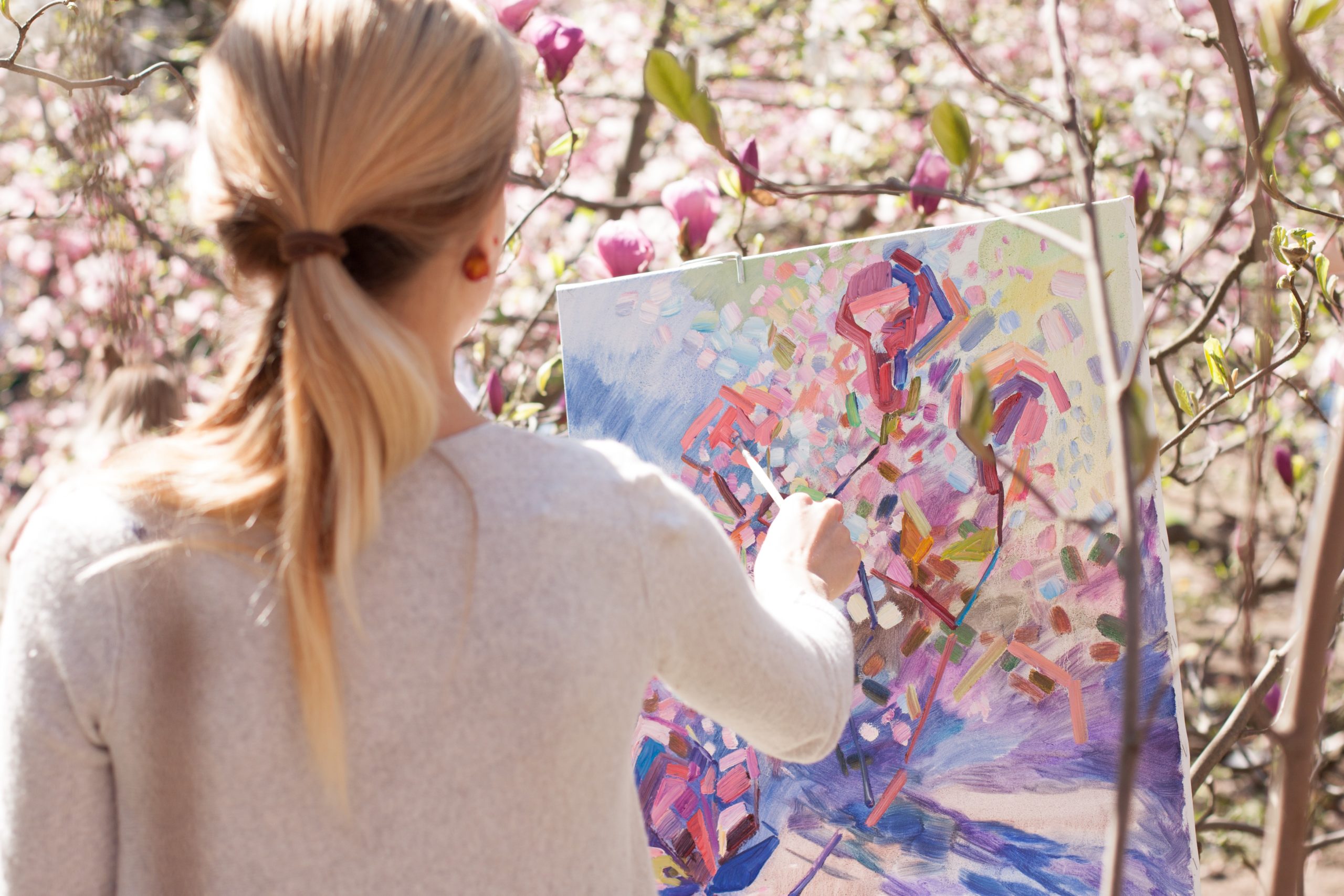
  • Does Psychiatric Treatment Suffocate Creativity in the 21st Century?

    Does Psychiatric Treatment Suffocate Creativity in the 21st Century?

    Have you avoided treatment fearing it would subdue your talent?

    This is a very real concern for some intelligent, talented people who suffer from certain disorders. The idea that suffering yields brilliant satire, beautiful music, heartbreaking poetry, and dazzling art that enrich mankind. It’s been a subject of controversy for eons. But is it true? If your treatment suffocates creativity, you can do something about that.

    We speculate about the connection between artistic genius and depression or bipolar disorder. Theories emerged that Vincent Van Gogh’s severe depression. He suffered serious bouts of anxiety, and possibly suffered from bipolar disorder.

    He self-medicated with alcohol… Of course, no medical treatment was available for his symptoms. 

    Ludwig von Beethoven stands as another historic creative genius we celebrate who suffered from bipolar disorder. Were his enthralling symphonies created by his illness?  

    Franz Haydn, his teacher and fellow composer, had remarkable words for him as he was getting to know him. “”You will accomplish more than has ever been accomplished,” he said. “You’ll have thoughts that no other has had. You will never sacrifice a beautiful idea to a tyrannical rule, and in that you will be right…”

    He was brilliant…there’s no question. And some would argue that brilliance and bipolar disorder sometimes go together. And he grew deaf. A tragedy for a musical genius. His behaviors as reported by his peers may have been indicative of depression. Maybe bipolar disorder.

    Still can you imagine his frustration at not hearing his own music?

    We must remember that our belief in the presence of a diagnosis of these figures in history is conjecture. That we’re basing our views on what we read about them, what their contemporaries said about them. And we try to piece together the puzzle pieces.

    So, if you’ve experienced severe bipolar I disorder, you may relate to some of these recollections of tormented icons. Their symptoms may seem pretty familiar to you.

    Again, there was no effective treatment available to him at that time, so we can only wonder.

    To learn whether treatment suffocates creativity, we have to fast-forward to the most recent 30 years of psychiatric treatment…and even better, the last five.

    In the days when Prozac was such a breakthrough, and then Paxil, I remember someone describing the way she felt. She said it was like she was “coated in wax.” 
    The early SRIs, and later the SNRIs, provided so much help to depressed people that they were considered a breakthrough at the time. People would joke, “the city needs to add Prozac to the drinking water. It could quite possibly solve all of society’s problems!”

    With time, we learned that these medications made a dramatic difference in quality of life for about 33% of those who suffered, and with some tweaking, titrating, and blending, over time that number increased to 50-65%. 

    But, eventually, it turned out that these medications weren’t always as remarkable as they seemed.

    There were plenty of people who stopped taking the medications because of the side effects of weight gain, sexual dysfunction, and more.  Plenty of others continued to take them and gained the weight and lived with the reduced sexual drive for the sake of functioning in their lives.

    Of the creatives who took these medications, some claimed the medicine impeded their creativity, while others found that with a clear mind, they could create more effectively.

    Those with bipolar disorder often take a mood stabilizer like lithium or depakote, and may experience more stability. But many others need a variety of medications to yield a more stable mood. And many others with bipolar disorder don’t experience any real or lasting relief from these medications.

    Does Psychiatric Treatment Suffocate Creativity In All This?

    While it wasn’t uncommon to hear patients complain of dampened creativity while taking SRIs and SNRIs, that’s not the case across the board. 

    Some who are treated for severe depression are relieved to discover they are able to be creative again. Others, not so much. It varies between people and can also depend on the symptoms. 

    And creativity and bipolar disorder share some genetic links, as well as some deviations from typical ways of thinking. Creativity includes new thoughts, original ideas, and freshness in composition of art, music, construction, etc.

    Still, neuroscience research reveals that the most productive creativity in someone with bipolar disorder happens when that person is in a non-extreme state, or euthymic period, or a hypomanic period.

    So, what about the last 5 years?

    Ketamine Treatment Doesn’t Suffocate Creativity

    Not only is ketamine treatment effective in treating depression and bipolar depression in far more people than SRIs or SNRIs, but it can actually enhance creativity. It’s in a category all its own.

    Ketamine treatment’s extraordinarily rapid and robust effects can proliferate the brain cell connections and the communication between different parts of the brain. These benefits can expand so dramatically that you can, and likely will, find yourself in a remission that defies all logic. 

    A kind of remission that finds you catching up on all the chores you’ve avoided for the last several years, advancing your career in ways you’d never thought about before, building strong, healthy relationships, and having fun…I mean really having fun.

    You can wake up singing songs that may have followed you while you dreamed, dancing spontaneously while you get your coffee. You may find yourself immersed in joy.

    Of course, ketamine treatment doesn’t do all this for every single person treated with it, but these benefits are widespread and common. There are a handful of sufferers who don’t enjoy these outcomes, but the vast majority do.

    In this day and age, on the brink of life changing treatments for severe psychiatric suffering, you have the opportunity to enjoy singing, dancing, and loving. 

    Watch the Clouds Part and the Sun Radiate Into Your Life

    At Innovative Psychiatry, we celebrate with our patients as they taste of a brightness of life and a hope that had always alluded them before. We provide ketamine treatment in a pandemic-safe, cautious protocol that protects our patients and our staff. 
    With this exacerbated environment for increased depression related to the pandemic,  it’s more important than ever to give yourself the additional support of a treatment that can renew your emotional energy and your patience to cope. 

    Does psychiatric treatment suffocate creativity? No…it doesn’t have to.

    If you’ve feared treatment because you fear losing your creative edge, call us.

    We’re here to help you open your doors and windows to let the light of your gifts shine through.
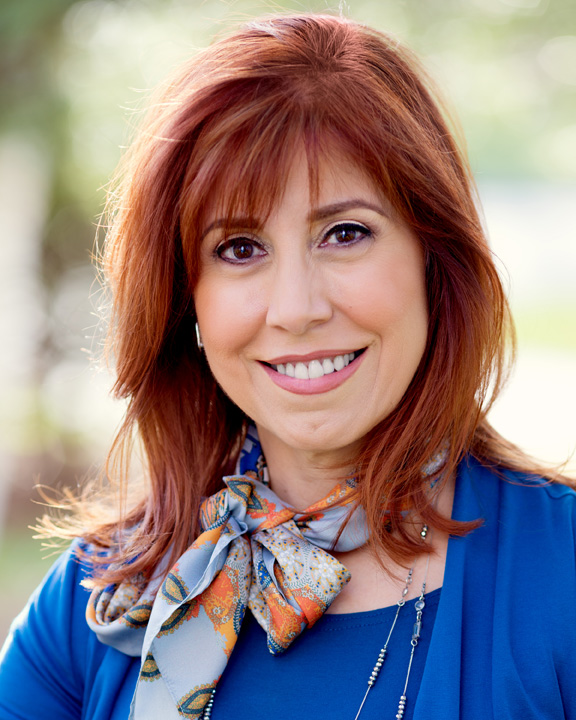
    Lori Calabrese, M.D. is on the front end of the race to stop PTSD in its tracks using IV ketamine treatment.

    To the restoration of your best self,
  • YOUR Response to the Second Wave of COVID: Fear, Anger… or Acceptance?

    YOUR Response to the Second Wave of COVID: Fear, Anger… or Acceptance?

    “The second wave of the coronavirus has begun,” they tell us. 

    They say we’re in it now, and this will be worse than the first. How do you respond to announcements like this…with fear? Terror? Maybe anger? Some will… but you do have a choice. You don’t have to be the victim of your emotions. You can respond to the second wave of covid: fear, anger, or acceptance and common sense, rather than react instinctively. 

    Fear and anger trigger the fight or flight response…think about it.  Have you noticed fear and anger in yourself or in the people around you during the first wave? It’s probably safe to say we all have. 

    But think about this. This is the second run. COVID-19 is no longer a surprise… You’re experienced at dealing with it. You know all about wearing masks and gloves. About staying inside and wiping down your home. Washing your hands. Maintaining distance from people when you have to go out.

    You’re an old pro at dealing with Covid-19. Just look at your muscle bound, highly skilled self. 

    There really isn’t anything to fear… is there? Not really?

    Common sense says to take precautions. Wear a proper mask. Avoid contact with others. Maintain at least 6 feet from others in public. And to not push the envelope. 

    So…What’s pushing the envelope?

    Gathering with others assuming the mask is enough. An infected sneeze or cough may actually not be enough. But if you confine your gatherings to Skype, Zoom, FaceTime… Sneezes and coughs from others can do you no harm. 

    Common sense.

    On the other hand, if you succumb to your emotional gut reactions of anger or fear, the likelihood you’ll make risky decisions heightens the danger that you’ll inadvertently expose yourself to the coronavirus.

    Is your response to COVID: fear, anger… or acceptance and common sense? Are you a supporter or a discourager? You have a choice.

    And if you get sick, people around you will get sick, and the second wave of COVID-19 wreaks havoc on more lives.

    In this second wave of COVID, you can not only choose how to spend your time in safe ways and safe places, but you can also set an example for others who haven’t really thought all this through.

    You Can Be the Voice of Reason and Common Sense

    So how will you respond in the second wave of COVID: fear, anger, or… acceptance and common sense?

    Will you lead or follow?  Either way, you can hopefully find the wisdom and sense of safety that goes with protecting yourself and your loved ones. 

    That’s what we’re doing here at Innovative Psychiatry. We’re using caution, a commitment to protect our staff and our patients, and we’re fueled by common sense , CDC guidelines, and state and local guidelines. We have the latest plasma technology air filtration system. (We’re all about innovation.) With social distancing, masks, faceshields, and gloves for ketamine treatment, and telepsychiatry for our psychopharmacology patients, we can help you safely.

    But…what if you’re overwhelmed with fear…  and it won’t calm down? What if rage keep growing, on the verge of exploding, no matter how much you try to be rational and calm?  

    When Fear Seems to Swallow You Up… 

    When that happens you may need additional support. You may need an antidepressant or talk therapy. But if you’ve tried other treatments and they haven’t helped at all, you may need ketamine treatment.

    Ketamine treatment can restore the connections and structures in your brain that give you the ability to cope and to hope. When you can cope, your patience increases, your outlook brightens, and your inner strength grows. 

    Hope helps you see past the current pandemic, realizing that your life lies ahead…and that the pandemic will eventually pass and your life will still be there, ready for the new choices you make as you flourish.

    Ketamine treatment also can enable you to feel joy, and to enjoy experiences even when you’re isolated. It can empower you to build a happy and rewarding life, and rebuild healthy relationships.

    And when that happens, you can respond to COVID with kindness, caring, patience, and endurance…and help others around you achieve that peaceful frame of mind, too.

    Because the COVID-19 pandemic is temporary. We’re all in it together. Let’s truly be with each other, our families, and our friends. Let’s look forward to our future.

    Lori Calabrese, M.D. is on the front end of the race to stop PTSD in its tracks using IV ketamine treatment.

    To the restoration of your best self,
  • Fallout From the Covid Pandemic May Not Be All Bad

    Fallout From the Covid Pandemic May Not Be All Bad

    As tough as these times have been, there have been some bright spots. 

    In fact, some people who have suffered terribly from symptoms of their disorders are actually stabilizing and improving. Feeling as though they’re less “disordered” and almost more normal than they’ve felt before. Can you imagine? In fact, as much as we’ve struggled with grief, loss, and frustration, as well as worsened conditions from disorders, fallout from the covid pandemic may not be all bad.

    It’s something of a phenomenon.

    On the other hand, it may just be common sense. For instance, for some who struggle with shame and increased anxiety because of social anxiety, to be allowed to remain at home, and visit with your doctor through telepsychiatry, the pressure to interact in a public setting among strangers is gone.

    On top of that, that telepsychiatry visit gives you a sense of closeness with your psychiatrist you may not feel in the office. Some people feel less intimidated, and are even more likely to ask the doctor how she’s doing.

    Some with agoraphobia may also feel more relaxed, since so many others they know are also safely locked up at home.  

    Even those under a dark cloud of depression, feel less like the “odd man out” because there are so many experiencing depression for the first time and are so alarmed, so baffled, and are looking for someone to talk to about it.

    On the other hand, for most of the rest of us, there are all sorts of ways the pandemic has affected us. And it’s been a burden.

    It might have been novel and interesting for the more optimistic the first month or two, but few still find it engaging now.

    The Difference Between Depression and Grief

    It’s important to understand that what you’re feeling may not be depression or anxiety at all. In fact, it may have nothing to do with any pathology, per se.

    The process you would naturally go through when you grieve the loss of what used to be… could be affecting you. You may be also grieving the loss of a loved one. But grief is a natural part of life, and it includes feelings that are painful and troubling. 

    Think of it like you’re adapting: a completely healthy way to adjust to new challenges. Feeling deep loss, then over time adjusting to that missing person or those elements in your life, and finding ways to live with it. 

    Because the fallout from the Covid pandemic may not be all bad at all…in spite of the things you miss.

    Do you miss eating at your favorite restaurant..?  The wonderful food, yes…but you can pick that up and take it home…no it’s the entire experience, isn’t it?  The way the wine tastes after they pour it, the wonderful service, the ambiance. Do you miss your children catching the bus each morning after breakfast, and the peace and quiet that settles over your home while you drink your coffee…? 

    It’s the little things.  And you miss them, and that’s ok.  While it’s not uncommon to get angry…(that’s the first stage of grieving, by the way)… it’s also not all that productive to get stuck there, is it? 

    So you look for ways to reduce the impact of it all by finding ways to help others, reaching out with kindness… and catching up on your reading. 

    We’re All In This Together and Fallout From the Covid Pandemic Can’t Keep Us from Getting Through To Brighter Days

    And it stands to reason—doesn’t it?—that you are experiencing different effects from the pandemic and its side effects than your neighbor, your co-worker, and your family members.

    If you’ve not been someone with a depressive disorder in the past, but you feel terrible right now, don’t panic. Because you’re walking your own path. You may be grieving the loss of life as you knew it up until December 2019… or…you may actually have been so devastated by these blows that you’ve developed a disorder and need treatment. 

    If you need it, you’ll get it. And if you need to try some experiences we’ve talked about before to nourish your resilience, strengthen your compassion, and improve your wellbeing…  well how much better is it if there really is something you can do yourself?

    On the other hand…

    But if you can’t lift your head above the din of stressors, then there are treatments like  ketamine treatment to  restore your resilience, so you in turn can show kindness and support to others.

    Which is why at Innovative Psychiatry we continue to be mask-wearing essential services for you, if you need us.

    If you find yourself despondent, hopeless, unable to see any way to function, call us.

    We provide ketamine treatment in a safe, protected environment so you can get a fresh breath of air, a sort of new lease on life, and the energy and initiative to make changes in your life you want to make.

    I hasten to say that ketamine treatment really doesn’t accomplish these things for absolutely everyone who receives it, simply because there isn’t any treatment that makes everyone well.

    Even so, its beneficial effects on most of those with treatment resistant depression is nothing short of extraordinary. So much so, that NO ONE should suffer indefinitely without remedy.

    There is hope.

    And joy.

    And the promise of a rewarding and fulfilling life.

    Let us help you take the next step to wellbeing and peace.

    Lori Calabrese, M.D. is on the front end of the race to stop PTSD in its tracks using IV ketamine treatment.

    To the restoration of your best self,
  • For Relief From Misery in These Difficult Times – Be Kind and… Compassionate

    For Relief From Misery in These Difficult Times – Be Kind and… Compassionate

    You see them everywhere… t-shirts proclaiming “In a world where you can be anything…be kind.” 

    Does that make you roll your eyes?  Or does it affirm to you to focus on the way of living that can help us all get through these difficult times? Because in times like these, with upheaval, disruption from a pandemic, and hurting people everywhere, there is a shortage of generosity, support, understanding. So be kind and compassionate to everyone you meet, show gratitude for the little things, and you may find the struggles shrinking and becoming more manageable.

    Kindness makes some people shy away.  They don’t like the word.  Makes them feel weak.  But kindness is actually rooted in courage—the courage to do the right thingand in strength to keep doing it even if your kindness is not acknowledged

    Did you grow up in a kind household — or one where you felt undervalued and roughly handled…?  It matters, you know. When you never see kindness, it’s not so easy to create it yourself, is it? 

    And yet, ask yourself: If you were surrounded by kindness, kind words, kind actions, and kind support, do you think you’d find that annoying…or would you possibly begin to bask in the safety and nourishing of it…? The fact is: we all need people in our lives to be kind and compassionate, and when they aren’t… we find ourselves lugging around a burden of isolation and neglect.

    Healthcare Workers Give All They Have to Give

    The world is in turmoil, and it doesn’t feel all that safe these days, but you do have the power to change it. One kind act at a time.

    Isn’t it amazing how hard it is for humans to experience change?  I heard someone complain that he liked to travel, and the forced quarantine was really causing him to chafe.

    In his case, he wasn’t sick, wasn’t laid off, wasn’t struggling financially …but there was a mountain of inconvenient changes in his plans. A nice guy, a wonderful person…. but enforced changes were pressing on his comfort and stirring up…what? Impatience? Irritation? Annoyance?

    So we have a world in turmoil, and it is forcing us to change our normal way of living.  Some are suffering severely right now, and they need us to care, to listen, to show patience. You don’t know who they are — with a few exceptions, maybe, in your circle — but that’s why you need to be kind and compassionate with everyone because it’s the best response to those you don’t know.

    Healthcare workers give all they have so be kind and compassionate to them.

    Healthcare workers in hospitals, for instance, infected patients fighting for their lives, or the families of those who have lost the fight. These brave and heartbroken ones need your kindness and support most of all.

    When you’re impatient because someone is standing at the checkout at the store too long…and you’re tempted to start throwing up your hands and saying, Move Along, Already!!

    Stop.

    Take a breath. She might have spent the last 14 hours with a mask on trying to save a patient’s life…only to watch him die. Be KIND.

    Job Loss and Income Reduction Is a Part of Life Right Now…

    Then there are those who suffer because of job loss, lack of sufficient income, and scads of difficulties caused by it. They need kindness and support, too.

    The Guy At the ATM Who Keeps Sticking in His Card

    …and you wait and wait.  

    Don’t HONK.

    It could be that the last funds are gone from his account because of his reduced income…and he’s trying to find a credit card to borrow from.

    Have compassion…he’s in a serious crisis. Because his family needs food, gas, and diapers.

    Remember to Care.

    But there are millions of us who are frustrated by the changes in our routine, changes in our access to stores and restaurants, changes in our lifestyles. Changes.

    Be kind and compassionate because you need others to be kind and compassionate with you.

    You can allow those changes to give you permission (or an EXCUSE) to treat others badly, or you can use those changes as fuel to empower you to lift the outlook of the people around you.

    So what can you do to ensure you have more kindness to give to others?  

    Start, by nurturing yourself. Do things for yourself that improve your own sense of fulfillment, your own stores of patience. Soothe away the day’s tensions in a hot shower or go all out in a hot bath. Go fishing and listen to the quiet sounds of nature. Spend time with someone who is important to you…

    It’s true that it’s terribly hard to offer patience, kindness, understanding when your own mind is raw with tensions, burdens, and mistreatment. So DO SOMETHING everyday that’s just for you.

    Then, when you mess up, make mistakes, even bad ones, give yourself patience, kindness, and forgiveness. Because it’s in practicing kindness toward yourself that you learn to cultivate kindness and patience toward others.

    Unhappy people often rail on themselves when they make mistakes, or fail in some way …. but truly, in order to be kind to others, you need to show yourself abundant kindness. (Abundant kindness, you’re thinking. What is that, even?)

    In a World Where You Can Be Anything, Be Kind.

    If you’re the first to respond to someone’s struggle, start with compassion. Show you care. Then, as you provide support, do it with kindness and patience.

    And you know what??

    To be kind and compassionate yourself brings more happiness to you…and to them.

    Have you heard of a “WIIFM”? …. No..?  So what’s a WIIFM?  It’s finding out “What’s in it for me???”

    When you are already happy, doing kindness for others, showing patience, doing something that adds to someone else’s happiness… these things make you happier too!

    This very idea was confirmed in a study by a team social researchers led by Keiko Otake. Their results showed that when happy people actually count the number of times each day they show kindness, it makes them even happier. In addition, they found that showing kindness increases their own sense of gratitude in the simple things of life.

    During this disruptive time, finding joy in simple things, and expressing gratitude for them, can be a path to peace and increasing joy in spite of circumstances. And it can be contagious. 

    Delivering kindness to those in your circle can spread gratitude and joy to them, who in turn may offer more kindness to their own circle. At the same time, offering generosity and kindness stokes the fires of happiness within you, too. So crank up happiness …be kind and compassionate every day. All day.

    It will transform you.

    And What If You’re Just Tired of the Struggle? What if You Can’t Muster Joy, Patience, or Even the Power to Care?

    Sometimes the prolonged stressors of times like this can wear down your resilience. Sometimes, no matter how deep you dig within yourself, you can find no joy, no hope, no energy to cope with anything.

    And sometimes, if you live with depression, if you’ve been bruised by trauma, not even your antidepressants can help anymore. In spite of your medications, listlessness takes you over. 

    When that happens, you can reach out for ketamine treatment. 

    Stress prunes the dendrites and dendritic spines that build the synapses in your brain. Those connections between the brain cells that communicate and help signals travel with speed and abundance. They become broken down, sparse, weakened. 

    But since ketamine turns on mRNA and switches the DNA to “ON” to produce brain derived neurotrophic factor (BDNF), all that new BDNF turbo boosts the replenishment of these connections, and triggers a cascade of changes. The result — for many people, though not all — is a rapid and robust improvement in your outlook, your hope, your energy for challenges, your motivation and initiative… and you can feel tremendously better. Like renewed. Pretty much well.  

    It can be extraordinary.  Life changing.

    Then, keep building that wellbeing with kindness, warmth, generosity…giving your best to lift and support those in your path.

    At Innovative Psychiatry, we continue to be an essential service, and are set up to provide you with ketamine treatment in a safe environment.

    While none of us knows how long the precautions and ups and downs of the pandemic will last, you can reach out for the help to be who you want to be, for yourself and everyone around you.

    You don’t have to be dragged down by the stressors of this pandemic. You can rise higher than the challenges, and sprinkle kindness in your wake.

    We’re here to help if you need us.

    Lori Calabrese, M.D. is on the front end of the race to stop PTSD in its tracks using IV ketamine treatment.

    To the restoration of your best self,
  • What If You’re Just Tired of Coronavirus??

    What If You’re Just Tired of Coronavirus??

    So… the pandemic continues…  

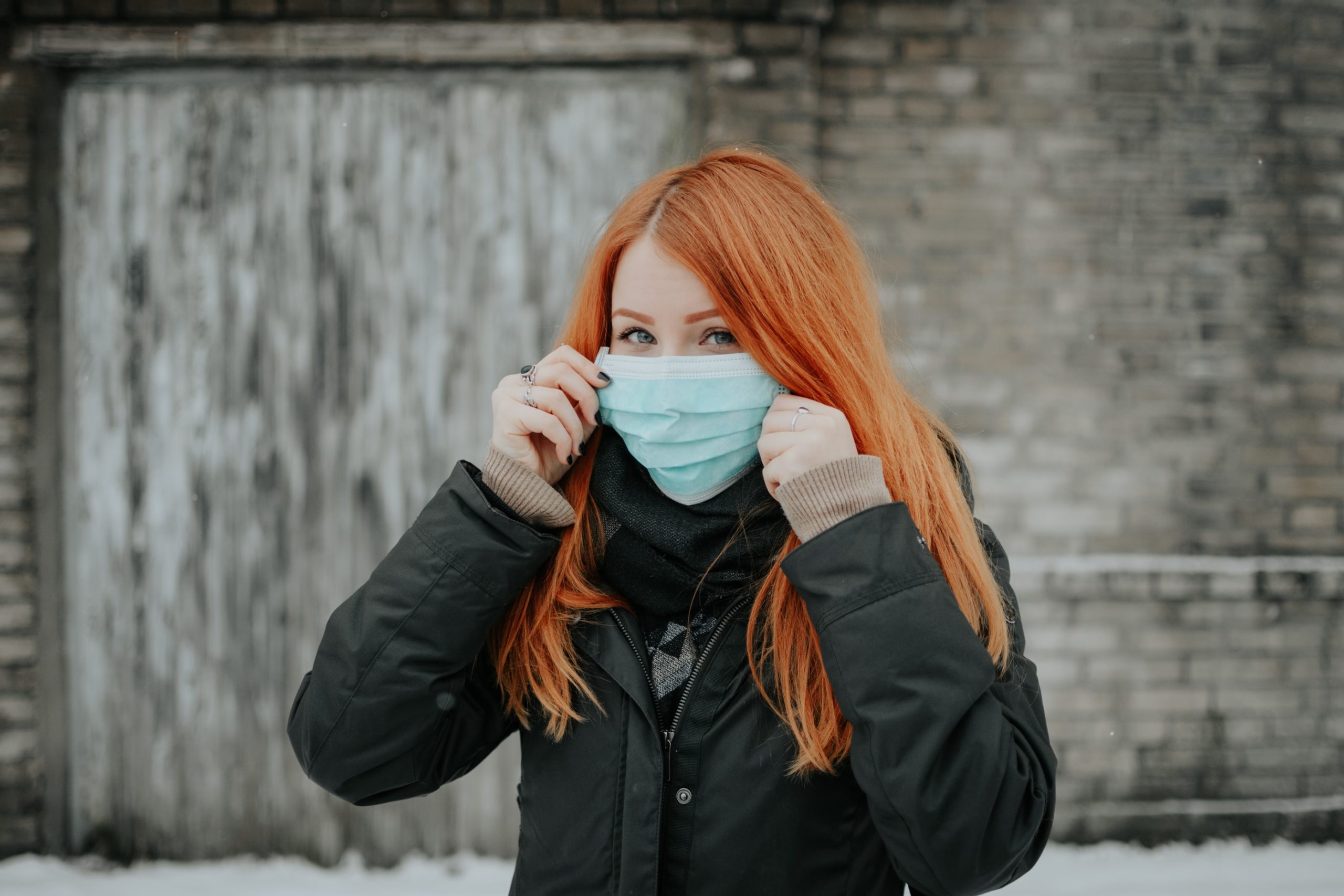
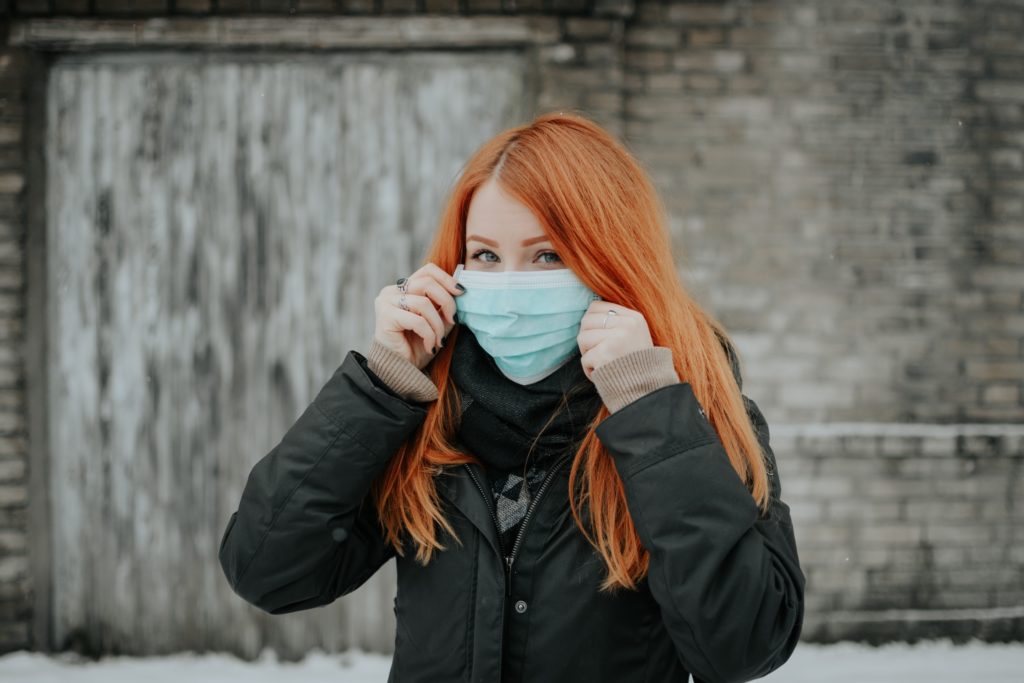
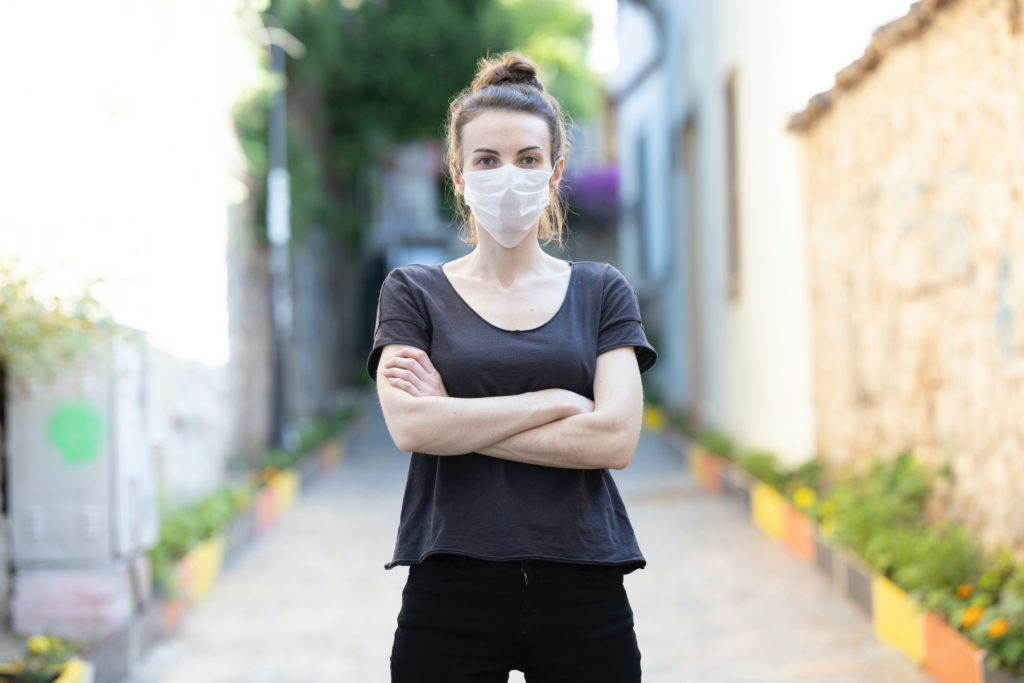
    Wearing a mask is adaptability in the pandemic and it's worth it for this woman.

    And millions of Americans are required to wear masks unless they’re at home with family. When you shop, there are yellow markers on the floor that show you where to stand in line to maintain social distancing… Certainly, this is a once-in-a-lifetime occurrence. Like the 100 year flood. We’ll never forget. Very few people in our midst have actually witnessed this before. Only those who lived during the Spanish flu in 1918 and are living today… and that’s about it. So, basically, only people older than 100. And as the conditions, precautions, and lockdowns become more restrictive, or less, or more again… you can find yourself disoriented, annoyed, and fearful. How do you cope? What if you’re just tired of coronavirus??

    Could you have imagined that 6 months ago, when news of the pandemic spread around the world, that by midsummer precautions would be reinstated again? 

    Well, you’re not alone. Most everyone shares your outlook. And by the way, some segments of this country has required masks outside of home since March.

    Keep reminding yourself…in the name of generosity and your own adaptability, that you’re not alone. Millions upon millions of people are in the same boat.

    So how do you do that…?  How do you maintain your sense of yourself, your identity, your good will and benevolence when you feel so worn down?

    Have you noticed in line at the grocery store, waiting 6 ft behind the person in front of you, how much more easily people around you seem to snap? To attack the poor girl at the register, who is dutifully wearing her mask? This girl didn’t create the pandemic, and yes she’s getting the brunt of everyone’s ill humor.

    So what can you do to nurture generosity and patience in this atmosphere?

    Honestly, what if you’re just tired of coronavirus?? Consider adaptability and resilience.

    Adaptability and Resilience in the Face of Hardship – Develops Your Patience and Confidence

    When faced with crises, you have choices. 

    You Can React and Let Your Tattered Emotions Lead…

    or you can respond from the resilience and patience you’ve cultivated in past crises.
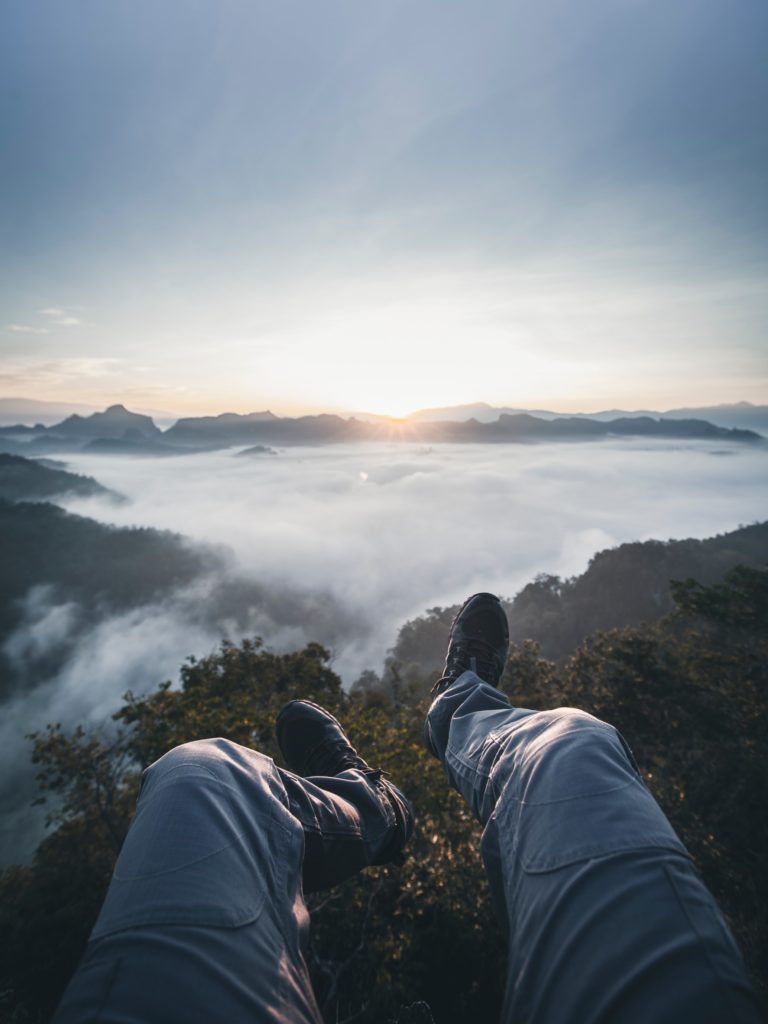
    Adaptability in the pandemic or in nature can help you survive on a hike like this one.

    A tree that’s blown with hurricane force winds can bend and bend and bend.  If it snapped from the pressure, that would be the end of that tree. But by bending, the trunk of the tree is strengthened. It becomes stronger and more flexible.

    When you see a 200 year old oak tree, you can know that it’s seen lots of hardship, but it bends to the wind, it doesn’t allow itself to be drowned by flood or killed by drought. That tree has seen it all, yet it stands tall and strong, because it adapted.

    This tree has learned how to send its roots deep and wide to nourish its needs. It takes its challenges one at a time, tucks its chin and stands strong in the face of wind gusts and hurricanes, freezing temperatures, and blazing heat.

    Our beautiful oak doesn’t need to weather all the challenges that occur in ten years all it once. It stands, sways, bends, and replenishes itself, one challenge at a time.

    It uses its adaptability to be flexible in the face of hardship, then springs back to its normal state and prepares for the next one. Always standing strong and resilient. And with each season it grows a little stronger, a little more equipped to face harder assaults in the future.

    Adaptability means bending to accommodate the circumstances around you. And it’s vital because bending makes you stronger.

    These principles apply to countless crises, assaults, and hardships. Just like this beautiful old tree, you learn to nourish yourself, to put down roots deep and wide that will help you stand strong in the face of trouble, to reach for the sky with exercise and nutrition.

    You may be tired of coronavirus and all that goes with it, but if you think about it, things could be worse…a LOT worse. So nurture and nourish yourself, so you can give warmth and patience to others around you who are struggling too. Remember this isn’t permanent…it’s just right now.

    Simple, random acts of kindness and generosity can also beef up your own resilience and confidence.

    But to live to see another day can be a worthwhile goal in the thick of things.

    But What If I Can’t Think of a Creative Response? 

    What if I can’t imagine a better way to respond or feel?

    Just because you want to be calm, and respond wisely, doesn’t mean you have the power to do that. If you suffer from PTSD or depressive disorders the calm and wise response may be beyond reach.

    They say, “It’s not the strongest who survives, nor the most intelligent. But rather it’s the one who can best adapt to change.”

    To avoid the panic this woman feels, practice adaptability in the pandemic.

    And when you nurture resilience, and you’re flexible in the face of changing circumstances, you become stronger and you have more patience to offer the ones around you who are also tired of coronavirus.

    Which is where ketamine comes in.

    IV ketamine treatment can reduce stress and the damage it has caused in your synapses, in your hippocampus and amygdala. As the stress dissolves, and your synapses are rebuilt and become abundant and highly functional again, your ability to face a threat and make good decisions is remarkably improved.

    This new level of function reduces depression symptoms dramatically, to the point that you feel well. You have the needed energy to think of the needs of others and make decisions that benefit them. You have the creative thought to adapt in difficult circumstances, making them less distressing. In fact, you can enjoy the opportunities you find in the midst of them.

    And you can imagine…and enjoy.

    And if you have suicidal thoughts, or too many thoughts about dying, ketamine can stop those thoughts in a few hours. You could be an afternoon away from relief and hope.

    Ketamine Doesn’t Help Everyone – But It Can Transform Most People Who Reach Out for It

    At Innovative Psychiatry, every week we see people enjoy that relief, hope, and freedom because of their ketamine treatment. They marvel at the night and day change that replaces the depressive darkness and anxiety. 

    And as ketamine treatment restores their power to enjoy and imagine, they realize that instead of being tired of coronavirus, they have a renewed patience for taking it as it comes. And giving a leg-up to those around them.

    But, first, a word of caution: Ketamine treatment doesn’t have this robust effect on everyone who needs it. But no other treatment is currently available that relieves these symptoms so easily for as many. If you’re one of the ones whom ketamine doesn’t help, there are other treatments we can talk about. 

    Interestingly, ketamine treatment is often most effective on patients with the most severe symptoms. And that’s why we focus on patients who have not been helped by other medicines.

    Adaptability in the pandemic can allow you to maintain your joy in adversity like Carol here.

    So, if you struggle with anxiety disorders, PTSD, social anxiety, severe depression, substance use disorder, alcohol use disorder, or suicidal thoughts, and nothing else has helped, call us.

    Because letting ketamine improve your mood, your outlook, and your resilience also equips you with improved adaptability in other crises you face.

    We’re here to listen, and to help you find relief, even achieve remission, from these symptoms that impair your best life

    Ketamine can remove the obstacles that prevent you from pursuing happiness, building strong relationships, and investing motivation and initiative in your career. 

    You really can have a fruitful and rewarding life, and we’re here to help.

    Lori Calabrese, M.D. is on the front end of the race to stop PTSD in its tracks using IV ketamine treatment.

    To the restoration of your best self,
  • Ketamine Slashes Anhedonia in Treatment Resistant Bipolar Depression

    Ketamine Slashes Anhedonia in Treatment Resistant Bipolar Depression

    Depression shows its face in a lot of different ways:

    If you live in the misery of bipolar depression, anhedonia is right there, up close and personal.  So what is it? Anhedonia is the loss of interest or pleasure in things you used to enjoy. So you stop enjoying.  But if you can’t enjoy... life can taste like… sawdust. Bipolar depression is never fun. It’s interesting that those who suffer the type of depression that’s dominated by anxiety often have trouble sleeping…and tend to lose weight. While those who suffer from the type of depression dominated by lethargy tend to gain weight and sleep long hours…. like 19 hours straight. And anhedonia is right there, in your face, when you’re depressed. It can permeate your life and creep into conditions that sometimes tag along with depression and bipolar depression, like PTSD or substance abuse. And ketamine slashes anhedonia in these conditions.

    Now, here’s the problem. In bipolar depression, there is plenty of evidence that shows that the usual treatments for bipolar depression don’t relieve the anhedonia. In fact, they sometimes actually blunt the rewarding experience. We’ve talked about this in other articles, referring to the activity of cell bursting in the lateral habenula. 

    Let’s be frank. When you’re depressed, you want to feel better. NOT feeling isn’t good enough. You need to be able to enjoy.

    We talked about how important that is. To live a fulfilling and rewarding life includes enjoying. Because without any enjoyment, life is more of a drudgery…and you trudge through proverbial mud day in and day out.

    Who Says So??

    Peer reviewed studies have demonstrated that depressed patients with anhedonia have a poorer prognosis for recovery than depressed patients with no anhedonia. And anhedonia can also cause emotional blunting and even physical blunting, like inability to experience sexual pleasure or orgasm.

    A study published in the American Journal of Psychiatry demonstrated that when anhedonia is present in a major depressive episode, it can predict that suicide is likely to end that life.

    In 2014, there was no FDA approved treatment for anhedonia…and the suicide rate was climbing, and continued to climb and is still climbing. Currently, suicide is the 10th leading cause of death in the US.

    All that illustrates that “not enjoying anything’ isn’t as tepid as it may sound. It can actually be life-threatening.

    And in the meantime, in order to understand depression and bipolar depression, you do need to wrap your head around anhedonia.

    Ketamine Treatment Slashes Anhedonia in Bipolar Depression

    A neuroscience research team led by N. Lally that included Carlos Zarate and D.A. Luckenbaugh, looked at the effects of ketamine on anhedonia in Oct 2014. The study showed that ketamine causes rapid-acting anti-anhedonic effects in treatment-resistant bipolar depression. To go a step further, they found it it improves and relieves anhedonia independently of its antidepressive benefits.

    Over half of people diagnosed with treatment resistant bipolar depression suffer from serious anhedonia. And the researchers in this study demonstrated… and concluded….that ketamine treatment is vital for the treatment of anhedonia in patients with bipolar depression.

    We’ve talked before about how bipolar depression is characterized by an intensity that distinguishes it from major depressive disorder. And these researchers found that even when a patient with bipolar depression can laugh at a joke, or likes eating something sweet, he lacks the motivation to to go to the effort to get it for himself.

    So lack of motivation is embedded in anhedonia, and to restore motivation requires alleviating the anhedonia.

    But standard antidepressants aren’t always effective for anhedonia, at least there’s no proven evidence of it. So something had to give.

    And ketamine treatment seems to target regions in the brain that cause anhedonia. Not as part of its antidepressant benefits, but independently.

    We also know that IV ketamine also stops suicidal thoughts…and again it seems that it can do this independently from its antidepressant benefits.

    Is it any wonder so many are so excited about the restoration they’ve experienced after ketamine treatment?

    And what about you?

    Do you know what anhedonia is like from your own experience? Do you recognize the description of not enjoying things you used to enjoy…of having no motivation to drag yourself out of bed or to do anything?

    Ketamine treatment can be an ideal treatment for your symptoms, even when nothing else has worked — and sometimes, especially when nothing else has worked! — and can relieve depression by targeting a variety of areas in your brain, It’s almost as if it’s custom made just for you to dissolve your bipolar depression symptoms.

    I’m not saying ketamine treatment is a cure-all. Far from it. Depression and bipolar depression are complex disorders that require multifaceted treatment approaches. When anhedonia persists no matter what you do or try, you may want to consider ketamine treatment.

    Ketamine Slashes Anhedonia For You, Too

    At Innovative Psychiatry, we offer ketamine treatment for treatment resistant depression and bipolar depression. And our patients often tell us they’re amazed at the relief they experience and at how much easier it becomes to manage their lives after treatment.

    If you haven’t experienced relief, or even just partial relief, from the prescriptions you’ve taken…and you still don’t enjoycall us.

    If you find yourself thinking about dying, or wish you didn’t have to wake up in the morning… reach out for help. Don’t go it alone. Call the National Suicide Prevention Lifeline at 1-800-273- TALK (1-800-273-8255) or in the US, text HOME to 741741 to connect with a crisis counselor at the Crisis Text Line.

    And learn about how we’re using IV ketamine infusions to help stop suicidal thinking in depression.

    You really can enjoy again…the fragrance of a flower, the energy to have fun, the motivation to accomplish your goals and build healthy relationships.

    Give yourself the chance to find out how good you can feel.

    Lori Calabrese, M.D. is on the front end of the race to stop PTSD in its tracks using IV ketamine treatment.

    To the restoration of your best self,
  • Ketamine Can Stun PTSD Through This Pandemic

    Ketamine Can Stun PTSD Through This Pandemic

    As businesses and services begin to slowly, cautiously open back up, we have questions.

    Is it safe to be around others? Experts say social distancing is still the ticket, as well as masks and gloves and hand washing. Yes, yes, and yes. And what if you’ve got something gripping you in the midst of this pandemic that just makes everything so much more difficult to control? We’re going to talk about how ketamine can stun PTSD through this pandemic — and make it let go of its grip.

    Tom could use a little of that. For sure. He found managing his outlook, frame of mind, and overall health…. challenging.

    Tom had been isolated for months. The COVID-19 lockdown was doing a number on him. It had really cramped his style, and being cooped up for so long made him feel like exploding. He’d undergone treatment for PTSD, but even though he’d seen improvement, he had to be careful about his frame of mind and exercise and nurture peace in his life.

    After two tours in Afghanistan, he had some trauma and scars. Headaches, nightmares, chronic pain, a little hearing loss. He’d lost some good buddies. And then later, he lost his emotional and mental balance.

    For years, the scenes from those six years crashed into his awareness with a blast that was so real, he reacted to it as though he was there all over again. And while the scene was exploding around him, triggered when he least expected by the littlest things, his body reacted, again and again, just like it did the first time. When it was real.

    Combat Stress charity helps war veterans with mental ill-health | Express.co.uk

    He’d hit the floor, smelling fear, seeing enemy fire around him. And sometimes he’d crawl to his gun safe and scrabble for the gun, on high alert. Ready. Waiting.

    His wife eventually was so frightened by his reactions when he was terrified and reacting to his terrors that she finally just moved out with the kids. And he was left alone.
    Have you ever been terrified … and then abandoned by the one person you trusted would always have your back?

    Imagine how that could magnify the terror!

    If only he’d known that ketamine can stun PTSD…and transform his nightmare into joy.

    Tom felt like he’d tried everything. A variety of treatments and programs. Doctors, therapists, meds, you name it.  In some cases, he’d see a little improvement, but even that turned out to be temporary. The discouragement choked him. Despondency flooded him. He didn’t know how he could go on.

    He had said he wouldn’t go through any more treatment unless the person offering it had seen combat. It didn’t seem to him that anyone could imagine what this was like. And he didn’t want to keep wasting his time.

    Then he started drinking again.  Tom had been sober for years…but his desperation, his loneliness, and the humiliation he felt by his behavior was sometimes just too much to bear. He had to find some relief.

    He wondered…maybe if he got just a little drunk, for just a little while, it would give him some relief. It would quell these horrid episodes.

    Tom was alone. 

    Locked up in his house.

    And living through terrors.

    He felt helpless.

    And angry.

    Ketamine can reverse PTSD so you can relax at home rather than walking the streets like Tom.

    He signed up for an online alcohol recovery group, hoping it might help him get a grip. They met 3 times a week, and he felt like maybe it would help… but the jury was still out.

    Then one afternoon, the conversation turned and seemed to suck him right in. Some of the members were talking about PTSD. 

    Finally, something relevant!!!

    And a young woman spoke about her pain, and her quest for freedom, as well as her determination to stop hiding her pain behind alcohol.

    She’d been sexually assaulted in a parking garage at night. A stranger who came out of nowhere.

    She described her own night terrors.

    And he could see that she had lived in her own type of combat. And he ached for her.

    A New Solution Emerged

    Later, as some of the more involved members continued their online discussion, a middle-aged guy, who said he’d also served in Afghanistan, mentioned a treatment he’d had that transformed him. Wiped out his PTSD symptoms. That the PTSD that had all but destroyed him seemed to be gone…he wasn’t sure….but he had not had PTSD symptoms for 17 months. He had tried ketamine treatment.

    Blew his hair back.

    He said he and his wife were back together, and the kids were learning they could relax around him again. His own self respect was getting stronger as he worked his way through the daily challenges of life.

    He also said that the treatment had seriously helped him stay sober. It was like the cherry on top of the sundae.  

    Tom and the young woman both wanted to know about the treatment that had made such a dramatic difference for him.

    “IV ketamine treatment,” he said. “I read about it, checked some studies I found online, talked to some people I found who’d gone for it, and realized I needed to give myself a chance. I wanted to see if I could get better.”

    He was quick to add, “They tell you that not everyone benefits from this treatment, so be prepared. It might not work. But the percentage of people who felt it worked was extremely high, from my point of view. Ketamine can stun PTSD and it did for me.”

    Tom realized this was his chance. 

    Ok, so it doesn’t work for everyone. But if this treatment worked so well for this guy, it might do just as well for me, he thought. He’d lost his family, and his job was shaky.  He had to try.

    So he made the call.

    Sometimes Solutions Emerge Unexpectedly – For Example: Ketamine Can Stun PTSD

    That’s Tom. He lived his life responsibly and with a heart of service when he signed up for the Marines. And he served bravely and well. But it cost him his family and a rewarding life because of PTSD. It cost his peace of mind and his self respect. He felt helpless and weak because of his episodes of terror. Man, did he hate feeling weak.

    Tom desperately needed a solution… especially after months in lockdown during the pandemic. All that had just intensified the pressure and intensity of those earth-shattering attacks.

    After so much loss, and so many failures from treatments he sought, Tom was desperate, and beginning to consider ending his life.

    Even though he didn’t believe in 12 step groups, he tried one anyway to reach out for support in his isolation. And there online, he found good people who cared. But the biggest surprise was the treatment he learned about that had nothing to do with the 12 steps.

    His new friends told him about IV ketamine treatment.

    More and more evidence shows that glutamate, the excitatory neurotransmitter, goes to work to respond to stress, impacting the formation of traumatic memories and all the pathophysiology of PTSD.

    Ketamine treatment works on the mechanisms that create traumatic memories, and can help reform the memory in a way that releases the traumatic aspect of it. By stimulating neuroplasticity, these mechanisms can adapt and help that memory to become more circumstantial rather than traumatic.

    Ketamine can reverse PTSD but it's not for everyone.

    And rather than requiring several weeks or months to deliver these trauma reducing benefits, ketamine can work fast — within hours, days, or a week or two.

    Ketamine Can Stun PTSD

    And loosen its grip.

    At Innovative Psychiatry, we provide IV ketamine treatment for people who suffer from PTSD caused by combat, sexual assault, a devastating illness, and more. And we see people with terrible trauma make their way out from underneath their PTSD symptoms, all the time.

    It doesn’t take away the fact that the trauma happened. But it can take away the hold that the trauma has on you.

    Can you relate to Tom?  Has the pandemic imposed isolation that has intensified your symptoms? Do you wish for relief from your episodes that nothing else helped? If so, call us.

    We don’t want to imply that ketamine is a cure-all for whatever ails you.  That wouldn’t even sound real. And it isn’t effective for everyone. But no other treatment has been so effective for so many who suffer from psychiatric symptoms that nothing else helps.

    We’re here constantly working to make sure you get the relief you desperately need. 

    We want you to achieve full remission. And to enjoy a fulfilling and rewarding life. 

    Give yourself the opportunity like Tom did.

    Lori Calabrese, M.D. is on the front end of the race to stop PTSD in its tracks using IV ketamine treatment.

    To the restoration of your best self,
  • Bipolar Disorder Treatment for Depression and Suicidal Thinking

    Bipolar Disorder Treatment for Depression and Suicidal Thinking

    Treating bipolar disorder with all its comorbid symptoms can be a delicate process.

    Some people suffer tragically when all’s right with the world. The COVID-19 changes have made the last 5 months especially difficult for them. Those who suffer severely lack the medications and treatments to help them function during this period of isolation and quarantine.  For example, bipolar disorder treatment for depression, anxiety, and suicidal thoughts is all the harder in crises like these.

    Many people suffer with these symptoms when the world is balanced and functioning. However, during this period of crisis their difficulties torment them mercilessly.

    Bipolar disorder is one of the most severe psychiatric disorders, but unfortunately it has not received the most attention for studies, breakthroughs, and relief. Not even close.

    This serious disorder plays a significant role in the lives of people who live in shelters, in jail, or who commit suicide.

    To take it a step further, some doctors warn that no one should still be prescribing antidepressants for bipolar disorder.  

    I’m not one of them—but more on that in a bit.

    It’s true that depression is a terrible symptom of bipolar disorder. In most cases, it dominates many more of your days compared to mania or hypomania. And it’s vital to find a way to treat the depression while also avoiding the mania (or hypomania).

    Add to that the other conditions that often run hand in hand with mood disorders. Those that accompany the depression and mania — like severe anxiety, panic disorder, and OCD. Anxiety can appear as a cluster of conditions that vary in severity, with flares that occur willy-nilly. Boy, can they exacerbate each other! And boy, can a simple straightforward medication for an anxiety disorder suddenly make your mood disorder worse. And vice versa.

    If you or someone you care about has bipolar disorder, you know what I mean. The meds that are supposed to help can be hellish.

    Then, there’s another point to be aware of… 

    Bipolar Disorder Treatment for Depression, Anxiety, and Suicidal Thoughts …is Tricky

    An article in Psychiatric Times recommended we use evidence-based medications like lithium, quetiapine, lamotrigine, lurasidone, and cariprazine, and avoid antidepressants in people with bipolar disorder. And they have reasons for that.

    Those are excellent medicines. But what about when a patient doesn’t respond to any of them?  

    But people are individuals. And we design and personalize the treatment for each individual.

    For instance, when we find that patients with bipolar disorder also have severe anxiety disorders (panic disorder, OCD), the anxiety can be hard to address with therapy alone or occasional medications. Sometimes it’s just so bad that it needs to STOP. We can sometimes control these it best with a concurrent SRI — the current updated term for SSRI — to suppress panic attacks or OCD. 

    Why do that? Because some people with frequent unpredictable panic attacks just can’t function very well. Some people with OCD are tortured by it.

    Give them an SRI and it could go a long way towards suppressing all of that. But then … their mood can really go haywire. Rapid cycling can occur — and everything can spiral out of control.

    There is no one-size-fits-all for psychiatric treatment. Especially if you have bipolar disorder. And its friends. Anxiety? Agitation? Hyped-up energy? Frustration? Each symptom must be teased apart and treated carefully, without upsetting the other symptoms. Without upsetting the rest of your life.

    Because the fact is, bipolar depression can be severe,  unrelenting, and life-threatening. To expect someone with severe bipolar disorder to muscle through bipolar depression along with panic attacks, anxiety, OCD, being untreated, too, is cruel. While you’re waiting for the proposed mood stabilizing medicines to relieve the plethora of symptoms you suffer…when it never happens, it can feel pretty desperate. You can feel pretty hopeless.

    People who suffer from bipolar disorder live at risk for ending their own lives. Their frustration with unrelenting symptoms, their shame over behaviors when their mania –or hypomania– is not controlled, and their impulsiveness during mixed states make effective treatment so important.

    The stakes are high.

    Sometimes an SRI can ease the panic attacks…or the OCD… without actually relieving the depression.

    And yet, what’s the alternative?

    For some patients, these medicines can help prevent hypomania or mania, and in some they also stabilize depression, too.  But when they don’t help the depressive symptoms, something more really does need to be done.  Pretty quickly.

    Ketamine Treatment Can Help with Bipolar Depression

    And ketamine treatment can relieve bipolar depression pretty quickly. It helps many patients whose depressive symptoms aren’t relieved by these mood stabilizing medicines or SRIs. But we use it carefully. Because ketamine infusions occasionally induce hypomania.

    At Innovative Psychiatry, we see people with bipolar disorder improve dramatically from ketamine treatment’s extraordinary antidepressant effects on their bipolar depression. By bringing relief with this treatment to the dangerous and overwhelming threat this condition causes, and by reversing the suicidal thoughts that can accompany it, mood stabilization can become easier.

    Bipolar disorder is not a walk in the park, but effective treatments and personalized, innovative psychiatric care can bring you joy, peace, and a rewarding life. 

    It’s what we do. It’s what we live for.

    We invite your healthcare team to work together with us to get you back to your best self. Please feel free to have them call.

    If you suffer from bipolar depression, call us.

    You actually can live very well with the right treatment for you.

    We’re here to help. 

    Lori Calabrese, M.D. is on the front end of the race to stop PTSD in its tracks using IV ketamine treatment.

    To the restoration of your best self,
  • Ketamine Plus Motivation Enhancement Therapy = Better Abstinence

    Ketamine Plus Motivation Enhancement Therapy = Better Abstinence

    Study shows abstinence from alcohol improved when ketamine and talk therapy were combined.

    We’ve talked before about the benefits of ketamine to reduce the craving for cocaine and for alcohol use, as well. A substance use disorder is can be a prison with no way out. We’re going to talk about the work of researcher who works for relief and freedom for those with disorders like this, Elias Dakwar, M.D., and his study using ketamine plus motivation enhancement therapy. But first, Jackson’s story can give an idea about how much suffering can happen for those with this type of disorder.

    Jackson’s Story

    Jackson wiped the sweat from his forehead, and told himself he could do this. He had an AA meeting in a few hours. Surely, he could make it till then.

    He tried to focus on the TV, to get his mind off the yawning craving he felt for a drink.  It had been three days since his last drink, and he knew if he started drinking again, he’d be right back at the crack house.

    Nobody told him it was like this. 

    If he could stay away from crack, he might almost be able to get clean and stay clean. But he knew from experience that if he saw some on the table, there would be no avoiding it.

    But what was really frustrating, was that drinking alcohol always led to his seeking out crack cocaine. He didn’t know why…but it just happened that way.

    You know, when you’re partying with friends, or even just getting together for dinner… everyone’s always drinking. And you think Why not? Glass of wine or a beer… no big deal, right?

    But one drink would lead to another… and another. And the next thing he knew he was waking up wasted. Hating himself.

    Why oh why did he ever try cocaine the first time? It had wrecked his life. But he couldn’t blame it all on that. He knew that tendency to have one drink after another could be a problem, even if he hadn’t tried crack cocaine.

    It definitely was not a well thought out, informed decision, by any stretch. It was sudden, impulsive, and fit right in with the fun he was having.

    And it destroyed his life.

    There was no way he realized at the time how it would put a ring in his nose and lead him around whether he liked it or not.

    Ketamine plus motivation enhancement therapy can break addiction that began at parties like this.

    It was fun for awhile, but after some time he’d burned through his paychecks, his credit cards, and sold what he had just to get more. He’d stolen from his family, and betrayed everyone who mattered to him. 

    He wanted out.

    But there was no getting out…  it was like a vice clamped on his mind that wouldn’t let go. 

    Sheer Will is Often NOT Enough

    So he’d stayed away from it for nearly a week, then went to dinner with friends. Of course, everyone had drinks, so he ordered one too.  By dawn…he’d been using this stuff all night long. And had no idea what had happened to his car.

    That happened over and over…and over.

    He would have the best intentions, and ask his family to loan him money for his car payment, or help him buy a new car, so he could go to work and keep his job. And over and over again… he’d have a drink with friends and end up at the crack house.

    So now. He had been going to Alcoholics Anonymous, and to Narcotics Anonymous. He was determined to win. 

    Then, his girlfriend just got fed up with it all and broke up with him. He NEEDED her.   Why would she leave him now when he needed her the most??

    He just needed something to help him relax…So he picked up a six pack of beer. Three days later he finally dragged himself out of that same awful flop house… and he was hating himself. Why couldn’t he find the willpower to stop drinking and stop using crack cocaine?

    What Do You Do When You Can’t Stop?

    If you suffer with substance use disorder or alcohol use disorder, the cravings  can be so strong because of changes in your brain that cause them. But as far back as 2013, Elias Dakwar, M.D., published his research showing that IV ketamine can dramatically reduce these cravings.

    Now, a research team led by Dr. Dakwar that includes shining stars like Sanjay Mathew, M.D., Frances Levin, M.D., and Carl Hart, M.D. has published another study that has taken this work a step further.

    This new pair of studies shows that ketamine plus motivation enhancement increases abstinence for people with dependence.

    In our story of Jackson above, we learned about his experience trying to abstain from both alcohol and cocaine. There are also those who struggle to abstain from either alcohol or cocaine individually.

    This man is trapped in cocaine use disorder and can't stop.

    People who fit in both of these categories can benefit from the work of Dr. Dakwar’s team.

    They completed two studies in 2019 and 2020. One for alcohol use disorder and one for cocaine use disorder.

    Cocaine Use Disorder

    Dr. Dakwar’s team, including Sanjay Mathew, M.D., Frances Levin, M.D., and Carl Hart, M.D., has published another study that has taken this work a step further. These researchers were part of the team who conducted the 2013 study.

    His early study included 8 volunteers and demonstrated how IV ketamine could reduce cravings for cocaine.

    This new 2019 study included 55 cocaine dependent individuals who were admitted as inpatients for 5 days. During this study, they were randomly divided and one group received a single ketamine infusion and the other received a midazolam infusion. In addition, they began a 5 week course on mindfulness-based relapse prevention.

    As it turned out, 48.2% of those who received ketamine with the mindfulness-based course maintained abstinence through the last 2 weeks of the treatment course, whereas only 10.7% of the midazolam group achieved the same.

    So, this led to the study with alcohol use disorder.

    Alcohol Use Disorder

    It’s surprising to realize that death from alcohol use disorder accounts for a whopping 3.8% of all deaths globally. 

    And that’s just the deaths. It goes without saying that the impairment of life, the breakdown in families, the cost due to sick days related to alcohol use disorder is gargantuan and is an enormous social and economic problem in our society. 

    And while 12 step programs provide a valuable service, helping many to abstain and rebuild their lives, there are too many that fall through the cracks.  Because of cravings.

    Ketamine Plus Motivation Enhancement Therapy

    So this team designed a study that involved more subjects than the earlier work, and that measured the impact of combining IV ketamine plus with motivation enhancement therapy in subjects with alcohol dependence.

    These subjects were enrolled in motivation enhancement therapy, which had been determined to be only modestly effective by itself. They were given 6 sessions during a 5 week period, with a single ketamine infusion at week 2 then a motivational enhancement session 24 hours after that infusion.

    Social drinking is hard to resist except with ketamine plus motivation enhancement therapy.

    Another group was given midazolam instead of ketamine infusions during week 2 with a motivation enhancement session 24 hours after the infusion.

    As it turned out, the subjects who were given ketamine with the motivation enhancement therapy were able to abstain from alcohol longer than those given midazolam. 82% of them were still abstaining at the end of 3 weeks when the study completed. Of those given midazolam, only 65% were still abstaining.

    And possibly one of the best outcomes of all, was that more of those given ketamine resumed abstinence if they relapsed than those given midazolam. 

    And this was with only one infusion. 

    Studies are conducted under strict controls, but imagine how much a full ketamine plus motivation enhancement therapy 24 hours after each infusion can do for you ability to stay sober and build the life you want to live.

    She is free of substances and happy thanks to ketamine plus motivation enhancement therapy.

    Ketamine plus motivation enhancement therapy can be life-changing for you if you can relate to someone like Jackson.

    At Innovative Psychiatry, we welcome the opportunity to collaborate with your therapist and the rest of your healthcare team to help you break the hold that cocaine or alcohol may have in your life.

    There is evidence that talk therapy 24-48 hours after your ketamine infusions can be far more effective than talk therapy alone. One reason for this may be the neuroplasticity that ketamine stimulates. It makes it easier for your brain to change, think new and different thoughts…see things in a new way.

    There is hope for Jackson, and there is hope for you. Don’t give up if substance use disorders have made you lose control of your life. Ketamine plus motivation enhancement or some form of relapse prevention therapy can give you back your life and your sense of control.

    Of course, it will take work, but you don’t have to feel helpless. You can get your self respect, your dignity, and your joy back. You can rebuild those damaged relationships and build a rewarding life.

    If you can relate to Jackson, and want out of the vicious cycle, call us. If you need freedom from alcohol or other substance abuse disorders, call us.

    We want to see you whole and free.

    Lori Calabrese, M.D. is on the front end of the race to stop PTSD in its tracks using IV ketamine treatment.

    To the restoration of your best self,
  • Ketamine In A Pandemic: New Depression and Anxiety Can Strike Anyone

    Ketamine In A Pandemic: New Depression and Anxiety Can Strike Anyone

    The sky grew darker as clouds morphed from white to gray, and created a solid ceiling over the city.

    It had rained off and on for days, and thunderstorms had filled the night skies with a threatening latticework of lightening. In an aggressive assault on the grayness, Evie stepped back from the window and decided to turn all the lights on. The quiet in her bungalow, the gray skies, and the silence felt like a blanket that she couldn’t seem to shake off. She turned on music and tried to dance around the living room, but that didn’t last. There had to be a way to ward off this expanding gloom. She’d heard about ketamine in a pandemic, because these symptoms can strike anyone…even if they’d never had them before. Could that be what’s going on?

    Dread crept up inside her, and she couldn’t understand why. Where was this coming from? She didn’t object to this isolation. It had given her the excuse to read more, which she’d salivated to do for years. She enjoyed her own company.

    So where was the dread coming from?

    It was as if things she normally would do as part of her routine just seemed too hard to do lately.

    A heaviness grew darker and heavier in her chest..?  Her stomach…?  What was it?

    Evie had always prided herself in her ability to snap back from disappointment, to face fearful situations and push through them. She just lived with her sleeves rolled up, ready to take on whatever life tossed her way.

    Her younger brother had never been so resilient. And unfortunately, she hadn’t been very supportive.  She just had never understood why he wouldn’t just shake it off. Call a friend, pitch in and help someone in need, walk in the sunshine…and get over it! 

    Now…she was eating her words.

    Isolation and Even Social Distancing Take a Toll on Your Emotions

    She strained her brain to understand what was causing this. Internet articles pointed out that being cooped up this for weeks or months was affecting people in a negative way. 

    But Evie liked being alone. She loved the quiet. The uninterrupted freedom to do what she enjoyed.

    And these articles also talked about fear. People were afraid. Sales of guns had skyrocketed, and ammo was sold out and on back order, as people have bought up more and more.

    She had to admit to herself…that THAT was scary. All sorts of people armed against unknown dangers…

    But seriously. She wasn’t afraid of looters or invasions.

    It seemed clear to her that it was just a matter of waiting this out.

    Ketamine in a Pandemic Can Relieve Anxiety and Depression in Someone Who’s Never Had It Before

    So what was wrong with her?? Why was she lying in bed and reading all day every day? Things had piled up. Her garden needed weeding. But the idea of doing it was overwhelming.

    Motivation, initiative… it seemed to have drained out of some proverbial hole in her bucket.

    When a knock came on her door…Evie didn’t answer it. She just stayed quiet and waited for whoever it was to go away. The same with her phone. She didn’t want to talk…not to anyone. 

    She remembered a few months ago, when she saw a map of the world that depicted the incidence of this COVID-19 virus in countries around the world. She was stunned to see how every country seemed to be red. The entire world!

    So if she had thought she could just get out of town and wait for this to blow over, she was fooling herself. There was no escape on the planet.

    Maybe that shock started this…this feeling of dread…

    Large Scale Change Increases Stress

    Then they closed the schools and restaurants and businesses. Then required mask wearing.

    You know that feeling that “it will never happen to me”…?  But this thing has happened to everyone. Everywhere.

    So was the dread from feeling trapped?  Evie thought about that. It might be the case with some people, but how could she feel trapped all snugged up in our home she loved doing things she enjoyed?

    She didn’t know what was wrong with her or what specifically caused it. She did know that she wasn’t herself. There had to be some serious thinking about her brother and so many others who suffer from symptoms like this. Who really couldn’t shake it off, like she couldn’t now.

    And she acknowledged it was a difficult place to be. That her brother had been very brave all these years to keep fighting to function when medication and therapy didn’t work for him. 

    She’d read enough to know that many people were being affected by these circumstances. Some, like Evie, had never felt this way before. 

    She promised herself she’d call a doctor to see if she could get treatment — as soon as she could scrape up the initiative to do it.

    Evie’s not alone, is she? 

    And this is why telepsychiatry has been so vital through these months. A new flood of people who never needed psychiatric treatment before have emerged…and need treatment.

    Ketamine in a Pandemic: Depression and Anxiety Can Strike Anyone in These Circumstances

    Then, there are those who’ve been receiving treatment with prescriptions that now don’t seem to be working anymore. And in isolation, these people are at higher risk because they’re alone, and feeling all the things Evie feels, but often the symptoms of suicidal thoughts have been added to the mix.

    Ketamine in a Pandemic for Depression and Anxiety Can Be A Lifesaver

    A team of medical researchers set out to try to  evaluate the psychiatric effects this global pandemic — and the restrictions that have been part of it — to better understand its impact on mental health in individuals around the world.

    They published the results of their survey.  One of the most remarkable outcomes was that 41% of adults showed they were more concerned about their increasing anxiety, than they were about their financial problems. That’s 2 in 5 adults.

    Two out of 5 in line at the grocery store. Two out of 5 in line at the gas station.

    Think about it.

    Also, 2/3 said they feel like they’ve lost control of their lives. Sound familiar?  And 56% say they find it difficult to manage their responsibilities amid this pandemic.

    So, yes.  You’re not alone. If you’ve been struggling with these things too, just recognize you’re not alone. You’re part of the “new normal.”

    Except that it doesn’t feel normal.  

    And it doesn’t mean you should keep struggling with these feelings of uncertainty, anxiety, and depression.

    Do call your doctor and talk about what you’re going through.

    And…if you’ve been taking prescription medicines, and find they aren’t helping, don’t lose hope.

    Reach out for ketamine treatment, which can restore your resilience in the face of all this. It can restore your initiative and motivation. Aren’t you glad that there is something that can help in times like these? Ketamine in a pandemic can bring remarkable relief for depression and anxiety that’s triggered by these restrictions.

    At Innovative Psychiatry, we’re providing ketamine treatment here in our office every week. We’ve instigated safety protocols that allow us to provide you the essential treatment you need to help you get through this stressful time.

    While the process of recovery from a global pandemic is more complicated and time consuming than we wish, you don’t have to live in misery. Ketamine treatment can restore your hope, your resilience, your initiative, and your confidence.

    And if hopelessness has been rising up inside you, stripping away your belief that things will ever get better, that’s a symptom. It’s not reality. And ketamine treatment can relieve those thoughts, and help you get your momentum back.

    We specialize in treating suicidal thoughts. In fact, we’ve done research which shows ketamine’s remarkable effectiveness with this symptom.

    If you suffer from the symptoms we’re talking about, call us.

    We’re here to help you find your best self again. We want you to enjoy your life and live well.

    You aren’t alone. You really aren’t.

    Reach out for help. Your best days could be just around the corner.

    To the rejuvenation of your best self,
    signature of Lori Calabrese, M.D.
    Lori Calabrese, M.D.

error: Content is protected !!