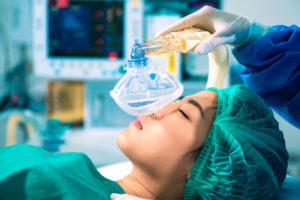

Tag: ketamine treatment

  • Anorexia, Ketamine, and the Default Mode Network

    Anorexia, Ketamine, and the Default Mode Network

    Anorexia, ketamine, and the default mode network study can reveal better treatment for eating disorders.Anorexia, Ketamine, and the Default Mode Network

    Do you feel good about what you weigh?  Or about how you look?

    If you hesitated to answer, you’re not alone. If you answered No…or…I’m not sure… again, you’re not alone.

    Survey Says: Majority Don’t Like the Way They Look

    Allure, a magazine centered on beauty, surveyed 2,497 people nationwide, and found that 64% of people look at someone and the first thing they notice is how attractive they are.  And 50% said they believed appearance defines us all… Really..? 

    Oh, and get this: 62% of both men and women said they believed they were more critical of their own appearance than others are of theirs.

    So, being preoccupied with your appearance is not constrained by age or gender. It’s happening in the majority of the population. And who knows how many people surrounded the people in those percentages and criticized them for their weight, their appearance, or their appeal.

    Is it any wonder that 30 million people in this country suffer from eating disorders?

    30 MILLION !!!

    Support for Your Eating Disorder

    In the early 1970’s, a nurse named Viv tried to find support for the family of a critically ill patient in herAnorexia, ketamine, and the default mode network may hold the solutions for eating disorder treatment. hospital. She was unable to find ANYTHING to offer for connection or support for this patient and her family.

    In the process of calling around, one healthcare professional after another told her that Anorexia Nervosa was such a rare disease, there probably weren’t even 2000 people with it in the entire U.S. They said she was wasting her time.

    So she decided to research the situation for herself. After all, she was a nurse, and nurses can have some serious determination when it comes to helping their patients.

    So she posted an ad in a newspaper…so seventies, right?…just a small block ad. The ad stated she was searching for others interested in information about eating disorders. Her town in Illinois had a population of about 30,000. It was no metropolis.

    Well, within a few days she received 8 responses to that ad from people who’d been diagnosed with anorexia or another eating disorder, as well as family and friends who were concerned about a loved one.

    But that was just the beginning.

    Somehow, as fate would have it, a national magazine got wind of her story and published their own Anorexia, ketamine, and the default mode network studies are expected to improve treatment for eating disorders.story about her.  When that was published, she was flooded with a deluge of phone calls and letters from people all over wanting to learn more.  She opened her home and established the first national helpline and referral service in the USA for people with eating disorders.

    Viv founded ANAD, the National Association of Anorexia Nervosa and Associated Disorders, or ANAD.org.

    That small group she started in her home took their training nationwide to establish professional support groups, helplines, and peer-to-peer support groups.

    Anorexia, Ketamine, and the Default Mode Network: Mental Health Awareness Month

    May is Mental Health Awareness Month, and this is the last post for this month, but going forward our posts will continue to address issues of mental health. Still, it seems fitting that we talk and share information about the deadliest of all psychiatric disorders — and that is eating disorders. Because somehow, it seems this is the quietest…least talked about … but deadliest… disorder of all.

    No One is Testing Ketamine for Eating Disorders

    Fact: there are currently 188 studies on anorexia nervosa listed in the National Institutes of Health databas, and not one of them is testing the effectiveness of ketamine combined with therapy … which we talked about last week.  Plus, of the 489 studies on eating disorders, none incorporate ketamine treatment in any way.

    Here’s what they ARE trying. Things like:

    • Warm ginger foot soaks
    • Zyprexa, an antipsychotic and mood stabilizer
    • Duloxetine, an antidepressant
    • Mobile phone apps
    • Omega-3
    • Deep Brain Stimulation
    • Oxytocin
    This is despite the high prevalence of suicidal thinking and actual suicide in anorexia. And despite the obsessive thoughts that ravage those who are restricting their food intake. Think about it. 

    If you suddenly imposed upon yourself that you were going to eat no more carbs… no potatoes, no bread, no sugar, no chocolate, no sweets, no ice cream…

    What do you suppose would be on your mind constantly over the coming days…?

    CARBOHYDRATES!Anorexia, ketamine, and the default mode network study will help find better treatment for eating disorders.

    Every commercial on TV would seem to be about ice cream, cake, sugar, chocolate, bread … carbs!  Every thought you have as you listen to your stomach growl…?  French fries, fast food, donuts, dessert ….

    Right??

    When you deprive yourself, you obsess over how to end that deprivation. And if that’s as true of you as it is the rest of the human race, just imagine what it’s like for someone with an eating disorder.

    When you’re sick with an eating disorder, you feel fat, see yourself as fat, and obsess over how to lose weight. And you restrict what you eat, and exercise excessively, or use laxatives or purging to prevent body fat at all costs. Even when you’re not doing anything, your mind is busy thinking, and your thoughts default to counting, criticizing, obsessing about fatness, thinness, calories, food…

    Because of that… for anorexia, ketamine and its effects the default mode network could reveal a very effective treatment for eating disorders.

    Anorexia, ketamine, and the default mode network study can improve treatment for eating disordersThe condition of those with severe eating disorders is critical. Life-threatening – as in death – due to organ failure as well as suicide.

    To take it a step further, studies involving the Default Mode Network that goes into play after ketamine infusions to make the most of cognitive behavioral therapy (CBT) are demonstrating some great results for other conditions.

    Why isn’t anyone studying that for eating disorders??

    The deadliest psychiatric disorder…!

    When you look at just the handful of studies above, do you wonder why they’re so diverse…? Is  that there’s so little we have to offer biologically

    Don’t you wonder why researchers aren’t JUMPING on studying ketamine treatment for eating disorders every which way but Sunday?

    SOMEONE SHOULD DO A STUDY!!

    After all, this is exactly how research questions are formed and carried through to studies and trials in search of answers. This is how new ideas spark! And tried and true treatments become established and trusted.

    So let’s think about this:

    How might ketamine treatment provide the best and most thorough impact to help those with eating disorders?

    A study comes to mind that might be extremely useful to consider. Sam Wilkinson and his group at Yale studied the effects of using ketamine treatment and cognitive behavioral therapy (CBT) together to prolong the anti-depressive effects of ketamine.

    The study, which took place last year, arranged for depressed patients to undergo 12 CBT sessions over 10 weeks, while also receiving 2 ketamine infusions a week for two weeks.

    The results indicated that remission from depression lasted longer in some than others, but in most Mental health issues in college students can be relieved by ketamine treatment.

    cases it lasted longer than it did with ketamine alone.

    (Remember the blog about the first international Ketamine Conference in England in March?  He discussed his data at that meeting!)

    They used only 4 infusions instead of 6 — a protocol that may be a little underpowered in terms of getting depressive symptoms to completely remit in the first place.  But people who achieve full remission early like that may be more likely to stay in remission…? We’ll see. Perhaps using CBT with strong early remitters allows a cleaner testof whether CBT prolongs remission after ketamine or not. 

    So let’s extend this for a moment to eating disorders.

    The First Study with Ketamine for a Psychiatric Disorder

    Jump back to 1998, and to I.H. Mills, who initiated studies in 1992 to establish eating disorders as compulsive disorders. Mills and his group were the first to study ketamine for treating the compulsiveness in eating disorders in 1998. Which, by the way, was the first study using ketamine to treat a psychiatric disorder ever.

    So, I think somebody really should do a study…where 6 infusions of ketamine are used in patients with eating disorders and then 24 hours after each ketamine infusion (more about that in a second), the subject receives cognitive behavioral therapy. …. Or maybe 8 infusions interspersed with CBT, and then 4 more CBT sessions tacked on to the end…?

    And what if the response was tracked not just by the usual rating scales for depression and OCD but by additional measures looking specifically at eating disorder symptoms and markers of improvement.. 

    Thrilling to think about, isn’t it?

    But they could take it even another step further.

    Anorexia, Ketamine, and the Default Mode Network

    They could exploit the Default Mode Network (DMN) in the brain for that study. If you remember, the Default Mode Network is a network of areas of the brain that work together to give your brain a restful state… where you complete a task you’re focused on, and instantly find yourself day dreaming… musing, reminiscing, worrying…or even obsessing about something negative about yourself, others, the past, or the future. 

    A brilliant group of researchers spear-headed by Meng Li of Magdeburg, has discovered through Anorexia, ketamine, and the default mode network may demonstrate a far more effective treatment for eating disorders.functional MRIs (fMRI) that the functional connectivity of the posterior cingulate gyrus (dPCC) changes after a ketamine infusion. This area is part of the DMN, and it is involved in more negative thought patterns. They see it change in the first hour after the infusion, but the change is much more dramatic after 24 hours. This change increases BDNF – remember what BDNF does?

    This changes the glutamate at the NMDA receptors at the AMPA receptors, and the synapses or connections between the cells in the brain proliferate rapidly, budding and branching and quickly improving the communication and movement of signals throughout the brain.

    At around 24 hours post-infusion, the functional connectivity of the dPCC is so greatly reduced that the DMN can use other parts of the brain to take over the resting thoughts. And that allows you to consider positive alternatives to the negative obsessing, worry, self-recriminations, and other negative thought patterns.

    So when the DMN opens up 24 hours after a ketamine infusion, the neuroplasticity in the brain cells that ketamine sets in motion can help CBT to be much more effective. It’s a potential path to remission… and that’s what we want to find.

    Not just for anorexia.  For so much more.

    May 2018 Mental Health Awareness Month

    Mental Health Awareness Month has been a time of talking, listening, offering patience, and treating those we don’t understand with compassion. In psychiatry and neuroscience, we find more answers about psychiatric disorders to bring relief to more who suffer.

    Including those who suffer in the shadows from disorders less understood.

    If you’re someone who suffers from an eating disorder, and don’t know what to do, please call us. We’re looking for solutions, and we want to help you, too.

    Innovative Psychiatry focuses on successfully treating the seemingly untreatable, most life-Anorexia, ketamine, and the default mode network study could reveal better treatment for eating disorders.threatening psychiatric disorders. We get to see remarkably widespread response and remission in the patients we treat.

    And we’re finding that ketamine treatment can smash through even the worst symptoms when administered properly. We’re thrilled when our patients feels restored and resilient. When they feel changed for the better.

    When you walk into our office, you’ll be treated with respect, compassion, and support. For your infusion, we offer private, beautiful and relaxing environments.

    And within about 6 infusions over 2-3 weeks, you can feel like your brain has been reset. You’ll feel joy…and hope. You’ll find you have more control over your life. And you’ll find you’ve rediscovered your best self. A new you?…more like the real you. Give us a call and let’s talk.
    Lori Calabrese, MD offers innovative psychiatric treatment like IV Ketamine

    To the fresh emergence of your best self,

    Lori Calabrese, M.D.

  • Who Should Provide IV Ketamine as Treatment for Depression?

    Who Should Provide IV Ketamine as Treatment for Depression?

    Should anesthesiologists give IV ketamine as treatment for depression.If This is What You Picture When You Imagine IV Ketamine Treatment for Depression, Think AGAIN!!

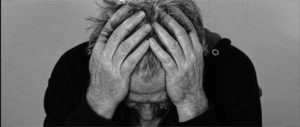
    And nix that image. Because we’re going to talk about who should provide IV ketamine as treatment for depression.

    Ketamine treatment is getting more and more attention in the press as a paradigm shifter for effective treatment for psychiatric mood disorders. And more and more medical professionals are opening offices to offer ketamine treatment for depression, and for pain management. Of course, more availability of ketamine treatment means more relief for more sufferers.

    Which is a good thing … right?

    Well, yes, but it raises some serious questions.

    Ketamine Isn’t for Everyone

    Like, for instance, is ketamine treatment for everyone?  And the answer to that is “No.” Not everyone will respond to it when it’s used for psychiatric mood disorders.

    But there are clinical factors and genetic tests that doctors can use to predict more accurately whether you’re likely to respond to ketamine treatment for depression.

    And another question: Is providing ketamine treatment for depression similar to providing ketamine treatment for pain? Is this something any medical doctor can easily do?  After all, it’s just a simple medication like any other, right?

    The answer to that isn’t exactly straight forward. First of all, the question includes an assumption that any medical doctor can easily prescribe any medication … even for specialized needs.

    Legally, this is true. Ethically and practically, it’s not.

    And while he may be able to prescribe a drug legally as a medical doctor…is he deeply versed enough in the nuances of the patient’s response to the drug and the drug’s potential side effects…as well as the patient’s potential reaction to those side effects and what to do about them….? 

    Is it really the best decision for a doctor to treat a condition he/she isn’t fully knowledgable about?

    Should an internist treat your periodontal disease? 

    An internist is expected to recognize and treat pretty much anything going on with your body…after all, he’s well-versed in inflammation and infections, and knows all about antibiotics. But his wide scope prevents him from having a specialist’s focused knowledge and deep experience with specialized aspects of your body, like your gums, for instance. So, you go to a dentist, and your dentist may send you to a periodontist for your gums…if you need it…a specialist’s specialist.

    Do All Psychiatrists Treat All Psychiatric Conditions?

    Well, let’s consider the nuances of psychiatry. There is a wide range of psychiatric disorders, including behavior disorders, mood disorders, personality disorders, cognitive disorders, developmental disorders, addictive disorders, and more — including all kinds of treatment modalities and several different kinds of psychotherapies we use — and most psychiatrists are not experts at everything.

    Of course not.

    Most of us gravitate naturally to our interests, and the best of us align our work with our own best selves — we choose the age range, the population, the conditions that fascinate us and tug at our hearts…the modalities that align with the way our own brains work and the way we interact. Some of us are researchers. Some of us are in the trenches. We play to our strengths. 

    We all should.

    Now, back to IV ketamine treatment.

    Anesthesiologists Use Ketamine in Surgery

    It’s understandable that anesthesiologists would be pretty comfortable treating patients with IV ketamine Who should provide and monitor IV ketamine Treatment for depression.since they’ve been using ketamine in surgery and emergency settings throughout their career.

    They’re also at ease sitting and monitoring a patient throughout the infusion treatment, because that’s what they do.

    Some medical doctors might get a bit antsy during that whole process, but it’s just second nature to an anesthesiologist.

    And, it’s true there are certainly plenty of anesthesiologists offering IV ketamine treatment for psychiatric mood disorders. They’re highly skilled in starting IVs, familiar with ketamine, and excellent in handling emergencies in the ER and in the OR.

    An anesthesiologist’s education and training is all about life support during critical moments in surgery. And these specialists know physiology like nobody’s business.

    But…

    Who Should Provide IV Ketamine as Treatment for Depression?

    When it comes to evaluating a psychiatric patient as a candidate for off-label use of IV ketamine treatment for treatment-resistant depression or other mood or anxiety disorders, there’s a great deal to manage. The role of ketamine used as an adjunct with complex medications and psychotherapy, for instance.

    Plus, the patients’ response to the drug and how to treat therm in their specific state of mind, whatever it is,  that emerges during treatment… All within the context of their baseline psychiatric symptoms and vulnerabilities.

    Anesthesiologists just aren’t trained for that.

    The same is true of nurses, even those in advanced practice.

    It’s my belief that the use of ketamine in the treatment of psychiatric disorders is something that is best done by psychiatrists who are thoroughly familiar with IV ketamine treatment.
    And here’s why.

    Because the things that this treatment requires — assessment of the patient and of the psychiatric response (not just the physiologic response), dose adjustment, management of fear, management of expectations… this is all psychiatric expertise. In addition, the family and their overall involvement (or lack of involvement) in the patient’s suffering… It requires we curate the experience, integrate it with psychotherapy, coordinate it within the context of the patient’s medical problems and with the professionals treating them. All these things are without a doubt what WE do and what our entire specialty is about.

    We deal with suicidal patients all day long and every night and weekend–anesthesiologists don’t and, understandably, don’t want to. But many, if not most, patients who receive IV ketamine treatment are not only no strangers to suicide, but in fact are so plagued by such thoughts their lives sometimes hang in the balance. Even to survive till the end of the infusion.

    Those tormenting thoughts just seem to creep in even when you’re not looking for them, and bring a presence to the ketamine room that stuns everyone involved.  That is, until  ketamine stops the suicidal thinking independently… and even if the depression doesn’t stop immediately… but lifts more slowly. A well-informed psychiatrist needs to be present to walk each patient through every scenario, especially when the outcome is a surprise.

    So, again, who should provide IV ketamine as treatment for depression? Definitely, not just anybody. Preferably a psychiatrist deeply experienced and educated in the nuances of ketamine treatment in psychiatric patients.

    Just as internists are not specialists in all areas of illness, not all psychiatrists are versed in the use of ketamine for psychiatric mood disorders.

    So What Kind of Psychiatrist Steps Out to Offer IV Ketamine Treatment?

    The ones who are really comfortable with medicine, and adjusting, adapting, and combining it for therapeutic outcomes. The ones who also have a strong identity as a physician first, and who are already experts in psychopharmacology.

    These psychiatrists are accustomed to a model of consultation and collaboration. And they like to work collaboratively with other psychiatrists, therapists, PCP’s, and families.

    This is no place for lone riders.

    These are the ones who know what it’s like when you’re the most suicidal of the suicidal, and who will stand with you and not be afraid. Those who understand that something transformative happens during an infusion. And that the specific experience of the infusion itself matters if there’s to be healing.

    We are grateful to the anesthesiologists who brought ketamine out of the OR and into the office.  

    But the psychiatric care of our most fragile, desperate, and ill patients — with multiple tangled psychiatric disorders, complex histories of polypharmacy and treatment failures, excruciating trauma, and concurrent medical problems — demands the finest life-saving that we have to offer, by psychiatrists. Nothing less.

    We continue forward to learn all we can from our patients and the dedicated neuroscientists who Who should provide Iv ketamine as treatment for depression in someone like this man?continue to explore the actions of this remarkable drug. As they explore, we continue to see our treatment-resistant patients enjoy extraordinary responses in 80% of cases.


    If you’ve suffered from treatment-resistant mood disorders and have tried multiple treatments without success, we get it. Innovative Psychiatry is a practice that specializes in helping people who have not found help before. People who have been to other psychiatrists and were failed by traditional treatments. People who are running low on hope.

    Innovative Psychiatry is into hope renewal. Through groundbreaking use of medications and treatments, we’re helping people like you live again. Enjoy life again. Please call us to schedule an appointment. We’ll evaluate whether you’re a likely candidate. There really is hope.

    To the release of your very best self,

    Lori Calabrese, M.D.

    Lori Calabrese, MD offers innovative psychiatric treatment like IV Ketamine

  • TIME Magazine Runs Cover Story on Ketamine as a Treatment for Depression

    TIME Magazine Runs Cover Story on Ketamine as a Treatment for Depression

    New Hope for Depression

    Jul 26, 2017
    For more, visit TIME Health.ketamine in time magazine

    Every week, when Ian Hanley sits down with his therapist, he goes through a list of depression treatments he’s been researching online. The best-known treatments at the top of the list–half a dozen antidepressants and known combinations of those drugs–are all crossed out.

    “My therapist says he’s never had this much difficulty with somebody,” says Hanley, “which is sort of a dubious honor.”

    Hanley is only 21 years old, but he’s already six years into his search for something, anything, that can help him feel better for more than a few weeks at a time. “I’ve heard people describe it as sadness, and that’s not specific enough,” he says. Numbness is closer, but it’s not like depression inures you to suffering. “It’s like not quite being alive,” he says, “but still having to go through all the crappy parts of being alive.”

    When he was in the 10th grade, Hanley basically lost all desire to get out of bed in the morning. He started seeing a psychiatrist and a therapist–the same one he sees today–and went on Zoloft. “I wasn’t catatonic anymore,” he says. But the positive effects soon disappeared, like they would with every medication he’s tried since.

    This year, Hanley quit college and put on ice his ambitions to become a screenwriter. Now he spends most of his time waiting to start a new treatment, trying that new treatment or waiting to see if he feels better.

    Most diagnoses do not come with 20-plus medicines approved by the Food and Drug Administration to treat it–and yet with depression, more options don’t always mean better outcomes. Ever since the first antidepressants were introduced 60 years ago, doctors have had patients like Hanley–people who don’t seem to get better even after they’ve worked their way through the lengthy list of available drugs. About 30% of all people with depression don’t respond adequately to the available treatments. That’s a dismal failure rate for a class of drugs designed to improve a person’s basic ability to function.

    Not that it has hurt the market. At last count, about 12% of Americans took antidepressants. Global revenue for antidepressants was about $14.5 billion in 2014 and is projected to grow to nearly $17 billion over the next three years. Clinical depression affects 6.7% of U.S. adults, or about 16 million people, and a growing number of children and teenagers too. It’s the leading cause of disability in the world, costing the U.S. economy alone $210 billion a year in lost productivity, missed days of work and care for the many physical and mental illnesses related to depression, like anxiety, posttraumatic stress disorder, migraines and sleep disorders.

    There hasn’t been a major depression-drug breakthrough in nearly three decades, but a number of factors are conspiring to change that. Scientists are gaining a more nuanced picture of what depression is–not a monolithic disease, but probably dozens of distinct maladies–and they’re getting closer to learning what works for which kind of ailment. With suicides in the U.S. at their highest number in 30 years, experts agree that patients need faster ways to feel better, without waiting the typical four to eight weeks it takes for antidepressants to kick in. And as old drugs have gone off patent–making them less lucrative for drugmakers–companies are eager to find new revenue streams.

    The biggest development has been the rediscovery of a promising, yet fraught, drug called ketamine. It’s best known as a psychedelic club drug that makes people hallucinate, but it may also have the ability to ease depression–and fast.

    In a race to shape the next generation of antidepressants, Johnson & Johnson and Allergan are fast-tracking new medicines inspired by ketamine. The FDA could be reviewing new drug submissions by as early as next year. Researchers, too, are exploring how to harness big data and even genetic testing to come up with new ways of treating depression for the 30% of people who don’t respond to the current standard-of-care treatment options.

    All of this has psychiatrists, long frustrated with their menu of available treatments, hopeful for the first time in years. Finally, they say, their field is on the cusp of a much-needed breakthrough. “At this point, any new depression treatment that makes it to the finish line is a huge win,” says Dr. George Papakostas, director for treatment-resistant depression studies at Massachusetts General Hospital. “It’s going to have a major impact.” The question is, which method will prove to help the most people in the safest way possible?

    Doctors have always seen depression as something that’s distinct from ordinary sadness, but what causes it and how best to treat it has changed wildly over the years. In the 5th century B.C., Hippocrates believed the body was made up of four humors and that too much “black bile,” the humor secreted by the spleen, resulted in melancholia. Melancholia as described by the Greeks looked a lot like depression today: persistent dark moods with a deep, lasting fear or sadness that isn’t based on reason. The Greeks prescribed lifestyle treatments like diet, exercise, sleep, bathing and massage as well as rougher approaches like vomiting and bloodletting. In later ancient times, sex was also considered a helpful remedy.

    By the Middle Ages, depressive-like behavior was believed to be a disease of the spirit–the result of demonic possession. Many depressed women were thought to be witches, and the cure for them was to be burned alive.

    The idea that depression is rooted in the brain–and not a bodily fluid or possessed spirit–didn’t take hold until the 17th century, when a neurologist named Thomas Willis decreed that melancholia was “a complicated Distemper of the Brain and Heart.” Although he had little else to offer patients besides the lifestyle remedies of the Greeks, melancholia was finally thought to be at least partly biological. In subsequent years, everything from herbal remedies to opium to music therapy to spinning stools designed to make people too dizzy to feel pain fell in and out of vogue.

    Beginning in 1938, electroconvulsive therapy was thought to be the only effective modern treatment for depression, but the procedure sometimes caused memory loss, among other side effects.

    It wasn’t until the 1950s that doctors hit upon the idea that certain chemical cocktails could be used to treat depression. The first, called iproniazid, was found by accident when it was being tested as a treatment for tuberculosis. Doctors noticed that the TB patients taking the drug transformed from miserable and near death to euphoric, energetic and social. Newspaper articles of people “dancing in the halls tho’ there were holes in their lungs” captured the popular imagination, and in 1957 scientists decided to try it on a small group of psychiatric patients.

    According to that study, 70% of them became happier and more social. By the end of the decade, about 400,000 people with depression were on the drug. The high was short-lived, however: scientists soon discovered that the pills caused liver damage, and it was pulled from the market in 1961.

    Another experimental drug, imipramine, was supposedly an antipsychotic, but scientists discovered in 1957 that it worked much better on people with depression. It became the first in a class of what’s called a tricyclic antidepressant, so named for its three-ringed chemical structure.

    By studying how those early drugs worked, scientists were able to hit on a new idea about what caused depression in the first place: depleted levels of the brain’s neurotransmitters, namely serotonin, norepinephrine and dopamine. Those early drugs may have come with nasty side effects, but they ultimately gave rise to selective serotonin reuptake inhibitors, the drugs most widely prescribed today.

    Eli Lilly released the first one, Prozac, in 1987. It was an immediate hit; in just three years, 2 million people around the world were taking it, and pharmaceutical companies began churning out their own only slightly different versions of the drug soon after. SSRIs are still the field’s proudest and most profitable achievement, but they’re far from perfect. They can make people feel worse before they start feeling better several weeks after treatment begins. When the drugs work, they’re life-changing. But they don’t work for everyone. On SSRIs, about 35% of people taking them experience full remission.

    “We have no idea, after many decades of studying these drugs, why some people get better and some people don’t,” says Dr. Roy Perlis, director of the Center for Experimental Drugs and Diagnostics at Massachusetts General Hospital. “We desperately need truly new interventions.”

    The largest, longest study conducted on depression treatments, called the STAR*D trial, found that after people tried four antidepressants over the course of five years, about 70% of them were free of depressive symptoms. That’s a lot of trial and error to end at a place where 30% of patients don’t experience remission at all.

    The STAR*D trial ended in 2006, and despite a clear hole in the market–and a clear patient need–a golden age of new depression treatments still hasn’t arrived. Drug companies do not want to spend their money developing yet another SSRI–there are already a dozen approved by the FDA. “The drug companies basically shut down a lot of their brain research when it comes to psychiatry,” says Dr. Richard Friedman, director of the psychopharmacology clinic at Weill Cornell Medical College.

    “In my opinion, it wasn’t necessarily a lack of interest–it was just that people had felt that they’d gone as far as they could with things like Prozac, and they weren’t sure what the next targets were going to be,” says Husseini Manji, global head for neuroscience at Janssen, the pharmaceutical arm of Johnson & Johnson.

    Now, many experts–and drug companies–believe that target is ketamine hydrochloride, the only legally available psychedelic drug in the U.S.

    In large doses, anesthesiologists use ketamine to put people under before surgery. In smaller doses, clubgoers use “Special K” to trip and hallucinate; it’s one of the top drugs of abuse in Asia. However, its newest application, discovered serendipitously in the late 1990s, opened ketamine up to a whole new audience: those looking for a fast-acting drug for stubborn depression.

    There are two drugs, one from Allergan and one from Johnson & Johnson, that work similarly to ketamine and are in late-stage clinical trials. As of now, ketamine is not FDA-approved for depression. So far, clinical trials on ketamine for depression have been small, and there aren’t many of them. Only about 400 people have participated in such studies, and many had fewer than 100 people. (By comparison, the STAR*D trial had almost 3,000 participants.) Still, the results are promising enough to excite a number of prominent researchers in the field.

    “In the past 20 years, I’ve not seen anything like this,” says Dr. Cristina Cusin, a clinician and researcher who runs the ketamine clinic at Massachusetts General Hospital. Studies have shown that 60% to 70% of people with treatment-resistant depression respond to ketamine.

    Ketamine has also shown promise in putting an end to suicidal thoughts. “We have patients saying, ‘I’m exactly as depressed as I was before, I just don’t want to kill myself anymore,’” says Cusin. “This was very surprising. We can’t explain it.”

    Barbara Reiger, who’s 59 and lives in San Diego, says she tried nearly everything to lift her out of the depression that had plagued her since childhood and sometimes rendered her suicidal. When she learned about ketamine in 2015, she decided to try it at a ketamine clinic in her hometown. Since ketamine is FDA-approved as an anesthetic, physicians can legally prescribe it off-label for any condition they believe it may help, including depression.

    Since then, every six weeks or so, she shows up at a private ketamine clinic, where she’ll put on an eye mask in a dim room, sit back in a recliner and have a needle full of ketamine plunged into her deltoid. It doesn’t make her feel high, exactly, but she remembers that the first time she tried it, a grin and happy tears spread across her face. “I felt I was putting things in order, moving pieces of a puzzle around to make it all make sense,” she says.

    [Read the Full Article Here]

  • The Ketamine Breakthrough for Suicidal Children

    The Ketamine Breakthrough for Suicidal Children

    Initial research finds fast, dramatic benefits for a vulnerable population

    By Jack Turban on July 18, 2017

    Fourteen-year-old Nicole, whose name I changed for her privacy, told her mother every day for years that she wanted to end her own life. Between suicide attempts were more psychiatric hospital visits than she or her mother could count. She refused to get out of bed, shower, or go to school, missing sixty school days in a single year. In one visit with her therapist, she admitted to praying every night that she would not wake up the next morning. After countless psychiatrists and psychotherapists were unable to improve her depression, her mother converted a bathroom cabinet into a locked safe, containing all of the sharp objects and pills in the house. Her parents were certain it was only a matter of time until Nicole killed herself.

    Today, a now seventeen-year-old Nicole greets me with a big smile. Her blonde hair is pulled back into a ponytail to reveal her bright blue eyes. She tells me she hasn’t missed a day of school and is preparing for college. Blushing, she lets me know that her first date is coming up, a prom date to be precise. For the first time in years, she is happy and wants to live.

    What happened to cause this dramatic change? In December, Nicole started infusions of a psychedelic drug called ketamine. Though she had failed to respond to endless medication trials for her depression (selective serotonin reuptake inhibitors, mirtazapine, topiramate, antipsychotics, and lithium to name just a few), ketamine cleared her depression within hours. The effect lasts about two weeks before she needs a new infusion.

    Ketamine is a drug with many identities. For anesthesiologists, it’s a sedative for painful procedures. For partiers, it’s a fun way to hallucinate and have an out-of-body experience. For critics, it’s a dangerous addictive drug that can cause memory problems, bladder disease, and psychosis when abused. In the past few years, it has taken on a new identity: miracle psychiatric drug that works within hours. Its use as a psychiatric medication is relatively new, and it’s possible that regular infusions could cause significant long-term side effects. We currently lack the long-term data to know. Still, the National Institute of Mental Health has called it “the most important breakthrough in antidepressant treatment in decades.”

    The ketamine for mental health story goes back as far as the 1980s, when neuroscientists examined the brains of people who had committed suicide. They found that suicide victims had structural abnormalities in a protein called NMDAR, a neurotransmitter receptor that is sprinkled throughout the brain. It also happens to be the receptor to which ketamine binds. Though some animal models suggested that ketamine improved depression in mice, it wasn’t until 2000 that researchers tried giving the drug to adults with depression. Surprisingly, many patients’ depression completely resolved within hours. The quick and dramatic result was unprecedented for an anti-depressant medication.

    Since then, physicians have given the drug to thousands of depressed adults, including patients in eight successful clinical trials. But fewer have been willing to infuse the drug into the veins of minors. Yale School of Medicine is an exception, and I recently watched a few adolescents receive the infusions with Yale’s clinical trial team. It was less dramatic to watch than I expected, but the kids were definitely high. There was a lot of giggling involved, and they often said that they felt like time was changing and that their bodies felt ‘funny’ and sometimes numb. Nicole admitted, “I’m not gonna lie. I like the feeling of it.”

    Perhaps more dramatic than the trips themselves, which happened in a carefully controlled procedure room with a psychiatrist and anesthesiologist ready to intervene if needed, were the interviews that came after. I could see the weight of depression lifted from these patients within hours. Adolescents who were previously ready to end their own lives became bright and hopeful. Psychiatry has never seen a drug intervention so powerful and fast acting. While most anti-depressants take weeks to work and offer modest improvement, ketamine offers dramatic improvement in less than a day.

    Because of early success in adult patients, there has been explosion of ketamine clinical trails for adolescents. Frustrated by a lack of effective treatments for children experiencing severe, debilitating, psychiatric disease, doctors have new clinical trials underway for adolescents with depression, anxiety, obsessive-compulsive disorder, and even a rare autism-like condition called Rett’s syndrome. Dr. Gerard Sanacora at Yale School of Medicine explained it like this: “We know high blood pressure causes all kinds of things: heart attacks, strokes, vision problems, and kidney diseases. We treat all of those with blood pressure pills. Ketamine may be the blood pressure pill of psychiatry — altering basic physiology [of neuronal connections] and having a wide range of beneficial effects.”

    But there is also reason to be concerned. Before now, ketamine has only been used as a one-time injection for anesthesia. The FDA approved the drug based on trials where the drug was given just once. For depression, however, it is given every few weeks with an unclear end point. Will repeated administration reveal new risks? Studies in adolescent mice show that ketamine can cause long-term cognitive problems. Ketamine-treated mice can also develop a schizophrenia-like illness, with a pattern of neuron loss in the brain that is similar to schizophrenia. However, it’s important to note that the majority of these studies use mice given ketamine doses equivalent to 10 times that which is given to patients.

    Dr. Michael Bloch, Yale child psychiatrist and principal investigator of several controlled trials for ketamine for adolescents, points out that the drug is only used for select patients who have severe mental health problems that have not responded to other medications. The infusions are provided in a clinical trial setting, where doctors collect efficacy data and carefully watch for side effects. For each of his patients, the theoretical risks of ketamine are carefully weighed against the risk of suicide. For Nicole, who seemed likely to die from suicide, the calculus was not difficult.

    But not all physicians are treading as cautiously as Dr. Bloch. Doctors of questionable ethics are giving patients large doses to inject themselves at home. Pharmacies are making child-friendly ketamine lollipops and nasal sprays. Will this revolutionary drug be the new thalidomide, creating a new generation of children who experience devastating side effects because doctors get too excited too quickly? Ketamine can be addictive, and its abuse can cause devastating memory problems and a bladder disease that can lead to removal of the bladder. Will we create child addicts, addicted to ketamine candy? Will some of these patients taking ketamine at home suffer from laryngospasm, a rare but potentially lethal complication of ketamine administration that makes it impossible to breathe through the vocal cords?

    When I spoke to Dr. Jennifer Dwyer, another researcher on the Yale clinical trial team, her reaction to what is happening outside of academic medicine was strong: “the nightmare is happening already. Ketamine should only be given under careful physician supervision with appropriate monitoring.”

    Though Dwyer and Bloch stress that doctors need to be careful, they are also quick to point out the potential promise of this research. Dr. Bloch explains, “Suicide is the second leading cause of death in adolescents. 40% of depressed adolescents don’t respond to first-line treatments. Another half of those don’t respond to multiple trials of medication paired with psychotherapy. Other than electroconvulsive therapy, which carries its own risk of memory problems, doctors have almost no other choice.” Suicidal patients are also at a high risk for suicide after leaving the hospital. Existing anti-depressants like Prozac take weeks to work, while ketamine can take effect in less than 24 hours. This could decrease deaths from suicide after patients leave the hospital.

    For Nicole, one of those suicidal teens, everyone involved seems convinced that ketamine saved her life. According to her, her family, and her doctors, the theoretical risk of long-term side effects was less frightening than what might happen in the face of chronic hopelessness and suicidality.

    [Read the Original Article Here]

  • Ketamine for Depression: A Perspective from the US

    Ketamine for Depression: A Perspective from the US

    MAY 02, 2017
    Kenneth Bender

    A new consensus statement reviews preliminary evidence that the dissociative anesthetic ketamine (Ketalar, JHP Pharmaceuticals) can evoke “rapid and robust” antidepressant effects in patients with mood and anxiety disorders who were previously resistant to treatment, and offers considerations to facilitate appropriate patient selection and safe medication administration.

    The consensus statement was developed by the American Psychiatric Association (APA) Council of Research Task Force on Novel Biomarkers and Treatments. Lead author, Gerard Sanacora, MD, PhD, Yale University School of Medicine (pictured), and colleagues on the Task Force note that reports of the unique drug effect combined with frequent media coverage has generated a substantial demand for treatment access without the availability of usage guidelines or scrutiny by the FDA.

    “The relatively unique nature of this situation presents an urgent need for some guidance on the issues surrounding the use of ketamine treatment in mood disorders,” Sanacora and colleagues indicate.

    In accompanying commentary, Charles Zorumski, MD and Charles Conway, MD, Center for Brain Research in Mood Disorders, Department of Psychiatry, Washington University School of Medicine, St Louis, Missouri, opined, “There is little doubt that ketamine is having a major effect on psychiatry.

    “If clinical studies continue to support the antidepressant efficacy of ketamine,” Zorumski and Conway added, “psychiatry could enter an era in which drug infusions and deliveries with more rapid responses become common.”

    Anticipating that possibility, the consensus statement recommends development of clinical credentialing for ketamine administration for the treatment of mood disorders. Clinicians should be prepared, the statement indicates, to manage cardiovascular events, as well as emergency behavioral situations, including suicidal ideation.

    Treatment settings should have the means for monitoring basic cardiovascular and respiratory function, and to rapidly address and stabilize a patient if the need presents, the statement recommends. Standard operating procedures should include ongoing assessment of the physiological and mental status during infusion, including respiration and cardiovascular function, and the level of consciousness. The statement also recommends that these procedures delineate criteria for stopping the infusion, and include a plan for managing treatment-emergent events.
    Patient selection for the treatment should follow from careful consideration of the risks and benefits, according to the statement, within the context of the severity of depression, duration of current episode, treatment history and urgency for treatment. In addition, there should be an assessment of other medical, psychological or social factors that could alter the risk to benefit ratio or affect the capacity to provide informed consent.

    The consensus statement indicates there are insufficient data to recommend dosage variance, except for high body mass index, from the most commonly used dosage of 0.5mg/kg by intravenous infusion over 40 minutes. Although a few case series have tested repeated administrations to extend therapeutic drug effect, which can recede within a week after a single administration, the statement notes that effects from long-term exposure are unknown.

    “The scarcity of this information is one of the major drawbacks to be considered before initiating ketamine therapy for patients with mood disorders and should be discussed with the patient before beginning treatment,” Sanacora and colleagues indicate.

    The consensus statement by the APA Council of Research Task Force on Novel Biomarkers and Treatments was published in the April issue of JAMA Psychiatry. A Consensus Statement on the Use of Ketamine in the Treatment of Mood Disorders.

error: Content is protected !!