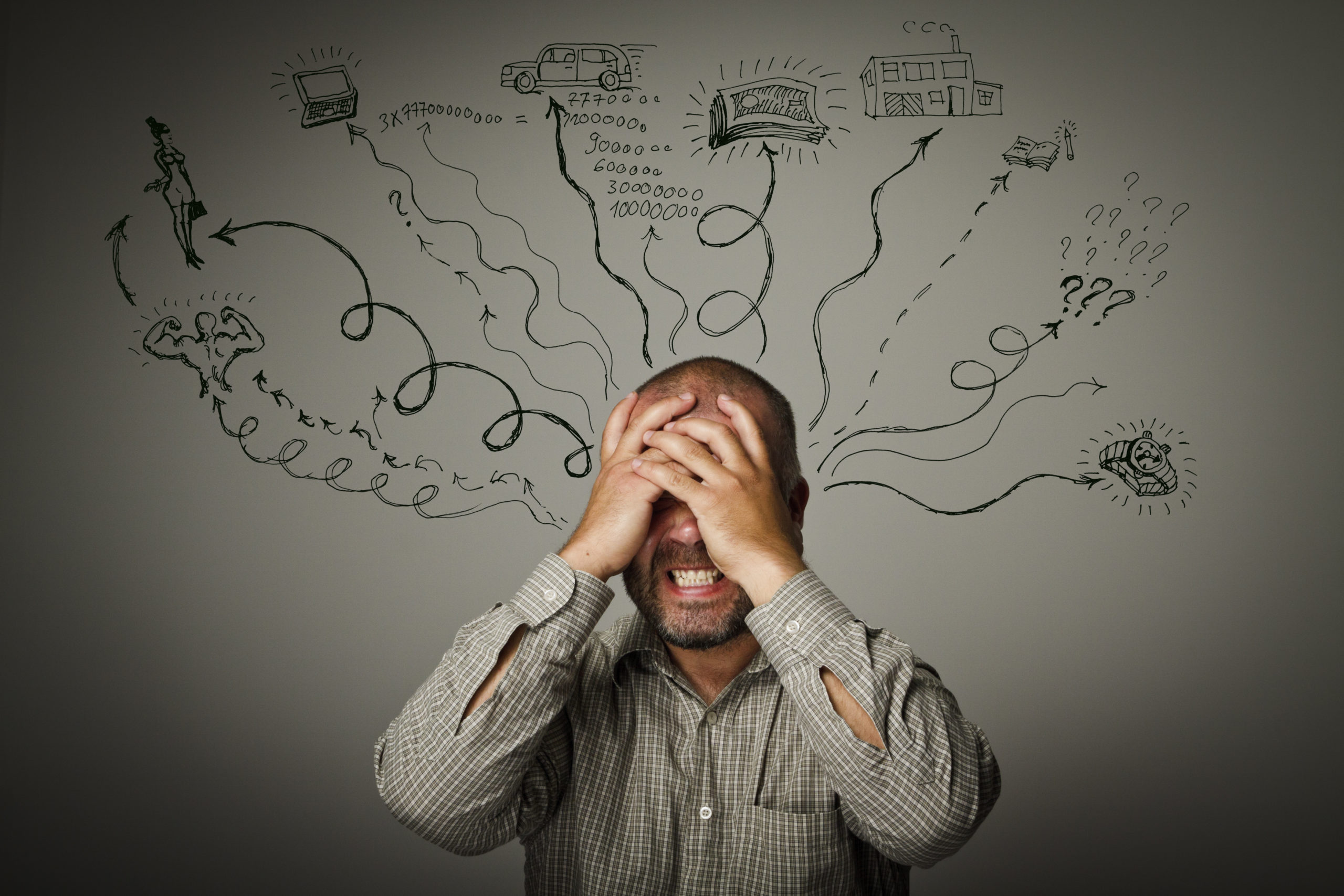
 Mental exhaustion often disguises itself as overwhelm and stress. If you’ve ever complained about not having enough time in the day, you may be suffering from mental exhaustion. Here are 4 ways to overcome it!
1. Relax
Relaxation is often elusive to many of us for one reason or another. It’s not enough to relax; you need to give yourself permission to relax. Don’t feel guilty about doing nothing. Your mind, body, and spirit need the rest so sit back and enjoy it!
2. Be Realistic
For many of us, our to do list is full of tasks we know we’re not going to accomplish that day. It’s time to start being realistic about how much you can get done during the day. Don’t overextend yourself with a full to do list. Leave some room for more enjoyable things, like taking a walk or reading.
3. Practice Prioritization
At the beginning of each day, choose the three tasks that must be completed that day. These are the most important tasks you should be focusing on, which help you prioritize your day. It’s also helpful to find more efficient ways of handling your tasks. For example, setting up your bills on auto-pay will take the stress off of you each month because you don’t have to manually pay them.
4. Seek Rest Opportunities
Rest opportunities are all around us but many of us are too exhausted to see them. While you’re waiting in line, try some mindfulness techniques or breathing exercises. Some mindfulness techniques include paying close attention to physical feelings, such as how your feet feel on the floor or in your shoes, how your shoulders feel (i.e. are they tense, back, hunched forward). These can be used in public, making it a perfect option while standing in line at the supermarket.
Relaxing your mind and recovering from mental exhaustion is essential for good mental health. It’s important to take time for yourself, even if it’s just 20 minutes a day, to help you unwind and feel better.
To getting you back to your best self,
Lori Calabrese, MD




 Exercise is important to our physical health but it’s also essential to our mental well-being. If you’re feeling down, one of the best things you can do is to get active. It doesn’t take much; a brisk 30-minute walk is sometimes all it takes to help you feel better.
 Our society is a social one. But what happens when you feel nervous in social situations? There could be a number of reasons why this happens, including social anxiety.
 Obsessive-compulsive disorder is a psychiatric disorder that causes repetitive behaviors, intrusive thoughts, and fear. The traditional treatment for OCD has been cognitive behavior therapy, drug therapy, or a combination. But Ketamine has shown promise in reducing OCD symptoms. The theory that ketamine reduces OCD has been studied and continues to be backed up by ongoing research.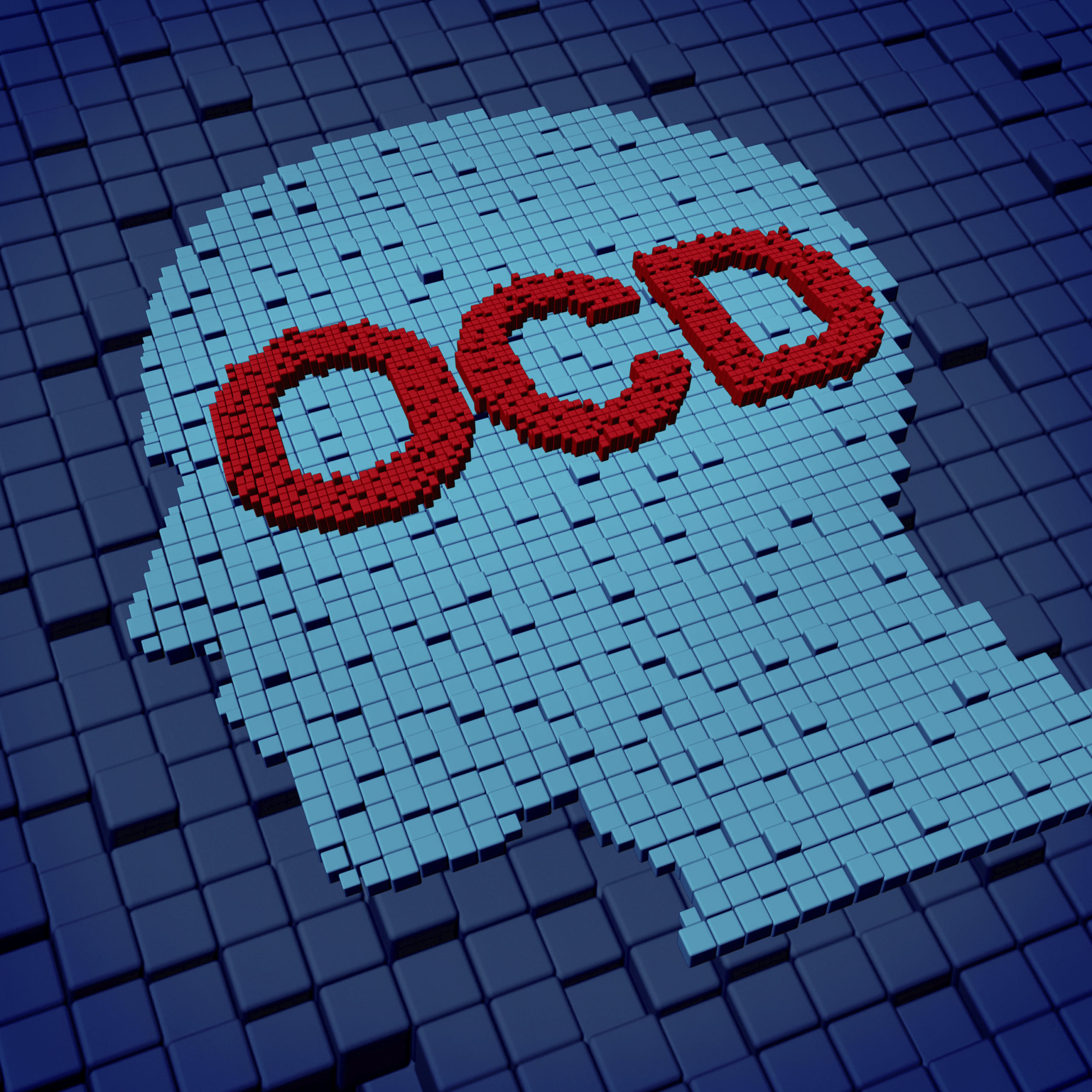
 Obsessive-compulsive disorder (OCD) is a psychiatric disorder that affects approximately 1 in 100 Americans each year. This disorder is often misunderstood and those suffering struggle with the stigma associated with it. This stigma can negatively impact all areas of life. It’s time to stop the stigma with these 3 myths about OCD.