
Tag: PTSD

  • The Email Message That Changed Her Life – with IV Ketamine

    The Email Message That Changed Her Life – with IV Ketamine

    Woman set free from trauma and PTSD now lives changed life IV ketamine.

    Life-Changing Email

    Wonder what it’s like to have a changed life from IV ketamine treatment…?

    Imagine opening an email that could change your life.

    Let’s say you’re an IT architect, or a chef, a kindergarten teacher, or a construction worker. And let’s say something happened … something terrible, terrifying, and painful. You might have caught your arm in equipment or you might have found out your wife’s leaving you … maybe you were assaulted and suffered injuries to your back and neck. 

    At any rate, let’s say you’ve been profoundly traumatized –by either big T’s or little t’s — and are living with sustained damage that is keeping you from the life you used to have. You feel disabled physically and psychologically.

    Honestly, you’ve tried to “get over it” but you seem to become more withdrawn with each passing week, month after month.

    You jump at every noise, every touch.

    And leaving the house becomes impossible. Fear grips your throat at even the thought of walking out the door. And finally, you wonder how you could end this futile life.

    Hope Reaches Out Its Hand…

    Then, you get an email from a friend.

    And, though you don’t know it yet, it’s an email that’s destined to restore your life.

    “Hey, just reaching out ….” it says. “I know you’ve been going through a terrible time…”  . And after some An email with a link to a changed life IV ketamine.words of compassion and empathy, you see a link. A link about ketamine …?  you think to yourself.  What’s this?

    Ketamine Off-Label = New Hope

    She says this link really might help.  So you click on it.

    And you learn about IV ketamine and how it’s reversing depression, PTSD, and all sorts of other psychiatric mood disorders by switching on the lights in people’s brains.

    Your energy is so low, listlessness so high, and resistance to interference so strong, that at first you’re highly skeptical. But something makes you continue to read. And the more you read the more you notice hope pinging in tiny pings inside you.

    After reading the article a few more times…you push through the apathy and call the author of the article…who’s a psychiatrist.

    And the Miracle Begins…

    Here’s the important part.

    After going to your first appointment for the ketamine infusion, then the second, you begin to notice something changing.

    Let’s talk about that.

    How do you know if you’re getting better…? 

    Are there scientific ways to measure it…? Like say in your blood stream…?  Or maybe ways to measure the way you feel… from one day to the next even…?

    And what about measuring the things you do…?   Since you’ve been in such a bad place, you haven’t felt like doing much of anything.  So isn’t it remarkable that you actually feel like seeing friends again?  Working in the garden…?  Going shopping…?

    I’m happy to tell you the answer is a resounding yes! There are ways to measure, ways to compare from week to week and month to month.  We psychiatrists use them all the time. 

    What’s In It for You…?  EVERYTHING.

    But when it’s YOU who’s suffering, who was shattered by that tragic accident or violent assault or loss of your precious child, you want to know what YOU can expect. In what way will I feel better…?  What will it look like…?  What should I watch for…?

    Everyone’s experience varies a bit as to whether they experienced relief with the first treatment, the She hides in the dark from fear with PTSD, but when she's treated she has a changed life iv ketamine.second, or even the third… and in which ways the relief and recovery showed itself.

    Here’s one patient’s story, as an example:

    Jeanine was a brilliant IT architect at the top of her game who suffered a violent assault that left her badly injured and deeply traumatized. No matter how hard she tried, she couldn’t seem to recover from the injuries or the trauma.

    The event left her unable to work, unable to function, and even afraid to leave the house. This went on for months.  Depression set in and she couldn’t shake it.  She did everything they said.  And it didn’t  work.

    Then she received an email from a trusted friend who gave her a link to an article about how IV ketamine is restoring people with depression, PTSD, anxiety, and other mood disorders. By the thousands.

    She Took the First Step…She Called.

    Jeanine read enough to know it was worth the effort to call and see if this might help her.

    And the tools we used to measure her level of depression and anxiety showed dramatic improvement as she had 6 infusions over the next couple of weeks.

    But what really mattered to Jeanine, beyond the numbers, was the change in her life.

    A Changed Life with IV Ketamine

    Jeanine is real. So are her words, and so is her permission to share them.  Here’s excerpt from her note to me after the second infusion:Woman feels alive again after IV ketamine relieves PTSD and pain.. her changed life iv ketamine.

    “…In addition to completing some dreaded paperwork I’d been avoiding for 8 months, I’ve also had a productive day in other ways. I also:

    1. ENJOYED (!!) my 2 mile walk by the river.

    2. Painted the kitchen shelves, a task I started about 7 weeks ago and simply lacked the executive ability to complete until today.

    3. Got to the pharmacy and back without too much difficulty or hesitation.

    4. Went to the store and bought personal items.

    5. Dead-headed my roses.

    6. Did laundry.

    7. And treated myself to a solo lunch at a slow-food restaurant and enjoyed (!!) my food.

    Given the difficulty I have had just getting out of my house by myself for 3 years, I call this a huge success.

    I look forward to my next treatment tomorrow.

    During last night’s treatment, the only pleasant part was the ‘sparkles’ I felt in my brain, but clearly it worked very well. I did not have any morbid or suicidal thoughts whatsoever today, which is extraordinary.”

    What Will You Experience…?  How Will You Know… ?

    Read what Jeanine says… and others.  Unique stories, personal victories, consistent relief… Outstanding function.

    Here are some more of her thoughts after a couple more infusions…

    “John and I walked 2+ miles along the river today, which I really ENJOYED. I’m frustrated by back pain today, which is keeping me from doing any but the very lightest of garden chores. I am so eager to get out there and dig!”

    Then a few days later:

    “I reminisced about someone I knew years ago who desperately needed my help with a project. His project was in the toilet and his job depended on its success. I took a weekend and went shoulder to shoulder with him to resolve the bugs in the program and he was rewarded for its design soon after. As I thought back I felt 1. I was proud of myself for helping him and proud for him at his success. 2. I was sad to no longer be in touch with him…to have lost not only his friendship, but the valuable work I did. Here’s the point: 3 weeks ago I could have acknowledged the quality of the work, but only felt the sadness of the loss. Now I can feel both.”

    The day after her last infusion:

    “Thank you for helping me get my brain back. Delighted to say I took a lovely hike through the woods today. I enjoyed it so thoroughly and found myself so enthralled with the sites, smells, and beauty. The beauty was actually so distracting, I didn’t notice two bears in my vicinity! 

    I would say I am back to normal. My depression and anxiety symptoms seem to be gone. I’m breathing in life and Woman walks in the woods and enjoys it deeply because of changed life iv ketamine.my family again like I did when I was young.

    Thank you from the depths of my heart for helping me find myself again.

    A few days later, she had a bunch of friends and family over for dinner–the first time in a few years that she’s had people over for a party–which she just loved.

    The Face of Psychiatry has Changed.

    So many people who were listless and without hope are living new, joy-filled, changed lives with IV ketamine treatment. If you’re one of the millions of people who have sought effective treatment for a psychiatric mood disorder without relief, call me or make an appointment.

    There is so much hope for you to live the life you thought was beyond your reach. Let us work with you to determine the best approach for your recovery.

    To the restoration of your best self,

    Lori Calabrese, M.D.
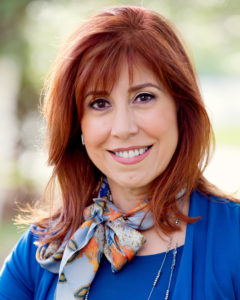
    Lori Calabrese, MD offers innovative psychiatric treatment like IV Ketamine

  • IV Ketamine and Treatment-Resistant Mood Disorders

    IV Ketamine and Treatment-Resistant Mood Disorders

    This man feels good after treatment for PTSD because of IV ketamine and treatment-resistant mood disorders.

    IV Ketamine and Treatment-Resistant Mood Disorders

    After reading today about a beautiful young man – let’s call him Tom – whose life ended tragically at the crossroads of despair, I started thinking.

    Like many of my own patients, he had a wondrously warm and giving heart — and a compassionate heart the size of Montana for homeless animals.

    His talent for music generated moving, exquisite collections of melody and lyrics that stunned listeners with its charm.  

    Such sensitivity, such beauty for the world to enjoy.

    But his life ended far too soon, because he could find no relief for his illness.

    Bipolar disorder.

    Tragedy Without IV Ketamine

    I’ve treated many people with similar stories in my office.  I’ve offered the best that we had–medications, combinations, the latest research, the newest adjunctive treatment, supplements, recommendations for lifestyle changes, collaboration with the the best therapists in the area, resources, articles, support–everything I had.  I never stop trying.  But until a few years ago, we had little to offer those who didn’t respond to traditional treatment.  Or who were just sick of it.

    And that’s tragic. Really, really tragic. But more common than we can bear to think.

    It’s not just about bipolar disorder or treatment-resistant depression. We’re talking about postpartum depression, PTSD, and other psychiatric mood disorders.

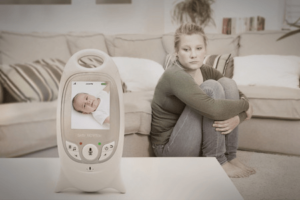
    Listless depressed mother is not responding to crying baby because of postpartum depression. Needs treatment with IV Ketamine and Treatment-Resistant Mood Disorders

    I thought about Jacie. Jacie wasn’t expecting to get pregnant when she did, but she was happy about it, and enjoyed the feelings of wonder about this tiny new person growing inside her.

    But around the time her second trimester began, she noticed her initial lilting emotions weren’t lilting anymore. In fact, she felt gray…dull…and couldn’t seem to relate to the idea of a baby.

    Once the baby was born, everything was a struggle. She felt angry, frustrated, and exhausted beyond belief. And guilty that she wasn’t enjoying this innocent baby girl. In desperation, she talked to her doctor honestly about how she had been feeling. And her fear she might do something to hurt herself or her child.

    He referred her to a psychiatrist he trusted, and she began seeing her. Her depression had gone on a long time — untreated.

    IV Ketamine and Treatment-Resistant Mood Disorders

    When depression comes during pregnancy, it can be so much worse than postpartum depression that begins after the baby is born … and so hard to treat. In Jacie’s case, her depression didn’t budge, and the persistence of it affected her relationship with her baby, and her marriage.

    She was surrounded with people who loved her. She was fortunate in that sense. But nothing seemed to ease the agitation and misery she endured. Or her self-hatred and guilt that she resented her baby and didn’t know how to change it, or feel better. To be the kind of mom her baby needed.

    Traditional antidepressants and psychotherapy just aren’t effective for some people.  If you’re one of them, or you know one of them, you know what I mean. Since depression is caused by a complexity of changes in the brain, there’s no simple solution.

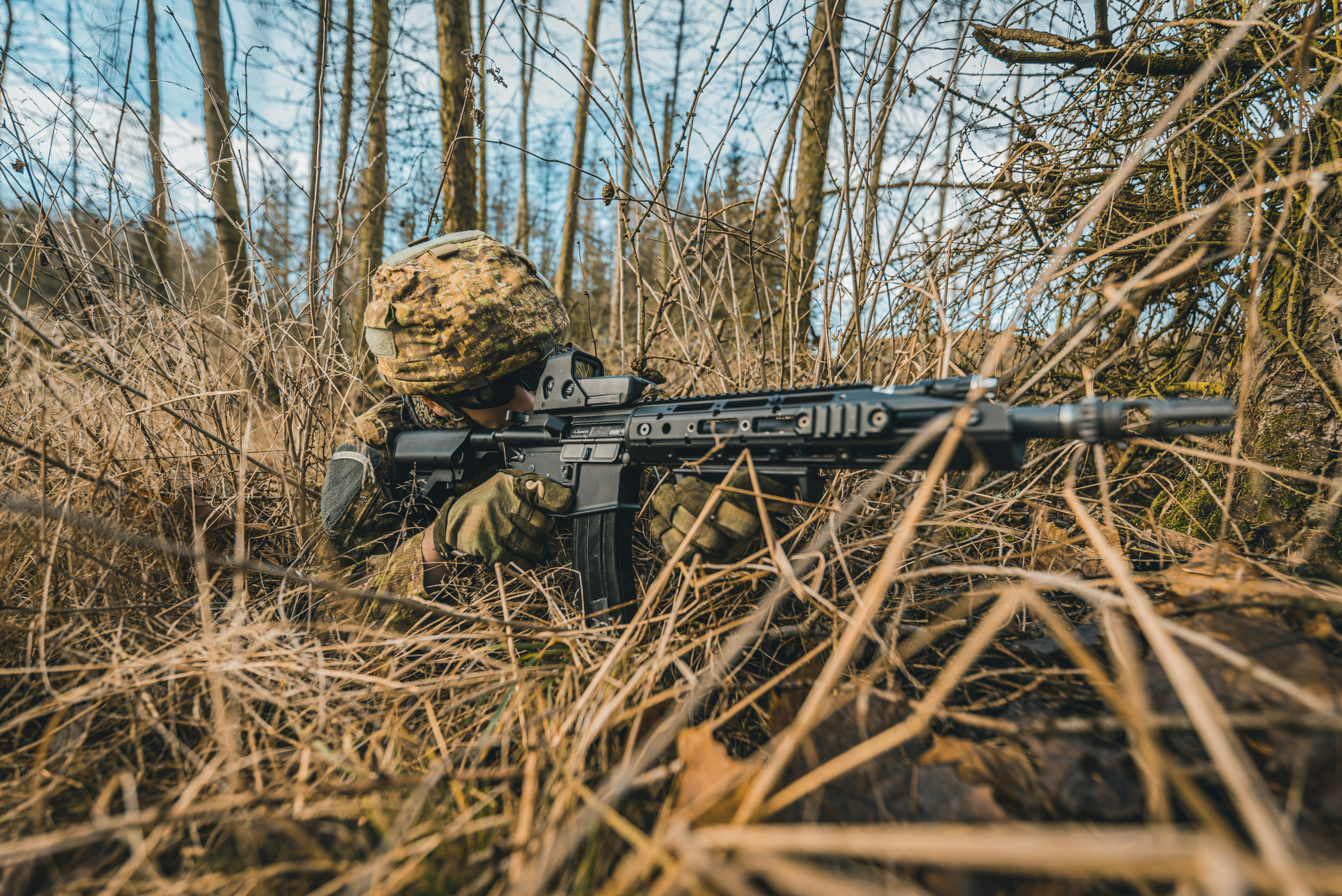
    And in my musings, another man came to mind — Dan. He’d suffered with PTSD for over 15 years. War time trauma, loss of friends in combat and the powerlessness he felt to save or protect them; it all tormented him.

    He’d been told he should be “getting over this” by his friends and his family. Oh, they meant well. But they had no idea what they were saying. And suggestions like those didn’t help. Not at all. 

    He struggled just to get through the day … to have a relationship with his wife … to work at a job, to pay the bills.

    The trauma of active combat can result in mood disorders. But IV ketamine can help.

    He wanted to be productive, but every time he had a few good days or weeks, it didn’t last because of the dreams, the night terrors…the reactions to noises or touch. Then he’d lose his confidence, walk off the job, and withdraw again.

    The loss of life, of peace, of relationships, of fulfillment, for people like these has been unavoidable till now.

    For those who couldn’t benefit from the traditional treatments for mood disorders, there just weren’t any solutions. IV ketamine and treatment-resistant mood disorders went to war. 

    Your treatment-resistant mood disorder won’t win over IV ketamine.

    These stories are just examples, but they represent multitudes of individuals whose lives have been interrupted, oppressed, tormented, or in some cases cut short, by symptoms of disorders that remained unaffected by traditional treatment.

    And that’s why I thought of all of these people.

    Because the ineptness of so many antidepressants left me feeling powerless to help; too many of my patients were crippled by their disorders, but desperately wanted the same chance at building happiness and fulfillment as anyone else.

    Too many.

    And that’s why I’m excited now and so full of hope.

    That’s why I talk so often and so enthusiastically about this emerging frontier of new therapeutic uses for that  anesthetic-turned-antidepressant, IV ketamine.

    Mom with postpartum depression can now show daughter affection because IV ketamine and treatment-resistant mood disorders.

    Because for all all the Toms, Jacies, and Dans who found no help at all from previous treatments, 80% now experience relief, restoration, and often total remission after IV ketamine treatment.

    We’re still working to find solutions for that other 20%, and we won’t stop. But we’re helping 80% of those for whom we had nothing, nada, zip…zero… that would help.

    All my training didn’t prepare me for the heartbreak of those who are so desperate for relief and can’t find it. But hope is growing, and ideas are flourishing for ways to use this new knowledge to spawn more solutions.

    Relief and Solutions are RISING

    So after my musings about those who weren’t helped, and the sadness I feel that we didn’t find solutions soon enough, it’s exhilarating to know there’s an entire frontier opening. A new world of treatment for those who weren’t helped before, through the discoveries surrounding ketamine for depression and other new solutions that will spring from it.

    IV ketamine and treatment-resistant mood disorders … it’s a fight to the finish, and ketamine is winning.

    Are you wondering if you’ll ever be able to have a life…?  If you’ll ever get to feel stable — emotionally, financially, socially?

    You really aren’t alone. Sometimes you just can’t see there’s support at your fingertips… help just beyond your line of sight. 

    Reach out and let’s talk about the things in your life and feelings that interfere with the power to live life the way you want to.

    Power to find your best self, and share it with those around you.

    Power to enjoy.

    To the power for finding your best self,

    Lori Calabrese, M.D.

    Lori Calabrese, MD offers innovative psychiatric treatment like IV Ketamine

  • PTSD Has a New Predator: IV Ketamine

    PTSD Has a New Predator: IV Ketamine

    PTSD has a new predator: IV ketamine which can help these men after surviving war zone trauma.PTSD Has a New Predator: IV Ketamine

    He’d seen active combat in Iraq and Afghanistan.

    His unit had grown close. Tight. Trusted each other with their lives.

    They’d cheered when word came that Jarrett’s baby had been born.

    They’d gotten drunk with Ben when his mom died.

    They had each other’s back, and knew each other in a way civilians couldn’t comprehend.

    Then one day, an explosion.

    He’d looked up and both of Ben’s hands were blown off.

    Jarrett’s legs were 10 feet away, and he was shrieking.

    He held him, tried to stop the bleeding. He couldn’t think but his mind was screaming — he had to save him.

    Somehow.

    PTSD Has a new predator: IV Ketamine and this tormented man needs it.He’s stateside now. Trying to work a “normal” job. But a friendly slap on the back puts him back in that desert. It should have been him, not Jarrett, that didn’t make it home.

    Someone drops a tray in the kitchen, and he’s surrounded with mortar shells, blood, and Jarrett’s legs.

    It’s tough to hold any job for long, and he doesn’t feel like he fits in anywhere he tries. At times, the simplest of tasks seems to be more than he can manage.

    And it’s getting worse …

    PTSD Knows No Favorites, No Gender

    She was a friendly, warm, and fun-loving girl.

    She’d worked at a wings place near the beach. She met him at a friend’s party. His flashy smile, his rugged good looks … wow! She couldn’t resist.

    In a couple of weeks, they were living together. It seemed like they’d known each other forever.

    But … then their first fight.  It was cruel, dirty, and it broke all the rules. Demeaning, and anything but loving. She cried, and wondered what she’d gotten herself into.  But she couldn’t stay away long.

    Things went smoothly at first.

    Then, a worse fight … that started with accusations, then escalated to a choke hold, bruises, a bruised and bloody face.

    But she couldn’t bring herself to leave. She believed his “recovery” depended on her faithful and patient loyalty.

    Until, one day, she was sure he would kill her.

    She passed out from asphyxiation with her neck in the vise of his clamped arm. When she woke up, he was raping her.

    The blows from his fist slammed her to alertness, and when his guard was down, she ran from the house.

    Now she’s staying with her sister, her nights filled with nightmares of all the terrors she had endured.  She wakes breathless, covered in sweat, PTSD has a new predator: IV ketamine which will help this traumatized woman recover from PTSD.and deeply shaken. The next day is a loss. She can’t pull herself together.

    During the day, she panics at the smallest frustration, is volatile, reacts to unexpected sounds as if she’s under attack.

    She doesn’t trust anyone, and believes everyone she encounters is purposely humiliating her, lying to her, or out to hurt her in some way.

    Four years with a violent abuser shattered her trust. Her confidence. Her ability to even function. She wonders if she’ll ever find herself again.

    How Can You Heal?

    Two examples of people with PTSD. Both experienced traumatic, even devastating, events. How can you heal from the terrible memories that torment you? 

    PTSD affects more than 3 million Americans a year. The Lone Survivor Foundation says that 1 in 3 of all veterans suffer from PTSD.

    Post-traumatic stress disorder (PTSD) is serious and potentially debilitating. It occurs in some people who have experienced or witnessed a natural disaster, serious injury or loss of friends in an active combat zone, a terrorist event, or personal and violent assault such as battering or rape.

    While most people who experience the traumatic events that cause PTSD recover eventually, for many that can take years. And years.

    The symptoms can be so severe you may be unable to work, unable to participate in healthy, loving relationships, and unable to sleep. Your nightmares can trigger memories that are so real that you may be overcome by intense and painful emotional and physical reactions.

    Night after night.

    Day after day.

    IV Ketamine Erases PTSD Triggers

    Then there’s the depression and anxiety, and the flashbacks, and amplified reactions to certain music, or smells, or types of touch, sounds, or flashes of light. The triggers are sometimes unpredictable, out of the blue. You can’t relax, and neither can those who love you.

    While the standard of treatment for decades has been psychotherapy and medication, But for you, treatment may not be that effective. The torment goes on, and your loved ones are often left alone, baffled, shaken.

    Until recently.

    In 2014, the US Army funded a study to learn about the effects of IV ketamine on combat veterans with PTSD.

    “Our results provide the first evidence that a single dose of IV ketamine was associated with rapid reduction of core PTSD symptoms and reduction in comorbid depressive symptoms . . . ,” the authors wrote.

    And hundreds, maybe thousands, of individuals with PTSD have been successfully treated since then. We’ve seen it over and over at Innovative Psychiatry, as have other psychiatrists through the US who offer their patients this groundbreaking, almost miraculous, treatment.

    PTSD has a new predator: IV ketamine.

    And as we’ve said often lately, there’s still so much to be learned. But IV ketamine infusions are changing lives, changing traumatized men and women, and giving them the freedom to build a life free from terror.

    Society’s stigma overshadows you if you have PTSD, and the war of images and terror inside you makes healing and recovery so difficult. But IV ketamine infusions bring rapid and immediate relief, liberating you to live in peace, free from fear of memories or triggers.

    Woman at peace because PTSD has a new predator: IV Ketamine, and her ketamine treatment has helped her relax and feel safe.If you suffer from PTSD and wish for peace, a sense of safety, and the breathing room to relax and build relationships, call for an appointment. We’re Innovative Psychiatry because we leave no stone unturned to find solutions for you.

    Your best self is just ahead. Don’t stop looking till you find the quality of life you’ve wished for.

    To the discovery of your best self,

    Lori Calabrese, M.D.

    Lori Calabrese, MD offers innovative psychiatric treatment like IV Ketamine

  • Treatment-Resistant Depression Meets Its Match

    Treatment-Resistant Depression Meets Its Match

    Woman in a kayak in a beautiful lake sits back and enjoys the view after IV ketamine relieved her treatment-resistant depression.Do you know someone who’s been listless and hopeless for a really long time?  More than weeks or even months … someone who’s been taking antidepressants for years, and has never really felt better?

    Have you noticed how years of despair affects a person’s outlook so deeply that their personality seems to change?

    Clare’s story

    Take Clare. She began feeling more and more overwhelmed when she was in 8th grade. A string of unfortunate events seemed to pound her down further and further, until she’d lost her ability to recover.

    It was as if life formed a dark tunnel around her and she couldn’t face it any more. She started avoiding school because facing it was too hard.

    She came to believe it would never, ever get better. And she became volatile at times, and subdued at times. She grew to have a generally defeated attitude, and overreacted to small frustrations.

    Treatment – Resistant Depression Leads to Overwhelm and Failure

    This once cheerful, go-getter teenage girl withdrew into a place where she could no longer function, no longer face others, no longer spend time with friends.Treatment-resistant depression holds this woman in sorrow, and IV ketamine can help.

    After high school she tried to go to college, and her psychiatrist changed her medications to something that he hoped would help more.

    But she’d try her hardest and do well for a semester, then fail the following semester. So she’d work up all the energy she could to succeed and do well again, then fall apart a few weeks into the next semester.

    Eventually, she dropped out of college because her grade point was no longer high enough to stay.

    Geriatric treatment-resistant depression can be relieved by IV ketmine.Failure, Despondency, and No Reason to Live

    Clare thought about dying often. On a few occasions, her mom or a roommate walked in to find her with a pile of pills in her lap and a big glass of water, about to carry out a plan…

    This is what treatment-resistant depression looks like. In the beginning, the despair seems justified after a series of overwhelming or heartbreaking events. But, eventually, the unchanging, unrelenting despair washes away hope. Any reason to live seems to erode away.

    Neurotransmitters Play the Culprit

    Neuroscientists have discovered that there are multiple brain-based and physical causes for depression.  Large networks of neurons can be affected by cascades of inflammation that affect many systems and many neurotransmitters.

    Neurotransmitters are chemicals in the brain that help one part of the brain communicate with other parts. In most cases, the more neurotransmitters in the brain communicate with other areas throughout the brain, the better you feel.

    For some people, SSRIs may help. But if they don’t, we start thinking about whether we should try an approach that might stimulate GABA, dopamine, or norepinephrine activity.

    In addition, the weeks or months that are required to determine whether an SSRI is effective mean that the one suffering is left to endure in a seemingly untreated state. If you talk to someone who’s been handicapped by crippling depression, and tell them you have a new drug to try, but it may be months before we know if it will help, his response will likely be dripping with despair.

    And that despair sometimes ends in loss of life.

    Gaining UnderstandingTreatment-resistant depression can lead the sufferet to dark places.

    Psychiatrists didn’t realize years ago that all depression can’t be successfully treated with SSRIs, so only a portion of the depressed patients they treated were actually being helped.

    But, we’re learning.

    Thanks to continued study, we’ve learned more and more about what areas of the brain are involved in depression, and the various neurotransmitters that are involved, as well.

    Without question, there’s been a critical need for rapidly acting and effective treatments that provide relief for people who suffer from treatment-resistant depression, and have for a long time.

    Why IV Ketamine?

    And in searching for such treatments, IV ketamine – the decades old anesthesia drug – has risen to the task and is shining.

    Because in addition to treating treatment-resistant depression, IV ketamine is also demonstrating its exciting effectiveness in successfully treating bipolar depression, post-traumatic stress disorder, and acute suicidal thinking in about 80% of cases in our clinic.

    To take it a step further, the action of IV ketamine with suicidal thinking is independent of the antidepressant action. Many patients receiving IV ketamine infusions find the suicidal thinking disappears before the infusion has even finished!

    Never before have we had a medication so fast and effective for people tormented by suicidal thoughts.

    So many start ketamine infusion treatments in a dark and despondent place. Then at the end of the infusion, a look of amazement and relief floods their face. And they tell you things like, “this moment is the first time in 7 years” they’ve felt relieved and hopeful.

    To me, it’s pretty miraculous.

    And if you’re burdened with treatment-resistant depression, bipolar depression, or PTSD, it could feel like a miracle to you, too.

    I hope you’ll take the time to read the other articles linked in this post. Information is your link to feeling better.

    The more you learn, the more your hope can grow, and the sooner you can take action.

    We believe in you, and the life you can live. A fulfilling and satisfying life is possible, with the right treatment.

    Make an appointment for a complete evaluation, and let’s work together to find the right treatment for you. We want you better, so you can restore your best self.

    To the release of your best self,

    Lori Calabrese, M.D.

    Lori Calabrese, MD offers innovative psychiatric treatment like IV Ketamine

  • Why Some People Get PTSD…and Others Don’t

    Why Some People Get PTSD…and Others Don’t

    In the throes of PTSD, this man feels lost and terrorized. Why do some people get PTSD, and others don't?Ever notice how some people seem to collapse under an onslaught of traumatic experiences, and others almost seem to rise above them? Almost as if demonstrating their resilience? Why some people get PTSD and others don’t..that’s the question.


    People tend to say the latter type is “strong”…  and the former type is weak…unable to withstand or overcome much. More stigma that we have to fight.  But is that what’s going on..?

    Strong or Weak…?  Really…??

    What is it that increases the risk that trauma can traumatize you?  We’re talking about big T Traumas and little t traumas.  Is it about how much or how little?  About how much stress you’ve had.  How many put downs.  Or how much yelling you’ve endured.  And how much fear.  Too much neglect.  Or too little attention.  About too little protection… and too few resources.  How little money.

     How much struggle.

    Traumatic experiences can etch themselves into you–into your memories, into your emotions, and into your biology.  And what we’ve learned is that what puts us at risk for that–besides the horrible events themselves–is something that is already etched into us.  A gene.

     A gene?

    Genetic Widget

    There’s a serotonin transporter gene called SLC6A4. This little genetic widget has two arms–and in the best of all possible worlds, the arms are both long arms.  But if you were born with one or two short arms instead of two long ones, you are more likely to develop major depression or PTSD in response to a traumatic life event.PTSD triggered by fireworks explosions is relieved by IV ketamine, which is why some people get PTSD and others don't

    It’s almost as if those little short “arms” can’t carry quite the emotional load as the longer arms of the corresponding gene in those who aren’t so impacted.

    Or…maybe the longer arms shield their owner from the emotional pain that accompanies heartbreak or trauma in some way.

    Of course this is all  just a way to bring science to life, but the fact is, having a short arm on that gene increases the risk that you will suffer deeply and longer from life events such as verbal or physical attacks, traumatic events, and long term debilitating difficulty.

    And there’s more.

    Genetic Test Predicts Outcomes

    There’s also a genetic test we can use to determine if you might be someone who would respond well to ketamine treatment.

    What?

    For decades, psychiatric medicine has relied on trial and error from one medication to another to find the one that is most effective for a given patient.

    But now…there is actually a test to help predict your outcome in advance and whether you’re likely to respond quickly and robustly to a treatment for severe depression and PTSD that is as innovative as a ketamine infusion.

    Neuroscience is advancing quickly, and treatment options for people who suffer with major depression, bipolar disorder, PTSD, and other psychiatric disorders are becoming more reliable and predictable. These discoveries were unheard of less than 10 years ago…even five.

    More on the Horizon

    And there’s yet another breakthrough on the horizon. And that’s the possibility that we might be able to use science to potentially prevent psychiatric disorders from developing–for example, to protect first responders and military from the risks of trauma before they enter a crisis situation.

    First responders can be protected from potential trauma by ketamine treatment in advance, an example of why some people get PTSD and some don't.So imagine… if firefighters, paramedics, SWAT team members, and military personnel facing potentially traumatic experiences could feasibly be treated with IV ketamine to prevent the event from becoming a debilitating traumatic experience. Or—think about this—imagine if someone who is genetically vulnerable to developing depression or PTSD in response to a traumatic life event could be buffered from the risk of developing it.

    One of the exceedingly bright researchers studying ketamine, and interested in “repurposing it,”  talks about the exceptional potential of this drug for potentially preventing psychiatric disorders. Working with lab animals, her work with ketamine has opened up a treasure chest of new possibilities.

    If you haven’t seen it before, it’s worth your time to watch the TED talk about this by Rebecca Brachman.

    She expounds on the sparkling new hope surrounding psychiatric use of ketamine treatment. It has already offered healing to so many who suffer, and in the future, may potentially protect others from the risk of such suffering.

    Don’t put psychiatry in a box.

    Don’t put people who suffer with psychiatric disorders in a box.

    The possibilities are endless.

    Rapid and effective treatments are emerging.

    And hope for your life to be the best it can be is billowing.

    Please call for an appointment if you’re concerned about the emotions and reactions you’re experiencing in response to what life has thrown at you. Let’s work together to find the right innovative solution for you.

    To your best self,

    Lori Calabrese, MD

    Lori Calabrese, MD offers innovative psychiatric treatment like IV Ketamine

error: Content is protected !!