Tag: suicidal thoughts

  • Who Should Provide IV Ketamine as Treatment for Depression?

    Who Should Provide IV Ketamine as Treatment for Depression?

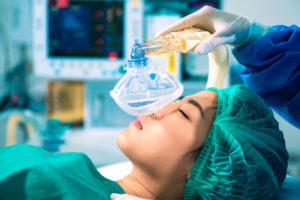
    Should anesthesiologists give IV ketamine as treatment for depression.If This is What You Picture When You Imagine IV Ketamine Treatment for Depression, Think AGAIN!!

    And nix that image. Because we’re going to talk about who should provide IV ketamine as treatment for depression.

    Ketamine treatment is getting more and more attention in the press as a paradigm shifter for effective treatment for psychiatric mood disorders. And more and more medical professionals are opening offices to offer ketamine treatment for depression, and for pain management. Of course, more availability of ketamine treatment means more relief for more sufferers.

    Which is a good thing … right?

    Well, yes, but it raises some serious questions.

    Ketamine Isn’t for Everyone

    Like, for instance, is ketamine treatment for everyone?  And the answer to that is “No.” Not everyone will respond to it when it’s used for psychiatric mood disorders.

    But there are clinical factors and genetic tests that doctors can use to predict more accurately whether you’re likely to respond to ketamine treatment for depression.

    And another question: Is providing ketamine treatment for depression similar to providing ketamine treatment for pain? Is this something any medical doctor can easily do?  After all, it’s just a simple medication like any other, right?

    The answer to that isn’t exactly straight forward. First of all, the question includes an assumption that any medical doctor can easily prescribe any medication … even for specialized needs.

    Legally, this is true. Ethically and practically, it’s not.

    And while he may be able to prescribe a drug legally as a medical doctor…is he deeply versed enough in the nuances of the patient’s response to the drug and the drug’s potential side effects…as well as the patient’s potential reaction to those side effects and what to do about them….? 

    Is it really the best decision for a doctor to treat a condition he/she isn’t fully knowledgable about?

    Should an internist treat your periodontal disease? 

    An internist is expected to recognize and treat pretty much anything going on with your body…after all, he’s well-versed in inflammation and infections, and knows all about antibiotics. But his wide scope prevents him from having a specialist’s focused knowledge and deep experience with specialized aspects of your body, like your gums, for instance. So, you go to a dentist, and your dentist may send you to a periodontist for your gums…if you need it…a specialist’s specialist.

    Do All Psychiatrists Treat All Psychiatric Conditions?

    Well, let’s consider the nuances of psychiatry. There is a wide range of psychiatric disorders, including behavior disorders, mood disorders, personality disorders, cognitive disorders, developmental disorders, addictive disorders, and more — including all kinds of treatment modalities and several different kinds of psychotherapies we use — and most psychiatrists are not experts at everything.

    Of course not.

    Most of us gravitate naturally to our interests, and the best of us align our work with our own best selves — we choose the age range, the population, the conditions that fascinate us and tug at our hearts…the modalities that align with the way our own brains work and the way we interact. Some of us are researchers. Some of us are in the trenches. We play to our strengths. 

    We all should.

    Now, back to IV ketamine treatment.

    Anesthesiologists Use Ketamine in Surgery

    It’s understandable that anesthesiologists would be pretty comfortable treating patients with IV ketamine Who should provide and monitor IV ketamine Treatment for depression.since they’ve been using ketamine in surgery and emergency settings throughout their career.

    They’re also at ease sitting and monitoring a patient throughout the infusion treatment, because that’s what they do.

    Some medical doctors might get a bit antsy during that whole process, but it’s just second nature to an anesthesiologist.

    And, it’s true there are certainly plenty of anesthesiologists offering IV ketamine treatment for psychiatric mood disorders. They’re highly skilled in starting IVs, familiar with ketamine, and excellent in handling emergencies in the ER and in the OR.

    An anesthesiologist’s education and training is all about life support during critical moments in surgery. And these specialists know physiology like nobody’s business.

    But…

    Who Should Provide IV Ketamine as Treatment for Depression?

    When it comes to evaluating a psychiatric patient as a candidate for off-label use of IV ketamine treatment for treatment-resistant depression or other mood or anxiety disorders, there’s a great deal to manage. The role of ketamine used as an adjunct with complex medications and psychotherapy, for instance.

    Plus, the patients’ response to the drug and how to treat therm in their specific state of mind, whatever it is,  that emerges during treatment… All within the context of their baseline psychiatric symptoms and vulnerabilities.

    Anesthesiologists just aren’t trained for that.

    The same is true of nurses, even those in advanced practice.

    It’s my belief that the use of ketamine in the treatment of psychiatric disorders is something that is best done by psychiatrists who are thoroughly familiar with IV ketamine treatment.
    And here’s why.

    Because the things that this treatment requires — assessment of the patient and of the psychiatric response (not just the physiologic response), dose adjustment, management of fear, management of expectations… this is all psychiatric expertise. In addition, the family and their overall involvement (or lack of involvement) in the patient’s suffering… It requires we curate the experience, integrate it with psychotherapy, coordinate it within the context of the patient’s medical problems and with the professionals treating them. All these things are without a doubt what WE do and what our entire specialty is about.

    We deal with suicidal patients all day long and every night and weekend–anesthesiologists don’t and, understandably, don’t want to. But many, if not most, patients who receive IV ketamine treatment are not only no strangers to suicide, but in fact are so plagued by such thoughts their lives sometimes hang in the balance. Even to survive till the end of the infusion.

    Those tormenting thoughts just seem to creep in even when you’re not looking for them, and bring a presence to the ketamine room that stuns everyone involved.  That is, until  ketamine stops the suicidal thinking independently… and even if the depression doesn’t stop immediately… but lifts more slowly. A well-informed psychiatrist needs to be present to walk each patient through every scenario, especially when the outcome is a surprise.

    So, again, who should provide IV ketamine as treatment for depression? Definitely, not just anybody. Preferably a psychiatrist deeply experienced and educated in the nuances of ketamine treatment in psychiatric patients.

    Just as internists are not specialists in all areas of illness, not all psychiatrists are versed in the use of ketamine for psychiatric mood disorders.

    So What Kind of Psychiatrist Steps Out to Offer IV Ketamine Treatment?

    The ones who are really comfortable with medicine, and adjusting, adapting, and combining it for therapeutic outcomes. The ones who also have a strong identity as a physician first, and who are already experts in psychopharmacology.

    These psychiatrists are accustomed to a model of consultation and collaboration. And they like to work collaboratively with other psychiatrists, therapists, PCP’s, and families.

    This is no place for lone riders.

    These are the ones who know what it’s like when you’re the most suicidal of the suicidal, and who will stand with you and not be afraid. Those who understand that something transformative happens during an infusion. And that the specific experience of the infusion itself matters if there’s to be healing.

    We are grateful to the anesthesiologists who brought ketamine out of the OR and into the office.  

    But the psychiatric care of our most fragile, desperate, and ill patients — with multiple tangled psychiatric disorders, complex histories of polypharmacy and treatment failures, excruciating trauma, and concurrent medical problems — demands the finest life-saving that we have to offer, by psychiatrists. Nothing less.

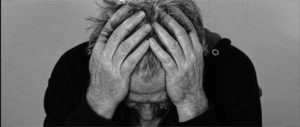
    We continue forward to learn all we can from our patients and the dedicated neuroscientists who Who should provide Iv ketamine as treatment for depression in someone like this man?continue to explore the actions of this remarkable drug. As they explore, we continue to see our treatment-resistant patients enjoy extraordinary responses in 80% of cases.
    If you’ve suffered from treatment-resistant mood disorders and have tried multiple treatments without success, we get it. Innovative Psychiatry is a practice that specializes in helping people who have not found help before. People who have been to other psychiatrists and were failed by traditional treatments. People who are running low on hope.

    Innovative Psychiatry is into hope renewal. Through groundbreaking use of medications and treatments, we’re helping people like you live again. Enjoy life again. Please call us to schedule an appointment. We’ll evaluate whether you’re a likely candidate. There really is hope.

    To the release of your very best self,

    Lori Calabrese, M.D.

    Lori Calabrese, MD offers innovative psychiatric treatment like IV Ketamine

  • TIME Magazine Runs Cover Story on Ketamine as a Treatment for Depression

    TIME Magazine Runs Cover Story on Ketamine as a Treatment for Depression

    New Hope for Depression

    Jul 26, 2017
    For more, visit TIME Health.ketamine in time magazine

    Every week, when Ian Hanley sits down with his therapist, he goes through a list of depression treatments he’s been researching online. The best-known treatments at the top of the list–half a dozen antidepressants and known combinations of those drugs–are all crossed out.

    “My therapist says he’s never had this much difficulty with somebody,” says Hanley, “which is sort of a dubious honor.”

    Hanley is only 21 years old, but he’s already six years into his search for something, anything, that can help him feel better for more than a few weeks at a time. “I’ve heard people describe it as sadness, and that’s not specific enough,” he says. Numbness is closer, but it’s not like depression inures you to suffering. “It’s like not quite being alive,” he says, “but still having to go through all the crappy parts of being alive.”

    When he was in the 10th grade, Hanley basically lost all desire to get out of bed in the morning. He started seeing a psychiatrist and a therapist–the same one he sees today–and went on Zoloft. “I wasn’t catatonic anymore,” he says. But the positive effects soon disappeared, like they would with every medication he’s tried since.

    This year, Hanley quit college and put on ice his ambitions to become a screenwriter. Now he spends most of his time waiting to start a new treatment, trying that new treatment or waiting to see if he feels better.

    Most diagnoses do not come with 20-plus medicines approved by the Food and Drug Administration to treat it–and yet with depression, more options don’t always mean better outcomes. Ever since the first antidepressants were introduced 60 years ago, doctors have had patients like Hanley–people who don’t seem to get better even after they’ve worked their way through the lengthy list of available drugs. About 30% of all people with depression don’t respond adequately to the available treatments. That’s a dismal failure rate for a class of drugs designed to improve a person’s basic ability to function.

    Not that it has hurt the market. At last count, about 12% of Americans took antidepressants. Global revenue for antidepressants was about $14.5 billion in 2014 and is projected to grow to nearly $17 billion over the next three years. Clinical depression affects 6.7% of U.S. adults, or about 16 million people, and a growing number of children and teenagers too. It’s the leading cause of disability in the world, costing the U.S. economy alone $210 billion a year in lost productivity, missed days of work and care for the many physical and mental illnesses related to depression, like anxiety, posttraumatic stress disorder, migraines and sleep disorders.

    There hasn’t been a major depression-drug breakthrough in nearly three decades, but a number of factors are conspiring to change that. Scientists are gaining a more nuanced picture of what depression is–not a monolithic disease, but probably dozens of distinct maladies–and they’re getting closer to learning what works for which kind of ailment. With suicides in the U.S. at their highest number in 30 years, experts agree that patients need faster ways to feel better, without waiting the typical four to eight weeks it takes for antidepressants to kick in. And as old drugs have gone off patent–making them less lucrative for drugmakers–companies are eager to find new revenue streams.

    The biggest development has been the rediscovery of a promising, yet fraught, drug called ketamine. It’s best known as a psychedelic club drug that makes people hallucinate, but it may also have the ability to ease depression–and fast.

    In a race to shape the next generation of antidepressants, Johnson & Johnson and Allergan are fast-tracking new medicines inspired by ketamine. The FDA could be reviewing new drug submissions by as early as next year. Researchers, too, are exploring how to harness big data and even genetic testing to come up with new ways of treating depression for the 30% of people who don’t respond to the current standard-of-care treatment options.

    All of this has psychiatrists, long frustrated with their menu of available treatments, hopeful for the first time in years. Finally, they say, their field is on the cusp of a much-needed breakthrough. “At this point, any new depression treatment that makes it to the finish line is a huge win,” says Dr. George Papakostas, director for treatment-resistant depression studies at Massachusetts General Hospital. “It’s going to have a major impact.” The question is, which method will prove to help the most people in the safest way possible?

    Doctors have always seen depression as something that’s distinct from ordinary sadness, but what causes it and how best to treat it has changed wildly over the years. In the 5th century B.C., Hippocrates believed the body was made up of four humors and that too much “black bile,” the humor secreted by the spleen, resulted in melancholia. Melancholia as described by the Greeks looked a lot like depression today: persistent dark moods with a deep, lasting fear or sadness that isn’t based on reason. The Greeks prescribed lifestyle treatments like diet, exercise, sleep, bathing and massage as well as rougher approaches like vomiting and bloodletting. In later ancient times, sex was also considered a helpful remedy.

    By the Middle Ages, depressive-like behavior was believed to be a disease of the spirit–the result of demonic possession. Many depressed women were thought to be witches, and the cure for them was to be burned alive.

    The idea that depression is rooted in the brain–and not a bodily fluid or possessed spirit–didn’t take hold until the 17th century, when a neurologist named Thomas Willis decreed that melancholia was “a complicated Distemper of the Brain and Heart.” Although he had little else to offer patients besides the lifestyle remedies of the Greeks, melancholia was finally thought to be at least partly biological. In subsequent years, everything from herbal remedies to opium to music therapy to spinning stools designed to make people too dizzy to feel pain fell in and out of vogue.

    Beginning in 1938, electroconvulsive therapy was thought to be the only effective modern treatment for depression, but the procedure sometimes caused memory loss, among other side effects.

    It wasn’t until the 1950s that doctors hit upon the idea that certain chemical cocktails could be used to treat depression. The first, called iproniazid, was found by accident when it was being tested as a treatment for tuberculosis. Doctors noticed that the TB patients taking the drug transformed from miserable and near death to euphoric, energetic and social. Newspaper articles of people “dancing in the halls tho’ there were holes in their lungs” captured the popular imagination, and in 1957 scientists decided to try it on a small group of psychiatric patients.

    According to that study, 70% of them became happier and more social. By the end of the decade, about 400,000 people with depression were on the drug. The high was short-lived, however: scientists soon discovered that the pills caused liver damage, and it was pulled from the market in 1961.

    Another experimental drug, imipramine, was supposedly an antipsychotic, but scientists discovered in 1957 that it worked much better on people with depression. It became the first in a class of what’s called a tricyclic antidepressant, so named for its three-ringed chemical structure.

    By studying how those early drugs worked, scientists were able to hit on a new idea about what caused depression in the first place: depleted levels of the brain’s neurotransmitters, namely serotonin, norepinephrine and dopamine. Those early drugs may have come with nasty side effects, but they ultimately gave rise to selective serotonin reuptake inhibitors, the drugs most widely prescribed today.

    Eli Lilly released the first one, Prozac, in 1987. It was an immediate hit; in just three years, 2 million people around the world were taking it, and pharmaceutical companies began churning out their own only slightly different versions of the drug soon after. SSRIs are still the field’s proudest and most profitable achievement, but they’re far from perfect. They can make people feel worse before they start feeling better several weeks after treatment begins. When the drugs work, they’re life-changing. But they don’t work for everyone. On SSRIs, about 35% of people taking them experience full remission.

    “We have no idea, after many decades of studying these drugs, why some people get better and some people don’t,” says Dr. Roy Perlis, director of the Center for Experimental Drugs and Diagnostics at Massachusetts General Hospital. “We desperately need truly new interventions.”

    The largest, longest study conducted on depression treatments, called the STAR*D trial, found that after people tried four antidepressants over the course of five years, about 70% of them were free of depressive symptoms. That’s a lot of trial and error to end at a place where 30% of patients don’t experience remission at all.

    The STAR*D trial ended in 2006, and despite a clear hole in the market–and a clear patient need–a golden age of new depression treatments still hasn’t arrived. Drug companies do not want to spend their money developing yet another SSRI–there are already a dozen approved by the FDA. “The drug companies basically shut down a lot of their brain research when it comes to psychiatry,” says Dr. Richard Friedman, director of the psychopharmacology clinic at Weill Cornell Medical College.

    “In my opinion, it wasn’t necessarily a lack of interest–it was just that people had felt that they’d gone as far as they could with things like Prozac, and they weren’t sure what the next targets were going to be,” says Husseini Manji, global head for neuroscience at Janssen, the pharmaceutical arm of Johnson & Johnson.

    Now, many experts–and drug companies–believe that target is ketamine hydrochloride, the only legally available psychedelic drug in the U.S.

    In large doses, anesthesiologists use ketamine to put people under before surgery. In smaller doses, clubgoers use “Special K” to trip and hallucinate; it’s one of the top drugs of abuse in Asia. However, its newest application, discovered serendipitously in the late 1990s, opened ketamine up to a whole new audience: those looking for a fast-acting drug for stubborn depression.

    There are two drugs, one from Allergan and one from Johnson & Johnson, that work similarly to ketamine and are in late-stage clinical trials. As of now, ketamine is not FDA-approved for depression. So far, clinical trials on ketamine for depression have been small, and there aren’t many of them. Only about 400 people have participated in such studies, and many had fewer than 100 people. (By comparison, the STAR*D trial had almost 3,000 participants.) Still, the results are promising enough to excite a number of prominent researchers in the field.

    “In the past 20 years, I’ve not seen anything like this,” says Dr. Cristina Cusin, a clinician and researcher who runs the ketamine clinic at Massachusetts General Hospital. Studies have shown that 60% to 70% of people with treatment-resistant depression respond to ketamine.

    Ketamine has also shown promise in putting an end to suicidal thoughts. “We have patients saying, ‘I’m exactly as depressed as I was before, I just don’t want to kill myself anymore,’” says Cusin. “This was very surprising. We can’t explain it.”

    Barbara Reiger, who’s 59 and lives in San Diego, says she tried nearly everything to lift her out of the depression that had plagued her since childhood and sometimes rendered her suicidal. When she learned about ketamine in 2015, she decided to try it at a ketamine clinic in her hometown. Since ketamine is FDA-approved as an anesthetic, physicians can legally prescribe it off-label for any condition they believe it may help, including depression.

    Since then, every six weeks or so, she shows up at a private ketamine clinic, where she’ll put on an eye mask in a dim room, sit back in a recliner and have a needle full of ketamine plunged into her deltoid. It doesn’t make her feel high, exactly, but she remembers that the first time she tried it, a grin and happy tears spread across her face. “I felt I was putting things in order, moving pieces of a puzzle around to make it all make sense,” she says.

    [Read the Full Article Here]

  • IV Ketamine Infusions Restore Your Power to Enjoy

    IV Ketamine Infusions Restore Your Power to Enjoy

    A man sitting on rocks and taking in the beauty around him because IV ketamine infusions restore his power to enjoy a moment.

    IV Ketamine Infusions Restore

    Jacob couldn’t remember the last time he was really at his best self.  He’d struggled from day to day since he was about 4. Getting out of bed, getting dressed, and going to school, from first grade through high school… every day had been awful and just exhausting. As he got out of the car for school each day, he’d look at his mom with pain in his eyes–and then drag himself into school, throughout his day, and through the night.

    His parents didn’t know how to help. They talked with him and tried to do things that would cheer him up.  But his inner pain seemed suffocating, and they felt helpless.

    One day when he was 14, they found him on the floor behind the sofa, wedged against the wall in a fetal position.

    He just disconnected…ran out of the energy to endure any longer…from the dead emptiness inside.  The anxiety.  All of it.

    He thought about how to end his life every day. Some days he was obsessed with visual images of that final act.

    Treatment-Resistant Depression

    His doctor prescribed an SSRI, an SNRI, and then different combinations of medications, but none of them worked. Not really.

    Eventually he refused to take any more, or attend any more therapy sessions.

    School was something he just endured, or avoided, until he graduated.

    College was a roller coaster–and life had been too hard for too long. He was exhausted. Isolated. Disinterested. And he eventually dropped out.

    A Drug Called Ketamine

    Then he read an article online about a drug called ketamine that was helping people recover from severe depression.

    And he started looking for more information about it–studies, information, and just about anything he could find about this anesthesia-turned-club-drug-turned-antidepressant.  

    He found a few interesting articles, a few sensational titles, a lot of talk…and fascinating research that had been going on for years on using IV ketamine infusions to restore life for people with severe depression.

    Who knew?

    Was it possible there was a treatment for crippling depression and anxiety that could work when nothing else did?

    His parents were pretty skeptical.  They looked for hard science, research studies he could participate in, or a doctor he could see who knew something about this kind of treatment.  

    Turns out it’s pretty hard to find a psychiatrist who gets the devastation of depression and anxiety and hopelessness. One who can sift through the complexities, discuss the risks and benefits of all of the available treatment options, in order to provide the best possible options for someone whose symptoms just haven’t gone away.

    Jacob’s first infusion of ketamine was extraordinary. The terrible heaviness that had weighed him down since he was four lifted for the first time about half way through the infusion.

    And when his parents met up with him, they saw a lightness in his expression that they hadn’t seen in years. His treatments continued…his symptoms faded.

    He had missed most of his childhood, and he spent most of his young adulthood wanting to die.  But when IV ketamine infusions restored his ability to enjoy and experience beauty in life, it changed everything. He couldn’t believe it, but he actually wanted to live now. And was so glad he could.

    Low dose IV ketamine infusions restore this man's ability to experience the beauty of a sunrise. Lori Calabrese, MD provides IV ketamine for depression

    How Effective Are IV Ketamine Infusions?

    Before we go on, it’s important we point out that ketamine infusions don’t work for everyone. Every one’s brain is different.  Everyone’s needs are different.  And for some people, IV ketamine infusions don’t work.

    But we see a lot of Jacobs. 

    Because IV ketamine infusion therapy does produce remarkable results in 80% of patients who have suffered with treatment-resistant depression, and the terrible, persistent depressive episodes in bipolar disorder, and for large numbers of patients with unrelenting anxiety disorders.

    What is it about ketamine that delivers such dramatic, fast results?  How does it affect your brain that it causes this wonderful, fresh relief…?

    First, let’s talk about growth factors.  The brain has its own special growth factor, called BDNF–brain-derived neurotrophic factor.  That growth factor is like really rich, earthy compost.  And we think that one of the really remarkable things about ketamine is that it turns on signals and opens up pathways so that the brain begins to manufacture and release more BDNF.

    This is kind of radical news.  

    Most people don’t know that the brain continues to grow new cells all throughout life–and when there is rich compost, these cells, called neurons, grow new branches, and form more and more connections.

    The Role of Glutamate

    Glutamate is the most prolific neurotransmitter in the body. It operates throughout higher levels of the brain, so it’s especially effective in a widespread and quick proliferation of synapses. It causes them to branch like trees in fast motion, creating a virtual forest producing abundant relief, especially in a part of the brain called the mPFC (the medial prefrontal cortex).

    Some neurotransmitters bring a calming balance to the brain and mood, others bring a stimulated excited balance. Serotonin is one of the calming ones… Glutamate is one that excites the neurons.  

    Because glutamate is so prolific and widespread, when it’s stimulated to increase, the impact on mood is fast to take hold and spread.  

    Now, when uptake of glutamate from the synapses is disturbed or blocked, you experience less of the feelings of reward…like for instance the enjoyment of a sunrise, or the fragrance of a rose. This impaired ability to “enjoy” is a symptom of depression.

    However, and this is great news, when glutamate is released, there’s a prolific blooming and branching of synapses, which quickly connect different parts of the brain to each other. It’s almost like watching a film in fast motion as the synapses branch into more and more neural connections. The result is a rapid improvement in communication between networks of cells in the brain.  And your ability to feel good quickly improves.

    So how to get glutamate to be released??

    Enter IV ketamine.

    Ketamine Stimulates Budding New Branches in Brain Cells

    Low dose IV ketamine infusions cause a burst of glutamate.

    Those bursts of glutamate trigger the branching of dendrites (the branches on the tree) and the budding of bunches of synapse communication junctions, and in a short time, you feel better and better.

    So how does it do that?  We think that IV ketamine infusions cause bursts of glutamate that very quickly stimulate AMPA receptors, which activate calcium channels, which lead to the release of BDNF (good compost), which turns on the mTOR pathway, which — voila! — increases protein synthesis right in the brain. Neurons are made of protein. So dendrites branch.  Synapses form.

    New growth.  New connections.  Not just in the structure of your brain but in the very fabric of your life.

    Psychiatrists get really excited about these things.  You should get super excited, too.  Geez.

    Think of a brain cell like a tree in springtime that explodes with the stretching and unfurling of new branches, new growth, new buds, all stretching towards the sun.  That’s what happens.  If you have been so tied up in knots, wound up with tension and anxiety, and deadened to the joy of life…you can feel your shoulders relax for the first time in years.

    Second, a study by the National Institute of Mental Health in August of 2015, revealed that ketamine reduces suicidal thoughts, as an independent and parallel benefit to the antidepressant effect it provides. And studies at Yale, Oxford, NIMH, Houston’s Baylor College of Medicine and New York’s Mount Sinai School of Medicine provided overwhelming evidence of the remarkable effectiveness ketamine demonstrates against treatment-resistant depression.

    How?

    Because of glutamate, and the richness of BDNF, and the fast-growing synapses branching out on neurons throughout the prefrontal cortex, causing relief to bloom along with them.

    Breakthrough Innovative Treatment

    Isn’t this amazing?

    If you’ve suffered from depression, or bipolar depression…or crippling anxiety, you KNOW how amazing this is.

    You’ve known the desperation, misery, and despair.

    Maybe you’ve forgotten what it’s like to feel good, or even to feel ok.

    You’ve lost touch with enjoying yourself.

    But all that can change now.

    Now you can feel good in ways you’ve forgotten.

    Find your love of music, or art, or reading.

    You can feel again.

    Because of glutamate. 

    Because of flourishing synapses.

    And because of ketamine.

    Let us help.  

    Call us for a thorough evaluation so we can discuss innovative treatment options for you. IV ketamine infusions restore your ability to enjoy your life, and we’ll help you with whatever it takes to accomplish that.

    To the emerging of your best self,

    Lori Calabrese, MD

    Lori Calabrese, MD offers innovative psychiatric treatment like IV Ketamine

error: Content is protected !!