Tag: treatment-resistant depression

  • A Little History: The Beginnings of Ketamine the Depression Dragon Slayer

    A Little History: The Beginnings of Ketamine the Depression Dragon Slayer

    ketamine is the depression dragon slayer.

    The Legend of Ketamine the Depression Dragon SLAYER

    Doesn’t that sound exciting…?  Conjures up images of kings, knights, dragons…and princesses. Ketamine the Depression Dragon SLAYER … the knight in shining armor, equipped with world-class weaponry … vanquishing the enemy.

    But this is no fairy tale. This is the real deal. The story of a tool…a drug…that slipped in quietly to center stage as a mild-mannered anesthesia medicine.  A drug so boring it literally put people to sleep.

    Then somebody noticed it was leaving relaxed, productive, happy people in its wake…

    Have you wondered where this remarkable treatment came from? Did it… for instance, start out as a medicine, or was it a club drug? 

    Ketamine: The 21st Century “Miracle”

    Have a seat and get comfortable while I tell you the story of this 21st century hero who’s Ketamine the Depression Dragon Slayer… and subjugator of a host of other mood disorders. It all started in an early 1960’s laboratory, where a team of researchers were working on a new compound…

    PCP for Anesthesia??

    A certain anesthesia drug — Sernyl — had been developed a decade earlier but had so many extreme side effects like delirium, agitation, and hallucinations that it was quickly taken off the market in ’65. No doctor wanted to deal with a drug like that.

    But, like some drugs do, it snuck onto the streets and was manufactured illegally. And it was highly addictive. The generic name for it was phencyclidine; its street name was PCP or angel dust.

    Meanwhile back at the lab, even before Sernyl was pulled, Dr. Calvin Lee Stevens was working at Wayne State University to develop similar compounds and better anesthesia agents for Parke-Davis, the oldest and largest pharmaceutical company in the U.S. at the time. (Parke-Davis has its own interesting story, but we’ll save that story for a different blog.)

    In 1962, Dr. Stevens developed ketamine hydrochloride, an effective and safe short-acting anesthesia drug with much milder side effects, and far less risk of Neuroscience researchers find more benefits of ketamine the depression dragon slayer.addiction.
    When it was first tested on humans, they asked for volunteers at Jackson Prison. 

    Unbelievable, right? 

    And the first study subjects reported a “floating feeling” and, in some cases, numbness in their arms and legs.

    Ketamine Approved by FDA

    So … now the story gets juicy.  One of the scientists who developed it ran away with it to Belgium to have it patented without the knowledge of Parke-Davis. And the battle began! Lawsuits, patent wars, big money . . . and intellectual property were at stake.

    In 1970, ketamine hydrochloride was approved by the FDA under the name Ketalar as a short-acting anesthetic for children, adults and the elderly.

    The Pentagon wasted no time ensuring it was available to the war zone. And it was quickly put to use to treat wounded soldiers during Vietnam, with widespread success.

    It’s not hard to fathom that for anesthesia, a floating sensation and absence of feeling in the body could be a good thing. Neat. The blood pressure doesn’t drop. You don’t lose the airway. And you can work fast — really fast. Especially in the case of big trauma … or setting a broken arm. So those characteristics weren’t really negative, but actually positive.

    And, by the way, as neuroscientists and doctors were considering this floating feeling and the inability to feel limbs … one of the key researchers, Edward Domino, MD, was scratching his head about how to characterize this medicine. What to call it, really. His wife Toni came up with the term dissociative anesthetic and he kind of liked that idea. (I love this story–so real.) He used the term with his colleagues and it stuck. Today, ketamine is considered everywhere as a dissociative anesthetic.

    A new term for a new type of drug.

    Ketamine is so safe, and so effective, that it’s been included on the World Health Organization’s List of Essential Medicines. That list is used by the Red Cross when stocking medications for disaster responses, emergency settings, and in war zones. 

    Ok, ok, so ketamine is safe for anesthesia. But how did it come to be used as a treatment for depression?

    Who Can Vanquish the Depression Dragon?

    For a long time, the idea was that if we could just give the brain a chance to make the stuff it knows how to make, and if we could help make sure that stuff hangs around long enough to get to where it’s supposed to go, then everything could function as it should — and mood and behavior and thinking would be restored to function as they should.

    But that’s pretty simplistic and it just doesn’t happen that way.  That’s one of the reasons so many different antidepressants were developed.  We kept trying to find different neurotransmitters that might be the key to treating certain kinds of depression and certain types of anxiety , thinking that we could hit on the thing that would work. For most people.

    But, the fact is, we needed something different.

    Something that worked more effectively in more parts of the brain to do more than just keep serotonin hanging around. It’s easy to do that. Anybody who’s ever taken an SRI (new term that’s replaced SSRI) and had it work knows that.

    But for the 70% who’ve had one fail, or who’ve had one after another after another fail . . . well, those millions of people realize that it’s just not so simple.

    We needed something that would activate things like the AMPA receptor, stimulate growth of BDNF, “fertilize” new growth of synapse branches, move G proteins off the lipid rafts faster.

    We needed solutions that truly rebuilt the communication system in the brain.

    And ketamine began to appear – surprisingly – like a possible solution…

    In 2000, (remember this is 36 years after ketamine was developed and widely used as an anesthesia) a randomized, double-blind study with only 7 subjects was conducted as a “proof of concept” to study ketamine –  and its effect on Major Depressive Disorder. These patients were given a small dose of ketamine IV spread out over 40 minutes.

    Then, their depression symptoms were assessed based on a couple of tools used in psychiatry and neuroscience research: the Hamilton Depression Rating Scale (HDRS) and Beck Depression Inventory (BDI).

    The results for this first time study?  Within 4 hours, ketamine produced rapid and robust positive results that lasted up to 72 hours.

    When you compare that to the 4-12 week and even 16 week wait time patients have always endured to experience This woman is enjoying her hike because of ketamine the depression dragon slayer.results from the traditional antidepressants that focus on increasing the levels of neurotransmitters, these results were pretty spectacular.

    And there’s more.

    Those side effects that produce the floating feeling subsided within about 2 hours and before the antidepressant effects took effect. This is important, and we’ll get back to that in a minute.

    Ketamine Vanquishes the Depression Dragon

    This was the first clinical study to show that drugs – like ketamine – that act on glutamate.. a neurotransmitter that excites reactions in your brain’s chemistry lab… just might be effective for treating major depressive disorder.

    Now, a weakness of this study, besides the small number of participants, was the fact that there was no follow-up assessment of the subjects beyond the three days after the infusion. So, it was impossible to know the duration of ketamine’s antidepressant effect.

    As a result, in 2006, another study was conducted to measure just that. In this one, the participants were assessed at 110 minutes after the infusion, and continually up until 7 days.

    It turns out 71% of these participants reported a positive response (measured by that same tool, HDRS) after one day.  And even more thrilling, 29% achieved full remission.

    Plus, 35% of the participants maintained that positive response still on day 7.

    That was when the study ended. But many more studies have followed and dozens are going on today. Different doses, different protocols, different lengths of time, and in different disorders like PTSD, OCD, phobias, bipolar disorder. The more researchers learn about ketamine, the more they want to learn.

    Ketamine the Depression Dragon Slayer

    At the time of the first human trial for ketamine as treatment for depression, the only known action of ketamine was in its direct impact on glutamate, the more “exciting” of the neurotransmitters.

    However, in recent years much more about ketamine’s extraordinary action in the brain has been discovered. To date, there are four known actions ketamine takes in the cells in the brain that rejuvenate the synaptic connections, and restore wellbeing.

    There’s Just No Other Like Ketamine the Depression Dragon Slayer

    But the best guess of any of us is that more will be found. There are other drugs being studied to treat depression that work much like ketamine does. In fact, one of them, esketamine, is in Stage III trials toward FDA approval.

    They all wannabe like ketamine but they don’t wannado what ketamine does during an infusion. They don’t want to create the feeling of dissociation.

    The Amazing Handiwork of a Masterful Restoration Expert

    However, there’s a point to consider. The “floating sensation” and whatever goes with it is an important aspect of the treatment.  And here’s why.

    Because when you’re experiencing those moments of “dissociation,” ketamine is actively working in The floating feeling is part of the process as ketamine the depression dragon slayer.your brain cells to rebuild and restore function. Notice in the research that they said the side effects had stopped before the antidepressant benefits began.

    That strange feeling is what you experience when ketamine is “fixing” your brain.

    We have medications to treat any aspect of the infusion experience that might become overwhelming for you. But, when you receive ketamine treatment, know that this particular sensation is part of the restorative process. It’s where the transformation begins. Embrace it…relax…and allow it to take its course.

    Because those sensations are a sign that your restoration is coming.

    Be hopeful. We are. We so appreciate the work of Parke-Davis, the neuroscientists, the anesthesiologists, and researchers who have brought all the information public about ketamine’s track record in treating psychiatric mood disorders.  And, we also appreciate the research and the medical professionals who continue to explore ketamine more deeply, and all who will participate in this adventure in the future.

    Ketamine’s not going anywhere. One by one, those who were skeptical and who held ketamine therapy at arm’s Woman enjoys afternoon sunshine because of ketamine the depression dragon slayer.length are crossing over to join us in watching the daily transformation this incredible drug provides.

    Like anything else, ketamine’s not perfect. But it’s the most exciting treatment that’s come along in psychiatry in our lifetime. At Innovative Psychiatry, we consistently see 80% of patients who’ve been failed by other treatments get better.

    If you’ve suffered from psychiatric mood disorders that have not responded to treatment, call us. Let’s find out if you’re a candidate for ketamine treatment. While it’s not for everyone, it may be just what you need to really live again.

    Let’s find your best self together,

    Lori Calabrese, M.D.

    Lori Calabrese, MD offers innovative psychiatric treatment like IV Ketamine

  • Suicidal Thoughts Children Have – What Can Parents Do?

    Suicidal Thoughts Children Have – What Can Parents Do?

    Depressed boy may just seem bored to parents. Suicidal thoughts children have can be addressed and treated.The Beauty of a Fresh Young Mind

    Your child is born beautiful, both fragile and strong at the same time, with all your hopes and dreams for her waiting to be fulfilled.

    She bursts through infancy, preschool, then her first few grades, and you discover she’s not an empty canvas waiting for you to paint…she’s an individual. Her views catch you by surprise, her reactions are different than yours would be.  And little by little it dawns on you she’s actually a separate and unique person in her own right… And you learn to observe, support, and guide. 

    But then, along the way, you notice traits that also trouble you. She’s your precious child, and you want her to enjoy her childhood, her school activities, her friends. But, she seems less and less like the toddler and Mom enjoying newborn can't predict the suicidal thoughts children have, but by nurturing her as she grows she'll be there to help.preschooler you knew her to be. 

    She’s sad, irritable, agitated at times.

    By the time she’s 13, she’s talking about wanting to die. (And you think, this isn’t typical… is it?) Thirteen years old… and mentions death not just once… but often. She is treated with correction at school much more than she used to, and seems to swing from glee to sorrow to desperation… the correction from teachers baffles and grieves her. Your daughter feels persecuted, and doesn’t understand. She cries that she wants to die… You wonder what on earth is going on…? What are these suicidal thoughts she has?

    Why Would a Child Want to Die…?

    A 10 year-old-boy reaches out to his parents, weeping, crying out that he wants to die. When they tell him things will get better, he says that they always say that.  That he’s given up hope…  at 10.

    This wasn’t the impulsive thought of a pubescent teenager, but a child who can’t remember a time he wasn’t suffering in emotional pain. That boy later attempts suicide the first time at 14. Again, not impulsively…he’s been suffering for years…  Suicidal thoughts in children. Heartbreaking… and dangerous.

    Suicide in children under 12 is rare….about 4 per 500,000 a year… at least that’s what statistics say. That figure’s doubled since 1979, and recently was listed as the 14th leading cause of death in children under 12. Just under meningitis and anemia.

    If kids under 12 struggle with depression and other mood disorders, and even think about wanting to die, why is the rate of suicide so low among this age?

    It’s not because it doesn’t happen. No… it’s because it happens differently.

    For instance, one reason is supervision. This age is typically supervised by a parent or teacher. So they’re more often interrupted. And most parents are reluctant to report these cases.

    Children are Spontaneous

    Another point is that traditional suicide in teenagers and adults starts with a thought, then grows into a plan, then Worried dad... suicidal thoughts in children - what can parents do?proceeds to action. On the other hand, suicide in children is typically spontaneous, rather than planned. Like a child overwhelmed from school might jump in front of traffic, and it’s labeled an accident. Or a frustrated third grader “falls” from an apartment window after wrestling with his brother. Again, it looks like an accident. Or a 5 year-old jumps in a pool…then inhaleson purpose. Again, an accident.

    Bottom line, adults often miss depression or anxiety disorders in a young child. Exceptionally tuned-in parents may notice the changes in their child, but may not know what to do to help. It’s a phase… they think. He’s a child.  He’ll snap out of it.   

    But years go by. And “wanting to die” just keeps coming up.

    Persistent Sorrow May Be a Sign

    An 11-year -old cries herself to sleep night after night…praying she’ll die before she wakes in the morning. But Suicidal thoughts in children, -what can parents do?morning after morning, she wakes up as usual. And each time she’s disappointed, because life is so full of pain for her. She can’t remember when she wasn’t drowning in sorrow, emptiness, isolation.

    She always dove into her school work to distract herself from the constant inner ache. The sense of futility. But eventually, she just got tired.  Tired of trying so hard, tired of fighting constantly for relief. It all seemed so hopeless. Pointless.

    One night, her mom walks into her room to kiss her goodnight, and finds her with a bottle of Tylenol dumped in front of her on the bed, and a tall glass of water in her hand.

    Her mom had no idea she felt suicidal…

    When you’re faced with suicidal thoughts in children what do you do…?

    You Feel So Helpless…

    Turns out teenaged girls are twice as likely to be diagnosed with a mood disorder as boys. And boys are also far too often affected by the pain and listlessness that saps their desire to live. The agitation some depressed kids feel often leads to disruption in class, and the child is punished. Which further reduces their hope as well as their self respect.

    What do you do? Tighten the discipline…?  Then tighten the structure…? Plus, tighten her accountability…?? Unfortunately, all too often what appears to be a discipline problem in a child at school is more accurately a psychiatric mood problem. Not that discipline and structure aren’t good for children. They are. But an ill child may not have the energy to respond as you’d wish…

    If the child is depressed, correction and punishment can just drive him further into himself, reducing anySuicidal thoughts in children - What can parents do? hope or self-respect he might have had. If he has another behavior disorder, he likely doesn’t understand what drives him, and just may feel baffled by the punishment, and more hopeless.

    Parents Try So Hard to Help

    The most well-meaning parents can be completely caught off-guard by a psychiatric mood disorder in their child. Their best efforts to help by encouraging new interests and social activities can be misdirected if the child is depressed, or suffering from an anxiety disorder, that drains her energy.

    No matter how closely they may work with the psychiatrist to try new medications, therapies, hospitalizations, exercise and diet changes, if the problem in the child’s brain is not related so much to school and friends and junk food but rather to structural changes in certain parts of the brain, traditional efforts aren’t going to help.  And everyone becomes discouraged…and exhausted.

    For parents, to know your child is wishing to die… month after month, year after year… and that all your best efforts make no difference… can leave you feeling defeated, but never willing to give up the fight.

    And, if you’ve fought for your child’s life for years, and you hear about a treatment that’s bringing relief to others within hours, your instincts leap at the opportunity to save your child.

    So you learn all you can about this treatment.

    Suicidal Thoughts Children Have – What Can Parents Do?

    Suicidal thoughts in children What can parents do? Your research shows you there are skeptics, professors and scientists who say there are reasons to wait and see if this remarkable treatment is safe, but you learn of those who have been almost miraculously released from their symptoms, you want to try it.  You reach for hope.

    You say to yourself, the risks of unknown potential side effects that might show up decades later, compared to saving my child’s life right now, is a no-brainer. Our child may not live till next month… !

    We’ll take this as it comes, and help her to get her life back now.

    If you’ve ever lived with a suicidal loved one, you know how very real this comparison is. Your instinct says, “Ok, so what if we wait 20 years when researchers know more…?  She won’t be alive when that time comes. Let’s give her the time we can.”

    That’s the story of those who’ve desperately needed a remedy for their child’s psychiatric mood disorder.  Who have almost resigned to accepting their child will die from suicide.

    WHAT can be done?

    The New Story of Ketamine Treatment

    Ketamine treatment is presenting itself as the psychiatric hero for mood disorders. A drug that’s been used in anesthesia for humans and animals for 50 years is showing itself to remarkably restore the lives of those disabled by mood disorders.

    A drug that’s been heavily abused on the streets, under the name Special K.  Like so many medications that are a Suicidal thoughts in children - what can parents do?great help to those who need them, and receive them under medically-supervised conditions, ketamine is abused by people “just looking for a good time.”

    Sadly, there are rare and serious long-term side effects that have occurred with illegal, heavy ketamine abuse on the street. Things like severe bladder pain that have sometimes required the removal of the bladder, for instance. But, keep in mind the doses that people have used illegally to get to this point are massive … each one on the order of 10 times or more the dosage used in anesthesia, over years.  And the dose used in psychiatry is miniscule in comparison.  We call it a fairy dust fraction. 

    Ketamine Treatment – To Be Provided Only Under Close Medical Supervision

    Under medically-supervised conditions, ketamine treatment has proven to be a safe medication for decades in children and adults. Children and adults have responded well to it in ERs and ORs throughout the country for decades.

    The uncertainty lies in the fact that, as an anesthetic, it’s not been used repeatedly in many patients over a period of years, so there is limited information about whether there might be long-term negative side effects.

    But, as a psychiatric treatment for depression, anxiety, and other mood disorders, IV ketamine treatment is being used now with wonderful results. While it’s true that a single dose of ketamine may not last very long, a short series of infusions often brings about a complete remission of symptoms. In our practice, with our customized treatment protocols, fewer than 20% of our patients need to return for follow-up or maintenance infusions.

    And while these carefully supervised infusions are rather expensive, most parents say that the investment is less than the cost of antidepressants over years…that haven’t worked…not to mention the value of watching their child bloom.

    Suicidal Thoughts Children Have Can Be Dissipated by Ketamine Treatment …in Minutes

    Plus, a remarkable and separate action of IV ketamine, is that it erases suicidal thinking within 4 hours, and often Suicidal thoughts children have leave parents baffled about what to do.in minutes.

    So it not only removes the danger of suicide, but also gives your child back her joy for life. The power to enjoy experiences. Plus, initiative to work through therapy to strengthen her thinking patterns for productive living. And, the hope to plan for and work toward the future.

    Yale Psychiatrist Touts Ketamine Treatment in Children

    Jack Turban MD, a child and adolescent resident psychiatrist at MGH/Harvard Medical School, recently published an article where he shared his observations of a group of adolescents during and after their IV ketamine infusions for psychiatric mood disorders. After their infusions, he remarked:

    “I could see the weight of depression lifted from these patients within hours. Adolescents who were previously ready to end theirTeen girl relaxed and at ease after IV ketamine. Suicidal thoughts children have can be quickly stopped by IV ketamine.. own lives became bright and hopeful. Psychiatry has never seen a drug intervention so powerful and fast acting. While most anti-depressants take weeks to work and offer modest improvement, ketamine offers dramatic improvement in less than a day.”

    Dr. Turban went on to express his concern that some doctors are using less discretion with ketamine treatment —  in fact, he questioned their ethics. He described doctors who were sending large amounts of the drug home with patients, to give themselves injections at home. This puts the patient in jeopardy of side effects or a situation that can’t be handled at home. He also spoke of lollipops for children, and the danger of addiction under such uncontrolled use.

    Dr. Turban quoted Jennifer Dwyer, MD PhD at the the Child Study Center at Yale, who said,

    “Ketamine should only be given under careful physician supervision with appropriate monitoring.”

    We agree.

    IV Ketamine Treatment – Innovative Remedy for Psychiatric Mood Disorders

    With that understanding, we at Innovative Psychiatry are consistently encouraged by the hope and promise that IV Suicidal Thoughts Children have can be healed by IV ketamine.ketamine is providing for recovery and remission of psychiatric mood disorders in children and adolescents, as well as adults. We operate with integrity and with excellence, and use only the best practices in providing IV ketamine treatment for treatment-resistant mood disorders.

    So, we proceed with great care, following the results of clinical studies and data across the country to watch new advances unfold.

    We’re on the edge of our seats because suicide is the second leading cause of death in adolescents, and 40% of depressed teens aren’t helped by traditional treatment. And as mentioned above, many of those suicides are the end result of suffering that began in early in childhood. IV ketamine treatment is the greatest hope for treating pediatric mood disorders… ever.

    It’s worth the caution, the studies, the gathering of data, and the meeting of the brightest and best psychiatric minds, to find the safest way to make this treatment available and save those lives.  Beyond saving them; to restore, rejuvenate, and revive them.

    If you or your child have suffered from the effects of depression, anxiety, painful memories… and you’ve not found a treatment that brings you relief, and you feel yourself losing hope, please call me. Let’s arrange an appointment and talk about your options.

    To the discovery of your child’s very best self,

    Lori Calabrese, M.D.

    Lori Calabrese, MD offers innovative psychiatric treatment like IV Ketamine


  • Can You Overcome Phobias?  Apply IV Ketamine to Your Backstory

    Can You Overcome Phobias? Apply IV Ketamine to Your Backstory

    Can overcome phobias IV ketamine Let’s talk about anxiety…and phobias.

    I guess we all have something that gives us the creeps, or we’d just like to avoid, like snakes or spiders, or pet poop.

    But for some people, there’s a strong persistent reaction to that thing or situation to the point  that it’s amplified far beyond the actual potential danger or threat of the “thing” in question.

    Most of us feel uneasy about something from time to time. Getting up to speak to a large group for the first time, for instance. You might feel a little shaky or have a tremor in your voice, sweaty palms, and the worst…? Blushing while you try to collect yourself to begin your talk! This level of anxiety is uncomfortable, but not all bad. It can help you focus on your goal…motivate you to work hard to prepare.

    The Crippling Burden of Phobias

    However, for some, the blushing can billow out of control, sending tremors through your body, along with trembling hands, incapacitating sweating, and a paralyzing halt to functioning.. When your mind is blitzed with fear, and you can’t move, it’s safe to say you may be trapped in the rigors of an anxiety disorder. And that thing or situation that triggered all this may be a phobia.

    And you know what? All of this started somewhere. Something probably happened, something traumatic, or heartbreaking, or terrifying. At some point there was probably a shocking experience that initiated this response of heightened anxiety, dread, and fear. Whatever that was..it’s your backstory. Your history. The reason you now suffer this way.

    There are as many phobias as there are people who suffer from them. Phobias tighten their grip on anxious people regarding anything from fear of embarrassment in front of other people to fear of spiders, or of a tree, or the color yellow. 

    It’s easy to make light of these fears if you’re not a sufferer, but for those who are, the fears are crippling.

    So, an anxiety disorder is not to be ignored. Anxiety demands your attention. In fact, it takes over and dominates your mind until you do something to find relief and reassurance.

    The throes of anxiety can lead to phobias, to depression, to obsessive compulsive disorder. It’s no laughing matter, and in some ways, it’s the flour in the recipe for psychiatric mood disorders.

    Phobias Leave the Sufferer Powerless

    Once you’ve experienced a gripping, fear-fueled shut-down, you’ll probably find yourself avoiding another opportunity for a similar incident.

    If you’ve been there, you know you can’t just “buck up” using mind over matter, and “get over it” as friends or co-workers might suggest. You can’t wish this reaction away. And time doesn’t automatically heal it. It’s embarrassing to be incapacitated by anything. People don’t usually understand.

    Typically, phobias are divided into 3 categories.

    • Simple phobias, like fear of a snake or dental work or air travel
    • Social phobias are fears of embarrassment or humiliation in front of others, and play on feelings of insecurity
    • Agoraphobia, the fear of being in a situation it would be hard to escape from… whether it’s fear of embarrassment or fear of harm

    And it gets complicated. In any of these situations, if you suffered a panic attack, that panic attack can become the thing you’re afraid will happen again.  So you avoid the situation for fear of suffering another attack. 

    Painfully Common

    Anxiety can lead to one phobia or another, because when a persistent dread plagues you to the point that you This boy with social anxiety needs to hear can you overcome phobias IV ketamine.arrange your life around a thing or event with the focus to avoid it, a phobia begins to form.
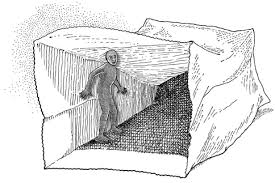
    Around 3.3 million Americans at some point in their lifetime suffer from an anxiety disorder. Roughly 19.2 million Americans wrestle with phobias.

    And anxiety often comes before depression.

    We’ve known this for years.  A very large study of thousands of female twins with major depression who all had various phobias — agoraphobia, social phobia, situational phobias, animal phobias — found that the most common phobia associated with major depression was agoraphobia.

    Another conclusion was that a “modest proportion” of the genetic vulnerability (remember these are twins) to major depression is shared with a genetic vulnerability to phobias. What’s more, the non-genetic factors — like  environmental experiences — that can predispose someone to depression, significantly makes a person more vulnerable to agoraphobia, specifically.

    Risk of Agoraphobia Highest After Trauma

    This means, if you’ve experienced something excessively painful, traumatic, and overwhelming in your life, your risk for agoraphobia is high. And the trouble with agoraphobia is that it isolates its victim…which makes the depression worse.

    So, you can see the link between anxiety, depression, and phobias. And you can also see that treating the anxiety can This man in trapped in paper bag needs to hear, Can overcome phobias IV ketamine.even prevent the depression as well as phobias.  But how?

    There are some medications that will relieve anxiety, as well as depression, in some people. But, as we’ve discussed so often, those antidepressants and anxiolytics don’t end the anxiety, they just reduce it…for some people.

    To the frustration of countless sufferers, the effectiveness of these medications for anxiety and/or depression is patchy… and it takes weeks or months for any given person to find out if she’s going to experience relief.

    Those weeks and months can be a dangerous waiting period for those whose misery is leading to thoughts of suicide.  And unfortunately, so many of these medications seem to stir up those very self-destructive thoughts.

    Can You Overcome Phobias…?

    Here’s good news. IV ketamine in low doses has shown consistent results in 80% of those who suffer with anxiety and depression where nothing else was effective. Nothing else brought relief.

    So, that’s how IV ketamine works on your backstory… it restores your brain to its optimum function by targeting the structures and systems in your brain that lead to anxiety…and depression. IV ketamine treatments focus their effects on those changes in your brain that happened when you were hurt, traumatized, shocked… and began experiencing feelings you want to avoid. When the phobias began. 

    And within minutes or hours of the infusion, suicidal thinking can disappear, and those thoughts are forgotten. In their place is relief, like a ton of weight has been lifted off the sufferer’s shoulders. The previously sullen, nervous, fidgety feelings dissipate during the course of treatment, and the power to enjoy life blooms.

    Three treatments a week for two weeks. That’s a typical treatment course. And your outlook becomes lighter throughout the two weeks of infusions. Lighter as the dread lifts. And lighter as the fear melts. Even lighter when the depression dissipates. Free of suicidal thoughts.

    A recent study published in the Frontiers in Cellular Neuroscience Journal demonstrated that long-term ketamine dosing can help erase fear memory … (which is what leads to phobias) … through DNA methylation of brain-derived neurotrophic factor.

    Another thing… You may have read about the “problem” that ketamine isn’t lasting.  But that’s the reason for the 6 session treatment protocol. Once you’ve had those 6 or so infusions, you’ll realize how much you really feel like the you Anxiety has lifted from this relaxed man. He says can you overcome phobias IV ketamine.that had been submerged all these years.

    Hope.

    Real hope.  And relief from the albatross that’s weighed you down.

    Fear. Dread. Nervousness.

    No more. Can you imagine??

    In some cases, we find it helpful to continue a monthly maintenance infusion. And that’s all it takes to give the freedom, energy, insights, and power to rebuild your life again.  The power to confront your fears . . . with confidence.

    Now, if you can’t remember when you were really yourself, without the sullenness, depression, listlessness, agoraphobia and more…  then you’re in for a treat. 

    Many patients say they’d lost sight of who they really were, of what it was like to be at ease. 

    It’s almost miraculous.

    If you’ve suffered from an anxiety disorder that doesn’t get better, or phobias that rob you of your freedom, call us or arrange an appointment. It’s our privilege to thoroughly evaluate you, your DNA, your history, to determine the best outcome for you.

    We live to see you well.  Let’s do this together.

    To the rediscovery of your best self,

    Lori Calabrese, M.D.

    Lori Calabrese, MD offers innovative psychiatric treatment like IV Ketamine

  • The Email Message That Changed Her Life – with IV Ketamine

    The Email Message That Changed Her Life – with IV Ketamine

    Woman set free from trauma and PTSD now lives changed life IV ketamine.

    Life-Changing Email

    Wonder what it’s like to have a changed life from IV ketamine treatment…?

    Imagine opening an email that could change your life.

    Let’s say you’re an IT architect, or a chef, a kindergarten teacher, or a construction worker. And let’s say something happened … something terrible, terrifying, and painful. You might have caught your arm in equipment or you might have found out your wife’s leaving you … maybe you were assaulted and suffered injuries to your back and neck. 

    At any rate, let’s say you’ve been profoundly traumatized –by either big T’s or little t’s — and are living with sustained damage that is keeping you from the life you used to have. You feel disabled physically and psychologically.

    Honestly, you’ve tried to “get over it” but you seem to become more withdrawn with each passing week, month after month.

    You jump at every noise, every touch.

    And leaving the house becomes impossible. Fear grips your throat at even the thought of walking out the door. And finally, you wonder how you could end this futile life.

    Hope Reaches Out Its Hand…

    Then, you get an email from a friend.

    And, though you don’t know it yet, it’s an email that’s destined to restore your life.

    “Hey, just reaching out ….” it says. “I know you’ve been going through a terrible time…”  . And after some An email with a link to a changed life IV ketamine.words of compassion and empathy, you see a link. A link about ketamine …?  you think to yourself.  What’s this?

    Ketamine Off-Label = New Hope

    She says this link really might help.  So you click on it.

    And you learn about IV ketamine and how it’s reversing depression, PTSD, and all sorts of other psychiatric mood disorders by switching on the lights in people’s brains.

    Your energy is so low, listlessness so high, and resistance to interference so strong, that at first you’re highly skeptical. But something makes you continue to read. And the more you read the more you notice hope pinging in tiny pings inside you.

    After reading the article a few more times…you push through the apathy and call the author of the article…who’s a psychiatrist.

    And the Miracle Begins…

    Here’s the important part.

    After going to your first appointment for the ketamine infusion, then the second, you begin to notice something changing.

    Let’s talk about that.

    How do you know if you’re getting better…? 

    Are there scientific ways to measure it…? Like say in your blood stream…?  Or maybe ways to measure the way you feel… from one day to the next even…?

    And what about measuring the things you do…?   Since you’ve been in such a bad place, you haven’t felt like doing much of anything.  So isn’t it remarkable that you actually feel like seeing friends again?  Working in the garden…?  Going shopping…?

    I’m happy to tell you the answer is a resounding yes! There are ways to measure, ways to compare from week to week and month to month.  We psychiatrists use them all the time. 

    What’s In It for You…?  EVERYTHING.

    But when it’s YOU who’s suffering, who was shattered by that tragic accident or violent assault or loss of your precious child, you want to know what YOU can expect. In what way will I feel better…?  What will it look like…?  What should I watch for…?

    Everyone’s experience varies a bit as to whether they experienced relief with the first treatment, the She hides in the dark from fear with PTSD, but when she's treated she has a changed life iv ketamine.second, or even the third… and in which ways the relief and recovery showed itself.


    Here’s one patient’s story, as an example:

    Jeanine was a brilliant IT architect at the top of her game who suffered a violent assault that left her badly injured and deeply traumatized. No matter how hard she tried, she couldn’t seem to recover from the injuries or the trauma.

    The event left her unable to work, unable to function, and even afraid to leave the house. This went on for months.  Depression set in and she couldn’t shake it.  She did everything they said.  And it didn’t  work.

    Then she received an email from a trusted friend who gave her a link to an article about how IV ketamine is restoring people with depression, PTSD, anxiety, and other mood disorders. By the thousands.

    She Took the First Step…She Called.

    Jeanine read enough to know it was worth the effort to call and see if this might help her.

    And the tools we used to measure her level of depression and anxiety showed dramatic improvement as she had 6 infusions over the next couple of weeks.

    But what really mattered to Jeanine, beyond the numbers, was the change in her life.

    A Changed Life with IV Ketamine

    Jeanine is real. So are her words, and so is her permission to share them.  Here’s excerpt from her note to me after the second infusion:Woman feels alive again after IV ketamine relieves PTSD and pain.. her changed life iv ketamine.

    “…In addition to completing some dreaded paperwork I’d been avoiding for 8 months, I’ve also had a productive day in other ways. I also:

    1. ENJOYED (!!) my 2 mile walk by the river.

    2. Painted the kitchen shelves, a task I started about 7 weeks ago and simply lacked the executive ability to complete until today.

    3. Got to the pharmacy and back without too much difficulty or hesitation.

    4. Went to the store and bought personal items.

    5. Dead-headed my roses.

    6. Did laundry.

    7. And treated myself to a solo lunch at a slow-food restaurant and enjoyed (!!) my food.

    Given the difficulty I have had just getting out of my house by myself for 3 years, I call this a huge success.

    I look forward to my next treatment tomorrow.

    During last night’s treatment, the only pleasant part was the ‘sparkles’ I felt in my brain, but clearly it worked very well. I did not have any morbid or suicidal thoughts whatsoever today, which is extraordinary.”

    What Will You Experience…?  How Will You Know… ?

    Read what Jeanine says… and others.  Unique stories, personal victories, consistent relief… Outstanding function.

    Here are some more of her thoughts after a couple more infusions…

    “John and I walked 2+ miles along the river today, which I really ENJOYED. I’m frustrated by back pain today, which is keeping me from doing any but the very lightest of garden chores. I am so eager to get out there and dig!”

    Then a few days later:

    “I reminisced about someone I knew years ago who desperately needed my help with a project. His project was in the toilet and his job depended on its success. I took a weekend and went shoulder to shoulder with him to resolve the bugs in the program and he was rewarded for its design soon after. As I thought back I felt 1. I was proud of myself for helping him and proud for him at his success. 2. I was sad to no longer be in touch with him…to have lost not only his friendship, but the valuable work I did. Here’s the point: 3 weeks ago I could have acknowledged the quality of the work, but only felt the sadness of the loss. Now I can feel both.”

    The day after her last infusion:

    “Thank you for helping me get my brain back. Delighted to say I took a lovely hike through the woods today. I enjoyed it so thoroughly and found myself so enthralled with the sites, smells, and beauty. The beauty was actually so distracting, I didn’t notice two bears in my vicinity! 

    I would say I am back to normal. My depression and anxiety symptoms seem to be gone. I’m breathing in life and Woman walks in the woods and enjoys it deeply because of changed life iv ketamine.my family again like I did when I was young.


    Thank you from the depths of my heart for helping me find myself again.

    A few days later, she had a bunch of friends and family over for dinner–the first time in a few years that she’s had people over for a party–which she just loved.

    The Face of Psychiatry has Changed.

    So many people who were listless and without hope are living new, joy-filled, changed lives with IV ketamine treatment. If you’re one of the millions of people who have sought effective treatment for a psychiatric mood disorder without relief, call me or make an appointment.

    There is so much hope for you to live the life you thought was beyond your reach. Let us work with you to determine the best approach for your recovery.

    To the restoration of your best self,

    Lori Calabrese, M.D.

    Lori Calabrese, MD offers innovative psychiatric treatment like IV Ketamine

  • IV Ketamine + Neuroplasticity = Relief, Relaxation, and Relishing Life

    IV Ketamine + Neuroplasticity = Relief, Relaxation, and Relishing Life

    Woman relishes a spring day after IV ketamine for her treatment resistant depression.I could use some of that.  We hear that all the time. Relief, relaxation and relishing your life can sound so far away … but it doesn’t have to be. As word gets out about IV ketamine treatment for depression and other psychiatric mood disorders, more and more studies are emerging.
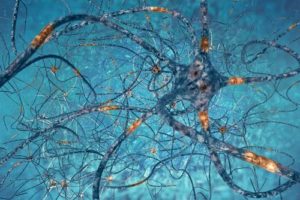

    New information is surfacing about the effectiveness of this medication. And it’s inspiring more discussion, more research, and deeper understanding of the causes of depression.

    And there’s more.

    As evidence grows through research and clinical data, it seems clear that depression interferes with the neuroplasticity in the brain. Including diminished neurogenesis in the hippocampus and diminished synaptogenesis in the prefrontal cortex. In other words, depression messes with the growing neurons or brain cells and the synapses or connections that allow the neurons to communicate with each other.

    A big factor in this is that stress reduces an important growth factor called BDNF, or Brain Derived Neurotrophic Factor. Sort of a “compost” for neurons. Without BDNF, your neurons become tattered and sparse.

    They diminish in size and number … and thin out.

    When you’re depressed, these measly neurons with their poor synaptic connections just have a much tougher time communicating with each other … so there is less creative thought, if any. Well-being tanks. And your world becomes darker, less hopeful, and without future. It’s a bad place to be in.

    A brain that is well-connected is a brain that experiences creative thought and well-being. A brain in the dark is a depressed brain.

    IV Ketamine + Neuroplasticity

    Here’s where neuroplasticity comes in.  (Don’t let the word shut you down.)

    In this context, plasticity refers to the brain’s ability to change at any age … whether for better or for worse. So the term “neuroplasticity” refers to the ability of your neurons to adapt and remodel themselves. In the past 10 years or so, neuroscientists have come to understand that your brain is constantly remodeling itself throughout your life.  And when it remodels itself, it remodels its networks,  And because of that, it remodels how it works.

    So, to put it briefly, when you think dark and despairing thoughts, or angry and vindictive thoughts, day after day after month after year, this thinking actually reshapes and remodels your brain. It’s kind of shocking, really.

    The brain remodels itself.  Your brain remodels itself.

    This spectacular image of a neuron shows the rich prolific regeneration of neurons and synapses with IV ketamine + neuroplasticity.

    Dark, negative and hopeless thoughts have a detrimental impact on your brain’s structure and on how it functions. Your brain changes to fit your thought processes … to respond to your stressors.  By the same token, if you read inspiring and creative books, spend time with joyful people, and create joyful experiences, your brain can change over time for the better.

    The very structure of your neurons can change — in a lush way. Richly. For the better.  For your good.

    Wow.  

    This is where people say, “I want some of that.”

    Well, this is an oversimplification, of course.  It doesn’t account for all of the different factors, illnesses, and environmental influences that shape the way your neurons look and act — grow and function — but it IS an illustration of one way the brain can change. At any rate, It appears that one reason IV ketamine treatment is so effective for so many different psychiatric symptoms is because of the way it enhances neuroplasticity in the brain.

    Growing Your Brain Structure Garden

    For example, when you take the time to learn a new language as an adult, you’re putting parts of your brain to work that respond by growing to accommodate.

    A study of taxi drivers in London revealed that through the process of memorizing the streets of London to pass certification, that a specific structure in the brain enlarges to manage that information. The hippocampus is the memory center in the brain, and this study revealed that drivers who’d been driving taxis for decades had the largest hippocampi of the group.

    Just an example to show how the brain changes with the right type of stimulation.

    By the same token, the amygdala is the fear center in the brain, and it’s been studied extensively in childhood trauma, and in adult anxiety, depression, and bipolar disorder.  The newest research shows that the size of the amygdala can change rapidly in response to recent stressors — even in people who’ve never had any of the these conditions. The left amygdala was smaller in people who’d had a recent stressor — it didn’t even have to be longstanding or chronic. And the shrinkage was enough to be seen on an MRI.

    depressed man needs the relief from treatment with IV ketamine + neuroplasticity

    So here’s the point.

    Ketamine’s Rapid Action

    Ketamine acts rapidly in numerous ways, and its fast action is changing lives, as well as saving them. It stimulates changes in the brain that affect its structure and its function.

    One example is that it quickly matures new neurons so they’re functionally mature and doing their job within 2 hours. Traditional antidepressants just can’t do this.  As more neurons proliferate, mature, and migrate from the hippocampus into far-reaching brain regions, ketamine also stimulates the formation of more synapses, especially in the prefrontal cortex. The greater the communication throughout the brain, the better functioning the brain, and the greater the well-being of the individual.  You.

    The more synapses that are generated, the more neuroplasticity, or ability to change and grow, the brain will enjoy. And a growing, adapting brain provides a higher level of living and learning for you to experience. Plus a greater sense of joy and well-being.

    Let the Sunshine In

    It’s as if the proliferation of neurons – and the synaptic connections that empower them to communicate – opens doors and windows in the brain to let the light and fresh air in. This wonderful circulation of signaling gives the brain new thoughts, new hope, new relief.

    Basically, IV ketamine + neuroplasticity = relief, relaxation, and relishing your life.

    If you’d like to know more about innovative treatments for your psychiatric symptoms, please call for an appointment so we can evaluate what’s going on.

    Innovative Psychiatry is committed to help you find and develop your best self. Let’s work together.

    Joining forces with you to discover your best self,

    Lori Calabrese, M.D.

    Lori Calabrese, MD offers innovative psychiatric treatment like IV Ketamine

  • Ketamine Wannabe Drugs … of the Future

    Ketamine Wannabe Drugs … of the Future

    Ketamine mimicking drug brings peace to psychiatric mood disorder.Ever have somebody copy you?  You know, try to be like you? Imitate what you do, where you go?  try to get what you have? They wannabe like you. Well, maybe not just exactly like you — kind of like you and better than you all at the same time.

    It’s happening with ketamine.  

    We’ve been talking for awhile now about the breakthrough of low dose IV ketamine. In fact, everybody’s been talking about ketamine for treatment-resistant mood disorders. We’ve expounded on its effectiveness in relieving suicidal thinking, treatment-resistant depression, and other psychiatric disorders. Did you catch the discussion about which route is most effective and why we use it? Check it out here.

    You should know about all the ways it’s changing the horizon for psychiatric treatment. Like how it stops suicidal thinking within hours, rather than weeks. And how people who have lived with depression and despondency for years — no matter what medication they were taking — can feel depression just lift within hours. Maybe you’ve been there yourself, or you know someone who has. 

    But there’s more to talk about.

    The discovery of ketamine’s therapeutic effects on depression has opened doors to more revelations of the chemical sort.  Mechanisms of action.  Delivery systems. Ways of leveraging the funding of pharmaceutical companies to develop more versions of ketamine, maybe with the same or similar benefits, but without any side effects …

    Think of it like this:

    Ketamine wannabes want to “be like” ketamine and wannado like ketamine — except better, without side effects, for longer.

    But it turns out that’s easier said than done.

    Since ketamine is no longer under patent, it’s unlikely that a pharmaceutical company would be interested in investing the necessary funds to Heartbroken lady writes "help" on fogged glass and needs ketamine wannabe drug treatment.conduct extensive trials and research about its effectiveness to treat mood disorders at this stage … at least on ketamine specifically.  

    Or that a company would shell out time and money to study long-term response and remission rates, or long-term safety, for a well-known generic like ketamine — even if it is being used in a new way in new settings to treat new conditions. There just wouldn’t be the return on investment in the long term.

    However, by making changes in the molecules and targets that provide the therapeutic results for ketamine, new versions of the drug in the form of ketamine wannabe compounds that specifically target mood disorders are being designed and developed, and are in the race for FDA approval.

    Ketamine Wannabe Drugs

    So grab your chemistry lab goggles, and let’s explore some of these molecular discoveries among ketamine-wannabe molecules.

    Ketamine is a racemic compound — it has two parts that are mirror images of each other joined together like Siamese twins.  If we split it right down the middle where the mirror images join — presto! — we have two “new” drugs.  One faces right and the other faces left.  We call the left-facing one “S” or in the world of pharmaceuticals, “es–”  as in esketamine.  So it turns out in this case that changing the structure of ketamine slightly could give us the same benefit, hopefully fewer side effects, and easier use. In other cases, molecules like ketamine are coming down the pike that act on similar targets or in similar ways to help with depression without some of the potential side effects of ketamine.

    They both wannabe and don’t wannabe like ketamine.  They wannado better.

    Esketamine

    Esketamine has been approved in Europe for a decade and a half – specifically for anesthesia – and Janssen Pharmaceuticals has acquired a patent to utilize it in the US as an intranasal spray for treatment-resistant depression.

    Teenage depressed girl needs ketamine wannabe drug treatment for treatment resistant depression.The Food and Drug Administration has awarded “breakthrough” status to esketamine to zoom its advancement through to approval with less interference from various obstacles and the usual red tape that slows everything down.

    They plan to specify it for use it in a clinical setting (as opposed to at home) for the sake of controlling the dosage, as well as to prevent sale on the street.

    Rapastinel

    Another pharmaceutical company – Allergan in Dublin, Ireland – has designed a peptide in this same “ketamine-like” category. You may know that a peptide is a chain of amino acids bonded together in a specific way, and this one looks pretty effective as an adjunctive treatment in depression. It has characteristics like being fast-acting and long-lasting and it’s given as an IV infusion, like ketamine.

    Ketamine’s action with NMDA receptors is to block ion channel activity.  Here’s where rapastinel is different. It binds to the glycine site on the receptor and regulates or modulates it by changing the shape of that site.  Pretty cool.  The result is that rapastinel reportedly has a minimum of dissociative or out-of-body side effects that are sometimes experienced with IV ketamine infusions.

    Rapastinel is in Phase III trials in the US as an adjunctive treatment for major depressive disorder, and more trials are expected in Europe and Japan.  Soon, it’ll be ready for FDA approval for use in the clinical setting to treat depression.

    AV-101

    Still another pharmaceutical company in San Francisco is working to create a small molecule drug that possesses all the good traits of ketamine without its potential dissociative side effects: VistaGen Therapeutics.Young couple enjoys a picnic in the country after ketamine wannabe drug treatment for treatment resistant mood disorders.

    This molecule is one that’s back on the scene from over 30 years ago. At that time, it couldn’t cross the blood-brain barrier to do its work. And consequently, couldn’t impact the depressive symptoms a person was experiencing.

    But now, the molecule (which is considered to be a “pro-drug”) has been revamped and this current version does cross the blood brain barrier, And when it does, it’s metabolized from a pro-drug into an active drug that modulates a certain glycine binding site at the NMDA receptor — unlike ketamine and different from rapastinel.

    So while ketamine completely blocks certain NMDA receptor ion channels, AV-101 just sort of regulates the receptor gently…which seems to result in gentler side effects.

    A New Frontier – Ketamine and Ketamine Wannabe Drugs

    There are plenty more versions of modified “ketamine wannabe” molecules in the wings, developing to hopefully even replace ketamine at some point. Hoping to improve on ketamine’s action. Aspiring to lesser side effects. Working towards easier administration. We’ll just have to see how that goes.

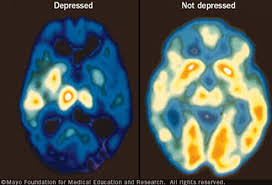
    Image shows the dramatic brightness of a brain lit up by ketamine wannabe drug treatment, and the darkness in the depressed brain without it.And one day this miraculous breakthrough medication – ketamine – may become obsolete like so many cornerstone discoveries of the past.

    But right now, boy are these exciting times!  We’re on the threshold of a brave new world in psychiatry. A world where people who’ve suffered without relief for years, even decades, can finally experience relief and build a fulfilling life.

    One last thought…

    All of the companies working with these small molecule drugs are investing in priceless research that’s opening more doors and windows of understanding –. which will, in turn, only increase the benefits for people who just haven’t responded to or tolerated anything else.

    For example, we know that ketamine, rapastinel, and AV-101 all work at the NMDA receptor site. So it’s been assumed that that action is the key to their effectiveness. However, when researchers blocked the AMPA  receptor, none of these drugs worked. I’ll say it again.  None.

    Which revealed that the AMPA receptor needs to be activated for the drugs to deliver their fast antidepressant, anti-suicidal results.

    And this revelation may lead to more breakthroughs for more who suffer … through ketamine wannabe drugs.

    We’re on this.  We stay up at night.  We watch closely to glean all we can from the research that’s exploding, so we can continue to provide the most up-to-date, cutting edge, Elderly couple enjoying life after ketamine wannabe drug treatment.fresh discoveries that neuroscience offers.  

    And…we’ll be here to help you find your best self.

    So call us, and let’s find the right innovative solution for you.

    To the emerging of your best self,

    Lori Calabrese, M.D.

    Lori Calabrese, MD offers innovative psychiatric treatment like IV Ketamine

  • IV Ketamine and Treatment-Resistant Mood Disorders

    IV Ketamine and Treatment-Resistant Mood Disorders

    This man feels good after treatment for PTSD because of IV ketamine and treatment-resistant mood disorders.

    IV Ketamine and Treatment-Resistant Mood Disorders

    After reading today about a beautiful young man – let’s call him Tom – whose life ended tragically at the crossroads of despair, I started thinking.

    Like many of my own patients, he had a wondrously warm and giving heart — and a compassionate heart the size of Montana for homeless animals.

    His talent for music generated moving, exquisite collections of melody and lyrics that stunned listeners with its charm.  

    Such sensitivity, such beauty for the world to enjoy.

    But his life ended far too soon, because he could find no relief for his illness.

    Bipolar disorder.

    Tragedy Without IV Ketamine

    I’ve treated many people with similar stories in my office.  I’ve offered the best that we had–medications, combinations, the latest research, the newest adjunctive treatment, supplements, recommendations for lifestyle changes, collaboration with the the best therapists in the area, resources, articles, support–everything I had.  I never stop trying.  But until a few years ago, we had little to offer those who didn’t respond to traditional treatment.  Or who were just sick of it.

    And that’s tragic. Really, really tragic. But more common than we can bear to think.

    It’s not just about bipolar disorder or treatment-resistant depression. We’re talking about postpartum depression, PTSD, and other psychiatric mood disorders.

    Listless depressed mother is not responding to crying baby because of postpartum depression. Needs treatment with IV Ketamine and Treatment-Resistant Mood Disorders

    I thought about Jacie. Jacie wasn’t expecting to get pregnant when she did, but she was happy about it, and enjoyed the feelings of wonder about this tiny new person growing inside her.

    But around the time her second trimester began, she noticed her initial lilting emotions weren’t lilting anymore. In fact, she felt gray…dull…and couldn’t seem to relate to the idea of a baby.

    Once the baby was born, everything was a struggle. She felt angry, frustrated, and exhausted beyond belief. And guilty that she wasn’t enjoying this innocent baby girl. In desperation, she talked to her doctor honestly about how she had been feeling. And her fear she might do something to hurt herself or her child.

    He referred her to a psychiatrist he trusted, and she began seeing her. Her depression had gone on a long time — untreated.

    IV Ketamine and Treatment-Resistant Mood Disorders

    When depression comes during pregnancy, it can be so much worse than postpartum depression that begins after the baby is born … and so hard to treat. In Jacie’s case, her depression didn’t budge, and the persistence of it affected her relationship with her baby, and her marriage.

    She was surrounded with people who loved her. She was fortunate in that sense. But nothing seemed to ease the agitation and misery she endured. Or her self-hatred and guilt that she resented her baby and didn’t know how to change it, or feel better. To be the kind of mom her baby needed.

    Traditional antidepressants and psychotherapy just aren’t effective for some people.  If you’re one of them, or you know one of them, you know what I mean. Since depression is caused by a complexity of changes in the brain, there’s no simple solution.

    And in my musings, another man came to mind — Dan. He’d suffered with PTSD for over 15 years. War time trauma, loss of friends in combat and the powerlessness he felt to save or protect them; it all tormented him.

    He’d been told he should be “getting over this” by his friends and his family. Oh, they meant well. But they had no idea what they were saying. And suggestions like those didn’t help. Not at all. 

    He struggled just to get through the day … to have a relationship with his wife … to work at a job, to pay the bills.

    The trauma of active combat can result in mood disorders. But IV ketamine can help.

    He wanted to be productive, but every time he had a few good days or weeks, it didn’t last because of the dreams, the night terrors…the reactions to noises or touch. Then he’d lose his confidence, walk off the job, and withdraw again.

    The loss of life, of peace, of relationships, of fulfillment, for people like these has been unavoidable till now.

    For those who couldn’t benefit from the traditional treatments for mood disorders, there just weren’t any solutions. IV ketamine and treatment-resistant mood disorders went to war. 

    Your treatment-resistant mood disorder won’t win over IV ketamine.

    These stories are just examples, but they represent multitudes of individuals whose lives have been interrupted, oppressed, tormented, or in some cases cut short, by symptoms of disorders that remained unaffected by traditional treatment.

    And that’s why I thought of all of these people.

    Because the ineptness of so many antidepressants left me feeling powerless to help; too many of my patients were crippled by their disorders, but desperately wanted the same chance at building happiness and fulfillment as anyone else.

    Too many.

    And that’s why I’m excited now and so full of hope.

    That’s why I talk so often and so enthusiastically about this emerging frontier of new therapeutic uses for that  anesthetic-turned-antidepressant, IV ketamine.

    Mom with postpartum depression can now show daughter affection because IV ketamine and treatment-resistant mood disorders.

    Because for all all the Toms, Jacies, and Dans who found no help at all from previous treatments, 80% now experience relief, restoration, and often total remission after IV ketamine treatment.

    We’re still working to find solutions for that other 20%, and we won’t stop. But we’re helping 80% of those for whom we had nothing, nada, zip…zero… that would help.

    All my training didn’t prepare me for the heartbreak of those who are so desperate for relief and can’t find it. But hope is growing, and ideas are flourishing for ways to use this new knowledge to spawn more solutions.

    Relief and Solutions are RISING

    So after my musings about those who weren’t helped, and the sadness I feel that we didn’t find solutions soon enough, it’s exhilarating to know there’s an entire frontier opening. A new world of treatment for those who weren’t helped before, through the discoveries surrounding ketamine for depression and other new solutions that will spring from it.

    IV ketamine and treatment-resistant mood disorders … it’s a fight to the finish, and ketamine is winning.

    Are you wondering if you’ll ever be able to have a life…?  If you’ll ever get to feel stable — emotionally, financially, socially?

    You really aren’t alone. Sometimes you just can’t see there’s support at your fingertips… help just beyond your line of sight. 

    Reach out and let’s talk about the things in your life and feelings that interfere with the power to live life the way you want to.

    Power to find your best self, and share it with those around you.

    Power to enjoy.

    To the power for finding your best self,

    Lori Calabrese, M.D.

    Lori Calabrese, MD offers innovative psychiatric treatment like IV Ketamine

  • IV Ketamine: Doing What Prozac Can’t

    IV Ketamine: Doing What Prozac Can’t

    Man on top of mountains spreads arms in relief - IV ketamine doing what prozac can't.Excitement about IV Ketamine

    Recently, I shared my perspective about the consensus statement released by the American Psychiatric Association’s Council of Research on Novel Biomarkers and Treatments Task Force. Their statement was about the use of IV ketamine for treating mood and other psychiatric disorders.

    That Task Force, in its consensus statement, assured members of the APA that there’s compelling evidence that IV ketamine has the ability to provide rapid and robust antidepressant effects in patients with treatment-resistant mood disorders.

    Well, I was delighted to see that NPR published an article this past Monday, March 20, 2017, about Gerard Sanacora, M.D., Ph.D., Professor of Psychiatry at Yale School of Medicine, and his personal reflections on IV ketamine for mood disorders. You should read the article, too.

    Gerard Sanacora is a member of the same Task Force. He says he’s treated hundreds of patients who are severely depressed with IV ketamine and is excited about the results in these patients’ lives.

    He says doctors have asked him how he can use a medication when there is still unknown data about long-term use. 

    What Would You Do?

    His answer?

    “If you have patients that are likely to seriously injure themselves or kill themselves within a short period of time, and they’ve tried the standard Man with treatment-resistant depression needs IV ketamine doing what prozac can't.treatments, how do you not offer this treatment?” he says.

    Well, that’s how I feel, too, and why I offer IV ketamine infusions.  In good conscience, with what I know about ketamine, how could I not?  It’s what growing numbers of other psychiatrists are feeling, too.

    Ketamine has an effect no other medicine has had before. Within hours it can erase the suicidal thoughts of someone who’s been on the verge of suicide for some time.

    It removes the self-destructive thoughts, and the terrible mental images of death.  And it happens fast.

    This one extraordinary effect is changing the way we approach severely depressed individuals. There is something we can do to bring our patients relief from this dangerous, life-threatening symptom. And it succeeds in bringing them relief in 80% of cases.

    Dozens of doctors responded to surveys in the US and Canada, reporting that over 3,000 patients have been treated for mood disorders with ketamine. The good news is spreading, as well it should be!

    Even so, as we’ve discussed before, IV ketamine treatment has still not been studied in enough depth to answer some questions that remain unanswered. And that’s because of the lack of large-scale trials. Large-scale trials are needed. And with the attention ketamine is receiving from pharmaceutical companies, I expect those trials are just ahead.

    More Questions

    James Murrough, M.D. at Icahn School of Medicine at Mt Sinai in New York, worries that because of the lack of large trials, it’s not yet known how long a treatment regimen can be continued safely. And it’s true that it will take years of studies to establish that.

    From his perspective, that’s troubling because IV ketamine can wear off in a few days or a few weeks. Repeat infusions are necessary to prevent the return of depression. So, unless a form of ketamine is developed that lasts a great deal longer, we’ll need to continue giving those treatments to those who need them… until they achieve remission.

    But in spite of that, he strongly feels the case for IV ketamine is warranted and justified…much stronger than a few years ago. And so do we.

    Most Promising Since Prozac

    “There’s warranted caution that’s balanced with an optimism that says we’ve never had a new medication for depression since the era of Prozac,” Murrough says.

    IV Ketamine: Doing what Prozac Can’t

    No new medication for depression since Prozac!!!

    Treatment -resistant depression is relieved for this lady after IV ketamine doing what prozac can't.So just a quick review: Prozac emerged in the 1980’s and was the first of a “new class” of depression drugs targeting serotonin, one of the neurotransmitters.



    Prozac opened a world of possibilities in psychiatric treatment. But there have been far too many who suffered from mood disorders and were never helped by Prozac and its offshoots.

    Since then, sure, there have been new medications and new neurotransmitters that have caught our fancy — mine, too.  But no drug has has been more effective, more rapid, and more transformative — with an entirely novel mechanism of action — than IV ketamine.

    Period.

    IV Ketamine – Doing What Prozac Can’t

    Because ketamine acts on a different neurotransmitter than Prozac and other common antidepressants. Instead of Prozac’s focus on serotonin, ketamine acts on glutamate, another neurotransmitter that acts on a different system. Murrough says that because ketamine’s been so remarkably successful, the pharmaceutical companies are pulling old drugs off the shelf that act on the glutamate system.

    They’re as excited as we are at the possibility of creating a whole new class of more effective drugs for depression.Young man in orange hat lounges in the sun, reflecting over the years he spent in the dark with depression- IV Ketamine Doing what Prozac can't.

    So, there is actually a possible contender in the ring for ketamine being developed. Related to ketamine chemically, it’s called esketamine and is in testing. It’s not been considered by the FDA yet, but that’s not far off.

    And it’s one of a mountain of medicines in development that are related to ketamine, according to Gerard Sanacora.

    He also said, “This is probably the most interesting and exciting new development that I’ve seen in my career, and probably going back over the past 50 to 60 years.”

    And that’s certainly the case for me, too. For all of us who are seeing our patients doing better, looking better, and feeling better – after decades in practice.

    These are such exciting times in psychiatric medicine. I’m so thrilled to be a part of this life-changing and life – saving historical time. And I’m thrilled you are too.

    Until recently, our patients with treatment-resistant mood disorders weren’t getting better.Lady cries with treatment-resistant mood disorders, needs IV ketamine doing what prozac can't.

    Now they are.

    IV Ketamine is Changing – and Saving – Lives

    They’re living again, building fulfilling lives again, looking to the future with HOPE.

    If you know someone who’s been lost, sad, full of shame and despair, and just doesn’t seem to get better, there’s new hope now.

    Encourage them to call us, or call us yourself for an in-depth evaluation.  There is specific lab work we can do that will actually help us know if IV ketamine is likely to work and work quickly. It’s been successful with about 80% of our patients who have received infusions.

    IV Ketamine isn’t for everyone, but with appropriate screening, it may be exactly right right for you. It may be exactly what you’ve been waiting for.   And if you’re struggling with a treatment-resistant mood disorder, you owe it to yourself to find out.

    You can feel better.

    Much, much better.

    To the release of your best self,

    Lori Calabrese, M.D.

    Lori Calabrese, MD offers innovative psychiatric treatment like IV Ketamine

  • Treatment-Resistant Depression Meets Its Match

    Treatment-Resistant Depression Meets Its Match

    Woman in a kayak in a beautiful lake sits back and enjoys the view after IV ketamine relieved her treatment-resistant depression.Do you know someone who’s been listless and hopeless for a really long time?  More than weeks or even months … someone who’s been taking antidepressants for years, and has never really felt better?

    Have you noticed how years of despair affects a person’s outlook so deeply that their personality seems to change?

    Clare’s story

    Take Clare. She began feeling more and more overwhelmed when she was in 8th grade. A string of unfortunate events seemed to pound her down further and further, until she’d lost her ability to recover.

    It was as if life formed a dark tunnel around her and she couldn’t face it any more. She started avoiding school because facing it was too hard.

    She came to believe it would never, ever get better. And she became volatile at times, and subdued at times. She grew to have a generally defeated attitude, and overreacted to small frustrations.

    Treatment – Resistant Depression Leads to Overwhelm and Failure

    This once cheerful, go-getter teenage girl withdrew into a place where she could no longer function, no longer face others, no longer spend time with friends.Treatment-resistant depression holds this woman in sorrow, and IV ketamine can help.

    After high school she tried to go to college, and her psychiatrist changed her medications to something that he hoped would help more.

    But she’d try her hardest and do well for a semester, then fail the following semester. So she’d work up all the energy she could to succeed and do well again, then fall apart a few weeks into the next semester.

    Eventually, she dropped out of college because her grade point was no longer high enough to stay.

    Geriatric treatment-resistant depression can be relieved by IV ketmine.Failure, Despondency, and No Reason to Live


    Clare thought about dying often. On a few occasions, her mom or a roommate walked in to find her with a pile of pills in her lap and a big glass of water, about to carry out a plan…

    This is what treatment-resistant depression looks like. In the beginning, the despair seems justified after a series of overwhelming or heartbreaking events. But, eventually, the unchanging, unrelenting despair washes away hope. Any reason to live seems to erode away.

    Neurotransmitters Play the Culprit

    Neuroscientists have discovered that there are multiple brain-based and physical causes for depression.  Large networks of neurons can be affected by cascades of inflammation that affect many systems and many neurotransmitters.

    Neurotransmitters are chemicals in the brain that help one part of the brain communicate with other parts. In most cases, the more neurotransmitters in the brain communicate with other areas throughout the brain, the better you feel.

    For some people, SSRIs may help. But if they don’t, we start thinking about whether we should try an approach that might stimulate GABA, dopamine, or norepinephrine activity.

    In addition, the weeks or months that are required to determine whether an SSRI is effective mean that the one suffering is left to endure in a seemingly untreated state. If you talk to someone who’s been handicapped by crippling depression, and tell them you have a new drug to try, but it may be months before we know if it will help, his response will likely be dripping with despair.

    And that despair sometimes ends in loss of life.

    Gaining UnderstandingTreatment-resistant depression can lead the sufferet to dark places.

    Psychiatrists didn’t realize years ago that all depression can’t be successfully treated with SSRIs, so only a portion of the depressed patients they treated were actually being helped.

    But, we’re learning.

    Thanks to continued study, we’ve learned more and more about what areas of the brain are involved in depression, and the various neurotransmitters that are involved, as well.

    Without question, there’s been a critical need for rapidly acting and effective treatments that provide relief for people who suffer from treatment-resistant depression, and have for a long time.

    Why IV Ketamine?

    And in searching for such treatments, IV ketamine – the decades old anesthesia drug – has risen to the task and is shining.

    Because in addition to treating treatment-resistant depression, IV ketamine is also demonstrating its exciting effectiveness in successfully treating bipolar depression, post-traumatic stress disorder, and acute suicidal thinking in about 80% of cases in our clinic.

    To take it a step further, the action of IV ketamine with suicidal thinking is independent of the antidepressant action. Many patients receiving IV ketamine infusions find the suicidal thinking disappears before the infusion has even finished!

    Never before have we had a medication so fast and effective for people tormented by suicidal thoughts.

    So many start ketamine infusion treatments in a dark and despondent place. Then at the end of the infusion, a look of amazement and relief floods their face. And they tell you things like, “this moment is the first time in 7 years” they’ve felt relieved and hopeful.

    To me, it’s pretty miraculous.

    And if you’re burdened with treatment-resistant depression, bipolar depression, or PTSD, it could feel like a miracle to you, too.

    I hope you’ll take the time to read the other articles linked in this post. Information is your link to feeling better.

    The more you learn, the more your hope can grow, and the sooner you can take action.

    We believe in you, and the life you can live. A fulfilling and satisfying life is possible, with the right treatment.

    Make an appointment for a complete evaluation, and let’s work together to find the right treatment for you. We want you better, so you can restore your best self.

    To the release of your best self,

    Lori Calabrese, M.D.

    Lori Calabrese, MD offers innovative psychiatric treatment like IV Ketamine

  • How Ketamine Turbo Boosts Brain Compost to Improve Your Mood

    How Ketamine Turbo Boosts Brain Compost to Improve Your Mood

    Ketamine turbo boosts brain compost to improve your mood like this oak grove.In a recent postwe talked about the impact of Brain Derived Neurotrophic Factor (BDNF) on the prolific development of neuronal synapses, or nerve connections, in the brain. BDNF is like a rich, organic compost that spurs dense growth. And we talked about how IV ketamine turbo boosts brain compost and multiplies the connections in your brain that improve your mood and sense of well-being.

    Ketamine Turbo Boosts Brain Compost to Improve Your Mood

    We described how BDNF creates an environment like “compost” for increasing these synapses to upgrade communication throughout the brain. It stimulates neurons to grow and branch out, and it increases the complexity and density of these branches.  It’s like stimulating little saplings to develop into strong, complex riotous oak trees.  BDNF increases the density of the forest and the density of the forest canopy.  When the synapses are weakened, thinning out, and breaking down in the brain, depression and suffering is usually involved, one way or another.

    So, if you want to clear out your darkened mood, then you need to clear out weak and broken down synapses. Replace them with healthy neurons loaded with abundant branches, which are called dendrites, and loads of connections, called synapses.

    You’ll need to take a proverbial rototiller to your “brain garden” and clean out the deadwood, weeds, and broken roots. Mix in new soil, fertilizer, mulch, and compost, and let new tender neurons begin to leaf out.

    That heavily “treed” neuronal forest will just naturally bring bright thought patterns and stimulation, just like all that new soil, mulch, and fertilizer would bring new growth and beauty in a garden. Because brain derived neurotrophic factor – BDNF – “brain compost” – improves your mood by providing a rich growth environment for your neurons and synapses. The more healthy synapses your have in your brain, the better you will feel.

    BDNF on Steroids

    In that previous post, we also featured the extraordinary result of IV ketamine on our “brain garden,” and Girl is upbeat after depression treatment by IV ketamine turbo boosts brain compost improves her mood.that rich “compost” seemed to multiply the BDNF like gangbusters… which fostered remarkable multiplication of synapse connections…as if in a fast-motion animated cartoon.


    That rich and deep synapse vegetation results in a high-speed and dramatic improvement in exchange of information throughout the brain:

      • improving cognition
      • relieving depression
      • removing thoughts of suicide
      • and equipping the brain to ‘reset’ itself with brighter and better thought processes, mental and emotional hygiene, the adoption of exercise, and more productivity going forward.

    Since BDNF helps neurons and their connections grow, like fertilizer helps plants do the same, they become stronger and healthier. But even more dramatic is the appearance of new branches that that emerge, proliferate, and multiply, especially in the hippocampus and pre-frontal cortex.

    Picture a bean plant you gently cover with fertile soil. You add a little water and set it in the sun. When you wake up the next morning, you hope and expect to see a tender shoot already poking through the earth…right? Ketamine turbo boosts brain compost and spurs growth of neurons and synapses and you feel better.

    We do, too.  But we try to be patient, and give it several days, at least.

    Take a Look at Your Beanstalk, Jack!

    IV ketamine treatment is so powerful in its effect on BDNF that it’s as if your brain wakes up and within days you begin to have a dense forest growing where that little bean plant was.

    BDNF obviously contributes dramatically to the “landscape” of the brain, and IV ketamine gives it a turbo boost.

    But then, does that change as time goes by?

    Ramshackle, Rundown Garden

    We’ve made the point that IV ketamine puts BDNF on steroids — increasing the density and complexity of neuronal branching in the brain and increasing the number of connections between one cell and another.  

    But what happens to someone who’s depressed and has been stressed for a long time? Then BDNF is depleted, the dendrite branches get Depression causes sparse neurons and atrophied foliage in the synapses, but ketamine turbo boosts brain compost and improves your mood.severely pruned back, the synapses break down, and and the hippocampus shrivels.

    That’s a serious state, and a perfect description of what it’s like in the brain of someone with chronic depression.  What it’s like in your brain if you’re chronically depressed.

    It feels like a wasteland.

    IV ketamine treatment can change that.

    IV ketamine infusions work in a number of different ways, but the most striking thing they do is increase the rich compost of BDNF–to proliferate neurons, leaf out dendrites, increase synaptic connections, and re-establish a rich network of communication in your brain that can return you to your best self.

    In some people, a series of IV ketamine infusions will return their “brain garden” to its optimal state … and they may not need further infusions.

    But others may find after a time that they feel depression or other symptoms returning —  their neurons and synapses have dwindled and shriveled again — and they need a new infusion to breathe new life into their garden of connections.

    It’s Individual…One Size Doesn’t Fit All

    No one knows in advance what will be needed, but to find a way to bring their brain to life is such a rejuvenating joy that most are beyond delighted to tap into this wonderful opportunity for energy, connection, and hope.  For new growth.This young woman has freedom from depression because ketamine  turbo boosts rich brain compost and improves mood.

    And how about you?

    How is your brain garden?

    Is it prolific with verdant life and freshness?

    Or does it need a turbo boost?

    Unlike your bean garden, we can actually test your DNA to help determine the likelihood that you’ll benefit from IV ketamine.

    Come join us to learn about you, and what can help you be the best YOU you can be. Contact us so we can give you a thorough evaluation. It’s the kindest thing you can do for yourself.

    To restoring you to your best self,

    Lori Calabrese, MD

    Lori Calabrese, MD offers innovative psychiatric treatment like IV Ketamine

error: Content is protected !!