
Author: Lori Calabrese, M.D.

  • Biological Psychiatry Stamps Out Stigma and Old Wives’ Tales

    Biological Psychiatry Stamps Out Stigma and Old Wives’ Tales

    Biological psychiatry stamps out stigma and old wives tales.When Your Loved One Needs Treatment –

    The Stigma of Old Wives’ Tales Can Cause Crisis… or Tragedy…

    A mother’s heart is broken when she finds her 19 year old son dead in his car…apparently from carbon monoxide poisoning. She knew he’d struggled for years, saying things like he wished he was dead…or about how he wanted to jump off a bridge.

    She’d wanted to help him, wanted to relieve his sadness, but didn’t want to take him to a psychiatrist because of the stigma… she didn’t want him labeled.

    Believing he’d grow out of it… she didn’t want him hampered in life by a psychiatric diagnosis. She had the best intentions…

    Meanwhile, she signed him up for riding lessons at a nearby stable, tried to get him interested in basketball.  Helped him participate in Boy Scouts. 

    All because she thought a new interest would captivate him and help him overcome his sadness, poor self-image, and low energy.  He seemed to have no initiative, motivation, or courage to fight it off.

    So she kept trying… unwittingly missing the fact that these very symptoms were the reason why he needed help… and lacked interest in much of anything…

    Stigma About Psychiatric Illness Can Blind You to a Loved One’s Need

    A middle-aged man watches his wife of 23 years from the corner of his eye. Biological psychiatry stamps out stigma and old wives tales.What’s happened to her? he thinks to himself. 
    She’d always been a highly-motivated, creative person who took pride in herself and her contributions to their family and the community. But now she seemed to have lost interest in her appearance and her family.

    She was taking a lot of naps and had gotten behind on the laundry. In fact, he’d been running the washer and dryer in the evenings to just catch up, make things easier. Last week he started cooking meals because they’d gotten sick of carry-out.

    What happened…?  Had she gotten lazy…?  Or was it something else…?

    He tried to talk to her…to learn if something had happened to her friendships or if she needed more supplies for her hobbies… but she showed no interest in that subject.

    The truth is, he was growing more and more concerned.

    After mentioning this to a trusted friend at work, his friend suggested an appointment with a good psychiatrist might shed some light.  He was shocked.Biological psychiatry stamps out stigma and old wives tales.

    A psychiatrist???

    “My wife may be bored…or maybe she has the flu. But she doesn’t need a psychiatrist…!  That’s for nut cases!!”

    His friend shrugged. “I went to one a couple years ago, and to tell you the truth, it really helped.”

    Pshhhhhh. Psychiatrist.  Ridiculous.

    Or is it?

    Neuroscience Research is Shining a Light in Darkness

    Most of us realize that psychiatric disorders carry with them a stigma that’s sometimes associated with terms like, “nut jobs,” “looney tunes,” and “crazies.”

    However. Not only do neuroscience and psychiatry know there’s a mountain Biological psychiatry stamps out stigma and old wives tales.of information about the brain and how it works that we don’t know yet, but society in general knows even less.

    We’ve talked in past articles about the exciting things that are being discovered in neuroscience research, like G proteins on lipid rafts that must be slid off to play their role in signaling between parts of the brain.

    And neuronal bursts in the lateral habenula that seem to accompany depression, and how ketamine can dampen those bursts, and by doing so, relieve depression.

    We’ve talked about how siblings of someone with bipolar disorder are 10 times more likely to also develop the same disorder. But…we don’t know exactly why.  Just pieces of it.

    Biological Psychiatry Stamps Out Stigma by Helping Us Learn to See the Cause of Suffering

    So, in terms of actively exploring and learning and developing treatment, you might say the brain is the last real frontier in the human body. Since psychiatric disorders still carry lots of stigma in society, it’s important to learn all we can about what actually causes them, and what can be done to relieve them.

    It’s only been a few decades since “bad parenting” was considered the Biological psychiatry stamps out stigma by finding causes for disorders.root of so many disorders, not to mention blame on the sufferer who was considered “weak.” It’s pretty commonly known now that these were fallacies.

    An interview published last week in Psychiatric Times by two psychiatry residents with Carol Tamminga, MD, shed more light on the quest to get to the basis of the biology of these conditions.

    Dr. Tamminga specializes in biological psychiatry and its effort to find neurobiologic reasons for disease through brain imaging, genetics, and circuits. With her team, she searches for biologic confirmation of DSM diagnoses like schizophrenia, bipolar disorder, and schizoaffective disorder.

    But her research from that perspective didn’t really make the connections she thought it would. They had expected to find biomarkers for each diagnosis, but they weren’t there. So the team started over.

    They had about 1000 participants with psychosis symptoms across 5 states, Biological psychiatry stamps out stigma and old wives tales.and 500 people who had none of these symptoms.

    They tossed out the diagnoses and looked only at brain imaging, EEG brainwave analysis, eye tracking analysis, and cognition. And without information about diagnoses or signs and symptoms to influence their findings, they found these patients each fell into one of 3 clusters, based on these findings.

    Here’s a rundown of the 3 groups:

    • First – Biotype One: People who have low cognition, very low hyporeactive EEG, and the highest amount of gray matter of all the groups.
    • Next – Biotype Two: Modestly low cognition, very high hyper-reactive EEG
    • Finally – Biotype Three: The most interesting of all — “barely abnormal at all,” but just as severe psychosis as the other groups.

    So they scratched their heads to try to understand why this group didn’t have the biologic features of the first two, although their psychosis was still very severe.  And they discovered the common denominator was cannabis use during adolescence.

    … What?

    Stigma Is Born in Old Wives’ Tales

    Obviously, there is lots to talk about and learn from their findings, but for this Biological psychiatry stamps out stigma and old wives tales.conversation let’s focus on the point that stigma is born in wives’ tales…it’s not based on fact. And many people — more than we realize —  still believe the archaic views that were passed down to them from older family members about psychiatric illnesses.

    So you can see where those wives’ tales came from, right…?  They came from a time when neuroscience was as baffled by the brain’s behavior and disorders as anyone else … so there were theories …theories that are now being disproved because we have the technology to learn what’s really going on … piece by piece.

    Since false theories have fueled so much of the stigma, and connected it to diagnoses, maybe it’s a good thing for research to pave the way to do without the diagnostic labels… eventually… and instead to replace them with biotypes. You think? And then, perhaps, treatment could be according to biotype … ? 

    Biological Psychiatry Stamps Out Stigma and Old Wives’ Tales

    Let’s hope we can see a fresher perspective now…in ours. Because the whole purpose in knowing what’s causing the disorder — which is usually a combination of biologic conditions in the brain, environmental influences that can alter the expression of DNA (we call those “epigenetic factors”) and learned behavior that makes it worse — is to find out how to treat it. To bring relief.

    And there lies the reason for both the fields of psychiatry and psychology. 

    At least, there are all sorts of new questions to answer.

    At Innovative Psychiatry in South Windsor, CT, we seek answers every day for our patients who suffer from various psychiatric symptoms. We use the latest research to find solutions that will help you rediscover the best you can be.

    And among those solutions, the most powerful and widespread that’s been discovered is ketamine treatment.

    If you’ve suffered from severe depression that other treatments haven’t budged, as well as bipolar disorder, OCD, PTSD, social anxiety, panic disorder, or suicidal thinking, call us.

    We provide ketamine treatment in the most therapeutic way that’s currently been found through neuroscientific research. And we stay closely connected to current research as it happens to be sure we’re providing every opportunity for you to make the best possible recovery.

    Our goal is not to put a bandaid on your pain, but to help you achieve remission.

    It’s true that not every patient we treat achieves remission. And we’re still Biological psychiatry stamps out stigma and old wives tales.learning from researchers as well as our own patients’ experiences to help more patients.

    We see more remission with ketamine treatment than has ever been seen with any other psychiatric treatment. But for reasons we don’t yet understand, ketamine doesn’t seem to be for everyone.

    But odds are it will help you feel better and function better than you have in a very long time.

    If your psychiatrist doesn’t offer ketamine treatment, call us. We love working with your healthcare team to help you achieve the very best results for you.

    Give yourself the opportunity to be the best you you’ve ever been.

     Lori Calabrese, MD offers innovative psychiatric treatment like IV KetamineTo the rediscovery of your best self,

    signature of Lori Calabrese, M.D.


    Lori Calabrese, M.D.

  • Marti’s Story: How Ketamine Smashes Treatment-Resistant Depression

    Marti’s Story: How Ketamine Smashes Treatment-Resistant Depression

    Ketamine smashes treatment-resistant depression.Ketamine Can Eradicate Severe Depression

    Do you know anyone who’s severely depressed?

    I want you to meet Marti. If you’ve never experienced severe depression yourself, learning about Marti’s journey may give you a glimpse into what it’s like. And if you have…well…I hope Marti’s story helps you feel less alone…and helps you find hope for your future, too.

    Marti was a sparkling preschooler, obviously intelligent, and full of charm and spunk. But the spark disappeared when she was about six years old. She was also diagnosed with Type 1 diabetes that same year…which only increased the stress in her young life.

    In spite of the depression, she pushed through the best she could Ketamine smashes treatment-resistant depression.and performed well in school…receiving all sorts of academic awards.  School was her refuge and solace. Even so, her immunity to infection was reduced by the diabetes and she seemed to get sick with every bug that floated through. That made things worse…and pushed her stress higher.

    Family Crises Can Trigger Greater Severity in Symptoms

    Then, when she was in 8th grade, her dad collapsed and had to go to the hospital by ambulance.  Long QT syndrome they called it… basically a heart attack but he survived. However, he was in the hospital for 2 weeks…and because she was sick she couldn’t visit him. The helplessness of the diabetes, the constant double workload at school, her brothers’ illnesses, and her dad’s near death event, became the final straw.

    A darkness began to build inside her beyond anything she’d known before. Her mind seemed to become numb…vacant… she seemed unable to think. Things like motivation, initiative…or even the energy to do anything… had disappeared. She felt lost, but that wasn’t all.

    There were new fears. Fears of people, places, leaving the house, Ketamine smashes treatment-resistant depression.answering the telephone. School became an insurmountable mountain to climb. She began to hide under her bed for the school day so no one would know she didn’t go. She couldn’t go. 

    That was on the worst days. On the days she could muster the courage to get on the bus, she sat silently in class…looking at her desk. Holding onto her chair with all her might to keep herself from running out.

    Classmates would watch her behavior and assume she was using drugs. They’d ask her…and she’d tell them no, horrified that she gave that impression.

    Academics Suffer When Medications Fail

    Her parents took her to regular visits with an acclaimed psychiatrist. After 18 months he was amazed she wasn’t doing any better. Concerned their intelligent and awarded student would not graduate from high school without close support, her parents took her out of school and homeschooled her during her senior year. She was able to make up the credits she’d lost and graduate, mostly due to the decreased stress of the public school atmosphere.

    But…her condition worsened. She registered in a university hoping the new routine would help her improve. But it wasn’t that simple.

    She had intermittent periods of working at school and making top grades, then falling back into the abyss of darkness that had become her  constant prison. A good semester then a terrible semester. Ketamine smashes treatment-resistant depression.Finally, she was placed on academic suspension for a semester… and eventually dropped out.

    Her doctor continued to increase her dosage, and change her medicines. But nothing really worked. She slogged along in the proverbial mud, losing her hope, her self respect, and adopting a new outlook that was angry, bitter, and critical… an outlook she called “realistic.”

    These changes in her view of herself and others resulted in friendships with others who were also angry and despondent. The motivated and emotionally-healthy friends she’d had during her childhood and early teens all but disappeared.

    Treatment-Resistant Depression Spreads DOOM

    Marti wore “toughness” like an overcoat, and functioned well enough to be sullen and angry with her friends. Her social circle was a tough lot, but she tried her best to fit in with them.

    Then she met “him.”  He was handsome, weathered, and wore chains and black leather. Her epic bad boy.

    Within 2 weeks, they’d had their first big fight.

    Shattered by his dirty and cruel tactics, Marti realized she was in over her head. But she was determined to live up to the challenge. Ketamine smashes treatment-resistant depression.The verbal abuse and horrific scenes deteriorated to physical abuse, but just reminded her that she knew what it was to suffer. And he’d been alone without support, so she was determined to be that support and “help him heal.”

    This pattern continued, with periodic breakups, apologies, and a patched-up relationship for two or three years. Marti’s depressed condition deprived her of the energy, the judgment, or the initiative to improve her situation. And she told herself magical stories about how her love and loyalty – no matter what he did – could heal his wounds…and they’d enjoy a happy life together forever.

    So she trudged.

    A Disordered Brain Obsesses on Death

    And there were suicidal attempts. And interventions that saved her life. But if you know anything about depression, you know that suicidal thinking or attempting doesn’t stop because you want it to. Your disordered brain creates images of death and darkness…and compulsions… It’s the very opposite of a healthy, imaginative  brain that creates beauty and joy.

    Marti’s nightmares became a constant torment. Waking up in a cold sweat over and over in the same night, with visions of cruel and terrifying demons destroying her… and as soon as she fell asleep again they were back.

    Insomnia kept her awake for 5 or 6 days at a time…she’d feel brittle, reactive, hysterical at the smallest provocation. Screaming and cursing when the dog barked or the doorbell rang. Her coordination was also brittle, so she’d accidentally break a glass or stub her toe and fly into a screaming, cursing rage.

    The phobias increased. Marti loved photography and was given an all expense-paid trip to Thailand with a professional photography group who would help her learn more artistic techniques for her craft.

    An Opportunity Becomes a Crisis

    She’d acquired outstanding equipment for her photography business, but the depression made it nearly impossible for her to follow through on opportunities.

    Meeting with clients, doing a shoot or a sitting, became too difficult to manage, as social anxiety, fear of failure, and agoraphobia stripped her of the confidence to follow through.

    She boarded the plane to Thailand with her gear, and on a layover inKetamine smashes treatment-resistant depression. Bangkok she suffered a gargantuan panic attack. She couldn’t think to find her luggage, her gear, or her phone. Finally, she called her family collect and asked them to help her get home. Knowing her fragile state, they readily complied.

    Once home she slept for days as she recovered.

    Her Own Worst Critic

    Then the shame set in. How could she squander such a life-changing opportunity? How irresponsible could she be? She’d always hated herself, but now she LOATHED herself. How could she bear the disgust she felt for her inept failure?

    You know, when you’re struggling, you need a best friend… and if no one else…you need to be your own best friend. But sadly, whenever life got hard, Marti would use that moment to beat herself down into a shriveled nub.

    And that’s how it goes, isn’t it? When we feel awful, we tend to make it worse. And we usually need an intervention from outside ourselves to turn the disastrous tide.

    A final year with “him” was packed with physical abuse and cruel unspeakable torment that resulted in injury for Marti in her spine, her pelvis, and her neck.

    From Abuse of Herself to Assault by Someone Else

    The stress of her life led to muscle cramping in her neck and Ketamine smashes treatment-resistant depression.shoulders that left her left shoulder 3 inches shorter than her right one. She was unable to move her upper body without extensive treatment.

    But those wounds were just physical. It would be years before physical therapists and chiropractors could help her body recover from the damage.

    Still, the worst was the emotional damage. The silent scars that held her in a vice of fear.

    Chronic hospitalizations plagued her life as the multitude of terrible stressors triggered vomiting spells that lasted for days at a time. Every 5-10 minutes…around the clock.

    And those vomiting spells threw her body’s pH out of whack…and triggered diabetic ketoacidosis…a potentially fatal condition that won’t correct itself without emergency medical intervention in an ICU.

    Over. And over. And over.

    Then, it got worse. The repeated diabetic ketoacidosis and the high blood sugars that accompanied it, caused damage to the nerves in her stomach.

    Gastroparesis… a condition where the stomach’s ability to empty itself is paralyzed… led to deteriorating nutritional absorption. Basically, she was starving because her body couldn’t absorb nutrients.

    Depression Can Kill and Must Be Stopped

    It all began with depression. But depression is just the beginning… and when it’s severe, it can trigger a cascade of circumstances that can suffocate life.

    One day late in the summer, on one of many days when “he” tried to kill her, she grabbed her shoes and keys and fled.

    And she never went back.

    In the aftermath of that day, she spent more and more time in the hospital intensive care unit. A year and a half later, she was transported to the ICU so often, she was in the hospital more than she was home. A lot more. And she knew she was dying…

    She also knew she was losing her ability to see. What began as foggy-out-of-focus  moments in the early fall, progressed to full blindness by Christmas.

    A retina specialist was called in and she went for surgery the day Ketamine smashes treatment-resistant depression.she got out of the hospital.  Within two days she was back in ICU…but the surgery had succeeded in repairing the retina in her right eye. Her left eye was not reparable. But it was a start.

    Then, her doctors recommended she undergo surgery for a feeding tube placement in her intestine, and formula was pumped into her body through that tube 24/7. After another week in the hospital, she was beginning to improve. The vomiting stopped. And she began to feel a little stronger.

    A Mysterious Joy Begins to Bubble Up

    But there was something else. She was feeling better. In barely perceptible ways at first. But little by little, joy was growing. In spite of her intestinal feeding tube. In spite of her blindness. She had hope. And she didn’t know why.

    She would wake in the morning, remember she was blind…and cry. She grieved the loss of her eyesight. And facing that each day was so difficult.

    But then she would launch into the day with a spring in her step.  Initiative to move past this disability and build a new life. She had not had initiative since she was in 8th grade. She’d not felt joy since she was in kindergarten. What was causing this?

    Ketamine Smashes Treatment-Resistant Depression

    She heard about ketamine treatment… and someone suggested she check her surgery record to see what anesthesia she’d been given in surgery… so she did.

    When the surgery record arrived in the mail 10 days later, she was astounded to find out she’d been given ketamine as an anesthesia in surgery. Could that be why she was feeling so much better??

    Marti danced across the room just to consider that ketamine might be the reason she was coping so much better, and enjoying so much again. She set out to learn all she could.

    That first IV ketamine infusion in surgery restored her wellbeing for 7 Ketamine smashes treatment-resistant depression.months. Then she began to feel the old depression returning, the critical thoughts, the anger, the hopelessness…but for the first time since she was a little girl…she didn’t want to die anymore. 

    6 IV Ketamine Infusions + A Couple Booster Infusions

    So she set out to find a way to pay for a series of 6 infusions, as she’d learned that stacking infusions would produce more lasting results.

    Within a couple weeks, her parents were able to help her with the money for a treatment of 6 infusions over 2 weeks. She’d heard that ketamine was available IV, IM, or intranasally...but she’d been convinced that IV was the best route for ketamine’s full benefits.

    After the first infusion she felt no better…but that night her mother noticed she was folding clothes…for the first time in four years. Initiative.

    Then, after the second infusion she thought she had a glimmer of hope. A lifting of pressure…of the weight that had been crushing her. Decreasing anxiety and diminishing sadness…she could tell she felt a bit lighter.

    After the third infusion, she laughed a little, and talked a bit more freely… And from there her outlook grew better and brighter day by day through the last 3 infusions and over the next few weeks.

    A few months later she’d been hospitalized more times (and with  the intense stress of severe illness) she started “sinking” again…and called her doctor for a booster infusion of ketamine. She’d heard that sometimes that’s necessary. And she was glad she got it… it helped.

    But four months later she needed yet another. Even so, that infusion of IV ketamine has held her remission steady for a long time.

    She’s learning Braille, training to work, and excited about the life that’s ahead. She’s 32, in love with a wonderful guy who stood by Ketamine smashes treatment -resistant depression.her through the illnesses and surgeries, and life is working for her now on an exciting new level.

    Marti believes in herself now and in her potential. And she’s eager to contribute to the lives of others. She’s joined the board of a non-profit blindness advocacy group. She has new friends who also have bright outlooks on life. Who are also productive and contribute to the community and to each other.

    By the way, remember those terrifying nightmares that plagued her? They’re gone. Her dreams are bright and beautiful now…or at worst a little frustrating. The terrors that beat her up through all her nights for so many years are gone.

    It All Began With Depression

    And a co-existing illness. But treating the illness didn’t resolve the depression. Ketamine treatment did.

    Marti feels transformed. Her family says she’s finally the person she was when she was 3 years old, before the assault of life hit. Her cleverness, wit, spunk, and joy for life has returned.

    Marti is one of those people for whom the 6-infusion ketamine protocol wasn’t enough. She had researched extensively to understand how ketamine treatment ought to work and what to watch for. She also understood that to stay better required building a stronger infrastructure that would support her remission from depression. 

    And she actively worked to put that in place, through friendships, attitudes, and improved health. Active cooperation with her team of doctors, and doing the work in her outlook about her career and her relationships all helped strengthen that infrastructure.

    And today, she’s in full remission. She sings every morning, dances a jig of her own design when she thinks no one is looking.  Her life is full of promise.

    She’s attracted to upbeat, healthy-minded people, and she loves herself. She enjoys life in a way she’s never been able to, and marvels at the frame of mind that held her captive 25 years.

    Severe Depression Affects Every Aspect of Life

    For those who have never experienced major depressive disorder in its severity, the fallout in Marti’s life may seem outlandish.

    But Marti’s story demonstrates how all-encompassing and Ketamine smashes treatment-resistant depression.dangerous depression can be.

    And why ketamine treatment is the golden child in psychiatric treatment these days. There’s no other treatment available that is as effective, potent, and all-encompassing for restoring life, hope, motivation, initiative, and a bright outlook to this degree.

    At Innovative Psychiatry we’ve watched thousands of patients with treatment-resistant disorders follow the path Marti has in full remission.

    Relief from social anxiety, depression, panic disorderPTSD, OCD, bipolar disorder, addiction, substance use disorder, and suicidal thinking.

    (Did I mention ketamine can stop suicidal thinking in 4 hours or less?)

    If you suffer from severe depression that other treatments haven’t helped, call us. We can help you rediscover the life you’ve lost, just like Marti did. You, too, can enjoy remission from the crippling throes of mood disorders.

    Give yourself the opportunity to live again, or even for the first time, and develop a fulfilling and productive life. Because you can.

    Lori Calabrese, MD offers innovative psychiatric treatment like IV KetamineTo the restoration of your best self,

    Lori Calabrese, MD

  • Ketamine A ‘Lifesaving’ Aid for Depression?

    Ketamine A ‘Lifesaving’ Aid for Depression?

    Aug. 21, 2018 — Ketamine, a widely used anesthetic that’s also an illicit party drug, has taken on a new role in recent years: treating severe depression in people who have not responded to standard treatment. Researchers have called it the most exciting breakthrough in the field of depression research in the past half-century.

    One form of the drug, being developed as a nasal spray called esketamine, is in the final stages of testing needed before it can go to the FDA for approval.

    It has not yet been approved by the FDA in any form to treat depression, but doctors may, and do, use it “off label” to treat depression and pain. Yet many questions about its safety and effectiveness remain unanswered.“There’s still a lot to learn before we can use ketamine on a wide scale,” says Yale professor of psychiatry Gerard Sanacora, MD, PhD, who directs the Yale Depression Research Program in New Haven, CT. “But it seems to offer real benefits, even targeting suicidal thinking, which could be lifesaving.”

    A Quick Response to Ketamine

    Eight percent of American adults have depression, an often debilitating and sometimes fatal disease. People with major depression are 20 times more likely to attempt suicide. Talk therapy and antidepressant medications often help, but such treatments leave one in three people with depression searching for more help.

    That’s where ketamine comes in. Among those with treatment-resistant depression, an estimated 50% respond to ketamine, says psychiatrist and researcher Carlos Zarate Jr., MD, chief of the Experimental Therapeutics and Pathophysiology Branch of the National Institute of Mental Health.And people who do respond to ketamine respond quickly. In a review of 10 studies that Sanacora, Zarate, and others wrote last year, ketamine lessened thoughts of suicide within a day, though the effect was temporary. By contrast, commonly prescribed antidepressants generally take several weeks to begin to relieve symptoms — when they do work.

    Ketamine does not target the same brain activities as antidepressants like fluoxetine (Prozac), venlafaxine (Effexor), and sertraline (Zoloft). Rather, it blocks a receptor called N-methyl-D-aspartate, or NMDA. Why does that relieve depression for some people? Scientists can’t say for sure.

    “Most of what we know comes from rodent studies,” says Sanacora. “With humans, there are probably many other factors that contribute to the response to ketamine.”

    No Action from FDA — Yet

    The FDA allows doctors to prescribe approved medications “off-label,” or for purposes other than those for which they were first approved. Ketamine is one such medication. The FDA approved it as an anesthetic in 1970. Its off-label uses have not been limited to depression treatment.

    “It has been used for decades, including for pain management and palliative care,” says Zarate.Its continued use, he says, shows that its safety has been well-established, at least for short-term use.

    But, he says, “research has not kept pace with its clinical use. We still know very little about its long-term effects on [the brain] or other safety measures.”

    Its promise as a depression treatment — and the ability for doctors to use it off-label — has led more outlets to offer it to people with treatment-resistant depression. Over the last several years, clinics that offer ketamine IVs have popped up around the country, including at academic medical centers such as Yale University and the University of California San Diego.

    But there’s no FDA oversight of ketamine’s use as a treatment for depression, no reliable estimate of the number of clinics offering such treatment, and no standard for treatment. And many clinics have no psychiatrist or other mental health professional on staff.

    ‘No Easy Answer’ to Ketamine’s Use

    Last year, Sanacora and several colleagues published a statement in a leading psychiatric journal in response to the “rapidly escalating demand for clinical access to ketamine treatment and an increasing number of clinicians willing to provide it.”

    The authors addressed ketamine dosing, safety, patient follow-up after treatment, and other issues that remain to be resolved.

    “It’s a very complicated question, and there’s no easy answer,” Sanacora says of the off-label use of ketamine. “We realized that the biggest thing we could do to help the field is to highlight what we know, what we don’t know, and where we should be concerned.”Many parts of ketamine treatment require more research, such as figuring out the ideal dose. Sanacora says many of the studies have been presented at medical conferences but have not yet been published in peer-reviewed journals, which would require independent researchers to examine the findings.

    At the University of Minnesota, psychiatrist Kathryn Cullen, MD, studied the impact of ketamine IVs on teenagers with treatment-resistant depression. Designing the study presented many challenges because so little is known about how best to use ketamine.

    “What’s the right dosing schedule? How many treatments should they get?” wondered Cullen, an associate professor and chief of child and adolescent psychiatry.In her small study, which was published in June, 13 teens received six ketamine IVs over 2 weeks. Five of them got better, at least temporarily. But the study raised more questions than it answered, Cullen says.

    “How do they do down the road? There are a lot of questions about the long-term safety and efficacy which we really can’t answer because the studies haven’t been done,” she says.

    Ketamine’s Potential for Abuse

    Of particular concern to parents of the participants: ketamine’s potential for abuse. Even in clinical doses, the drug sometimes produces short-lived psychedelic side effects like euphoria, hallucinations, and out-of-body experiences. Those effects have made it a popular club drug.

    “On the street, the dose is much, much higher than what we use to treat,” says Cullen, “but ketamine is a drug of abuse, and parents ask me if their kids would start seeking it out. I don’t know.”Ketamine can also cause spikes in blood pressure and heart rate. Whatever the risks, though, they may be outweighed by the benefits of quickly stopping depression, says Cullen.

    “Adolescence is such a critical time for brain development,” she says. “Untreated depression can impair who they consider themselves to be as a person: how they view themselves, how they view their relationships, how they view their possibilities.”

    In May, results from two recently completed clinical trials showed that esketamine nasal spray, when paired with another antidepressant, rapidly eased symptoms in patients with hard-to-treat depression. In a second study on elderly patients, esketamine showed great promise but fell just short of hitting the study’s targets.In a study published in July, researchers, including Sanacora, reported that esketamine helped relieve depression in patients at high risk of suicide.

    “In all likelihood, the FDA will be reviewing esketamine in the near future,” says Sanacora, who has received research funding from Janssen Pharmaceuticals, which makes the drug.

    Focusing on Drug’s Positives

    Meanwhile, Zarate has set his sights on another potential ketamine-related therapy. When you take ketamine, your body breaks it down into two dozen different byproducts, called metabolites. Zarate and his colleagues are now focusing their research on one of those metabolites, which appears to offer ketamine’s antidepressant effects without its side effects or potential for abuse.

    “We will approach the FDA hopefully sometime this year and begin studies hopefully next year,” says Zarate. “If ketamine makes it to the market — and by all means that looks very promising — that paves the way for further ketamine-like treatments without the side effects.”

    At Yale, Sanacora is studying whether ketamine may do more than relieve the symptoms of depression. He says the drug seems to temporarily change certain connections in the brain. During that period, he suggests, tough-to-treat patients may be more likely to benefit from approaches like cognitive behavioral therapy, which may help them avoid a relapse.

    Sanacora also is at work on a study that will compare ketamine with electroconvulsive therapy (ECT), which he calls the gold standard for treatment-resistant depression. His research is still in the early stages.

    Excitement over ketamine’s potential needs to be tempered with caution because of how much remains to be learned, says Zarate. And for at least the foreseeable future, it should be a last resort, after other treatments have failed.

    “It’s important for people to first try approved medications or talk therapy, even ECT, before considering ketamine,” says Zarate. “We shouldn’t bring it too soon into the course of treatment.”

    [Read the Original Post Here]

  • IV Ketamine Can Treat Adolescent Depression

    IV Ketamine Can Treat Adolescent Depression

    Treat Adolescent Depression with IV ketamine.Ketamine Treatment Shows It’s Effectiveness with Treatment-Resistant Adolescent Depression

    For generations, teenagers have struggled with depression, and treatment has been only moderately effective. We need to treat adolescent depression urgently. Failed grades, lost schooling due to poor attendance, interrupted social development, broken dreams…

    Pressures of Achievements

    A young woman who had excelled in high school, was senior class president, a drum major for the marching band, and had great SATs wanted to be an ophthalmologist and headed out of state for college.

    Hard-working and self-disciplined, she held a job to help pay her expenses, got involved in campus politics, and began trying her hand at a few new freedoms. A little under age drinking led to a lot more, and the pressures of college and work eventually pushed her to consider suicide. Before long she was diagnosed with major depressive disorder and suicidal ideation.

    Her doctor prescribed medications for her depression, but nothing changed. Time passed without improvement.

    She had to take a leave of absence from school. Just getting out of bed and going to class had become insurmountable.

    But ketamine can treat adolescent depression.

    Coping Mechanisms That Isolate Teens

    A young man had “wowed” his way through grade school and junior Effectively treat adolescent depression with ketamine treatment.high. He’d been invited to a magnet school focused on science and technology for his high school years. After winning a pile of awards for his debate team, as well as in math and science competitions, he couldn’t continue.

    The agoraphobia and social anxiety that plagued him in restaurants and barber shops finally conquered his courage. He refused to go in to get haircut ever again. It was just too crippling…too stifling. So his hair grew and grew until it reached his waist over the ensuing years. He always wore a long dark tweed coat his grandfather had given him.  He felt safer inside that coat.

    But he drew attention, too. When he walked into a pharmacy security personnel shadowed him until he left…assuming he carried weaponry under that coat. But he wasn’t a threat. He was suffering from major depression and phobias and coping the best he knew how.

    He’d tried a variety of medicines his doctor prescribed, but he continued to get worse. It colored his outlook about everything.

    Depression in Teens: About More Than Attitude

    Adolescent depression is a serious illness that interrupts a young Effectively treat adolescent depression with IV ketamine.person’s normal social, mental, and academic development. It colors the way he or she sees the world, and the people in it.

    In adolescents, the prefrontal cortex is not yet fully developed, due to their age. This portion of the brain makes judgments, considers consequences and outcomes, controls impulses and emotions, and helps people understand each other.

    So without this development already in place, a teen is more likely to make dangerous decisions on the spur of the moment, overlook the cost of his actions, and react to people and situations without a balanced understanding of the results.

    When you add depression to this mix, and the impaired outlook that goes with it, a teen with untreated depression can cost himself and others failed goals, injury, and painful consequences.

    For these reasons, depressed adolescents need treatment options that work. And ketamine is a remarkable option to treat adolescent depression.

    When Treatment Fails, Better Options are Paramount

    As many as 40% of depressed teens are not helped by the first Treat adolescent depression with IV ketamine.round of treatment, and only half respond to the second round. We’ve talked before about how failed treatment affects teens with bipolar disorder, and how each successive attempt at treatment lowers the likelihood of a therapeutic response with traditional medications.

    But the same is true with major depression in teens.

    Studies demonstrate that these young developing brains need protection from the ravages of severe disorders to avoid serious consequences.

    Effective treatment for adolescent depression that restores the brain to healthy function is vital.

    Because of the critical cost of untreated disorders, researchers have delved into the quest for novel and potent treatments that do restore a teen’s brain to normal function. That bring remission. (And remember, we consider a disorder “untreated” even when current treatment isn’t working.)

    Since ketamine in small doses has been receiving such recognitionRemarkably treat for adolescent depression with IV ketamine treatment. for its effectiveness with children and adults in treatment of depression, anxiety, bipolar disorder, PTSD, OCD, and suicidal thinking, some researchers surmised it should be effective with teens, too.

    In Search of Effective Treatment

    In a study published this month in the Journal of Child and Adolescent Psychopharmacology, a research team led by Kathryn Cullen, MD set out to gather more information about the use of ketamine to treat depression in adolescents. And they made some important points upon completion of the study.

    They provided 6 ketamine infusions spread over 2 weeks to 13 adolescents who suffered from treatment-resistant depression. Initially, they based dosage on the ideal body weight for the participant’s age. None of the participants responded to the first infusion, so they changed their strategy. Dosing was then based on actual body weight … and guess what?

    Obese participants received doses according to their body weight and experienced a solid response with the higher dose.

    This demonstrates the importance of personalizing the dose to achieve remission.

    Another important point is that prior studies indicated that pediatric Effectively treat adolescent depression with IV ketamine.patients require a higher dose than adults to achieve a dissociative state, which is an important aspect of ketamine treatment.

    The same seemed to hold true with these adolescents, which may indicate that adolescents respond to ketamine treatment more like children than adults.

    Understanding that key point can help psychiatrists in personalizing dosing for adolescents they treat.

    Cullen’s research team concluded that ketamine treatment may be a significant option for relieving treatment-resistant depression in adolescents. And that psychiatrists need more research to determine ideal dosing for this age group.

    Just to make an observation … and let you in on a secret. In the world of neuroscience, researchers make exceptionally cautious statements about their findings. They may sound a bit underwhelmed. But they aren’t. When a researcher says that a treatment may be effective for a given population, it’s akin to your neighbor setting off 30 minutes of fireworks!

    Here at Innovative Psychiatry we treat adolescents regularly who Treat Adolescent Depression with ketamine treatment.suffer from treatment-resistant depression, and watch them emerge from ketamine treatment with joy, restored resilience, energy to be creative, motivation to achieve, and enjoyment of their relationships.

    If your teenager suffers from major depressive disorder, and traditional treatments haven’t helped, call us.

    The sooner your child is treated, and his brain development is restored to its best function, the more he or she can continue to grow into the healthy and resilient adult he or she is meant to be.

    Lori Calabrese, MD offers innovative psychiatric treatment like IV KetamineTo the restoration of your best self,

    Lori Calabrese, MD


  • Ketamine shows potential in teens with treatment-resistant depression

    Ketamine shows potential in teens with treatment-resistant depression

    Average scores on the Children’s Depression Rating Scale dropped by 42.5% following low-dose IV ketamine infusions among 13 teenagers with treatment-resistant depression, findings published in Journal of Child and Adolescent Psychopharmacology showed.

    “Adult [treatment-resistant depression] research has begun to explore repeated administrations of ketamine, which may have promise for greater effectiveness and longer remission periods than single doses,” Kathryn R. Cullen, MD, division of child and adolescent psychiatry, University of Minnesota Medical School, and colleagues wrote. “Although adolescence is a key time period for emergence of depression and represents an opportune and critical developmental window for intervention to prevent negative outcomes, no information is yet available on the efficacy or tolerability of ketamine as a treatment for [treatment-resistant depression] in adolescents.”

    Researchers examined the efficacy and tolerability of IV ketamine among teenagers aged 12 to 18 years with treatment-resistant depression who received six open-label IV ketamine infusions (0.5 mg/kg) over the course of 2 weeks.

    Ketamine was infused over 40 minutes, followed by a 2-hour monitoring period to assess depressive symptoms. To determine the extent and duration of clinical response, the investigators examined response and remission one day following the six infusions and measured duration of response in a 6-week follow-up period. In tolerability assessment, they also monitored vital signs and dissociative symptoms.

    Thirteen teenagers completed the clinical trial. Average Children’s Depression Rating Scale-Revised percent change was 42.5% (P = .0004). The results showed that five participants met criteria for clinical response and three responders showed sustained remission at 6-week follow-up, with relapse occurring within 2 weeks for the other two responders.

    Ketamine infusions were generally well-tolerated, with transient dissociative symptoms and hemodynamic symptoms. However, one participant who had a high level of suicidal thinking at baseline reported a high level of suicidality throughout the study. Importantly, the researchers found that participants who received higher doses due to their higher BMI had the best responses.

    “The preliminary results reported here are promising; but large-scale, double-blind, randomized control designs are needed to determine if ketamine is a safe and effective treatment for adolescent [treatment-resistant depression],” Cullen and colleagues wrote.

    “Important questions remain regarding optimal dose, response prediction (patient selection), and long-term safety following acute treatment,” they continued. “Before ketamine can be considered for broader clinical use, efficacy and safety data are needed on strategies to sustain ketamine-induced remission. Ultimately, safe and effective strategies to achieve sustained remission during adolescence could restore healthy neurodevelopment and improve outcomes over the lifespan.” – by Savannah Demko

    Disclosure: The authors report no relevant financial disclosures.

    [Read the Original Post Here]

  • Rapid-Acting Antidepressants Help You Get Better FAST

    Rapid-Acting Antidepressants Help You Get Better FAST

    Rapid-acting antidepressants like ketamine can restore dark emptiness to joy.Smash Treatment-Resistant Mood Disorders with Rapid-Acting Antidepressants: Like Ketamine Treatment

    We’ve talked before about the line to the throne where ketamine treatment now reigns. Formulators in a lab were seeking to create a new anesthesia, and they thought they’d found one.  They called it Sernyl—but the unpredictable side effects, hallucinations, and sometimes violent behavior, drove the pharmaceutical company to take it off the shelves.

    It was not the kind of medicine doctors wanted to give their patients. Rapid-acting antidepressants help you get better fast. Through a series of leaks and improprieties however, it began to drift onto the streets as an illegal substance. The drug was phencyclidine, or PCP. Remember during the ’70’s and ’80’s? If so, you know the havoc that PCP – or angel dust – wreaked on the street crowd.

    Rapid-acting Antidepressants

    But those researchers weren’t willing to give up. They kept working and developed another safer anesthesia that had some of the dissociative properties Sernyl had, but less in side effects when used at therapeutic doses.

    They coined it a “dissociative anesthesia” and it became internationally popular in the surgical suite, in the emergency department, and in war zones around the world.

    That medicine was ketamine hydrochloride. And testing for treating depression began forty years after ketamine was developed and widely used as an anesthetic. 

    And we’re now seeing outstanding results, as in remission of depression and other mood disorders, in both research studies and the clinical setting.

    So it’s not surprising, is it? That ketamine treatment has become the role model for emerging new medicines that treat mood disorders. 

    Still, knowing what ketamine treatment can do for major depression, Rapid-acting antidepressants like ketamine treatment restore inner joy.postpartum depression, social anxiety, bipolar disorder, PTSD, OCD, and suicidal thinking isn’t enough for neuroscience researchers.

    They want more.

    If ketamine does great work treating patients with treatment-resistant mood disorders, there must be more medicines that will also work as well.

    Or so they hope..?

    Antidepressants that Work as Well as Ketamine Treatment

    So the search is on to find other rapid-acting antidepressants that eradicate major depression, PTSD, bipolar disorder, OCD, social anxiety… and stop suicidal thinking in four hours…or less, like ketamine treatment does.

    It’s a tall order, but it’s the quest of the hour.

    Conventional antidepressants improve symptoms by increasing levels of neurotransmitters like serotonin and norepinephrine.

    But it takes 9-12 weeks or more for someone to experience that improvement. So the loud and strong need for rapid-acting antidepressants shouts its demand for these solutions.

    Why? Because when patients with severe disorders are inundated Rapid-acting antidepressants like ketamine treatment bring relief to despair.with thoughts of suicide, if those thoughts can’t be eradicated quickly, the risk of death is high.

    In addition, lost work time as well as abandonment of  the medication regimen, is more likely to happen. In short?  Patient safety is compromised.

    Seeking Ketamine Wannabes

    So, there’s a strong focus on compounds that CAN bring fast relief. They include ketamine, scopolamine, and “mechanistically-related” compounds. We’ll get to those in another blog post.

    But researchers added some newer ones to this list in the surge to find more rapid-acting medicines.

    Compounds like:

    • Antagonists of metabotropic (mGlu) 2/3 receptors
    • Negative allosteric modulators of α5-containing GABA A receptors
    • Psychedelic compounds like psilocybin

    I know…I know… sounds like Greek.

    How about this?

    These compounds need to demonstrate their effectiveness in large groups of people. Most importantly, when medications fail to help people get better, these compounds need prove they can be effective.

    And…as always…the biggest challenge is finding ways to make the positive effects last.

    Rapid-Acting Antidepressants Help You Get Better Fast

    Since the use of ketamine for depression began, the path of discovery started when ketamine first caused remarkable relief for depressed patients, but that relief didn’t last more than a few days or a week.

    Researchers tested a variety of methods, and discovered an effective regimen was 6 ketamine infusions given every few days over 2 weeks.

    By doing this, it seemed to bypass the short term beneficial effects Rapid-acting antidepressants deliver relief and peace to those who suffer with treatment-resistant mood disorders.and instead prolong them. As we’ve moved forward in clinical practice, we’ve found that increasing the number of infusions in some cases can ensure remission. That is, if the initial six fell short of that goal. And we’ve worked with different infusion protocols over 2-3 weeks.

    Like all aspects of psychiatry, personalizing the treatment to fit the patient’s needs yields the most effective outcomes.

    Review of Literature Clarifies the Search

    A brand new review was published in Current Pharmaceutical Design July 29 focused on these specific compounds and their potential. The team, led by Jeffrey M. Witkin, reviewed the current literature on compounds that produce immediate symptom relief.

    They determined that a foremost system for producing rapid effects is by amplifying excitatory neurotransmission (by glutamate) while activating AMPA receptors.

    These drugs cause glutamate to flow out of the cells which provide what researchers hypothesize is a triggering mechanism to increase the amplitude of AMPA receptors. 

    They concluded that the focus in pharmaceuticals these days is rapid-acting antidepressant compounds like ketamine, scopolamine, and psilocybin. All of these need extensive study. And they pointed out that two medicines, rapastinel and esketamine are in the last stages of FDA trials.

    So let’s look again at the up and coming compounds and medicines in the running to potentially supply the benefits that ketamine is now providing:

    • Ketamine — still at the top
    • Esketamine (developed by Jansen, a division of Johnson & Johnson)
    • Rapastinel (developed by Allergan)

    It’s probably fair to say that in the next few years we’ll be bombardedRapid-acting antidepressants bring hope in darkness for those with treatment-resistant mood disorders. with many new medicines that operate quickly to treat mood disorders. But that’s the way of progress.


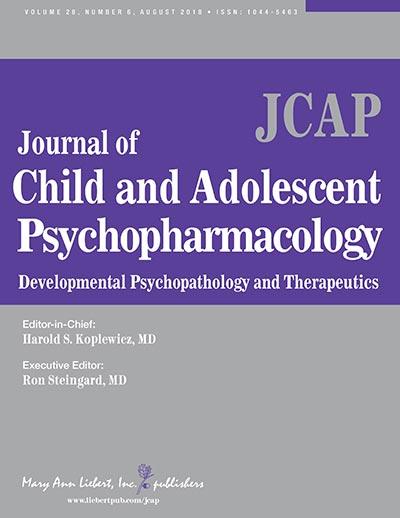
    Even though esketamine is only half the ketamine molecule — with its own challenges and problems — it’s generating anticipation despite the problems that can come with an intranasal medication.

    Keep in mind that FDA approval doesn’t guarantee a medicine is superior to others. But it’s a sign we’re in a new era of better, faster, and more effective medicines for psychiatric disorders.

    Ketamine still reigns supreme. And physicians will likely need to combine esketamine with traditional antidepressants and mood stabilizers. Even so, mood disorder treatment is better than it used to be. Remember before ketamine treatment?

    Back then, it was necessary to wait for weeks or months to enjoy the benefit of a medicine.

    Times are changing and suffering is declining.

    At Innovative Psychiatry, we’re celebrating the onward development of pharmaceutical progress, while also providing the outstanding benefits that ketamine can offer to our patients with treatment-resistant illnesses.

    Our specialty is treating disorders that haven’t gotten better with other treatments. We’re here because we want to help you experience life like you were meant to live it.

    Lori Calabrese, MD offers innovative psychiatric treatment like IV KetamineTo the restoration of your best self,

    Lori Calabrese, MD


  • Scientists test ketamine on CHILDREN with treatment-resistant depression – and say the drug cleared up their symptoms in two weeks

    Scientists test ketamine on CHILDREN with treatment-resistant depression – and say the drug cleared up their symptoms in two weeks

    • Ketamine has been shown to work much faster, with effects that last much longer, than current antidepressants (SSRIs)
    • 40% of teens do not respond to their first round of SSRIs, lowering their chance of achieving remission
    • Recently, ketamine has gained traction as an alternative to antidepressants
    • The University of Michigan researchers say their study is proof that ketamine can be safely given to children


    Children with depression who did not respond to pills have finally seen results after receiving an IV drip of ketamine, according to a new study.

    Thirteen teenagers aged 12 to 18 received infusions of the illegal drug, which was first created as a horse tranquilizer, over the course of two weeks.

    By the end, five of them (38 percent) were deemed to be in remission.

    The authors of the study, done by the University of Michigan, say it is proof that ketamine can be safely administered to children – a question that researchers have been racing to answer as the drug gains traction as a more effective alternative to antidepressants.

    Ketamine’s rise has come amid a soaring demand for alternative to antidepressants.

    The rate of children and teenagers diagnosed with depression is steadily climbing year on year. Most are prescribed SSRIs, highly addictive antidepressants, which carry excruciating side effects when coming off them.

    However, around 40 percent of teenagers do not respond to the first type of drug their doctor suggests to try, so they have to try another one. And if that doesn’t work, they try another – and so on, until they find their Goldilocks pill.

    In theory, these drugs are to be used as a short-term measure as patients work towards remission, rather than spending a lifetime on medication.

    However, studies show that the thousands of patients who go through this cycle of trial and error are far less likely to ever achieve remission.

    Although ketamine itself can be addictive, the idea of administering small doses of it in transfusions is in vogue in mental health research at the moment – partly because it works so quickly.

    The drug activates the part of the brain that regulates emotions, and promotes neural plasticity – the ability of the brain to change and adapt in response to experience.

    What’s more, it works much faster than SSRIs, and appears to last longer to move congestion in the brain that may be hampering the patient’s freedom of thought and feeling.

    It’s widely agreed that patients with depression appear to have dampened connections between certain neurons, caused by a build-up of proteins on top of cell membranes.

    In healthy brains, cell membranes are free and open to receive signals. In patients with depression, an overwhelming amount of G proteins pile up on top of lipid rafts – kind of like lids which sit on top of cell membranes.

    This pile-up prevents free movement.

    SSRIs help to shift these G proteins off the lipid rafts, unblocking congestion, within about an hour.

    Ketamine does the same, but in 15 minutes – and studies have found the effects to last much longer.

    ‘The field is excited about a potential new agent for adolescents with treatment resistant depression. We look forward to additional studies of ketamine to validate this treatment,’ says Dr Harold S. Koplewicz, Editor in Chief of the Journal of Child and Adolescent.

  • JCAP: Ketamine has potential therapeutic role in adolescents with treatment-resistant depression

    JCAP: Ketamine has potential therapeutic role in adolescents with treatment-resistant depression

    New Rochelle, NY, August 1, 2018–A new study has shown a significant average decrease in the Children’s Depression Rating Scale (42.5%) among adolescents with treatment-resistant depression (TRD) who were treated with intravenous ketamine. The study, which demonstrated the tolerability and potential role of ketamine as a treatment option for adolescents with TRD, is published in Journal of Child and Adolescent Psychopharmacology, a peer-reviewed journal from Mary Ann Liebert, Inc., publishers. The article is available free on the Journal of Child and Adolescent Psychopharmacology website.

    The article entitled “Intravenous Ketamine for Adolescents with Treatment-Resistant Depression: An Open-Label Study” was coauthored by Kathryn Cullen, MD, University of Minnesota Medical School, Minneapolis, and a team of researchers from University of Minnesota, Hennepin County Medical Center (Minneapolis, MN), and Mayo Clinic (Rochester, MN).

    The study participants were young adults aged 12-18 years who had failed two previous trials of antidepressants. They received six ketamine infusions over 2 weeks. The treatment was well tolerated. Based on the Children’s Depression Rating Scale scores, 38% of participants met the criteria for clinical response and remission.

    “The field is excited about a potential new agent for adolescents with treatment resistant depression. We look forward to additional studies of ketamine to validate this treatment,” says Harold S. Koplewicz, MD, Editor in Chief of the Journal of Child and Adolescent Psychopharmacology and President of the Child Mind Institute in New York.

    About the Journal

    Journal of Child and Adolescent Psychopharmacology is an authoritative peer-reviewed journal published bimonthly in print and online. The Journal is dedicated to child and adolescent psychiatry and behavioral pediatrics, covering clinical and biological aspects of child and adolescent psychopharmacology and developmental neurobiology. Complete tables of content and a sample issue may be viewed on the Journal of Child and Adolescent Psychopharmacology website.

    About the Publisher

    Mary Ann Liebert, Inc., publishers is a privately held, fully integrated media company known for establishing authoritative peer-reviewed journals in many promising areas of science and biomedical research, including Cyberpsychology, Behavior, and Social Networking, Games for Health Journal, and Violence and Gender. Its biotechnology trade magazine, GEN (Genetic Engineering & Biotechnology News), was the first in its field and is today the industry’s most widely read publication worldwide. A complete list of the firm’s 80 journals, books, and newsmagazines is available on the Mary Ann Liebert, Inc., publishers website.

  • Learning Emotional Regulation Skills Can Prevent Relapse

    Learning Emotional Regulation Skills Can Prevent Relapse

    Learning emotional regulation can prevent relapse.

    Emotional Regulation in Mood Disorders

    Can be Improved !!       

    Ketamine Treatment and Psychotherapy                   

    “Cassie..?”

    “Yes, Mom?”

    “Sam called … says he can’t come over because he has to go to the mall with his mom …”

    “WHAAAAATT??? That CREEP!!”

    The freshly opened Coke can in Cassie’s hand flew at the door like a bullet and exploded into a hole just above the door facing … carbonation spewing everywhere.

    “Cassie…. it was his mother’s decision…” But before her mom got the words out, Cassie had crashed through the front door and was gone.

    Ever reacted to disappointment the way Cassie did?  Know anyone who has?

    Adapting or Stressing Out?

    There’s a whole cascade of adaptations or maladaptations that occur in a moment of disappointment or frustration … or hurt. The things that go through your mind, the decisions you make in the split second after the moment and beyond, determine how an event will affect your life.

    If you choose healthy ways to look at the event, and to respond, your mood will reflect that you have the skills to adapt, and roll with the punches. Learning emotional regulation skills can make the difference.

    When you choose maladaptive thoughts that are self-destructive and create more conflict, you lay another brick in the foundation within yourself for an eventual diagnosis of depression.

    In many psychiatric disorders, impaired emotional regulation (or emotional dysregulation) is a common characteristic. For most of us, it’s not that hard to see that some people with certain disorders — like, say, bipolar disorder — may have a hard time regulating and controlling their emotions.

    There are other disorders where this may happen, too. Like PTSD, panic disorder, and depression

    A child affected by a disorder like depression or bipolar disorder often has Learning emotional regulation skills can prevent relapse.difficulty developing his emotion-managing skills. Add to that certain conditions that also interfere, like alexithymia, for instance … and it’s all that much harder.

    Emotion Regulation and Alexithymia

    Alexithymia is a term coined in 1972 by Peter Sifneos, introducing to psychiatry the condition of a person who can’t identify or describe their emotions. Since emotion is felt physically … if you can’t feel it… it must be awfully hard to articulate.

    In your case, maybe you don’t feel emotions or find it hard to put them in words … or maybe you do feel them.

    If so, your condition can be just as difficult for you as it is for someone who experiences alexithymia, because both can put you in awkward, even embarrassing, situations.

    Society Maintains Certain Expectations of Us All

    Emotion self-regulation is the ability to respond to whatever is going on at the moment in a way that’s socially “tolerable” … but also Learning emotional regulation skills can prevent relapse.flexible to fit the circumstances. For instance, so you can either react spontaneously or … if the situation requires it … delay your response til a more appropriate time and manner.

    The ability to self-regulate your emotions is a complex stack of dominoes. A thousand different things stimulate in you a potential response or reaction…every single day.

    If you don’t develop the ability to manage your reactions — in other words, if you don’t find out how to respond to a given situation in an appropriate way — your inappropriate reactions can isolate you from jobs, relationships, and fulfillment. People may see you as someone who doesn’t fit in. 

    The Behavior Police

    Society imposes pressure on everyone to adapt to behaviors it considers in line with a civilized community. And people can be cruel as they police the boundaries to ensure everyone “behaves.”

    If you’re able to develop an intuitive understanding of those boundaries as you grow through childhood, and if you can implement the “acceptable” behaviors in various situations, it will help you in every situation as you grow through adulthood.

    However, as we mentioned before, some people are unable to do this adapting. And you may find yourself reacting forcefully and loudly in situations where you feel strong emotion. 

    Learning Emotional Regulation Skills Can Be Difficult

    On the one hand, this difficulty regulating and adapting emotions to Learning emotional regulation skills canthe situation is important, but what can you do if you just can’t? Furthermore, what happens if you never learn how…? Or never get better enough to learn…?

    So here’s the thing.

    It’s tough to learn how to redirect and adapt your responses to situations you’ve found upsetting in the past…especially when you’re in the heat of it. So treating the disorder and minimizing the pressure you feel to react is a solid first step.

    It’s Easier to Learn Emotional Regulation Skills Without Symptoms

    With medications that drastically reduce symptoms, you’re in a better position to actually use therapy that can help you develop skills to respond differently to circumstances that you’ve reacted to in the past.

    Therapy that helps you learn to problem solve rather than erupt, and handle circumstances instead of brooding or avoiding those situations altogether can be far more effective if your emotions aren’t in overdrive.

    Because, according to studies, when you can’t modulate your emotions, it does seem to set you up for relapse of your disorder. To stay healthy, you need to learn to think healthy. This underpins that infrastructure within you to sustain mental and emotional health.

    Poor Emotional Regulation Leads to Relapse

    Researchers in Norway published a meta-analysis of studies on Learning emotional regulation skills can prevent relapse.emotional modulation in May of this year in Frontiers in Psychology. The report analyzed 72 studies involving 3371 participants with major depression or those in remission from depression, and 5094 healthy controls.

    Huge numbers.

    They studied the way the participants managed their emotions through difficult and stressful experiences.

    Then, they found that when they compared the way the healthy people (who’d never been depressed) responded the way those with major depression and those in remission responded, the healthy people had constructive, self-loving ways of responding and those with depression had more self-destructive ways of responding.

    These researchers also found that the more “maladaptive” a person’s response to difficulty or conflict, the more likely that person will become depressed.

    Conversely, the more healthy and constructive a person is in adapting to stressful situations, the less likely he will be depressed.

    So poor ability to respond to difficulty and conflict correlates to likelihood of depression. And learning emotional regulation skills can prevent depression relapse.

    And there’s more…

    3 Factors Influence Emotion Regulation in Depression Remission

    They found there are factors that influence how well someone with depression in remission can regulate his or her emotions:

    Clearly more study is needed. We need to understand healthy adaptive means of emotion regulation. And we need to learn how to help depressed patients even when their disorder is in remission. We want to help them develop healthier responses. And by doing that, prevent relapse.

    How many times do people stop psychotherapy — or stop their meds — as soon as they feel better? How many times have you?

    Also, they urged more study of alexithymia in patients with remission so that they can understand how it impacts their ability to learn healthier responses.

    How Ketamine Treatment Can Help

    And keep in mind, if you’ve been treated for these disorders and you have not achieved remission, you may be a candidate for ketamine treatment. No other treatment has been as effective in as many treatment-resistant cases.

    As we said before, it’s not easy to unlearn old habits and learn new Learning emotional regulation skills can prevent relapse.ones in the way you think about and respond to painful or frustrating situations. If you’re in pain yourself, and the structures in your brain are broken and worn down from the stress of a mood disorder, this is especially true.
    Remission can empower you to build a healthier inner thought life that sustains remission when you do achieve it.

    At Innovative Psychiatry, we see people achieve remission through ketamine treatment every week. We’d love to work with you to help you build a healthier, more rewarding life.

    Give yourself the chance to be well. 

    If you’ve suffered with a mood disorder and other medicines and treatments haven’t helped much or at all, call us at 860.648.9755. Let us help you achieve remission and a more meaningful life.

    Lori Calabrese, MD offers innovative psychiatric treatment like IV KetamineTo the development of your best self,

    Lori Calabrese, MD


  • Ketamine Shows Promise as Treatment for Adolescents with Depression

    Ketamine Shows Promise as Treatment for Adolescents with Depression

    Young people suffering from treatment-resistant depression (TRD) showed a significant reduction of their symptoms after being administered ketamine injections, according to a study published in the Journal of Child and Adolescent Psychopharmacology.

    Researchers from the University of Minnesota (UM) and the nonprofit Mayo Clinic found that ketamine caused an average decrease of 42 percent on the Children’s Depression Rating Scale(CDRS)—the most widely used rating scale in research trials for assessing the severity of depression and change in depressive symptoms among adolescents.

    Ketamine is perhaps best known for being a popular recreational drug and a useful medical anesthetic, but a growing body of research is indicating that the compound could be an effective treatment for depression. Several recent studies have shown that even a single dose in adults can lead to rapid reductions in depressive symptoms. However, relatively little research has been conducted into ketamine’s antidepressant effects in adolescents.

    “Adolescence is a very important time for studying depression, first because depression often starts during these years, and second because it is an important time for brain development,” Kathryn Cullen, from the Department of Psychiatry at UM, told Newsweek.

    “When adolescent depression persists without successful treatment, it can interfere with achieving important developmental milestones. Finding the right treatment is critical to allow the restoration of healthy brain development and prevent negative outcomes like chronic depression, disability and suicide.”

    Unfortunately, about 40 percent of adolescents do not respond to their first intervention and only half of nonresponders respond to the second treatment, according to the researchers.

    “Standard antidepressant treatments do not work for everyone and take weeks to months to take effect, a time period when patients are at risk for continued suffering and suicide attempts,” Cullen said. “The field is in need of new treatment options. Ketamine has a very different mechanism of action than standard treatments.”

    The latest study involved 13 young people ages 12 to 18 who had failed two previous trials of antidepressants. During a two-week period, the researchers gave them six ketamine infusions.

    They found that the treatment was well tolerated, with the participants showing an average decrease in CDRS scores of 42.5 percent. Five of the participants met the criteria for clinical response and remission. Of these, three were still in remission after six weeks, while the remaining two relapsed within two weeks.

    According to the scientists, the results demonstrate the potential role for ketamine in treating adolescents with TRD. However, they note that the study was limited by its small sample size, so future research will be needed to confirm these results.

    “The purpose of our study was to investigate the effects of ketamine for TRD in younger patients for whom this indication for ketamine administration is not well studied,” Mark Roback, a professor of pediatrics at the University of Minnesota, told Newsweek.

    “I think our results show promise for this population, however this study is just a beginning. The study serves to point out the need for further, rigorous, study designed to answer the many questions that remain about ketamine for TRD, such as optimal dosing and route of administration, dosing interval and treatment length, and long-term effects—just to name a few.”

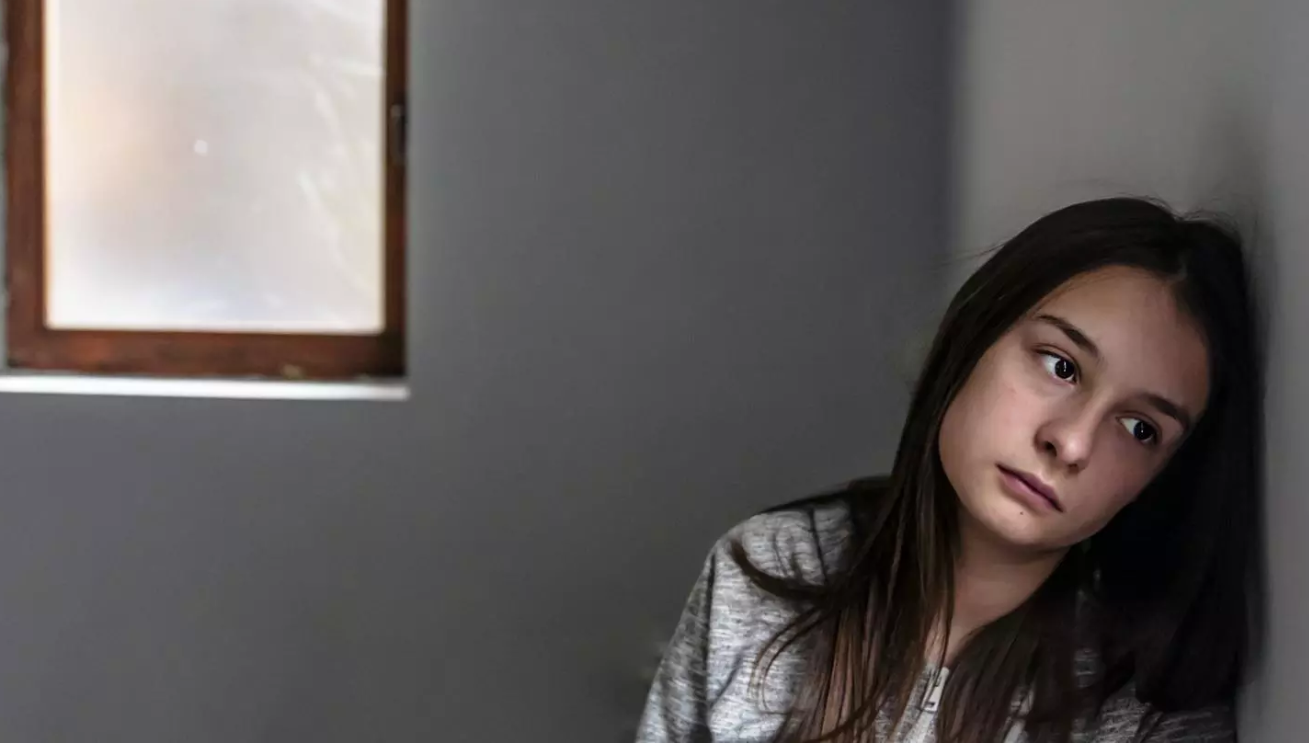
    A teenager suffers from depression in this stock photo. Adolescents experiencing treatment-resistant depression (TRD) showed a significant reduction in their symptoms after being administered ketamine injections, according to a study.ISTOCK

    James Stone, a clinical senior lecturer from the Institute of Psychiatry, Psychology and Neuroscience at King’s College London, who was not involved in the study, told Newsweek that there is “a lot of potential for the use of ketamine as a second or third line antidepressant where other treatments have failed.”

    “Although ketamine is potentially a huge breakthrough in the treatment of depression, we still don’t know about the long-term safety, or about how to keep people well from depression without requiring regular ketamine dosing,” Stone added. “Further studies are needed to address these questions.”

    This article has been updated to include additional comment from Kathryn Cullen.

    [Read the Full Article and Watch the Video HERE]

error: Content is protected !!