Author: Lori Calabrese, M.D.

  • A ‘breakthrough’ depression drug inspired by ketamine is attracting more attention from big pharma

    A ‘breakthrough’ depression drug inspired by ketamine is attracting more attention from big pharma

    After 35 years of mediocre depression drugs, pharmaceutical companies are jazzed about several new drugs inspired by the club drug ketamine.

    Allergan, the multinational pharmaceutical giant known for Botox and birth control, recently dove into research on an injectable depression drug called Rapastinel.
    Most recently, the company announced it was working on oral pill version of that drug.
    After nearly four decades of dispensing the same mediocre medications to patients with depression, pharmaceutical companies are jazzed about several new drug candidates inspired by the club drug ketamine.

    Allergan, the multinational pharmaceutical giant known for Botox and birth control, recently dove deep into research on an injectable depression drug called Rapastinel, which works on the same brain pathway as ketamine.

    The company plans to file for approval with the Food and Drug Administration within two years. Last week, Allergan also announced plans to go after an oral pill formulation of Rapastinel that would be easier to take and more widely used.

    The development “points to the general air of excitement in this area,” C. David Nicholson, Allergan’s chief of research and development, told Business Insider.

    Allergan isn’t the only pharmaceutical company that is hot on the trail of new depression drugs inspired by ketamine. Johnson & Johnson is pursuing esketamine, the chemical mirror image of the drug, in a nasal spray formula.

    After publishing positive clinical trial results earlier this month, the company told Business Insider it planned to file for FDA approval of the drug this year. VistaGen, a small San Francisco-based drug company, is studying a drug similar to Allergan’s Rapastinel called AV-101.

    All of those efforts hint that a new blockbuster depression drug could be just around the corner — all thanks to a club drug once known chiefly as “Special K.”

    A reawakening for new depression drugs inspired by ketamine
    prescription-pills-medicine-in-hand
    perfectlab/Shutterstock
    Scientists recently called ketamine, a drug most people know either as a surgical anesthetic or a party drug, “the most important discovery in half a century.” The drug landed on researchers’ radar after swiftly lancing depressive symptoms in people — including suicidal patients— with some of the hardest-to-treat forms of the disease.
    But ketamine is difficult to give patients (it’s generally administered via an IV drip over roughly 45 minutes) and does have some negative side effects (many people describe a dissociative, quasi-psychedelic sensation of floating outside of their body, for example). Ketamine is also expensive, and most insurance providers don’t cover it.

    Drug companies are looking for candidates that mirror ketamine’s positive qualities while minimizing its negative side effects. Injectable drug candidate Rapastinel could be Allergan’s answer to this quandary.

    “Now that ketamine has shown improvements in depression, it has reawoken interest in this area. And Rapastinel appears to combine the best of all worlds in terms of efficacy and safety,” Nicholson said. “I believe it will be a breakthrough and will be used extensively.”

    But despite showing hugely positive results in clinical trials so far, Rapastinel still faces one road block: it’s a shot, and people don’t like shots.

    So while Rapastinel moves through the drug approval process, Allergan is also eyeing an oral pill formula which would hopefully either mimic or at least complement Rapastinel’s effects. If successful in clinical trials, the pill could also be used “more widely” than Rapastinel, Nicholson said.

    ‘As soon as there’s a breakthrough all those other companies that dropped out will want back in’
    For now, Allergan’s new oral pill depression drug candidate is known only as AGN-241751. Like Rapastinel, AGN-241751 was initially developed by a company called Aptinyx. In 2015, as part of a $560 million deal with the company, Allergan nabbed the rights to develop and commercialize both drugs.

    The deal sheds light on Allergan’s renewed strategic focus on new neuroscience drugs, Nicholson said. In the past, the drugmaker has worked on medications designed to treat migraines, Parkinson’s, and Alzheimer’s; depression is the latest arm of that research focus.

    Nicholson also believes that the interest he’s seeing in ketamine-inspired drugs could be the breakthrough needed to stir-up renewed interest among drugmakers in the neuroscience field, which declined somewhat after several promising Alzheimer’s drug candidates failed to turn into treatments.

    “We see a great future in neuroscience research and development. These things tend to go through cycles. There’s a breakthrough, and Rapastinel hopefully will be one of those breakthroughs. And as soon as there’s a breakthrough all those other companies that dropped out will want back in.”

  • Anorexia, Ketamine, and the Default Mode Network

    Anorexia, Ketamine, and the Default Mode Network

    Anorexia, ketamine, and the default mode network study can reveal better treatment for eating disorders.Anorexia, Ketamine, and the Default Mode Network

    Do you feel good about what you weigh?  Or about how you look?

    If you hesitated to answer, you’re not alone. If you answered No…or…I’m not sure… again, you’re not alone.

    Survey Says: Majority Don’t Like the Way They Look

    Allure, a magazine centered on beauty, surveyed 2,497 people nationwide, and found that 64% of people look at someone and the first thing they notice is how attractive they are.  And 50% said they believed appearance defines us all… Really..? 

    Oh, and get this: 62% of both men and women said they believed they were more critical of their own appearance than others are of theirs.

    So, being preoccupied with your appearance is not constrained by age or gender. It’s happening in the majority of the population. And who knows how many people surrounded the people in those percentages and criticized them for their weight, their appearance, or their appeal.

    Is it any wonder that 30 million people in this country suffer from eating disorders?

    30 MILLION !!!

    Support for Your Eating Disorder

    In the early 1970’s, a nurse named Viv tried to find support for the family of a critically ill patient in herAnorexia, ketamine, and the default mode network may hold the solutions for eating disorder treatment. hospital. She was unable to find ANYTHING to offer for connection or support for this patient and her family.

    In the process of calling around, one healthcare professional after another told her that Anorexia Nervosa was such a rare disease, there probably weren’t even 2000 people with it in the entire U.S. They said she was wasting her time.

    So she decided to research the situation for herself. After all, she was a nurse, and nurses can have some serious determination when it comes to helping their patients.

    So she posted an ad in a newspaper…so seventies, right?…just a small block ad. The ad stated she was searching for others interested in information about eating disorders. Her town in Illinois had a population of about 30,000. It was no metropolis.

    Well, within a few days she received 8 responses to that ad from people who’d been diagnosed with anorexia or another eating disorder, as well as family and friends who were concerned about a loved one.

    But that was just the beginning.

    Somehow, as fate would have it, a national magazine got wind of her story and published their own Anorexia, ketamine, and the default mode network studies are expected to improve treatment for eating disorders.story about her.  When that was published, she was flooded with a deluge of phone calls and letters from people all over wanting to learn more.  She opened her home and established the first national helpline and referral service in the USA for people with eating disorders.

    Viv founded ANAD, the National Association of Anorexia Nervosa and Associated Disorders, or ANAD.org.

    That small group she started in her home took their training nationwide to establish professional support groups, helplines, and peer-to-peer support groups.

    Anorexia, Ketamine, and the Default Mode Network: Mental Health Awareness Month

    May is Mental Health Awareness Month, and this is the last post for this month, but going forward our posts will continue to address issues of mental health. Still, it seems fitting that we talk and share information about the deadliest of all psychiatric disorders — and that is eating disorders. Because somehow, it seems this is the quietest…least talked about … but deadliest… disorder of all.

    No One is Testing Ketamine for Eating Disorders

    Fact: there are currently 188 studies on anorexia nervosa listed in the National Institutes of Health databas, and not one of them is testing the effectiveness of ketamine combined with therapy … which we talked about last week.  Plus, of the 489 studies on eating disorders, none incorporate ketamine treatment in any way.

    Here’s what they ARE trying. Things like:

    • Warm ginger foot soaks
    • Zyprexa, an antipsychotic and mood stabilizer
    • Duloxetine, an antidepressant
    • Mobile phone apps
    • Omega-3
    • Deep Brain Stimulation
    • Oxytocin
    This is despite the high prevalence of suicidal thinking and actual suicide in anorexia. And despite the obsessive thoughts that ravage those who are restricting their food intake. Think about it. 

    If you suddenly imposed upon yourself that you were going to eat no more carbs… no potatoes, no bread, no sugar, no chocolate, no sweets, no ice cream…

    What do you suppose would be on your mind constantly over the coming days…?

    CARBOHYDRATES!Anorexia, ketamine, and the default mode network study will help find better treatment for eating disorders.

    Every commercial on TV would seem to be about ice cream, cake, sugar, chocolate, bread … carbs!  Every thought you have as you listen to your stomach growl…?  French fries, fast food, donuts, dessert ….

    Right??

    When you deprive yourself, you obsess over how to end that deprivation. And if that’s as true of you as it is the rest of the human race, just imagine what it’s like for someone with an eating disorder.

    When you’re sick with an eating disorder, you feel fat, see yourself as fat, and obsess over how to lose weight. And you restrict what you eat, and exercise excessively, or use laxatives or purging to prevent body fat at all costs. Even when you’re not doing anything, your mind is busy thinking, and your thoughts default to counting, criticizing, obsessing about fatness, thinness, calories, food…

    Because of that… for anorexia, ketamine and its effects the default mode network could reveal a very effective treatment for eating disorders.

    Anorexia, ketamine, and the default mode network study can improve treatment for eating disordersThe condition of those with severe eating disorders is critical. Life-threatening – as in death – due to organ failure as well as suicide.

    To take it a step further, studies involving the Default Mode Network that goes into play after ketamine infusions to make the most of cognitive behavioral therapy (CBT) are demonstrating some great results for other conditions.

    Why isn’t anyone studying that for eating disorders??

    The deadliest psychiatric disorder…!

    When you look at just the handful of studies above, do you wonder why they’re so diverse…? Is  that there’s so little we have to offer biologically

    Don’t you wonder why researchers aren’t JUMPING on studying ketamine treatment for eating disorders every which way but Sunday?

    SOMEONE SHOULD DO A STUDY!!

    After all, this is exactly how research questions are formed and carried through to studies and trials in search of answers. This is how new ideas spark! And tried and true treatments become established and trusted.

    So let’s think about this:

    How might ketamine treatment provide the best and most thorough impact to help those with eating disorders?

    A study comes to mind that might be extremely useful to consider. Sam Wilkinson and his group at Yale studied the effects of using ketamine treatment and cognitive behavioral therapy (CBT) together to prolong the anti-depressive effects of ketamine.

    The study, which took place last year, arranged for depressed patients to undergo 12 CBT sessions over 10 weeks, while also receiving 2 ketamine infusions a week for two weeks.

    The results indicated that remission from depression lasted longer in some than others, but in most Mental health issues in college students can be relieved by ketamine treatment.
    cases it lasted longer than it did with ketamine alone.

    (Remember the blog about the first international Ketamine Conference in England in March?  He discussed his data at that meeting!)

    They used only 4 infusions instead of 6 — a protocol that may be a little underpowered in terms of getting depressive symptoms to completely remit in the first place.  But people who achieve full remission early like that may be more likely to stay in remission…? We’ll see. Perhaps using CBT with strong early remitters allows a cleaner testof whether CBT prolongs remission after ketamine or not. 

    So let’s extend this for a moment to eating disorders.

    The First Study with Ketamine for a Psychiatric Disorder

    Jump back to 1998, and to I.H. Mills, who initiated studies in 1992 to establish eating disorders as compulsive disorders. Mills and his group were the first to study ketamine for treating the compulsiveness in eating disorders in 1998. Which, by the way, was the first study using ketamine to treat a psychiatric disorder ever.

    So, I think somebody really should do a study…where 6 infusions of ketamine are used in patients with eating disorders and then 24 hours after each ketamine infusion (more about that in a second), the subject receives cognitive behavioral therapy. …. Or maybe 8 infusions interspersed with CBT, and then 4 more CBT sessions tacked on to the end…?

    And what if the response was tracked not just by the usual rating scales for depression and OCD but by additional measures looking specifically at eating disorder symptoms and markers of improvement.. 

    Thrilling to think about, isn’t it?

    But they could take it even another step further.

    Anorexia, Ketamine, and the Default Mode Network

    They could exploit the Default Mode Network (DMN) in the brain for that study. If you remember, the Default Mode Network is a network of areas of the brain that work together to give your brain a restful state… where you complete a task you’re focused on, and instantly find yourself day dreaming… musing, reminiscing, worrying…or even obsessing about something negative about yourself, others, the past, or the future. 

    A brilliant group of researchers spear-headed by Meng Li of Magdeburg, has discovered through Anorexia, ketamine, and the default mode network may demonstrate a far more effective treatment for eating disorders.functional MRIs (fMRI) that the functional connectivity of the posterior cingulate gyrus (dPCC) changes after a ketamine infusion. This area is part of the DMN, and it is involved in more negative thought patterns. They see it change in the first hour after the infusion, but the change is much more dramatic after 24 hours. This change increases BDNF – remember what BDNF does?

    This changes the glutamate at the NMDA receptors at the AMPA receptors, and the synapses or connections between the cells in the brain proliferate rapidly, budding and branching and quickly improving the communication and movement of signals throughout the brain.

    At around 24 hours post-infusion, the functional connectivity of the dPCC is so greatly reduced that the DMN can use other parts of the brain to take over the resting thoughts. And that allows you to consider positive alternatives to the negative obsessing, worry, self-recriminations, and other negative thought patterns.

    So when the DMN opens up 24 hours after a ketamine infusion, the neuroplasticity in the brain cells that ketamine sets in motion can help CBT to be much more effective. It’s a potential path to remission… and that’s what we want to find.

    Not just for anorexia.  For so much more.

    May 2018 Mental Health Awareness Month

    Mental Health Awareness Month has been a time of talking, listening, offering patience, and treating those we don’t understand with compassion. In psychiatry and neuroscience, we find more answers about psychiatric disorders to bring relief to more who suffer.

    Including those who suffer in the shadows from disorders less understood.

    If you’re someone who suffers from an eating disorder, and don’t know what to do, please call us. We’re looking for solutions, and we want to help you, too.

    Innovative Psychiatry focuses on successfully treating the seemingly untreatable, most life-Anorexia, ketamine, and the default mode network study could reveal better treatment for eating disorders.threatening psychiatric disorders. We get to see remarkably widespread response and remission in the patients we treat.

    And we’re finding that ketamine treatment can smash through even the worst symptoms when administered properly. We’re thrilled when our patients feels restored and resilient. When they feel changed for the better.

    When you walk into our office, you’ll be treated with respect, compassion, and support. For your infusion, we offer private, beautiful and relaxing environments.

    And within about 6 infusions over 2-3 weeks, you can feel like your brain has been reset. You’ll feel joy…and hope. You’ll find you have more control over your life. And you’ll find you’ve rediscovered your best self. A new you?…more like the real you. Give us a call and let’s talk.

    Lori Calabrese, MD offers innovative psychiatric treatment like IV Ketamine

    To the fresh emergence of your best self,

    Lori Calabrese, M.D.

  • Ketamine for Anorexia? Don’t Let an Eating Disorder Be Your Default Mode

    Ketamine for Anorexia? Don’t Let an Eating Disorder Be Your Default Mode

    Ketamine for anorexia and other eating disorders will help you see yourself differently and help you live a healthy fulfilling life.May is Mental Health Awareness Month

    Eating Disorders Are Psychiatric Disorders

    Surprised? 

    Anorexia nervosa, bulimia nervosa, binge eating disorder… The National Eating Disorder Association lists 10 conditions as eating disorders. And, it so happens that ketamine treatment can work wonders and restore your life.

    Too many people who don’t have a family member suffering with an eating disorder find it easy to judge someone by their appearance alone. 

    Either she weighs too much, or she’s “disgustingly” too thin. 

    Either way, it’s because she’s self-indulgent, lazy, or doesn’t know how to eat right. Or so they think.

    Eating Disorders Cause Prolonged Torment

    But for those who suffer from eating disorders, the problem is far more complicated. And the last Ketamine for anorexia and bulimia helps restore your wellbeing and health.thing they need is criticism… or to be judged because of their appearance.  Individuals with eating disorders already criticize themselves more than anyone else ever thought about doing.

    In a moment we’ll talk about ketamine for anorexia, but first, let’s try to understand how these conditions develop.

    Here’s an example of of a problem that seemed to start out innocently …

    Picture yourself 14 and enjoying all the snacks at a sleep-over party with all your friends.  After you begin to feel full, you slip off to the bathroom, poke your finger in the back of your throat and up it all comes. You rinse your mouth, and rejoin your friends. Easy.

    Two hours later, you’ve been to the  bathroom twice more…  an observant friend asks if you’re ok?  You laugh a little and just say, “I can’t gain any weight right now but the food looks so good.  I just go in the bathroom and throw up, then I can eat more. Pretty cool, eh..?”

    Seven years pass … and you have to fit into that little black dress for the awards presentation ceremony at your university. Your dad always told you to “demonstrate your discipline in the way you look.” That “you don’t get a second chance to make a first impression.” There have been so many celebratory dinners lately … and you’ve learned you can always fall back on a quick trip to the bathroom to keep things under control.

    Five years later, the stress from performing in your new law firm has taken its toll. You’re snacking now, and not ever really eating at all. The drive within you to throw up is overpowering…  and you’ve dropped 3 dress sizes. 

    Anorexia and Bulimia Are Disorders, Not Self-Indulgence

    You feel fat, and hate what you see in the mirror…  You’re running 5 miles after work every night, swimming 30 laps before work in the morning.  You’re not sleeping, hating life, and hating yourself…

    Ketamine for anorexia and other eating disorders sets you free from the toilet to enjoy other things.

    Then, your boyfriend finds you unconscious in the bathroom… and calls 911.

    What happened…? 

    And why did it happen to you…?

    Eating disorders have been plaguing people since long before any of us knew they were a “thing.”  The first physician to identify anorexia was Dr. Richard Morton in England, in 1689.  Bulimic behaviors weren’t identified until much later by Pierre Janet, a French doctor, in 1903. In other words … this isn’t a new problem.

    Eating disorders are chemical changes in the brain, but they’re so much more than that. They’re a way that you use food and/or exercise to manage unmanageable circumstances in your life. When life seems so out of control, there has to be a way to get some control back … you know?

    A Race to Stay Ahead of Compulsions

    Even though an observer may judge your behaviors associated with food, for you, it’s rather logical. Because the underlying shame, self-hatred, and critical voices cause unbearable anxiety. And for you, the eating behaviors sort of help you cope with that. At first.

    In spite of the early identifying discoveries of these disorders, effective treatments remained hard to find until the late 20th century. And, even now, in spite of the best therapies available, anorexia is the most deadly of all the psychiatric disorders.

    What…? It is the most deadly psychiatric disorder.

    In terms of psychiatric diagnoses, anorexia holds twice the risk of death as schizophrenia, and 3 times that of bipolar disorder.

    Add to that, the risk of suicide is dangerously high. 20% of those who die from anorexia, die by suicide.

    The Battle For Effective Treatment of Eating Disorders

    Cognitive Behavioral Therapy (CBT) has proven to be the most effective treatment for the compulsive aspect of eating disorders like anorexia and bulimia. And there have been some improvements for those who received this therapy. 

    Still, 1 in 5 people with anorexia nervosa dies. That’s too many. As a psychiatrist, I want to see people recover and get well…

    And that brings us to ketamine treatment.

    Ketamine for Anorexia and Other Eating Disorders

    In the 1990’s, many psychiatrists thought of eating disorders as a compulsive behavior disease, fueled by involuntary, frequent anorexic thoughts. Excitement of the hippocampus and glutamate-NMDA receptors can be blocked — to prevent recall of those anorexic thoughts — by ketamine, which blocks NMDA receptors.

    Researchers developed a trial centered on ketamine’s potential effectiveness, combined with the useKetamine for anorexia and other eating disorders gives control and relief. of nalmefeme, which is an opioid antagonist, or a compound that prevents the effects of opiate-like substances on the brain. This medicine doesn’t interfere with ketamine’s effects on the glutamate-NMDA receptors; it was added to keep patients awake.

    An Early Trial: Ketamine for Anorexia and Other Eating Disorders – 1998

    As early as 1998 — way before the early studies on using ketamine in depression — IV ketamine infusions were given to a group of 15 women with very severe, chronic anorexia. The patients chosen for the trial had been failed by other treatments they’d tried over the years.

    It turns out that 9 of the 15 patients in the group achieved remission from anorexic thoughts and behaviors. They were given anywhere from 2-9 infusions of 20 mg/hr… which were long in duration – 10 hours – and repeated at intervals from 5 days to 3 weeks.

    It was a little sporadic, but it worked rather well. And it was a first try at treating a psychiatric disorder with ketamine.

    These participants reported a significant drop in their “compulsion” score, from 44 before they Ketamine for anorexia and other eating disorders can bring healing to the deadliest of psychiatric disorders.received the ketamine, to 27 after they received it.

    The other 6 participants had no apparent response to the ketamine treatments. However, this took place before ketamine treatment was being used for depression and other psychiatric disorders. It’s been 20 years since that trial, and we’re now finding that some individuals seem to not respond to ketamine… initially. 

    Then, a few months down the road they experience extraordinary improvement … seemingly out of the blue.

    We don’t yet understand what causes the delay.  But it’s too bad those researchers didn’t follow up with the other six participants a couple months later. They might have been surprised by the results. 

    Help Spread Information and Awareness of Psychiatric Disorders

    May is Mental Health Awareness Month. We’re all working together to openly talk with each other about our experiences with psychiatric disorders.

    Many in our society have no idea that some people have a psychiatric disorder that causes the way they look and act.  Anorexia, Bulimia, Binge Eating Disorder, Pica, Avoidant Restrictive Food Intake Disorder, Rumination Disorder, Orthorexia, Compulsive Exercise, Diabulimia, Night Eating Syndrome … are all eating disorders. 

    If you notice someone who seems to eat too much…or too little… resist the temptation to pass judgment. Chances are this is far more complicated than you realize.

    Treat her or him with compassion, not criticism. Let this be a day where they can judge themselves less harshly.

    And, if you struggle with behaviors you don’t understand, or with diagnoses that don’t respond to treatment, call us. Life is too short to be wasted criticizing yourself. Let us help you find the real you again.

    Ketamine Treatment at Innovative Psychiatry

    Ketamine treatment at Innovative Psychiatry is expertly provided in a beautiful and relaxing environment (complete with low lighting and a warm blanket to keep you comfortable). We continuously monitor your vital signs and your response during the infusion. With finely-tuned skill, we adapt and adjust your dose, rate, and the frequency of your ketamine treatment to cultivate the most outstanding results for you. 

    Ketamine treatment isn’t for everyone. There’s no psychiatric treatment that is. But even if you’ve tried other treatments without improvement, it’s very likely ketamine will help you in a dramatic way. It’s the most effective treatment available for many people whose symptoms seemed treatment-resistant.

    Benefit from Extraordinary Outcomes from Ketamine for Anorexia and Other Mood Disorders

    We see extraordinary outcomes from ketamine treatment for depression, anxiety, bipolar disorder, Ketamine for anorexia and other mood disorders wipes away the torment.PTSD, OCD, suicidal thoughts, and other psychiatric illnesses that have not responded to prior treatments. Ketamine enhances neuroplasticity, and we desperately need fresh, updated studies of this treatment in anorexia and other eating disorders. 

    Schedule an appointment and see what can happen when ketamine goes to work to set your brain right by:

      • Pushing the habenula to stop those depressing cell bursts

    Ketamine is a force to be contended with in a depressed and disordered brain. 

    We’re here to help you get well. It’s what we live for. Give us a call, reach out with a quick email, and let’s help you get better.

    Lori Calabrese, MD offers innovative psychiatric treatment like IV KetamineTo the blooming of your best self,

    Lori Calabrese, MD


  • Treating Postpartum Depression Requires Fast-Acting Medicine: Ketamine Treatment Restores

    Treating Postpartum Depression Requires Fast-Acting Medicine: Ketamine Treatment Restores

    Treating postpartum depression is vital for both mom and baby.Postpartum Depression and Paternal Postpartum Depression

    Mental Health Awareness Month is also

    Maternal Depression Awareness Month

    #BreaktheSilence

    So let’s stamp out the stigma and talk about mothers and Postpartum Depression. Treating postpartum depression requires fast-acting treatments because there’s so much at stake. Pregnant and breastfeeding moms are targets for anxiety and depression for so many reasons — and are more vulnerable to developing anxiety and depression than at any other time in their lives.

    Brain and Behavior Research published a study in the November 7, 2017 issue of Brain, Behavior, and Immunity about pregnancy.

    They discovered that pregnancy and the postpartum period actually reduce the immune response in the brain. Which may explain why some women are more susceptible to anxiety and depression during this time.

    Women with postpartum depression carry shame and anxiety about being a “good enough” mom to their babies.

    Brain and Behavior Research displays this hashtag for May and I like it:  #BreaktheSilence

    So we’re going to break the silence about postpartum depression and continue to celebrate mothers today by talking about something too many moms go through.

    Think about this for a moment:

    Your friend is pregnant — which is a glorious time of joy for a mother … or is it?

    You want to talk about her baby, shop for baby clothes with her, plan her shower. But she doesn’t Treating postpartum depression is vital for mom and baby.seem to be responding like you thought she would. In the first few months, she’s noncommittal and has nothing much to say. In case something goes wrong. You hope it’s because she’s just tired and nauseous. Maybe her excitement will build when she feels the baby’s movement.

    But the second trimester is anything but exciting for her.  As her baby grows, you begin to see a vacancy of sorts in her eyes. She becomes more and more listless.

    Your friend’s once bright and sparkling personality has dulled. She seems to just trudge through the days. Then, late one evening, you get a call from her husband. He says she’s screaming and crying that she can’t be a good mother … she’s terrified of going into labor. 

    Postpartum Depression, Panic Attacks, and Anxiety

    In less than 20 minutes you arrive at her house and try to help her calm down.  You listen, you reassure her…though she seems inconsolable…then finally sobs and sobs.  The next morning she tells you she’s sorry for her outburst. But you know there’s more to this than “normal” pregnancy.

    When her baby is born you’re sure the cloud over her will dissipate as she looks into the face of her beautiful child, and enjoys the wonder of this miracle.

    But unfortunately, she hardly wants to even see the baby in the first few days.  And finally, when she does, she holds the baby and stares vacantly into space. What can you do..?

    What IS Postpartum Depression..?

    Women with postpartum depression experience the symptoms of depression anyone with depression experiences. Symptoms such as listlessness, feelings of emptiness, loss of interest, muscular and skeletal aches and pains, reduced energy, hopelessness, and withdrawal, for starters.

    But, the new mom also experiences other symptoms that are unique to her situation. She focusesTreating postpartum depression helps mom and baby bond. on her baby, her ability (or feared inability) to care for him, or financially support him.

    Women with postpartum depression can suffer with feelings of anxiety, panic attacks, feelings of extreme inadequacy, and overwhelming sadness.

    Postpartum depression doesn’t always follow depression during pregnancy. But the likelihood a woman will experience postpartum depression is much higher if she was depressed during pregnancy.

    In fact, 1 in 7 women are affected by postpartum depression, and fully 25% of cases of postpartum depression began during pregnancy.

    But what about the other 75% of cases?  What sets those off postpartum?

    More Causes of Postpartum Depression

    There’s quite a variety of things that contribute to postpartum depression. Things like severe financial distress or multiple births can be behind it. Family problems such as separation or abandonment by the baby’s father, which can include heartbreak and  financial crisis together. 

    There’s also a sudden drop in estrogen and progesterone that can trigger it for some women. When the baby is in the NICU for a prolonged period of time, that can interfere with maternal-child bonding, and can result in depression in the mom.

    But for many moms–moms with support, with resources, with help… it’s so frustrating. There’s nothing that seems to precipitate it and no one to blame. The depression comes out of nowhere.

    Serious Consequences of Untreated Postpartum Depression

    It’s during this early period after birth that mothers and babies bond. When that Treating postpartum depression is vital for maternal child bonding.period is interrupted, it can cause a cascade of suffering in both mother and child. The cooing and cuddling a mother does with her newborn stimulates the growth of neurons and synapses in the brain.

    When the newborn misses this opportunity, neurocognitive deficits can be the result.

    Or in straight English, it can interfere with the baby’s memory, ability to think and process, and make decisions as she gets older. Because of this, it can reduce her academic performance, too.

    If a mother is depressed during pregnancy, we believe this has a direct impact on the wellbeing of her baby. Researchers report these babies are sometimes born irritable, lethargic, and have sleeping and eating problems. They can grow to be slow learners who are underweight and emotionally unresponsive. And later in life show behavior problems like aggression.

    The same is true of babies of moms with postpartum depression. These babies are more likely to have excessive crying, behavioral and emotional problems, and later Attention Deficit Hyperactive Disorder, or ADHD.

    This Mom is Suffering

    For the mother, if depression takes hold, not only does she miss the rewarding connection with her infant, and the hormones that help her “feel” like a “good mom” but she often tends to blame herself as a “bad mother.” More than likely she’ll think about all the ways she believes she’s failing her child, or causing damage.  Sometime to the point of developing recurrent, intrusive, and unwanted thoughts about this — obsessive thoughts.

    And those obsessive thoughts are fueled to be even more intense by depression.

    Dads Get Postpartum Depression, Too

    Then, there’s the dad. He can also be heavily affected by her postpartum depression. It’s common Treating postpartum depression is important in men also. Father and infant bonding is very important.enough for the father to become depressed also that they have a name for that too: Paternal Postpartum Depression. In fact, new fathers are at increased risk of postpartum depression due to the immense changes they experience with the birth of a baby.

    And if the new father has a history of mood disorder, his risks are even higher. Newborns and infants depend on the loving interaction with both parents to thrive. When that interaction is absent, the baby suffers.

    Mom’s Depression Is Tough on Baby

    A study was conducted where mothers of 3-month-old infants were told to imitate depression symptoms for 3 minutes. They did this by speaking in a monotone, maintaining an expressionless face, and avoiding touching the baby.

    In only 3 minutes, the infants reacted to this change in their mother’s mood.

    They turned away from their mothers, became irritable and distressed. Even after the 3 minutes of exposure to this change, when the mothers returned to their normal, nurturing demeanor, the babies remained upset for awhile, difficult to console.

    Infants are extremely sensitive to their mom’s sadness, silence, and inattentiveness.

    Sometime postpartum depression can spiral dangerously out of control — beyond depressive symptoms into mixed symptoms with agitation, or symptoms of psychosis with delusional beliefs or hallucinations. This is especially dangerous when delusional beliefs or auditory hallucinations are centered on the baby.

    Treating Postpartum Depression

    For all these reasons, it’s vital that the mom with postpartum depression be treated and relieved as soon as possible. If the mom is given oral antidepressants, it can be weeks or months before she experiences relief. And that critical period for bonding and nurturing for mom and baby can be interrupted while they wait for relief.

    Ketamine treatment for depression, when administered according to best protocols, can bring relief in as little as a few hours, or within a couple of treatments. 

    It doesn’t take weeks to work.

    This is a psychiatric treatment that’s been used very effectively for the most difficult-to-treat cases of depression, bipolar depression and anxiety. It’s often a treatment “AFTER everything else has failed.”

    With postpartum moms and newborn babies, it can be a treatment “BEFORE everything else has failed.”

    It can save you weeks … or months. It can prevent a missed-bonding opportunity for you and your baby. Quickly. Immediately. Hopefully this will minimize the damage that can arise from that, before it becomes established and fixed.

    Has it been studied extensively in postpartum depression? No. Not yet.

    But neither has anything else. The latest Cochrane Database review shows an impressive lack of significant new studies of antidepressants in postpartum depression over the past decade, despite all of the available antidepressants on the market.  No real news, no new findings, no new recommendations.

    Geez.

    We have several postpartum moms who came to us for ketamine treatment after weeks of failed treatment with antidepressants and psychotherapy, and who responded strikingly to IV ketamine. Sometime, we add 1-2 more infusions or use a larger or smaller dosage at a faster or slower rate to get symptoms to remit entirely

    Double Blind Study Shows Safety and Effectiveness of Ketamine

    What’s more, researchers conducted a double-blind study published in the Journal of Treating postpartum depression with ketamine helps mom and baby bond.Clinical and Diagnostic Research. They included 92 women scheduled for caesarean section, to determine the safety and effectiveness of using a combination of ketamine and propofol to manage pain after surgery. Researchers hoped to address the problem of pain that delayed initial breastfeeding after caesarean section. (Stay with me here — it’s relevant.)

    In addition to pain, the nausea, vomiting, and shivering that occurs in more than half of women following C-section also interferes with breastfeeding, walking, and caring for the newborn.

    Researchers divided the women into 4 groups, and treated each group with either propofol, ketamine, ketofol (a combination of ketamine and propofol) or a placebo. 

    Those who were treated for pain with the placebo required an average of 58 minutes before they were stable enough to breastfeed.

    Those whose pain was treated with propofol alone required 42 minutes before they could breastfeed.

    Ketamine was most effective for pain and required only 31 minutes. But there were some surgery-focused issues that propofol could resolve and ketamine couldn’t.

    So, those who were treated with ketofol (a combination of propofol and ketamine) required only 25 minutes after surgery to breastfeed.

    This study determined that the ketofol combination was most effective. And it also found ketamine and propofol are safe for infants through breastfeeding.

    Ketamine is Safe – Plus – Postpartum Depression Puts Mother and Child at Risk

    Ketamine has shown its safety in treating people from infants to adults as well as the elderly for 50 years. One of the greatest risks to a baby born to a mother with depression is the mom’s untreated depression. Other medications are beingTreating postpartum depression with ketamine ensures future happiness for the family. tested to find more medicines that act quickly like ketamine does. In the future, we may find that they can be used postpartum to bring a mom to remission quickly so she can bond with her baby.

    At this point, ketamine is the safest and fastest-acting depression-smasher for women, or men, suffering from postpartum depression.

    If you’re pregnant or postpartum and are finding no joy in your pregnancy or in your life with your baby, know that you can feel better

    Call us, and let’s talk about what can be done to help you find joy again in your baby’s, and your own, future.

    And if you suffer from depression, anxiety, panic disorder, social anxiety, bipolar disorder, PTSD, OCD, suicidal thinking, or other feelings of hopelessness and despair, you can have hope again.

    At Innovative Psychiatry, ketamine treatment is administered with state-of-the-art infusion pumps, protocols, and expertise with dosage and rate to result in the best outcome for you.

    We’re here to help you find your life again. To enjoy your family and relationships, your new baby and your most enjoyable interests.

    Lori Calabrese, MD offers innovative psychiatric treatment like IV KetamineTo the revealing of your best self,

    Lori Calabrese, MD

  • Dance of the Genes: Activity Patterns that Link Some Mental Health Disorders… and Not Others

    Dance of the Genes: Activity Patterns that Link Some Mental Health Disorders… and Not Others

    Genetic mental health disorders ketamine treatment treats.May is Mental Health Awareness Month!

    That means we have the privilege to talk about the realities of mental and emotional well-being, and the psychiatric disorders that threaten it.

    Even 20 years ago, our society was still so steeped in the stigma that people with depression and other psychiatric disorders were often overwhelmed with burdens of shame and ostracized at school, work, and even within families. We haven’t completely defeated the stigma, but let’s take a moment to appreciate how far we’ve come.

    Mental Health Awareness Through Media

    It was an exciting moment when we first saw the public service announcement showing Glenn Close talking about her sister’s disorder and her love for her 8 years ago. Score ONE Against Stigma.

    Glenn Close, the actress, whose sister has bipolar disorder and whose nephew has schizoaffective disorder, began speaking out with her family in 2010.

    She and her sister founded BringChange2Mind that year, and have broadcast public service announcements and interviews about life with psychiatric disorders.

    Her sister, Jessie Close, writes blogs for the BringChange2Mind website. Jessie responds to those who write or call about their own difficulties or of those who love them.

    And Glenn Close’s family is not the only one who has spoken out. A host of celebrities have stepped up to expose their own personal struggles with depression, bipolar disorder, substance abuse disorder, and more.  People like Mariah Carey, Catherine Zeta-Jones, Carrie Fisher, Ted Turner, and lots more have told their their stores and spoken openly about their struggles.

    Thank goodness.

    Neuroscience Breakthroughs Stamp Out Stigma

    One of the most important ways we strike a blow to the stigma of psychiatric disorders is to talk Genetic mental health disorders ketamine treatment treats.openly about these illnesses, just as we do about illnesses of the heart, lungs, liver, and kidneys.

    The more we make psychiatric disorders part of casual conversation, educating as we go, the further back we push the stigma associated with this suffering.

    We also spread the word about everything neuroscience discovers related to the causes and treatments for mental health disorders.

    And by the way, genetic links have been found for pretty much every major psychiatric disorder.  Even 15-20 years ago there was enormous speculation among certain aspects of society about whether psychiatric disorders were even real…

    But now, we have functional MRIs, genetic links and maps, and the pathophysiology of these disorders. Suffering patients are pushed into corners far less than they used to be, with demands to “prove” they’re ill.

    But it’s not over.

    Dance of the Genes

    We need to keep learning, and keep shouting out the truths about psychiatric illness for the sake of those who suffer and need help. Always to drive away uninformed judgment, and stigma.

    So let’s talk about some things that have been uncovered regarding the solid foundation of psychiatric illness. And the breakthroughs in treatment that are emerging. The treatments that can not just relieve, but conquer, these terrible illnesses. Let’s talk about the dance of the genes: activity patterns that link some mental health disorders and not others.

    Researchers discovered certain arrangements of gene activity associated with specific psychiatric genetic mental health disorders can be seen in patterns in genes.disorders in a recent study. Illnesses like depression, autism, alcohol use disorder, bipolar disorder, and schizophrenia show up as the result of these genes expressing themselves, according to the study published in Science in February 2018.

    These researchers studied postmortem brain tissue from 700 identified patients with those disorders, and compared them with matched controls and with controls with a non-psychiatric inflammatory disorder. They were looking for patterns of genetic similarities and differences in the cerebral cortex — across large brain regions.

    They found similar levels of certain molecules among people who suffered from autism, bipolar disorder, and schizophrenia.

    As they studied further, they found out that there are links between bipolar disorder and depression, which doesn’t seem that surprising. BUT … also between depression and autism. And between bipolar disorder and schizophrenia — and autism and schizophrenia.

    Researchers have known that since 2013. But most of the rest of us haven’t.

    What’s really news is that certain psychiatric disorders are more similar biologically than we’d ever thought if we’re just looking at the diagnoses themselves–the names we use. If we just dig deeper…

    Astrocytes Activate to Signal Specific Conditions

    There are star-shaped cells in the brain and spinal cord called astrocytes that provide support for those cells that make up the blood-brain barrier, among lots of other things. They supply nutrients for nerve tissue, and help with repair in the brain and spinal cord after serious injury.

    So the genetic patterns or systems these researchers found actually affect how the brain cells communicate with each other.

    Because the astrocytes activate with certain conditions.  And many of the same astrocytes activate in conditions we wouldn’t have expected to be linked to each other.

    These researchers see potential for identifying those patterns that genes express in astrocyte activation for each condition, which can eventually help us identify the underlying biologic vulnerabilities for these conditions.

    As complicated as this sounds, this is a stigma buster!  It’s not only “proof” for these disorders, as if anyone has anything to prove. But, it paves the road to improving the diagnosis of psychiatric disorders in the future — faster and with better accuracy, so treatment can be the RIGHT treatment for better outcomes.

    Reach Out to Those Around You

    While these possibilities are brewing, reach out with compassion to those in your world, in your circle, who clearly suffer.  You see it in their “inappropriate behavior,” their inability to perform, and their Genetic mental health disorders ketamine treatment treats.despair.

    Take a breath. Give them a moment of kindness.  Of patience. Recognize that they didn’t ask for these limitations. But they carry them every day without relief.

    Give to mental health research. Support organizations that offer respite and treatment.

    Psychiatric illness isn’t elusive or ethereal.  It can be identified in genes, in functional brain scans, in genetic patterns that write their own recipes for health and wellbeing… or disabling illness.

    Environmental, biological, psychological, and genetic factors come together and spark most, if not all, psychiatric conditions. There is pretty much always a combination of factors behind each illness.

    The fact remains that countless people suffer without help. They reach out on Facebook, on Twitter, and especially on Quora. So many people who have taken the medicines and aren’t any better.

    Thankfully, there are also those who are better. Those fortunate ones who get better with antidepressants, anxiolytics, and mood stabilizers. But far too many don’t improve…and feel more desperate every day.

    For you, we want you to know you’re not alone in this struggle.  As you can see, neuroscientists press forward, as well as psychiatrists and neurologists, working to help people like you get better.

    Studying to find improved treatments.  And hope.

    Innovative Psychiatry Specializes in Tough to Treat Illnesses

    At Innovative Psychiatry, we’ve been specializing in helping those who couldn’t find effective Genetic mental health disorders ketamine treatment treats.treatment before for many years. We love a challenge. And we offer a variety of novel and advanced treatment options to help you get truly better.

    Ketamine treatment is the most dramatically effective treatment we’ve seen in our lifetime. It doesn’t help everyone, but it does help most. Furthermore, its extraordinary antidepressant effects help our patients improve with such vigorous speed and depth that their lives begin anew. 

    Ketamine treatment relieves mental health disorders.

    If you’ve been suffering from a psychiatric disorder that hasn’t improved from other treatments, call us. The right medicines given with the necessary expertise can change a life forever.

    Lori Calabrese, MD offers innovative psychiatric treatment like IV KetamineTo the emerging of your very best self,

    Lori Calabrese, M.D.

  • Outrageous Behavior: Mood or Personality??

    Outrageous Behavior: Mood or Personality??

    Outrageous behavior mood or personality? Ketamine can heal mood disorders.Outrageous Behavior: Mood or Personality Disorder?

    You met her at your friend’s house, and you’ve been dating a few months… Then you notice a blouse in her purse with price tags… no receipt.  What???

    Did she steal this stuff? You really like her, but ….  theft?  What the heck is going on…?

    When you ask her about it, she tells you she borrowed the top from a friend for your date on Friday.

    Hmmmm…

    A week later you notice the blouse is hanging in her closet.  Is she going to return it?

    She’s been a little on edge lately… could it be guilt?  But you hate to rock the boat because the nights are so HOT lately…

    Then, another shock. She borrows your credit card to put gas in her car…(which seems off)…and you discover she spent nearly a thousand dollars on dinner with “friends!”

    Outrageous Behavior: Mood or Personality…?

    Confrontation time. Is this amazing and beautiful woman a scammer? A con artist? Is there any other explanation?

    Her response is to lash out, scream expletives, and take off in her car. She returns in a couple hours and she’s been crying. She tells you she doesn’t know what got into her, or why she did any of it. That she really likes you and wants you to respect her – and trust her.  That sometimes she loses her perspective and just does things she can’t explain.

    After a long and tearful discussion, you learn that she did shoplift the blouse. She won’t take it Outrageous behavior: mood or personality?back to the store, or pay for it— too risky. She could get arrested. But she’s got a better idea, she says: she’ll give it away. Donate it. And the next thing you wonder is… if you’re in over your head…

    Scammer? …or maybe bipolar disorder..?

    So is she messed up?  Is she just someone who gets off breaking the law? or is there another explanation?

    To find out, she needs to put her trust in a skilled and experienced psychiatrist.

    good one, who will tease apart her symptoms, their causes, and work to bring her disordered mind to order and peace.

    It could possibly be that she’s fundamentally a rule-breaker. Someone who doesn’t think they apply to her–and doesn’t think what she’s done is a big deal. On the other hand, since she seems to care a great deal, you should pause. Ans she should be evaluated.

    Untreated bipolar disorder can cause all kinds of outrageous behaviors along with the sorrow and remorse

    Is She Hysterical or Just Seeking Attention…?.

    Sometimes, outrageous behavior can be a source of embarrassment to those who love you.

    Take Jason, the manager of the cell phone shop in town. You have no idea what he deals with until one day a glamorous woman walks into the shop crying, “Jasie, Jasie…pleeease I need your help!!  There’s a spider in the car!!”

    You can see Jason is embarrassed.  He tells her he’ll be able to break away in a minute after he rings up this customer.

    “But Jasie!”  She’s all a-flutter, breathless, in a panic.  She takes off her beautiful shoe and Outrageous Behavior: Mood or Personality?holds her tan, pedicured little foot up to show him. “See that dot?  I think it bit me!!” And she sobs and sobs big tears that splash on her cheeks… 

    You can see Jason has his hands full. So, you gesture for him to go ahead and tend to her…it’s ok…you don’t mind waiting. He takes her to the back and her sobs get louder. “I was at home, all alooone…. So I got in the car to go see Celia, and suddenly I saw that spider!!  I was terrified Jasie!  I didn’t know what to do!!!”

    Unbelievable.

    Jason tells her under his breath that her foot looks like it will be fine, and promises to take her to dinner after work.  She goes out the door smiling ear to ear and tells him to call her at Celia’s.  Her bracelets jingle as she waves.

    You Can Love Them… But Do Get Them Help

    You really feel for Jason. He was clearly embarrassed for his customers to get this glimpse into his private life. You wonder how on earth he stays with such a drama queen. You know you couldn’t take it.

    He smiles half-heartedly and rings up your purchase. Then apologizes for the scene. He quietly explains she’s had some serious blows lately and she’s been upset a lot by a series of little things.  “I guess she’s just having a bad day…” he quipped.

    So what on earth is the story with this lady? Is she like this all the time? Is this anxiety or drama? How can you tell the difference?Outrageous Behavior: Mood or Personality?

    Once again, her story needs to be teased apart, and a deeper history collected. It’s possible that the “blows” Jason referred to were multiple deaths in the family, betrayal by her best friend, combined with a lost pet, or some other major crisis.

    People do sometimes reach the “end of their rope” and find it hard to cope with the most minor thing.

    When that happens they may exhibit signs of depression or anxiety, which can be treated … to help them get their footing again.

    But it’s important to know the full picture. Was she always a drama queen? Or did she have a history of coping well until just recently…?  Enduring traits can suggest an underlying personality structure that just seems to get more and more fixed and unyielding as a person gets older.

    Outrageous Behavior – Mood or Personality?

    Meanwhile, your boss’s secretary is silently miserable. She’s married to a guy who acts superior to everyone. He boasts all the time and makes degrading comments to waiters at restaurants or when he’s buying something in a store. 

    Then word gets out that he’s having an affair with her next-door neighbor. Another affair.Outrageous Behavior: Mood or Personality? After all the I’m sorry’s and all the lies. After all the promises. She’s devastated.

    What is the matter with someone like him? Is he just a total jerk?

    Maybe he is. I know you may wish you could give him a swift kick, but there’s likely more to the story.

    On the one hand, he could be a narcissist. But to find out would require some in-depth information gathering to figure that out. Still, there are other possibilities, too.

    Has he suffered a job loss? Maybe he feels betrayed by a layoff right in the middle of his career. He may be depressed if something like that is the case. It’s still not an excuse for making his family miserable.

    Nor is it an excuse for infidelity. But, sometimes people take that road when they’re down on themselves. In fact, sometimes people do all sorts of destructive things when they feel bad, rather than seek help.

    Still, sometimes depression shows up in men by their anger, irritability, and short temper. If it’s depression, it can be treated. And getting the depression successfully treated may help him set things right again in his life.

    Miss Jekyll or Mrs. Hyde…

    The romance you’d always dreamed of. Finally, you’d met the most interesting and charming woman. She was everything you’d hoped to find: beautiful, fun, a hilarious sense of humor, always with a twinkle in her eye… and a wildcat in bed.

    She was so natural in a crowd and loved to entertain. She seemed like the ideal companion, Outrageous Behavior mood or personality?lover, and partner. You felt so lucky.

    Oh, there were little moments while you were dating that caught you by surprise, sure, where she seemed to react to a small thing you did or said. Moments that seemed to come out of nowhere… but the next time you talked, all was forgotten.

    Her charm was addictive…and made you feel like a million bucks.

    But several months later, everything seemed to change. She wasn’t so pleasant when you were alone. Sometimes you felt like she drank too much. And when she did, she wanted to do more and more risky things. She said you just didn’t know how to have fun.

    The next day she stormed into her job and slammed her keys on her boss’s desk, shouting, “I QUIT!!”

    When she got home and told you the story… well, you didn’t say a word. You didn’t dare.

    Then, one night, she stormed out of the house. Again. You got in the car to find her… and when you spotted her she was walking in the dark…and agreed to get in the car. But, as soon as you asked what was going on, she screamed she was going to kill herself and threw open the car door as you were flying down the highway.

    You were so relieved to park in the driveway. So much drama.

    The next week she tells you she’s having an affair with her optometrist. That you just weren’t spending enough time with her.

    What happened…?

    You’re friends tell you she’s crazy and you should pack your stuff and leave no forwarding address. You think there’s more to it. You see her when she’s sweet, thoughtful, caring, nurturing… she can be a wonderful person.

    But this is scary.

    What do you do??

    Once again, there can be a handful of explanations. Some are more hopeful than others.

    This is a good time to get an insightful psychiatrist involved. Because she may just be a brat who never learned to be accountable for her behavior. However, that’s probably not the most likely explanation.

    People with bipolar disorder sometimes have these outrageous behaviors, but when they’re nooutrageoust manic, they can be deep thinking, insightful, considerate people.

    People with borderline personality disorder can sometimes appear like this.

    Even people with substance abuse disorders can show these symptoms.

    You’re right to not make a snap judgment. As to what you should do, that’s another matter. If she has a psychiatric mood disorder, she can be treated and go on to live a fulfilling life.  But you may want to see a counselor you trust, to help you navigate this relationship.

    With counseling, you can learn how to be a therapeutic presence in her life, while taking good care of yourself. With counseling, you may also determine this relationship is not the best for you or for her. But follow your instincts and get support for both of you in the interim.

    You’re not alone.

    So many, many stories. So many lives in disarray. Outrageous behavior rings the gong.  It makes everything stop–or it should make everything stop. Because so often it damages the lives of everyone it touches. Sometimes it’s personality, plain and simple and enduring. (Which is really hard to take.)

    But so often, outrageous behavior is the bellwether of damaged or disordered brain functioning. Sometimes, the ones with outrageous behaviors are likely damaged (by genetic factors, environment, concussions, illnesses, substances–you name it) and unable to function in a normal, healthy way. So they behave in ways that cause damage to others and to their own overall lives.

    In cases like these, the first step is to withhold judgment, as tempting as it is to judge and label. How often have you heard that you don’t know someone’s story until you walk a mile in their shoes?

    When you see behaviors like these, you may be seeing symptoms of a disorder, rather than someone who’s deliberately choosing to be a brat. Deep down, it’s the desire of most of us to enjoy the respect of those around us. Most of us restrain our reactions to maintain that respect. But there are those who just can’t.

    Rule of thumb: If it looks like bad behavior, check it out.

    Ask an expert. Not your friends. Not a Facebook group. Because you might be mistaking a terrible mood or anxiety disorder as someone’s personality — or personality disorder. And that same person just might behave “respectably” and with constraint if their disorder were effectively treated. This is where shame lives. This is where stigma comes in.

    Let’s take a breath before we judge. Let’s stop the stigma.

    If you’ve experienced some of these behaviors and you secretly carry your shame and wonder what’s wrong, or if youOutrageous Behavior Mood or Personality? see outrageous behaviors in someone you love, reach out. Innovative Psychiatry offers novel and advanced treatment for psychiatric mood disorders, including IV ketamine infusions — one of the most extraordinarily effective treatments in psychiatry. It can give you your life back.

    We want to see you well and are eager to work with you to determine what will give you the best results.

    Call or schedule an appointment. You can have control over your impulses, and build strong relationships in your home and your work.

    Lori Calabrese, MD offers innovative psychiatric treatment like IV KetamineTo the release of your best self,

    Lori Calabrese, M.D.

     

  • 21st Century Psychiatry: Neuroscience Discoveries Fight Stigma

    21st Century Psychiatry: Neuroscience Discoveries Fight Stigma

    Neuroscience discoveries fight stigma toward those with psychiatric disorders.Stigma: A Mark of Disgrace Based On Belief in Certain Assumptions That Have No Factual Basis


    “He’s not depressed…he just needs to get up and get busy.”

    “PTSD is just a fancy name for weakness.  Get over it!!”

    “Bipolar disorder? What an excuse for bad behavior! Get some discipline in your life and you’ll be fine.”

    Sound familiar?

    Comments like these are insulting, stigmatizing, and prejudicial. They hurt. And they have no basis in fact.

    In this day and age, there is no excuse for them.

    These are just some examples of the stigma expressed in hurtful words that serve to fuel shame in people who have depression, bipolar disorder, a trauma history, or who struggle with substance abuse.

    Why Are Psychiatric Diagnoses So Hard for Some People to Accept?

    Do you ever hear someone say, “Diabetes… ridiculous. Work harder and you won’t have trouble with blood sugar. I work hard and I don’t have diabetes!”Neuroscience discoveries fight stigma and this woman's depression and tears show the real suffering of depression.

    Or…

    “Cardiovascular my foot!  You’re fine. Get back to work.”

    Probably not. Why is that?

    Because there is no real stigma attached to malfunctions in the heart or the terrible sudden dysfunction in the pancreas of a child who develops Type I diabetes.

    The more science learns about the human body, and its ailments, the more credibility those ailments have.  

    Why The Brain is Such a Target of Stigma

    Except for one part of the body…. And that’s the brain.

    Since ancient times, the intricate and complex functions of the brain have been steeped in mystery and wrapped in tales of fear, sorcery, and voodoo. All of this has contributed to the stigma that has hovered over people with psychiatric illnesses like a dark cloud of shame.

    As recently as decades ago, patients admitted to psychiatric hospitals for behaviors their families didn’t understand were heavily drugged and incapacitated.

    There is a population of individuals today who still stand by the opinions that reigned at that time…and they’re still influencing younger family members and friends with those erroneous views.

    Stigma-busting  Research

    If you’ve faced stigma about your psychiatric symptoms from family, friends, or your job, we have some encouraging news for you. We both know that the expression of stigma is simply a sign of ignorance. Lack of up-to-date information underscores old and outdated beliefs. The best defense against stigma we see about psychiatric disorders is information — scientific information.

    A recent study shows we can use a blood test to distinguish biomarkers in bipolar disorder that are different from those in schizophrenia. Investigators have also developed a blood test that could help doctors more quickly diagnose schizophrenia and other disorders.

    This one detects certain types of inflammation and oxidative stress. Another test can differentiate 20 metabolites found in urine that distinguish schizophrenia and bipolar disorder.

    Tests like these are building a foundation of what we would call biological proof for various psychiatric disorders — proof that they’re real, that there are underlying genetics for many and pathophysiology — how things go wrong — that is being worked out and understood in labs and universities and clinics around the world.

    These are exciting times!

    Neuroscience discoveries fight stigma .. .And the more we talk openly about the data points, the sooner we can dispose of the stigma. 

    HOPEFULLY. 

    If you know me, you know I abhor the term “mental illness” —  a term that subtly suggests that psychiatric disorders are somehow different — maybe even less valid — compared to so-called “physical illness.”

    This is just another way of perpetuating the myth… and the stigma… that psychiatric illness has less credibility.

    The fact is, psychiatric disorders are just as physical as pancreatic disorders, or pulmonary disorders, or gastrointestinal. They’re just a lot more complex to see.

    The brain is the most intricate, “multi-media”This woman undergoing a brain scan knows that neuroscience discoveries fight stigma. operating system in the human body. It is absolutely the “last frontier” in medicine. And it has as much credibility as any other body system…and is as real as Saturn or Jupiter…two planets we can see but can not yet touch.

    And if you’ve suffered from severe psychiatric symptoms, you KNOW how terribly real and concrete they really are. Because psychiatric disorders can encompass your whole body.

    Neuroscience Discoveries Fight Stigma

    So here’s another piece of scientific discovery that rips yet more of the stigma-fied rug out from under uninformed individuals who make hurtful and ignorant comments.

    Millions of people are living today who remember when psychiatric disorders were blamed on poor parenting or even demon-possession. Thankfully, we’ve made light years of progress since then through the dedicated work of neuroscience.

    In a commentary on many studies, published February 2018 in Biological Psychiatry, the authors explained discoveries made by researchers about micro RNA (miRNA) and how it plays a role in either improving or exacerbating symptoms of psychiatric illness.

    One finding showed that a certain type of miRNA could be found in tumors; another type was found throughout the body serving a variety of purposes. 

    miRNA-9 is found most abundantly in the brain, while miRNA-21 is abundant in a variety of tissues in the body. miRNAs can regulate a multitude of genes throughout the body.

    And certain miRNAs regulate processes in the brain, like synapses and the replenishing of brain cells, or neurons. They estimate that 60% of all genes are regulated by at least one miRNA …and sometimes by many.

    Tight and Multi-layered Gene Control

    When multiple miRNAs regulate the same gene, it allows for regulation of many layers of This happy young woman in this field is glad that neuroscience discoveries fight stigma. Ketamine treatment has stopped her suffering.processes and tight control of the protein “expression” of these genes. Genetic expression basically involves turning on the protein or RNA that the DNA creates to fulfill that gene’s blueprint.

    This is how genes “express” themselves in the organism they are designed for. When something goes wrong in that process, it can lead to illness. In fact, improper expression of genes has been linked to pretty much every kind of illness or disorder across most of the body’s systems, such as cardiovascular, autoimmune, infectious, neurodegenerative, and psychiatric disorders.

    So in the study of miRNA, researchers discovered that miR-137 regulates the maturing and differentiation of neurons, which has an impact on cognition and the physiology of the brain.

    How about that?

    miRNA and Neurogenesis

    Another miRNA, miR-16 hinders the development and growth of neurons. Fluoxetine, an antidepressant, seems to decrease that hindering function, allowing more neurons to grow and thereby decrease depression.

    Also, it seems to suggest that antidepressants that hinder or block the function of miR-16 increase growth of neurons in the hippocampus. Another plus!

    And if fluoxetine can decrease those miRNA hindering functions, how much more so could IV ketamine treatment …right?

    Neuroscience Discoveries Fight Stigma…

    Well-meaning (but uninformed) adults in the ’60’s, ’70’s, and 80’s used to say “if mental illness is real, show me…where is it?  Take a picture and show me!” These comments were even made by people in medicine. Shameful, really.

    Stigma is such a terrible thing.

    Well, the pictures are emerging. Concrete evidence is spreading.

    And if you suffer with psychiatric symptoms…you don’t have to listen to those heartless comments anymore.  There is a wealth of documented science that’s growing every day, every month, and every year.


    Neuroscience discoveries fight stigma and this young woman is feeling better after ketamine treatment.

    Neuroscience Discoveries

    I hear the things people say to my patients that cause deep hurt … that promote shame … that silence good hearts, and I’m struck by their courage to keep going. To fight stigma. To get well.

    So, another point or two about miRNAs.

    Various alterations, like the one accomplished by miRNAs to block the work of miR-16, have been linked to a number of psychiatric disorders. Researchers found this link in blood, postmortem brain tissue, and cerebral spinal fluid.

    … And Another Discovery

    Also, researchers have found that miR-132 is altered in the brain tissue of subjects in cases of schizophrenia and autism, and in the blood serum of subjects with major depressive disorder…as well as in animal models of depression and addiction.

    Researchers think this may be due, in part at least, to the alteration of miR-132. Researchers suggest that this happens because of the role miRNA play in circadian rhythm or brain-derived-neurotrophic-factor (BDNF). We know (and love) BDNF. This protein has a clear role in mood regulation, cognition, and the growth of neurons.

    Neuroscience Discoveries Fight Stigma

    One last thought. This increasing knowledge about miRNA and how it can shape the causative factors of psychiatric disordersNeuroscience discoveries fight stigma of psychiatric disorder. lays another row of bricks in the foundation of our understanding of the causes of different psychiatric conditions, and opens up new directions to improve treatment.

    In addition, it’s further documentation that there are real cellular, biologic processes behind our diagnoses. And our treatments.

    If stigma has intimidated you, take heart.

    Neuroscience has your back.

    Innovative Psychiatry Offers Advanced Treatment

    And so do we. We see all forms of psychiatric illness here, and we work hard to find more effective ways to help you heal. At Innovative Psychiatry, we offer the most advanced and effective novel treatment options, like IV ketamine treatment and transcranial magnetic stimulation (TMS), along with medications, adjunctive help with nutrients like curcumin, and strategies to strengthen your microbiome

    To date, IV ketamine treatment rises above all other forms of treatment for many individuals who’ve been failed by traditional treatment.

    If you suffer from depression, anxiety, cocaine or alcohol use disorders, PTSD, OCD, bipolar disorder, or suicidal thinking… and have not been helped by medications, call us. We’ll work together to determine the best treatment to help you live a productive, joy-filled life again. Build relationships again. Enjoy your favorite interests again.

    Lori Calabrese, MD offers innovative psychiatric treatment like IV KetamineTo the restoration of your best self,

    Lori Calabrese, M.D.

  • Ketamine, or “Special K,” Effectively Treats Severe Depression in Study

    More research backs the club drug ketamine, or “Special K,” for treating severe depression in therapeutic settings.

    British researchers tested the drug on patients in the U.K. to see if ketamine, which has shown promise in previous trials for treating serious and suicidal depression, might be beneficial in an NHS hospital setting. The NHS is the publicly-funded health care system in the U.K.

    In the study, 28 patients with treatment-resistant depression were given ketamine intravenously over three weeks. Although several patients relapsed with symptoms within a day or two, researchers say almost 30 percent had benefits which lasted at least three weeks and 15 percent did not relapse for 2 months or more.

    “We’ve seen remarkable changes in people who’ve had severe depression for many years that no other treatment has touched,” study author Dr. Rupert McShane, a researcher in Oxford University’s Department of Psychiatry, said in a statement. “It’s very moving to witness.”

    He added, “For some, even a brief experience of response helps them to realize that they can get better and this gives hope.”

    Ketamine is a general anesthetic that is often used by veterinarians on animals such as cats. When taken illicitly in high doses as a club drug, ketamine carries a dissociative effect or puts people in what’s nicknamed a “K-hole,” meaning they feel detached and experience distortions in how they perceive sights and sounds.

    The U.S. government classifies ketamine as a Schedule III drug, meaning they have moderate to low potential for physical and psychological dependence.

    But increasing evidence suggests the drug may help people with severe clinical depression who aren’t helped by antidepressants.

    A 2013 study led by researchers at Mount Sinai Medical Center in New York, involving 72 patients with treatment-resistant depression, found almost 64 percent of patients showed improvements in symptoms within 24 hours, and 46 percent had improved symptoms one week later.

    In 2012, Yale researchers reported ketamine could treat depression by spurring the release of the neurotransmitter glutamate in the brain, which triggers the growth of synapses, or spaces between nerves that allow information to flow from one nerve cell to another. Chronic stress and depression damages these synapses, the researchers stated at the time, but a single dose of ketamine may rapidly reverse the damage. However, the improvement that’s seen within hours may last only a week to 10 days, they warned at the time.

    In the new study, patients received either three or six ketamine infusions lasting 40 minutes; patients were asked to report their mood symptoms daily and were given memory tests a few days after the final infusion.

    Three days after infusions ended, 29 percent of patients halved their depression scores, with duration of benefits varying between 25 days and eight months. The response often took a second infusion to become evident.

    “Patients often comment that that the flow of their thinking seems suddenly freer,” said McShane.

    Suicidal ideas diminished overall, however there were some issues: some episodes of suicidal behavior and severe depression occurred among some participants, some patients were anxious during infusions, and some stopped treatment entirely because they felt it wasn’t working. Many experienced the detached feelings, but none felt euphoric. There were no adverse effects seen on tests of memory and bladder function.

    The study was published April 2 in the Journal of Psychopharmacology.

    The team overall has given 400 doses of ketamine to 45 patients, nine of whom have benefited greatly. They hope to build on these studies by trying different doses of infusions and adding other drugs in hopes of prolonging the effects.

    Reuters reports U.S. drugmaker Johnson & Johnson is developing a nasal-spray form of the drug, called esketamine, that has shown promise in mid-stage trials.

    [Read the Original Report Here]

  • Functional Brain Connectivity: Vulnerability and Resilience in Siblings with Bipolar Disorder

    Functional Brain Connectivity: Vulnerability and Resilience in Siblings with Bipolar Disorder

    Do You Wonder about Your Family? Functional brain connectivity helps brothers stay well when parents have bipolar disorder.

    Connor’s mom was diagnosed with bipolar disorder before Connor was born. He’s now an adult who was diagnosed with Bipolar I Disorder ten years ago. He has a brother and a sister, both grown, also. But his sibs, Todd and Della, have never experienced psychiatric symptoms, and feel healthy, balanced, and able to cope with the challenges of life. They don’t really understand why Connor has so many struggles.

    (Healthy siblings often don’t.)

    Sadie’s dad has Bipolar II Disorder and Sadie was diagnosed with Bipolar II during her second year of college. Her three brothers, James, Tim, and Hal, don’t experience symptoms of bipolar disorder … but they each have other things going on. James has been melancholy throughout his life, Tim has OCD (but refuses to deal with it), and Hal eventually was diagnosed with PTSD after a deployment in Iraq.

    What’s going on in these two families? 

    Functional Brain Connectivity Affects Vulnerability and Resilience to Bipolar Disorder

    Why is every child in one family plagued by brain dysfunctions that result in psychiatric disorders, while the other family has only one child with a psychiatric illness?Impaired Functional brain connectivity is the reason Sadie's brothers also have psychiatric disorders.

    First of all, we don’t understand yet the full answer to that question. But as a result of extensive studies, neuroscientists understand more than they used to.

    We’ve talked before about genetic markers and traumatic experiences.

    But something else has emerged to give us more insight. The default mode network was discovered several years ago.

    Learning about it helps us understand how neurons in the brain are connected.

    Functional Brain Connectivity in the Default Mode Network (DMN)

    So first, let’s talk about the default mode network (DMN). The DMN is a network of neurons that connect brain regions that are necessary for bringing up information about yourself and how you felt in certain experiences in the past, thinking about others with empathy, judging someone’s attitude, remembering the past and thinking about the future … all these skills depend on the default mode network.

    When you focus on a task, whether it be writing a report, balancing your checkbook, or changing a tire, the DMN becomes quiet or de-activated.  

    That’s because your attention, concentration and focus is right there, right in the moment, honed in. And the DMN quiets to allow you to do your thing.

    When that highly-focused task completes, the DMN activates again.

    It’s at its peak when you’re wakefully resting. Not when you’re asleep.

    Let’s say you’re “sittin’ on the dock of the bay, watching the tide roll awayFunctional brain connectivity helps your brain organize and rebuild itself when you're quiet and just watching the view.…”.  In times like this, your DMN is in full throttle. Organizing, sorting memories, rebuilding the connections (synapses) while you’re daydreaming. Or while you’re meditating.

    It’s a beautiful thing.

    That is, if you’re brain is healthy.

    Impaired Connections Play a Role in Bipolar Symptoms

    Researchers know that in bipolar disorder connections like these don’t work properly. Sometimes the connections break down and don’t work at all.

    Bipolar disorder and other psychiatric disorders affect the connectivity of some important networks, such as the default mode network, the sensorimotor network, and the central executive network.

    When there’s an imbalance between the functions of the default mode network and the sensory motor network, the result is … chaos … and disconnect

    And the chaos that ensues really mirrors the chaos that happens in bipolar disorder.  What happens on a brain level can be expressed in your real life.  In a very direct way.  It’s almost palpable.

    Bipolar’s genetic link creates another piece in the puzzle. But researchers still work to understand the bridge from the genetic link to bipolar symptoms. We do know that siblings of a person with bipolar disorder are ten times more likely to also develop bipolar symptoms than someone who has no relatives with this disorder.

    And yet, in spite of that statistic, a large number of relatives continue to be healthy and unaffected.

    So why are some sibs able to “avoid” developing a disorder like bipolar, and others aren’t?Functional brain connectivity helps helps these siblings avoid their brother's bipolar disorder.

    What Makes the Difference?

    A team of researchers at the Icahn School of Medicine Mt.Sinai NY set out to learn more. They worked with a group of 78 people with bipolar disorder diagnoses. The team screened these participants to ensure they had not experienced  an episode of mania or depression in 3 months. Then, they recruited 64 of their siblings — BUT ensured these siblings had NOT experienced bipolar symptoms. Finally, they added 41 healthy volunteers with no psychiatric disorders as a control group.

    Using functional MRI scans, they collected data of the functional brain connectivity of bipolar patients, their unaffected siblings, and healthy volunteers to compare. They took the fMRIs  during the resting state, when subjects were awake but not focusing on anything in particular. They wanted to first look at what the brain was doing when these folks were “sittin’ on the dock of the bay…”

    Some aspects of brain region connectivity remained the same in all three groups. But they found changes in the default mode and sensorimotor networks. In bipolar disorder, the sensorimotor network doesn’t work smoothly. But rather it disrupts the processing of sensorimotor information in the brain. And creates chaos.

    The authors of this study pointed out that recent studies have revealed reduced motor coordination, sensory integration, and selective attention in both bipolar patients and their unaffected siblings. 

    Increased Motor Impulsiveness with Impaired Functional Brain Connectivity

    And in this current study, increased motor impulsiveness was associated with those whoImpaired functional brain connectivity caused this guy to become clumsy and develop bipolar disorder. were diagnosed with bipolar disorder, as well as their siblings.

    To simplify, the study demonstrates the cause of the kind of reduced GABAergic and glutamatergic receptors that coroners see in autopsies of people with bipolar disorder. The impaired neuroplasticity that results from the dysfunction of the DMN and sensorimotor network probably bears responsibility.

    In other words, the broken down connections in these important networks in the brain may help explain the chaos of symptoms in bipolar disorder. 

    And, the study also confirmed the connection between default mode connectivity and resilience…or in this case, the ability to of the brain in certain individuals to NOT develop bipolar disorder.

    Great Connectivity in the Default Mode Network = Resilience

    So the better the connectivity in the default mode network, it appears, the more resilience that individual has, even if he’s related to someone with bipolar disorder.

    And that introduces new ideas for developing novel ways of preventing bipolar disorder, or at least changing its course.

    And both the default mode network as well as the sensorimotor network could possibly be made stronger and more resilient through interventions that enhance plasticity in those networks.

    So that’s the lesson we learned from siblings who haven’t been affected by bipolar disorder. We learned that the adaptations that occur in some sibling brains perhaps could be explored and used to protect all relatives from this illness. And hopefully in the process, a similar method protects everyone from this disruptive and cruel illness.

    Neuroplasticity.  You’re going to be hearing a lot about it.  You’re going to want it for yourself and your family.

    Hope for the Future…and Hope for Now

    There’s hope for the future to wipe out the suffering caused by bipolar disorder, PTSD, anxiety and thoughts about suicide.

    But for now, we don’t have those developments.  We’ve only just begun. 

    However, we STILL have hope.  Hope for feeling better, being better, living better. And that’s Functional brain connectivity protects this young woman from psychiatric disorders.through treatment that leaves others in the dust. In the years I’ve been in practice, I’ve treated patients with just about every conceivable psychiatric disorder, and have prescribed medications that target a kaleidoscope of symptoms. I still do.

    But the most robust and extraordinary tool I’ve found for helping people to recover, build lives and relationships, and experience the joys of life, is IV ketamine treatment.  Administered with the utmost care and precision to enhance it’s best effect on the delicate systems of the brain, I’ve been privileged – sometimes joyfully overwhelmed – at the numbers of people who have enjoyed real remission, joy, and relief.

    If you’ve been dragging a severe psychiatric mood disorder around with you without real and lasting relief, call us.

    Disorders like depression, general anxiety, social anxiety, PTSD, OCD, bipolar disorder and suicidal thoughts can be relieved…and quickly. This isn’t like those antidepressants that take weeks or months for you to feel the benefits.

    We specialize in treatment-resistant psychiatric disorders. There aren’t many that ketamine treatment doesn’t conquer. We often say that ketamine treatment isn’t for everyone. And it’s not. But more than likely it could change your life for the better. Let’s find out.

    Lori Calabrese, MD offers innovative psychiatric treatment like IV KetamineTo the blooming of your best self,

    Lori Calabrese, M.D.

  • How Stress Takes Down the Best People…and What To Do About It

    How Stress Takes Down the Best People…and What To Do About It

    Stress takes down the best people, but ketamine treatment restores them.Heather was 38, and had had a series of extreme stressors over a period of several years. She was a giver at heart, always looking for ways to help — always trying to make the lives of people she knew easier or more fun.

    But then her husband left her. It was the same old, tired story — an affair with her closest and dearest friend.  But still … she was left with two enormous losses, and a crippling sense of betrayal about both of them.

    She tried to function for the sake her of two children, Katie and Noah. One foot in front of the other. One day at a time.

    Another Devastating Crisis

    Three years later, Noah was hit by a school bus and rushed to the hospital. He had a Stress takes down the best people, but ketamine treatment puts them back in working order.concussion and his pelvis and femur were broken in so many places they gave her minimal hope he’d walk again.  Weeks in the hospital, then months of rehab. Asking neighbors and family members to pick her daughter up at school, get her to piano lessons, grab dinner.
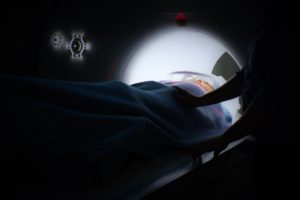
    She was exhausted. And Noah was beginning to walk with a walker and just starting back to school when she got a phone call from her mother.

    Another Overwhelming Tragedy

    Her dad had died when she was 25 and her mom lived alone. Mom just found out she had an aggressive form of breast cancer. She’d been told to expect a year minimum of treatment then re-evaluation. But when her mom got so tired she couldn’t drive back and forth to chemo, there was nothing to do but have her mom stay with her. She’d probably be there through radiation, too. Heather asked her mom’s neighbors to look in on her house.

    So a household of three greatly stressed people became a household of four extremely stressed people. Heather just held her chin up and set out to get through this, too.  The idea of losing her mom when she was so young was terrifying.

    She cooked, cleaned, ran the kids around. Made dinner. Went to work. Drove her mom to chemo. Did everything.

    Stress Takes Down the Best People

    Finally, 6 months later, her mom had to be admitted to the hospital. Her next door neighbor Stress takes down the best people, but they can restore with ketamine treatment.offered to take care of Katie and Noah for a few days. Thank goodness.  But then … Heather didn’t get out of bed or out of her pj’s for three days … and she felt less and less like getting out of bed after that. She went through the motions of getting her kids to school and back home again … and feeding them when they were hungry.  But she was numb. She was barely functioning.
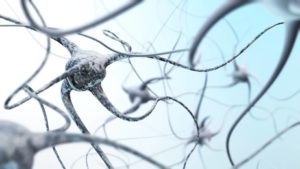
    Finally, darkness wrapped around her like a cold box, and she felt hollow. Numb. Adrift.

    Someone from the church came to see her. When they saw how she looked, they could see she’d been through too much for too long. They went to work to take over the care of her mom, and took her to the hospital. Heather was admitted with severe Major Depressive Disorder.

    Heather’s a giving, kind, and generous person. But chronic and repeating stress can take down the best people, and Heather was no exception. It brought her to her knees.

    How Stress Brings Someone Like Heather to Her Knees

    We’ve talked and talked about what stress does to your brain, and how it contributes to depression.

    But let’s talk about why that happens.

    Thanks to recent studies sponsored by Brain and Behavior Research Foundation, we’ve learned some things lately.

    And I’m excited to share them with you.

    It all makes so much sense when you get a peek inside the brain to see what happens.

    MIcroglia Unwittingly Launch a Destructive Attack

    There are immune cells in the brain, called microglia, that are responsible for defending against infection, among other things. One of the other things they do is help build and change the construction of neural connections in the brain.

    Huge. And hugely important.

    In this study, the research team, led by Ronald S. Duman, periodically caused laboratory mice to undergo stress-inducing conditions over a period of weeks. Then they evaluated the effects of this chronic stress on their brains.

    It’s not surprising that the mice displayed symptoms of depression and anxiety. The team demonstrated that the neurons in the prefrontal cortex — which control your abilities to make decisions and function socially — react to the stressors.

    Specifically, these brain cells signal the microglia to begin “remodeling” pyramidal neuronal circuits … which basically WEAKENS them. The outcome is that the synaptic connections between the neurons in the prefrontal cortex begin to break down. And too many of them are lost.

    Sounds like Heather. Broken down.  Lost.

    Maybe that sounds like you.

    How to Stop the Damage?

    Then the team carried it another step.

    When they blocked the neurons from signaling the Stress takes down the best people, but ketamine treatment can put them back on their feet again.microglia, the chronic stress the mice were subjected to did not affect their synapses in their prefrontal cortex so they did not become depressed.
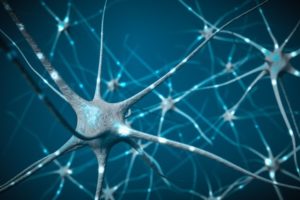
    The research team concluded that finding a way to block the neurons from signaling the microglia could be a way to treat anxiety and depression. 

    (It seems to me this could be a fantastic way to prevent anxiety and depression in those subjected to long term chronic stress, such as first responders, those with chronic illnesses, and more.)

    You can imagine that if you undergo extreme stress over an extended period of time, that more and more of these connections will be lost due to microglia activity. And depression and its accompanying anxiety become more and more severe.

    So what can be done about this deconstruction… these massive losses of synapses?

    Restoration through an Extraordinary Medicine

    Enter IV ketamine treatment, which has been shown to rapidly rebuild and proliferate these synapse connections that have been broken down by depression and anxiety … which are caused by stress and which create more stress of their own.

    Remember that tiny doses of ketamine, administered properly, turns on mRNA to switch on Stress takes down the best people, but ketamine restores synapses and restores peace.DNA which turbo charges the brain-derived-neurotrophic-factors (BDNF) so the synapses grow, branch out, and proliferate creating a dense forestation of neuron connections.

    And when all these neurons in the prefrontal cortex are tied together with a dense network of synapses, you come alive. Joy returns. Creativity blooms. Initiative and motivation billow.

    This is what we can do about those lost synaptic connections.

    Innovative Psychiatry Offers Expertly Administered Ketamine Infusions

    We know that stress takes down the best people. You probably know someone like Heather who tries to help everyone, but eventually she’s the one who breaks down and needs help.

    At Innovative Psychiatry, we see extraordinary, positive outcomes in treatment-resistant depression and bipolar depression, as well as in PTSD, OCD, social anxiety and suicidal thinking. That means that very ill people can get really, truly better. As in happy, upbeat, full of energy, initiative, and hope for the future.

    You can feel like yourself again. With the energy to embrace each day, the hope to look forward to the future. You can enjoy an afternoon breeze, a beautiful ocean view, or the fragrance of a summer rose.

    When was the last time that happened?

    If you suffer from depression, anxiety, bipolar disorder, PTSD, OCD, social anxiety or suicidal thoughts, and medications haven’t helped, call us. We can help you leave psychiatric disorders behind, and live a fulfilling life.

    Live as the best you you can be.

    Lori Calabrese, MD offers innovative psychiatric treatment like IV KetamineTo the emerging of your very best self,

    Lori Calabrese, M.D.

error: Content is protected !!