Author: Lori Calabrese, M.D.

  • Reaching Out to Sad Dads: Can Men Suffer Postpartum Depression, Too?

    Reaching Out to Sad Dads: Can Men Suffer Postpartum Depression, Too?

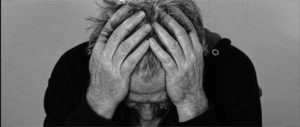
    Can men suffer postpartum depression? This dad is overwhelmed with his newborn, work, and worry about parenting skills.Paternal Postpartum Depression

    In the last ten years, we’ve heard more and more about postpartum depression. Celebrities like Brooke Shields, Drew Barrymore, and Gwyneth Paltrow have stepped up to speak out about their own struggles with it.

    But, as much as we talk about postpartum depression in mothers, very little is mentioned about the same illness in fathers. Can men suffer postpartum depression, too?

    Dads fall prey to the pain, shame, and isolation of this illness only slightly less than moms. How great it would be if some celebrity fathers would grab the mic and talk about their own depression, wouldn’t it? 

    As tough as it is for moms to admit they have any feelings other than the blissful joy they expected after the birth of their babies, it’s probably tougher for men. But, when you stop to think about the massive adjustments men go through with the birth of a child, it might not be so surprising.

    The overwhelming sense of responsibility, sleep deprivation, difficulty in soothing a baby who continues to cry … all are familiar to Sad dejected dad: can men suffer postpartum depression, too?mothers, but can be just as suffocating to fathers. And as lack of sleep continues to interfere with normal functioning, shame, darkness, dread…and despair replace the joy and elation of a new baby. 

    Can Men Suffer Postpartum Depression?

    When a parent can’t feel affection, whether it’s dad or mom, that parent can be bombarded by self-critical judgment that she – or he – is a bad parent, not cut out for parenting … and with fear of ruining their child and a host of other fears.

    Society has believed that postpartum depression was the result of hormonal changes in the mother after giving birth. And that since the father doesn’t give birth, he can’t possibly be afflicted with the same type of condition.

    But it turns out it’s not quite that simple. About 12 percent of women experience postpartum depression after the birth of a child, and somewhere between 7-10% of men do, also. A study at the University of Southern California found that depression in men following the birth of a baby seemed to be linked to reduced testosterone levels. To make it more complicated, they found that higher testosterone levels in men seemed to protect them from depression, but sadly, it seemed to correlate to more depression in their wives. 

    One reason may be that testosterone gives a big boost for hunting venison and feeding the family, but is not as helpful with sensitivity to the feelings and needs of wife and children. Testosterone may even interfere with husband-wife and father-child relationships on some level.

    Testosterone’s More Useful for Conquering Dragons than for Nurturing Relationships

    And here’s another tidbit about these dads. One more study, published in the American Journal of Human Biology, discovered that men who have children have lower testosterone than those who don’t.

    Plus, those whose testosterone dropped when the baby was born seemed to also be more tuned in to their infant’s cues, and show more affectionate attention to them… and cuddle more.

    So, men whose testosterone drops when a child is born, tend to be more sensitive to their wives or partners, also. And in these close relationships, researchers found that if one spouse’s hormones drop, the other spouse’s often do, too. Researchers didn’t understand why, but speculated there was a sort of interdependence between the couple that translated into these changes.

    Fathers Get Depressed, Too

    So back to postpartum depression. The fact is that women aren’t the only ones who have hormonal fluctuations with pregnancy and after childbirth. For some men, being in a relationship that’s producing a child, combined with sleep deprivation, tips the scale on hormone balances, anxiety, and feeling overwhelmed.

    And just like their wives sometimes do, men suffer from the negative self-talk that accompanies these negative feelings and fears. And, it’s not enough that they trudge through the exhaustion, anxieties, and overload of fatherhood. The shame is just cruel.

    Shame creeps in telling them they’re not cut out to be fathers… Of course, it’s a lie. But it sounds true to their impaired thinking

    In the vast majority of cases, these guys turn out to be wonderful dads and husbands.  They just need treatment and rest to restore and find the energy to care for, protect, and enjoy their families..

    So… can men suffer postpartum depression…?  Apparently they can.

    What To Do About Paternal Postpartum Depression…?

    So what can men with paternal postpartum depression do?

    Seek treatment.
    I’ll say it again. You can seek treatment.

    The combination of the major life changes, added responsibility, money worries, and sleep deprivation create a huge obstacle to conquer by yourself. 

    Your manhood may tell you to not be “vulnerable.” That you must be strong and not “cave.”  But, to get better, enjoy your new baby and your wife, you need a little help.

    Dads aren’t likely to get better as long as they continue to rehearse their terrible self-criticisms over and over in their minds. Or ferment those thoughts through sleepless nights. But anxiety can be hard to control singlehandedly.

    In many cases, an antidepressant can be very helpful, as well as talk therapy. Learning how to cut yourself some slack. Talking with your wife about how you really feel. Letting down your guard.

    Still, antidepressants help only roughly two-thirds of depressed people. But if antidepressants don’t help, Can men suffer postpartum depression? This dad would feel more like playing with his son if he had treatment for paternal postpartum depression.don’t give up.

    Ketamine treatment rapidly and robustly restores you to your real self.  That’s been true in 75-80% of cases, and it’s highly likely it will help you, too. 

    And I mean it not only helps you feel less terrible. It doesn’t just take the edge off the shame…

    But rather, it helps you feel alive again. So alive you feel your love for your wife and child. You truly enjoy them again. And that helps you become the best dad and husband you you can be. 

    There’s no place for shame in parenting. To your child, you’re a hero. Let us help you enjoy it.

    You’re going to feel good again.  You’ll see.

    To the strengthening of your best self,

    Lori Calabrese, M.D.

    Lori Calabrese, MD offers innovative psychiatric treatment like IV Ketamine

  • Ketamine's Healing: Does Depression Run in Families?

    Ketamine's Healing: Does Depression Run in Families?

    • Depressed girl is unresponsive to nagging father -does depression runs families.

    Does depression run families?

    I didn’t ask if it runs in families. Does it run your family?

    Well, let me ask you this. Do you love someone who’s depressed … ?

    I mean really depressed.  Someone who’s been withdrawn, listless, drained, and nervous for months — or years… Maybe you hear how they wish they could die.  Maybe you hear that often.

    Have you helped your son, daughter, or spouse get to the doctor for treatment?  It was hard for them to even just get out of bed, I bet. Really hard.

    They grumbled … maybe slung harsh words at the obstacle of waking up, of getting out of bed. If they did, you probably felt annoyed with the abusive language, but you also knew their struggle was gargantuan. And you knew better than to say anything.

    At the doctor, maybe you listened as they described how they felt. If they even let you in. They probably didn’t have much to say. Too shut down … or too angry.

    When Treatment Doesn’t Help

    After years of doctor visits, years of trying new medications one after the other … then 2 or 3 in combination … maybe none helped very much or for very long. Years of watching her — or him — stop taking meds because “they don’t work anyway.” You’ve likely fought your own despair about ever finding any real help for them.

    You’ve probably wondered just how long one person can endure such hopelessness. And, if you’re human, you may have even secretly wished there was somewhere you could go for a vacation from it just to get away for a little while. But you put that secret thought aside, because what’s most important is finding relief for your son or your daughter or your spouse … or your sister … or your Mom.

    Depression is a Problem of the Family – Not Just the Patient

    You’ve watched phobias take over. Fear of answering the phone. Of going outside. Fear of driving and fear of crowded places. Even fear of eating.

    It’s one thing to watch someone you love in pain for a day or a week.  But when the years come and go and you’d give Father tries to comfort his daughter. He knows that depression is a family problem.anything to see her enjoy herself, even for a little while … it becomes terribly hard to bear. Or to take her to dinner for her birthday and see that frozen look of dread in her face.

    Searching the World for Someone Who Can Help

    So you’ve researched, asked doctors and friends, read articles, scanned the internet, to find that one program, residential treatment, or miracle drug that could lift the lead blanket from the life of this one you love so much.

    But…after a while, they all seem the same.  Nothing seems to make a difference.

    Then, you dig deeper.  You see her desperation, and you worry about suicide risk, so you pull out the stops.  She doesn’t want to hear about any more promises, so you subtly take sugar out of her diet…and dyes… plus salt…  and add a plethora of nutrients like folate, vitamins, and anything else you read on the web. 

    Breakthrough Possibilities

    You learn about new medications that are creating breakthroughs for others.  But she says, “NO.” She’s jaded, has lost her confidence in treatment. She’s sullen and disillusioned. She’s tired.

    Then one day, you’re sitting in the doctor’s waiting room with her, and you pick up a magazine. It says something about ketamine…for depression

    Hmmmm. Ketamine.  Why does that ring a bell…?  You think you’ve heard about it in the context of surgery. What was that? Something that helped a patient breathe…?  No… You read the article…and your head explodes.

    An anesthetic…?  A street drug…?  What on earth.

    You get online and find out there have been all sorts of articles and studies written about this for years but you never noticed them. But now with determination, you start Googling.

    Researching the Breakthrough

    The scientific articles are too hard to understand, but you discover articles written about the science. In everyday language. You read and take notes.  Read and take notes. Read more and take more notes.

    And it dawns on you this is something you haven’t tried. And instead of just a third of patients finding some sort of help, you’re reading about 75-80% of patients not just getting help, but getting better.  Symptom free. Really better.

    (***If you’re reading this, and you haven’t shared the yoke with a beloved spouse or child who’s, this all may sound ludicrous to you. “…Hey, aren’t you just a little over-invested there…?”)

    Depression is a problem of the family…

    A serious chronic disease impacts the entire family. It’s not only the ill person who suffers. The symptoms affect Little boy hugs his depressed dad. Does depression run families?everyone. Family gatherings are overshadowed by your family member’s reluctance to enter in, or to leave the house. Everyone carries the ache of this one’s suffering sadness. Everyone feels helpless — powerless — to offer relief.

    Mood Disorders – Serious, Crippling Illnesses

    Depression, specifically Major Depressive Disorder, is not a bad attitude, or laziness. It’s an illness caused by changes in brain structures and function. And depression is just one mood disorder. There are so many others just as crippling. OCD, PTSD, bipolar disorder, other anxiety disorders

    About 1/3 of depressed people are successfully treated by traditional antidepressants. For them, depression is treatable, and they’re able to live their lives in a meaningful way.

    For another 1/3 who weren’t helped by their first round of antidepressants, a new medication or a combination “cocktail” of meds turns out to be effective.

    But what about that other one-third? 

    The World Health Organization estimates 350  million people worldwide are depressed. That means 116 million people in the world are suffering all the pain of depression along with the anxiety that accompanies it, without help or relief. That’s more than 3 times the population of Tokyo, the largest city on earth. And for every person in that list, a family suffers with him.

    Their loved one remains weighted by the lead blanket of depression and anxiety.  Phobias, withdrawl, poor functioning socially and professionally, and despair.  And their risk for suicide grows with every month, every year, they continue to suffer.

    Until now.

    Ketamine Relieves the Family by Making the Patient Better

    Now there is, for the first time in the history of psychiatry, a medication that can stop suicidal thoughts within hours.  Since suicidal thinking — and planning — often create an emergent situation needing life-saving intervention, time is of the essence. 

    And it’s safe.

    Ketamine  hydrochloride is a compound that was FDA-approved for anesthesia in 1964. It’s proven itself to be an Child sits alone listless, depressed.effective and useful anesthesia medication for surgery and for managing pain in emergency situations for 50 years. Ketamine has also demonstrated its safety when used in appropriate doses for children, adolescents, and adults.

    It was even included in the List of Essential Medications by the World Health Organization.

    It’s demonstrated its safety as an anesthetic in all age groups for 50 years. In the last 15 years it has also emerged as an extraordinary drug for stopping suicidal thinking, and in treating many forms of depression and anxiety.  Specifically, treatment-resistant mood disorders.

    Ketamine has been proving itself in laboratories, studies, and private practices across the US and around the world as a rapid and robust antidepressant, when used in the tiny doses required for treatment of mood disorders.

    WARNING: Use of Ketamine to Self-Medicate is DANGEROUS

    While it’s true that ketamine, known on the street as Special K, has been abused and passed on the street as a hallucinogenic way to get high, the doses people in the drug scene use for tripping are much, much higher than the dose administered by psychiatrists in precise therapeutic infusions. 

    And those who abuse ketamine on the street use large doses, massive doses…and way, way too often. And…they can suffer serious side effects in the form of damage to their bodies that are irreversible. Like bleeding ulcers inside the bladder, kidney failure. Death.

    Depression is a problem of the family, not just the patient.

    We know that families need relief along with their loved one who suffers.

    If you and your family have been prisoners in the war against major depression and anxiety, ketamine treatment for your family member can restore the rest of your family.

    Ketamine Relieves Stress in the Family Caused by Psychiatric Mood Disorders

    At Innovative Psychiatry, we’re dedicated to finding treatment for the sickest of the sick. Those who’ve trudged andDad playing with kids after ketamine treatment. Does depression run families? bowed under the tyranny of psychiatric mood disorders. While we can’t accept more patients who need general psychiatric care, (we’re full!), we do want to talk to you if you’ve tried two or more medications or treatment combinations without success.

    If treatment has been failing you up till now, call us. Helping people like you is our specialty.

    Let’s schedule an appointment to determine whether you’re a good candidate for ketamine. While ketamine isn’t for everyone, it’s remarkably effective for 80% of people who have been failed by other traditional treatments.

    And chances are it could be just what you need to restore your life — so you can enjoy meaning, productivity, and relationships you haven’t been able to for a long time.

    To the emergence of your best self,

    Lori Calabrese, M.D.

    Lori Calabrese, MD offers innovative psychiatric treatment like IV Ketamine


  • VICE Magazine: What It’s Like to Self-Administer Ketamine for Depression

    VICE Magazine: What It’s Like to Self-Administer Ketamine for Depression

    Rachel Cassandra

    “I should be doing ketamine alone, at home, in my bed, listening to Chopin. That’s how it should be used.”

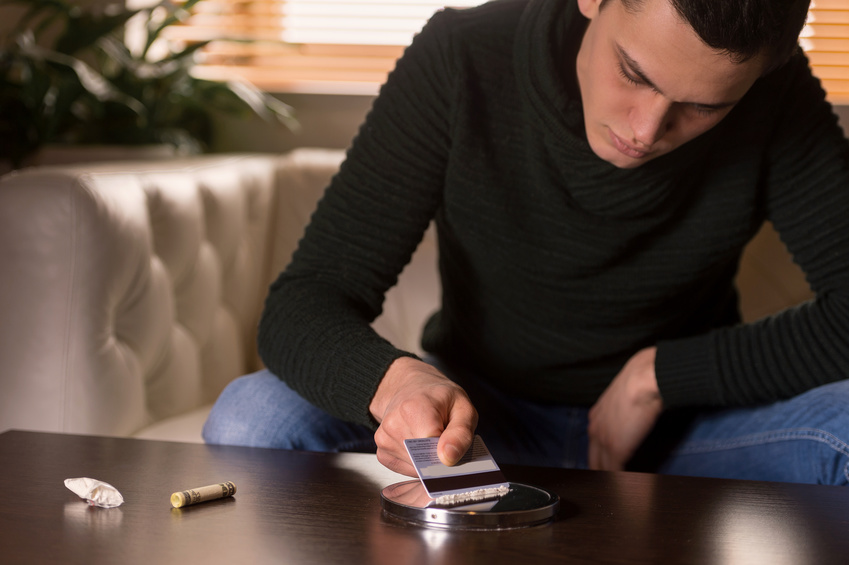
    Jack razors out 215 mg of white powder onto a mirror and snorts the pile using a rolled up “dollar” with his own face on it—an artifact left over from an old art project. He turns towards me and says, “Now is the sting-y part,” and shakes his head. His hair is a blonde Mohawk with a turquoise streak, which almost matches his bright blue eyes. Through his window, the San Francisco lights flicker.

    I’m here to observe and write about Jack’s self-administration of ketamine—a dissociative hallucinogen—for depression. He’s been using it for the last two and a half years intermittently with, according to him, resounding success. It’s allowed him to burrow into the thought patterns that define his depression, gain perspective on them, and change them.

    I’m doing this because Jack—a 28-year-old in San Francisco—will let me observe at-home ketamine treatment, something illegal but integral to understanding the variety of ways therapeutic ketamine is used, especially in a system where in-clinic treatment is legal but can be hard to find and expensive. Online communities are dotted with those suffering who have found relief in self-administered ketamine, often motivated by the expense of clinical treatments or barriers to mental health care. Some snort ketamine, but others have injected it. Unsurprisingly, medical professionals strongly advise against at-home ketamine use, citing the dangers of unsupervised use and the potential for addiction.

    Because ketamine is approved medically as an anesthetic—but not a treatment for depression—most insurance won’t cover the treatments. The costs are high. Both intravenous and intramuscular treatments cost about $600 per session, and those that include therapy run as high as $1,000 per session. Patients are usually treated initially with six infusions or injections over two to three weeks, which, including initial diagnosis, costs patients around $4,000. For ongoing maintenance, patients usually need treatments every two to four weeks. The treatments are available in many major cities and providers say many of their patients travel long distances to receive treatment.

    Cheaper options are ketamine lozenges or nasal sprays, which can cost as little as $75 or 100 for a similar treatment schedule, but require an initial diagnosis appointment, which generally runs to about $375 to $500, costing patients at least $450 for an initial set of treatments, unless their insurance will cover the initial doctor’s visit. In addition, the ketamine is significantly less bioavailablewhen administered in these ways.

    The cost of the equivalent series of treatments, if bought on the street and snorted, would be about $80 to $120 according to Jack, depending how much dealers are charging. But self-administration is less safe, of course, since they’re unsupervised. These sessions can also carry with it a risk for abuse or addiction. Jack readily admits that these days when he buys ketamine, he usually keeps doing it until his supply runs out. For this reason, he’ll often buy a larger amount, but leave most with a friend for safekeeping, until he asks them for it.

    Although he’d experienced other episodes, the depression that hit hardest for Jack was after he dropped out of graduate school. He’d lost his center. He was consumed with suicidal thoughts. Sometimes when he was on the subway to work, he could see himself hanging from the bridges while he was traveling beneath them. On the worst days, he could “feel the tightness of the rope around [his] neck.” His girlfriend at the time was worried and so was Jack, though he didn’t have health insurance to go to therapy. He also felt he should be able to handle his emotional problems on his own—something he chalks up to harmful ideas about masculinity.

    Jack’s depression lifted when he found a job in his field, but soon after that his relationship with his girlfriend turned “mutually toxic” and they broke up. He responded by throwing himself headlong into an art project for a festival. It worked enough to distract him, but he was on emotionally shaky ground. This is when he tried the ketamine. He’d heard of its antidepressant effects before, but he’d only ever taken it recreationally.

    While camping with friends at an art festival, he snorted a couple piles of the white powder, and biked off into the desert by himself. His biking became wobbly, and eventually he lay his bike down and sat against it.

    After sitting down, he felt himself “blast off” into dissociative hallucinations; he felt separate from his body. He’s just broken up with a girlfriend and realized it was the first time he’d actually been on his own, without the guidance of parents or school or his girlfriend. “You are a man now,” he thought to himself, and then asked himself, “Well, what kind of a man are you?”

    Usually when he examined himself, it would be through the lens of depression—self-critical, filled with anxiety, and degrading his own self-worth. But the ketamine wiped that away temporarily, and he was able to look at himself as if he were looking at another person. Objectively, he felt he was an interesting and worthy guy. He liked himself. It was an extraordinarily profound moment, with power that has stuck with him.

    In the Ketamine Papers, a collection of essays that document both research and trip experiences, people report experiences with low amounts of ketamine as relaxing and dissociative—feeling like the mind is separated from the body. Some people see colors or lights, or hear buzzing or tones. Some may feel like they are floating or flying. People sometimes feel as if it takes their brain time to catch up with their eye movement. Their thoughts may slow and it may be hard to articulate ideas.

    In higher doses, in what users call the “k-hole,” people experience more hallucinations. They may feel they’re floating out in the galaxy, or that their mind has left their body completely. They may see Earth from above. Some users report the dissolution of the individual, the merging of themselves with others around them. They may experience the complete loss of ego and awareness, not knowing who and where they are.

    Jack sits on his bed, which is draped in a deep red blanket, talking to me with slow slurred words as the ketamine comes on. Ketamine, he tells me, has become a spiritual experience because it allows him to tap into a part of his psyche usually hidden.

    Jack goes to his drug altar and weighs out an additional 125 mg of ketamine. He asks me if he will get to see the piece before it goes to print and I tell him no, that journalism doesn’t work like that. He says he understands and snorts the pile. Altogether tonight he’s done, he explains to me, a huge amount of ketamine.

    While SSRIs (selective serotonin reuptake inhibitors) like Prozac work on the brain’s serotonin system—serotonin is thought to create feelings of happiness and well-being—ketamine affects the glutamate system. Glutamate is believed to help regulate information processing across neurons in the brain and to facilitate communication between the brain and body. Some scientists thinkthat depression could wear down synapses in the brain; ketamine stimulates growth of these synapses.

    The studies of ketamine as an antidepressant treatment are consistently promising. In meta-analyses of the data, more than half of the 368 patients who received a single treatment of ketamine showed some relief of depression symptoms at 7 days and, although there is less research on longer term effects, around 70 and percent of those who received multiple treatment sessions three times over 12 days showed some relief. Unlike other medications for depression, patients often feel relief immediately after the ketamine treatment session, which is especially crucial for suicidal people.

    Ketamine is getting more and more attention as an exceedingly safe drug. It’s on the World Health Organization’s Model List of Essential Medicines for its anesthetic effect and is commonly used on children for this purpose. In the Vietnam War, it was nicknamed the “buddy drug” because it was safe enough that it could be administered by a fellow soldier. Although an overdose is possible, when the drug has been given to children at accidentally high doses(5-100 times the typical dose) in hospitals, there have been few lasting negative effects.

    The night I’m with him, Jack takes almost twice as much ketamine as needed to experience a K-hole. It is a large dose, even for him. He wobbles back to his bed and leans back. Jack has found in the past that the only way he can feel the full effects of the ketamine is to smoke a spliff, a joint of mixed marijuana and tobacco. This is how he potentiated his bicycle experience, and every other significant ketamine trip. He invites me to the roof of his warehouse while he smokes. He knows it’s not a great idea to go onto the roof, but as he’ll tell me later, he wants to show off a little, to demonstrate he can do large doses of ketamine and keep his cool in front of me.

    In Santa Barbara, CA, Terrence Early runs a psychiatric practice where he offers, among other treatments, intramuscular and subcutaneous ketamine injections. Early says ketamine is “the best therapeutic advancement in psychiatry in [his] thirty years of practice.” He’s seen patients who have been unwell for ten, twenty years see remission of their depression, and he’s been treating some of his patients for as long as four years with intermittent ketamine sessions.

    Critics of ketamine treatment say that there’s not enough long-term data on the treatment to determine whether or not it’s safe for patients but Early says this is true of many treatments for those with treatment-resistant depression. In order to secure more positive results during clinical trials, most pharmaceutical companies exclude those with treatment-resistant depression from their trials. In addition, Early says long-term trials are more expensive and have a higher dropout rate. Currently, ketamine is the only psychedelic drug to be approved for medical use, though MDMA and psilocybin have made their way into clinical trials. Because it’s is no longer available for patent, and thus not profitable because anyone can produce a generic version of it, no one is motivated to push the FDA to approve of it as a treatment for depression.

    ack and I walk up the stairs in his warehouse and across a painted floor surrounded by rafters. We climb up onto a ledge, through a skylight, and out onto the roof. The roof slopes slightly down all the way around, ending in a waist-high ledge. He sits down with his back against a small wall at the top of the roof, and invites me to sit beside him. Beyond the edge of the roof, the city rises up, its hills dotted with lit windows and street lights. He lights his spliff and puffs it, the singed smell wafting over me.

    As he’ll report later, he is spinning through other dimensions, cycling through our world, spinning through others, then back to our own. He lets out a primal yell that echoes back off of the buildings around us. The echoes fade. A few people on the street below hoot in return.

    “Who are you?” he asks me.

    I can’t tell if he’s completely lost in the spiritual worlds, or if he’s asking a deep question about who I really am. “I’m Rachel Cassandra. Who are you?”

    He yells out his four given names. “What are we doing?”

    “I’m writing a piece about your experiences with ketamine.”

    “Your story,” he says.

    “Really, it will be a bit more like your story,” I say.

    “Our story,” he says, still looking off in the distance. “I think I did too much ketamine.”

    “Do you think you can make it downstairs?” I ask Jack. He says he can. “Do you need help getting to the skylight?”

    He tells me no, then wobbles over to open the hatch. I am acutely aware of the dangers of walking around on this angled roof and I don’t let Jack get farther than an arm’s reach away. He wants me to go down first, so I climb down onto the ledge, then lower myself down to the floor.

    “Are you okay?” I ask

    “Space makes no sense,” he says, so I reach my hands up in case he needs to lean on me. Suddenly, he relaxes his entire body, heaving his full 175 pounds onto me.

    Jack tells me he wished he hadn’t gotten so high around me. He is deeply ashamed. He says, “And you’re a reporter!”

    I tell him it’s okay.

    He says he thinks it would be better if he was alone. He has systems in place so that he can take care of himself if he’s very high. His alarm is set for tomorrow, which is a workday. He will be okay. He doesn’t want to kick me out, but he also can’t manage the feelings of shame and anxiety with me watching over him.

    Jack says ketamine allows him to watch his emotional patterns without actually getting absorbed in the tumult of them. For about eight months, he did ketamine every three to four weeks. His depression would lift for a while, then when he would feel himself starting to backslide into harmful thought patterns, he would seek out another experience.

    These days, Jack doesn’t keep a regular ketamine schedule but uses it for maintenance, meaning if he feels himself sliding back into depression, he will take a dose. He understands that there’s this “cognitive space” he can access through ketamine, where he can deal with the root problems instead of the symptoms of anxiety and depression. It acts as a “reboot button” for him, breaking his anxiety loops and allowing him to start fresh. He’s been treating himself for more than two years.

    Jack and I debrief on the phone a few days later. He regrets the whole experience and tells me his depression actually intensified for the next few days after our meeting because he was so thrown by the incident.

    “After you left,” he says, “I felt really ashamed and I realized that I should be doing ketamine alone, at home, in my bed, listening to Chopin. That’s how it should be used.” The quality of the trip, the texture of the hallucinations, are integral to changing his mood and lifting depression. He can’t be reckless.

    Jack does ketamine in what he calls a “cowboyish manner” because he feels incredibly comfortable with psychedelics, after years of use. Jack’s not opposed to trying a more controlled, guided ketamine trip, though. He’s considered trying it in a clinic, or with a shaman trained to facilitate hallucinogenic trips.

    But for now, the treatment is cheap for him and he doesn’t need to funnel his medication through a therapist. He’s willing to take on the risk of taking too much or being tempted to take more than he needs. He’ll continue with what he calls his “gonzo psychedelic experiences.”

    [Read the Original Publication Here]

  • Get High and Kick Depression in the Process?  Better Rethink That.

    Get High and Kick Depression in the Process? Better Rethink That.


    self medicating ketamine overdose

    Get High and Kick Depression?

    Two birds – one stone, right? If you’re in the practice of using ketamine to get high and kick depression at the same time, you better take a step back.  Let’s talk about it.

    The recent Time magazine article that touted ketamine as a hallucinogenic antidepressant highlighted the practice by some physicians of providing ketamine by intramuscular (IM) injection. The author described the “trip” a patient had to subject herself to for ketamine’s antidepressant benefits.

    We decided to respond to that article, to show the psychiatrist-supervised perspective.

    Ketamine IM Injections

    The trouble with IM injections of ketamine is two-fold.

    First, the bioavailability is inferior to intravenous infusions.

    Second, and maybe more importantly, once the medication is injected into the muscle, any side effects can’t be stopped and treated. There’s nothing to do but wait it out. And patients can have risky, unpleasant experiences.

    This just isn’t necessary. When carefully supervised IV infusions are used with precision of state-of-the-art infusion pumps, the treatment experience can be managed safely and efficiently — even pleasantly — for the patient.

    Use of Ketamine Must Be Controlled and Precise

    Ketamine has been used for 50 years by anesthesiologists under tightly-controlled conditions, with great success.  Does that mean it should be for sale on the drugstore shelf? With maybe a little dosing cup for dosing at the consumer’s discretion…?  Certainly not.

    Yes, ketamine is used on the street for its dissociative properties, but at great risk and personal cost to the user. Man gripped in the throes of addiction.Serious risk, addiction, and terrifying side effects are not only possible but not uncommon in people who use ketamine excessively, and illegally.

    For 20 years, psychiatrists have been hearing from patients who used ketamine to get high, at frighteningly high doses — that they thought it helped their depression.

    And these doctors cautioned their patients about using any drug without physician supervision. Because of the dangers of overdose, addiction, or side effects that can be dangerous at high doses.

    Now we’re all hearing from psychiatrists who warned their patients against using ketamine unsupervised for the “trip.”  Those same doctors are wishing they’d listened more closely, and pursued more study about the reasons their patients described ketamine this way.

    And … at the same time, we’re hearing of the consequences street users have suffered from ingesting extremely high amounts of ketamine, and the damage they’ve suffered.

    Get High and Kick Depression? Better Rethink That.

    Let me tell you about an article I ran across last week. It was published in Vice, September 29, 2017, and entitled, “What It’s Like to Self-Administer Ketamine for Depression.” I can imagine the idea of figuratively watching someone abuse ketamine to self-medicate sounds appealing to some readers.

    It actually showcases one user’s (known as “Jack”) experience who buys ketamine on the street, and “self-doses” to treat his Lines of powder to be snorted.depression.

    This young man describes his on-again off-again bouts with depression … that turned vicious when he dropped out of graduate school.

    He invites a journalist to observe him taking ketamine and his response during and afterward. As you read the article, you’ll see blatant examples of the dangers that go with leaving it to the recipient to determine dosage.

    It’s Not the Ketamine That’s Costly – It’s Doing It Right that Costs Money

    And you can’t do it right without physician supervision. Certainly not on the street, or with a pile of powder on your coffee table.

    The author of the article points out that uncontrolled ketamine purchased on the street is a great deal less expensive than treatment provided by medical doctors. As we’ve talked about before, that’s not surprising, since doctors have to invest in costly equipment and specialized staff to properly monitor each patient and supervise and respond to side effects and reactions appropriately.

    I can see how anyone suffering with treatment-resistant depression who doesn’t have the funds for ketamine treatment would seek alternate ways to access much needed help. I get it.  But, the answer is not to risk self-destruction by using it without professional guidance.

    This article showed that Jack not only began with a much higher than recommended initial dose, but once the experience subsided, he snorted more and more until all he had was gone.

    This is the Best Method documented for achieving addiction status, and is verified by hordes of addicts as the Short Cut to Serious Side Effects. The more you take the more you want. The more you indulge the more damage you suffer. Addict in agony.

    Overuse of Controlled Drugs

    Have you ever suffered with serious pain?  If you were in the hospital, they might have given you IV morphine. It can really help pain. 

    But if you stay in the hospital, and they continue to give you morphine every 2 hours for 3 weeks … you know what will happen, right?

    The morphine doesn’t seem as effective as it did at first, and you find you need more of it more often to get the same relief. This is true with a majority of controlled drugs. And this is how addiction begins.

    With medical supervision, the hospital may provide a week or so of morphine, then they may change to a different medication to prevent addiction. And a medically supervised dose of ketamine is minuscule in comparison to the amount our friend Jack used.

    Self-Prescribing Leads to Over-Indulging

    The author of the article made the statement that maintenance doses are needed every 2-4 weeks. This is certainly possible for some individuals, but it’s not the norm. If someone needs a maintenance or booster dose at all, they’re more likely to need it between 2-6 months. But, they may not need it at all.

    Over-indulging leads to irreversible damage.

    Still, when you consider that the author’s source for this information may have been Jack, you easily guess he’s probably ingesting — or snorting — huge amounts of a controlled substance and way too often.  A substance that can do great harm if use exceeds therapeutic doses.

    Like damage to the bladder … that causes excruciating pain, bleeding ulcers on its lining, and fibrosis — or hardening — of the bladder walls. Once that happens, the bladder can’t be repaired. And at your young age you have to wear a diaper the rest of your life, or a catheter. Then, it can lead to kidney failure … and you can’t live very long without your kidneys.

    We Can’t Trust Ourselves When We’re Medicated

    Back to the drugstore: you don’t find morphine on the drugstore shelf with a syringe included for dosing at home, for the same reason you don’t find ketamine there. Because left to their own devices, many people will follow “what feels good.” And if a little bit does a little bit of good, then it stands to reason that a whole lot will do a whole lot of good.

    But as fun as that may sound, when it comes to controlled substances, it’s a dangerous myth. 

    Most of us believe we’d use a medication like this only according to instructions. And some would. But, what we’d never do with a clear mind, we just might do when we’re not ourselves. When we’re under the effects of a dissociative drug.

    You can see why the government must control medications like this. Because a clear-headed doctor must decide the dosage and delivery for a drug that can be harmful if misused. A drug like ketamine can impair a patient’s reasoning power, and he or she will easily use too much. 

    Sometimes going the cheapest route may seem like a solution when you’re in pain. I really get that.  But taking that direction can cost you your life.

    Use Medications WITH MEDICAL SUPERVISION…  Or Else.

    Our friend Jack has an uncertain future. His heavy and frequent use of ketamine in massive doses to treat his Misery of addiction when you try to get high and kick depression without medical supervision.depression is giving him periods of relief from the suffering of depression, but it’s slowly eroding his life at the same time. He doesn’t know at what point this self-treatment will backfire. But once it does, he won’t escape the consequences.

    Don’t blame the messenger.

    With all this said, the problem isn’t with ketamine. Ketamine is a powerful drug that’s restoring lives every day in psychiatry. When lay people take ketamine into their own hands and and use it casually at home, tragedies happen.

    Medical doctors educate and train in the intricacies of the human body – its reactions, responses, toxicities. Scientists create a powerful medication like ketamine to be offered by these professionals to relieve suffering in their patients.

    Ketamine Can Work Miracles When Used Properly

    In my practice, we take every precaution and precisely dose each patient to achieve the best possible response, without any of these risks. At Innovative Psychiatry, we continue to document a strong positive response in 80% of our patients with treatment-resistant depression. And because of the precision and safety measures we use, we don’t see the serious side effects ketamine addicts see every day.

    Ketamine treatment is the most extraordinary medication for treating severe depression and suicidal thoughts To get high and kick ketamine is dangerous, but ketamine treatment with a psychiatrist restores your power to enjoy.available today. If you’ve suffered long, and have tried other antidepressants without real improvement, call us. We’re leading a paradigm shift in psychiatric treatment.

    While ketamine isn’t for everyone, with an 80% success rate, it may be just what you need to feel yourself again. To have the freedom to live again, enjoy relationships, and restore what’s most important to you.

    Call us, and schedule an appointment. Let’s work together to get your life back on track. Safely.

    To the restoration of your very best self,

    Lori Calabrese, M.D.

    Lori Calabrese, MD offers innovative psychiatric treatment like IV Ketamine

  • Esketamine: Ketamine Wannabe Copycat Drugs

    Esketamine: Ketamine Wannabe Copycat Drugs

    Chemist focuses on developing esketamine - ketamine wannabe copycat drugs.Nobody likes a copycat.

    They’re boring. Tired from the get-go. Out to ride on somebody else’s coat tails. They want to steal some of the glory.

    Is esketamine just a ketamine wannabe copycat drug?

    You may have heard some things about it.  Like it’s a nasal spray. Esketamine intranasal. It’s supposed to be an easier form of ketamine … a spray instead of an IV infusion. Small enough to slip into your pocket … dangerous enough to share or slip into somebody’s drink.

    Maybe you’ve wondered how to find it. Or if it works like ketamine…? …or if it’s better? Drugs like esketamine are ketamine copycats …. wannabe’s ….. that are similar to ketamine but different, too.  They’re in the works, up and coming and eagerly awaited — and you should know how they operate and their relationship to ketamine for depression.

    So let’s get it out on the table about esketamine, and it’s counterpart arketamine, and answer some of those questions.

    As you may already know, IV ketamine treatment for depression and other psychiatric mood disorders has been enjoying a groundswell of recognition and application across the US and around the world. More and more physicians are reading the literature, the clinical studies, talking to other physicians, and referring patients for this treatment — people who haven’t benefitted from traditional SRIs and SNRIs (serotonin and serotonin-norepinephrine reuptake inhibitor) antidepressants, and many of the other antidepressants and mood stabilizers on the market.

    Skeptics Wait for the Copycats

    Those who are reluctant to offer ketamine, or are skeptical about its safety in psychiatry, prefer to wait for newer medications to receive FDA approval.

    So … ketamine was FDA-approved for use as in anesthesia for adults, adolescents, and children more than 50 years ago. And no pharmaceutical company will pay for the studies required to get this medication for anesthesia to be FDA-approved for a new indication — treatment of depression — because it can’t be patented again.   

    Typically, it’s the big drug companies that fund all those whoppin’ huge human trials needed for FDA approval of a new drug for a specific indication. They hope that if their drug is patented and then approved for a specific indication, the profits would not only reimburse the costs of trials, but rake in billions more.

    They’re not interested in ketamine because the patent expired. 

    They’ll never spend the millions it takes to get it approved for depression or other psychiatric disorders because it went generic.

    What big drug companies can do, and are doing, is making a very small change in the structure of generic ketamine that they can patent. And by patenting it, they can own it for years, fund studies, push for FDA approval for different indications or conditions … like depression … or suicidal thinking … and enjoy the profits that pour in. 

    It’s business. Drug companies aren’t Mother Teresa. Let’s just be honest.

    So … how are the drugs they’re patenting and seeking FDA approval for related to ketamine, which is already available? How do they compare?

    Esketamine Wants to be Better than Ketamine

    Sometimes drug companies develop a “new” drug similar to an established drug by splitting it in half. 

    They can do this easily with ketamine because it’s racemic. That means it’s made of 2 mirror image molecules attached to each other.  Sort of like Siamese twins.

    If you were to split ketamine right down the middle, you’d have two “new” molecules that are mirror images. 

    The one Searching and studying for the esketamine: ketamine wannabe copycat drugs.that’s facing left is the S molecule of the original one, S-ketamine or esketamine, and the one facing right is R-ketamine or arketamine.
    (OK … scientists aren’t creatives. Phonetic spelling is just fine.)

    Interestingly enough, these two molecules behave differently from each other. What’s more, they both behave differently from original racemic ketamine compound.

    This is pretty surprising because most people figure that mirror image molecules are identical in what they are and do …  just maybe half as strong as the compound they come from.

    Well, when joined together, esketamine and arketamine bring the balance to ketamine that makes it work so remarkably well. But unlike Siamese twins, when ketamine is separated in half, there are different sets of characteristics in each half.

    And here’s where it gets interesting.

    Mirror Image Twins – Completely Different  Characteristics

    Now, we know that ketamine is described as possessing rapid, robust antidepressant effects consistently in 75-80% of cases with treatment-resistant depression. Suicidal thoughts can evaporate. PTSD symptoms, anxiety, OCD, and even phobias relent.    

    When you slice the ketamine molecule in half, because it’s racemic, you get two molecules that are mirror images of each other.  So how do they behave in comparison to ketamine?

    • Arketamine is the phonetic name of “R” ketamine – the half (called the “enantiomer”)  of the original racemic ketamine molecule that faces Right. Standing alone it is its own molecule, and presents its own strengths and weaknesses.

    Arketamine is far less potent as an NMDA receptor antagonist than either ketamine. It possesses 4-5 times less affinity for the NMDA receptor — that means its binding or sticking power to the NMDA receptor is 4-5 times weaker. But this is surprising: its binding there is even 4-5 times weaker than its sister, esketamine. So, arketamine is very weak compared to esketamine as an anesthetic, analgesic, or sedative hypnotic drug. 

    But arketamine appears to be FAR more potent than esketamine as a rapid acting antidepressant.

    Why?

    It could be because it’s an AMPA receptor agonist. That means it’s an initiator or activator of the AMPA receptor. It’s less potent as a NMDA receptor antagonist, but shows stronger and longer-lasting rapid antidepressant actions than esketamine, so seems like more of an obvious choice for treating depression if a drug company wanted to develop and patent a ketamine mirror image molecule for depression. (We wonder why nobody is doing this.)

    But again, ketamine has already mastered that job.

    Arketamine is also considered more relaxing for the patient, less dissociative, and probably less likely to encourage abuse.

    • Esketamine, on the other hand, is the phonetic name of “S” ketamine and is the half of  the racemic ketamine compound that faces Left. Now, esketamine is a true-blue NMDA blocker. And … it’s 8 times more powerful as a dopamine reuptake inhibitor than its sister, arketamine.

    Esketamine is far more potent as a NMDA receptor antagonist, and as such provides more benefit for pain relief, reward sensations … and a higher likelihood for abuse, but less benefit as an antidepressant.

    Wait.  How could that be?

    FDA Approval Doesn’t Mean It’s the BEST

    When a study was conducted to explore this, it turned out that ketamine’s antidepressant power isn’t caused just by its Chemistry lab where development happens of esketamine -ketamine wannabe copycat drugs are made.inhibiting of the NMDA receptor — or even mostly by inhibiting it — but it acts in a number of ways including a super-important very cool way — by activating and sustaining a different glutamate receptor, the AMPA receptor, through a metabolite called hydroxynorketamine.
    This was a laboratory study, and although more studies are needed to verify this finding in humans, this is huge.

    Really huge.

    Because it seems like when you read about ketamine, and esketamine, you just hear about the NMDA receptor all the time.  (Sometimes it’s called NMDAR so they don’t have to write out “receptor.”)  As though it’s the new key to treating depression.  The one new hot receptor that holds the key to the treatment of depression.

    It’s so much more complicated than that.

    Compared to ketamine, every other NMDA receptor antagonist drug that has been tested so far to treat depression and suicidal ideation has produced only modest results. They’ve kind of failed. They don’t work.

    But researchers and the company making esketamine are betting that this one does.

    Although esketamine is the weaker mirror image molecule for treating depression, it showed a 67% response rate when it was first studied as an IV infusion. It showed promise in FDA Phase II trials, and it’s the one now in FDA Phase III trials. It does other things, too, besides antagonizing the NMDA receptor … for instance, it increases glucose metabolism in the frontal cortex of the brain. Some think this action contributes to the tendency for esketamine to produce dissociative or hallucinogenic activity.

    Of course, stronger hallucinogenic effects increases the likelihood of abuse.  

    We’re especially worried about this with a nasal spray.

    Breakthrough Therapy Designation

    In November of 2013 and again in August of 2016, esketamine received Breakthrough Therapy Designation by the FDA. For treatment-resistant depression the first time, and for treatment of major depressive disorder and imminent risk of suicide the second time. This status is given to a drug that’s urgently needed to treat a serious or life-threatening disease or condition and the drug has shown evidence for providing substantial improvement over existing treatments.

    It helps expedite and remove delays and obstacles in the FDA approval process.

    As I’ve mentioned before, lifting depression and suicidal thoughts are things that ketamine has already mastered. Everyone in the field and in the trenches knows this.

    So back to the wannabes…

    Currently, esketamine is in Phase III trials toward gaining FDA approval in the US, and 6 specific studies using intranasal esketamine are being conducted here … More than 30 have been launched in the US in the past couple of years and in Argentina, Austria, Belgium, Brazil, Canada, Czech Republic, France, Lithuania, Poland, Turkey, and the UK. The world is on fire with this. And the urgency is evident. Some studies center around using esketamine in intranasal form in conjunction with an SRI or SNRI. Interesting … but maybe not what you’d be looking for if those haven’t worked for you or you’ve had intolerable side effects.

    Why the Focus on Esketamine…?

    So back to the point. In spite of esketamine’s breakthrough status with the FDA, in spite of the fact that it comes from ketamine, it doesn’t seem to possess the characteristics that make ketamine so effective as an antidepressant. Chemist works to develop esketamine - ketamine wannabe copycat drugs.Hmmmm. A recent paper in the journal Nature demonstrated that the NMDA receptor is, in fact, not the target for its antidepressant effects, but rather AMPA.

    Esketamine doesn’t have much impact on AMPA receptors.

    As you can see, the studies (and the controversies) go on. There’s huge interest in ketamine, ketamine-like drugs, glutamate and AMPA receptors, and the way up and coming antidepressants work — and different opinions about this — around the world.  Neuroscientists pore over the data, set up new preclinical and clinical studies, check and double-check each other’s findings around the world. Drug companies hope their own candidate for FDA approval will come out on top.

    So Why Arketamine and Esketamine: Ketamine Wannabe Copycat Drugs?

    Since ketamine already has all the features we want, and esketamine seems to have far weaker antidepressant benefits, why don’t we stick with what we KNOW works great?

    Well, let’s be honest. Because of money. FDA approval means that insurance companies will probably pay for esketamine to be used in depression, and that makes it available to people who don’t live near a ketamine clinic or who cannot afford ketamine infusions that aren’t covered by insurance. And convenience — no needles, no IVs. And I predict that the pharmaceutical company that’s promoting FDA approval for esketamine will market it as superior, safer, and readily available.

    But is it superior?  That hasn’t been tested yet in a head-to-head study.

    It’s half the molecule…it drips, it runs down your nose or down your throat if it’s not aimed right…it’s not as reliable…it’s not as bioavailable…it still has the same side effects…and it may not work as well.

    Gee.

    Cheap Ways to Make Billion$

    Forest Pharmaceuticals made billions.  They bought a little molecule years ago called citalopram and marketed it as Celexa.  Then just as the patent was about to run out, they split the molecule into two mirror images, a right and a left — an R and an S — and got R-citalopram and S-citalopram…. which became escitalopram or Lexapro.  Ba-da-bing!  Billions.
     
    New name, new drug, new profits.  No appreciable difference for patients.

    Janssen is doing the same thing with ketamine.

    They don’t need to buy the ketamine molecule because it’s already generic and easy to make. Bargain for them, right? They split it into two mirror images, and esketamine is technically a brand new shiny medicine, ready to churn profits.  And rake in billions.

    Tiny Adjustments = Recycling

     So drug companies recycle:  they split old molecules, or try to invent a new delivery system….you know…they make something extended release, controlled release, change the release mechanism, turn it into a patch, or into a nasal spray.

    Ultimately they want to make their drug available, bring it to more people, offer something effective and safe and well-tested and versatile. These are all good things. With esketamine … get it FDA-approved as a nasal spray.  Small enough to slip into your purse like a lipstick. Well-known enough to have patients clamoring for it after they see it advertised on TV.

    Risk, addiction, and rape could be just around the corner … with a spray.

    Combined as ketamine, esketamine and arketamine together are a powerful weapon team against treatment-resistant depression, suicidal thinking and intention, and chronic – as well as emergent – pain. Physicians administer it — in carefully controlled, supervised, and safe settings in hospitals, clinics and offices. Separated … well … now you know some of the positives and the pitfalls.

    A New Era

    This is the era of ketamine look-alike drugs, because ketamine has changed the world of psychiatric mood disorder treatment for the better. In the coming years, we’ll see more drugs approved that work off the basic premise that makes ketamine so life-changing.

    We’re excited about that — we’re all over it, because we want to see people get well.

    And so we carefully evaluate the ketamine wannabes and copycats. And we ask … are they better? Safer? More effective? Longer lasting? More convenient? Riskier? Addictive? More dangerous? 

    At Innovative Psychiatry, Ketamine is Changing Lives

    And in our practice, we’re so pleased to report consistent 80% responses in cases of treatment-resistant Lady feeling joy but with ketamine, not esketamine - ketamine wannabe copycat drugs.depression and other psychiatric mood disorders.

    If you still suffer after years of unsuccessful treatments, don’t wait. Innovative Psychiatry is all about finding a novel treatment, appropriate for you, that can make you feel truly better. More like you felt before depression ever knocked on your door the first time.

    We’re here to treat you if you’ve suffered without relief for years.

    When we first meet, I’m going to want to know about the best you’ve ever been. So we can both learn what it was like when you were your best self. And it will be our goal to help you reach that point again.

    Call us. Schedule an appointment. Let’s work together to help you feel well again.

    To the recovery of your best self,

    Lori Calabrese, M.D.

    Lori Calabrese, MD offers innovative psychiatric treatment like IV Ketamine

  • A Little History: The Beginnings of Ketamine the Depression Dragon Slayer

    A Little History: The Beginnings of Ketamine the Depression Dragon Slayer

    ketamine is the depression dragon slayer.

    The Legend of Ketamine the Depression Dragon SLAYER

    Doesn’t that sound exciting…?  Conjures up images of kings, knights, dragons…and princesses. Ketamine the Depression Dragon SLAYER … the knight in shining armor, equipped with world-class weaponry … vanquishing the enemy.

    But this is no fairy tale. This is the real deal. The story of a tool…a drug…that slipped in quietly to center stage as a mild-mannered anesthesia medicine.  A drug so boring it literally put people to sleep.

    Then somebody noticed it was leaving relaxed, productive, happy people in its wake…

    Have you wondered where this remarkable treatment came from? Did it… for instance, start out as a medicine, or was it a club drug? 

    Ketamine: The 21st Century “Miracle”

    Have a seat and get comfortable while I tell you the story of this 21st century hero who’s Ketamine the Depression Dragon Slayer… and subjugator of a host of other mood disorders. It all started in an early 1960’s laboratory, where a team of researchers were working on a new compound…

    PCP for Anesthesia??

    A certain anesthesia drug — Sernyl — had been developed a decade earlier but had so many extreme side effects like delirium, agitation, and hallucinations that it was quickly taken off the market in ’65. No doctor wanted to deal with a drug like that.

    But, like some drugs do, it snuck onto the streets and was manufactured illegally. And it was highly addictive. The generic name for it was phencyclidine; its street name was PCP or angel dust.

    Meanwhile back at the lab, even before Sernyl was pulled, Dr. Calvin Lee Stevens was working at Wayne State University to develop similar compounds and better anesthesia agents for Parke-Davis, the oldest and largest pharmaceutical company in the U.S. at the time. (Parke-Davis has its own interesting story, but we’ll save that story for a different blog.)

    In 1962, Dr. Stevens developed ketamine hydrochloride, an effective and safe short-acting anesthesia drug with much milder side effects, and far less risk of Neuroscience researchers find more benefits of ketamine the depression dragon slayer.addiction.

    When it was first tested on humans, they asked for volunteers at Jackson Prison. 

    Unbelievable, right? 

    And the first study subjects reported a “floating feeling” and, in some cases, numbness in their arms and legs.

    Ketamine Approved by FDA

    So … now the story gets juicy.  One of the scientists who developed it ran away with it to Belgium to have it patented without the knowledge of Parke-Davis. And the battle began! Lawsuits, patent wars, big money . . . and intellectual property were at stake.

    In 1970, ketamine hydrochloride was approved by the FDA under the name Ketalar as a short-acting anesthetic for children, adults and the elderly.

    The Pentagon wasted no time ensuring it was available to the war zone. And it was quickly put to use to treat wounded soldiers during Vietnam, with widespread success.

    It’s not hard to fathom that for anesthesia, a floating sensation and absence of feeling in the body could be a good thing. Neat. The blood pressure doesn’t drop. You don’t lose the airway. And you can work fast — really fast. Especially in the case of big trauma … or setting a broken arm. So those characteristics weren’t really negative, but actually positive.

    And, by the way, as neuroscientists and doctors were considering this floating feeling and the inability to feel limbs … one of the key researchers, Edward Domino, MD, was scratching his head about how to characterize this medicine. What to call it, really. His wife Toni came up with the term dissociative anesthetic and he kind of liked that idea. (I love this story–so real.) He used the term with his colleagues and it stuck. Today, ketamine is considered everywhere as a dissociative anesthetic.

    A new term for a new type of drug.

    Ketamine is so safe, and so effective, that it’s been included on the World Health Organization’s List of Essential Medicines. That list is used by the Red Cross when stocking medications for disaster responses, emergency settings, and in war zones. 

    Ok, ok, so ketamine is safe for anesthesia. But how did it come to be used as a treatment for depression?

    Who Can Vanquish the Depression Dragon?

    For a long time, the idea was that if we could just give the brain a chance to make the stuff it knows how to make, and if we could help make sure that stuff hangs around long enough to get to where it’s supposed to go, then everything could function as it should — and mood and behavior and thinking would be restored to function as they should.

    But that’s pretty simplistic and it just doesn’t happen that way.  That’s one of the reasons so many different antidepressants were developed.  We kept trying to find different neurotransmitters that might be the key to treating certain kinds of depression and certain types of anxiety , thinking that we could hit on the thing that would work. For most people.

    But, the fact is, we needed something different.

    Something that worked more effectively in more parts of the brain to do more than just keep serotonin hanging around. It’s easy to do that. Anybody who’s ever taken an SRI (new term that’s replaced SSRI) and had it work knows that.

    But for the 70% who’ve had one fail, or who’ve had one after another after another fail . . . well, those millions of people realize that it’s just not so simple.

    We needed something that would activate things like the AMPA receptor, stimulate growth of BDNF, “fertilize” new growth of synapse branches, move G proteins off the lipid rafts faster.

    We needed solutions that truly rebuilt the communication system in the brain.

    And ketamine began to appear – surprisingly – like a possible solution…

    In 2000, (remember this is 36 years after ketamine was developed and widely used as an anesthesia) a randomized, double-blind study with only 7 subjects was conducted as a “proof of concept” to study ketamine –  and its effect on Major Depressive Disorder. These patients were given a small dose of ketamine IV spread out over 40 minutes.

    Then, their depression symptoms were assessed based on a couple of tools used in psychiatry and neuroscience research: the Hamilton Depression Rating Scale (HDRS) and Beck Depression Inventory (BDI).

    The results for this first time study?  Within 4 hours, ketamine produced rapid and robust positive results that lasted up to 72 hours.

    When you compare that to the 4-12 week and even 16 week wait time patients have always endured to experience This woman is enjoying her hike because of ketamine the depression dragon slayer.results from the traditional antidepressants that focus on increasing the levels of neurotransmitters, these results were pretty spectacular.

    And there’s more.

    Those side effects that produce the floating feeling subsided within about 2 hours and before the antidepressant effects took effect. This is important, and we’ll get back to that in a minute.

    Ketamine Vanquishes the Depression Dragon

    This was the first clinical study to show that drugs – like ketamine – that act on glutamate.. a neurotransmitter that excites reactions in your brain’s chemistry lab… just might be effective for treating major depressive disorder.

    Now, a weakness of this study, besides the small number of participants, was the fact that there was no follow-up assessment of the subjects beyond the three days after the infusion. So, it was impossible to know the duration of ketamine’s antidepressant effect.

    As a result, in 2006, another study was conducted to measure just that. In this one, the participants were assessed at 110 minutes after the infusion, and continually up until 7 days.

    It turns out 71% of these participants reported a positive response (measured by that same tool, HDRS) after one day.  And even more thrilling, 29% achieved full remission.

    Plus, 35% of the participants maintained that positive response still on day 7.

    That was when the study ended. But many more studies have followed and dozens are going on today. Different doses, different protocols, different lengths of time, and in different disorders like PTSD, OCD, phobias, bipolar disorder. The more researchers learn about ketamine, the more they want to learn.

    Ketamine the Depression Dragon Slayer

    At the time of the first human trial for ketamine as treatment for depression, the only known action of ketamine was in its direct impact on glutamate, the more “exciting” of the neurotransmitters.

    However, in recent years much more about ketamine’s extraordinary action in the brain has been discovered. To date, there are four known actions ketamine takes in the cells in the brain that rejuvenate the synaptic connections, and restore wellbeing.

    There’s Just No Other Like Ketamine the Depression Dragon Slayer

    But the best guess of any of us is that more will be found. There are other drugs being studied to treat depression that work much like ketamine does. In fact, one of them, esketamine, is in Stage III trials toward FDA approval.

    They all wannabe like ketamine but they don’t wannado what ketamine does during an infusion. They don’t want to create the feeling of dissociation.

    The Amazing Handiwork of a Masterful Restoration Expert

    However, there’s a point to consider. The “floating sensation” and whatever goes with it is an important aspect of the treatment.  And here’s why.

    Because when you’re experiencing those moments of “dissociation,” ketamine is actively working in The floating feeling is part of the process as ketamine the depression dragon slayer.your brain cells to rebuild and restore function. Notice in the research that they said the side effects had stopped before the antidepressant benefits began.

    That strange feeling is what you experience when ketamine is “fixing” your brain.

    We have medications to treat any aspect of the infusion experience that might become overwhelming for you. But, when you receive ketamine treatment, know that this particular sensation is part of the restorative process. It’s where the transformation begins. Embrace it…relax…and allow it to take its course.

    Because those sensations are a sign that your restoration is coming.

    Be hopeful. We are. We so appreciate the work of Parke-Davis, the neuroscientists, the anesthesiologists, and researchers who have brought all the information public about ketamine’s track record in treating psychiatric mood disorders.  And, we also appreciate the research and the medical professionals who continue to explore ketamine more deeply, and all who will participate in this adventure in the future.

    Ketamine’s not going anywhere. One by one, those who were skeptical and who held ketamine therapy at arm’s Woman enjoys afternoon sunshine because of ketamine the depression dragon slayer.length are crossing over to join us in watching the daily transformation this incredible drug provides.

    Like anything else, ketamine’s not perfect. But it’s the most exciting treatment that’s come along in psychiatry in our lifetime. At Innovative Psychiatry, we consistently see 80% of patients who’ve been failed by other treatments get better.

    If you’ve suffered from psychiatric mood disorders that have not responded to treatment, call us. Let’s find out if you’re a candidate for ketamine treatment. While it’s not for everyone, it may be just what you need to really live again.

    Let’s find your best self together,

    Lori Calabrese, M.D.

    Lori Calabrese, MD offers innovative psychiatric treatment like IV Ketamine

  • Who Should Provide IV Ketamine as Treatment for Depression?

    Who Should Provide IV Ketamine as Treatment for Depression?

    Should anesthesiologists give IV ketamine as treatment for depression.If This is What You Picture When You Imagine IV Ketamine Treatment for Depression, Think AGAIN!!

    And nix that image. Because we’re going to talk about who should provide IV ketamine as treatment for depression.

    Ketamine treatment is getting more and more attention in the press as a paradigm shifter for effective treatment for psychiatric mood disorders. And more and more medical professionals are opening offices to offer ketamine treatment for depression, and for pain management. Of course, more availability of ketamine treatment means more relief for more sufferers.

    Which is a good thing … right?

    Well, yes, but it raises some serious questions.

    Ketamine Isn’t for Everyone

    Like, for instance, is ketamine treatment for everyone?  And the answer to that is “No.” Not everyone will respond to it when it’s used for psychiatric mood disorders.

    But there are clinical factors and genetic tests that doctors can use to predict more accurately whether you’re likely to respond to ketamine treatment for depression.

    And another question: Is providing ketamine treatment for depression similar to providing ketamine treatment for pain? Is this something any medical doctor can easily do?  After all, it’s just a simple medication like any other, right?

    The answer to that isn’t exactly straight forward. First of all, the question includes an assumption that any medical doctor can easily prescribe any medication … even for specialized needs.

    Legally, this is true. Ethically and practically, it’s not.

    And while he may be able to prescribe a drug legally as a medical doctor…is he deeply versed enough in the nuances of the patient’s response to the drug and the drug’s potential side effects…as well as the patient’s potential reaction to those side effects and what to do about them….? 

    Is it really the best decision for a doctor to treat a condition he/she isn’t fully knowledgable about?

    Should an internist treat your periodontal disease? 

    An internist is expected to recognize and treat pretty much anything going on with your body…after all, he’s well-versed in inflammation and infections, and knows all about antibiotics. But his wide scope prevents him from having a specialist’s focused knowledge and deep experience with specialized aspects of your body, like your gums, for instance. So, you go to a dentist, and your dentist may send you to a periodontist for your gums…if you need it…a specialist’s specialist.

    Do All Psychiatrists Treat All Psychiatric Conditions?

    Well, let’s consider the nuances of psychiatry. There is a wide range of psychiatric disorders, including behavior disorders, mood disorders, personality disorders, cognitive disorders, developmental disorders, addictive disorders, and more — including all kinds of treatment modalities and several different kinds of psychotherapies we use — and most psychiatrists are not experts at everything.

    Of course not.

    Most of us gravitate naturally to our interests, and the best of us align our work with our own best selves — we choose the age range, the population, the conditions that fascinate us and tug at our hearts…the modalities that align with the way our own brains work and the way we interact. Some of us are researchers. Some of us are in the trenches. We play to our strengths. 

    We all should.

    Now, back to IV ketamine treatment.

    Anesthesiologists Use Ketamine in Surgery

    It’s understandable that anesthesiologists would be pretty comfortable treating patients with IV ketamine Who should provide and monitor IV ketamine Treatment for depression.since they’ve been using ketamine in surgery and emergency settings throughout their career.

    They’re also at ease sitting and monitoring a patient throughout the infusion treatment, because that’s what they do.

    Some medical doctors might get a bit antsy during that whole process, but it’s just second nature to an anesthesiologist.

    And, it’s true there are certainly plenty of anesthesiologists offering IV ketamine treatment for psychiatric mood disorders. They’re highly skilled in starting IVs, familiar with ketamine, and excellent in handling emergencies in the ER and in the OR.

    An anesthesiologist’s education and training is all about life support during critical moments in surgery. And these specialists know physiology like nobody’s business.

    But…

    Who Should Provide IV Ketamine as Treatment for Depression?

    When it comes to evaluating a psychiatric patient as a candidate for off-label use of IV ketamine treatment for treatment-resistant depression or other mood or anxiety disorders, there’s a great deal to manage. The role of ketamine used as an adjunct with complex medications and psychotherapy, for instance.

    Plus, the patients’ response to the drug and how to treat therm in their specific state of mind, whatever it is,  that emerges during treatment… All within the context of their baseline psychiatric symptoms and vulnerabilities.

    Anesthesiologists just aren’t trained for that.

    The same is true of nurses, even those in advanced practice.

    It’s my belief that the use of ketamine in the treatment of psychiatric disorders is something that is best done by psychiatrists who are thoroughly familiar with IV ketamine treatment.
    And here’s why.

    Because the things that this treatment requires — assessment of the patient and of the psychiatric response (not just the physiologic response), dose adjustment, management of fear, management of expectations… this is all psychiatric expertise. In addition, the family and their overall involvement (or lack of involvement) in the patient’s suffering… It requires we curate the experience, integrate it with psychotherapy, coordinate it within the context of the patient’s medical problems and with the professionals treating them. All these things are without a doubt what WE do and what our entire specialty is about.

    We deal with suicidal patients all day long and every night and weekend–anesthesiologists don’t and, understandably, don’t want to. But many, if not most, patients who receive IV ketamine treatment are not only no strangers to suicide, but in fact are so plagued by such thoughts their lives sometimes hang in the balance. Even to survive till the end of the infusion.

    Those tormenting thoughts just seem to creep in even when you’re not looking for them, and bring a presence to the ketamine room that stuns everyone involved.  That is, until  ketamine stops the suicidal thinking independently… and even if the depression doesn’t stop immediately… but lifts more slowly. A well-informed psychiatrist needs to be present to walk each patient through every scenario, especially when the outcome is a surprise.

    So, again, who should provide IV ketamine as treatment for depression? Definitely, not just anybody. Preferably a psychiatrist deeply experienced and educated in the nuances of ketamine treatment in psychiatric patients.

    Just as internists are not specialists in all areas of illness, not all psychiatrists are versed in the use of ketamine for psychiatric mood disorders.

    So What Kind of Psychiatrist Steps Out to Offer IV Ketamine Treatment?

    The ones who are really comfortable with medicine, and adjusting, adapting, and combining it for therapeutic outcomes. The ones who also have a strong identity as a physician first, and who are already experts in psychopharmacology.

    These psychiatrists are accustomed to a model of consultation and collaboration. And they like to work collaboratively with other psychiatrists, therapists, PCP’s, and families.

    This is no place for lone riders.

    These are the ones who know what it’s like when you’re the most suicidal of the suicidal, and who will stand with you and not be afraid. Those who understand that something transformative happens during an infusion. And that the specific experience of the infusion itself matters if there’s to be healing.

    We are grateful to the anesthesiologists who brought ketamine out of the OR and into the office.  

    But the psychiatric care of our most fragile, desperate, and ill patients — with multiple tangled psychiatric disorders, complex histories of polypharmacy and treatment failures, excruciating trauma, and concurrent medical problems — demands the finest life-saving that we have to offer, by psychiatrists. Nothing less.

    We continue forward to learn all we can from our patients and the dedicated neuroscientists who Who should provide Iv ketamine as treatment for depression in someone like this man?continue to explore the actions of this remarkable drug. As they explore, we continue to see our treatment-resistant patients enjoy extraordinary responses in 80% of cases.

    If you’ve suffered from treatment-resistant mood disorders and have tried multiple treatments without success, we get it. Innovative Psychiatry is a practice that specializes in helping people who have not found help before. People who have been to other psychiatrists and were failed by traditional treatments. People who are running low on hope.

    Innovative Psychiatry is into hope renewal. Through groundbreaking use of medications and treatments, we’re helping people like you live again. Enjoy life again. Please call us to schedule an appointment. We’ll evaluate whether you’re a likely candidate. There really is hope.

    To the release of your very best self,

    Lori Calabrese, M.D.

    Lori Calabrese, MD offers innovative psychiatric treatment like IV Ketamine

  • Will My Doctor Give Me an IV Ketamine Treatment Referral?

    Will My Doctor Give Me an IV Ketamine Treatment Referral?

    Will my doctor give me an IV ketamine treatment referral?

    Hoping for an IV Ketamine Treatment Referral?

    Recently, we talked about reasons some doctors may be reluctant to provide IV ketamine treatment for psychiatric mood disorders. We talked about how difficult it is to harvest all the information about ketamine for depression on the internet and become informed. No drug company spends millions of dollars in marketing a drug they won’t profit from. So there aren’t the usual easy-to-digest brochures and videos that help a doctor assimilate the information quickly. And there’s so much out there!

    Over 1200 papers, thousands of pages, that require trainloads of nights and weekends to study. When does a busy physician ingest all that?

    Skepticism about Prescribing Off-Label

    We also talked about the skepticism of doctors who want to see more solid long term studies. Studies with large numbers of subjects followed for years to see what long-term side effects might arise.

    In addition, we talked about what an enormous undertaking it is to set up a practice or clinic for IV ketamine Will my doctor give me an IV ketamine treatment referral?infusions. The protocols, the staff, the expensive equipment for monitoring and delivering the infusion. Plus the extra office space, the federal and state regulations that have to be followed regarding storage of a controlled substance, biohazardous waste, etc.

    It can be overwhelming for a psychiatrist who is accustomed to a practice of verbal evaluations and 15 minute med checks.

    To make a long story short, some psychiatrists aren’t that eager to prescribe a drug off-label. They want to see more studies, and they want to be sure it’s safe. Not to mention the fact that there’s fear of abuse.

    Ketamine for Depression is Spreading by Word of Mouth

    And this is the reason doctors who are currently treating their patients with ketamine for psychiatric mood disorders are publishing their results.

    We want you and your doctor to have the benefit of our experiences with our patients, the methods we’ve found to be the most effective and safe, and the reports of our patients after treatment.

    Because as we mentioned in the prior article, since pharmaceutical companies can’t make a huge profit with a drug that’s off patent, doctors everywhere just aren’t receiving all the usual aids offered to familiarize us with all the data about ketamine.

    Without Pharmaceutical Billions, Ketamine Resorts to Grass Roots

    So it’s become more of a grass roots movement, if you will, to share information with each other, with neuroscientists, and with the public, and raise awareness of the effectiveness of treatment with ketamine for psychiatric mood disorders, like depression and anxietyYoung woman enjoying life since IV ketamine treatment referral.

    Using the best practices encouraged by the Consensus Statement of the American Psychiatric Association Council of Research Task Force on Novel Biomarkers and Treatments, psychiatrists across the US and around the world, are finding ketamine treatment to have rapid and robust antidepressant results. And their patients are enjoying restored lives, restored enjoyment, and restored hope.

    Ketamine’s Short Duration: A Solution that Restores Joy in Life

    Some professionals caution that ketamine treatment has a short duration. But, psychiatrists and the anesthesiologists who’ve been using ketamine for decades, have made a discovery. And that is that approximately 6 infusions over a 2-week period seems to “stack up” enough of ketamine’s benefits that they last far more than just six times longer than one infusion. Like a synergistic treatment cluster.

    For many patients, this regimen brings more than improvement… it brings remission. For others, as long as there are maintenance doses to keep ketamine’s actions working, their lives are lived as if they’re well. Really well.

    So with so many doctors treating hundreds and thousands of patients with extraordinary results, why isn’t word spreading faster?  

    Frustrating, isn’t it?

    “Will my doctor give me an IV ketamine treatment referral?”

    Sorting Through the Literature

    You hope so. But understand that your doctor may need more time to come to an informed and confident opinion JAMA Psychiatryabout ketamine treatment. It may have a lot to do with the information he or she has found on the subject. She may be reading peer-reviewed studies as she gets time. Or he may have run into some articles that present vague results. But encourage them to keep researching. Because there are plenty of professional journals publishing exciting findings, even though there are some articles that are less optimistic.

    In fact, there are dozens of articles across the internet, written about ketamine treatment by biased individuals. Those who either aren’t medical professionals, or are biased without experience with ketamine. And these articles influence those seeking information, and sour them against recognizing the facts when they see them.

    When people form opinions without building them upon a foundation of neuroscience, but rather on the comments of others, prejudices form. Biases form based on impressions, opinions, hearsay… you can read examples in all sorts of forums on the web. Opinions tossed out with “impact,” but with little or no fact.

    Second Opinions May be Helpful

    And truth be told, while your doctor’s learning for himself what he believes about ketamine, you can learn about ketamine treatment and discuss seeking ketamine treatment.  And then share your results with your doctor and with your family.

    In fact, your family may suggest you let “a second set of eyes” look at you and your illness. Especially if they can see you haven’t been improving. Most doctors respect that, and it’s an ideal time to check with a doctor who offers innovative treatments like IV ketamine treatment.

    Still, understand that your doctor may not feel comfortable referring you for a treatment he’s not yet confident about. But you’re responsible for your own well-being and health. In the 21st century healthcare environment, individuals have become informed about their health and wellbeing and are far more engaged in looking for solutions than ever before. And you can choose to seek out physicians who do offer ketamine treatment, then report your results back to your doctor. By doing that, you’ll give him a data point to build his own research around.

    It’s true that some doctors have been known to react to a patient’s stepping away from their recommendations. And that’s a shame, if their advice has not helped you recover. It’s also true that you as the patient are the person actually living with your symptoms. And enduring them. I daresay, you should not be punished for actively seeking a better quality of life.

    The same is true if you’re a parent of a teen who struggles with a mood disorder. An example is with treatment-resistant bipolar depression. Since research shows that early treatment gives your child the best hope of getting better, as a parent you probably feel compelled to find the solution that really works.

    IV Ketamine Treatment for Depression – Experimental?

    Ketamine treatment is still considered “experimental” by some psychiatrists, but for those of us who have seen extraordinary success in the lives of so many patients, it’s become a relied upon and almost miraculous solution.

    The consensus statement by the task force mentioned above points out that more studies are needed with large populations. True. Of course that’s true. But, the task force members also laud the results of IV ketamine treatment with their own patients. The guidelines they suggest for providing ketamine were not to discourage doctors from using it, but rather to encourage doctors who offer it to offer it within safe parameters.

    At Innovative Psychiatry, we use the same careful monitoring and other safeguards recommended by the APA task force, as well as others, and have for years. We’ve seen very positive responses in 80% of our patients who have been failed by  traditional antidepressants over the long term.Enjoying things I used to enjoy since an IV ketamine treatment referral.

    They’re amazed at the continuous improvement in their lives, their relationships, and their enjoyment of life.

    If traditional antidepressant treatment has failed you, call us. We’ll schedule an appointment to determine whether IV ketamine treatment is right for you.

    We’re here to help you find joy in life again.

    To the emerging of your best self,

    Lori Calabrese, M.D.

    Lori Calabrese, MD offers innovative psychiatric treatment like IV Ketamine

  • Why Doesn’t My Doctor Provide Ketamine as Treatment for Depression?

    Why Doesn’t My Doctor Provide Ketamine as Treatment for Depression?

    This man has hope after asking why doesn't my doctor provide ketamine as treatment for depression.

    Why Doesn’t My Doctor Provide Ketamine as Treatment for Depression?

    It’s all over the news. Even the recent TIME magazine cover story. Ketamine as treatment for depression is blowing the doors off traditional treatments for psychiatric mood disorders.  Have you heard?

    Studies are piling up that demonstrate ketamine’s remarkable effectiveness. It’s making people who suffer better.  Not just “feel” better, but physiologically better.

    You know…  it’s really amazing when your brain is repaired and functioning well, how many aspects of your health and well-being improve. When you feel better and your outlook improves, you begin to see other aspects of well-being bloom.

    Things like initiative, motivation, resilience. We know it’s true that depression compromises the immune system. And we also know a healthy, balanced outlook strengthens it. You feel like eating healthier. You don’t get sick as often, and can be more physically active. Which in turn improves cardiovascular and respiratory function. And that activity improves stamina.

    Depression and anxiety sap stamina. Remission restores it.

    At this point, the drug therapy winning the most kudos for reversing depression and anxiety that isn’t helped by Soldier with PTSD asks why doesn't my doctor provide ketamine as treatment for depression?traditional antidepressants is ketamine treatment. In my practice, we see a consistent response of 80% among those who’ve tried other medications without relief.

    Ketamine is not specifically FDA-approved for the treatment of depression or other psychiatric disorders. And because it’s no longer brand name, it’s unlikely that any drug company will spend the colossal money required to gain FDA approval. But here’s the thing.

    It works.

    And it’s safe.

    Ketamine has been used safely in adults and for children for more than fifty years.

    In fact, it holds a solid position on the international list of drugs needed by the Red Cross for emergencies and disasters around the world.

    It’s up to a physician’s discretion whether to prescribe a drug for an off-label use. And ketamine for depression is an off-label use of the drug.

    Off-Label Use of FDA-Approved Drugs Can Provide Solutions

    When doctors prescribe a drug for an “off-label” use, they do it prudently and inform themselves in advance about the drug’s benefits for this off-label purpose.

    Neurontin, for example, was FDA-approved for epilepsy, but was found remarkably effective off-label for nerve pain and then got approved for it.  It’s also effective off-label for anxiety and in alcohol detox.

    Prazosin is FDA-approved for high blood pressure, but is often prescribed off-label to treat nightmares that accompany PTSD.

    Propranolol is FDA-approved for treatment of high blood pressure and angina pectoris, or chest pain.  However, it’s been found very effective off-label in treating performance anxiety. So a student whose mind freezes in a testing situation can be calm and perform on a test with mental clarity after a single dose.

    Cymbalta is FDA-approved for depression but doctors found it to be so effective for fibromyalgia in their depressed patients while Lilly still had it under patent that Lilly got it approved for fibromyalgia.  And then spread the word.

    So you can see that prescribing off-label is not only medically acceptable — and common — but can lead to safe and effective breakthroughs.

    For ketamine, which is FDA-approved as an anesthetic, studies by neuroscientists have demonstrated it is effective Young woman asked why doesn't my doctor provide ketamine as treatment for depression?for relieving depression by at least four different actions across the brain.  And clinical results have underscored the same.

    Thousands of patients around the US have been treated with ketamine for psychiatric mood disorders at a 75-80% response rate.

    Well with all this … why doesn’t my doctor provide ketamine treatment for depression, you ask?

    Well, the answer is multi-faceted.

    Any Emerging New Treatment Requires In-depth Study

    For one thing, doctors don’t prescribe something they haven’t investigated. There are more than 1200 scientific papers about ketamine to digest and evaluate. With their very busy schedules, how do physicians access all that information efficiently?

    There’s a plethora of scientific articles that range from basic science to clinical studies and that describe ketamine’s actions. And then there are the peer-reviewed studies, metanalyses, and opinion papers throughout the world literature on ketamine use in psychiatry that summarize current findings. Thousands of papers, tens of thousands of pages, and neuroscientists all over the globe are studying it.

    But there is no drug company promoting it. There are no glossy brochures. Or drug reps with samples and sound-bites. Not even slick TV ads to make you clamor and ask your doctor for it. No easy ad campaigns. Nothing like that.

    You need nights and weekends. LOTS of nights and weekends. Tons of hours. Academic privileges to access the journal articles or the willingness to purchase them one by one. All this extensive information isn’t prepared in a format that’s easily absorbed. The whole process can be daunting.

    Complete Paradigm Shift for Psychiatrists to Offer a “Procedure” in the Office

    Most psychiatrists haven’t done a procedure since residency. So it’s a horse of a different color to think about “treatment” as involving procedures other than the clinical work of talking, evaluating, providing psychotherapy, and writing a prescription for medication.

    Many still consider ketamine an “experimental” drug. They don’t feel ready to invest the necessary time, money, space, staff and other adjustments required to offer a treatment and a procedure that requires thinking outside the box.  Again, they need access to extensive information to move past their doubts and make those adjustments. But … an easily assimilated form of that information isn’t being generated for them.

    Add to that the state and federal regulations regarding obtaining, storing, and administering controlled substances and OSHA regulations regarding safety and hazardous waste. What psychiatrist has ever had to deal with hazardous waste…?

    It’s like starting a practice within a practice, with each side having its own requirements, staff, problems, demands, equipment, furnishings, regulations, reports, oversight, and on and on. It’s a gargantuan undertaking.

    Caution About Trying a New Drug

    In addition, there’s the issue of off-label use. Most doctors use some drugs off – label. But each time they make a decision to do that, they want to be assured of safety.

    Ketamine requires space — for storage and equipment — and room for patients and the people they bring with them to drive them home — and special equipment for safe handling and safety monitoring. Most psychiatrists don’t know where to get it, how to start, how to monitor patients appropriately and safely and for how long. There is no manual or how-to book. Many don’t have the staff. Some don’t even have an answering service or a receptionist.

    Beyond that, and despite the growing body of evidence, some doctors just feel cautious. They’re reluctant to try something new before all the potential obstacles have been removed and the effectiveness and safety statistics are well-established.

    This is why a task force made up of some of the best and the brightest minds in neuroscience and psychiatry issued a consensus statement regarding the off-label use of ketamine for depression. Led by Gerard Sanacora, M.D. for the American Psychiatric Association, they published their experience about its use and its remarkable results,. And issued suggestions for appropriate screening, monitoring, and safety.

    IV Ketamine Treatment Is Costly 

    Why is that?  Because ketamine itself is kind of cheap.

    But psychiatrists who do offer IV ketamine treatment take on responsibility and big expenses to provide it safely. Since the preferred route of administration at this point is intravenous infusion, or IV, extra safeguards have to be put in place.

    Things like space, equipment, regulations for handling, storing and disposing of controlled substances are required. Add to that the extensive policies and procedures for all of this. Plus new staff, DEA compliance, hazardous waste disposal, nursing staff salaries, equipment for continuous monitoring of vital signs.

    Think about this. Many psychiatrists don’t even have an answering service. Or office staff.

    SO … what drives us, the ones who take it all on?

    Ketamine treatment is saving lives.

    Doctors Make Up Their Own Minds About Ketamine – In Their Own Time

    Of course we do. Some are willing to reach out and try something they haven’t tried before, to find solutions for their patients who suffer.  Others worry about the data, and the risks of lawsuit for potential reactions to a drug they don’t fully understand. Still others prefer to wait until more drugs are developed that mimic the action of ketamine, and that can be FDA approved on their own merit.

    Meanwhile, the cost for that caution? Unnecessary loss of life. Ketamine demonstrates its ability to not only provide relief for psychiatric mood disorders, but also its tandem and separate action to rapidly erase suicidal thinking that saves lives in emergency situations in clinics and doctor offices around the world.

    While traditional antidepressants reduce suicidal thinking within 9-12 weeks, many patients at riskAs a doctor you can provide ketamine as treatment for depression and lend a helping hand to at-risk patients. of suicide can’t wait that long. Ketamine acts to erase those thoughts within 4 hours…and many times in only 45 minutes.

    Dr. Stephen Hyde, an Australian psychiatrist, says that once those new drugs are developed and approved by the FDA – a many-years-long process – there will still be no data about long term side effects until 20 or 30 more years have passed. Sooo….how many lives will be lost in the meantime? Ketamine is available now.

    His suggestion: Why not use it now for those who won’t live that long without effective treatment, and compile data now about long term use?

    Some of us believe that’s the best choice.

    Sanacora, the lead in the APA consensus statement, expressed it this way. In an interview with NPR news that followed the publishing of the task force consensus statement he said:

    “If you have patients that are likely to seriously injure themselves or kill themselves within a short period of time, and they’ve tried the standard treatments, how do you not offer this treatment?” 

    We offer Ketamine as Treatment for Depression, When It’s a Good Match for You

    I hope that more and more psychiatrists learn about ketamine, and choose to stretch their capabilities even farther than they have. That in following the guidelines of the APA task force, they’ll help more people achieve rewarding lives through ketamine treatment.

    In the meantime, in my practice, I offer everything I possibly can that can safely bring relief to patients whose lives are passing in misery…or torment…or are about to end in suicide.

    At Innovative Psychiatry, 80% of our patients respond well who’ve been failed by traditional Reach out for help from a doctor who does provide ketamine as treatment for depression.treatments. And for the other 20% we continue to pursue solutions, and apply a combination of treatments to bring them relief. We never stop. We live to see you well.

    If you suffer from psychiatric mood disorders such as major depression, anxiety disorders, PTSD, OCD, bipolar depression, or a similar illness, and traditional antidepressants have failed you, call us.  Schedule an appointment to determine if ketamine treatment is right for you.

    We look for genetic markers and other signs that indicate if you’re likely to respond and benefit from ketamine, and determine the best treatment plan for you.

    Ketamine treatment is not for everyone, but it could be just right for your recovery, renewal, and restoration.

    To the emerging of your best self,

    Lori Calabrese, M.D.

    Lori Calabrese, MD offers innovative psychiatric treatment like IV Ketamine

  • Got Lithium? Old Drug Lights the Path to New Hope

    Got Lithium? Old Drug Lights the Path to New Hope

     Lithium: old drug lights new path in bipolar disorder.

    How Can We Relieve Those Who Suffer so Terribly…?

    Mania goes way back. And the destruction it causes goes way deep.  We’ve searched for centuries for a way to bring relief to those who suffer so terribly.

    Sometimes we in medicine go out on a limb, or strike a new path. Other times we fiddle to get things just right–or just calmed down enough to get through the night. Still other times we could tear our hair out in frustration. Getting it right could mean the difference between life and death.  

    Bipolar disorder is a poorly understood illness, with great and terrible symptoms. It’s one of the most debilitating psychiatric illnesses that exists.  And despite all the advances in psychiatry and neuroscience, doctors still reach for lithium.

    Pretty incredible, right? Who does that? Old fuddy-duddies? The docs who don’t read, who don’t keep up? Surely, a digital native would never prescribe lithium. Or take it. It’s an old drug, past its prime. No news there… Right?

    Wrong. 

    What we’re learning about what lithium actually does is going to help turn bipolar disorder on its ear.

    “Mood Swings,” As If They’re Fun

    You read about “mood swings” and it’s almost as if they’re a simple and harmless variation from one frame of mind to another… but that doesn’t even scratch the surface.

    Picture yourself in the middle of your day, mowing the lawn or cleaning up the kitchen or checking your phone.  You begin to notice an intensifying anxiety coupled with agitation rising up inside you … thoughts race through your mind of an experience where you were deeply hurt by someone.

    How Do You Heal…?  How Do  You Forget?

    The hurt escalates to bitterness, then to thoughts of vindictive retaliation. You’ve completely dropped what you were doing, as you storm through the house or office.

    It feels as though you’re about to lose it.

    Before you know what’s happened, you’re in a rage.  Could be a seething, jaw-clenching, lip-pursing internal rage … or one of those really awful ones — throwing dishes and glasses, lamps or staplers, shattering them against the wall. Impulsive actions mix with unbearable emotional pain and you throw whatever you can grab… or knock over a table, hurl a chair across the room, spew the most diabolical phrases you can imagine.

    This may go on for minutes or hours. 

    Bipolar Episodes

    Eventually, it passes. You look around you and see the destruction you left in your wake… faces of people you care about looking crestfallen and shell-shocked. You realize what you’ve done and you don’t know why. Shame fills you up and overflows. You look for privacy to try to stabilize. Then, you realize how much it’ll take to start repairing the damage to property and relationships. The sorrow you feel about this ugliness…the helplessness you feel to control it….the constant humiliation that follows you like a cloud … it all becomes too overwhelming.

    And you feel your emotions sinking… sinking… nosediving…. til the despair and futility of living your own life seems utterly insurmountable, and the only solution in your mind is to end it.

    For some people who suffer from bipolar disorder, this pretty much describes their day. For others, an episode like this might occur once a month, or maybe once a year.

    The Whiplash of Terrifying Highs and Life-Threatening Lows

    And there’s more.

    There are times when you could feel on top of the world, capable of doing anything, and the longer you feel that way, the more super human you may feel. You might begin to believe you can fly, and you might even try it … from a rooftop.

    Or you might believe you can lead your followers to conquer the world or the markets…or…you might believe you can have sex without risk of pregnancy, just by “willing” the sperm to never find the egg.

    You might believe you’re destined to change the world, or become famous, or be adored. Or that you have unlimited wealthLithium: Old drug lights path to new hope for bipolar disorder sufferers like this man who's feeling overly powerful and exuberant. and will never feel the loss of money spent.
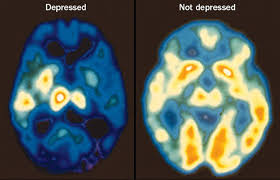
    The scenarios are as broad as there are people with this illness.

    But, one thing you learn: The higher “UP” you go in mania, the farther down you’ll probably nosedive in depression.

    Mood swings? 

    More like Saturn V mega-rockets that zoom to the moon — but then take a U-turn and dive right into hell. These are more than moods…and the changes are far more intense than “swinging.”

    No one should have to live with these careening, catastrophic whiplashes.

    Lithium: Old Drug Lights Path to New Hope

    Medical studies have found little to understand what really causes these actions, these “mood swings.” There are so many factors that come into play that it’s dizzying. But we have found medications that seem to help some of the time.

    The first medication that was found to be useful in some cases was lithium, which helps about a third of people with bipolar disorder. What does lithium do in bipolar disorder…? Quite a lot, in those who respond to it.  But how it works has been a mystery.

    Until recently. A network of neuroscience researchers across the globe set up an incredibly elegant way to study the action of lithium within brain cells so they could better understand what lithium actually does to help someone suffering from bipolar disorder, and in doing so, they were able to see a new target for this illness.

    Learning the Mechanism of Bipolar Disorder, through Lithium

    Sort of like following the bread crumbs back to the beginning to find new solutions for better outcomes.

    Since lithium only helps about 35% of people who suffer with bipolar disorder, the plan was to find out HOW it works to help those people, then develop new treatments that might help them and possibly the other two-thirds whom lithium doesn’t even touch.

    The Problems with Lithium

    Because, even for those 35% whose brains respond to lithium, many abandon it because of the serious problems it can sometimes cause.

    For one thing, there’s a tiny window within which lithium is helpful…or “therapeutic.” Not a lot of swing room in the narrow little range before side effects begin, and they’re obvious when they happen:  nausea, diarrhea, tremor, thirst, excessive urination, weight gain.  Go too high and the body gets toxic.  

    For some, lithium works–in fact for some, it’s the only thing that’s ever worked, despite its risks–but not all people.  Why is that?

    Neuroscientists Keep Probing

    To explain their amazing work, and what they learned from it, we’re going to have to get a bit “science-y”… so grab your lab goggles and get ready to roll.

    These researchers started with a certain type of stem cell. They used pluripotent stem cells, that is, the type that can develop into every type of cell found in the human body.  (There are other types of stem cells, such as those that only develop into particular types of cells. Forget about them.)

    These pluripotent cells were taken from people who suffered with bipolar disorder, and who were already being helped by lithium. That’s the key. They wanted to watch what happens when lithium is introduced into the cells of a person who IS responsive to lithium, to learn how it helps, and why.

    Lithium’s PathwayLithium: Old drug lights path to new hope for bipolar disorder.

    The outcome of their in-depth study was this: they found a pathway lithium follows to bring relief to those who respond to it. They found that people with bipolar disorder have abnormally elevated CRMP2, which is a protein necessary for sending signals through the neurons.

    Dendrites are the structures on the neurons that receive electrical messages. The dendritic spine is a tiny little protrusion from the dendrite that’s a storage compartment for the synapse…you know, the connection that sends out a messages to another neuron . . . or to millions.

    Hefty Science, but Exciting News!

    Ok, ok, a lot of vocabulary here … but stay with me.

    • CRMP2 – a protein necessary for sending signals through the neurons that influences their structure
    • dendrites – structures on the neurons that receive electrical messages
    • dendritic spines – tiny protrusions from the dendrite that are storage compartments for the synapse
    • synapse – the connection between neurons that sends out messages

    So these researchers discovered that with lithium in someone who is responsive to it, the CRMP2 protein is instrumental in changing the dynamics in the neuron at the dendrite and dendritic spine formation. To bring it into more normal function. It normalizes the set-point. And that helps stabilize that person’s mood.

    The discovery that lithium has this effect on the CRMP2 protein helps us better understand what it is that goes awry in bipolar disorder. It’s not simply a question of a gene. There’s actually a protein that can be toggled off and on in real time to create a better set point for mood and behavior. To create more longer and more dense branching in dendrites. More dense dendritic spines. Growth.

    We know there are other ways that lithium acts, too.  But understanding this opens up a promising pathway for researchers to explore and target with new treatments. This is lithium: old drug lights path to new hope for bipolar disorder sufferers. It’s a big step forward.

    The more that’s understood about bipolar disorder, the more we can do to help those who suffer.

    Lithium Helps 35% – What about the rest?

    So, since lithium is one of only a very few medications that help people who have bipolar disorder stabilize, and it’s only effective in about 1/3 of bipolar patients, we clearly need more means of treatment.

    Ketamine treatment and TMS have both shown a strong tendency for treating depressive episodes in bipolar disorder. There are other medications that can be used as mood stabilizers, too (although none of the ones tested affected CRMP2), and lifestyle changes that can help create and maintain well-being and minimize mood swings.

    Now…the mood swings of bipolar disorder. What if you could take the depression part of bipolar disorder out of the mix?

    Erase Suicidal Thinking

    And what if you could erase suicidal thinking? The suicide rate for people with bipolar disorder is somewhere between 30-50%. And keep in mind, that statistic is for those who succeed in ending their life. The rate of those who attempt suicide, or think about and plan it, is much, much higher. What ketamine treatment can do, that lithium can’t, is erase suicidal thinking rapidly.  Within four hours. It takes five days to achieve a therapeutic level with lithium.  Five days.

    When the suicidal thinking stops, the suicide attempt thankfully doesn’t happen. It not only saves the life of the person suffering with the disorder, but it also spares the family.

    As we continue to work with these advances, we encourage you to reach out to us if you’ve suffered with a mood disorder without relief from your treatment. Our practice specializes in patients who’ve found no help in other treatments.  We’ll do a thorough evaluation to determine if you’re a candidate for one of the innovative new treatments in psychiatry that are giving our patients their lives back. 

    We’re here to help you find your most happy and fulfilled self.

    Call us or arrange an appointment for a thorough evaluation to determine the best treatment for you.

    To your best self through science,

    Lori Calabrese, M.D.

    Lori Calabrese, MD offers innovative psychiatric treatment like IV Ketamine

error: Content is protected !!