Importance Several studies now provide evidence of ketamine hydrochloride’s ability to produce rapid and robust antidepressant effects in patients with mood and anxiety disorders that were previously resistant to treatment. Despite the relatively small sample sizes, lack of longer-term data on efficacy, and limited data on safety provided by these studies, they have led to increased use of ketamine as an off-label treatment for mood and other psychiatric disorders.
Observations This review and consensus statement provides a general overview of the data on the use of ketamine for the treatment of mood disorders and highlights the limitations of the existing knowledge. While ketamine may be beneficial to some patients with mood disorders, it is important to consider the limitations of the available data and the potential risk associated with the drug when considering the treatment option.
Conclusions and Relevance The suggestions provided are intended to facilitate clinical decision making and encourage an evidence-based approach to using ketamine in the treatment of psychiatric disorders considering the limited information that is currently available. This article provides information on potentially important issues related to the off-label treatment approach that should be considered to help ensure patient safety.
Are you enjoying this holiday season…? This time of shopping, music, winter hats and gloves… hot chocolate and marshmallows. Sounds like a Christmas carol, doesn’t it…?
On the other hand, there’s another side to the holidays, isn’t there?
Is setting up the tree, and unwrapping all your ornaments, something you make time for, and do with quiet joy…?
Or is it something you cram into the 45 minutes between work and the holiday chorus concert while the kids scarf down McDonald’s and fight over who gets the last cookie…?
The traffic to go anywhere is jammed in gridlock…so driving home from work… well there’s no way you’ll ever get home.
That “Christmas Card” Family Holiday
Wouldn’t we all love to have that dreamy kind of holiday…?
Yes, maybe.
But I’d like to suggest that a “perfect Christmas card holiday” wouldn’t be as perfect as it sounds. And here’s why.
Because it isn’t reeeeally sitting inside a Norman Rockwall painting on the wall that scratches that itch we all have for meaning in life.
And because it really isn’t silent perfection that fills our hearts — no matter how pretty the picture.
But isn’t it the people…?
Isn’t it being with Aunt Sue who talks a lot, and Grandma Jansen and her raucous humor, and the wild and wooly cousins we grew up with…the crazies and the noise….?
Life is messy. It’s not a pretty little picture, and we aren’t images on a holiday card. And you could even have a fault or two yourself … right?
Holidays with Depressed Family Members Can Be Messy
But you love them. And they love you. You have history together. You’re family.
If you have some people in your family who are a bit out there, eccentric and even occasionally annoying, that’s part of the patchwork quilt that makes you who you are and gives your family uniqueness.
And…If you have family members or friends who have the challenge of managing bipolar disorder,depression, anxiety, PTSD … this may be a particularly taxing time for you and for them.
You know those stresses that turn your holiday moment into a chaotic nightmare…? As much as you feel the stress, they are possibly more distressed than you are. When you have all you can handle, and someone in the room makes a scene…or explodes into an outburst… or leaves and no one knows where he is…you want to pull your hair out.
Nothing wrong with that. You’re human.
In Family Gatherings, Stronger Ones Carry the Load
But, as you know, it’s also true that you may be a little more predictable. Your emotions may be a little more reliable. And you may be a little more skilled at managing them. These loved ones of yours probably do the very best they can. And they want meaning and love just like you do.
Of course, this isn’t news to you. You know all about all this, because these are your family members. You’ve been there…and done that. Still, it doesn’t hurt to get a little encouragement from others who also understand your situation. Sharing the holidays with depressed family members can be challenging at best…and sometimes downright traumatic for everyone.
Holidays Can Breed Crisis
Caleb was a young man in his twenties, who had been diagnosed with bipolar disorder when he was a young teenager. He’d had bouts in psych hospitals. He’d also had bouts in jail. And bouts in rehabs. By this point in time, his confidence in himself was pretty much shot.
He had such a gifted personality… you couldn’t sit in the room with him and not laugh your head off at his incredible humor. When he was good, he was your favorite person in the world.
But far too often, he was sick. Nosediving into depression and crippling anxiety. You could tell when his fun self was transitioning to his tormented self. And that could happen at any time. Sometimes there was a trigger that set him off. Other times it just happened with no warning.
Holidays were tough for him. His hopes were high and his anxiety that he’d fall apart were higher. You probably already can guess that the anxiety can lead to a panic attack.
So it was Thanksgiving, and the memories and interactions got to be too much and he left. Just walked out. He walked to a bridge in his community. He sat on the bridge and watched the traffic underneath, contemplating what he was going to do.
Thankfully, his family drove up soon enough. They’d been looking. And they held him…reassured him…and he agreed to get in the car and go home.
That Thanksgiving wasn’t a flawless Christmas card experience for the family…but isn’t it all about the people you love anyway? The family’s memory of that Thanksgiving was about safely returning home with him.
Depressed People Have So Much to Bear
Cherri was 16. She had been depressed so long she couldn’t remember what “happy” was like. She looked mad and sullen to those around her. But it wasn’t that. She was so numb. So silent. So hopeless. So paralyzed.
She thought about death. About relief. She had self-medicated with various substances in the past then spent 18 months in rehab. After she came home, she was white knuckling sobriety, but was still miserable.
Then her grandmother died a week before Christmas. She’d been so close to her. At times it seemed Grandma was the only one who understood her. At least it felt that way. Cherri couldn’t bear the pain.
The day of the funeral she ran away. She just couldn’t face everyone. She needed to be alone with her memories of Grandma as she knew her.
When the family arrived at the funeral home, they mumbled among themselves about Cherri’s selfishness to turn all the attention to herself. In their own pain and loss, they didn’t really realize it wasn’t about Cherri being selfish.
It was that she was so sensitive, and she could feel the feelings of the people around her. And she wanted to protect her private feelings about her grandma.
When the family returned home after the funeral, Cherri was alone in her room…looking at pictures of Grandma with the family.
People with Depression, Anxiety, Bipolar Disorder, and PTSD Need Extra Support This Time of Year
Holidays are complicated. The next few Christmases for Cherri may be tumultuous, too. That’s the way it goes. Everyone grieves in their own way.
And accept life at this time of year as it happens.
Because it’s all about love … after all.
If you have a family member who is suffering, where treatment hasn’t helped, please call us. We’d love to help you and help your family. That’s what we do. We offer advanced treatment options, like IV ketamine treatment and TMS. We offer hope.
May your holidays be warm and heartfelt, and may you feel loved by those around you …
Fourteen-year-old Nicole, whose name I changed for her privacy, told her mother every day for years that she wanted to end her own life. Between suicide attempts were more psychiatric hospital visits than she or her mother could count. She refused to get out of bed, shower, or go to school, missing sixty school days in a single year. In one visit with her therapist, she admitted to praying every night that she would not wake up the next morning. After countless psychiatrists and psychotherapists were unable to improve her depression, her mother converted a bathroom cabinet into a locked safe, containing all of the sharp objects and pills in the house. Her parents were certain it was only a matter of time until Nicole killed herself.
Today, a now seventeen-year-old Nicole greets me with a big smile. Her blonde hair is pulled back into a ponytail to reveal her bright blue eyes. She tells me she hasn’t missed a day of school and is preparing for college. Blushing, she lets me know that her first date is coming up, a prom date to be precise. For the first time in years, she is happy and wants to live.
What happened to cause this dramatic change? In December, Nicole started infusions of a psychedelic drug called ketamine. Though she had failed to respond to endless medication trials for her depression (selective serotonin reuptake inhibitors, mirtazapine, topiramate, antipsychotics, and lithium to name just a few), ketamine cleared her depression within hours. The effect lasts about two weeks before she needs a new infusion.
Ketamine is a drug with many identities. For anesthesiologists, it’s a sedative for painful procedures. For partiers, it’s a fun way to hallucinate and have an out-of-body experience. For critics, it’s a dangerous addictive drug that can cause memory problems, bladder disease, and psychosis when abused. In the past few years, it has taken on a new identity: miracle psychiatric drug that works within hours. Its use as a psychiatric medication is relatively new, and it’s possible that regular infusions could cause significant long-term side effects. We currently lack the long-term data to know. Still, the National Institute of Mental Health has called it “the most important breakthrough in antidepressant treatment in decades.”
The ketamine for mental health story goes back as far as the 1980s, when neuroscientists examined the brains of people who had committed suicide. They found that suicide victims had structural abnormalities in a protein called NMDAR, a neurotransmitter receptor that is sprinkled throughout the brain. It also happens to be the receptor to which ketamine binds. Though some animal models suggested that ketamine improved depression in mice, it wasn’t until 2000 that researchers tried giving the drug to adults with depression. Surprisingly, many patients’ depression completely resolved within hours. The quick and dramatic result was unprecedented for an anti-depressant medication.
Since then, physicians have given the drug to thousands of depressed adults, including patients in eight successful clinical trials. But fewer have been willing to infuse the drug into the veins of minors. Yale School of Medicine is an exception, and I recently watched a few adolescents receive the infusions with Yale’s clinical trial team. It was less dramatic to watch than I expected, but the kids were definitely high. There was a lot of giggling involved, and they often said that they felt like time was changing and that their bodies felt ‘funny’ and sometimes numb. Nicole admitted, “I’m not gonna lie. I like the feeling of it.”
Perhaps more dramatic than the trips themselves, which happened in a carefully controlled procedure room with a psychiatrist and anesthesiologist ready to intervene if needed, were the interviews that came after. I could see the weight of depression lifted from these patients within hours. Adolescents who were previously ready to end their own lives became bright and hopeful. Psychiatry has never seen a drug intervention so powerful and fast acting. While most anti-depressants take weeks to work and offer modest improvement, ketamine offers dramatic improvement in less than a day.
Because of early success in adult patients, there has been explosion of ketamine clinical trails for adolescents. Frustrated by a lack of effective treatments for children experiencing severe, debilitating, psychiatric disease, doctors have new clinical trials underway for adolescents with depression, anxiety, obsessive-compulsive disorder, and even a rare autism-like condition called Rett’s syndrome. Dr. Gerard Sanacora at Yale School of Medicine explained it like this: “We know high blood pressure causes all kinds of things: heart attacks, strokes, vision problems, and kidney diseases. We treat all of those with blood pressure pills. Ketamine may be the blood pressure pill of psychiatry — altering basic physiology [of neuronal connections] and having a wide range of beneficial effects.”
But there is also reason to be concerned. Before now, ketamine has only been used as a one-time injection for anesthesia. The FDA approved the drug based on trials where the drug was given just once. For depression, however, it is given every few weeks with an unclear end point. Will repeated administration reveal new risks? Studies in adolescent mice show that ketamine can cause long-term cognitive problems. Ketamine-treated mice can also develop a schizophrenia-like illness, with a pattern of neuron loss in the brain that is similar to schizophrenia. However, it’s important to note that the majority of these studies use mice given ketamine doses equivalent to 10 times that which is given to patients.
Dr. Michael Bloch, Yale child psychiatrist and principal investigator of several controlled trials for ketamine for adolescents, points out that the drug is only used for select patients who have severe mental health problems that have not responded to other medications. The infusions are provided in a clinical trial setting, where doctors collect efficacy data and carefully watch for side effects. For each of his patients, the theoretical risks of ketamine are carefully weighed against the risk of suicide. For Nicole, who seemed likely to die from suicide, the calculus was not difficult.
But not all physicians are treading as cautiously as Dr. Bloch. Doctors of questionable ethics are giving patients large doses to inject themselves at home. Pharmacies are making child-friendly ketamine lollipops and nasal sprays. Will this revolutionary drug be the new thalidomide, creating a new generation of children who experience devastating side effects because doctors get too excited too quickly? Ketamine can be addictive, and its abuse can cause devastating memory problems and a bladder disease that can lead to removal of the bladder. Will we create child addicts, addicted to ketamine candy? Will some of these patients taking ketamine at home suffer from laryngospasm, a rare but potentially lethal complication of ketamine administration that makes it impossible to breathe through the vocal cords?
When I spoke to Dr. Jennifer Dwyer, another researcher on the Yale clinical trial team, her reaction to what is happening outside of academic medicine was strong: “the nightmare is happening already. Ketamine should only be given under careful physician supervision with appropriate monitoring.”
Though Dwyer and Bloch stress that doctors need to be careful, they are also quick to point out the potential promise of this research. Dr. Bloch explains, “Suicide is the second leading cause of death in adolescents. 40% of depressed adolescents don’t respond to first-line treatments. Another half of those don’t respond to multiple trials of medication paired with psychotherapy. Other than electroconvulsive therapy, which carries its own risk of memory problems, doctors have almost no other choice.” Suicidal patients are also at a high risk for suicide after leaving the hospital. Existing anti-depressants like Prozac take weeks to work, while ketamine can take effect in less than 24 hours. This could decrease deaths from suicide after patients leave the hospital.
For Nicole, one of those suicidal teens, everyone involved seems convinced that ketamine saved her life. According to her, her family, and her doctors, the theoretical risk of long-term side effects was less frightening than what might happen in the face of chronic hopelessness and suicidality.
For decades, scientists have searched for a new type of antidepressant, one that works differently from the 20-plus drugs already on the market. Finding a new option is crucial, since a third of people don’t respond to available depression treatments.
They haven’t had much luck — except for the discovery that IV infusions of ketamine hydrochloride, an FDA-approved anesthetic, can cause rapid antidepressant effects in many people with stubborn depression.
Figuring out exactly how ketamine has these effects has been a researcher’s dream, since ketamine is too problematic a drug to currently be considered a mainstream depression treatment. It’s illicitly used — and abused — as a psychedelic club drug and can cause hallucinations. Ketamine can also have negative side effects when used off-label to treat depression, including unexpected changes in heart functioning, cognition and respiration. Its antidepressant effects fade, so it typically has to be given over and over again, and it’s not yet clear how safe or effective it is when taken long-term. Developing a drug that works like ketamine, but without all the baggage, is the holy grail — but scientists haven’t known quite what to target.
It lures you away from whatever you’re into. It captivates you. And then — just face it — you think to yourself, with admiration, OMG. You say to yourself … whoever came up with that is brilliant. They nailed it.
Well, Mark Rasenik and his group from the University of Illinois Chicago College of Medicine nailed it. They presented absolutely breathtaking work in May at the SBP meeting — the Society of Biological Psychiatry. It’s the meeting where research is presented that is just so brilliantly conceived and executed that it’s mind-blowing.
Rasenik’s work is like that.
He and his group came in from left field with their brilliant discovery of a new way ketamine works which just might explain how and why it can begin to lift depressive symptoms in minutes.
Understand ketamine’s talents, then get creative
The goal was to learn what happens on a molecular level that causes IV ketamine’s fast depression relief. Because, of course, someone wants to design a drug just as effective as ketamine but without its side effects. This is the ever-loving quest for new drugs that wannabe like ketamine.
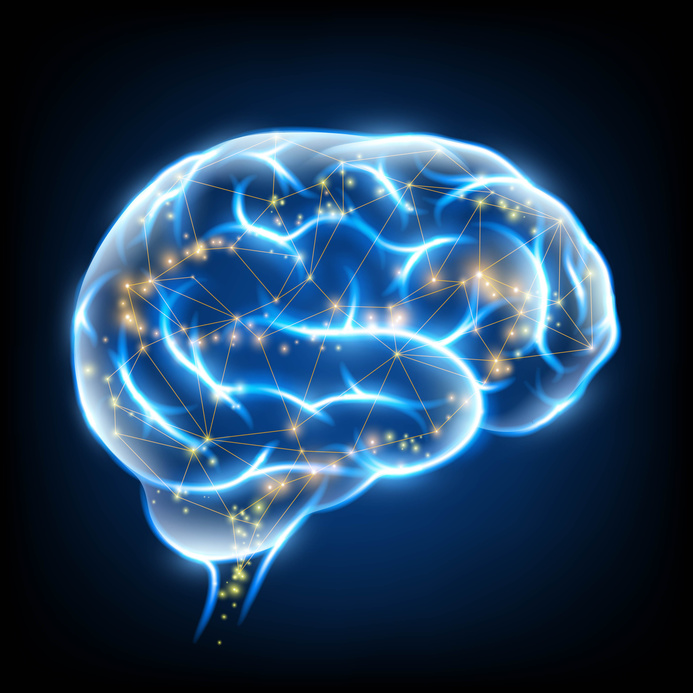
Now, we’ve talked before about how IV ketamine acts on synapses to stimulate them to grow, branch out, and flourish — multiplying the numbers of connections between neurons that send signals deep into the brain. We’ve also talked about neuroplasticity, and how it’s key to this process that causes the brain to change.
As new synaptic connections are built, and greater communication between brain cells develops, the brain gains the ability to see things in a different perspective, and your outlook becomes brighter and healthier. IV ketamine can jump start that process. Wait. No. It canturbo-charge it.
How to Get Those G’s Back to Work
So Rasenik and his team found that “g proteins” were packed on “lipid rafts” in the cell membrane with people who are depressed. In addition, their brain cell signaling is stifled, which may be the cause of that numbness depressed people experience.
If this is you, listen up. Numbness is no joke.
They’ve demonstrated that when SSRI antidepressants are used, they move g proteins from lipid rafts (I love that visual…like the G’s are languidly floating on a raft in the pool…taking time off being lazy) very gradually, and back into WORK mode. Which is how SSRI’s help some people who are depressed — but it takes weeks or months for relief.
You see, G proteins produce cyclic AMP, which is vital for the nerve cells to properly send their signals.
And, Rasenick and his team noted that the movement of the G proteins under the influence of SSRI antidepressants, was gradual … over a period of several days.
So, let’s take a breath here.
The Many Talents of IV Ketamine
We’ve talked about how IV ketamine stimulates neurons to flourish, grow branches, and become prolific with healthy connections for sending signals throughout the brain, especially into the deep brain structures like the hippocampus.
Now, Dr. Rasenick and his team have discovered that IV ketamine also gathers up the tools the nerve cells need so they actually can send signals throughout this new and bountiful network of connections, or synapses.
Those unemployed g proteins that were hanging out on the rafts, are pulled off the rafts and put to work to equip the brain cells to do their job.
And they work fast.
Remember how it takes several days for the g proteins to move off the rafts with an SSRI? Well, with IV ketamine, it happens in 15 minutes!!
So … do you see why ketamine acts so fast to remove suicidal thinking and depression?
I’m telling you, the more we know about IV ketamine, the more hope explodes with all of its potential.
Letting Go of OLD Ideas
There’s been a belief for years that ketamine’s one action was to block NMDA receptors. (Boy, does that seem like the dark ages now!) But ketamine is the only drug that blocks NMDA receptors AND moves g proteins off lipid rafts. It’s a double whammy, a one-two punch!
Once again, ketamine shows its highly targeted prowess in its assault on depression and its potential for assault on other psychiatric disorders.
In addition, ketamine and other compounds like it, improve glutamate levels, which SSRIs really don’t touch. When the processing of glutamate doesn’t function properly, that also contributes to depression.
So…wait a minute…that’sthree actions ketamine uses to turn depression on its ear!
Oh, and the fourth: it turns on mRNA … to turn on DNA … to make more BDNF (Brain Derived Neurotrophic Factor) so that neurons grow new branches.
The Four Ways. Four different ways that ketamine smashes depression. This has brought a level of excitement into psychiatry like nothing else.
Someone should write a book.
A full 80% of those who are treated with IV ketamine infusions in our office respond, and many of those achieve complete remission of their symptoms. But, I’ve said before that it isn’t for everyone. If it’s not for you, we have other treatments like TMSto help you get better.
If you have symptoms of depression (chronic, recurrent, bipolar, postpartum), PTSD, and treatment-resistant OCD and have not been helped by anti-depressants, call or email us to arrange an appointment for a consultation. We’ll thoroughly check you out, and analyze what we learn, to determine the treatment most likely to truly help you feel better. I don’t mean to reduce your current symptoms, but to actually get well.
We’re Innovative Psychiatry. (Um, you’d have to be to translate lipid rafts and g proteins into treatment that works in your office … ) And we’ll work with you to find the best steps that will help you get well and live the life you want to live.
Depression is more common than you might think. It affects more than 15 million Americans, and the World Health Organization estimates that number grows to 300 million when you expand globally. There are a slew of different treatment options available to help alleviate its symptoms—think anxiety, insomnia, fatigue, and loss of appetite among others—with the most common treatment being serotonin reuptake inhibitors (or SSRIs). But since about 2000, doctors and researchers have been experimenting with ketamine—originally a pain management pharmaceutical, now abused as a street drug because of its hallucinogenic effects—as another potential way to treat the condition, according to Ruben Abagyan, Ph.D., a pharmacology professor at the University of California San Diego (UCSD).
You’re probably thinking, “Wait! What?” If you’ve heard of ketamine, also known as Special K, you know it’s no joke or generic OTC drug. In fact, it’s known as a dissociative anesthetic (meaning a drug that distorts perception of sight and sound, while producing literal feelings of detachment from the self and the environment). It’s primarily used by veterinarians for treating pain in animals, but it can also be prescribed to people for severe pain management, particularly those with neuropathic issues, a kind of chronic nerve pain, according to a 2014 study published in theBritish Journal of Pharmacology.
“It’s known that pain and depression are linked,” says Isaac Cohen, a pharmacological student who worked on the study. “Depressed people are more likely to dwell on pain and people in chronic pain are more likely to become depressed due to decreased mobility, a lessened ability to exercise, and other factors, he says. “Ketamine is unique because it may treat both pain and depression simultaneously, leading to better outcomes for both conditions.” And now scientists are arguing there’s not just anecdotal evidence, but also statistical information that shows ketamine can help lessen the symptoms of depression.
In the first-ever large-scale analysis of its kind, published in Nature, researchers found that patients who received ketamine reported significantly lower instances of depression. This research, conducted by the School of Pharmacy and Pharmaceutical Sciences at the UCSD, reinforces anecdotal data and small population studies that have also suggested ketamine’s antidepressive effects.
What sets ketamine apart from other treatments, specifically, is how quickly it takes effect. “Current FDA-approved treatments for depression fail for millions because they don’t work fast enough,” says Abaygan. Ketamine works in a matter of hours. That’s far less than SSRIs, for example, which can take six to ten weeks to reach their full capacity. And that difference in timing could quite literally be a matter of life or death, especially with those who are experiencing suicidal thoughts.
For their research, Abaygan and his team reviewed data from the FDA’s Adverse Event Report System, an agency which collects information about adverse effects (or unintentional effects of any kind) of any approved drug that has been reported by pharmacists and doctors. Specifically, they found 40,000 patients who were prescribed medication for pain and separated them into two groups—those who took ketamine and those treated with alternative pain medications (excluding NSAIDs).
The results showed a rather significant “bonus,” albeit unintended, effect. Half of the people who treated their pain with ketamine reported being less depressed than those who had taken alternative kinds of pain-reducing medication. Although we don’t know whether any of these patients, particularly those on ketamine, were experiencing depressive symptoms before taking any meds, the positive effect on mood, coupled with the common link between pain and depression, could warrant further discussion on ketamine’s use to treat depression more directly.
According to the researchers, ketamine is relatively inexpensive and if you’ve previously tried at least three other antidepressant medications with no success, it is typically covered by most health insurance plans. Point being? Don’t be so quick to write off ketamine just as a hallucinogen. It might really be special after all. (And if nothing else, guys, check out these ways to manage stress or depressive feelings at any time.)
Hope and Fast Treatment for the Severely Depressed.
For one-third of U.S. patients with depression, standard medications aren’t enough. With nearly 43,000 suicides a year, the need for effective treatment looms large. In 2013, ketamine, a drug commonly used for anesthesia, was studied for its ability to inhibit nerve cells’ N-methyl-D-aspartate (NMDA) receptors. Within 24 hours of receiving ketamine, 70 percent of patients with treatment-resistant depression saw an improvement in symptoms.Cleveland Clinic experts predict that 2017 will be the year that NMDA-receptor-targeting medications become widely available.
I could use some of that. We hear that all the time. Relief, relaxation and relishing your life can sound so far away … but it doesn’t have to be. As word gets out about IV ketamine treatment for depression and other psychiatric mood disorders, more and more studies are emerging.
New information is surfacing about the effectiveness of this medication. And it’s inspiring more discussion, more research, and deeper understanding of the causes of depression.
And there’s more.
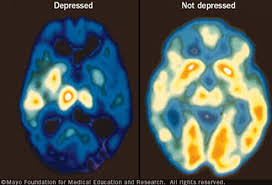
As evidence grows through research and clinical data, it seems clear that depression interferes with the neuroplasticity in the brain. Including diminished neurogenesis in the hippocampus and diminished synaptogenesis in the prefrontal cortex. In other words, depression messes with the growing neurons or brain cells and the synapses or connections that allow the neurons to communicate with each other.
A big factor in this is that stress reduces an important growth factor called BDNF, or Brain Derived Neurotrophic Factor. Sort of a “compost” for neurons. Without BDNF, your neurons become tattered and sparse.
They diminish in size and number … and thin out.
When you’re depressed, these measly neurons with their poor synaptic connections just have a much tougher time communicating with each other … so there is less creative thought, if any. Well-being tanks. And your world becomes darker, less hopeful, and without future. It’s a bad place to be in.
A brain that is well-connected is a brain that experiences creative thought and well-being. A brain in the dark is a depressed brain.
IV Ketamine + Neuroplasticity
Here’s where neuroplasticity comes in. (Don’t let the word shut you down.)
In this context, plasticity refers to the brain’s ability to change at any age … whether for better or for worse. So the term “neuroplasticity” refers to the ability of your neurons to adapt and remodel themselves. In the past 10 years or so, neuroscientists have come to understand that your brain is constantly remodeling itself throughout your life. And when it remodels itself, it remodels its networks, And because of that, it remodels how it works.
So, to put it briefly, when you think dark and despairing thoughts, or angry and vindictive thoughts, day after day after month after year, this thinking actually reshapes and remodels your brain. It’s kind of shocking, really.
The brain remodels itself. Your brain remodels itself.
Dark, negative and hopeless thoughts have a detrimental impact on your brain’s structure and on how it functions. Your brain changes to fit your thought processes … to respond to your stressors. By the same token, if you read inspiring and creative books, spend time with joyful people, and create joyful experiences, your brain can change over time for the better.
The very structure of your neurons can change — in a lush way. Richly. For the better. For your good.
Wow.
This is where people say, “I want some of that.”
Well, this is an oversimplification, of course. It doesn’t account for all of the different factors, illnesses, and environmental influences that shape the way your neurons look and act — grow and function — but it IS an illustration of one way the brain can change. At any rate, It appears that one reason IV ketamine treatment is so effective for so many different psychiatric symptoms is because of the way it enhances neuroplasticity in the brain.
Growing Your Brain Structure Garden
For example, when you take the time to learn a new language as an adult, you’re putting parts of your brain to work that respond by growing to accommodate.
A study of taxi drivers in London revealed that through the process of memorizing the streets of London to pass certification, that a specific structure in the brain enlarges to manage that information. The hippocampus is the memory center in the brain, and this study revealed that drivers who’d been driving taxis for decades had the largest hippocampi of the group.
Just an example to show how the brain changes with the right type of stimulation.
By the same token, the amygdala is the fear center in the brain, and it’s been studied extensively in childhood trauma, and in adult anxiety, depression, and bipolar disorder. The newest research shows that the size of the amygdala can change rapidly in response to recent stressors — even in people who’ve never had any of the these conditions. The left amygdala was smaller in people who’d had a recent stressor — it didn’t even have to be longstanding or chronic. And the shrinkage was enough to be seen on an MRI.
So here’s the point.
Ketamine’s Rapid Action
Ketamine acts rapidly in numerous ways, and its fast action is changing lives, as well as saving them. It stimulates changes in the brain that affect its structureand its function.
One example is that it quickly matures new neurons so they’re functionally mature and doing their job within 2 hours. Traditional antidepressants just can’t do this. As more neurons proliferate, mature, and migrate from the hippocampus into far-reaching brain regions, ketamine also stimulates the formation of more synapses, especially in the prefrontal cortex. The greater the communication throughout the brain, the better functioning the brain, and the greater the well-being of the individual. You.
The more synapses that are generated, the more neuroplasticity, or ability to change and grow, the brain will enjoy. And a growing, adapting brain provides a higher level of living and learning for you to experience. Plus a greater sense of joy and well-being.
Let the Sunshine In
It’s as if the proliferation of neurons – and the synaptic connections that empower them to communicate – opens doors and windows in the brain to let the light and fresh air in. This wonderful circulation of signaling gives the brain new thoughts, new hope, new relief.
Basically, IV ketamine + neuroplasticity = relief, relaxation, and relishing your life.
If you’d like to know more about innovative treatments for your psychiatric symptoms, please call for an appointment so we can evaluate what’s going on.
Innovative Psychiatry is committed to help you find and develop your best self. Let’s work together.
Joining forces with you to discover your best self,
Ever have somebody copy you? You know, try to be like you? Imitate what you do, where you go? try to get what you have? They wannabe like you. Well, maybe not just exactly like you — kind of like you and better than you all at the same time.
It’s happening with ketamine.
We’ve been talking for awhile now about the breakthrough of low dose IV ketamine. In fact, everybody’s been talking about ketamine for treatment-resistant mood disorders. We’ve expounded on its effectiveness in relieving suicidal thinking, treatment-resistant depression, and other psychiatric disorders. Did you catch the discussion about which route is most effective and why we use it? Check it out here.
You should know about all the ways it’s changing the horizon for psychiatric treatment. Like how it stops suicidal thinking within hours, rather than weeks. And how people who have lived with depression and despondency for years — no matter what medication they were taking — can feel depression just lift within hours. Maybe you’ve been there yourself, or you know someone who has.
But there’s more to talk about.
The discovery of ketamine’s therapeutic effects on depression has opened doors to more revelations of the chemical sort. Mechanisms of action. Delivery systems. Ways of leveraging the funding of pharmaceutical companies to develop more versions of ketamine, maybe with the same or similar benefits, but without any side effects …
Think of it like this:
Ketamine wannabes want to “be like” ketamine and wannado like ketamine — except better, without side effects, for longer.
But it turns out that’s easier said than done.
Since ketamine is no longer under patent, it’s unlikely that a pharmaceutical company would be interested in investing the necessary funds to conduct extensive trials and research about its effectiveness to treat mood disorders at this stage … at least on ketamine specifically.
Or that a company would shell out time and money to study long-term response and remission rates, or long-term safety, for a well-known generic like ketamine — even if it is being used in a new way in new settings to treat new conditions. There just wouldn’t be the return on investment in the long term.
However, by making changes in the molecules and targets that provide the therapeutic results for ketamine, new versions of the drug in the form of ketamine wannabe compounds that specifically target mood disorders are being designed and developed, and are in the race for FDA approval.
Ketamine Wannabe Drugs
So grab your chemistry lab goggles, and let’s explore some of these molecular discoveries among ketamine-wannabe molecules.
Ketamine is a racemic compound — it has two parts that are mirror images of each other joined together like Siamese twins. If we split it right down the middle where the mirror images join — presto! — we have two “new” drugs. One faces right and the other faces left. We call the left-facing one “S” or in the world of pharmaceuticals, “es–” as in esketamine. So it turns out in this case that changing the structure of ketamine slightly could give us the same benefit, hopefully fewer side effects, and easier use. In other cases, molecules like ketamine are coming down the pike that act on similar targets or in similar ways to help with depression without some of the potential side effects of ketamine.
They both wannabe and don’t wannabe like ketamine. They wannado better.
Esketamine
Esketamine has been approved in Europe for a decade and a half – specifically for anesthesia – and Janssen Pharmaceuticals has acquired a patent to utilize it in the US as an intranasal spray for treatment-resistant depression.
The Food and Drug Administration has awarded “breakthrough” status to esketamine to zoom its advancement through to approval with less interference from various obstacles and the usual red tape that slows everything down.
They plan to specify it for use it in a clinical setting (as opposed to at home) for the sake of controlling the dosage, as well as to prevent sale on the street.
Rapastinel
Another pharmaceutical company – Allergan in Dublin, Ireland – has designed a peptide in this same “ketamine-like” category. You may know that a peptide is a chain of amino acids bonded together in a specific way, and this one looks pretty effective as an adjunctive treatment in depression. It has characteristics like being fast-acting and long-lasting and it’s given as an IV infusion, like ketamine.
Ketamine’s action with NMDA receptors is to block ion channel activity. Here’s where rapastinel is different. It binds to the glycine site on the receptor and regulates or modulates it by changing the shape of that site. Pretty cool. The result is that rapastinel reportedly has a minimum of dissociative or out-of-body side effects that are sometimes experienced with IV ketamine infusions.
Rapastinel is in Phase III trials in the US as an adjunctive treatment for major depressive disorder, and more trials are expected in Europe and Japan. Soon, it’ll be ready for FDA approval for use in the clinical setting to treat depression.
AV-101
Still another pharmaceutical company in San Francisco is working to create a small molecule drug that possesses all the good traits of ketamine without its potential dissociative side effects: VistaGen Therapeutics.
This molecule is one that’s back on the scene from over 30 years ago. At that time, it couldn’t cross the blood-brain barrier to do its work. And consequently, couldn’t impact the depressive symptoms a person was experiencing.
But now, the molecule (which is considered to be a “pro-drug”) has been revamped and this current version does cross the blood brain barrier, And when it does, it’s metabolized from a pro-drug into an active drug that modulates a certain glycine binding site at the NMDA receptor — unlike ketamine and different from rapastinel.
So while ketamine completely blocks certain NMDA receptor ion channels, AV-101 just sort of regulates the receptor gently…which seems to result in gentler side effects.
A New Frontier – Ketamine and Ketamine Wannabe Drugs
There are plenty more versions of modified “ketamine wannabe” molecules in the wings, developing to hopefully even replace ketamine at some point. Hoping to improve on ketamine’s action. Aspiring to lesser side effects. Working towards easier administration. We’ll just have to see how that goes.
And one day this miraculous breakthrough medication – ketamine – may become obsolete like so many cornerstone discoveries of the past.
But right now, boy are these exciting times! We’re on the threshold of a brave new world in psychiatry. A world where people who’ve suffered without relief for years, even decades, can finally experience relief and build a fulfilling life.
One last thought…
All of the companies working with these small molecule drugs are investing in priceless research that’s opening more doors and windows of understanding –. which will, in turn, only increase the benefits for people who just haven’t responded to or tolerated anything else.
For example, we know that ketamine, rapastinel, and AV-101 all work at the NMDA receptor site. So it’s been assumed that that action is the key to their effectiveness. However, when researchers blocked the AMPAreceptor, none of these drugs worked. I’ll say it again. None.
Which revealed that the AMPA receptor needs to be activated for the drugs to deliver their fast antidepressant, anti-suicidal results.
And this revelation may lead to more breakthroughs for more who suffer … through ketamine wannabe drugs.
We’re on this. We stay up at night. We watch closely to glean all we can from the research that’s exploding, so we can continue to provide the most up-to-date, cutting edge, fresh discoveries that neuroscience offers.
And…we’ll be here to help you find your best self.
So call us, and let’s find the right innovative solution for you.
I’ve treated many people with similar stories in my office. I’ve offered the best that we had–medications, combinations, the latest research, the newest adjunctive treatment, supplements, recommendations for lifestyle changes, collaboration with the the best therapists in the area, resources, articles, support–everything I had. I never stop trying. But until a few years ago, we had little to offer those who didn’t respond to traditional treatment. Or who were just sick of it.
And that’s tragic. Really, really tragic. But more common than we can bear to think.
It’s not just about bipolar disorder or treatment-resistant depression. We’re talking about postpartum depression, PTSD, and other psychiatric mood disorders.
I thought about Jacie. Jacie wasn’t expecting to get pregnant when she did, but she was happy about it, and enjoyed the feelings of wonder about this tiny new person growing inside her.
But around the time her second trimester began, she noticed her initial lilting emotions weren’t lilting anymore. In fact, she felt gray…dull…and couldn’t seem to relate to the idea of a baby.
Once the baby was born, everything was a struggle. She felt angry, frustrated, and exhausted beyond belief. And guilty that she wasn’t enjoying this innocent baby girl. In desperation, she talked to her doctor honestly about how she had been feeling. And her fear she might do something to hurt herself or her child.
He referred her to a psychiatrist he trusted, and she began seeing her. Her depression had gone on a long time — untreated.
IV Ketamine and Treatment-Resistant Mood Disorders
When depression comes during pregnancy, it can be so much worse than postpartum depression that begins after the baby is born … and so hard to treat. In Jacie’s case, her depression didn’t budge, and the persistence of it affected her relationship with her baby, and her marriage.
She was surrounded with people who loved her. She was fortunate in that sense. But nothing seemed to ease the agitation and misery she endured. Or her self-hatred and guilt that she resented her baby and didn’t know how to change it, or feel better. To be the kind of mom her baby needed.
Traditional antidepressants and psychotherapy just aren’t effective for some people. If you’re one of them, or you know one of them, you know what I mean. Since depression is caused by a complexity of changes in the brain, there’s no simple solution.
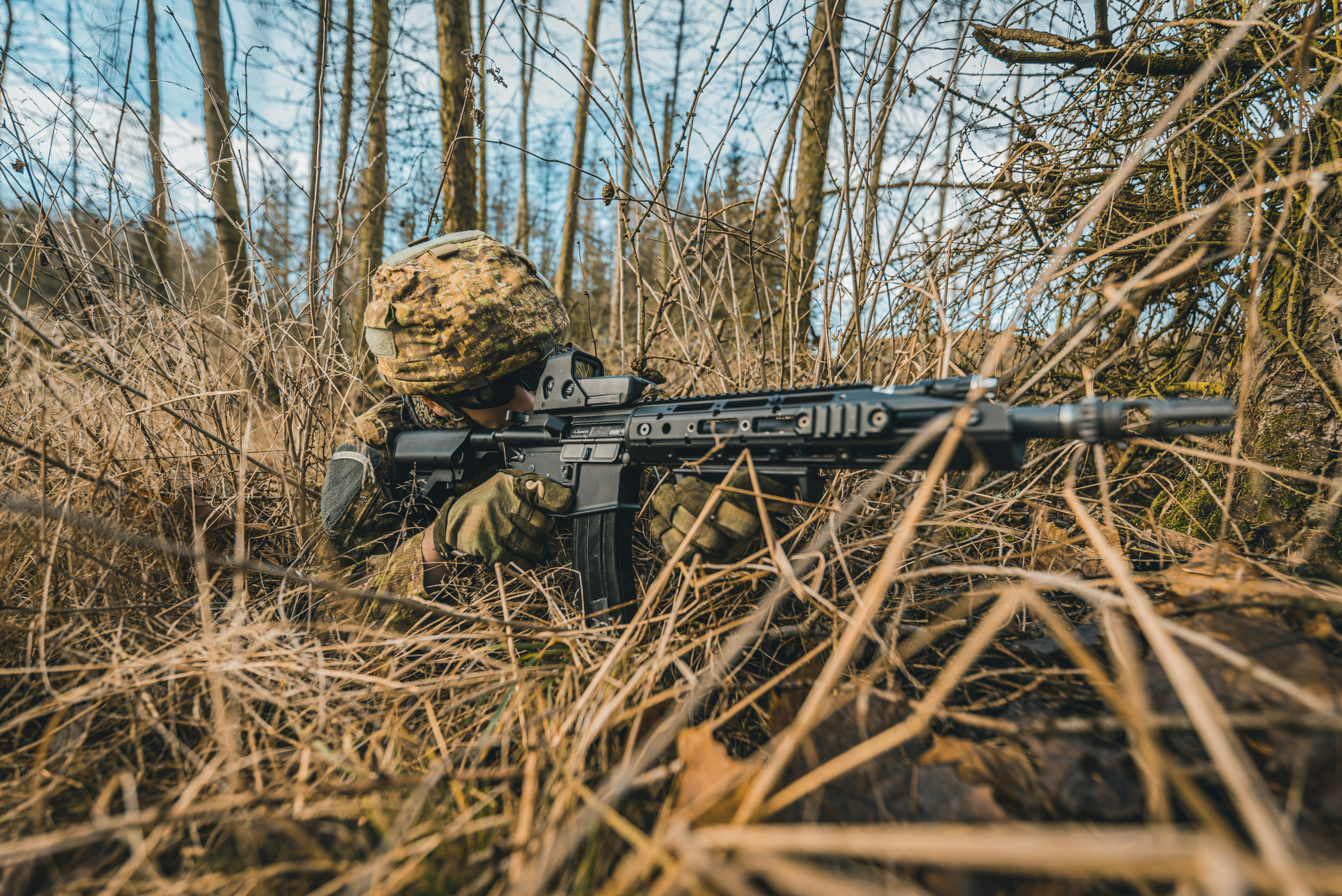
And in my musings, another man came to mind — Dan. He’d suffered with PTSD for over 15 years. War time trauma, loss of friends in combat and the powerlessness he felt to save or protect them; it all tormented him.
He’d been told he should be “getting over this” by his friends and his family. Oh, they meant well. But they had no idea what they were saying. And suggestions like those didn’t help. Not at all.
He struggled just to get through the day … to have a relationship with his wife … to work at a job, to pay the bills.
He wanted to be productive, but every time he had a few good days or weeks, it didn’t last because of the dreams, the night terrors…the reactions to noises or touch. Then he’d lose his confidence, walk off the job, and withdraw again.
The loss of life, of peace, of relationships, of fulfillment, for people like these has been unavoidable till now.
For those who couldn’t benefit from the traditional treatments for mood disorders, there just weren’t any solutions. IV ketamine and treatment-resistant mood disorders went to war.
Your treatment-resistant mood disorder won’t win over IV ketamine.
These stories are just examples, but they represent multitudesof individuals whose lives have been interrupted, oppressed, tormented, or in some cases cut short, by symptoms of disorders that remained unaffected by traditional treatment.
And that’s why I thought of all of these people.
Because the ineptness of so many antidepressants left me feeling powerless to help; too many of my patients were crippled by their disorders, but desperately wanted the same chance at building happiness and fulfillment as anyone else.
Too many.
And that’s why I’m excited now and so full of hope.
That’s why I talk so often and so enthusiastically about this emerging frontier of new therapeutic uses for thatanesthetic-turned-antidepressant, IV ketamine.
Because for all all the Toms, Jacies, and Dans who found no help at all from previous treatments, 80% now experience relief, restoration, and often total remission after IV ketamine treatment.
We’re still working to find solutions for that other 20%, and we won’t stop. But we’re helping 80% of those for whom we had nothing, nada, zip…zero… that would help.
All my training didn’t prepare me for the heartbreak of those who are so desperate for relief and can’t find it. But hope is growing, and ideas are flourishing for ways to use this new knowledge to spawn more solutions.
Relief and Solutions are RISING
So after my musings about those who weren’t helped, and the sadness I feel that we didn’t find solutions soon enough, it’s exhilarating to know there’s an entire frontier opening. A new world of treatment for those who weren’t helped before, through the discoveries surrounding ketamine for depression and other new solutions that will spring from it.
IV ketamine and treatment-resistant mood disorders … it’s a fight to the finish, and ketamine is winning.
Are you wondering if you’ll ever be able to have a life…?If you’ll ever get to feel stable — emotionally, financially, socially?
You really aren’t alone. Sometimes you just can’t see there’s support at your fingertips… help just beyond your line of sight.
Reach out and let’s talk about the things in your life and feelings that interfere with the power to live life the way you want to.
Power to find your best self, and share it with those around you.
 disorders that were previously resistant to treatment. Despite the relatively small sample sizes, lack of longer-term data on efficacy, and limited data on safety provided by these studies, they have led to increased use of ketamine as an off-label treatment for mood and other psychiatric disorders.
 Holidays with Depressed Family … Not Easy
 home.
home. they are possibly more distressed than you are. When you have all you can handle, and someone in the room makes a scene…or explodes into an outburst… or leaves and no one knows where he is…you want to
  already can guess that the anxiety can lead to a panic attack.
 the attention to herself. In their own pain and loss, they didn’t really realize it wasn’t about Cherri being selfish.
 Another way IV Ketamine SMASHES depression
 who are depressed. In addition, their brain cell signaling is stifled, which may be the cause of that numbness depressed people experience.
 office respond, and many of those achieve complete remission of their symptoms. But, I’ve said before that it isn’t for everyone. If it’s not for you, we have other treatments like


 I could use some of that. We hear that all the time. Relief, relaxation and relishing your life can sound so far away … but it doesn’t have to be. As word gets out about



 conduct extensive trials and research about its effectiveness to treat mood disorders at this stage … at least on ketamine specifically.
  The Food and Drug Administration has awarded “breakthrough” status to esketamine to zoom its advancement through to approval with less interference from various obstacles and the usual red tape that slows everything down.
 And one day this miraculous breakthrough medication – ketamine – may become obsolete like so many cornerstone discoveries of the past.
  fresh discoveries that neuroscience offers.