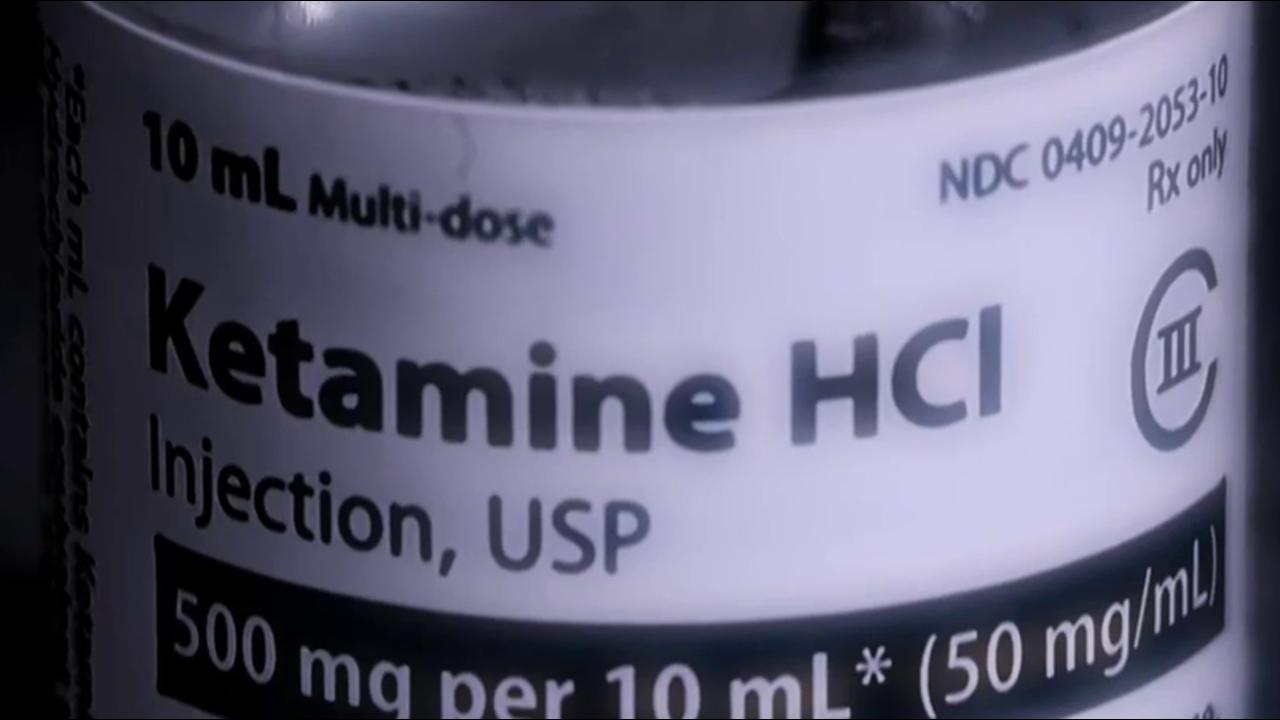
“Special K,” a psychedelic drug popular in dance clubs, is being used to treat severe depression when nothing else works. Watch the video below!
Tag: Depression
-

Low-Dose Ketamine In Treating Depression: An Outsider’s Perception
Mother and Healthcare Professional Discusses Her Child’s Experience with Low-Dose Ketamine for Treatment Resistant Depression
As both a healthcare professional and a parent of a child who suffers from treatment resistant depression and anxiety, I have been quite attentive to the changes that arise in an individual after receiving low-dose ketamine. I thought it would be helpful to share my observations with others who are contemplating offering this innovative treatment in their practices or for those that may be exploring ketamine as an option in treating their own depression.

Though low-dose ketamine can alleviate suicidal thoughts immediately and lift an individual from feelings of despair which many have suffered for years, it does not cure one’s depression indefinitely. Ketamine, in my experience, has worked in a way that it offers hope to individuals and provides a new found resilience in dealing with life stressors. As an outsider looking in, I have watched my child develop the drive and passion to discover new approaches to help improve her mental health and overall well-being. – Ann Corcoran RN, MSN, Nurse Consultant, Mental Health Care Advocate
-
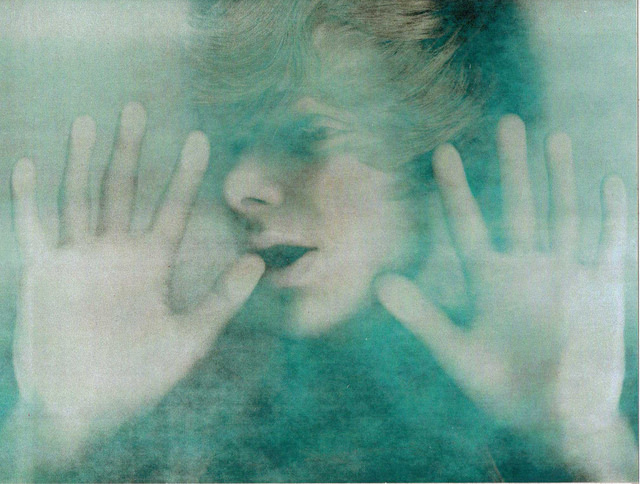
Why Some People Get PTSD…and Others Don’t
 Ever notice how some people seem to collapse under an onslaught of traumatic experiences, and others almost seem to rise above them? Almost as if demonstrating their resilience? Why some people get PTSD and others don’t..that’s the question.
People tend to say the latter type is “strong”… and the former type is weak…unable to withstand or overcome much. More stigma that we have to fight. But is that what’s going on..?
Strong or Weak…? Really…??
What is it that increases the risk that trauma can traumatize you? We’re talking about big T Traumas and little t traumas. Is it about how much or how little? About how much stress you’ve had. How many put downs. Or how much yelling you’ve endured. And how much fear. Too much neglect. Or too little attention. About too little protection… and too few resources. How little money.
How much struggle.
Traumatic experiences can etch themselves into you–into your memories, into your emotions, and into your biology. And what we’ve learned is that what puts us at risk for that–besides the horrible events themselves–is something that is already etched into us. A gene.
A gene?
Genetic Widget
There’s a serotonin transporter gene called SLC6A4. This little genetic widget has two arms–and in the best of all possible worlds, the arms are both long arms. But if you were born with one or two short arms instead of two long ones, you are more likely to develop major depression or PTSD in response to a traumatic life event.

It’s almost as if those little short “arms” can’t carry quite the emotional load as the longer arms of the corresponding gene in those who aren’t so impacted.
Or…maybe the longer arms shield their owner from the emotional pain that accompanies heartbreak or trauma in some way.
Of course this is all just a way to bring science to life, but the fact is, having a short arm on that gene increases the risk that you will suffer deeply and longer from life events such as verbal or physical attacks, traumatic events, and long term debilitating difficulty.
And there’s more.
Genetic Test Predicts Outcomes
There’s also a genetic test we can use to determine if you might be someone who would respond well to ketamine treatment.
What?
For decades, psychiatric medicine has relied on trial and error from one medication to another to find the one that is most effective for a given patient.
But now…there is actually a test to help predict your outcome in advance and whether you’re likely to respond quickly and robustly to a treatment for severe depression and PTSD that is as innovative as a ketamine infusion.
Neuroscience is advancing quickly, and treatment options for people who suffer with major depression, bipolar disorder, PTSD, and other psychiatric disorders are becoming more reliable and predictable. These discoveries were unheard of less than 10 years ago…even five.
More on the Horizon
And there’s yet another breakthrough on the horizon. And that’s the possibility that we might be able to use science to potentially prevent psychiatric disorders from developing–for example, to protect first responders and military from the risks of trauma before they enter a crisis situation.
 So imagine… if firefighters, paramedics, SWAT team members, and military personnel facing potentially traumatic experiences could feasibly be treated with IV ketamine to prevent the event from becoming a debilitating traumatic experience. Or—think about this—imagine if someone who is genetically vulnerable to developing depression or PTSD in response to a traumatic life event could be buffered from the risk of developing it.
One of the exceedingly bright researchers studying ketamine, and interested in “repurposing it,” talks about the exceptional potential of this drug for potentially preventing psychiatric disorders. Working with lab animals, her work with ketamine has opened up a treasure chest of new possibilities.
If you haven’t seen it before, it’s worth your time to watch the TED talk about this by Rebecca Brachman.
She expounds on the sparkling new hope surrounding psychiatric use of ketamine treatment. It has already offered healing to so many who suffer, and in the future, may potentially protect others from the risk of such suffering.
Don’t put psychiatry in a box.
Don’t put people who suffer with psychiatric disorders in a box.
The possibilities are endless.
Rapid and effective treatments are emerging.
And hope for your life to be the best it can be is billowing.
Please call for an appointment if you’re concerned about the emotions and reactions you’re experiencing in response to what life has thrown at you. Let’s work together to find the right innovative solution for you.
To your best self,
Lori Calabrese, MD

-

Ketamine Off-Label = New Hope
 Ketamine Off-Label
Talk about ketamine off-label and it’s hard not to get a raised eyebrow or two. The one-eyebrow raise is the curious, skeptical, quizzical, or disapproving look when someone hears about IV ketamine infusions for depression, just before she takes a deep breath and then dismisses it. But the two-eyebrow raise is another matter entirely.
What Hope Feels Like
The two-eyebrow raise happens in men and women—or their spouses, parents, or adult children–when they see first-hand what hope feels like. When the veil lifts, when the suicidal thoughts stop, when the anxiety falls away. It is the sign of disbelief… but another kind of disbelief—not the one-eyebrow kind. The kind of disbelief that shouts out amazement. And hope.
There’s a face cream out there somewhere called Hope in a Jar. IV Ketamine is like that—it’s in a vial, a sort of tiny, nondescript little glass jar. And it offers hope for the relief of suffering to people with unrelenting depression…and anxiety…and suicidal thinking. Symptoms that have lasted for months, or sometimes years on end.
Ketamine is nothing new. It’s been around for more than 50 years as one of the safest and most widely used medicines in anesthesia. In the OR, in the ER, in pediatrics, on the battlefield, and around the world, even in the most primitive medical settings. But for almost as long, it’s been stolen and used illegally at extremely high doses as a recreational drug for the “out of body” experience that people report.
“Special K”
Because of that, when researchers discovered several years ago that ketamine has surprising effectiveness against depression, it was hard to break through the credibility problem ketamine unfortunately acquired under its name, “Special K,” the street drug.
In fact, almost every headline in the press about ketamine tries to grab your attention with something sensational: “Street Drug” “Party Drug” “Special K”.
How about grabbing your attention with this: Hope. Relief. Resilience.
To someone with depression, anxiety, or PTSD that won’t stop, hope is new. And even though ketamine isn’t new, the way we’re using it is completely new, and fresh, and offers a way out of despair for people who have just given up on feeling better.
Research studies using ketamine have exploded, and demonstrate that low doses of intravenous (IV) ketamine provide remarkable anti-depressive benefits.
In fact, it goes way beyond “benefits.” In a mountain of cases, IV ketamine off-label provides remission from depression and anxiety in people who can’t remember a time when they weren’t depressed… as well as suicidal.
And get this: in most cases, those who’ve been suicidal feel relief within an hour or two. This is remarkable and unheard of before in an anti-depressant, since before now anti-depressants have required weeks or months to provide full benefits.
But there’s a problem.
A problem…?
How can there be a problem with a medication that brings relief and even remission from depression and anxiety for a huge percentage of people who’ve not received relief from other antidepressants?
It sounds more like a miracle than a problem…!
The answer is simple.
Off-Label Ketamine Use
While the FDA has approved ketamine for use in anesthesia, it hasn’t been approved by the FDA for use as an antidepressant.
Is ketamine the only drug that’s used for off-label purposes?
Absolutely not.
Other Medications Used Off-Label
When the FDA approves a drug for a given purpose, the drug is approved for use. Physicians begin to prescribe it for that indication but are free to use their expertise and best judgment to prescribe it in other circumstances, too. And it’s not unusual for “side effects” to emerge that are so beneficial that the drug is prescribed for the side effect more often than it’s prescribed for its original use. In fact, 20% of the prescriptions written these days are for off-label uses.
Surprising, isn’t it?
One example of drugs commonly used off-label is beta blockers. These medications are approved by the FDA to control blood pressure, but cardiologists know they’re also very effective and widely accepted as standard medications in the treatment of heart failure, too.
Psychiatrists prescribe them for performance anxiety, stage fright, to treat tremor and restlessness, and sometimes to reduce aggression.
Even though they haven’t been approved by the FDA for those uses, they’re widely accepted and prescribed as the optimum treatment for entirely different problems than the ones they’re approved for.
Another example is the drug trazodone, which is approved for use as an antidepressant, but is usually prescribed off-label for sleep. Also, amitriptyline, approved as an antidepressant but prescribed off-label to prevent migraines, to treat nerve pain, and to improve motility.
Or metformin, a diabetes drug which is prescribed off-label to reduce food scavenging and promote weight loss.
So, many drugs are prescribed for off-label uses at some point. Some are so widely used for the off-label use their original purpose is all but abandoned.
Risks With Off-Label Use
That’s not to say there are no risks in prescribing medication off-label.
There are.
Plenty of risks exist for both the patient and the physician. Risks always accompany our looking outside the box. And occasionally a drug is used off-label and, because there hasn’t been enough testing, tragic outcomes result in the drug being removed from the market.
But that’s a very, very low risk for ketamine. Anesthesiologists have been using ketamine for decades in much, much higher doses than the the doses studied to treat depression and anxiety. This is not an untested drug. It’s safe, with minimal side effects that dissipate in minutes.
IV Ketamine infusions used off-label for depression require fractional dosages of ketamine compared to other uses, with minimal side effects that wear off in minutes. And the results are extraordinary.
Safe, FAST, and So Effective

People who’ve suffered throughout their lives with depression so severe they’re looking for an exit, are experiencing restored lives from the lifting of depression. They feel relief and renewed creativity that improves almost daily throughout their initial IV infusion course.
These most critically depressed patients often experience relief from suicidal thoughts within the first hour or two after their first IV ketamine infusion.
You’ve heard that traditional antidepressants–SSRIs, or selective serotonin reuptake inhibitors and others–work through the monoaminergic system on specific neurotransmitters.
But we’ve moved way beyond talking about monoamine neurotransmitters in psychiatry.
We talk about inflammatory cascades across the blood-brain barrier. New signalling systems. Dendritic branching and synaptic density. Neural networks.
New lingo. New news. New hope.
Ketamine works to bring balance to the body’s glutamate signaling system, a different system that hasn’t been addressed before in depression treatment. Ketamine works in a startling and effective way: it stimulates mRNA through the mTOR pathway to remodel neurons.
Wait. Say that again.
Ketamine turns on DNA to actually stimulate the growth and branching of neurons and to create more dense connections between them. It can literally stimulate the remodeling of neuronal trees and improve neuronal rearborization.
English, please.
Ok, here we go: IV ketamine infusions flip the DNA switch to “ON” to help neurons regrow the branches and connections that have been pruned away by stress.
This is extraordinary.
It’s so exciting that we should be throwing ourselves into studying it further, waking up early, reading voraciously, giving TED talks.
And low-dose ketamine infusions do several other nifty things that we’ll talk about in future posts. Things like bringing into balance the body’s glutamate signaling system–a different system that hasn’t been addressed before in depression treatment.
So addressing that imbalance ignites a whole new hope for depressed patients.
A New Approach
This alternative approach to treating depression and anxiety has so many benefits. It works fast, often within an hour. And continues to relieve depression through the weeks of treatment. Those treatments can provide depression and anxiety relief that lasts for weeks or months, or perhaps much longer.
As far as safety, there hasn’t been extensive testing for the long term effects of ketamine off-label use in depression. But there’s still the data from decades of ketamine use for anesthesia. As an anesthesia medication, the doses are much much higher, and it’s a safe drug with minimal, time-limited side effects.
Some people achieve remission after one treatment. But most need a short series of IV ketamine infusions over about 2 weeks to achieve remission—and still others need a bit longer. There are those who need maintenance doses to keep their depression at bay . Still, for those who are helped, this off-label treatment is a life-saver.
It’s hope. Pure and simple. And exhilarating.
Ketamine: Life Saving Innovation
So, it’s true this use of ketamine off-label hasn’t been through the scrutiny of the FDA’s approval gauntlet. Even so, the literature has shown striking benefit to severely depressed patients who have not received effective treatment in the past.
If your results from your depression and anxiety medication have been unsatisfactory, consider exploring a breakthrough option. Please do call for an appointment.
We’ll learn so much about you and the factors that can help predict your response to IV ketamine infusions through a thorough evaluation.
I look forward to meeting you.
To restoring you to your best self,
Lori Calabrese, MD
-

Your Microbiome: How It Affects Your Mood
 What Is Your Microbiome and Why Does It Matter?
In the last five years, researchers have learned more and more about the the organisms in our own intestinal tract, our microbiome. Let’s talk about the connection between those organisms and their affect on our physical and mental health, for better or for worse.
The types of specific organisms that flourish there have a strong influence on the function of the brain and nerve pathways — and, therefore, on your mood and peace of mind.
What does Depression have to do with your belly?
Anyone who suffers from depression may know there’s an inherited tendency for that to occur. If either of your parents also struggled with depression, the chances are stronger that you might, too. But beyond your own personal DNA, there’s another huge area of DNA that may influence the moods you experience far more.
Deep within your intestines is a community of microscopic bacteria which are both helpful and harmful. This community of trillions of mutually beneficial microbial cells make up the bacteria of your gut. We call it your personal microbiota. Each of these cells contains genes, and the combination of the genes in all of them is your own personal microbiome.
If the genes in your microbiome influence low stress and a positive outlook, the effect on your mood is likely to be positive. But if the genes in your microbe-flourishing gut are favorable to high stress and melancholy, the impact on your outlook is likely to push you into a rut of stressed living.
For the most part, this microbiome is friendly and beneficial to your digestion. It makes use of far more nutrients from your food than would be possible without it. However, in recent times, scientists discovered that this same community of bacterial organisms are to blame for inflammatory and autoimmune diseases like atherosclerosis, asthma, and autism.
You can change your life
Learning to understand the microbiome and even influence its effect is potentially a superbly rewarding endeavor.
So we have to ask: if this teeming ecosystem of bacteria in our intestines can accomplish good productive health-promoting feats, or trigger destructive diseases that can cripple us for life, is there a way to affect this microbiome so it does good and not evil?
To better understand the answers to this and other questions, we need to understand how the natural flora in the gut exchanges information and products with the brain.
The vagus nerve can bring the strongest guy to the ground
And it turns out there’s a nerve that connects the two, called the vagus nerve.
Have you ever seen someone faint at the sight of blood? This fainting reaction happens when the vagus nerve tells that person’s brain to suddenly dilate blood vessels in the body, which results in fainting… and they go out like a light.
It’s the reason that you might see a picture of something gory, and feel a sick feeling in your stomach right before your brain declares “lights out” and you fall to the floor. It’s the vagus nerve that sends those signals.
So with that in mind, what does the vagus nerve communicate to the brain, and what determines that choice?
Think of it this way:
When friendly, health-promoting bacteria ( probiotics) dominate the environment in your gut, those bacteria tell the brain that the environment is favorable for an upbeat mood. Then the sullen melancholy feelings mysteriously melt away. Nutrients and protein are sent to the brain to nourish that upbeat mood, and your glum outlook subsides.

But the opposite is true if the dominating bacteria promote depression, stress, and anxiety.
The gut is the largest organ in the immune system? Really??
The gastrointestinal system is the largest organ in the immune system. This flourishing ecosystem of bacteria can have a positive or negative effect on other aspects of your well-being. So it’s important to your daily welfare to understand how this happens. Then you can take action to promote the best possible environment in your gut for your best well-being and mental function.
Certain bacterial families weaken your immune system, decrease your confidence and emotional stamina, and promote a chronic long-term condition of high stress.
Others reduce stress and promote wellbeing and resilience.
Studies have shown that the more extreme stress is in your life, the community of symbiotic organisms in your gut will create a favorable environment for chronic stress, and unfavorable for mental relaxation.
Stress or Relaxation
Just as “birds of a feather flock together” so it is with these organisms. If you allow stress to go unchecked, the bacterial environment in your gut will shift. And it will come to match that ecosystem of stress and illness. Over time, you’ll find you feel locked-in and stuck in that stressful lifestyle and the outlook that goes with it.
But, it’s also possible to actually change the environment in your gut. It can be made to support low stress, an upbeat outlook, and energy to enjoy life. And you can do it through the foods you eat, the things you do for pleasure, the amount of sleep you get, and more.
For instance, studies have discovered that when lab animals were given probiotics, their high anxiety behaviors were calmed and their immune response was normalized, as well as their apparent relaxation.
Psycho-biotics
If probiotics do that much for lab animals, how much more will they do for you?
Certain bacteria in specific families are considered “psycho-biotic” organisms because, like the probiotics just mentioned, they have an antidepressant effect on the brain.
Further, through systems involving these gut microbes, nutrients are processed and passed through the blood-brain barrier. That improves the relaxation of processes that take place in the neurons. (The nerves that carry information signals to and from the brain.)
The point here is that these probiotic systems are even equipped with a transport to make sure the right nutrients reach the brain and produce the hoped-for results.
This is all great news for those of us who feel we drew the short straw concerning mood disorders in our family tree. It turns out that by investing in the mountain of genetics in our gut microbiome, we have the power to turn our genetic destiny on its proverbial ear.
Watch for my blog next week. Learn more about good microbiota to nurture. See a list of actions you can take, foods you can eat, and factors you can include in your daily life. All of this will ensure your probiotic heroes are flourishing in your gut promoting your best, most productive, and well-adjusted self.
To the flourishing of your best self,
Lori Calabrese, MD
I
f you’ve suffered from depression, anxiety, or other mental health obstacles and have not had relief, Dr. Lori Calabrese, MD offers innovative psychiatric solutions. Contact us here for an in-depth evaluation. We’ll learn which solutions could work for you best and transform your life as you know it. We’re here to help you find your very best self. -
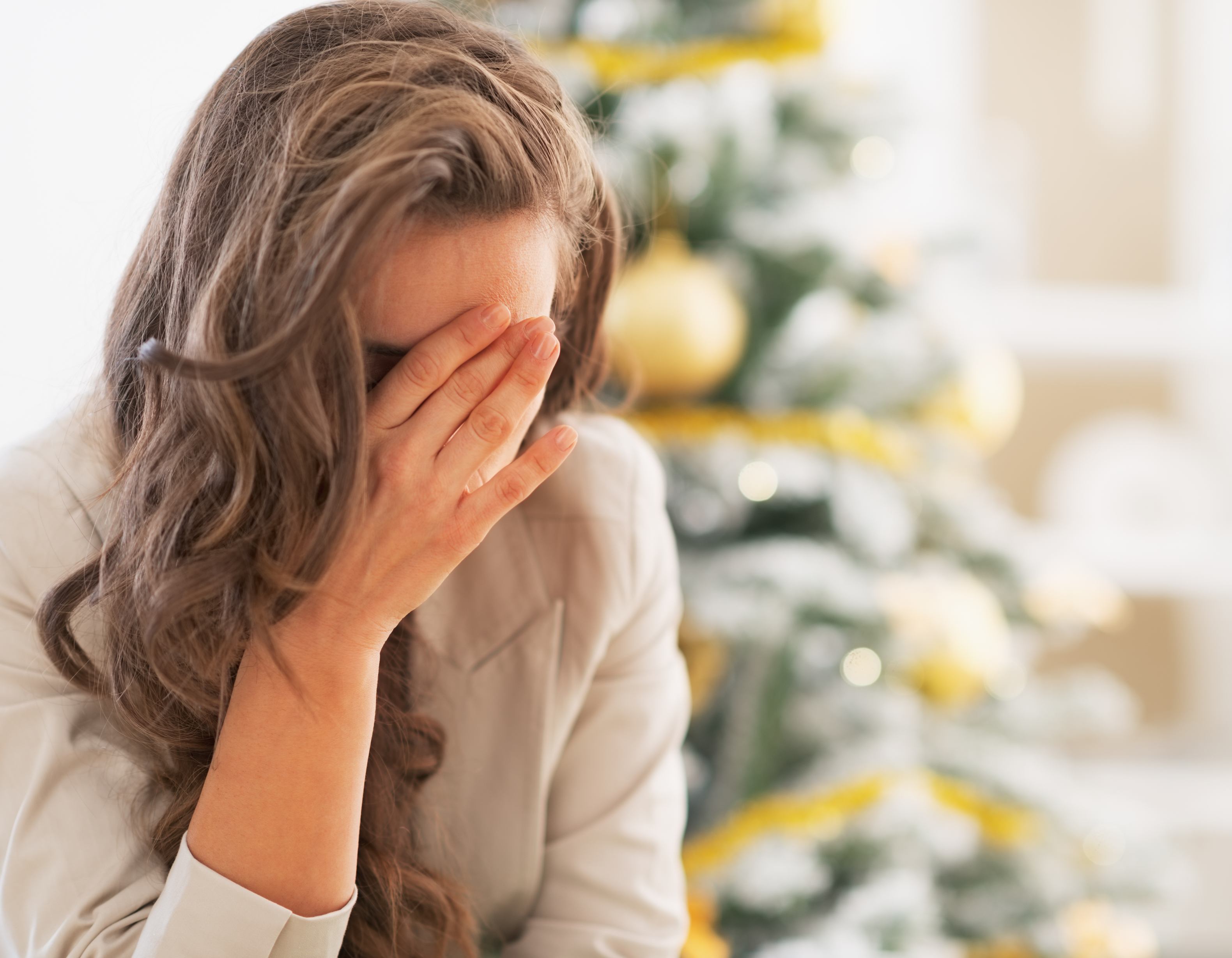
7 Tips to Avoid Holiday Stress and Depression
 The holidays are quickly approaching and you may already be experiencing some angst. While the holidays are a great way to spend quality time with family and friends, stress and depression aren’t uncommon during this time. Here are 7 tips to help you avoid holiday stress and depression.
1. Be Realistic
We often have an idea of how the holidays will be in our mind but is that idea realistic? Families aren’t perfect and, sometimes, things go awry. Each holiday is going to be different than the last. It’s important to find ways to work around any issues that may arise. For instance, if someone can’t make it, find an alternative way to share the holiday with him or her. You can video chat or send photos to one another.
2. Own Your Feelings
Owning your feelings is a great way to help avoid stress and depression during the holidays. If you can’t attend a family function or if someone can’t attend your function, it’s okay to feel sad or disappointed. If the holidays bring up memories of a deceased loved one, it’s okay to feel grief. Try to set aside some private time to let your feelings out so that you can enjoy the remainder of the holiday.
3. Set Aside Differences
Accepting your family and friends for who they are will help you avoid a great deal of stress during the holidays. You don’t have to agree with anyone’s opinion or life choices; accept them for who they are and agree to disagree.
4. Plan
With so much going on and people coming into town, it’s important to have a plan for the holidays. Set aside specific days for shopping, cooking, and visiting others so that you’re not so overwhelmed. If you have family coming into town for an extended period of time, it may also be helpful for you to plan your menu for their visit to keep last minute meal issues from arising.
5. Say No
Learning to say no will help you avoid a great deal of stress and depression during the holidays. If you say yes when you really wanted to say no, you may develop resentment, which isn’t going to serve you well during this time. If you can’t participate in an activity, say no. If you can’t attend an event, say no. You can’t be everything to everyone and that’s okay.
6. Budget
The bulk of stress surrounding the holidays is often related to money. Many people spend more than they planned and then become worried about making ends meet or paying off debt. This is especially true when buying gifts. To minimize the stress associated with this, it’s important to create and stick to a budget. Keep in mind that you don’t have to purchase a gift for everyone you know.
7. Keep Healthy Habits
The holidays are often a time of rich foods, which can derail your healthy eating habits. Be sure to keep up with your diet and exercise routine during this time. Not only will your waistline thank you, but your mental health will thank you, too. It’s okay to indulge occasionally, but overindulgence only adds to your holiday stress.
The holidays should be a time of peace and joy. Following these tips will help you achieve just that. To learn more, or to schedule an appointment, please contact our office at 860.648.9755.
To getting you back to your best self,
Lori Calabrese, MD

-
When Depression Medications Don’t Help
 Treatment-resistant depression
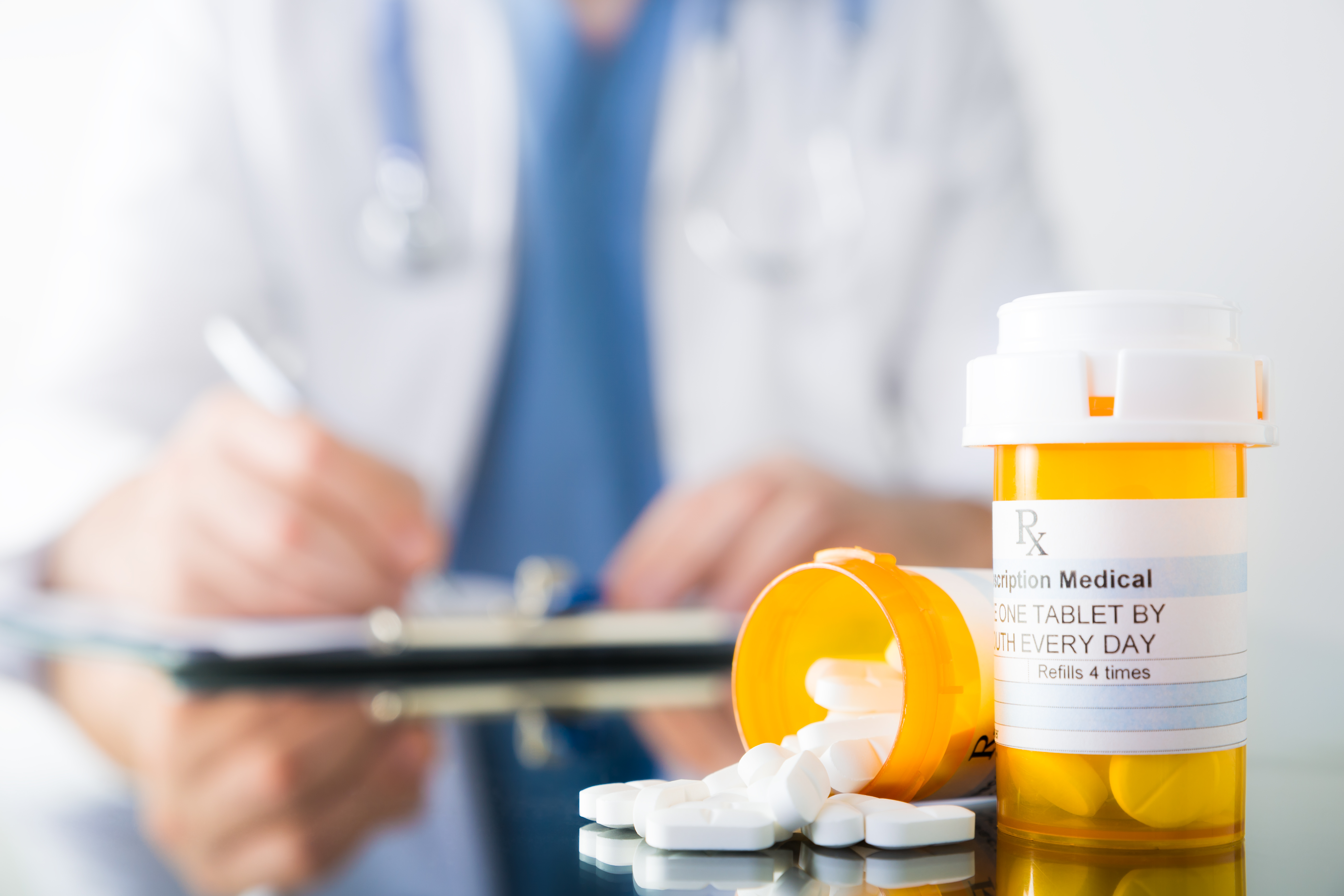
When you’re depressed and taking an antidepressant, it may seem like it takes forever for it to work. While therapy, in addition to medication, can help… it may not be enough if you’re experiencing treatment-resistant depression. Some people find after many months with a medication that there’s no relief. If that’s the case, we can offer options that can make a dramatic difference. In addition to traditional antidepressant medications, there are new treatment options available.
1. Ketamine
Ketamine is an innovative, off-label treatment of depression, which has created a wave of scientific interest and excitement in psychiatry and is administered intravenously. Unlike traditional antidepressant medication, ketamine acts quickly and has few side effects. Many patients find that ketamine is a much better option when traditional medications don’t work for them.
Most patients find that their mood improves within hours of treatment instead of weeks or months. For those with major depressive disorder (MDD) or those contemplating suicide, fast treatment is crucial.
2. TMS
Transcranial magnetic stimulation (TMS) is another alternative to the treatment of depression. This is a non-invasive procedure that uses magnetic fields to stimulate the nerve cells in the brain and can lead to response and remission even when other treatments haven’t been effective.
During treatment, magnetic pulses are delivered to the specific section of your brain in charge of controlling your mood. It may activate regions of your brain that have been inactive due to depression, which improve your depression symptoms and allows you feel better.
Being depressed can take its toll on your life in many different ways. If you think you’re medication isn’t working, there is hope, and we are here to help you. IV ketamine and TMS may work even when other strategies don’t. To learn more, or to schedule an appointment, please contact our office at 860.648.9755.
To getting you back to your best self,
Lori Calabrese, MD
-
How to Stay Present Through Emotional Pain
 Coping with emotional pain may leave you feeling like life is passing you by. It can be difficult to remain focused on the present while you’re dealing with emotional pain, but it’s crucial to do your best to live for each day. If you’re having trouble staying present through emotional pain, here are some tips to help.
1. Expose Your Fears
At some point, we’ve all experienced the fear of losing control. Many people feel as though they have to control their feelings and emotions during trying times, but you need to let this go. In order to fully heal from emotional pain, you need to relinquish control by exposing your fears.
2. Label Your Feelings
Recognizing and labeling your feelings is another way to stay present through emotional pain. This allows you to fully understand what you’re feeling and why you’ve having those feelings. It greatly enhances your mindfulness because you’re focusing on what you’re feeling at that exact moment.
3. Let It Out
Sometimes, you just need to sit down and have a good cry to release all the emotions you’ve been carrying. Crying is a sign of strength and not a sign of weakness so don’t be afraid to let your emotions run down your cheeks. After a good cry, you may find yourself feeling a little better and able to focus more on the present than before.
Dealing with emotional pain can be difficult but it’s important to remain focused on the present. Try your best not to let your emotional pain keep you from enjoying the little things life has to offer. To learn more about staying present through emotional pain, or to schedule an appointment, contact us at 860.648.9755.
To getting you back to your best self,
Lori Calabrese, MD
-
4 Ways to Ease Depression
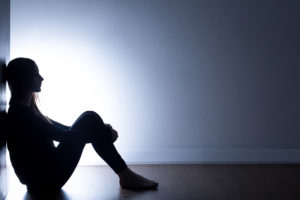 If you’re battling depression, you know how debilitating it can be. It’s more than just feeling unhappy; it’s pervasive and it takes time to develop positive strategies to help lift your symptoms. While antidepressants and psychotherapy are the cornerstone of treatment, there are many tools that you use to help ease your depressive symptoms.
1. Journal
Journaling has a profound impact on your mood because it can work in two ways. You can write down all of your fears and worries to help ease and quiet your mind. You can also use journaling to remind you that things are never as bad as they may seem. Make a habit of jotting down a few things you’re grateful for each time you journal. Also try to make note of something positive that happened to you that day, no matter how insignificant you may think it is.
2. Exercise
Regular exercise isn’t only good for your physical health, it works wonders for your spirits. When you exercise, your body releases endorphins, which help improve your immune system and boost your mood and self-esteem. You should strive to get 20 minutes of cardio or weight work (something that gets you pumping) 5 times per week.
3. Stop Negative Self Talk
When you’re depressed, you may find that it’s easier to see things in a negative way instead of a positive one. You may blame yourself when things go awry because depression reinforces self-doubt. When your thoughts turn negative, get out your journal and jot down a few things you like about yourself. This will help you change your thought process and ease depression. Get on Twitter and follow Twitter handles that post motivational and inspiring quotes – there’s a bunch! They can give you a positive stream of hope and encouragement at the touch of a finger any time you need to nurture yourself.
4. Listen to Music
Music has healing powers that are often overlooked or easily dismissed. When you’re feeling depressed, turn on some upbeat music and you’ll notice that your mood can begin to improve.
While these things can help ease minor depression symptoms, you should consult your doctor if your symptoms persist or worsen. To learn more about innovative treatments for depression, or to schedule an appointment, please call us at 860.648.9755.
To getting you back to your best self,
Lori Calabrese, MD
-
Post-Breastfeeding Blues
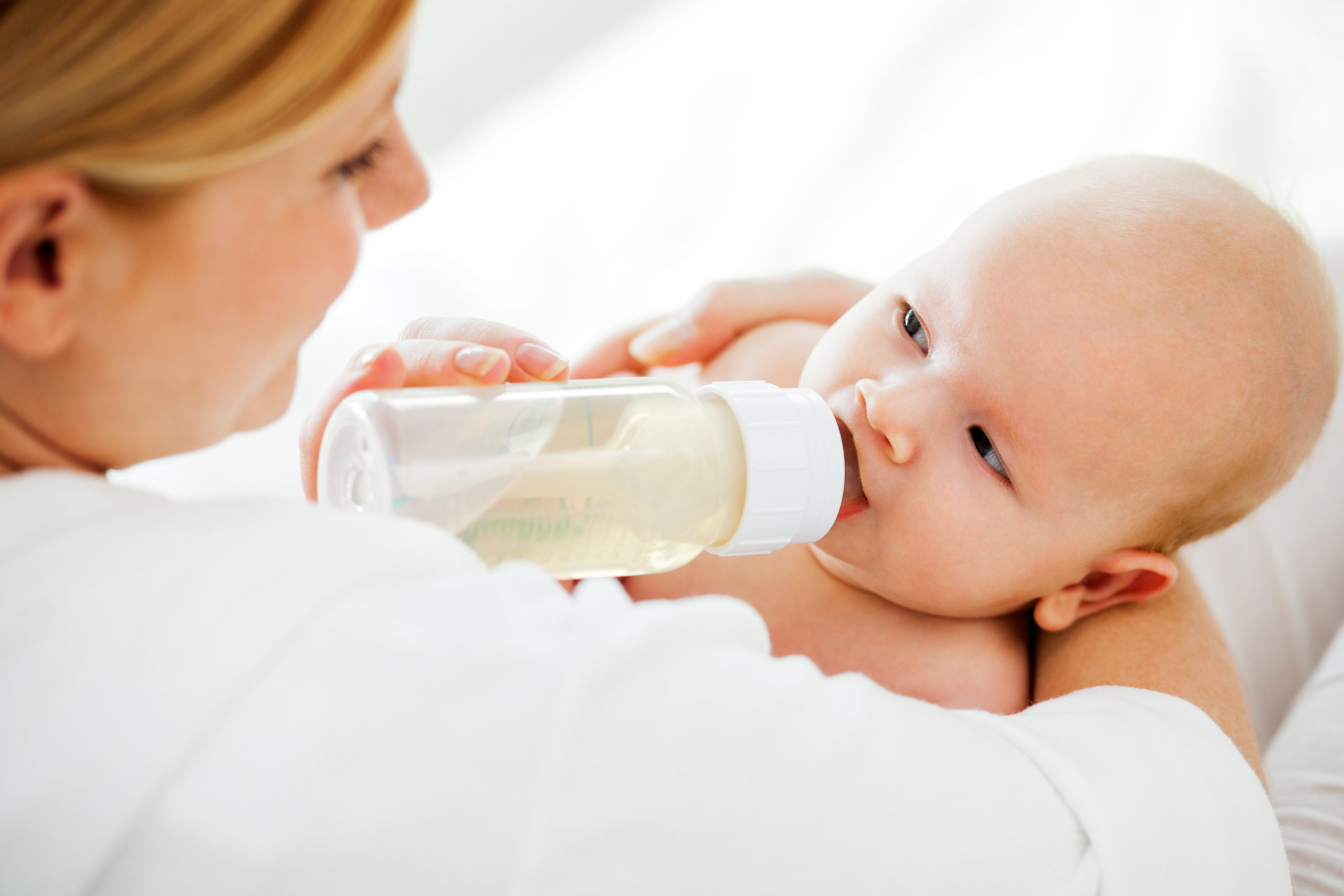
 The time has come to start weaning your baby from the breast and you may be feeling a little sad. There are so many emotions that run through your body, especially when it comes to your child. If you are feeling a little blue as you stop breastfeeding, here are some things you need to know.
What Causes Changes in Mood?
While not much research has been conducted on post-breastfeeding mood changes, the consensus is that it is linked to hormonal changes in the body. When you’re weaning your baby off the breast, you experience a drop in prolactin and oxytocin levels. Prolactin is a hormone required for the production of milk but it also makes you feel calm and relaxed. Oxytocin is a hormone required for milk ejection and is often referred to as the love or cuddling hormone as it is associated with bonding and attachment. With the decrease of these two hormones, you’re likely to feel a bout of sadness.
Can This Lead to Depression?
It’s important to slowly wean your baby and yourself from breastfeeding to avoid an abrupt shift in hormone levels. If you suddenly stopped nursing, you could have adverse effects, which may lead to depression. If you have a family or personal history of depression, you may be more likely to experience it after weaning your baby.
It’s important to note that having the post-breastfeeding blues is different than having depression. You’re going to feel a sense of loss and sadness during weaning and that’s okay. However, if you find that it’s not getting better or it’s interfering with your ability to care for yourself or your child, call us today at 860.648.9755 to schedule an appointment.
To getting you back to your best self,
Lori Calabrese, MD