Tag: IV Ketamine for Bipolar Depression

  • Suffer from Postpartum PTSD?        Ketamine Can Bring Back Your Joy

    Suffer from Postpartum PTSD? Ketamine Can Bring Back Your Joy

    We say that childbirth is utterly natural. But the experience of giving birth doesn’t always go as planned. Sometimes there are surprises, disappointments, unexpected changes, fears, and excessive pain.

    A terribly painful labor or delivery can become a traumatic memory for a postpartum mom. Loss of the baby during the process can also create an unbearable trauma for the mom. Especially in situations where the infant doesn’t survive, the mom can be so deeply affected that the smell of baby powder or lotion can trigger a cascade of PTSD symptoms. Or the cry of a newborn baby. Mothers who suffer from postpartum PTSD can have severe reactions to triggers for months after delivery.

    Leanne has five children.  The first four of her deliveries were increasingly traumatic. In one case, the baby’s head was lodged at the side of the pelvis and after hours of pushing with no progress, she was moved to surgery for a C- section. This was the fourth delivery.  More about that one in a bit.

    With the first, she labored for 38 hours and when the baby was finally born, she tore through her rectum. Bonding with her baby didn’t go well, because she was in so much pain. Plus, she felt beat up, traumatized, exhausted, and unable to find any warm feelings for her newborn. (And too ashamed of this to say it out loud.) Eventually, over months, she began to improve.

    But within 7 months of that birth, she found out she was expecting again. She sat down and cried. She didn’t feel ready. The pain in her rectum had only recently subsided.

    Then, the circumstances of her second baby’s birth were also excessively painful. (We’ll leave out the details.) She began to feel like she just had terrible luck… or just wasn’t supposed to be a mother.

    From that time, she cried anytime her husband tried to touch her.  She couldn’t separate the suffering of the two births from amorous times with her husband. Leanne couldn’t face the risk of another childbirth. One day she was so angry, she slammed the dishwasher door hard over and over, then sat down and cried.

    Leanne’s husband quietly slipped out of the house and bought a new set of dishes.

    Leanne talked with her doctor, and he said that she suffered from Postpartum PTSD.

    Then, one day Leanne and her husband went to visit friends for a backyard cookout. They took the babies with them and really had a wonderful day. That night, they were both relaxed, and enjoyed cuddling. One thing led to another…

    And soon enough, Leanne was pregnant with her third child. She’d been in therapy for 2 years at that point, so she was guardedly optimistic…but on shaky ground.

    This time, unfortunately, the crisis was placenta previa… specifically the placenta was overlapping the opening of the womb to the birth canal.  Once she began to dilate, portions of the placenta broke free, causing a rush of blood loss. She started to hemorrhage.  She panicked, called her husband, called her doctor, called her mom. ( If only she had called 911…but she was too shaken to think clearly.)  Of course, her husband was on his way, and told her to call 911 NOW.  She called 911 then called a neighbor to come stay with her little toddlers. She was rushed to the hospital, unconscious when she arrived. Doctors went to work hoping beyond hope they could save both mother and child.

    Thankfully both mother and child survived, but again, Leanne was exhausted, shaken, and shut down. She just couldn’t relate to the baby.  She was overwhelmed with guilt that her mistakes had come so close to causing the baby’s death. 

    Even though Leanne and her husband were committed to living a natural lifestyle, and had never used birth control, she just felt she couldn’t go through this again.  But he stood strong about not using birth control. So she used the best form of preventing pregnancy she could think of. Anytime her husband touched her or was affectionate, she pushed him away…or sometimes she just fell to the floor in a heap, weeping her heart out.

    She had times when she just began to tremble and couldn’t stop. One day she dropped a jug of milk that spilled and splattered all over the kitchen. Then she had to pull herself together to clean it up. Who else would?

    By this point, she tried to be a good mom to her innocent babies, but so much of the time she felt vacant. Other times she felt angry. Then, there were times when she had such anxiety that she didn’t dare drive, even to the grocery store.
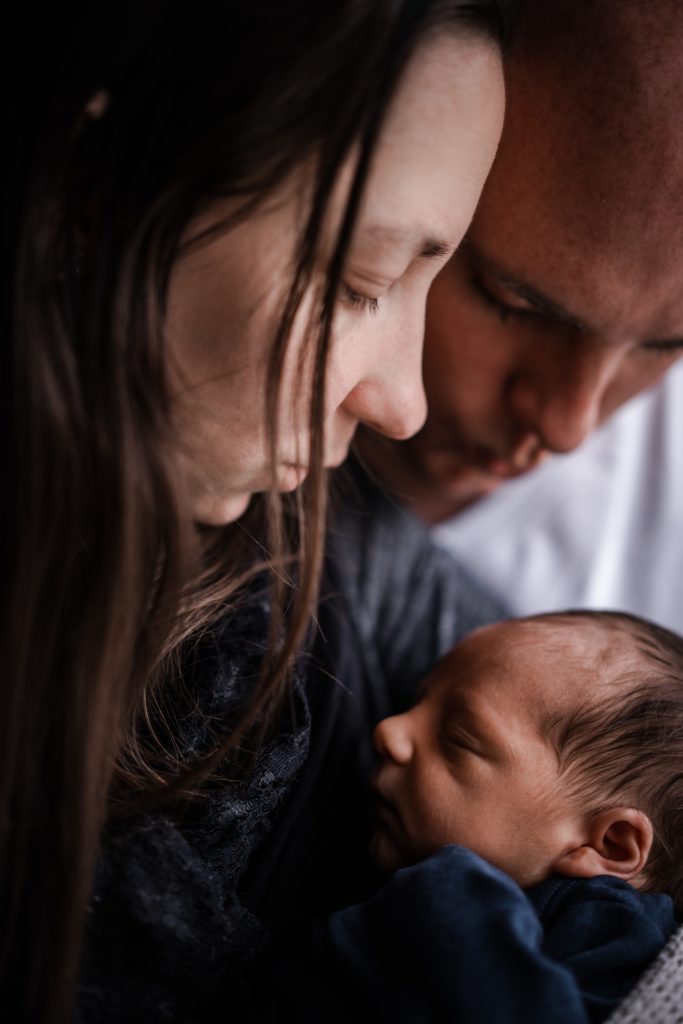
    If you suffer from postpartum PTSD, ketamine treatment can help.

    She managed to avoid pregnancy for two years. Her marriage had become volatile. She just couldn’t be calm to communicate with her husband. Everything was falling apart.

    Her husband suggested they let the 3 kids stay with Grandma and Grandpa, so they could take vacation to somewhere peaceful. They took a week in Jamaica. It was wonderful with swimming, great food, walks on the beach, and local music. (And those drinks with umbrellas! She loved them!) So many sites, smells, and friendly people. They both believed this was just what the doctor ordered.

    On their 5th night, they danced to local music, and drank more umbrella drinks than they realized…  They found their way to their room and collapsed in bed. The next day neither of them remembered how they got there. In their inebriated state, their celebration led to baby-producing activity. So rare for them, at this point.

    You guessed it…baby #4 was on the way.

    Leanne home-schooled her children, so by now she was doing lessons with babies #1 and #2.

    At least on the days she was functioning. But her anxiety was pretty high.  How could she take care of these children when she was so shaky?  A few times during the pregnancy she experienced a panic attack. Her therapist was working with her to help her work through the anxiety.

    Bless her heart. This was the delivery we mentioned earlier. The baby’s head seemed to be stuck to the side in her pelvis and they couldn’t get the baby to move into the birth canal. It was the last straw for Leanne. She had a full out panic attack during the latter portion of her labor. She was standing up in her bed and screaming and crying. No one could calm her. She just wasn’t rational. She was terrified. So they did an emergency C-section after putting her sleep.

    When she emerged from the anesthetic, she was disoriented, surprised to learn her 4th baby was born and doing well in the nursery.  Her doctor encouraged her to rest before they brought the baby to see her. But she just withdrew.

    Leanne had had dreams of being such a natural “earth mom” …she’d started out wanting to give birth to her children at home. But each childbirth had been too risky to continue at home. She felt cheated. Angry. Beaten. Each labor and delivery was a nightmare.

    All her plans for meaningful home births had been vanquished. She knew she suffered not just from postpartum depression but from postpartum PTSD … and she just didn’t know what to do about it.

    Her doctor had advised Leanne and her husband to consider a tubal ligation during this C-section but she had been far too distraught for a decision like that. So he encouraged them to consider it later, to give her a chance to  recover.

    While they were “thinking” about it, she got pregnant once again. She told her doctor she definitely wanted the tubal ligation done during her final C-section. As it happened, this 5th birth went smoothly as a C-section, and the tubal ligation was completed in the same procedure.

    She was able to bond with her new baby peacefully, and she enjoyed him so much. 

    A wonderful, simple, easy, planned C-section — with no crash carts, hemorrhages, horrible images, horrible fears, horrible pain. Why couldn’t it replace all those awful memories? Why did they shake her up during the day, and infiltrate her dreams at night? And why did every little thing seem to be a trigger? The kids were healthy, right? They were OK, right? She was OK, right? Well on that one, no…she was really not ok. She still suffered from postpartum PTSD symptoms — and all the treatment she had had over the years hadn’t made a dent in it.

    So when a friend encouraged her to consider IV ketamine treatment, Leanne grabbed her phone, and started trying to learn what ketamine can do for postpartum depression and postpartum PTSD. She made the call.

    Scheduled her appointment. And left the children with a babysitter. 

    After the first infusion, she felt no different. Same after the second. After the third she decided to cook a new recipe for supper. Such a little thing, right? But it was such a big deal—she hadn’t done that for months. (Ketamine can restore initiative and motivation.) After the fourth, she could feel rays of hope inside her. Almost like rays of sunshine, she said.  By the time she went for the 5th infusion, she was calmer. No longer shaking. And although there was still anxiety, she was becoming hopeful. She had good days and bad days. But there was improvement. She could feel it. She just wasn’t there yet.

    So she went for a 7th infusion…and then an 8th. By this time she went for her 8th infusion, she had joy. She felt free of the fear and anxiety.  And as the days passed, she felt more resilient all the time.

    She became her old self over the next several weeks — felt happy, calm, fun-loving. (Oh wow, when was the last she she’d felt that?) She had patience with her children, she had creativity in home schooling them, she enjoyed socializing. She also had the initiative and motivation to clean up the house and invite another couple with kids over for dinner — outside, on the patio. 

    Leanne hadn’t felt this good since her first baby was born.  

    If you suffer from postpartum PTSD, try ketamine treatment. This mom found her joy again after she did.

    She also found the patience, wisdom, and determination to work with her children in family therapy in hopes of improving their security with her and building the bonds that suffered with these pregnancies and deliveries. 

    And she was thankful that her husband was still at home so they could work together with a marriage counselor to strengthen their relationship.

    IV ketamine treatment has developed a track record for helping women who suffer from postpartum PTSD to achieve remission. Choosing to seek out this treatment was a wise move for Leanne to make. At the same time, it’s important that you understand that ketamine is not for everyone. (There isn’t anything that works for 100% of people 100% of the time.) But ketamine can be transformative for most people who are suffering from severe postpartum PTSD, depression, social anxiety, bipolar depression, postpartum depression, and more.

    Innovative Psychiatry provides IV ketamine treatment for postpartum PTSD.

    At Innovative Psychiatry, we’re experts in psychiatry, in postpartum disorders, and in all the treatments available for them—including IV ketamine—and we work with you to map out the best course of treatment for you. We have the protocols and — incredibly important — the technology to protect you from viruses including COVID-19, bacteria, and molds, so you can come for your treatment with peace of mind. You can breathe easy…even if you haven’t for months.

    If you suffer from postpartum PTSD, don’t keep toughing it out. Call us.

    We’ll set up an appointment to talk about your history and current symptoms and all the things we need to know to determine if you’re a candidate for IV ketamine treatment. You deserve the care of a specialist.

    Don’t hesitate to call. Get your hope back. And the power to enjoy your family.

    We want to help.

    Lori Calabrese, M.D. is on the front end of the race to stop PTSD in its tracks using IV ketamine treatment.

    To the restoration of your best self,
  • Postpartum Stress Is Vicious: Reach Out for Support…It Takes a Village

    Postpartum Stress Is Vicious: Reach Out for Support…It Takes a Village

    Do you have a COVID baby?  If so, you’ve had compounded stress.

    Most moms are familiar with the exhaustion (and the overwhelm!) that often takes over when your newborn comes home from the hospital. It isn’t as though you were sleeping great before you went into labor.  Then contractions started and progressed to active serious labor. Then the hard pushing. Bottom line, giving birth is hard, hard work. You think you just can’t wait till the baby is OUT of your body so you can finally sleep.  WAKE UP CALL!!! Actually, once baby is outside your body, she’s adjusting too.  So she cries.  And cries. What can you do but nurse her till she drops off to sleep… until 30 mins later she wakes up in your arms crying again. So you put her back on the breast. And then it starts. And a challenging pattern emerges. Baby feels warm, secure, and happy when she’s nursing. Then, bereaved when the nursing stops. And you? Stressed to the max. Postpartum stress can be persistent if you’ve had a COVID baby…and even if your baby was born before COVID.

    The trouble with that is that anxiety can shoot up when baby nurses, wakes, and nurses some more. Because you want some sleep… you NEED sleep.

    And when anxiety rises, it’s hard to go to sleep. Your mind just keeps racing.

    So what do you do?  You call your mom, your sister, or your best friend to come and walk baby while you get some rest. And that’s not all it’s cracked up to be either, because you lay on the bed, wide awake….staring at the ceiling…worrying about the baby. 

    This is especially true for first time moms who so want to be perfect moms in every way but hadn’t counted on exhaustion and stress making you miserable. In fact, postpartum stress can be especially brutal for moms who try to be perfect.

    Try to relax and let go. Perfect moms don’t exist. Cut yourself lots of slack and call in help when you feel like you’re at the end of your rope. Don’t keep pushing. Because you just have to break the stress cycle periodically.

    And kick guilt to the curb!

    This is also true for moms with a baby/toddler and other children…. it can be so hard to cover all the bases of everyone’s needs. Plus laundry, cooking, baths, keeping the house picked up after you’ve been up all night with the baby.

    And You Wonder…Where Can You Find Postpartum Stress SOLUTIONS?

    Parenting books are full of advice about how to manage your baby AND your other children when there’s no one to help. (Ha! is what I said when I read them, on baby #4.) But, when you try to put their advice to work…well it’s not as easy as it sounds.

    Postpartum stress is that midlevel and escalating stress that occurs after the baby blues but before postpartum depression takes over.

    If relief isn’t found, postpartum depression can settle in.

    FAST FOWARD 10 months…

    You finally got the baby into a schedule where she sleeps several hours each night and you depend on that chance to rest.  Then you go on vacation. (Ha! they say it’s a vacation….) The changed vacation schedule disrupts baby’s schedule and she starts wanting to find comfort in constant nursing again.

    By the time you get home from your trip, you’re exhausted again. And not sleeping. And you’re crying more than baby. Sound familiar?

    Stress plus exhaustion is a devastating combination.

    First, understand that babies are individuals with temperaments unique to them. Some are easy going, relatively relaxed, and honestly, some seem almost self contained. Moms with babies like this have no idea why you’re so stressed. So ignore what those moms say. Right??

    Some babies are “high need” and may require lots of patience.  This type of baby may also be colicky, and as the saying goes, it takes a village. To walk her, to soothe her, and to give you a break to rest and breathe.

    You always hear that childbirth is a natural part of life…and it is. But it’s still a huge strain on your body and emotions. If you don’t have support, it can be difficult to recover.

    And women who don’t receive support during childbirth have a harder time recovering from it. They can continue to struggle for weeks or longer. In fact, a study by researchers led by CT Beck found 18% of American moms reported symptoms of PTSD. We call that postpartum post-traumatic-stress-disorder –really!–and we’ll be talking about that, soon.

    What is postpartum stress anyway?

    It’s like this…when something goes on that sets you on edge, but it doesn’t happen just once…or twice. It happens all the time, all the time. Like a baby crying incessantly…or children screaming because they’re mad, The longer this cacophony goes on the more it strips your patience…your ability to cope…to endure. And it goes on and on, day and night, week after week after month. It goes from acute stress to chronic stress… postpartum stress.

    When this happens, think of it as wearing down the synapses — those connection between neurons in the brain that help messages go from one part of the brain to the other. Those synapses can break down. The dendrites and dendritic spines also break away. You can think of it as pruning, like you do to a tree. But in terms of synapses, this is not a good thing. As those synapses break down, the connections between neurons are lost. And what’s left is a depressed mood. Anxiety. Misery.

    Postpartum Stress Needs to be Relieved

    Whether by natural means of relief and support, or by a remarkable treatment. Because left untreated it can easily advance to postpartum depression, a more dangerous condition.

    What it comes down to is that you need all the synapses you can get in the right parts of your brain so you can be resilient and not defeated. So you can embrace challenges as they arise.

    This is why it takes a village. Because you must have support from grandparents, friends, family, and as your baby grows older and is easier to manage, you can help another young mom.  

    But what if postpartum stress has resulted in damage too extensive for you to find the relief and resilience you need just by taking a nap, or walking and relaxing while someone else cares for baby?

    Well maybe that’s where IV ketamine treatment comes in.

    Nothing restores resilience like IV ketamine treatment. Nothing restores those synapses as thoroughly or as fast as IV ketamine treatment. For so many. Because ketamine restores resilience by restoring those synapses, by causing mRNA to flip on DNA to turbo boost brain-derived-neurotrophic-factors. By moving those G proteins off the lipid rafts to get those neurotransmitters revved up to do their job. By stopping the cell bursting in the lateral habenula… all these things working together to help you feel up to the tasks before you… Full of initiative, the motivation to do what needs to be done, and the hope for making your life rewarding again.

    Postpartum Stress Disorder can be overwhelming so reach out for help.

    At Innovative Psychiatry we’re in place to meet you here when you arrive for ketamine treatment. Because if you want to rise above the hopeless and dark listlessness that is overshadowing your time with your baby, we’re here to help. And for the safety of you and your baby, and the confidence it brings, we’ve outfitted our offices with a space station technology developed by NASA to remove 99.99% of the viruses, bacteria, mold, and pollen from the air and surfaces in our office.

    We keep the door locked so that only those who have been scheduled to be there will be there. You can feel safe here.

    We’re here to help you get better, feel better, and have the power to enjoy your baby, and your family. To have the power to face the challenges with resilience.

    Take affirmative steps to find out if you’re a candidate for IV ketamine treatment. Call us.

    We’re here to help.

    Lori Calabrese, M.D. is on the front end of the race to stop PTSD in its tracks using IV ketamine treatment.

    To the restoration of your best self,

  • Explore: Method to Differentiate Bipolar Depression vs Unipolar Depression

    Explore: Method to Differentiate Bipolar Depression vs Unipolar Depression

    As you may know, May is mental health month.

    IV ketamine can restore her joy whether it's bipolar depression vs unipolar depression.

    And as such, it’s a good time to talk about symptoms of mental health disorders, don’t you think? We want to increase understanding and dispel stigma which will help people who suffer gain better access to the help they need. Stigma is steeped in ignorance about something someone doesn’t understand. In addition, the global circumstances of these last few months have impacted the mental health status of so many. So let’s use this month to broaden understanding and better equip us to respond to ourselves and those around us. So here’s something to talk about: A new way to differentiate bipolar depression vs. unipolar depression may be emerging.

    Leading Cause of Disability

    The leading cause of disability in the world today is not heart disease or cancer…it’s depression. Depression is that common. We talk about severe depression and we talk about bipolar depression. When you see someone with either of these conditions, they may look rather similar from your vantage point, but they’re actually two distinctly different conditions.

    When we diagnose someone in this depressed state, it can be difficult to determine whether they suffer from major depression or bipolar depression, unless they have a history of mania or hypomania to determine the difference.

    Unipolar depression and bipolar depression don’t feel the same…but they do sort of look the same.

    Which is why a doctor asks whether you’ve had times when your mood was elevated, you felt energetic, hyperactive, maybe irritable, angry… and overly confident…all at the same time?

    For this reason, so many with bipolar disorder are first diagnosed with major depression, especially those with bipolar II disorder, since their symptoms include far more depression than hypomania.

    When you first see a psychiatrist about your depression, it’s important to be patient. Because some of your symptoms may not have emerged yet…and you may appear to have unipolar depression. Then later, mania or hypomania emerges, and your doctor may change your diagnosis to bipolar disorder, along with your prescriptions.

    Because of the challenge of diagnosing someone accurately who has a low mood, researchers have been seeking a means of using some sort of biological markers to determine scientifically the proper diagnosis and character of the depressive symptoms.

    This man is in pain but doesn't know if it's bipolar depression vs unipolar depression.

    Something that would differ in patients with unipolar depression from those with bipolar depression. Possibly brain activity. Or maybe proteins in the blood? Possibly genetics?

    Exploring Bipolar Depression vs Unipolar Depression

    An interesting study conducted by Brain and Behavior Foundation researchers, led by Mary Phillips, Ph.D., performed with a relatively small group of subjects, suggests a way your doctor might differentiate the two disorders clinically to aid in accurate diagnosis.

    Using functional magnetic resonance imaging (fMRI), full brain scans were conducted on a group that included 18 bipolar patients who were in bipolar depression, 23 depressed patients who’d been diagnosed with major depressive disorder (MDD), and another 23 who were healthy without a diagnosed disorder.

    It’s unfortunate that their study involved so few, and also that 90% of those with bipolar disorder were diagnosed with bipolar II disorder, leaving only 10% who had bipolar I disorder. A more evenly distributed group might have told us more.

    Even so, they did make some significant observations.

    The working memory system is used by the brain to maintain, manipulate, and update information that is associated with tasks that are presently at hand. When the networks of nerves in this system are damaged, learning – reasoning – and decision- making ability can be disabled.

    This is particularly true in those with mood disorders, like depression.

    So, the researchers gave each participant an easy task and a difficult one, while the participant was undergoing an fMRI brain scan. The design of the tests was to highlight that people form expectations about a task before they fulfill it.

    Bipolar depression vs unipolar depression can both be treated effectively with IV ketamine treatment.

    A person might feel the task will be easy, so there’s little stress in performing it. But if he expects the task to be difficult, his stress increases before he begins.

    It turned out, that there were patterns of neural (brain cell) activation in the medial and lateral areas of the prefrontal cortex, that were related to how easy or difficult a task would be.

    Mechanism Defends the Person with Bipolar Depression From Emotional Pain

    The researchers reported that people with bipolar disorder may actually block anticipation of a negative experience to avoid experiencing negative emotion while performing a task. That basically people with bipolar disorder seem to have a built in defensive mechanism to help protect them from negative emotions.

    So enlightening. People with unipolar depression don’t do this. They feel what they feel. But those with bipolar experience such damage from their negative emotions.

    As I said earlier, unipolar depression and bipolar depression may look similar to someone observing people suffering from these. But they feel different.

    Let’s add to that, that both of these disorders can often end in suicide, unfortunately. Even so, it’s more common in bipolar disorder.

    There are traditional medicines for people with these disorders. And those medicines do help a lot of people.

    But not all.

    For that reason it’s important to seek help until you find treatment that helps you feel better, function better, and live a rewarding life.

    IV Ketamine Doesn’t Differentiate Between Bipolar Depression vs Unipolar Depression – It’s an Extraordinary and Robust Depression Treatment

    At Innovative Psychiatry, we offer IV ketamine treatment to help you experience relief from severe depression that prescriptions haven’t helped…. And for bipolar depression that is unrelenting in spite of prescription medications.

    Bipolar depression vs unipolar depression for this woman is still crushing.

    IV ketamine treatment isn’t effective with mania or hypomania. But the mania or hypomania is easier to manage and treat without bipolar depression. This treatment can be exceptionally effective for both unipolar and bipolar depression. In fact, it can be utterly life-changing.

    And… in regard to the risks of suicidal thoughts, IV ketamine treatment can erase those thoughts in an afternoon. A few hours. And if you’re not plagued by thoughts of death and dying, you’re a great deal freer to work toward healing, restoration, and joy.

    In this current global crisis, suicides have been increasing, among those with disorders, healthcare workers, physicians, and more.

    IV ketamine can save lives by removing thoughts that lead to suicide.

    IV ketamine has given her joy instead of depression.

    If you suffer from bipolar depression or unipolar depression, and medications haven’t helped, call us.

    Let us help you find your joy again, and your hope. The current global crisis is temporary, but it has affected the outlook of millions. The good news is that joy can be restored, and hope can return. You can feel resilient, and equipped for what life has in store.

    We’re here for you, and we’re working within a safety protocol so you can be treated without fear.

    Better days are ahead.

    To the restoration of your best self,

    signature of Lori Calabrese, M.D.

    Lori Calabrese, M.D.

  • Depression in Pregnant Mom Can Affect Baby Before and After Birth

    Depression in Pregnant Mom Can Affect Baby Before and After Birth

    Depression in pregnant mom can affect her baby's brain development.

    Sarah Driscoll had looked forward to her first pregnancy for years.

    She had to complete her graduate degree first, so she could relax and enjoy every moment. Now she was pregnant, and it was going well. Every visit to the doctor revealed more growth in her baby. It was an exciting time. But as her delivery date approached, something seemed off. She’d heard of depression in pregnant moms but she had no reason to be depressed!

    Still, rather than feeling excited about her baby’s birth, she found herself with mixed feelings. The idea of the work ahead, the sleepless nights, the exhaustion… began to weigh on her. Each day she felt more nervous about it than the day before.

    She mentioned her fears to her husband who reassured her that it would probably all fall into place once she saw her beautiful baby’s face. She secretly hoped so, but was skeptical.

    One day she asked her mom if she felt the same way before her first baby, and her mom told her no, she was so excited about having the baby in her arms, she didn’t care what it required of her.

    That just made her feel more selfish and guilty.

    Her best friend chimed in with a similar perspective, except admitted she was worried whether she would be able to handle everything after her third baby was born. But she reassured Sarah that it turned out to not be a problem. Caring for her 3 children was not so hard to take in stride.

    Sarah’s anxiety rose higher and higher, and by the time she began having labor contractions, she felt exhausted about the whole thing.

    After 9 hours of labor, her baby boy was born healthy, looking around the room with big bright eyes. And he quickly began to nurse when the doctor placed him on her chest.

    Postpartum isn’t always a fairy tale

    Sarah felt she should feel happier. Pangs of guilt shot through her that she felt so little for this beautiful baby boy. Her lack of emotion seemed to confirm she just wasn’t fit to be a mother.  And now this poor child was stuck with her.  What should she do?

    The first 2 weeks after he was born seemed like a test of endurance. How long can you live without sleep, she wondered. She went through the motions of changing diapers, feeding, and holding this baby. But she felt like a robot. And she was consumed with guilt.

    Help Arrived: Her Sister Came to Visit

    When her sister came to visit, Sarah tried to be a hostess in her exhausted, bedraggled state. Her sister sensed she wasn’t doing well and finally asked. 

    “How are you feeling emotionally..?”

    Sarah’s chin quivered. “I feel like a terrible mom. I love my baby but I don’t feel it. I’m so tired. I thought this would be a happy time….”

    Her sister arrives to help new mom with depression.

    Her sister wrapped her arms around her. 

    “Sarah. You’re NOT a terrible mom. But you do need some rest and a chance to see the doctor.  Tell you what.  Go to bed.  Let me take over with Jake.  I’ll love every minute of it and you need rest. Then we can talk more.”

    No surprise, the nap helped Sarah feel revived, but it didn’t help the empty, blank, nervous feeling go away. So she Said that to her sister… who told her she had a friend who was diagnosed with postpartum depression and had described feelings kind of like Sarah did.

    She suggested they make an appointment to see the doctor, who then referred Sarah to his trusted psychiatrist friend. That psychiatrist explained that depression in pregnant moms happens sometimes. She recommended a special treatment that could give Sarah rejuvenation in her emotions, her bond with little Jake, and hope for the future.

    She called it IV ketamine treatment.  Sarah had never heard of it, and her only concern was whether it would hurt her baby through her breastmilk.

    The doctor explained how it worked, how quickly it’s eliminated, and how infusions are usually scheduled, but if she liked she could pump her breast milk for the next 2-3 weeks then resume breastfeeding afterwards. Sarah was fine with that, and frankly was game to try anything at that point…

    We don’t talk about depression in pregnant moms very often, do we? 

    In fact, at this point it’s been nearly 2 years since the last time. But treating depression is important. And when it comes to bringing a child into the world, that depression may have a reach beyond just you.  It may impact your baby as well.

    A study published in the American Journal of Psychiatry this past September authored by Zou, Tiemeier, et al, showed that maternal depressive symptoms during the time before and after childbirth actually can affect the development of the baby’s brain. 

    For the study, researchers collected data from 3469 mothers and their babies related to whether the mother experienced depression symptoms during pregnancy and afterward, through the baby’s childhood up to age 10. They measured behavioral and emotional problems in these children, at the end when the children were ten years old. 

    Children were assessed at age 2 months, 3 years, and 10 years. The timing of the mother’s depressive symptoms were charted as they pertained to these age points.

    What they found out was that at the age of 2 months, babies whose mothers had been depressed had less gray matter — meaning the volume of their brain was smaller. They also had less white matter, which is the areas of the brain where brain cell connections happen. The color is the result of the myelin that covers and protects these circuits. 

    This was not the case in older children, but was significant at the 2 month mark after birth.

    However, those children who had these changes at two months were more likely to have attention deficit problems at 10 years. Depression in pregnant moms can have a lasting effect in their children.

    Preparing for Your Child’s Best Future

    Seems pretty important, doesn’t it?

    Especially as you plan and prepare for conception. If you’ve been depressed, and medicines haven’t helped, consider IV ketamine treatment before you get pregnant. 

    On the other hand, we all know that not all pregnancies are carefully planned. So what happens if you find out you’re pregnant and you’re also depressed?

    The FDA classifies ketamine as a Category B drug, meaning it is believed to be relatively safe during pregnancy, but it really hasn’t been adequately studied during pregnancy yet.

    You Have Options

    The good news is that you can wait until the baby is born, then receive ketamine treatment to hopefully relieve the depression symptoms right after your baby is born. 

    As always, remember that ketamine isn’t for everyone. But those who’ve been severely depressed and not helped by traditional medications are usually dramatically improved with IV ketamine treatment, even to achieving remission.

    With that said, the best hope for you to have the well-being to bond with your baby, and to enjoy your life and motherhood, may lie in ketamine treatment.

    And just as important as your wellbeing, is your baby’s brain health and development during infancy and childhood. If your wellbeing could protect your baby from attention deficit problems later.. well, that’s a no-brainer. Right??

    We think about prenatal vitamins, exercise, and childbirth classes. But the idea of IV ketamine treatment before pregnancy hasn’t really been on the list, you know? 

    That’s because we didn’t have the info we have now about the effect of depression in pregnant moms on the developing baby.

    The more we learn, the more we can do to give our babies the best possible start in life. And the beauty of it is, taking care of baby this way will help you enjoy life, too.

    Moms, Dads, and Babies All Live Better

    At Innovative Psychiatry, we like to see moms come in for IV ketamine treatment because they deserve to feel good, to have the joy, energy, and initiative to give their families what they need, while enjoying their lives themselves. 

    This mom's depression is in remission and she's enjoying her baby and her life.

    But we’re especially happy for women who’d like to achieve remission from their life-long depression before they start their family.

    What a wonderful beginning. But you know what?  It’s not just about moms, either.  It’s also about dads.

    And when a dad realizes he wants a child but is depressed, this may be the ideal time to reach out for treatment and the potential of remission. Because if he hasn’t benefitted from other medicines, he may be a great candidate for IV ketamine treatment. It can help him be the best dad he can be…and enjoy his life and family to the fullest.

    Wouldn’t you love to have the zest for life to enjoy your children, camping with the family, coaching your kids’ soccer team …dancing with your spouse? IV ketamine treatment can give you your life back, and give you the freedom and stamina to do things you love to do, the initiative to invest in your career and hobbies, and to build strong, lasting relationships. 

    If you’ve suffered from symptoms of disorders that hold you back from moving forward in your life, call us.

    We want to help you plug in to a life that really matters to you.  

    Lori Calabrese, M.D. is on the front end of the race to stop PTSD in its tracks using IV ketamine treatment.

    To the restoration of your best self,

  • Why is Depression in Teen Girls Increasing So Fast??

    Why is Depression in Teen Girls Increasing So Fast??

    Depression in teen girls might be reduced by less social media and more involvement pets.

    Juliette stopped in her tracks.

    She could see from halfway down the hall that her locker had been trashed. Covered with photos, markings, and fake blood, it looked like a crime scene. As she got closer, she could see printed photos someone had taken of her while she was dressing in P.E. She ran to the locker and yanked off and crumpled the photos as fast as she could. (With friends like this, it’s no wonder there’s a rise in depression in teen girls.)

    As she stood staring at her locker frozen, her face burning with humiliation, she couldn’t think… Then, in one sweeping motion, she pulled all the trash off her locker door and wadded it up. 

    Only then did she look up and see the bystanders, the sidelong glances, and hear the snickering muffled giggles of her “friends” gathered around watching.

    She grabbed her books, slammed her locker door and shot off to class.

    Juliette sank into her seat, head down, heart-broken, and wondered why??  Who did this and why?  

    She felt betrayed, angry, heartsick. And abandoned.

    She didn’t say a word for the rest of the day, just kept her head down and shot out the front door when the bell rang to go home.

    Her mom was waiting outside, and Juliette jumped in the car, put her face on her lap and said, “Drive!”

    “What’s the matter, Jules?”  Her mom was alarmed.  She’d never seen her 13 year-old like this. 

    “Just drive.”  

    So her mom put the car in gear and did.

    Teen Trauma Triggered by Ridicule and Humiliation

    Once home, Juliette flew upstairs, slammed her door, and locked it. She dug her phone out of her purse for the first time since she saw the locker. Two hundred and thirteen messages. She wondered if there might be apologies… so she opened one …then another.

    NO apologies. Total strangers making jokes, rows of laughing faces, some even calling her crude names. The photos she saw on her locker had gone viral. All over Instagram, Pinterest, facebook…

    Her friends were silent.

    She thought she would die. How could she ever show her face in that school again? She could never leave her room again. She covered her head and sobbed.

    “Jules..?  Honey, are you OK?  Did something happen?”

    “Mom, I just want to be alone.”

    This isn’t something my parents can help with. I’m alone with this nightmare, she thought.

    So a traumatic experience begins to fester…

    Scenes like this aren’t uncommon if you have kids. You got her into ballet at 3, then gymnastics at 5, then soccer at 7. Always hoping to help her gain confidence in herself, to help make the transitions of childhood to adolescence, and adolescence to adulthood advance more smoothly. To help her develop an anchor within herself that would see her though the storms, and the things that others did.

    And your happy, socially-balanced child does great with her activities, her friends, slumber parties, and sports events.

    Until the day she’s publicly humiliated.

    The humiliation can happen on Snapchat, Facebook, Instagram, and other social media sites. It can happen in text messaging. Or it can happen at school and at slumber parties.

    And, while the cruel embarrassments and humiliations children and teens impose on each other are terrible — and seem almost insurmountable for some students– it’s what follows if they can’t get past it that can be life-threatening. 

    Believe it.

    Depression in Teen Girls Can Be Deadly

    Sometimes, what we parents see is a child, preteen, or adolescent, who is acting differently.  Who won’t talk to us. Since we don’t know what they’ve faced at school, we may be clueless about the trauma they’re experiencing. We may think they’re just being moody teenagers.

    Sadly, the trauma may cause such a deep pain that they can’t find words to “get it off their chest…” So they may isolate, huddle, and try to figure out how to cope on their own.

    An experience like Juliette endured isn’t usually a single event. There’s the aftermath. Someone in her shoes may skip school for a few days until she can muster the courage to step out and go again. But even when they do go, there are whispers, snickers, more text messages. 

    And sometimes even more incidents that go from bad to worse. 

    The stress continues, long after we parents think it should be over.

    Or we may never know it happened in the first place.

    And as we often talk about, prolonged severe stress can result in that pruning of the dendrites and dendritic spines that destroys synaptic connections between brain cells. And depending on how severe the pruning is, and how long it continues… the outcome is often depression.

    “But she’s a kid…” you may think. “She doesn’t have severe stress. How could she?”

    It’s an unfortunate miscalculation to think that a child can’t experience severe stress. Her world is her reality. And she’s been building that world since she can remember. If everything that makes her world a warm and inviting place of support, caring, and acceptance is disassembled and left in shambles, then her world is shattered. 

    And as her parents, you can’t fix it. 

    That’s not to say you can’t be a comfort and a support. But no one can fix her world for her but herself.  A pretty daunting task for a devastated 13 year-old.

    It turns out that teen depression rates have been increasing for years, but the rate of depression in girls is rising faster than it is in boys.

    Teen Depression is Threatening Our Children

    Girls and boys. But is there difference in how much and how often it strikes? Why are teen girls becoming depressed more often than boys?

    For one thing, by the age of 15, girls are actually twice as likely to become depressed as boys. It’s surprising, isn’t it?  …but there are reasons. 

    The smart phone, for instance. By the mid 90’s, both boys and girls were using them. And those babies born by then were the first generation to live out their entire lives in the age of smart phones. Those babies are 25 this year. 

    Let’s hear from those young women, shall we?

    A team of researchers analyzed 3 surveys that included 200,000 females in the US and the UK.  And…they learned some things.

    For example:

    Fill a classroom with 25 teens, and give them the freedom to use their smart phones. Then, walk up and down the aisles and glance at their screens. You know what you’ll see, first thing?

    They’re not doing the same things.

    The boys are playing games… on their smart phones, or talking about sports, and texting each other about the games.

    The girls?  They’re texting, and on social media.  What are they texting about ?  Their appearance, their clothes, their hair…and someone else’s appearance, clothes, and hair. 

    And when one sends off a text, she’s reassured that she’s accepted when she receives a response right back. No pauses.

    If there’s a pause before she receives a response…because maybe the other girl is in the restroom, or is carrying too much in her arms to text easily,  the first girl begins to feel dismissed.

    Anxiety rises.

    And that knee-jerk reaction happens over and over and over, day and night, month after month…year after year.

    Hurt Feelings, Misunderstandings, Feeling Left Out

    Now, add to that the pecking order on social media platforms. The girl with 8 likes is shamed when compared to the girls with 500 likes and shares. And don’t kid yourself. Those comparisons are made. Ruthlessly. 

    Images that create a fantasy of one girl’s life lead to others feeling ashamed of their “plain” homes, clothes, and activities. None of this is grounded in the real world. But then smart phones and social media have little to do with the real world.

    The pressure is intense enough that one study found that girls who compare themselves to other girls on social media were more likely to be depressed.  

    And get this: in 2017, a full one-fifth of teen girls said they’re suffering from major depression. One Fifth!

    Then, there are the cruel “jokes” some girls play on others, where messages, videos taken without permission, and compromising  photos are sent out and go viral.  And young girls become convinced there is no remedy to restore their lives after such exposure, and at the tender age of 10, or 12, or 14… they end their lives.

    So is it all social media?  No.

    Don’t boys use social media? Yes, they do.

    But these researchers also found that social media and the interactions there have a stronger effect on girls than boys. 

    They found that 15% of girls who were on social media only 30 minutes a day, due to other activities, family rules, etc, were unhappy. But 26% of girls who were on social media 6 hours a day were unhappy.

    Now let’s look at the boys. Only 11% of the boys who were on social media 30 minutes a day were unhappy.  And those boys who were on social media 6 hours a day? Only 18% of them were unhappy.  

    So what is it about girls that more of them seem to succumb to depression from social media? 

    Researchers found it was that being popular, and having positive interactions with others is tied to their sense of satisfaction, happiness, and confidence.

    Social media can either build up the social ties a teen girl enjoys, or it can destroy them through bullying, shame, and conflict.

    And we can’t forget that pressures about image and appearance continue to increase at this age…

    Now… what can parents do?

    One obvious step might be to postpone your child’s access to social media. That message is being disseminated by experts on adolescent mental health far and wide.  

    While it’s illegal for a child to have a social media profile before the age of 13, parents might consider extending a moratorium on social media use longer than that. 

    The social pressure among teens to excel on social media is not aimed at their growth, self-confidence, or character, but is actually designed to pull them into an addictive activity.

    We all know Mark Zuckerberg as co-founder of facebook. But do you know Sean Parker? He joined Zuckerberg 5 months after Facebook was launched as a student directory, and Zuckerberg credits him with the phenomenal growth it enjoyed. Which made him a billionaire.

    Referring to facebook, Parker said,“It’s a social-validation feedback loop … exactly the kind of thing that a hacker like myself would come up with, because you’re exploiting a vulnerability in human psychology.”

    He went on to say that social media like Facebook “…literally changes your relationship with society, with each other. It probably interferes with productivity in weird ways. God only knows what it’s doing to our children’s brains,” he said.

    Children aren’t equipped with the life experience or brain development to see these sites for what they are. Rather, they’re swept up in the tidal wave that is adolescence and the need for social acceptance at probably the most vulnerable time of their lives.

    As parents, they need us to be proactive, to give them time to develop the life skills to keep such activities in their place. 

    They need time to just grow, physically, mentally, emotionally, and socially. To develop healthy relationships with their peers, and to survive their preteens, teens, and early adulthood so they can go on to become the best they can be. 

    Depression in Teen Girls Needs to Slow Down. Let’s Do Something.

    Would this approach prevent depression in girls?

    No, no, of course not. But it just might protect your daughter from depression. And maybe her friends. And maybe some of their friends.

    By finding opportunities to get your daughters talking with their friends about the dangers and risks of social media, and using text messaging less… and in more responsible ways… perhaps we can open their eyes. And a lot of others.

    Maybe that could go viral.

    Maybe a new culture could emerge where our daughters lived well, and survived their own adolescence… and could go on to have daughters of their own.

    After all, that’s what we want for them, right?

    Ketamine For Treatment Resistant Disorders

    If your daughter — or son — has developed depression, and medicines aren’t helping, call us. Let’s talk about IV ketamine treatment — which shows a much higher response rate than antidepressants.

    The sooner your teen’s disorder is treated and relieved, the sooner her resilience is restored, the better equipped she (or he) will be to tackle the life issues she faces as she grows to adulthood.

    Depression in teen girls is increasing, but we’re not powerless to fight it. Let’s work together to turn the tide on disorders that result from things like the intense stress of social media.

    And if your teen is struggling without relief, learn about IV ketamine treatment. It’s saving lives.

    To the restoration of your best self…and your teen’s,

    Lori Calabrese, M.D. is on the front end of the race to stop PTSD in its tracks using IV ketamine treatment.

    To the restoration of your best self,

  • Ketamine and Other Breakthroughs in Psychiatry for 2019

    Ketamine and Other Breakthroughs in Psychiatry for 2019

    Man on a cell phone demonstrates one of the breakthroughs in Psychiatry of 2019.

    Tomorrow is the last day of 2019…and the day before a new year – and a new decade – begins.

    Let’s jump in and look back. Let’s celebrate our progress over the last year and consider the impact of new breakthroughs this year. Some of these breakthroughs in psychiatry for 2019 may surprise you.

    The World Health Organization says that depression is the leading cause of disability worldwide. (This is not a breakthrough–it’s one of the sad facts of our time.) And for at least 1/3 of those who suffer with it, traditional brand name and generic antidepressants on the market don’t work.

    In the early 2000’s, researchers discovered that IV ketamine caused a rapid and  robust response in people with major depression.

    Now, 10 years later, a ketamine derivative is one of our biggest breakthroughs this year. So let’s talk about that, and other breakthroughs in psychiatry for 2019, as well.

    Breakthroughs in Psychiatry for 2019

    1. Esketamine (Spravato)

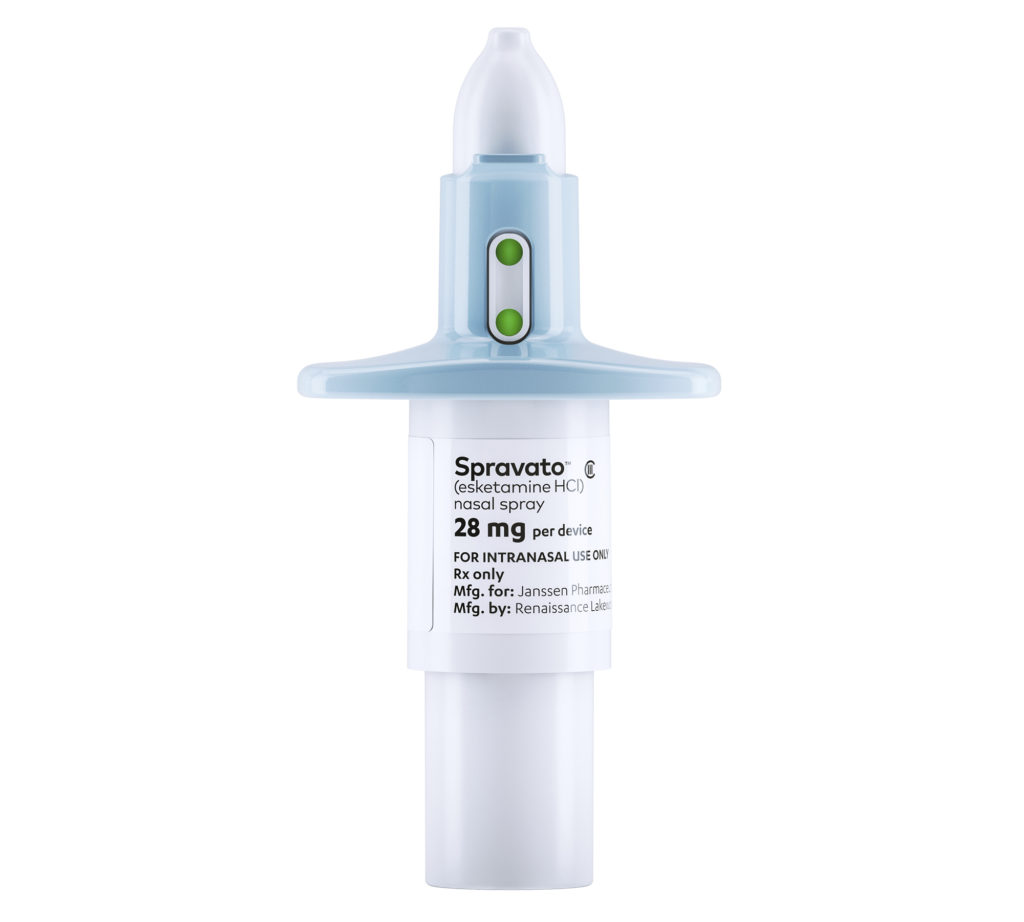
    Spravato is one of the breakthroughs in psychiatry for 2019, because it won FDA approval this year.

    In March of this year, the FDA approved a derivative of ketamine, the left enantiomer of the molecule, in a specially designed nasal spray for treatment resistant depression under medical supervision in approved clinics. However, the FDA approved this to be used only in conjunction with another andtidepressant at the same tije.Use of esketamine requires the initiation of a new antidepressant at the same time. 

    After years of promising outcomes with IV and IM ketamine in treating depression and other disorders as an off-label treatment, FDA approval of esketamine presented a milestone — it’s a novel form of treatment as a nasal spray and it uses a derivative of a medication that we’ve been using successfully and safely for years. PTSD, cocaine use disorder, alcohol use disorder, bipolar depression, social anxiety, and suicidal thinking can all respond to IV ketamine.

    While esketamine hasn’t been studied for most of these conditions, it can create a robust add-on response to an antidepressant in some patients who benefit from low doses. And the beauty of it is that because of its FDA approval, esketamine as a medication is covered by many insurance programs.

    Although there are tons of hoops to jump through, red tape, paperwork, REMS monitoring (the risk mitigation program that the FDA requires that all doctors and patients participate in).

    So… FDA approval marked a new breakthrough in psychiatry for 2019, and a milestone in ketamine’s journey. The quest for wider acceptance as a remarkable treatment for people who’ve remained depressed in spite of traditional medicines.

    This 21st century novel and advanced treatment for psychiatric disorders is changing the face of disability.

    Growing numbers of people are experiencing not only improvement, but remission from their symptoms, and are recovering to build fulfilling and rewarding lives, relationships, and futures.

    Here at Innovative Psychiatry, we offer both IV ketamine treatment and esketamine nasal spray for those patients who are candidates for these treatments.

    2. Telemental Health Support

    Healthcare services provided by online video or telephone has been growing for a number of years. It has improved medical care for shut-ins  and the elderly who have difficulty accessing it in the office. Psychiatric patients in remote areas have received better psychiatric coverage through this means of communication.

    By combining technology with new policies, telemental health has advanced in its effectiveness again. Sometimes using a method of treatment reveals new opportunities for improvement as challenges reveal themselves.  

    So, The National Center for Performance Health in Florida recently established ecare4kids. This tele-counseling program serves public school children in Florida with online tele-counseling. All 50 states provide some amount of tele-health services through Medicaid.

    Then in February 2019, Congress introduced the Mental Health Telemedicine Expansion Act. The Ways and Means Committe approved it in June of this year to ensure more psychiatric health care in remote areas throughout the US.

    3. Gene-guided medicine

    The Human Genome Project completed mapping the genome in 2003.

    So what’s a genome? 

    Good question. It’s the complete set of DNA, or the genetic material, found in a microorganism or the cell of any living thing. In this case, we’re specifically talking about human DNA.

    To clarify, DNA is made of a pair of twisting or spiraling strands that consist of four chemical units which we call nucleotide bases. And the bases are made of adenine (A), thymine (T), guanine (G), and cytosine (C). These bases are paired in specific patterns, i.e., an A is paired with a T, and a G is paired with a C.

    This woman is bursting with excitement from the treatment she's gotten listed in psychiatry breakthrougs for 2019.
    Now imagine this: there are 3 billion of these base pairs in your DNA, which are held within 23 pairs of chromosomes…in the nucleus of every cell of your body.

    You can see how ambitious it was for this team to take on the project of mapping all this out.

    Well, now that we have that mapping, the obvious next step follows the reduction in price of mapping your own individual genome. The initial mapping project was estimated to cost 30 million dollars. 

    But the more they use this process, the more the process reduces in cost. The next steps can feasibly include things like getting your own map so your medical and health needs, and even the medicines you take, can be so specifically customized to your genetic profile as well as your environment and lifestyle, that the effectiveness of treatments you need can soar.

    Which brings us to the point that the disorders we talk about and treat are, in most cases, inherited to some degree. So you see multiple family members suffering from psychiatric illnesses at the same time…and all too often — severe illnesses.

    Imagine if we could better fit a medication or treatment specifically to your DNA profile. And the same for your family members. So much suffering from side effects could be eliminated.

    We have important information already available to us about the cytochrome P450 enzyme system (the enzyme system in the liver responsible for the oxidative metabolism of many of our medications) …and at Innovative Psychiatry we use evidence-based genetic information as we have available to help explain your responses and guide your treatment.

    4. Genetic Editing

    You feel like dancing like these friends from the psychiatry breakthroughs of 2019.

     …Say what?? It hasn’t been that long since we figured out what the genome looks like.  Now we’re talking about editing it? Like editing a paper?  

    Well, sort of.

    It turns out that this year genetic scientists broke through in a major way with a possible method for potentially removing genetic links to disorders and diseases like Alzheimer’s, ADHD, and autism, and replacing those links in the individual’s DNA with healthy links.

    So…scientists at Harvard and MIT took the wraps off a new approach to what they coined, “prime editing.” The chemist/biologist who led the unveiling described its usefulness as a metaphor of Word processing.

    A total WOW.

    He said these little prime editors search for certain DNA sequences and precisely remove them, then replace them with sequences that don’t produce disease. He says that 89% of disease-causing defects can be resolved by this method…eventually.

    Such astounding breakthroughs in psychiatry for 2019 – what can they imagine next?

    The potential here goes without saying. What would happen if we would eventually do a little primed editing and edit out suffering? Like the kind associated with severe depression? With bipolar disorder? With alcohol dependence? With anxiety? We get breathless just thinking about it!

    5. Psychiatric Healthcare with Cell Phones

    Man on a cell phone demonstrates one of the breakthroughs in Psychiatry of 2019.

    A technical/data science/healthcare company (Mindstrong) has secured a handful of patents to develop an innovative method of providing mental healthcare services over cellphones.

    By partnering with your health insurance company, services can be provided to you free of charge, including evaluations, psychotherapy, psychiatrist visits, medication evaluations, and support when things unexpectedly come up between doctor visits. Their psychiatrist will work with yours to provide smoother and continuing care. And because it’s designed to be free (for you), more people can receive care for their disorders.

    Using a mobile app, text therapy can be provided as Cognitive Behavioral Therapy (CBT), Coping and Emotion Regulation, Psycho-education, Crisis Management, Reflective Listening, and Empathy.  

    Since 75% of Americans own a cell phone, finding a way to reach a broader audience with mental healthcare is evolving to naturally involve mobile phones. Hmmmm…..

    Digital phenotyping collects data from the smartphone to provide measures of cognition and emotion. They say that the way you use your cell phone tells them a lot about your mood and state of mind. They can’t see you but they collect data. 

    They’re not covering every cellphone in the US yet, but they’re growing…and it won’t be long. 

    What do you think about this idea? I’d love to hear your comments below.

    With all these psychiatry breakthroughs in 2019, it’s easy to get caught up in the sci-fi talk and forget what we have NOW.

    We’re living in a new world, and IV ketamine treatment IS sci-fi. 

    We could not have imagined in the past century that a medicine originally designed for anesthesia would come out of the woodwork and actually provide a solution to major depression, alcohol overconsumption, opiate dependency, anxiety disorders, PTSD, OCD, bipolar depression, and suicidal inclinations. Ever.

    Let’s not miss what’s right in front of us. 

    IV ketamine treatment can resolve depression symptoms. 

    This is the jarring news we take with us into the new decade. 

    Depression, PTSD, OCD, social anxiety, bipolar depression, substance use disorders, and suicidal thoughts no longer have to be a final sentence. You can get better. Your life can transform to a new, meaningful, rewarding source of joy…and hope.

    If you wonder whether IV ketamine treatment could work for you, call us to schedule an appointment and come in. We invite contact from your health team, and we’d love to collaborate with them to help your life transform.

    We look forward to the opportunities to meet you and discuss options in the new year.

    Have a Happy and Healthy New Year in 2020 – full of  hope, purpose, and joy.

    Lori Calabrese, M.D. is on the front end of the race to stop PTSD in its tracks using IV ketamine treatment.

    To the restoration of your best self,

  • Your Generosity’s Impact on Depression

    Your Generosity’s Impact on Depression

    Your generosity's impact on depression is remarkable.

    This is a time of year when we do lots of giving, don’t we? 

    And for the most part, we receive the giving of others, too. While it’s fun to receive and get stuff, receiving doesn’t have the impact on our brain, our outlook, our health and immunity, as well as our sense of well-being, that giving does. In fact, when we really give of ourselves, give a piece of ourselves, hoping it will truly help or benefit the person we give to, something wonderful begins to happen. I guess most of us feel a certain amount of obligation this time of year to make sure we have a gift for each person in our world… family, co-workers, neighbors, friends and those in all our other circles. But there’s an important distinction between obligated giving and true generosity from the heart. So let’s talk about one of the most important results: your generosity’s impact on depression.

    It turns out that when you give out of obligation, it doesn’t really trigger any magical benefits in your brain. You still feel bad and you suffer a smaller balance in your checkbook. Plus you know…you still don’t know how to make things better.  

    Giving the Best of Yourself

    But when you give of yourself – from your heart – something amazing happens. It can be a check you write from the money you’ve worked hard for. It can be giving your time and support to someone who needs something you specifically can provide.  

    No matter what you give, when you really want that person to deeply benefit from it, that’s when it helps you, too. Well, at that point things start clicking in your brain in a way that turns up the heat in your immunity protection. It also turns up the connections in the signals moving in your brain, and – no small thing – it turns your attention from yourself and how bad you feel to someone else and how you helped them feel great. You may have even given them hope.

    Generosity is so Good for Your Depression

    So why is giving so valuable, and your generosity’s impact on depression so life changing?

    Good question!!

    Generosity's Impact on depression helps to release joy during the holidays.

    It starts in the mesolimbic pathway in the brain. Weird word, I know. But this strange phrase refers to a circuit in the brain that takes advantage of the neurotransmitter dopamine to link your behavior with a feeling of pleasure. You may have heard it called the “reward pathway.” 

    (It probably won’t surprise you to know that because of that, this area is studied by researchers seeking understanding and solutions for addiction.)

    So, when you’re a giver, a series of events takes place triggered by a special set of chemicals like dopamine and its mesolimbic activity, endorphins that give you almost a sense of euphoria, and oxytocin.

    Oxytocin is associated with tranquility and inner peace, as well as a sense of belonging, cuddliness, and connection. It’s the same hormone secreted when a mother nurses her baby….it causes the bonding between mother and child.

    Stress is a Destroyer

    Now when you’re spread too thin, or disasters are happening around you, both natural and figurative, that stress prunes and breaks down the synaptic connections in your brain. 

    Stress tells your body to prepare to fight or take flight. When your body keeps going into this state, believing you’re facing life or death, it wears it down. It depletes neurotransmitters, prunes the synapse structures and connections that allow for signals to be delivered, and increases cortisol. And when cortisol increases, these neurotransmitters stop producing.

    But, it turns out, that even if you do experience a lot of stress, something as simple as giving of yourself, volunteering, and helping and supporting others can combat the destructive effects of stress… and prolong your life.

    Generosity’s Impact on Depression and Mortality

    A study led by Michael Poulin published in the American Journal of Public Health, 2013, found that a stressful life did not predict the mortality rate in those who provided help to others. However, in those who did not provide help to others, stress did predict their mortality.

    Generosity's impact on depression is increased by the mutual support and fresh air and exercise of these volunteers as they give of themselves.

    A study published in the Journal of Health Psychology that focused on volunteering found that volunteering reduced mortality rates in a group of 2000 people more than exercising 4 times a week and regularly attending church. 

    Get this: it found that of the 2000, those who volunteered for 2 or more causes enjoyed a 63% reduction in mortality in contrast to those who didn’t volunteer at all.

    Volunteering is a Category All Its Own

    One thing about volunteering is that you have to really give of yourself. Your time, your energy, your comfort zone.  And you probably believe in the cause and truly want to help the recipients. So with volunteering, you’re probably meeting the criteria for health benefits. And yet…that’s not why you do it, is it?  

    You do it because you really do want to help, to make a difference.

    And it’s that heartfelt commitment to make a difference for someone and that deep desire to help, that triggers this cascade of neurotransmitter reward. Someone called it the “giver’s glow.” 

    It’s your generosity’s impact on depression in your life. It can help you go from shutdown…to glowing…!

    What it does do is to reduce the effects of stress in your life and improve your immunity, while flooding you with a warm sense of connection, and belonging, and soul satisfaction.

    These studies found that when someone is helpful regularly for a prolonged period of time, the benefits to their health and outlook compound, and carry on for a prolonged period of time.

    Which is why it’s not only better for the organization to know they can rely on you every Tuesday for a year, but it’s much better for your wellbeing and longevity.

    May Your Giving Season Be Your New Beginning of a Generosity Approach to Life

    And, so here we are. It’s the Giving Season. We’ve had Giving Tuesday which helped to organize donations all around, and… which helps you with a tax write-off. But let that be only the start. Because if you donated for the tax write-off, that’s your benefit. 

    Still, if you make this the beginning of a new year of reading to the elderly, or teaching English as a second language, or literacy support, or anything that can help make another life or many lives better, healthier, and with more hope, then you may very well be on your way to a ripe and healthy old age.

    Giving from the heart…giving unselfishly, giving of yourself in your own creative way, and giving your hard earned money to make life better for someone… can improve your outlook, your energy, and your sense of purpose. It can increase the neurotransmitters that move signals around in your brain, and improve your immunity.

    This man offers another a helping hand because generosity's impact on depression is unmistakeable when you help someone outside yourself.

    What a truckload of benefits for you from giving of yourself.

    And, if we at Innovative Psychiatry can help you with symptoms you can’t resolve yourself, please call us. IV ketamine treatment can give you the transformative restoration so you really can give your best self to others.

    We want to help you find the power to live, and give, and bloom. To be satisfied and fulfilled with your life, your work, your relationships…all of it.

    Have a Wonderful and Fulfilling Holiday Season!

    Lori Calabrese, M.D. is on the front end of the race to stop PTSD in its tracks using IV ketamine treatment.

    To the restoration of your best self,

  • Each 4-Hours of Exercise Reduces Future Depression

    Each 4-Hours of Exercise Reduces Future Depression

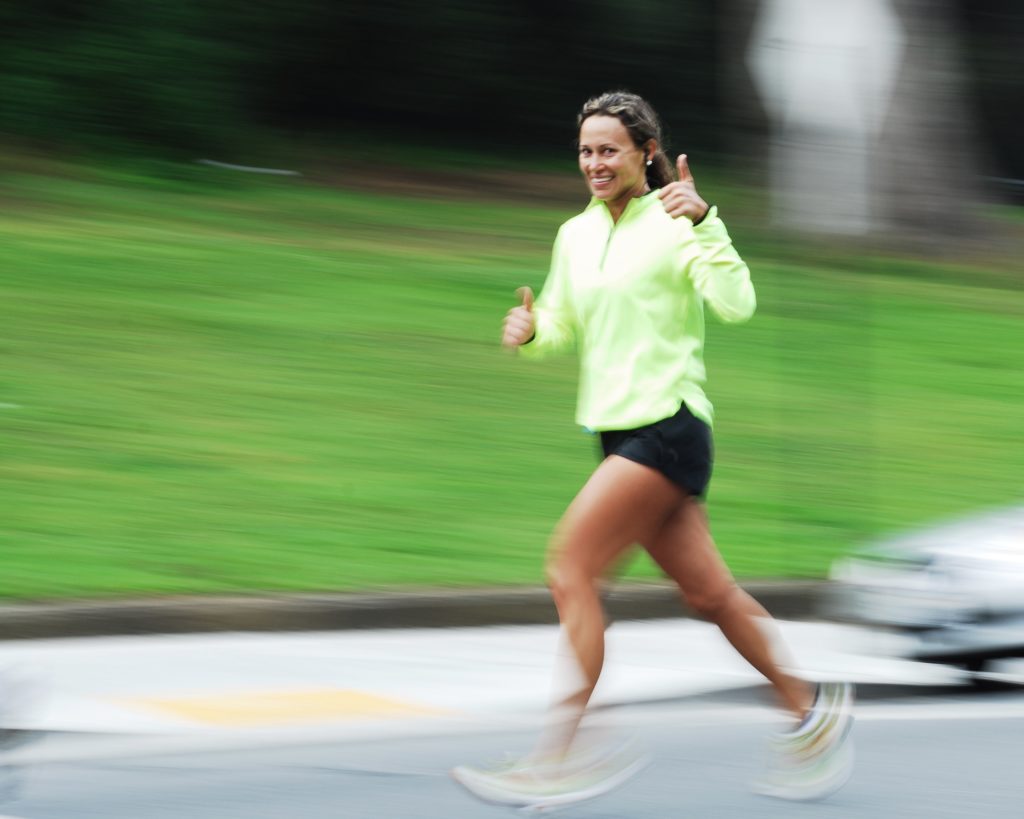
    This lady is jogging and knows that exercise reduces future depression.

    Can you believe it’s already December? 

    We’re smack in the middle of the holidays!  The last month of 2019 has begun. If this December is anything like the past, it will zoom by like a rocket. I hope your Thanksgiving was a joyful time for you. Going forward, it’s part of the tradition at this time of year to overindulge …then let diet and exercise obligations pelt us like hail at the start of the New Year. But I have another suggestion, and it’s related to exercise now. Beginning today, increasing your exercise can reduce your risk of depression going forward. In fact, exercise reduces future depression even in the holidays ahead. Wouldn’t that be nice?

    As you know, depression can run in families, and when you’ve experienced recurring bouts of depression all your life, it can seem like an albatross. Something that’s part of your life that robs you of resilience and the energy to face the demands of a busy time of year like this.

    If you have other family members who also struggle, you can start to think this is just how life is. And that there is just nothing you can do about it. 

    Trudging as if in mud, a dark cloud hanging over you…feeling listless and overwhelmed, and just wanting to go to bed.

    But it doesn’t necessarily have to be that way.

    Inherited Depression Isn’t a Life Sentence

    There really are things you can do. Things like eating foods that support a brighter outlook by strengthening the microbiome, and by strengthening circuitry through omega-3 fatty acids. 

    Another way is to spend at least 30 minutes a day in the sunshine, and in good weather, more than that. Good for your spirit, good for your body as it makes Vitamin D. It’s essential for nearly every chemical reaction that occurs in your body, and especially those that impact your emotions and frame of mind.

    And here’s another big one: the E word.   

    The E word?

    That word we dread hearing from our doctorS, and when they ask about it, we look at the floor and mumble.

    EXERCISE!!

    Now don’t tune me out.  Stay with me…

    Many of us are on a guilt trip about working out, about not exercising enough on a regular basis. There are those inspiring icons who are at the gym every day, running, lifting weights, building muscle, stretching… the SLEEK ones. You can pick them out anywhere. The mall, the grocery store, your favorite restaurant.  

    But, my friend, believe it or not, those people are not the mainstream. And you are NOT shameful that your exercise schedule doesn’t match theirs. 

    Exercise reduces future depression, even if it's just stretching.

    The truth is, exercise is for YOU. It’s for your enjoyment (no I’m not kidding), for your own release of tension, it’s for your health to keep your arteries clean and clear and your heart strong…and to ward off diabetes and other diseases.  

    But that’s not all.

    Exercise Reduces Future Depression

    Did you know that?  

    You’ve probably heard it will help you combat depression now…but who feels like getting out and moving anyway?  When you feel crummy, exercising is the last thing you feel like doing.

    Except that getting outside, breathing in fresh air, and moving your  body, your joints, your muscles… can be a lifeline of hope if you let it.

    In fact, a biobank cohort study published in Depression & Anxiety, showed that when you’re active it can help prevent depression in the future regardless of your genetic predisposition.

    Using a data base of 8000 people of European ancestry, Karmel Choi, Ph.D. and her colleagues determined that an increase in physical activity was associated with decreased likelihood of depression episodes in the future. And this wasn’t just in cases of people with a background of heavy daily workouts or participations in sports. 

    Whether the activity was intense, like aerobic exercise or the use of exercise machines, or lower-intensity movement like yoga and stretching, each time they added a 4-hour block of activity in per week it was linked to a 17% reduction in the likelihood of a new episode of depression going forward. According to these findings, exercise reduces future depression. It’s worth pushing through.

    Exercise – At Least As Important in Fighting Depression As What You Eat

    Recognizing this can help your psychiatrist prescribe more movement and activity to reduce depression for you going forward.

    When you’re depressed, it goes without saying that you just don’t feel like getting out, being active, pushing through the fog and inertia to initiate exercise, but doing so anyway can open the door to better days ahead.

    Jogging like this lady can lift your outlook with fresh air and beauty and exercise reduces future depression episodes.

    And even if your doctor tells you to be active 4 hours each week, it doesn’t mean that you will.  It can really seem futile, when your outlook is dark. But it’s worth the commitment and the effort.

    And if you find you can hardly get out of bed…if at all… and you really do need some sort of a leg up just to start the exercise, you may be a candidate for IV ketamine treatment.

    IV Ketamine Treatment Gives You a Head Start

    At Innovative Psychiatry, our patients often find they’re so much more able to participate in their own recovery after IV ketamine treatment. By restoring synaptic connections and signaling pathways in key brain regions, returning the lateral habenula to optimal function, your energy can improve dramatically — for getting exercise, building relationships, enjoying your family, doing things with friends, pursuing hobbies, and performing at work.

    The G proteins can slide off their lipid rafts to enhance neurotransmitters to do their jobs, and you can enjoy motivation and initiative you’ve lacked for so long…to do things like exercise for the sake of your future health.

    It’s true that IV ketamine treatment isn’t for everyone… Some people just don’t benefit like we want them to. But those are the exception rather than the rule. Sometimes when a patient doesn’t respond at first, several weeks later they’ll experience restoration as a sort of delayed response. It can seem to bubble up on its own.

    In fact, there has never before been a medicine for depression that has been so quickly and so widely effective. Never.

    You Can Enjoy Energy, Initiative, and Hope

    As this man carries his exhausted dog, he enjoys the glow of sunset.

    If you’ve tried antidepressants without improvement, you owe it to yourself to let IV ketamine treatment show you what it can do. We have financing options to help you access this extraordinary treatment, and we can schedule you within a few days in most cases.

    Whether you suffer from depression, bipolar depression, PTSD, opioid use disorder, alcohol use disorder, and/or suicidal thinking, IV ketamine treatment can transform your life. You really don’t have to just endure. You really can have the life you’ve wished for as long as you can remember. 

    If you want to be proactive toward your recovery with better diet and more exercise… and to invest yourself in the lives of people you love… but you just can’t find the initiative or energy to do it, call us.

    IV ketamine treatment offers the most robust, remarkable antidepressant benefits to more people with treatment resistant mood disorders than any treatment we’ve seen in psychiatry to date.

    This is YOUR time. 2020 can be your best year yet.

    Lori Calabrese, M.D. is on the front end of the race to stop PTSD in its tracks using IV ketamine treatment.

    To the restoration of your best self,

  • How What You’re Eating Affects Your Depression

    How What You’re Eating Affects Your Depression

    This guy is laughing because he knows your eating affects depression.

    We’ve talked before about how your diet affects your microbiome, and how your microbiome affects your mood.

    We’ve also talked about how eating foods rich in fatty acids helps your brain function. Since we know that your eating affects your depression—we know that… and you know that—let’s talk today about how other foods impact your mood, to either fight depression or invite it.

    While we all know that sugar isn’t that healthy for you, do you know why?  Do you know what it does to your frame of mind and emotions?

    Inflammation 

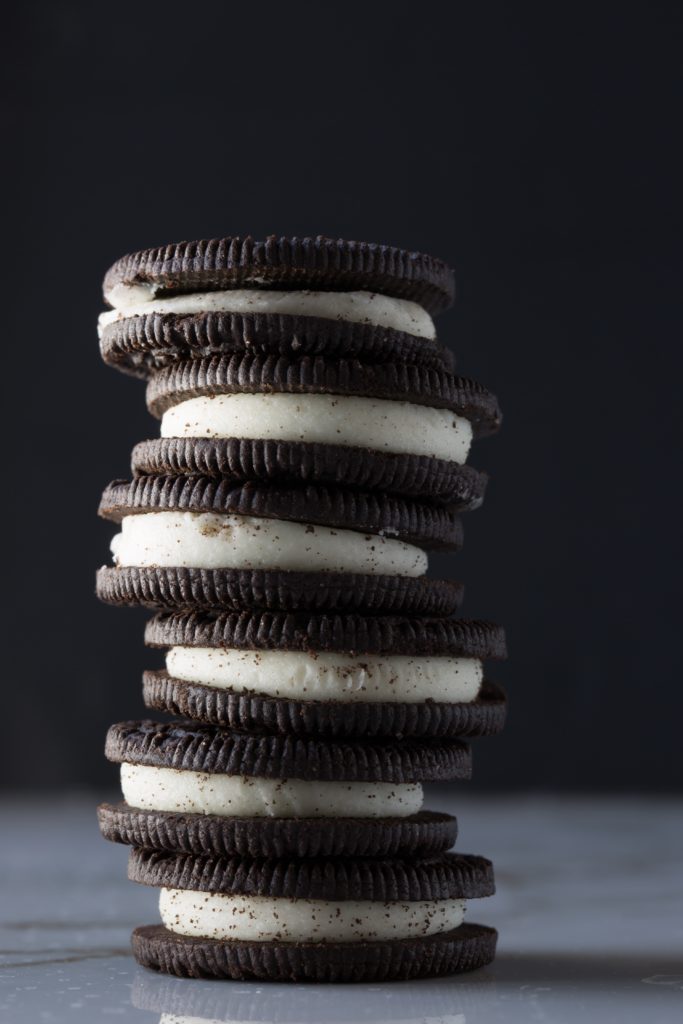
    We’ve talked about inflammation before, and how it contributes to depression, and even suicidal thinking. Sounds like a dull subject? Well, look at it this way. Self indulgences like desserts, soft drinks…even the unsweetened ones…and blueberry muffins with your coffee, are making you more depressed.

    This stressed lady needs to eat healthier because eating affects your depression.

    Is that close enough to home?

    Did you know that sugar contributes to inflammation? And if you think you’re avoiding inflammation by reaching for a diet drink, think again. Artificial sweeteners also contribute to inflammation. 

    Sugar and Sugar Substitutes Increase Risk of Depression

    A meta-analysis by Xiaoming Bian, et al., published in Frontiers in Physiology in July 2017, showed that long term use of sucralose, which is the most widely used artificial sweetener, alters the bacteria in the microbiome. For the microbiome to function in support of your mental health, the “good” bacteria needs to be strong enough to hold the “bad bacteria” in balance.

    Your eating affects your depression. And when you use Splenda, you’re actually fueling the mechanism that makes you depressed, or makes your depression worse.

    And there’s more.

    Sugar and sugar substitutes also increase your likelihood of developing schizophrenia. In 2004, the well-known British psychiatric researcher Malcolm Peet discovered two mechanisms where refined sugar can potentially have a toxic impact on mental health.

    Sugar Interferes with Production of BDNF

    To begin with, sugar stifles the activity of an extremely important growth factor in the brain, the brain-derived-neurotrophic-factor (BDNF). Now we know from our discussions of ketamine treatment that BDNF stimulates the growth of synaptic connections in the brain, which improves communication signals. And the more connections there are, the sharper your mind, the richer your associations, the brighter your mood.

    However, if you’re eating a lot of sugar, the production of BDNF is reduced, which in turn reduces the growth of synapse connections, dendrites, and dendritic spines, which causes the information highway in your brain to grow darker and darker…then the signaling slows down…and your mood tanks.

    We know that in depression and in schizophrenia, the BDNF level is very low. When the BDNF level remains low for an extended period of time, important brain regions begin to shrink. So it’s not too hard to connect the dots and see how you can eat a lot of sugar as a habit, and find yourself more and more depressed.

    There’s a vicious cycle there. It may be tempting when you’re feeling low to eat chocolate, or cookies, or cake to cheer yourself up. But after the initial jolt of increased blood sugar, you find yourself feeling worse and worse emotionally. At which point you may be inclined to repeat the sweet treats.

    Then add to that the effect of crackers and bread. These are simple starches, which saliva breaks down to sugar. And you experience the same deteriorating mood you did with all that sugar, because it’s just more of the same.

    Your Eating Affects Your Depression: Sugar Consumption Stimulates a Chemical Domino Effect

    Cookies can worsen depression because what your eating affects your depression.

    In addition, when you eat lots of sugar..and in the western world the majority of us do…a domino effect of chemical reactions is instigated that leads to chronic inflammation.  And that brings us full circle to the destructive force of chronic inflammation in our bodies and our minds. 

    If you have a history of depression or anxiety, it can be remarkably helpful to keep your microbiome balanced and strong, and to keep inflammation under control. Because you know that once symptoms emerge and increase, it can be so difficult to find the energy and initiative to take the necessary steps to get these components under control again.

    And this includes processed meats. Because they’re also packed with sugar and chemicals that trigger inflammation. The safest food for strengthening your microbiome and holding inflammation at bay is to eat whole food as it’s grown naturally.

    Ideally?  No More Sugar Than 25 Grams/Day.

    Sounds crazy?  It’s so doable. 

    But Rome wasn’t built in a day. Baby steps. Every week, you could reduce your daily sugar intake by 1 teaspoon. Little by little. But try to be consistent.  You may be flabbergasted six months from now by the difference you’ve made in the way you feel.

    A study in London led by Anika Knuppel focused on 5000 men over five years who consumed over 67 gm/day of sugar. They found that these men were 1/5th more likely to develop anxiety and depression than their counterparts who consumed less than 39.5 gm/day.

    So even though we all know that consuming too much sugar increases our risk for obesity, Type 2 diabetes, and cancer, it also increases our risk for psychiatric disorders, too.

    More than you know, your eating affects your depression and overall wellbeing.

    Nutrient Deficiencies Can Lead to Depression, Too

    Things like omega 3 fatty acids, B vitamins, magnesium, and Vitamin D are all needed to maintain well being. Certainly, there are multiple factors that contribute to symptoms of disorders, including genetics, environmental factors, stress, and more. So there is not much you can do to completely prevent depression and other disorders. 

    But there are foods you can eat to improve your chances of staying healthier, reducing symptoms, or possibly avoiding them altogether.

    This man is happy because he learned that your eating affects your depression.

    The Bees

    Well, ok, not the bees, or the bees knees.  But rather the vitamin Bs, like B1, B2, B3, B6, B9, and B12. When your diet is low in folate (which is a B vitamin), it can increase your risk of depression and other disorders by a whopping 304%! 

    In 2017, a study was conducted in suicidal teens, and it happened that most of them were deficient in cerebral folate. And listen to this: all of them improved when they were treated with folinic acid.

    You brain needs B vitamins. So make them part of your daily regimen to improve your mood and outlook. Because your eating affects your depression and other disorders. It just does.

    Omega-3 Fatty Acids

    When you eat salmon, you feel better emotionally because strategic eating affects your depression.

    Another thing you brain needs is omega-3s. Get it from eating wild caught Alaskan salmon,  sardines, herring, mackerel, and anchovies. If you can, request an omega-3 index test to find out where you stand. In general terms, you’d like that to show 8% or higher.

    Magnesium

    To keep your thinking clear, your memory sharp, and your outlook bright, include a magnesium supplement that crosses the blood brain barrier. Magnesium is good for your whole body. So eating walnuts, avocados, legumes, dark chocolate, tofu, and seeds can help keep your whole body in better working order. But symptoms of depression need magnesium L-threonate. Some neuroscientists at MIT and Stanford developed that one, and it’s far more effective for your brain than nuts and chocolate.

    Vitamin D 

    Walking in the sunshine improves your absorption of vitamin D.

    This one is needed for most chemical reactions throughout your body. In fact, vitamin D3 is especially in demand. And while you can take supplements for it, your best source for vitamin D is regular, sensible exposure to sunshine. Thirty minutes a day during mid-morning can be an effective way to build your vitamin D stores.

    A double-blind randomized trial published in Y 2008 stated in conclusion that supplementing with high doses of vitamin D seems to “ameliorate symptoms indicating a causal relationship.” 

    It’s wise to request a vitamin D test twice a year to make sure you’re vitamin D level is 60-80 ng/ml. Tell your doctor that you know your eating affects your depression and you want to stay on top of the details.

    For decades, our western society has dismissed the vital role nutrients play in our physical and mental wellbeing. At the same time, processed foods have played a larger and larger role in our overall diet primary for the sake of convenience. 

    But it hasn’t been without a high price. Depression has sky-rocketed in prevalence. Obesity and diabetes have almost become the norm. Only you can recover your dietary fuel by eating whole foods and paying close attention to including foods we’ve listed here, and avoiding processed foods, sugar, sugar substitutes, and fatty meats.

    A Thought…

    Think about this:  What if treatment resistance is related to diet?  Just think how much better you might feel by fueling your brain with what it needs!

    At Innovative Psychiatry, we encourage our patients to give their brain the best possible opportunities to improve. With nutrients, rest, exercise, relationships, and doing things they enjoy. 

    eating affects your depression

    And if medicines aren’t helping, if nutrients and exercise don’t help enough, we consider whether a patient is a candidate for IV ketamine treatment. Ketamine treatment isn’t for everyone, but it is effective for the majority of patients who need it. And it’s so remarkable, it can reverse their suicidal thoughts in a few hours, restore their energy for relationships, for investing in their jobs, and enjoying their hobbies. It can replace despair with hope in a big way.

    If you feel like you’ve done all you know to do, including a couple or more antidepressant prescriptions for at least 3-4 months each, then call us. You just might be a candidate for ketamine infusions. And if you are, chances are that this treatment can turn your life around and set you on a path of joy. 

    IV ketamine treatment isn’t magic, but it can restore you to the best you remember ever being.

    That’s why we’re here. Because seeing people like you get better is the whole point.

    Lori Calabrese, M.D. is on the front end of the race to stop PTSD in its tracks using IV ketamine treatment.

    To the restoration of your best self,

  • Side effects mild, brief with single antidepressant dose of intravenous ketamine
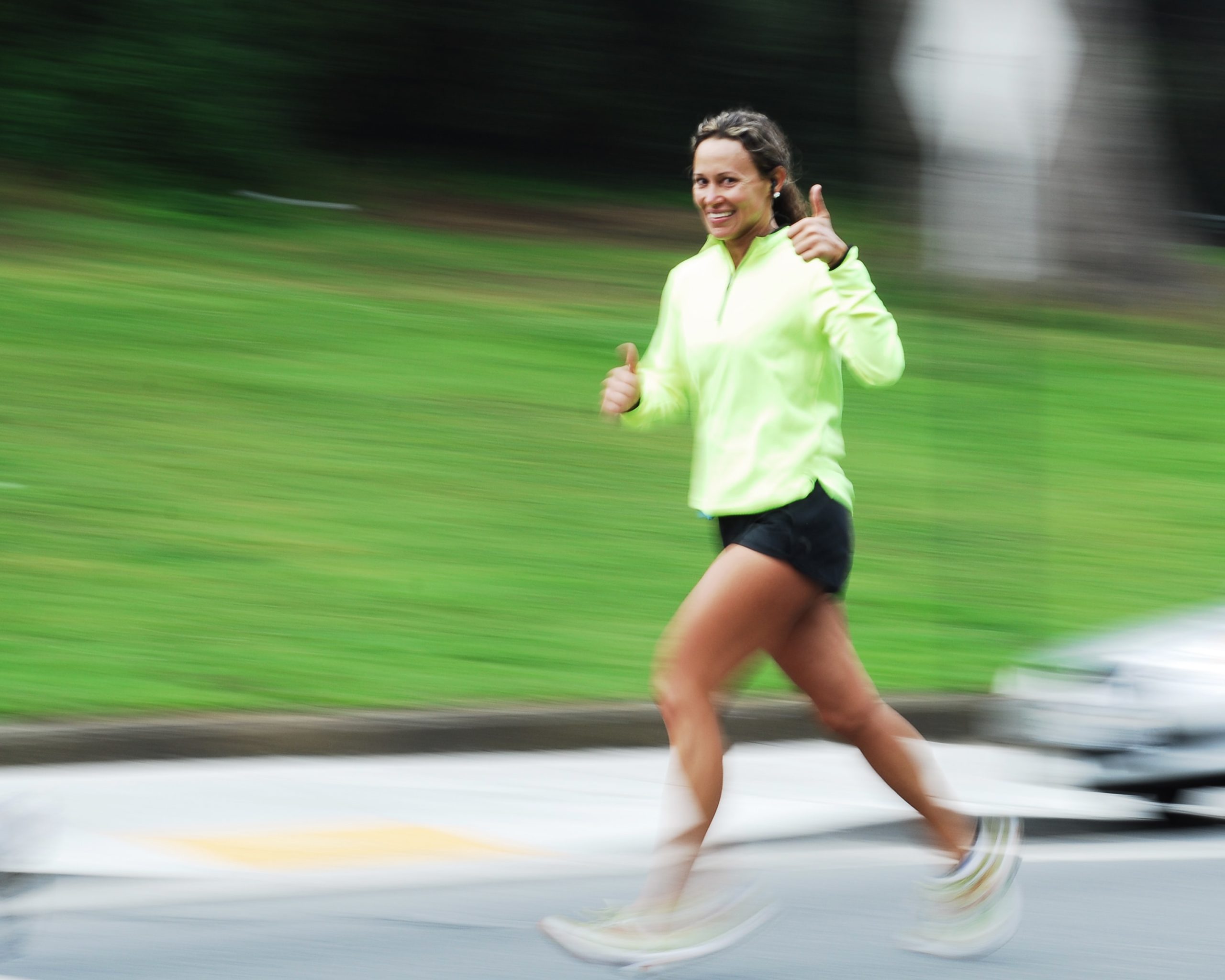
    Safety data analyzed from five NIH inpatient clinical trials.

    National Institutes of Health researchers found that a single, low-dose ketamine infusion was relatively free of side effects for patients with treatment-resistant depression. Elia Acevedo-Diaz, M.D., Carlos Zarate, M.D., and colleagues at the NIH’s National Institute of Mental Health (NIMH) report their findings in the Journal of Affective Disorders.

    Studies have shown that a single, subanesthetic-dose (a lower dose than would cause anesthesia) ketamine infusion can often rapidly relieve depressive symptoms within hours in people who have not responded to conventional antidepressants, which typically take weeks or months to work. However, widespread off-label use of intravenous subanesthetic-dose ketamine for treatment-resistant depression has raised concerns about side effects, especially given its history as a drug of abuse.

    “The most common short-term side effect was feeling strange or loopy,” said Acevedo-Diaz, of the Section on the Neurobiology and Treatment of Mood Disorders, part of the NIMH Intramural Research Program (IRP) in Bethesda, Maryland. “Most side effects peaked within an hour of ketamine administration and were gone within two hours. We did not see any serious, drug-related adverse events or increased ketamine cravings with a single-administration.”

    The researchers compiled data on side effects from 163 patients with major depressive disorder or bipolar disorder and 25 healthy controls who participated in one of five placebo-controlled clinical trials conducted at the NIH Clinical Center over 13 years. While past studies have been based mostly on passive monitoring, the NIMH IRP assessment involved active and structured surveillance of emerging side effects in an inpatient setting and used both a standard rating scale and clinician interviews. In addition to dissociative (disconnected, unreal) symptoms, the NIMH IRP assessment examined other potential side effects — including headaches, dizziness, and sleepiness. The study did not address the side effects associated with repeated infusions or long-term use.

    Out of 120 possible side effects evaluated, 34 were found to be significantly associated with the treatment. Eight occurred in at least half of the participants: feeling strange, weird, or bizarre; feeling spacey; feeling woozy/loopy; dissociation; floating; visual distortions; difficulty speaking; and numbness. None persisted for more than four hours. No drug-related serious adverse events, cravings, propensity for recreational use, or significant cognitive or memory deficits were seen during a three-month follow-up.

    To overcome the limitations associated with side effects and intravenous delivery, ongoing research efforts seek to develop a more practical rapid-acting antidepressant that works in the brain similarly to ketamine. These NIMH researchers, in collaboration with the National Institute on Aging, and the National Center for Advancing Translational Science, are planning a clinical trial of a ketamine metabolite that showed promise as a potentially more specific-acting treatment in pre-clinical studies. Meanwhile, the U.S. Food and Drug Administration earlier this year approved an intranasal form of ketamine called esketamine, which can be administered to adults with treatment-resistant depression in a certified doctor’s office or clinic.

    About the National Institute of Mental Health (NIMH): The mission of the NIMH is to transform the understanding and treatment of mental illnesses through basic and clinical research, paving the way for prevention, recovery and cure. For more information, visit the NIMH website.

    About the National Institutes of Health (NIH): NIH, the nation’s medical research agency, includes 27 Institutes and Centers and is a component of the U.S. Department of Health and Human Services. NIH is the primary federal agency conducting and supporting basic, clinical, and translational medical research, and is investigating the causes, treatments, and cures for both common and rare diseases. For more information about NIH and its programs, visit www.nih.gov.

    NIH…Turning Discovery Into Health®

    Reference

    Comprehensive assessment of side effects associated with a single dose of ketamine in treatment-resistant depression. Acevedo-Diaz EE, Cavanaugh GW, Greenstein D, Kraus C, Kadriu B, Zarate CA Jr, Park LT. https://doi.org/10.1016/j.jad.2019.11.028, Nov. 10, 2019, Journal of Affective Disorders.

error: Content is protected !!