Tag: IV Ketamine for Bipolar Depression

  • Suicide Prevention: #Bethe1to Save a Life

    Suicide Prevention: #Bethe1to Save a Life

    Suicide prevention: #Bethe1to ask how they're doing, to connect with them and listen.

    Today marks the beginning of National Suicide Prevention Week 2019, and tomorrow, September 10, is World Suicide Prevention Day.

    More than just observing a day or week like this, let’s use the opportunity to learn what we can actually do to make a real difference in the life of someone who suffers from suicidal thoughts. The National Suicide Prevention Lifeline has created the hashtag #BeThe1To to pull together people interested in learning what you can do to help.

    Suicide Prevention: #Bethe1to Intervene

    Approximately 1 million people die by suicide each year, according to the World Health Organization. That’s about 3000 people per day, or one death by suicide every 40 seconds. In the US, over 47 thousand people died by suicide in 2017. As such, suicide is the 10th leading cause of death in the US alone. But those are the ones who died.  1.4 million attempted suicide. 

    When someone experiences suicidal thoughts, it doesn’t mean they’ll necessarily make an attempt to end their life. So if there were 1.4 million people who attempted to die, can you imagine how many suffer in silence from the torment of suicidal thoughts?

    And here’s the thing…

    You don’t really know whether a particular person who’s experiencing suicidal thoughts will try to stop living, even if you do know they’re having suicidal thoughts. 

    And that’s why it’s so important to know what you can do, and learn how to get comfortable doing it.

    Suicide Prevention: #Bethe1to Make the Effort

    Suicide prevention: #bethe1to reach out and ask how she's doing.

    So let’s talk today about how YOU can intervene and help protect people in your circle from making an irreversible decision. National organizations dedicated to suicide prevention, like Suicide Prevention Lifeline and the American Foundation for Suicide Research cannot ferret out everyone at risk. To reach all of those suffering requires your help, engagement, and willingness to reach out.

    Most people do care about the number of people dying by suicide, but the majority of those who care, don’t really know what they can do to make a difference. And that’s why these organizations exist. 

    #Bethe1to highlights what you CAN do. YOU CAN be the one to listen. To reach out. There’s an abundance of myths and misunderstandings surrounding suicide, and more importantly, suicidal thinking.  When someone is having suicidal thoughts, those thoughts often begin as an intrusion into their mind in most cases, rather than a decision. In most cases, the thoughts are a symptom of an underlying condition.

    Think there’s nothing you can do? That’s a myth.

    Just be genuine. Sincere. Caring.

    The longer the thoughts go on, the more they can torment. And possibly influence the person experiencing them. So you can #Bethe1to interrupt the cycle, distract this friend or loved one from the influence of the thoughts, and counteract the thought’s impact.

    So WHAT CAN YOU DO?

    #Bethe1to  ASK

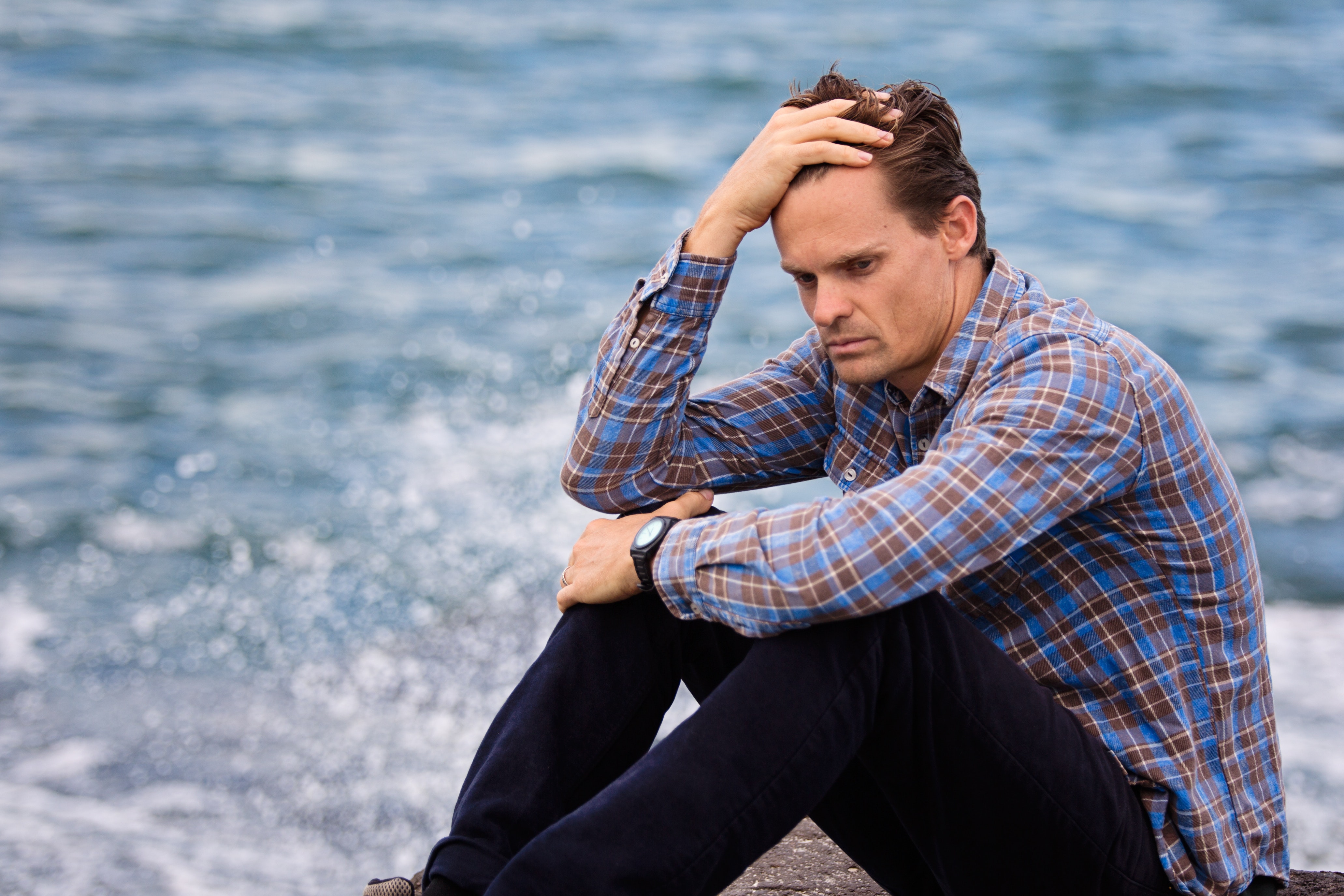
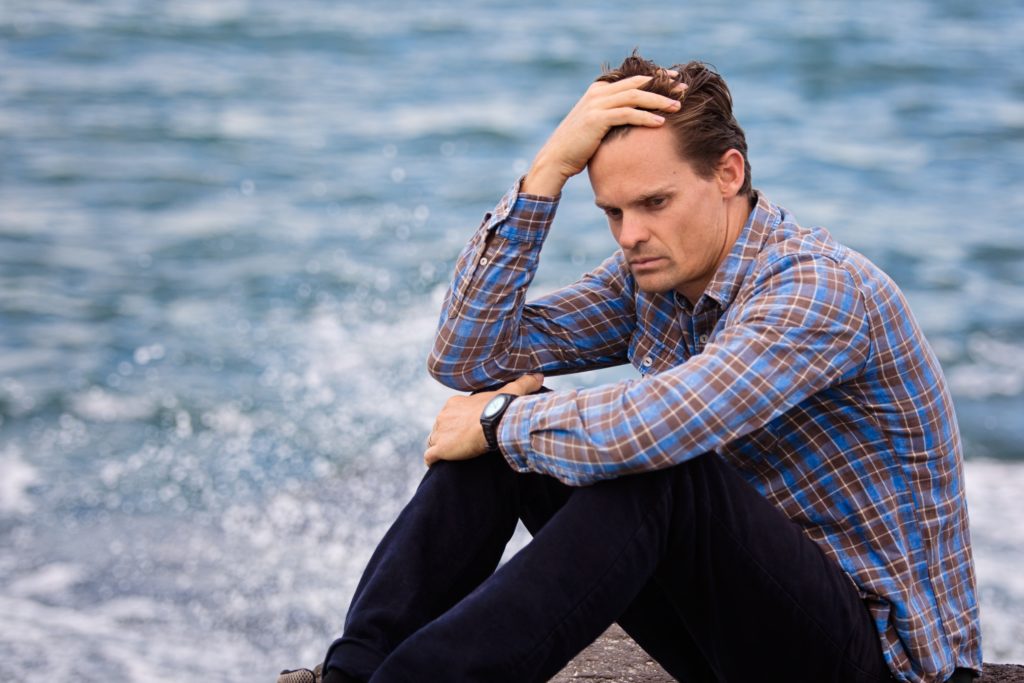
    Suicide prevention: #bethe1to be there for him.

    Start with developing a new habit, a new aspect to your interactions. Check on the people around you at work, at school, and at home. Ask questions. Inquire about their wellbeing. Show them that they matter to you. 

    “Are you Okay?”  

    Simply asking the people who are in your world if they’re okay can give you a more accurate idea about their wellbeing. Your question doesn’t need to be intrusive, but rather just a simple way of showing that you care about how they’re feeling, rather than just focusing on what they can do for you, your business, or your family. 

    “How are you feeling these days..?”

    The more you ask, the more comfortable you’ll get with asking the questions, and with the conversations that ensue. At the same time, it can set your friend at ease if you talk about your own mental health and experiences so he knows you can relate to his struggles. But avoid dominating the conversation by focusing on yourself. The goal is to get him talking.

    “You know, you have seemed kind of quiet lately, and I don’t notice you hanging out with the people you usually do. I just wondered how everything’s going for you..?”

    It’s true that much of the time, that person will say something like, “Sure, I’m great! How are you?” To which you can respond that you’re great, too, and smile and move on. But when someone is suicidal, they tend to isolate themselves… or may have been isolated from others. That aloneness leaves them without connections to others … and without feedback or support.

    The more isolated a suicidal person is, and continues to be, the more likely they may be at risk of imminent death. 

    So let them know you’re here… to listen. Resist the temptation to tell them why they shouldn’t hurt themselves…or how hurt people who love them would be.

    That isn’t productive. Ask them reasons why they want to die, and accept what they say without judgment. Then ask them reasons they might want to live. Focus on their reasons for living or dying…not your own.

    Studies show that by replacing their isolation with interaction, caring, support, and connections, you can help them move away from the risk of suicide and see value and purpose in their life again.

    Once they tell you they’ve thought about how much easier it would be if they died, you know they’re having suicidal thoughts. And you can say that the fact that they’re having these thoughts is likely an indication that something’s going on with them…

    #Bethe1to  Keep Them Safe

    Suicide prevention: #Bethe1to ask questions and listen, and show them you take them seriously to keep them safe.

    The next step is to keep them safe. If someone tells you they’ve been thinking about dying, or that their loved ones would be better off without them, they’ve admitted to you that they’re having suicidal thoughts.

    Begin your response with reassurance that they’ve taken a good step by talking about it. People can be overwhelmed by feeling vulnerable after revealing something so intensely personal. They may withdraw from fear of judgment.

    Your reassurance is invaluable at this point.

    To keep them safe, ask more questions and stay connected. Ask them if they’ve ever tried to hurt themselves, to see how concrete these thoughts are to them.  Ask them if they’ve thought about how they might do it…?  If they have a plan and if they’ve taken any steps toward that plan. It’s also important to find out if they’ve considered the timing yet… when do they plan to do this?

    While it may sound uncomfortable to talk about these details, this is where life-saving begins. Further, many people are reluctant to discuss these details because of the fear that they’re planting the idea of suicide in this person’s mind. And maybe they fear they’d feel responsible if the suffering person took action. But this is not the case. 

    Suicide Prevention: #Bethe1to Reach Out and Reverse Their Isolation

    Studies have shown that engaging this person in conversation and connecting with her about her plans, helps her air these thoughts…consider the realities and consequences. Most importantly, discussions like this promote connection, and dispel isolation. The very conversation itself establishes human connection and communicates the value of her life. Or of his life.

    In addition, the information you gather through this discussion helps you evaluate whether you need to take action. The more details they have thought through, the greater the risk and more imminent the danger they’ll complete their plan.

    Plus, if the method they plan to use is a method that’s likely to cause a final irreversible result, such as a firearm, and if they have access to that method readily available, then you may realize you need to do something to protect them.

    Perhaps drive them to the hospital, or call for help, if necessary, to protect them.

    Research has revealed that if you can put time and space between this person and his suicidal plan, he is likely to rethink the plan.

    How often have you heard, “If they’re determined to die, you can take the weapon away from them and they’ll just find something else…”  

    This is not actually true. In most cases, removing the method and keeping them safe for awhile gives them time to rethink their plan.  With support, they’re more likely to see value in their life and relationships and they tend to move away from the imminent threat.

    #Bethe1to  Be There for Them

    Suicide prevention: #Bethe1to listen, and care.

    Do the best you can to be there physically, if at all possible. At the very least, be on the phone with them. Talk with them about others in their life they trust and would like to have nearby. It’s important that you not commit to be there with them if you know you won’t follow through. Remember, protecting them from isolation is life-saving. Keep them connected to you and to others who will help them remember the good in their lives. 

    Someone with suicidal thoughts is likely isolated, and feels they don’t belong. Ask them about the people in their lives they like or trust and would like to have nearby.

    #Bethe1to  Help Them Connect

    Suicide prevention: #bethe1to listen, really listen, and show someone who feels isolated that you care.

    At this point, help them reconnect with those they’d like to have nearby. Help them connect to other resources where they can build more connections with people who understand and will listen. Online organizations or local organizations in the community will give them more to plug into. And a place to reach out.

    Ask them if they’ve considered a therapist, if they have insurance to help with that…what their feelings might be about it.

    This can give them the safety net of a place and people to turn to if there is a future crisis like this one.

    An excellent resource is to contact the Suicide Prevention Lifeline: 800-273-8255 for talking, more resources, and advice.

    There is also a MY3 app they can put on their phone for safety, crisis, and other resources. Through the app they can make connections for support, too.

    A study conducted by Gould et al. on the impact of Applied Suicide Intervention Skills Training (A.S.I.S.T.) used on the Suicide Prevention Lifeline showed that calling the Lifeline reduces the likelihood of death, and individuals were found to be less depressed, less overwhelmed, less suicidal, after talking with the trained counselors trained by Applied Suicide Intervention Skills Training.

    In other words, persons who call this crisis hotline actually feel better after the call because of the degree of insightful and targeted training the volunteers have had.

    #Bethe1to  Follow Up

    Suicide prevention; #bethe1to make them feel they belong.

    Once they’ve been released from the hospital or crisis center, give them a call, send text messages, drop them a post card – or all of the above – over time.

    This helps to remind them they’re valuable, that their life is valuable, and that they do belong. Combined with psychiatric care and community mental health support, your effort to maintain connectedness can help protect them from falling back into the “suicidal thinking” frame of mind.

    Supportive ongoing contact can help them move forward on a path toward restoration.

    When you talk with them, listen. What they say is far more important than all the things you may want to say. You’ll learn about where they are in terms of life-threatening decisions. And, since they’ve been so isolated, being heard and feeling cared about are vital tools for restoring their desire to live.

    And… don’t tell them “everything is going to be alright.” It can sound to them like you haven’t listened at all. Listen to how they’d like their life to be. Support their own view of the future. Their own reason to live. Not your own. 

    And one more thing: talking over a meal can also raise their blood sugar, and improve their mood. Deeply depressed individuals sometimes don’t eat well. The simple experience of eating nutritious food can boost their outlook in small increments, while combining the food with friendship can have a significant effect on their hope… at least temporarily.

    At Innovative Psychiatry we use innovative treatments to arrest suicidal thoughts:

    IV Ketamine Treatment Can Stop Suicidal Thinking in an Afternoon

    Suicide prevention: #bethe1to help them belong.

    Once you’ve helped your friend or loved one put some time and distance between them and their method and plan, they can consider IV ketamine treatment for suicidal thoughts. IV ketamine has proven to be remarkably effective for removing suicidal thoughts in most cases.

    That’s in addition to severe depression, bipolar depression, social anxiety, PTSD, addiction, panic disorder, and OCD. With a different mechanism used to relieve other symptoms, ketamine can erase those thoughts and images of death and suicide within just a few hours.

    By doing this, it can erase the tormenting images and thoughts, so you can feel better, sooner. And at the same time, you can turn your focus to building a better outlook to maintain remission through all of the things that help keep you well.

    IV ketamine treatment can lift the burden of suicidal thoughts and images, and can also transform your life with new initiative, motivation, fresh perspective…and hope. It can give you the energy to rebuild your relationships and your career.

    You can be free of suicidal thoughts, despair, and that awful feeling that you don’t belong or fit in.

    You can live a full and rewarding life, and IV ketamine treatment can help.

    Lori Calabrese, MD offers innovative psychiatric treatment like IV Ketamine

    To the restoration of your best self,

    Lori Calabrese, M.D.

  • “r” is for Recovery From Any Addiction – Lori Calabrese, M.D.

    “r” is for Recovery From Any Addiction – Lori Calabrese, M.D.

    When your recovery is established, your life can fill with joy.

    September is National Alcohol and Drug Addiction Recovery Month 2019, and as we celebrate and support everyone in recovery, let’s also talk about what might help others who are trying…to actually get there.

    “r” is for recovery whether you seek recovery or are actively working your recovery every day. Addictions can involve alcohol, opioids, other prescription medicines, illicit drugs, food, sex, the internet, amphetamines, hallucinogens, tobacco, cannabis,, inhalants, or something else. Then, addictions to impulses, like stealing, shopping, or setting fires also cause suffering and torment…and shame.

    Addiction Takes Hold in Small Steps

    Watch how our friend Nicholas subtly advances toward addiction one seemingly innocent step at a time…

    Nicholas enjoyed school while he was growing up. He was quick to raise his hand and answer the teacher’s questions. The fact that he was usually correct had nothing to do with his eagerness to answer. Nicholas just enjoyed people. He enjoyed connecting and interacting, whether it was one-on-one or in a classroom. Nicholas was a people person.

    He loved meeting new people and engaging them in conversation from the time he was 3 years old. His eyes sparkled as he listened and responded to their stories, and he just had a way that set people at ease and made them feel valuable.

    In elementary school he usually received A’s or Excellent. And he continued to try to do well in school as he got older. The other students really liked him, and he had friends across the various cliques that sprang up in middle school. He never saw the point in isolating himself with any particular group of students.  You could say he just relished activities with whomever he thought was nice to be around.

    A healthy childhood may include a boy playing baseball like this boy.

    Nicholas also loved baseball, and it didn’t hurt that his uncle was his coach. He built strong bonds with the boys on the team, and they played together every year.

    All in all, he liked his life, and made the most of opportunities to excel and have fun.

    Unresolved Pain

    But after his first year of high school, there was something that didn’t sit right. He felt less confident, and his parents noticed his moods changed more than they used to. The little disappointments of the past — with his friends, or his parents — began to build inside him. He found himself resenting his dad for the pressure he felt from him about school and sports. 

    “r” is for recovery… small steps lead to addiction…but small steps can also lead to recovery.

    The more that time passed, the worse his resentment became. Eventually, his emotions had blown past resentment until they were full-on rage.

    Sometimes he wondered why he was so mad.  Why now? What delayed his reactions to events from years ago until now?  He didn’t know.  But it was eating him alive.

    Little things can turn into big things if you don’t know how to resolve them… “r” is for recovery….

    He had some friends who were planning to see a movie on Saturday night. They said they would meet up with some girls and have a good time.

    He knew he needed a reprieve from the pressure so he told them sure, he’d meet up with them.

    The First Step that Led to Addiction –Eventually

    And he did. They met outside the movie…all four of the guys, and then 3 girls walked up. They decided they weren’t interested in the movie and all walked to someone’s van at the back of the parking lot. Before he knew it, plastic cups were being passed around and someone was pouring Jim Beam. 

    small steps. but “r” is for recovery…

    This was his first time to get drunk. And he did…so drunk he wasn’t sure where he was. And then a patrol car pulled up and started calling everybody’s parents.

    Nicholas was embarrassed when his parents showed up. Drunk as he was, he apologized every way but Sunday to them. He played the innocent card …but knew deep down this would not be the last time.

    Truth be told, he liked the way that bourbon made him feel. He wanted to feel that again.

    And soon.

    …step by step addiction happens subtly. but step by step recovery can take hold. “r” is for recovery …

    Addiction is a Hard Taskmaster

    At first it was just a misstep, but missteps snowballed, until he could no longer control it. The alcohol controlled him.

    Twelve years later, Nicholas thinks back and doesn’t remember very much of high school.  Getting drunk Fridays turned into staying drunk all weekend. By senior year, he was drinking every day. And only sometimes made it to class.

    “r” is for recovery…

    After high school, he tried to hold down one job after another, but sometimes he was too sick to go to work.

    "r" is for Recovery. You can recover fro addiction.

    Now he’s been through 3 different rehab programs. He’s determined it will work this time.

    He has his 90 day chip. But every day is hard. Every minute that passes he wishes he had a drink. 

    “r” is for recovery… one step, one minute, at a time…

    But his eyes look yellow and so does his skin. The doctor told Nicholas he’d not live to see 40 unless he stopped drinking. He told him he needed to get nutrition from a balanced diet, but Nicholas doesn’t feel much like eating. And hasn’t in a while.  Still, he knows he doesn’t want to die.

    Now after 30 days in rehab he’s got a good start. 

    “r” is for Recovery, One Day, One Hour At A Time

    He goes to AA every day. Sometimes 2 or 3 times. Staying sober scares him because he’s relapsed so many times before… But his life depends on it now.

    Nicholas isn’t alone. 

    September is National Alcohol and Drug Addiction Recovery Month.

    And 22 million Americans are in recovery as we speak.

    Alcoholics Anonymous Supports People in Recovery

    Alcoholics Anonymous is the 12-step program that’s most well-known. They report 2 million members globally, and there are around 130 other programs that work on a similar premise.  

    They say that 50% of their members stay sober, 25% are sober awhile, then relapse, then come back to sobriety.  The other 25% don’t stay sober.

    A key to recovery through this program is working the 12 steps, which helps the individual face the things that torment him/her and are triggers for relapse.  
    "r" is for recovery which means you are free to avoid places like this bar.

    Many in recovery say that Step 4 is the most difficult to get through because of the pain of facing their failures, hurts, and scars. Then each step advances you to facing, admitting, and making amends for offenses, failures, and injuries caused to others. 

    A key to helping the recovery process become solid and strong is persistence. Nurture resolve every day, and do the next right thing each minute.

    This process takes courage, but helps to resolve some issues that can trigger relapse. Addressing each one strengthens your freedom from them.

    Facing these steps is vital for your life to improve. “r” is for recovery…

    But there are still the 25% who never reach sobriety, healing, and stability.

    What about them…?

    IV Ketamine Can Help with Addiction

    At Innovative Psychiatry we have promising results with the use of IV ketamine infusions to treat the memories that trigger relapse. The same treatment also can dramatically relieve depression which may be caused by addiction … or may have predated it.

    One size doesn’t fit all in addiction treatment, whether the addiction is a substance or a behavior. But remarkable work has been done regarding ketamine treatment for various addictions.

    We talked before about the work carried out by Krupitsky and his colleagues, using IV ketamine to treat alcohol use disorder. They referred to the enhancement and regeneration of neurons seen in neuroplasticity and neurogenesis. The ability of brain cells to adapt and change is neuroplasticity. This process is invaluable in recovery from addiction.

    r is for recovery and the joy and peace that goes with it.

    Ketamine also blocks drug-related memories, as well as the painful memories that trigger relapse, and enhance the effectiveness of psychological therapy through neuroplasticity.

    If you have struggled with alcohol use disorder and would like additional help, call us. 

    You’ll still need to do the work to change your thinking, bu IV ketamine can give you a leg up so you can.

    Give yourself the best hope of freedom from addiction and a healthy lifestyle going forward. Rebuild your career, your relationships, and your hope.

    Lori Calabrese, MD explains esketamine FDA approval and what it involves.

    To the reconstruction of your best self,

    signature of Lori Calabrese, M.D.

    Lori Calabrese, M.D.

  • Why Are Young Girls Turning to Suicide?

    Why Are Young Girls Turning to Suicide?

    Why are young girls turning to suicide?

    It’s a heart-shattering tragedy when a child dies.

    How do you bear such tragedy?  …such loss? The waste of a beautiful life…it defies our logic to find reason in it, or to try to make sense of it. But what about when that young child kills herself? Why are young girls turning to suicide?

    It’s impossible to grasp. You’re left with the most engulfing sense of powerlessness. And loss…

    And it’s heartbreaking to say this horrific tragedy hasn’t happened just once. The numbers are growing.  And all too fast.

    It’s always been more common for boys to commit suicide than girls, but the number of girls who end their lives is rapidly rising to close the gap. But let’s be real…any child’s suicide is devastating. And any suicide is, too. We’re talking about suicide in little girls, teen girls, and young women.

    You wonder why.

    Why Are Young Girls Turning to Suicide?

    The specific reasons haven’t been studied yet, but Christine Moutier, Chief Medical Officer at the  American Foundation for Suicide Prevention, stresses that multiple factors play a role in suicide. Still, she suggests that a significant contributor may be social media.

    And more specifically, cyberbullying on social media.

    So even though we know that friendships are a high priority to young teens, and the way children and teens socialize is largely centered in social media, it’s also a source of isolation, cruelty, and bullying.

    At the age of 10 or 11, many children just aren’t prepared to withstand the verbal and emotional assaults they experience there.

    Now, let’s take it a step further.

    Since an ounce of prevention is worth a pound of cure, how can these painful social media experiences be prevented for young girls? Let’s think about that.

    Maybe there’s wisdom in postponing children’s online presence..?

    Why are many young girls turning to suicide.

    A study presented at the American Pediatric Association in 2017 focused on cell phone ownership and cyberbullying in 8-11 year olds. Researchers collected data from surveys with 4584 children of this age group between 2014 and 2016.

    They found that 9.5 % of these children who own cell phones had been cyber-bullied.

    Nearly 50% of the children surveyed reported owning a cell phone. Throughout this age group, there were more children who owned cell phones who also participated in cyber bullying than those who didn’t own a cell phone.

    So, again, while cyberbullying is not the only factor influencing the rising incidence of suicide among young girls, it’s an important factor…and one parents can do something about. 

    Extensive lessons on the responsibility and etiquette of owning a phone might be the obvious first step. Teaching morality and ethics to your child around the use of the phone should be an imperative about treating others with dignity and respect — whether face-to-face or online.

    Two world leaders of technology held a healthy respect for the power of online presence, as well as its dangers. The late Steve Jobs limited his own kids’ use of screen technology, and would not allow them to use an iPad when it came out.  

    Bill Gates and his wife did not allow their children to have cell phones until they reached the age of 14. 

    You may not realize the problems your daughter faces can drive her to consider suicide, but they can. So ask her often.

    Michael Cheng, a Canadian child and family psychiatrist, says that smart phone use at a very young age is damaging to developing brains. Damaging. The constant stimulation from the screen draws dopamine hits easily. This short-cuts the reward center and sets the stage for addiction to those rewards. 

    How much easier is it to stay online, play games, text back and forth for those rewarding bumps of dopamine, than to go outside, play ball, go fishing, ride bikes … to get the same amount of reward. Why work for that reward if you can get it without leaving your chair?

    Dr. Cheng also points out that children learn social skills face-to-face in real life settings. They learn how to read expressions and develop empathy, how to respect friendships and respect themselves. 

    If their social interaction takes place digitally, they miss learning the nuances of human interaction, while learning to rely too heavily on the acceptance of others online. 

    They need fresh air and sunshine, imagination and play, camaraderie and boundaries so that their brains develop well.

    So, with that said, let’s consider children who end their lives. Children who are bullied at school and online.

    Why ARE Young Girls Turning to Suicide…? And What Can Be Done?

    Suicide is the second leading cause of death in people between the ages of 10 and 34. Suicides have replaced homicides as the second leading cause of death in teenagers. While more boys than girls end their lives, more girls describe thinking about suicide, considering it, and attempt it.  

    You may be familiar with the story of 9-year-old McKensie Adams who hung herself after enduring a year of bullying by other students…  After reporting this abuse to parents, teachers, and a vice principal, she found a tragic solution. At 9.

    Or maybe you heard about 10-year-old Ashawnty Davis, who defended herself in a physical brawl on school grounds as part of an extended bullying campaign. Someone videoed the altercation, and the video went viral. Two weeks later Ashawnty hung herself in her closet.

    Or 10-year-old Kevin Reese, Jr., who hung himself in a closet when he reached his limit of bullying at school.

    These are just the stories in the news. Stories that have received wide attention. As well they should. But there are so many more that are the grief of a school and a family wherever they happen.

    Watch for the Signs

    Here are some warning signs to watch for: Is your child feeling overwhelmed with school work? Is she experiencing cyberbullying? In fact, if she’s spending much time on social media she may be increasing her risks… Are there problems within the family? And is she faced with bullying? (or is she being a bully?)

    It turns out that some children who have been bullied become a bully themselves. Either behavior adds to their suicidal risk.

    Why are young girls turning to suicide?

    You, her parent, need daily input from your child, including really listening and responding. They must know they have your support. Isolation can be a killer.

    These girls reported they were subjected to bullying for long periods of time — but maybe they felt they had to be strong and endure it when nothing changed..? 

    When people in authority didn’t intervene or make them feel safe, these girls —who were happy at home — made a plan and died. Some left notes for their parents, some didn’t. So maybe this is a part of the answer to that question, “why are young girls turning to suicide?” Maybe they thought it was the only solution left.

    These Children and Teens Need to Be Reminded We Have Their Back

    This is an age when bullying has become the norm. Children are bullied for their race, their faith, their name, their clothes, their friends, their car, their food, and their health.

    In most cases, the children doing the bullying are often releasing tension from their own private lives. And are quick to say they never intended for their victim to want to die.

    So it’s the parents and teachers who are their best advocates. Be sure there is a record of your report when you inform the school of any bullying you hear about from your child. Prepare yourself for mediation with the other child’s parents so that child’s parents can participate in resolving the problem, as well as teachers, counselors and maybe even a principal.

    Be aware that the problem of bullying is rampant. And the rise in suicides, especially among girls, is nearing epidemic proportions, so we just mustn’t assume all is well.

    Pay close attention to your child and her/his responses to what happens at school or in the neighborhood. Be aware that children do look for escapes from their pain if they can’t find a solution to their situation on their own or by reporting to people in authority. 

    Get Ahead of the Potential for Problems

    Do be proactive…Don’t assume that things are taken care of at their school. In many cases where a child died, the school had no report of bullying on file. You’re the best advocate your child has. Be involved, engaged, and stay in touch to ensure there are remedies put in place for the bullying. 

    The most important thing you can do is to encourage open discussions every day with your child about what she’s facing. So you’ll always know when something is going wrong. 

    As we said before, this applies to both boys and girls. There are still more boys ending their lives than girls, and all children need to feel safe.

    So why are young girls turning to suicide? Maybe sometimes it’s because of what’s happening to them.

    Suicidal Thinking Can Be Treated Before It’s Too Late

    Here at Innovative Psychiatry, we treat teens who who are plagued by suicidal thinking with IV ketamine treatment when they’re as young as 14. You should seek the care of a child psychiatrist for your child who’s younger than 14 and who’s struggling with these thoughts.

    IV ketamine can stop suicidal thoughts or plans within a few hours. Sometimes much faster.  It’s a way to keep your teen safe from suicide while you have the time to help him or her sort out whatever is going wrong at school or at home or inside.

    When a child feels safe she grows to a teen who feels safe, then grows to a happy woman, because of her parents' support.

    Even though we don’t treat children in this practice, the bully/suicide trend in children is alarming and heartbreaking. We need to be aware that children are facing things now that earlier generations didn’t. This is even being called “bullycide” in some communities. 

    If you (or your family member) suffers from the torment of suicidal thoughts, call us. Let’s work together to help you find peace from those thoughts, a renewed hope, and give you the opportunity set order in place in your life. 

    You can feel safe again, and experience joy again, and find the motivation and initiative to build the life you want to live.

    Lori Calabrese, MD offers innovative psychiatric treatment like IV Ketamine

    To the release of your best self,

    Lori Calabrese, MD


  • A Bit of Bipolar Science and a Dab On Schizophrenia, Too

    A Bit of Bipolar Science and a Dab On Schizophrenia, Too

    Like other disorders of the brain and mind, bipolar disorder is complicated. 

    With all the movies and cartoons made at the expense of people who suffer from disorders like this, we want to help more people know more about some of the facts with a bit of bipolar science.

    It’s different for each person. The length and intensity of manic episodes, the distribution of time from one end of the spectrum to the other. How hallucinations and delusions fit into the mix. These symptoms are individual.

    It’s physical. It can shake and shatter your body, through intense and sudden swings from one extreme to another. 

    Plus, it can cause such unexpected assaults on your emotions that your body is exhausted. Those swings can feel almost like a convulsion at times.

    It can also create sensations. Some people with this disorder complain of feeling like they have fire ants on their brain. Of course, there are no insects involved. But the disordered circuitry creates a sensation in some cases.

    And it’s mental. It changes your perceptions of what you see and hear. By coloring the way you interpret what happens, it tattoos that impression deeply in your memory. It can distort your view of yourself, and marinate your thoughts in shame. Then it can turn on the firehose of pain and rage, until you’ve experienced such extremity of horror, you can feel like you sweat blood.

    But, that’s not all. Bipolar disorder also seems spiritual, sometimes pulling you into its dungeons of horror until you lose all connection to your own spirit. Righteous indignation can morph to revenge. A little anxiety can billow until it’s a life-threatening terror.

    And yet, this disorder can be all of these things, or it can be none of them. OR… you can begin with these experiences, then medication can help them melt away. OR… there may be no medication that mitigates them at all.

    What you can’t know when all that is happening, is that specific changes in your brain cells are translated to the violent swings and misery you face in your daily life. You may find yourself craving a bit of bipolar science to try to gain perspective about what’s happening to you.

    To help reduce the stigma surrounding bipolar disorder, and the behaviors of people who suffer so deeply from it, let’s look at a tidbit of breakthrough science related to the spectrum of “bipolar disorders.”

    A Bit of Bipolar Science…

    You’ve heard of the blood-brain barrier, right? Relatively few people outside the medical field have any remote idea what that is. So if you’ve heard of it, consider yourself “in the know.” Kudos!  

    OK. There are two types of blood barriers in the brain. One is the blood-brain barrier, or BBB. The other is the blood-CSF barrier. And that’s the one we’re going to talk about now.

    So the blood-CSF barrier keeps the blood and whatever is in it separate from your cerebral spinal fluid (CSF). Since the CSF is constantly washing the brain tissues, it needs to be free of contaminants, toxins, or components that are harmful to the brain’s delicate circuitry and structures.

    The CSF performs a couple of primary functions.  One is to cushion and protect that most vital organ – your brain – that keeps everything else humming along. And the other is to keep the toxins in your brain and spinal cord flushed out.  

    CSF and the Choriod Plexus

    But…Where does the CSF come from?

    BruceBlaus Wikipedia Commons

    So glad you asked. The choroid plexus produces this most vital and beneficial fluid. There are special cells that secrete it, and other tissues absorb it.

    Because the ventricles of your brain can handle 150ml of CSF at a time, but the choroid plexus actually makes 450ml a day!  Clearly, as it circulates, it also is absorbed or drained off and replaced by more. 

    This keeps your brain cushioned and protected by fresh CSF at all times.

    If the choroid plexus makes too much CSF, and if the pathway for draining off excess become blocked, then the amount of CSF in the brain can increase dangerously, increasing pressure in the brain. And a condition known as hydrocephalus can develop, along with the risk of brain damage.

    By the same token, if the choroid plexus makes too little CSF, the brain cannot function. And the cushion it provides to help it remain buoyant within the bony chamber of the skull is inadequate.

    So there’s a need for balance between the CSF, the cavities in the brain, and the circulation of it.

    About Psychosis

    So let’s talk about how the choroid plexus relates to schizophrenia and bipolar disorder with a bit of bipolar science.

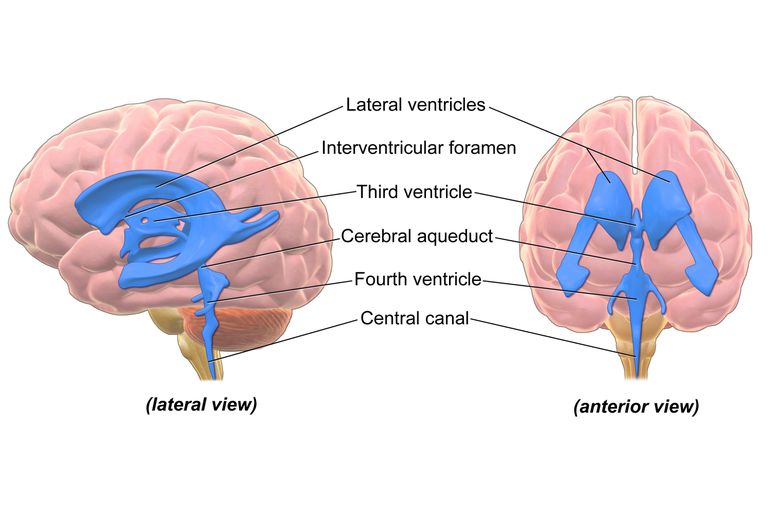
    There are four cavities in the middle of the brain called the ventricles. The CSF washes and cushions the brain all around, and is produced and distributed from choroid plexuses in these ventricles.

    New Research

    Newly published research sponsored by Brain and Behavior Research Foundation (BRRF) has directly linked the size of the ventricles with psychosis. While the size of ventricles is not specifically correlated to schizophrenia and bipolar disorder, the volume of the choroid plexus is significantly larger in subjects with psychosis.

    In addition, these researchers found that the volume of the choroid plexus in siblings, parents, and children of those with psychosis was less than the affected individual but still significantly larger than those unaffected by psychosis in their family. This demonstrated that the volume of the choroid plexus is something one inherits to a large degree.

    But here’s the big news.

    They found that when a subject had a larger choroid plexus, they also tended to have lower cognition, less grey matter, a smaller amygdala, larger ventricles, and fewer connections between neurons. 

    All of these things can be connected to the pathological processes that cause psychosis. 

    Now that’s news.

    But there’s more.

    That increased size in the choroid plexus in subjects with psychosis was also associated with increased levels of interleukin 6 (IL-6). IL-6 is a signaling cell in the immune system. 

    So here’s the rub.

    A bit of bipolar science helps this woman understand her terrible depression at least a little.
    IL-6 can penetrate and seep through the protective barriers between the brain, blood, and CSF.  Since researchers know that IL-6 is a strong suspect connected to bipolar disorder and schizophrenia, the identity of the gang of thieves behind psychosis – you might say – seems to be emerging. Add to that the connection between IL-6 and the reduced amount of grey matter in the cerebral cortex, and the case just grows stronger.

    “Our findings suggest the involvement of the choroid plexus across the psychosis spectrum, with a potential mechanism involving the neuro-immune system, which functions in regulating the brain and interacting with the body’s immune and inflammatory systems,” the team concluded.

    If you struggle with bipolar disorder, schizophrenia, or episodes of psychosis, you may appreciate the work of these researchers that sheds more light on what happens in the brain causing these difficult episodes.

    Neuroscience researchers are making great strides in learning more than has ever been known before about the symptoms of these disorders. And the more we understand, combined with a bit of bipolar science, the more research will lead to better treatments.

    No matter what your difficulty, whether you struggle with bipolar disorder, PTSD, social anxiety, severe depression, or even thoughts of suicide, we may be able to help. IV ketamine treatment is emerging as a dramatic game changer for people who suffer from specific types of symptoms. And happily, the types of symptoms keep growing in number.

    But if you think you’d like to know if IV ketamine treatment might help you, please call us. We’ll help you find out if you might be a candidate for ketamine…because some people aren’t. But if ketamine is for you, you can experience a transformation in your own life.  

    While ketamine isn’t showing promise for psychosis, it can bring remarkable relief to your depression symptoms. Every little bit helps, doesn’t it?

    Since bipolar depression can be the most debilitating symptom for many patients, resolving the depression in your illness can make your life so much more manageable.

    As research learns more, we’ll be right there using it to help our patients. Our whole purpose is a better life, and more hope, for you.

    Lori Calabrese, MD explains esketamine FDA approval and what it involves.

    To the restoration of your best self, 
    Lori Calabrese, M.D.

  • CT doctors using new nasal spray to treat severely depressed patients

    CT doctors using new nasal spray to treat severely depressed patients

    By Peggy McCarthy, Conn. Health I-Team Writer Published 11:51 am EDT, Tuesday, August 13, 2019

    Some Connecticut hospitals and doctors and a clinic are starting to treat severely depressed patients with a new nasal spray called Spravato, touted as the most significant federally approved depression medication since Prozac was approved in 1987.

    Spravato, which received Food and Drug Administration (FDA) approval in March, has raised hopes for preventing suicides and relieving depression after other treatments have failed. But there are concerns about possible side effects, including drug abuse, elevated blood pressure and heart rate, sedation, and hypersensitivity to surroundings.

    The nasal spray is prescribed for treatment-resistant depression after at least two other antidepressants haven’t worked and is given with an oral antidepressant. It is only administered in restrictive clinical settings to reduce potential for abuse and side effects.

    Nationally, of the 17.3 million adults with depression, one-third are treatment-resistant, increasing their risk of suicide.

    Yale New Haven Hospital, the Institute of LivingUConn Health John Dempsey Hospital, Wheeler ClinicVA Connecticut Healthcare, and Dr. Lori Calabrese in South Windsor report that they have either started or are planning to offer the fast-acting medication whose chemical name is esketamine. It is designed to show results in hours and days compared to the weeks and months it takes for traditional antidepressants to work.

    Dr. Jayesh Kamath, director of the mood and anxiety disorders program at UConn Health, has conducted esketamine studies for Janssen, its manufacturer. “I want to make sure people hear the positives and the negatives of this medication,” he said.

    While he said that “it is changing how we treat depression” and shows promise for enabling severely depressed people to function, he added that “the results are concerning about side effects.”

    Janssen, a Johnson & Johnson subsidiary, is charging $590 to $885 for the medicine, depending on dosage. This does not include costs charged by providers for administering it. Veterans who receive it at the VA will not be charged. Medicaid and Husky will cover it, according to the state Department of Social Services.

    A Janssen spokesperson said insurance companies are starting to cover it and Janssen is providing help, such as co-pay coupons.

    Janssen refused to provide a list of Spravato-certified treatment centers and applicants in Connecticut but said that nationally about 1,600 sites have been certified. Restrictions imposed on Spravato sites include: prohibiting it from being sent home with patients; requiring patients to remain at the site for at least two hours and not drive for another day; and specifications for dosages, screening and monitoring patients, and labeling and handling of the medication.

    Dr. Michael Twist, Wheeler Clinic’s medical director, said Spravato can be a replacement for electric convulsive therapy. “This is going to be a way of getting someone much better much quicker,” he said. “It’s huge.”

    Esketamine: A derivative of ketamine

    Esketamine is a derivative of ketamine, an anesthetic that has been abused as a party drug called Special K. Yale School of Medicine pioneered research on ketamine for depression starting in 1995. It has not been approved by the FDA to treat depression because as a generic drug, it doesn’t have the profit-making potential to attract research funding, several doctors said.

    Ketamine is FDA-approved as an anesthetic administered intravenously or by intramuscular injections. The chemical difference between the two drugs is that ketamine is comprised of two mirror-image molecules and esketamine (Spravato) is comprised of one of those molecules.

    Some doctors, including Calabrese, provide it intravenously “off label” for depression treatment, a legal use of a non-approved medication that is usually not covered by insurance.

    Calabrese, a psychiatrist, said she will continue to offer intravenous ketamine in addition to Spravato. She said an analysis of 144 of her suicidal patients showed 68 percent no longer had suicidal thoughts after ketamine treatment and 82 percent had diminished suicidal thoughts. She said there were no suicide attempts, emergency room visits, or hospitalizations from the time of treatment through follow-up four weeks later. She charges patients $502 for ketamine.

    Dr. Vincent Carlesi, an anesthesiologist and pain management specialist in Stamford and Ridgefield, is among other physicians who offer intravenous ketamine. Patients with depression are referred by psychiatrists, said Robin Asken, the practice’s manager. She wouldn’t provide numbers, but reported seeing “a marked improvement in quite a few of the patients.” The charge is $850 per infusion, which is typically not reimbursed by insurance, Asken said.

    Dr. John Krystal, psychiatry chairman of the Yale School of Medicine, said that “it is very moving to hear the stories of people who have been depressed for many years, who have tried multiple treatments without success, and then to hear how they had their first good clinical response to ketamine, often within 24 hours of their first doses.”

    He said people have told him it saved their lives.

    Yale medical school’s first ketamine study was at a clinic it ran at the Connecticut VA in 1995 and 1996. Five years ago, it established a ketamine clinic at Yale New Haven Hospital and last year, it opened a new ketamine program at the VA, Krystal said.

    This story was reported under a partnership with the Connecticut Health I-Team, a nonprofit news organization dedicated to health reporting.

    [Read the Original Post Here]

  • Nasal spray Spravato, offering fresh hope for severely depressed patients, arrives in Connecticut

    Nasal spray Spravato, offering fresh hope for severely depressed patients, arrives in Connecticut

    Spravato, which received Food and Drug Administration (FDA) approval in March, has raised hopes for preventing suicides and relieving depression after other treatments have failed. But there are concerns about possible side effects, including drug abuse, elevated blood pressure and heart rate, sedation, and hypersensitivity to surroundings.

    The nasal spray is prescribed for treatment-resistant depression after at least two other antidepressants haven’t worked and is given with an oral antidepressant. It is only administered in restrictive clinical settings to reduce potential for abuse and side effects.

    Nationally, of the 17.3 million adults with depression, one-third are treatment-resistant, increasing their risk of suicide.

    Yale New Haven Hospital, the Institute of LivingUConn Health John Dempsey Hospital, Wheeler ClinicVA Connecticut Healthcare, and Dr. Lori Calabrese in South Windsor report that they have either started or are planning to offer the fast-acting medication whose chemical name is esketamine. It is designed to show results in hours and days compared to the weeks and months it takes for traditional antidepressants to work.

    Positives and negatives

    Dr. Jayesh Kamath, director of the mood and anxiety disorders program at UConn Health, has conducted esketamine studies for Janssen, its manufacturer. “I want to make sure people hear the positives and the negatives of this medication,” he said.

    While he said that “it is changing how we treat depression” and shows promise for enabling severely depressed people to function, he added that “the results are concerning about side effects.”

    Janssen, a Johnson & Johnson subsidiary, is charging $590 to $885 per dose for the medicine. This does not include costs charged by providers for administering it. Veterans who receive it at the VA will not be charged. Medicaid and Husky will cover it, according to the state Department of Social Services.

    A Janssen spokesperson said insurance companies are starting to cover it and Janssen is providing help, such as co-pay coupons.[Health] State’s first pediatric dialysis center will open soon at Connecticut Children’s »

    Janssen refused to provide a list of Spravato-certified treatment centers and applicants in Connecticut but said that nationally about 1,600 sites have been certified. Restrictions imposed on Spravato sites include: prohibiting it from being sent home with patients; requiring patients to remain at the site for at least two hours and not drive for another day; and specifications for dosages, screening and monitoring patients, and labeling and handling of the medication.

    Dr. Michael Twist, Wheeler Clinic’s medical director, said Spravato can be a replacement for electric convulsive therapy. “This is going to be a way of getting someone much better much quicker,” he said. “It’s huge.”

    Diminished suicidal thoughts

    Esketamine is a derivative of ketamine, an anesthetic that has been abused as a party drug called Special K. Yale School of Medicine pioneered research on ketamine for depression starting in 1995. It has not been approved by the FDA to treat depression because as a generic drug, it doesn’t have the profit-making potential to attract research funding, several doctors said.

    Ketamine is FDA-approved as an anesthetic administered intravenously or by intramuscular injections. The chemical difference between the two drugs is that ketamine is comprised of two mirror-image molecules and esketamine (Spravato) is comprised of one of those molecules.

    Dr. John Krystal, psychiatry chair of the Yale School of Medicine.
    Dr. John Krystal, psychiatry chair of the Yale School of Medicine.

    Some doctors, including Calabrese, provide it intravenously “off label” for depression treatment, a legal use of a non-approved medication that is usually not covered by insurance.[Health] Bristol Hospital opens emergency center for patients in mental health crises »

    Calabrese, a psychiatrist, said she will continue to offer intravenous ketamine in addition to Spravato. She said an analysis of 144 of her suicidal patients showed 68 percent no longer had suicidal thoughts after ketamine treatment and 82 percent had diminished suicidal thoughts. She said there were no suicide attempts, emergency room visits, or hospitalizations from the time of treatment through follow-up four weeks later. She charges patients $502 for ketamine.

    Dr. Vincent Carlesi, an anesthesiologist and pain management specialist in Stamford and Ridgefield, is among other physicians who offer intravenous ketamine. Patients with depression are referred by psychiatrists, said Robin Asken, the practice’s manager. She wouldn’t provide numbers, but reported seeing “a marked improvement in quite a few of the patients.” The charge is $850 per infusion, which is typically not reimbursed by insurance, Asken said.

    , said that “it is very moving to hear the stories of people who have been depressed for many years, who have tried multiple treatments without success, and then to hear how they had their first good clinical response to ketamine, often within 24 hours of their first doses.”

    He said people have told him it saved their lives.

    Yale medical school’s first ketamine study was at a clinic it ran at the Connecticut VA in 1995 and 1996. Five years ago, it established a ketamine clinic at Yale New Haven Hospital and last year, it opened a new ketamine program at the VA, Krystal said.

    This story was reported under a partnership with the Connecticut Health I-Team, a nonprofit news organization dedicated to health reporting. (c-hit.org)

    [Read the Original Article Here]

  • Nasal Spray Offers Hope For Severely Depressed Patients

    Nasal Spray Offers Hope For Severely Depressed Patients

    By Peggy McCarthy August 13, 2019

    Originally published in Connecticut Health I-Team on C-Hit.org.

    Some Connecticut hospitals and doctors and a clinic are starting to treat severely depressed patients with a new nasal spray called Spravato, touted as the most significant federally approved depression medication since Prozac was approved in 1987.

    Spravato, which received Food and Drug Administration (FDA) approval in March, has raised hopes for preventing suicides and relieving depression after other treatments have failed. But there are concerns about possible side effects, including drug abuse, elevated blood pressure and heart rate, sedation, and hypersensitivity to surroundings.

    The nasal spray is prescribed for treatment-resistant depression after at least two other antidepressants haven’t worked and is given with an oral antidepressant. It is only administered in restrictive clinical settings to reduce potential for abuse and side effects.

    Nationally, of the 17.3 million adults with depression, one-third are treatment-resistant, increasing their risk of suicide.

    Yale New Haven Hospital, the Institute of Living, UConn Health John Dempsey Hospital,Wheeler Clinic, VA Connecticut Healthcare, and Dr. Lori Calabrese in South Windsor report that they have either started or are planning to offer the fast-acting medication whose chemical name is esketamine. It is designed to show results in hours and days compared to the weeks and months it takes for traditional antidepressants to work.

    Dr. Jayesh Kamath, director of the mood and anxiety disorders program at UConn Health, has conducted esketamine studies for Janssen, its manufacturer. “I want to make sure people hear the positives and the negatives of this medication,” he said.

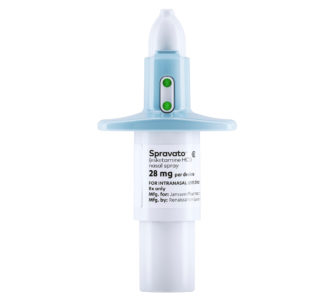
    Spravato, a nasal spray, is prescribed for treatment-resistant depression.

    While he said that “it is changing how we treat depression” and shows promise for enabling severely depressed people to function, he added that “the results are concerning about side effects.”

    Janssen, a Johnson & Johnson subsidiary, is charging $590 to $885 for the medicine, depending on dosage. This does not include costs charged by providers for administering it. Veterans who receive it at the VA will not be charged. Medicaid and Husky will cover it, according to the state Department of Social Services.

    A Janssen spokesperson said insurance companies are starting to cover it and Janssen is providing help, such as co-pay coupons.

    Janssen refused to provide a list of Spravato-certified treatment centers and applicants in Connecticut but said that nationally about 1,600 sites have been certified. Restrictions imposed on Spravato sites include: prohibiting it from being sent home with patients; requiring patients to remain at the site for at least two hours and not drive for another day; and specifications for dosages, screening and monitoring patients, and labeling and handling of the medication.

    Dr. Michael Twist, Wheeler Clinic’s medical director, said Spravato can be a replacement for electric convulsive therapy. “This is going to be a way of getting someone much better much quicker,” he said. “It’s huge.”

    Esketamine: A Derivative Of Ketamine

    John Krystal, Psychiatry Chair, Yale School of Medicine

    Esketamine is a derivative of ketamine, an anesthetic that has been abused as a party drug called Special K. Yale School of Medicine pioneered research on ketamine for depression starting in 1995. It has not been approved by the FDA to treat depression because as a generic drug, it doesn’t have the profit-making potential to attract research funding, several doctors said.

    Ketamine is FDA-approved as an anesthetic administered intravenously or by intramuscular injections. The chemical difference between the two drugs is that ketamine is comprised of two mirror-image molecules and esketamine (Spravato) is comprised of one of those molecules.

    Some doctors, including Calabrese, provide it intravenously “off label” for depression treatment, a legal use of a non-approved medication that is usually not covered by insurance.

    Calabrese, a psychiatrist, said she will continue to offer intravenous ketamine in addition to Spravato. She said an analysis of 144 of her suicidal patients showed 68 percent no longer had suicidal thoughts after ketamine treatment and 82 percent had diminished suicidal thoughts. She said there were no suicide attempts, emergency room visits, or hospitalizations from the time of treatment through follow-up four weeks later. She charges patients $502 for ketamine.

    Dr. Vincent Carlesi, an anesthesiologist and pain management specialist in Stamford and Ridgefield, is among other physicians who offer intravenous ketamine. Patients with depression are referred by psychiatrists, said Robin Asken, the practice’s manager. She wouldn’t provide numbers, but reported seeing “a marked improvement in quite a few of the patients.” The charge is $850 per infusion, which is typically not reimbursed by insurance, Asken said.

    Dr. John Krystal, psychiatry chair of the Yale School of Medicine, said that “it is very moving to hear the stories of people who have been depressed for many years, who have tried multiple treatments without success, and then to hear how they had their first good clinical response to ketamine, often within 24 hours of their first doses.”

    He said people have told him it saved their lives.

    Yale medical school’s first ketamine study was at a clinic it ran at the Connecticut VA in 1995 and 1996. Five years ago, it established a ketamine clinic at Yale New Haven Hospital and last year, it opened a new ketamine program at the VA, Krystal said.

    [Read the Original Post in Connecticut Health I-Team on C-Hit.Org]

  • Buy Esketamine Online..? Get Real.

    Buy Esketamine Online..? Get Real.

    When you're in despair you may be tempted try to buy esketamine online. But seek a psychiatrist's care; he'll help you find the relief you need.

    The news outlets, journals, and lifestyle magazines have been chock-full of articles about ketamine treatment for depression the last few years, with sprinklings about esketamine from time to time…

    Then, this past March, esketamine received FDA approval for depression and suicidal ideation under the name Spravato. Developed by Janssen, owned by Johnson & Johnson, esketamine nasal spray won approval packaged in an innovative spray dispenser that metes out a precise dose in each spray. And literally — within just a few months — people are already looking to buy esketamine online.

    Unbelievable, right?

    Michael Thase, M.D., an investigator of intranasal esketamine during FDA trials, noted that “this treatment has addiction liability — it is a Schedule III controlled substance in the eyes of the Drug Enforcement [Administration]. It’s identical to the parent drug, ketamine.”

    When he said that esketamine is identical to its parent drug ketamine, he was referring to its controlled substance rating. Both drugs are Schedule III.

    And even though there were 3 suicides during the trials, Dr. Thase pointed out that during the follow-up phase of the study, no one experienced craving or abuse among the subjects who received esketamine.

    He continued that it’s important to have a 2-hour observation period in the office after each dose. And went on to say that esketamine nasal spray treatment is “administered twice a week in clinical practice.”

    As we now know, esketamine was FDA approved with stipulations that it must be provided with an antidepressant, in a doctor’s office (or medical setting like a hospital), and the patient must be monitored for 2 hours.

    So, during that 2-hour observation time, they monitor the patient’s blood pressure and watch for signs of sedation and dizziness or other adverse reactions. And, not surprisingly, sometimes patients need kind, warm support from someone to help them get through an unpleasant psychoactive experience.

    Clearly, it’s not an at-home medical treatment.

    So here’s something to think about.

    With all that said, more and more people are looking for ways to buy esketamine online...

    You're depressed and you want to buy esketamine online to get relief. But that's a dangerous idea. Your psychiatrist can help you get treatment.

    It’s not a good idea.

    Before we had internet, if you got sick, you went to the doctor. The doctor examined you, figured out what was wrong, and took care of it… maybe sent you home with a prescription.  If your pipe sprung a leak, you called a plumber who came out and fixed it.

    People depended on experts to fix their problems.  

    But since search engines took center stage, everybody’s a DIYer. Just google what you need to do, order what you need online, find a YouTube video that shows you exactly what to do, and — do it yourself. Everything from erecting a power pole and replacing spark plugs to folding sheets the right way to … treating your own maladies.

    And THAT MAY WORK FOR YOU as long as you stick to relatively low-risk problems. But when it comes to treating your own illnesses with medicines acquired from a questionable source, you can really set yourself up for a life-threatening – or fatal – disaster.

    Serious Consequences When You “Treat” Yourself, Like If You Buy Esketamine Online

    We talked in the past about the danger that arises when club goers use ketamine to get high, and try to “treat” their own depression in the process. There are substantial risks. When ketamine is used in high doses and way too often, addiction raises its ugly head. But beyond the risk of addiction lies the risk of serious damage to the bladder. 

    Someone who has been dosing himself with controlled substances for entertainment might consider himself an “expert” in using those substances.  

    This young woman is fighting despair and suicidal thoughts. She plans to ask her psychiatrist if esketamine nasal spray can help.

    However, a hazard looms with such practices. It works like this: during ketamine or esketamine treatment, some people experience a pleasant floating sensation as it’s working in the circuitry and structures of the brain. Others, however, experience a stronger sensation we call dissociation. A feeling that you’re detached from your body, or detached from yourself…or maybe even in another place. For some, this is a bit unpleasant. And it passes. But for others…and here’s where it can get slippery…this can be a very appealing experience.  And for those, it’s disappointing when the treatment ends, and those feelings dissipate. 

    But what happens if you have a bagful of ketamine on the table? Do you think you would just put it away? 

    Not likely.  Not likely at all.

    Because along with this experience, you’ve also lost a lion’s share of your inhibitions, too. So why not just dose up again?  Keep the good times rollin’, as they say?

    Someone who would have received 0.5 mg/kg or a bit more over 40 or 50 minutes under a doctor’s supervision might take 5 times, 10 times, 20 times, or more than that amount on his own.

    This is how addiction is born. And how bladders are destroyed.

    Then tomorrow, he’s ready to buy esketamine online, again.

    Controlled Substances Require a Physician’s Supervision for YOUR Safety

    Controlled substances are controlled to protect you from the dangers of over use, from side effects, adverse reactions, and from overdose. When you defy those safety measures, you put yourself at extreme risk.

    So let’s talk now about esketamine.  

    We don’t know a lot about esketamine so far. It hasn’t been widely used yet. But a wise person recognizes that since the FDA stipulated approval of esketamine in the presence of specific parameters, it’s a safe bet they need to be followed.

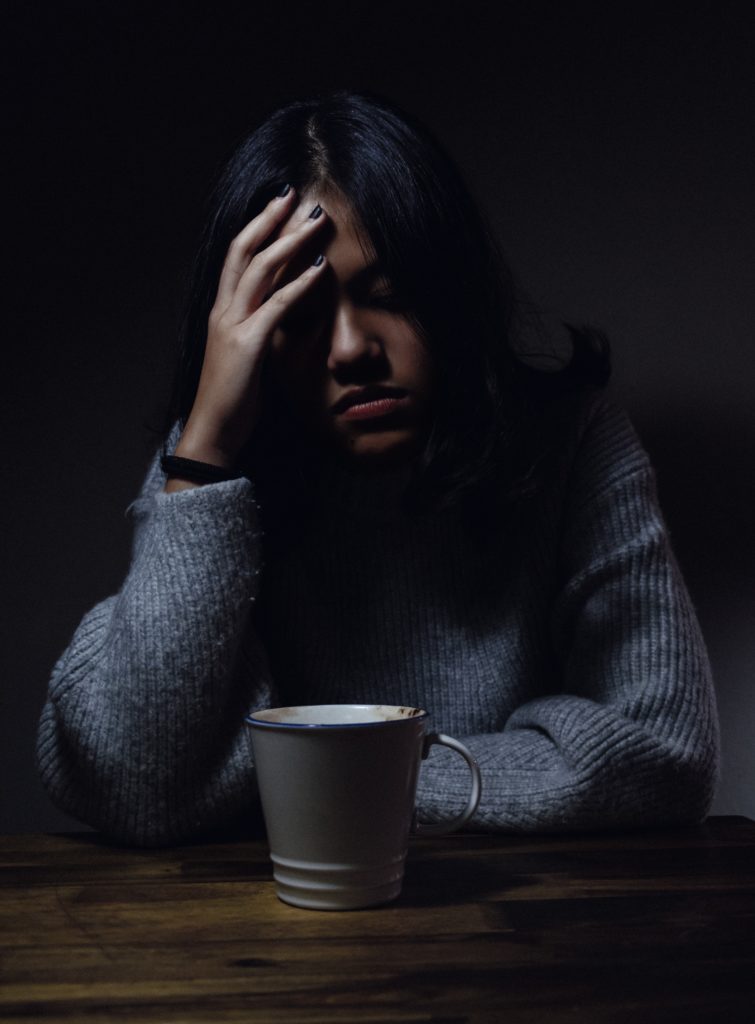
    Don't buy esketamine online.This woman sits in darkness and despair without hope. But she plans to see her psychiatrist and ask for esketamine nasal spray.

    First, it must be administered in a registered medical office or hospital/clinic under strict guidelines.

    Second, you must remain in the office for observation for a full 2 hours after administration, and a safety report has to be sent in to an oversight safety monitoring program every time you come into the office.

    It must be administered along with an antidepressant.

    And finally, esketamine nasal spray may not be taken home or out of the office.

    This assures that the medicine is not overused, or given to someone else. The medication from the pharmacy is pure — it hasn’t been tainted or adulterated with anything.

    What IF You COULD Buy Esketamine Online?  

    Would that be a DIY Solution or a DIY Tragedy?

    Hint: Some things should be left to the experts.

    Now, let’s picture what it would be like if you actually found an online source for esketamine. It might be produced in a developing country, or by a chemist prodigy with questionable integrity, and shipped out in a little baggie… and without FDA restrictions. 

    While we recognize the FDA isn’t a perfect institution, its requirements do set restrictions that help keep consumers safe.  Or at least saf-ER. Without that protection, you have no idea if the esketamine you might receive would destroy your organs, cause blindness, trigger psychosis… or worse. 

    Any chemical or pharmaceutical treatment for brain or behavior disorders has the power to incapacitate or disable you if it’s not pure, well tested, and administered with precision.

    So often we talk about the delicate brain systems and the precision and care necessary to treat disorders with a medication like ketamine — and we administer it IV because of the precision, flexibility and responsiveness that the IV route allows in psychiatric treatment. It’s just as critical when treating with esketamine. Just as vital that a psychiatrist is supervising the treatment — and your response to it — expertly. 

    Don't try to buy esketamine online. Relief. Release. The joy when depression lifts after esketamine treatment.

    It’s all about you, and your improved life.

    So you can experience a truly therapeutic dose that can help you feel more balanced and better, function better, and live a happier, more fulfilling life.

    There are no shortcuts to reaching that goal.

    No bargains.

    No fun “trips” killing two birds with one stone.

    And if you were able to find esketamine in bulk form, without that innovative sprayer..well you’re taking your life and your health in your hands. 

    DIY Brain Surgery

    So let me ask you this. Let’s say your PCP referred you to a brain surgeon. You call and make the appointment, then on the designated day you appear in his office. He looks at your x-rays and scans, and tells you he agrees with your PCP that you need surgery.  You meet with the scheduler to schedule it.

    Then a few days later, you get the call and find out the cost of the surgery…and the amount you’ll have to pay as a co-insurance payment.

    WHAAA???

    You could pay off your house for that!!

    All you can see is white. Shocked. Stunned. There is just no way. You’re not going to pay that.

    So you get to thinking.  You know… it can’t be that hard…  You start looking on YouTube for DIY brain surgery…   It’s hard to find much. So you keep trying different key words. Then you drive to the University Bookstore and ask for a textbook for neurosurgeons…  You know you can always close the incision with staples.  That’s what they use in the hospital right..?

    Ok, I’m pulling your leg.  Who would do that?  Ever?? Now, there are some unusually determined people out there who go over the line. All the time.

    But NO ONE would attempt surgery on his own brain.  Why?  Because it would more than likely cause brain damage, or worse. Because it would destroy your ability to think, to walk, to speak, to see. And that’s if you were lucky.

    It’s for this reason you need to leave treatment of brain and behavior disorders to an expert in brain and behavior disorders. To avail yourself of the expertise and experience required to effectively treat the most delicate and most central managing system of your very life.

    Brain Treatment is for the Experts

    If you’re looking for a shortcut to health and well-being, put your doctor’s appointment setter on speed-dial.  How’s that for a shortcut?

    Meanwhile, if you struggle with depression that hasn’t responded to treatment, symptoms that persist no matter what you do, suicidal thoughts that return again and again … if medicines aren’t helping, just call us. Give yourself the advantage of deep psychiatric expertise, patient and skillful dose titration (with IV ketamine), and quick response to reactions and needs.

    We offer comprehensive evaluations to determine if IV ketamine infusions or esketamine nasal spray could be an appropriate and effective treatment for you.

    Neither treatment can give you a sure-fire guarantee. No treatment can. But when ketamine is administered properly, our patients often enjoy an amazing improvement. For many, it’s fast, and it’s robust … with IV ketamine, the improvement can begin within just a few hours.

    A dDon't buy esketamine online. A joyful peace replaces despair with esketamine treatment.  Find an expert psychiatrist for your best outcome.

    Your life is too precious to wreck. Don’t search for ways to buy esketamine online… or ketamine either, for that matter. It can lead to a slippery slope of abuse, addiction, and worse. You’re just too valuable to miss the relief and wellbeing proper treatment can provide.

    Your life is yours to live, and we want to help you gain the opportunity to live it well. With joy, loving relationships, and accomplishments.

    You really can be the best you can be.

    Lori Calabrese, MD explains esketamine FDA approval and what it involves.

    To your best self in the months ahead, 

    signature of Lori Calabrese, M.D.

    Lori Calabrese, M.D.

  • Ketamine isn’t an opioid and treats depression in a unique way, says Johns Hopkins expert

    Ketamine isn’t an opioid and treats depression in a unique way, says Johns Hopkins expert

    In scientific journal letter, Hopkins psychiatrist Adam Kaplin disputes a study claiming ketamine is an opioid.

    Ketamine has gotten a bad reputation as an opioid—when there’s plenty of evidence suggesting it isn’t one, say Johns Hopkins experts. They believe this misconception may prevent patients from getting necessary treatment for the kinds of depression that don’t respond to typical antidepressants.

    In a letter to the editor published in the American Journal of Psychiatry, the researchers clarify how ketamine works in hopes of restoring the therapy’s standing among health care professionals and the public.

    “A study done late last year delivered a black eye to ketamine, and as a result of the coverage, there was a wholesale acceptance by both potential patients and physicians that ketamine is an opioid,” says Adam Kaplin, Assistant Pofessor of Pychiatry and Behavioral Sciences at the Johns Hopkins University School of Medicine. “This is most worrisome if people continue to think this way, particularly in the wake of the opioid epidemic; clinicians won’t refer patients for a treatment, despite that it has been shown to be incredibly effective for many patients with treatment-resistant depression.”

    In late 2018, researchers at Stanford University and Palo Alto University showed that naltrexone—a drug used to reverse accidental opioid overdoses by binding to opioid receptors in the brain—also blocks the antidepressant effects of ketamine, which led them to propose that ketamine must also bind to the same opioid receptors and thus concluded that ketamine must be an opioid. Kaplin says that there’s plenty of contrary evidence demonstrating that ketamine sticks to an entirely different receptor on brain cells: NMDA receptors, which are involved in learning and memory.

    These NMDA receptors are found together with the opioid receptors on brain cells, and Kaplin says it’s no surprise that their components can meddle with one another, like interference picked up on a phone call or on the radio. “This interference and cross-talk does not mean that ketamine is an opioid, and to wrongly label it as such could eventually keep patients from essential antidepressant medications that could make a huge difference in their quality of life,” says Kaplin.

    In March of this year, the U.S. Food and Drug Administration approved ketamine as a nasal spray to treat depression, specifying that ketamine is to be administered under the watch of physicians in small doses and in a health care setting to minimize any chance of abuse. The drug works much faster than other traditional antidepressants on the market, sometimes even after one or two uses.

    Kaplin and his team are in the process of setting up their own ketamine clinic at Johns Hopkins, which they anticipate will be opening within the next year.

    [Read the Original Post Here]

  • The Pain and Marginalizing of Stigma

    The Pain and Marginalizing of Stigma

    Young woman holds her hair back while she thinks about the pain and marginalizing of stigma.

    Stigma Isolates, Humiliates, and Separates

    As I think about what to write today, my thoughts are filled with a comment I received from a man who’d read last week’s blog, which you can read here. He wrote that he also suffers from bipolar 1 disorder and was upset and hurt by the description of the young man in the story who showed signs of violence. For him, a description like the one I wrote perpetuates stigma because it portrays someone suffering from a psychiatric disorder as a “dangerous” person.

    Pause. Deep breath here. Not what I intended.

    My concerned reader made the point that he takes medication to manage his symptoms and works hard to keep them from dominating his life. He emphasized that he had never thrown a lamp or a table (like the young man I’d described) … which is often the case. Most of the time, mood dysregulation is not accompanied by physical explosiveness or violence. He was right.

    And he felt that last week’s blog misrepresented him and others like him.

    It was heartbreaking to me that this reader felt hurt by my story. I never want to cause pain to anyone with my writing. But it can be hard to prevent. My readers come from a wide variety of backgrounds and experiences. My practice, on the other hand, consists primarily of the most ill, treatment-resistant patients for whom medications have failed.

    So today, I want to go a little deeper and talk about stigma and the damage it causes.

    And I want to explain why I write the accounts I do of severely ill patients and how they suffer.

    The Pain and Marginalizing of Stigma

    So what is stigma anyway? 

    We get the word “stigma” from the ancient Greeks, who used it to describe a mark made on the body that signaled to others to avoid or shun the bearer of the mark. And, we use it the same way today. Except in our present culture there’s no need for a mark on the body… with our words we make a mark on the soul.
    pain and marginalizing of stigma

    Stigma creates shame, disgrace, humiliation…and the bad reputation that goes with certain things in our society. It’s associated with anything in someone’s life that labels them. A label that results in judging someone by the label rather than on their own merits.

    Labels like this separate people from the group just as lepers were separated from the city in ancient times.

    An example might be the experience of prison. When someone breaks the law and is sentenced to prison, that label hangs over them, as much within themselves as from the outside. This person might feel they’re “less than” others, that they deserve less respect. And they’ll almost certainly run into narrow minded people who will hold that fact from their past over them… impose upon them the pain and marginalizing of stigma to bring them shame and humiliation. 

    But the fact is, that some of those who spend time in prison continue a lawless lifestyle and others use the opportunity to improve their lives and accomplish great things. Still, it’s fair to say that improvement isn’t easily won. That person has to work very hard to rise above the experiences from his or her past.

    Another example of stigma seems to accompany psychiatric disorders. There are those in our society who still associate the need for psychiatric treatment as a sign of weakness, “craziness,” and/or questionable character.

    Working to Reduce Stigma and Increase Enlightenment

    As we work to reduce stigma, and open conversations about brain disorders, behavior disorders, and the medications we use to manage them, we have to look honestly at individuals, and who they are.  And we need to try to understand each other.

    Because not all diabetics are alike. Not all the people with bipolar disorder are alike. Not all the people with PTSD are alike. Each one is an individual — with their own unique needs, symptoms, challenges, and vulnerabilities.

    Most of us know someone who suffers from diabetes, either Type 1 or Type 2. There is some amount of stigma associated with diabetes. If you’re well informed about this condition, you know that while diet and exercise can help improve the condition for people with Type 2 diabetes, there is nothing someone with Type 1 can do to make this condition go away.

    It’s pretty short-sighted of anyone who tells a person who suffers from this disease that they just need to stop being so sloppy about how they take care of themselves.

    While it’s true that diet and exercise can improve their control of symptoms, it’s a disease that progresses and is not preventable.

    Words can cut deeply … and we never really know the story that people keep hidden in their hearts.  

    In both cases, diet and exercise help in its management, but that’s true in a wide variety of illnesses. People with coronary artery disease, arthritis, hypertension, asthma, obesity, as well as depression, bipolar disorder, PTSD, and more…all can enjoy improved symptoms through diet and exercise. Improvement. Not cure.

    The cruelty of stigma lies in the cutting words and attitudes the “unenlightened” use to build a box around an individual without knowing his story.

    Pain and Marginalizing of Stigma ISOLATES

    Disorders like bipolar I disorder, bipolar II disorder, major depressive disorder, PTSD, substance misuse, dependence and addiction, eating disorders, OCD, panic disorder, ADHD — are not understood…and are not familiar….to a very broad segment of society. And what human nature doesn’t understand, human nature too often misjudges.

    But what we DON’T want to do is marginalize individuals no matter what their experience is. 

    Man sitting alone is isolated like stigma isolates.
    And just what do I mean by “marginalize” exactly? I mean that I don’t want anyone to feel shut out, alienated, trivialized, or ignored in any way by my words or actions. Whether you use all your strength to hold your symptoms under control or whether your medication helps you do that, your experience is important. You are important. And you matter.

    When someone suffers from one of these disorders, but has no outward symptoms — because of medication or their own unique disease process — they can feel blocked out and unheard…misunderstood and not represented.

    (By the same token, if you only know someone who takes medication that’s working, and never has any symptoms that show, it’s super easy to think that people with psych disorders should have their symptoms under control. Nothing should show.)

    Maybe you know someone with kidney disease who looks and acts like anyone else. And maybe I know someone with kidney disease who is thin, pale, with only patches of hair.  When I meet your friend I may believe there is no way your friend is ill.  And you may believe that my friend has something much worse than kidney disease because she looks so terribly ill.

    But in fact, they both have the same disease but it differs in severity.

    Why Assume Everyone’s the SAME?

    This is the case with disorders that are related to the brain. Why is a disorder more severe in one person than another?  I don’t know. I may know some factors that could affect its severity, but I don’t know why one person has bipolar I disorder and another has bipolar II, or a third person has cyclothymic disorder.

    None of these three got off scot-free. They all suffer.

    The pain and marginalizing of stigma results in silent suffering.
    And why does one person respond to medication and another doesn’t?  If I knew the answer to that, I’d go on vacation more often!  These are questions I’ve been studying to find answers to all the years I’ve been a psychiatrist.

    For those who respond to medications, I’m very glad and thankful.  For those who don’t, I search and read and research and seek hope for those patients. And when I write about people with severe cases of their illness, it’s to show others who suffer in this way that they aren’t forgotten. That there is no shame in their symptoms.  Because in their case, the medicines aren’t working. And the symptoms run rampant.

    It can be devastating.   

    Don’t Misinterpret Symptoms: Hollywood vs. Reality

    And I want to add –quickly– that a table or chair that is flung out the window is not necessarily a sign of danger to others. It signals dysregulation, sure, and warrants a very careful assessment. Because often, even someone who is markedly dysregulated can draw the line between hurling an inanimate object and hurting another person.

    Hollywood has a way of exploiting the human suffering of mental health problems, to intensify fear. That’s Hollywood. Get to know individuals and take note of how they differ from what you see on the big screen.

    Coronary Artery Disease

    One of my neighbors has coronary artery disease.  He took medications, but eventually had to have open heart surgery.  Does that mean that everyone with coronary artery disease needs open heart surgery?  

    No.  In fact, I have a relative who has coronary artery disease, who manages to live a full life with medicines, diet, and exercise and has never needed surgery.

    These individuals tell their own personal stories. And report their own personal symptoms.

    Words can be so hurtful even when they’re not intended to be. We’ve all done it. Without realizing someone’s personal story we tell the story of someone else that’s too close to their own…and it sounds to them like we’re judging them.

    Pain and Marginalizing of Stigma… is Cruel

    By the same token, when a treatment or clinic pops up that seems to promise a world of wonder to everyone, (which nothing can do, by the way), people can feel trivialized and ignored. Because they may not fit in that “slot” for a variety of reasons.

    Let’s put up our antennas and notice when the pain and marginalizing of stigma has someone walled off from the world. Alone. Isolated.

    Psychiatric disorders marginalize people, and we marginalize them, too.  Every doc-in-a-box or one-size-fits-all protocol marginalizes your individual experience of suffering by suggesting there is a panacea.  

    Of course, there’s no universal cure, but there IS hope in a jar. Remember that story? 

    That was the story of ketamine treatment as a medicine prescribed “off label” because of its unique healing abilities in addition to the purpose it was FDA-approved for.

    One Size Fits Some

    ONE SIZE DOES NOT FIT ALL. Each patient needs to be custom treated for his own individual version of disorders. Each person also needs to be ACCEPTED and supported for who he is, and what he manages in life.

    Let’s vanquish the pain and marginalizing of stigma. Let’s stop leaving people isolated in their suffering. And let’s look people in the eye and seek to understand their struggles.

    Let's get to know each other, so we can understand what each person manages in life.

    If you don’t know what he manages, ask him. Let’s try harder to get to know each other, and respect each human for the life he or she manages.

    And you know what? If you suffer greatly, or if your struggles are partially managed by medication, I want to hear from you. Not that I can solve your challenges, but you matter to me. And you matter to a lot more people than you may be aware. You are included here. And your experience can help someone else feel less alone in the world. Please share your comments below.

    And if you’ve read about ketamine treatment and you want to see if it can help you, call us.

    We want to help you experience some degree of relief from your symptoms, whether it be a little or a lot.

    Lori Calabrese, MD offers innovative psychiatric treatment like IV Ketamine

    To the recovery of your best self,
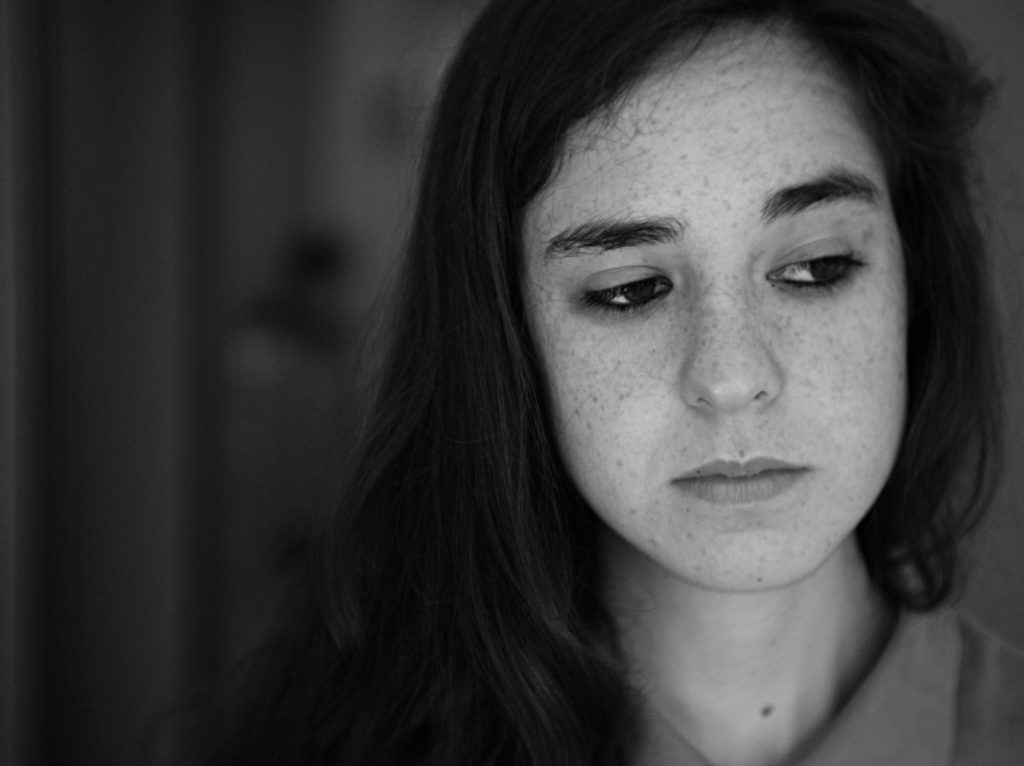
    Lori Calabrese, M.D.
error: Content is protected !!