
Tag: IV Ketamine for Depression

  • Treatment of Psychiatric Disorders: 2019 Year of Promise

    Treatment of Psychiatric Disorders: 2019 Year of Promise

    Treatment of psychiatric disorders with ketamine brings remarkable results.

    Compounds and methods for treating severe psychiatric disorders are getting better and better…

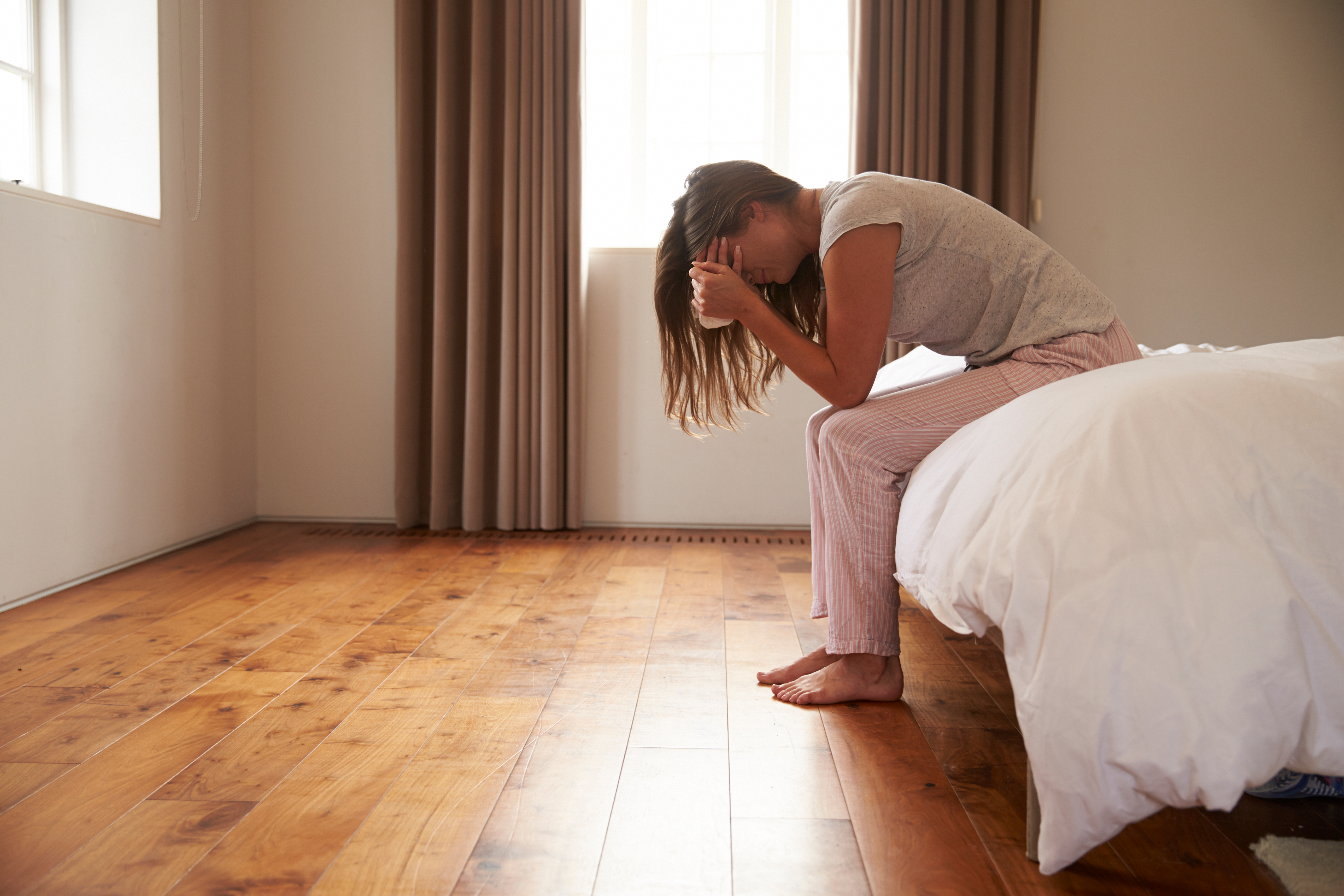
    Charlie sank into a chair in utter discouragement, as she realized she had awakened again, after hoping as she went to sleep that this would be her last night. Her last time to breathe. Night after night she prayed to die in her sleep. Morning after morning she woke up again. Ugh.

    She felt betrayed by whatever cruel powers that be…that there seemed to be no compassion for her misery…and no escape.

    She dragged herself to the bathroom and turned on the shower. Instantly, she saw an image of herself hanging by a rope from the shower head.

    And she screamed.

    Then climbed into the bathtub and stood sobbing under the shower.

    Finally, she shampooed her hair, soaped up her body, rinsed, and turned off the water.

    There was nothing to do but go to work…AGAIN…and try to function…AGAIN… and hopefully not get fired, because of her poor performance.  Tears filled her eyes…

    Suicidal Thoughts Can Be Deadly

    Charlie is one of millions in the US who want to die as a result of depression.  Approximately a million people commit suicide each year, and many times that amount try but survive. And many times more than those get struggle with suicidal thoughts that keep coming back.

    Because relatively few tell anyone they’re thinking about or even considering suicide, it’s been impossible thus far to estimate the number.
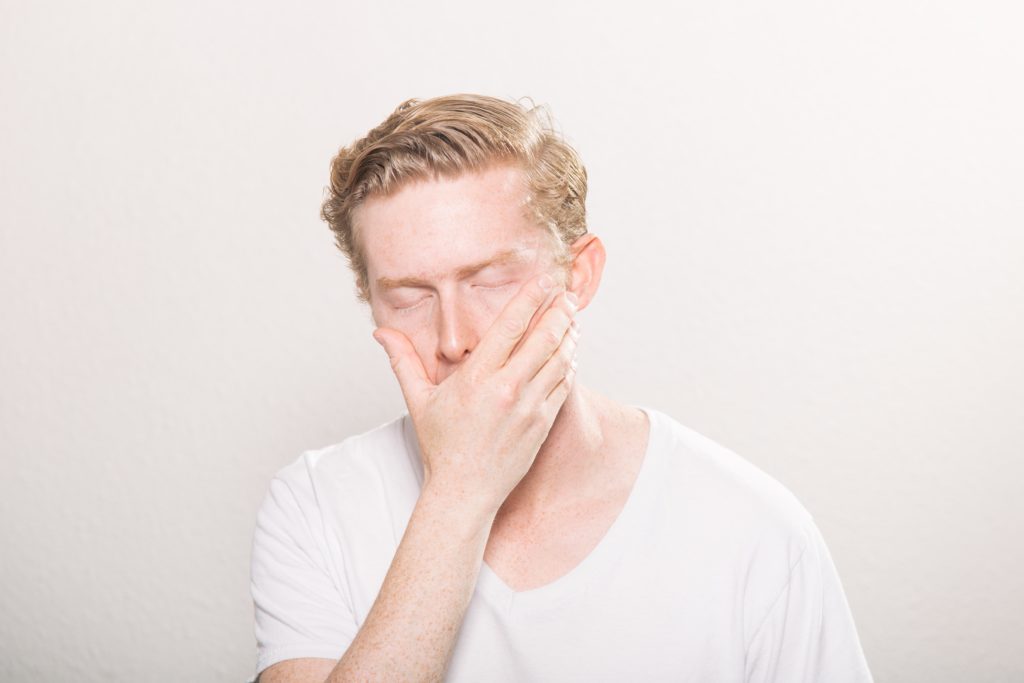
    Treatment for psychiatric disorders can turn anguish into joy.

    They don’t want to die, they just don’t want to live with this kind of misery any more. Maybe you know someone like this… or you’ve felt like this yourself.

    You are the ones we want to reach, to help, and to treat so you can rebuild fulfilling and rewarding lives again.

    Ketamine Treatment Continues to be Misrepresented

    With all its talents — with all its extraordinary mechanisms of actions — IV ketamine treatment may need a good PR firm!

    When have you seen a safe, rapid, extraordinarily effective, life-saving treatment misrepresented, misunderstood, lambasted, and gossiped about more than ketamine? (Think about that for a minute.)

    I saw a comment in STAT magazine the other day that took the cake.

    There were lots of great comments, some more informed than others. But you do sort of expect that in a national publication. And… there was a lengthy comment–difficult to decipher–claiming ketamine was inherently dangerous.

    It was clear the individual didn’t know about the research and data. All the information that’s poured out around the globe about ketamine and related compounds for psychiatric disorders over the last 10-15 years.

    The commenter seemed to only be acquainted with its dangerous and highly abusable street form, Special K. And with the extremely high doses used on the streets… repeatedly over and over and often… he or she had seen the damage that abuse of ketamine can do.

    As a psychiatrist, I hate to see it represented that way, but I cherish free speech, and freedom of expression. I also cherish scientific advancement and use it — every day — to relieve suffering.

    Ketamine should definitely be administered under a psychiatrist’s close supervision, not self-dosed.

    Then … there are the articles by young residents and clinicians, aspiring academics, and others. Those who have little true experience with the medicine or the treatment. But they’ve jumped in to write reviews of the literature or opinion pieces about it.
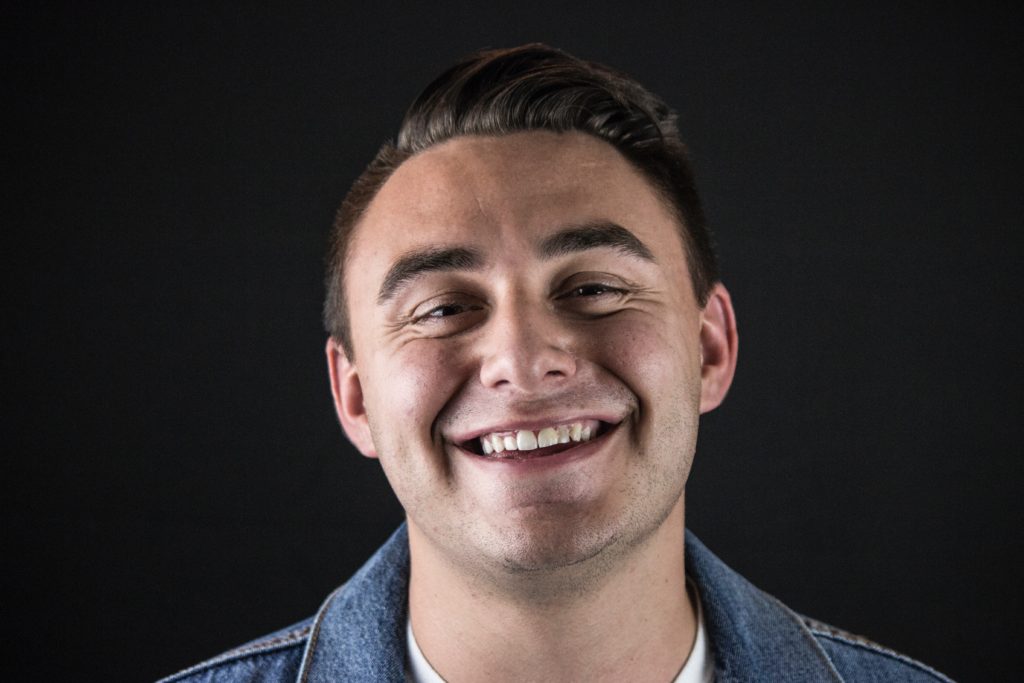
    Treatment of psychiatric disorders gave this man his smile.

    The best way to learn about ketamine treatment for psychiatric disorders is to hear directly from experts who actually use it — with many, many patients — every day in their offices or research units to treat psychiatric conditions. In this case, from the neuroscience researchers and psychiatrists who have worked with it a long time.

    Because the truth is, the majority of physicians have read snippets about it here and there. They’re just now getting up to speed. And some have distorted ideas about it.

    An article in VeryWell Mind by Naveed Saleh, M.D., May 2018, made some erroneous statements about ketamine treatment for suicidal thinking.

    First, he claimed that ketamine is best absorbed through the intramuscular (IM) route, which is just simply false.

    Ketamine is 100% bioavailable only when it’s given by the intravenous (IV) route. In IV form it’s delivered straight to the brain tissues that so desperately need its benefits. IM and IN (nasal spray), lozenges, troches, and oral liquids are all less bioavailable.

    In addition, there are other problems with IM injections of ketamine that we’ve discussed and that are described in that Time Magazine article we talked about.

    He also made claimed that if ketamine is to be widely-used, it most likely will be as an adjunct to other medications. Another misunderstanding of his research. Because the evidence says…

    Ketamine Treatment Acts Independently of Other Medications

    While that may or may not be true, my vote is that it won’t need to be. Evidence shows it doesn’t depend on other medicines for its mechanism of action. It’s not dependent on other medications to create a “partial response” that it augments. It acts independently on its own merits.

    In fact, the most robust research is in patients where medication has FAILED — patients who have TRD, or treatment-resistant depression.

    The left half of the ketamine molecule, known as esketamine, is nearing completion in its FDA trials and IS being tested as an adjunct to other medicines, not as a primary or stand-alone treatment. It’s being packaged as an intranasal spray, and has had some serious setbacks while seeking FDA approval.

    It’s exciting to see what new glimpses researchers will find as they continue to study ketamine and other related compounds for treatment of suicidal thoughts, depression, bipolar depression, PTSD, OCD, social anxiety, and addictions. Maybe it will be a new action not yet identified, or maybe additional applications or conditions that could be responsive to this extraordinary treatment. 

    But the majority of patients who receive IV ketamine treatment report that other antidepressants or anxiolytics have failed, and, even if they walk in on antidepressants and mood stabilizers, they attribute their response and remission to ketamine treatment.

    Ketamine Treatment of Psychiatric Disorders…

    At Innovative Psychiatry, we see the majority of patients with severe treatment-resistant depression, bipolar depression, and suicidal thoughts. respond and achieve remission. They are real-life, real-world people just like you or people you know. Often, they don’t have just one thing or just one disorder — because psychiatric symptoms and disorders are complex and tend to run hand-in-hand.

    We call that complex psychiatric cormorbidity.

    Don’t let the term scare you.

    It just means that when we see patients with treatment-resistant depression — as in unipolar depression and bipolar depression — they often also have other things, too, like social anxiety, PTSD, OCD, and addictions.

    They’re often hopeless. Often suicidal.

    It’s one of the reasons we’re so interested in following the research in using ketamine to treat suicidal thoughts and these other psychiatric conditions — and one of the reasons I write about them so often and devote space to them here.

    Suicidal thinking can disappear within a few hours with IV ketamine treatment. Think about what that would be like for you … or someone you love.

    If you’d like to consider ketamine treatment, give us a call. We can talk it through.

    The Microbiome Has Been Underestimated

    The microbiome is the collection of genes included in the trillions of bacteria, fungi, and viruses that populate the gut along nerve pathways connecting your brain to the rest of your body. These microorganisms provide our immune system and all work together to help our minds and bodies function properly and in partnership.
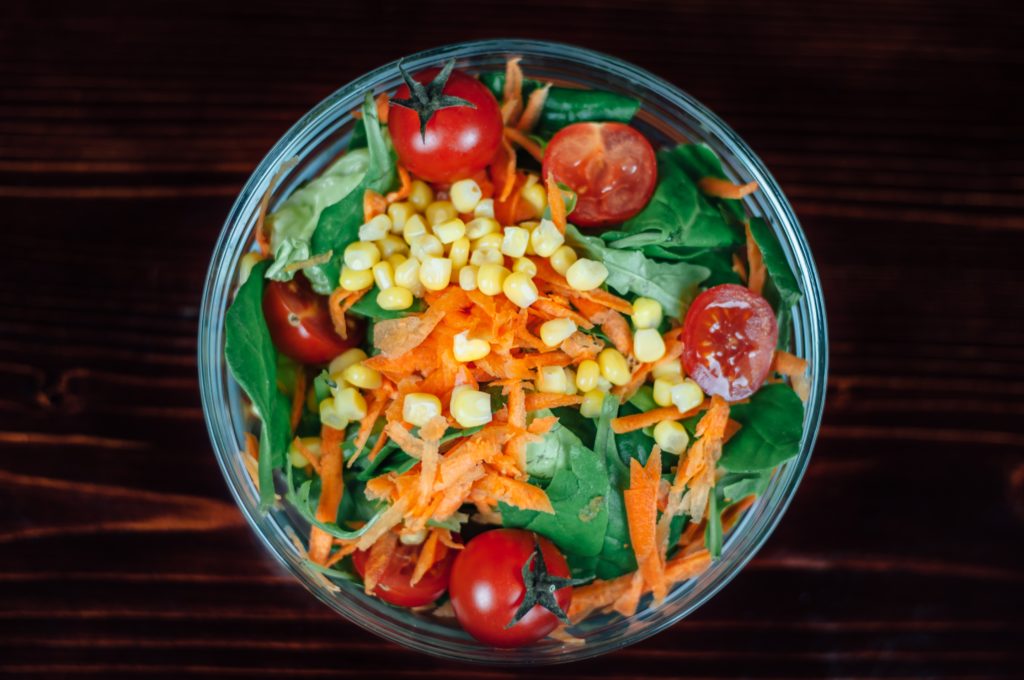
    Treatment for psychiatric disorders includes feeding your microbiome.

    Another area psychiatry is advancing quickly forward is in its understanding of the importance of the microbiome and its effect on psychiatric illness.

    When the balance between good organisms is outweighed by “bad” organisms, we become sick in some way. This may be an upset stomach, a systemic virus, or a disorder like depression, to name a few. Restoring the balance of these systems in our gut can help restore our health.

    In fact, physicians have come to understand that sometimes the extensive use of antibiotics may destroy so much bacteria that the good bacteria that fights disease becomes depleted.

    The more we learn, the more we can refine this essential part of our bodies to support our emotional well-being, as well as fight inflammation throughout our bodies.

    But, we’re also learning it’s possible to overdo good organisms, too.  And other disease symptoms can begin if there are far too many of them. It’s a balanced eco-system we’re looking for…  We’ll be talking more about that soon.

    Plans Unfolding for the 2019 Year Ahead

    And we’re brimming at Innovative Psychiatry. (How’s that for 2019?) With new initiatives, new efforts, and exciting plans.

    We’re expanding our hours and our availability, and preparing to publish our outcomes peer-reviewed journals in the hope of adding to the growing body of evidence of ketamine treatment’s remarkable benefits for treating an array of psychiatric disorders. (I’ll keep you posted as that develops.)

    We hope to present our outcomes at more national and international conferences this year.

    On top of that, we’re adding some opportunities to help us get more help to more of our patients to finance the cost of their treatment, and help fight for insurance companies to reimburse patients for the cost of their treatment.

    Ketamine Treatment: Getting Better, Giving Back

    Another opportunity in the wings is a program we’re developing — the first in the country– that would allow us to help patients Get Better and Give Back to their communities with special volunteer opportunities

    This program can help patients who would not have access to treatment any other way.

    As we get all our irons in the fire scheduled and the details sorted out, we’ll update you so you’ll know what to watch for. G

    2019 promises to be a year of hope, and a year of gratitude and goodwill, as we see more people feeling better... and getting well… after years of struggling without solutions.

    We want to see progress made toward insurance companies covering ketamine infusions for psychiatric disorders. The medical billing code for ketamine infusions exist but it is usually rejected when it is linked to a psychiatric diagnosis. We continue to fight stigma and stigmatizing terms.

    Hope is on the horizon. It’s going to be a good year.

    If you battle depressive symptoms, or suicidal thoughts like Charlie, that haven’t gotten better, despite various medicines you’ve tried, please get in touch with us if you’re interested in ketamine treatment.

    It consists of several doses of IV ketamine, usually about 6, and sometimes a few more, over 2-3 weeks. Ketamine isn’t appropriate for all patients — and doesn’t work as well for some as it does for most of our patients — so it’s not for everyone.

    But we see such high percentages of response, we can say that most likely the chances are it will be a great help to you.

    Treatment of psychiatric disorders like ketamine brings unparalleled relief.

    Most of our patients find after a full series of infusions, they can do things they’ve procrastinated about for years, enjoy things they used to enjoy, take advantage of energy to work, create, and socialize they had found impossible, in many cases for years.  And build relationships and careers that are rewarding and satisfying.

    We look forward to talking with you, and helping you find your smile again.

    To the best YOU you can be in 2019,

    Lori Calabrese, MD offers innovative psychiatric treatment like IV Ketamine
    Lori Calabrese, M.D.

  • Advances in Psychiatric Treatment: 2018 in Review

    Advances in Psychiatric Treatment: 2018 in Review

    Happy New Year!!  The big silver ball falls tonight to celebrate the birth of 2019.

    Advances in psychiatric treatment help this man find joy again.

    Let’s celebrate the unprecedented, transforming, and ever-accelerating advances in psychiatric treatment this year and the neuroscience that backs it up.

    Celebrate is the word. Because we’re so grateful to the courageous researchers around the beginning of the 21st century who dared to test new ideas and compounds to treat psychiatric disorders.

    This testing, and subsequent investigation, snowballed into a field of life-changing breakthroughs and developments like ketamine treatment, transcranial magnetic stimulation (TMS), and other “outside the box” novel treatments.

    We’ve watched TMS press forward from an almost incredulous idea to its more prestigious position as a very effective non-drug treatment for patients with major depression and OCD who have not responded to traditional treatments.

    True advancement risks misunderstanding, distrust, and adjustment before it’s accepted, and the breakthroughs in psychiatry are no different. There have been skeptics and naysayers, and those who prefer to “wait and see.” But tireless researchers press on.

    Psychiatric Treatments Are Improving

    Ketamine treatment has, in a relatively short time, emerged from being a who? kid on the block to a blockbuster this year. We know it as possibly the most rapid, robust, and effective treatment for patients with treatment-resistant depression and for depressed patients with suicidal thoughts.

    The discovery of its hidden talents and the explosion of research publications testing at its effectiveness for PTSD, OCD, addictions, and anorexia (actually one of the first published studies on IV ketamine!) has inspired numerous investigations into other rapid-acting medicines by demonstrating its widespread and neuroplastic actions in the brain.

    Across the fields of psychiatry and neuroscience, 2018 has been a very good year, with breakthrough research published all year long.

    Let’s look at some of the 21st century discoveries that have been rising to new heights in 2018.

    Outside The Box

    Schizophrenia and Autism Spectrum Disorder

    In 2018, the ballooning mental health crisis drove researchers to find more biological causes for these illnesses, and more ways to treat them effectively.

    For instance, researchers identified master keys (neat name!) in terms of genetic markers that identify complex disorders like schizophrenia and autism spectrum disorder (ASD).

    And after studying the genetic connections, they found that too much of a specific master key: MIR-137, can result in symptoms of schizophrenia … and too little of it can result in symptoms of ASD. 

    How’s that for a startling connection?

    Just knowing this can potentially pave the way for development of treatments for these disorders — using MIR-137, for example.

    Better Therapy for PTSD

    Since treatment for PTSD has traditionally been burdensome for both therapist and patient, treatments are being sought that are effective but more practical. Research supported by NIMH produced a new psychotherapy approach, called written exposure therapy, or WET.

    Advances in Psychiatric Treatment make getting well available to more people.
    By writing about the specific traumatic event, patients were found to improve as much in only 5 sessions as they improved in 12 sessions with cognitive processing therapy, or CPT.

    5 sessions are better than 12, wouldn’t you say?  For patients tormented by severe PTSD symptoms, 5 sessions are far better than 12. Just ask them.

    Better Suicide Prevention..?

    Since there are 45,000 suicides in the U.S. every year, it’s essential to develop ways to predict and prevent suicide in individuals that don’t rely on that individual telling someone. Because, many of those who succeed in ending their lives never tell anyone, so it behooves us to find more effective ways of predicting … and preventing.

    Researchers tackled electronic medical records and found that half of those who commit suicide and 2/3 of those who try but fail, have had a mental health evaluation in the last year.

    Using these records, they leverage things like diagnosis, substance abuse, use of mental health emergency treatment and in-patient hospitalizations, self harm, and scores on Patient Health Evaluations, to predict those patients at risk for suicidal intent and death.

    By better predicting those most likely to attempt suicide, we hope to provide adequate treatment in time… and help restore the lives of those who have lost hope.

    It’s not enough … but it’s just one more way to try to reach and help some people before it’s too late.

    Social Media Surprise

    We think of social media in the “fun” category, don’t we? Or do we?  If you’re like me, you know more people than you want to admit who have sworn off social media. But why? Isn’t it all about the fun? …or is it?

    The first study ever to examine the link between social media usage and mental health issues found that there’s an undeniable link between the amount of time you use social media and the intensity of the loneliness you feel.

    Or, put another way, if you’re depressed to start with, the less time you spend on social media the less depressed and lonely you’ll feel.

    These researchers only included Facebook, Instagram, and Snapchat in the study.

    Now… finally…

    Ketamine Treatment Continues to Demonstrate Its Prowess

    There are so many more breakthroughs and advancements we could talk about that they would fill a book…and it’s just too much for one blog.

    Advances in psychiatric treatment  cause those who suffer to reach for hope that's emerging about ketamine's healing.

    But it’s an exciting time in the world of mental health disorders as neuroscience researchers continue to delve into and investigate the causes, mechanisms, treatments, and prevention of these disorders. 

    Your hope for recovery… and remission… is more warranted than it’s ever been. You really can get better…even well.

    During 2018, physicians and researchers have collaborated, exchanged, and built upon the information that’s accumulating to support the rapid and robust antidepressant treatment of more and more disorders. 

    We’re Learning about Doses

    A study published in October 2018, led by Massachusetts General Hospital researchers, tested four ketamine infusion doses against each other to determine the more effective dose.

    Their trial tested 0.1mg/kg, 0.2mg/kg, 0.5mg/kg, and 1.0mg/kg of ketamine in a single 40 minute infusion. The results showed that the two smallest doses weren’t very effective at all for depression, but the two largest were.

    And that’s the range that we usually use at Innovative Psychiatry. It’s a very small dose…smaller than the dose typically used for anesthesia. 

    More study is needed, testing these two against some slightly higher doses.  And also more testing with these two doses measuring the most effective dose against bipolar disorder, social anxiety, PTSD, OCD, general anxiety, panic attacks, addictions, and eating disorders

    The more we learn, the more we need to know!

    And We’re Learning What Doses Halt Suicidal Thinking in Outpatients

    I presented my work using ketamine infusions on an outpatient basis with suicidal patients, and reported how quickly it works to halt suicidal thinking, and the doses required in Oxford, England at the First International Conference on Ketamine and Related Compounds and again at KRIYA Conference 2018 in San Francisco.

    Ketamine’s Impact on G Proteins Transforms Depression Treatment

    Extensive work on ketamine’s antidepressant actions with G proteins shows these actions are independent of the NMDA receptors… and that it relieves depression faster than SSRIs can by quickly sliding the G proteins off the lipid rafts. Plus…and this is a big plus…it also lasts longer than the half life of ketamine itself because the Gs are much slower to return to the rafts.

    A November 2018 study demonstrated that removal of G proteins from the lipid rafts was not only rapid…beginning within 15 minutes…but that returning to the lipid rafts was much slower after ketamine treatment than after SSRI’s. 
    Advances in psychiatric treatment have taught us about ketamine's rapid relief for depression is caused by its blocking cell bursts in the lateral habenula.

    All of this knowledge lights the path to more research as well as customizing personalized treatment for major depression … and soon, for other psychiatric disorders.

    Advances in Psychiatry Treatment

    Ketamine treatment is quickly becoming more sophisticated. The more we learn, the more effective your treatments will become. 

    Those naysayers who scoffed in the early years of ketamine development, who said ketamine will never see the light of day, have reason to rethink their stance now about this tide-turning treatment for those afflicted with disorders like major depression or anxiety.

    The snowball is rolling down the hill and is quickly becoming gargantuan. It’s exciting to consider…at this rate… the wonders we’ll learn about ketamine and all the other new insights into psychiatric treatment this coming year in 2019. 

    It just keeps getting better.  And more hopeful. 

    Restoration is Available for You

    So before you look forward, take a quick look back. If you face your own daily battle with symptoms of mood disorders. If you have sought treatment for severe depression, bipolar depression, social anxiety, PTSD, OCD, substance use disorder, and even suicidal thinking… and if that treatment hasn’t relieved your symptoms, perhaps you should consider ketamine treatment. 

    We encourage you or your doctor to contact us and discuss this extraordinary treatment that’s taking psychiatry by storm.

    Not for any other reason than the hope of getting you better and getting your life back. Reclaiming your joy, your relationships, your work satisfaction, and overall fulfillment in life.

    We love collaborating with your healthcare team to help you reach the best health and wellbeing you possibly can.

    Ketamine treatment won’t make you someone you’re not. But it can restore you to the very best version of yourself. A version you may not remember right now, but the one who’s buried inside you underneath the difficult symptoms that can seem to dominate everything.

    Ketamine, like any other medicine, isn’t for everyone…but if you’ve suffered without relief from numerous other medicines, it may be just right for you. Ketamine struts its best stuff in those who are the most severely ill. 

    This treatment has nothing to do with the world of “getting high…”  It just works in your brain in interesting ways to get a lot done fast. It works on your mRNA, your BDNF, your lateral habenula, in your synapses and signaling systems, and in your cell walls with the G proteins and lipid rafts.  So much happens so fast. And day by day, the symptoms of disorders fade away.

    Advances in psychiatry turn sullen despair to laughter.

    You can be vibrant, creative, motivated, patient, and engaged. You can enjoy the little things again, build your relationships again…put thoughts together and excel again.

    Start your New Year 2019 on the path to wellbeing and feeling whole. Call us.

    We’re eager to help you find the life you were meant to live without symptoms blocking the way.

    To the restoration of your best self in 2019, 

    Lori Calabrese, M.D.

    Lori Calabrese, MD offers innovative psychiatric treatment like IV Ketamine
  • This Holiday Season: Real Love Means Helping

    This Holiday Season: Real Love Means Helping

    Real love means helping your loved one and not judging.

    Ketamine and you are beacons of hope for someone you love 

    The holiday season is upon us…once again.  The anticipation of gifts and family gatherings, great food and fun times runs rampant among the younger set, and is deeply appreciated by the older generation, as well.

    But if your family includes one or more members who suffer from mood or anxiety disorders… or eating disorders or substance misuse, the holidays at your house may be somewhat unpredictable.

    You may have the awkward disjoint of some family members who just want to have fun, and others who are mowed down by unexpected “land mines” that cut them off at the knees, and  instead of fun, they grieve, brood, or become explosive.

    This time last year we talked about some of the things that can happen in such a family during the holiday season, along with thoughts about how to help each other cope.

    But today, let’s go a little deeper. Let’s think about more than the inconvenience of your loved one’s suffering, and explore some dynamics that help a family member and his or her family interact, support each other, and learn together how to create a reassuring and loving, informed and  prepared, unit.

    Step 1. If you or another family member are repelled by the thought of a psychiatric disorder in your family…

    Maybe you should challenge yourself. Face the reality there’s a serious need in someone you love…

    …and choose love – as in compassion – rather than flaunting that you don’t have the same struggles. It’s tempting…to compare yourself that way. But that comparison is apples to oranges.

    You may not have a disorder, but he or she does. And he/she needs some help from you in living with it.

    Consider, maybe, choosing empathy over your fear of  “family shame.” Rather than embracing prejudices about symptoms you don’t understand, accept the responsibility you bear as a family to educate yourself and your family members about the science behind the disorder. 

    Sure…it’s not fair…not to you, nor your family…but especially not to the one whose life has been pervaded by this illness. 

    And yes, outbursts and other behaviors that may happen when he’s stressed can be embarrassing. But… who cares?

    Family first, right?

    Neuroscience has come too far for family and friends to find comfort in – or hide behind – stigma.  The most powerful way to fight stigma is with information.

    I know…I know…! A couple decades ago  we thought these disorders were about a “chemical imbalance.” It was our best information at the time. And stigma surrounded anyone who suffered with symptoms of a psychiatric disorder.

    In fact, it still does.

    So…No, he’s not lazy. It’s the depression that saps his strength. 

    No, she’s not weak. Maybe battle weary, but not weak. A malfunction in her brain circuitry drives the symptoms you see. Whether it’s social anxiety, PTSD, or bipolar disorder… or even addiction.

    Let go of old superstitions…viewpoints passed down through generations from a time when the brain was a complete mystery. Old wives told tales about a man acting like a man, or a woman performing “as she should” that were geared towards driving improved behaviors using shame.

    Leave your judgment at the door, and exchange it for love.  And acceptance. 

    Live. And let live.

    Take the risk to love and support your family member.

    It’s ok to admit you don’t understand their behavior, but loving them and accepting them as they are, and daring yourself to learn the science behind their behaviors can give them a place to heal… and even save their lives.

    Too many suicides result from too many wounds inflicted by judgmental family members.

    There’s no place for judgment in a family. The family works best when it’s a refuge for its members, a place of safety. Be a force for safety in your loved one’s life.

    Step 2. Learn the science about your loved one’s illness…

    If you’ve gotten past Step 1, roll up your sleeves and start googling all the information you can find to deepen your appreciation and grasp of your family member’s distress and anguish. 

    Learn what happens in the lateral habenula that intensifies depression. And what happens to BDNF and signaling structures that carry signals around the brain and help you think, create, hope, and initiate.

    When BDNF and signaling structures are reduced, your loved one has a much harder time thinking, creating, hoping, or initiating anything.  Motivation and initiative die… and a sense of worthlessness overwhelms her.

    So when you see her lying on the couch for days, you can remind yourself that she’s not lazyshe’s in pain. She may not be able to identify it herself, but her thoughts are sluggish, it’s hard to express herself, and she may ache all the time like you do when you have the flu. 

    Just between you and me… that one who annoys you during the holidays doesn’t struggle with poor character, so quell the temptation to show disapproval. These are symptoms of an illness you can be sure she wishes would lift…and go away.

    So learn why she seems so listless and so shut down. 

    Consider, just for a moment, the possibility that she’s doing the very best she can.

    And gear your response to fit someone who’s making their best effort. You may not like what you see … but be assured that the struggle you can’t see is gargantuan.

    Step 3. Once you’ve learned enough science so you can lend some  understanding… take some time.

    Help yourself “see” that your sister, or mother, or brother, or son is suffering from a disorder that makes his emotions and his body feel really terrible.

    Or he’s suffering with a disorder that drives his behavior to show his pain in ways that make you uncomfortabletake a breath. Then take the time to sit with him often. And listen. 

    Show him you want to learn.

    Ask him what it’s like for him, ask him if he can think of what you might do to help.  Show him, (in spite of the awkwardness you may feel in acknowledging this condition is real),  that you have his back. 

    Show her you want to know what she feels. Ask if it’s sometimes better and sometimes worse or the same all the time.

    Show her you’re interested and want to know what she goes through.

    And if she doesn’t want to talk about it, respect that and just sit quietly for awhile because you accept that this is something you really don’t know much about.

    Don’t preach. Just don’t do it. Not about what you believe she needs to do. She’s heard it a thousand times before. She would do ANYTHING that would truly help, but she’s also an expert at following the advice of others then discovering it didn’t help at all. Don’t lecture. Just don’t.

    Your family member is an expert on her condition. This is an excellent time for humility from you. And a commitment to pitch in wherever you can.

    Because Real Love Means Helping

    These are ways you can give a priceless gift to your loved one. The gifts of validation…  and understanding.

    Think about this: You’d do this in a heartbeat for a family member with cancer. Or kidney disease. Or an amputated leg.

    Your loved one’s illness may cause more suffering, and could be more deadly, than any of these other diseases.

    Step 4. Make yourself available as a partner in hope.

    After trying steps 1-3 as many times as it takes, you may be ready for Step 4.

    Avoid saying things that criticize or judge.

    Speak words of hope.

    Develop a demeanor of acceptance and appreciation.

    Pitch in and help if he or she will trust you enough to do that as an act of support.

    This is all about earning trust. And you can do that with humility, acceptance, an eagerness to learn, and a strong desire to help.

    Medication

    For many of those with serious disorders, remembering medication on schedule can be very challenging. REMEMBER: prescribed medication doesn’t necessarily mean your loved one is effectively treated.

    If he says the medicine isn’t helping, it isn’t helping. As soon as he feels improvement, he’ll eagerly let you know. But he can’t find out if a medicine works unless he takes it like he’s supposed to.

    You can offer to help him remember his medicine on schedule. If four months go by without improvement, it’s time to see his psychiatrist again.

    But you know what? Medicines do help about 50-66% of people who take them. Sometimes a second try on a second medicine or combination of medicines can provide the needed help.

    Your non-judgmental helpfulness can prove to be just the ticket to give him the chance to see if the medicine will help.  

    If you had all the things going on in your mind that he has going on in his…you might forget to take your meds too. She could use a helping hand, if she trusts you to care… and not judge.

    Psychotherapy

    Another way to help might be to help him remember his therapy appointments, and to help him get to them, if necessary. Again, when he forgets or can’t find a ride, or has a flat tire…or a panic attack… this is not irresponsibility, like it may appear.

    The distractions, emotional plunges, panic attacks, or reactions to what goes on all make it easy to forget in the moment about important things like medications and therapist appointments. 

    But they’re important. 

    So try to cut him some slack, and do what you can to help him make those appointments.

    Good Food

    Ok call it a balanced diet, if you like. But unless you live with him, you may not realize how hit and miss his schedule can be…and if he lives alone he may find it difficult to get his disordered brain to be organized about eating properly.

    But by partnering with him for his nutrition, you might be able to help him eat a nutritious meal by helping him plan or by bringing him a meal. High protein, low carbohydrates, plenty of fresh fruits and vegetables, can do wonders to help him stabilize.  

    And it’s even more helpful for him to avoid certain preservatives, dyes, and artificial flavorings. Fresh and healthy is the best, but sometimes you have to do the best you can, just so he eats.

    A Good Night’s Sleep 

    In some disorders, like bipolar disorder for example, there’s a triad of components that influence stability.

    Those are medication, nutrition, and adequate rest. In bipolar disorder, if any of the three shift out of balance, it can throw your loved one’s mental/emotional balance out of whack, too.

    Different people need varied amounts of sleep to be rested…but with a mental health disorder he may need more…and he may only be able to actually sleep a lot less.

    Insomnia is a symptom of many disorders. But if he’s not sleeping much, then he needs to seek better prescriptions that help him sleep.

    You might offer to accompany him to the doctor to help him describe his insomnia and to add to his credibility with his doctor. Showing that you’ve witnessed the severity of his insomnia can be helpful to the doctor in prescribing the best treatment.

    If he’s sleeping too much, say 12-16 hours a day, then that’s a symptom too, so suggest he talk to his doctor for help.

    It’s important to get at least 8 hours of sleep every night to be at your best… but some need 10 or 11.

    Let’s add to the triad, exercise. It also plays a role in bringing balance in some disorders.

    …and offering to take a walk with him can often make it easier for him.

    All in all, investing your love and effort in trying to understand and support your family member who seems difficult at this time of year, can make the difference for him in managing his illness. Love and support are priceless to him. Judgment and rejection can make it seem impossible to him to cope at all.

    Or to even keep trying.

    Remember, it’s probably not that he’s selfish, or lazy, or a brat. He just may be doing the very best that he can.

    What If These Steps Don’t Help?

    The fact is, that these are guidelines for partnering for hope with your loved one’s wellbeing. But in some cases, medications don’t bring balance or relief, you may see he continues to have no appetite or wants to eat way too much, and  he goes days without sleep or sleeps around the clock.

    If the treatment is not relieving the symptoms, he may be like a full 1/3 of people with disorders for whom medication just doesn’t help.

    If he’s tried two – or more – treatments or medications that fail to help him feel better, sleep better, enjoy better behavior and the freedom to live the life he wants to live, he may need a novel, more advanced, treatment. And you help him with that.

    IV Ketamine Treatment 

    As we’ve talked about, real love means helping, and that could be helping him find the treatment he needs.

    Until the last several years, there was no hope beyond those medicines.  But neuroscience research has turned a corner. And IV ketamine treatment is available now. 

    As one of the most effective medical treatments for the highest percentage of depressed patients unhelped by other medicines, IV ketamine treatment can do more than just help.

    Ketamine’s Unique

    It can restructure the signaling circuits in your brain as well as other areas like the hippocampus, the amygdala, the prefrontal cortex, and the lateral habenula so that you can feel just as great as you did when you were the very best version of yourself. 

    And the result can be lots of consistent joy, restored hope, increased motivation, heightened creativity, the ability to enjoy what you used to enjoy, and the energy to invest in yourself and your relationships, as well as the stability to excel at your job.

    Sound good?

    And there’s more…

    If you’ve thought about ending your life…well it can erase those thoughts in less than 4 hours. Giving you the freedom to pursue the treatment you need to build your life again on solid ground.

    For the first time in history, the untreated can get their lives back and be restored for a fulfilling and rewarding life. And that means you.While it’s not effective for everyone, it IS effective and transforming for most… so chances are ketamine treatment is just what you need.

    If you feel you fit these criteria, call us. We want to help you enjoy the life you’ve yearned for… if you’ve been un-helped through severe depression, unrelenting bipolar disorder, PTSD, OCD, addiction, panic disorder, and social anxiety… or if you’ve been thinking about dying… let’s talk about what ketamine treatment can do for you.

    Lori Calabrese, MD offers innovative psychiatric treatment like IV Ketamine
                  

    To the transformation to your best self, 

    Lori Calabrese, M.D.

  • 2018 Innovative Psychiatry: Ketamine Developments

    2018 Innovative Psychiatry: Ketamine Developments

    2018 Innovative Psychiatry ketamine developments show 80% response in treatment-resistant disorders.

    What a year it’s been!!

    As this busy year creeps toward its end, it’s fun to look back on all we’ve accomplished in our hard work to help find more effective treatment for those who suffer with symptoms that don’t respond to traditional treatment.

    Since the early beginnings in my work as a psychiatrist, I’ve been devoted to staying on the leading edge, and to finding solutions for those whose symptoms persist despite their best efforts.

    2018 Innovative Psychiatry ketamine developments demonstrated 80% response in patients with treatment resistant disorders.
    As I’ve added innovative and advanced treatments to my practice to extend our effectiveness. And I’ve discovered that IV ketamine treatment in a series of infusions given closely together, is the most exciting, effective treatment for depression that just won’t lift.

    So, we’ve invested time, money, and staff to help us learn more about this treatment for those who need it, and about what it can do.

    Interventions and Adjustments

    At the beginning of the year, we explored a variety of schedules and extended hours. We’ve continued to adjust them all year.  It’s always a moving target as we try to offer an opportunity for everyone to be seen and treated.

    Since I began providing ketamine treatment 3 years ago, we’ve been compiling data to learn more about the outcomes with our own patients here, as well as with those who come to us from outside Innovative Psychiatry.

    And we’ve consistently been amazed at what we see. But more about that in a bit.

    Then, in March, I had the opportunity to attend the International Conference on Ketamine and Related Compounds for Psychiatric Disorders 2018, in Oxford, England.

    2018 Innovative Psychiatry ketamine developments included attendance at the Oxford Conference.

    This conference was the first gathering globally of neuroscience researchers, psychiatrists, and psychopharmacologists specializing in ketamine research for psychiatric use.

    This momentous academic gathering explored the rapidly emerging data on the history, development, and use of ketamine, and related compounds in psychiatric treatment — in basic neuroscience, neuroimaging, and clinical studies. How does it work? Why does it work? How can we know? What does neuroimaging tell us about ketamine and the default mode network (DMN)? What’s in the pipeline with esketamine and related compounds? These are some of the questions research has been answering about ketamine. We’re gaining confidence in it as a viable and extremely useful treatment, as opposed to just an experimental treatment that would soon dissipate (as naysayers claimed). 

    I presented some of my data on treatment of suicidal thinking, and what ketamine can do to erase it in a poster session.  

    Next, came the first annual American Society of Ketamine Physicians (ASKP) Conference in September, where I saw a number of the same professionals I’d seen in Oxford…again meeting to share insights and experiences with the use of ketamine treatment in psychiatry and in pain management.

    Again, we talked about the broad applications of ketamine.  And the openness among us sharing information and insights helped to broaden the horizon for all present regarding what ketamine can do to relieve suffering in our patients.

    Suffering that, for far too many, had remained unrelieved before ketamine.

    Friendships were building at both of these conferences as we learned from each other, asked questions, and exchanged information. I took notes as fast as I could type. The information was compelling, exciting, and clinically useful.

    Then, in November, along came KRIYA Conference 2018. Many of the same medical professionals gathered along with a host of others, and something magical happened.

    These celebrated and deeply experienced experts in the field of ketamine treatment for psychiatric disorders left any pretense (they might have justifiably possessed) at the door.

    Deep connection happened. And a light bulb turned on. 

    2018 Innovative Psychiatry ketamine developments included a well-received presentation at the Kriya conference in San Francisco.

    We took notes voraciously, exchanged ideas generously, talked intensively, asked questions of each other, and utilized every second we were together.

    We gathered for coffee before the speakers began. Chatted on the steps. Talked on the way in and out, and everywhere in between. And lingered even after we were ushered from the building at the end of the day … then met at restaurants and continued far into the night. 

    I presented from the podium this time, and appreciated the enthusiastic response my data received. But I have to say, when it comes to the feats of ketamine, it’s hard to not be excited.

    In fact, Raquel Bennett Ph.D., the founder of KRIYA, declared in her opening remarks that we’re witnessing, and are also players in, the birth of a new field: ketamine for psychiatric disorders. And that this time will go down in history as a renaissance of psychiatric treatment.

    As the year has progressed, those of us in this new field are collaborating and continually refining and improving our methods of treatment as we probe more deeply into the potential of this extraordinary treatment.

    The Birth of a New Field

    If you or someone you love suffers from depression that has not responded to treatment, this collection of researchers and doctors understands, and we’re all working tirelessly to find answers for you.  

    You really aren’t alone.

    We’re also watching research for more evidence about new areas of ketamine research to show us more ways to apply it.

    2018 Innovative Psychiatry ketamine developments include ongoing research and collaboration globally.

    At the same time, ketamine’s actions inspire more research into why it’s so effective, and pharmaceutical companies are developing new and related medications with the advances in this frontier.

    Ketamine treatment consistently shows a strong response rate for treatment-resistant depression and bipolar depression; plus there is exciting emerging data for those with disorders like OCD, social anxiety, and substance use disorders that haven’t responded to other medications. 

    2018 Innovative Psychiatry ketamine developments include research opportunities.

    We continue to collaborate and follow research to find ways to increase those numbers. To make a rewarding life available to more people.

    I’ve been busy behind the scenes reviewing new research for upcoming new treatments– like esketamine, rapastinel infusions, and brexanolone infusions for post-partum depression and the exciting work done by the scientists at Neuro-Rx.

    Our Experiences at Innovative Psychiatry with You Provides Useful Aid to Other Patients in Other Practices

    My experiences with my patients in the last few years inspired me to respond to a Request of Information from the NIH/NIMH on the use of ketamine for suicidal patients — hopefully to help shape future research directions. And … to write an article that we plan to publish in a scientific journal. More information about this should be coming in the weeks ahead.

    As a result of all these new connections, I’ve had the opportunity to collaborate on an international level. 
    2018 Innovative Psychiatry ketamine developments include ongoing research in my practice to allow new drug trials.

    Over the summer, we began exploring how to serve as a potential study site so we could offer patients the opportunity to participate in clinical research trials with new medications — more on that to come. 

    This would give people an opportunity to get treatment with a new agent long before it’s available to the general public.

    Exciting, isn’t it?

    As you know, we’re all about educating our patients.

    In addition to our Ketamine Blog, we offer The Ketamine Library for our patients. (Who does that? I can tell you, from my trips around the country and into Europe … no one we know.)

    Extraordinary efforts at education. It’s one of the things we’re known for. 

    2018 Innovative Psychiatry

    And we’ve also added Instagram to reach more of our readers. We’re getting the word out about new breakthroughs in treatment.

    And have you noticed the facelift to our website menu bar

    You’ll notice a new menu along the top emphasizing our Ketamine Blog.  (It should really be called the Ketamine and So Many Other New Things Blog –but that didn’t fit very well!)  Seriously, we’ve been busy writing all year. 

    If you haven’t explored the blog much, jump in — we write about everything from science to heartache, from fear to gratitude, from children to aging gracefully, from friendships to loneliness, from narcissism (STILL such a hot topic!) to ketamine wannabees.

    And… we also offer advice, recommendations, and insights on the topics that are hard to find anywhere else — from how to screen a ketamine clinic to why your doctor might not yet be offering ketamine treatment. Check it out!

    We write about stories, successes and failures.

    I look forward to telling you more about all that and about other new initiatives we have planned, coming up in the new year ahead.

    This has been such an exciting year in the advancement of better and more effective treatment for our patients. The ground is rumbling with new breakthroughs for 2019.

    Enjoy your holiday season as it unfolds, and remember to take a moment to show kindness to those around you. It’s one of the most important things we can do for each another.

    Ketamine Inspires Hope

    Lots of inspiring news here. The purpose in all we do is to help you get better. And with the hundreds of medicines at our disposal, only about 2/3 of people psychiatrists treat with all those medicines actually improve. 

    Ask your psychiatrist to help you get better. But if you’ve tried a couple of medications…or even if you’ve tried 30!…and you don’t feel better, ketamine may really help you. 

    Ketamine treatment is amazing. It can smash depression, relieve social anxiety, dismantle PTSD, break addiction, and erase suicidal thinking within a couple hours. That’s why we’re celebrating the 2018 Innovative Psychiatry ketamine developments that are saving and restoring lives. 

    Ketamine treatment seems to demonstrate its greatest power with those who are the most ill, who’ve had the least amount of hope.

    If this sounds like you, or someone you love, call us. 

    2018 Innovative Psychiatry ketamine developments help more people achieve a fulfilling life.

    We are most thrilled by the opportunity to help you get better, really truly better, and to feel well and able to build the life of meaning you’ve always wished for.

    To find the motivation and initiative to pursue, and invest in, those things that are important to you. To build relationships that have the depth and longevity to add strength to your life. Basically, to have the energy to live well, rather than endure.

    Give yourself your best hope.  Call for an appointment to see if ketamine treatment is right for you.

    To the release and restoration of your best self, 

    Lori Calabrese, MD offers innovative psychiatric treatment like IV Ketamine
    Lori Calabrese, M.D.

  • NYT asks: Can We Stop Suicides? Here’s Our Response

    NYT asks: Can We Stop Suicides? Here’s Our Response

    Can we stop suicide? Yes, IV ketamine is saving lives daily.

    An article published this past Friday, Nov. 30, 2018, in the New York Times Opinion section, asks about a possible remedy for suicidal thinking. Well researched, but not quite well enough. Keep reading…

    Author Moises Velasquez-Manoff explored the notion that maybe…just maybe…we can quell the epidemic rate of suicide. He points out that the suicide rate keeps rising, and according to the Centers for Disease Control and Prevention, suicide is now the 10th leading cause of death. After nearly two decades of growing statistics, suicide seems to be higher than it’s ever been. 

    Tragically, medicines to quell that tide have not kept up with the death statistics and doctors have been increasingly helpless to save a life in time.

    Until now. As research and clinical use of ketamine has increased, thousands of suicidal patients have been saved, giving them time to participate in therapy and other treatments so they can heal and rebuild fulfilling lives. 

    Best Mainstream Article on Ketamine to Date

    Can we stop suicide? Yes, with a series of IV ketamine infusions.

    Kudos to Mr. Velasquez-Manoff for his thorough research about ketamine and its effectiveness in treating suicide. All too often, articles in national publications provide a narrow, myopic view of ketamine and what it can do. 

    These articles have sometimes misrepresented the potential of this medicine because of a lack of thorough research. While there’s more to the story, which we’ll talk about, there’s lots of good information here for you to read and pass on to your friends and family.

    So…Can We Stop Suicide? 

    Let’s take a stroll through this NYT article, and talk about the truths and the half truths in the quest for what matters.

    NYT: Using ketamine to treat depression and suicidality is somewhat controversial. Numerous small studies suggest that it holds great promise, but it’s only now being tested in placebo-controlled trials with hundreds of patients. 

    Dr. Calabrese: It’s true that it’s been controversial. Like with many controversies, those who make the effort to find and read the research results for themselves quickly understand the value and significance of this drug. Too many listen to hearsay and scuttlebutt and form erroneous opinions… 

    “Ketamine will never get approved for this,” or “There are too many dangers with ketamine,” they say ….  cautious? skeptical? negative Nellies?

    We hear their voices loud and long. But clearly, in real-world psychiatry, this is a medication that is revolutionizing outpatient practice.

    Can we stop suicide? Yes, with a series of ketamine infusions.

    In all fairness, there is plenty we don’t — and can’t — know. Not yet. IV ketamine treating for treatment-resistant depression (TRD)  — and other psychiatric disorders —  has only been in moderately wide use for a few years. And it will be years before we really know the long-term consequences of single and repeat infusions, even with these tiny doses. Of course. That’s what long-term means.

    And we want to know long-term physiologic effects from low-dose repeated ketamine infusions or maintenance treatment — on the bladder, particularly.

    What about long-term impact on quality of life? Let’s talk about that. Since ketamine infusions for TRD use a much, much smaller dose than is ever used in anesthesia, and since we have 50 years of surgeries to go on, it seems pretty unlikely that a short sequence of a few tiny doses of ketamine will have any more negative impact on an individual’s quality of life than their severe treatment-resistant depression did.

    What we hear — and what my colleagues around the country hear –is that ketamine treatment can be transformative. 

    At the same time, the idea that it’s only now being tested in placebo-controlled trials is only true if the author is referring to this decade. Early trials at the beginning of this century were purely investigative to see what ketamine could do.

    We’ve said all along, ketamine isn’t for everyone.

    Still, its effectiveness is extraordinary especially for those who are most severely ill, and at highest risk for suicide.

    In the last few years, trials that were launched even earlier have finally gotten published. It takes time to conceptualize a study, and get it approved by the ethics committees and reviews boards that do these things. Then to  recruit exactly the right patients if you’re a major academic center,  collect, and analyze the data… we’re talking about a lot of time. 

    But even with that said, placebo-controlled trials have flourished in the last few years, as witnessed at the International Conference on Ketamine and Other Compounds for Psychiatric Disorders 2018, where researchers came from across the globe to present their findings. And more roll off the presses each month.

    NYT: Now, scientists think that they may have found one — an old anesthetic called ketamine that, at low doses, can halt suicidal thoughts almost immediately.

    Can we stop suicide? Yes with ketamine treatment.

    Dr. Calabrese: Yes! Isn’t that great news? In the last 50 years, there has been nothing that could stop suicidal thinking in 4 hours or less — sometimes within the first hour.

    And the beauty is that IV ketamine treatment doesn’t just make the suicidal thoughts easier to bear, it erases them.

    I wish it happened this way with every patient, but we still haven’t found a medicine that works the same way on everyone. Even so, psychiatry has never seen a medicine do this so quickly, so clearly, and so effectively in so many patients.

    NYT: After her suicide attempt, Louise’s psychiatrist suggested she try ketamine. She agreed, and received an infusion intravenously. Within hours, her sense of well-being improved. The hospital discharged her. Back home, she discovered that going to the market was no longer a “herculean task.” Getting her car washed wasn’t an insurmountable chore. “Life was better,” she said. “Life was doable.”

    Can we stop suicide? Yes, with a series of ketamine infusions.

    Dr. Calabrese: I love that the author included Louise’s story. Her description is characteristic of the descriptions I hear from my patients after ketamine treatment begins to take hold. And note that her response was hours after one infusion, not a series. Then the hospital discharged her.

    A single ketamine infusion can provide a wonderful respite from the heavy lead blanket that is depression, the emptiness and vacancy of feeling, the darkness and despondency…for a few days, or a week, or maybe even 2 weeks.

    But we know that one infusion fades.  Pretty much everybody knows that. 

    If your doctor provides you with only one ketamine infusion, it’s almost cruel…it whets your appetite for how life could be…only for it to be snatched away again in a week or two.

    This is the reason “ketamine treatment” has come to mean a series of  IV infusions at tiny doses over 2-3 weeks. It’s the repetition of infusions close together that seems to stack the benefits and overcome the temporary nature of a single infusion.

    What we’re feverishly all working to find out is: exactly how many infusions? 6? 8? Should the dose be based on real body weight or ideal body weight? Some ask if it should be based on body weight at all or just fixed like they’re doing with esketamine. Should the series be all one dose? or should the dose increase? how fast and how high? is there a best dose? 

    Research has not answered these questions yet.

    In our practice, we are sticklers for data, and we collect (and are about to publish) our outcomes.  We’ve already presented them at conferences in Europe and in the U.S.

    Can we stop suicide? YES, with a series of ketamine infusions.

    Here’s a clinical pearl: dose titration is important, and many physicians and nurses don’t titrate the dose to achieve the best response.

    This practice is often the cause for patients to believe ketamine doesn’t work for them. Not in every case, but far too often.

    Seek out a psychiatrist who is up-to-date.

    There seems to be so much misinformation circulating, and  disappointed patients could possibly avoid disappointment if they — and their doctors — had access to more up-to-date information. Doctors only know the up-to-date information if they take the time to search it out.

    NYT: The drug seems to address a longstanding problem in emergency psychiatry. Sedation and physical restraint aside, doctors have few ways to quickly stop suicidal ideation, or thoughts of killing oneself. The current crop of anti-depressants can take weeks and sometimes months to work, if they work at all. They may also, paradoxically, increase suicidality in some patients. Talk therapy takes time to help as well (assuming it does).

    Dr. Calabrese: This is a paradox to be sure. The antidepressants prescribed to treat depression can sometimes actually increase suicidal thoughts and actions as a side effect in some people. Confusing and discouraging if you’re suffering without solutions. And they’re slow to work.  Even lithium and clozapine — clear anti-suicide champions — are slow to work.

    Imagine what rapid relief would feel like.  Quick relief from suicidal thoughts — whether you’re an adult or an adolescent or even a child — can give you time to do the work to scaffold things into your everyday life that can keep you well.

    One infusion can give you relief. Several can cement remission. Not for just hours or a day or a few weeks or a month. For many patients, remission gives them the time and space to make changes that keep their symptoms at bay.

    Imagine that instead of sitting in an ER or on an inpatient unit somewhere.

    NYT: Dr. Michael Grunebaum, a Columbia psychiatrist who studies ketamine, thinks the drug should no longer be relegated to a last-line treatment. “It makes sense that it move up in the treatment algorithm in E.R.s and inpatient units,” he told me. (Although if emergency rooms everywhere began offering ketamine, it could create new problems, he adds. As has occurred with opioids, people might claim to be suicidal when, in reality, they’re trying to get high.)

    Dr. Calabrese: There’s an important point we need to make here. When a psychiatrist provides ketamine in the safest, most therapeutic way, the psychiatrist manages the dose and rate and the therapeutic experience so that the biological changes that ketamine induces — dendritic branching and synaptic proliferation — can be optimized. One of the indicators of this during the infusion is the degree of dissociation. With an infusion (as opposed to IM or intranasal or oral use), this can be very carefully controlled. And the responsibility for controlling the access, and the infusion experience lies with the doctor. This is not about getting high.

    Because people have used ketamine abusively in clubs and on the street, the massive doses they use in those settings — and repeat far too often — can provoke frightening hallucinations.  Some people crave that, and use more and more.

    If you use ketamine on the street you may think you “get” ketamine treatment…what it’s like… and that it’s likely all about the “trip.” But, that’s a street culture thing. That’s not the science of medicine that heals depression and anxiety and erases suicidal thoughts.

    Can we stop suicide? Yes, with a series of ketamine infusions.

    But when psychiatrists provide this medicine with skill and deep expertise, titrating the dose and the number of infusions, working synergistically with the rest of the patient’s medications and clinicians, it’s neither dangerous nor addictive. 

    The goal is remission, not ketamine ad infinitum.

    When a patient needs a new dose every month, ad infinitum, that patient likely didn’t achieve remission in the first place. 

    We want remission for you.  We want you to get better, get going, and give back.

    All in all, we loved Moises Velasquez-Manoff’s article. And glad we’ve had this opportunity to set the record straight.

    It’s refreshing to read a journalistic article about ketamine treatment for mood disorders that’s as close to accurate as this one.

    The question was, “Can we stop suicide?” And the answer is a resounding YES, most of the time, if you let us know you need the help.

    It’s wonderful when journalists help spread the word about novel and advanced treatments that relieve severe symptoms like suicidal thinking. The goal is to find relief and remission from the suffering. And new hope that you take with you into your future.

    At Innovative Psychiatry we see patients every week who experience renewed joy, purpose in life, creativity, motivation, and initiative after a full course of ketamine treatment. And those who have the best results are often the ones who had the most severe symptoms.

    Can we stop suicide? Yes, with a series of ketamine infusions.

    Even if no other medicine or treatment has helped you before, even if your doctor told you there was nothing more they could do to help you, even if you’ve been sick for decades, you are  not hopeless.

    So take hope.

    So many people with a story like yours have gotten better with ketamine treatment.

    If you have lost hope, call us.

    Find out what it’s like to feel alive, hopeful, and able to to build a new life. Chances are we can help you live again… and enjoy the little things in life like you haven’t in what may seem like a lifetime. 

    We want to help you get well.

    Can we stop suicide? Yes, with a series of IV ketamine infusions.


  • Can Inflammation Cause Depression? It All Depends on Your Childhood

    Can Inflammation Cause Depression? It All Depends on Your Childhood

    Neuro

    Can inflammation cause depression if you've had early life stress? Yes.

    Neuroscience Discoveries Show Inflammation Can Cause Depression – Especially If You Experienced Severe Stress in Early Childhood

    Lillian was in second grade when her mom went to work full-time. For the first time in her life, she would get off the school bus and walk down the street to her house, pull out her key and unlock the door.

    Lillian was intelligent and responsible. But when she opened the front door and walked into the dark house, she was scared.  She’d creep to the couch, shaking as she turned on a lamp, and sit there until 5:30 when her parents got home.

    She often cried during those hours.

    Some people could adapt to that just fine. But for some, experiences like this can be traumatic.

    Second grade, third grade, fourth grade…. Those long hours in that dark and empty house were a crucible of terror for this sensitive little girl. It didn’t help that her parents weren’t the “sensitive” types. They chuckled about her fear. They just didn’t get it.

    A Child Silently Suffers

    As little Lillian advanced to middle school and beyond, she suffered for Can inflammation cause depression if you have had early childhood stress? Yes.years with undiagnosed depression. Not that her parents were aware. Quite to the contrary, they were proud of their talented and intelligent daughter. As long as she continued to perform, they were happy.

    “I see you have an A- on your report card. What happened?  Why wasn’t it an A?” Their idea about parenting was to expect the best of their children, and never praise anything short of that. They fully expected their high-achieving daughter to go to medical school, and they had no intention of threatening their bragging rights by supporting what they considered mediocre.

    In fact, they expected her to become a pediatrician. That was the plan.

    But Lillian, in spite of her high grades, wanted to ride horses, study animal husbandry, and write songs.

    Unwitting Parents Tear Down Resilience

    This isn’t the first time parents’ dreams for their child remained unrealized. Neither was it the first time a budding teenaged girl felt misunderstood.

    When Lillian and her friend dressed to go to an 8th grade dance, before they walked out the door, her mom said, “Lillian, you need to cut your hair. It looks shaggy.  And you need to lose weight in your hips. They’re too big!”

    The lithe but discouraged girl looked at her shoes… wishing she could be Can inflammation cause depression if you had early life stress? Yes.swallowed up by a hole. How could she face the 8th grade boys when she felt so ugly?

    Experiences like these accumulated through her teens. Once she was married and gave birth to her first child, the depression grew more severe. It became worse and worse until she stayed in bed most of the days…unable to function to care for her children.

    Finally, she was admitted to a community psychiatric hospital. The depression that had plagued her during her formative years escalated to full blown disability. And she improved only marginally from that hospitalization. There would be many to follow.

    But why?

    Can Inflammation Cause Depression if You Suffered Early Childhood Stress?

    An article by Carmine Pariante, MD, PhD published in Psychiatric Times in May, points out some of the ways research is revealing patients with depression have increases in their inflammatory system. Elevated levels of “cytokines” which are substances, like interferon, interleukin, and some of the growth factors, secreted by the immune system indicate inflammatory activity.

    Even so, what’s interesting is that not all people who suffer from depression also suffer from inflammation.

    They found through a series of studies between 2009 and 2017 that Can Inflammation cause depression if you've suffered early childhood stress? Yes.excessive stress early in life, as well as  the stress of lower socioeconomic status and cardiovascular risk factors, can lead to inflammation. But of these factors, early life stress was by far the largest correlate to inflammation.

    Can Inflammation Cause Depression?

    In recent years, we’ve been able to even connect the dots of inflammation in adults who were exposed in the womb to their mothers’ perinatal depression. The link was so significant that researchers were able to make the connection that stress in the womb is linked to inflammation in adults, with or without depression symptoms.

    Stress in the womb is a risk factor for inflammation in adults!

    Then they took it a step further…

    Several studies revealed that certain genetic variations lead to depression symptoms…but only in those who suffered early life stress.

    Then things got even more interesting.

    Can inflammation cause depression?

    Since omega 3 fatty acids fight inflammation, the researchers found that patients with low levels of DHA and EPA had more inflammation.  So they speculated that when the levels of DHA and EPA are low, that condition would cause inflammation-induced depression.

    DHA is the nutrient added to many infant formulas that’s also found in breast milk. Can inflammation cause depression if you have low levels of DHA? Yes.DHA and EPA are long chain omega 3 fatty acids that account for 97% of the omega 3 fatty acids in the brain. They’re vital for optimum brain function and development.

    And the researchers were right. They performed a clinical trial with patients who had these low levels…dosed them with EPA and DHA… and found it prevented or delayed onset of this type of depression.

    This discovery showed them that patients with low levels of EPA and DHA omega 3’s can be treated with nutrients to restore these reserves and potentially prevent the inevitable depression that can follow.

    Personalized Medical Care Means Faster and More Effective Treatment

    This innovative discovery empowers us with one way to provide personalized interventions for depressed patients based on their individual cause of depression.

    They also found that of those with low omega 3 levels, only those who experienced early life stress became depressed. Others with low omega 3 levels showed inflammation without depression.

    What’s more, those who experienced stress in the womb due to their Can Inflammation cause depression if the mom was depressed when baby was in the womb?mother’s depression during pregnancy, showed inflammation and depression in adulthood.

    Certainly, not everyone who is depressed shows those inflammation markers in their lab work.

    But for those who do, we can provide more effective and novel treatments to help them recover.

    If they don’t need an antidepressant, but do need dosing of EPA and DHA, and if that intervention will restore their emotional balance, how much better to treat the real fundamental problem.

    More Neuroscience Research is Needed

    Neuroscience researchers continue to uncover mysteries as they work to find solutions for your suffering. I would like to see studies involving depressed patients who fit these categories treated with IV ketamine infusions.

    Is it possible that the patients who don’t seem to readily respond to ketamine treatment are actually those low in EPA and DHA?

    On the other hand, would these patients respond to ketamine treatment without doses of EPA and DHA?

    So many more studies are needed. In fact, the more we learn, the more we realize what the questions are!

    At Innovative Psychiatry, we continually seek novel and effective treatments for you if you suffer from treatment-resistant psychiatric disorders.

    Personalized treatment drives us with each patient.

    We work hard to find out how to help you get better, based on what factors led to or contributed to your symptoms.

    From ketamine treatment to strengthening your microbiome to adding nutrients to your diet and more… we want you well.

    Let’s work together to help you get better, so you can enjoy and build a fulfilling and rewarding life. Call us.

    Lori Calabrese, MD offers innovative psychiatric treatment like IV KetamineTo the blooming of your best self,

    Lori Calabrese, MD

  • Remission by Ketamine Treatment:  How You Can Hold On to the Benefits

    Remission by Ketamine Treatment: How You Can Hold On to the Benefits

    Remission by ketamine treatment allows these girls to play in the surf.IV Ketamine is a Most Extraordinary Medicine 

    Here Are Some Ways to Hold On to Its Benefits

    This ONE medicine can relieve a wide array of psychiatric disorders. Remission by ketamine treatment is at center stage of the mental health world.

    The same medicine that lifts depression and restores creativity, initiative, and hope, also stops suicidal thinking in 4 hours or less and relieves social anxiety.. and, oh yes, OCD. It restores balance in bipolar disorder, and dramatically reduces cravings in substance use disorders…it helps PTSD heal and may also prevent PTSD in first responders.

    Ketamine isn’t just an anesthesia medicine any more.

    It’s changing lives and taking the world by storm.

    It can restore your power to enjoy the beauty of a yellow warbler as it sings among the cherry blossoms. Remission by ketamine treatment empowers you to enjoy the beauty of this yellow bird in these cherry blossom branches.Remember when you felt nothing…? A void. Empty. Isolated. But remission with ketamine treatment changes everything.


    You’ve never seen a medicine like this. While pharmaceutical companies are testing other forms of the ketamine molecule, or other molecules similar to ketamine, there is so much more to be learned about ketamine itself!

    These other molecules don’t rival ketamine in effectiveness — well, actually, nobody’s doing head to head comparisons. 

    Because ketamine itself has become the gold standard. Its broad reach and widespread actions relieve suffering in so many different disorders that for so many it has become hope in a jar.

    Who could have ever dreamed the day would come when a few infusions could lift a new mother right out of postpartum depression and empower her to bond and enjoy her newborn…?  Those heartbreaking stories you hear in the news … can be averted.  

    Think what ketamine could have done for Vincent Van Gogh if ketamine treatment had been available in his world. Of course, it was unheard of, but it could have saved not only his ear…but his life.

    Because it’s saving lives.

    Remission by Ketamine Treatment: Antidote for Psychiatric Misery

    The terrible anguish that depressed persons suffer has an antidote now.  Six treatments (or a couple more) and you can live again, create again, enjoy people again, come out of the terror of darkness again.

    You can feel love, hope, initiative, motivation, and creativity. In the morning, you can spring out of bed, Remission by ketamine treatment empowers you to enjoy the flavor of a fresh tomato.and sustain energy and productivity all through the day. Enjoy the taste of a flavorful tomato right off the vine. Tackle long forgotten projects again, complete them, and look at your work with deep satisfaction.

    You no longer have to be trapped in a vacuum, unable to connect, lost in the shadows of your mind. You don’t have to fear your own reactions to unexpected noises, or insensitive comments someone drops in your presence.

    Feel whole again, find out you can have self-control, and build a life you’re proud of. For many who suffer with depression anxiety that just won’t cut them a break, such a concept is an elusive dream.

    But it’s time for us to take a step further, and learn more.

    For instance, what factors influence how effective ketamine treatment is for you?

    Infrastructure for Optimal Wellbeing

    Without question, one factor is simply all those unknowns. Because we’re learning daily about what ketamine can do, as well as the unique genetic, environmental, and other factors that may prevent one brain from responding to ketamine when the next one responds so dramatically. There are factors we just don’t know or understand yet.

    We have so much to investigate and learn.

    But there are some factors we do recognize.

    For instance, it appears that there are environmental factors and personal ones, too, that may determine how long a series of ketamine infusions will benefit you.

    Remission is Most Enduring when Your Personal Infrastructure Is in Place

    When we speak of infrastructure, we’re referring to all the things in your life that play a part in your outlook and productivity. Things like your attitude, your response to stress or conflict, your nutrition.

    To get the most out of ketamine treatment, it helps to do the work to learn and practice healthier Remission by ketamine lasts longer if you do the work, practice self love, and embrace change.reactions and responses, so you don’t pull the same old problems in after you.

    It helps if you’ve learned to practice self-love along with respect for others. To manage your anger, and avoid the pitfalls of co-dependency. It helps to feed your microbiome to help maintain your emotional balance.

    Because even if ketamine’s wonderful repair work brings you to peace, if you haven’t done repair work in your thinking, your attitude, your outlook, your view of yourself…as well as your view of others… the destructive habits that may have crept in with the misery of your disorder in the first place will slowly tear down the work your ketamine treatment accomplished in your brain.

    Not what you want.

    You could, then, get a booster infusion to refresh the good repair.  

    On the other hand, if you’re actively participating in therapy to help you change your attitude and outlook, as well as your responses to the things that happen in your life, you may find your outlook stabilizes after you reach remission… and lasts.

    This, of course, is not to say that if remission doesn’t last, it’s your fault. It’s not. There are far too many factors involved in what you’ve experienced to blame your symptoms on any one thing, especially something within your control.

    But consider this.

    Choices You Make Can Strengthen Remission

    If a stressful life has found you reacting and angry in response to small frustrations, or if you’ve beenRemission by ketamine treatment lifts the feeling of abandonment, isolation, despair. in a toxic relationship where you know you’re being abused and exploited, and stressors like these aren’t changed, you can see why you’d become more and more worn down and stressed…even despondent…all over again.

    But let’s say you found the courage to leave that destructive relationship…or you figured out how to change the way you perceive small frustrations so you’re able to be unruffled by them (and ketamine can help you accomplish these things)…you can see how the peace and emotional health in your life would benefit.  Don’t you think..?

    That’s the thing about ketamine. It can do its part to restore those brain structures that have been worn down and broken by stress, but it can’t force you to get some distance from those factors.

    That’s a step you must take … and ketamine treatment can help you get there.

    Hard Decisions Lead to Better Living

    Here at Innovative Psychiatry we’ve seen this happen in our patients time and again. Sometimes, a patient reaches remission and has a new lease on life. But in a month or two she’s so disappointed because she thinks the ketamine treatment has “worn off.”

    However, rather than the treatment wearing off, it’s far more likely that new damage is happening because of her unchanged thinking or environment. When our patient understood the impact of those things, and she entered counseling, her need for booster or refresher infusions seemed to disappear. We have seen this process in many patients.

    Many patients have been able to enjoy remission for over 2 years once they learned to make healthy changes in their lives.

    There really are things you can do – with ketamine’s help – to maintain the joy of remission by ketamine treatment.

    Medical Skill with Ketamine Treatment Can Turn B- Results to A+ Results

    Another important factor in achieving and maintaining remission seems to unmistakably be tied to the methods used in administering this medicine. The outstanding and life-saving benefits of ketamine treatment have changed the way the world views depression, social anxiety, bipolar disorder, PTSD, OCD, substance abuse disorders, eating disorders…and suicidal thinking.

    But, to get the most out of your ketamine infusion, in addition to building your infrastructure, you need to choose a psychiatrist who is most skilled in administering ketamine to your best advantage. 

    We use precision infusion pumps, state-of-the-art monitoring equipment, and we’re adept at titrating dose, rate, and frequency to achieve optimal outcomes.

    Our goal for you is remission of your symptoms with ketamine treatment. 

    There’s no question that ketamine treatment can renew your hope if you or your loved one suffers with stubborn symptoms.

    Know that you can feel better, live better, and restore what your symptoms have taken from you. You can find your real and best self, and enjoy the world you’re in.

    If you suffer from symptoms that medicines and treatments haven’t helped, call us. We can help you turn your emotional and mental chaos into order through ketamine treatment. You can enjoy new hope and purpose for your life.

    Lori Calabrese, MD offers innovative psychiatric treatment like IV KetamineTo the realization of your best self,

    Lori Calabrese, MD

  • International Conference on Ketamine for Psychiatric Disorders 2018

    International Conference on Ketamine for Psychiatric Disorders 2018

    Ketamine for Psychiatric Disorders breakfast.Can you say PHENOMENAL???

    Let’s hear it for Ketamine Treatment and Oxford!!

    I just returned from a history-making global conference focused on research and clinical evidence for ketamine for psychiatric disorders. Experts from nearly every continent spoke of their own data and evidence from this emerging field of the the science behind ketamine and the extraordinary help ketamine treatment provides. The entire room was held spellbound for three days, from the first word spoken until the final applause Friday afternoon. It was an unforgettable event in the most beautiful and historic venue at Wadham College, Oxford, UK.  

    A 400-Year-Old Chandelier in a 400-Year-Old Room

    In the 1650’s, a group of individuals including such celebrated thought leaders as Robert Hooke, Robert Boyle, Christopher Wren, and Thomas Willis began an “Experimental Philosophy” club where the fundamental premise required that orthodox thought was rejected and the world was viewed through the “broadened lens of experimental scrutiny.”

    Well, this club became the Royal Society when members of the family of King Charles II got Ketamine for Psychiatric Disorders International Conference 2018involved. When that happened, the revolutionary became the norm.

    It seems only fitting that this international conference on the revolutionary breakthroughs for treating psychiatric disorders should be held in this same building, and on these same grounds.

    Rupert McShane chaired this ground-breaking event. Hats off to him for beginning what we hope will become an annual international conference.

    Luminaries in the Ketamine Adventure

    Gerard Sanacora, a frontline researcher for ketamine treatment in psychiatry, spoke first. He previously served as the lead researcher of the American Psychiatric Association Counsel of Research Taskforce for Novel Biomarkers and Treatments which published a consensus statement about ketamine for this purpose in mid-2017.

    Dr. Sanacora kicked off the conference with an overview of the literature and key studies that have explored ketamine’s mechanism of action in treating psychiatric disorders. It was brilliant!

    We’ve been keeping you informed about some of those in recent times … but there was so much more that was discussed.

    Luminaries all around!  We were graced with Peter Somogyi and David Lodge whose seminal work on NMDA and axoaxonic cells paved the way. Many of the top ketamine researchers and clinicians in the world presented their findings: Colleen Loo, Jennifer Southgate, Nuri Farber, Steve Levine, David Feifel, Declan McLoughlin, Haggai Sharon, Alison McInnes, Samuel Wilkinson, Michael Grunebaum, Elias Dakwar, Rupert McShane, Raquel Bennett, Karen Lascelles, Jeffrey Becker, Ian Anderson, Gordon Fernie, James Stone, Meng Lei, and Dan Iosifescu. Jose Miyar covered regulatory issues. Jonn Donello and Suresh Durgam discussed new breakthrough findings for the mechanism of action of Rapastine, and Jaz Singh presented new data about the safety and efficacy of esketamine.

    And of course, the extraordinary international collaborative teams involved in all of this work … the freshness of perspective emerging across the field — from doe-eyed young researchers to seasoned principal investigators … the breadth and energy of molecular, cellular, neuroimaging, and clinical work represented in the posters.

    Breathtaking doesn’t do it justice.

    We talked about everything ketamine from mice to men … and from chandelier cells (just as gorgeous as the chandeliers King George IV gifted to Wadham College for the Holywell Music Room) to psychotherapy.

    How fitting that we heard about paradigm shifts in the very room where Handel and Haydn first played! Raquel Bennet, Founder of KRIYA Institute, explored the importance of the dissociative experience as transformative, and the many ways ketamine has been used in clinical practice.

    Biologically to induce neuronal plasticity (we talked about this before), as a sort of lubricant  to enhance psychotherapy, and to deliberately induce dissociation … which can be transformative for the patient.

    Jeffrey Becker offered us an elegant unifying hypothesis for ketamine in clinical practice, exploring the GABAergic interneurons and Jungian archetypes in treating people with depression. 

    The depth and breadth of this conference was amazing. The sheer richness of talents in the room, the knowledge and experience gathered into this one place from all over the world. Everyone talked about how much more we need to learn, and the questions that still need to be answered.

    Ketamine for Psychiatric Disorders – Global Conference! Stunning.

    These were basic scientists, principle investigators, neurimaging experts, clinical researchers, psychiatrists, anesthesiologists, Ketamine for Psychiatric Disorders International Conference illuminated ketamine's many therapies.psychologists … it’s astonishing to realize the scope of interest and exploration there is in perfecting this most remarkable treatment to help you get better.

    When you feel depressed, deeply and severely … or when your vigilance and terror from PTSD is tearing apart your family … or when bipolar disorder rips you apart … It can feel like you’re all alone and no one out there cares. You know you don’t know the solutions. So you feel like you’re relying on scientists to figure out the solutions … but … is anyone really trying to help you?

    This is why I tell you about this conference.  This sharing of data, preliminary findings, hypotheses, results… just to show you there are people all around the world who explore the solutions to your pain, and work on solutions for you … and others like you … as feverishly as they can. They care. And they’re dedicated to learning more and more. All to help you.

    As for me, I presented data from my clinical practice. It demonstrates that ketamine can be used to stop suicidal thoughts. And it happens often in a real-world outpatient clinical practice. What’s more, it provides an alternative to hospitalization.

    Someone recently mentioned to me that he predicts the excitement over ketamine will fade away.

    Of course, he’d probably read negative media accounts and had probably missed the science … and all the studies. But I have to say, I wish he and others who share that “doom and gloom” outlook could have been present to hear all the extraordinary work going on with ketamine and related compounds.

    It seems pretty clear to me: ketamine treatment is going to be with us a good while.

    Ketamine Can Make Antidepressants Work Better for Hospitalized Patients

    Declan McLoughlin spoke of his study in Dublin using ketamine to try to prolong remission after ECT. He also explained his work using ketamine as an additional treatment combined with antidepressants for hospitalized patients in Dublin.

    These are just examples. But they don’t even scratch the surface of all the topics covered these three days last week.

    There’s no question that ketamine treatment has a long way to go to reach “mainstream status.” Everyone in the upper echelons of research and practice seems to agree we need to know so much more. The more we learn the more questions arise that we need answers to. But we know so much more than we did even two years ago.

    This is the breakthrough we’ve wished for … depressed and anxious people, suicidal people, Ketamine for Psychiatric Disorders international Conference 2018people wracked with PTSD, or torn by bipolar disorder, trapped by OCD. This is what you’ve yearned for. So have I. Many say this is the greatest breakthrough in fifty years in psychiatry. But we can go further than that.

    This is the best, life-changing breakthrough for people who suffer with psychiatric mood disorders EVER.

    There is so much more to learn…so much! Ketamine is the new frontier in psychiatry and the treatment of psychiatric mood disorders and more.

    Ketamine for Psychiatric Disorders like Substance Use Disorders

    One more story I have to tell you about. Elias Dakwar (we’ve talked about his work) discussed his research with ketamine in treating substance use disorders. You might remember our post on crack cocaine use in February.

    We talked about how Dakwar and his team studied responses of crack cocaine users. Those who were currently using and had no intention of stopping.  When they had been given ketamine infusions the day before being offered either crack or money, they had the motivation to turn and choose money, and their craving was so diminished that they also had the power to turn down crack.

    That brings up something we’ve talked about here: that ketamine restores initiative and motivation.

    All in all, this conference gathering of great scientific minds, young researchers, and brilliant clinicians was a huge step forward for the needs of depressed and anxious people. A huge step forward for the use of ketamine in the treatment of psychiatric disorders.

    Research is ongoing to test ketamine’s use with psychotherapy, ECT, TMS, and traditional antidepressants. Plus, its effectiveness intravenously, intramuscularly, subcutaneously, orally, and intranasally.

    Now we’ve all gone back to our home offices, and our work will continue. And this time next year I hope we’ll see that ketamine’s advantages have taken another big step forward.

    Meanwhile, at Innovative Psychiatry, we’re still here providing IV ketamine treatment. And we see life-changing results with it for people with treatment-resistant depression, bipolar depressionsocial anxiety, bipolar disorderPTSD, OCD, and suicidal thoughts. 

    If you’re suffering from a mood or anxiety disorder, treatment hasn’t helped, I’m sure you’re far more concerned about your desire to feel better and function again, than about a conference. And that’s why we’re here and want to help. We try to offer you the best that the world has to offer. This time from the first International Conference for Ketamine and Related Compounds.

    Call us or schedule an appointment here to be evaluated.

    There is hope. You can feel truly better. 

    So don’t judge your next treatment by the ones you’ve had before. This time, chances are, you’ll see a difference. And you’ll remember how to live again.

    Lori Calabrese, MD offers innovative psychiatric treatment like IV Ketamine

    To your life and the emerging of your best self,

    Lori Calabrese, MD

  • 4 Subtypes of Depression Target More Effective Treatment for You

    4 Subtypes of Depression Target More Effective Treatment for You

    4 subtypes of depression show us that half are focused on low energy, and weight gain, and some are focused on anxiety and agitation.Depression’s the Worst!

    It drains your energy, robs you of enjoyment of ANYTHING, isolates you and makes you feel like no one in the entire world cares. Makes you feel like you’re a burden on the people you know. Makes you feel achey and lethargic.

    Shuts down your brain so you can’t think. You can’t do your job. Can’t take care of responsibilities. Can’t function. You just can’t do. Or care.

    What you do feel is worthless, hopeless, burdensome, guilty. It can even make you want to stop existing. To disappear. To die.

    If all this sounds like you, you’re not alone. Not by a long shot.

    Disability Plagues Depressed People

    Did you know depression is the #1 cause of disability in this country? Ahead of arthritis, stroke, substance abuse, and COPD.  4 Subtypes of depression make it easier to find effective treatment.Does that surprise you?

    It should.

    Because treatment hasn’t been as effective as we wish. But more about that later.

    This is why so much you hear from psychiatrists, drug companies … and why social media refers to the epidemic of depression.

    Well, in the interest of learning more about depression to find more effective treatment, a team of researchers set out on a quest.

    Their idea was to find out how to “define” depression. To tease it into types based on the connections between various brain cell (neuron) clusters and how they behaved. Up till now, psychiatrists, psychologists, and neuroscientists have used the DSM V criteria to diagnose various subtypes of depression.

    While this has been a great help, it doesn’t address brain changes and characteristics for various psychiatric disorders. But, neuroscientists need specific physiologic details that can be measured by machines rather than by subjective symptom reports and observation.

    Brain Circuit Study about Depression

    The study, funded by Brain and Behavior Research Foundation and the National Institute of Mental Health, used brain scans to study connections in the brain in a variety of both depressed and healthy subjects. 

    The study, led by Connor Liston, MD, PhD, included neuroscience research teams from five prominent universities.

    To rethink the general approach to diagnosis and treatment, they set out to identify new subtypes of depression. These were based on 4 subtypes of depression will help determine best medications.dysfunction in mood-related brain circuits. If they could understand more about the neuronal connections in the brain during various types of depression, maybe they could learn more about what type of treatment would be successful in each type.

    This could potentially eliminate the “trial and error” approach that has plagued psychiatric treatment the last fifty years. Patients wouldn’t have to take a medication for 8-12 weeks to find out if it helps.

    They made use of brain scans of these subjects periodically, and studied the differences in their scans. They also interviewed them each to correlate the symptoms of a given patient with that patient’s brain scan.

    What they discovered in simple terms, is that these brain scan images fell into four different categories. With four different clusters of symptoms… and of those four there were two primary differences.

    Anhedonia vs. Anxiety

    Two of the four were dominated by severe anxiety, and the other two were dominated by anhedonia, or loss of interest or pleasure in things they previously enjoyed.

    Those in the severe anxiety segment also tended to lose weight, and reported difficulty sleeping.  While those two in the anhedonia 4 subtypes of depression can help improve treatment.segment tended to gain weight and crave carbohydrates, as well as slept long hours, such as 19 hours at a time.

    You can see that though all four groups were diagnosed with depression, that the two groups of subtypes had almost opposite symptoms.

    Two subtypes

    To be certain they’d derived these four groupings correctly, they did the same scans and interviews with another set of people in a different city with different scanners, and different interviewers.

    The results verified their findings. 4 groups. 2 main categories: one dominated by anxiety and the other by anhedonia.

    If any of this is sounding familiar to you, there’s good reason.

    4 Subtypes of Depression

    Even the DSM V defines depression as a patient reporting 5 out of 9 symptoms that include extreme opposites. Such as 4 subtypes of depression will help with effective treatment.weight gain or weight loss.  Insomnia or hypersomnia (excessive sleepiness or sleeping). Psychomotor agitation or psychomotor retardation (restlessness or slowed movement).

    You may have a little anhedonia, but are plagued by severe anxiety in many situations. You may feel restless and agitated. Along with that, you likely find it impossible to get much sleep at night, if any. And you worry and worry. In addition, you may notice you’re dropping weight.

    On the other hand, if that doesn’t describe your symptoms, you may have minimal anxiety but have no feelings of pleasure, or enjoyment. And you may just want to go to bed and stay there. In fact, once you do, it may feel impossible to get out of bed again the next day. Plus, your waist is ballooning causing you to wear larger clothes.

    We call it all depression. But the symptoms aren’t the same.

    Liston and his team identified areas of the brain affected that led to this disparity in symptoms and named them Subtype 1, 2, 3, and 4.

    Depression Subtypes Treated with TMS

    The last significant step in the study required identifying which subtypes were improved by Transcranial Magnetic Stimulation 4 subtypes of depression can lead to more effective treatment.(TMS) and which weren’t. Learn more about TMS here.

    In their tests, they placed the magnetic coil over the dorsomedial portion of the brain, as opposed to the often-used left dorsolateral prefrontal cortex.

    They discovered the most receptive subtypes of depression to TMS treatment were subtype 1 and subtype 3. Most dramatically, subtype 1.

    They also learned that use of the clinical subtypes and connectivity symptoms as criteria for TMS treatment was 96% effective. But choosing TMS treatment based on symptoms alone was only 63% effective. And connectivity alone is only78% effective.

    The use of clinical symptoms combined with subtype diagnosis yields a dramatic improvement in predicting the best treatment for each subtype of depression.

    The Future in Diagnosing Depression by Subtype

    So … clearly, the first diagnosis is the one that determines you’re depressed and need treatment. But this approach to diagnosis will advance from the laboratory to the psychiatrist’s office. This ability to determine what type of depression you have will empower psychiatrists to get you better, more effective treatment, faster.

    There is lots more research needed, such as trying the same study with antidepressants, anxiolytics, and IV ketamine using this 4 subtypes of depression can help future treatment.same model.

    And of course, software will be developed to help us use these tools.

    The good news is that treatment for psychiatric mood disorders is advancing fast on many levels. The hopelessness that pervaded no less than a third of all depressed patients, when no medication seemed to help, is dissipating.

    At Innovative Psychiatry, in South Windsor, CT, we offer TMS. TMS has demonstrated improvement for most who have anxiety related disorders. 75% of patients in our office who are treated with TMS experience dramatic relief and improvement.

    We also provide IV ketamine treatment, and consistently see 80% of of our patients dramatically respond to treatment — even when everything else has failed them. A small percentage return for a follow-u or booster infusion periodically — if they need it or if a huge stressor occurs in their lives and sets off the first subtle signs of depression again.

    And of the 20% that don’t immediately respond to ketamine in our practice, another 7% reach remission a few months later.

    What’s more, IV ketamine treatment can erase suicidal thoughts in minutes or an afternoon. Ketamine can be life-saving

    If you have endured depression symptoms for a long time, and other treatments haven’t helped, call us. We’ve been working to find new ways to relieve treatment-resistant mood disorders for many years. We want to help you get your life back.  Or …maybe build it for the first time. Schedule an appointment here, or just call. Your life can be so much better, in fact, you can be the best you ever.

    To the emergence of your best self ever,

    Lori Calabrese, M.D.

    Lori Calabrese, MD offers innovative psychiatric treatment like IV Ketamine


    signature of Lori Calabrese, M.D.

  • IV Ketamine Treatment for the Saddest Day of the Year…?   Maybe so, if it’s SAD – Seasonal Affective Disorder Treatment

    IV Ketamine Treatment for the Saddest Day of the Year…? Maybe so, if it’s SAD – Seasonal Affective Disorder Treatment

    Seasonal Affective Disorder Treatment is available in IV ketamine treatment.So maybe you’ve heard of Blue Monday…?  January 15, the saddest day of the year. This 13 year old hoax needs a little straightening out. See if you agree. Blue Monday? What does that have to do with psychiatry?

    Pretty much nothing … but let me explain.

    In 2005, a guy named Dr. Cliff Arnall in Wales devised a formula for determining the single saddest, most depressing day of the year.

    Was he a neurologist? No. A psychiatrist? Not even close.

    He was actually working to help a travel agency determine the most likely day that people would book a tropical holiday. The “psychology” behind it measured up to this: When you feel the worst, you want to escape. Get away. So what’s the next best thing…? A vacation on the beach! Once you’ve set up the get-away, you have something to look forward to, and you feel excited about it, and life gets easier. At least that’s the theory.

    The “Gloominess” Calculation

    And what did he base his calculations on to determine when you’ll feel the worst?

    Of course, it had to land on a Monday…who likes Mondays..?  Plus, it had to be after the long stretch of holiday excitement from Thanksgiving, Christmas, and New Years was past.

    And it needed to be far enough past Christmas shopping that you’d have received the bills and wish you’d spent less. And far enough past January 1st to have broken your New Year’s resolutions.

    Then…add to that the gloomy winter weather, the overcast skies… remember he didn’t live in Southern California, but in Wales…the cold and snow and rain, and the short days and long nights at that time of year.

    seasonal affective disorder treatment

    So in Arnall’s equation to the right, W=weather, D=debt, d=monthly salary, T=time since Christmas, Q=time since failing new year’s resolutions, M=low motivational levels and Na=the feeling for a need to take action.

    Now, rather than taking the time to disprove his equation, let’s just be real. Arnall was quite pleased that he was paid for his clever equation, which earned him 1650 British Pounds, or about $2265.93 in US dollars. A drop in the bucket compared to the revenue gained by the travel agency who hired him. For them, it was a great ROI.

    Internet Advertising … Is It Always True?

    But the fact is, there is no truth to the idea that January 15 is the saddest day of the year. Just as there is no truth to Audi’s “Truth in Engineering” slogan, since we all know they cheated on the emissions tests with about half a million cars. Not as truthful as they claim, are they?

    Audi’s slogan is part of a PR marketing campaign intended to sell cars, and Arnall’s formula was part of a PR campaign intended to drive business to a travel agency. Neither one was a scam, but rather a marketing gimmick.

    And the fact remains, he just made it up!

    There is NO saddest day of the year. And if this time of the year is hard for you, that may be a seasonal problem. And we can help with treatment, if you need it.

    So, my suggestion is that social media participants stop aiding and abetting this 2005 advertising gimmick, so that we can talk about things like sadness, moodiness, and depression in real and helpful ways.

    Sound good?

    SAD – Seasonal Affective Disorder Treatment

    This time of year can be difficult for those who are sensitive to light, or the lack of it. While some are unaffected by these short, overcast days, you may be one who is deeply affected by the cloud cover, the cold, the gloominess…SAD Seasonal Affective Disorder Treatment IV ketamine treatment beats SAD.

    And if that happens, it’s great to do something to brighten your mood. Go to a movie, or get your hair done, maybe shop for a new shirt. If that helps you feel a lighter mood, then you’ve accomplished a worthwhile goal.

    Some people know that this mood slide begins early in the fall, every year. And you might find that light therapy helps. The idea is to use a 10,000 LUX light box or lamp for about 30 minutes very early in the morning to replace the light you’re missing in your environment. There are some variables to this depending on you, related to how far the light is placed from your eyes, and how much you can tolerate the brightness.

    One of the ways around this to to use a visor with a 10K lux light on the inner brim.  They are so versatile and easy to wear that you can walk around, make a cup of coffee, make the bed, get ready for your day, all while wearing the visor.  You’re not stuck sitting still in front of a light on a table.

    For some people this can really help. For others with seasonal affective disorder (SAD), even light therapy might not be enough. SAD is also called winter depression and it can occur episodically, just when fall strikes, and last through spring. Sometimes, people who have depression chronically or who have frequent episodes always seem to have a seasonal exacerbation — a winter worsening. And an antidepressant along with light therapy may bring you relief.

    However, some people suffer so severely from depression when it occurs as seasonal affective disorder, winter after winter, that they have periods when they can’t function at all.  And just like any form of severe depression, seasonal affective disorder can be crippling, even devastating.

    Where you’re too sluggish to function, and you feel hopeless, helpless, fatigued, and gloomy. And gloominess advances to despondency… Despondency may even progress to thoughts of ending your life.

    If this sounds familiar…if you’re feeling this way and having thoughts you haven’t admitted to anyone yet, there is hope.

    In fact, there’s more than HOPE. There’s a SOLUTION.

    IV Ketamine Treatment Beats SAD – Seasonal Affective Disorder

    Until the last several years, only a third of depressed patients were helped by antidepressants. Which has been wonderful for those patients, but what about those who didn’t improve?

    Well for those, another 1/3 felt some improvement with a second try using another antidepressant, or a combination of medications.

    And for those who did find help, life had hope again. They could return to work, resume their lives and relationships.

    But what about the 1/3 who were left in the pits of depression and despair…?  What about them?Woman relaxed by fire due to IV ketamine treatment beats SAD seasonal affective disorder.

    There’s now another form of treatment for severe depression, and it is as effective for severe seasonal affective disorder, or severe winter depression, as it is for depression any time of the year. It’s called IV ketamine treatment, and it’s not just 33% effective. IV ketamine treatment is effective in treating 80% of treatment-resistant cases of depression at Innovative Psychiatry in South Windsor, CT.

    That means that if you’ve tried medications and treatments that haven’t helped, you may be a good candidate for IV ketamine treatment.

    IV Ketamine Treatment Operates Like a S.W.A.T. Team Against Depression

    Ketamine acts on different aspects of the brain than traditional antidepressants. Rather than affecting serotonin or dopamine receptors, it works on rebuilding the synapse branches that connect nerve cells in the brain to each other. 

    Let’s pretend you’re in the old west. And you need to get a message to your family in Boston that you’ve arrived safely in San Francisco. You want to send a message by telegraph. So you go to the telegraph office, and they tell you that the lines have gone down between San Francisco and Boston due to tornadoes and fires. There’s no connection.

    And you can’t reach anyone until all those lines are repaired.

    IV Ketamine Treatment at Work

    The synapse connections from signaling cells to more signaling cells in your brain have been broken down, weakened, or destroyed by the stress of depression. This is what depression does to your brain, and these connections have to be repaired and restored so you can get the information signals moving fast around your brain. When that happens, you’ll feel upbeat again.

    IV ketamine treatment helps clear away the old broken branches, called dendrites and dendritic spines, to make way for new ones. Then it goes to work fast to rebuild new healthy, resilient connections that proliferate throughout your brain. 

    The result? Your sad, dark, depressed brain comes alive and lights up like Times Square on New Year’s Eve!

    All that activity and signaling lightens your mood brighter and brighter, restores your motivation, your hope, your energy, and your IV Ketamine treatment beats SAD seasonal affective disorder.creativity…and you feel better.  So much better, it may be the best you ever remember feeling.

    IV ketamine treatment also stimulates mRNA to switch on DNA to turbo boost brain-derived-neurotrophic-factors (BDNA). BDNA is like a rich compost in the brain that helps to stimulate prolific and rampant growth of dendrites and dendritic spines in the synapse connections.

    Another of ketamine’s talents involves moving lazy G proteins off their lipid rafts and back to work to enhance the signaling communication.

    Now let’s be clear…IV ketamine treatment isn’t for everyone. But more than likely, it’s just what you need to recover, to find your best self again, and to revel in your life.

    So don’t let the gloominess of the skies at this time of year drain your hope. At Innovative Psychiatry, we’re innovative and we offer solutions — even more than we’ve talked about here.

    If your winters are too hard to bear, call us. Let’s talk about options that just may be available for you.  And you can dance on your way to work, and twinkle about the joy of building a warm fire to sit by when you get home at the end of the day.

    Winter can be about popcorn, hot chocolate, fuzzy sweaters, and crackling fires. Discover how you can enjoy the beauty of winter through advanced treatment options like IV ketamine treatment

    There’s hope for your winters.

    Lori Calabrese, MD offers innovative psychiatric treatment like IV KetamineTo the liberation of your best self,

    Lori Calabrese, MD

error: Content is protected !!