Tag: IV Ketamine for Suicidal Thoughts

  • How Do You Disrupt a Fearful Memory? Learn to Erase a Conditioned Fear Response

    How Do You Disrupt a Fearful Memory? Learn to Erase a Conditioned Fear Response

    We’ve been talking lately about how neuroscience researchers explore for possibilities for better medicines. 
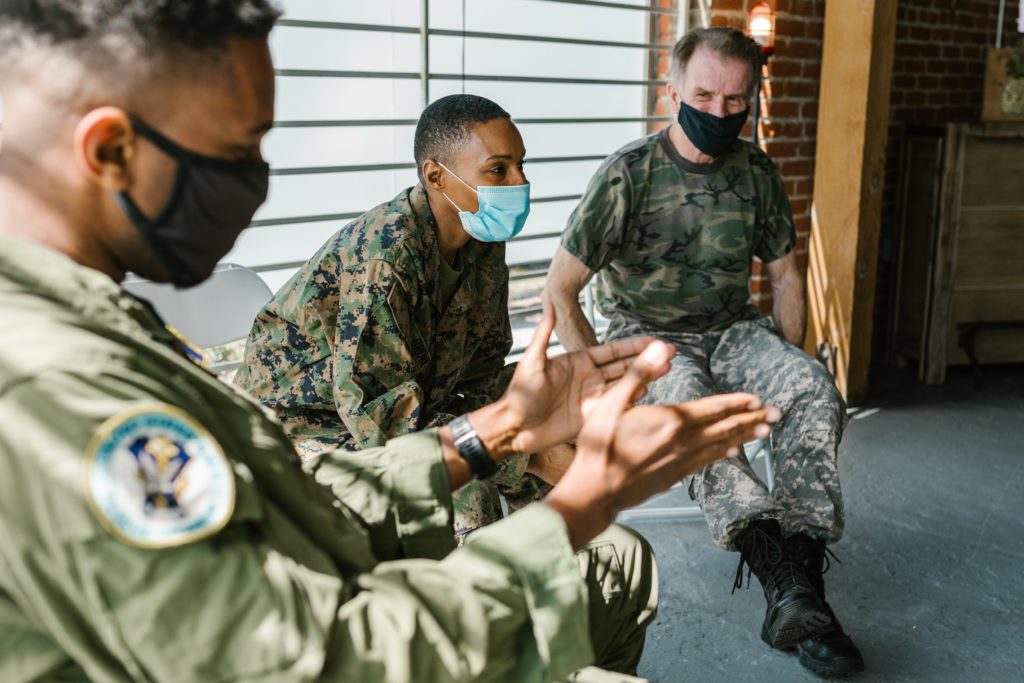
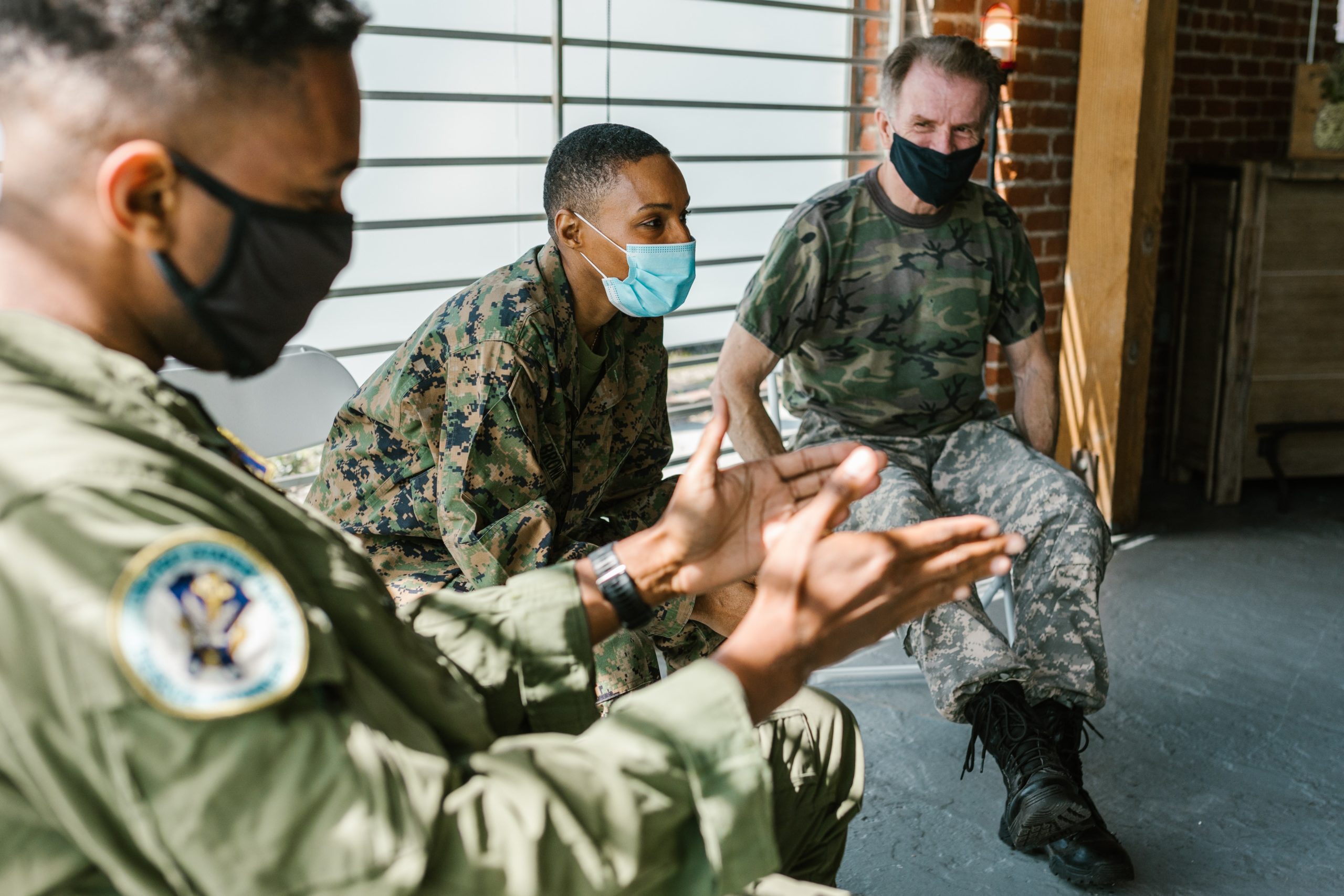
    Group therapy for combat veterans suffering from PTSD

    Lately, there’s been more work exploring fear and memories of fearful experiences, and how to erase those memories…or at least make the memories weaker. Those memories play a big role in anxiety, PTSD, and bipolar disorder. We talked about AKT. Now, a team of researchers at Texas A&M University led by Stephen Maren, Ph.D. recently published their work in Nature Neuroscience, and used prolonged exposure therapy in an effort to extinguish to erase or weaken conditioned fear response memories.

    These methods often work well for awhile…but in time about 50% of patients relapse and over the long-term the fear memories take hold with a vengeance.

    Briefly, the way these therapies work is to repeatedly expose you to situations, sounds, or other associations with the trauma, over and over and over… with the hope that, in time, the trauma is no longer triggered.

    But, unfortunately in many patients, remission from PTSD doesn’t last.

    So, knowing that these efforts don’t prevent relapses in some patients, Dr. Maren and his team have designed innovative experiments (in rodents) so they can test the possibility of disrupting the original fear memory… this is the memory that we think starts all the suffering in a person who develops PTSD. 

    How do you disrupt a memory?

    Because here’s the thing. The memory forms at the moment of the trauma…or in the 4-6 hour window that follows. This is a crucial time period.

    Keep in mind that the 4-6 hour period from the moment of trauma or shock is the period of memory consolidation, or when the memory forms.

    These skilled researchers sought to intervene during the period of time when memories are recalled due to a key stimulus …like a car backfiring… that might trigger a traumatic fear memory of assault, or combat…or a vehicle crash. This little window of time after a sound or other stimulus in the environment triggers the traumatic memory is called re-consolidation. The stimulus can result in reaction behavior… like hiding under a table… or striking someone nearby… or grabbing a weapon.

    Think of triggering memories by this method, like noises, as indirect retrieval. 
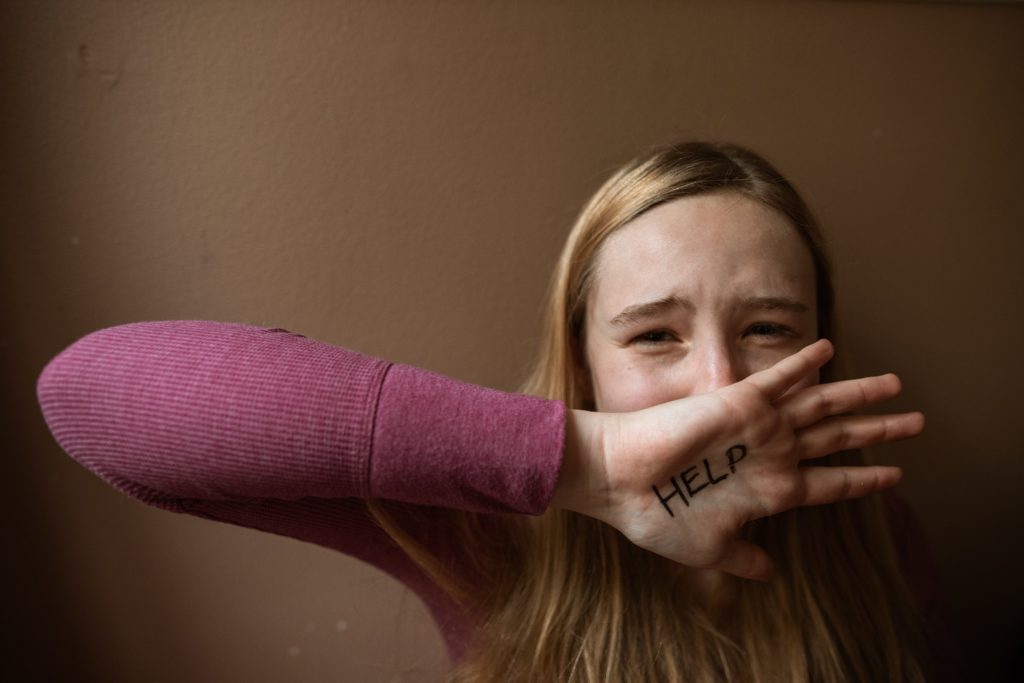
    Extinguish PTSD fear with erasing a conditioned fear response.

    But keep in mind that retrieving memories this way – by indirect retrieval – can help retrieve the traumatic memory but without an attempt to manipulate or otherwise change the original memory. The researchers’ intention is to retrieve that person’s response to it. To weaken or erase a conditioned fear response.

    …So back to the rodent experiment.

    Backward conditioning was a key intervention the team used.  It’s a unique and fresh method to get the rodents to retrieve their own trauma — a conditioned, context-dependent fear memory….without the subject being aware of the experience.

    Ok, so this is where it got reeeeeally interesting.

    With all this accomplished, they were facing 2 questions:

    1) Could they use neural tracing technology to identify basic circuits that were activated in this process?

    2) Could they intervene in such circuitry to see if they could alter the process of memory re-consolidation..to the extent they could alter or eliminate the fear memory and its potential to negatively impact behavior.

    Then, the team switched on cells in the hippocampal fear memory circuit, which caused the rodents to “freeze” because of prior conditioning to react with fear. 

    And, in the final stage of this experiment, the team used rapamycin to disrupt this particular circuit associated with conditioned fear memory. (Rapamycin is used to coat heart stents and to prevent rejection of transplanted organ tissue. Weird, huh? )

    Rapamycin interrupts the neuron’s ability to produce proteins that are necessary for the circuit to function. As a result, the inclination of the rodent to freeze in fear is weakened or erased altogether.

    And it worked. And they did succeed in associating fear memory reconsolidating with circuitry in the hippocampus. They did it!

    Basically, these researchers successfully interfered in a circuit to change an original fear memory… which is what begins and is key in trauma-related conditions like PTSD. By forcing the circuit to “forget” the fear, the “freezing” behavior can be weakened or erased completely.

    Like, gone.

    If you or someone you love suffers from PTSD… a painful fearful memory, that’s triggered by little noises, a sight or smell or other cues, this can be life-changing.

    Such an important step toward developing a new way to treat PTSD, or perhaps even substance or alcohol use disorders. Cues that trigger relapse might feasibly be interrupted in the circuit, to prevent it. 

    Heady, exciting stuff!

    Thankfully, as we watch this development unfold, we have IV ketamine treatment NOW. IV ketamine treatment that’s effective in treating PTSD, substance use disorder, alcohol use disorder, social anxiety… all cue-related conditions. And of course, it is robustly effective for treatment-resistant depression and bipolar depression, and there is new exciting evidence of how ketamine is effective in teenagers.

    It’s encouraging to see how research is exploding as we continue to seek treatments that can resolve devastating relapse and suffering.
    At Innovative Psychiatry, we are meticulous about our outcomes, present our data at scientific meetings, publish our own findings in peer-reviewed journals, and stay up nights and weekends reading. We are on the cutting edge for breakthroughs in psychiatry and neuroscience. You deserve to be treated by experts dedicated to excellence.

    If you suffer from any of these conditions, you would probably like some support, some help, and probably some treatment. We’ll schedule an appointment for you to come in and talk about your history, your current difficulties, and the possibility that you might be a candidate for IV ketamine treatment. We won’t be able to make a judgment about that until we talk.

    If you’re a candidate, you can come to our practice with confidence that you’re safe even in this ongoing pandemic. Our plasma cell technology for removes 99.99% all viruses, bacteria, and molds from our air and surfaces means you can relax and focus on your treatment… and getting better.

    Better days are ahead for you to live, dream, build, and hope.

    We really want that for you. And we’re ready to help.
    Lori Calabrese, M.D. is on the front end of the race to stop PTSD in its tracks using IV ketamine treatment.

    To the restoration of your best self,
  • Suffer from Postpartum PTSD?        Ketamine Can Bring Back Your Joy

    Suffer from Postpartum PTSD? Ketamine Can Bring Back Your Joy

    We say that childbirth is utterly natural. But the experience of giving birth doesn’t always go as planned. Sometimes there are surprises, disappointments, unexpected changes, fears, and excessive pain.

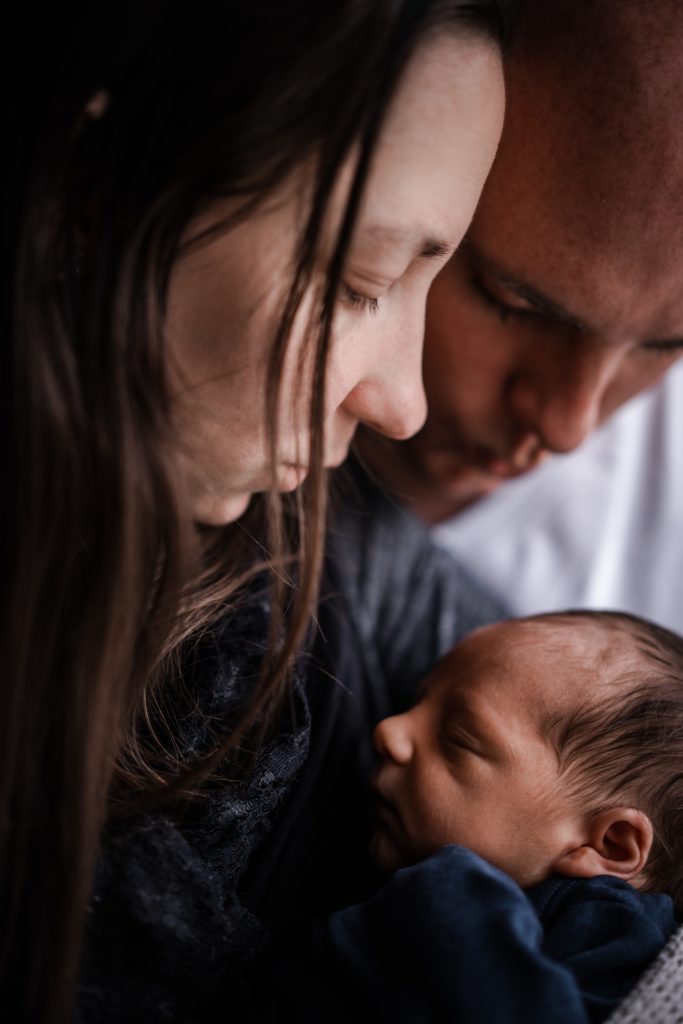
    A terribly painful labor or delivery can become a traumatic memory for a postpartum mom. Loss of the baby during the process can also create an unbearable trauma for the mom. Especially in situations where the infant doesn’t survive, the mom can be so deeply affected that the smell of baby powder or lotion can trigger a cascade of PTSD symptoms. Or the cry of a newborn baby. Mothers who suffer from postpartum PTSD can have severe reactions to triggers for months after delivery.

    Leanne has five children.  The first four of her deliveries were increasingly traumatic. In one case, the baby’s head was lodged at the side of the pelvis and after hours of pushing with no progress, she was moved to surgery for a C- section. This was the fourth delivery.  More about that one in a bit.

    With the first, she labored for 38 hours and when the baby was finally born, she tore through her rectum. Bonding with her baby didn’t go well, because she was in so much pain. Plus, she felt beat up, traumatized, exhausted, and unable to find any warm feelings for her newborn. (And too ashamed of this to say it out loud.) Eventually, over months, she began to improve.

    But within 7 months of that birth, she found out she was expecting again. She sat down and cried. She didn’t feel ready. The pain in her rectum had only recently subsided.

    Then, the circumstances of her second baby’s birth were also excessively painful. (We’ll leave out the details.) She began to feel like she just had terrible luck… or just wasn’t supposed to be a mother.

    From that time, she cried anytime her husband tried to touch her.  She couldn’t separate the suffering of the two births from amorous times with her husband. Leanne couldn’t face the risk of another childbirth. One day she was so angry, she slammed the dishwasher door hard over and over, then sat down and cried.

    Leanne’s husband quietly slipped out of the house and bought a new set of dishes.

    Leanne talked with her doctor, and he said that she suffered from Postpartum PTSD.

    Then, one day Leanne and her husband went to visit friends for a backyard cookout. They took the babies with them and really had a wonderful day. That night, they were both relaxed, and enjoyed cuddling. One thing led to another…

    And soon enough, Leanne was pregnant with her third child. She’d been in therapy for 2 years at that point, so she was guardedly optimistic…but on shaky ground.

    This time, unfortunately, the crisis was placenta previa… specifically the placenta was overlapping the opening of the womb to the birth canal.  Once she began to dilate, portions of the placenta broke free, causing a rush of blood loss. She started to hemorrhage.  She panicked, called her husband, called her doctor, called her mom. ( If only she had called 911…but she was too shaken to think clearly.)  Of course, her husband was on his way, and told her to call 911 NOW.  She called 911 then called a neighbor to come stay with her little toddlers. She was rushed to the hospital, unconscious when she arrived. Doctors went to work hoping beyond hope they could save both mother and child.

    Thankfully both mother and child survived, but again, Leanne was exhausted, shaken, and shut down. She just couldn’t relate to the baby.  She was overwhelmed with guilt that her mistakes had come so close to causing the baby’s death. 

    Even though Leanne and her husband were committed to living a natural lifestyle, and had never used birth control, she just felt she couldn’t go through this again.  But he stood strong about not using birth control. So she used the best form of preventing pregnancy she could think of. Anytime her husband touched her or was affectionate, she pushed him away…or sometimes she just fell to the floor in a heap, weeping her heart out.

    She had times when she just began to tremble and couldn’t stop. One day she dropped a jug of milk that spilled and splattered all over the kitchen. Then she had to pull herself together to clean it up. Who else would?

    By this point, she tried to be a good mom to her innocent babies, but so much of the time she felt vacant. Other times she felt angry. Then, there were times when she had such anxiety that she didn’t dare drive, even to the grocery store.

    If you suffer from postpartum PTSD, ketamine treatment can help.

    She managed to avoid pregnancy for two years. Her marriage had become volatile. She just couldn’t be calm to communicate with her husband. Everything was falling apart.

    Her husband suggested they let the 3 kids stay with Grandma and Grandpa, so they could take vacation to somewhere peaceful. They took a week in Jamaica. It was wonderful with swimming, great food, walks on the beach, and local music. (And those drinks with umbrellas! She loved them!) So many sites, smells, and friendly people. They both believed this was just what the doctor ordered.

    On their 5th night, they danced to local music, and drank more umbrella drinks than they realized…  They found their way to their room and collapsed in bed. The next day neither of them remembered how they got there. In their inebriated state, their celebration led to baby-producing activity. So rare for them, at this point.

    You guessed it…baby #4 was on the way.

    Leanne home-schooled her children, so by now she was doing lessons with babies #1 and #2.

    At least on the days she was functioning. But her anxiety was pretty high.  How could she take care of these children when she was so shaky?  A few times during the pregnancy she experienced a panic attack. Her therapist was working with her to help her work through the anxiety.

    Bless her heart. This was the delivery we mentioned earlier. The baby’s head seemed to be stuck to the side in her pelvis and they couldn’t get the baby to move into the birth canal. It was the last straw for Leanne. She had a full out panic attack during the latter portion of her labor. She was standing up in her bed and screaming and crying. No one could calm her. She just wasn’t rational. She was terrified. So they did an emergency C-section after putting her sleep.

    When she emerged from the anesthetic, she was disoriented, surprised to learn her 4th baby was born and doing well in the nursery.  Her doctor encouraged her to rest before they brought the baby to see her. But she just withdrew.

    Leanne had had dreams of being such a natural “earth mom” …she’d started out wanting to give birth to her children at home. But each childbirth had been too risky to continue at home. She felt cheated. Angry. Beaten. Each labor and delivery was a nightmare.

    All her plans for meaningful home births had been vanquished. She knew she suffered not just from postpartum depression but from postpartum PTSD … and she just didn’t know what to do about it.

    Her doctor had advised Leanne and her husband to consider a tubal ligation during this C-section but she had been far too distraught for a decision like that. So he encouraged them to consider it later, to give her a chance to  recover.

    While they were “thinking” about it, she got pregnant once again. She told her doctor she definitely wanted the tubal ligation done during her final C-section. As it happened, this 5th birth went smoothly as a C-section, and the tubal ligation was completed in the same procedure.

    She was able to bond with her new baby peacefully, and she enjoyed him so much. 

    A wonderful, simple, easy, planned C-section — with no crash carts, hemorrhages, horrible images, horrible fears, horrible pain. Why couldn’t it replace all those awful memories? Why did they shake her up during the day, and infiltrate her dreams at night? And why did every little thing seem to be a trigger? The kids were healthy, right? They were OK, right? She was OK, right? Well on that one, no…she was really not ok. She still suffered from postpartum PTSD symptoms — and all the treatment she had had over the years hadn’t made a dent in it.

    So when a friend encouraged her to consider IV ketamine treatment, Leanne grabbed her phone, and started trying to learn what ketamine can do for postpartum depression and postpartum PTSD. She made the call.

    Scheduled her appointment. And left the children with a babysitter. 

    After the first infusion, she felt no different. Same after the second. After the third she decided to cook a new recipe for supper. Such a little thing, right? But it was such a big deal—she hadn’t done that for months. (Ketamine can restore initiative and motivation.) After the fourth, she could feel rays of hope inside her. Almost like rays of sunshine, she said.  By the time she went for the 5th infusion, she was calmer. No longer shaking. And although there was still anxiety, she was becoming hopeful. She had good days and bad days. But there was improvement. She could feel it. She just wasn’t there yet.

    So she went for a 7th infusion…and then an 8th. By this time she went for her 8th infusion, she had joy. She felt free of the fear and anxiety.  And as the days passed, she felt more resilient all the time.

    She became her old self over the next several weeks — felt happy, calm, fun-loving. (Oh wow, when was the last she she’d felt that?) She had patience with her children, she had creativity in home schooling them, she enjoyed socializing. She also had the initiative and motivation to clean up the house and invite another couple with kids over for dinner — outside, on the patio. 

    Leanne hadn’t felt this good since her first baby was born.  

    If you suffer from postpartum PTSD, try ketamine treatment. This mom found her joy again after she did.

    She also found the patience, wisdom, and determination to work with her children in family therapy in hopes of improving their security with her and building the bonds that suffered with these pregnancies and deliveries. 

    And she was thankful that her husband was still at home so they could work together with a marriage counselor to strengthen their relationship.

    IV ketamine treatment has developed a track record for helping women who suffer from postpartum PTSD to achieve remission. Choosing to seek out this treatment was a wise move for Leanne to make. At the same time, it’s important that you understand that ketamine is not for everyone. (There isn’t anything that works for 100% of people 100% of the time.) But ketamine can be transformative for most people who are suffering from severe postpartum PTSD, depression, social anxiety, bipolar depression, postpartum depression, and more.

    Innovative Psychiatry provides IV ketamine treatment for postpartum PTSD.

    At Innovative Psychiatry, we’re experts in psychiatry, in postpartum disorders, and in all the treatments available for them—including IV ketamine—and we work with you to map out the best course of treatment for you. We have the protocols and — incredibly important — the technology to protect you from viruses including COVID-19, bacteria, and molds, so you can come for your treatment with peace of mind. You can breathe easy…even if you haven’t for months.

    If you suffer from postpartum PTSD, don’t keep toughing it out. Call us.

    We’ll set up an appointment to talk about your history and current symptoms and all the things we need to know to determine if you’re a candidate for IV ketamine treatment. You deserve the care of a specialist.

    Don’t hesitate to call. Get your hope back. And the power to enjoy your family.

    We want to help.

    Lori Calabrese, M.D. is on the front end of the race to stop PTSD in its tracks using IV ketamine treatment.

    To the restoration of your best self,
  • Postpartum Stress Is Vicious: Reach Out for Support…It Takes a Village

    Postpartum Stress Is Vicious: Reach Out for Support…It Takes a Village

    Do you have a COVID baby?  If so, you’ve had compounded stress.

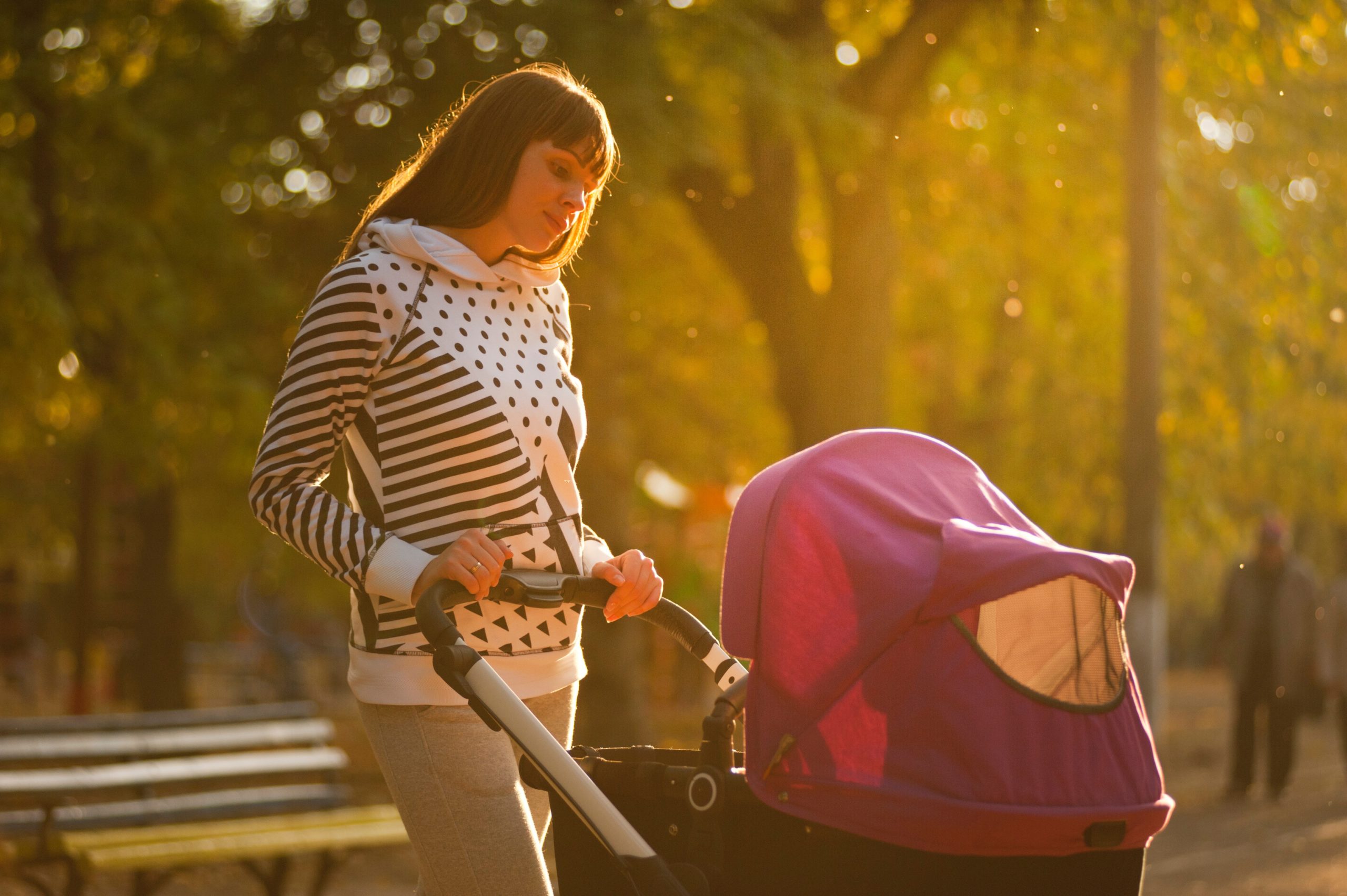
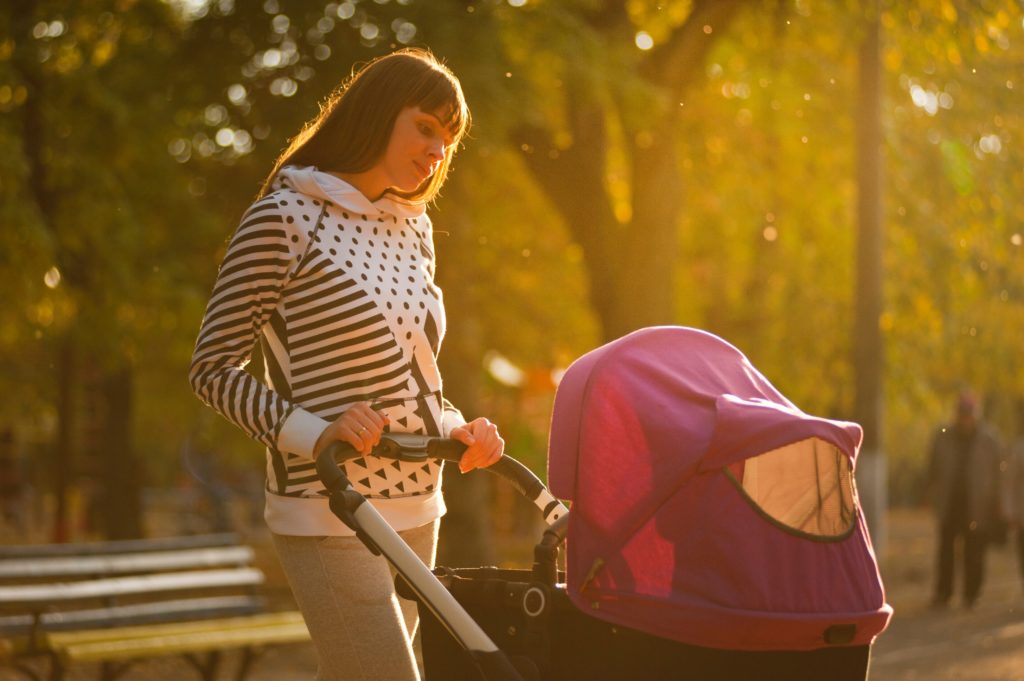
    Most moms are familiar with the exhaustion (and the overwhelm!) that often takes over when your newborn comes home from the hospital. It isn’t as though you were sleeping great before you went into labor.  Then contractions started and progressed to active serious labor. Then the hard pushing. Bottom line, giving birth is hard, hard work. You think you just can’t wait till the baby is OUT of your body so you can finally sleep.  WAKE UP CALL!!! Actually, once baby is outside your body, she’s adjusting too.  So she cries.  And cries. What can you do but nurse her till she drops off to sleep… until 30 mins later she wakes up in your arms crying again. So you put her back on the breast. And then it starts. And a challenging pattern emerges. Baby feels warm, secure, and happy when she’s nursing. Then, bereaved when the nursing stops. And you? Stressed to the max. Postpartum stress can be persistent if you’ve had a COVID baby…and even if your baby was born before COVID.

    The trouble with that is that anxiety can shoot up when baby nurses, wakes, and nurses some more. Because you want some sleep… you NEED sleep.

    And when anxiety rises, it’s hard to go to sleep. Your mind just keeps racing.

    So what do you do?  You call your mom, your sister, or your best friend to come and walk baby while you get some rest. And that’s not all it’s cracked up to be either, because you lay on the bed, wide awake….staring at the ceiling…worrying about the baby. 

    This is especially true for first time moms who so want to be perfect moms in every way but hadn’t counted on exhaustion and stress making you miserable. In fact, postpartum stress can be especially brutal for moms who try to be perfect.

    Try to relax and let go. Perfect moms don’t exist. Cut yourself lots of slack and call in help when you feel like you’re at the end of your rope. Don’t keep pushing. Because you just have to break the stress cycle periodically.

    And kick guilt to the curb!

    This is also true for moms with a baby/toddler and other children…. it can be so hard to cover all the bases of everyone’s needs. Plus laundry, cooking, baths, keeping the house picked up after you’ve been up all night with the baby.

    And You Wonder…Where Can You Find Postpartum Stress SOLUTIONS?

    Parenting books are full of advice about how to manage your baby AND your other children when there’s no one to help. (Ha! is what I said when I read them, on baby #4.) But, when you try to put their advice to work…well it’s not as easy as it sounds.

    Postpartum stress is that midlevel and escalating stress that occurs after the baby blues but before postpartum depression takes over.

    If relief isn’t found, postpartum depression can settle in.

    FAST FOWARD 10 months…

    You finally got the baby into a schedule where she sleeps several hours each night and you depend on that chance to rest.  Then you go on vacation. (Ha! they say it’s a vacation….) The changed vacation schedule disrupts baby’s schedule and she starts wanting to find comfort in constant nursing again.

    By the time you get home from your trip, you’re exhausted again. And not sleeping. And you’re crying more than baby. Sound familiar?

    Stress plus exhaustion is a devastating combination.

    First, understand that babies are individuals with temperaments unique to them. Some are easy going, relatively relaxed, and honestly, some seem almost self contained. Moms with babies like this have no idea why you’re so stressed. So ignore what those moms say. Right??

    Some babies are “high need” and may require lots of patience.  This type of baby may also be colicky, and as the saying goes, it takes a village. To walk her, to soothe her, and to give you a break to rest and breathe.

    You always hear that childbirth is a natural part of life…and it is. But it’s still a huge strain on your body and emotions. If you don’t have support, it can be difficult to recover.

    And women who don’t receive support during childbirth have a harder time recovering from it. They can continue to struggle for weeks or longer. In fact, a study by researchers led by CT Beck found 18% of American moms reported symptoms of PTSD. We call that postpartum post-traumatic-stress-disorder –really!–and we’ll be talking about that, soon.

    What is postpartum stress anyway?

    It’s like this…when something goes on that sets you on edge, but it doesn’t happen just once…or twice. It happens all the time, all the time. Like a baby crying incessantly…or children screaming because they’re mad, The longer this cacophony goes on the more it strips your patience…your ability to cope…to endure. And it goes on and on, day and night, week after week after month. It goes from acute stress to chronic stress… postpartum stress.

    When this happens, think of it as wearing down the synapses — those connection between neurons in the brain that help messages go from one part of the brain to the other. Those synapses can break down. The dendrites and dendritic spines also break away. You can think of it as pruning, like you do to a tree. But in terms of synapses, this is not a good thing. As those synapses break down, the connections between neurons are lost. And what’s left is a depressed mood. Anxiety. Misery.

    Postpartum Stress Needs to be Relieved

    Whether by natural means of relief and support, or by a remarkable treatment. Because left untreated it can easily advance to postpartum depression, a more dangerous condition.

    What it comes down to is that you need all the synapses you can get in the right parts of your brain so you can be resilient and not defeated. So you can embrace challenges as they arise.

    This is why it takes a village. Because you must have support from grandparents, friends, family, and as your baby grows older and is easier to manage, you can help another young mom.  

    But what if postpartum stress has resulted in damage too extensive for you to find the relief and resilience you need just by taking a nap, or walking and relaxing while someone else cares for baby?

    Well maybe that’s where IV ketamine treatment comes in.

    Nothing restores resilience like IV ketamine treatment. Nothing restores those synapses as thoroughly or as fast as IV ketamine treatment. For so many. Because ketamine restores resilience by restoring those synapses, by causing mRNA to flip on DNA to turbo boost brain-derived-neurotrophic-factors. By moving those G proteins off the lipid rafts to get those neurotransmitters revved up to do their job. By stopping the cell bursting in the lateral habenula… all these things working together to help you feel up to the tasks before you… Full of initiative, the motivation to do what needs to be done, and the hope for making your life rewarding again.

    Postpartum Stress Disorder can be overwhelming so reach out for help.

    At Innovative Psychiatry we’re in place to meet you here when you arrive for ketamine treatment. Because if you want to rise above the hopeless and dark listlessness that is overshadowing your time with your baby, we’re here to help. And for the safety of you and your baby, and the confidence it brings, we’ve outfitted our offices with a space station technology developed by NASA to remove 99.99% of the viruses, bacteria, mold, and pollen from the air and surfaces in our office.

    We keep the door locked so that only those who have been scheduled to be there will be there. You can feel safe here.

    We’re here to help you get better, feel better, and have the power to enjoy your baby, and your family. To have the power to face the challenges with resilience.

    Take affirmative steps to find out if you’re a candidate for IV ketamine treatment. Call us.

    We’re here to help.

    Lori Calabrese, M.D. is on the front end of the race to stop PTSD in its tracks using IV ketamine treatment.

    To the restoration of your best self,
  • Do You Suffer From Pandemic-Induced Social Anxiety?

    Do You Suffer From Pandemic-Induced Social Anxiety?

    When you think about going to a gathering, walking into a room full of people, how do you feel? Tense…nervous…?

    People are getting vaccinated.  It’s highly likely, if you’ve had both vaccine injections, that you may be invited to an July 4th gathering of friends and family who’ve also been vaccinated. Can you imagine? How long has it been since you were invited to a backyard barbecue? Would you feel excited to go? Or would you find yourself feeling a bit nervous about it? You may have struggled with social anxiety for years, or you may be one of the new breed who never felt socially uncomfortable until the COVID-19 pandemic kept you socially distanced for a year and a half. Pandemic-induced social anxiety is an emerging real problem for so many.

    A study recently published in Lancet Psychiatry found that about 1/3 of COVID-19 survivors suffer from long term brain disorders. They looked at 236,000 who were diagnosed with the coronavirus over a six month period. Turns out that 34% display neurological or psychiatric disorders. Of those, 13% had never suffered from these before.

    They found that those who had survived the COVID infection were at increased risk for brain disorders. Psychiatric disorders. Neurological disorders.

    So you have to ask yourself…should that be a surprise?  Over a year of keeping to yourself, seeing no one in person except for your own household. If you live alone, that’s a long time to be isolated. And when you’re around strangers, at the grocery store, for example… Everyone is wearing a mask and you can’t tell if anyone is smiling or not. The world can become a drab place.

    At the very best, the last 14 months have been disruptive, challenging, and alarming. Routines have been tossed out the window, normal interactions with friends, family, acquaintances, and co-workers have all but stopped. Major conferences, gatherings, and events were cancelled. 

    In short, we’ve all adapted to a different way of living. And little by little, life is going to change again. And eventually, we’ll be changing to a world with lower risk. But not yet.

    For now: do you suffer from pandemic-induced social anxiety?

    It comes in all sorts of forms. We ask ourselves, has he been wearing a mask consistently?  Does she practice social distancing? And we still need support.

    That’s quite a jump from the way it used to be, when we’d say, “Of course we’ll be there! What can I bring?”

    There are also those who have dealt with social anxiety for years, so this isolation was easier to adjust to. Until it got old. While theirs isn’t pandemic-induced social anxiety, theirs has likely been exacerbated by the pandemic.

    Because on some level, we humans need some social interaction. Until the pandemic, we naturally chose the amount of interaction — and the type — that fit most comfortably.

    But now it’s harder. Scarier. And the stakes are higher. Add to that the nagging feeling that people around you are probably judging you… harshly. 

    If you already struggled with social anxiety before the pandemic ever happened, you know that feeling. It’s awful. That horrid sense that you just know the people around you are so put off by you… that they’re talking about you.  About you!  When in truth, they’re likely talking about where they’re going Friday night…or what they thought of the latest blockbuster movie.

    If you never tasted social anxiety before now, you probably had no idea what it’s like. But now, people who have developed social anxiety from the restraints, isolation, and precautions of the pandemic are experiencing that horrid feeling themselves for the first time. And, that feeling feels real. 

    When you’re in the throes of it, you are acknowledging as truth the FACT that everyone in the room is appalled by your appearance or behavior and they’re ALL judging you and verbalizing it to the person next to them. You believe that feeling.

    You know what?  

    This is an early stage of post-COVID reaction, specifically post-COVID social anxiety.

    And just like social anxiety probably didn’t go away on its own when there was no pandemic… it may not go away on its own now

    It may be that you can slowly help yourself adjust to the new reality and give yourself time to resolve it, or you may have to take intentional steps.  

    By treating yourself with compassion, you may find you can identify the scenarios that stir up anxiety for you, and not force yourself to do too much too soon. Determine to be your own best friend. Give yourself credit for baby steps. Maybe coffee with a friend, or taking a walk with a neighbor. As you find yourself comfortable in these smaller situations, then you can increase your exposure as you feel ready.  Lunch with two friends. Dinner with a friend, relative, or co-worker you really like!

    Because, if you’re paying attention to what pumps up anxiety for you, then you probably realize that dinner with someone you don’t like is unnecessary stress this early in your recovery … or maybe we should say …this early in your re-entry.

    And that really is what it comes down to, isn’t it? Everyone is re-entering society over this next year. And that means some will be re-entering in spite of pandemic-induced social anxiety. After you’ve had both your vaccines. After most others have had both of theirs, too.

    We can all expect to see people jumping into public places, parties, dinners, ball games, just as soon as it’s possible, but that doesn’t mean you should do the same.

    A friend who lives in Texas where restrictions have been lifted, stopped in a popular restaurant recently to get takeout for her family.  She expected the restaurant to be practically empty, but to her surprise it was packed, with a full waiting room! 

    She knew that ALL those people weren’t vaccinated. And most weren’t even wearing masks.

    This illustrates how much the general public may be chomping at the bit to get out and about again,  whether it’s wise or not.

    That being said, there are probably plenty of people pressuring friends to go with them to public places. And those pressured invitations may be just one more way this re-entry environment stirs up anxiety for you.

    Don’t put yourself through that. BE PATIENT with yourself, and stand up for yourself when others are moving ahead faster than you’re comfortable.

    Take it slow and do what’s best for YOU.

    By limiting your face-to-face interaction to only vaccinated people, you’ll automatically reduce your own anxiety to some degree because you know you’re safe.  Pandemic-induced social anxiety may be daunting, but you choose what you’re ready for day by day.

    And if these outings continue to be difficult, talk to someone you trust.  Whether it’s a family member, or a close friend, or a therapist, it can just help you to relax about the issue to say it out loud. It can help  you feel more normal. And will possibly help reduce anxiety, too.

    Finally, we have to address the question, “What if this anxiety doesn’t get better? What can I do?”

    If you’ve found you’re gripped inside every time you go out, and it never seems to get better in spite of all you’ve tried, you may be a candidate for IV ketamine treatment.

    Ketamine is that mild-mannered anesthesia medicine that wears a cape and leaps tall buildings in a single bound when it’s applied to treatment resistant depression, social anxiety, PTSD, bipolar depression, substance use disorders, and suicidal thinking.

    (I just couldn’t resist.)

    It has helped many of those who have received it to achieve remission. Because IV ketamine treatment is not one of those meds that just, you know, takes the edge off symptoms. Rather, it either doesn’t help someone… or it transforms them to a joyful, hopeful person with a new lease on life.

    And while ketamine treatment isn’t for everyone, it helps such a large percentage of the patients we treat that chances are good it will transform your life, too.

    At Innovative Psychiatry, we want to make your IV ketamine treatment give you the best it’s got. So we’ve worked out methods and protocols to give you the most personalized titrated dose and rate available. 

    We also have invested in a state-of-the-art system for destroying viruses, bacteria, and molds in the air and on hard and soft surfaces to protect you and keep you safe from infection like COVID, influenza, and even pollen. Your focus needs to be squarely aimed at getting better, without the worry of contagious disease. We want you to feel safe.  

    With that said, if you’re still sitting squarely in the midst of your anxiety, call us.

    Everything we do all boils down to our primary focus of seeing you get better, and live well with joy and purpose.

    Our patients each represent a wonderful story of restoration and resilience. We want to see your story join theirs.

    With only one life you get to live, it’s worth the effort to find the path for your best life.

    We’re here and look forward to hearing from you.

    Lori Calabrese, M.D. is on the front end of the race to stop PTSD in its tracks using IV ketamine treatment.

    To the restoration of your best self,
  • Overcoming Feelings of Shame and Worthlessness Even in a Pandemic!

    Overcoming Feelings of Shame and Worthlessness Even in a Pandemic!

    Grace had been depressed off and on since her she was a little girl. No one called it depression back then.  She was shy, and her withdrawal was dismissed by others as just another of her odd behaviors. They thought she just got more “wound up” than some people. After she was grown and married, the family psychiatrist diagnosed her depression and prescribed antidepressants. 

    Overcoming feelings of shame and worthlessness had proven her most difficult challenge. She tried the first prescription for a few years, with only a little improvement. She was accustomed to trudging. Eventually, her prescription was changed, and she began to feel much better. So much better in fact, that she considered herself overall better for years. She was grateful to be one of those 30% who were actually helped by medication.

    Even though Grace experienced loss from divorce and deaths in the family, and though she grieved, she never became depressed like she’d been before. Sadness was different than major depression, as a medical condition. She still functioned through her days, but felt sad for a good while after each loss. Until she could finally move forward again.

    But then the pandemic spread around the world. It imposed changes upon households everywhere, like isolation, mask wearing, and social distancing. Basically, adaptations were required from everyone.

    It was a shock. And it was tiring.

    As far as Grace was concerned, she began to notice her optimism was diminishing. The resilience she had come to expect and rely on weakened. The agitation and short tempers in loved ones she trusted startled her, shocked her, and shook her foundations. She felt beat up.

    More and more beat up… until she didn’t want to expose herself to the blows of others.

    And she withdrew.

    Of course, Grace told herself she was isolating herself to comply with social distancing, but little by little she had to admit to herself that this was something more. She found herself losing motivation and initiative, and a desire for interaction with others, as well. She began to read. In fact, she read all day until she went to sleep every night. She stopped answering the phone, and went to her mailbox at night to avoid running into anyone. 

    Heaven forbid she should have to see anyone…to be expected to interact. No way!

    Then, of all the horrors, her hair was falling out. Alarmingly quickly. What was this? She found wads of her hair on the shower drain. She felt it glide along her arms as it fell out and slid to the ground. Her brush and comb was full of her hair!

    Not to mention, she struggled with insomnia. She was still taking her usual medications, including her antidepressants and a sleep aid, but nothing seemed to be helping. It was baffling when it had all been under control for so long.

    Eventually she had to face that she was depressed for some reason, and what was worse, she suffered from pretty severe insomnia.

    Why? Where had this come from? 

    The state she was in was shocking when she’d been doing so well for years. Even decades!

    Overcoming these feelings of shame and worthlessness …well it seemed impossible.

    As a natural introvert, she couldn’t imagine that the isolation would bother her. It didn’t feel like it was bothering her…

    And she loved to read. She just hadn’t had time for so many years that she’d gotten out of the habit. The freedom to read one book after another was delicious. She reveled in it. 

    Well, not at first. At first the reading was more like something to fill her mind while she lay in bed. To keep her thoughts captured. But eventually, it became a pleasure. Her only pleasure.

    Even so, Grace was noticing some phobias in herself that had been absent for decades. What on earth? Seriously??

    She went out of her way to avoid contact with people. Trips to the grocery store were hard, but she managed ok as long as she didn’t look anyone in the eye. She had to have food, after all.

    Thankfully, her doctor had made small increases in her antidepressant and sleeping prescriptions, in hopes the changes would help.

    Along with the phobias, shame arose. Shame at her withdrawal and for avoiding people. Shame for all her life’s mistakes. Boy…when it rains it pours. And she was in a deluge!

    In all those quiet days and nights she had an abundance of time to think. To revisit the failures of her life. Those times when she handled conflict poorly. All those times she let someone down. The mistakes and misunderstandings of her marriage, and her divorce. She was drowning in regret, and the ways she failed her children. The shame of her human missteps was unbearable. So unbearable that she felt worthless. Unworthy to be loved, or to take up the air she breathed. 

    On one particularly sorrowful night, it occurred to her how easy it would be to make her life stop. She had various tools in the house that would simplify the action.

    Finally, as news of more people receiving vaccines led to hope that things might soon open up, Grace began to see some light at the end of the tunnel. She found that she laughed out loud as she read certain books. Then she found herself more animated as she talked with loved ones on the phone. Her energy began to return, and cooking seemed easier.

    Maybe she would eventually emerge from this…?

    After a year in a pandemic, severe ice storms unprecedented in some areas…depression, isolation, anxiety, brought on by isolation…  This has been a very — no, extremely — difficult year. Pat yourself on the back that you’re reading this and in one piece.

    No kidding! It’s been a bear, hasn’t it??

    What about you? How have you fared?

    You may be beating yourself up for what you didn’t do. Were you optimistic…or did you grow pessimistic and disgusted with the world…and yourself? Did you find ways to make the best of annoying circumstances… or has it been a struggle? Did you enjoy the camaraderie that came with the awareness that the entire world was in the same boat… or have you felt alone?

    Don’t punish yourself!

    Reports from across the globe speak of increasing numbers of people diagnosed with depression, when they’ve never been depressed before. You’re not alone! Those who already grappled with disorders found them getting worse. (Reports of hair loss have skyrocketed.)

    Overcoming feelings of shame and worthlessness can be so hard, and they can come unexpectedly. The world has seen a level of shock on an individual level that hasn’t been seen in over 100 years. If you think you haven’t been deeply affected by the happenings of the last year, you may have been touched in ways you didn’t realize.

    None of us is an island, as they say. We’re all connected in ways we may not understand, but also can’t really deny.

    If you haven’t tested positive for COVID-19, you may have been surprised like Grace at some of the impact that still invaded your life. Inexplicably. 

    On the other hand, if you already were receiving treatment for a disorder like severe depression, PTSD, bipolar depression, or suicidal thinking, it might have gotten worse.

    Are you like Grace, finding your treatment is no longer enough? Do you try and fail to overcome feelings of shame and worthlessness? Do you know those painful feelings are also a symptoms of some disorders, like severe depression, bipolar depression, and PTSD?

    If you can relate to Grace’s struggles, hurts, despair, and shame, you’re among friends. This pandemic has been tough on everyone, and it’s shown no mercy. In addition, if you were already trying to climb out of an emotional hole before the pandemic, this year of difficulty may have been business as usual for you.

    But there is help.

    If your medication hasn’t helped, IV ketamine just might. It reverses symptoms for so many.

    Understand that ketamine infusions aren’t for everyone. They never have been. Still, research continues to explore the depths and limitations of ketamine. And because of its wide therapeutic success in others with treatment resistant mood disorders and trauma, the likelihood it will help you is strong.

    At Innovative Psychiatry, we just want to see you free of defeating symptoms, with the energy, clarity, and hope to move forward and enjoy a productive and rewarding life.

    To that end, we’ve supplied protection for you from coronavirus and bacteria in the air and on surfaces in our office so you can focus on getting treatment so you can get better. Even though the COVID-19 cases have dramatically reduced, the pandemic continues. But when you’re in our offices, you will be protected and cared for.

    Everything we do is focused on helping you get better, achieve remission, and enjoy your life and your relationships. It’s amazing the energy and insight you can have in relationship building when the burden of symptoms is removed.

    Life is getting better and will keep improving. We want that for you and are here to help.

    Lori Calabrese, M.D. is on the front end of the race to stop PTSD in its tracks using IV ketamine treatment.

    To the restoration of your best self,
  • IV Ketamine for Teens ? Ya gotta be kidding me, right?

    IV Ketamine for Teens ? Ya gotta be kidding me, right?

    We’re not. We’re dead serious. We want to keep them alive.

    Maybe you have a teen like the ones we see. Maybe you are are one… like the ones we see. Or maybe you’re quiet. Kind. Smart. Everybody’s friend. Absolutely gorgeous. An athlete. A contender. Someone who’s had it all. Or maybe you’re NOT any of that. Maybe you’re a worrier, shy, awkward. Maybe you feel like you’re always messing up, like no one wants to be with you, like no one knows how to help you. Like you’re lost. Like you just don’t get it. How everybody else is goofing around, laughing, having fun while you just sit there, wondering how it ever happened that things got so screwed up, and that you got so messed up. Know anybody like that? If you do, or if that is you–or your teen, or your sister, or your best friend–listen up. You’re in the right place. Because there is IV ketamine for teens.

    Just when you think that nothing can help, know that we have help. We have the experience, and the guts and the compassion–and we had the foresight–to see the potential that ketamine infusions could offer adolescents who are just suffering.

    We knew it years ago, when we first started using IV ketamine for treatment resistant depression. Then bipolar depression. Suicidal thoughts. We saw it, and decided to really look at what happened to real people (who always have 50 million things going on, not just one rarified condition or syndrome. We looked at our own patients, in our own practice. We wanted to look at our own numbers, the truth of who gets better, how many get better, what does it take– (in terms of ketamine) — how much? how often?

    We stepped up, powered up, and wrote up a critical research report and published it in a peer reviewed journal about what happens for patients who come to see a psychiatrist to see if ketamine treatment can help–for their depression, it was back then–and find that it can stop hopelessness and suicidal thinking in an afternoon.

    The thing is, we saw years ago it could help adolescents… Adolescents who weren’t just needing to take a pill to get better. These didn’t get better with one pill, or two…or a combination of several. And when they didn’t get better, it was said they had treatment resistant depression.

    But treatment resistance is a funny thing. It used to be that it meant you’d tried 4 different meds, then it was dropped to 2 different meds, and now in this adolescent study, treatment resistance was defined as having been treated with one medication that didn’t work.

    We’re glad that the requirement was just one failed medication trial before they were given the opportunity to be treated with IV ketamine.

    Why?

    Because so much is happening in a teen’s life and it’s happening so fast. They’re rate of growth is so intense that a day, a week, a month, of loss causes too much loss. And when there is no resolution found, time can fly by in years, and a teen loses a major block of development they never can get back.

    IV ketamine for teens to put a stop to loss.

    So what losses can they afford? To miss a month…or a semester…of high school? Or college?? To drop out of basketball? Lose friends? Teens often don’t have the patience and tenacity for a friend who just doesn’t show up. Or one who is always down. Defeated.

    Adolescents need action. They need solutions that work quickly. They don’t have the time to wait for 4 different medicine trials that go on for weeks or months. There is just too much loss.

    That’s why IV ketamine is so important.

    When there’s no time to lose this is something that works fast.

    How much can your kid afford to lose …how much can you afford to lose?

    Hopefully we’ll able to have more and more data coming out so that our kids won’t have to suffer so long… so they get better faster. So we can treat them with what is most likely to work before trying something first that probably won’t.

    We do the best we know in this profession. But we need more studies and more information. And until we have it…well, like I said, we do the best we know.

    And we know this treatment has been in use to help adults of all ages for years. But what if you’re a teen? Teens get depressed, suffer social anxiety, even suffer from PTSD, suicidal thoughts, and bipolar depression. And when it’s treatment resistant, the unrelenting symptoms can interfere with your life, your development, and your hope. So we step forward and reach for IV ketamine for teens.

    A study was just published about treating these kids with IV ketamine, to see if it was truly effective and safe…more about that coming up. But get this:

    76% of this study group below had relief within 3 days of the ketamine infusion!

    Imagine what that would mean to a teen who’s suffering, hopeless, and giving up.

    So IV ketamine treatment has been effective in smashing those symptoms in thousands of people. But let’s look at this study especially for adolescents:

    IV Ketamine for Teens

    A team of researchers at Yale University led by Jennifer Dwyer, M.D., conducted a 4-week study using IV ketamine in teens with treatment-resistant depression recently published in the American Journal of Psychiatry. They selected 17 adolescents ages 13 to 17 who had been diagnosed  with major depressive disorder, or MDD. 

    It’s a massive undertaking to find kids that don’t have 6 different things going on with them… a cluster of co-morbidities. Teens who have just one diagnosis are the only ones that fit into a study like this. Just finding the subjects for a study is hard.

    Each teen in the group had been failed by at least 1 antidepressant medication treatment, but overall the average of failed treatments among the group was 3.24. (That’s a lot!–a lot of trials, a lot of weeks and months waiting for medications to help and being disappointed when they didn’t.) The average length of the current depression episode for these teens was 21 months. Almost two years. Too long.

    This crossover study gave each teenager either IV ketamine 0.5mg/kg over 40mins, or IV midazolam 0.045mg/kg over 40 mins. 

    Then 2 weeks later, each teen received an infusion of the other medicine. 

    It’s important to understand that midazolam (which is from the Valium family) is often used as the “placebo” tested against ketamine because it provides an experience of deep relaxation, so at low doses it can be a bit difficult for the subjects to know which one they’re receiving. (Often, though, there are little clues and little differences between them so that they can tell.) But midazolam provides no antidepressant benefits.

    It turned out that 76% of the adolescents experienced at least a 50% or greater antidepressant response within 3 days following their ketamine infusion.  (Compare this for a second: with an oral antidepressant, only 35% get 50% better….after 6-8 weeks.)

    IV ketamine for teens prevents loss of important moments in their lives.

    Were there side effects during the infusion in the study? Of course. But minor. For example, adolescents who had received ketamine experienced an increase in blood pressure compared to the midazolam infusion, but within a few hours those effects subsided.

    Oh, the beauty of it.

    When you’ve struggled and hidden in sullen isolation, sometimes for years… and you don’t know whether to search for a solution or hide, it’s so darn hard. You’ve missed class, missed practice…because it was too hard.

    Until something happens… and you realize you only seem mad at others — and the world — because you feel so terrible.

    Because you’re depressed.

    And you also may be laboring under the weight of other disorders as well, like trauma, PTSD, OCD or social anxiety…ugghhhh. When all of these different symptoms or disorders cluster and tangle together, it’s so much harder to find relief.

    Then, after months or years of searching for help, you learn about IV ketamine treatment. 

    And you come back to yourself after treatment. Older and a bit wiser maybe, but joyful and creative again. Able to love again.

    This is the beautiful story about how IV ketamine can transform adolescents…and can restore their hope.

    For years, the use of ketamine treatment was up in the air. Respected doctors and neuroscientists were quick to offer their professional opinion… which was to wait. They said that ketamine had not been researched enough. There was not enough information to back it up…so they said.

    But now we know that IV ketamine can transform adolescents, adults, and even children. It can erase suicidal thoughts, and give you … a teen… the time you need to get the help you need to see things differently. To redefine what life can be for you. To rebuild your hope. You purpose. And to restore the energy you need to build friendships that are strong and healthy.

    We’ve waited a looong long time. Too long for some adolescents…

    Even though we need more studies and more questions answered, we have to be willing to step up and take care of our kids who have everything on the line. For them it could be a matter of hope vs despair…life and death.

    We live on that line all the time.

    For all of us. We choose life. We need to choose it for our kids, too.

    Every body deserves a seat at the table for IV ketamine treatment and ketogenic diet for remission.

    At Innovative Psychiatry, we find great joy in watching young promising people like you — who come to us without hope or confidence — tell us enthusiastically after their treatment how good they feel and how their life is getting better and better.

    And because this process, this treatment, is so important, we took steps to make our office a safe place for you. We have technology that destroys viruses and all kinds of germs in the air and on surfaces, so you can feel safe and protected from infection of any kind. Whether it’s COVID-19 or influenza, or strep…it all dies immediately. So you can be in the safest possible environment during this pandemic and focus on your treatment and getting better.

    If you’re an adolescent with symptoms of depression or anger, if you have tried antidepressants that haven’t helped, ask your Mom or Dad or someone who cares about you to call us.

    We want you to find your joy again. To find your freedom and your hope.

    We’re here to help.

    Lori Calabrese, M.D. is on the front end of the race to stop PTSD in its tracks using IV ketamine treatment.

    To the restoration of your best self,
  • Pandemic Anxiety Depletes Bandwidth You Need to Cope With Stress of Living

    Pandemic Anxiety Depletes Bandwidth You Need to Cope With Stress of Living

    We’re all weary of hearing about COVID and mask wearing precautions. Aren’t we?

    About the negative impact of isolation. And while we see improvement on the horizon through wide spread vaccinations, there are still imminent risks, and new cases as well as deaths every day. Those risks add to your daily stress in ways you may not realize. Pandemic anxiety depletes your bandwidth for coping with daily living. The story of Carolee and Jacob illuminates the kinds of stressors that can go on behind closed doors…

    Carolee and Jacob walked the two blocks to the grocery story to pick up food for dinner. They were discussing a news story they’d read on the internet about how some states are lifting mandates for COVID precautions, like wearing masks, social distancing, and use of hand sanitizer. They liked walking to their neighborhood store when they could, just for fresh air and exercise.

    Since they passed a number of people on the sidewalk as they walked, they always wore masks, even when they were outside.

    Carolee expressed her frustration that those particular states were lifting the requirements, in spite of the fact that each governor had strongly encouraged citizens to continue to use precautions on their own.  

    Of course, there will be those who step up and “discipline themselves” and maintain the precautions. But she knew there would be so many… so so many…who would not. Her frustration and disgust exploded.

    “WHY?????  Why would they drop this requirement before we’re ready for it?  People aren’t going to do the right thing. They’re going to just be glad to be rid of it all and do what they want to do for fun!  And the cases will start growing…and more will die… and….”

    You Can’t Control Everyone… Just Yourself, Right?

    Jacob squeezed her hand and tried to soothe her. “Carolee, you know there are already so many who don’t follow the rules. But you and I can only do what’s best for us…Don’t you think it’s futile to struggle about everyone else, when it’s something we have no control over?  It’s really not worth you getting wound up and shaken about something you can’t control…is it?

    “It’s about bandwidth, Carolee. The amount of information your brain can receive…like per second. We’re flooded with so much more to consider about every detail of life than we’ve ever had to. This pandemic anxiety depletes the bandwidth we need just to get through every minute, every hour. We have to find ways to tamp down our own response to things, so we have more energy for everything else.”

    Jacob knew that Carolee hadn’t been sleeping well lately. She seemed to wake up frequently, sometimes walking through the house wringing her hands.  Sometimes just pacing. Staring out the window. Standing out on the patio.

    They’d talked several times about how the COVID-19 variants were spreading, asking questions about whether the new vaccines would be effective with the variants… About how long they were waiting on the list to get their own vaccines. Each time they talked, they agreed to let it go, for their own peace of mind.

    But that was easier said than done.

    To make matters worse, Jacob was feeling more and more worn down by the stress of the pandemic, his work responsibilities, and Carolee’s meltdowns.  He knew she would get past them, but he found himself worrying about her more and more. He needed to find a way to relax. In addition to Carolee, Jacob sure needed some relief.

    Worry. Worry. Then worry some more.

    Life was already full when COVID-19 came along. People were already stressed with daily responsibilities to job, family, faith organizations, maintenance of home and car, children and their struggles.

    When the pandemic appeared on the horizon like a vast dark cloud of pestilence, it pervaded everything.  Those aspects of life that were so routine and required little attention, came to require acute attention often overloaded with a sense of panic with fear of doing it wrong. 

    A psychiatrist wrote in Psychiatric Times about the fear and guilt she experienced when she stopped by the bank for cash only to find the drive-through banking not yet open. So she wrestled with herself about whether to go inside the lobby or park and wait  an hour for the drive-through to open. She went inside, but worried about whether she had been exposed to COVID-19 and  who she might expose through the day as a result. She worried about it all far more than she normally would have.

    Kate Murphy, a NYT journalist, made the point that your brain is overburdened by this pandemic. That things you normally relegate to your brain’s autopilot now require serious thought and risk analysis. And…as a result, you have less bandwidth for higher order thinking.  

    Less bandwidth.

    Isn’t it true?

    And those pandemic anxiety reactions eat up bandwidth.

    If you’ve depleted yourself through a panicky reaction to forgetting your mask when you MUST buy groceries, or driving through for a meal but your hand sanitizer is empty…how can you eat without sanitizing your hands?? Or you’re trying to cope with working from home and the kids are jumping out of their skins from cabin fever??

    What do you do when you keep hitting your thumb with a hammer?

    Those bandwidth-eating reactions are similar to hitting your thumb with a hammer, over and over and over…  because more and more damage is done. You can hardly cope with everything else when your thumb is screaming in pain, you know? You just have to step away from the hammer!!

    Then, if you’ve already been taking medication for anxiety, and the exponential expansion of anxiety caused by the pandemic sends your worry and panic through the roof, well, you have difficulties you hardly know how to manage.

    There was a time before the pandemic was anticipated, that worrying about little things blew up into worrying about disasters in your mind, and as your  grandma would say, “Honey, you’re borrowing trouble and making a mountain out of a molehill.”

    But now, the ongoing stream of changes and increased risks you face everyday can result in outright panic for some, and on a lesser scale, confusion and exhaustion…and dread. This pandemic anxiety just depletes your bandwidth for life.

    You probably know people who have contracted COVID-19. You may have seen some who experienced extremely mild symptoms, if any at all. Still, you may also know someone who experienced serious or extremely severe symptoms. Maybe you know people who have died.

    If you’ve known more than 1 person who has died, your anxiety about death may have filled you with alarm. Alarm about masks, about social distancing, about making sure OTHERS are doing what they’re supposed to be doing.

    And what’s more upsetting than people who won’t comply?? You just have to step away from that hammer…

    The more traumatic your experience has been, the more anxiety you may feel about the risks. On the other hand, if you have not known anyone who was hospitalized from COVID-19, exposure may not seem like a great risk to you at all.

    Unique Pandemic Trauma and Loss Requires More Bandwidth

    Either way, you need to be grounded. To let the world take care of the big solutions while you manage the challenges of your daily life. To help with that, take daily walks – wearing your mask! — but get out in the fresh air and sunshine. Take a friend or family member along and talk. Take care of YOU. Then look after your family.

    Pandemic anxiety depletes your bandwidth for your own life. Right now, you need all the energy and mental clarity you can get just to get through life, day by day.

    Because YOUR life needs to go on.

    Still, if your medications and fresh air and exercise don’t help at all, then you may need help getting your symptoms of depression, bipolar depression, PTSD, and suicidal thoughts under control. Then maybe… you should consider IV ketamine infusions.

    Since IV ketamine treatment is at the front lines transforming people when nothing else has helped, it may be an obvious next step for you. And receiving these infusions is a relaxing and comfortable experience. With your remission as our goal, your dose will be titrated according to your individual response during each infusion.

    Pandemic anxiety depletes bandwidth for coping with COVID, but you'll not be exposed to viruses in our office. You're safe here.

    At Innovative Psychiatry, we’re working every day to respond to the call for helping people who are against the wall in this pandemic. If your own bandwidth for coping with the demands of COVID on top of the demands of your life is growing slim, you’re not alone. A vast mob of stressed out, overwhelmed, exhausted, and depressed people surround you. You have to decide what to do about it, if your efforts toward exercise, fresh air, and medication have become futile.

    In that process, it could be that the results of stress have depleted your ability to cope anymore. You may need to reboot. You may need a remodeling project in your synapses to increase your synaptic plasticity. To relieve your symptoms of depression, PTSD, or suicidal thinking. To give you fresh bandwidth.

    For your safety, we’ve installed state-of-the-art technology that utterly removes and destroys COVID-19 and viruses and pathogens from the air and surfaces. So you don’t have to spend bandwidth on your safety, when getting treated is so important for you. Just one more thing to lighten your load. You have enough on your mind.

    If this sounds like you, and you’d like to discuss IV ketamine treatment, call us.

    This pandemic has been hard for everyone. You’re not alone. And we’re here to help.

    We look forward to talking with you and working together for your relief.

    Lori Calabrese, M.D. is on the front end of the race to stop PTSD in its tracks using IV ketamine treatment.

    To the restoration of your best self,

  • Why Are Anxiety and Depression so Prominent in This COVID Pandemic?

    Why Are Anxiety and Depression so Prominent in This COVID Pandemic?

    What makes it so hard?

    Anxiety and depression are so prominent in a pandemic.

    Devon tuned into his department meeting. Another Zoom meeting. He was so tired of online meetings…the technical lapses, interruptions…  you can read people so much easier face to face. At the same time, he could sit in an easy chair for the meetings, so that wasn’t so bad. But no one seemed like themselves. Anxiety and depression are so prominent and have clearly taken their toll on his colleagues.

    Still, maybe there’s also a palpable energy in face-to-face meetings. He wasn’t sure if that was the problem or not, but Devon found it more and more difficult to focus, and to think creatively for his job. As the year had passed, he felt less and less capable and more like dead weight. 

    He kept asking himself what was wrong with him? Where were the sparks that flew when he dove into a problem?  Rather than sparks, Devon felt more like a dud.

    Then, he got the phone call about his next door neighbor’s son. Just like Devon’s family, his neighbor’s son was taking his high school classes at home, and online. At first, the young man Stewart, had stopped logging in to classes. Devon had heard this was becoming more and more of a problem in his community. 

    But, apparently Stewart was becoming more and more depressed. Devon just learned yesterday the boy had ended his life…right there at home.

    The grief settled over Devon like a black fog. This on top of the recent deaths from COVID-19 of two of his friends, 10 days apart. But Stewart was 15. His whole life was ahead of him. It was all too tragic.

    COVID Tragedies Can Trigger Anxiety and Depression

    He’d watched the boy grow up, playing with his own kids over the years. And it stirred up more worry about Devon’s own family. He and his wife had tried to keep a close eye on their children to be sure they logged in to school and did their work.

    But, they couldn’t be everywhere and they both worked online. But they tried. Still, life was becoming increasingly overwhelming. His heart went out to Stewart’s family. And he felt a low, sinister rumble of trepidation within himself. The dangers of the pandemic went far beyond the risk of getting sick with the virus. 

    The fear of becoming too depressed to function, or of his family succumbing to it, rose inside him till his  ears were buzzing.

    All in all, Devon knew he had to keep functioning, and presenting a solid, unified front with his wife. He also knew the danger of drowning in it all. When his meeting ended, he called a highly recommended psychiatrist for a consultation appointment. He wanted to be proactive, before it was too late to think straight.

    There’s just something about a pandemic that can make happy people depressed or relaxed people overwhelmed with anxiety.

    We’ve talked about it before. In the early months of COVID-19, that the circumstances that accompany a widespread environment like this can lead to your symptoms worsening. It can also lead to symptoms you never suffered before. Anxiety and depression are so prominent these days.

    Well, at this point, this global state of affairs has been causing stressors that aren’t new anymore. But they do go on and on and on….and on…

    And periodically, we need to stop and take a breath and ask how you’re doing?

    At this point, there have been 99,195,630 COVID-19 cases globally, with 2.1 million deaths. In the US, 25.2 million cases, and over 419 thousand deaths. The numbers are staggering. And the scale of this pandemic is difficult to grasp.

    These are people. Our teachers, our friends, our neighbors, our families. Grandparents. Parents. Our children.

    And…since we are a species with both mind and body, it stands to reason— doesn’t it? —that both our minds and our bodies are impacted by this. With anxiety about sickness, anxiety about isolation, anxiety about lifestyle change and lack of spontaneous freedom, it does stand to reason that the problems and stress factors would pile up and also lead to depression. Anxiety and depression are so prominent these days…and they often go together.

    We’ve watched a 1st wave of COVID spread, then a 2nd wave, then a 3rd…and it’s not over. The virus changes, mutates, and different strains have varying impacts. Some cause milder symptoms, some spread much faster, some cause more severe symptoms. It goes without saying that all this has affected you…and all of us,

    Most of us know people who have had the COVID-19 virus, and many of us have seen our friends and loved ones die because of it. This is a traumatic time that none of us will forget.

    Research Helps Us Understand the Impact of a Tragic and Stressful Experience

    A group of Danish researchers in Copenhagen and Aarhus, Denmark led by Søren Østergaard conducted a survey during each of those 3 waves to better understand the variation in psychological well-being regarding symptoms of anxiety and depression during this pandemic, among participants in Denmark. 

    Their results were relevant to the global community, even though severity of the disease hasn’t been equal everywhere.

    They reported results of the survey for wave 1 (March 31st to April 6th), wave 2 (April 22 – April 30th), and wave 3 (November 20 – December 8 … just last month.)

    The 1554 respondents were an average age of 49.5.

    There was a statistically significant decline in psychological well being from wave 2 to wave 3, especially with men. And during wave 3, worry, anxiety, and hopelessness decreased over those levels in wave 2, but feelings of guilt increased.

    Anxiety and depression have been prominent in Denmark, too.

    In a nutshell, these researchers ended the paper with the statement that by late November to early December, the psychological well being of the Danish population had fallen again to the level of March/April, when it had been at its lowest.

    Overall, they found that when COVID cases are high, and the measures to reduce the spread of the virus like quarantine, isolation, social distancing, and major lockdowns are the most widespread, there is a significant impairment of psychological wellbeing.

    What Can You Do with This Information?

    Setting aside the particulars of a study in Denmark, and focusing on right here in the US, we need to find ways to intervene in your own state of mind. Your own wellbeing.

    Gather online with friends and family to interact for online chess. Talk and laugh together. Watch your grand babies blow bubbles.  Share a spaghetti dinner, complete with candles, where each participant cooks at home then all connect and chat while eating.

    Social interaction is fundamental to your well being. When you share a meal on Zoom, you don’t have to wear a mask!

    Even so, if this ongoing pandemic seems to be having a serious impact with depression, social anxiety, hopelessness, even suicidal thinking, ketamine infusions may be able to turn that around and refresh your resilience. There is still hope.

    Anxiety and depression so prevalent during pandemic

    At Innovative Psychiatry,  we’re all about helping you get a leg-up to manage these challenging times, and meet the frustrations in your life with flexibility and peace. We offer IV ketamine treatment — after a thorough screening and evaluation — to those whom we determine are good candidates for ketamine’s extraordinary benefits. Ketamine treatment is not for everyone, because circumstances as well as the medical and psychiatric history of some patients indicate ketamine is not the right choice. However, it can be so helpful to so many…it can be transformative.

    We provide a safe place for treatment. We now test our staff at least once each week to verify they are COVID free… We can also refer our patients to a local DNA lab that will do same day PCR testing for those patients who wish it. In addition, we installed technology that destroys the coronavirus and all viruses and bacteria in the air and on all surfaces fast.

    Our goal is to help you get better and to keep you safe.

    You have struggled, tried to break through, tried to carry the anxious and depressive symptoms that have weighed you down for a long, long time. We want to help you put that struggle in your past. So you can feel restored. So that you can be your best self. To have the energy, freedom, and hope to build your life again with creativity and joy…and to have the resilience to move from day to day and week to week.

    You needn’t postpone it any longer. Call us.

    We can answer your questions and sort out the possibilities together.

    Lori Calabrese, M.D. is on the front end of the race to stop PTSD in its tracks using IV ketamine treatment.

    To the restoration of your best self,

  • Repeated Ketamine Infusions Relieve PTSD Symptoms – New Study

    Repeated Ketamine Infusions Relieve PTSD Symptoms – New Study

    New study demonstrates that with repeated doses of IV ketamine, relief can last up to several weeks.

    A deep unfamiliar voice behind Sarah made her jump. In a flash, she turned and bolted down the stairs she’d been climbing, turned left, then left again, knocking into people in her path as she scrambled for a place to hide. A mad dash took her into the restroom, where she locked the door and turned off the lights to hide in the dark. Screams sounded as darkness enveloped the room. Her heart was pounding, sweat pouring from her scalp, down her face, her torso…her armpits. She willed her breathing to slow…so the man pursuing her would not hear her panting gasps. (Poor Sarah. She’s suffering… if only she knew what repeated ketamine infusions relieve…)

    Three women exploded out of their stalls complaining about the lights and searching for the switch. Sarah pushed past them to an empty stall and stood on the toilet seat with the door locked so her feet couldn’t be seen below the door.

    Sarah’s vision blurred as sweat poured into her eyes. With a quick swipe, she wiped the moisture from her eyes and forehead. And waited. Silently.

    By her watch, she saw time passing. She heard women come and go from the restroom…heard their quiet conversation…  but she waited, hands trembling.

    After 45 minutes crouched with feet on the toilet seat…Sarah began to feel calmer. It washed over her that she’d been hiding in a public restroom for close to an hour… and now she was late to work. 

    PTSD is Not Only Terrifying, It Seriously Interferes with Daily Living

    Again.

    Oh noooo.

    Reality settled in. After washing her hands without incident, she cautiously opened the door and saw nothing unusual outside the door. She began to realize that it had happened again. Like countless other times. The sound of that voice triggered her memory of the assault…and it was so real. Except it wasn’t. 

    She was surrounded in the trauma again. 

    And that was the problem. Yet again, she would clock in late and be reprimanded for it. There must be help to conquer the PTSD symptoms that had emerged after she was assaulted 2 years ago. She had to find peace. Sarah wanted her life back.
    Desperately.

    Repeated Ketamine Infusions Relieve PTSD Under Controlled Conditions

    PTSD can be so entrenched that it is very difficult to relieve — even with therapy, special trauma-based therapies, SRI’s, or a combination of approaches. Very early work with ketamine–and the brilliant neuroscientists behind those studies–showed ketamine could reduce PTSD symptoms.

    A recent study from the Icahn School of Medicine at Mt. Sinai published January 5, 2021 has made splashing news among ketamine researchers and clinicians as the first randomized, double blind, placebo-controlled trial of repeated ketamine infusions for chronic PTSD. Adriana Feder and her team deserve applause and admiration, and have just set the bar higher for ketamine clinical trials.

    It was brilliantly conceived, elegantly executed. Well done.

    Patients with chronic PTSD that had gone on for years, from a variety of traumas, were separated into two groups. One group received 6 ketamine infusions (3 times a week over 2 weeks); the other group received an infusion of midazolam, which was the “placebo” in the trial, but it is was an active placebo–it made them feel something but it wasn’t ketamine.

    Ok, now this is important: if you have PTSD, or if someone you love has PTSD, you want it to stop. That would be remission, and that would be ideal. But in the world of PTSD clinical research studies, researchers look for response, and response means a 30% decrease in your symptoms.

    That’s how response is defined, and that’s how it was defined for this study: 30% improvement. It doesn’t seem like a lot of improvement, does it? Unless your life is a nightmare. Then a 30% reduction is a lot of improvement.

    As it happened, 67% of those in the ketamine group responded after 6 infusions …  compared to only 20% of those getting the placebo study drug.

    A significant difference.

    And possibly even more exciting than that 67%, those who received ketamine infusions experienced significant improvements across 3 of the 4 PTSD symptom clusters: intrusions, avoidance, and negative alterations in cognitions and mood.

    So, Repeated Ketamine Infusions Relieve PTSD

    Dr. Feder and her team — and all of us, truly — are encouraged by this kind of outcome, and of course, call for more infusion studies using more infusions as well as trials using ketamine infusions combined with trauma-focused therapy. In fact, we can and are imagining all kinds of studies we’d like to see for PTSD — different infusion parameters, different infusion doses, titrated infusions, new medications, new therapies. The GREAT news is that relief for PTSD is under investigation and more effective treatment is on the horizon.

    Formal Studies Help to Establish Credibility

    Now, it’s important to note that for a study to be replicable, it’s required to use clear protocols and consistent dosing. In real world practice, we have the duty and the responsibility to treat each patient as an individual for the best possible outcome. Sometimes that means using a teeny, tiny dose, tinier that you would imagine; sometimes it means titrating the dose to get a better response.

    Medicine is a science and an art.

    Since we’ve learned that effective depression relief requires different treatment for different patients, and effective ketamine treatment often requires different ketamine doses for different patients (and different conditions), we might expect the same to be true for PTSD.

    The ketamine dose for each of the 6 infusions dose in this study was 0.5 mg/kg — the same dose used in the single-dose and early repeat-dose studies of treatment resistant depression.

    But we find clinically, and from our own published work, many patients with depression need higher doses to stop suicidal thoughts, to achieve remission, and to restore hope.

    By the way, notice that in the trial above, 67% of participants benefitted from ketamine infusions: they experienced a 30% drop in their symptoms. Ketamine is wonderful for those it helps — when it helps — but for reasons we don’t fully understand yet, it doesn’t help everyone. And it didn’t benefit everyone in the study. Ketamine is not a treatment that works for everyone. There isn’t anything that works for everyone.

    In real life practice, we can titrate. By that I mean that we use our expertise, in addition to evidence-based scientific results, to adjust the infusion dose during treatment (within certain parameters) to try to bring forth the most effective results for you.

    Because your treatment, of course, is about you. It’s all about you.

    New Studies, like this one with a Series of Ketamine Infusions for PTSD, build our Brain Trust about Ketamine so that We Can Provide More Relief to More People Who Need It

    One size may fit many, but not most, and one size never fits all.

    At Innovative Psychiatry, we treat PTSD with repeated titrated IV ketamine treatment. And we use our deep expertise with ketamine in psychiatry and in the treatment of trauma to give you the best possible results. We’re thrilled that randomized, controlled trials are now investigating this so carefully. Research underscores safety, efficacy, and credibility. The more researchers learn, the more we can help you.  

    If you’ve suffered with PTSD and other treatments and medications have not helped, repeated ketamine infusions may help remarkably. 

    And remember, until the COVID-19 pandemic has moved to another solar system (just kidding! — but wouldn’t that be great?),  we’re prepared to keep you safe when you’re here with us. We have the technology to keep the SARS-CoV-2 out of the air, and off of the surfaces in our office. We’re vaccinated, we’re tested regularly, we screen everyone. (And we keep the front door locked!) When you come for treatment, you can breathe easy. 

    We want you safe, and we want you relieved of PTSD and other symptoms.

    Because, like Sarah, you need a life that is free to develop. A life that’s not interrupted with unmanaged symptoms.

    And we want that life for you.

    So you can follow your own dreams, and build the life you want to build.

    If you suffer from PTSD and nothing has helped, call us.

    In fact, if you suffer from treatment resistant depression, bipolar depression, anxiety, suicidal thinking and nothing has helped, call us.

    Let us work with you to help you transform and enjoy your life.

    Lori Calabrese, M.D. is on the front end of the race to stop PTSD in its tracks using IV ketamine treatment.

    To the restoration of your best self,
  • Explore: Method to Differentiate Bipolar Depression vs Unipolar Depression

    Explore: Method to Differentiate Bipolar Depression vs Unipolar Depression

    As you may know, May is mental health month.

    IV ketamine can restore her joy whether it's bipolar depression vs unipolar depression.

    And as such, it’s a good time to talk about symptoms of mental health disorders, don’t you think? We want to increase understanding and dispel stigma which will help people who suffer gain better access to the help they need. Stigma is steeped in ignorance about something someone doesn’t understand. In addition, the global circumstances of these last few months have impacted the mental health status of so many. So let’s use this month to broaden understanding and better equip us to respond to ourselves and those around us. So here’s something to talk about: A new way to differentiate bipolar depression vs. unipolar depression may be emerging.

    Leading Cause of Disability

    The leading cause of disability in the world today is not heart disease or cancer…it’s depression. Depression is that common. We talk about severe depression and we talk about bipolar depression. When you see someone with either of these conditions, they may look rather similar from your vantage point, but they’re actually two distinctly different conditions.

    When we diagnose someone in this depressed state, it can be difficult to determine whether they suffer from major depression or bipolar depression, unless they have a history of mania or hypomania to determine the difference.

    Unipolar depression and bipolar depression don’t feel the same…but they do sort of look the same.

    Which is why a doctor asks whether you’ve had times when your mood was elevated, you felt energetic, hyperactive, maybe irritable, angry… and overly confident…all at the same time?

    For this reason, so many with bipolar disorder are first diagnosed with major depression, especially those with bipolar II disorder, since their symptoms include far more depression than hypomania.

    When you first see a psychiatrist about your depression, it’s important to be patient. Because some of your symptoms may not have emerged yet…and you may appear to have unipolar depression. Then later, mania or hypomania emerges, and your doctor may change your diagnosis to bipolar disorder, along with your prescriptions.

    Because of the challenge of diagnosing someone accurately who has a low mood, researchers have been seeking a means of using some sort of biological markers to determine scientifically the proper diagnosis and character of the depressive symptoms.

    This man is in pain but doesn't know if it's bipolar depression vs unipolar depression.

    Something that would differ in patients with unipolar depression from those with bipolar depression. Possibly brain activity. Or maybe proteins in the blood? Possibly genetics?

    Exploring Bipolar Depression vs Unipolar Depression

    An interesting study conducted by Brain and Behavior Foundation researchers, led by Mary Phillips, Ph.D., performed with a relatively small group of subjects, suggests a way your doctor might differentiate the two disorders clinically to aid in accurate diagnosis.

    Using functional magnetic resonance imaging (fMRI), full brain scans were conducted on a group that included 18 bipolar patients who were in bipolar depression, 23 depressed patients who’d been diagnosed with major depressive disorder (MDD), and another 23 who were healthy without a diagnosed disorder.

    It’s unfortunate that their study involved so few, and also that 90% of those with bipolar disorder were diagnosed with bipolar II disorder, leaving only 10% who had bipolar I disorder. A more evenly distributed group might have told us more.

    Even so, they did make some significant observations.

    The working memory system is used by the brain to maintain, manipulate, and update information that is associated with tasks that are presently at hand. When the networks of nerves in this system are damaged, learning – reasoning – and decision- making ability can be disabled.

    This is particularly true in those with mood disorders, like depression.

    So, the researchers gave each participant an easy task and a difficult one, while the participant was undergoing an fMRI brain scan. The design of the tests was to highlight that people form expectations about a task before they fulfill it.

    Bipolar depression vs unipolar depression can both be treated effectively with IV ketamine treatment.

    A person might feel the task will be easy, so there’s little stress in performing it. But if he expects the task to be difficult, his stress increases before he begins.

    It turned out, that there were patterns of neural (brain cell) activation in the medial and lateral areas of the prefrontal cortex, that were related to how easy or difficult a task would be.

    Mechanism Defends the Person with Bipolar Depression From Emotional Pain

    The researchers reported that people with bipolar disorder may actually block anticipation of a negative experience to avoid experiencing negative emotion while performing a task. That basically people with bipolar disorder seem to have a built in defensive mechanism to help protect them from negative emotions.

    So enlightening. People with unipolar depression don’t do this. They feel what they feel. But those with bipolar experience such damage from their negative emotions.

    As I said earlier, unipolar depression and bipolar depression may look similar to someone observing people suffering from these. But they feel different.

    Let’s add to that, that both of these disorders can often end in suicide, unfortunately. Even so, it’s more common in bipolar disorder.

    There are traditional medicines for people with these disorders. And those medicines do help a lot of people.

    But not all.

    For that reason it’s important to seek help until you find treatment that helps you feel better, function better, and live a rewarding life.

    IV Ketamine Doesn’t Differentiate Between Bipolar Depression vs Unipolar Depression – It’s an Extraordinary and Robust Depression Treatment

    At Innovative Psychiatry, we offer IV ketamine treatment to help you experience relief from severe depression that prescriptions haven’t helped…. And for bipolar depression that is unrelenting in spite of prescription medications.

    Bipolar depression vs unipolar depression for this woman is still crushing.

    IV ketamine treatment isn’t effective with mania or hypomania. But the mania or hypomania is easier to manage and treat without bipolar depression. This treatment can be exceptionally effective for both unipolar and bipolar depression. In fact, it can be utterly life-changing.

    And… in regard to the risks of suicidal thoughts, IV ketamine treatment can erase those thoughts in an afternoon. A few hours. And if you’re not plagued by thoughts of death and dying, you’re a great deal freer to work toward healing, restoration, and joy.

    In this current global crisis, suicides have been increasing, among those with disorders, healthcare workers, physicians, and more.

    IV ketamine can save lives by removing thoughts that lead to suicide.

    IV ketamine has given her joy instead of depression.

    If you suffer from bipolar depression or unipolar depression, and medications haven’t helped, call us.

    Let us help you find your joy again, and your hope. The current global crisis is temporary, but it has affected the outlook of millions. The good news is that joy can be restored, and hope can return. You can feel resilient, and equipped for what life has in store.

    We’re here for you, and we’re working within a safety protocol so you can be treated without fear.

    Better days are ahead.

    To the restoration of your best self,
    signature of Lori Calabrese, M.D.

    Lori Calabrese, M.D.

error: Content is protected !!