Tag: IV Ketamine Treatment for Bipolar Depression

  • PTSD Can Make You Sick. Can Ketamine Stop That Before It Does?

    PTSD Can Make You Sick. Can Ketamine Stop That Before It Does?

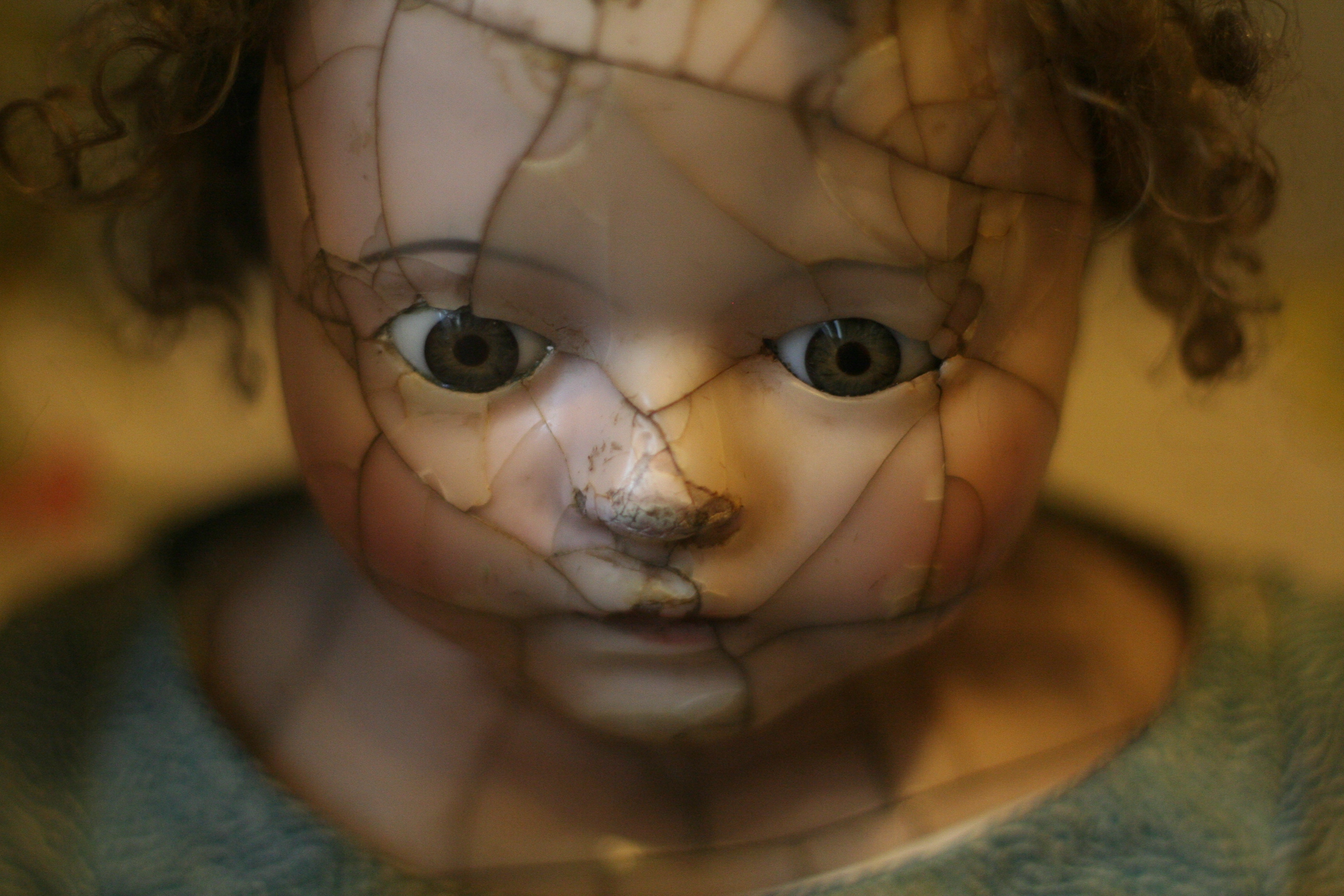
    You feel shattered with PTSD but can ketamine stop that and help you achieve remission?

    Studies Imply PTSD is a Gateway Condition That Can Lead to Other Critical Illnesses.

    Ketamine treatment can bring PTSD to remission, and hopefully prevent these other illnesses.

    Bang! A sudden loud noise breaks the stillness.

    “What tha…??!! Your companion jumps with a startled exclamation, missing that you’re standing there frozen, pale, and in-one-motion spun around with fists raised and ready for a right hook.

    In a flash, you’ve advanced from calm, to terrified, to ready-to-fight-for- your-life.

    Your friend laughs at his own jumpiness. But you’re not amused. With adrenalin coursing through your body, you’re angry.

    It’s awful to be so angry, when “nothing” has happened.

    It’s just not that easy to calm yourself when the deafening sound turns out to be a slammed door, rather than a life-threatening attack.

    Your hands are shaking, it’s hard to speak … you clench your jaws, trying to hold onto the thread of self-control that’s keeping you from doing serious damage.  A thread that grows thinner by the second.

    Your friend slaps you on the back in a good-natured gesture, to snap you out of it. That was the worse thing he could have done. In a fraction of a second, you’ve swung around and your powerful fist connects with his not-so-solid jaw.

    He groans and hits the floor.

    And suddenly you realize you may just have lost the best friend you’ve had all year.

    You never told him about your PTSD. You didn’t want to start the friendship out with shame. You wanted to be on even ground. Now this.

    PTSD Can Make You Sick

    PTSD has been called “a life sentence” according to a review of large cohort studies by a team led by KC Koenen in the Journal of Psychological Medicine in January, 2017. This “sentence” is derived from the multitude of health conditions that accompany PTSD symptoms.

    Several large studies have shown a link between PTSD and metabolic as well as cardiac diseases, such as myocardial infarction (commonly called “heart attack”), stroke, Type 2 diabetes, and coronary heart disease. Of these conditions, it seems that those hit hardest are African Americans and Hispanics.

    Combat in the war zone can cause PTSD in some soldiers. Can ketamine stop that?

    Having PTSD increased their risk over other combat veterans from the same war zones…veterans who even had other psychiatric disorders. Over 660,000 veterans were studied.  Compelling, isn’t it?

    Another study led by A. O’Donovan and published in the Journal of Biological Psychiatry in February of 2015, showed that combat veterans from Afghanistan and Iraq diagnosed with PTSD were more likely to develop autoimmune and endocrine disorders.

    They had a greater risk for IBS, thyroiditis, rheumatoid arthritis, multiple sclerosis, and lupus erythematosus.

    Terrible diseases.

    See the diseases and conditions piling up?

    But there’s still more.

    Genome studies of trauma and PTSD have identified specific genes that are linked to dysregulation of the immune system. Michael Breen led a team to write a mega-analysis published in Psychopharmacology of five studies that focused on genome effects from types of trauma and PTSD. 

    They found that there was lower expression of cytokine-related genes in men who’d been exposed to interpersonal trauma or combat… than was found in women.

    With the collection of all the data, they identified the common pathways of inflammation in PTSD, and painted a picture of extensive dysregulation in the immune system in people with PTSD.

    More Studies, Please, about PTSD and It’s Relationship to Illnesses

    Researchers recognize that more study is needed to understand whether activation of these inflammatory pathways are caused by PTSD, or whether they’re a natural consequence of the behaviors and lifestyles of people with PTSD, or something else.

    Can ketamine stop that progression of diseases that are associated with PTSD?

    For example, people with PTSD reportedly often smoke tobacco, have erratic sleep patterns, lack of physical activity, poor diet choices, etc.

    But if the associated illnesses are actually a result of the trauma itself and the conditions it triggers, it implies that PTSD is part of a broader systemic illness triggered by psychological trauma.

    I’ve pointed out for a very many years that I’m not a fan of the term “mental illness” — as though psychiatric disorders are not part of the body, not physical, not legitimate.  Something woo woo…  Kind of unbelievable given that there are so many complex brain structures, processes, and functions involved.

    Your brain is physical.  Your heart is physical. Your kidneys are physical. We refer to illnesses of the heart, of the lungs, of the kidneys, as physical illnesses. Well disorders of the brain are physical, too.

    So in this research that suggests that these psychiatric disorders are actually larger systemic illnesses, I’m surprised that’s not obvious but glad we’re talking about it. 

    How the Brain and The Body Interact

    Let’s look at some simple examples, just to illustrate.

    Ballet dancer was getting sick from PTSD but can ketamine stop that? Yes.

    If you have anxiety, you probably have some sort of physical symptoms that express it. For some people, it may be that they break out in hives. In others, it may be a sick pit in your stomach, or intestinal cramps and watery stool. In someone else, it may be shaking.

    When you’re in love… remember those butterflies? That’s a physical sensation that accompanies an emotional experience.

    If your heart is broken, it can feel like your chest is ripping apart.

    Rene Decartes was a French-born philosopher in Sweden who purported the theory of dualism. The idea that the mind and the body are utterly separate. But the simple act of shedding tears shows that the two are quite influential on each other.

    This is another important step in vanquishing stigma, and getting help for those who suffer.

    Can ketamine stop that terror of PTSD?
    With that said, it’s vital we understand more about PTSD and what it triggers in someone who has it. In fact, perhaps with deeper study, we could see insurance companies beginning to pay for all aspects of the disorder… autoimmune, cardiac, lung, kidney, Type 2 diabetes…and psychological terror and pain.

    PTSD Can Make You Sick. Can Ketamine Stop That Before It Does?

    Multiple trials with ketamine treatment for PTSD have demonstrated its rapid and robust effectiveness in treating symptoms. 

    One of the ways it works is by influencing cytokine production. And since cytokine-related genes seem to be expressed less in certain men with PTSD, improving the expression of cytokine may be one of the reasons for ketamine’s effectiveness in PTSD.

    There is so much to learn and understand about ketamine and how it works as well as it does. It doesn’t work with everyone…of course not. No medicine works for everyone. But, it works better and in a higher percentage of people than any medicine that’s ever been available for treatment-resistant mood disorders.

    Ketamine for severe depression.

    Ketamine for PTSD.

    And ketamine for bipolar disorder, ketamine for social anxiety… plus ketamine for OCD, and ketamine for addiction… and yes, ketamine for suicidal thoughts.

    At Innovative Psychiatry, we treat people every week with ketamine treatment for all of these psychiatric disorders.

    We’ll take an in-depth history of your symptoms, treatment course, health and family history, and evaluate whether you’re a candidate for ketamine treatment.

    We use only the best and most thorough practices when we provide your ketamine infusions. With a cozy and appealing environment, a comfy recliner or soft leather sofa, and warm blankets, the lights will be low and many people bring their own soft music to listen to.

    You’ll be monitored continuously during the infusion, and treated for any uncomfortable side effects. Most patients tell us they have never felt so relaxed.

    But what they really love is how they feel … better and better as the series of infusions advances.

    Most leave our office with a new lease on life, and report later they can enjoy hobbies, work, friends, again, and that they have initiative and motivation to tackle projects they’d put off for years. They enjoy their family and their friends — and have the energy to build relationships and make them strong again.

    PTSD can make people sick. Can ketamine stop that before it does?  Yes. And bring joy to life.

    Put simply, they have the power to build a rewarding and fulfilling life.

    PTSD is a serious disorder that can lead to serious, even critical, additional illnesses. Can ketamine stop that before it happens?

    If you wonder, how do I find a psychiatrist near me who can give me a good chance at getting better..??

    We sure understand.

    And if you suffer from PTSD, and no other treatment has helped you to function, call us. Call us now.

    Let us help you get your brain working again as it should, so the nightmares fade, the flashbacks melt away… and you can enjoy loving your family and your life.  You can even have fun again.

    If you suffer from any of these conditions and haven’t improved with at least two other medicines or treatments, call us. We want you to live the life you wish for, the best life you can live.

    Lori Calabrese, MD offers innovative psychiatric treatment like IV Ketamine

    To the restoration of your best self,

    Lori Calabrese, MD

  • ASKP Meeting Notes:  The 2018 Inaugural Conference of the American Society of Ketamine Physicians

    ASKP Meeting Notes: The 2018 Inaugural Conference of the American Society of Ketamine Physicians

    New Advances in Ketamine Treatment

    2018 has been a good year. A very good year.

    In this fall season of harvest and bounty which surrounds us outdoors, we find ourselves as ketamine physicians with wonderful gifts to work with:  in our world of neuroscience and psychiatry, the soil is rich, the seeds have been planted, and hard work has been done – sometimes for years! – by experts who have paved the way, and brilliant emerging experts whose work and insights inspire us all.

    I’m talking about the 2018 ASKP Meeting in Austin, TX.

    Ya shoulda been there

    It was the Inaugural Meeting of the American Society of Ketamine Physicians – hence, ASKP – and it was a conference that fueled excitement, embraced inquiry, acknowledged the need for temperance … and left all of us thirsting for more opportunities to work, study, collaborate, and publish.

    I want to tell you about the meeting.

    Especially if you or someone in your life suffers from a mood disorder. If you’ve been struggling for a terribly long time. If you’ve begun to think of yourself with symptoms that have become “treatment-resistant.”  Sound familiar? Then dial in to learn about IV ketamine treatment advances.

    What you learn may help you think outside the box you’ve found yourself in.

    Hard Pruning Can Leave You Unable to Recover

    Ketamine treatment advances help more people escape depression.

    As you know, it’s terrible to struggle to live your life when your confidence, your hope, your ability to think and perform, are all dulled, impaired…broken down.

    Major depression, panic disorder, social anxiety, PTSD, OCD, bipolar disorder, addiction … the list goes on …  all of these can make it nearly impossible to reach the goals you may have for your life.

    You’ve probably seen your doctor and tried some different medicines, but if you’re not feeling better, you may be part of the large group of depressed or anxious people for whom conventional medications don’t work.

    If you’ve heard of ketamine, you may know that it’s showing great promise for helping a majority of people who weren’t helped by antidepressants.

    But, you may not have been able to find someone who administers ketamine treatment properly. Because until recently doctors have just been on their own offering ketamine the best way they know how.

    Sometimes their methods don’t work very well.

    So physicians who provide ketamine treatment are beginning to organize into groups to exchange their ideas, experiences, and discoveries, in hopes of solidifying some of the true “best practices” that provide the best outcomes for their patients.

    An important organization that’s doing this is the American Society of Ketamine Physicians, or ASKP — and we just held our Inaugural Conference September 20-22, in Austin, TX.

    Let me start by saying how grateful I am for the many opportunities to meet with other medical pioneers who are committed — like we are — to helping people who suffer with treatment resistant psychiatric disorders.

    Ketamine treatment advances lead to more remissions.

    Conferences are a festival for the mind.  Ideas spark, slides fly by, data positively crackles in the air — and so does good humor, agreeableness, collaboration, and humility.  We are humbled by the pain our patients experience, and inspired by our colleagues to learn more, think critically, design carefully, proceed with integrity.

    We are privileged to have ketamine in our toolbox and to be able to offer ketamine treatment to patients whose suffering has become unbearable.

    ASKP is helping us do just that. 

    IV Ketamine Treatment Advances: Leaders

    We were treated to a lineup of seminal leaders in the field. Steve Mandel, M.D., the President of ASKP and Ketamine Clinics of Los Angeles, James Murrough, M.D., of Mount Sinai and Sam Wilkinson, M.D., of Yale, Steve Levine, M.D., of Actify Neurotherapies, Carl Bonnett, M.D., of Klarisana in San Antonio who has been working with veterans for years treating depression, PTSD and pain; Rupert McShane, M.D., whom I met at KRIYA and Oxford, Raquel Bennett, Ph.D., the founder of KRIYA Institute and the KRIYA Conference, and Jason Wallach, Ph.D, of University of the Sciences, a brilliant synthetic chemist and expert on the pharmacology of ketamine and related novel NMDAR antagonists. 

    Dr. Mandel’s opening address caught everyone’s attention when he opened with statistics about suicide. He reported that 44,000 people die by suicide each year, and 25 times that number attempt to end their lives. There are more suicides among physicians than any other profession.

    Ketamine treatment advances can transform depression to joy.

    He stressed that there are so many people who need this medicine and not nearly enough doctors providing it — if for no other need than to help prevent suicide. But of course, we shouldn’t stop there.

    He also pointed out that in his practice, he’s seeing more and more patients who have a delayed response, just as we see at Innovative Psychiatry.

    Because of this, it’s so important that if you don’t feel better after your series of infusions, that you must not give up. You may be a late responder and we’re learning more about this all the time.

    Extensive Research That Began During Residency

    James Murrough, M.D., Ph.D., was next and he talked through the history of ketamine’s research for treating psychiatric disorders. He spoke of Carlos Zarate’s work in 2010 which was the first study in patients with treatment-resistant bipolar disorder.

    He got involved in ketamine research as a resident  in a study of 47 patients led by Sanjay Mathew, MD who, with Zarate, co-authored the book Ketamine for Treatment-Resistant Depression. It was a difficult study, and ketamine treatment was surrounded by skepticism at the time. (For some people, it still is.) But it was the largest number of patients studied clinically at that point.

    Dr. Murrough did a beautiful, comprehensive review of the clinical literature on ketamine’s effectiveness. He and his team published a study in 2015 that demonstrated that ketamine’s effect is rapid and robust.

    Then, studies accumulated that showed ketamine’s effect lasts longer when given in a series. (Which is why we give a series of 6 – 9 at Innovative Psychiatry.)

    Groundbreaking studies…over and over and over. 

    Steven Levine, M.D., talked about what he’s learned through 30,000 ketamine infusions with 3000 patients over the past several years.

    And he made the point that stress itself is a risk factor for relapse.

    Raquel Bennett, Ph.D.

    I don’t have room here to tell you enough about every presentation, but really quickly I want to tell you about Raquel Bennett’s presentation. 

    Raquel Bennett, Ph.D., spoke about the varied ways ketamine is used in psychotherapy and the importance of selecting patients appropriately for each type of treatment.  

    She also chaired a panel discussion with Eli Kolp, M.D., Robert Grant, M.D., and Jeff Becker, M.D., about their varied therapeutic approaches and their work with ketamine in psychotherapy.

    Sandhya Prashad, M.D., spoke about the hallucinogenic potential of ketamine. While many physicians have been reluctant to delve into this aspect of ketamine, the dissociative symptoms patient experience are key to their improvement.

    This wonderful gathering included research scientists, clinical researchers, full-practice physicians, and psychologists who explained their own discoveries for us to assimilate.

    So many luminaries, so little time…

    Rupert McShane, M.D.

    Sam Wilkinson, M.D., explained the challenges of research and reviewed key studies. Rupert McShane, M.D, presented data on oral ketamine and abuse concerns. I first met Rupert at the KRIYA conference and he encouraged me to attend the Oxford International Conference on Ketamine for Psychiatric Disorders 2018 conference last March. He chaired the Oxford event, which was spectacular. He’s been generous with his mentorship in so many ways. Such a lovely man.

    Rachel Dalthorpe, M.D., talked about hormonal factors in ketamine infusion treatment. She referred specifically to premenopausal women and proposed an ideal time during the menstrual cycle for scheduling follow up infusions. Such valuable information.

    I was delighted to see so many of the luminaries there who have previously spoken at Kriya… like Jason Wallach, Jeff Becker, and Steve Levine … and from the Oxford Conference like Rupert McShane and Jenny Southgate … Such friends … and such a hall of fame!

    Benjamin Keizer, Ph.D., talked about pain and the impact it has on the brain. Jennifer Southgate, Ph.D., spoke about her work with urothelium and bladder inflammation, and how ketamine can affect the bladder. 

    Ronald Hertz, M.D., explained his important work on the use of ketamine for treating severe and chronic pain…and CRPS. Randall Malchow, M.D., talked about his own studies treating pain. Jason Wallach, Ph.D., spoke on the pharmacodynamics of ketamine, expounding on the history of derivatives of PCP. He also discussed the difference between r-ketamine and s-ketamine. He is brilliant, engaging and makes chemistry fascinating.

    Ketamine Advocacy Network Helps Physicians and Patients Alike

    Finally, Dennis Hartman, who founded the Ketamine Advocacy Network, spoke about the extreme importance of patient advocacy. I was delighted to meet Kim Juroviesky. Kim hosts a Facebook group for ketamine patients, which is growing fast and helping so many.

    Ketamine treatment advances help you perform in your job.

    The entire two days was chock-full of data, expert opinions and suggestions regarding clinical use of ketamine.

    What an inauguration! Ketamine treatment is growing rapidly in use and in its positive effects. The more we can learn, the better able we are to effectively treat more patients with bright outcomes.

    IV ketamine treatment advances help you transform.

    At Innovative Psychiatry, we administer ketamine and other treatments for treatment-resistant mood disorders. And we align our methods with best practices to help you achieve the most favorable outcome.

    If you suffer from severe depression, social anxiety, bipolar disorder, PTSD, OCD, substance abuse disorder, and suicidal thinking, please call us.

    And know that you don’t have to suffer with your symptoms. Let us help you find the life you want to live, and discover the best you, you can be.

    Lori Calabrese, MD offers innovative psychiatric treatment like IV KetamineTo the reinvigorating of your best self,

    [line][line]

  • Dissociation: Is It Key to Ketamine’s Antidepressant Response?

    Dissociation: Is It Key to Ketamine’s Antidepressant Response?

    Ketamine's antidepressant effects may be predicted by dissociative experiences.That Floating Sensation May Predict Ketamine’s Healing At Work

    Know anyone who’s depressed?

    I don’t mean someone feeling blue or disappointed, but really depressed. The hard-to- function type of depression. The hard-to-think-hard-to-get-out-of bed kind of depression. Where everything looks dark and hopeless, and you doubt yourself and your value…and it continues and gets worse for months or years.

    Severe depression. The kind that makes you want to die, and you can’t see any value in your life…and those thoughts start coming… that everyone who knows you would be so relieved if you were gone. Lies that kill.

    Depression like this messes with your outlook, your decisions, your abilities, your energy, your motivation, your perception of your own value… and it’s almost insurmountable to get out of bed.

    We Call Your Disorder “Treated” Only If You Feel Better

    In some cases we call this Major Depressive Disorder, or MDD. In others, it Ketamine's antidepressant response may be predicted by dissociative experiences.may be the depressive part of the cycle in bipolar disorder. Depression of this magnitude can be debilitating. And it needs to be treated effectively. In fact, no matter what treatment is used, if you don’t feel better, then it’s the same as if your depression weren’t treated at all.

    No matter how many pills you’ve swallowed or how many therapy sessions you’ve attended —

    Treatment must produce results you can feel and confirm. Or else it’s not effective. And if you aren’t feeling better and functioning better … well, what’s the point?

    Ketamine is a medicine that was developed in the 1960’s and ’70’s as an anesthesia medicine. It’s been used for 50 years safely with children, adults, and senior citizens. It regulates glutamate in the brain, and blocks the NMDA receptor which prevents it from causing you to feel depressed.

    AMPA Gives You Power to Adapt and Develop Flexibility

    It also fires up AMPA , which is another glutamate receptor that is responsible for most of the fast excitatory transmission in the brain.

    In other words, it’s the AMPA receptors that are behind the synaptic plasticity, Ketamine's antidepressant response may be predicted by dissociation.which means they empower the connections between brain cells to grow and flourish and move signals around the brain much more rapidly.

    Plasticity basically means changeability. Or…changeableness.  (Are those even words…?)

    So, synaptic plasticity changes the connections in your brain and makes them grow and bud and sprout like crazy…which helps you to develop more and more ability to adapt the way you think, the way you respond, the way you see events and circumstances so you can develop flexibility, healthier thinking habits and more resilience, too.

    This is one big part of what makes ketamine work so well.

    Ketamine’s Antidepressant Response

    Then it tells the cell to make more and more AMPA fast, so you feel better and better rapidly. And this is just one action ketamine performs to fight depression. There are lots of others, but let’s focus on this one for now.

    We’ve talked often about ketamine treatment, provided in tiny doses roughly equal to 0.5mg/kg given IV over 40 minutes by a psychiatrist who is adept with psychopharmacological methods that make the most of each infusion.

    Ketamine is a molecule that modulates the excitatory neurotransmitter glutamate.

    We’ve talked about how important close supervision by a psychiatrist is to determine the rate and dose needed specifically for you, and your brain, so you have the quality of response to the medicine that will provide the best outcome for you.

    And…we’ve pointed out that some providers have popped up in the landscape who give the same dose to every patient, or the same protocol, or varying doses to every patient with little attention to precision rate or infusion length. This is super easy for the provider, easy for the clinic. There is no infusion pump, and the only rate control is the rolling wheel on the IV tubing.

    You see where I’m going.

    Care in Ketamine Administration Yields Better Results for You

    We’ve hypothesized that this less precise administration of ketamine may be theKetamine's antidepressant response may be predicted by dissociation during infusion. reason that non-psychiatrists and psychiatrists alike who use this one-size-fits-all method for treating depressed patients was resulting in a lower percentage of remission from mood disorders across the board. 

    We know that we’ve seen an 80% response in treatment-resistant patients by using this precise and remission-focused approach.

    Well, researchers published a study in February this year in the Journal of Affective Disorders along this line. It demonstrated how the various dissociative effects can predict how much antidepressant effect a person will receive from a ketamine infusion.

    Led by Mark J. Niciu, a team of researchers including Carlos Zarate (a leader in ketamine research), conducted a followup study to their previous work to determine whether the quality of dissociation was correlated to a positive antidepressant response.

    Dissociation…and Ketamine’s Antidepressant Response

    We’ve all been interested in this. Is dissociation “just a side effect,” or does it Ketamine's antidepressant response restores the power to enjoy.MATTER? Is it necessary to have dissociation for ketamine to “work?” Or for depression to lift? For anxiety to dissolve? For trauma to heal? And what dissociative features, exactly? How intense are we talking about? And for how long?

    The researchers took a group of 126 people from 18 to 65 with mood disorders – 84 with major depression and 42 with bipolar disorder and asked them to complete rating scales just after their treatment about what they experienced during their ketamine infusion.

    Dissociation is basically a detachment from reality, but it can include detachment from yourself (depersonalization), detachment from your surroundings (derealization)…and sometimes a sense of amnesia.

    The Study:

    Now, each patient involved in the study was currently experiencing a full episode of depression that had been going on at least 2 weeks. Prior treatments had failed all of these subjects. In some cases just one, but many had tried multiple treatments.

    Researchers selected the subjects very carefully.  None of them had psychotic symptoms and none of them had dissociative symptoms at baseline.

    Some patients received a ketamine infusion (yep, just one, not a series) at a prescribed dose of 0.5mg/kg over 40 minutes and others received a placebo…

    And guess what?

    People who experienced dissociation during their ketamine infusions had much more improvement in their depressive symptoms – the more intense the dissociation, the better the improvement.

    And the specific dissociative feature (remember there are 3:  depersonalization, derealization and amnesia) that was most strongly associated with responding to ketamine?  Depersonalization.

    The antidepressant effect was strongest at Day 7, not 3-4 hoursKetamine's antidepressant response may be predicted by dissociation. after or a day later.
    You Can’t Know Without Testing – There’s So Much to Learn

    Isn’t that interesting? You’d think the response would have been strongest during the first 24 hours, but not so in this study. You know… the miracle WOW that everyone seems to expect. (Boy, do we have to explain and help reset expectations here.) When you think about how ketamine restores signaling structures as well as all the other things it does, it does stand to reason that as the structures in the brain improve, so would the antidepressant effects.

    The research team encouraged more studies to pin down and confirm their findings. And we do, too. But it’s exciting to consider that the very dissociative experience you feel during a ketamine infusion is actually connected to the wonderful restoration it does. 

    Understanding Your Treatment and Your Healing

    It’s important to know that the experience itself is important… important for your improvement and healing.

    When you understand this, it’ll help you not be afraid.

    And it’ll help you understand that the dissociative experience during treatment is not something we see as bad or unwanted or as an adverse event that needs to be avoided or abolished. It’s an integral part of the treatment itself, and something that we have come to understand is critical for transformation.

    With proper treatment, and fine control of the dose and rate of your infusion, we work towards just the right place for you … where your treatment, and your dissociative experience during your treatment, fuse together in the best possible way, to give you the best possible outcome. 

    Now that’s a sweet spot!

    When you’ve felt trapped by a disorder, you’ll do just about anything to live a fulfilling life and wake up every morning with hope.

    Every single step of research that shines another light on ketamine’s Ketamine's antidepressant response may be predicted by dissociation during infusion.extraordinary impact on depression and other mood disorders brightens the path for all of us who treat patients with ketamine, and for those who suffer from all these mood disorders and haven’t been helped by anything else before.

    There really is hope!

    We Want You to Enjoy a Rewarding Life

    Here at Innovative Psychiatry we continue to see people like you who suffer and have given up. Then, after a ketamine treatment series, we often see them achieve remission and enjoying their restored ability to create, to invest themselves, to build relationships, and to savor life’s moments. We see this everyday.

    If you’re struggling with a psychiatric mood disorder that has not improved with other treatments, call us. We’re here to help you find the relief thousands of others have found.

    This is a new era, and you really can feel better…you can even feel well.  Kick that disorder to the curb…  let’s work together to help you live again.

    Lori Calabrese, MD offers innovative psychiatric treatment like IV KetamineTo the reinvigoration of your best self,

    Lori Calabrese, MD



  • Marti’s Story: How Ketamine Smashes Treatment-Resistant Depression

    Marti’s Story: How Ketamine Smashes Treatment-Resistant Depression

    Ketamine smashes treatment-resistant depression.Ketamine Can Eradicate Severe Depression

    Do you know anyone who’s severely depressed?

    I want you to meet Marti. If you’ve never experienced severe depression yourself, learning about Marti’s journey may give you a glimpse into what it’s like. And if you have…well…I hope Marti’s story helps you feel less alone…and helps you find hope for your future, too.

    Marti was a sparkling preschooler, obviously intelligent, and full of charm and spunk. But the spark disappeared when she was about six years old. She was also diagnosed with Type 1 diabetes that same year…which only increased the stress in her young life.

    In spite of the depression, she pushed through the best she could Ketamine smashes treatment-resistant depression.and performed well in school…receiving all sorts of academic awards.  School was her refuge and solace. Even so, her immunity to infection was reduced by the diabetes and she seemed to get sick with every bug that floated through. That made things worse…and pushed her stress higher.

    Family Crises Can Trigger Greater Severity in Symptoms

    Then, when she was in 8th grade, her dad collapsed and had to go to the hospital by ambulance.  Long QT syndrome they called it… basically a heart attack but he survived. However, he was in the hospital for 2 weeks…and because she was sick she couldn’t visit him. The helplessness of the diabetes, the constant double workload at school, her brothers’ illnesses, and her dad’s near death event, became the final straw.

    A darkness began to build inside her beyond anything she’d known before. Her mind seemed to become numb…vacant… she seemed unable to think. Things like motivation, initiative…or even the energy to do anything… had disappeared. She felt lost, but that wasn’t all.

    There were new fears. Fears of people, places, leaving the house, Ketamine smashes treatment-resistant depression.answering the telephone. School became an insurmountable mountain to climb. She began to hide under her bed for the school day so no one would know she didn’t go. She couldn’t go. 

    That was on the worst days. On the days she could muster the courage to get on the bus, she sat silently in class…looking at her desk. Holding onto her chair with all her might to keep herself from running out.

    Classmates would watch her behavior and assume she was using drugs. They’d ask her…and she’d tell them no, horrified that she gave that impression.

    Academics Suffer When Medications Fail

    Her parents took her to regular visits with an acclaimed psychiatrist. After 18 months he was amazed she wasn’t doing any better. Concerned their intelligent and awarded student would not graduate from high school without close support, her parents took her out of school and homeschooled her during her senior year. She was able to make up the credits she’d lost and graduate, mostly due to the decreased stress of the public school atmosphere.

    But…her condition worsened. She registered in a university hoping the new routine would help her improve. But it wasn’t that simple.

    She had intermittent periods of working at school and making top grades, then falling back into the abyss of darkness that had become her  constant prison. A good semester then a terrible semester. Ketamine smashes treatment-resistant depression.Finally, she was placed on academic suspension for a semester… and eventually dropped out.

    Her doctor continued to increase her dosage, and change her medicines. But nothing really worked. She slogged along in the proverbial mud, losing her hope, her self respect, and adopting a new outlook that was angry, bitter, and critical… an outlook she called “realistic.”

    These changes in her view of herself and others resulted in friendships with others who were also angry and despondent. The motivated and emotionally-healthy friends she’d had during her childhood and early teens all but disappeared.

    Treatment-Resistant Depression Spreads DOOM

    Marti wore “toughness” like an overcoat, and functioned well enough to be sullen and angry with her friends. Her social circle was a tough lot, but she tried her best to fit in with them.

    Then she met “him.”  He was handsome, weathered, and wore chains and black leather. Her epic bad boy.

    Within 2 weeks, they’d had their first big fight.

    Shattered by his dirty and cruel tactics, Marti realized she was in over her head. But she was determined to live up to the challenge. Ketamine smashes treatment-resistant depression.The verbal abuse and horrific scenes deteriorated to physical abuse, but just reminded her that she knew what it was to suffer. And he’d been alone without support, so she was determined to be that support and “help him heal.”

    This pattern continued, with periodic breakups, apologies, and a patched-up relationship for two or three years. Marti’s depressed condition deprived her of the energy, the judgment, or the initiative to improve her situation. And she told herself magical stories about how her love and loyalty – no matter what he did – could heal his wounds…and they’d enjoy a happy life together forever.

    So she trudged.

    A Disordered Brain Obsesses on Death

    And there were suicidal attempts. And interventions that saved her life. But if you know anything about depression, you know that suicidal thinking or attempting doesn’t stop because you want it to. Your disordered brain creates images of death and darkness…and compulsions… It’s the very opposite of a healthy, imaginative  brain that creates beauty and joy.

    Marti’s nightmares became a constant torment. Waking up in a cold sweat over and over in the same night, with visions of cruel and terrifying demons destroying her… and as soon as she fell asleep again they were back.

    Insomnia kept her awake for 5 or 6 days at a time…she’d feel brittle, reactive, hysterical at the smallest provocation. Screaming and cursing when the dog barked or the doorbell rang. Her coordination was also brittle, so she’d accidentally break a glass or stub her toe and fly into a screaming, cursing rage.

    The phobias increased. Marti loved photography and was given an all expense-paid trip to Thailand with a professional photography group who would help her learn more artistic techniques for her craft.

    An Opportunity Becomes a Crisis

    She’d acquired outstanding equipment for her photography business, but the depression made it nearly impossible for her to follow through on opportunities.

    Meeting with clients, doing a shoot or a sitting, became too difficult to manage, as social anxiety, fear of failure, and agoraphobia stripped her of the confidence to follow through.

    She boarded the plane to Thailand with her gear, and on a layover inKetamine smashes treatment-resistant depression. Bangkok she suffered a gargantuan panic attack. She couldn’t think to find her luggage, her gear, or her phone. Finally, she called her family collect and asked them to help her get home. Knowing her fragile state, they readily complied.

    Once home she slept for days as she recovered.

    Her Own Worst Critic

    Then the shame set in. How could she squander such a life-changing opportunity? How irresponsible could she be? She’d always hated herself, but now she LOATHED herself. How could she bear the disgust she felt for her inept failure?

    You know, when you’re struggling, you need a best friend… and if no one else…you need to be your own best friend. But sadly, whenever life got hard, Marti would use that moment to beat herself down into a shriveled nub.

    And that’s how it goes, isn’t it? When we feel awful, we tend to make it worse. And we usually need an intervention from outside ourselves to turn the disastrous tide.

    A final year with “him” was packed with physical abuse and cruel unspeakable torment that resulted in injury for Marti in her spine, her pelvis, and her neck.

    From Abuse of Herself to Assault by Someone Else

    The stress of her life led to muscle cramping in her neck and Ketamine smashes treatment-resistant depression.shoulders that left her left shoulder 3 inches shorter than her right one. She was unable to move her upper body without extensive treatment.

    But those wounds were just physical. It would be years before physical therapists and chiropractors could help her body recover from the damage.

    Still, the worst was the emotional damage. The silent scars that held her in a vice of fear.

    Chronic hospitalizations plagued her life as the multitude of terrible stressors triggered vomiting spells that lasted for days at a time. Every 5-10 minutes…around the clock.

    And those vomiting spells threw her body’s pH out of whack…and triggered diabetic ketoacidosis…a potentially fatal condition that won’t correct itself without emergency medical intervention in an ICU.

    Over. And over. And over.

    Then, it got worse. The repeated diabetic ketoacidosis and the high blood sugars that accompanied it, caused damage to the nerves in her stomach.

    Gastroparesis… a condition where the stomach’s ability to empty itself is paralyzed… led to deteriorating nutritional absorption. Basically, she was starving because her body couldn’t absorb nutrients.

    Depression Can Kill and Must Be Stopped

    It all began with depression. But depression is just the beginning… and when it’s severe, it can trigger a cascade of circumstances that can suffocate life.

    One day late in the summer, on one of many days when “he” tried to kill her, she grabbed her shoes and keys and fled.

    And she never went back.

    In the aftermath of that day, she spent more and more time in the hospital intensive care unit. A year and a half later, she was transported to the ICU so often, she was in the hospital more than she was home. A lot more. And she knew she was dying…

    She also knew she was losing her ability to see. What began as foggy-out-of-focus  moments in the early fall, progressed to full blindness by Christmas.

    A retina specialist was called in and she went for surgery the day Ketamine smashes treatment-resistant depression.she got out of the hospital.  Within two days she was back in ICU…but the surgery had succeeded in repairing the retina in her right eye. Her left eye was not reparable. But it was a start.

    Then, her doctors recommended she undergo surgery for a feeding tube placement in her intestine, and formula was pumped into her body through that tube 24/7. After another week in the hospital, she was beginning to improve. The vomiting stopped. And she began to feel a little stronger.

    A Mysterious Joy Begins to Bubble Up

    But there was something else. She was feeling better. In barely perceptible ways at first. But little by little, joy was growing. In spite of her intestinal feeding tube. In spite of her blindness. She had hope. And she didn’t know why.

    She would wake in the morning, remember she was blind…and cry. She grieved the loss of her eyesight. And facing that each day was so difficult.

    But then she would launch into the day with a spring in her step.  Initiative to move past this disability and build a new life. She had not had initiative since she was in 8th grade. She’d not felt joy since she was in kindergarten. What was causing this?

    Ketamine Smashes Treatment-Resistant Depression

    She heard about ketamine treatment… and someone suggested she check her surgery record to see what anesthesia she’d been given in surgery… so she did.

    When the surgery record arrived in the mail 10 days later, she was astounded to find out she’d been given ketamine as an anesthesia in surgery. Could that be why she was feeling so much better??

    Marti danced across the room just to consider that ketamine might be the reason she was coping so much better, and enjoying so much again. She set out to learn all she could.

    That first IV ketamine infusion in surgery restored her wellbeing for 7 Ketamine smashes treatment-resistant depression.months. Then she began to feel the old depression returning, the critical thoughts, the anger, the hopelessness…but for the first time since she was a little girl…she didn’t want to die anymore. 

    6 IV Ketamine Infusions + A Couple Booster Infusions

    So she set out to find a way to pay for a series of 6 infusions, as she’d learned that stacking infusions would produce more lasting results.

    Within a couple weeks, her parents were able to help her with the money for a treatment of 6 infusions over 2 weeks. She’d heard that ketamine was available IV, IM, or intranasally...but she’d been convinced that IV was the best route for ketamine’s full benefits.

    After the first infusion she felt no better…but that night her mother noticed she was folding clothes…for the first time in four years. Initiative.

    Then, after the second infusion she thought she had a glimmer of hope. A lifting of pressure…of the weight that had been crushing her. Decreasing anxiety and diminishing sadness…she could tell she felt a bit lighter.

    After the third infusion, she laughed a little, and talked a bit more freely… And from there her outlook grew better and brighter day by day through the last 3 infusions and over the next few weeks.

    A few months later she’d been hospitalized more times (and with  the intense stress of severe illness) she started “sinking” again…and called her doctor for a booster infusion of ketamine. She’d heard that sometimes that’s necessary. And she was glad she got it… it helped.

    But four months later she needed yet another. Even so, that infusion of IV ketamine has held her remission steady for a long time.

    She’s learning Braille, training to work, and excited about the life that’s ahead. She’s 32, in love with a wonderful guy who stood by Ketamine smashes treatment -resistant depression.her through the illnesses and surgeries, and life is working for her now on an exciting new level.

    Marti believes in herself now and in her potential. And she’s eager to contribute to the lives of others. She’s joined the board of a non-profit blindness advocacy group. She has new friends who also have bright outlooks on life. Who are also productive and contribute to the community and to each other.

    By the way, remember those terrifying nightmares that plagued her? They’re gone. Her dreams are bright and beautiful now…or at worst a little frustrating. The terrors that beat her up through all her nights for so many years are gone.

    It All Began With Depression

    And a co-existing illness. But treating the illness didn’t resolve the depression. Ketamine treatment did.

    Marti feels transformed. Her family says she’s finally the person she was when she was 3 years old, before the assault of life hit. Her cleverness, wit, spunk, and joy for life has returned.

    Marti is one of those people for whom the 6-infusion ketamine protocol wasn’t enough. She had researched extensively to understand how ketamine treatment ought to work and what to watch for. She also understood that to stay better required building a stronger infrastructure that would support her remission from depression. 

    And she actively worked to put that in place, through friendships, attitudes, and improved health. Active cooperation with her team of doctors, and doing the work in her outlook about her career and her relationships all helped strengthen that infrastructure.

    And today, she’s in full remission. She sings every morning, dances a jig of her own design when she thinks no one is looking.  Her life is full of promise.

    She’s attracted to upbeat, healthy-minded people, and she loves herself. She enjoys life in a way she’s never been able to, and marvels at the frame of mind that held her captive 25 years.

    Severe Depression Affects Every Aspect of Life

    For those who have never experienced major depressive disorder in its severity, the fallout in Marti’s life may seem outlandish.

    But Marti’s story demonstrates how all-encompassing and Ketamine smashes treatment-resistant depression.dangerous depression can be.

    And why ketamine treatment is the golden child in psychiatric treatment these days. There’s no other treatment available that is as effective, potent, and all-encompassing for restoring life, hope, motivation, initiative, and a bright outlook to this degree.

    At Innovative Psychiatry we’ve watched thousands of patients with treatment-resistant disorders follow the path Marti has in full remission.

    Relief from social anxiety, depression, panic disorderPTSD, OCD, bipolar disorder, addiction, substance use disorder, and suicidal thinking.

    (Did I mention ketamine can stop suicidal thinking in 4 hours or less?)

    If you suffer from severe depression that other treatments haven’t helped, call us. We can help you rediscover the life you’ve lost, just like Marti did. You, too, can enjoy remission from the crippling throes of mood disorders.

    Give yourself the opportunity to live again, or even for the first time, and develop a fulfilling and productive life. Because you can.

    Lori Calabrese, MD offers innovative psychiatric treatment like IV KetamineTo the restoration of your best self,

    Lori Calabrese, MD
  • Ketamine Boost Infusions: When You Feel Better-ish, But Not Better Enough

    Ketamine Boost Infusions: When You Feel Better-ish, But Not Better Enough

    Ketamine Boost Infusions Combined with Infrastructure Changes May Help You Sustain Remission

    What do you do when the symptoms return?

    You spent years in that condition. The sadness, the hopelessness…the numbness.  That terrible shame. Unable to participate. Shut down. Withdrawn.

    Or, maybe the symptoms were reactions to sudden noises…smellsdarkness… or touch.

    They may even have been obsessive thoughts…and compulsive actions that follow. 

    Or the old dreaded cravings…and relapse close behind.

    You even wondered if you could go on much longer.

    Then, you heard about ketamine treatment, and you found a way to pay for the treatment series of 6+ infusions. Afterwards, you came alive and felt so much better.

    For once, you had hope, motivation, initiative. There was energy to live, invest Ketamine boost infusions bring back the joy like these colorful balloons floating in the sky.your effort, build healthy relationships. You enjoyed your job and began to really excel. You actually felt happy. It was exhilarating to not just barely hang on.

    Then it happened. …out of nowhere…those old symptoms began to return.

    Maybe your job performance led to more responsibility. And the higher level of stress began wearing down your synapses…those connections between the cells in your brain. It’s possible that after awhile those cells in your lateral habenula began bursting too much and too often.

    Plus all those G proteins that had slid off the lipid rafts in your cell membranes may have started piling back up on those rafts. The numbness that had gone away, came back.

    Why?

    Could it be because your wife’s cousin is living with you, taking advantage of your hospitality, rather than trying to find a job or her own place. And you keep stuffing your feelings…you don’t want to upset your wife.

    Or maybe your boss takes credit for every innovation your create. But you? You keep working long hours and your husband is fed up that you’re never home.

    Stress.Ketamine boost infusions can calm the storm once again.

    You’re so mad at yourself for not accomplishing more, so you carry your feelings on your sleeve, and jump down the throat of anyone who crosses you.  You KNOW they don’t deserve this treatment…but you’re too ashamed to apologize.

    Or, perhaps you got a little cocky with your sobriety, and began hanging out with friends who still use the substances you’ve broken away from… ? Any type of hard and stressful situation can make you think back to the old days…

    It also might even be that this disorder is in your genes…that your whole family fights depression and it’s like a heavy gray blanket covering everyone around you. It could be to get better you might have to purposefully surround yourself with more positive, uplifting people …?

    Or separate yourself from obligatory situations

    Sometimes we can’t see the nose on our proverbial face. We need someone to point it out and help us see specifics like these in our own complicated lives.

    And we need to take action.
    Tell your spouse what you really feel. Stand up to your boss even at the risk of getting fired. Because your self respect is too important to just silently bow to his abuse and dismissal of your value. That might reduce your stress.

    Sometimes it doesn’t take much…just a step… to stand for what’s right. But when you do, the chains fall off.

    And your own personal infrastructure – the things that make your life yours – is freed up to support your well-being.

    So back to the causes. All of the mechanisms associated with stress can go into play, and undo some of the work the ketamine treatment had accomplished.

    This is why it’s important to find ways to improve the “infrastructure” in your life,Ketamine boost infusions help you rebuild the infrastructure in your life and lay groundwork for peace. to reduce stressors that wear down your resilience.

    Without making healthy changes in the areas most critical to your wellbeing, the same stressors that caused you to need ketamine treatment in the first place may cause you to need it again.

    But…let’s be clear: there are no published studies about “booster” infusions

    Can you believe that?

    None.

    But in all fairness, it can take years to gather data on recurrence of symptoms and how to best treat them.

    Still. We need research!

    Meanwhile, what do we do? The best we know to do is to use our clinical judgment if symptoms try to creep back in. We collaborate with you, and your treatment team, about the best way to proceed.

    Lifestyle changes? Any improvement in the stressors in your life that you can make…well, that can be a big help.

    A medication change perhaps? Some people continue their medications while receiving ketamine infusions. A change in medication might help…

    Or is an additional ketamine boost infusion what’s called for? Perhaps so. If nothing has ever worked for you before to control your symptoms, you may know that ketamine infusions are your “go-to” solution.

    Those of us in clinical practice have learned that additional infusions down the road can help refresh the work ketamine began.

    Many patients…and their doctors…take a shortcut straight to ketamine because of their experience that it worked so beautifully after all those failed rounds of Ketamine boost infusions are the beacon in darkness for those who have recurring symptoms.antidepressants and other treatments.

    But we still don’t have research to show us in those cases how often we should prescribe a booster infusion or whether maintenance is inevitable for the foreseeable future.

    My experience says that ongoing maintenance doses really aren’t required in many, if not most, cases. There is no research to guide us at this point. I do wonder why? …and hope that changes soon.

    For now, I think it’s premature to make a blanket recommendation for ongoing maintenance “booster” infusions every few months indefinitely.

    There are too many cases of patients who only need one or two or three after the initial series… then no more for a year or more. Psychiatrists need to work with their patients and the health care team to guide the best recourse for each individual patient.

    But remission is the goal. Helping you feel truly good and able to live productively.

    One or two ketamine boost infusions at a time can support and sustain remission. Especially if the patient’s infrastructure is in place and strong.

    So…maybe you still feel better than you did before you knew about ketamine…but you don’t feel as good as you did a few weeks ago.

    What do you do?

    When you feel better, but not better enough, you may need a ketamine boost infusion to get your brain working well again and get you back on track.

    Kick It Up a Notch!Ketamine boost infusions kick up your resilience a notch.

    Every brain is different, just as every person is different. Dosage and frequency can vary.

    Another point… for the purpose of rebuilding and strengthening your personal “infrastructure,” you might benefit from therapy with a skilled therapist after each of your ketamine infusions.

    This is when the neuroplasticity in your brain is very high, and it’s easiest to consider new ways of thinking, of reacting, of decisions…that make your life more functional, less stressful, and more rewarding.

    Some people don’t need additional infusions at all. When you feel better, really so much better you’re empowered to build the life you want, there’s no need for boosters. And there’s no need to schedule them in advance.

    But when you feel better but not better enough, you need to take action and find ways to get completely better. Start with another ketamine infusion.  And take an inventory of your daily life. What do you need to change to make it better?

    It might be taking action to change something. Or it might be taking action to change your attitude about something. But use those extra ketamine infusions to explore your life, your heart, your attitudes. And with the help of your therapist, make some solid decisions that renew hope in your life.

    Renew your wellbeing.

    Slash that powerless feeling and remove it…put yourself back in control.

    It may require additional infusions every few months for awhile to get your life on track, your infrastructure in line with your purpose, and to create a life you enjoy. But it’s worth the effort.

    And by the way, there’s no shame in additional ketamine boost infusions. No one but you knows what’s working for you. This is not a competition.

    The goal is for you to live life as your best self, rather than a shadow of that. That you can enjoy your work, your hobbies, your relationships, and your purpose.

    At Innovative Psychiatry we work closely with you and your health care team to help you find the most productive and fulfilled you.  Call us.

    Lori Calabrese, MD offers innovative psychiatric treatment like IV KetamineTo the emerging of your very best self,

    Lori Calabrese, M.D.

  • Remission by Ketamine Treatment:  How You Can Hold On to the Benefits

    Remission by Ketamine Treatment: How You Can Hold On to the Benefits

    Remission by ketamine treatment allows these girls to play in the surf.IV Ketamine is a Most Extraordinary Medicine 

    Here Are Some Ways to Hold On to Its Benefits

    This ONE medicine can relieve a wide array of psychiatric disorders. Remission by ketamine treatment is at center stage of the mental health world.

    The same medicine that lifts depression and restores creativity, initiative, and hope, also stops suicidal thinking in 4 hours or less and relieves social anxiety.. and, oh yes, OCD. It restores balance in bipolar disorder, and dramatically reduces cravings in substance use disorders…it helps PTSD heal and may also prevent PTSD in first responders.

    Ketamine isn’t just an anesthesia medicine any more.

    It’s changing lives and taking the world by storm.

    It can restore your power to enjoy the beauty of a yellow warbler as it sings among the cherry blossoms. Remission by ketamine treatment empowers you to enjoy the beauty of this yellow bird in these cherry blossom branches.Remember when you felt nothing…? A void. Empty. Isolated. But remission with ketamine treatment changes everything.

    You’ve never seen a medicine like this. While pharmaceutical companies are testing other forms of the ketamine molecule, or other molecules similar to ketamine, there is so much more to be learned about ketamine itself!

    These other molecules don’t rival ketamine in effectiveness — well, actually, nobody’s doing head to head comparisons. 

    Because ketamine itself has become the gold standard. Its broad reach and widespread actions relieve suffering in so many different disorders that for so many it has become hope in a jar.

    Who could have ever dreamed the day would come when a few infusions could lift a new mother right out of postpartum depression and empower her to bond and enjoy her newborn…?  Those heartbreaking stories you hear in the news … can be averted.  

    Think what ketamine could have done for Vincent Van Gogh if ketamine treatment had been available in his world. Of course, it was unheard of, but it could have saved not only his ear…but his life.

    Because it’s saving lives.

    Remission by Ketamine Treatment: Antidote for Psychiatric Misery

    The terrible anguish that depressed persons suffer has an antidote now.  Six treatments (or a couple more) and you can live again, create again, enjoy people again, come out of the terror of darkness again.

    You can feel love, hope, initiative, motivation, and creativity. In the morning, you can spring out of bed, Remission by ketamine treatment empowers you to enjoy the flavor of a fresh tomato.and sustain energy and productivity all through the day. Enjoy the taste of a flavorful tomato right off the vine. Tackle long forgotten projects again, complete them, and look at your work with deep satisfaction.

    You no longer have to be trapped in a vacuum, unable to connect, lost in the shadows of your mind. You don’t have to fear your own reactions to unexpected noises, or insensitive comments someone drops in your presence.

    Feel whole again, find out you can have self-control, and build a life you’re proud of. For many who suffer with depression anxiety that just won’t cut them a break, such a concept is an elusive dream.

    But it’s time for us to take a step further, and learn more.

    For instance, what factors influence how effective ketamine treatment is for you?

    Infrastructure for Optimal Wellbeing

    Without question, one factor is simply all those unknowns. Because we’re learning daily about what ketamine can do, as well as the unique genetic, environmental, and other factors that may prevent one brain from responding to ketamine when the next one responds so dramatically. There are factors we just don’t know or understand yet.

    We have so much to investigate and learn.

    But there are some factors we do recognize.

    For instance, it appears that there are environmental factors and personal ones, too, that may determine how long a series of ketamine infusions will benefit you.

    Remission is Most Enduring when Your Personal Infrastructure Is in Place

    When we speak of infrastructure, we’re referring to all the things in your life that play a part in your outlook and productivity. Things like your attitude, your response to stress or conflict, your nutrition.

    To get the most out of ketamine treatment, it helps to do the work to learn and practice healthier Remission by ketamine lasts longer if you do the work, practice self love, and embrace change.reactions and responses, so you don’t pull the same old problems in after you.

    It helps if you’ve learned to practice self-love along with respect for others. To manage your anger, and avoid the pitfalls of co-dependency. It helps to feed your microbiome to help maintain your emotional balance.

    Because even if ketamine’s wonderful repair work brings you to peace, if you haven’t done repair work in your thinking, your attitude, your outlook, your view of yourself…as well as your view of others… the destructive habits that may have crept in with the misery of your disorder in the first place will slowly tear down the work your ketamine treatment accomplished in your brain.

    Not what you want.

    You could, then, get a booster infusion to refresh the good repair.  

    On the other hand, if you’re actively participating in therapy to help you change your attitude and outlook, as well as your responses to the things that happen in your life, you may find your outlook stabilizes after you reach remission… and lasts.

    This, of course, is not to say that if remission doesn’t last, it’s your fault. It’s not. There are far too many factors involved in what you’ve experienced to blame your symptoms on any one thing, especially something within your control.

    But consider this.

    Choices You Make Can Strengthen Remission

    If a stressful life has found you reacting and angry in response to small frustrations, or if you’ve beenRemission by ketamine treatment lifts the feeling of abandonment, isolation, despair. in a toxic relationship where you know you’re being abused and exploited, and stressors like these aren’t changed, you can see why you’d become more and more worn down and stressed…even despondent…all over again.

    But let’s say you found the courage to leave that destructive relationship…or you figured out how to change the way you perceive small frustrations so you’re able to be unruffled by them (and ketamine can help you accomplish these things)…you can see how the peace and emotional health in your life would benefit.  Don’t you think..?

    That’s the thing about ketamine. It can do its part to restore those brain structures that have been worn down and broken by stress, but it can’t force you to get some distance from those factors.

    That’s a step you must take … and ketamine treatment can help you get there.

    Hard Decisions Lead to Better Living

    Here at Innovative Psychiatry we’ve seen this happen in our patients time and again. Sometimes, a patient reaches remission and has a new lease on life. But in a month or two she’s so disappointed because she thinks the ketamine treatment has “worn off.”

    However, rather than the treatment wearing off, it’s far more likely that new damage is happening because of her unchanged thinking or environment. When our patient understood the impact of those things, and she entered counseling, her need for booster or refresher infusions seemed to disappear. We have seen this process in many patients.

    Many patients have been able to enjoy remission for over 2 years once they learned to make healthy changes in their lives.

    There really are things you can do – with ketamine’s help – to maintain the joy of remission by ketamine treatment.

    Medical Skill with Ketamine Treatment Can Turn B- Results to A+ Results

    Another important factor in achieving and maintaining remission seems to unmistakably be tied to the methods used in administering this medicine. The outstanding and life-saving benefits of ketamine treatment have changed the way the world views depression, social anxiety, bipolar disorder, PTSD, OCD, substance abuse disorders, eating disorders…and suicidal thinking.

    But, to get the most out of your ketamine infusion, in addition to building your infrastructure, you need to choose a psychiatrist who is most skilled in administering ketamine to your best advantage. 

    We use precision infusion pumps, state-of-the-art monitoring equipment, and we’re adept at titrating dose, rate, and frequency to achieve optimal outcomes.

    Our goal for you is remission of your symptoms with ketamine treatment. 

    There’s no question that ketamine treatment can renew your hope if you or your loved one suffers with stubborn symptoms.

    Know that you can feel better, live better, and restore what your symptoms have taken from you. You can find your real and best self, and enjoy the world you’re in.

    If you suffer from symptoms that medicines and treatments haven’t helped, call us. We can help you turn your emotional and mental chaos into order through ketamine treatment. You can enjoy new hope and purpose for your life.

    Lori Calabrese, MD offers innovative psychiatric treatment like IV KetamineTo the realization of your best self,

    Lori Calabrese, MD

  • IV Ketamine Treatment Can Prevent a Medical Leave of Absence from College

    IV Ketamine Treatment Can Prevent a Medical Leave of Absence from College

     Ketamine treatment can prevent medical leave of absence from college for you.Are You a Depressed College Student?

    Who sometimes just can’t go to class?  … or do your work? Sometimes you can’t bring yourself to write the paper … or even do the reading. If last semester was awful, you hope this one will be better.

    That you’ll get up. Get cleaned up. Eat some decent food.

    It’s so hard to do when you don’t feel like doing anything. When you’re trying to pretend everything’s OK. When you don’t want anyone to know how bad it is, or how bad you feel.

    College is supposed to be the best time of your life, right? And it feels like you’re screwing it all up. Maybe you’re wondering if you can even do it.

    Should you withdraw? Take a medical leave …?

    If you’re a parent, you may have agonized over what to do if you think your college student is depressed. Encourage them to stay? See a doctor on campus? Bring them home?

    Too often … too late … the college or university decides what happens when you can’t function: they send you home on a medical leave of absence.

    College Student Depression

    Sometimes a young person graduates from high school and makes plans for college. Sometimes he’s excited about it. And that’s great!

    But, sometimes he makes those plans because it’s expected. And he’s not up for the challenge. Depression or anxiety may have taken over his brain, and he’s just not functioning very well. Does that sound anything like you?

    You may even pack up in Fall and move into the dorm. Your parents hope you’ll snap out of the subdued condition you’ve been in, and so do you. Your lack of energy, your sullenness, your tendency to stay by yourself all the time. And you just don’t feel like being around people, much less smiling.  …How long has it been?  I mean, since you smiled, or better yet, belly laughed?

    Maybe you’ve been depressed for years…maybe you struggled in high school with anxiety or panic…It’s also possible you’ve seen a psychiatrist but the medication just hasn’t helped … like, at all.

    Or … maybe you were fine until you got to the university and the heavy course load, the adjustment to roommates, dorm life and extracurricular Ketamine treatment can prevent medical leave of absence from college for you.activities, the overwhelming work… drove you into a corner that just got darker and darker…

    If you’re depressed, or you’ve developed significant anxiety about school, social activities, grades, expectations, or maybe just trying to get caught up…you may have a tough time getting on your feet and moving forward without treatment.

    Maybe, like some kids and teens, your symptoms started in childhood and you’ve had depression or bipolar disorder, or social anxiety, PTSD, OCD, and suicidal thinking from early in your childhood. Maybe you’ve tried not to wish you were dead, tried hard to push away suicidal thoughts without letting anyone really know. And maybe traditional treatments haven’t helped.

    You may have been like this so long, your parents don’t understand and don’t know how to help.  On the other hand, sometimes parents do all they can find to do but still… nothing helps or changes.

    One thing is sure: depression and anxiety undermine your success in college. Without effective treatment, you’re set up to fail, to establish doomed academic habits, and even to cope in self-destructive ways.

    William’s Story

    A friend of mine, Bob Pollack, M.D. in Florida, recently published the story of a young college student who was the son of a Yale classmate back in his school days. This young man, named William, remembers loneliness and despair filling his childhood, rather than fun activities, friends, and sports.

    He was reprimanded by teachers for being “out of control,” isolated from making friends, felt misunderstood by students, and generally alone.

    He moved from school to school, because of a family move, or because the environment didn’t foster his best performance.

    William was always alone when his depression was the worst.  And lonely. He wasn’t one to speak to anyone.

    Eventually, his dad contacted Dr. Pollack about IV ketamine treatment for William. Father and son flew to Florida for the series of infusions. The first day he felt woozy…until he ate some dinner, then felt better. Not a lot of change.  But by the third infusion, he walked in, shook Dr. Pollack’s hand, and said, “Good morning.”

    That’s when Dr. Pollack saw the treatment was taking hold.

    Two weeks after the first treatment, William says he was “far less harsh” on himself and far less miserable. And it just got better from there.

    William is back in college, and close to completing his degree. And so grateful for the treatment that gave him his life back. He now Ketamine treatment can prevent medical leave of absence from college for you.says with conviction that brighter days are ahead for those in darkness. He now knows there is hope for the future.

    At Innovative Psychiatry, we have lots of Williams. Lots of Susans. Lots of Caseys. We hope you won’t hesitate to reach out to us.  We really get what you’re going through.

    What Do You Do When You’re a Depressed College Student?

    You need to get better. Fast. You need something to work.

    Before you lose more time, lose credit, miss out on an internship, or put off taking the LSAT or the GRE.

    Because not doing well heaps guilt on you, intensifies hopelessness, and tears down your confidence on top of depression. If treatment hasn’t worked or if what you’re doing now isn’t working, reach out for help.

    IV Ketamine Treatment  treats depression, anxiety, bipolar depression, social anxiety PTSD, and OCD — and it’s extraordinarily effective even when nothing else has worked. It can stop your suicidal thinking in an afternoon. If you’re depressed, you’ve got an 80% chance that it will work — and there are genetic and clinical factors that can boost that chance even higher. Eighty percent.

    Better odds than anything else we’ve got.

    We’ve never had anything like this in your lifetime.

    Ketamine Treatment Can Prevent Medical Leave of Absence from College 

    Ketamine was developed in the late ’60’s as an anesthesia medicine used in surgery, emergency rooms, and war zones. It’s been used safely for more than 50 years among  all ages, from the very young to the very old. But is it a safe treatment to offer to college students? Because of course, people know it — and have abused it in massive doses — as “Special K” on the street.

    When we use IV ketamine treatment for IV ketamine treatment can prevent medical leave of absence from college.depression, a much tinier dose is used than is ever required for anesthesia. We administer it with a state-of-the-art infusion pump to ensure precision delivery to the delicate brain systems involved in mood regulation.

    Very quickly, the synapses and dendrites in the connections of your brain cells begin to grow, flourish, branch, and become healthy and abundant. When that happens, signals begin traveling through your brain in higher numbers and at faster rates.  

    And that brings your brain to life. You can concentrate. (Which means you can go to class, read, study for exams.) You feel optimistic, motivated, hopeful, with new initiative and resilience. Creativity blooms again. Your ability to enjoy your relationships, your studies, and your life grows like a blue ribbon garden.

    Ketamine treatment can prevent you from having to take a medical leave of absence from college — or help you come back from a medical leave — if you suffer from treatment-resistant depression, anxiety, bipolar disorder, PTSD, OCD, and suicidal thinking. It can help you restore and have the resilience to continue toward your goals. Because it works fast. A special task force of the American Psychiatry Association called it rapid and robust.

    If you’re a college student who’s suffering from suicidal thoughts, or worse … if you’re making a deadly plan no one knows about … IV ketamine treatment can stop those thoughts in minutes or hours. And you’ll feel relieved. Hopeful.

    Traditional antidepressants take weeks or months. Time is precious when you’re desperate.

    We’re dedicated to treating the sickest of the sick, those suffering the most from psychiatric mood disorders like severe depression, crippling anxiety, the worst cases of bipolar disorder, disabling PTSD, shackle-laden OCD, and critical life-threatening suicidal thinking. We provide IV ketamine treatment, TMS, nutritional guidance using curcumin and microbiome support, among others.

    Please understand that IV ketamine treatment isn’t for everyone. We will evaluate you carefully to determine if you’re a candidate for ketamine treatment or another advanced treatment option — and if you are, we won’t waste time.
    We have a special place in our hearts for college students.

    And we’ll work with your doctor and therapist so that when you’re done with treatment, you can launch your life.

    You can experience relief, restoration, remission.Ketamine treatment can prevent medical leave of absence from college for you and improve social and academic performance.

    When getting well matters, and you don’t have time… or a semester… to lose … if you’re struggling with depression, anxiety, bipolar disorder, PTSD, OCD, or suicidal thinking, and you haven’t been helped by traditional antidepressant treatments, call us.

    At Innovative Psychiatry, we’re here to help you with expertly administered, advanced treatment options by a seasoned psychiatrist with deep expertise from Wellesley, Hopkins, Harvard, and Yale.  We get college. We know how important it is. 

    And we’re here to help you flourish there. 

    Lori Calabrese, MD offers innovative psychiatric treatment like IV KetamineTo the restoration of your best self,

    Lori Calabrese, MD

  • Holidays with Depressed Family…How’s It Going for You?

    Holidays with Depressed Family…How’s It Going for You?

    This baby sleeping in a box at Christmas is peaceful. But holidays with depressed family can be hard on everyone.Holidays with Depressed Family … Not Easy

    Are you enjoying this holiday season…? This time of shopping, music, winter hats and gloves… hot chocolate and marshmallows. Sounds like a Christmas carol, doesn’t it…?

    On the other hand, there’s another side to the holidays, isn’t there?

    Is setting up the tree, and unwrapping all your ornaments, something you make time for, and do with quiet joy…?

    Or is it something you cram into the 45 minutes between work and the holiday chorus concert while the kids scarf down McDonald’s and fight over who gets the last cookie…?

    The traffic to go anywhere is jammed in gridlock…so driving home from work… well there’s no way you’ll ever get This Norman Rockwell picture is heartwarming, but holidays with depressed family can be hard.home.

    That “Christmas Card” Family Holiday

    Wouldn’t we all love to have that dreamy kind of holiday…?

    Yes, maybe.

    But I’d like to suggest that a “perfect Christmas card holiday” wouldn’t be as perfect as it sounds. And here’s why.

    Because it isn’t reeeeally sitting inside a Norman Rockwall painting on the wall that scratches that itch we all have for meaning in life.

    And because it really isn’t silent perfection that fills our hearts — no matter how pretty the picture.

    But isn’t it the people…?

    Isn’t it being with Aunt Sue who talks a lot, and Grandma Jansen and her raucous humor, and the wild and wooly cousins we grew up with…the crazies and the noise….?

    Life is messy. It’s not a pretty little picture, and we aren’t images on a holiday card. And you could even have a fault or two yourself … right?

    Holidays with Depressed Family Members Can Be Messy

    But you love them.  And they love you. You have history together. You’re family.

    If you have some people in your family who are a bit out there, eccentric and even occasionally annoying, that’s part of the patchwork quilt that makes you who you are and gives your family uniqueness.

    And…If you have family members or friends who have the challenge of managing bipolar disorder, depression, anxiety, PTSD … this may be a particularly taxing time for you and for them.

    You know those stresses that turn your holiday moment into a chaotic nightmare…? As much as you feel the stress, This warm scene of Christmas tree and presents doesn't reveal that holidays with depressed family can be taxing and hard.they are possibly more distressed than you are. When you have all you can handle, and someone in the room makes a scene…or explodes into an outburst… or leaves and no one knows where he is…you want to pull your hair out.

    Nothing wrong with that. You’re human.

    In Family Gatherings, Stronger Ones Carry the Load

    But, as you know, it’s also true that you may be a little more predictable. Your emotions may be a little more reliable. And you may be a little more skilled at managing them. These loved ones of yours probably do the very best they can. And they want meaning and love just like you do.

    Of course, this isn’t news to you. You know all about all this, because these are your family members. You’ve been there…and done that. Still, it doesn’t hurt to get a little encouragement from others who also understand your situation. Sharing the holidays with depressed family members can be challenging at best…and sometimes downright traumatic for everyone.

    Holidays Can Breed Crisis

    Caleb was a young man in his twenties, who had been diagnosed with bipolar disorder when he was a young teenager. He’d had bouts in psych hospitals. He’d also had bouts in jail. And bouts in rehabs. By this point in time, his confidence in himself was pretty much shot.

    He had such a gifted personality… you couldn’t sit in the room with him and not laugh your head off at his incredible humor. When he was good, he was your favorite person in the world.

    But far too often, he was sick. Nosediving into depression and crippling anxiety. You could tell when his fun self was transitioning to his tormented self. And that could happen at any time. Sometimes there was a trigger that set him off. Other times it just happened with no warning.

    Holidays were tough for him. His hopes were high and his anxiety that he’d fall apart were higher. You probably This young man sits alone in an isolated woody area because holidays with depressed family is so hard.already can guess that the anxiety can lead to a panic attack.

    So it was Thanksgiving, and the memories and interactions got to be too much and he left. Just walked out. He walked to a bridge in his community. He sat on the bridge and watched the traffic underneath, contemplating what he was going to do.

    Thankfully, his family drove up soon enough. They’d been looking. And they held him…reassured him…and he agreed to get in the car and go home.

    That Thanksgiving wasn’t a flawless Christmas card experience for the family…but isn’t it all about the people you love anyway? The family’s memory of that Thanksgiving was about safely returning home with him.

    Depressed People Have So Much to Bear

    Cherri was 16. She had been depressed so long she couldn’t remember what “happy” was like. She looked mad and sullen to those around her. But it wasn’t that. She was so numb. So silent. So hopeless. So paralyzed.

    She thought about death. About relief. She had self-medicated with various substances in the past then spent 18 months in rehab. After she came home, she was white knuckling sobriety, but was still miserable.

    Then her grandmother died a week before Christmas. She’d been so close to her. At times it seemed Grandma was the only one who understood her. At least it felt that way. Cherri couldn’t bear the pain.

    The day of the funeral she ran away. She just couldn’t face everyone. She needed to be alone with her memories of Grandma as she knew her.

    When the family arrived at the funeral home, they mumbled among themselves about Cherri’s selfishness to turn all Depressed teenage girl finds a quiet place to calm herself. Holidays with depressed family are hard.the attention to herself. In their own pain and loss, they didn’t really realize it wasn’t about Cherri being selfish.



    It was that she was so sensitive, and she could feel the feelings of the people around her. And she wanted to protect her private feelings about her grandma.

    When the family returned home after the funeral, Cherri was alone in her room…looking at pictures of Grandma with the family.

    People with Depression, Anxiety, Bipolar Disorder, and PTSD Need Extra Support This Time of Year

    Holidays are complicated. The next few Christmases for Cherri may be tumultuous, too. That’s the way it goes. Everyone grieves in their own way.

    For those of us who love vulnerable hearts who themselves suffer from anxiety, depression, bipolar disorder.PTSD… may we be patient with our families, and with ourselves.

    And accept life at this time of year as it happens.

    Because it’s all about love … after all.

    If you have a family member who is suffering, where treatment hasn’t  helped, please call us.  We’d love to help you and help your family. That’s what we do. We offer advanced treatment options, like IV ketamine treatment and TMS. We offer hope.

    May your holidays be warm and heartfelt, and may you feel loved by those around you …

    To the emerging of your best self,

    Lori Calabrese, M.D.

    Lori Calabrese, MD offers innovative psychiatric treatment like IV Ketamine

  • Will My Doctor Give Me an IV Ketamine Treatment Referral?

    Will My Doctor Give Me an IV Ketamine Treatment Referral?

    Will my doctor give me an IV ketamine treatment referral?

    Hoping for an IV Ketamine Treatment Referral?

    Recently, we talked about reasons some doctors may be reluctant to provide IV ketamine treatment for psychiatric mood disorders. We talked about how difficult it is to harvest all the information about ketamine for depression on the internet and become informed. No drug company spends millions of dollars in marketing a drug they won’t profit from. So there aren’t the usual easy-to-digest brochures and videos that help a doctor assimilate the information quickly. And there’s so much out there!

    Over 1200 papers, thousands of pages, that require trainloads of nights and weekends to study. When does a busy physician ingest all that?

    Skepticism about Prescribing Off-Label

    We also talked about the skepticism of doctors who want to see more solid long term studies. Studies with large numbers of subjects followed for years to see what long-term side effects might arise.

    In addition, we talked about what an enormous undertaking it is to set up a practice or clinic for IV ketamine Will my doctor give me an IV ketamine treatment referral?infusions. The protocols, the staff, the expensive equipment for monitoring and delivering the infusion. Plus the extra office space, the federal and state regulations that have to be followed regarding storage of a controlled substance, biohazardous waste, etc.

    It can be overwhelming for a psychiatrist who is accustomed to a practice of verbal evaluations and 15 minute med checks.

    To make a long story short, some psychiatrists aren’t that eager to prescribe a drug off-label. They want to see more studies, and they want to be sure it’s safe. Not to mention the fact that there’s fear of abuse.

    Ketamine for Depression is Spreading by Word of Mouth

    And this is the reason doctors who are currently treating their patients with ketamine for psychiatric mood disorders are publishing their results.

    We want you and your doctor to have the benefit of our experiences with our patients, the methods we’ve found to be the most effective and safe, and the reports of our patients after treatment.

    Because as we mentioned in the prior article, since pharmaceutical companies can’t make a huge profit with a drug that’s off patent, doctors everywhere just aren’t receiving all the usual aids offered to familiarize us with all the data about ketamine.

    Without Pharmaceutical Billions, Ketamine Resorts to Grass Roots

    So it’s become more of a grass roots movement, if you will, to share information with each other, with neuroscientists, and with the public, and raise awareness of the effectiveness of treatment with ketamine for psychiatric mood disorders, like depression and anxietyYoung woman enjoying life since IV ketamine treatment referral.

    Using the best practices encouraged by the Consensus Statement of the American Psychiatric Association Council of Research Task Force on Novel Biomarkers and Treatments, psychiatrists across the US and around the world, are finding ketamine treatment to have rapid and robust antidepressant results. And their patients are enjoying restored lives, restored enjoyment, and restored hope.

    Ketamine’s Short Duration: A Solution that Restores Joy in Life

    Some professionals caution that ketamine treatment has a short duration. But, psychiatrists and the anesthesiologists who’ve been using ketamine for decades, have made a discovery. And that is that approximately 6 infusions over a 2-week period seems to “stack up” enough of ketamine’s benefits that they last far more than just six times longer than one infusion. Like a synergistic treatment cluster.

    For many patients, this regimen brings more than improvement… it brings remission. For others, as long as there are maintenance doses to keep ketamine’s actions working, their lives are lived as if they’re well. Really well.

    So with so many doctors treating hundreds and thousands of patients with extraordinary results, why isn’t word spreading faster?  

    Frustrating, isn’t it?

    “Will my doctor give me an IV ketamine treatment referral?”

    Sorting Through the Literature

    You hope so. But understand that your doctor may need more time to come to an informed and confident opinion JAMA Psychiatryabout ketamine treatment. It may have a lot to do with the information he or she has found on the subject. She may be reading peer-reviewed studies as she gets time. Or he may have run into some articles that present vague results. But encourage them to keep researching. Because there are plenty of professional journals publishing exciting findings, even though there are some articles that are less optimistic.

    In fact, there are dozens of articles across the internet, written about ketamine treatment by biased individuals. Those who either aren’t medical professionals, or are biased without experience with ketamine. And these articles influence those seeking information, and sour them against recognizing the facts when they see them.

    When people form opinions without building them upon a foundation of neuroscience, but rather on the comments of others, prejudices form. Biases form based on impressions, opinions, hearsay… you can read examples in all sorts of forums on the web. Opinions tossed out with “impact,” but with little or no fact.

    Second Opinions May be Helpful

    And truth be told, while your doctor’s learning for himself what he believes about ketamine, you can learn about ketamine treatment and discuss seeking ketamine treatment.  And then share your results with your doctor and with your family.

    In fact, your family may suggest you let “a second set of eyes” look at you and your illness. Especially if they can see you haven’t been improving. Most doctors respect that, and it’s an ideal time to check with a doctor who offers innovative treatments like IV ketamine treatment.

    Still, understand that your doctor may not feel comfortable referring you for a treatment he’s not yet confident about. But you’re responsible for your own well-being and health. In the 21st century healthcare environment, individuals have become informed about their health and wellbeing and are far more engaged in looking for solutions than ever before. And you can choose to seek out physicians who do offer ketamine treatment, then report your results back to your doctor. By doing that, you’ll give him a data point to build his own research around.

    It’s true that some doctors have been known to react to a patient’s stepping away from their recommendations. And that’s a shame, if their advice has not helped you recover. It’s also true that you as the patient are the person actually living with your symptoms. And enduring them. I daresay, you should not be punished for actively seeking a better quality of life.

    The same is true if you’re a parent of a teen who struggles with a mood disorder. An example is with treatment-resistant bipolar depression. Since research shows that early treatment gives your child the best hope of getting better, as a parent you probably feel compelled to find the solution that really works.

    IV Ketamine Treatment for Depression – Experimental?

    Ketamine treatment is still considered “experimental” by some psychiatrists, but for those of us who have seen extraordinary success in the lives of so many patients, it’s become a relied upon and almost miraculous solution.

    The consensus statement by the task force mentioned above points out that more studies are needed with large populations. True. Of course that’s true. But, the task force members also laud the results of IV ketamine treatment with their own patients. The guidelines they suggest for providing ketamine were not to discourage doctors from using it, but rather to encourage doctors who offer it to offer it within safe parameters.

    At Innovative Psychiatry, we use the same careful monitoring and other safeguards recommended by the APA task force, as well as others, and have for years. We’ve seen very positive responses in 80% of our patients who have been failed by  traditional antidepressants over the long term.Enjoying things I used to enjoy since an IV ketamine treatment referral.

    They’re amazed at the continuous improvement in their lives, their relationships, and their enjoyment of life.

    If traditional antidepressant treatment has failed you, call us. We’ll schedule an appointment to determine whether IV ketamine treatment is right for you.

    We’re here to help you find joy in life again.

    To the emerging of your best self,

    Lori Calabrese, M.D.

    Lori Calabrese, MD offers innovative psychiatric treatment like IV Ketamine

error: Content is protected !!