
Tag: IV Ketamine Treatment for Suicidal Thoughts

  • IV Ketamine Treatment Can Prevent a Medical Leave of Absence from College

    IV Ketamine Treatment Can Prevent a Medical Leave of Absence from College

     Ketamine treatment can prevent medical leave of absence from college for you.Are You a Depressed College Student?

    Who sometimes just can’t go to class?  … or do your work? Sometimes you can’t bring yourself to write the paper … or even do the reading. If last semester was awful, you hope this one will be better.

    That you’ll get up. Get cleaned up. Eat some decent food.

    It’s so hard to do when you don’t feel like doing anything. When you’re trying to pretend everything’s OK. When you don’t want anyone to know how bad it is, or how bad you feel.

    College is supposed to be the best time of your life, right? And it feels like you’re screwing it all up. Maybe you’re wondering if you can even do it.

    Should you withdraw? Take a medical leave …?

    If you’re a parent, you may have agonized over what to do if you think your college student is depressed. Encourage them to stay? See a doctor on campus? Bring them home?

    Too often … too late … the college or university decides what happens when you can’t function: they send you home on a medical leave of absence.

    College Student Depression

    Sometimes a young person graduates from high school and makes plans for college. Sometimes he’s excited about it. And that’s great!

    But, sometimes he makes those plans because it’s expected. And he’s not up for the challenge. Depression or anxiety may have taken over his brain, and he’s just not functioning very well. Does that sound anything like you?

    You may even pack up in Fall and move into the dorm. Your parents hope you’ll snap out of the subdued condition you’ve been in, and so do you. Your lack of energy, your sullenness, your tendency to stay by yourself all the time. And you just don’t feel like being around people, much less smiling.  …How long has it been?  I mean, since you smiled, or better yet, belly laughed?

    Maybe you’ve been depressed for years…maybe you struggled in high school with anxiety or panic…It’s also possible you’ve seen a psychiatrist but the medication just hasn’t helped … like, at all.

    Or … maybe you were fine until you got to the university and the heavy course load, the adjustment to roommates, dorm life and extracurricular Ketamine treatment can prevent medical leave of absence from college for you.activities, the overwhelming work… drove you into a corner that just got darker and darker…

    If you’re depressed, or you’ve developed significant anxiety about school, social activities, grades, expectations, or maybe just trying to get caught up…you may have a tough time getting on your feet and moving forward without treatment.

    Maybe, like some kids and teens, your symptoms started in childhood and you’ve had depression or bipolar disorder, or social anxiety, PTSD, OCD, and suicidal thinking from early in your childhood. Maybe you’ve tried not to wish you were dead, tried hard to push away suicidal thoughts without letting anyone really know. And maybe traditional treatments haven’t helped.

    You may have been like this so long, your parents don’t understand and don’t know how to help.  On the other hand, sometimes parents do all they can find to do but still… nothing helps or changes.

    One thing is sure: depression and anxiety undermine your success in college. Without effective treatment, you’re set up to fail, to establish doomed academic habits, and even to cope in self-destructive ways.

    William’s Story

    A friend of mine, Bob Pollack, M.D. in Florida, recently published the story of a young college student who was the son of a Yale classmate back in his school days. This young man, named William, remembers loneliness and despair filling his childhood, rather than fun activities, friends, and sports.

    He was reprimanded by teachers for being “out of control,” isolated from making friends, felt misunderstood by students, and generally alone.

    He moved from school to school, because of a family move, or because the environment didn’t foster his best performance.

    William was always alone when his depression was the worst.  And lonely. He wasn’t one to speak to anyone.

    Eventually, his dad contacted Dr. Pollack about IV ketamine treatment for William. Father and son flew to Florida for the series of infusions. The first day he felt woozy…until he ate some dinner, then felt better. Not a lot of change.  But by the third infusion, he walked in, shook Dr. Pollack’s hand, and said, “Good morning.”

    That’s when Dr. Pollack saw the treatment was taking hold.

    Two weeks after the first treatment, William says he was “far less harsh” on himself and far less miserable. And it just got better from there.

    William is back in college, and close to completing his degree. And so grateful for the treatment that gave him his life back. He now Ketamine treatment can prevent medical leave of absence from college for you.says with conviction that brighter days are ahead for those in darkness. He now knows there is hope for the future.

    At Innovative Psychiatry, we have lots of Williams. Lots of Susans. Lots of Caseys. We hope you won’t hesitate to reach out to us.  We really get what you’re going through.

    What Do You Do When You’re a Depressed College Student?

    You need to get better. Fast. You need something to work.

    Before you lose more time, lose credit, miss out on an internship, or put off taking the LSAT or the GRE.

    Because not doing well heaps guilt on you, intensifies hopelessness, and tears down your confidence on top of depression. If treatment hasn’t worked or if what you’re doing now isn’t working, reach out for help.

    IV Ketamine Treatment  treats depression, anxiety, bipolar depression, social anxiety PTSD, and OCD — and it’s extraordinarily effective even when nothing else has worked. It can stop your suicidal thinking in an afternoon. If you’re depressed, you’ve got an 80% chance that it will work — and there are genetic and clinical factors that can boost that chance even higher. Eighty percent.

    Better odds than anything else we’ve got.

    We’ve never had anything like this in your lifetime.

    Ketamine Treatment Can Prevent Medical Leave of Absence from College 

    Ketamine was developed in the late ’60’s as an anesthesia medicine used in surgery, emergency rooms, and war zones. It’s been used safely for more than 50 years among  all ages, from the very young to the very old. But is it a safe treatment to offer to college students? Because of course, people know it — and have abused it in massive doses — as “Special K” on the street.

    When we use IV ketamine treatment for IV ketamine treatment can prevent medical leave of absence from college.depression, a much tinier dose is used than is ever required for anesthesia. We administer it with a state-of-the-art infusion pump to ensure precision delivery to the delicate brain systems involved in mood regulation.

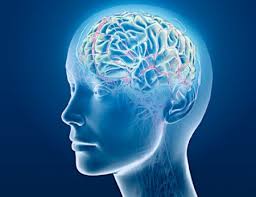
    Very quickly, the synapses and dendrites in the connections of your brain cells begin to grow, flourish, branch, and become healthy and abundant. When that happens, signals begin traveling through your brain in higher numbers and at faster rates.  

    And that brings your brain to life. You can concentrate. (Which means you can go to class, read, study for exams.) You feel optimistic, motivated, hopeful, with new initiative and resilience. Creativity blooms again. Your ability to enjoy your relationships, your studies, and your life grows like a blue ribbon garden.

    Ketamine treatment can prevent you from having to take a medical leave of absence from college — or help you come back from a medical leave — if you suffer from treatment-resistant depression, anxiety, bipolar disorder, PTSD, OCD, and suicidal thinking. It can help you restore and have the resilience to continue toward your goals. Because it works fast. A special task force of the American Psychiatry Association called it rapid and robust.

    If you’re a college student who’s suffering from suicidal thoughts, or worse … if you’re making a deadly plan no one knows about … IV ketamine treatment can stop those thoughts in minutes or hours. And you’ll feel relieved. Hopeful.

    Traditional antidepressants take weeks or months. Time is precious when you’re desperate.

    We’re dedicated to treating the sickest of the sick, those suffering the most from psychiatric mood disorders like severe depression, crippling anxiety, the worst cases of bipolar disorder, disabling PTSD, shackle-laden OCD, and critical life-threatening suicidal thinking. We provide IV ketamine treatment, TMS, nutritional guidance using curcumin and microbiome support, among others.

    Please understand that IV ketamine treatment isn’t for everyone. We will evaluate you carefully to determine if you’re a candidate for ketamine treatment or another advanced treatment option — and if you are, we won’t waste time.
    We have a special place in our hearts for college students.

    And we’ll work with your doctor and therapist so that when you’re done with treatment, you can launch your life.

    You can experience relief, restoration, remission.Ketamine treatment can prevent medical leave of absence from college for you and improve social and academic performance.

    When getting well matters, and you don’t have time… or a semester… to lose … if you’re struggling with depression, anxiety, bipolar disorder, PTSD, OCD, or suicidal thinking, and you haven’t been helped by traditional antidepressant treatments, call us.

    At Innovative Psychiatry, we’re here to help you with expertly administered, advanced treatment options by a seasoned psychiatrist with deep expertise from Wellesley, Hopkins, Harvard, and Yale.  We get college. We know how important it is. 

    And we’re here to help you flourish there. 
    Lori Calabrese, MD offers innovative psychiatric treatment like IV KetamineTo the restoration of your best self,

    Lori Calabrese, MD

  • 2018: Neuroscience Breakthroughs like IV Ketamine Treatment Mean Breakthroughs for YOU

    2018: Neuroscience Breakthroughs like IV Ketamine Treatment Mean Breakthroughs for YOU

    Neuroscience breakthroughs with IV ketamine treatment make the future look bright. Neuroscience breakthroughs like…IV ketamine treatment..?

    Exactly.

    2018 lies before us, like a valley that spreads to the horizon. And while it’s impossible to access the future, you can move forward knowing that each “today” you live has promise that was unheard of until recently.

    Especially if you suffer from untreated or treatment-resistant depression, anxiety, bipolar disorder, PTSD, or anxietysocial anxietyOCD or phobias.

    Neuroscience researchers have been discovering more and more about treating psychiatric mood disorders that has transformed our approach to treatment — and the outcomes, as well. 

    The 21st century breakthrough of IV ketamine treatment for depression is transforming psychiatric medicine. Studying the effects of this treatment has revealed that depression and other mood disorders wear away at the signaling structures in the brain, leaving synapses, dendrites and dendritic spines broken, weakened, and sparse.

    Neuroscience breakthroughs like IV ketamine treatment can bring breakthroughs to you … to your life.

    The clearing away of those broken down structures, and the rebuilding of new ones in a denser, more prolific, forestation turns out to be key to treating depression. The old theory that depression was caused by levels of serotonin or dopamine that were too low … well they’re ancient history now.

    Neuroscience Breakthroughs like IV Ketamine Treatment means Breakthroughs for You

    Actually, so far we know of four ways ketamine clears away depression and erases suicidal thinking so quickly. And we’re watching Neuroscience breakthroughs with IV ketamine treatment mean breakthroughs for you.with anticipation to see if research this year will reveal even more.

    So another intervention ketamine performs is related to the G proteins that are piled on lipid rafts in the cell membranes of the neuron cells in the brain.  Depressed people have these G proteins piled up on lipid rafts, where they can’t do their job to enhance signaling from synapse to synapse.

    For those who are helped by traditional antidepressants, it takes several hours for those G proteins to slide off the rafts and become productive.

    This is one reason it takes so long for traditional antidepressants to work for those they help. But when ketamine is given, they slide off the rafts within minutes. Remarkable. 

    Yet another healing action of ketamine is its effect on DNA. Turns out it also switches on mRNA which in turn flips the DNA switch to “ON” and that fire hoses BDNF across the synapse network.

    BDNF is a growth factor like the richest of composts, and it empowers the dendrites and dendritic spines to burst into blooming branches like a giant oak tree.  When the BDNF is fueled by ketamine, it turbo boosts that prolific branching of synapse structures, and your brain lights up like New York City. Unprecedented.

    A well-lit brain is a happy brain.

    Quoting from our earlier post entitled, “Breaking News: Another Way IV Ketamine Smashes Depression,”Neuroscience breakthroughs like IV ketamine treatment mean breakthroughs for you.

    As new synaptic connections are built, and greater communication between brain cells develops, the brain gains the ability to see things in a different perspective, and your outlook becomes brighter and healthier.

    IV ketamine can jump start that process. Wait. No. It can turbo-charge it.

    Extraordinary.

    And the fourth action IV ketamine treatment performs is increasing glutamate levels to equip synapses to send more and faster signals across the brain, which traditional antidepressants don’t touch. Brilliant.

    APA Task Force Issued a Consensus Statement in May 2017

    What a year it’s been!

    Four actions of ketamine we know about so far. The outcome is so extraordinary, so successful in such a large number of treatment-resistant cases, the American Psychiatry Association assigned a task force to issue a statement about the use of ketamine, this anesthesia medicine, off-label for treating depression.

    Their statement was one of the most momentous and widely read articles of the year. In fact, it’s listed as #3 on JAMA Psychiatry’s “Most Talked About Articles of 2017.” Suffice it to say that those who were on the task force are true experts in our field. They’d seen ketamine’s power to lift depression right out of the water.

    So they offered guidelines and cautions, and expressed theirNeuroscience breakthroughs like IV ketamine mean breakthroughs for you. elation when interviewed that such a thing has happened in their lifetime.

    They also specify that ketamine should be administered under a psychiatrist’s supervision.

    TheHealthSite.com featured a list of the 6 best medical achievements of 2017 that everyone should know about…. Ketamine for depression stood strong on that list.

    Of course, we know ketamine’s discovery didn’t happen this year.  Many years of studies and clinical trials laid the groundwork for ketamine’s popularity now.

    Thousands of patients have experienced the relief, the return of joy, initiative, creativity, and energy without side effects that ketamine provides.

    Never before has there been such a medicine that treats so many disorders in such a huge percentage of the population as ketamine.

    Ketamine has delivered HOPE.

    At Innovative Psychiatry, we see 80% of patients who’ve suffered for years with treatment-resistant depression, crippling panic attacks, suicidal thoughts that won’t stop, severe bipolar disorder, PTSD, social anxiety, and OCD experience relief, restoration, and relaxation after treatment.

    Another neuroscience breakthrough that means breakthroughs for you is Transcranial Magnetic Stimulation or TMS. It uses a coil to create a focused magnetic field over the front left side of your head. Specifically the left dorsolateral prefrontal cortex region.

    Then it sends tiny repetitive pulses deep into the brain to the emotion-regulation region. This stimulates the nerve cells and wakes them up. When they wake up, they begin to function again and give you better emotional regulation and function.

    With TMS treatment, you sit quietly for anywhere from 16 to 37 minutes, five days a week for 6-8 weeks. About halfway through the series of treatments, depression begins to lift, and you begin to feel better and better. Again, faster than Neuroscience breakthroughs like IV ketamine treatment mean breakthroughs for you.traditional antidepressants, and without any of the weight gain, sexual dysfunction, fatigue, or GI side effects they can cause.
    The sophisticated technology of TMS continues to develop. Even 5 years ago TMS seemed experimental and wasn’t widely available. But, like ketamine,TMS built a strong reputation for effectiveness. 

    In general terms, clinicians and hospitals report 60-75% success with TMS around the US. We see 75% of our patients consistently respond — and often remit — at Innovative Psychiatry. 

    Again, HOPE.

    Curcumin has gained an ever stronger reputation for its use as an adjunct in treating depression. Plus the connection between the brain, mood, and the strengthening of the microbiome is growing and gives us more and more opportunities to work with your diet and lifestyle to improve your mood.

    No known treatment lifts depression, anxiety, bipolar disorder, PTSD, or OCD in 100% of cases at this point. But these innovative treatment options prove successful for 75 – 80% of people who suffer in spite of traditional treatments. Obviously, hope soars for you if suffer with depression.

    If you suffer from suicidal thoughtsdepression, bipolar disorder, PTSD, social anxiety, OCD, you can feel better. The age of despair for sufferers is quickly dissipating. This has never been the case before. You really can feel better….lots better….as in really good.

    If you’d like to start 2018 on a brighter, fuller, more functional, and happy path, call us. We live one day at a time, because “now” is all we really have. But live well. Live as the best you you can be.

    Lori Calabrese, MD offers innovative psychiatric treatment like IV KetamineTo your very best self in 2018,

    Lori Calabrese, MD

  • Ketamine: PTSD and Depression Treatment For Veterans …and For You, Too

    Ketamine: PTSD and Depression Treatment For Veterans …and For You, Too

    PTSD and depression treatment - ketamine.There’s No PTSD and Depression Treatment Like This Treatment: IV Ketamine


    Do sudden noises make you jump and feel like your heart just stopped?  If someone pats you on the back while saying hello, does it take everything inside you to keep from beating them to the ground?  Do you find yourself on edge, feeling more and more tense and vigilant as the sun goes down…? 

    If this sounds familiar, you may be suffering from Post Traumatic Stress Disorder, or PTSD.

    PTSD is cruel, and happens as a result of severe traumatic experiences that live on in your head even after the event is over.

    Military men and women who’ve seen active combat sometimes suffer from PTSD. As time passes, the symptoms are more likely to become worse than better.

    PTSD Caused By More Than Combat

    But, it’s not only the combat zone that causes it. It can be caused by a dangerous event, like a car crash, or domestic violence, or a major natural event.

    Whatever the original cause, PTSD has a way of creating a life of its own. You tend to reach a point where you separate the past from the present based on date of that event. Life before the trauma, and life after the trauma.

    That particular battle where you were ambushed, and your friends were maimed or killed.

    That specific day when the beating was so vicious, his rage so terrifying, that you dream about it every night and wake up in a cold sweat.PTSD and depression treatment are needed for domestic abuse.

    That storm of storms that ripped your house apart while you trembled in the bathtub with your children…

    As painful and terrifying as these memories are, many people just don’t know what to do but try to white-knuckle the nights of terror, then pull themselves together and muscle through the days.

    The trouble is, “just muscle-ing through” doesn’t improve the symptoms. At least most of the time.

    Instinctive Responses to PTSD Symptoms Don’t Help You Get Better

    People tend to respond to the horrific symptoms of PTSD in either of two ways.  Either they avoid thinking about the event, the traumatic memories, and anything associated with it, or they become extremely alert and on edge.

    If you’re trying to avoid thinking about the painful and terrifying memory, it might look something like this:

    • You’d probably avoid going places, or seeing people that reminded you of what happened. 
    • You’d also likely avoid discussing it with anyone, or talking about anything that might stir up the memory
    • As a result, you’d likely not want to be around other people, since you can’t know when someone might talk about something that conjures that pain
    • And you’d probably feel safer just not going out, and not making plans to do much of anything in the future, because you just feel safer at home.

    PTSD and depression treatment ketamine is the only fast acting treatment available.On the other hand, if you’re one to respond to this trauma with extreme alertness, you might have these reactions:


    • You can’t go to sleep or even if you can, it doesn’t last.  Sleep becomes almost impossible to maintain.
    • Emotional outbursts are frequent, out of proportion to the circumstances, and leave others shaken and you embarrassed.
    • Concentration is tough. Focus almost impossible.
    • Irrational reactions to common everyday things like a barking dog, a ringing doorbell or honking car, or even someone patting you on the back…

    These are part of your daily life.

    PTSD and Depression Treatment

    As widespread as PTSD is, you’d think treatment would have been figured out long ago.  But that’s not the case. Until now, PTSD and depression treatment have been limited to certain SRI’s that have been prescribed like Zoloft and Paxil, with limited results. These are the only two medications approved by the FDA for PTSD. But they aren’t always effective.

    PTSD has a long-standing reputation for being really hard to treat. And that’s been especially true among those who are serving and have served in active duty military settings. In real English: Combat.

    Combat PTSD Conference

    On October 18 of this year, Dr. John Krystal, Chair of the Psychiatry Department at Yale University, spoke to a group of researchers at the PTSD and depression treatment ketamineSan Antonio Combat PTSD Conference.

    Dr. Krystal studies ketamine, and how it affects the brain. As he spoke, he expressed that ketamine works rapidly relieving symptoms of depression in trials, and some patients showed a reversal of symptoms after just one intravenous dose.

    With excitement in his voice, he spoke about the astonishment of working with people who suffer from treatment-resistant depression, and seeing their response to a single dose of ketamine. He said, “it’s the most remarkable thing I’ve seen in my career…!”

    When he spoke about ketamine’s impact on men and women with PTSD, he noted that while not all achieve complete remission from symptoms, the average achieve 50-75% reduction in symptoms. Since traditional antidepressants only provide about 10% reduction in symptoms, this is clearly a remarkable relief for these patients.

    And, he added, ketamine’s dramatic improvement over symptoms isn’t the only reason for its promise for PTSD patients.

    Its rapid onset makes it the one medication that can reverse the suicidal thinking fast in these people.

    Ketamine Does More Than Anesthetize Symptoms – It Restores Brain Structures

    As we’ve talked about here before, PTSD and depression can cause the synaptic structures in the brain to break down. Dr. Krystal refers to this as “loss of synaptic connectivity.” When these breakdown, certain mental functions are impaired. Things like memory, planning ability, andPTSD and depression treatment is most effective with ketamine. emotional control are greatly affected – as seen in patients with PTSD.

    The beauty of ketamine is its action in restoring those structures, replenishing them, and doing it very fast.

    A 4 week study is underway on ketamine and its use in PTSD. The study takes place in San Antonio, TX and West Haven, CT, involving nearly 200 military personnel. The aim of the study is to test various ways of dosing ketamine, and its effectiveness.

    We welcome studies conducted to learn more about ketamine. My professional reaction to the impact of this remarkable drug on those who suffer from PTSD, depression, and other psychiatric mood disorders is similar to Dr. Krystal’s: “It’s one of the most remarkable things I’ve seen in my career.”

    Ketamine: Most Remarkable PTSD and Depression Treatment Out There

    At Innovative Psychiatry, we’ve consistently seen 80% of cases of PTSD, depression, anxiety, and other mood disorders achieve a strong response to ketamine treatment. We offer a variety of innovative treatments, but ketamine is hands-down the most extraordinary PTSD and depression treatment we offer.

    If you suffer from PTSD, you know that this condition can wreck your life and relationships. You know the helplessness and shame you feel after flashbacks, irritable over-reactions, and night terrors.

    I’ve heard PTSD patients who endured traumatic combat experiences say they refuse to see anyone who hasn’t been in the military. And I PTSD and depression treatment ketamine brings relief. understand why.

    But, this medication is not like the others. Patients with PTSD emerge from ketamine treatment feeling as if a weight has been lifted off, feeling more at ease, less vigilant, and more able to process their trauma.  They feel more resilient, more able to contribute to healthy relationships. They feel safer in their own skin.

    After treatment, we encourage you to work with your own psychiatrist or therapist to continue to rebuild your life. You’ll most likely find your ketamine treatment has dramatically transformed your ability to process the trauma you’ve experienced, your outlook, and your desire to move forward in your life.

    To the restoration of your best self,

    Lori Calabrese, M.D.

    Lori Calabrese, MD offers innovative psychiatric treatment like IV Ketamine

  • Will My Doctor Give Me an IV Ketamine Treatment Referral?

    Will My Doctor Give Me an IV Ketamine Treatment Referral?

    Will my doctor give me an IV ketamine treatment referral?

    Hoping for an IV Ketamine Treatment Referral?

    Recently, we talked about reasons some doctors may be reluctant to provide IV ketamine treatment for psychiatric mood disorders. We talked about how difficult it is to harvest all the information about ketamine for depression on the internet and become informed. No drug company spends millions of dollars in marketing a drug they won’t profit from. So there aren’t the usual easy-to-digest brochures and videos that help a doctor assimilate the information quickly. And there’s so much out there!

    Over 1200 papers, thousands of pages, that require trainloads of nights and weekends to study. When does a busy physician ingest all that?

    Skepticism about Prescribing Off-Label

    We also talked about the skepticism of doctors who want to see more solid long term studies. Studies with large numbers of subjects followed for years to see what long-term side effects might arise.

    In addition, we talked about what an enormous undertaking it is to set up a practice or clinic for IV ketamine Will my doctor give me an IV ketamine treatment referral?infusions. The protocols, the staff, the expensive equipment for monitoring and delivering the infusion. Plus the extra office space, the federal and state regulations that have to be followed regarding storage of a controlled substance, biohazardous waste, etc.

    It can be overwhelming for a psychiatrist who is accustomed to a practice of verbal evaluations and 15 minute med checks.

    To make a long story short, some psychiatrists aren’t that eager to prescribe a drug off-label. They want to see more studies, and they want to be sure it’s safe. Not to mention the fact that there’s fear of abuse.

    Ketamine for Depression is Spreading by Word of Mouth

    And this is the reason doctors who are currently treating their patients with ketamine for psychiatric mood disorders are publishing their results.

    We want you and your doctor to have the benefit of our experiences with our patients, the methods we’ve found to be the most effective and safe, and the reports of our patients after treatment.

    Because as we mentioned in the prior article, since pharmaceutical companies can’t make a huge profit with a drug that’s off patent, doctors everywhere just aren’t receiving all the usual aids offered to familiarize us with all the data about ketamine.

    Without Pharmaceutical Billions, Ketamine Resorts to Grass Roots

    So it’s become more of a grass roots movement, if you will, to share information with each other, with neuroscientists, and with the public, and raise awareness of the effectiveness of treatment with ketamine for psychiatric mood disorders, like depression and anxietyYoung woman enjoying life since IV ketamine treatment referral.

    Using the best practices encouraged by the Consensus Statement of the American Psychiatric Association Council of Research Task Force on Novel Biomarkers and Treatments, psychiatrists across the US and around the world, are finding ketamine treatment to have rapid and robust antidepressant results. And their patients are enjoying restored lives, restored enjoyment, and restored hope.

    Ketamine’s Short Duration: A Solution that Restores Joy in Life

    Some professionals caution that ketamine treatment has a short duration. But, psychiatrists and the anesthesiologists who’ve been using ketamine for decades, have made a discovery. And that is that approximately 6 infusions over a 2-week period seems to “stack up” enough of ketamine’s benefits that they last far more than just six times longer than one infusion. Like a synergistic treatment cluster.

    For many patients, this regimen brings more than improvement… it brings remission. For others, as long as there are maintenance doses to keep ketamine’s actions working, their lives are lived as if they’re well. Really well.

    So with so many doctors treating hundreds and thousands of patients with extraordinary results, why isn’t word spreading faster?  

    Frustrating, isn’t it?

    “Will my doctor give me an IV ketamine treatment referral?”

    Sorting Through the Literature

    You hope so. But understand that your doctor may need more time to come to an informed and confident opinion JAMA Psychiatryabout ketamine treatment. It may have a lot to do with the information he or she has found on the subject. She may be reading peer-reviewed studies as she gets time. Or he may have run into some articles that present vague results. But encourage them to keep researching. Because there are plenty of professional journals publishing exciting findings, even though there are some articles that are less optimistic.

    In fact, there are dozens of articles across the internet, written about ketamine treatment by biased individuals. Those who either aren’t medical professionals, or are biased without experience with ketamine. And these articles influence those seeking information, and sour them against recognizing the facts when they see them.

    When people form opinions without building them upon a foundation of neuroscience, but rather on the comments of others, prejudices form. Biases form based on impressions, opinions, hearsay… you can read examples in all sorts of forums on the web. Opinions tossed out with “impact,” but with little or no fact.

    Second Opinions May be Helpful

    And truth be told, while your doctor’s learning for himself what he believes about ketamine, you can learn about ketamine treatment and discuss seeking ketamine treatment.  And then share your results with your doctor and with your family.

    In fact, your family may suggest you let “a second set of eyes” look at you and your illness. Especially if they can see you haven’t been improving. Most doctors respect that, and it’s an ideal time to check with a doctor who offers innovative treatments like IV ketamine treatment.

    Still, understand that your doctor may not feel comfortable referring you for a treatment he’s not yet confident about. But you’re responsible for your own well-being and health. In the 21st century healthcare environment, individuals have become informed about their health and wellbeing and are far more engaged in looking for solutions than ever before. And you can choose to seek out physicians who do offer ketamine treatment, then report your results back to your doctor. By doing that, you’ll give him a data point to build his own research around.

    It’s true that some doctors have been known to react to a patient’s stepping away from their recommendations. And that’s a shame, if their advice has not helped you recover. It’s also true that you as the patient are the person actually living with your symptoms. And enduring them. I daresay, you should not be punished for actively seeking a better quality of life.

    The same is true if you’re a parent of a teen who struggles with a mood disorder. An example is with treatment-resistant bipolar depression. Since research shows that early treatment gives your child the best hope of getting better, as a parent you probably feel compelled to find the solution that really works.

    IV Ketamine Treatment for Depression – Experimental?

    Ketamine treatment is still considered “experimental” by some psychiatrists, but for those of us who have seen extraordinary success in the lives of so many patients, it’s become a relied upon and almost miraculous solution.

    The consensus statement by the task force mentioned above points out that more studies are needed with large populations. True. Of course that’s true. But, the task force members also laud the results of IV ketamine treatment with their own patients. The guidelines they suggest for providing ketamine were not to discourage doctors from using it, but rather to encourage doctors who offer it to offer it within safe parameters.

    At Innovative Psychiatry, we use the same careful monitoring and other safeguards recommended by the APA task force, as well as others, and have for years. We’ve seen very positive responses in 80% of our patients who have been failed by  traditional antidepressants over the long term.Enjoying things I used to enjoy since an IV ketamine treatment referral.

    They’re amazed at the continuous improvement in their lives, their relationships, and their enjoyment of life.

    If traditional antidepressant treatment has failed you, call us. We’ll schedule an appointment to determine whether IV ketamine treatment is right for you.

    We’re here to help you find joy in life again.

    To the emerging of your best self,

    Lori Calabrese, M.D.

    Lori Calabrese, MD offers innovative psychiatric treatment like IV Ketamine

error: Content is protected !!