
Category: News & Media
-
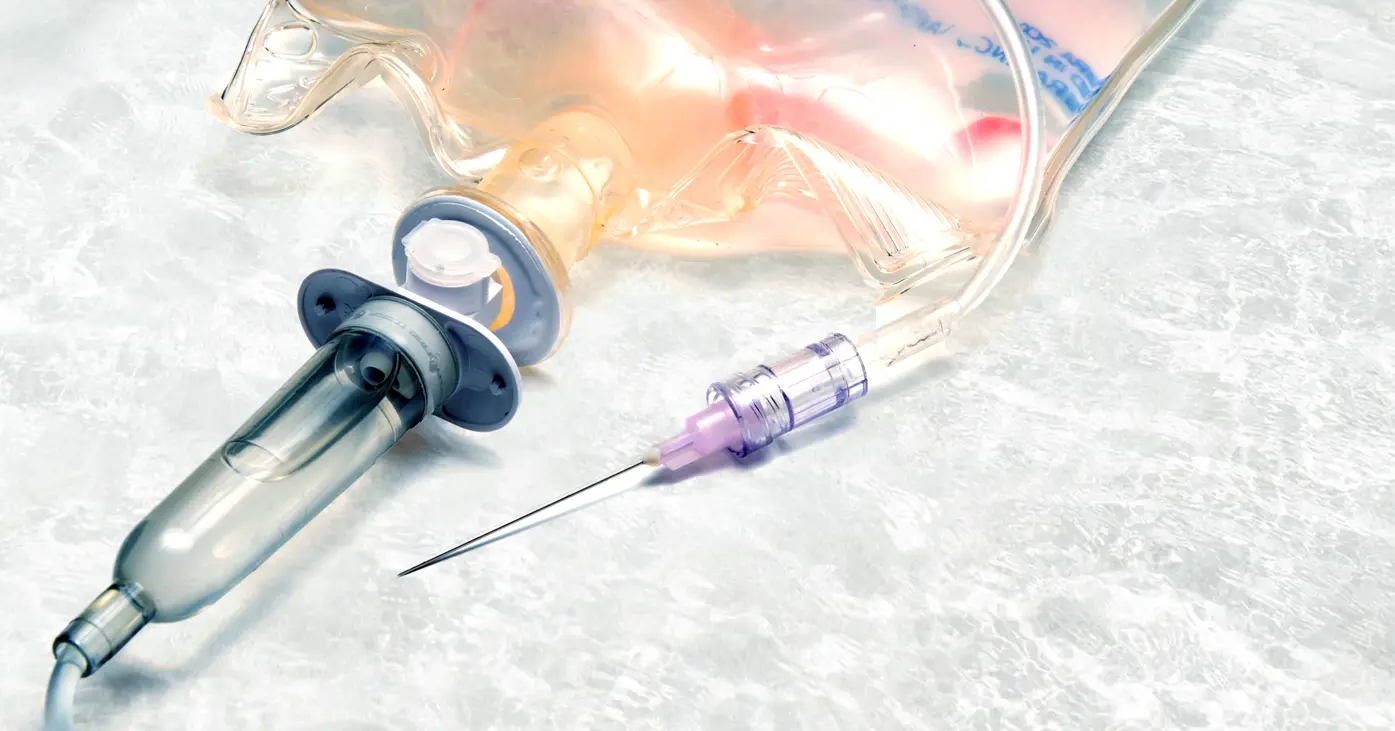
Ketamine Infusion: How Ketamine Can Treat Depression, Anxiety, PTSD, and More
How ketamine infusion therapy works, what it feels like, and what it’s used for.
Emily Pisacreta // April 21, 2021
DoubleBlind Mag is devoted to fair, rigorous reporting by leading experts and journalists in the field of psychedelics. Read more about our editorial process and fact-checking here. Editorially reviewed by Madison Margolin.

Ketamine Infusion
If ketamine could talk, it would have a lot of stories to tell. Since it was developed in the 1960’s, ketamine has been used as an anesthetic on wounded soldiers on the battlefield, for children and adults in hospitals, and for pets being treated at the vet. It’s on the World Health Organization’s list of Essential Medicines. It’s been an underground favorite of partygoers at raves and concerts. Now, for the last several years, the medical community has been tapping into ketamine’s potential to treat psychiatric conditions. In particular, ketamine has demonstrated powerful and rapid reversal of suicidal thinking in a majority of patients who undergo ketamine infusion for depression.
Ketamine treatments, including esketamine nasal spray, ketamine infusion therapy, and other ketamine formations are now being used to fight not only for depression, but other psychiatric disorders like anxiety, PTSD, OCD, substance use disorders, and even non-psychiatric conditions involving chronic pain. There are multiple ways ketamine can be introduced into the body—including lozenges, injections, or nasal spray. Here’s everything you need to know about one of the most popular methods, and the one most subject to clinical study: ketamine IV infusion.
Ketamine IV Infusion: How Does Ketamine Infusion Therapy Work?
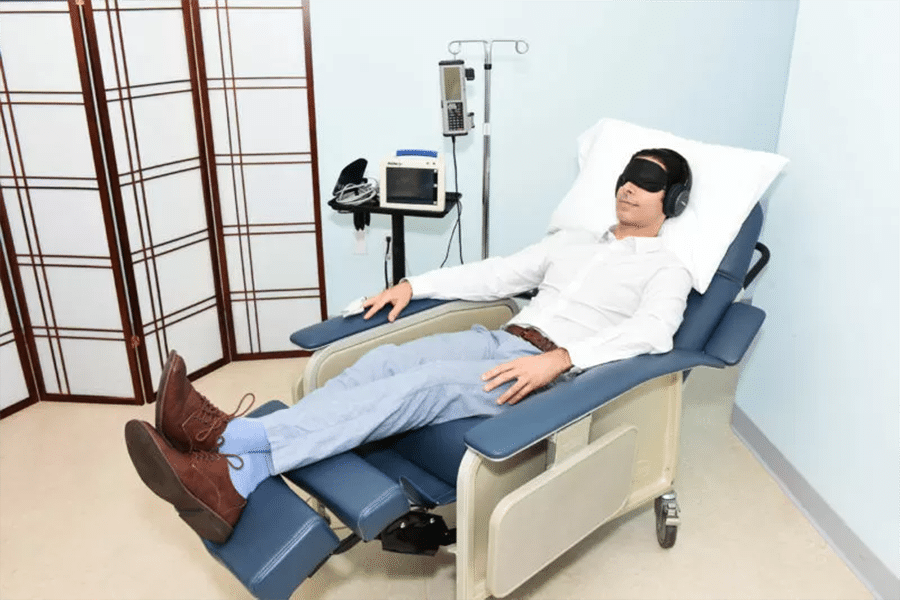
Ketamine IV infusion is available at many outpatient treatment facilities in many different states, from independent clinics to major research hospitals. Ketamine Clinics, Los Angeles Ketamine treatment has generated a lot of excitement in the field of psychiatry as it’s one of the first new treatment options for depression in almost half a century—and its effects are lightning fast when compared to existing treatments. With many common antidepressant medications, such as selective serotonin reuptake inhibitors (SSRIs) or monoamine oxidase inhibitors (MAOIs), relief from depression and suicidal ideation can take up to several weeks. With ketamine IV infusion, clinical studies have shown suicidal ideation and depression symptoms can begin to reverse within a few days, or in some cases, even within hours of beginning treatment.
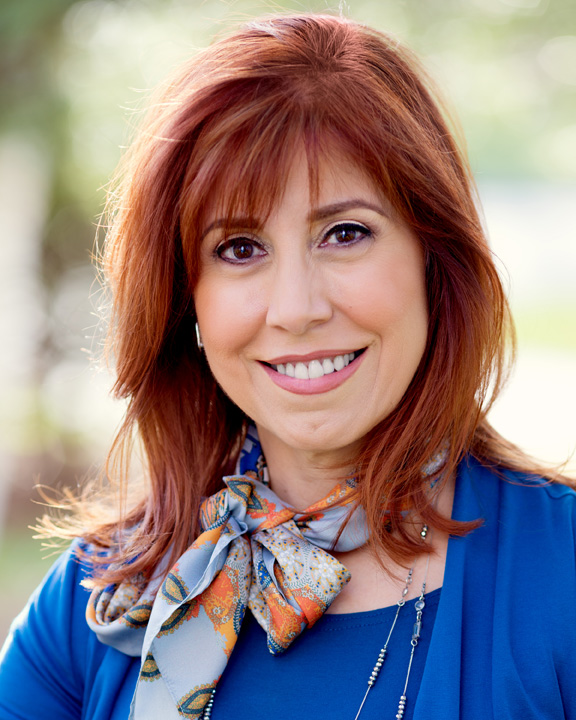
What does ketamine do in the brain to cause such a miraculous turn-around? Like other psychiatric medications, the exact mechanism of action is not 100 percent known. But scientists do have an idea of what ketamine gets up to in the brain. One major theory is that ketamine binds to NMDA (N-methyl-d-aspartate) receptors, which can have powerful downstream effects, activating the production of BDNF (brain derived neurotrophic factor), growing and strengthening connections that were offline before. Dr. Lori Calabrese, a psychiatrist who treats patients with ketamine infusion at her clinic in South Windsor, CT, compares BDNF to a kind of fertilizer for the brain’s dendritic branches, which are stalled in those suffering from depression.
“In the brains of people whose stressors turn on this incredible overdrive response with inflammation, the production of that fertilizer BDNF drops way down, and the structures become really, really pruned,” she says. “We think that what ketamine can do is enhance re-arborization of those trees, and it can do it quickly.”
What is Ketamine Treatment Like?
While ketamine infusion for depression has been investigated for almost 20 years, it’s still in many ways an emerging field. The only ketamine-related treatment for depression that is currently approved by the FDA is a prescription nasal spray known as esketamine, marketed under the brand name Spravato. When doctors and other health care providers administer ketamine infusion for psychiatric conditions like depression, anxiety, or PTSD, it’s considered an “off-label” use of the drug. The process of receiving a ketamine infusion can vary depending on where you go.
Ketamine IV infusion is available at many outpatient treatment facilities in many different states, from independent clinics to major research hospitals. Ketamine infusion therapy usually involves a series of treatments delivered over the course of a few weeks. You’ll work with a health care provider throughout the process of receiving ketamine treatment, though the kind of provider may vary depending on what kind of ketamine clinic you go to. According to the American Society of Ketamine Physicians, Psychotherapists & Practitioners (ASKP3), the majority of ketamine clinics are operated by anesthesiologists, certified registered nurse anesthetists (CRNAs), psychiatrists, and advanced practice mental health professionals.
There are differing views among various medical fields about what kind of provider is best suited to the provision of ketamine therapies. In the Journal of Psychedelic Psychiatry’s recently published “Ethical Guidelines for Ketamine Clinicians,” the authors suggest that the ketamine clinics provide two essential roles: a mental health professional and a medical health professional. A psychiatrist is a provider who can fill both roles. In the case of clinics run by anesthesiologists, emergency doctors, or nurse anesthetists, a mental health provider like a psychotherapist or licensed social worker should also be involved in patient care, according to the guidelines.
Dr. Steven Mandel is an anesthesiologist by training who has spent the last seven years providing ketamine infusion therapy at the Ketamine Clinics of Los Angeles in Culver City, CA. He agrees that caution is warranted when it comes to selecting a ketamine infusion provider. He recommends looking at credentials and experience, and avoiding anyone who seems to be overpromising or overselling.
“It’s not a cure,” he says. “It’s a treatment, and it’s not a standalone treatment. It’s a treatment that is enhanced enormously when applied in conjunction with other treatments.”

Dr. Steve Mandel agrees that caution is warranted when it comes to selecting a ketamine infusion provider. Make sure to look at credentials and experience, and avoid anymore who seems to be overpromising or overselling. Ketamine Clinics, Los Angeles One important thing to look out for is whether the provider takes the time to get to know your medical or psychiatric history before offering treatment, he says. At Dr. Mandel’s clinic, that means consulting with other physicians or therapists before allowing a patient to embark on a course of ketamine infusion whenever possible.
For Dr. Calabrese in Connecticut, it means first sitting down with potential patients for 60-90 minutes, in an attempt to really get to know the patient, their medical and psychiatric treatment history, and their goals for ketamine therapy.
“It’s really important for me to get an idea of what someone used to be like the last time they were in a good place for at least a good year,” she says. She will also try to consult with a patient’s primary care physician or psychiatrist if they’re already seeing one.
The overall process for receiving ketamine infusions can vary from place to place, but the basic steps of ketamine infusion will usually go something like this:
- You’ll contact a clinic, answer screening questions, and schedule an appointment
- You’ll meet with the provider and/or a psychiatrist, psychologist, or social worker to talk about your medical and treatment history to find out if ketamine infusion may be right for you
- You may have a physical screening to check for things like high blood pressure
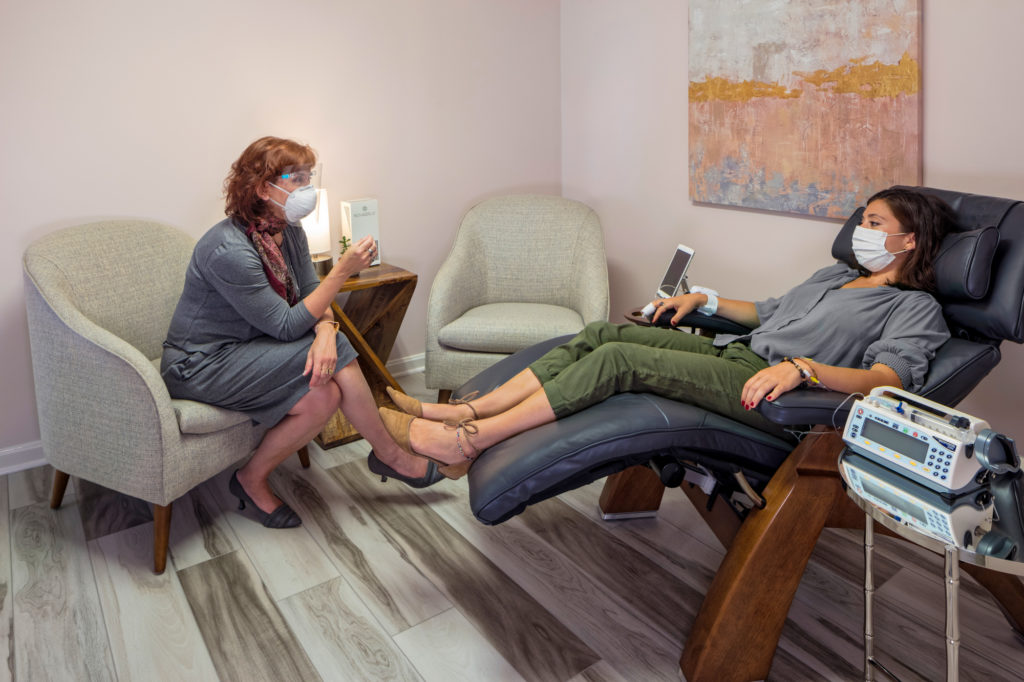
- You’ll receive an intravenous infusion of ketamine and saline solution for about 45 minutes
- You’ll schedule subsequent infusions (usually two or three a week for a period of two to three weeks) and receive follow up care as needed
In the days after your ketamine treatment, your provider may want to spend time talking with you about your experience during the treatment—a process known as integration. Integration helps you make sense of the experience and apply it to your life outside of the clinic.
Ketamine Infusion: Experience and Side Effects
So, what does ketamine infusion feel like? In order to experience the therapeutic benefits, what’s required is a dosage of ketamine strong enough to induce a temporary dissociative state but not strong enough to fully sedate you. That dissociative state has been described as a dream-like, out-of-body, and even holy experience by some patients. For most people, it’s an overall pleasant and calm feeling, but for some it can feel disorienting or anxiety-provoking. A very small number of patients experience a level of distress during ketamine infusion that makes them want to stop the treatment.
Dr. Calabrese tells her patients that they can expect to feel extremely relaxed in the beginning of the infusion, and may experience some numbness or tingling in their fingers, toes, and lips. After some time, the experience evolves, moving from a daydream-like state into what is known as a “non-ordinary state of consciousness.” Some patients even experience fleeting visual, auditory, and olfactory distortions during their infusion.
It can “feel almost like your thinking, or your mind and heart, are really outside of your body—almost as if you’re floating in the universe,” she says, “or almost as if you are open to messages that the universe wants to give you.”
During that time, your ketamine provider or staff at the ketamine clinic will likely monitor your blood pressure, pulse, and oxygen, and check in with you about how you’re feeling. After the infusion, the dissociative effects take about 15-20 minutes to completely fade away. At the end of your session, you can expect to feel a little dizzy and likely very tired. Most providers will require that you have a ride home from the ketamine clinic, and advise you not to drive or operate any heavy machinery for the next 12 hours. You may not feel fully back to normal until after a good night’s sleep, which is why many providers offer ketamine infusions in the late afternoons and evenings.
The side effects of ketamine IV infusion are minimal. In a survey that asked ketamine providers to report adverse events, the most commonly cited side effect that resulted in patients discontinuing ketamine infusions were feelings of distress, happening in about 0.5 percent of patients. All other side effects occurred in less than one percent of patients.
Most ketamine treatments are relatively short-term, encompassing only a few weeks of treatment. But the potential side effects of longer term use of ketamine are less clear. Long term abuse of ketamine outside of the clinical setting is associated with painful urinary tract problems and cognitive impairment.
Ketamine Infusion: Dose
Ketamine infusion dosage depends on what you’re using ketamine infusion to treat. Based on much of the literature published on ketamine for depression and mood disorder, the American Psychiatric Association recommends a dose of 0.5 milligrams per kilogram of the patient’s body weight over the course of 40-45 minutes.
However, depending on the provider, the ketamine infusion dose may vary slightly from patient to patient, or even from infusion to infusion. In Dr. Mandel’s practice, he adjusts the dosage as he monitors his patients. His method involves checking his patients’ eyes for certain movements that indicate whether the patient is receiving a dose that will deliver the intended relief. For many of his patients, that can mean a slightly higher dose at certain points in their treatment than that standard 0.5 milligram per kilogram.
“There’s a sweet spot, and the sweet spot is pretty narrow,” he says. “The sweet spot [also] changes with the patient’s experience with the drug.”
Ketamine Infusion for Depression
The first placebo-controlled, double-blinded trial of ketamine infusion for depression was published in 2000 by researchers from Yale, and the results were pretty blockbuster. Pre-clinical research had suggested that the neurotransmitter glutamate might have something to offer in terms of treating depression, and they wanted to try using an NMDA receptor antagonist—ketamine—in patients with depression. In the seven patients treated with ketamine infusions, all had a marked reduction in depression symptoms.
Since then, several randomized, double-blind studies have provided further evidence that ketamine infusion provides what the American Psychiatric Association calls “rapid and robust, albeit transient” treatment for depression. In the organization’s list of recommendations for ketamine therapy, the literature they cite as most reliable suggests a success rate of about 70 percent for reversing depression symptoms.
Ketamine is also proving to be notably effective at rapidly reducing suicidal thinking. Dr. Calabrese is the author of one such study. Published in the International Journal of Psychiatry, the study is a review of findings from treating 231 adults and adolescents in her clinic that showed a decrease in suicidal thinking in 79 percent of the patients. A randomized clinical trial published in the American Journal of Psychiatry showed a greater reduction in clinically significant suicidal ideation in patients treated with ketamine infusions than those treated with another sedative.
Ketamine Infusion for PTSD, Anxiety, OCD, Substance Use Disorder, and Other Mood Disorders
Treatment resistant depression has been the most closely studied mental health condition when it comes to ketamine infusion. However, there are studies that show ketamine’s potential to treat a variety of other mood disorders, including generalized anxiety disorder, post-traumatic stress disorder, obsessive compulsive disorder, social anxiety disorder, postpartum depression, and even substance use disorder. Ketamine clinics regularly offer treatments for these conditions—which frequently coexist with depression—in much the same fashion as ketamine infusion for depression.
Ketamine infusion for PTSD shows particular promise, with a number of small randomized clinical trials showing a rapid and significant reduction in PTSD symptoms when compared with those treated with another sedative, midazolam.
Similarly designed studies by Dr. Elias Dakwar and other researchers at Columbia University comparing patients treated with ketamine infusion to midazolam showed promise treating substance use disorders, including alcohol use disorder and cocaine use disorder.
Dr. Calabrese says many patients show up at her clinic concerned that they won’t be eligible for ketamine treatment because of their substance use disorder. But she says the evidence that ketamine treatment can help people with substance use disorder is striking.
“I’ve used it in the office to help patients as they’re tapering down on Suboxone, as they’re struggling to not relapse on opioids after they’ve had rapid opioid detox under anesthesia, and as they’re struggling with cocaine.”
Even though ketamine infusion for mood disorders and substance use disorders show a lot of promise, ketamine is still not considered 100 percent effective at treating anything. Some patients don’t respond, and research hasn’t established why.
Ketamine Infusion for Pain
One major area of growth in the world of ketamine is its use as a treatment for chronic pain. Clinics are offering ketamine for pain related to fibromyalgia, neuropathy, complex regional pain syndrome (CRPS), migraines, and more.
In general, researchers note that more high quality research into chronic pain and ketamine is badly needed. However, existing research is promising. One meta-analysis from 2019 revealed that pain relief benefits continued on past infusions for up to two weeks in many patients receiving IV ketamine. In a 2017 review of protocols for treating neuropathic pain with ketamine infusions, the authors were able to conclude that the duration of relief from neuropathic pain was associated with longer, higher dose infusions, and that the addition of sedative medications such as midazolam or clonidine helped patients avoid unwanted psychotropic effects. Still, the authors noted that the literature needed to create a comprehensive set of recommendations for effective dosing is lacking.
Ketamine Infusion Cost
Ketamine infusion, unless it’s used as an anesthetic or analgesic (pain reliever), is considered an “off-label” use of ketamine. That means that ketamine has not been approved for sale by the FDA for the purpose of treating mood disorders, chronic pain, or anything other than a narrow set of uses in clinical settings. While it’s perfectly legal and very common for doctors to prescribe a drug or treatment off-label—it doesn’t necessarily mean it’s unsafe or doesn’t work. Unfortunately, it can make insurance companies less likely to cover it. While some insurance providers are starting to come around to covering ketamine infusions, it’s often the case that patients have to pay out of pocket. Still, it may be worth checking with your insurance provider about coverage and reimbursement—especially if your insurance covers one provider in your area but not another.
Without insurance, ketamine infusion cost can range from $350 to $1000 per infusion session, according to a report in STAT that reviewed dozens of clinics across the country. A typical course of treatment with ketamine infusions involves two to three infusions per week for a period of two to three weeks—up to nine infusions total. That can be a financial strain for many people who may benefit from ketamine. As such, some clinics offer payment plans or take credit cards, and some may even offer treatment on a sliding scale.
Is Ketamine Therapy Right for Me?
Ultimately, the best way to know if ketamine therapy is right for you is to talk with an experienced ketamine provider as well as your current doctor, psychiatrist, or therapist. If you’re dealing with depression, anxiety, PTSD, chronic pain, or substance use disorder, ketamine may be worth a look—especially if you haven’t responded to other, more standard treatments. But it’s important to note that ketamine infusion therapy is definitely not for everyone. In general, it may not be right for people with the following conditions:
- Untreated high blood pressure
- Untreated thyroid disease
- Unstable heart disease
- Current manic phase of bipolar disorder
- Current psychosis or history of psychosis
While ketamine infusion may be a treatment option for some people with depression associated with bipolar disorder, those who take lamotrigine may not be good candidates for ketamine infusion according to Dr. Calabrese. Lamotrigine can make ketamine less effective and may complicate the treatment process. She has also found in her clinic that people who use a lot of cannabis and who don’t want to ramp down their use before ketamine treatment generally don’t respond as well—a phenomenon that she believes needs more study.

Dr. Calabrese tells her patients that they can expect to feel extremely relaxed in the beginning of the infusion, and may experience some numbness or tingling in their fingers, toes, and lips. Lori Calabrese, MD It’s important for your ketamine provider to know what medication you already take and what conditions you are currently and have in the past been treated for. For that reason, both Dr. Calabrese and Dr. Mandel recommend finding a provider who will work in conjunction with other health care providers you may already be seeing, like your psychiatrist, primary care physician, or any other doctor who prescribes you medicine.
If you’re feeling depressed, it’s incredibly important to get help. This is especially true if you’re having thoughts of suicide. Even if ketamine therapy isn’t the answer for you, talking with a licensed mental health professional, or even opening up to someone close to you, can make a huge difference.
[Read the Original Article Here]
-

Case Report Featured in Faculty Opinions
See the Faculty Opinions and Recommendations featured in Faculty Opinions HERE
Our work was was also featured in Faculty Opinions Blog — such a great piece with wonderful interviews with Barbara Scolnick MD and Caroline! Jump in and read it HERE
Read our full case report in Frontiers in Psychiatry HERE
-
Remission from Chronic Anorexia Nervosa With Ketogenic Diet and Ketamine: Case Report
- 1Internal Medicine & Addiction Medicine, Waban, MA, United States
- 2Consultant-Ketogenic Diet Therapy LLC, Elm Grove, WI, United States
- 3Innovative Psychiatry, South Windsor, CT, United States
- 4Center for Neural Sciences, New York University, New York, NY, United States
- 5The Neuroscience Institute, NYU Langone Medical Center, New York, NY, United States
- 6Center of Excellence in Eating and Weight Disorders, Icahn School of Medicine at Mount Sinai, New York, NY, United States
Background: Chronic anorexia nervosa is a tragic disease with no known effective pharmacological or behavioral treatment. We report the case of a 29 year-old woman who struggled with severe and enduring anorexia nervosa for 15 years, and experienced a complete recovery following a novel treatment of adopting a ketogenic diet followed by ketamine infusions. Her remission has persisted for over 6 months.
Case Presentation: At age 14.5, the patient embarked on an effort to “eat healthy.” She quickly lost control of the dieting, developed associated compulsions and obsessions about food, body dissatisfaction, emotional lability, and lost nearly 13.6 kilograms (30 pounds). She was hospitalized for 6 weeks, and while she regained some weight, she did not attain full weight restoration. For 15 years, she continued to eat in a restrictive manner, exercise compulsively, and have intermittent periods of alcohol dependence. Nevertheless, she always hoped to get well, and at age 29, she began a novel treatment for anorexia nervosa.
Conclusions: This is the first report of a ketogenic diet used specifically for the treatment of anorexia nervosa, followed by a short series of titrated IV ketamine infusions leading to complete remission of severe and enduring anorexia nervosa, with weight restoration, and sustained cessation of cognitive and behavioral symptoms, for 6 months. Although these treatments were used sequentially the relationship between these modalities, and possible synergy, is unclear, and deserves further study. Complete and sustained remission of chronic anorexia nervosa is quite rare, and the novel use of a ketogenic diet and IV ketamine treatment in this potentially lethal condition suggests avenues for further research, and hope for patients and their families.
Introduction
Anorexia nervosa (AN) is a severe disorder characterized by self-starvation, hyperactivity, anxiety, body dissatisfaction, and emotional dysregulation that usually begins in early puberty, and affects females more frequently than males. When weight restoration is the only criteria measured, rates of 60% recovery are often noted, but when cognitive recovery is included, the results are more discouraging (1–3). Severe and enduring anorexia nervosa refers to cases that have persisted for at least 3 years, and are resistant to intervention. It is a tragic disorder with no consistently effective pharmacological or behavioral treatments. The mortality rate is estimated to be ten times higher than that of the general female population, due to medical complications of self-starvation, and suicide (4). We report a case of severe and chronic AN treated successfully by adopting a ketogenic (KG) diet for 3 months followed by a series of intravenous ketamine infusions.
Emerging data suggest that disturbances in lipid signaling may underlay some of the core pathology of anorexia nervosa (5–7) and that chronic starvation may promote a type of metabolic hibernation in patients (8) that requires normalization of lipid signals to resume premorbid metabolic and central nervous system functions. A KG diet is a high fat, low carbohydrate medical diet, that leads to increased fatty acid oxidation for cellular energy, which in turn results in increased ketone body production. Ketones are produced in the liver whenever fat metabolism increases over carbohydrate metabolism; such as fasting, post-exercise, neonatal period, and KG diet, as well as during pathological states such as starvation or uncontrolled diabetes mellitus (9). Ketones easily pass the blood brain barrier and become the brains’ major energy source. This change in metabolic fuel from glucose to ketones leads to a myriad of changes in central nervous system neurotransmitters such as adenosine and gamma-aminobutyric acid (GABA), as well as neuropeptides such as leptin, adiponectin, and growth hormone-releasing peptides (10). As far as we know, this is the first publication describing the use of a KG diet for patients with AN.
In addition to dietary disturbances and potential metabolic disturbances, psychiatric symptoms such as anxiety, obsessive-compulsive disorder, depression, and addiction are frequently observed among individuals with AN (11). Ketamine has emerged as a novel treatment for treatment-resistant mood disorders, particularly those with suicidal ideation (12, 13). As far as we are aware, there is only one published study of ketamine infusions for AN, and it was encouraging (14).
We report the case of a 29 year-old woman, with chronic severe AN who had an excellent response to adopting a ketogenic diet and undergoing ketamine infusions.
Case Presentation and Clinical Assessment
The patient was a 29 years old single woman, diagnosed with AN at age 14.5, and intermittent alcohol dependence beginning at age 18. She was not in active psychiatric treatment, although she saw a supportive therapist episodically and attended Alcoholic Anonymous meetings at least once/month. She had been abstinent for 15 months, and was eating with many restrictions—preferring to eat by herself and use a napkin rather than a plate, eating only ice cream for days at a time, and excessively using non-nutritive low calorie sweeteners. She exercised daily and compulsively, usually spending 2 h at the gym. Her weight had been stable at 56.8 kg (125 lbs) for several years. Recognizing she was living a very limited life, she decided to try a novel treatment, and worked closely with an internist who was knowledgeable about eating disorders, who is the first author.
The patient was the product of a normal pregnancy and delivery and raised in an upper middle class home by parents who are both attorneys. Her older sister was very concerned with her own appearance. Family history was significant for a paternal grandmother who was obsessed with “being very slender” all her life, though was never given a psychiatric diagnosis. The patient’s mother was diagnosed with an anxiety disorder and was prescribed citalopram.
At an early age, the patient was identified as athletic, artistic, and excelled academically. Her parents noted that she had “compulsive tendencies’ such as “grinding erasers” and wanting her possessions to be lined up symmetrically, but this never reached the level of clinical concern.
At age 14.5, while at a sleep-away camp, she began a diet, with the aim of “eating healthier” with other girls in her bunk. When summer ended, she continued her diet. Her parents slowly became aware of a change in her mood and behavior, from a happy child to a sullen and angry teenager. They initially attributed this to the “onset of adolescence” but when her weight loss became more obvious, she was evaluated by her pediatrician, and was referred to an outpatient eating disorder clinic, where she ate 3 dinners/week. She also had weekly individual supportive therapy, and weekly meetings with a nutritionist. Her parents also saw a therapist separately. Her weights are summarized on Table 1; prior to illness she weighed 61.1 kg (136 lbs); height 1.62 meters (5’4”) with a Body Mass Index (BMI) of 23.3.
Twelve months into the course of her illness, she had a grand mal seizure. At the time, her weight was 43.5 kg (96 lbs) with BMI of 16.5, and her treatment was changed to incorporate Maudsley treatment in which the parents are actively taught to re-fed the child (15). She was resistant, and meals were rarely successful; after 6 months of out patient treatment she was hospitalized for 15 days followed by 30 days of “partial hospitalization.” On admission to the inpatient unit, her weight was 50.8 kg (112 lbs.) with a BMI of 19.2. Her pulse was 80 sitting, rising to 103 standing, and her blood pressure was 94/60 sitting; and 110/82 standing. The remainder of the exam was normal as were her electrolytes, and kidney and renal function tests, and complete blood count, MRI, EEG, and EKG. A bone density exam showed mild osteopenia of the hip and spine. She had had a normal menarche age 13, but had been amenorrheic for 7 months. She denied binging, purging, laxative, or diuretic abuse and was given the diagnosis of anorexia nervosa restricting type. She was discharged to home after attaining a weight of 54.4 kg (120 lbs.) with a BMI of 20.6.
She returned to high school, yet she never regained friendships she had prior to the hospitalization, and remained dismissive of her parents’ efforts to supervise her eating. Her weight generally hovered near 54.5 kg (120 lbs.). She started college several times, and dropped out several times, but eventually graduated from an excellent university. Over the next 8 years, she had three month-long admissions to alcohol & drug rehabilitation programs. She worked as a recovery coach in several wilderness rehabilitation programs, and began graduate school.
The only medications she was prescribed were lamotrigine for six months following the seizure, and lisexamfetamine dimesylate (Vyvanse).
At age 29, on physical exam, she appeared fit and well. Her BP was 120/72 and pulse 50, without orthostatic changes, and her weight was 56.7 kg. (125 lbs). Her physical exam was normal, as was her complete blood count, electrolytes, liver and kidney function tests. She was coached by an experienced KG nutritionist on ways to prepare high fat, low carbohydrate meals and smoothies, and encouraged to eliminate non-nutritive sweeteners. The goal was to induce a stable degree of ketosis, following a liberal KG diet with a 2:1 to 1:1 ratio of fats: carbohydrates + protein in grams. While we anticipated it might be difficult for her to eat fatty foods, as it is known that individuals with AN avoid high calorie foods (16), she found it relatively easy.
● “The whole time I was anorexic, I ate my safe foods, and there were not many: Lots of Splenda®, frozen yogurt, zucchini, eggplant and coffee. I only ate such a ridiculously limited amount of food, that the logistics of switching to keto were not that hard – when you think you want x, have y instead. If you have three x’s and that’s it, then have three y’s, and for me the ketos were bacon, eggs, cheese avocado, Medium Chain Triglyceride (MCT) oil”
Initially, she varied between strictly following the KG diet and being lax, but gradually found she was gaining insights into the anorexic “voice”, and it became easier to follow the diet and remain in ketosis.
● “Until now (KG), I ate sweetener with everything. I used to put Splenda on broccoli.”
● “I now consider myself to have a sugar allergy. When I eat avocados or bacon and eggs, the “voice” is softer, if I eat sugar I feel euphoric, but the euphoria has feelings of panic.”
She measured breath acetone levels with a portable breath monitor, 2–3 times/week. Breath acetone levels are scored qualitatively from 0 to 6, and she was at 2 or 3 (mild-medium range) when she was on the KG diet.
After 3 months on the diet, she reported she was “30-40% better, but was still troubled by anorexic compulsions.” She was referred for ketamine infusions. She underwent comprehensive evaluation, and met DSM-V criteria for anorexia nervosa, restricting type, and major depressive disorder, recurrent, moderately severe, with Patient Health Questionnaire-9 (PHQ-9) of 13 (17). She began treatment with racemic IV ketamine at dose of 0.75 mg/kg (42.68 mg), in 30 cc 0.9% normal saline infused over 45 min in a private room with dimmed lights, sound machine, using an eye mask. Pulse, blood pressure, respiration, O2 saturation, and cardiac waveform were monitored continuously throughout her infusion and showed expected variations in pulse and blood pressure which did not require intervention. Dissociation was present, as evidenced by patient report of feeling “out of my body” and “seeing things in layers,” and clinical observations. She displayed decreased verbal fluency and mild 1-2 beat end-gaze nystagmus during treatment, which resolved completely. She developed mild nausea following her first infusion. There were no other reported or observed side effects during treatment. All treatment-emergent side effects dissipated within 20 min. Within one hour of her first infusion, she felt the anorexic voice was weakening, and she had more ability to “be herself.” PHQ-9 dropped to 6. She then had three more IV ketamine infusions over the next fourteen days, at doses titrated to 1.0 mg/kg, 1.1 mg/kg, and 1.2 mg/kg to achieve and maintain dissociation during infusion. Each infusion was preceded by ondansetron 4 g sublingual and she denied nausea during or after these infusions. Her response was dramatic and occurred after the 4th infusion.
● “I know this sounds ridiculous, but I am no longer anorexic. I had so many rules I didn’t even know them. But they are gone. I can exercise because it feels good. It isn’t that I have to. I can stop when I want to.”
Notably, her PHQ-9 dropped to 6 after her first treatment, and to 2 following her third infusion.
Follow Up
She has continued to feel free from the intrusive AN obsessive thoughts, rigid AN rules, and compulsive behaviors, and to explore a fuller life, and is now over 6 months post ketamine infusion. She continues to eat a KG diet and her weight has inched up to 61.3 kilograms (136 pounds), the weight when the disease took hold at age 14.5. When she weighs herself now she notes:
● “I really didn’t know how I would feel getting on a scale and looking at my weight. Now, I am so relieved. I think I do not CARE about the number because I can SEE myself now in the mirror, so the number on the scale is ‘like’ ONE source of information, but not the ONLY one. I think 136 pounds is fine and I LOVE the way I look”,
Following treatment, she sees a therapist weekly for supportive psychotherapy, although during the COVID-19 pandemic visits have occurred by telemedicine. She checks her own weight every few weeks when she visits her cousin’s apartment where there is a scale, and it has been stable at her premorbid weight of 61.8 kg (136 lbs).
Patient Perspective
“All these years, I was still in there watching, waiting, and hoping to escape. Every single interaction now is a new freedom.”
She is very supportive of this publication and hopes this treatment will be studied to determine if it is effective for other patients who suffer, as she did.
Discussion
This is a striking case report of an unusual combination of a ketogenic diet and a short series of titrated ketamine infusions in a patient with severe chronic AN of 15 years – modalities that have a rational medical justification, but have never been used clinically for this disorder, or in this patient population. This resulted in a surprising and long lasting complete remission which has continued despite the stressors of living in New York City in the midst of the COVID-19 pandemic. The strength of this case report is that it offers an innovative approach to chronic AN, a disorder which is exceedingly resistant to treatment and associated with an increased risk of death.
KG diets for AN have been roundly dismissed by eating disorder experts, and with the exception of an early study in 1998, ketamine has not been reported as effective in AN. Thus, it is critical to consider the context of how this treatment sequence evolved for this patient.
The impetus for this treatment arose when the patient was presented with an etiological theory of AN, known as Adaptation to Flee Famine Hypothesis, which frames the genesis of AN as metabolic rather than psychological (18). This resonated deeply with the patient, as she often had felt she was battling invisible forces. Seeing her symptoms as the result of distorted physiological signals and offering a metabolic solution was powerfully motivating. Explaining that there was an animal model for AN that replicated many of its symptoms, was also empowering, as it countered the narrative that she was somehow “choosing” this disorder in order to exert “control” over her life. These psycho-social constructs, which she had heard many times in rehabilitation centers, had never rung true for her, and had also burdened her with guilt for “causing her own illness.”
The Adaptation to Flee Famine Hypothesis posits that it would have been evolutionarily advantageous to a nomadic tribe if some members acted uniquely when presented with a state of food scarcity or famine. If these individuals could deny hunger, dismiss their obvious body inanition, act as if they were just fine, and engage in hyperactive running long distances, they might lead the tribe to better hunting grounds. These are precisely the behaviors seen in adolescents with AN.
The activity-based-anorexia rodent model involves housing a rodent in a cage with a running wheel, and decreasing the food supply slightly (19). Some animals, often female and adolescent, will increase running and reduce eating drastically, thus replicating aspects of human AN. The model requires both stimuli of decreased food supply plus unlimited access to a running wheel.
Advising the patient to adopt a KG diet was prompted by two factors. First, two studies employing an activity-based-anorexia model demonstrated that a KG diet rescued the animals from self-starvation (20); and a high-fat diet (although not ketogenic) prevented the animals’ self starvation (21). Secondly, the KG diet has an impressive record of safety and efficacy for treating seizure disorders in children, and has been used continuously since the 1920s (22). It is an emerging therapy for treatment of other neurological and psychiatric disorders such as Parkinson’s, early Alzheimer’s, and bipolar disorder (23). Thus, since it is generally safe and effective for other neurological disorders, it might also prove effective for AN, especially since AN has been shown to be genetically linked with abnormalities in fat metabolism (6).
There are known side effects of the KG diet which are occasionally observed in patients treated for seizures. These include weight loss, constipation, nephrolithiasis, and hypoglycemia. These effects are seen most often in children who are on multiple anti-seizure medications and are often physically compromised. Fortunately, this patient did not experience any of these symptoms and her weight increased as she ate with more freedom. The patient was at a stable weight and the only medication was lisexamfetamine dimesylate (Vyvanse). Furthermore, a more rigid ketogenic diet of 4:1 fat: protein plus carbohydrate diet is often employed for patients with seizures, while the diet employed in this case was a more liberal diet of 2:1 or 1:1 which may have mitigated some of the possible side effects of the KG diet.
It is unknown whether the positive results from the KG diet arm of the treatment were due to adopting a KG diet, or if simply adopting a high fat diet without the carbohydrate restriction required for ketosis would have been effective. We believe it was the ketogenic nature of the diet because the biochemical changes seen with ketosis are different from those seen with increased fat. A recent article testing a ketogenic diet in humans, and also transplanting the microbiome into mice, noted that the microbiome responds differently to a moderate fat diet, a high fat diet that is not ketogenic, and a high fat/low carbohydrate that is ketogenic (24). This is an area of active research.
If the patient had been pleased with the results of the KG diet alone, the treatment would have stopped at that point. She reported the symptoms of AN were “30-40% improved but she was still troubled with anorexic compulsions. Thus the second “arm” of the treatment began—ketamine infusions. The addition of ketamine treatment in this case was also based on studies on the activity-based-anorexia model, plus one very interesting, and overlooked case series report from 1998.
Experiments with the activity-based-anorexia model found that individual rodents vulnerability to self-starvation correlated with levels of N-methyl-D-aspartate (NMDA) glutamine receptors in the dorsal hippocampus (19). Since ketamine is a well known antagonist to NMDA glutamine receptors, an elegant experiment examined whether injection of ketamine on day 2 when the animal had started to self-starve and hyper-exercise could alter the behavior (25). As predicted, those treated with ketamine ate more, exercised less, and were resilient to the self-starvation when they were re-exposed to the paradigm, compared to those treated with placebo.
Very similar reasoning was described for the rationale of a study from Cambridge, England, published in 1998 in which Mills et al. treated 15 patients with chronic severe AN with a series of ketamine infusions (14). Significant prolonged improvement was reported in 9 patients. Some of the responses resembled the dramatic changes noted in this case report.
It is difficult to determine the doses of ketamine administered in this report because the authors describe that infusions were delivered at 20 mg/h for 10 h using doses “similar to that used to produce analgesia” but exact doses were not stated. Furthermore all patients in this series were prescribed an opiod blocker to “ensure they remained conscious”.
We approached the ketamine arm of the treatment cautiously because the patient had struggled with alcohol dependence, substance abuse is common in patients with AN, and ketamine is a drug that is recreationally abused. A recent study, pooling data from 5 clinical trials found no evidence of serious side effects from a single infusion of ketamine for clinical depression, and ketamine was not associated with increased abuse (26). Many patients reported feeling “loopy” or “dissociative” during the infusion, but this passed rapidly. While this study is promising, racemic ketamine infusions for psychiatric disorders remains off-label, and issues of optimal dose, duration, titration, and number of infusions needs further research. In AN, these questions deserve further investigation and warrant controlled trials. This patient did indeed experience dissociation during her infusions, which she found was part of its therapeutic effect.
Although the efficacy of KG diet for seizure disorders, and ketamine infusion for severe treatment resistant depression has been clearly demonstrated, the mechanisms of actions of both agents are not well understood. It is notable that both ketamine and KG diet have been shown to intimately affect brain-derived neurotrophic factor (BDNF), gamma-Aminobutyric acid (GABA), and N-methyl-D-aspartate (NMDA) glutamate receptors which are the same molecules affected in the activity- based-anorexia model (27, 28). It is possible that the KG diet and IV ketamine act synergistically, with the KG diet “priming” the response to ketamine. This requires further study.
There are several important limitations to this report and to the generalizability of the findings. Most importantly, this is a single case report and further study is needed. Secondly, standardized eating disorder rating scales were not used to monitor progress. This is because this is a report about a clinical experience with a patient used to monitoring her own eating and activity levels by journaling; it was not organized as a clinical trial. There are no eating disorder scales that have been validated for used with ketamine treatment. Third, this treatment paradigm essentially involved three modalities, and not just two treatment arms: first the patients adoption and reconsideration of AN as a disorder whose symptoms are predominately metabolically driven, which was an enormous paradigm shift for her; secondly adopting the KG diet and contextualizing ketosis as helpful for her brain rather than as a weight loss or weight control method for her body; and third IV ketamine infusions at a dose and titration schedule not previously reported. The fact that this sequential treatment resulted in complete and sustained remission of this patient’s severe AN thoughts and behaviors was unexpected. Furthermore, her remission has persisted despite extreme stressors, social isolation, work restrictions, and treatment disruptions during the COVID-19 pandemic in NYC. At his point it is not possible to state which modality was essential, or which had the most important therapeutic benefit, if both ketogenesis and ketamine are necessary and synergistic, or if the treatment would have been as effective if the KG diet were initiated with ketamine when ketamine infusions began instead of preceding them by several months. It is possible that ketamine infusions alone would have been effective. Future studies are necessary to address these questions, and to address optimal KG diet ratios and optimization of ketamine dose, duration, and frequency.
Conclusions
There remain many unanswered questions about the generalizability of these findings to other patients with AN. Yet, the medical plausibility of this treatment and the dire prognosis of chronic anorexia nervosa, suggest that both the KG diet and ketamine treatment warrant further study in this patient population towards the goals of restoring weight, normalizing cognitive and emotional functioning, and improving quality of life. It is hoped that this report will stimulate this research.
Data Availability Statement
The original contributions presented in the study are included in the article/supplementary material; further inquiries can be directed to the corresponding author.
Ethics Statement
Ethical review and approval was not required for the study on human participants in accordance with the local legislation and institutional requirements. The patient provided her written informed consent to participate in this study. Written informed consent was obtained from the individual, for the publication of any potentially identifiable images or data included in this article.
Author Contributions
All authors contributed to the article and approved the submitted version. BS orchestrated the treatment and wrote the first draft of paper. BK coached the patient on the ketogenic die and edited the paper. LC performed a comprehensive evaluation of the patient, treated the patient with ketamine infusions, and edited the paper. CA performed the studies on activity-based-anorexia, kept the authors informed of her studies, and edited the paper. TH was the primary medical provider 15 years ago when the patient first became ill, continued to consult regarding her care over the years, and edited the paper.
Conflict of Interest
Author BZ-K was employed by the company Ketogenic Diet Therapy LLC.
The remaining authors declare that the research was conducted in the absence of any commercial or financial relationships that could be construed as a potential conflict of interest.
References
1. Murray SB, Loeb KL, LeGrange K. Treatment outcome reporting in anorexia nervosa: time for a paradigm shift? J Eating Disord (2018) 6:10 . doi: 10.1186/s40337-018-00195-1
CrossRef Full Text | Google Scholar
2. Eddy KT, Tabri TN, Thomas JJ, Murray HB, Keshaviah A, Hastings E, et al. Recovery from anorexia nervosa and bulimia nervosa at 22-year follow up. J Clin Psychiatry (2017) 78(2):184–9. doi: 10.4088/JCP.15m10393
PubMed Abstract | CrossRef Full Text | Google Scholar
3. Fichter MM, Quadflieg N, Crosby RD, Koch S. Long-term outcome of anorexia nervosa: results from a large clinical longitudinal study. Int J Eat Disord (2017) 50:1018–30. doi: 10.1002/eat.22736
PubMed Abstract | CrossRef Full Text | Google Scholar
4. Touyz S, Hay P. Severe and enduring anorexia nervosa in search of a new paradigm. J Eat Disord (2015) 3:26. doi: 10.1186/s400337-015-00650-z
PubMed Abstract | CrossRef Full Text | Google Scholar
5. Shih PB, Yang J, Morisseau C, German JB, Zeeland AA, Armando AM, et al. Dysregulation of soluble epoxide hydrolase and lipidomic profiles in anorexia nervosa. Mol Psychiatry (2016) 21(4):537–46. doi: 10.1038/mp.2015.26
PubMed Abstract | CrossRef Full Text | Google Scholar
6. Watson HJ, Yilmaz Z, Thornton LM, Hubel C, Coleman JR II, Gaspar HA, et al. Genome-wide association study identifies eight risk loci and implicates metabo-psychiatric origins for anorexia nervosa. Nat Genet (2019) 51(8):1207–14. doi: 10.1038/s41588-019-0439-2
PubMed Abstract | CrossRef Full Text | Google Scholar
7. Holman RT, Adams CE, Nelson RA, Grater SJ, Jaskiewicz JA, Johnson SB, et al. Patients with Anorexia Nervosa Demonstrate deficiencies of selected essential fatty acids, compensatory changes in nonessential fatty acids and decreased fluidity of plasma lipids. J Nutr (1995) 125(4):901–7.
PubMed Abstract | Google Scholar
8. Scolnick B. Hypothesis: Clues from mammalian hibernation for treating patients with anorexia nervosa. Front Psychol (2018) 9:2159. doi: 10.3389/fpsyg.2018.02159
PubMed Abstract | CrossRef Full Text | Google Scholar
9. Kraeuter AK, Phillips R, Sarnyai Z. Ketogenic therapy in neurodegenerative and psychiatric disorders: From mice to men. Prog. Neuropsychopharmacol Biol Psychiatry (2020) 101:109913. doi: 10.1016/j.pnpbp.2020.109913
CrossRef Full Text | Google Scholar
10. Giordano C, Marchio M, Timofeeva E, Biagnin G. Neuroactive peptides as putative mediators of antiepileptic ketogenic dies. Front Neurol Rev (2014) 29(5):63. doi: 10.3389/fneuro.2014.00063
CrossRef Full Text | Google Scholar
11. Marucci S, Ragione LD, De Iaco G, Mococci T, Vicini M, Guastamacchia E, et al. Anorexia Nervosa and Comorbid Psychopathology. Endocr Metab Immune Disord Drug Targets (2018) 18(4):316–24. doi: 10.2174/1871530318666180213111637
PubMed Abstract | CrossRef Full Text | Google Scholar
12. Fond G, Loundou A, Rabu C, Macgregor A, Lancon C, Brittner M, et al. Ketamine administration in depressive disorders: a systematic review and meta-analysis. Psychopharmacol (Berl) (2014) 231(18):3663–76. doi: 10.1007/s00213-014-3664-5
CrossRef Full Text | Google Scholar
13. Calabrese L. Titrated serial ketamine infusions stop outpatient suicidality and avert ER visits and hospitalizations. Int J Psychiatr Res (2019) 2(6):1–12.
14. Mills IH, Park GR, Manara AR, Merriman RJ. Treatment of compulsive behavior in eating disorders with intermittent ketamine infusions. QJM (1998) 91(7):493–503. doi: 10.1093/qjmed/91.7.493
PubMed Abstract | CrossRef Full Text | Google Scholar
15. Le Grange D. The Maudsley family-based treatment for adolescent anorexia nervosa. World Psychiatry (2005) 4(3):1142–146.
16. Schebendach JE, Mayer LE, Devlin MJ, Atia E, Contento IR, Wolf RL, et al. Food choice and diet variety in weight-restored patients with anorexia nervosa. J Am Diet Assoc (2011) 111(5):732–6. doi: 10.1016/j.jada.2011.02.002
PubMed Abstract | CrossRef Full Text | Google Scholar
17. Beard C, Hsu KH, Rifkin LS, Busch AB, Bjorgvinsson T. Validation of the PHQ-9 in a psychiatric sample. J Affect Disord (2016) 193:267–73. doi: 10.1016/j.jad.2015.12.075
PubMed Abstract | CrossRef Full Text | Google Scholar
18. Guisinger S. Adapted to flee famine: adding an evolutionary perspective on anorexia nervosa. Psychol Rev (2003) 110(4):745–61. doi: 10.1037/0033-295X.110.4.745
PubMed Abstract | CrossRef Full Text | Google Scholar
19. Aoki C. Synaptic changes in the hippocampus of adolescent female rodents associated with resilience to anxiety and suppression of food restriction-evoked hyperactivity in an animal model for anorexia nervosa. Brain Res (2017) 1654(PtB):102–15. doi: 10.1016/j.brainres.2016.01.019
PubMed Abstract | CrossRef Full Text | Google Scholar
20. Barboriak JJ, Wilson AS. Effect of diet on self-starvation in the rat. J Nut (1972) 102(11):1543–6. doi: 10.1093/jn/102.11.1543
CrossRef Full Text | Google Scholar
21. Brown AJ, Avena NM, Hoebel BG. A high fat diet prevents and reverses the development of activity-based anorexia in rats. Int J Eat Disord (2008) 41(5):383–9. doi: 10.1002/eat.20150
PubMed Abstract | CrossRef Full Text | Google Scholar
22. Freeman JM, Kossoff EH. Ketosis and the ketogenic diet.2010: advances in treating epilepsy and other disorders. Adv Pediatr (2010) 57(1):315–29. doi: 10.1016/j.yapd.2010.08.003
PubMed Abstract | CrossRef Full Text | Google Scholar
23. Strafstrom CE, Rho JM. The ketogenic diet as a treatment paradigm for diverse neurological disorders. Front Pharmacol (2012) 3:59. doi: 10.3389/fpharm.20012.00059
PubMed Abstract | CrossRef Full Text | Google Scholar
24. Ang QY, Aleaxander, Newman JC, Tian Y, Cai J, Turnbaugh PJ. Ketogenic diets alter the gut microbiome resulting in decreased intestinal Th17 cells. Cell (2020) 181:1263–75. doi: 10.1016/j.cell.2020.04.027
PubMed Abstract | CrossRef Full Text | Google Scholar
25. Chen YW, Sherpa AD, Aoki C. Single injection of ketamine during mid-adolescence promotes long-lasting resilience to activity based anorexia of female mice by increasing food intake and attenuating hyperactivity as well as anxiety like behavior. Int J Eat Disord (2018) 51:1020 –1025. doi: 10.1002/eat.22937
PubMed Abstract | CrossRef Full Text | Google Scholar
26. Acevedo-Diaz E, Cavanaugh GW, Kraus C, Bashkim K, Zarate CA. Comprehensive assessment of the side effects associated with a single dose of ketamine in treatment-resistant depression. J Affect Disord (2019) 263:568–75. doi: 10.1016/j.jad.2019.11.028
PubMed Abstract | CrossRef Full Text | Google Scholar
27. Hartman AL, Gasior M, Vining E, Rogawski MA. The neuropharmacology of the ketogenic diet. Pediat Neurol (2007) 36(5):281–92. doi: 10.1016/j.pediatrneurol.2007.02.008
PubMed Abstract | CrossRef Full Text | Google Scholar
28. Zanos P, Moaddel R, Morris PJ, Riggs LM, Highland JN, Georgiou P, et al. Ketamine and ketamine metabolite pharmacology- insights into therapeutic mechanisms. Pharmacol Rev (2018) 70(3):621–60. doi: 10.1124/pr.117.015198
-

A look at a potential treatment for Chronic Anorexia Nervosa

By Hannah Towfiq 5 February 2021
Anorexia Nervosa is an eating disorder that can affect people of all ages, genders, sexual orientations, races, and ethnicities. It is characterized by extreme weight loss and consequent difficulties maintaining an appropriate body weight for the height and age of the sufferer. It is not a new condition, and many historians believe there is evidence to suggest that individuals have been displaying symptoms of anorexia for hundreds or even thousands of years. Treatment plans are often tailored to the individual patient and can range from cognitive behavioural therapy, a hospital stay, psychotherapy and help from a registered dietitian. However, despite these treatments, recovery is a long process.
Barbara Scolnick is a semi-retired internist who lives in Boston, MA. She graduated from Columbia College of Physicians & Surgeons in 1977. During this time she often worked part-time in outpatient clinics and also raised 3 children.
Caroline Beckwith is Barbara’s niece and the patient in this study. She has a Bachelor’s Degree from the University of Wisconsin Madison and half of a Master’s Degree from Columbia University Teachers College. Her Anorexia and addiction ultimately made finishing this program pretty impossible.
Maria Consolata Miletta is an Associate Faculty Member for Faculty Opinions who works with Tamas Horvath to evaluate the literature relevant to their research interests. She is currently a group leader at the University of Zurich. Her main research interests are the neurobiology of anorexia nervosa and she hopes that one day she can study the condition at a single-cell resolution and begin to lay the foundation of an effective cure.
*This study was conceptualized and implemented by Prof. Tamas Horvath, Faculty Member, principal investigator and last author on the paper, and performed in his lab at the Yale School of Medicine.
What sparked your interest in researching Anorexia Nervosa?
BS: Everything changed 15 years ago when my niece Caroline Beckwith was 14 years old. Since her mother and I are identical twins, our families are very close. Caroline was funny, athletic, easy-going, and in general a pleasure to be around, until she developed anorexia nervosa, and was swallowed up, not to emerge for 15 years. Once she developed anorexia nervosa, I tried to find answers.
MM: My main research interest at the end of my PhD was the physiology of fasting: specifically, what happens to our body when we fast and how long can we? Hence I contacted Prof Tamas Horvath, a worldwide expert in the field and I moved to Yale for a postdoc in his lab. He has been studying for 25 years a family of neurons physiologically active during fasting called AgRP neurons. The hypothesis was that these neurons might be involved in the development of Anorexia Nervosa. There were some supportive data from clinical studies too. Patients suffering from Anorexia have a high level of circulating AgRP protein in the blood for example. These neurons are located in the hypothalamus, a deep region in the brain mainly involved in feeding behavior.
The project was risky but we really surprised by the results. We found that AgRP neurons, when activated in an activity-based anorexia model, modulate a complex response that involve both metabolic and behavioral changes to adapt to fasting.
What is your relationship with the study “Remission from Chronic Anorexia Nervosa With Ketogenic Diet and Ketamine: Case Report”?
BS: This entire project was dependent upon my easy access to PubMed, initially at the Harvard medical school library, and then my home computer. I used this tool to read papers of scientists who worked at different decades and disparate fields—lipid research, hibernation, brain histology. Among the influential scientists was Ralph Holman who described the skewed fatty acid profile seen in patients with anorexia nervosa. Shan Guisinger authored “Adaptation to Flee Famine” and noted that patients with anorexia nervosa and migrating mammals both engage in constant motion and minimal eating, and suggested that anorexia nervosa was a manifestation of an ancient adaptation to fleeing famine.
Discovering that an animal model of anorexia had been described since the 1960s was eye-opening. The activity-based anorexia rodent model of anorexia nervosa was based on the observation that some rodents when placed in a cage with a running wheel and subjected to a slight decrease in the food supply, proceed to hyper-exercise and reject all food, and actually starve to death if not removed from the cage. This self-starvation required both stimuli; the running wheel and decreased food supply.
”The most important message is that: Anorexia is not a choice. There is so much stigma in society for people suffering from Anorexia and this might delay getting the most appropriate treatment or even getting appropriate funding for research. Patients do not choose to starve to death.Maria Miletta, Group Leader, Department of Neonatology, University of Zürich.
I wondered if a faulty brain circuit responsible for recognizing the ambient food supply might be the underlying pathology in anorexia nervosa. One could hypothesize, that this “faulty circuit” would be asymptomatic unless the patient experienced an initially minor episode of insufficient nutrition, and then, unfortunately, it would become obvious. Hibernation is an adaptation that requires the mammal to recognize and anticipate changes in ambient food supply so I focused my reading on hibernation.
The ketogenic diet has been shown to be an effective treatment for seizure disorders since it was described in 1921. While the exact mechanism of action remains unknown, the diet causes the brain energy supply to shift from being dependent on glucose to being driven by ketones. This is a fundamental change which alters many pathways. When I found articles from 1970s, that suggested the ketogenic diet was useful in the activity-based anorexia model, I wondered why it was not tried in humans. It seemed to tie the pieces together.
MM: Currently, there is no effective treatment for anorexia. It is worrisome because it is the psychiatric disorder with the highest mortality (almost 10% according to the national institute of mental health). Actual treatment involves the restoration of the normal body weight, addressing the abnormal behaviors that promote and support this eating disorder, often a parallel treatment with antidepressants. 20% of patients will develop chronic anorexia. This study report is interesting because find a long-term strategy that can help in both managing the weight and the psychiatric symptoms (phobia to eat, compulsive behaviors). Certainly, to be considered effective, the treatment should be extended to a greater number of patients.
What were the limitations and challenges of this study?
BS: I was so excited to come up with something that might help Caroline. The disappointment was severe when no one in academia would research these ideas, and few would even entertain them. Ketogenic diets are commonly used for weight loss, so it was thought to be contraindicated. Ketamine was more palatable to the “specialists” I reached out to, but the doses considered by the academics who were treating depression with ketamine were lower than those used in the Mills study.
”It feels absolutely fantastic to be recommended by Faculty Opinions. This recommendation, which is from an excellent basic scientist has given us all a very needed boost. It is wonderful to have basic scientists and clinicians work together.Barbara Scolnick MD, Associate Investigator, Clinical Trial Ketogenic Diet/Ketamine for Anorexia Nervosa
BS: Caroline was nearing 30. She had been ill for 15 years. While her weight was nearly normal, she was consumed with compulsions to exercise and to eat in a ritualistic manner. It was not a life worth living, in her opinion. We could not wait for academics. Caroline and I talked, and walked endlessly through the streets of New York City in the pre-COVID months of 2019. Finally, we simply tried it ourselves, with the help of two great clinicians.
Beth Zupic-Kania is a nutritionist who has been treating children with seizure disorders with the ketogenic diet for a decade and graciously agreed to help us. Lori Calabrese is a psychiatrist who has used ketamine infusions to treat suicidal depression. We simply gave it a try and hoped for the best. Caroline’s response was so amazing, we were all stunned. After 4 weeks on the ketogenic diet, and 3 ketamine infusions, the anorexia nervosa related thoughts, behaviors, compulsions dissolved, and she remains in complete remission now over 12 months since the intervention.

CB: The largest, most obvious challenge, was convincing the anorexic voice in my head to allow me to eat fat. Anorexia has so many rules, but the strictest for me was to avoid high-fat food. If it was not avoidable, then I had to exercise the calories away. This voice in my head was with me every second of every day, so as I learned about the keto diet, anorexia did as well. The voice wakes up in the morning with you and starts to tell you your day. “First we’ll make coffee then we’ll do squats then we’ll do push-ups then we will go for a walk etc” ALL day. I found by eating a high fat “keto” breakfast first thing in the morning, before anything else, made anorexia quieter throughout the day. Getting myself to do this was hard, but not impossible.
There was a time in the beginning when I stopped eating keto and went back to eating what anorexia wanted me to eat (lots of walking down the streets of NYC while eating m&m’s and frozen yogurt) and this made it very clear that the high-fat diet was truly helping. I think I had to “go back” to be fully convinced that going forward with keto was the way out of anorexia. After that, eating this way became much easier.
I felt empowered every morning when I would wake up and eat bacon, eggs, avocado, and get to say “you can’t scream at me right now,” to anorexia. By the time I got the ketamine infusions, I had whole chunks of time in the day that were quiet from anorexia. It was not gone, but I could feel how much weaker it was from the diet.
MM: There is currently a growing body of evidence which shows that there is an area of the brain involved in the aetiology of anorexia, but isn’t necessarily under the conscious control of the brain. The combination of ketogenic diet and ketamine might surprisingly work in synergy with behavioral therapy because it targets these deep areas of the brain.
”The largest, most obvious challenge, was convincing the anorexic voice in my head to allow me to eat fat. Eventually, I felt empowered every morning when I would wake up and eat bacon, eggs,avocado, and get to say “you can’t scream at me right now,” to anorexia. By the time I got the ketamine infusions, I had whole chunks of time in the day that were quiet from anorexia. It was not gone, but I could feel how much weaker it was from the diet.Caroline Beckwith, Research Assistant, Clinical Trial Ketogenic Diet/Ketamine for Anorexia Nervosa
What is one thing you would like the average person to know about Anorexia Nervosa?
CB: I think people do not realize how much of a person’s life is stolen from anorexia. Looking back, I cannot believe I was allowed to go to college, live alone, feed myself, and have any chance of success.
I think the “average person” imagines someone with anorexia as a rail-thin ballerina or model. I think the easiest way to identify if someone has it is if they are clearly “following rules” that are punishing and isolating and do not appear to be in their best interest. Of course, I didn’t want to wake up at 4am and go on the elliptical machine for three hours! I just didn’t have a choice, and anorexia would not allow me to tell anyone this.
Anorexia is not a choice, or a “control issue”, or the result of some family trauma. It is completely out of control to anyone who has it, and they do not want it, but the voice tells you to keep that all a secret.
MM: The most important message is that: Anorexia is not a choice. There is so much stigma in society for people suffering from Anorexia and this might delay getting the most appropriate treatment or even getting appropriate funding for research. Patients do not choose to starve to death.
How does it feel to have your work recommended by Faculty Opinions?
BS: Absolutely fantastic. Most of the eating disorder community is absolutely shunning this idea, and I have gotten some very nasty emails, claiming it is absurd to use a diet to treat anorexia nervosa. This recommendation, which is from an excellent basic scientist has given us all a very needed boost. It is wonderful to have basic scientists and clinicians work together. As far as our pilot clinical trial, we will persist, and we will do it safely, and we will get answers.
If you’re interested in learning about research in this area, then you can read more in our Eating Disorder and Clinical Nutrition Sections. You can also follow our Associate Faculty Member, Maria Miletta.
-

Burgeoning Hope for 2021 & Saying Goodbye to 2020
It’s been a year unlike any you’ve ever known.

You might think 2020 has been the worst year you’ve ever seen. You may have lost loved ones from COVID-19, or you may have lost your business. And I’m so very sorry for all your losses…. Maybe you lost your job, and your family has struggled for food and safety. But… 2020 for you may have also been a year of change, re-evaluation, and new beginnings for you and your family. It depends on your circumstances and your response to them, doesn’t it? And as you say goodbye to 2020, don’t forget to embrace a burgeoning hope for new promise in 2021.
In the world of psychiatric treatment, which is our own focus, we’ve seen lots of change. IV ketamine treatment is not the experimental, questionable treatment for depression and PTSD many people considered it to be in 2014. It has gained such confidence in the eyes of practicing physicians. And now they’re bundling it with other treatments and therapies. These developments ease more and more people into restoration, recovery, and hope.
Just the story of ketamine treatment’s progress should give us burgeoning hope for 2021. And more hope for the discoveries of the new year.
In short, ketamine treatment has grown up.
This second decade of the 21st century has opened up hope for so many who’ve suffered with untreated symptoms for as long as they can remember. Besides the presence of the pandemic, what else has emerged during 2020?
It hasn’t been all bad, has it?
In the quest to treat alcohol use disorder, Elias Dakwar, MD conducted a study to test the effective outcome of adding motivational enhancement therapy to IV ketamine treatment. Dakwar’s research using IV ketamine for alcohol and cocaine use disorders goes back to 2013. His work published in 2020 shows his depth and dedication to study and breakthroughs for those who suffer these disorders.
His team did their work related to cocaine use in 2019, and the one regarding alcohol use in 2020.
Their results demonstrated that when ketamine treatment is combined with motivational enhancement therapy, abstinence is improved.
We can’t wait to see what Dakwar and other front leading researchers will uncover in their work in the new year. More burgeoning hope for 2021.

And as we reach toward 2021, let’s remember the naysayers ten years ago who scoffed about ketamine treatment, sensationalized it, laughed at the very idea of it. Let’s remember that new treatments are typically rejected by the mainstream and it requires innovative thinkers to help those treatments move forward. Real innovations are almost always surrounded by naysayers. For awhile.
Anorexia nervosa has been the subject of research and longstanding debates about causative factors and effective treatment approaches. It is the most lethal psychiatric disorder. And although new research is presented each year at national medical conferences, reliable treatment that leads to long-term recovery has remained elusive. Our own experience with a case study this year using a new approach to treatment was promising, and we’re eager to see more innovative research in anorexia to furthering this hope.
We’ve also learned that the stress of a pandemic can lead to an increase in severe depression, PTSD, substance use disorders, and suicidal thinking.
That quarantining for individuals who already suffer these symptoms can exacerbate and exaggerate them. That people who had felt that their medications managed their symptoms before the pandemic found that sometimes that was no longer true when isolation was added to the mix… Not to mention social distancing, closed restaurants and businesses and online learning away from schools.
Plus, a global pandemic can put everyone under stress, and we have a choice to decide how we treat those we meet. With kindness, patience, and understanding, or with agitation, criticism, and the belief that others should pay for our own frustration.
We learned that social distancing, hand washing, masks and gloves seemed to create their own stress. And even people who enjoyed being alone, who enjoyed solace, often found this level of isolation stressful.
A Vaccine is Emerging — More burgeoning hope for 2021
The big story in the news has been the development of a vaccine for COVID-19, which has possibly caused other forms of research to take a back seat temporarily. But this has been a global priority and thankfully vaccines are emerging.
Meanwhile, we’ve been digging deep to find safe “work arounds” for you. We want to make it possible for our patients to receive the treatment you need during this crisis. And that has involved changes we’ve made at Innovative Psychiatry.
Here’s another 21st century development. This one by NASA and MIT. And it destroys viruses like COVID-19, bacteria, and mold from the air and surfaces and removes them from the environment. We reached out to have this technology installed in our offices. Based on plasma cell technology that destroys the pathogen and leaves the air and surfaces in the office space pure, clean, and safe. Why? Because it’s pathogen free.
Developed as a prepared response for biological warfare, this technology is exactly what is needed in a pandemic.
And it can empower you to reach out to us for treatment no matter what is happening with the SARS-CoV-2 virus that causes COVID-19, so you can receive ketamine treatment in the safest possible place.
And remember, this solution doesn’t just remove the COVID virus from the room, it destroys all airborne viruses. The flu, too. And bacteria like staph, and pneumococci … and whatever else might make its way into microdroplets.
It’s been a tough year dominated by the pandemic, but we have the technology to fight that pandemic in a new fresh, effective way. Burgeoning hope for 2021 says the more ways we can destroy COVID-19, the better.
In a few days 2020 will end. And 2021 will begin.
Once again, we have a choice. We’ll have to continue to weather the growing numbers of cases, and the overflowing hospitals… for awhile.
For each of us, our mental and emotional wellbeing is best served by the kindness and generosity we show those around us.
At Innovative Psychiatry we’re in full swing. Eager to help you receive the treatment you need for anxiety, depression and bipolar depression, PTSD, alcohol use disorder, substance use disorder…and especially suicidal thinking.
We plan to beat this pandemic. To get to the other side of it. And to help you get to the other side of it.
So you can feel safe to come in with confidence and receive the ketamine treatment that will help you get better. Help you cope with life as it is now, and as it unfolds. To build your resilience, and to aim for remission.
We’re here for you to help you live 2021 with a new fresh outlook that makes it so much easier to face challenges with confidence, and the creativity to devise useful solutions.
We’re not saying that ketamine can do these wonderful things for everyone, since there is no medicine or treatment that works equally well 100% of the time in EVERY SINGLE PERSON. Let’s be clear.
But we continue to be stunned at how thorough and transformative ketamine treatment is for most.

We look forward to 2021 and to seeing you blossom with hope in the days and weeks ahead. May Your Days Be Bright…
If you suffer from symptoms that no other treatment has helped, call us.
We’re here and available to make appointments for you within a few days to help you enjoy a rewarding and fulfilling life of joy, creativity, and meaningful healthy relationships.
To the restoration of your best self,
-

The Ketamine Conference: A Molecular Masterclass
The Ketamine Conference: A Molecular Masterclass is set to take place today, featuring a host of experts in the delivery of ketamine therapy for resistant conditions such as PTSD, depression, and anxiety.
Presented by Bexson Biomedical, The Conscious Fund, and Microdose, it will bring together leaders in the field of ketamine science and delivery, and will translate the science behind ketamine and NMDA receptor based interventions.
The Molecular Masterclass will be covering scientific, clinical and industry topics, where attendees will learn about the history of ketamine, its pharmacology, its use in several patient populations, and the risks associated with the drug. Speakers at the conference will provide insights into working with ketamine, identifying pitfalls, medical concerns, and delivery gaps in care, as well as exploring legal and policy issues in the field.
Exploring psychedelic compounds
Impacting the central nervous system, ketamine, which has been used in human and veterinary medicine as an anaesthetic since the 1960s, is made up of two enantiomers – esketamine and arketamine – with a mix of the two being most commonly used in clinical practice. Recent evidence has shown that ketamine may hold therapeutic value for the treatment of resistant disorders such as depression and anxiety, however, research and policy limitations on the drug mean more evidence is needed to understand its efficacy.
The Molecular Masterclasses will explore ketamine as a pathway to pain management and better mental health through keynote presentations, expert panels, and interactive discussions, and will explore the latest in science and healthcare innovation in the field. Panellists will be discussing ketamine-assisted therapies and their experiences, and ketamine’s relevance to other psychedelic-assisted therapies.
Guest speakers include Jon Wolfe (Austin Ketamine Clinic), Zappy Zapolin (Conscious Filmmaker, The Mind Army), Rupert McShane, MD (University of Oxford), Martha B. Koo, MD (Neuro Wellness Spa), Jeffrey Becker, MD (Bexson Biomedical), Sandhya Prashad, MD (Houston Ketamine Therapeutics), Veronika Gold, MFT (Polaris Insight Center), Gregg Peterson (Bexson Biomedical), and Anthony El Chibani (Ketamine Media) and many more.
To find out more about the conference which takes place on 21 and 22 August, please click here.
-

The Next Covid Crisis Could Be a Wave of Suicides

Isolation and anxiety are a recipe for substance abuse and mental illness. A new study predicts 75,000 “deaths of despair.”
By Cynthia Koons, Riley Griffin, and Emma Court
May 7, 2020, 9:14 PM PDT

The isolation, grief and economic hardship related to Covid-19 are creating a mental health crisis in the U.S. that researchers warn could make the already-rising suicide rate worse.
A study released Friday tried to quantify the toll. The paper, which was not peer-reviewed, found that over the next decade as many as 75,000 additional people could die from “deaths of despair” as a result of the coronavirus crisis, a term that refers to suicides and substance-abuse-related deaths. The research was done by the Well Being Trust and researchers affiliated with the American Academy of Family Physicians.
“I hope in 10 years people look back and say, ‘Wow, they way overestimated it,’” said John Westfall, director of the Robert Graham Center for Policy Studies in Family Medicine and Primary Care, who co-wrote the report.
Even as the American economy rebounded after the last recession, suicides and overdoses cut into Americans’ life expectancy. Mental health experts worry that the economic uncertainty and social isolation of the pandemic will make things worse at a time when the health care system is already overwhelmed. The suicide rate in the U.S. has been rising for two decades, and in 2018 hit its highest level since 1941, according to a viewpoint piece in JAMA Psychiatry in April called “Suicide Mortality and Coronavirus Disease 2019 – A Perfect Storm?” Author Mark Reger argued social distancing could hamper suicide prevention efforts and said ensuring that doesn’t happen is a “national public health priority.”
“There’s a paradox,” said Jeffrey Reynolds, president of a Long Island-based nonprofit social services agency, the Family and Children’s Association. “Social isolation protects us from a contagious, life-threatening virus, but at the same time it puts people at risk for things that are the biggest killers in the United States: suicide, overdose and diseases related to alcohol abuse.”
Since the middle of March, the number of people filing for unemployment benefits has reached around 33 million. Americans’ life satisfaction has eroded rapidly throughout that same period, according to a poll released Friday by Gallup. The percentage of U.S. adults who are very content with their current lives and optimistic about their future outlook has dropped to a low not seen since November 2008 during the Great Recession, showed the analysis of more than 4,000 surveys.
“One of the main things people should take away from this paper is that employment matters,” said Benjamin Miller, chief strategy officer at the Well Being Trust and a clinical psychologist who worked on the paper. “It matters for our economic livelihood, and for our mental and emotional health.”
The financial uncertainty caused by the coronavirus pandemic, coupled with the pervasive sense of isolation exacerbated by stay-at-home orders, makes this moment unprecedented—different from any other economic downturn in recent history—and thus, potentially difficult to model based on past events.
“It’s useful to have a wake-up call,” said Ken Duckworth, chief medical officer at the National Alliance on Mental Illness. “Unemployment is going to have a very important impact on deaths of despair.”
Already data is showing lower-income Americans are more impacted by coronavirus-related stress than their wealthier counterparts: A Kaiser Family Foundation study that showed 26% of people making less than $40,000 a year said the virus had a “major negative impact” on their mental health; only 14% of people making $90,000 or more a year said the same held true for them.
Johns Hopkins Bloomberg School of Public Health started measuring “mental distress” starting in March drawing on studies from the SARS epidemic of 2003. Early in the month, hotspots like California, Washington, New York and Massachusetts reported mental distress “significantly increased” — even when adjusting for variables like age and income. Distress was higher among people who used alcohol or marijuana more frequently in the past week or who’d consumed more media or social media. It was also higher in younger people, perhaps surprising given that Covid-19 is more lethal for older people.
New York Governor Andrew Cuomo said his state is seeing a rise in drug use, alcohol consumption and domestic violence. “It has caused serious mental health issues,” he said in a public briefing last week. He encouraged New Yorkers to take advantage of a hotline set up for those in emotional distress. Meanwhile, on the national level, the Substance Abuse and Mental Health Services Administration reported an 891% increase in calls to its Disaster Distress Hotline in March compared with a year earlier.
“We’ve seen from past work that policies play a really important role in shaping people’s experience and well-being,” Julia Raifman, assistant professor of health law at Boston University School of Public Health, said. New York, for example, asked psychologists and psychiatrists to volunteer to provide some free mental health care, which she said was a positive step. “I hope we’ll see other states start to do that. I think there’s a lot of room for innovation here.” States that had more generous unemployment benefits during the last recession saw fewer suicides, Raifman said.
Miller’s paper this week proposes long-term solutions like helping unemployed people find meaningful work or training the armies of contact tracers who will be sent out into communities to identify people at risk of a mental health crisis. He sees building up community-based mental health care services as a way to serve more people in need. Congress granted $425 million for mental health and substance use disorder initiatives in the Coronavirus Aid, Relief and Economic Security Act, or CARES, but Miller called that “almost an embarrassment” considering airlines got $25 billion in aid. “We are not taking this seriously as a nation,” he said.
-

Ketamine’s promise as an antidepressant is being undermined by its lack of profit

Esketamine, the first new method to treat depression in 25 years, is
gaining credibility. Last year, Janssen Pharmaceutical’s ketaminebased
drug was approved by the US Food and Drug Administration
(FDA) to treat patients with treatment-resistant depression. And on
Aug. 3, the FDA followed up with a second approval, allowing doctors
to prescribe the tranquilizing drug to patients experiencing suicidal
ideation.
But though there’s growing evidence that Janssen’s drug can help
those with depression, some psychiatrists question why ketamine, its
better-known and cheaper cousin, isn’t being similarly developed.
Ketamine has long been approved in the US as an anaesthetic. That
means that though it’s not approved to treat depression, patients can
legally use it for this purpose if their doctor provides them with a
prescription for so-called “off-label” use. And they do: Medical
ketamine clinics have been treating patients in the United States
since 2014, and there are now dozens of such clinics across the
country.
Evidence to support this practice has been building since 2006, and
the benefits are increasingly recognized by mainstream medical
centers. “Regular ketamine is safe, available in multiple different
formulations, has demonstrated efficacy in multiple small-scale
studies for treatment-resistant depression, and is available for a
fraction of the cost of esketamine because it’s been off patent for
decades,” says Michael Alpert, a psychiatrist at Harvard Medical
School.
Why isn’t ketamine an approved depression treatment, then? It
comes down to profits. Ketamine’s patent expired in 2002, meaning
that further studies into the drug would not bring any financial
returns to the companies funding them.
Instead, corporations could benefit from adapting the drug to create a
patentable compound. “Since Johnson & Johnson was unable to
patent it, they simply isolated one of the components of regular
ketamine, esketamine,” says Alpert.
Janssen Pharmaceuticals, a subsidiary of Johnson & Johnson, filed a
patent for esketamine in 2013, and subsequently funded research on
the drug. Their two published studies, which supported the drug’s
FDA approval, display the unique attributes of ketamine-like drugs:
Both found that depression symptoms reduced just 24 hours after
receiving the first dose, and more than 40% of patients went into
remission over the course of four weeks. This means esketamine can
be used in an emergency situation, for example if someone is
admitted to hospital with suicidal thoughts.
But those studies, while promising, are complicated by the placebo
they used to compare to esketamine treatment. All participants
received the standard of care for depression, including psychiatric
hospitalization for five days, new or adjusted SSRI antidepressants,
and regular clinic visits. Of those who received esketamine, 40% in
both studies went into remission. But patients given placebo also did
well: 34% went remission in one study, and 27% in the other.
Gerald Sanacora, psychiatrist at Yale University and co-author of the
study, says this demonstrates the benefits of esketamine: “It is very
telling that the esketamine treatment seemed to add an additional
10-14% on to these very favorable remission rates,” he says.
Others disagree. “To me this fact suggests that overall esketamine
isn’t that great as an antidepressant, even if there is a small
percentage of people who receive it for whom it does work,” says J.
Wesley Boyd, a psychiatrist and professor at the Center for Bioethics
at Harvard Medical School.
So far, the studies show that esketamine works well in combination
with regular, effective care, meaning it’s difficult to parse the impact
of esketamine versus the hospitalization and regular clinical visits.
And they don’t answer the critical question of whether an existing
generic drug would work just as well.
Alpert argues that all esketamine studies should compare the drug to
ketamine, which is far cheaper and so more widely available. That
would allow researchers to determine whether ketamine should be
formally approved to treat depression.
It’s not just a question of managing patients’ costs, but their health
outcomes. Following the approval of esketamine, some healthcare
systems pressured patients to switch from ketamine to esketamine.
But changing treatments can carry risks, says Alpert. If a patient is
receiving good care and support from a ketamine clinic, then
switching treatment plans could exacerbate symptoms of depression
and suicidal ideation.
Several veterans suffered worsening depression after VA San Diego
Healthcare System, which provides health care to veterans in
southern California, abruptly prevented all patients from taking
ketamine via IV and pushed them to take esketamine at a different
clinic, according to an investigation published earlier this year by
inewsource.
Though esketamine is currently approved as depression treatment
while ketamine is not, the existing research on ketamine suggests the
latter is effective in treating depression. Eventually, Boyd hopes
ketamine will also be approved for this use, though no private
company has yet stepped up to fund the necessary research and FDA
application. Until then, esketamine is likely to remain controversial. -

Suicide Mortality and Coronavirus Disease 2019: A Perfect Storm?
Author Affiliations: Article Information JAMA Psychiatry. Published online April 10, 2020. doi:10.1001/jamapsychiatry.2020.1060

Suicide rates have been rising in the US over the last 2 decades. The latest data available (2018) show the highest age-adjusted suicide rate in the US since 1941.1 It is within this context that coronavirus disease 2019 (COVID-19) struck the US. Concerning disease models have led to historic and unprecedented public health actions to curb the spread of the virus. Remarkable social distancing interventions have been implemented to fundamentally reduce human contact. While these steps are expected to reduce the rate of new infections, the potential for adverse outcomes on suicide risk is high. Actions could be taken to mitigate potential unintended consequences on suicide prevention efforts, which also represent a national public health priority.
COVID-19 Public Health Interventions and Suicide Risk
Secondary consequences of social distancing may increase the risk of suicide. It is important to consider changes in a variety of economic, psychosocial, and health-associated risk factors.
Economic Stress
There are fears that the combination of canceled public events, closed businesses, and shelter-in-place strategies will lead to a recession. Economic downturns are usually associated with higher suicide rates compared with periods of relative prosperity.2 Since the COVID-19 crisis, businesses have faced adversity and laying off employees. Schools have been closed for indeterminable periods, forcing some parents and guardians to take time off work. The stock market has experienced historic drops, resulting in significant changes in retirement funds. Existing research suggests that sustained economic stress could be associated with higher US suicide rates in the future.
Social Isolation
Leading theories of suicide emphasize the key role that social connections play in suicide prevention. Individuals experiencing suicidal ideation may lack connections to other people and often disconnect from others as suicide risk rises.3 Suicidal thoughts and behaviors are associated with social isolation and loneliness.3 Therefore, from a suicide prevention perspective, it is concerning that the most critical public health strategy for the COVID-19 crisis is social distancing. Furthermore, family and friends remain isolated from individuals who are hospitalized, even when their deaths are imminent. To the extent that these strategies increase social isolation and loneliness, they may increase suicide risk.
Decreased Access to Community and Religious Support
Many Americans attend various community or religious activities. Weekly attendance at religious services has been associated with a 5-fold lower suicide rate compared with those who do not attend.4 The effects of closing churches and community centers may further contribute to social isolation and hence suicide.
Barriers to Mental Health Treatment
Health care facilities are adding COVID-19 screening questions at entry points. At some facilities, children and other family members (without an appointment) are not permitted entry. Such actions may create barriers to mental health treatment (eg, canceled appointments associated with child restrictions while school is canceled). Information in the media may also imply that mental health services are not prioritized at this time (eg, portrayals of overwhelmed health care settings, canceled elective surgeries). Moreover, overcrowded emergency departments may negatively affect services for survivors of suicide attempts. Reduced access to mental health care could negatively affect patients with suicidal ideation.
Illness and Medical Problems
Exacerbated physical health problems could increase risk for some patients, especially among older adults, in whom health problems are associated with suicide. One patient illustrated the psychological toll of COVID-19 symptoms when he told his clinician, “’I feel like (you) sent me home to die.”5
Outcomes of National Anxiety
It is possible that the 24/7 news coverage of these unprecedented events could serve as an additional stressor, especially for individuals with preexisting mental health problems. The outcomes of national anxiety on an individual’s depression, anxiety, and substance use deserve additional study.
Health Care Professional Suicide Rates
Many studies document elevated suicide rates among medical professionals.6 This at-risk group is now serving in the front lines of the battle against COVID-19. A national discussion is emerging about health care workers’ concerns about infection, exposure of family members, sick colleagues, shortages of necessary personal protective equipment, overwhelmed facilities, and work stress. This special population deserves support and prevention services.
Firearm Sales
Many news outlets have reported a surge in US gun sales as COVID-19 advances. Firearms are the most common method of suicide in the US, and firearm ownership or access and unsafe storage are associated with elevated suicide risk.7 In this context, issues of firearm safety for suicide prevention are increasingly relevant.
Seasonal Variation in Rates
In the northern hemisphere, suicide rates tend to peak in the late spring and early summer. The fact that this will probably coincide with peak COVID-19 prevention efforts is concerning and deserves additional study.
Suicide Prevention Opportunities
Despite challenges, there are opportunities to improve suicide prevention efforts in this unique time. Maintenance of some existing efforts is also possible.
Physical Distance, Not Social Distance
Despite its name, social distancing requires physical space between people, not social distance. Efforts can be made to stay connected and maintain meaningful relationships by telephone or video, especially among individuals with substantial risk factors for suicide. Social media solutions can be explored to facilitate these goals.
Tele–Mental Health
There is national momentum to increase the use of telehealth in response to COVID-19. Unfortunately, tele–mental health treatments for individuals with suicidal ideation have lagged far behind the telehealth field. Opportunities to increase the use of evidence-based treatments for individuals with suicidal thoughts have been noted for years, especially in rural settings, but fear of adverse events and lawsuits have paralyzed the field. Disparities in computer and high-speed internet access must also be addressed. Research, culture change, and potentially even legislative protections are needed to facilitate delivery of suicide prevention treatments to individuals who will otherwise receive nothing.
Increase Access to Mental Health Care
As COVID-19 precautions develop in health care settings, it is essential to consider the management of individuals with mental health crises. Screening and prevention procedures for COVID-19 that might reduce access to care (eg, canceled appointments, sending patients home) could include screening for mental health crises; clinical staff would be needed to some degree in settings that may currently relegate COVID-19 symptom screening to administrative staff. Also, rather than sending a patient with a child home, alternative treatment settings could be considered (eg, a private space outside).
Distance-Based Suicide Prevention
There are evidence-based suicide prevention interventions that were designed to be delivered remotely. For example, some brief contact interventions (telephone-based outreach)8 and the Caring Letters intervention (in which letters are sent through the mail)9 have reduced suicide rates in randomized clinical trials. Follow-up contact may be especially important for individuals who are positive for COVID-19 and have suicide risk factors.
Media Reporting
Because of suicide contagion, media reports on this topic should follow reporting guidelines and include the National Suicide Prevention Lifeline (1-800-273-TALK). The hotline remains open.
Optimistic Considerations
There may be a silver lining to the current situation. Suicide rates have declined in the period after past national disasters (eg, the September 11, 2001, terrorist attacks). One hypothesis is the so-called pulling-together effect, whereby individuals undergoing a shared experience might support one another, thus strengthening social connectedness. Recent advancements in technology (eg, video conferencing) might facilitate pulling together. Epidemics and pandemics may also alter one’s views on health and mortality, making life more precious, death more fearsome, and suicide less likely.
Conclusions
Concerns about negative secondary outcomes of COVID-19 prevention efforts should not be taken to imply that these public health actions should not be taken. However, implementation should include a comprehensive approach that considers multiple US public health priorities, including suicide prevention. There are opportunities to enhance suicide prevention services during this crisis.