FDA approves Spravato, a version of ketamine backed by Johnson & Johnson that sees rapid results in patients battling treatment resistant depression and suicide.
HOUSTON, March 5, 2019 /PRNewswire/ — “New FDA approved depression treatment, esketamine, is the biggest advancement in depression treatment in thirty years” – says Houston based Psychiatrist, Dr. Sandhya Prashad. This approval allows ketamine treatments to be more widely available and will likely be covered by various insurance providers for patients who have failed previous treatments.
Depression is the leading cause of disability worldwide, and an estimated 16.2 million adults in the United States have had at least one major depressive episode. According to a survey conducted from 2011 to 2014 by the U.S. Centers for Disease Control and Prevention, one (1) in eight (8) Americans age 12 and older are reported to have used antidepressants within the past month.
Ketamine has been hailed as the most important advancement in the treatment of depression in the past 50 years. Ketamine works on the NMDA receptor and modulates glutamate instead of serotonin, norepinephrine, and dopamine like traditional antidepressants. It is thought to help restore nerve synaptic connections in brain cells in people with major depressive disorder. It also works faster than other antidepressants. Patients often report symptom improvement in days instead of weeks. Suicidality also often improves rapidly.
Other psychiatrists in Dr. Prashad’s network have been sighted to confirm the drugs’ effectiveness and long-term results as per this weeks interview from the TODAY show: esketamine nasal spray discussed on the Today show.
Today, Johnson & Johnson’s nasal form of Ketamine, esketamine, which will be marketed under the name Spravato, was FDA approved. The long-term safety study showed that esketamine was generally tolerable, with no new safety signals with dosing up to 52 weeks. Discontinuation rates due to esketamine-related adverse events were low.
Traditional, conventional antidepressant drug treatments have a therapeutic lag of 3–4 weeks, and about a third of patients do not respond. At this time, ketamine has been available as an off-label treatment for depression and is not covered by insurance. Given the fact that ongoing treatment is required, it can become rather costly, and this has greatly affected its accessibility for patients. Johnson and Johnson has been developing a nasal version of ketamine called esketamine (Spravato) for treatment resistant depression. With FDA approval, insurance companies will begin to cover costs of the medication and make the treatment more widely accessible. The drug would be the first novel therapeutic for depression in 35 years.
“We’ve always prided ourselves in offering the most advanced treatments to our patients,” Dr. Prashad said. “Insurance coverage of esketamine will allow this life-saving treatment to be accessible to patients that need it. With one-third of those suffering from depression unable to respond to antidepressant medications, being able to provide relief to patients that are otherwise treatment resistant is a great opportunity.”
Dr. Sandhya Prashad, board certified Psychiatrist based in Houston, has specialized in treatment resistant depression and has been using ketamine in her practice since 2016. A graduate of Baylor College of Medicine for both Medical School and Psychiatry Residency, she has presented on the national level at conferences regarding the use of ketamine. She is a founding member and the secretary of the American Society of Ketamine Physicians (www.ASKP.org) which is a non-profit organization created to advocate for the safe use of ketamine for mental illness and pain disorders and to expand access to ketamine therapy. Dr. Prashad was also named one of Houston’s Top Doctors by H Texas Magazine for 2017, 2018 and 2019.
Patients may learn more about the treatment and the practice by calling 832-436-4055 or visiting www.houstonketaminetherapy.com
For Press Inquiries, contact: Bianca Bucaram The Bucaram PR Group 713-898-6552 bianca@bucaramprg.com
The psychedelic revolution has arrived—yet psychologists still have major gaps in knowledge about going on a shrooms trip in the name of mental health.
Michael Kuntz had been in talk therapy for a couple years, and felt stuck, like he wasn’t making progress on his anxiety or depression. “I found myself at a place where I couldn’t understand where this was all coming from, what was buried beneath the surface,” the 41-year-old said.
Then, he started to read about the use of psychedelics for mental healthissues in clinical trials around the world. Michael Pollan’s 2018 book, How to Change Your Mind: What the New Science of Psychedelics Teaches Us About Consciousness, Dying, Addiction, Depression, and Transcendence, came out. Kuntz excitedly turned to his therapist for advice: What did she think about him trying psychedelics?
“And she told me, “Look I am starting to hear a lot about the subject myself,’” Kuntz said. ‘”But that is not something that I would not be able to work with you on, because of the sensitivities around legal issues.’”
Kuntz felt even more lost. He knew that recreational use of psychedelics was illegal in New York, where he lived, but that there were places in the world he could go to where they weren’t. He hadn’t wanted his therapist to give him drugs, just answer his questions.
As more people discover the research on psychedelics for depression, anxiety, addiction, they will find themselves in Kuntz’s position: asking their therapists and doctors for advice. But since psychedelics have been illegal for decades, they may find therapists who have gaps in knowledge or residual stigma about going on a shrooms trip in the name of mental health.
Meanwhile, FDA approval of MDMA for post traumatic stress disorder (PTSD) could arrive by 2021. In 2018, psilocybin got Breakthrough Therapy designation from the FDA, and the clinical trials for psilocybin depression treatment are in phase two of three. As we stand on the precipice of psychedelic treatments, there’s now a growing recognition that the therapist part has been neglected. There are not many clinicians who are able to guide people—not only during a trip, but before and after.
“There will be a great need for competent therapists trained in this clinical specialty,” according to a review on psychedelic therapists from 2017.
After some internet research, Kuntz found his way to Ingmar Gorman, a psychedelic integration therapist. Gorman doesn’t administer psychedelics, tell patients where to get drugs, or sit with people on drug trips. He is a new, emerging kind of therapist, expert in answering questions about psychedelic drugs, knowing what a psychedelic experience is like and how to help people make sense of it, and being up-to-date on the ongoing research.
There are not many clinicians who are able to guide people—not only during a trip, but before and after.
Gorman is a rare breed, and he knows it. Because of this, he and his colleague Elizabeth Nielson, a psychedelic researcher and therapist at New York University, have formed a company called Fluence, which offers training in psychedelic integration therapy. So far, over 500 therapists have gone to their training sessions.
“There’s a pretty big demand for this,” Gorman said. “And not enough education to meet it.”
Integration is a loose term, referring to the meaning-making and incorporation of a psychedelic trip into a person’s life. While it’s recognized as important, there hasn’t been much research on it. In one study on ketamine for depression from 2017, patients were randomized to get therapy after the infusions, or no therapy. The people who got therapy after felt relief from their depression for longer.
Integration therapy and support groups used to be places where people would process difficult trips. But the reality is more complex now. In the 2020 version of integration therapy, Gorman said that patients reach out to him for a wide variety of reasons—only some from having a “bad” trip.
Recently, a mother called him because her teenage daughter had depression and they decided to try ketamine infusions, which are legal, after no other treatments worked. When she mentioned them to her therapist, the therapist ended their relationship and called child protective services on the mother for allowing her daughter to receive ketamine.
“You don’t think about psychedelic integration when you think about that story, but what we do in our training is educate and inform so people don’t have the kind of stigma or fear response to working with clients who have had some sort of relationship with psychedelics,” Gorman said.
Another mother reached out after her daughter had done ayahuasca on a whim while on vacation with her friends. While on the drug, she had a vision of being sexually abused by her father. She approached the shaman and said, “This is what I saw, is this real?” The shaman told her that whatever ayahuasca shows you is true.
She turned to integration therapy for a more nuanced processing of what she had seen—which contradicted the way she actually felt about her father. As medical clinicians, Gorman said they don’t treat psychedelics as “sacred” or gatekeepers of truth. He would never tell someone what was “real” or not—his job was to work through how the experience was psychologically affecting his client.
These scenarios, along with other examples of complex patient experiences, are one part of what Gorman and Neilson present their trainees, in a program that’s been evolving and updated for the past six years. Their core workshops, Psychedelics 101 and 102 also offer a basic introduction to psychedelic drugs, their history, and current research with MDMA and psilocybin, clinical trials, and legal status.
Patients reach out for a wide variety of reasons—only some from having a “bad” trip.
A bad trip is something a therapist learns how to deal with. But what about a confusing one? Or a non-experience? Gorman said they teach therapists how to deal with a patient’s disappointment. “For a lot of people, even when it’s their first experience, this is not a quick fix,” Gorman said. “Sometimes it doesn’t work that way and they can really feel like they’re broken. That’s there’s something wrong with me because it works for everybody else but it didn’t work for me. And so we have a whole process around helping a person digest that disappointment.”
Therapists learn about how to address preconceived beliefs and expectations a patient may have towards the drugs, as well as biases a clinician might hold. “If therapists become too overly enthusiastic of psychedelics being purely helpful, they can alienate their patients who are having difficult experiences,” Gorman said.
When they started their training, Gorman said he thought they were going to see people who were already deep into psychedelics, with lots of experience. “That didn’t turn out to be true,” he said. “I would say that actually the contrary is true. The majority of the clients that I see are not people who come from the psychedelic culture.”
That’s who Ingmar wants to teach. His goal with Fluence is to reach out to clinicians who haven’t had a psychedelic experience. “That’s where it matters, you know?” he said. “That’s where we’re really making an impact in terms of educating people because people know very little if they have never done a psychedelic.”
He said that he and Nielson agree that a clinician doesn’t need to have had their own experience to help something with integration. “What I think is really healing for people is their therapeutic relationship, feeling like they can be heard and understood.”
Paul Ratliff, a 55-year-old marriage and family therapist who attended a training workshop, hasn’t had an experience with psychedelic drugs since he was in his 20s. He said that his interest started to be piqued again once he started reading about it in major media outlets. “Then, I think for myself, like a lot of other people, the publishing of Michael Pollan’s book was a pivotal event,” Ratliff said. “It was this indication of: Oh, this is going mainstream. I felt the door swing open. Part of my decision to formalize my exposure to it is a sense that this is the crest of a wave.”
“It’s not easy to get trained. It’s not really available.”
Marc Sholes, a psychoanalyst in New York for 30 years, said that psychedelic integration therapy, at its core, is not that different from traditional psychotherapy. But the kinds of experiences that can come up for patients are somewhat specific, hard to get access to, and practice on, elsewhere. “It’s not easy to get trained. It’s not really available,” Sholes said.
Ratliff said this stigma could deter a person from being honest with their therapists. “You want to be with someone who’s going to embrace this sort of experimentation you’re doing,” Ratliff said. “Even a small concern about being judged by your therapist could affect the therapeutic relationship.” He also came away with strategies for how to interact with a patient’s desire to take an illegal drug— in a harm reduction way.
“I think it’s really risky right now for everybody to be involved in this work,” said psychologist Signe Simon. “Patient and clinician.”
Though Simon doesn’t hold any personal stigma towards psychedelics, she wanted to hear about what those risks are, and what her responsibility and duties were as a clinician to keep her patients safe.
“It’s in such a gray zone right now that I think for me a lot of it was out of fear,” psychologist Simone Humphrey said. “This is something that I really want to work with, but I also want to know that I have the training necessary to handle something that might be unpredictable and might put the patient at risk or myself as a clinician. What am I legally allowed to disclose and not disclose? Is it okay to recommend? And all of the specifics around how to handle it.”
Psychedelics 101 and 102 is just one framework for psychedelic integration therapy. Gorman and Neilson are working on codifying it as much as they can, creating a manual, and setting up more formal accreditations.
But ultimately, there’s nothing stopping any clinician from saying they can help with psychedelic integration, whether or not they have experience, or biases about the drugs themselves.
In a paper in the Social Science Research Network, a social worker and psychedelic-therapy trainee Rose Jade argued that integration is a vague term, one subject to “hijacking.” “It may mean assistance akin to that provided in an FDA trial…or it could mean just post-dose talk therapy, or at times a mix of the above, or…something completely different,” Jade wrote. “It is a very vague term that is now being freely bandied about in conversations and used … in advertising by licensed health care professionals to attract clients and generate income for the professional.”
Just like psychedelic treatments, outside of a strict, clinical trial context, there’s no one monitoring or policing what exactly integration would entail.
And as it matures, as with other aspects of psychedelic medicine, access and cost are an issue. Multiple sessions with trained professionals is expensive, and if regular psychotherapy is rarely covered by insurance, psychedelic integration therapy will likely fall under the same umbrella.
It raises a sticky question currently plaguing the psychedelic medicine scene: do guides and integration specialists need to be therapists? Ratliff said that therapists “literally have a code of ethics,” and so he feels like people with a clinical background are best positioned to help. A clinician might be better equipped to deal with anxious and depressed patients who are curious about psychedelics.
The FDA doesn’t regulate psychotherapy, but medical devices can require a training program, like transcranial magnetic stimulation. Should someone wanting to treat people with, before, or after psychedelics be tasked with the same barrier?
“I think when we think about this process and we think about standards and we think about safety, that’s when my impulse is to say there should be some training, there should be some kind of formalized method because otherwise anyone can call themselves an integration therapist, potentially do damage,” Humphrey said.
The need for integration therapy isn’t going away. When Frank*, a middle-aged man living in New York, became interested in taking psychedelics, it was to help with his social anxiety. Frank hadn’t taken any drugs in 30 years, including alcohol—he is sober after having addiction issues when he was younger.
He wanted to see a therapist versed in psychedelics before taking anything, to help him create a safety net around his decision—for himself and those close to him. “My boyfriend was very concerned about his, and I was able to say, ‘Hey, I’m doing all these steps to make sure that I’m doing it in a good and in a cautious way,’” Frank said.
His previous therapist didn’t couldn’t respond to all of his questions. “You just cannot go to a random therapist and ask because they won’t know the answers,” Frank said.
Sherry Sacks, 46, had serious depression for about eight years. She had been in therapy, been on antidepressants, tried transcranial magnetic stimulation. “It came to a point where none of these things were working, and I fell into a really deep despair.”
Over the course of two years, Sacks did 11 ketamine infusions, the most recent last June. She started to see Gorman after her first couple treatments, not because she had a bad trip, but because she wanted a place to explore the meaning of the experiences.
“Anyone else, like your regular CBT or armchair therapist is going to be like, ‘That was a nice trip. You were on drugs. Of course you found that interesting,’” Sacks said.
“You just cannot go to a random therapist and ask because they won’t know the answers.”
With proper integration and preparation, a person’s experience with psychedelics could be enhanced. Gorman feels that the importance of integration may not necessarily be on everyone’s radar—especially given how hard it is to find an integration therapist besides searching online and asking therapists about their experience and credentials. “I would say that amongst lay people right now, there is a lot more focus on the experience itself, and not so much awareness on what happens afterwards.”
Kuntz ended up going to Synthesis, a legal psilocybin retreat near Amsterdam. He had been doing integration work for about three months before he went, through therapy, journaling, and reading. When he sat down with the others at the retreat, he felt much more prepared than everyone else.
“I was just ready for whatever was going to come at me,” Kuntz said. “It was almost as if the things that I had outlined in my journal, one by one, started to come up for me. Some of those things were terribly painful. I don’t want to paint a picture that I sat, smiling in bliss, for five hours. But the ability for me to be able to address some of these things, detach myself from it, examine them from a different angle, and really feel it—and then let it move through me and move to a place of acceptance… it just exceeded my expectations.”
Data Published from a Real World Psychiatry Practice Shows How Ketamine Infusions Can Avert ER Trips and Hospitalizations
SOUTH WINDSOR, Conn., Oct. 8, 2019 /PRNewswire/ — Lori Calabrese, M.D., Innovative Psychiatry (https://www.loricalabresemd.com). Local psychiatrist publishes data demonstrating that the use of a series of IV ketamine infusions, with dose adjustments, can stop suicidal thoughts and avert ER trips and hospitalizations. The research, published in the International Journal of Psychiatry Research, comprised a retrospective chart review of 231 patients with treatment resistant depression and co-occurring complex psychiatric illnesses treated in a large psychiatry office.
“This is the first report from a real-world psychiatry practice treating severely ill, suicidal patients with treatment resistant depression and complex psychiatric co-morbidities. It involved looking back at the treatment we provided to a large number of patients with treatment resistant depression who were suicidal. For them, serial, titrated ketamine infusions were life-saving. There were no suicide deaths or suicide attempts, no need for ER trips or psychiatric hospitalizations,” says Lori Calabrese, M.D., Medical Director of Innovative Psychiatry in South Windsor, CT. “This is the first report of IV ketamine used to treat suicidal thoughts in patients with treatment resistant depression in a real outpatient practice setting, the first report of the use of serial titrated infusions in comprehensive psychiatric practice, and the largest group of patients reported from one site in published studies of IV ketamine for treatment resistant depression and suicidality,” she says. “It’s a lot of firsts.”
Dr. Calabrese explains that this population of adolescents and adults is the most challenging to treat because their lives are at risk. Medicines that can rapidly treat suicidal ideation are few and far between, and desperately needed. “Remarkably, most of these patients had already tried at least 4 different antidepressants without improvement. The majority had made previous suicide attempts, had been hospitalized, and were currently being treated with complicated medication regimens without relief. Others had no relief from ECT or TMS (transcranial magnetic stimulation). Yet most of them responded dramatically to ketamine infusions,” she stated.
In many cases, a single ketamine infusion stopped suicidal thoughts completely, even if they’d persisted for months. If they didn’t stop, a short series of treatments significantly reduced suicidal thoughts in 79%, and completely stopped suicidal thoughts in 59%. “This is a dramatic result,” Calabrese states. “We’ve never had anything like this to offer patients.”
Of the 231 severely ill and high risk patients, there were no suicide deaths, no suicide attempts, no need for trips to the ER for suicidality, and no psychiatric hospitalizations during treatment and for an additional 4 weeks.
The lack of available treatment options, other than ECT, for people with treatment resistant depression who are suicidal, and often have several other psychiatric conditions associated with agitated states and increased suicidal risk, causes a critically high burden for these patients—financially, in quality of life, and in survival. “This treatment can offer these patient an extraordinary possibility,” Calabrese states. “The potential to avert suicide, preserve life, reduce patient and family suffering, and reduce healthcare costs is enormous.”
About Innovative Psychiatry (https://www.loricalabresemd.com) – Full service psychiatry practice offering patients innovative treatment including, but not limited to, IV ketamine infusions.
By Peggy McCarthy, Conn. Health I-Team Writer Published 11:51 am EDT, Tuesday, August 13, 2019
Some Connecticut hospitals and doctors and a clinic are starting to treat severely depressed patients with a new nasal spray called Spravato, touted as the most significant federally approved depression medication since Prozac was approved in 1987.
Spravato, which received Food and Drug Administration (FDA) approval in March, has raised hopes for preventing suicides and relieving depression after other treatments have failed. But there are concerns about possible side effects, including drug abuse, elevated blood pressure and heart rate, sedation, and hypersensitivity to surroundings.
The nasal spray is prescribed for treatment-resistant depression after at least two other antidepressants haven’t worked and is given with an oral antidepressant. It is only administered in restrictive clinical settings to reduce potential for abuse and side effects.
Nationally, of the 17.3 million adults with depression, one-third are treatment-resistant, increasing their risk of suicide.
Dr. Jayesh Kamath, director of the mood and anxiety disorders program at UConn Health, has conducted esketamine studies for Janssen, its manufacturer. “I want to make sure people hear the positives and the negatives of this medication,” he said.
While he said that “it is changing how we treat depression” and shows promise for enabling severely depressed people to function, he added that “the results are concerning about side effects.”
Janssen, a Johnson & Johnson subsidiary, is charging $590 to $885 for the medicine, depending on dosage. This does not include costs charged by providers for administering it. Veterans who receive it at the VA will not be charged. Medicaid and Husky will cover it, according to the state Department of Social Services.
A Janssen spokesperson said insurance companies are starting to cover it and Janssen is providing help, such as co-pay coupons.
Janssen refused to provide a list of Spravato-certified treatment centers and applicants in Connecticut but said that nationally about 1,600 sites have been certified. Restrictions imposed on Spravato sites include: prohibiting it from being sent home with patients; requiring patients to remain at the site for at least two hours and not drive for another day; and specifications for dosages, screening and monitoring patients, and labeling and handling of the medication.
Dr. Michael Twist, Wheeler Clinic’s medical director, said Spravato can be a replacement for electric convulsive therapy. “This is going to be a way of getting someone much better much quicker,” he said. “It’s huge.”
Esketamine: A derivative of ketamine
Esketamine is a derivative of ketamine, an anesthetic that has been abused as a party drug called Special K. Yale School of Medicine pioneered research on ketamine for depression starting in 1995. It has not been approved by the FDA to treat depression because as a generic drug, it doesn’t have the profit-making potential to attract research funding, several doctors said.
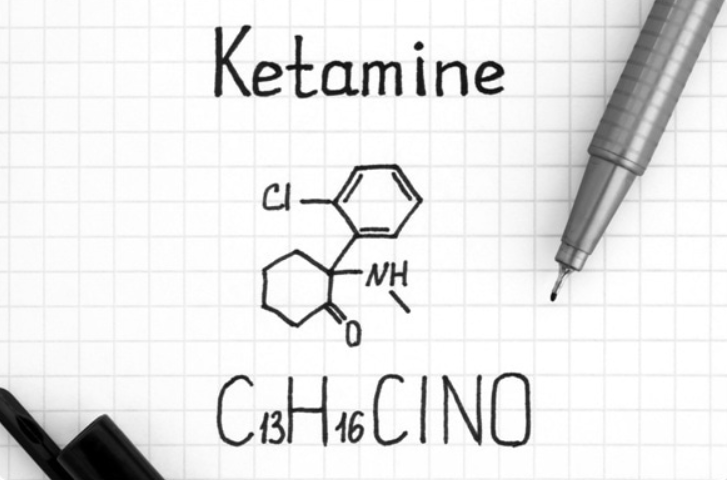
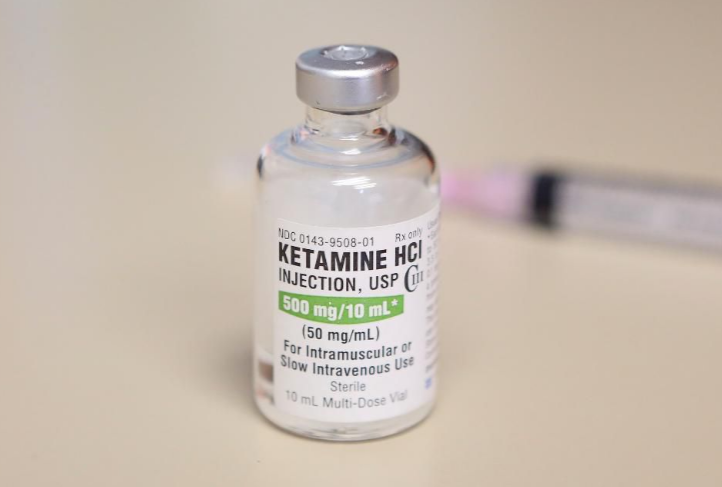
Ketamine is FDA-approved as an anesthetic administered intravenously or by intramuscular injections. The chemical difference between the two drugs is that ketamine is comprised of two mirror-image molecules and esketamine (Spravato) is comprised of one of those molecules.
Some doctors, including Calabrese, provide it intravenously “off label” for depression treatment, a legal use of a non-approved medication that is usually not covered by insurance.
Calabrese, a psychiatrist, said she will continue to offer intravenous ketamine in addition to Spravato. She said an analysis of 144 of her suicidal patients showed 68 percent no longer had suicidal thoughts after ketamine treatment and 82 percent had diminished suicidal thoughts. She said there were no suicide attempts, emergency room visits, or hospitalizations from the time of treatment through follow-up four weeks later. She charges patients $502 for ketamine.
Dr. Vincent Carlesi, an anesthesiologist and pain management specialist in Stamford and Ridgefield, is among other physicians who offer intravenous ketamine. Patients with depression are referred by psychiatrists, said Robin Asken, the practice’s manager. She wouldn’t provide numbers, but reported seeing “a marked improvement in quite a few of the patients.” The charge is $850 per infusion, which is typically not reimbursed by insurance, Asken said.
Dr. John Krystal, psychiatry chairman of the Yale School of Medicine, said that “it is very moving to hear the stories of people who have been depressed for many years, who have tried multiple treatments without success, and then to hear how they had their first good clinical response to ketamine, often within 24 hours of their first doses.”
He said people have told him it saved their lives.
Yale medical school’s first ketamine study was at a clinic it ran at the Connecticut VA in 1995 and 1996. Five years ago, it established a ketamine clinic at Yale New Haven Hospital and last year, it opened a new ketamine program at the VA, Krystal said.
This story was reported under a partnership with the Connecticut Health I-Team, a nonprofit news organization dedicated to health reporting.
Spravato, which received Food and Drug Administration (FDA) approval in March, has raised hopes for preventing suicides and relieving depression after other treatments have failed. But there are concerns about possible side effects, including drug abuse, elevated blood pressure and heart rate, sedation, and hypersensitivity to surroundings.
The nasal spray is prescribed for treatment-resistant depression after at least two other antidepressants haven’t worked and is given with an oral antidepressant. It is only administered in restrictive clinical settings to reduce potential for abuse and side effects.
Nationally, of the 17.3 million adults with depression, one-third are treatment-resistant, increasing their risk of suicide.
Dr. Jayesh Kamath, director of the mood and anxiety disorders program at UConn Health, has conducted esketamine studies for Janssen, its manufacturer. “I want to make sure people hear the positives and the negatives of this medication,” he said.
While he said that “it is changing how we treat depression” and shows promise for enabling severely depressed people to function, he added that “the results are concerning about side effects.”
Janssen, a Johnson & Johnson subsidiary, is charging $590 to $885 per dose for the medicine. This does not include costs charged by providers for administering it. Veterans who receive it at the VA will not be charged. Medicaid and Husky will cover it, according to the state Department of Social Services.
Janssen refused to provide a list of Spravato-certified treatment centers and applicants in Connecticut but said that nationally about 1,600 sites have been certified. Restrictions imposed on Spravato sites include: prohibiting it from being sent home with patients; requiring patients to remain at the site for at least two hours and not drive for another day; and specifications for dosages, screening and monitoring patients, and labeling and handling of the medication.
Dr. Michael Twist, Wheeler Clinic’s medical director, said Spravato can be a replacement for electric convulsive therapy. “This is going to be a way of getting someone much better much quicker,” he said. “It’s huge.”
Diminished suicidal thoughts
Esketamine is a derivative of ketamine, an anesthetic that has been abused as a party drug called Special K. Yale School of Medicine pioneered research on ketamine for depression starting in 1995. It has not been approved by the FDA to treat depression because as a generic drug, it doesn’t have the profit-making potential to attract research funding, several doctors said.
Ketamine is FDA-approved as an anesthetic administered intravenously or by intramuscular injections. The chemical difference between the two drugs is that ketamine is comprised of two mirror-image molecules and esketamine (Spravato) is comprised of one of those molecules.
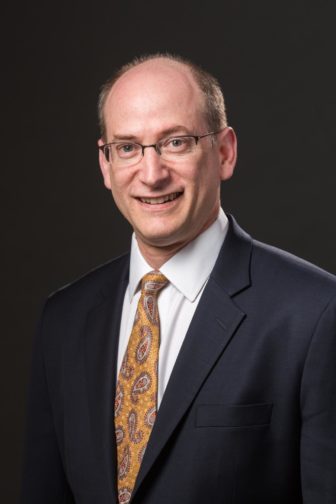
Dr. John Krystal, psychiatry chair of the Yale School of Medicine.
Calabrese, a psychiatrist, said she will continue to offer intravenous ketamine in addition to Spravato. She said an analysis of 144 of her suicidal patients showed 68 percent no longer had suicidal thoughts after ketamine treatment and 82 percent had diminished suicidal thoughts. She said there were no suicide attempts, emergency room visits, or hospitalizations from the time of treatment through follow-up four weeks later. She charges patients $502 for ketamine.
Dr. Vincent Carlesi, an anesthesiologist and pain management specialist in Stamford and Ridgefield, is among other physicians who offer intravenous ketamine. Patients with depression are referred by psychiatrists, said Robin Asken, the practice’s manager. She wouldn’t provide numbers, but reported seeing “a marked improvement in quite a few of the patients.” The charge is $850 per infusion, which is typically not reimbursed by insurance, Asken said.
, said that “it is very moving to hear the stories of people who have been depressed for many years, who have tried multiple treatments without success, and then to hear how they had their first good clinical response to ketamine, often within 24 hours of their first doses.”
He said people have told him it saved their lives.
Yale medical school’s first ketamine study was at a clinic it ran at the Connecticut VA in 1995 and 1996. Five years ago, it established a ketamine clinic at Yale New Haven Hospital and last year, it opened a new ketamine program at the VA, Krystal said.
This story was reported under a partnership with the Connecticut Health I-Team, a nonprofit news organization dedicated to health reporting. (c-hit.org)
Originally published in Connecticut Health I-Team on C-Hit.org.
Some Connecticut hospitals and doctors and a clinic are starting to treat severely depressed patients with a new nasal spray calledSpravato, touted as the most significant federally approved depression medication since Prozac was approved in 1987.
Spravato, which received Food and Drug Administration (FDA) approval in March, has raised hopes for preventing suicides and relieving depression after other treatments have failed. But there are concerns about possible side effects, including drug abuse, elevated blood pressure and heart rate, sedation, and hypersensitivity to surroundings.
The nasal spray is prescribed for treatment-resistant depression after at least two other antidepressants haven’t worked and is given with an oral antidepressant. It is only administered in restrictive clinical settings to reduce potential for abuse and side effects.
Nationally, of the 17.3 million adults with depression, one-third are treatment-resistant, increasing their risk of suicide.
Yale New Haven Hospital, the Institute of Living, UConn Health John Dempsey Hospital,Wheeler Clinic, VA Connecticut Healthcare, and Dr. Lori Calabrese in South Windsor report that they have either started or are planning to offer the fast-acting medication whose chemical name is esketamine. It is designed to show results in hours and days compared to the weeks and months it takes for traditional antidepressants to work.
Dr. Jayesh Kamath, director of the mood and anxiety disorders program at UConn Health, has conducted esketamine studies for Janssen, its manufacturer. “I want to make sure people hear the positives and the negatives of this medication,” he said.
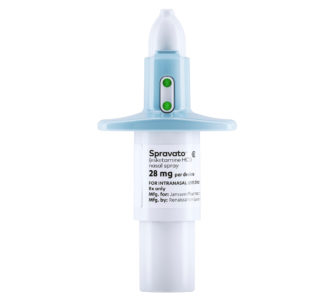
Spravato, a nasal spray, is prescribed for treatment-resistant depression.
While he said that “it is changing how we treat depression” and shows promise for enabling severely depressed people to function, he added that “the results are concerning about side effects.”
Janssen, a Johnson & Johnson subsidiary, is charging $590 to $885 for the medicine, depending on dosage. This does not include costs charged by providers for administering it. Veterans who receive it at the VA will not be charged. Medicaid and Husky will cover it, according to the state Department of Social Services.
A Janssen spokesperson said insurance companies are starting to cover it and Janssen is providing help, such as co-pay coupons.
Janssen refused to provide a list of Spravato-certified treatment centers and applicants in Connecticut but said that nationally about 1,600 sites have been certified. Restrictions imposed on Spravato sites include: prohibiting it from being sent home with patients; requiring patients to remain at the site for at least two hours and not drive for another day; and specifications for dosages, screening and monitoring patients, and labeling and handling of the medication.
Dr. Michael Twist, Wheeler Clinic’s medical director, said Spravato can be a replacement for electric convulsive therapy. “This is going to be a way of getting someone much better much quicker,” he said. “It’s huge.”
Esketamine: A Derivative Of Ketamine
John Krystal, Psychiatry Chair, Yale School of Medicine
Esketamine is a derivative of ketamine, an anesthetic that has been abused as a party drug called Special K. Yale School of Medicine pioneered research on ketamine for depression starting in 1995. It has not been approved by the FDA to treat depression because as a generic drug, it doesn’t have the profit-making potential to attract research funding, several doctors said.
Ketamine is FDA-approved as an anesthetic administered intravenously or by intramuscular injections. The chemical difference between the two drugs is that ketamine is comprised of two mirror-image molecules and esketamine (Spravato) is comprised of one of those molecules.
Some doctors, including Calabrese, provide it intravenously “off label” for depression treatment, a legal use of a non-approved medication that is usually not covered by insurance.
Calabrese, a psychiatrist, said she will continue to offer intravenous ketamine in addition to Spravato. She said an analysis of 144 of her suicidal patients showed 68 percent no longer had suicidal thoughts after ketamine treatment and 82 percent had diminished suicidal thoughts. She said there were no suicide attempts, emergency room visits, or hospitalizations from the time of treatment through follow-up four weeks later. She charges patients $502 for ketamine.
Dr. Vincent Carlesi, an anesthesiologist and pain management specialist in Stamford and Ridgefield, is among other physicians who offer intravenous ketamine. Patients with depression are referred by psychiatrists, said Robin Asken, the practice’s manager. She wouldn’t provide numbers, but reported seeing “a marked improvement in quite a few of the patients.” The charge is $850 per infusion, which is typically not reimbursed by insurance, Asken said.
Dr. John Krystal, psychiatry chair of the Yale School of Medicine, said that “it is very moving to hear the stories of people who have been depressed for many years, who have tried multiple treatments without success, and then to hear how they had their first good clinical response to ketamine, often within 24 hours of their first doses.”
He said people have told him it saved their lives.
Yale medical school’s first ketamine study was at a clinic it ran at the Connecticut VA in 1995 and 1996. Five years ago, it established a ketamine clinic at Yale New Haven Hospital and last year, it opened a new ketamine program at the VA, Krystal said.
[Read the Original Post in Connecticut Health I-Team on C-Hit.Org]
“A study done late last year delivered a black eye to ketamine, and as a result of the coverage, there was a wholesale acceptance by both potential patients and physicians that ketamine is an opioid,” says Adam Kaplin, Assistant Pofessor of Pychiatry and Behavioral Sciences at the Johns Hopkins University School of Medicine. “This is most worrisome if people continue to think this way, particularly in the wake of the opioid epidemic; clinicians won’t refer patients for a treatment, despite that it has been shown to be incredibly effective for many patients with treatment-resistant depression.”
In late 2018, researchers at Stanford University and Palo Alto University showed that naltrexone—a drug used to reverse accidental opioid overdoses by binding to opioid receptors in the brain—also blocks the antidepressant effects of ketamine, which led them to propose that ketamine must also bind to the same opioid receptors and thus concluded that ketamine must be an opioid. Kaplin says that there’s plenty of contrary evidence demonstrating that ketamine sticks to an entirely different receptor on brain cells: NMDA receptors, which are involved in learning and memory.
These NMDA receptors are found together with the opioid receptors on brain cells, and Kaplin says it’s no surprise that their components can meddle with one another, like interference picked up on a phone call or on the radio. “This interference and cross-talk does not mean that ketamine is an opioid, and to wrongly label it as such could eventually keep patients from essential antidepressant medications that could make a huge difference in their quality of life,” says Kaplin.
In March of this year, the U.S. Food and Drug Administration approved ketamine as a nasal spray to treat depression, specifying that ketamine is to be administered under the watch of physicians in small doses and in a health care setting to minimize any chance of abuse. The drug works much faster than other traditional antidepressants on the market, sometimes even after one or two uses.
Kaplin and his team are in the process of setting up their own ketamine clinic at Johns Hopkins, which they anticipate will be opening within the next year.
Ketamine has gotten a bad rap as an opioid when there’s plenty of evidence suggesting it isn’t one, Johns Hopkins experts say. They believe this reputation may hamper patients from getting necessary treatment for the kinds of depression that don’t respond to typical antidepressants.
In a new paper, the researchers clarify the mechanism behind ketamine’s mechanism of action in hopes of restoring the therapy’s standing among health care professionals and the public.
In March of this year, the U.S. Food and Drug Administration approved ketamine as a nasal spray to treat depression.
A study done late last year delivered a black eye to ketamine, and as a result of the coverage, there was a wholesale acceptance by both potential patients and physicians that ketamine is an opioid. This is most worrisome if people continue to think this way, particularly in the wake of the opioid epidemic; clinicians won’t refer patients for treatment, despite that it has been shown to be incredibly effective for many patients with treatment-resistant depression.”
Adam Kaplin, M.D., Ph.D., Assistant Professor of Psychiatry and Behavioral Sciences at The Johns Hopkins University School of Medicine
The researchers published their viewpoint and explanation of the alternative mechanism as a Letter to the Editor in the May 1 issue of The American Journal of Psychiatry.
Naltrexone — the drug used to reverse accidental opioid overdoses — binds to opioid receptors on the surface of brain cells and prevents opioids like morphine or heroin from sticking to them and acting on the brain, preventing the high.
In late 2018, researchers at Stanford University and Palo Alto University showed that naltrexone also blocks the antidepressant effects of ketamine, which led them to propose that ketamine must also bind to the same opioid receptors and thus concluded that ketamine must be an opioid. Kaplin says that there’s plenty of contrary evidence demonstrating that ketamine sticks to an entirely different receptor on brain cells: the NMDA receptors — involved in learning and memory — instead of the opioid receptors.
He proposes how this works:
Normally, NMDA receptors get turned on when the chemical messenger glutamate binds to them. Turning on the NMDA receptors turns off a master control switch in the cell called mTOR, which ultimately results in learning a behavior or forming a new memory.
Ketamine can also bind to the NMDA receptors, but it has the opposite effect of glutamate, in that it turns these receptors off. Turning off the NMDA receptors turns on the master control switch mTOR, which is required for ketamine’s antidepressant properties.
Separately, says Kaplin, opioid receptors are normally turned on at low-levels all the time, even without opioids to turn them on all the way. This low activity of the opioid receptors normally suppresses the level of another chemical messenger called cyclic AMP (cAMP). When the overdose drug naltrexone is administered, it sticks to the opioid receptors, turning them completely off, which releases the brakes on cAMP.
This increase in cAMP is what then interferes with the master switch mTOR, shutting it down. When ketamine is taken, it turns on the master switch mTOR to enable antidepressant effects, [emphasis mine] but if naltrexone is given on top of that, naltrexone obstructs and shuts off the mTOR again. It is through cAMP that naltrexone overrides and extinguishes the antidepressant effects of ketamine.
These NMDA receptors are found together with the opioid receptors on brain cells, and Kaplin says it’s no surprise that their components can meddle with one another, like interference picked up on a phone call or on the radio.
This interference and cross-talk does not mean that ketamine is an opioid, and to wrongly label it as such could eventually keep patients from essential antidepressant medications that could make a huge difference in their quality of life.”
Adam Kaplin, MD, Ph.D
The FDA specified that ketamine is to be administered under the watch of physicians in small doses and in a health care setting to minimize any chance of abuse. The drug works much faster than other traditional antidepressants on the market, sometimes even after one or two uses.
Kaplin and his team are in the process of setting up their own ketamine clinic at Johns Hopkins, which they anticipate will be opening within the next year.
Mike Wang was also an author on the paper.
Wang and Kaplin received grant funding from Janssen.
Kaplin is the co-founder of Reward Pathways and a consultant for Biogen, EMD Serono and Pear Therapeutics.
Wang, B. & Kaplin, A. (2019) Explaining Naltrexone’s Interference With Ketamine’s Antidepressant Effect. The American Journal of Psychiatry. doi.org/10.1176/appi.ajp.2019.19010044
SAN FRANCISCO – Serial ketamine infusions eliminated suicidal ideation in more than two-thirds of patients at a psychiatry office in Connecticut but at significantly higher doses than those recently approved for Janssen’s new esketamine nasal spray (Spravato). The patients were treated by Lori V. Calabrese, MD, at Innovative Psychiatry, her private outpatient practice in South Windsor. She presented her first 235 IV ketamine cases at the American Psychiatric Association annual meeting. It was likely the largest real-world series to date of ketamine infusions for treatment-resistant depression and suicidality.
The patients, 14-84 years old but mostly middle aged, received six infusions over 2-3 weeks, starting at 0.5 mg/kg over 40-50 minutes, then titrated upward for dissociative effect to a maximum of 1.7 mg/kg. Subjects filled out the nine-item Patient Health Questionnaire (PHQ-9) at baseline and before each in- fusion. Item nine – “thoughts that you would be better off dead or of hurting yourself in some way” – was used to gauge suicidality. That item has been validated as a predictor of suicide risk.
Among 144 patients (62%) who were markedly suicidal, ketamine infusions were tied to diminished ideation in 118 (82%) and eliminated ideation in 98 (68%). They were severely depressed at baseline; PHQ-9 scores fell in 127 (89%), and depression went into remission in 89 (62%). There were no suicide attempts, ED visits, or hospitalizations during treatment and at 4-week follow-up.
“Even if they had been suicidal for a long time, been hospitalized, and made suicide attempts, 68% had full remission of suicidality. This is a life-saving treatment, a breakthrough option for psychiatrists,” Dr. Calabrese said.
Lori Calabrese MD
The results are “fabulous,” said Jaskaran Singh, MD, who said he was clinical leader of the esketamine program at Janssen. “You prevented hospitalizations and saved lives,” Dr. Singh said. “This is a marvelous study that we should have done.”
Dr. Calabrese’s report, however, raises the question of whether the nasal spray will be potent enough to achieve the same results. She found that cessation of suicidal thoughts required an average dose of 0.75 mg/kg IV ketamine, which is higher than the 0.5 mg/kg used by many ketamine infusion programs in the United States. It’s also significantly higher than Spravato dosing. The spray was cleared by the Food and Drug Administration in March for use with an oral antidepressant for treatment-resistant depression.
Esketamine is approved in doses of 56 mg, which works out to almost 0.2 mg/ kg, and 84 mg, which works out to less than 0.4 mg/kg. Dosing is twice weekly at first, then weekly or biweekly for maintenance. When asked whether he thought those doses would be enough to prevent suicide, Dr. Singh said his company has finished two trials in suicidal patients and would present results later in 2019.
Dr. Singh
Dr. Calabrese, meanwhile, plans to incorporate intranasal esketamine into her practice, but will continue to offer ketamine infusions. “How can I not? I’ve seen how effective they are,” she said. Insurance companies have sometimes covered them for patients with a history of psychiatric ED visits and hospitalizations, on the grounds that infusions will prevent future admissions. But patients have to fight for coverage – and feel well enough to do so.
That’s the main reason Dr. Calabrese plans to start offering Spravato; coverage will likely be less of a hassle for patients once Janssen works out the insurance issues. Spravato has been reported to cost about $600-$900 per treatment session.
A new study finds that a nasal spray formulated from the anesthetic ketamine is a safe, fast-acting and effective treatment for treatment-resistant depression. Researchers presented the findings this week at the annual meeting of the American Psychiatric Association.
Esketamine, the intranasal formulation of ketamine, recently received FDA approval as a depression treatment when used with an oral antidepressant, based in part on findings from this study. The results open the door to a potential new alternative for the estimated 30% of depression patients suffering from treatment-resistant depression.
The study included 197 adults from 39 outpatient centers over a two-year period. All of the participants had either moderate or severe depression and hadn’t responded well to at least two antidepressants in the past. Participants were randomly assigned to one of two groups: The first switched from their current antidepressant treatment to esketamine nasal spray and a new oral antidepressant; the other switched from their current treatment to a placebo nasal spray and a new antidepressant.
The results showed significant improvements in depression symptoms among those in the esketamine group compared to the placebo group four weeks into the study, with signs of improvement starting much earlier.
“The study supports the efficacy and safety of esketamine nasal spray as a rapidly acting antidepressant for patients with treatment-resistant depression,” the study concluded.
“Not only was adjunctive esketamine therapy effective, the improvement was evident within the first 24 hours,” said Michael Thase, M.D., one of the study authors. “The novel mechanism of action of esketamine, coupled with the rapidity of benefit, underpins just how important this development is for patients with difficult-to-treat depression.”
The researchers reported that most of the negative side-effects in the esketamine group, including dissociation, nausea, vertigo, dysgeusia (impaired sense of taste) and dizziness, disappeared within a couple of hours. A small percentage of patients dropped out of the study due to side effects.
Ketamine has been in headlines for more than a decade as the party drug (aka “Special K”) with promise of becoming a next-generation depression treatment. Early studies showed patients with a history of treatment-resistant depression responded well to ketamine almost immediately. Those studies generally used intravenous ketamine at a low enough dose to not deliver anesthetic effects (what ketamine was originally designed to do in humans and animals), but intravenous ketamine for the treatment of depression hasn’t been approved by the FDA. The intranasal formulation (brand name Spravato) received FDA approval in March of this year but is only available through a restricted distribution system with a certified clinic or doctor’s office.
The news isn’t entirely upbeat, however, with some researchers urging caution as the drug moves closer to pharmacy shelves. In commentary accompanying the study in the American Journal of Psychiatry, Alan Schatzberg, M.D., from Stanford University School of Medicine, cautioned that while this study shows potential benefits of using the drug, “there are more questions than answers…and care should be exercised in its application in clinical practice.”
Schatzberg pointed out that clinicians don’t have adequate information about how often the medication should be prescribed, how long patients should use it, or what the correct course of action should be if patients eventually stop responding to it.
He also highlighted the potential for abuse, echoing concerns raised by many health professionals all along the drug’s road to approval. Using the history of opioids as an example, he added, “We have witnessed four decades of supposedly new and safer opioids that have turned out often to be, if anything, even more abusable and lethal.”
“Still, the agent [esketamine] could be helpful to many patients with refractory depression,” Schatzberg said, ending on the positive, “and efforts to develop rapidly acting agents for severely depressed patients need to be applauded.”