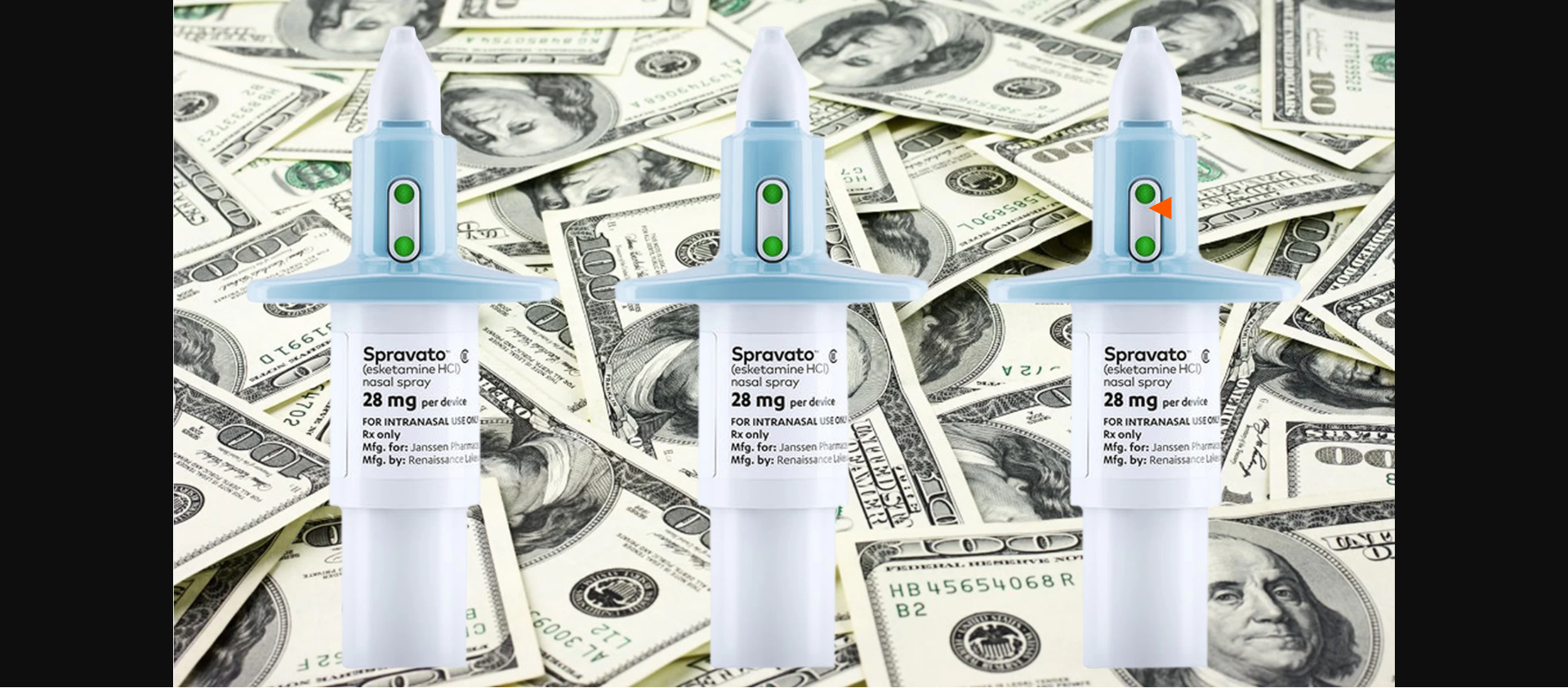
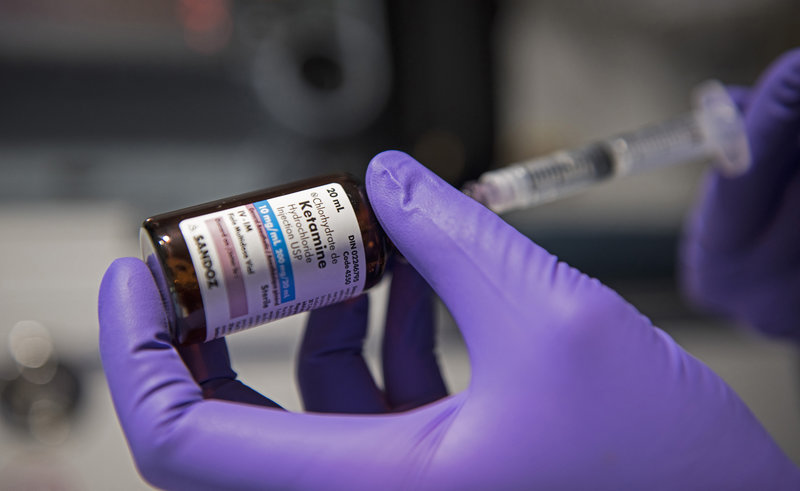
Johnson & Johnson patented a form of the psychedelic with less research and a ridiculous price tag.
In a popular and public move, the United States’ Federal Drug Administration recently approved intranasal esketamine, one of the components of the psychedelic ketamine, for treatment-resistant depression. The nasal spray costs nearly $900 per dose—or roughly $7,000 for the first month of treatment, and each treatment takes at least two hours in a clinic. (It has yet to be decided how much of the cost insurance plans will cover.)
Esketamine can be unwieldy to use and carries a number of significant potential side effects. Shockingly, it was no better than placebo in two of the three short-term Phase-III studies submitted to the FDA for approval.
But the biggest problem at hand is not the drug itself. It’s the fact that instead of representing a revolution in mental health treatment, as it has been touted to do, esketamine is not a breakthrough at all. It’s just a way for pharmaceutical company Johnson & Johnson to make a significant profit off gullible insurance companies and vulnerable patients.
It’s currently difficult, if not impossible, to provide generic ketamine treatment in public clinics, even to patients who need it, because there haven’t been any large-scale, randomized trials, both with and without psychotherapy. Without these trials, and resources, physicians can’t be reimbursed by insurance companies for ketamine treatment like they will be able to do with esketamine.
Ordinary ketamine is a racemic medication, meaning it is made up of two molecules that are mirror images of each other. Because ordinary ketamine is generic, Johnson & Johnson simply isolated one of the two molecules in regular ketamine so that it qualified as “new.” The reality is that we don’t know whether esketamine is more or less effective than regular ketamine because there have been no head-to-head trials between the two. Johnson & Johnson only tested esketamine against a placebo, likely because they feared esketamine might actually perform worse than the generic version.
As many critics have pointed out, this strategy has become the bread and butter of drug development in the United States today. Largely because of the influence of pharma on the FDA itself, our drug approval process rewards copycat variation of already-available drugs instead of truly innovative pharmaceutical design.
When Psychotherapy Is Missing
The trials for esketamine also reveal a larger issue in the field: they de-emphasized the importance of psychotherapy while focusing solely on its chemical effects. The most effective treatment strategy for treatment-resistant depression is intensive psychotherapy along with the use of medication, but the FDA esketamine trials didn’t include therapy at all.
Getting insurance companies to pay for psychotherapy is already difficult, and without it as part of the protocol, they will likely offer no reimbursement for patients interested in receiving a psychotherapy session after their esketamine dose in order to process the experience.
Our colleagues who offer ketamine-assisted psychotherapy say that this is a vital part of the process. One such session can require upwards of three hours of one-on-one treatment in order to prepare patients for the experience, take care of patients while they are under the influence of ketamine, and then integrate the effects afterwards. Ironically, insurance companies would save more money paying for generic ketamine-assisted psychotherapy rather than esketamine treatment alone, as the former is both cheaper than the latter and can lead to long-term remission of symptoms.
Alternatives
Private ketamine clinics currently do exist, but they have to fight the stigma of the drug, and sporadic cases of malpractice. Some private clinics do not properly screen patients prior to initiating treatment and often charge outrageous sums of money—one reason that both patients and medical systems have been hesitant to implement it more widely. Those clinics that are providing ketamine responsibly, however, offer a potentially lifesaving treatment for patients living with depression who have exhausted all other available options.
Although there are no quick fixes for the broken drug-development and approval process that led us to esketamine, it is possible to take concrete steps to address the most glaring problems. Insurance companies and the FDA ought to require head-to-head study designs of clinical trials to investigate generic and patented medications. Additionally, current research on medication-assisted psychotherapy with other psychedelic substances such as MDMA and psilocybincan serve as a model for future research that explores ketamine-assisted psychotherapy, instead of the drug alone.
While Johnson & Johnson rakes in the profits from esketamine, patients dealing with depression and trying to navigate our struggling mental health system will bear the cost. Fostering the development of mental health treatments that are novel, effective, and affordable will require a critical examination of the undue corporate interests that drive drug approval in American psychiatry today.
Dr. Michael D. Alpert is a psychiatrist and clinical faculty at Harvard Medical School. He is also a therapist with the MAPS Clinical Study of MDMA-Assisted Psychotherapy for PTSD.
Dr. J. Wesley Boyd, MD is a psychiatrist and associate professor at the Center for Bioethics at Harvard Medical School.
Dr. Marco A. Ramos is a psychiatry resident at Yale University.
An important discovery has been made at the University of Pittsburgh. It raises the prospect that there may be an entirely new way of relieving major depression in people who repeatedly have failed to respond to existing treatments—people at elevated risk for suicide whose lives are often unrelentingly dark and full of anguish.
There are 15 million Americans suffering from major depression, and 15 percent of these (that is, 2,250,000 people in the U.S. alone) do not respond to treatment.
Last August, 2012 Young Investigator Grantee Lisa A. Pan, M.D., in collaboration with a team that includes 2001 Distinguished Investigator and 2006 Ruane Prizewinner David A. Brent, M.D., at the University of Pittsburgh, reported in the American Journal of Psychiatry that they had successfully tested—so far on a small scale—an approach to treating patients with longstanding, treatment-resistant depression.
The team’s new approach is based on the theory that in at least some people, resistance to treatment in depression is caused by abnormalities in metabolism—abnormalities that can be corrected. “Metabolism” refers to the myriad processes inside our bodies in which chemical reactions generate all of the compounds that we rely upon to function as living beings.
That covers a lot of ground. Drs. Pan, Brent and colleagues had something more specific in mind. A portion of our metabolism is involved in the manufacturing of the message-carrying chemicals called neurotransmitters that have long been implicated in many brain disorders, including depression.
“Not enough serotonin in the brain.” That vitally important observation, made three decades ago in people with depression who were at elevated risk of suicide, helped spur the development of Prozac and other drugs of the same class, called SSRIs (selective serotonin reuptake inhibitors), for depression and other disorders, (notably anxiety, which often occurs along with depression). Prozac (fluoxetine) came on the market in 1987. It and other SSRI drugs have been prescribed tens of millions of times since then, for depressed people in the U.S. and around the world.
SSRIs prevent serotonin from being soaked up by cells that make and release it. This allows it to remain longer in the tiny gaps between nerve cells, called synapses, and presumably enhances the ability of adjacent cells to communicate. This, in turn, is thought to reduce symptoms of depression, for reasons that even today are not clear.
SSRI drugs address the problem of what scientists call serotonin “re-uptake.” But what about the chain of chemical processes through which serotonin is created within cells? This involves metabolic processes. As Dr. Pan has pointed out, strategies that address “reuptake may not be effective if there is an inability to make serotonin.”
She became acutely interested in the possible role of metabolism in depression after attempting over a period of years to help a young man with treatment-resistant major depression. Dr. Pan had been caring for adolescents and young adults at risk for suicide since 2002. In the lab, some of her research involved using brain imaging to look for markers of such risk.
At the STAR Center (Services for Teens At Risk) at the University of Pittsburgh Medical Center’s Western Psychiatric Institute, Dr. Pan tried to solve the mystery of the young man’s persistent deep depression, which involved suicidal thinking and several suicide attempts and resisted all forms of treatment they tried.
In 2011, in what she later called a “case of necessity,” Dr. Pan brought others in to consult. Facing the alternative of committing this young person to a psychiatric institution for longterm care, she engaged Jerry Vockley, M.D., Ph.D., chair of genetics at Pittsburgh, who had helped to train her years earlier. Another consultant was David Finegold, M.D., a professor of human genetics.
The team conducted tests that ordinarily would not be given to people with depression. Among them was a detailed analysis of the cerebrospinal fluid, or CSF. It is a colorless fluid that circulates around the spinal cord and throughout the brain, and bears evidence of the many metabolites—the chemical reactants—engaged in the synthesis of the many proteins, including hormones and neurotransmitters, that help the cells in the brain function.
Analysis of his CSF revealed the 19-year old had abnormally low levels of “intermediates”—chemical precursors—of tetrahydrobiopterin, or BH4. It has many roles, among them in the synthesis of neurotransmitters including dopamine, norepinephrine and serotonin. The doctors knew of a replacement for BH4 called sapropterin. After a few weeks of receiving it, the young man’s depression began to melt away. Rather than a psychiatric hospital, he went to college, graduating at age 24.
His dramatic result encouraged Dr. Pan and colleagues to examine the CSF of five more adolescent patients in the same clinic, all suffering from treatment-resistant major depression. Three of the five had low CSF levels of 5-MTHF. This is a chemical breakdown product of folic acid, an essential metabolite throughout the body, including in the brain.
During pregnancy, mothers must have sufficient dietary intake of folic acid to assure proper development of the fetus’s brain. Deficiency can result in neural tube defects and brain damage to the newborn. Folic acid supplementation, ideally begun before conception and continued through the perinatal period, especially in women with poor diets, is accepted practice worldwide.
That is only one of many functions of folic acid, however. Deficiency of 5-MTHF in the brain—a condition called cerebral folate deficiency (CFD)—was seen in three of the five additional adolescents studied by Dr. Pan and colleagues. This, too, could be addressed, via treatment with folinic acid over a period of weeks. The patients improved.
This provided the rationale for the more rigorous “case-control” study funded by Dr. Pan’s 2012 Young Investigator Grant and reported in the American Journal of Psychiatry in August 2016. Dr. Pan and colleagues recruited 33 young people with treatment-resistant depression and 16 healthy comparison subjects. The results were impressive and full of hope. First, none of the healthy participants had metabolite deficiencies in their CSF. In contrast, 21 of the 33 refractory depressed patients (63 percent) were found to have abnormal metabolite levels in the CSF, with 12 of the 21 (36 percent of the total group) suffering specifically from cerebral folate deficiency. Ten of these 12 made it through the treatment and a follow-up period. All 10 had reductions in depression symptoms, and four had remissions. A number of those treated also had significant reductions in suicidal thinking.
“We’re looking at the end product of multiple complicated metabolic pathways and [in patients we studied] we’re finding something missing, and we’re working backwards to replace it,” Dr. Pan told the Pittsburgh Post-Gazette.
In reporting their results, the team stressed that blood tests alone would not have identified the metabolic deficiencies that showed up in the CSF. It is not easy to obtain CSF—a lumbar (lower back) puncture with a needle is required, a procedure that is uncomfortable and involves more than nominal risk. Yet it was crucial to obtain the fluid, for in cerebral folate deficiency, folate levels in the blood are normal. The lack of folate is in the brain, where the chemical is involved in neurotransmitter synthesis. They hope to devise a blood test that will identify what the CSF tests reveal.
In addition to its known role in brain development, folate in one of its several forms (L-methylfolate) has previously been used as adjunctive treatment to improve depression symptoms. L-methylfolate is involved in neurotransmitter metabolism. But, say Dr. Pan and her colleagues “this is different from our findings” in cerebrospinal fluid. In fact, L-methylfolate addresses a different part of the metabolic pathway involving folic acid, and may not help the patients with cerebral folate deficiency, the researchers say.
At the same time, while folinic acid treatment “seems appealing,” they add, it may take several years to show its full effect due to the very slow turnover of neurons in the brain. They want to know more about the precise role of metabolite abnormalities in depression as well as in treatment resistance. They move forward on two fronts: expanding the size of their study to include more treatment-resistant patients, and trying to learn more about them by sequencing their full genomes. To date, only small portions of patient genomes have been sequenced. With the entire genomes in view, it is expected that new knowledge will be gleaned that can help to resolve the age-old mystery about depression’s root causes.
The anesthetic-cum-party drug restores the ability to make connections among brain cells. The Food and Drug Administration’s approval last month of a depression treatment based on ketamine generated headlines, in part, because the drug represents a completely new approach for dealing with a condition the World Health Organisation has labelled the leading cause of disability worldwide. The FDA’s approval marks the first genuinely new type of psychiatric drug—for any condition—to be brought to market in more than 30 years.
Although better known as a party drug, the anesthetic ketamine has spurred excitement in psychiatry for almost 20 years, since researchers first showed that it alleviated depression in a matter of hours. The rapid reversal of symptoms contrasted sharply with the existing set of antidepressants, which take weeks to begin working. Subsequent studies have shown ketamine works for patients who have failed to respond to multiple other treatments, and so are deemed “treatment-resistant.”
Despite this excitement, researchers still don’t know exactly how ketamine exerts its effects. A leading theory proposes that it stimulates regrowth of synapses (connections between neurons), effectively rewiring the brain. Researchers have seen these effects in animals’ brains, but the exact details and timing are elusive.
A new study, from a team led by neuroscientist and psychiatrist Conor Liston at Weill Cornell Medicine, has confirmed that synapse growth is involved, but not in the way many researchers were expecting. Using cutting-edge technology to visualize and manipulate the brains of stressed mice, the study reveals how ketamine first induces changes in brain circuit function, improving “depressed” mice’s behavior within three hours, and only later stimulating regrowth of synapses.
As well as shedding new light on the biology underlying depression, the work suggests new avenues for exploring how to sustain antidepressant effects over the long term. “It’s a remarkable engineering feat, where they were able to visualize changes in neural circuits over time, corresponding with behavioral effects of ketamine,” says Carlos Zarate, chief of the Experimental Therapeutics and Pathophysiology Branch at the National Institute of Mental Health, who was not involved in the study. “This work will likely set a path for what treatments should be doing before we move them into the clinic.”
Another reason ketamine has researchers excited is that it works differently than existing antidepressants. Rather than affecting one of the “monoamine” neurotransmitters (serotonin, norepinephrine, and dopamine), as standard antidepressants do, it acts on glutamate, the most common chemical messenger in the brain. Glutamate plays an important role in the changes synapses undergo in response to experiences that underlie learning and memory. That is why researchers suspected such “neuroplasticity” would lie at the heart of ketamine’s antidepressant effects.
Ketamine’s main drawback is its side effects, which include out-of-body experiences, addiction and bladder problems. It is also not a “cure.” The majority of recipients who have severe, difficult-to-treat depression will ultimately relapse. A course of multiple doses typically wears off within a few weeks to months. Little is known about the biology underlying depressive states, remission and relapse. “A big question in the field concerns the mechanisms that mediate transitions between depression states over time,” Liston says. “We were trying to get a better handle on that in the hopes we might be able to figure out better ways of preventing depression and sustaining recovery.”
Chronic stress depletes synapses in certain brain regions, notably the medial prefrontal cortex (mPFC), an area implicated in multiple aspects of depression. Mice subjected to stress display depression-like behaviors, and with antidepressant treatment, they often improve. In the new study, the researchers used light microscopes to observe tiny structures called spines located on dendrites (a neuron’s “input” wires) in the mPFC of stressed mice. Spines play a key role because they form synapses if they survive for more than a few days.
For the experiment, some mice became stressed when repeatedly restrained, others became so after they were administered the stress hormone corticosterone. “That’s a strength of this study,” says neuroscientist Anna Beyeler, of the University of Bordeaux, France, who was not involved in the work, but wrote an accompanying commentary article in Science. “If you’re able to observe the same effects in two different models, this really strengthens the findings.” The team first observed the effects of subjecting mice to stress for 21 days, confirming that this resulted in lost spines. The losses were not random, but clustered on certain dendrite branches, suggesting the damage targets specific brain circuits.
The researchers then looked a day after administering ketamine and found that the number of spines increased. Just over half appeared in the same location as spines that were previously lost, suggesting a partial reversal of stress-induced damage. Depression-like behaviors caused by the stress also improved. The team measured brain circuit function in the mPFC, also impaired by stress, by calculating the degree to which activity in cells was coordinated, a measure researchers term “functional connectivity.” This too improved with ketamine.
When the team looked closely at the timing of all this, they found that improvements in behavior and circuit function both occurred within three hours, but new spines were not seen until 12 to 24 hours after treatment. This suggests that the formation of new synapses is a consequence, rather than cause, of improved circuit function. Yet they also saw that mice who regrew more spines after treatment performed better two to seven days later. “These findings suggest that increased ensemble activity contributes to the rapid effects of ketamine, while increased spine formation contributes to the sustained antidepressant actions of ketamine,” says neuroscientist Ronald Duman, of the Yale School of Medicine, who was not involved in the study. Although the molecular details of what happens in the first hours are not yet fully understood, it seems a restoration of coordinated circuit activity occurs first; this is then entrenched by neuroplasticity effects in synapses, which then maintain behavioral benefits over time.
[To prove that new synapses were a cause of antidepressant effects, rather than just coinciding with the improved behaviors, the team used a newly developed optogenetic technique, which allowed them to eliminate newly formed spines using light. Optogenetics works by introducing viruses that genetically target cells, causing them to produce light-sensitive proteins. In this case, the protein is expressed in newly formed synapses, and exposure to blue light causes the synapse to collapse. The researchers found that eliminating newly formed synapses in ketamine-treated mice abolished some of the drug’s positive effects, two days after treatment, confirming that new synapses are needed to maintain benefits. “Many mechanisms are surely involved in determining why some people relapse and some don’t,” Liston says, ” but we think our work shows that one of those involves the durability of these new synapses that form.”
And Liston adds: “Our findings open up new avenues for research, suggesting that interventions aimed at enhancing the survival of these new synapses might be useful for extending ketamine’s antidepressant effects.” The implication is that targeting newly formed spines might be useful for maintaining remission after ketamine treatment. “This is a great question and one the field has been considering,” Duman says. “This could include other drugs that target stabilization of spines, or behavioral therapies designed to engage the new synapses and circuits, thereby strengthening them.”
The study used three behavioral tests: one involving exploration, a second a struggle to escape, and a third an assessment of how keen the mice are on a sugar solution. This last test is designed to measure anhedonia—a symptom of depression in which the ability to experience pleasure is lost. This test was unaffected by deleting newly formed spines, suggesting that the formation of new synapses in the mPFC is important for some symptoms, such as apathy, but not others (anhedonia)—and that different aspects of depression involve a variety of brain circuits.
These results could relate to a study published last year that found activity in another brain region, the lateral habenula, is crucially involved in anhedonia, and injecting ketamine directly into this region improves anhedonia-related behavior in mice. “We’re slowly identifying specific regions associated with specific behaviors,” Beyeler says. “The factors leading to depression might be different depending on the individual, so these different models might provide information regarding the causes of depression.”
One caveat is that the study looked at only a single dose, rather than the multiple doses involved in a course of human treatment, Zarate says. After weeks of repeated treatments, might the spines remain, despite a relapse, or might they dwindle, despite the mice still doing well? “Ongoing effects with repeated administration, we don’t know,” Zarate says. “Some of that work will start taking off now, and we’ll learn a lot more.” Of course, the main caution is that stressed mice are quite far from humans with depression. “There’s no real way to measure synaptic plasticity in people, so it’s going to be hard to confirm these findings in humans,” Beyeler says.
Ketamine appears to restore faulty connections between brain cells, according to research performed in mice.
The anesthetic ketamine can relieve depression in hours and keep it at bay for a week or more.
Now scientists have found hints about how ketamine works in the brain.
In mice, the drug appears to quickly improve the functioning of certain brain circuits involved in mood, an international team reported Thursday in the journal Science. Then, hours later, it begins to restore faulty connections between cells in these circuits.
The finding comes after the Food and Drug Administration in March approved Spravato, a nasal spray that is the first antidepressant based on ketamine.
The anesthetic version of ketamine has already been used to treat thousands of people with depression. But scientists have known relatively little about how ketamine and similar drugs affect brain circuits.
The study offers “a substantial breakthrough” in scientists’ understanding, says Anna Beyeler, a neuroscientist at INSERM, the French equivalent of the National Institutes of Health, who wasn’t involved in the research. But there are still many remaining questions, she says.
Previous research has found evidence that ketamine was creating new synapses, the connections between brain cells. But the new study appears to add important details about how and when these new synapses affect brain circuits, says Ronald Duman, a professor of psychiatry and neuroscience at Yale University.
Studying ketamine’s antidepressant effects in mice presented a challenge. “There’s probably no such thing as a depressed mouse,” says Dr. Conor Liston, a neuroscientist and psychiatrist at Weill Cornell Medicine in New York and an author of the Sciencepaper.
So Liston and a team of scientists from the U.S. and Japan gave mice a stress hormone that caused them to act depressed. For example, the animals lost interest in favorite activities like eating sugar and exploring a maze.
Then the team used a special laser microscope to study the animals’ brains. The researchers were looking for changes to synapses.
“Stress is associated with a loss of synapses in this region of the brain that we think is important in depression,” Liston says. And sure enough, the stressed-out mice lost a lot of synapses.
Next, the scientists gave the animals a dose of ketamine. And Liston says that’s when they noticed something surprising. “Ketamine was actually restoring many of the exact same synapses in their exact same configuration that existed before the animal was exposed to chronic stress,” he says.
In other words, the drug seemed to be repairing brain circuits that had been damaged by stress.
That finding suggested one way that ketamine could be relieving depression in people. But it didn’t explain how ketamine could work so quickly.
Was the drug really creating all these new synapses in just a couple of hours?
To find out, the team used a technology that makes living brain cells glow under a microscope. “You can kind of imagine Van Gogh’s Starry Night,” Liston says. “The brain cells light up when they become active and become dimmer when they become inactive.”
That allowed the team to identify brain circuits by looking for groups of brain cells that lit up together.
And that’s when the scientists got another surprise.
After the mice got ketamine, it took less than six hours for the brain circuits damaged by stress to begin working better. The mice also stopped acting depressed in this time period.
But both of these changes took place long before the drug was able to restore many synapses.
“It wasn’t until 12 hours after ketamine treatment that we really saw a big increase in the formation of new connections between neurons,” Liston says.
The research suggests that ketamine triggers a two-step process that relieves depression.
First, the drug somehow coaxes faulty brain circuits to function better temporarily. Then it provides a longer-term fix by restoring the synaptic connections between cells in a circuit.
One possibility is that the synapses are restored spontaneously once the cells in a circuit begin firing in a synchronized fashion, says INSERM’S Beyeler, who wrote a commentary accompanying the study.
The new study suggests not only how ketamine works but also why its effects typically wear off after a few days or weeks, she says. “What we can imagine is that ketamine always has this short-term antidepressant effect, but then if the synaptic changes are not maintained, you will have relapse,” Beyeler says.
If that’s true, she says, scientists’ next challenge is to find a way to maintain the brain circuits that ketamine has restored.
A new study shows that weekly ketamine infusions are associated with continued and maintained reductions in depressive symptoms among patients with treatment-resistant depression.
The findings, which are considered novel among studies assessing ketamine administration for patients with treatment-resistant depression, evidence the promising role the controversial drug could play in psychiatric care.
A team of investigators, led by Jennifer L. Phillips, PhD, an associate scientist in the Mood Disorders Research Unit at The Royal’s Institute of Mental Health Research, conducted a randomized, double-blind crossover comparison of single ketamine infusion versus active placebo control midazolam. The assessment, held with 41 participants with treatment-resistant depression at single treatment center, observed patients receive 6 open-label ketamine infusions 3 times per week over 2 once patients had a relapse of depressive symptoms.
Patients who reported a decrease of at least 50% in the Montgomery-Åsberg Depression Rating Scale (MADRS) received another 4 additional infusions once weekly in a maintenance phase.
Those administered a single ketamine infusion reported significantly reduced depressive symptoms at the primary efficacy endpoint of 24 hours post-care versus those treated with midazolam. The therapy showed cumulative antidepressant effects over repeated infusions, as well a doubling of antidepressant response rate in patients, according to linear mixed models.
Investigators found that 59% of patients met the response criteria following repeated infusions, with 3 infusions serving as the median dosage required to reach achieved response. In patients receiving weekly maintenance infusions, no further improvement in MADRS scores were reported.
The first-of-its-kind findings come just 1 month following the US Food and Drug Administration (FDA) approval of esketamine nasal spray (Spravato) for the treatment of patients with treatment-resistant depression. At the time, the therapy made history as the first novel treatment indicated for depression in 30 years—and headlines as one of the first hallucinogenic drugs to reach indication for a common condition.
Dennis Charney, MD, Dean of Icahn School of Medicine at Mount Sinai and a member of the Yale University team that led pioneering antidepressant ketamine trials in the 1990s, told MD Magazine®that microdosing or implementing controversial therapies for psychiatric care require what any other trial requires: control, safety, and a carefully-assessed standard for efficacy.
“No matter what treatment is being assessed, you have to follow those scientific approaches,” Charney said. “For conditions that don’t have effective treatments available, there should be an open mind.”
Adversely, Dan Iosifescu, MD, associate professor of Psychiatry at NYU School of Medicine, director of Clinical Research at Nathan S. Kline Institute for Psychiatric Research, and prominent ketamine investigator, told MD Mag that—among other reasons—ketamine will never reach at-home therapy use due to its prominent abuse as street drug Special-K. He anticipated the marketed therapy will be costly, and prescribed as long-term therapy for only a small depression patient population.
“For the majority of individuals that benefit from it, it will be essentially buying them time for other treatments—be them pharmacotherapies or device-based treatment, or psychotherapies, because those are beginning to work much more slower than ketamine does,” he said.
Whatever its marketed use entails, Phillips and colleagues concluded positively that ketamine showed both initial and repeated benefits for antidepressant effects as a once-weekly infusion.
“These findings provide novel data on efficacious administration strategies for ketamine in patients with treatment-resistant depression,” they wrote. “Future studies should further expand on optimizing administration to better translate the use of ketamine into clinical settings.”
For years, ketamine clinics across the country have offered intravenous infusions as a fast-acting treatment for severe depression. But last week, the US Food and Drug Administration approved a version of ketamine, called esketamine, to do the same thing — so what’s the difference and what will this mean for newly interested patients?
Ketamine, sometimes known as the party drug Special K, is a compound made of two mirror-image molecules. It has long been approved as an anesthetic, isn’t covered by a patent, and is widely used — meaning it’s not going to make much money for a pharmaceutical company. So, Janssen patented the left part of the molecule, esketamine, and sent it through the FDA approval system as a potential cash cow called Spravato, legitimizing the use of ketamine for depression in the process.
“We deliver an off-label treatment that has the baggage of being known as a club drug,” says Steve Levine, the founder of Actify Neurotherapies, which runs 10 ketamine clinics around the country. “Now we’ve moved from ‘we deliver horse tranquilizer off-label’ to ‘we deliver FDA-approved Spravato’ and it’s just easier to talk to people about that.”
Still, FDA approval of esketamine for treating depression comes with plenty of caveats. The drug must be administered as a nasal spray, patients must be taking another antidepressant at the same time, and it can only be given to patients who have (unsuccessfully) tried two antidepressants before. Most notably, people won’t able to pick up Spravato at the local Rite Aid. Spravato will only be available in certified clinics.
Though Janssen, the maker of Spravato, has yet to officially announce what “certification” means, some psychiatrists have a head start on the process. Lori Calabrese, a psychiatrist who offers ketamine treatments at her clinic in Connecticut, is already certified because she contacted Janssen as soon as news of the approval went through. She had to go through a risk evaluation and mitigation strategy (REMS) program, which meant providing verification of all her medical licenses and showing that her clinic has been approved by the Drug Enforcement Administration for dispensing controlled substances. The next day, Calabrese was notified that she is cleared to administer Spravato. (A representative from Janssen was not available for comment.)
Doctors must order medication for a particular patient and pick it up at a specialty pharmacy. The patient will self-administer the nasal spray in the doctor’s office, stay in the office for two hours of monitoring, and then be taken home. The Spravato never leaves the facility. “It’s a very different kind of treatment model than anything we’ve seen in psychiatry before,” Calabrese adds. Janssen has told her that the first shipments of Spravato will be sent out on March 18th.
Plenty of excitement has greeted the Spravato news, but physicians caution that the requirement that it be taken nasally — instead of through IV, which is the typical method in clinics — may make it less effective. With an IV, all of the medicine is absorbed and the delivery is far more controlled, says Levine of Actify Neurotherapies. Though the nasal spray will help people who can’t (or don’t want to) take an IV, the process might be a little clunkier, especially because some of the drug might drift down people’s throats and it’s harder to control how much someone will get. There is also some evidence that nasal ketamine will be less effective than IV ketamine. Some studies have shown that more than 70 percent of those who try IV ketamine feel better; that number is closer to 45 percent for nasal ketamine.
It’s not cheap, either. Ketamine treatments usually cost a few hundred dollars per infusion, but the expense comes not from the generic drug, which is cheap, but from the doctors’ time and the clinic space. In contrast, just the Spravato drug alone can cost almost $900 per session, which would bring a monthly cost — at the recommended two sessions a week — to nearly $7,000, according to Stat News. The good news is that Spravato will be reimbursed at least partly by insurance, which will greatly increase access, says Bryan Clifton, chief medical officer of Kalypso Wellness Centers, another ketamine clinic. But as Calabrese points out, it’s going to be a challenge to figure out how much of the time and labor costs insurance will cover when the treatment alone is more expensive than the alternative, which already has those costs factored in.
For some, the approval of Spravato is more a story about the failures of the medical industry than great news about an exciting new treatment. “We’re very happy to see ketamine mainstream, but I’m distressed that this commodity medicine that’s so freely available got no interest until somebody could find a way to make more money from it,” says Steven Mandel, who runs Ketamine Clinics of Los Angeles. “It’s so thrilling to see this treatment endorsed publicly by mainstream institutions, but it’s one of the worst aspects of our medical system that this drug was scorned by all the big companies until they could find a way to get a piece of the action.”
Erik Messamore, a professor of psychiatry at Northeast Ohio Medical University, agrees. Messamore — who used to work with patients with treatment-resistant depression — wanted to administer ketamine for a patient, but was told that his insurance carrier would not protect him from liability because the drug was not FDA approved. We didn’t need esketamine, he argues. We needed channels for regular ketamine to be accepted in clinical practice. He maintains that instead of waiting for Janssen’s clinical trials, it would have been more helpful if the American Psychiatric Association, the National Institutes of Health, or another official board released guidelines that encouraged the use of ketamine for this kind of treatment.
That said, Messamore adds that if he were still working with severely depressed patients, he would absolutely offer Spravato. “I would be pressing my administration to get it offered to people as quickly as possible,” he says.
The newly approved drug, esketamine, is one half of the ketamine compound.
By Angela Chen@chengela Mar 11, 2019, 3:45pm EDTIllustration by Alex Castro/The Verge
For years, ketamine clinics across the country have offered intravenous infusions as a fast-acting treatment for severe depression. But last week, the US Food and Drug Administration approved a version of ketamine, called esketamine, to do the same thing — so what’s the difference and what will this mean for newly interested patients?
Ketamine, sometimes known as the party drug Special K, is a compound made of two mirror-image molecules. It has long been approved as an anesthetic, isn’t covered by a patent, and is widely used — meaning it’s not going to make much money for a pharmaceutical company. So, Janssen patented the left part of the molecule, esketamine, and sent it through the FDA approval system as a potential cash cow called Spravato, legitimizing the use of ketamine for depression in the process.
“We deliver an off-label treatment that has the baggage of being known as a club drug,” says Steve Levine, the founder of Actify Neurotherapies, which runs 10 ketamine clinics around the country. “Now we’ve moved from ‘we deliver horse tranquilizer off-label’ to ‘we deliver FDA-approved Spravato’ and it’s just easier to talk to people about that.”“THIS DRUG WAS SCORNED BY ALL THE BIG COMPANIES UNTIL THEY COULD FIND A WAY TO GET A PIECE OF THE ACTION”
Still, FDA approval of esketamine for treating depression comes with plenty of caveats. The drug must be administered as a nasal spray, patients must be taking another antidepressant at the same time, and it can only be given to patients who have (unsuccessfully) tried two antidepressants before. Most notably, people won’t able to pick up Spravato at the local Rite Aid. Spravato will only be available in certified clinics.
Though Janssen, the maker of Spravato, has yet to officially announce what “certification” means, some psychiatrists have a head start on the process. Lori Calabrese, a psychiatrist who offers ketamine treatments at her clinic in Connecticut, is already certified because she contacted Janssen as soon as news of the approval went through. She had to go through a risk evaluation and mitigation strategy (REMS) program, which meant providing verification of all her medical licenses and showing that her clinic has been approved by the Drug Enforcement Administration for dispensing controlled substances. The next day, Calabrese was notified that she is cleared to administer Spravato. (A representative from Janssen was not available for comment.)
Doctors must order medication for a particular patient and pick it up at a specialty pharmacy. The patient will self-administer the nasal spray in the doctor’s office, stay in the office for two hours of monitoring, and then be taken home. The Spravato never leaves the facility. “It’s a very different kind of treatment model than anything we’ve seen in psychiatry before,” Calabrese adds. Janssen has told her that the first shipments of Spravato will be sent out on March 18th.
Plenty of excitement has greeted the Spravato news, but physicians caution that the requirement that it be taken nasally — instead of through IV, which is the typical method in clinics — may make it less effective. With an IV, all of the medicine is absorbed and the delivery is far more controlled, says Levine of Actify Neurotherapies. Though the nasal spray will help people who can’t (or don’t want to) take an IV, the process might be a little clunkier, especially because some of the drug might drift down people’s throats and it’s harder to control how much someone will get. There is also some evidence that nasal ketamine will be less effective than IV ketamine. Some studies have shown that more than 70 percent of those who try IV ketamine feel better; that number is closer to 45 percent for nasal ketamine.
It’s not cheap, either. Ketamine treatments usually cost a few hundred dollars per infusion, but the expense comes not from the generic drug, which is cheap, but from the doctors’ time and the clinic space. In contrast, just the Spravato drug alone can cost almost $900 per session, which would bring a monthly cost — at the recommended two sessions a week —to nearly $7,000, according to Stat News. The good news is that Spravato will be reimbursed at least partly by insurance, which will greatly increase access, says Bryan Clifton, chief medical officer of Kalypso Wellness Centers, another ketamine clinic. But as Calabrese points out, it’s going to be a challenge to figure out how much of the time and labor costs insurance will cover when the treatment alone is more expensive than the alternative, which already has those costs factored in.
For some, the approval of Spravato is more a story about the failures of the medical industry than great news about an exciting new treatment. “We’re very happy to see ketamine mainstream, but I’m distressed that this commodity medicine that’s so freely available got no interest until somebody could find a way to make more money from it,” says Steven Mandel, who runs Ketamine Clinics of Los Angeles. “It’s so thrilling to see this treatment endorsed publicly by mainstream institutions, but it’s one of the worst aspects of our medical system that this drug was scorned by all the big companies until they could find a way to get a piece of the action.”
Erik Messamore, a professor of psychiatry at Northeast Ohio Medical University, agrees. Messamore — who used to work with patients with treatment-resistant depression — wanted to administer ketamine for a patient, but was told that his insurance carrier would not protect him from liability because the drug was not FDA approved. We didn’t need esketamine, he argues. We needed channels for regular ketamine to be accepted in clinical practice. He maintains that instead of waiting for Janssen’s clinical trials, it would have been more helpful if the American Psychiatric Association, the National Institutes of Health, or another official board released guidelines that encouraged the use of ketamine for this kind of treatment.
That said, Messamore adds that if he were still working with severely depressed patients, he would absolutely offer Spravato. “I would be pressing my administration to get it offered to people as quickly as possible,” he says.
The U.S. Food and Drug Administration today approved Spravato (esketamine) nasal spray, in conjunction with an oral antidepressant, for the treatment of depression in adults who have tried other antidepressant medicines but have not benefited from them (treatment-resistant depression). Because of the risk of serious adverse outcomes resulting from sedation and dissociation caused by Spravato administration, and the potential for abuse and misuse of the drug, it is only available through a restricted distribution system, under a Risk Evaluation and Mitigation Strategy (REMS).
“There has been a long-standing need for additional effective treatments for treatment-resistant depression, a serious and life-threatening condition,” said Tiffany Farchione, M.D., acting director of the Division of Psychiatry Products in the FDA’s Center for Drug Evaluation and Research. “Controlled clinical trials that studied the safety and efficacy of this drug, along with careful review through the FDA’s drug approval process including a robust discussion with our external advisory committees, were important to our decision to approve this treatment. Because of safey concerns, the drug will only be available through a restricted distribution system and it must be administered in a certified medical office where the health care provider can monitor the patient.”
Patients with major depressive disorder who, despite trying at least two antidepressant treatments given at adequate doses for an adequate duration in the current episode, have not responded to treatment are considered to have treatment-resistant depression.
The Spravato labeling contains a Boxed Warning that cautions that patients are at risk for sedation and difficulty with attention, judgment and thinking (dissociation), abuse and misuse, and suicidal thoughts and behaviors after administration of the drug. Because of the risk of sedation and dissociation, patients must be monitored by a health care provider for at least two hours after receiving their Spravato dose. The REMS requires the prescriber and the patient to both sign a Patient Enrollment Form that clearly states that the patient understands they should make arrangements to safely leave the health care setting to get home and that the patient should not drive or use heavy machinery for the rest of the day on which they receved the drug. Additionally, Spravato must be dispensed with a patient Medication Guide that outlines the drug’s uses and risks. The patient self-administers Spravato nasal spray under the supervision of a health care provider in a certified doctor’s office or clinic, and the spray cannot be taken home. The health care provider will instruct the patient on how to operate the nasal spray device. During and after each use of the nasal spray device, the health care provider will check the patient and determine when the patient is ready to leave.
The efficacy of Spravato was evaluated in three short-term (four-week) clinical trials and one longer-term maintenance-of-effect trial. In the three short-term studies, patients were randomized to receive Spravato or a placebo nasal spray. In light of the serious nature of treatment-resistant depresison and the need for patients to receive some form of treatment, all patients in these studies started a new oral antidepressant at the time of randomization and the new antidepressant was continued throughout the trials. The primary efficacy measure was the change from baseline on a scale used to assess the severity of depressive symptoms. In one of the short-term studies, Spravato nasal spray demonstrated statistically significant effect compared to placebo on the severity of depression, and some effect was seen within two days. The two other short-term trials did not meet the pre-specified statistical tests for demonstrating effectiveness. In the longer-term maintenance-of-effect trial, patients in stable remission or with stable response who continued treatment with Spravato plus an oral antidepressant experienced a statistically significantly longer time to relapse of depressive symptoms than patients on placebo nasal spray plus an oral antidepressant.
The most common side effects experienced by patients treated with Spravato in the clinical trials were disassociation, dizziness, nausea, sedation, vertigo, decreased feeling or sensitivity (hypoesthesia), anxiety, lethargy, increased blood pressure, vomiting and feeling drunk.
Patients with unstable or poorly controlled hypertension or pre-existing aneurysmal vascular disorders may be at increased risk for adverse cardiovascular or cerebrovascular effects. Spravato may impair attention, judgment, thinking, reaction speed and motor skills. Patients should not drive or operate machinery until the next day after a restful sleep. Spravato may cause fetal harm and women of reproductive potential should consider pregnancy planning and prevention; women should not breastfeed while being treated.
Esketamine is the s-enantiomer of ketamine. Ketamine is a mixture of two enantiomers (mirror image molecules). This is the first FDA approval of esketamine for any use. The FDA approved ketamine (Ketalar) in 1970.
The FDA granted the approval of Spravato to Janssen Pharmaceuticals, Inc.
The FDA, an agency within the U.S. Department of Health and Human Services, protects the public health by assuring the safety, effectiveness, and security of human and veterinary drugs, vaccines and other biological products for human use, and medical devices. The agency also is responsible for the safety and security of our nation’s food supply, cosmetics, dietary supplements, products that give off electronic radiation, and for regulating tobacco products.
(Reuters) – An advisory panel to the U.S. Food and Drug Administration on Tuesday voted in favor of Johnson & Johnson’s experimental nasal spray, which has a compound similar to often-abused ketamine, bringing the drug closer to approval.
The panel voted 14-2 in favor of the drug esketamine, developed to treat major depression in patients who have not benefited from at least two different therapies, saying its benefits outweighed the risks. One panel member abstained from voting.
Esketamine is a chemical mirror image of anesthetic ketamine, which is also abused as a recreational party drug and goes by the street nickname “Special K”.
“I think esketamine has the potential to be a game-changer in the treatment of depression … I use the term potential because the issues of cost and patient accessibility need to be addressed,” said Walter Dunn, who voted in favor of approval.
However, the panel members echoed concerns raised by FDA staffers on Friday regarding the increased risk of sedation, dissociation and higher blood pressure observed in the study.
The FDA recommended implementing a risk evaluation and mitigation strategy (REMS) program which included ensuring esketamine is only dispensed and administered under supervision.
“Ketamine is a nasty drug … should (J&J’s) drug get approved, I think a strong effort has to be given as part of REMS … so that patients really know what they are getting themselves into,” said Steven Meisel, another member who voted ‘yes’.
Major depressive disorder affects over 300 million people globally. About 30 percent to 40 percent of these patients fail to respond to first-line treatments such as antidepressants, most of which take at least four weeks to show effect.
However, depression is a tricky area of development. Patients in clinical trials often show a big placebo response, masking the efficacy of the drug being tested.
Currently, Eli Lilly and Co’s Symbyax is the only FDA-approved drug for treatment-resistant depression.
“There is a lot of potential for people that just want that quick fix. I really would be cautious,” said Kim Witczak, a panel member who voted ‘no’.
J&J’s esketamine, used in combination with a newly prescribed antidepressant, works by restoring the nerve cell connections in the brain, leading to an improvement in depression symptoms.
The FDA, although not mandated to follow the panel’s recommendation, is expected to announce its decision on esketamine by March 4.
A version of the club drug is expected to be approved for depression in March. Researchers think it could help treat suicidal thinking.
Joe Wright has no doubt that ketamine saved his life. A 34-year-old high school teacher who writes poetry every day on a typewriter, Wright was plagued by suicidal impulses for years. The thoughts started coming on when he was a high schooler himself, on Staten Island, N.Y., and intensified during his first year of college. “It was an internal monologue, emphatic on how pointless it is to exist,” he says. “It’s like being ambushed by your own brain.”
He first tried to kill himself by swallowing a bottle of sleeping pills the summer after his sophomore year. Years of treatment with Prozac, Zoloft, Wellbutrin, and other antidepressants followed, but the desire for an end was never fully resolved. He started cutting himself on his arms and legs with a pencil-sharpener blade. Sometimes he’d burn himself with cigarettes. He remembers few details about his second and third suicide attempts. They were halfhearted; he drank himself into a stupor and once added Xanax into the mix.
Wright decided to try again in 2016, this time using a cocktail of drugs he’d ground into a powder. As he tells the story now, he was preparing to mix the powder into water and drink it when his dog jumped onto his lap. Suddenly he had a moment of clarity that shocked him into action. He started doing research and came upon a Columbia University study of a pharmaceutical treatment for severe depression and suicidality. It involved an infusion of ketamine, a decades-old anesthetic that’s also an infamous party drug. He immediately volunteered.
His first—and only—ketamine infusion made him feel dreamlike, goofy, and euphoric. He almost immediately started feeling more hopeful about life. He was more receptive to therapy. Less than a year later, he married. Today he says his dark moods are remote and manageable. Suicidal thoughts are largely gone. “If they had told me how much it would affect me, I wouldn’t have believed it,” Wright says. “It is unconscionable that it is not already approved for suicidal patients.”
The reasons it isn’t aren’t strictly medical. Over the past three decades, pharmaceutical companies have conducted hundreds of trials for at least 10 antidepressants to treat severe PMS, social anxiety disorder, and any number of conditions. What they’ve almost never done is test their drugs on the sickest people, those on the verge of suicide. There are ethical considerations: Doctors don’t want to give a placebo to a person who’s about to kill himself. And reputational concerns: A suicide in a drug trial could hurt a medication’s sales prospects.
The risk-benefit calculation has changed amid the suicide epidemic in the U.S. From 1999 to 2016, the rate of suicides increased by 30 percent. It’s now the second-leading cause of death for 10- to 34-year-olds, behind accidents. (Globally the opposite is true: Suicide is decreasing.) Growing economic disparity, returning veterans traumatized by war, the opioid crisis, easy access to guns—these have all been cited as reasons for the rise in America. There’s been no breakthrough in easing any of these circumstances.
But there is, finally, a serious quest for a suicide cure. Ketamine is at the center, and crucially the pharmaceutical industry now sees a path. The first ketamine-based drug, from Johnson & Johnson, could be approved for treatment-resistant depression by March and suicidal thinking within two years. Allergan Plc is not far behind in developing its own fast-acting antidepressant that could help suicidal patients. How this happened is one of the most hopeful tales of scientific research in recent memory.
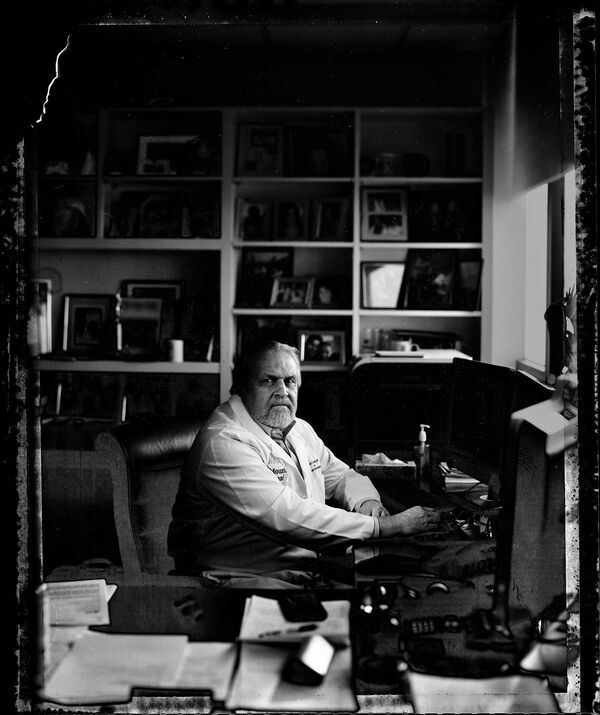
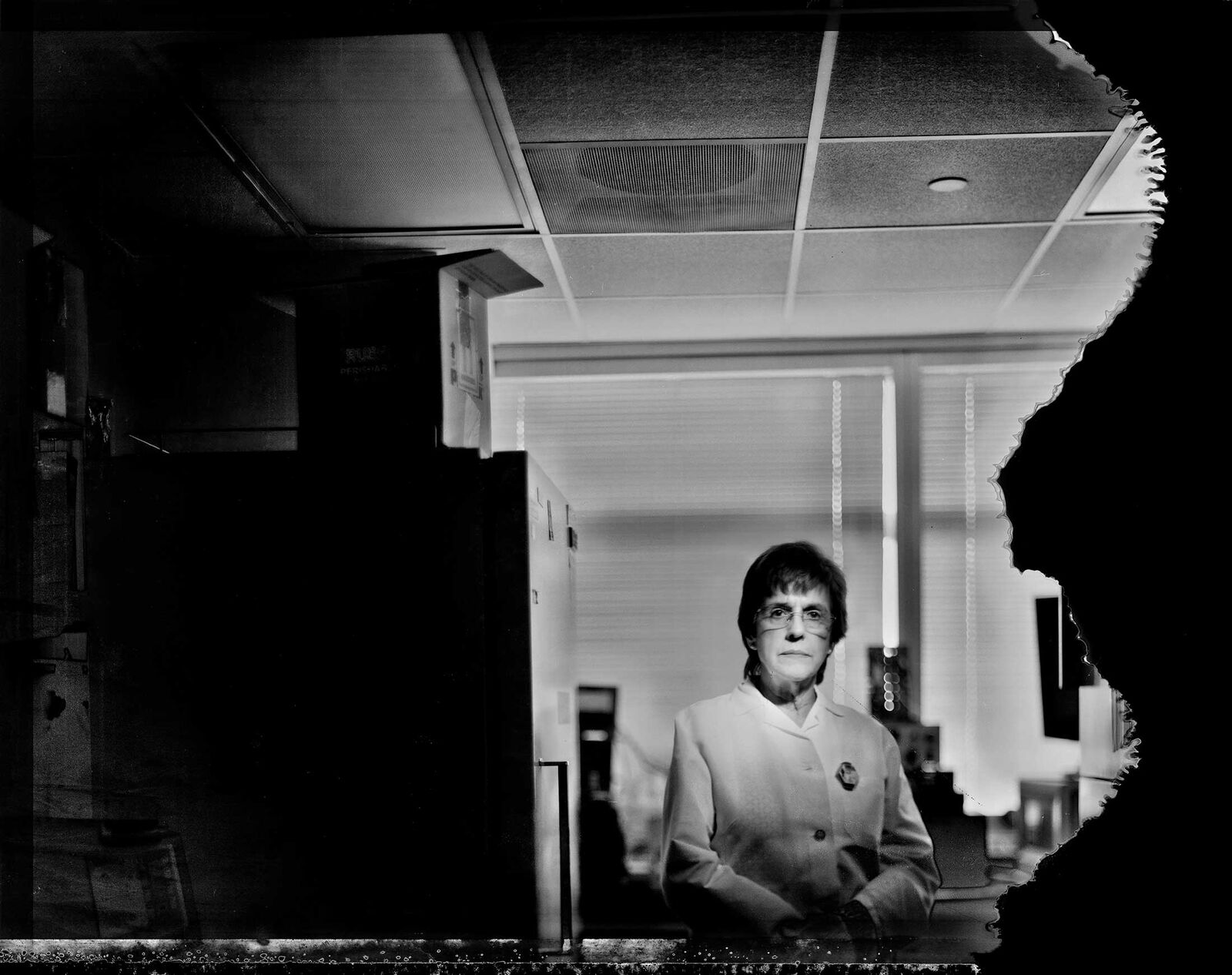
Dennis Charney at Mount Sinai.PHOTOGRAPHER: MAX AGUILERA-HELLWEG FOR BLOOMBERG BUSINESSWEEK
Dennis Charney, dean of the Icahn School of Medicine at Mount Sinai in New York, works from an office filled with family pictures, diplomas, and awards from a long career in research. One thing on the wall is different from the rest: a patent for the use of a nasal-spray form of ketamine as a treatment for suicidal patients. The story of the drug is in some ways the story of Charney’s career.
In the 1990s he was a psychiatry professor, mentoring then associate professor John Krystal at Yale and trying to figure out how a deficit of serotonin played into depression. Back then, depression research was all about serotonin. The 1987 approval of Prozac, the first selective serotonin reuptake inhibitor, or SSRI, ushered in an era of what people in the industry call me-too drug development, research that seeks to improve on existing medicines rather than exploring new approaches. Within this narrow range, pharmaceutical companies churned out blockbuster after blockbuster. One in eight Americans age 12 and older reported using antidepressants within the past month, according to a survey conducted from 2011 to 2014 by the U.S. Centers for Disease Control and Prevention.
Charney was a depression guy; Krystal was interested in schizophrenia. Their curiosity led them to the same place: the glutamate system, what Krystal calls the “main information highway of the higher brain.” (Glutamate is an excitatory neurotransmitter, which helps brain cells communicate. It’s considered crucial in learning and memory formation.) They had already used ketamine to temporarily produce schizophrenia-like symptoms, to better understand glutamate’s role in that condition. In the mid-1990s they decided to conduct a single-dose study of ketamine on nine patients (two ultimately dropped out) at the Yale-affiliated VA Connecticut Healthcare System in West Haven to see how depressed people would react to the drug.
“If we had done the typical thing … we would have completely missed the antidepressant effect”
Outside the field of anesthesiology, ketamine is known, if it’s known at all, for its abuse potential. Street users sometimes take doses large enough to enter what’s known as a “K hole,” a state in which they’re unable to interact with the world around them. Over the course of a day, those recreational doses can be as much as 100 times greater than the tiny amount Charney and Krystal were planning to give to patients. Nonetheless, they decided to monitor patients for 72 hours—well beyond the two hours that ketamine produces obvious behavioral effects—just to be careful not to miss any negative effects that might crop up. “If we had done the typical thing that we do with these drug tests,” Krystal says, “we would have completely missed the antidepressant effect of ketamine.”
Checking on patients four hours after the drug had been administered, the researchers saw something unexpected. “To our surprise,” Charney says, “the patients started saying they were better, they were better in a few hours.” This was unheard of. Antidepressants are known for taking weeks or months to work, and about a third of patients aren’t sufficiently helped by the drugs. “We were shocked,” says Krystal, who now chairs the Yale psychiatry department. “We didn’t submit the results for publication for several years.”
When Charney and Krystal did publish their findings, in 2000, they attracted almost no notice. Perhaps that was because the trial was so small and the results were almost too good to be true. Or maybe it was ketamine’s reputation as an illicit drug. Or the side effects, which have always been problematic: Ketamine can cause patients to disassociate, meaning they enter a state in which they feel as if their mind and body aren’t connected.
But probably none of these factors mattered as much as the bald economic reality. The pharmaceutical industry is not in the business of spending hundreds of millions of dollars to do large-scale studies of an old, cheap drug like ketamine. Originally developed as a safer alternative to the anesthetic phencyclidine, better known as PCP or angel dust, ketamine has been approved since 1970. There’s rarely profit in developing a medication that’s been off patent a long time, even if scientists find an entirely new use for it.
Somehow, even with all of this baggage, research into ketamine inched forward. The small study that almost wasn’t published has now been cited more than 2,000 times.
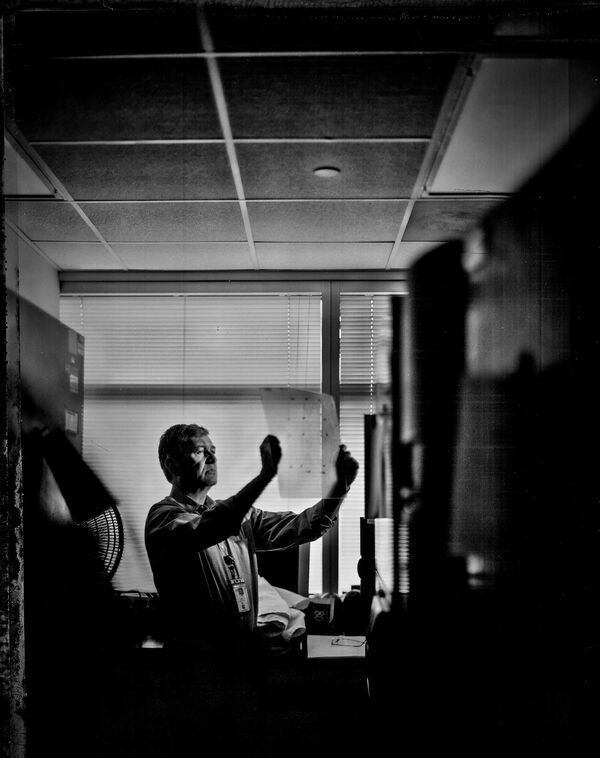
John Mann in his office at Columbia’s New York State Psychiatric Institute.PHOTOGRAPHER: MAX AGUILERA-HELLWEG FOR BLOOMBERG BUSINESSWEEK
Suicide is described in medicine as resulting from a range of mental disorders and hardships—a tragedy with many possible roots. Conditions such as severe depression, bipolar disorder, and schizophrenia are known risk factors. Childhood trauma or abuse may also be a contributor, and there may be genetic risk factors as well.
From these facts, John Mann, an Australian-born psychiatrist with a doctorate in neurochemistry, made a leap. If suicide has many causes, he hypothesized, then all suicidal brains might have certain characteristics in common. He’s since done some of the most high-profile work to illuminate what researchers call the biology of suicide. The phrase itself represents a bold idea—that there’s an underlying physiological susceptibility to suicide, apart from depression or another psychiatric disorder.
Mann moved to New York in 1978, and in 1982, at Cornell University, he started collecting the brains of people who’d killed themselves. He recruited Victoria Arango, now a leading expert in the field of suicide biology. The practice of studying postmortem brain tissue had largely fallen out of favor, and Mann wanted to reboot it. “He was very proud to take me to the freezer,” Arango says of the day Mann introduced her to the brain collection, which then numbered about 15. “I said, ‘What am I supposed to do with this?’ ”
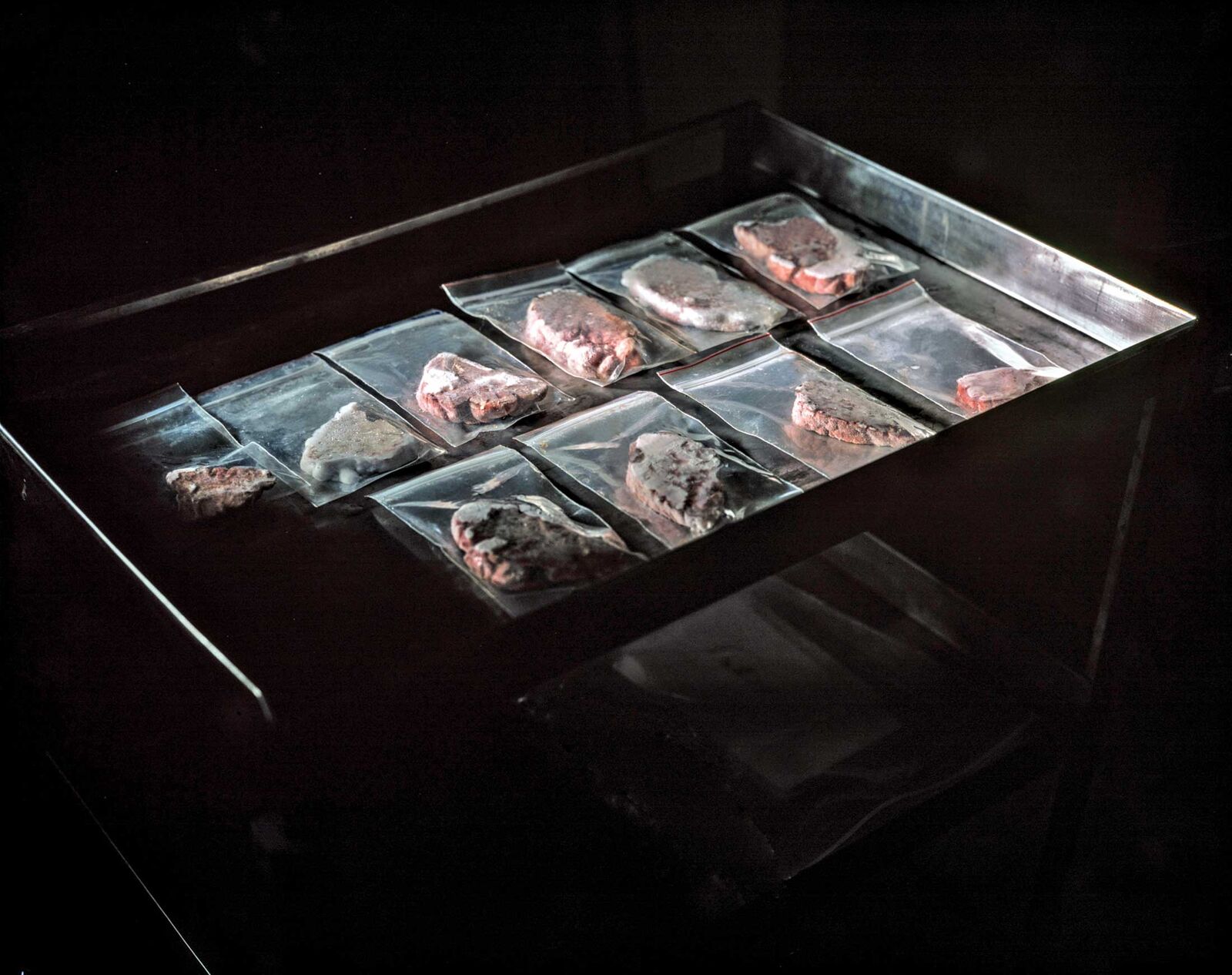
Some of Mann’s brain collection.PHOTOGRAPHER: MAX AGUILERA-HELLWEG FOR BLOOMBERG BUSINESSWEEK
They took the work, and the brains, first to the University of Pittsburgh, and then, in 1994, to Columbia. They’ve now amassed a collection of some 1,000 human brains—some from suicide victims, the others, control brains—filed neatly in freezers kept at –112F. The small Balkan country of Macedonia contributes the newest brains, thanks to a Columbia faculty member from there who helped arrange it. The Macedonian brains are frozen immediately after being removed and flown in trunks, chaperoned, some 4,700 miles to end up in shoe-box-size, QR-coded black boxes. Inside are dissected sections of pink tissue in plastic bags notated with markers: right side, left side, date of collection.
In the early 1990s, Mann and Arango discovered that depressed patients who killed themselves have subtle alterations in serotonin in certain regions of the brain. Mann remembers sitting with Arango and neurophysiologist Mark Underwood, her husband and longtime research partner, and analyzing the parts of the brain affected by the deficit. They struggled to make sense of it, until it dawned on them that these were the same brain regions described in a famous psychiatric case study. In 1848, Phineas Gage, an American railroad worker, was impaled through the skull by a 43-inch-long tamping iron when the explosives he was working with went off prematurely. He survived, but his personality was permanently altered. In a paper titled “Recovery From the Passage of an Iron Bar Through the Head,” his doctor wrote that Gage’s “animal propensities” had emerged and described him as using the “grossest profanity.” Modern research has shown that the tamping iron destroyed key areas of the brain involved in inhibition—the same areas that were altered in the depressed patients who’d committed suicide. For the group, this was a clue that the differences in the brain of suicidal patients were anatomically important.
Columbia’s Victoria Arango.PHOTOGRAPHER: MAX AGUILERA-HELLWEG FOR BLOOMBERG BUSINESSWEEK
“Most people inhibit suicide. They find a reason not to do it,” Underwood says. Thanks to subtle changes in the part of the brain that might normally control inhibition and top-down control, people who kill themselves “don’t find a reason not to do it,” he says.
About eight years ago, Mann saw ketamine research taking off in other corners of the scientific world and added the drug to his own work. In one trial, his group found that ketamine treatment could ease suicidal thoughts in 24 hours more effectively than a control drug. Crucially, they found that the antisuicidal effects of ketamine were to some extent independent of the antidepressant effect of the drug, which helped support their thesis that suicidal impulses aren’t necessarily just a byproduct of depression. It was this study, led by Michael Grunebaum, a colleague of Mann’s, that made a believer of Joe Wright.
“It’s like you have 50 pounds on your shoulders, and the ketamine takes 40 pounds off”
In 2000, the National Institutes of Health hired Charney to run both mood disorder and experimental drug research. It was the perfect place for him to forge ahead with ketamine. There he did the work to replicate what he and his colleagues at Yale had discovered. In a study published in 2006, led by researcher Carlos Zarate Jr., who now oversees NIH studies of ketamine and suicidality, an NIH team found that patients had “robust and rapid antidepressant effects” from a single dose of the drug within two hours. “We could not believe it. In the first few subjects we were like, ‘Oh, you can always find one patient or two who gets better,’ ” Zarate recalls.
In a 2009 study done at Mount Sinai, patients suffering from treatment-resistant depression showed rapid improvement in suicidal thinking within 24 hours. The next year, Zarate’s group demonstrated antisuicidal effects within 40 minutes. “That you could replicate the findings, the rapid findings, was quite eerie,” Zarate says.
Finally ketamine crossed back into commercial drug development. In 2009, Johnson & Johnson lured away Husseini Manji, a prominent NIH researcher who’d worked on the drug, to run its neuroscience division. J&J didn’t hire him explicitly to develop ketamine into a new pharmaceutical, but a few years into his tenure, Manji decided to look into it. This time it would come in a nasal-spray form of esketamine, a close chemical cousin. That would allow for patent protection. Further, the nasal spray removes some of the challenges that an IV form of the drug would present. Psychiatrists, for one thing, aren’t typically equipped to administer IV drugs in their offices.
While these wheels were slowly turning, some doctors—mostly psychiatrists and anesthesiologists—took action. Around 2012 they started opening ketamine clinics. Dozens have now popped up in major metropolitan areas. Insurance typically won’t touch it, but at these centers people can pay about $500 for an infusion of the drug. It was at one time a cultural phenomenon—a 2015 Bloomberg Businessweek story called it “the club drug cure.” Since then, the sense of novelty has dissipated. In September the American Society of Ketamine Physicians convened its first medical meeting about the unconventional use of the drug.
“You are literally saving lives,” Steven Mandel, an anesthesiologist-turned-ketamine provider, told a room of about 100 people, mostly doctors and nurse practitioners, who gathered in Austin to hear him and other early adopters talk about how they use the drug. Sporadic cheers interrupted the speakers as they presented anecdotes about its effectiveness.
There were also issues to address. A consensus statementin JAMA Psychiatry published in 2017 said there was an “urgent need for some guidance” on ketamine use. The authors were particularly concerned with the lack of data about the safety of prolonged use of the drug in people with mood disorders, citing “major gaps” in the medical community’s knowledge about its long-term impact.
The context for the off-label use of ketamine is a shrinking landscape for psychiatry treatment. An effort to deinstitutionalize the U.S. mental health system, which took hold in the 1960s, has almost resulted in the disappearance of psychiatric hospitals and even psychiatric beds within general hospitals. There were 37,679 psychiatric beds in state hospitals in 2016, down from 558,922 in 1955, according to the Treatment Advocacy Center. Today a person is often discharged from a hospital within days of a suicide attempt, setting up a risky situation in which someone who may not have fully recovered ends up at home with a bunch of antidepressants that could take weeks to lift his mood, if they work at all.
A ketamine clinic can be the way out of this scenario—for people with access and means. For Dana Manning, a 53-year-old Maine resident who suffers from bipolar disorder, $500 is out of reach. “I want to die every day,” she says.
After trying to end her life in 2003 by overdosing on a cocktail of drugs including Xanax and Percocet, Manning tried virtually every drug approved for bipolar disorder. None stopped the mood swings. In 2010 the depression came back so intensely that she could barely get out of bed and had to quit her job as a medical records specialist. Electroconvulsive therapy, the last-ditch treatment for depressed patients who don’t respond to drugs, didn’t help.
Her psychiatrist went deep into the medical literature to find options and finally suggested ketamine. He was even able to get the state Medicaid program to cover it, she says. She received a total of four weekly infusions before she moved to Pennsylvania, where there were more family members nearby to care for her.
The first several weeks following her ketamine regimen were “the only time I can say I have felt normal” in 15 years, she says. “It’s like you have 50 pounds on your shoulders, and the ketamine takes 40 pounds off.”
She’s now back in Maine, and the depression has returned. Her current Medicare insurance won’t cover ketamine. She lives on $1,300 a month in disability income. “Knowing it is there and I can’t have it is beyond frustrating,” she says.
Mark Underwood at the New York State Psychiatric Institute.PHOTOGRAPHER: MAX AGUILERA-HELLWEG FOR BLOOMBERG BUSINESSWEEK
Ketamine is considered a “dirty” drug by scientists—it affects so many pathways and systems in the brain at the same time that it’s hard to single out the exact reason it works in the patients it does help. That’s one reason researchers continue to look for better versions of the drug. Another, of course, is that new versions are patentable. Should Johnson & Johnson’s esketamine hit the market, the ketamine pioneers and their research institutions stand to benefit. Yale’s Krystal, NIH’s Zarate, and Sinai’s Charney, all of whom are on the patent on Charney’s wall, will collect royalties based on the drug’s sales. J&J hasn’t said anything about potential pricing, but there’s every reason to believe the biggest breakthrough in depression treatment since Prozac will be expensive.
The company’s initial esketamine study in suicidal patients involved 68 people at high risk. To avoid concerns about using placebos on actively suicidal subjects, everyone received antidepressants and other standard treatments. About 40 percent of those who received esketamine were deemed no longer at risk of killing themselves within 24 hours. Two much larger trials are under way.
When Johnson & Johnson unveiled data from its esketamine study in treatment-resistant depression at the American Psychiatric Association meeting in May, the presentation was jammed. Esketamine could become the first-ever rapid-acting antidepressant, and physicians and investors are clamoring for any information about how it works. The results in suicidal patients should come later this year and could pave the way for a Food and Drug Administration filing for use in suicidal depressed patients in 2020. Allergan expects to have results from its suicide study next year, too.
“The truth is, what everybody cares about is, do they decrease suicide attempts?” says Gregory Simon, a psychiatrist and mental health researcher at Kaiser Permanente Washington Health Research Institute. “That is an incredibly important question that we hope to be able to answer, and we are planning for when these treatments become available.”
Exactly how ketamine and its cousin esketamine work is still the subject of intense debate. In essence, the drugs appear to provide a quick molecular reset button for brains impaired by stress or depression. Both ketamine and esketamine release a burst of glutamate. This, in turn, may trigger the growth of synapses, or neural connections, in brain areas that may play a role in mood and the ability to feel pleasure. It’s possible the drug works to prevent suicide by boosting those circuits while also reestablishing some of the inhibition needed to prevent a person from killing himself. “We certainly think that esketamine is working exactly on the circuitry of depression,” Manji says. “Are we homing in exactly on where suicidal ideation resides?” His former colleagues at NIH are trying to find that spot in the brain as well. Using polysomnography—sleep tests in which patients have nodes connected to various parts of their head to monitor brain activity—as well as MRIs and positron emission tomography, or PET scans, researchers can see how a patient’s brain responds to ketamine, to better understand exactly what it’s doing to quash suicidal thinking.
Concerns about the side effects of ketamine-style drugs linger. Some patients taking esketamine have reported experiencing disassociation symptoms. Johnson & Johnson calls the effects manageable and says they cropped up within an hour of the treatment, a period in which a person on the drug would likely be kept in the doctor’s office for monitoring. Some patients also experienced modest spikes in blood pressure within the same timeframe.
Nasal-spray dosing brings other issues. The Black Dog Institute in Australia and the University of New South Wales in Sydney, which teamed up to study a nasal-spray form of ketamine, published their findings last March in the Journal of Psychopharmacology. The researchers found that absorption rates were variable among patients. J&J says its own studies with esketamine contradict these findings.
But in the wake of the opioid crisis, perhaps the biggest worry is that loosening the reins too much on the use of ketamine and similar drugs could lead to a new abuse crisis. That’s why Wall Street analysts are particularly excited by Allergan’s rapid-acting antidepressant, rapastinel, which is about a year behind esketamine in testing. Researchers say it likely acts on the same target in the brain as ketamine, the NMDA receptor, but in a more subtle way that may avoid the disassociation side effects and abuse potential. Studies in lab animals show the drug doesn’t lead creatures to seek more of it, as they sometimes do with ketamine, says Allergan Vice President Armin Szegedi. Allergan’s medicine is an IV drug, but the company is developing an oral drug.
For its suicide study, Allergan is working hard to enroll veterans, one of the populations most affected by the recent spike in suicides, and has included several U.S. Department of Veterans Affairs medical centers as sites in the trial. More than 6,000 veterans died by suicide each year from 2008 to 2016, a rate that’s 50 percent higher than in the general population even after adjusting for demographics, according to VA data.
“How the brain mediates what makes us who we are is still a mystery, and maybe we will never fully understand it,” Szegedi says. “What really changed the landscape here is you had clinical data showing ‘This really does the trick.’ Once you find something in the darkness, you really have to figure out: Can you do something better, faster, safer?”