Category: News & Media

  • Ketamine Shows Promise as Treatment for Adolescents with Depression

    Ketamine Shows Promise as Treatment for Adolescents with Depression

    Young people suffering from treatment-resistant depression (TRD) showed a significant reduction of their symptoms after being administered ketamine injections, according to a study published in the Journal of Child and Adolescent Psychopharmacology.

    Researchers from the University of Minnesota (UM) and the nonprofit Mayo Clinic found that ketamine caused an average decrease of 42 percent on the Children’s Depression Rating Scale(CDRS)—the most widely used rating scale in research trials for assessing the severity of depression and change in depressive symptoms among adolescents.

    Ketamine is perhaps best known for being a popular recreational drug and a useful medical anesthetic, but a growing body of research is indicating that the compound could be an effective treatment for depression. Several recent studies have shown that even a single dose in adults can lead to rapid reductions in depressive symptoms. However, relatively little research has been conducted into ketamine’s antidepressant effects in adolescents.

    “Adolescence is a very important time for studying depression, first because depression often starts during these years, and second because it is an important time for brain development,” Kathryn Cullen, from the Department of Psychiatry at UM, told Newsweek.

    “When adolescent depression persists without successful treatment, it can interfere with achieving important developmental milestones. Finding the right treatment is critical to allow the restoration of healthy brain development and prevent negative outcomes like chronic depression, disability and suicide.”

    Unfortunately, about 40 percent of adolescents do not respond to their first intervention and only half of nonresponders respond to the second treatment, according to the researchers.

    “Standard antidepressant treatments do not work for everyone and take weeks to months to take effect, a time period when patients are at risk for continued suffering and suicide attempts,” Cullen said. “The field is in need of new treatment options. Ketamine has a very different mechanism of action than standard treatments.”

    The latest study involved 13 young people ages 12 to 18 who had failed two previous trials of antidepressants. During a two-week period, the researchers gave them six ketamine infusions.

    They found that the treatment was well tolerated, with the participants showing an average decrease in CDRS scores of 42.5 percent. Five of the participants met the criteria for clinical response and remission. Of these, three were still in remission after six weeks, while the remaining two relapsed within two weeks.

    According to the scientists, the results demonstrate the potential role for ketamine in treating adolescents with TRD. However, they note that the study was limited by its small sample size, so future research will be needed to confirm these results.

    “The purpose of our study was to investigate the effects of ketamine for TRD in younger patients for whom this indication for ketamine administration is not well studied,” Mark Roback, a professor of pediatrics at the University of Minnesota, told Newsweek.

    “I think our results show promise for this population, however this study is just a beginning. The study serves to point out the need for further, rigorous, study designed to answer the many questions that remain about ketamine for TRD, such as optimal dosing and route of administration, dosing interval and treatment length, and long-term effects—just to name a few.”

    A teenager suffers from depression in this stock photo. Adolescents experiencing treatment-resistant depression (TRD) showed a significant reduction in their symptoms after being administered ketamine injections, according to a study.ISTOCK

    James Stone, a clinical senior lecturer from the Institute of Psychiatry, Psychology and Neuroscience at King’s College London, who was not involved in the study, told Newsweek that there is “a lot of potential for the use of ketamine as a second or third line antidepressant where other treatments have failed.”

    “Although ketamine is potentially a huge breakthrough in the treatment of depression, we still don’t know about the long-term safety, or about how to keep people well from depression without requiring regular ketamine dosing,” Stone added. “Further studies are needed to address these questions.”

    This article has been updated to include additional comment from Kathryn Cullen.
    [Read the Full Article and Watch the Video HERE]

  • Ketamine Is Creating a New Wave of Drugs to Treat Depression

    Ketamine Is Creating a New Wave of Drugs to Treat Depression

    Johnson & Johnson and Allergan are now testing new drugs for depression that are based on ketamine. There are still safety concerns.

    Ketamine, a powerful anesthetic drug, is inspiring scientists and doctors to rethink how we treat depression.Now, two major pharmaceutical companies, Johnson & Johnson and Allergan, are making strides in developing drugs based on ketamine.“There’s been a vacuum in the treatment of depression for a good 10 to 15 years. There was the development of the SSRI, and then there was a lot of ‘me too’ drugs. No new mechanisms. Just one more antidepressant after another,” Waguih W. Ishak, professor and vice chairman of psychiatry at Cedars-Sinai in Los Angeles, told Healthline.

    Johnson & Johnson is currently in phase III trials of esketamine, which is a mirror image of ketamine’s chemical structure. It’s being developed in a nasal spray formulation.

    A representative for Johnson & Johnson told Healthline the company is currently seeking approval for the drug to treat people with treatment-resistant depression and those at imminent risk of suicide.

    Treatment-resistant depression is a subset of depression that doesn’t respond to at least two different drug interventions.

    Allergan is developing the drug rapastinel. It’s chemically different from ketamine but works in a similar way in the brain.

    The company has completed phase II trials for the drug and is expecting the results of their phase III trials next year.

    “Rapid-acting therapies have the potential to be game-changing in the treatment of depression, an area where patients are in desperate need of new options. Our studies so far demonstrated rapid onset of efficacy within one day, which lasts days after a single dose and a low potential for abuse,” said David Nicholson, PhD, Allergan executive vice president and chief research and development officer, in a statement to Healthline.

    Both esketamine and rapastinel have been granted “breakthrough therapy designation” by the U.S. Food and Drug Administration (FDA).

    The designation is a fast-track approval process given to drugs intended to treat a serious condition and that demonstrate substantial improvement over currently available therapies.

    The ketamine factor

    Research into ketamine as a breakthrough treatment for depression has exploded in recent years.

    Initially developed to treat pain and approved by the FDA in 1970, the drug was first used by U.S. soldiers during the Vietnam War.

    Scientists didn’t discover the drug’s potential to treat depression for almost 30 years. Researchers began to publish reports in the year 2000.

    Since then, interest has only continued to grow.

    A recurring problem for antidepressants is that they’re slow to act. Most of them take at least two weeks before people feel any of the effects.

    Ketamine and similar drugs are fast acting, with some people feeling changes in mood within minutes.

    A number of risks

    However, using ketamine and similar drugs aren’t without risk.

    In fact, for many years, ketamine has garnered a reputation as a powerful narcotic club drug, capable of rendering users incapacitated.

    Thus, concerns around ketamine are abundant for both safety, potential misuse, and diversion into the black market.

    Even when taken therapeutically, people report dissociative symptoms, which can feel like being disconnected from one’s body or the outside world. The drug can also cause hallucinations.

    “There’s been a lot of concern around oral ketamine, which has been prescribed for people for pain. There is a serious concern for abuse there,” Ishak said. “People take it to get high to get those dissociative feelings and hallucinations if they take higher doses. So, I think that’s definitely a serious concern.”

    Safety needs to be considered

    Ketamine and rapastinel are administered through IV infusion. These and esketamine’s nasal formation are only given under supervision.

    People aren’t simply given a prescription and sent home.

    The FDA’s final approval of esketamine and rapastinel would have to take serious consideration of the drug’s safety and potential for misuse.

    Finally, if an orally administered version of any of these drugs were developed, it would also have to prove that it’s both safe and effective.

    “[These drugs] provide a whole new mechanism of action for antidepressants and a whole new way of administering that. Maybe there are ways to have oral administration become much safer so people can take it conveniently rather than under supervision,” Ishak said.

    “So, there are a few promising things in it that if they take place, it could easily become a first-line treatment. If this is oral with rapid onset of action, I can tell you this is something I’d prescribe as a first line and not wait until we exhaust two or three trials of other medicines,” he said.

    [Read the Original Post]

  • A ‘breakthrough’ depression drug inspired by ketamine is attracting more attention from big pharma

    A ‘breakthrough’ depression drug inspired by ketamine is attracting more attention from big pharma

    After 35 years of mediocre depression drugs, pharmaceutical companies are jazzed about several new drugs inspired by the club drug ketamine.

    Allergan, the multinational pharmaceutical giant known for Botox and birth control, recently dove into research on an injectable depression drug called Rapastinel.
    Most recently, the company announced it was working on oral pill version of that drug.
    After nearly four decades of dispensing the same mediocre medications to patients with depression, pharmaceutical companies are jazzed about several new drug candidates inspired by the club drug ketamine.

    Allergan, the multinational pharmaceutical giant known for Botox and birth control, recently dove deep into research on an injectable depression drug called Rapastinel, which works on the same brain pathway as ketamine.

    The company plans to file for approval with the Food and Drug Administration within two years. Last week, Allergan also announced plans to go after an oral pill formulation of Rapastinel that would be easier to take and more widely used.

    The development “points to the general air of excitement in this area,” C. David Nicholson, Allergan’s chief of research and development, told Business Insider.

    Allergan isn’t the only pharmaceutical company that is hot on the trail of new depression drugs inspired by ketamine. Johnson & Johnson is pursuing esketamine, the chemical mirror image of the drug, in a nasal spray formula.

    After publishing positive clinical trial results earlier this month, the company told Business Insider it planned to file for FDA approval of the drug this year. VistaGen, a small San Francisco-based drug company, is studying a drug similar to Allergan’s Rapastinel called AV-101.

    All of those efforts hint that a new blockbuster depression drug could be just around the corner — all thanks to a club drug once known chiefly as “Special K.”

    A reawakening for new depression drugs inspired by ketamine
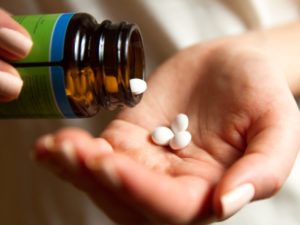
    prescription-pills-medicine-in-hand
    perfectlab/Shutterstock
    Scientists recently called ketamine, a drug most people know either as a surgical anesthetic or a party drug, “the most important discovery in half a century.” The drug landed on researchers’ radar after swiftly lancing depressive symptoms in people — including suicidal patients— with some of the hardest-to-treat forms of the disease.
    But ketamine is difficult to give patients (it’s generally administered via an IV drip over roughly 45 minutes) and does have some negative side effects (many people describe a dissociative, quasi-psychedelic sensation of floating outside of their body, for example). Ketamine is also expensive, and most insurance providers don’t cover it.

    Drug companies are looking for candidates that mirror ketamine’s positive qualities while minimizing its negative side effects. Injectable drug candidate Rapastinel could be Allergan’s answer to this quandary.

    “Now that ketamine has shown improvements in depression, it has reawoken interest in this area. And Rapastinel appears to combine the best of all worlds in terms of efficacy and safety,” Nicholson said. “I believe it will be a breakthrough and will be used extensively.”

    But despite showing hugely positive results in clinical trials so far, Rapastinel still faces one road block: it’s a shot, and people don’t like shots.

    So while Rapastinel moves through the drug approval process, Allergan is also eyeing an oral pill formula which would hopefully either mimic or at least complement Rapastinel’s effects. If successful in clinical trials, the pill could also be used “more widely” than Rapastinel, Nicholson said.

    ‘As soon as there’s a breakthrough all those other companies that dropped out will want back in’
    For now, Allergan’s new oral pill depression drug candidate is known only as AGN-241751. Like Rapastinel, AGN-241751 was initially developed by a company called Aptinyx. In 2015, as part of a $560 million deal with the company, Allergan nabbed the rights to develop and commercialize both drugs.

    The deal sheds light on Allergan’s renewed strategic focus on new neuroscience drugs, Nicholson said. In the past, the drugmaker has worked on medications designed to treat migraines, Parkinson’s, and Alzheimer’s; depression is the latest arm of that research focus.

    Nicholson also believes that the interest he’s seeing in ketamine-inspired drugs could be the breakthrough needed to stir-up renewed interest among drugmakers in the neuroscience field, which declined somewhat after several promising Alzheimer’s drug candidates failed to turn into treatments.

    “We see a great future in neuroscience research and development. These things tend to go through cycles. There’s a breakthrough, and Rapastinel hopefully will be one of those breakthroughs. And as soon as there’s a breakthrough all those other companies that dropped out will want back in.”

  • Ketamine, or “Special K,” Effectively Treats Severe Depression in Study

    More research backs the club drug ketamine, or “Special K,” for treating severe depression in therapeutic settings.

    British researchers tested the drug on patients in the U.K. to see if ketamine, which has shown promise in previous trials for treating serious and suicidal depression, might be beneficial in an NHS hospital setting. The NHS is the publicly-funded health care system in the U.K.

    In the study, 28 patients with treatment-resistant depression were given ketamine intravenously over three weeks. Although several patients relapsed with symptoms within a day or two, researchers say almost 30 percent had benefits which lasted at least three weeks and 15 percent did not relapse for 2 months or more.

    “We’ve seen remarkable changes in people who’ve had severe depression for many years that no other treatment has touched,” study author Dr. Rupert McShane, a researcher in Oxford University’s Department of Psychiatry, said in a statement. “It’s very moving to witness.”

    He added, “For some, even a brief experience of response helps them to realize that they can get better and this gives hope.”

    Ketamine is a general anesthetic that is often used by veterinarians on animals such as cats. When taken illicitly in high doses as a club drug, ketamine carries a dissociative effect or puts people in what’s nicknamed a “K-hole,” meaning they feel detached and experience distortions in how they perceive sights and sounds.

    The U.S. government classifies ketamine as a Schedule III drug, meaning they have moderate to low potential for physical and psychological dependence.

    But increasing evidence suggests the drug may help people with severe clinical depression who aren’t helped by antidepressants.

    A 2013 study led by researchers at Mount Sinai Medical Center in New York, involving 72 patients with treatment-resistant depression, found almost 64 percent of patients showed improvements in symptoms within 24 hours, and 46 percent had improved symptoms one week later.

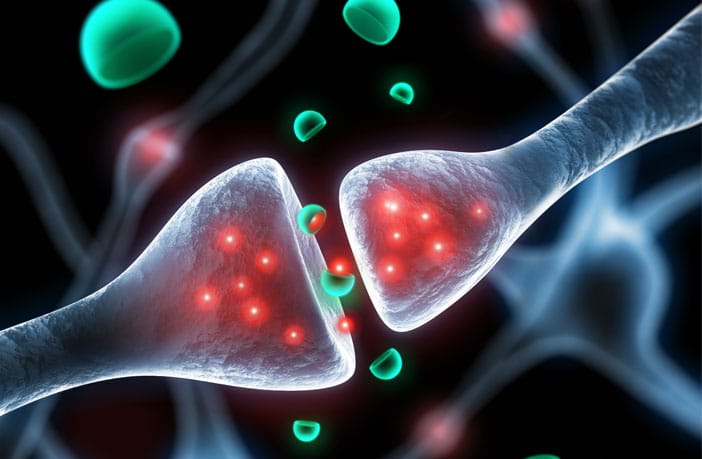
    In 2012, Yale researchers reported ketamine could treat depression by spurring the release of the neurotransmitter glutamate in the brain, which triggers the growth of synapses, or spaces between nerves that allow information to flow from one nerve cell to another. Chronic stress and depression damages these synapses, the researchers stated at the time, but a single dose of ketamine may rapidly reverse the damage. However, the improvement that’s seen within hours may last only a week to 10 days, they warned at the time.

    In the new study, patients received either three or six ketamine infusions lasting 40 minutes; patients were asked to report their mood symptoms daily and were given memory tests a few days after the final infusion.

    Three days after infusions ended, 29 percent of patients halved their depression scores, with duration of benefits varying between 25 days and eight months. The response often took a second infusion to become evident.

    “Patients often comment that that the flow of their thinking seems suddenly freer,” said McShane.

    Suicidal ideas diminished overall, however there were some issues: some episodes of suicidal behavior and severe depression occurred among some participants, some patients were anxious during infusions, and some stopped treatment entirely because they felt it wasn’t working. Many experienced the detached feelings, but none felt euphoric. There were no adverse effects seen on tests of memory and bladder function.

    The study was published April 2 in the Journal of Psychopharmacology.

    The team overall has given 400 doses of ketamine to 45 patients, nine of whom have benefited greatly. They hope to build on these studies by trying different doses of infusions and adding other drugs in hopes of prolonging the effects.

    Reuters reports U.S. drugmaker Johnson & Johnson is developing a nasal-spray form of the drug, called esketamine, that has shown promise in mid-stage trials.

    [Read the Original Report Here]

  • Depression researchers stop ketamine nasal spray trial because of psychotic-like effects

    Depression researchers at Black Dog Institute and University of NSW had to abort a “promising” pilot trial into the efficacy of ketamine nasal sprays after patients experienced psychotic-like effects and temporary loss of fine motor skills.

    The researchers were hopeful the trial would work as an earlier study in the US had shown ketamine – an anaesthetic drug shown to have rapid antidepressant effects – could be safely delivered using a nasal spray.

    But in a paper published in the latest Journal of Psychopharmacology, the research team, led by Professor Colleen Loo, said they had to stop the trial at five participants with severe depression (they were aiming for 10) because of unexpected side effects – their blood pressure shot up, they became uncoordinated and they suffered “unpleasant” psychotic-like effects.

    Researchers had to stop their ketamine nasal spray trial because of concerning side effects. (Spray in photo is unrelated)

    Researchers had to stop their ketamine nasal spray trial because of concerning side effects. (Spray in photo is unrelated)


    “The US trial gave a single fixed 50mg dose of ketamine over five sprays but the improvement in mood wasn’t as much as in previous studies … so we decided to give 100mg, twice the dose, over 10 sprays,” she said.

    “We saw a range of tolerance levels and we think it’s because one person’s blood vessels in the nose can be so different to the next person’s, and when you spray, it crosses the thin lining, gets taken into the blood and straight to the brain. Some people got huge hits.”

    One of the five participants, Cheryl*, said she had tried a raft of treatments for depression over the past 10 years and only ketamine – given by under-the-skin injections in a different trial – had renewed her “desire to live”.

    About 1 million Australians suffer from depression.

    About 1 million Australians suffer from depression.

    Photo: Shutterstock

    The 66-year-old retiree from Sydney was “extremely optimistic” when she joined the pilot trial but as it went on her blood pressure increased and she couldn’t fully control her hands, making it difficult to correctly self-administer the nasal spray.

    All participants were given training in proper self-administration techniques before receiving either a course of eight ketamine treatments or an active control over a period of four weeks, under supervision at the study centre.  Each treatment consisted of 10 sprays.

    Following initial reactions, the dosage was adjusted for each patient to include longer time intervals between each spray.

    Professor Colleen Loo from Black Dog Institute.

    Professor Colleen Loo from Black Dog Institute.

    “In my opinion, all drugs have side effects and while the side effects were a concern, I felt I was in a safe environment and the staff knew what they were doing,” Cheryl said.

    “You need to understand that I was keen to do anything to alleviate my depression and the side effects were worth the risk.”

    Over the past 20 years, researchers have established that ketamine, when intravenously administered, can help people with “treatment-resistant depression”, and are now working to make it a less invasive, “clinically useful” treatment so that patients can get well and stay well.

    The clinical trial has cast some doubt on nasal sprays, but it is still a promising method, with Johnson & Johnson’s pharmaceutical company Janssen conducting trials using a sibling of ketamine called esketamine, also a general anesthetic and a dissociative hallucinogen.

    Professor Loo said the concerning outcome of her study didn’t mean Janssen’s trials couldn’t be successful because it was using different preparations and spray methods.

    “It’s clear that the intranasal method of ketamine delivery is not as simple as it first seemed,” she said.

    “I wish them luck because sprays are better than injections … this is not that straightforward, all of these complexities are things we need to sort out before we can come out and say: ‘Yep this is ready for mainstream clinical use’.”

    Associate Professor Christopher Davey, head of research group Orygen’s Mood Disorders program, said he was disappointed by the trial’s outcome because ketamine was so promising and nasal sprays would have helped it one day become widely available.

    “There’s a real need for a new antidepressant treatment; the traditional medications don’t start working for weeks and at least half the people won’t really get a benefit from them,” he said.

    “I think it is an exciting development in psychiatry because we are finding potentially a new pathway for effective medications; it’s opened up this door of investigation.”

    Johnson & Johnson told Fairfax Media the Black Dog Institute’s ketamine study did not in any way relate to its own trials, which use esketamine.

    “Esketamine is an investigational compound being studied by Janssen as part of a global development program,” its spokesman said.

    “Esketamine is not an approved medicine in Australia and remains in clinical development. Esketamine received Breakthrough Therapy Designations from the US Food and Drug Administration in November 2013.”

    In any one year, around 1 million Australian adults have depression, according to beyondblue.

    In another study last year, Professor Loo showed the effectiveness of ketamine’s antidepressant effects in elderly patients when delivered in repeated doses, which were adjusted on an individual basis and given by subcutaneous (under the skin) injections.

    “Our prior research has shown that altering the dose on an individual patient basis was important. However, we wanted to see if a simpler approach using a set dose of ketamine for all people and administered by nasal spray could work just as well in this latest pilot,” she said.

    “More research is needed to identify the optimal level of ketamine dosage for each specific application method before nasal sprays can be considered a feasible treatment option.”

    Her team is now recruiting participants for the world’s largest independent trial of ketamine to treat depression, to determine the safety and effects of repeated dosing using subcutaneous injections.

    For help or information, contact Lifeline on 13 11 14 or beyondblue on 1300 224 636.

    * Cheryl’s surname has been withheld.

    [Read the Original Post Here]

  • Getting the Inside Dope on Ketamine’s Mysterious Ability to Rapidly Relieve Depression

    The notorious party drug may act as an antidepressant by blocking neural bursts in a little-understood brain region that may drive depression.

    By Simon Makin on March 2, 2018

    Ketamine has been called the biggest thing to happen to psychiatry in 50 years, due to its uniquely rapid and sustained antidepressant effects. It improves symptoms in as little as 30 minutes, compared with weeks or even months for existing antidepressants, and is effective even for the roughly one third of patients with so-called treatment-resistant depression

    Although there are multiple theories, researchers do not quite know how ketamine combats depression. Now, new research has uncovered a mechanism that may, in part, explain ketamine’s antidepressant properties. Two studies, recently published in Nature, describe a distinctive pattern of neural activity that may drive depression in a region called the lateral habenula (LHb); Ketamine, in turn, blocks this activity in depression-prone rats.

    Originally licensed as an anesthetic in 1970, ketamine has since gained fame as a party drug for causing out-of-body experiences, hallucinations and other psychosislike effects. Its antidepressant properties in humans were discovered almost 20 years ago. Ketamine does not directly influence the same chemical messengers as standard antidepressants such as serotonin but rather works via interaction with another chemical, glutamate—not usually associated with mood but rather with brain plasticity. One prominent idea about how it alleviates depression is by promoting the growth of new neural connections. “We provide a new angle for people to think about how this drug works,” says neuroscientist Hailan Hu of Zhejiang University in China, leader of the team that conducted both studies. If she is right, her group may have identified multiple new lines of attack for treating a condition the World Health Organization calls the leading cause of disability worldwide.

    Both new studies probe the workings of the LHb, a small, central brain region that acts like the dark twin of the brain’s reward centers by processing unexpectedly unpleasant events. For example, if an animal has been trained to expect food when reaching the end of a maze and the reward is not there, the LHb activates, signaling a discrepancy between expectation and outcome. This has led to the LHb being dubbed the key part of a “disappointment circuit.” If the LHb is overactive, it could suppress rewards from normally pleasurable activities—a symptom known as anhedonia—leading to long-term apathy and hopelessness. Studies in animals suggest hyperactivity in the LHb contributes to depression, but the details have been murky.

    The first study, led by neuroscientist Yan Yang, also at Zhejiang, discovered a distinctive pattern of rapid bursts in the LHb of rats that display depressionlike behaviors. More usual neural activity, where neurons fire at spaced intervals, was not related to depression, suggesting it is burst activity, rather than increased LHb activity per se, that is related to depression. Exactly why bursts are important is not clear, but the researchers think they may enhance communication with other regions. “It’s like a machine-gun shooting versus single shooting, so it carries information more efficiently to downstream brain areas,” Hu says. The team also provoked LHb neurons into burst-firing using optogenetics, a technology that allows neurons to be activated with light. The results showed increased depressive behaviors, indicating the bursts actually cause depression rather than just occur alongside it.

    The researchers stumbled on ketamine after they injected a drug that blocks NMDA receptors (for glutamate that, when activated, allow calcium to flood inside cells, causing them to fire) in the LHbs of depression-prone rats and saw strong antidepressant effects. Ketamine also blocks NMDA receptors, so the team repeated this with ketamine and again alleviated depression, within one hour. “We show that infusion of ketamine into just one brain region is sufficient to cause rapid antidepressant effects,” Hu says. Studies of brain tissue samples showed that whereas ketamine silenced burst-firing within minutes, the standard antidepressant fluoxetine HCL, commonly known as Prozac, had no such effect at these timescales.

    The second study, led by Zhejiang neuroscientist Yihui Cui, looked at what might cause burst-firing in depression. The researchers found a protein, Kir4.1, was present at higher levels in depressive rats. Kir4.1 is found in cells called astrocytes, which influence neuronal activity. The team showed this protein promotes burst-firing in LHb neurons. Raising Kir4.1 levels increased depressionlike behaviors whereas blocking its function reduced them.

    The studies do not reveal how burst-firing influences depression but the researchers have a hypothesis. The LHb connects to parts of the limbic system—which processes emotion—as well as reward centers that signal using chemical messengers associated with pleasure and mood, like dopamine and serotonin. The LHb inhibits activity in these regions, so burst-firing may more effectively put the brakes on systems that produce reward signals from pleasurable activities. “Our results provide a simple model of how ketamine leads to disinhibition of the reward center to quickly relieve depression,” Hu says.

    Among researchers not taking part in the work, not everyone agrees the story can be this simple, however. “We’ve found the habenula is underactive in depressed patients, which is inconsistent with this data,” says neuroscientist Jonathan Roiser of University College London. But if these discrepancies can be resolved, studying the LHb is a promising path toward entirely new approaches to treating severe depression. “It’s fascinating to see that ketamine dampens habenular hyperactivity,” says psychiatrist Matthew Klein of the University of California, San Diego. “Further research will show whether this is the rapid antidepressant mechanism in human patients”

    The new findings have several implications for treatment. Understanding how ketamine acts so quickly could provide greater insight into the core mechanisms of depression and help to develop next-generation ketamine-based treatments that do not have the same side effects as the drug itself, such as dissociation and bladder problems. Several pharmaceutical companies have been pursuing this goal, but knowing what it is about ketamine that produces the desirable effects could, in principle, aid these efforts.

    Researchers are still studying ketamine’s long-term effects, safety and optimum doses in clinical trials. Currently, patients are administered ketamine via infusions in a hospital that, combined with the side effects, make it unwieldy. “It would be great if we could reproduce ketamine’s rapid effects in a simple oral medication,” Klein says. “Its most exciting benefit is in treating suicidal ideation, which we currently don’t have any fast-acting therapies for; it’s an unmet clinical need that could save lives.”

    The recent work also identifies multiple new targets for therapies, including Kir4.1 together with another target the work implicated in burst-firing, called t-type voltage-sensitive calcium channels (t-VSCCs). The team is next planning to test whether drugs that block t-VSCCs have antidepressant effects, Hu says.

    Rights & Permissions
  • Remarkable Secrets of Ketamine’s Antidepressant Effect Unlocked by Scientists

    Identifying way in which ketamine rapidly alleviates severe depression could pave way for new generation of treatments.

    Ketamine, most commonly known for its use as a recreational drug, has in recent years come to be thought of as the biggest breakthrough psychiatric treatment for severe depression in half a century.

    In as little as half an hour it has been shown to banish severe and even suicidal thoughts in patients with treatment-resistant depression, often after all other options have been exhausted, and the effects can last for weeks.

    Now, a study, published in the journal Nature, has been able to shine a light on how ketamine jams the mechanics of acute mental 

    health problems and could be a step towards a new generation of drugs.

    While the treatment is currently available privately in the UK, it needs to be professionally administered and is a last resort following the failure of other options because it can be abused recreationally, and it can also induce a temporary psychotic state similar to schizophrenia.

    Compared to traditional antidepressants, which can take days before an improvement in the patient’s mood is seen, ketamine’s fast action made scientists think it was acting on a fundamental link of the brain chemistry of depression.

    But, despite its use in the clinic, the way it works “has remained elusive”, the authors of the new study said.

    The team of doctors and neuroscientists from Zhejiang University in China have shown it switches off an erratic burst of electrical impulses firing in neurons in the brain region known as the lateral habenula.

    “The lateral habenula is like the ‘anti-reward centre’ in the brain,” the study’s lead author Professor Hailan Hu told The Independent.

    When it’s firing it acts against these areas where key mood-boosting neurotransmitters, dopamine and serotonin are produced and collected in the brain.

    “The lateral habenula inhibits both of those reward centres,” she added. “So when it goes into the bursting mode, the suppression becomes much stronger, it’s like a machine gun compared to a single shot.”

    While in the last decade the habenula has come to be thought of as an important driver for the negative moods affecting depression, the reasons behind this had been hard to show.

    This is in part due to the difficulty of studying brain activity without powerful brain imaging scans.

    Professor Hu’s team have been examining this region, using rats to look at differences in depressed and normal brains, for a number of years and had identified patterns of irregular electrical activity that they thought could be playing a part.

    But identifying that this rapid “machine gun firing” of electrical impulses in the habenula was shut off by ketamine was a “serendipitous discovery”.

    “In previous experiments we had delivered ketamine generally into the body, so you wouldn’t know which brain region was being affected,” Professor Hu said.

    “But in this study we injected it directly into the lateral habenula and we were surprised to find that just affecting this very localised area was sufficient to have this very rapid antidepressant effect.”

    This was similar to rapid relief of symptoms that can be seen in human patients, and suggests that ketamine’s remarkable effects are largely derived from this one area as no other parts of the brain are being treated.

    With further experiments they were able to show a group of receptors (NMDARs) are causing these signals and are blocked by ketamine.

    In an analysis of the findings, also published in Nature, Dr Paul Kenny, professor of neuroscience at the Icahn School of Medicine at Mount Sinai in New York, said the results were “striking”.

    “Ketamine is currently in clinical trials for the treatment of major depressive disorder with imminent risk of suicide, but the mechanisms by which ketamine acts have been a puzzle to scientists.

    “These findings suggest that the therapeutic actions of ketamine might relate, at least in part, to its ability to block burst firing in the lateral habenula ”

    “This knowledge might facilitate the development of next-generation ketamine-related antidepressants that specifically target lateral habenula activity and that might eliminate two major side effects of ketamine and other [drugs which block the same area]: their abuse potential and the induction of a transient, schizophrenia-like, psychotic state.”

    [Read the Original Article Here]

  • Ketamine gaining popularity as a treatment for the severely depressed

    Ketamine gaining popularity as a treatment for the severely depressed

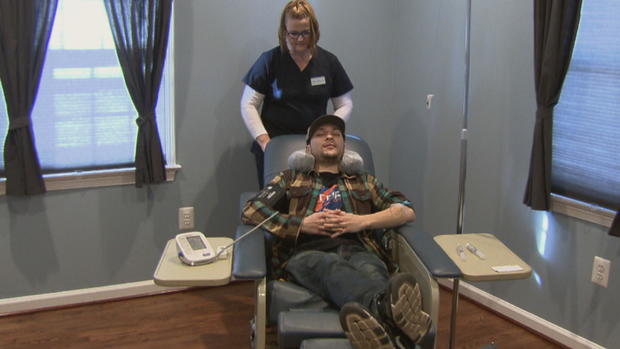
    Anne Stallings says she has been battling severe depression for most of her life. She tried anti-depressants and even electroconvulsive therapy, but nothing worked until she went to a Potomac, Maryland, clinic and tried ketamine, reports CBS News correspondent Paula Reid.

    “It was like the fifth treatment in and I had come home from the grocery store and I was putting away the groceries and I was like, ‘Wow, this is how you don’t feel depressed.’ It was like from turning on a black and white TV to a color TV,” Stallings said.

    Ketamine was approved by the FDA in the 1970s to sedate patients during medical procedures. It is more commonly known as an animal tranquilizer and in powder form as “Special K,” a club drug used to get high.

    Today, ketamine is being provided legally off-label to treat depression at an estimated 250 clinics across the U.S.

    ctm-saturday-clean-feed-20180203-cr470c-0700-0900-01-frame-72699.jpg

    Anne Stallings

     CBS NEWS

    Dr. Steve Levine offers intravenous ketamine infusions at several clinics around the country as an alternative to common anti-depressants. He says he treats about 70-80 patients across all the offices on any given day.

    “Everything for the past 50 years has been based on the chemical imbalance theory of depression which has never held water,” Levine said. “So all these medicines, while they do help a lot of people, are based upon a flawed theory. And that is probably one of the reasons why they do take so long to work. They all take weeks to months to work so here is a medicine that people can take infrequently that is based upon a theory of the brain that makes a lot more sense and it works almost immediately.”

    Stallings didn’t have time to wait. She had an especially hard time over the holidays and when her father got sick, she thought about taking her own life.

    “I actually had suicidal ideations and the one thing about ketamine was that I was able to get in here emergently because I knew what was going on and when I left here my suicidal thoughts were gone,” Stallings said.

    That is in line with what Columbia University discovered in one of the largest studies yet on ketamine. Researchers found the drug was significantly more effective than a commonly used sedative in reducing suicidal thoughts in depressed patients. The effects lasted up to six weeks.

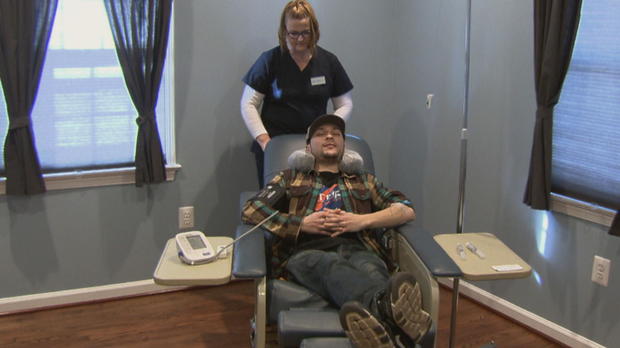
    Twenty-two-year-old Marc Nelson ditched his antidepressants for ketamine and talk therapy. He says he now feels more like himself, but it came at a cost. He has spent more than $10,000 on treatments.

    “So many different drugs that I am now off of all of them, which you know, the side effects were just not tolerable to me. They make me a zombie. I was not happy,” Nelson said.

    But these infusions can have their own pitfalls. Ketamine can cause people to feel detached from their bodies.

    ctm-saturday-clean-feed-20180203-cr470c-0700-0900-01-frame-74486.jpg

    Marc Nelson receives a ketamine treatment

     CBS NEWS

    “The 45-minute period of very floatiness, I sometimes get nauseous,” Nelson said. “It’s a very interesting process. … I just lost my train of thought.”

    Once the treatment was finished, Nelson said he felt “clear, cognizant” and “definitely able to pronounce” his words again.

    Asked to address critics who say he’s making money by giving people the opportunity to get high, Levine said, “I would say that if you ask any of our patients none of them feel that they are getting high.”

    “People tend to focus on the party use of ketamine, because it is more exciting, it’s sexier in some way. It does it a disservice because that’s a very small fraction of its use,” Levine added. “And as far as the money making aspect of this, if you were doing things in the right way you’re not gonna make a lot of money.”

    Ketamine has piqued the interest of some major pharmaceutical companies. There are half a dozen drugs in development that mimic the way ketamine works, with some undergoing FDA clinical trials for approval as antidepressants.

    For decades, Dr. Gerry Sanacora has been studying ketamine at Yale.

    ctm-saturday-clean-feed-20180203-cr470c-0700-0900-01-frame-71369.jpg

    Dr. Steve Levine

     CBS NEWS

    “What we’re trying to understand is what does it change in the brain that allows that sustained anti-depressant like response?” Sanacora said.

    He says the drug is not addictive in the way opioids are, but could still be harmful in the long run.

    “There is at least evidence in animal models that these type of medications can actually cause some structural damage in the brain. That’s usually at higher doses, that’s usually at longer term exposure but we don’t know where that level is,” Sanacora said.

    Dr. Levine said he monitors patients closely.

    “In our population even people who have been having ketamine on a maintenance basis for up to six years now we haven’t seen any sign of that,” Levine said.

    But for Anne Stallings, despite the unknowns, she’s content with a chance to feel normal.

    “If I can live a quality, happy life, and be productive, be able to go to work, to be able to have my family, to enjoy life – not walk through life but enjoy life – then it’s worth it.”

    [Read the Original Article]

  • Ketamine could prove useful in treatment of severe social anxiety

    Ketamine could prove useful in treatment of severe social anxiety

    By ERIC W. DOLAN January 24, 2018

    The first placebo-controlled study of ketamine’s effect on social anxiety disorder has provides more evidence that the anesthetic could be helpful in severe cases.

    “Many patients with anxiety continue to have impairing symptoms despite the first-line talk therapy (cognitive behavioral therapy) and first-line medications (selective serotonin reuptake inhibitors),” said study authors Jerome H. Taylor of the University of Pennsylvania and Michael H. Bloch of Yale University.

    “Therefore, our research group thought it was important to find potential new treatments for anxiety. We chose to investigate ketamine because several studies have found it to be helpful for anxiety symptoms in treatment-resistant depression.”

    A previous study on 12 adults with general anxiety disorder or social anxiety disorder, which was published in 2017, found that ketamine reduced their symptoms. But this study was not placebo-controlled.

    The new double-blind, placebo-controlled trial tested the effects of intravenous ketamine on 18 adults with social anxiety disorder. Ketamine alleviated symptoms of social anxiety as measured by the Liebowitz Social Anxiety Scale but not as measured by the self-reported Visual Analogue Scale for Anxiety.

    Participants also reported increased social engagement in the days following ketamine treatment, but this was not systematically tracked.

    “Our study provided proof-of-concept that ketamine-like agents may be useful for anxiety,” Taylor and Bloch told PsyPost. “Many pharmaceutical companies are working on developing medications that act like ketamine without the abuse potential as a treatment for depression, PTSD and suicidality. Our research suggests these medications may also prove useful for anxiety.”

    The findings were published in the journal Neuropsychopharmacology.

    Previous research has found that ketamine produces a strong and rapid antidepressant effect in patients with treatment-resistant major depressive disorder. But ketamine did not significantly improve depressive symptoms in Taylor and Bloch’s study.

    This was “likely due the fact that in our study most patients had mild to moderate depression as opposed to the more severe treatment-resistant major depression studied in ketamine clinical trials,” the researchers wrote in their study

    Ketamine works by inhibiting NMDA (N-methyl-d-aspartate) glutamate receptors in the brain. The drug also has euphoric and dissociative effects, making it a potential drug of abuse.

    “Ketamine needs more data to show efficacy in anxiety, and even if effective probably should only be reserved for refractory and debilitating cases that have failed medication and CBT – for instance, adults homebound from agoraphobia, kids refusing to attend school due to anxiety etc,” the researchers explained.

    “Ketamine is a drug that can abused when given at higher doses over shorter periods of time than used in this study. As such, we consider that ketamine should only be used in research studies related to anxiety at this time. If used for clinical purposes it should be restricted to hospital-like settings where the abuse potential is much lower.”

    The study, “Ketamine for Social Anxiety Disorder: A Randomized, Placebo-Controlled Crossover Trial“, was also co-authored by Angeli Landeros-Weisenberger, Catherine Coughlin, Jilian Mulqueen, Jessica A Johnson, Daniel Gabriel, Margot O Reed, and Ewgeni Jakubovski.

    [Read the Original Article Here]

  • Forbes Magazine: Ketamine May Reduce Depression, Suicidal Thoughts Within Hours

    Forbes Magazine: Ketamine May Reduce Depression, Suicidal Thoughts Within Hours

    Ketamine, known mostly as a party drug, has assumed a new identity in recent years—as a promising antidepressant. And, though research is still under way, it seems to reduce symptoms of depression very quickly, and in people who haven’t been helped by traditional antidepressants. Now, a study published in the American Journal of Psychiatry finds that for depressed people who have suicidal thoughts, it may also help alleviate these thoughts much faster than anything that exists currently—within hours.

    The study, carried out at the Columbia University Medical Center and the New York State Psychiatric Institute, looked at 80 patients with clinical depression. They all had suicidal thoughts that were intrusive enough to fall into the category of clinical suicidal ideation. The participants were randomized to receive a low-dose infusion of either ketamine or midazolam, a sedative; they were followed for six weeks, during which time the participants all received usual psychiatric care. To measure their depressive symptoms and suicidal ideation (thoughts or urges), the participants filled out questionnaires, like the Scale for Suicidal Ideation and the Beck Depression Inventory.

    Within 24 hours, the participants who’d received ketamine reported significant changes in symptoms compared to those receiving midazolam. They had a reduction in suicidal thoughts, depressive symptoms, and fatigue. In fact, the participants who didn’t respond to midazolam were later given ketamine, and they showed the same improvements.

    And these changes seemed to last for up to six weeks. The side-effects, which were mainly dissociation—a sense of detachment—and increased blood pressure, resolved within minutes or hours after the ketamine injection.

    When the researchers teased apart the variables, they found that the reduction in depressive symptoms accounted for only a third of the reduction in suicidal thoughts, which suggests that ketamine’s effects on suicidality comes from more than just a reduction in depression. What that might be still needs to be explored.

    “Adjunctive ketamine demonstrated a greater reduction in clinically significant suicidal ideation in depressed patients within 24 hours compared with midazolam, partially independently of antidepressant effect,” the authors write.

    Suicide rates in the U.S. have risen a lot in recent years—according to the CDC, they’ve increased by almost 27% percent between 1999 and 2015. It’s particularly concerning since young adults and teens—especially girls—represent an especially large part of the rise.

    The study builds on a growing body of literature suggesting that ketamine may be a real player in depression treatment, which hasn’t changed much over the years. As most people know, the usual antidepressants can be ineffective for some people; and for those for whom they work, it can take many months to find the right one, since they can take several weeks to kick in. For people who are suicidal, it’s especially critical to find faster and more effective treatments.

    “There is a critical window in which depressed patients who are suicidal need rapid relief to prevent self-harm,” said study author Michael Grunebaum in a statement. “Currently available antidepressants can be effective in reducing suicidal thoughts in patients with depression, but they can take weeks to have an effect. Suicidal, depressed patients need treatments that are rapidly effective in reducing suicidal thoughts when they are at highest risk.”

    More work will need to be done to understand ketamine dosing, especially over the long-term, as well as long-term side-effects that may develop. Some doctors are already offering ketamine infusions for people with treatment-resistant depression, although it’s not approved by the FDA for this purpose. (And people should not be self-administering ketamine, since at the wrong dose it can be harmful, addictive, or fatal.)

    So far the results are encouraging, and it will be exciting to watch the developments as they come in. “Additional research to evaluate ketamine’s antidepressant and anti-suicidal effects,” said Grunebaum, “may pave the way for the development of new antidepressant medications that are faster acting and have the potential to help individuals who do not respond to currently available treatments.”

    [Read the Original Article on Forbes.com]

error: Content is protected !!