Category: News & Media

  • JAMA: A Consensus Statement on the Use of Ketamine in the Treatment of Mood Disorders

    JAMA: A Consensus Statement on the Use of Ketamine in the Treatment of Mood Disorders

    Importance  Several studies now provide evidence of ketamine hydrochloride’s ability to produce rapid and robust antidepressant effects in patients with mood and anxiety disorders that were previously resistant to treatment. Despite the relatively small sample sizes, lack of longer-term data on efficacy, and limited data on safety provided by these studies, they have led to increased use of ketamine as an off-label treatment for mood and other psychiatric disorders.

    Observations  This review and consensus statement provides a general overview of the data on the use of ketamine for the treatment of mood disorders and highlights the limitations of the existing knowledge. While ketamine may be beneficial to some patients with mood disorders, it is important to consider the limitations of the available data and the potential risk associated with the drug when considering the treatment option.

    Conclusions and Relevance  The suggestions provided are intended to facilitate clinical decision making and encourage an evidence-based approach to using ketamine in the treatment of psychiatric disorders considering the limited information that is currently available. This article provides information on potentially important issues related to the off-label treatment approach that should be considered to help ensure patient safety.

    [Read the Full Research Article Here]

  • 6 Best Medical Achievements of 2017 that Everyone Should Know About!

    6 Best Medical Achievements of 2017 that Everyone Should Know About!

    2017 Has Changed the Way We Could Treat Depression, Alzheimer’s, Cancer and AIDS

    Sandhya Raghavan  | Updated: December 15, 2017 5:51 am
    Like its predecessor, 2017 has also been blamed for being the worst year ever, collectively by the internet. But when you look at some of the medical milestones of the year 2017, you’d be forced to reconsider. Researchers in 2017 have worked tirelessly to make our lives a little better and a lot healthier in the years to come. These include breakthroughs in Alzheimer’s, Parkinson’s, cancer and HIV treatment.

    Here are some of the greatest medical achievements of 2017 that will make each of us proud.


    1.  Oxygen therapy for Alzheimer’s disease

    Among the latest breakthroughs is the use of hyperbaric oxygen for the treatment of Alzheimer’s disease. A progressive disease, Alzheimer’s is known for its resistance to treatment. But discovery is hailed as a milestone in Alzheimer’s treatment because it is said to improve the pathology of the disease and correct some of the behavioural problems in patients. Here how oxygen therapy can reduce symptoms of Alzheimer’s.

    2.  PaxVax’s vaccine that can stop outbreaks quickly

    Cholera is a gastrointestinal disease that affects the small intestines. One of the hallmarks of the disease is that it can assume epidemic proportions. And as of 2010, cholera has been classified as a pandemic. To counter this problem, the vaccine company PaxVax has developed a cholera vaccine, a single dose of which can stop the epidemic in its tracks, controlling big outbreaks more quickly. PaxVax vaccine can stop cholera epidemic from spreading.

    3.  Using one’s immune system to fight cancer in children

    CAT T-cell Therapy is one of the latest and the most effective breakthrough in cancer treatment. According to a study conducted by Memorial Sloan Kettering Cancer Center in New York City, researchers have found a way to treat acute lymphoblastic leukaemia in children by using the immune system to attack and kill cancer cells. This helps children afflicted by the dreaded disease to achieve remission quicker and live a normal childhood.

    4.  Kicking and killing HIV virus

    HIV has the ability to resist medication and treatment by lying dormant in CD4- T cells. So when the patient stops the medication, this dormant virus awakens again and starts attacking the body again. So the scientists from UCLA, Stanford and National Institute of Health have been trying to find a way to smoke the virus out of its hiding places and attack them when it activates. The team of scientists have aptly named the technique “kick and kill.”

    5.  Animal tests for head transplantation

    Till recently, head transplantation as a possibility existed only in science fiction. But a recent experiment conducted by a group of Chinese doctors brought this fantasy a step closer to reality. The doctors severed the spinal cord of 15 rats and tried to reattach them in 9 of them. Except for one, all the rats survived for close to a month after the experiment. A Russian man suffering from muscular spinal atrophy has volunteered for the spinal transection surgery.

    6.  Ketamine as a treatment for depression  

    In a revolutionary discovery, ketamine, an infamous date-rape drug, found redemption in 2017 as a possible treatment option for depression, PTSD and suicidal ideation. Research has revealed that ketamine, an anaesthetic drug, could be able to tackle depression like no other drug has done so in the past. If studies are to be believed, ketamine will be able to reduce depression within hours after injecting it intravenously.

    [Read the Original Article Here]

  • Medscape: Ketamine Rapidly Reduces Suicidal Ideation

    Medscape: Ketamine Rapidly Reduces Suicidal Ideation

    Megan Brooks

    December 13, 2017

    A subanesthetic intravenous infusion of ketamine can rapidly reduce suicidal ideation in patients with major depression, and the clinical improvement is maintained 6 weeks later, results of a randomized controlled study suggest.

    This study is “the most definitive demonstration so far of a clinically meaningful reduction in suicidal ideation within 24 hours after ketamine treatment,” first author Michael Grunebaum, MD, from New York State Psychiatric Institute, Columbia University Medical Center, New York City, told Medscape Medical News.

    The study was published online December 5 in the American Journal of Psychiatry.

    Largest Study to Date

    The study included 80 patients who were admitted voluntarily to an inpatient research unit at New York State Psychiatric Institute with major depressive disorder and clinically significant suicidal ideation (Scale for Suicidal Ideation [SSI] score ≥4).

    Forty patients were randomly allocated to receive intravenous racemic ketamine hydrochloride 0.5 mg/kg, and 40 patients were allocated to receive midazolam 0.02 mg/kg in 100-mL normal saline infused over 40 minutes. Midazolam was chosen as the comparator because it is a psychoactive anesthetic with a similar half-life to ketamine and has no established antidepressant or antisuicidal effects.

    Baseline characteristics were similar in the two groups, including the SSI score. The mean SSI score was 14.3 in the ketamine group and 15.7 in the midazolam group.

    The average SSI score 24 hours after infusion (primary outcome) was 4.96 points lower in the ketamine group than in the midazolam group (95% confidence interval [CI], 2.33 – 7.59; P < .001). Cohen’s d for the difference in mean group change was 0.75, which is a medium effect size.

    Treatment response was defined as a reduction of ≥50% in SSI score. The proportion of patients who experienced a treatment response at day 1 was greater in the ketamine arm than in the midazolam arm (55% vs 30%; odds ratio, 2.85; 95% CI, 1.14 – 7.15; P = .024). The number needed to treat was 4.

    Notably, the investigators report, the improvement in suicidal ideation largely persisted during the 6-week period of uncontrolled observation. This may be partly explained by the fact that patients continued prior psychotropic medication, which was optimized after ketamine infusion.

    There were greater reductions in overall mood disturbance, depression, and fatigue, as assessed with the Profile of Mood States, on day 1 after ketamine vs midazolam infusion. Results of a mediation model suggest that ketamine’s effects on depression and suicidal thoughts are at least partially independent, the researchers note.

    Adverse effects (mainly an increase in blood pressure and dissociative symptoms) were similar to those reported in other ketamine studies. The adverse effects were mostly mild to moderate and transient, typically resolving within minutes to hours after infusion, they note.

    “This is the largest study to date in suicidal, depressed patients, using a randomized, midazolam-controlled design, and also addressed various prior research limitations, which have included measurement of suicidal ideation with a single questionnaire item and patient samples with low levels of suicidal ideation or mixed diagnoses,” Dr Grunebaum told Medscape Medical News.

    “We think the most noteworthy results of this study are that it shows, using a rigorous clinical trial design, that ketamine treatment was associated with a clinically meaningful reduction of suicidal thoughts in suicidal, depressed patients within 24 hours and that with optimized, clinical pharmacotherapy in an uncontrolled follow-up observation, this reduction appeared to last for at least 6 weeks,” said Dr Grunebaum.

    Potential Lifesaver

    Reached for comment, Seth A. Mandel, MD, chairman of psychiatry at Northwell Health’s Huntington Hospital, New York, said, “There has been a cottage industry of nonpsychiatrists performing ketamine infusions for treatment-refractory depressed patients. My concern in these cases has been, what happens if it fails for someone who has put their last hope in this treatment?

    “This study points to a more positive and practical use for ketamine infusions,” said Dr Mandel, who was not involved in the study.

    “It could be a very useful and even lifesaving temporary maneuver performed in ERs or outpatient ambulatory settings, buying valuable time until treatment can be optimized over the ensuing weeks. It may not only be useful in preventing suicides but also in avoiding costly hospitalizations for acutely suicidal patients,” he noted.

    Dr Mandel cautioned that it’s “unclear from the study what happens with these patients beyond 6 weeks. Does suicidal ideation return, and if so, should the treatments be repeated, and for how long? What are the long-term effects of repeated infusions? Further studies are needed to answer these questions.”

    The study was supported by the National Institute of Mental Health. Several authors have disclosed financial relationships with various companies, as listed with the original article.

    Am J Psychiatry. Published online December 5, 2017. Abstract

    For more Medscape Psychiatry news, join us on Facebook and Twitter.

    Medscape Medical News © 2017

    This is a re-post from: Ketamine Rapidly Reduces Suicidal Ideation – Medscape – Dec 13, 2017.

  • VICE Magazine: What It’s Like to Self-Administer Ketamine for Depression

    VICE Magazine: What It’s Like to Self-Administer Ketamine for Depression

    Rachel Cassandra

    “I should be doing ketamine alone, at home, in my bed, listening to Chopin. That’s how it should be used.”

    Jack razors out 215 mg of white powder onto a mirror and snorts the pile using a rolled up “dollar” with his own face on it—an artifact left over from an old art project. He turns towards me and says, “Now is the sting-y part,” and shakes his head. His hair is a blonde Mohawk with a turquoise streak, which almost matches his bright blue eyes. Through his window, the San Francisco lights flicker.

    I’m here to observe and write about Jack’s self-administration of ketamine—a dissociative hallucinogen—for depression. He’s been using it for the last two and a half years intermittently with, according to him, resounding success. It’s allowed him to burrow into the thought patterns that define his depression, gain perspective on them, and change them.

    I’m doing this because Jack—a 28-year-old in San Francisco—will let me observe at-home ketamine treatment, something illegal but integral to understanding the variety of ways therapeutic ketamine is used, especially in a system where in-clinic treatment is legal but can be hard to find and expensive. Online communities are dotted with those suffering who have found relief in self-administered ketamine, often motivated by the expense of clinical treatments or barriers to mental health care. Some snort ketamine, but others have injected it. Unsurprisingly, medical professionals strongly advise against at-home ketamine use, citing the dangers of unsupervised use and the potential for addiction.

    Because ketamine is approved medically as an anesthetic—but not a treatment for depression—most insurance won’t cover the treatments. The costs are high. Both intravenous and intramuscular treatments cost about $600 per session, and those that include therapy run as high as $1,000 per session. Patients are usually treated initially with six infusions or injections over two to three weeks, which, including initial diagnosis, costs patients around $4,000. For ongoing maintenance, patients usually need treatments every two to four weeks. The treatments are available in many major cities and providers say many of their patients travel long distances to receive treatment.

    Cheaper options are ketamine lozenges or nasal sprays, which can cost as little as $75 or 100 for a similar treatment schedule, but require an initial diagnosis appointment, which generally runs to about $375 to $500, costing patients at least $450 for an initial set of treatments, unless their insurance will cover the initial doctor’s visit. In addition, the ketamine is significantly less bioavailablewhen administered in these ways.

    The cost of the equivalent series of treatments, if bought on the street and snorted, would be about $80 to $120 according to Jack, depending how much dealers are charging. But self-administration is less safe, of course, since they’re unsupervised. These sessions can also carry with it a risk for abuse or addiction. Jack readily admits that these days when he buys ketamine, he usually keeps doing it until his supply runs out. For this reason, he’ll often buy a larger amount, but leave most with a friend for safekeeping, until he asks them for it.

    Although he’d experienced other episodes, the depression that hit hardest for Jack was after he dropped out of graduate school. He’d lost his center. He was consumed with suicidal thoughts. Sometimes when he was on the subway to work, he could see himself hanging from the bridges while he was traveling beneath them. On the worst days, he could “feel the tightness of the rope around [his] neck.” His girlfriend at the time was worried and so was Jack, though he didn’t have health insurance to go to therapy. He also felt he should be able to handle his emotional problems on his own—something he chalks up to harmful ideas about masculinity.

    Jack’s depression lifted when he found a job in his field, but soon after that his relationship with his girlfriend turned “mutually toxic” and they broke up. He responded by throwing himself headlong into an art project for a festival. It worked enough to distract him, but he was on emotionally shaky ground. This is when he tried the ketamine. He’d heard of its antidepressant effects before, but he’d only ever taken it recreationally.

    While camping with friends at an art festival, he snorted a couple piles of the white powder, and biked off into the desert by himself. His biking became wobbly, and eventually he lay his bike down and sat against it.

    After sitting down, he felt himself “blast off” into dissociative hallucinations; he felt separate from his body. He’s just broken up with a girlfriend and realized it was the first time he’d actually been on his own, without the guidance of parents or school or his girlfriend. “You are a man now,” he thought to himself, and then asked himself, “Well, what kind of a man are you?”

    Usually when he examined himself, it would be through the lens of depression—self-critical, filled with anxiety, and degrading his own self-worth. But the ketamine wiped that away temporarily, and he was able to look at himself as if he were looking at another person. Objectively, he felt he was an interesting and worthy guy. He liked himself. It was an extraordinarily profound moment, with power that has stuck with him.

    In the Ketamine Papers, a collection of essays that document both research and trip experiences, people report experiences with low amounts of ketamine as relaxing and dissociative—feeling like the mind is separated from the body. Some people see colors or lights, or hear buzzing or tones. Some may feel like they are floating or flying. People sometimes feel as if it takes their brain time to catch up with their eye movement. Their thoughts may slow and it may be hard to articulate ideas.

    In higher doses, in what users call the “k-hole,” people experience more hallucinations. They may feel they’re floating out in the galaxy, or that their mind has left their body completely. They may see Earth from above. Some users report the dissolution of the individual, the merging of themselves with others around them. They may experience the complete loss of ego and awareness, not knowing who and where they are.

    Jack sits on his bed, which is draped in a deep red blanket, talking to me with slow slurred words as the ketamine comes on. Ketamine, he tells me, has become a spiritual experience because it allows him to tap into a part of his psyche usually hidden.

    Jack goes to his drug altar and weighs out an additional 125 mg of ketamine. He asks me if he will get to see the piece before it goes to print and I tell him no, that journalism doesn’t work like that. He says he understands and snorts the pile. Altogether tonight he’s done, he explains to me, a huge amount of ketamine.

    While SSRIs (selective serotonin reuptake inhibitors) like Prozac work on the brain’s serotonin system—serotonin is thought to create feelings of happiness and well-being—ketamine affects the glutamate system. Glutamate is believed to help regulate information processing across neurons in the brain and to facilitate communication between the brain and body. Some scientists thinkthat depression could wear down synapses in the brain; ketamine stimulates growth of these synapses.

    The studies of ketamine as an antidepressant treatment are consistently promising. In meta-analyses of the data, more than half of the 368 patients who received a single treatment of ketamine showed some relief of depression symptoms at 7 days and, although there is less research on longer term effects, around 70 and percent of those who received multiple treatment sessions three times over 12 days showed some relief. Unlike other medications for depression, patients often feel relief immediately after the ketamine treatment session, which is especially crucial for suicidal people.

    Ketamine is getting more and more attention as an exceedingly safe drug. It’s on the World Health Organization’s Model List of Essential Medicines for its anesthetic effect and is commonly used on children for this purpose. In the Vietnam War, it was nicknamed the “buddy drug” because it was safe enough that it could be administered by a fellow soldier. Although an overdose is possible, when the drug has been given to children at accidentally high doses(5-100 times the typical dose) in hospitals, there have been few lasting negative effects.

    The night I’m with him, Jack takes almost twice as much ketamine as needed to experience a K-hole. It is a large dose, even for him. He wobbles back to his bed and leans back. Jack has found in the past that the only way he can feel the full effects of the ketamine is to smoke a spliff, a joint of mixed marijuana and tobacco. This is how he potentiated his bicycle experience, and every other significant ketamine trip. He invites me to the roof of his warehouse while he smokes. He knows it’s not a great idea to go onto the roof, but as he’ll tell me later, he wants to show off a little, to demonstrate he can do large doses of ketamine and keep his cool in front of me.

    In Santa Barbara, CA, Terrence Early runs a psychiatric practice where he offers, among other treatments, intramuscular and subcutaneous ketamine injections. Early says ketamine is “the best therapeutic advancement in psychiatry in [his] thirty years of practice.” He’s seen patients who have been unwell for ten, twenty years see remission of their depression, and he’s been treating some of his patients for as long as four years with intermittent ketamine sessions.

    Critics of ketamine treatment say that there’s not enough long-term data on the treatment to determine whether or not it’s safe for patients but Early says this is true of many treatments for those with treatment-resistant depression. In order to secure more positive results during clinical trials, most pharmaceutical companies exclude those with treatment-resistant depression from their trials. In addition, Early says long-term trials are more expensive and have a higher dropout rate. Currently, ketamine is the only psychedelic drug to be approved for medical use, though MDMA and psilocybin have made their way into clinical trials. Because it’s is no longer available for patent, and thus not profitable because anyone can produce a generic version of it, no one is motivated to push the FDA to approve of it as a treatment for depression.

    ack and I walk up the stairs in his warehouse and across a painted floor surrounded by rafters. We climb up onto a ledge, through a skylight, and out onto the roof. The roof slopes slightly down all the way around, ending in a waist-high ledge. He sits down with his back against a small wall at the top of the roof, and invites me to sit beside him. Beyond the edge of the roof, the city rises up, its hills dotted with lit windows and street lights. He lights his spliff and puffs it, the singed smell wafting over me.

    As he’ll report later, he is spinning through other dimensions, cycling through our world, spinning through others, then back to our own. He lets out a primal yell that echoes back off of the buildings around us. The echoes fade. A few people on the street below hoot in return.

    “Who are you?” he asks me.

    I can’t tell if he’s completely lost in the spiritual worlds, or if he’s asking a deep question about who I really am. “I’m Rachel Cassandra. Who are you?”

    He yells out his four given names. “What are we doing?”

    “I’m writing a piece about your experiences with ketamine.”

    “Your story,” he says.

    “Really, it will be a bit more like your story,” I say.

    “Our story,” he says, still looking off in the distance. “I think I did too much ketamine.”

    “Do you think you can make it downstairs?” I ask Jack. He says he can. “Do you need help getting to the skylight?”

    He tells me no, then wobbles over to open the hatch. I am acutely aware of the dangers of walking around on this angled roof and I don’t let Jack get farther than an arm’s reach away. He wants me to go down first, so I climb down onto the ledge, then lower myself down to the floor.

    “Are you okay?” I ask

    “Space makes no sense,” he says, so I reach my hands up in case he needs to lean on me. Suddenly, he relaxes his entire body, heaving his full 175 pounds onto me.

    Jack tells me he wished he hadn’t gotten so high around me. He is deeply ashamed. He says, “And you’re a reporter!”

    I tell him it’s okay.

    He says he thinks it would be better if he was alone. He has systems in place so that he can take care of himself if he’s very high. His alarm is set for tomorrow, which is a workday. He will be okay. He doesn’t want to kick me out, but he also can’t manage the feelings of shame and anxiety with me watching over him.

    Jack says ketamine allows him to watch his emotional patterns without actually getting absorbed in the tumult of them. For about eight months, he did ketamine every three to four weeks. His depression would lift for a while, then when he would feel himself starting to backslide into harmful thought patterns, he would seek out another experience.

    These days, Jack doesn’t keep a regular ketamine schedule but uses it for maintenance, meaning if he feels himself sliding back into depression, he will take a dose. He understands that there’s this “cognitive space” he can access through ketamine, where he can deal with the root problems instead of the symptoms of anxiety and depression. It acts as a “reboot button” for him, breaking his anxiety loops and allowing him to start fresh. He’s been treating himself for more than two years.

    Jack and I debrief on the phone a few days later. He regrets the whole experience and tells me his depression actually intensified for the next few days after our meeting because he was so thrown by the incident.

    “After you left,” he says, “I felt really ashamed and I realized that I should be doing ketamine alone, at home, in my bed, listening to Chopin. That’s how it should be used.” The quality of the trip, the texture of the hallucinations, are integral to changing his mood and lifting depression. He can’t be reckless.

    Jack does ketamine in what he calls a “cowboyish manner” because he feels incredibly comfortable with psychedelics, after years of use. Jack’s not opposed to trying a more controlled, guided ketamine trip, though. He’s considered trying it in a clinic, or with a shaman trained to facilitate hallucinogenic trips.

    But for now, the treatment is cheap for him and he doesn’t need to funnel his medication through a therapist. He’s willing to take on the risk of taking too much or being tempted to take more than he needs. He’ll continue with what he calls his “gonzo psychedelic experiences.”

    [Read the Original Publication Here]

  • TIME Magazine Runs Cover Story on Ketamine as a Treatment for Depression

    TIME Magazine Runs Cover Story on Ketamine as a Treatment for Depression

    New Hope for Depression

    Jul 26, 2017
    For more, visit TIME Health.ketamine in time magazine

    Every week, when Ian Hanley sits down with his therapist, he goes through a list of depression treatments he’s been researching online. The best-known treatments at the top of the list–half a dozen antidepressants and known combinations of those drugs–are all crossed out.

    “My therapist says he’s never had this much difficulty with somebody,” says Hanley, “which is sort of a dubious honor.”

    Hanley is only 21 years old, but he’s already six years into his search for something, anything, that can help him feel better for more than a few weeks at a time. “I’ve heard people describe it as sadness, and that’s not specific enough,” he says. Numbness is closer, but it’s not like depression inures you to suffering. “It’s like not quite being alive,” he says, “but still having to go through all the crappy parts of being alive.”

    When he was in the 10th grade, Hanley basically lost all desire to get out of bed in the morning. He started seeing a psychiatrist and a therapist–the same one he sees today–and went on Zoloft. “I wasn’t catatonic anymore,” he says. But the positive effects soon disappeared, like they would with every medication he’s tried since.

    This year, Hanley quit college and put on ice his ambitions to become a screenwriter. Now he spends most of his time waiting to start a new treatment, trying that new treatment or waiting to see if he feels better.

    Most diagnoses do not come with 20-plus medicines approved by the Food and Drug Administration to treat it–and yet with depression, more options don’t always mean better outcomes. Ever since the first antidepressants were introduced 60 years ago, doctors have had patients like Hanley–people who don’t seem to get better even after they’ve worked their way through the lengthy list of available drugs. About 30% of all people with depression don’t respond adequately to the available treatments. That’s a dismal failure rate for a class of drugs designed to improve a person’s basic ability to function.

    Not that it has hurt the market. At last count, about 12% of Americans took antidepressants. Global revenue for antidepressants was about $14.5 billion in 2014 and is projected to grow to nearly $17 billion over the next three years. Clinical depression affects 6.7% of U.S. adults, or about 16 million people, and a growing number of children and teenagers too. It’s the leading cause of disability in the world, costing the U.S. economy alone $210 billion a year in lost productivity, missed days of work and care for the many physical and mental illnesses related to depression, like anxiety, posttraumatic stress disorder, migraines and sleep disorders.

    There hasn’t been a major depression-drug breakthrough in nearly three decades, but a number of factors are conspiring to change that. Scientists are gaining a more nuanced picture of what depression is–not a monolithic disease, but probably dozens of distinct maladies–and they’re getting closer to learning what works for which kind of ailment. With suicides in the U.S. at their highest number in 30 years, experts agree that patients need faster ways to feel better, without waiting the typical four to eight weeks it takes for antidepressants to kick in. And as old drugs have gone off patent–making them less lucrative for drugmakers–companies are eager to find new revenue streams.

    The biggest development has been the rediscovery of a promising, yet fraught, drug called ketamine. It’s best known as a psychedelic club drug that makes people hallucinate, but it may also have the ability to ease depression–and fast.

    In a race to shape the next generation of antidepressants, Johnson & Johnson and Allergan are fast-tracking new medicines inspired by ketamine. The FDA could be reviewing new drug submissions by as early as next year. Researchers, too, are exploring how to harness big data and even genetic testing to come up with new ways of treating depression for the 30% of people who don’t respond to the current standard-of-care treatment options.

    All of this has psychiatrists, long frustrated with their menu of available treatments, hopeful for the first time in years. Finally, they say, their field is on the cusp of a much-needed breakthrough. “At this point, any new depression treatment that makes it to the finish line is a huge win,” says Dr. George Papakostas, director for treatment-resistant depression studies at Massachusetts General Hospital. “It’s going to have a major impact.” The question is, which method will prove to help the most people in the safest way possible?

    Doctors have always seen depression as something that’s distinct from ordinary sadness, but what causes it and how best to treat it has changed wildly over the years. In the 5th century B.C., Hippocrates believed the body was made up of four humors and that too much “black bile,” the humor secreted by the spleen, resulted in melancholia. Melancholia as described by the Greeks looked a lot like depression today: persistent dark moods with a deep, lasting fear or sadness that isn’t based on reason. The Greeks prescribed lifestyle treatments like diet, exercise, sleep, bathing and massage as well as rougher approaches like vomiting and bloodletting. In later ancient times, sex was also considered a helpful remedy.

    By the Middle Ages, depressive-like behavior was believed to be a disease of the spirit–the result of demonic possession. Many depressed women were thought to be witches, and the cure for them was to be burned alive.

    The idea that depression is rooted in the brain–and not a bodily fluid or possessed spirit–didn’t take hold until the 17th century, when a neurologist named Thomas Willis decreed that melancholia was “a complicated Distemper of the Brain and Heart.” Although he had little else to offer patients besides the lifestyle remedies of the Greeks, melancholia was finally thought to be at least partly biological. In subsequent years, everything from herbal remedies to opium to music therapy to spinning stools designed to make people too dizzy to feel pain fell in and out of vogue.

    Beginning in 1938, electroconvulsive therapy was thought to be the only effective modern treatment for depression, but the procedure sometimes caused memory loss, among other side effects.

    It wasn’t until the 1950s that doctors hit upon the idea that certain chemical cocktails could be used to treat depression. The first, called iproniazid, was found by accident when it was being tested as a treatment for tuberculosis. Doctors noticed that the TB patients taking the drug transformed from miserable and near death to euphoric, energetic and social. Newspaper articles of people “dancing in the halls tho’ there were holes in their lungs” captured the popular imagination, and in 1957 scientists decided to try it on a small group of psychiatric patients.

    According to that study, 70% of them became happier and more social. By the end of the decade, about 400,000 people with depression were on the drug. The high was short-lived, however: scientists soon discovered that the pills caused liver damage, and it was pulled from the market in 1961.

    Another experimental drug, imipramine, was supposedly an antipsychotic, but scientists discovered in 1957 that it worked much better on people with depression. It became the first in a class of what’s called a tricyclic antidepressant, so named for its three-ringed chemical structure.

    By studying how those early drugs worked, scientists were able to hit on a new idea about what caused depression in the first place: depleted levels of the brain’s neurotransmitters, namely serotonin, norepinephrine and dopamine. Those early drugs may have come with nasty side effects, but they ultimately gave rise to selective serotonin reuptake inhibitors, the drugs most widely prescribed today.

    Eli Lilly released the first one, Prozac, in 1987. It was an immediate hit; in just three years, 2 million people around the world were taking it, and pharmaceutical companies began churning out their own only slightly different versions of the drug soon after. SSRIs are still the field’s proudest and most profitable achievement, but they’re far from perfect. They can make people feel worse before they start feeling better several weeks after treatment begins. When the drugs work, they’re life-changing. But they don’t work for everyone. On SSRIs, about 35% of people taking them experience full remission.

    “We have no idea, after many decades of studying these drugs, why some people get better and some people don’t,” says Dr. Roy Perlis, director of the Center for Experimental Drugs and Diagnostics at Massachusetts General Hospital. “We desperately need truly new interventions.”

    The largest, longest study conducted on depression treatments, called the STAR*D trial, found that after people tried four antidepressants over the course of five years, about 70% of them were free of depressive symptoms. That’s a lot of trial and error to end at a place where 30% of patients don’t experience remission at all.

    The STAR*D trial ended in 2006, and despite a clear hole in the market–and a clear patient need–a golden age of new depression treatments still hasn’t arrived. Drug companies do not want to spend their money developing yet another SSRI–there are already a dozen approved by the FDA. “The drug companies basically shut down a lot of their brain research when it comes to psychiatry,” says Dr. Richard Friedman, director of the psychopharmacology clinic at Weill Cornell Medical College.

    “In my opinion, it wasn’t necessarily a lack of interest–it was just that people had felt that they’d gone as far as they could with things like Prozac, and they weren’t sure what the next targets were going to be,” says Husseini Manji, global head for neuroscience at Janssen, the pharmaceutical arm of Johnson & Johnson.

    Now, many experts–and drug companies–believe that target is ketamine hydrochloride, the only legally available psychedelic drug in the U.S.

    In large doses, anesthesiologists use ketamine to put people under before surgery. In smaller doses, clubgoers use “Special K” to trip and hallucinate; it’s one of the top drugs of abuse in Asia. However, its newest application, discovered serendipitously in the late 1990s, opened ketamine up to a whole new audience: those looking for a fast-acting drug for stubborn depression.

    There are two drugs, one from Allergan and one from Johnson & Johnson, that work similarly to ketamine and are in late-stage clinical trials. As of now, ketamine is not FDA-approved for depression. So far, clinical trials on ketamine for depression have been small, and there aren’t many of them. Only about 400 people have participated in such studies, and many had fewer than 100 people. (By comparison, the STAR*D trial had almost 3,000 participants.) Still, the results are promising enough to excite a number of prominent researchers in the field.

    “In the past 20 years, I’ve not seen anything like this,” says Dr. Cristina Cusin, a clinician and researcher who runs the ketamine clinic at Massachusetts General Hospital. Studies have shown that 60% to 70% of people with treatment-resistant depression respond to ketamine.

    Ketamine has also shown promise in putting an end to suicidal thoughts. “We have patients saying, ‘I’m exactly as depressed as I was before, I just don’t want to kill myself anymore,’” says Cusin. “This was very surprising. We can’t explain it.”

    Barbara Reiger, who’s 59 and lives in San Diego, says she tried nearly everything to lift her out of the depression that had plagued her since childhood and sometimes rendered her suicidal. When she learned about ketamine in 2015, she decided to try it at a ketamine clinic in her hometown. Since ketamine is FDA-approved as an anesthetic, physicians can legally prescribe it off-label for any condition they believe it may help, including depression.

    Since then, every six weeks or so, she shows up at a private ketamine clinic, where she’ll put on an eye mask in a dim room, sit back in a recliner and have a needle full of ketamine plunged into her deltoid. It doesn’t make her feel high, exactly, but she remembers that the first time she tried it, a grin and happy tears spread across her face. “I felt I was putting things in order, moving pieces of a puzzle around to make it all make sense,” she says.

    [Read the Full Article Here]

  • The Guardian: The people taking ketamine for depression

    The Guardian: The people taking ketamine for depression

    ‘I can stop and breathe’: the people taking ketamine for depression

    It has a reputation as a party drug, but some patients say it has transformed their lives after no other treatments helped. 

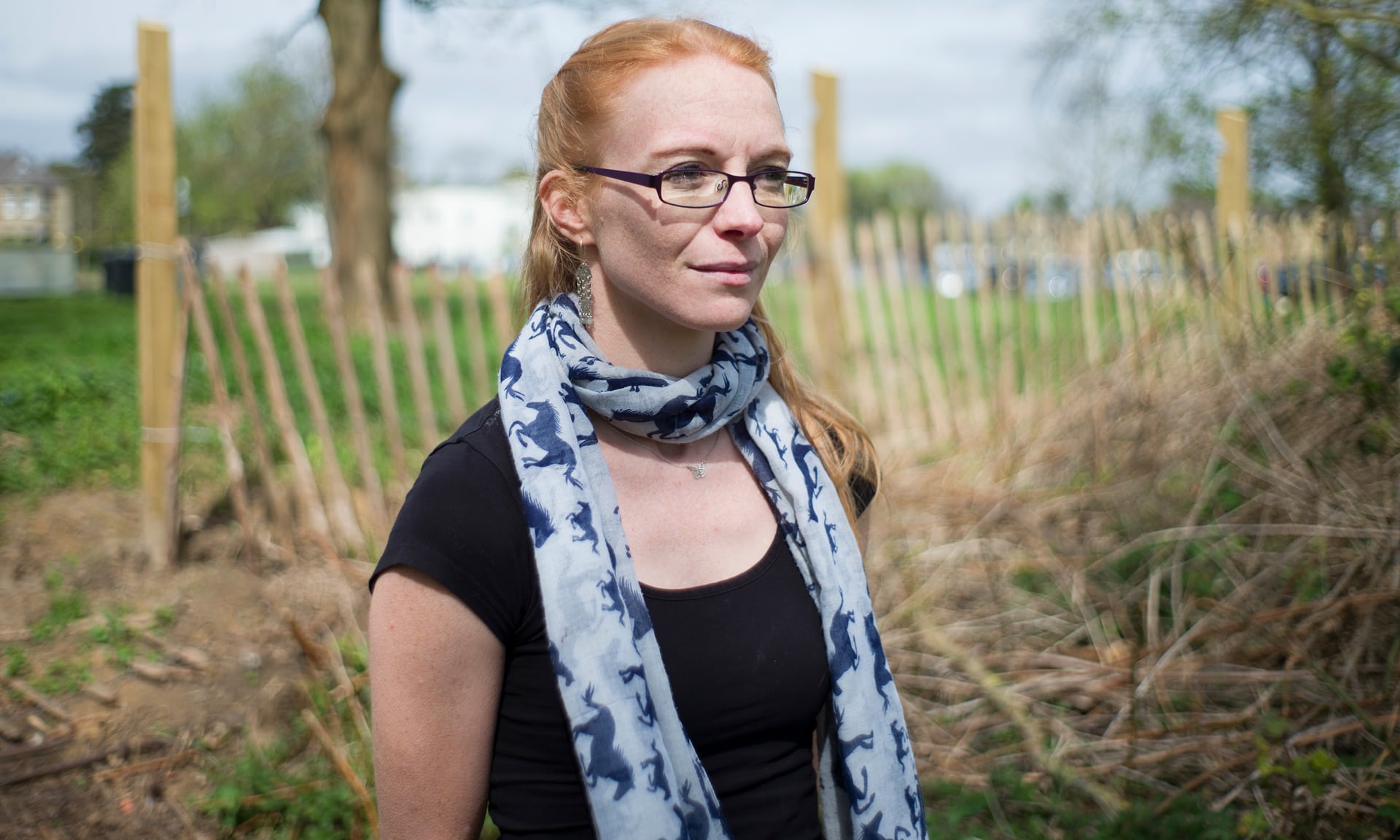
    When depression takes hold of Helen it feels like she is drowning in a pool of water, unable to swim up to the world above. The 36-year-old former nurse has had mental health problems most of her life. No drugs, hospital stays or therapies have been able to help.

    Then one day, during yet another spell in hospital, her consultant told her about a psychiatrist treating patients with ketamine. The psychiatrist in question visited her to discuss using the drug. He warned there were no guarantees, but it had helped some patients.

    Since then Helen’s life has transformed. Sitting on a bench in the grounds of the hospital where her treatment began a year and a half ago, she lists everything she can do now that she could not before: take her kids to school, give them hugs, go on coffee dates.

    “I am managing my thoughts and that is what ketamine helps to do. It slows down my thought process so instead of being completely overwhelmed by all these immense negative thoughts and feelings … I can think, stop and breathe,” she says, nervously pulling her sleeves over her hands as she talks.

    She adds: “It’s still really hard but now there is a tiny fraction of a second where my thoughts are slow enough to think: ‘I can deal with this. I cannot give up.’”

    Helen is not the only person changed by ketamine. For Keith, a 64-year-old former businessman, who is also at the hospital, it has helped where other drugs have failed. He has been on it for three years to treat bipolar disorder. He explains that he has taken an infusion of the drug that morning, which is why he is so chatty.

    “I take an infusion intravenously in hospital once every six weeks and then I have 10ml which I take orally twice a week at home. I go out afterwards and do things like gardening. When I am depressed I don’t want to do anything. All I do is sit on the sofa and watch TV shows like Bargain Hunt,” he says.

    Keith credits ketamine with helping soften his depression, such that he now has good days as well as bad ones. “My wife gets her husband back for those few days when I am normal – well, whatever normal is,” he says.

    There is increasing evidence that ketamine, often thought of as a party drug of abuse, is an effective and powerful antidepressant. Helen and Keith are patients at Warneford NHS hospital in Oxford where Dr Rupert McShane leads the UK’s only ketamine treatment centre. It caters for people for whom other antidepressants have not worked. McShane is not the only doctor who has been experimenting with the drug – other UK hospitals have given it to patients as part of clinical treatments.

    [Read the Full Article on The Guardian Here]

  • Daily News: Ketamine for Depression

    Daily News: Ketamine for Depression

    Ketamine is being used as a cutting-edge treatment for depression, PTSD

    One in five adults — 40 million Americans — has a mental health condition, according to Mental Health America.

    Within that number, nearly 16 million people suffer from depression and more than 7 million are affected by post-traumatic stress disorder. The two conditions tend to go hand-in-hand, as those who suffer from PTSD often experience depression in their lives.

    Nearly twice as many women suffer from depression as men, and even though PTSD is mostly associated with male soldiers coming back from war, any traumatic event such as a car accident or sexual assault can cause the condition.

    PTSD is something that both men and women must deal with, and it occurs twice as much in women, according to the U.S. Department of Veteran Affairs.

    Veterans push state Senate on medical pot use for PTSD sufferers

    While there are dozens of medications to treat depression and PTSD, some of which overlap, most merely cover up the problem.

    Many medications work on the assumption that you don’t have enough serotonin in your brain. And if you replace enough of these feel-good hormones, you will feel better.

    But there are other options. For example, periodic Ketamine infusions in small doses can help repair damaged connections in the brains of patients who suffer from depression and PTSD.

    Developed in 1962, Ketamine was originally used as an anesthetic, but quickly found its way onto the streets as a recreational drug, taking on the name Special K. It has also been used as a tranquilizer for animals such as horses and cats.

    As an anesthetic, it’s still considered one of the safest around. But that usually happens in one dose. The unknown is what happens to the brain over time with repeated infusions of Ketamine.

    But those who may be at risk of cognitive damage are people who abuse the drug daily or multiple times a week in high doses. In contrast, I work with patients who receive an infusion once a month, and also go through traditional talk therapy.

    In some cases Ketamine has started to alleviate patients’ symptoms after one infusion. Most anti-depressants can take weeks or months to start working.

    Extensive research conducted on Ketamine at multiple universities in the United States and abroad reveals a 75 percent success rate for the treatment. A recent study at Columbia University found that Ketamine infusions given in a vaccine-like fashion to those embarking upon an environment likely to cause significant stressors — such as soldiers entering a battle or aid workers going to a disaster area — prevented or reduced PTSD symptoms.

    But Ketamine shouldn’t be viewed as a magic bullet; it’s a tool. Ideally, patients eventually will feel like they are sailing on their own and Ketamine is merely there as a backup.

    [Read the Full Article on Daily News]

  • The Ketamine Breakthrough for Suicidal Children

    The Ketamine Breakthrough for Suicidal Children

    Initial research finds fast, dramatic benefits for a vulnerable population

    By Jack Turban on July 18, 2017

    Fourteen-year-old Nicole, whose name I changed for her privacy, told her mother every day for years that she wanted to end her own life. Between suicide attempts were more psychiatric hospital visits than she or her mother could count. She refused to get out of bed, shower, or go to school, missing sixty school days in a single year. In one visit with her therapist, she admitted to praying every night that she would not wake up the next morning. After countless psychiatrists and psychotherapists were unable to improve her depression, her mother converted a bathroom cabinet into a locked safe, containing all of the sharp objects and pills in the house. Her parents were certain it was only a matter of time until Nicole killed herself.

    Today, a now seventeen-year-old Nicole greets me with a big smile. Her blonde hair is pulled back into a ponytail to reveal her bright blue eyes. She tells me she hasn’t missed a day of school and is preparing for college. Blushing, she lets me know that her first date is coming up, a prom date to be precise. For the first time in years, she is happy and wants to live.

    What happened to cause this dramatic change? In December, Nicole started infusions of a psychedelic drug called ketamine. Though she had failed to respond to endless medication trials for her depression (selective serotonin reuptake inhibitors, mirtazapine, topiramate, antipsychotics, and lithium to name just a few), ketamine cleared her depression within hours. The effect lasts about two weeks before she needs a new infusion.

    Ketamine is a drug with many identities. For anesthesiologists, it’s a sedative for painful procedures. For partiers, it’s a fun way to hallucinate and have an out-of-body experience. For critics, it’s a dangerous addictive drug that can cause memory problems, bladder disease, and psychosis when abused. In the past few years, it has taken on a new identity: miracle psychiatric drug that works within hours. Its use as a psychiatric medication is relatively new, and it’s possible that regular infusions could cause significant long-term side effects. We currently lack the long-term data to know. Still, the National Institute of Mental Health has called it “the most important breakthrough in antidepressant treatment in decades.”

    The ketamine for mental health story goes back as far as the 1980s, when neuroscientists examined the brains of people who had committed suicide. They found that suicide victims had structural abnormalities in a protein called NMDAR, a neurotransmitter receptor that is sprinkled throughout the brain. It also happens to be the receptor to which ketamine binds. Though some animal models suggested that ketamine improved depression in mice, it wasn’t until 2000 that researchers tried giving the drug to adults with depression. Surprisingly, many patients’ depression completely resolved within hours. The quick and dramatic result was unprecedented for an anti-depressant medication.

    Since then, physicians have given the drug to thousands of depressed adults, including patients in eight successful clinical trials. But fewer have been willing to infuse the drug into the veins of minors. Yale School of Medicine is an exception, and I recently watched a few adolescents receive the infusions with Yale’s clinical trial team. It was less dramatic to watch than I expected, but the kids were definitely high. There was a lot of giggling involved, and they often said that they felt like time was changing and that their bodies felt ‘funny’ and sometimes numb. Nicole admitted, “I’m not gonna lie. I like the feeling of it.”

    Perhaps more dramatic than the trips themselves, which happened in a carefully controlled procedure room with a psychiatrist and anesthesiologist ready to intervene if needed, were the interviews that came after. I could see the weight of depression lifted from these patients within hours. Adolescents who were previously ready to end their own lives became bright and hopeful. Psychiatry has never seen a drug intervention so powerful and fast acting. While most anti-depressants take weeks to work and offer modest improvement, ketamine offers dramatic improvement in less than a day.

    Because of early success in adult patients, there has been explosion of ketamine clinical trails for adolescents. Frustrated by a lack of effective treatments for children experiencing severe, debilitating, psychiatric disease, doctors have new clinical trials underway for adolescents with depression, anxiety, obsessive-compulsive disorder, and even a rare autism-like condition called Rett’s syndrome. Dr. Gerard Sanacora at Yale School of Medicine explained it like this: “We know high blood pressure causes all kinds of things: heart attacks, strokes, vision problems, and kidney diseases. We treat all of those with blood pressure pills. Ketamine may be the blood pressure pill of psychiatry — altering basic physiology [of neuronal connections] and having a wide range of beneficial effects.”

    But there is also reason to be concerned. Before now, ketamine has only been used as a one-time injection for anesthesia. The FDA approved the drug based on trials where the drug was given just once. For depression, however, it is given every few weeks with an unclear end point. Will repeated administration reveal new risks? Studies in adolescent mice show that ketamine can cause long-term cognitive problems. Ketamine-treated mice can also develop a schizophrenia-like illness, with a pattern of neuron loss in the brain that is similar to schizophrenia. However, it’s important to note that the majority of these studies use mice given ketamine doses equivalent to 10 times that which is given to patients.

    Dr. Michael Bloch, Yale child psychiatrist and principal investigator of several controlled trials for ketamine for adolescents, points out that the drug is only used for select patients who have severe mental health problems that have not responded to other medications. The infusions are provided in a clinical trial setting, where doctors collect efficacy data and carefully watch for side effects. For each of his patients, the theoretical risks of ketamine are carefully weighed against the risk of suicide. For Nicole, who seemed likely to die from suicide, the calculus was not difficult.

    But not all physicians are treading as cautiously as Dr. Bloch. Doctors of questionable ethics are giving patients large doses to inject themselves at home. Pharmacies are making child-friendly ketamine lollipops and nasal sprays. Will this revolutionary drug be the new thalidomide, creating a new generation of children who experience devastating side effects because doctors get too excited too quickly? Ketamine can be addictive, and its abuse can cause devastating memory problems and a bladder disease that can lead to removal of the bladder. Will we create child addicts, addicted to ketamine candy? Will some of these patients taking ketamine at home suffer from laryngospasm, a rare but potentially lethal complication of ketamine administration that makes it impossible to breathe through the vocal cords?

    When I spoke to Dr. Jennifer Dwyer, another researcher on the Yale clinical trial team, her reaction to what is happening outside of academic medicine was strong: “the nightmare is happening already. Ketamine should only be given under careful physician supervision with appropriate monitoring.”

    Though Dwyer and Bloch stress that doctors need to be careful, they are also quick to point out the potential promise of this research. Dr. Bloch explains, “Suicide is the second leading cause of death in adolescents. 40% of depressed adolescents don’t respond to first-line treatments. Another half of those don’t respond to multiple trials of medication paired with psychotherapy. Other than electroconvulsive therapy, which carries its own risk of memory problems, doctors have almost no other choice.” Suicidal patients are also at a high risk for suicide after leaving the hospital. Existing anti-depressants like Prozac take weeks to work, while ketamine can take effect in less than 24 hours. This could decrease deaths from suicide after patients leave the hospital.

    For Nicole, one of those suicidal teens, everyone involved seems convinced that ketamine saved her life. According to her, her family, and her doctors, the theoretical risk of long-term side effects was less frightening than what might happen in the face of chronic hopelessness and suicidality.

    [Read the Original Article Here]

  • Ketamine for Depression: A Perspective from the US

    Ketamine for Depression: A Perspective from the US

    MAY 02, 2017
    Kenneth Bender

    A new consensus statement reviews preliminary evidence that the dissociative anesthetic ketamine (Ketalar, JHP Pharmaceuticals) can evoke “rapid and robust” antidepressant effects in patients with mood and anxiety disorders who were previously resistant to treatment, and offers considerations to facilitate appropriate patient selection and safe medication administration.

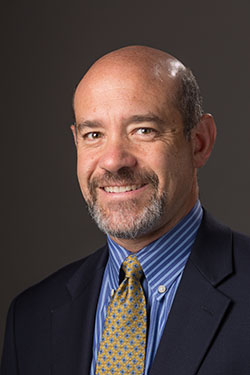
    The consensus statement was developed by the American Psychiatric Association (APA) Council of Research Task Force on Novel Biomarkers and Treatments. Lead author, Gerard Sanacora, MD, PhD, Yale University School of Medicine (pictured), and colleagues on the Task Force note that reports of the unique drug effect combined with frequent media coverage has generated a substantial demand for treatment access without the availability of usage guidelines or scrutiny by the FDA.

    “The relatively unique nature of this situation presents an urgent need for some guidance on the issues surrounding the use of ketamine treatment in mood disorders,” Sanacora and colleagues indicate.

    In accompanying commentary, Charles Zorumski, MD and Charles Conway, MD, Center for Brain Research in Mood Disorders, Department of Psychiatry, Washington University School of Medicine, St Louis, Missouri, opined, “There is little doubt that ketamine is having a major effect on psychiatry.

    “If clinical studies continue to support the antidepressant efficacy of ketamine,” Zorumski and Conway added, “psychiatry could enter an era in which drug infusions and deliveries with more rapid responses become common.”

    Anticipating that possibility, the consensus statement recommends development of clinical credentialing for ketamine administration for the treatment of mood disorders. Clinicians should be prepared, the statement indicates, to manage cardiovascular events, as well as emergency behavioral situations, including suicidal ideation.

    Treatment settings should have the means for monitoring basic cardiovascular and respiratory function, and to rapidly address and stabilize a patient if the need presents, the statement recommends. Standard operating procedures should include ongoing assessment of the physiological and mental status during infusion, including respiration and cardiovascular function, and the level of consciousness. The statement also recommends that these procedures delineate criteria for stopping the infusion, and include a plan for managing treatment-emergent events.
    Patient selection for the treatment should follow from careful consideration of the risks and benefits, according to the statement, within the context of the severity of depression, duration of current episode, treatment history and urgency for treatment. In addition, there should be an assessment of other medical, psychological or social factors that could alter the risk to benefit ratio or affect the capacity to provide informed consent.

    The consensus statement indicates there are insufficient data to recommend dosage variance, except for high body mass index, from the most commonly used dosage of 0.5mg/kg by intravenous infusion over 40 minutes. Although a few case series have tested repeated administrations to extend therapeutic drug effect, which can recede within a week after a single administration, the statement notes that effects from long-term exposure are unknown.

    “The scarcity of this information is one of the major drawbacks to be considered before initiating ketamine therapy for patients with mood disorders and should be discussed with the patient before beginning treatment,” Sanacora and colleagues indicate.

    The consensus statement by the APA Council of Research Task Force on Novel Biomarkers and Treatments was published in the April issue of JAMA Psychiatry. A Consensus Statement on the Use of Ketamine in the Treatment of Mood Disorders.

  • There’s More Proof That Ketamine Works for Depression

    There’s More Proof That Ketamine Works for Depression

    Ketamine Makes Time Magazine!

    Jun 21, 2017
    TIME Health
    For more, visit TIME Health.

    For decades, scientists have searched for a new type of antidepressant, one that works differently from the 20-plus drugs already on the market. Finding a new option is crucial, since a third of people don’t respond to available depression treatments.

    They haven’t had much luck — except for the discovery that IV infusions of ketamine hydrochloride, an FDA-approved anesthetic, can cause rapid antidepressant effects in many people with stubborn depression.

    Figuring out exactly how ketamine has these effects has been a researcher’s dream, since ketamine is too problematic a drug to currently be considered a mainstream depression treatment. It’s illicitly used — and abused — as a psychedelic club drug and can cause hallucinations. Ketamine can also have negative side effects when used off-label to treat depression, including unexpected changes in heart functioning, cognition and respiration. Its antidepressant effects fade, so it typically has to be given over and over again, and it’s not yet clear how safe or effective it is when taken long-term. Developing a drug that works like ketamine, but without all the baggage, is the holy grail — but scientists haven’t known quite what to target.

    [Read the Full Article Here]

error: Content is protected !!