By Moises Velasquez-Manoff – Contributing Opinion Writer
It’s been way too long since there was a new class of drugs to treat depression. Ketamine might be the solution.
In May of 2017, Louise decided that her life was just too difficult, so she’d end it. In the previous four years, three siblings and a half-sibling had died, two from disease, one from fire and one from choking. Close friends had moved away. She felt painfully, unbearably alone. It would be the fourth time Louise (I’m using her middle name to protect her privacy), then 68, would attempt suicide, and she was determined to get it right.
She wrote a letter with instructions on where to find important documents and who should inherit what. She packed up her jewelry and artwork, addressing each box to particular friends and family members. Then she checked into a motel — homes where people have committed suicide lose value and she didn’t want hers to sell below market — put a plastic sheet on the bed, lay down and swallowed what she figured was an overdose of prescription pills with champagne.
A few days later, she woke up in a psychiatric ward in Albuquerque. The motel maid had found her. “I was very upset I had failed,” she told me recently. So she tried to cut her wrists with a bracelet she was wearing — unsuccessfully.
The suicide rate has been rising in the United States since the beginning of the century, and is now the 10th leading cause of death, according to the Centers for Disease Control and Prevention. It’s often called a public health crisis. And yet no new classes of drugs have been developed to treat depression (and by extension suicidality) in about 30 years, since the advent of selective serotonin reuptake inhibitors like Prozac.Please disable your ad blockerAdvertising helps fund Times journalism.How to whitelist
The trend most likely has social causes — lack of access to mental health care, economic stress, loneliness and despair, the opioid epidemic, and the unique difficulties facing small-town America. These are serious problems that need long-term solutions. But in the meantime, the field of psychiatry desperately needs new treatment options for patients who show up with a stomach full of pills.
Now, scientists think that they may have found one — an old anesthetic called ketamine that, at low doses, can halt suicidal thoughts almost immediately.
Depression ran in Louise’s family. It had afflicted all her siblings, both of her parents and her grandmother. Prozac had helped Louise for a time, but stopped working for her in the late 2000s, as it sometimes does. No other drug seemed able to lift her dark moods.
After her suicide attempt, Louise’s psychiatrist suggested she try ketamine. She agreed, and received an infusion intravenously. Within hours, her sense of well-being improved. The hospital discharged her. Back home, she discovered that going to the market was no longer a “herculean task.” Getting her car washed wasn’t an insurmountable chore. “Life was better,” she said. “Life was doable.”
Using ketamine to treat depression and suicidality is somewhat controversial. Numerous small studies suggest that it holds great promise, but it’s only now being tested in placebo-controlled trials with hundreds of patients. It is also popular as a club drug in some circles. Like morphine, it may operate on the opioid system, and it can induce feelings of euphoria. Occasionally ketamine abusers develop severe symptoms, including brain damage, persistent hallucinations and a painful inflammation of the bladder called cystitis.
Nonetheless, if proven safe and effective in small doses, ketamine stands to transform how doctors deal with suicidal patients and depression generally.
The drug seems to address a longstanding problem in emergency psychiatry. Sedation and physical restraint aside, doctors have few ways to quickly stop suicidal ideation, or thoughts of killing oneself. The current crop of anti-depressants can take weeks and sometimes months to work, if they work at all. They may also, paradoxically, increase suicidality in some patients. Talk therapy takes time to help as well (assuming it does). Here’s a sobering fact: Some studies indicate that suicide risk peaks soon after patients have been discharged from a medical facility.
Suicidality doesn’t perfectly overlap with depression. Many people attempt suicide not because they’re clinically depressed, but rather impulsively, because they’ve been fired or they’ve broken up with girl- and boyfriends, or sometimes because they’re just really drunk. I’ve heard people who show up in the hospital in this state — despondent, angry and uninhibited more than depressed — described as “drunkicidal.”
Many are fine once they sober up. For those who aren’t, ketamine may help independent of its effect on depression. And because ketamine is already approved by the Food and Drug Administration, doctors can prescribe it off-label. Meaning that not only does a drug exist right now that could help with depression and suicidality, it’s theoretically available to patients.
I kept thinking about this during the recent spate of high-profile suicides: the chef Anthony Bourdain, the designer Kate Spade, the actress Margot Kidder. Could ketamine have saved any of them? Did they know about it? Did their psychiatrists?
Get our weekly newsletter and never miss an Op-Doc
Watch Oscar-nominated short documentaries from around the world made for you.SIGN UP
“More patients should be aware of this,” Louise told me. “It really is a godsend.”
Earlier this year, I wrote about ketamine and depression for Wired, and patients I interviewed told me some version of the same thing — that ketamine changed their lives and, in some cases, saved it.
Ketamine works differently from other antidepressants. The prevailing theory is that it affects the brain’s glutamate system, which scientists now realize may be involved in depression, rather than the better-known serotonin pathway used by drugs like Prozac. Animal research suggests that partly blocking certain glutamate receptors increases brain plasticity — the ability of the brain to make new neuronal connections — and corrects some of the abnormalities that result from chronic stress. These salutary effects on the brain, coupled with how quickly ketamine works, have inspired a flurry of research. A number of drugs either derived from ketamine, or based on how scientists think it works, are in development.The pharmaceutical company Janssen is working on a nasal spray.
But ketamine has what many view as a major flaw. It can produce dissociative and hallucinatory side effects while it is being administered. Patients can feel as if they’ve left their bodies or that they’re dying. Louise described her first ketamine experience as being like Picasso’s painting “Guernica” — disjointed and unpleasant. But subsequent treatments, she said, were “wonderful” — full of images of birds, fish and whales.
Questions also remain about the safety of long-term use. Depressed patients often have to return for “booster” treatments (Louise finds that she needs an infusion once a month). The drug is considered safe when given once, but no one is sure how repeated doses may affect the brain. And ketamine can be addictive, too.
Nonetheless, dozens of clinics have opened around the country offering ketamine infusions as an off-label treatment for depression. Views on these clinics run the gamut from concerns about profiteering (Louise’s treatments cost $500 out-of-pocket; most insurance companies don’t cover ketamine when it is prescribed off-label) to acknowledgment that they may be helping desperately ill patients.
Dr. Jeffrey Lieberman, the psychiatrist in chief of Columbia University Medical Center, told the health care news site STAT that some patients may be “getting fleeced.”
Dr. Samuel Wilkinson, a Yale psychiatrist who studies ketamine, worries that some of these clinic operators forgo more established treatments to try ketamine. Case in point: Louise refused electroconvulsive therapy, because she remembers it making her mother and grandmother into “living zombies.” In Dr. Wilkinson’s view, patients should strongly consider all other reasonable possibilities before moving to ketamine. (And electroconvulsive therapy, which retains a gruesome reputation, has in fact improved greatly, he said.) He also worries that patients’ suicidal impulses could seem to disappear after ketamine treatment, leading to discharge from the hospital, but then rebound after the ketamine is stopped or tapered — something he’s seen happen in a research setting.
The deeper issue here is one of weighing the risks of new treatment that hasn’t been fully vetted and has unclear long-term side effects against a condition whose primary symptom is the urge to kill oneself.
Dr. Michael Grunebaum, a Columbia psychiatrist who studies ketamine, thinks the drug should no longer be relegated to a last-line treatment. “It makes sense that it move up in the treatment algorithm in E.R.s and inpatient units,” he told me. (Although if emergency rooms everywhere began offering ketamine, it could create new problems, he adds. As has occurred with opioids, people might claim to be suicidal when, in reality, they’re trying to get high.)
The most ringing endorsement of ketamine may come from those on the front lines of medicine: E.R. doctors. I met Louise through a doctor friend, Lowan Stewart, who works at the emergency room in Santa Fe, N.M., where she was first admitted after overdosing. He also treats patients at the ketamine clinic where Louise ended up going. Generally speaking, the protocol in emergency rooms doesn’t include giving suicidal patients ketamine, and he argues that this should change.
His view, informed by the extreme backdrop of the E.R., is worth considering. He regularly sees patients with gunshot and knife wounds, people experiencing psychotic episodes, car accident and drug overdose victims — and of course suicidal patients. Sometimes these patients beg him to kill them. Other times they threaten or attack police officers — an attempt at “suicide by cop.” Once he stabilizes them, he often has to lock them in a padded room for up to 24 hours dressed only in tearable paper pajamas, perhaps sedated, until a psychiatrist arrives. “It’s horrible,” he told me. The reality of a busy E.R. is that these patients often end up crying alone, he said.
E.R. doctors are often quite familiar with ketamine; Dr. Stewart uses it as an anesthetic regularly on children precisely because it’s considered so safe. Now that research has revealed its potential to treat depression and stop suicidal impulses, he thinks that doctors should offer it to suicidal patients in the E.R. “We could help so many people,” he said.
Moises Velasquez-Manoff, the author of “An Epidemic of Absence: A New Way of Understanding Allergies and Autoimmune Diseases” and an editor at Bay Nature magazine, is a contributing opinion writer.
The popular party drug has shown promise in stopping suicidal thoughts in a number of small clinical studies.
First synthesized in 1962, the anesthetic was used to treat Vietnam War soldiers in the early seventies.
Though the accompanying hallucinations are a roadblock to widespread therapy, innovations in psychiatry are necessary.
The dirtiest drug I ever tried was ketamine. Besides having a general aversion to snorting powder, I vividly recall one evening in 1995 when, after ingesting a hearty dose of the anesthetic, I could no longer tell the difference between standing, sitting, and lying down. Fortunately I was in a safe environment; the effects eventually wore off, my relationship to gravity restored. The following morning was rough, causing me to swear off the drug forever.
Bad experiences create aversions. There are too many horror stories to count about the curious traveler landing in Los Angeles to partake in recreational marijuana who ends up eating fifty milligrams when five would have sufficed. Once that experience is locked into memory it’s doubtful you’ll ever enjoy an edible again. Dosage matters. If you’re not careful, you’re writing off a potential beneficial therapy due to ignorance and over-enthusiasm. Getting back on the horse, as it goes, takes a certain determination.
Ketamine isn’t actually dirty, I just took too much. Others are finding a lot of benefit to the chemical. The recent uptick in clinical cases promoting ketamine as an antidote to suicidal thinking is one such victory.
This isn’t exactly new. In June, 2017 I covered this study, discussing the means by which ketamine works:
Ketamine is responsible for blocking the N-methyl-D-aspartate (NMDA) receptor, which causes an immediate alleviation of depressive effects, while another metabolite in the drug helps the effects last for hours. This blockage is also what causes the hallucinogenic effects.
First synthesized in 1962 by Wayne State University chemistry professor, Calvin Stevens, it was first tested on human prisoners (following animal trials). Regardless of the ethics of testing on the prison population, it was approved for clinical use by the FDA in 1970. Shortly thereafter it was used an anesthesia in the Vietnam War.
Ketamine was also immediately used outside of clinics and hospitals, quickly “discovered” by the psychedelic community. By the time I stumbled into it in the nineties, it was synonymous with ecstasy on the rave scene. It wasn’t until 1999 that the US government labelled it as a federally controlled substance. It has never been an especially blacklisted drug, not to the level of other clubbing substances.
Now, with life expectancy dropping in America for the second straight year due to the opioid crisis and increased rates of suicide, ketamine is being looked at more closely. There is no single reason for these data about declining life spans, Moises Velasquez-Manoff writes in the NY Times,
The trend most likely has social causes — lack of access to mental health care, economic stress, loneliness and despair, the opioid epidemic, and the unique difficulties facing small-town America. These are serious problems that need long-term solutions. But in the meantime, the field of psychiatry desperately needs new treatment options for patients who show up with a stomach full of pills.
Ketamine might be that treatment, he continues, noting that it has been shown to “halt suicidal thoughts almost immediately.” Not that there aren’t hurdles to overcome. Cultural associations are one, but there is evidence that ketamine causes brain damage, cystitis, and persistent hallucinations in abusers. Abuse is key here. Like my dreadful evening, too much is too much.
Current treatments for depressive and suicidal disorders can take weeks to months to kick in, however, some of which actually increase the likelihood of suicide. Velasquez-Manoff writes that ketamine operates differently from antidepressants by working on the brain’s glutamate system rather than the serotonin system—most of the body’s serotonin is produced in the gut, anyway.
Animal research suggests that partly blocking certain glutamate receptors increases brain plasticity — the ability of the brain to make new neuronal connections — and corrects some of the abnormalities that result from chronic stress. These salutary effects on the brain, coupled with how quickly ketamine works, have inspired a flurry of research.
The hallucinations present another hurdle for clinical usage. If you’re not accustomed to such mind states, doing so while lying back in a doctor’s chair might not be the place to start. Or…it might be. “Setting” has long been an integral part of the psychedelic experience, as important to the outcome as strength and dose of the substance. Feeling safe under the guidance of an experienced professional might allow for mind wandering without the accompanying fear.
Which has, in fact, always been a part of the psychedelic experience. Ayahuasca should not be consumed alone or out on the scene; the shamanic ritual is a necessary component. Separating substance from context is certain to result in a terrifying experience, which is a shame given the potential therapeutic applications of these substances.
Ketamine might not have the stamp of approval yet, but the fact that it’s being treated seriously is a good start. We know our current drug program is not working. All options should be on the table. That we live in one of the most advanced civilizations ever, with a wealth of resources and information, yet cannot take care of an increasing number of citizens is problematic. There is no singular solution, so we have to exhaust all possibilities.
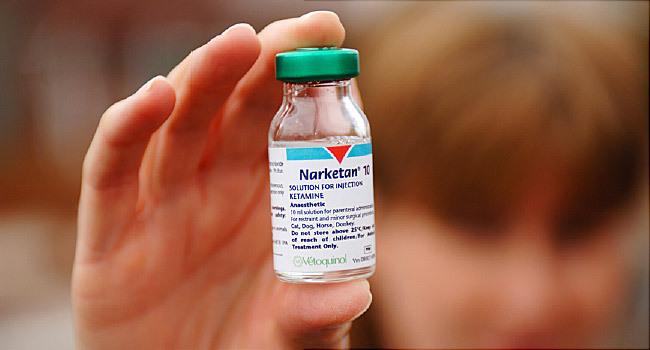
CHICAGO — It was launched decades ago as an anesthetic for animals and people, became a potent battlefield pain reliever in Vietnam and morphed into the trippy club drug Special K.
Now the chameleon drug ketamine is finding new life as an unapproved treatment for depression and suicidal behavior. Clinics have opened around the United States promising instant relief with their “unique” doses of ketamine in IVs, sprays or pills. And desperate patients are shelling out thousands of dollars for treatment often not covered by health insurance, with scant evidence on long-term benefits and risks.
Chicago preschool teacher Lauren Pestikas long struggled with depression and anxiety and made several suicide attempts before trying ketamine earlier this year.
The price tag so far is about $3,000, but “it’s worth every dime and penny,” said the 36-year-old.
Pestikas said she feels much better for a few weeks after each treatment, but the effects wear off and she scrambles to find a way to pay for another one.
For now, ketamine has not received approval from the U.S. Food and Drug Administration for treating depression, though doctors can use it for that purpose.
Ketamine has been around since the 1960s and is widely used as an anesthesia drug during surgery because it doesn’t suppress breathing. Compared to opioids such as morphine, ketamine isn’t as addictive and doesn’t cause breathing problems. And some studies have shown that ketamine can ease symptoms within hours for the toughest cases.
Its potential effects on depression were discovered in animal experiments in the late 1980s and early 1990s showing that glutamate, a brain chemical messenger, might play a role in depression, and that drugs including ketamine that target the glutamate pathway might work as antidepressants.
Conventional antidepressants like Prozac target serotonin, a different chemical messenger, and typically take weeks to months to kick in — a lag that can cause severely depressed patients to sink deeper into despair.
Ketamine’s potential for almost immediate if temporary relief is what makes it so exciting, said Dr. Jennifer Vande Voort, a Mayo Clinic psychiatrist who has used ketamine to treat depression patients since February.
“We don’t have a lot of things that provide that kind of effect. What I worry about is that it gets so hyped up,” she said.
The strongest studies suggest it’s most useful and generally safe in providing short-term help for patients who have not benefited from antidepressants. That amounts to about one-third of the roughly 300 million people with depression worldwide.
“It truly has revolutionized the field,” changing scientists’ views on how depression affects the brain and showing that rapid relief is possible, said Yale University psychiatrist Dr. Gerard Sanacora, who has done research for or consulted with companies seeking to develop ketamine-based drugs.
But to become standard depression treatment, he said, much more needs to be known.
Last year, Sanacora co-authored an American Psychiatric Association task force review of ketamine treatment for mood disorders that noted the benefits but said “major gaps” remain in knowledge about long-term effectiveness and safety. Most studies have been small, done in research settings and not in the real world.
When delivered through an IV, ketamine can cause a rapid increase in heart rate and blood pressure that could be dangerous for some patients. Ketamine also can cause hallucinations that some patients find scary.
“There are some very real concerns,” Sanacora said. “We do know this drug can be abused, so we have to be very careful about how this is developed.”
Dr. Rahul Khare, an emergency medicine specialist in Chicago, first learned about ketamine’s other potential benefits a decade ago from a depressed and anxious patient he was preparing to sedate to fix a repeat dislocated shoulder.
“He said, ‘Doc, give me what I got last time. For about three weeks after I got it I felt so much better,’” Khare recalled.
Khare became intrigued and earlier this year began offering ketamine for severe depression at an outpatient clinic he opened a few years ago. He also joined the American Society for Ketamine Physicians, formed a year ago representing about 140 U.S. doctors, nurses, psychologists and others using ketamine for depression or other nonapproved uses.
There are about 150 U.S. ketamine clinics, compared with about 20 three years ago, said society co-founder Dr. Megan Oxley.
Khare said the burgeoning field “is like a new frontier” where doctors gather at meetings and compare notes. He has treated about 50 patients with depression including Pestikas. They’re typically desperate for relief after failing to respond to other antidepressants. Some have lost jobs and relationships because of severe depression, and most find that ketamine allows them to function, Khare said.
Typical treatment at his clinic involves six 45-minute sessions over about two weeks, costing $550 each. Some insurers will pay about half of that, covering Khare’s office visit cost. Patients can receive “booster” treatments. They must sign a four-page consent form that says benefits may not be long-lasting, lists potential side effects, and in bold letters states that the treatment is not government-approved.
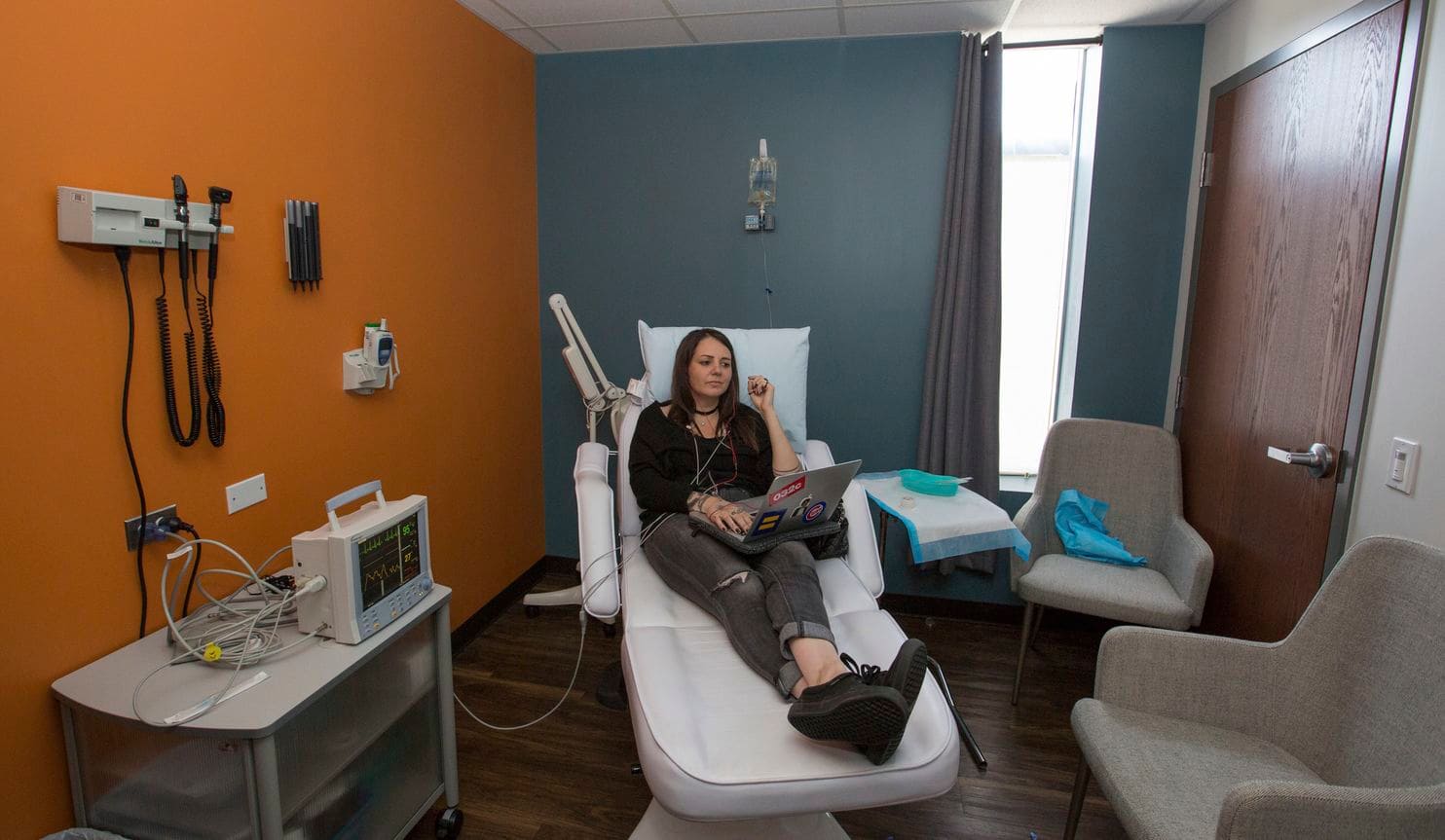
At a recent session, Pestikas’s seventh, she leaned back on a reclining white examining-room chair as a nurse hooked her up to a heart and blood pressure monitor. She grimaced as a needle was slipped into the top of her left palm. Khare reached up with a syringe to inject a small dose of ketamine into an IV bag hanging above the chair, then dimmed the lights, pulled the window curtains and asked if she had questions and was feeling OK.
“No questions, just grateful,” Pestikas replied, smiling.
Pestikas listened to music on her iPhone and watched psychedelic videos. She said it was like “a controlled acid trip” with pleasant hallucinations. The trip ends soon after the IV is removed, but Pestikas said she feels calm and relaxed the rest of the day, and that the mood boost can last weeks.
Studies suggest that a single IV dose of ketamine far smaller than used for sedation or partying can help many patients gain relief within about four hours and lasting nearly a week or so.
Exactly how ketamine works is unclear, but one idea is that by elevating glutamate levels, ketamine helps nerve cells re-establish connections that were disabled by depression, said ketamine expert Dr. Carlos Zarate, chief of experimental therapies at the National Institute of Mental Health.
A small Stanford University study published in August suggested that ketamine may help relieve depression by activating the brain’s opioid receptors.
Janssen Pharmaceuticals and Allergan are among drug companies developing ketamine-like drugs for depression. Janssen leads the effort with its nasal spray esketamine. The company filed a new drug application in September.
Meanwhile, dozens of studies are underway seeking to answer some of the unknowns about ketamine including whether repeat IV treatments work better for depression and if there’s a way to zero in on which patients are most likely to benefit.
Until there are answers, Zarate of the mental health institute said ketamine should be a last-resort treatment for depression after other methods have failed.
___
Follow AP Medical Writer Lindsey Tanner at @LindseyTanner .
___
The Associated Press Health & Science Department receives support from the Howard Hughes Medical Institute’s Department of Science Education. The AP is solely responsible for all content
Copyright 2018 The Associated Press. All rights reserved. This material may not be published, broadcast, rewritten or redistributed.
A study led by Massachusetts General Hospital (MGH) investigators identifies two subanesthetic dosage levels of the anesthetic drug ketamine that appear to provide significant symptom relief to patients with treatment-resistant depression. In the October 2018 issue of Molecular Psychiatry they describe finding that single intravenous doses of 0.5 mg/kg and 1.0 mg/kg were more effective than an active placebo in reducing depression symptoms over a three-day period. Two lower dosage levels that were tested did not provide significant symptom relief, although some improvement was noted with the lowest 0.1 mg/kg dose.
“Treatment resistance in depression is a major issue, with more than half of patients not responding adequately to standard, appropriate antidepressant treatment,” says Maurizio Fava, MD, executive director of the Clinical Trials Network & Institute in the MGH Department of Psychiatry and senior author of the Molecular Psychiatry paper. “There are only a few approved therapies that can help some patients with treatment-resistant depression, so we critically need more options to choose from.”
Long used as a general anesthetic drug, ketamine has been found in several studies to rapidly relieve depression symptoms when given at low, subanesthetic doses. Most of those studies used a standard 0.5 mg/kg intravenous dose, leaving determination of the optimal dosage unclear. To investigate that question, the study tested four different ketamine dosages – 0.1 mg/kg, 0.2 mg/kg, 0.5 mg/kg and 1.0 mg/kg – compared with an “active” placebo, a drug that induces side effects, the lack of which could lead participants to realize they are not receiving the medication being tested, potentially biasing their perception of symptom improvement.
The study enrolled 99 adults with treatment-resistant depression at six research centers – MGH, Baylor College of Medicine/Debakey VA Medical Center, Icahn School of Medicine at Mt. Sinai, Stanford University School of Medicine, University of Texas/Southwestern Medical Center, and Yale University. Participants were randomized into five groups – the four dosage levels and the active control group, with neither they nor the research staff aware of group assignments – and continued taking their previously prescribed antidepressants during the study period.
Participants were assessed with a standard depression rating scale the day they received the infusion and 2, 3, 5, 7, 14 and 30 days later. Additional instruments measured aspects of mood and suicidal thought. Dissociative symptoms such as memory loss and feelings of detachment from reality were assessed during and after ketamine infusion, and vital signs were measured after treatment and at all follow-up visits.
On the standard depression scale, participants receiving ketamine had significantly greater symptom improvement during the three days after infusion than did those in the active control group. Comparison of dosage levels, after adjusting for multiple comparisons, found statistically significant improvement compared to the control group only for participants receiving 0.5 mg/kg and 1.0 mg/kg doses. The low 0.1 mg/kg dose produced significant relief only prior to adjustment, and the 0.2 mg/kg dose did not show any significant benefits. It is possible that the lack of efficacy at the 0.2 mg/kg level could reflect the small size of treatment groups and the fact that participants in that group tended to be more treatment resistant to begin with, the authors note.
For most participants in the higher-dose groups, the benefits of ketamine treatment began to decrease on the third day after treatment and were no longer detectable after five days. There were no significant differences in the occurrence of adverse events among all study participants.
Co-author Cristina Cusin, MD, who directs the MGH Psychiatry ketamine clinic, says “These results support the clinical observation that one size – in this case the most studied dose of 0.5 mg/kg – does not fit all, as some patients may require a lower-than-average dose; and each patient needs a tailored treatment plan that may include ketamine, together with other medications and talk therapy. We still do not understand which factors play a role in determining lack of response to treatments or which is the best possible strategy for patients suffering from severe depression.”
Fava, the Slater Family Professor of Psychiatry at Harvard Medical School, adds, “Along with supporting the efficacy of intravenous ketamine for patients with treatment-resistant depression, our study also suggests that even lower doses may be effective in some patients. Further investigation should examine the efficacy of repeat doses of ketamine, as well as whether higher doses may require less frequent administration.”
As ketamine clinics pop up across the U.S. to offer experimental infusions for depression, anxiety, and a slew of other conditions, training programs to teach providers how to run these businesses have also started to appear. They promise to teach everyone from anesthesiologists to advanced practice nurses the ins and outs of ketamine, which has been used for decades as an anesthetic but is still under study as a therapy for psychiatric disorders.
The doctors and nurse anesthetists offering the courses say they’re urgently needed to try to bring some standardization to the booming ketamine treatment business. “I think [ketamine] is going to get wider spread use in one capacity or another. I’d like to see that be done appropriately,” said Dr. Gerald Grass, an anesthesiologist who runs the Ketamine Institute, a training program run out of the Sarasota, Fla., practice where he also treats patients with ketamine. But some mental health experts say there isn’t yet enough evidence about how to use ketamine to offer training. They fear some of those signing up for the programs might be trying to break into the business to make a quick buck.
“If I thought there was a standard protocol … then I think [training] could be very useful. But I’m not sure we have that yet,” said Dr. Gerard Sanacora, a psychiatrist, professor, and the director of the Yale Depression Research Program. “There is a real limited amount of data. It’s ethically a challenging and clinically a challenging situation.”
Studies suggest that the drug holds potential as a treatment for major depression in some — though nowhere near all — patients. A dose much smaller than what’s used for anesthesia, given through an IV, stems symptoms of severe depression in some patients with treatment-resistant depression, often within hours.
But there are gaping holes in the data on long-term effects of ketamine, potential risks down the road, and the best way to integrate the drug into a broader mental health care plan.
A STAT investigation published last month found wide-ranging inconsistencies among clinics. Some clinics don’t thoroughly screen patients, and experts worry they’re offering the drug to anyone who can afford it. Providers charge anywhere from $350 to close to $1,000 per infusion and many patients get at least six rounds of the treatment. Some clinics, too, offer ketamine for uses that haven’t been well-studied, overhype its efficacy, and tout special blends that experts say aren’t supported by published evidence.
The Ketamine Institute offers two classes. The first, a $4,950 fundamentals course, is “directed to physicians who wish to quickly get the basic training necessary to [safely] and effectively provide ketamine infusion therapy to their patients,” according to the institute’s website. Grass said that course is targeted at providers who might want more information on the research and clinical care, but are familiar with starting IVs. The second, an $8,950 comprehensive course, takes a much deeper dive into the weeds of running a clinic and also gives physicians hands-on experience with patients.Related: Ketamine gives hope to patients with severe depression. But some clinics stray from the science and hype its benefits
Grass said he gets eight to 10 inquiries about the training courses each month. The number of people he’s actually trained: seven. He generally only trains psychiatrists and anesthesiologists and requires applicants to submit a statement about their intentions.
“There are people out there that are looking for alternate streams of revenue,” he said.
He gets inquiries from everyone from cosmetic dermatologists and chiropractors to venture capitalists. He even heard from a provider who was running an alternative weight loss program and wanted to add ketamine “to motivate his patients,” Grass said.
“People will read one or two research papers, see the protocol, and think, ‘Oh, my God, this is easy. I can do this in my office,’” Grass said.
To train under Grass, providers can spend several days shadowing at his clinic. Dr. Ricardo Febres Landauro, a psychiatrist in Austria, flew thousands of miles to take a course in January. He observed patient interactions, pored over his own cases with Grass, and left with a binder stuffed with information on ketamine’s effects, indications, and contraindications.
Grass said he trains providers using the evidence in consensus statements published by the American Psychiatric Association and the American Society of Anesthesiologists. In his own practice, however, he deviates in some instances from published research and treatment protocols. He offers a proprietary product called the “Restore Ultra-Rapid Infusion,” which includes three treatments in three days and which the clinic claims lasts longer and is more effective than other ketamine infusions. His clinic promotes the infusions to treat anxiety, depression, PTSD, and “burnout syndrome.” Grass said physicians just starting to use ketamine might not be experienced enough to deviate from the standard.
“It behooves them to learn how to do the standard protocol effectively and safely,” he said.
Another training program, Colorado-based Ketamine Consulting, promotes on its website “turnkey, comprehensive services that propel clients towards success” in establishing their own ketamine clinics. It promises clients will come away with a “profit-generating ketamine clinic, a renewed love of medicine, and the independence that all physicians crave.”
That program is led by Dr. Roman Langston, an anesthesiologist who also provides ketamine to patients at his Denver clinic. Langston said he taps into his own background to give guidance on treatment, but Ketamine Consulting also serves as a one-stop shop for the business side of a clinic. It builds a client’s website, brainstorms branding, creates logos, and sets up a presence on Facebook, Twitter, and LinkedIn. He charges $1,500 a month for a six-month contract.NEWSLETTERS
Providers are keen on the idea of formal training and a helping hand in launching their clinics. Since starting his consulting practice in summer 2017, Langston has had about 10 clients. Jason Duprat, who runs an online training program called the Ketamine Academy, said roughly 100 people have signed up for the course in just over a year.
“One of my goals was to increase the number of providers,” he said.
The cost of his program: $2,499 upfront, or three payments of $999. Like the Ketamine Institute, Duprat’s online tutorials cover the evidence on treatment protocols and contraindications when using ketamine. His course also emphasizes the business aspects, from the paperwork to set up your own private practice to the best ways to design a website.
Christy Hatcher, a certified registered nurse anesthetist and advanced practice nurse in Minnesota, found that material particularly useful, along with the information on patient care. She signed up for the Ketamine Academy when she was starting the process of opening a clinic in Maple Grove, Minn. She had spent 17 years working in a Minnesota hospital when she decided to open a ketamine practice with another CRNA. They bought the course earlier this year as an “investment” in their clinic.
“It took a lot of the information that is out there and it put it all together for you,” she said. It also led them to bring a mental health nurse practitioner on board.
Their clinic will open in early November. Patients are already calling for appointments.
Walk into Kalypso Wellness Centers in San Antonio, Texas, and you might be treated with one of five “proprietary blends” of ketamine. They’re not cheap — $495 per infusion — and not covered by insurance, but the company offers a “monthly” membership program to cut costs and advertises discounts for members of the military and first responders.
Kalypso promotes ketamine, long used as an anesthetic during surgery and more recently as a club drug, as a treatment for more than two dozen conditions, including depression, chronic pain, and migraines. “Congratulations on resetting your life!!!” it cheerily tells patients on a form they’re handed after an infusion.
Starting with just one office 19 months ago, Kalypso has expanded rapidly to meet surging patient demand for ketamine and now oversees two other Texas clinics and offices in North Carolina and New York. It recruits customers through online ads and radio spots, and even by visiting support groups for pain patients, people with depression, first responders, and grieving parents who have lost children.
“You name it, we’ve done it,” said clinic co-founder and anesthesiologist Dr. Bryan Clifton.
An investigation by STAT shows that Kalypso’s sweeping claims are hardly uncommon in the booming ketamine treatment business. Dozens of free-standing clinics have opened across the U.S. in recent years to provide the drug to patients who are desperate for an effective therapy and hopeful ketamine can help. But the investigation found wide-ranging inconsistencies among clinics, from the screening of patients to the dose and frequency of infusions to the coordination with patients’ mental health providers. A number of clinics stray from recommendations issued last year by the American Psychiatric Association.
STAT interviewed ketamine clinic owners, psychiatrists, and patients and reviewed online staff pages and screening protocols for dozens of ketamine clinics to gauge how patients are selected and treated. Among the findings:
Some clinics don’t thoroughly screen patients, and experts worry they’re offering the drug to anyone who can afford it. Clinics can charge anywhere from $350 to close to $1,000 per infusion and many patients get at least six rounds of the treatment.
In many cases, clinics don’t have a psychiatrist or other mental health professional on staff, though they are working with challenging patients who haven’t responded to other treatments and may have suicidal thoughts. And not all clinics collaborate closely with a patient’s own mental health provider or even require patients to have one throughout treatment.
Clinics sometimes overhype the efficacy of ketamine, offer it for uses that haven’t been well-studied, and tout special blends that experts say aren’t supported by published evidence.
Patients are “getting treatments they may not need or that don’t work, or they’re getting more than they needed,” said Dr. Jeffrey Lieberman, psychiatrist-in-chief of Columbia University Medical Center. One of the biggest risks from the explosion in ketamine use, he added, is “people getting fleeced.”
Clifton said Kalypso works closely with referring physicians or mental health providers and makes sure that anyone who seeks treatment for suicidal thoughts “has adequate mental health care.” Other clinics told STAT that they try to work with a patient’s mental health provider or another physician.
There’s a clear need for new treatments for major depressive disorder, and experts agree that ketamine holds potential to rapidly treat depression and possibly other mental health conditions in some — though nowhere near all — patients. Drug companies are testing similar medications for depression, suicidality, and bipolar disorder, but it hasn’t yet been approved for these conditions.
That fact hasn’t diminished patients’ desire to try ketamine. Actify Neurotherapies, which oversees 10 clinics that provide the drug, said it has received nearly 28,000 inquiries through a call center or online request form — just since January.
“Ketamine has become this phenomenon,” said Lieberman. Continual media coverage has fueled the excitement, generating significant interest and optimism among patients and physicians alike.
Mental health specialists don’t begrudge providers for opening their doors and offering a potentially beneficial treatment to patients eager for relief before it’s approved by the Food and Drug Administration. But they say some clinics are going too far in their promises — and not caring appropriately for patients.
“This is not snake oil. It’s not something that has to be stamped out,” Lieberman said. “It’s something that has to be reined in.”
A screenshot of the Kalypso Wellness Centers homepage.SCREEN CAPTURE
Seeing hope in an experimental therapy
Rory Basurto knows the date of his first ketamine treatment by heart: Oct. 17, 2017. For more than a decade, he had suffered from devastating depression and thick anxiety that felt “like walking around with a wet blanket on all the time.” The 36-year-old can rattle off a laundry list of treatments he’s tried: Paxil, Lexapro, Zoloft, Ritalin, klonopin, neurofeedback, psychotherapy.
“It helped until it didn’t. Until I completely broke down,” said Basurto, who lives in Encinitas, Calif. That was last fall, when he had to quit his job working with a family business and attempted suicide.
Basurto, like many patients contending with major depression, needed another option. Many don’t respond to conventional antidepressants, such as the SSRIs. And for others, the drugs just don’t work quickly enough, taking weeks to kick in.
“Patients are getting more and more frustrated because the help that they’re getting failed them,” said Dr. Lori Calabrese, a psychiatrist who treats patients with ketamine at her clinic in South Windsor, Conn.
Ketamine has started to fill that breach. Since the early 2000s, small studies have suggested that it might have potential as a depression drug. Unlike traditional antidepressants that target the brain’s serotonin and noradrenaline systems, ketamine appears to block a receptor called NMDA, which is activated by the neurotransmitter glutamate.
The evidence is promising: A dose much smaller than what’s used for anesthesia — given through an IV — stems symptoms of severe depression in some patients with treatment-resistant depression, often within hours.
In Basurto’s case, he read about ketamine online after his suicide attempt. He reached out to South Coast TMS and Ketamine, an Encinitas clinic opened in 2016 by Dr. Drew Belnap, an anesthesiologist. Belnap consulted with Basurto’s therapist, who confirmed Basurto has anxiety and depression.
Since October, Basurto has undergone nearly two dozen ketamine infusions, paying between $450 and $500 per treatment. About once a month, he heads into the clinic, fills out a questionnaire about his symptoms, and settles into a zero-gravity chair. A staff member monitors Basurto as the ketamine drips into his bloodstream. He watches nature videos on a TV during the roughly 50-minute treatment.
“This is not snake oil. It’s not something that has to be stamped out. It’s something that has to be reined in.”
DR. JEFFREY LIEBERMAN, PSYCHIATRIST-IN-CHIEF OF COLUMBIA UNIVERSITY MEDICAL CENTER
He said the drug has changed how he grapples with the everyday challenges that used to knock the wind out of him, often leaving him sad or angry.
“Before, something happened and it was the end of the world. I still go through that, but it’s a lot quicker now,” he said.
Drug companies are racing to create a rapid-acting antidepressant that can produce effects similar to ketamine. Janssen, a division of Johnson & Johnson, is testing a nasal spray of esketamine, a ketamine-derived drug. When combined with an oral antidepressant, it has shown promise in quickly curbing symptoms of serious depression, and is also being tested in patients at risk of suicide. Allergan is developing its own experimental rapid-acting antidepressant, rapastinel. Like ketamine, it works on the NMDA receptor, which is involved in learning and memory.
But there are clear limitations to the data on ketamine. There aren’t data on long-term effects or potential risks down the road. There’s no clear consensus between the providers currently offering it on optimal dosing, how to go about maintaining the drug’s effects, or the best kind of care to complement ketamine treatment, such as cognitive behavioral therapy.
“The pace of ketamine treatment in real-world practices has outstripped what researchers are able to do and publish,” Calabrese said.
Seeing an “urgent need for some guidance,” an American Psychiatric Association task force issued a consensus statement in April 2017 that laid out the medical evidence on ketamine, the kind of training it thought physicians should have, and advice for thoroughly screening patients. Because ketamine can possibly affect heart rate or blood pressure in some patients, it recommended clinicians who provide treatment have advanced cardiac life support certification.
The panel said the screening process for every single patient should include a comprehensive diagnostic assessment, an in-depth look at a patient’s history of depression treatments, a careful review of medical and psychiatric records, and a clear informed consent process that walks a patient through the risks and limitations of ketamine treatment.
It’s clear that some clinics aren’t sticking to those suggestions.
Minimal screening and untrained providers
Screening practices and the extent of collaboration with mental health providers vary wildly from one ketamine clinic to the next. That means some patients might not get the support they need, particularly if they don’t respond to ketamine, experts said.
At Actify Neurotherapies, people first talk to a “patient care coordinator” who asks a few questions to make sure there aren’t any big red flags, like psychosis. “It’s intended to be a sieve with large holes,” said the CEO, Dr. Steven Levine. A patient then has a consultation with a psychiatrist on staff.
At Calabrese’s clinic, she requests records from each patient’s psychiatrist and primary care doctor, then does a lengthy intake. But at other clinics, the intake process is quicker and leans heavily on a screening tool such as the PHQ-9 questionnaire, which is commonly used to diagnose symptoms of depression.That’s fueled concern that any patient who can fork over hundreds of dollars for each infusion might be offered ketamine treatment, whether or not it’s the right course of action.
“Where is the bar where they determine a patient is not appropriate for ketamine treatment if they can pay?” said Dr. Cristina Cusin, co-director of a ketamine clinic at Massachusetts General Hospital. Cusin, who is also a psychiatry professor at Harvard Medical School, has run several studies on ketamine for treatment-resistant mood disorders.
One patient, a 28-year-old graduate student in California who didn’t want to be named out of concern being identified could affect her job hunt, told STAT said that since the start of this year, she has seen four different ketamine providers. All agreed to treat her with the drug for her severe depression, anxiety, and panic attacks, even though her response to the treatment varied and it didn’t always help.
Experts also express concern about the coordination of care between clinics and a patient’s usual providers. Some clinics say they’ll work with a patient’s mental health provider if he or she wants them to do so. Levine said each of Actify’s clinics “engages the person’s outside primary team” throughout the course of treatment. At Kalypso, co-founder Clifton said staff follow up with a referring provider if there is one or will work with a patient’s primary care provider unless the patient specifically requests that they don’t.
At Ketamine Clinics of Los Angeles, co-founder and anesthesiologist Dr. Steven Mandel said contact with a mental health provider “ranges from no contact to two or three times” a week. Sam Mandel, an entrepreneur who opened the clinic with his father, Steven, and now serves as chief operating officer, said the only reasons the clinic wouldn’t stay in contact with patients’ mental health provider is if they don’t make themselves available or if a patient doesn’t have one, in which case the staff works with the primary care provider.
Many clinics don’t require patients to continue seeing a mental health provider, which means that ketamine becomes the sole source of mental health care for patients who can be among the most complicated to treat. “When there’s no sort of collaborative involvement, that’s worrisome,” Lieberman said.
Dr. Nora Janeway, a primary care doctor in New Hampshire, recently found out that a young patient had just received a series of infusions at a ketamine clinic run by two nurse practitioners.
Her heart sank: This was a particularly complex patient who first came to Janeway’s office a few months ago on a slew of psychiatric prescription drugs, including two benzodiazepines, an antipsychotic, a mood-stabilizing medication, and a stimulant. Janeway wanted the patient to connect to a psychiatrist to manage those medications, but that hadn’t happened yet when the patient started receiving ketamine. Janeway said she was never contacted for records or notified of her patient’s treatment.
“There’s no sense of obligation [in regards to] continuity or follow-up of the patient,” she said.
Basurto, the patient who has received nearly two dozen ketamine infusions since last October, hasn’t seen a mental health provider in six months, he said. Belnap, the anesthesiologist who oversees Basurto’s treatment, said he strongly encourages patients to see an outside mental health care provider, but he can’t force them to do so. He noted that many patients taking traditional SSRI antidepressants for long periods aren’t undergoing psychotherapy either.
In many cases, ketamine providers aren’t qualified to provide mental health care on their own. They’re often anesthesiologists or pain physicians, and in some cases, nurse practitioners. STAT’s review of staffing found that many clinics have no mental health providers on staff. Clifton and his three co-founders are each in the San Antonio office one day a week — and on Tuesdays, a physician assistant staffs the office. Two of Kalypso’s affiliated clinics are run by physician assistants, another is run by a primary care doctor, and the last by a pain physician. Clifton and his co-founders train those providers for a few days and then oversee the care at those clinics through a management service agreement, he said.
The APA says that whoever is providing ketamine treatment needs to be trained in how to address behavioral health problems, because ketamine can cause dissociative effects such as hallucinations. The organization also says it’s critical that clinics have caregivers qualified to make sure patients aren’t at risk for behavioral problems — including experiencing suicidal thoughts — before they’re sent home.
Anesthesiologists, in turn, argue that psychiatrists aren’t qualified to provide ketamine treatment on their own. They’re not prepared the same way anesthesiologists are to deal with problems that could crop up during an infusion, such as an irregular heart rhythm or more serious cardiac issues.
Belnap noted that the safety information included in every box of ketamine says that the physician administering ketamine should be trained in using anesthetics and managing problems with a patient’s airway.
“I’m not saying psychiatrists can’t [administer ketamine], but they need to have someone in the room or in the clinic who knows ketamine — because they don’t,” Belnap said.
One thing is clear: Collaboration is critical.
“You don’t treat an advanced disease with just an infusion and a ‘see you next time,’” Cusin said. “If [doctors] replace your knee but don’t do physical therapy, you don’t walk again.”
But in some clinics, that appears to be the case, experts said.
Even in her clinic at Mass. General, staffed with experts used to dealing with complicated mental health issues, Cusin won’t allow a patient to receive ketamine if that person doesn’t have a primary mental health provider. She and her colleagues can’t provide both ketamine treatment and comprehensive psychiatric care themselves.
“It’s hard. It’s unrelenting. There’s always someone relapsing,” she said.
Studies vary but have found response rates to ketamine as high as 70 percent among people with major depression who have failed a few other antidepressants, Cusin said. But the rate is lower for patients with extremely treatment-resistant depression, and how long any improvement lasts varies from one patient to the next. Cusin carefully explains what patients can expect during the informed consent process, and also talks with their therapist. Not all clinics lay such a thorough foundation.
The stakes couldn’t be higher for patients, Cusin said: “Imagine if you take out a loan for $5,000 or $6,000 for treatment, and it doesn’t work. That could be heartbreaking.”
A screenshot of the website for Sierra Ketamine Clinics in Nevada.SCREEN CAPTURE
‘They’re throwing bait in the water’
A number of clinics’ websites pump up the promise of ketamine with the same four-year-old quote from Dr. Thomas Insel, the former director of the National Institute of Mental Health: “Recent data suggest that ketamine, given intravenously, might be the most important breakthrough in antidepressant treatment in decades.”
They neglect to include another line that appears a few paragraphs down in Insel’s 2014 blog post about ketamine: “There are still a number of questions to resolve about the best dose, the mechanism, and the long-term efficacy and safety of ketamine.”
Asked recently by STAT whether he was concerned about the use of his truncated quote in the promotional material, Insel responded by noting many caveats when it comes to ketamine treatment for mental health conditions, but said he had “no regrets’’ about the post.
Insel, now president of Mindstrong Health, a medical technology company based in Palo Alto, Calif., said “optimal care for someone with a depressive disorder requires careful diagnosis and comprehensive treatment.”
“I suspect that does not happen in every ketamine clinic,” he added.
The use of Insel’s quote is a prime example of the way some clinics aggressively promote the potential of ketamine while underselling its risks and limitations. Victory Medical, a ketamine provider in Texas, for example, says on its site that “the path to happiness begins with the first session.” The website for Sierra Ketamine Clinics in Nevada proclaims that “patients who have lost hope and thought they would remain in the grips of chronic pain and mental illness for the rest of their lives have emerged across the country with renewed spirit and joy.”
Mental health specialists said they’re troubled by the way such glowing language might appeal to patients in need of help.
“They’re fishing. They’re throwing bait in the water and trying to lure people in,” Lieberman said.
Like Kalypso, some clinics offer special blends they say can curb side effects. But without published data, experts said there isn’t robust evidence to support those claims. Others make statements that similarly aren’t supported by strong, published evidence, including that their treatment plans work better than protocols published in scientific journals or that they can treat a slew of conditions with ketamine.
“Where is the bar where they determine a patient is not appropriate for ketamine treatment if they can pay?”
DR. CRISTINA CUSIN, CO-DIRECTOR OF A KETAMINE CLINIC AT MASSACHUSETTS GENERAL HOSPITAL
On its website, Kalypso says that it has a 91 percent success rate. Clifton told STAT the company offers ketamine for 32 conditions, including lupus and cancer-related pain. When asked whether there was evidence to support each of those uses, Clifton said “absolutely” and said the company is “compiling all of our data to be able to publish it all.”
At the top of its website, the company also prominently highlights its $199 genetic testing services to determine the “right formulation” of ketamine. But experts said genetic testing hasn’t been proven to offer any meaningful information about ketamine treatment at this point.
“We are currently still researching how to best use this test for patient therapy,” Clifton said.
Many clinics use social media to reach patients. To mark National Suicide Prevention Awareness Month, Rocky Mountain Mind & Body clinic in Colorado tweeted to its followers that it was offering a “special”: After patients finish an initial infusion series, they’ll get their first maintenance infusion free.
Some patients said they felt pressured to try ketamine, despite being unsure whether it was the right treatment for them. Alexia Taylor, a 41-year-old who has depression, called the New England Center for Healthy Minds in Acton, Mass., in February to ask about ketamine treatment.
She was floored to find out it would cost thousands and said she wasn’t interested.
“They didn’t want me to get off the phone,” she said. “They said, wouldn’t you like to feel better?”
The New England Center for Healthy Minds said that the screening and scheduling of patients is handled by an outside company called Neuragain, a network of ketamine providers. Julie Lassner, who works with patient and provider services at Neuragain, said the company’s receptionists only collect basic formation needed to secure an appointment, and then formal screening is conducted by the the Center for Health Minds.
All the providers STAT interviewed were quick to say they’re not prescribing ketamine to get rich. Clinics charge anywhere from $350 to upward of $1,000 for a single treatment — with a generic drug. Much of that money covers the significant overhead of running a clinic, providers said.
Most clinics offer a series of six infusions over two to three weeks, and many offer “boosters” as patients feel their symptoms creep back. It’s not clear whether all these infusions are necessary. According to the APA’s review of the research, the evidence is limited on the benefits and risks of longer-term treatment, such as monthly booster infusions.
Some patients scrimp and save for months to afford the treatments. Others ask friends and family to help them, put it on credit cards, or dip into their savings.
Insurers don’t yet cover ketamine treatment for major depressive disorder, because it hasn’t been approved by the FDA for a psychiatric indication. Levine, the Actify Neurotherapies CEO, said an estimated 40 percent of people who contact the company don’t end up scheduling an appointment due to cost. That, critics say, points to another possible issue: the high price will exacerbate health care disparities.
“The problem is, the patients who most need the treatment are the patients who can’t afford it,” Cusin said.
A screenshot from the Vitamindrip website.SCREEN CAPTURE
‘Whose job is it to rein this in?’
So what will it take to rein in rogue practices?
Mental health experts called for professional societies to follow in the APA’s footsteps and issue recommendations outlining training requirements and screening protocols for providers who treat mood disorders with ketamine.
The APA also strongly recommended that every clinic come up with standard operating procedures based on the best evidence available. That plan should outline clear steps for screening and obtaining informed consent; assessment of a patient’s physical and mental status before, during, and after infusions; and a plan for managing problems that crop up during or after treatment.
Another idea: create a registry to collect data on every patient who receives ketamine treatment for mood disorders. That will help provide more evidence on outcomes, both in the short-term and the long run.
Experts have pinned some hope — but not too much — on the FDA approving one of the new treatments in the works. A drug approval would mean clear information on dosing, treatment protocol, and indications for which a treatment is approved. And it could clear the path for insurance coverage; if insurers are involved, screening might be more stringent and more people would be able to afford treatments.
None of those are surefire fixes. Ketamine can still be offered off-label to patients with a range of conditions. As clinics continue to crop up, experts are skeptical that use of ketamine will become standardized any time soon.
“Whose job is it to rein this in?” Lieberman said. “Nobody’s gonna come down on them unless something happens.”
Aug. 21, 2018 — Ketamine, a widely used anesthetic that’s also an illicit party drug, has taken on a new role in recent years: treating severe depression in people who have not responded to standard treatment. Researchers have called it the most exciting breakthrough in the field of depression research in the past half-century.
One form of the drug, being developed as a nasal spray called esketamine, is in the final stages of testing needed before it can go to the FDA for approval.
It has not yet been approved by the FDA in any form to treat depression, but doctors may, and do, use it “off label” to treat depression and pain. Yet many questions about its safety and effectiveness remain unanswered.“There’s still a lot to learn before we can use ketamine on a wide scale,” says Yale professor of psychiatry Gerard Sanacora, MD, PhD, who directs the Yale Depression Research Program in New Haven, CT. “But it seems to offer real benefits, even targeting suicidal thinking, which could be lifesaving.”
A Quick Response to Ketamine
Eight percent of American adults have depression, an often debilitating and sometimes fatal disease. People with major depression are 20 times more likely to attempt suicide. Talk therapy and antidepressant medications often help, but such treatments leave one in three people with depression searching for more help.
That’s where ketamine comes in. Among those with treatment-resistant depression, an estimated 50% respond to ketamine, says psychiatrist and researcher Carlos Zarate Jr., MD, chief of the Experimental Therapeutics and Pathophysiology Branch of the National Institute of Mental Health.And people who do respond to ketamine respond quickly. In a review of 10 studies that Sanacora, Zarate, and others wrote last year, ketamine lessened thoughts of suicide within a day, though the effect was temporary. By contrast, commonly prescribed antidepressants generally take several weeks to begin to relieve symptoms — when they do work.
Ketamine does not target the same brain activities as antidepressants like fluoxetine (Prozac), venlafaxine (Effexor), and sertraline (Zoloft). Rather, it blocks a receptor called N-methyl-D-aspartate, or NMDA. Why does that relieve depression for some people? Scientists can’t say for sure.
“Most of what we know comes from rodent studies,” says Sanacora. “With humans, there are probably many other factors that contribute to the response to ketamine.”
No Action from FDA — Yet
The FDA allows doctors to prescribe approved medications “off-label,” or for purposes other than those for which they were first approved. Ketamine is one such medication. The FDA approved it as an anesthetic in 1970. Its off-label uses have not been limited to depression treatment.
“It has been used for decades, including for pain management and palliative care,” says Zarate.Its continued use, he says, shows that its safety has been well-established, at least for short-term use.
But, he says, “research has not kept pace with its clinical use. We still know very little about its long-term effects on [the brain] or other safety measures.”
Its promise as a depression treatment — and the ability for doctors to use it off-label — has led more outlets to offer it to people with treatment-resistant depression. Over the last several years, clinics that offer ketamine IVs have popped up around the country, including at academic medical centers such as Yale University and the University of California San Diego.
But there’s no FDA oversight of ketamine’s use as a treatment for depression, no reliable estimate of the number of clinics offering such treatment, and no standard for treatment. And many clinics have no psychiatrist or other mental health professional on staff.
‘No Easy Answer’ to Ketamine’s Use
Last year, Sanacora and several colleagues published a statement in a leading psychiatric journal in response to the “rapidly escalating demand for clinical access to ketamine treatment and an increasing number of clinicians willing to provide it.”
The authors addressed ketamine dosing, safety, patient follow-up after treatment, and other issues that remain to be resolved.
“It’s a very complicated question, and there’s no easy answer,” Sanacora says of the off-label use of ketamine. “We realized that the biggest thing we could do to help the field is to highlight what we know, what we don’t know, and where we should be concerned.”Many parts of ketamine treatment require more research, such as figuring out the ideal dose. Sanacora says many of the studies have been presented at medical conferences but have not yet been published in peer-reviewed journals, which would require independent researchers to examine the findings.
At the University of Minnesota, psychiatrist Kathryn Cullen, MD, studied the impact of ketamine IVs on teenagers with treatment-resistant depression. Designing the study presented many challenges because so little is known about how best to use ketamine.
“What’s the right dosing schedule? How many treatments should they get?” wondered Cullen, an associate professor and chief of child and adolescent psychiatry.In her small study, which was published in June, 13 teens received six ketamine IVs over 2 weeks. Five of them got better, at least temporarily. But the study raised more questions than it answered, Cullen says.
“How do they do down the road? There are a lot of questions about the long-term safety and efficacy which we really can’t answer because the studies haven’t been done,” she says.
Ketamine’s Potential for Abuse
Of particular concern to parents of the participants: ketamine’s potential for abuse. Even in clinical doses, the drug sometimes produces short-lived psychedelic side effects like euphoria, hallucinations, and out-of-body experiences. Those effects have made it a popular club drug.
“On the street, the dose is much, much higher than what we use to treat,” says Cullen, “but ketamine is a drug of abuse, and parents ask me if their kids would start seeking it out. I don’t know.”Ketamine can also cause spikes in blood pressure and heart rate. Whatever the risks, though, they may be outweighed by the benefits of quickly stopping depression, says Cullen.
“Adolescence is such a critical time for brain development,” she says. “Untreated depression can impair who they consider themselves to be as a person: how they view themselves, how they view their relationships, how they view their possibilities.”
In May, results from two recently completed clinical trials showed that esketamine nasal spray, when paired with another antidepressant, rapidly eased symptoms in patients with hard-to-treat depression. In a second study on elderly patients, esketamine showed great promise but fell just short of hitting the study’s targets.In a study published in July, researchers, including Sanacora, reported that esketamine helped relieve depression in patients at high risk of suicide.
“In all likelihood, the FDA will be reviewing esketamine in the near future,” says Sanacora, who has received research funding from Janssen Pharmaceuticals, which makes the drug.
Focusing on Drug’s Positives
Meanwhile, Zarate has set his sights on another potential ketamine-related therapy. When you take ketamine, your body breaks it down into two dozen different byproducts, called metabolites. Zarate and his colleagues are now focusing their research on one of those metabolites, which appears to offer ketamine’s antidepressant effects without its side effects or potential for abuse.
“We will approach the FDA hopefully sometime this year and begin studies hopefully next year,” says Zarate. “If ketamine makes it to the market — and by all means that looks very promising — that paves the way for further ketamine-like treatments without the side effects.”
At Yale, Sanacora is studying whether ketamine may do more than relieve the symptoms of depression. He says the drug seems to temporarily change certain connections in the brain. During that period, he suggests, tough-to-treat patients may be more likely to benefit from approaches like cognitive behavioral therapy, which may help them avoid a relapse.
Sanacora also is at work on a study that will compare ketamine with electroconvulsive therapy (ECT), which he calls the gold standard for treatment-resistant depression. His research is still in the early stages.
Excitement over ketamine’s potential needs to be tempered with caution because of how much remains to be learned, says Zarate. And for at least the foreseeable future, it should be a last resort, after other treatments have failed.
“It’s important for people to first try approved medications or talk therapy, even ECT, before considering ketamine,” says Zarate. “We shouldn’t bring it too soon into the course of treatment.”
Average scores on the Children’s Depression Rating Scale dropped by 42.5% following low-dose IV ketamine infusions among 13 teenagers with treatment-resistant depression, findings published in Journal of Child and Adolescent Psychopharmacology showed.
“Adult [treatment-resistant depression] research has begun to explore repeated administrations of ketamine, which may have promise for greater effectiveness and longer remission periods than single doses,” Kathryn R. Cullen, MD, division of child and adolescent psychiatry, University of Minnesota Medical School, and colleagues wrote. “Although adolescence is a key time period for emergence of depression and represents an opportune and critical developmental window for intervention to prevent negative outcomes, no information is yet available on the efficacy or tolerability of ketamine as a treatment for [treatment-resistant depression] in adolescents.”
Researchers examined the efficacy and tolerability of IV ketamine among teenagers aged 12 to 18 years with treatment-resistant depression who received six open-label IV ketamine infusions (0.5 mg/kg) over the course of 2 weeks.
Ketamine was infused over 40 minutes, followed by a 2-hour monitoring period to assess depressive symptoms. To determine the extent and duration of clinical response, the investigators examined response and remission one day following the six infusions and measured duration of response in a 6-week follow-up period. In tolerability assessment, they also monitored vital signs and dissociative symptoms.
Thirteen teenagers completed the clinical trial. Average Children’s Depression Rating Scale-Revised percent change was 42.5% (P = .0004). The results showed that five participants met criteria for clinical response and three responders showed sustained remission at 6-week follow-up, with relapse occurring within 2 weeks for the other two responders.
Ketamine infusions were generally well-tolerated, with transient dissociative symptoms and hemodynamic symptoms. However, one participant who had a high level of suicidal thinking at baseline reported a high level of suicidality throughout the study. Importantly, the researchers found that participants who received higher doses due to their higher BMI had the best responses.
“The preliminary results reported here are promising; but large-scale, double-blind, randomized control designs are needed to determine if ketamine is a safe and effective treatment for adolescent [treatment-resistant depression],” Cullen and colleagues wrote.
“Important questions remain regarding optimal dose, response prediction (patient selection), and long-term safety following acute treatment,” they continued. “Before ketamine can be considered for broader clinical use, efficacy and safety data are needed on strategies to sustain ketamine-induced remission. Ultimately, safe and effective strategies to achieve sustained remission during adolescence could restore healthy neurodevelopment and improve outcomes over the lifespan.” – by Savannah Demko
Disclosure: The authors report no relevant financial disclosures.
Ketamine has been shown to work much faster, with effects that last much longer, than current antidepressants (SSRIs)
40% of teens do not respond to their first round of SSRIs, lowering their chance of achieving remission
Recently, ketamine has gained traction as an alternative to antidepressants
The University of Michigan researchers say their study is proof that ketamine can be safely given to children
Children with depression who did not respond to pills have finally seen results after receiving an IV drip of ketamine, according to a new study.
Thirteen teenagers aged 12 to 18 received infusions of the illegal drug, which was first created as a horse tranquilizer, over the course of two weeks.
By the end, five of them (38 percent) were deemed to be in remission.
The authors of the study, done by the University of Michigan, say it is proof that ketamine can be safely administered to children – a question that researchers have been racing to answer as the drug gains traction as a more effective alternative to antidepressants.
Ketamine’s rise has come amid a soaring demand for alternative to antidepressants.
The rate of children and teenagers diagnosed with depression is steadily climbing year on year. Most are prescribed SSRIs, highly addictive antidepressants, which carry excruciating side effects when coming off them.
However, around 40 percent of teenagers do not respond to the first type of drug their doctor suggests to try, so they have to try another one. And if that doesn’t work, they try another – and so on, until they find their Goldilocks pill.
In theory, these drugs are to be used as a short-term measure as patients work towards remission, rather than spending a lifetime on medication.
However, studies show that the thousands of patients who go through this cycle of trial and error are far less likely to ever achieve remission.
Although ketamine itself can be addictive, the idea of administering small doses of it in transfusions is in vogue in mental health research at the moment – partly because it works so quickly.
The drug activates the part of the brain that regulates emotions, and promotes neural plasticity – the ability of the brain to change and adapt in response to experience.
What’s more, it works much faster than SSRIs, and appears to last longer to move congestion in the brain that may be hampering the patient’s freedom of thought and feeling.
It’s widely agreed that patients with depression appear to have dampened connections between certain neurons, caused by a build-up of proteins on top of cell membranes.
In healthy brains, cell membranes are free and open to receive signals. In patients with depression, an overwhelming amount of G proteins pile up on top of lipid rafts – kind of like lids which sit on top of cell membranes.
This pile-up prevents free movement.
SSRIs help to shift these G proteins off the lipid rafts, unblocking congestion, within about an hour.
Ketamine does the same, but in 15 minutes – and studies have found the effects to last much longer.
‘The field is excited about a potential new agent for adolescents with treatment resistant depression. We look forward to additional studies of ketamine to validate this treatment,’ says Dr Harold S. Koplewicz, Editor in Chief of the Journal of Child and Adolescent.
New Rochelle, NY, August 1, 2018–A new study has shown a significant average decrease in the Children’s Depression Rating Scale (42.5%) among adolescents with treatment-resistant depression (TRD) who were treated with intravenous ketamine. The study, which demonstrated the tolerability and potential role of ketamine as a treatment option for adolescents with TRD, is published in Journal of Child and Adolescent Psychopharmacology, a peer-reviewed journal from Mary Ann Liebert, Inc., publishers. The article is available free on the Journal of Child and Adolescent Psychopharmacology website.
The study participants were young adults aged 12-18 years who had failed two previous trials of antidepressants. They received six ketamine infusions over 2 weeks. The treatment was well tolerated. Based on the Children’s Depression Rating Scale scores, 38% of participants met the criteria for clinical response and remission.
“The field is excited about a potential new agent for adolescents with treatment resistant depression. We look forward to additional studies of ketamine to validate this treatment,” says Harold S. Koplewicz, MD, Editor in Chief of the Journal of Child and Adolescent Psychopharmacology and President of the Child Mind Institute in New York.
About the Journal
Journal of Child and Adolescent Psychopharmacology is an authoritative peer-reviewed journal published bimonthly in print and online. The Journal is dedicated to child and adolescent psychiatry and behavioral pediatrics, covering clinical and biological aspects of child and adolescent psychopharmacology and developmental neurobiology. Complete tables of content and a sample issue may be viewed on the Journal of Child and Adolescent Psychopharmacology website.
About the Publisher
Mary Ann Liebert, Inc., publishers is a privately held, fully integrated media company known for establishing authoritative peer-reviewed journals in many promising areas of science and biomedical research, including Cyberpsychology, Behavior, and Social Networking, Games for Health Journal, and Violence and Gender. Its biotechnology trade magazine, GEN (Genetic Engineering & Biotechnology News), was the first in its field and is today the industry’s most widely read publication worldwide. A complete list of the firm’s 80 journals, books, and newsmagazines is available on the Mary Ann Liebert, Inc., publishers website.