
Tag: Ketamine for Depression

  • IV Ketamine + Neuroplasticity = Relief, Relaxation, and Relishing Life

    IV Ketamine + Neuroplasticity = Relief, Relaxation, and Relishing Life

    Woman relishes a spring day after IV ketamine for her treatment resistant depression.I could use some of that.  We hear that all the time. Relief, relaxation and relishing your life can sound so far away … but it doesn’t have to be. As word gets out about IV ketamine treatment for depression and other psychiatric mood disorders, more and more studies are emerging.

    New information is surfacing about the effectiveness of this medication. And it’s inspiring more discussion, more research, and deeper understanding of the causes of depression.

    And there’s more.

    As evidence grows through research and clinical data, it seems clear that depression interferes with the neuroplasticity in the brain. Including diminished neurogenesis in the hippocampus and diminished synaptogenesis in the prefrontal cortex. In other words, depression messes with the growing neurons or brain cells and the synapses or connections that allow the neurons to communicate with each other.

    A big factor in this is that stress reduces an important growth factor called BDNF, or Brain Derived Neurotrophic Factor. Sort of a “compost” for neurons. Without BDNF, your neurons become tattered and sparse.

    They diminish in size and number … and thin out.

    When you’re depressed, these measly neurons with their poor synaptic connections just have a much tougher time communicating with each other … so there is less creative thought, if any. Well-being tanks. And your world becomes darker, less hopeful, and without future. It’s a bad place to be in.

    A brain that is well-connected is a brain that experiences creative thought and well-being. A brain in the dark is a depressed brain.

    IV Ketamine + Neuroplasticity

    Here’s where neuroplasticity comes in.  (Don’t let the word shut you down.)

    In this context, plasticity refers to the brain’s ability to change at any age … whether for better or for worse. So the term “neuroplasticity” refers to the ability of your neurons to adapt and remodel themselves. In the past 10 years or so, neuroscientists have come to understand that your brain is constantly remodeling itself throughout your life.  And when it remodels itself, it remodels its networks,  And because of that, it remodels how it works.

    So, to put it briefly, when you think dark and despairing thoughts, or angry and vindictive thoughts, day after day after month after year, this thinking actually reshapes and remodels your brain. It’s kind of shocking, really.

    The brain remodels itself.  Your brain remodels itself.
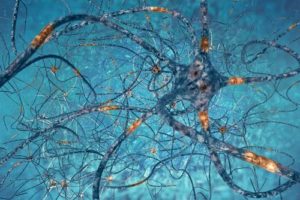
    This spectacular image of a neuron shows the rich prolific regeneration of neurons and synapses with IV ketamine + neuroplasticity.

    Dark, negative and hopeless thoughts have a detrimental impact on your brain’s structure and on how it functions. Your brain changes to fit your thought processes … to respond to your stressors.  By the same token, if you read inspiring and creative books, spend time with joyful people, and create joyful experiences, your brain can change over time for the better.

    The very structure of your neurons can change — in a lush way. Richly. For the better.  For your good.

    Wow.  

    This is where people say, “I want some of that.”

    Well, this is an oversimplification, of course.  It doesn’t account for all of the different factors, illnesses, and environmental influences that shape the way your neurons look and act — grow and function — but it IS an illustration of one way the brain can change. At any rate, It appears that one reason IV ketamine treatment is so effective for so many different psychiatric symptoms is because of the way it enhances neuroplasticity in the brain.

    Growing Your Brain Structure Garden

    For example, when you take the time to learn a new language as an adult, you’re putting parts of your brain to work that respond by growing to accommodate.

    A study of taxi drivers in London revealed that through the process of memorizing the streets of London to pass certification, that a specific structure in the brain enlarges to manage that information. The hippocampus is the memory center in the brain, and this study revealed that drivers who’d been driving taxis for decades had the largest hippocampi of the group.

    Just an example to show how the brain changes with the right type of stimulation.

    By the same token, the amygdala is the fear center in the brain, and it’s been studied extensively in childhood trauma, and in adult anxiety, depression, and bipolar disorder.  The newest research shows that the size of the amygdala can change rapidly in response to recent stressors — even in people who’ve never had any of the these conditions. The left amygdala was smaller in people who’d had a recent stressor — it didn’t even have to be longstanding or chronic. And the shrinkage was enough to be seen on an MRI.

    depressed man needs the relief from treatment with IV ketamine + neuroplasticity

    So here’s the point.

    Ketamine’s Rapid Action

    Ketamine acts rapidly in numerous ways, and its fast action is changing lives, as well as saving them. It stimulates changes in the brain that affect its structure and its function.

    One example is that it quickly matures new neurons so they’re functionally mature and doing their job within 2 hours. Traditional antidepressants just can’t do this.  As more neurons proliferate, mature, and migrate from the hippocampus into far-reaching brain regions, ketamine also stimulates the formation of more synapses, especially in the prefrontal cortex. The greater the communication throughout the brain, the better functioning the brain, and the greater the well-being of the individual.  You.

    The more synapses that are generated, the more neuroplasticity, or ability to change and grow, the brain will enjoy. And a growing, adapting brain provides a higher level of living and learning for you to experience. Plus a greater sense of joy and well-being.

    Let the Sunshine In

    It’s as if the proliferation of neurons – and the synaptic connections that empower them to communicate – opens doors and windows in the brain to let the light and fresh air in. This wonderful circulation of signaling gives the brain new thoughts, new hope, new relief.

    Basically, IV ketamine + neuroplasticity = relief, relaxation, and relishing your life.

    If you’d like to know more about innovative treatments for your psychiatric symptoms, please call for an appointment so we can evaluate what’s going on.

    Innovative Psychiatry is committed to help you find and develop your best self. Let’s work together.

    Joining forces with you to discover your best self,

    Lori Calabrese, M.D.
    Lori Calabrese, MD offers innovative psychiatric treatment like IV Ketamine

  • Ketamine Wannabe Drugs … of the Future

    Ketamine Wannabe Drugs … of the Future

    Ketamine mimicking drug brings peace to psychiatric mood disorder.Ever have somebody copy you?  You know, try to be like you? Imitate what you do, where you go?  try to get what you have? They wannabe like you. Well, maybe not just exactly like you — kind of like you and better than you all at the same time.

    It’s happening with ketamine.  

    We’ve been talking for awhile now about the breakthrough of low dose IV ketamine. In fact, everybody’s been talking about ketamine for treatment-resistant mood disorders. We’ve expounded on its effectiveness in relieving suicidal thinking, treatment-resistant depression, and other psychiatric disorders. Did you catch the discussion about which route is most effective and why we use it? Check it out here.

    You should know about all the ways it’s changing the horizon for psychiatric treatment. Like how it stops suicidal thinking within hours, rather than weeks. And how people who have lived with depression and despondency for years — no matter what medication they were taking — can feel depression just lift within hours. Maybe you’ve been there yourself, or you know someone who has. 

    But there’s more to talk about.

    The discovery of ketamine’s therapeutic effects on depression has opened doors to more revelations of the chemical sort.  Mechanisms of action.  Delivery systems. Ways of leveraging the funding of pharmaceutical companies to develop more versions of ketamine, maybe with the same or similar benefits, but without any side effects …

    Think of it like this:

    Ketamine wannabes want to “be like” ketamine and wannado like ketamine — except better, without side effects, for longer.

    But it turns out that’s easier said than done.

    Since ketamine is no longer under patent, it’s unlikely that a pharmaceutical company would be interested in investing the necessary funds to Heartbroken lady writes "help" on fogged glass and needs ketamine wannabe drug treatment.conduct extensive trials and research about its effectiveness to treat mood disorders at this stage … at least on ketamine specifically.  

    Or that a company would shell out time and money to study long-term response and remission rates, or long-term safety, for a well-known generic like ketamine — even if it is being used in a new way in new settings to treat new conditions. There just wouldn’t be the return on investment in the long term.

    However, by making changes in the molecules and targets that provide the therapeutic results for ketamine, new versions of the drug in the form of ketamine wannabe compounds that specifically target mood disorders are being designed and developed, and are in the race for FDA approval.

    Ketamine Wannabe Drugs

    So grab your chemistry lab goggles, and let’s explore some of these molecular discoveries among ketamine-wannabe molecules.

    Ketamine is a racemic compound — it has two parts that are mirror images of each other joined together like Siamese twins.  If we split it right down the middle where the mirror images join — presto! — we have two “new” drugs.  One faces right and the other faces left.  We call the left-facing one “S” or in the world of pharmaceuticals, “es–”  as in esketamine.  So it turns out in this case that changing the structure of ketamine slightly could give us the same benefit, hopefully fewer side effects, and easier use. In other cases, molecules like ketamine are coming down the pike that act on similar targets or in similar ways to help with depression without some of the potential side effects of ketamine.

    They both wannabe and don’t wannabe like ketamine.  They wannado better.

    Esketamine

    Esketamine has been approved in Europe for a decade and a half – specifically for anesthesia – and Janssen Pharmaceuticals has acquired a patent to utilize it in the US as an intranasal spray for treatment-resistant depression.

    Teenage depressed girl needs ketamine wannabe drug treatment for treatment resistant depression.The Food and Drug Administration has awarded “breakthrough” status to esketamine to zoom its advancement through to approval with less interference from various obstacles and the usual red tape that slows everything down.

    They plan to specify it for use it in a clinical setting (as opposed to at home) for the sake of controlling the dosage, as well as to prevent sale on the street.

    Rapastinel

    Another pharmaceutical company – Allergan in Dublin, Ireland – has designed a peptide in this same “ketamine-like” category. You may know that a peptide is a chain of amino acids bonded together in a specific way, and this one looks pretty effective as an adjunctive treatment in depression. It has characteristics like being fast-acting and long-lasting and it’s given as an IV infusion, like ketamine.

    Ketamine’s action with NMDA receptors is to block ion channel activity.  Here’s where rapastinel is different. It binds to the glycine site on the receptor and regulates or modulates it by changing the shape of that site.  Pretty cool.  The result is that rapastinel reportedly has a minimum of dissociative or out-of-body side effects that are sometimes experienced with IV ketamine infusions.

    Rapastinel is in Phase III trials in the US as an adjunctive treatment for major depressive disorder, and more trials are expected in Europe and Japan.  Soon, it’ll be ready for FDA approval for use in the clinical setting to treat depression.

    AV-101

    Still another pharmaceutical company in San Francisco is working to create a small molecule drug that possesses all the good traits of ketamine without its potential dissociative side effects: VistaGen Therapeutics.Young couple enjoys a picnic in the country after ketamine wannabe drug treatment for treatment resistant mood disorders.

    This molecule is one that’s back on the scene from over 30 years ago. At that time, it couldn’t cross the blood-brain barrier to do its work. And consequently, couldn’t impact the depressive symptoms a person was experiencing.

    But now, the molecule (which is considered to be a “pro-drug”) has been revamped and this current version does cross the blood brain barrier, And when it does, it’s metabolized from a pro-drug into an active drug that modulates a certain glycine binding site at the NMDA receptor — unlike ketamine and different from rapastinel.

    So while ketamine completely blocks certain NMDA receptor ion channels, AV-101 just sort of regulates the receptor gently…which seems to result in gentler side effects.

    A New Frontier – Ketamine and Ketamine Wannabe Drugs

    There are plenty more versions of modified “ketamine wannabe” molecules in the wings, developing to hopefully even replace ketamine at some point. Hoping to improve on ketamine’s action. Aspiring to lesser side effects. Working towards easier administration. We’ll just have to see how that goes.

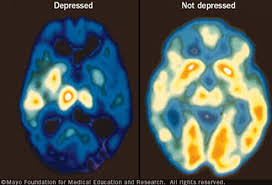
    Image shows the dramatic brightness of a brain lit up by ketamine wannabe drug treatment, and the darkness in the depressed brain without it.And one day this miraculous breakthrough medication – ketamine – may become obsolete like so many cornerstone discoveries of the past.

    But right now, boy are these exciting times!  We’re on the threshold of a brave new world in psychiatry. A world where people who’ve suffered without relief for years, even decades, can finally experience relief and build a fulfilling life.

    One last thought…

    All of the companies working with these small molecule drugs are investing in priceless research that’s opening more doors and windows of understanding –. which will, in turn, only increase the benefits for people who just haven’t responded to or tolerated anything else.

    For example, we know that ketamine, rapastinel, and AV-101 all work at the NMDA receptor site. So it’s been assumed that that action is the key to their effectiveness. However, when researchers blocked the AMPA  receptor, none of these drugs worked. I’ll say it again.  None.

    Which revealed that the AMPA receptor needs to be activated for the drugs to deliver their fast antidepressant, anti-suicidal results.

    And this revelation may lead to more breakthroughs for more who suffer … through ketamine wannabe drugs.

    We’re on this.  We stay up at night.  We watch closely to glean all we can from the research that’s exploding, so we can continue to provide the most up-to-date, cutting edge, Elderly couple enjoying life after ketamine wannabe drug treatment.fresh discoveries that neuroscience offers.  

    And…we’ll be here to help you find your best self.

    So call us, and let’s find the right innovative solution for you.

    To the emerging of your best self,

    Lori Calabrese, M.D.

    Lori Calabrese, MD offers innovative psychiatric treatment like IV Ketamine

  • IV Ketamine and Treatment-Resistant Mood Disorders

    IV Ketamine and Treatment-Resistant Mood Disorders

    This man feels good after treatment for PTSD because of IV ketamine and treatment-resistant mood disorders.

    IV Ketamine and Treatment-Resistant Mood Disorders

    After reading today about a beautiful young man – let’s call him Tom – whose life ended tragically at the crossroads of despair, I started thinking.

    Like many of my own patients, he had a wondrously warm and giving heart — and a compassionate heart the size of Montana for homeless animals.

    His talent for music generated moving, exquisite collections of melody and lyrics that stunned listeners with its charm.  

    Such sensitivity, such beauty for the world to enjoy.

    But his life ended far too soon, because he could find no relief for his illness.

    Bipolar disorder.

    Tragedy Without IV Ketamine

    I’ve treated many people with similar stories in my office.  I’ve offered the best that we had–medications, combinations, the latest research, the newest adjunctive treatment, supplements, recommendations for lifestyle changes, collaboration with the the best therapists in the area, resources, articles, support–everything I had.  I never stop trying.  But until a few years ago, we had little to offer those who didn’t respond to traditional treatment.  Or who were just sick of it.

    And that’s tragic. Really, really tragic. But more common than we can bear to think.

    It’s not just about bipolar disorder or treatment-resistant depression. We’re talking about postpartum depression, PTSD, and other psychiatric mood disorders.

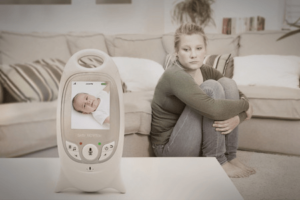
    Listless depressed mother is not responding to crying baby because of postpartum depression. Needs treatment with IV Ketamine and Treatment-Resistant Mood Disorders

    I thought about Jacie. Jacie wasn’t expecting to get pregnant when she did, but she was happy about it, and enjoyed the feelings of wonder about this tiny new person growing inside her.

    But around the time her second trimester began, she noticed her initial lilting emotions weren’t lilting anymore. In fact, she felt gray…dull…and couldn’t seem to relate to the idea of a baby.

    Once the baby was born, everything was a struggle. She felt angry, frustrated, and exhausted beyond belief. And guilty that she wasn’t enjoying this innocent baby girl. In desperation, she talked to her doctor honestly about how she had been feeling. And her fear she might do something to hurt herself or her child.

    He referred her to a psychiatrist he trusted, and she began seeing her. Her depression had gone on a long time — untreated.

    IV Ketamine and Treatment-Resistant Mood Disorders

    When depression comes during pregnancy, it can be so much worse than postpartum depression that begins after the baby is born … and so hard to treat. In Jacie’s case, her depression didn’t budge, and the persistence of it affected her relationship with her baby, and her marriage.

    She was surrounded with people who loved her. She was fortunate in that sense. But nothing seemed to ease the agitation and misery she endured. Or her self-hatred and guilt that she resented her baby and didn’t know how to change it, or feel better. To be the kind of mom her baby needed.

    Traditional antidepressants and psychotherapy just aren’t effective for some people.  If you’re one of them, or you know one of them, you know what I mean. Since depression is caused by a complexity of changes in the brain, there’s no simple solution.

    And in my musings, another man came to mind — Dan. He’d suffered with PTSD for over 15 years. War time trauma, loss of friends in combat and the powerlessness he felt to save or protect them; it all tormented him.

    He’d been told he should be “getting over this” by his friends and his family. Oh, they meant well. But they had no idea what they were saying. And suggestions like those didn’t help. Not at all. 

    He struggled just to get through the day … to have a relationship with his wife … to work at a job, to pay the bills.

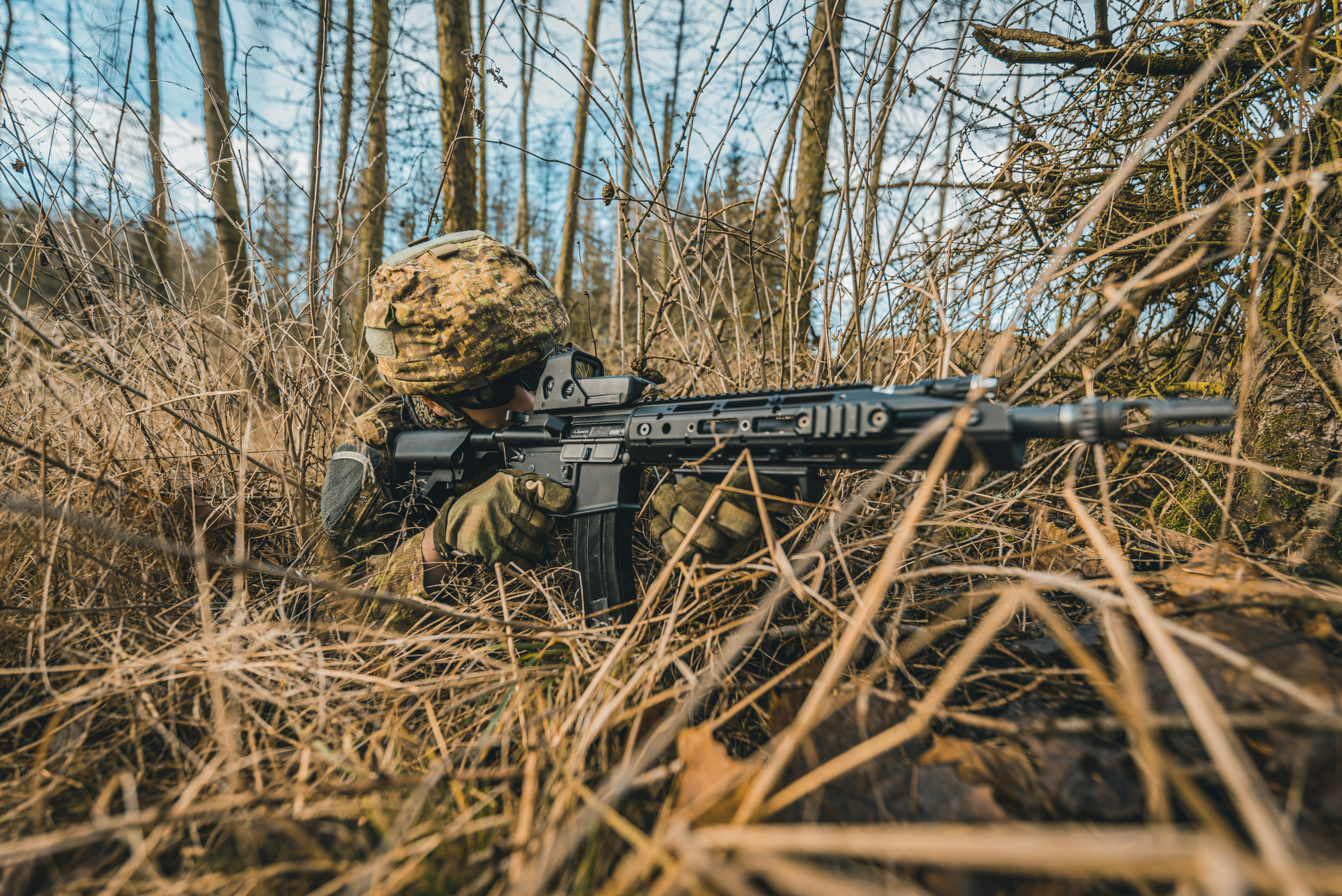
    The trauma of active combat can result in mood disorders. But IV ketamine can help.

    He wanted to be productive, but every time he had a few good days or weeks, it didn’t last because of the dreams, the night terrors…the reactions to noises or touch. Then he’d lose his confidence, walk off the job, and withdraw again.

    The loss of life, of peace, of relationships, of fulfillment, for people like these has been unavoidable till now.

    For those who couldn’t benefit from the traditional treatments for mood disorders, there just weren’t any solutions. IV ketamine and treatment-resistant mood disorders went to war. 

    Your treatment-resistant mood disorder won’t win over IV ketamine.

    These stories are just examples, but they represent multitudes of individuals whose lives have been interrupted, oppressed, tormented, or in some cases cut short, by symptoms of disorders that remained unaffected by traditional treatment.

    And that’s why I thought of all of these people.

    Because the ineptness of so many antidepressants left me feeling powerless to help; too many of my patients were crippled by their disorders, but desperately wanted the same chance at building happiness and fulfillment as anyone else.

    Too many.

    And that’s why I’m excited now and so full of hope.

    That’s why I talk so often and so enthusiastically about this emerging frontier of new therapeutic uses for that  anesthetic-turned-antidepressant, IV ketamine.

    Mom with postpartum depression can now show daughter affection because IV ketamine and treatment-resistant mood disorders.

    Because for all all the Toms, Jacies, and Dans who found no help at all from previous treatments, 80% now experience relief, restoration, and often total remission after IV ketamine treatment.

    We’re still working to find solutions for that other 20%, and we won’t stop. But we’re helping 80% of those for whom we had nothing, nada, zip…zero… that would help.

    All my training didn’t prepare me for the heartbreak of those who are so desperate for relief and can’t find it. But hope is growing, and ideas are flourishing for ways to use this new knowledge to spawn more solutions.

    Relief and Solutions are RISING

    So after my musings about those who weren’t helped, and the sadness I feel that we didn’t find solutions soon enough, it’s exhilarating to know there’s an entire frontier opening. A new world of treatment for those who weren’t helped before, through the discoveries surrounding ketamine for depression and other new solutions that will spring from it.

    IV ketamine and treatment-resistant mood disorders … it’s a fight to the finish, and ketamine is winning.

    Are you wondering if you’ll ever be able to have a life…?  If you’ll ever get to feel stable — emotionally, financially, socially?

    You really aren’t alone. Sometimes you just can’t see there’s support at your fingertips… help just beyond your line of sight. 

    Reach out and let’s talk about the things in your life and feelings that interfere with the power to live life the way you want to.

    Power to find your best self, and share it with those around you.

    Power to enjoy.

    To the power for finding your best self,

    Lori Calabrese, M.D.
    Lori Calabrese, MD offers innovative psychiatric treatment like IV Ketamine

  • NBC News: “Doctors Say ‘Club Drug’ Ketamine Rescues Suicidal Patients”

    NBC News: “Doctors Say ‘Club Drug’ Ketamine Rescues Suicidal Patients”

    “Special K,” a psychedelic drug popular in dance clubs, is being used to treat severe depression when nothing else works. Watch the video below!

  • JAMA Psychiatry Weighs In: The “Ketamine for Depression” Buzz

    JAMA Psychiatry Weighs In: The “Ketamine for Depression” Buzz

    JAMA Ketamine Buzz: Woman feels renewed after depression treatment of IV ketamineJAMA: “Ketamine for Depression” Buzz

    The mental health community is all a-buzz about IV ketamine for treating depression and other psychiatric disorders, and for good reason. For the first time, people who’ve been treated without success for years are experiencing relief and enjoying their lives.

    For anyone who has suffered from psychiatric disorders without relief for a prolonged time, the possibility of a breakthrough treatment that actually works can mean the difference between life or death. Or utter misery vs. hope. Most folks would go for hope … wouldn’t you?

    This anesthetic-turned-street-drug has returned to the scene to restore its reputation by providing a remarkably successful, and fast, reversal of depression in patients who’ve not experienced relief in a very long time– some of them for decades.

    In addition, these infusions in single doses or in a series of doses, reverse suicidal thinking, often within hours, if not before the IV infusion is even completed. Now that’s lifesaving

    What’s more, suicidal thoughts disappear immediately in many cases, whether the depression is relieved or not.

    So yes, some of us in the psychiatry community are excited about what IV ketamine can do.

    Psychiatrists Containing Enthusiasm

    But … we know we have to contain ourselves, and maintain a scientific approach to this “off-label” use of the anesthetic ketamine. So we read the research, keep up with the published studies, and pore over the data to be sure our enthusiasm doesn’t get ahead of us.

    We talk to each other endlessly, scour the journals, go to conferences, stay up late, stay at the office late, pull together every shred of published research, every letter to the editor, every blog and YouTube video.

    Then, we watch TED talks. And we tweet, we message, we write. And we see dozens of people every day who are depressed. Sick of it. Suicidal.  We offer many treatments.  And we offer hope.  Some of us offer off-label treatment with IV ketamine.  And some of us have seen hundreds of ketamine patients, and administered nearly 1000 infusions.  (That’s us.)  We’re in the trenches.  Deep.

    Now comes this timely release to further illuminate the path for psychiatrists who are moving forward to help their patients with this breakthrough treatment.

    So what does the APA (American Psychiatric Association) and JAMA Psychiatry (Journal of the American Medical Association Psychiatry) have to say about this unexpected surprise that treats psychiatric disorders?

    In the March 1, 2017 issue of JAMA Psychiatry online, a consensus statement was released by the American Psychiatric Association (APA) Council of Research Task Force on Novel Biomarkers and Treatments regarding the off-label use of ketamine in the treatment of mood and other psychiatric disorders.  The best and brightest are on that Task Force.

    The Task Force made the point that there is compelling evidence that IV ketamine has the ability to provide rapid and robust antidepressant effects in patients with mood disorders who had previously displayed resistance to treatment.

    Limited “Ketamine for Depression” Data

    They acknowledged the sample sizes were small in these studies. And use of low dose ketamine for psychiatric disorders has increased at such a rapid rate that there’s a lot we still don’t know.JAMA: ketamine for depression brings relief and pleasure in little moments.

    So, one point they made is that there’s limited data.  The strongest data about the use of ketamine in the treatment of psychiatric disorders is for the treatment of major depressive episodes where there are no psychotic features.

    Their concern was that even in the case of major depression, some of data that was evaluated had been collected from only the first week following one dose of ketamine treatment.

    Again, limited studies, limited number of patients, limited information about outcomes, side effects, impact of long-term use.

    Still, we know that anesthesiologists have been using this drug for decades and have found it to be quite safe in controlled settings. But the APA Task Force’s statement isn’t intended to decrease the use of ketamine in treating psychiatric disorders. But instead to highlight where we are and the most critical things to consider for keeping its use safe while research on ketamine proceeds.

    Criteria for Ketamine Treatment

    So, initially, the Consensus Statement recommends we take several steps when we see a patient to help determine if ketamine treatment might be appropriate for him or her.  They include: 

    • Performing a comprehensive evaluation to determine that the patient meets appropriate diagnostic criteria for depression
    • Ensuring the patient has completed adequate courses of FDA-approved antidepressants before considering ketamine
    • Thoroughly reviewing the psychiatric and medical history as well as the patient’s potential risk factors for ketamine treatment
    • Carefully evaluating any history of substance abuse, including baseline urine toxicology screens

    In addition, they said the physician should thoroughly discuss ketamine treatment with the patient before use. The possible benefits of it, as well as the possible risks associated with its use for any given patient. This empowers the patient to make a truly informed decision about whether the benefits are greater than the risks. Of course — that makes sense.  It’s the very basis of collaborative treatment in medicine and the basis of informed consent. Then, like with any medical procedure, we should obtain written consent before beginning the infusion.

    Precautions with Ketamine

    Next, in terms of specifics, spikes in blood pressure sometimes occur with ketamine infusions, so patients receiving ketamine therapy ought to beJAMA ketamine depression- this woman's flat affect reveals her state of depression. She needs IV ketamine treatment for depression. in a facility setting where we can manage any unexpected medical incident.


    Even so, ketamine is considered “reasonably safe” at the recommended dosage of 0.5mg/kg over 40 minutes.

    Because of ketamine’s natural action, patients experience dissociative effects that should pass momentarily. Or some may have short-lived vivid experiences of heightened perceptions, or intense ideas or memories.  

    Understandably, patients who experience effects like this may react with behaviors unlike their usual personality. So, physicians must be prepared to treat episodes of that nature. Which is why we want to see ketamine administered in specially prepared clinical settings, instead of at home.

    Suicide Prevention

    Also, as effective as ketamine is with suicidal thinking, there’s still the risk that the self-destructive thoughts or plans won’t lift for some patients. So it’s vital that physicians evaluate their patients after ketamine treatment before discharging them home.JAMA ketamine for depression buzz: Depressed woman obsessing about ways to die. Needs ketamine treatment.

    Overall, psychiatrists must form a comprehensive plan for managing the patient’s depression along with needed followups. Ketamine is a highly effective drug to be incorporated into the overall treatment and management of depression.

    The APA Task Force strongly advised that psychiatrists develop a standard operating procedure for administration of ketamine.

    At the very minimum, it should incorporate these points:

    • Signed informed consent and pre-procedure evaluation
    • Baseline assessment of vital signs: blood pressure, heart rate, O2 saturation
    • Continual evaluation of patient’s mental and physiologic status throughout the infusion
    • Management of side effects that may occur during the treatment

    Studies are lacking to evaluate the efficacy of long-term use of ketamine treatment for depression.

    The most useful data to date indicate that infusions given up to twice a week and within four weeks are effective.  Patients should be monitored with a rating instrument to assess changes in mood.

    JAMA ketamine for depression buzz: business man sits back in relief after ketamine treatment for MDD.

    Avoid Abuse or Dependence

    The Task Force also recommends that dosing of ketamine be discontinued if infusions can’t be reduced to one per week.

    The committee members agreed that ketamine is an incredibly promising treatment but must be used with standards that ensure the highest level of safety.

    Ketamine is the most abused drug in Asia. So the widespread use of it in the US – for therapeutic purposes – must be surrounded in safeguards to avoid the advent of abuse or dependence, in spite of its benefits.

    JAMA: Ketamine for Depression – The Buzz

    All in all, the buzz is that ketamine is the most promising new treatment to date for depression. The data is limited, it’s true. There’s much to be explored. But, we’re working rapidly to pull together all of the available evidence and all of the best practice recommendations as we proceed. This treatment is bringing hope where there was very little before.

    We’re thrilled to be on the forefront, and we’ve developed our protocols for IV ketamine very carefully. Not only to set the bar for the standard of practice in our field but to exceed the standard.

    At Innovative Psychiatry, our protocols comply with the recommendations of APA Council of Research Task Force on Novel Biomarkers and Treatments published in JAMA Psychiatry. But, we go above and beyond those. We educate you. Then, provide you with the research articles that we read ourselves. And ensure that we offer IV ketamine infusions as a psychiatric treatment — not simply as a medical procedure.  

    To that end, we work with you and your physicians and therapists for the best possible results.  And we pull out every stop to help you feel better and enjoy life again when nothing else has helped.

    Call for an appointment, and let’s work together to help you rediscover your best self.

    To your emerging best self,

    Lori Calabrese, MD

    Lori Calabrese, MD offers innovative psychiatric treatment like IV Ketamine

error: Content is protected !!