Tag: KETAMINE TREATMENT CONNECTICUT

  • Ketamine Slashes Anhedonia in Treatment Resistant Bipolar Depression

    Ketamine Slashes Anhedonia in Treatment Resistant Bipolar Depression

    Depression shows its face in a lot of different ways:
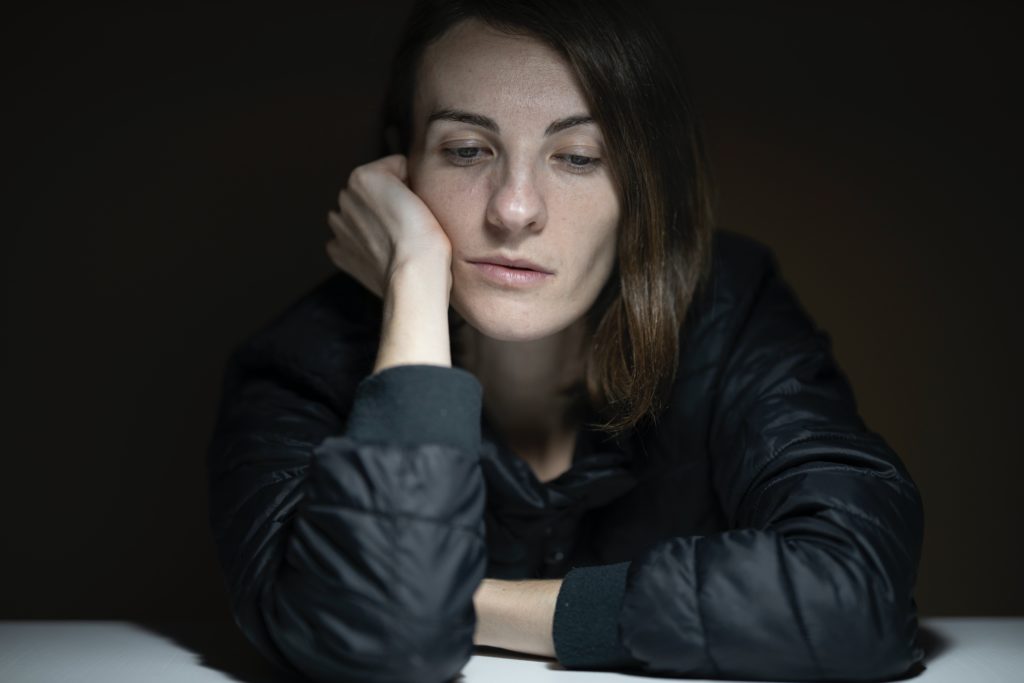
    If you live in the misery of bipolar depression, anhedonia is right there, up close and personal.  So what is it? Anhedonia is the loss of interest or pleasure in things you used to enjoy. So you stop enjoying.  But if you can’t enjoy... life can taste like… sawdust. Bipolar depression is never fun. It’s interesting that those who suffer the type of depression that’s dominated by anxiety often have trouble sleeping…and tend to lose weight. While those who suffer from the type of depression dominated by lethargy tend to gain weight and sleep long hours…. like 19 hours straight. And anhedonia is right there, in your face, when you’re depressed. It can permeate your life and creep into conditions that sometimes tag along with depression and bipolar depression, like PTSD or substance abuse. And ketamine slashes anhedonia in these conditions.

    Now, here’s the problem. In bipolar depression, there is plenty of evidence that shows that the usual treatments for bipolar depression don’t relieve the anhedonia. In fact, they sometimes actually blunt the rewarding experience. We’ve talked about this in other articles, referring to the activity of cell bursting in the lateral habenula. 

    Let’s be frank. When you’re depressed, you want to feel better. NOT feeling isn’t good enough. You need to be able to enjoy.

    We talked about how important that is. To live a fulfilling and rewarding life includes enjoying. Because without any enjoyment, life is more of a drudgery…and you trudge through proverbial mud day in and day out.

    Who Says So??

    Peer reviewed studies have demonstrated that depressed patients with anhedonia have a poorer prognosis for recovery than depressed patients with no anhedonia. And anhedonia can also cause emotional blunting and even physical blunting, like inability to experience sexual pleasure or orgasm.

    A study published in the American Journal of Psychiatry demonstrated that when anhedonia is present in a major depressive episode, it can predict that suicide is likely to end that life.

    In 2014, there was no FDA approved treatment for anhedonia…and the suicide rate was climbing, and continued to climb and is still climbing. Currently, suicide is the 10th leading cause of death in the US.

    All that illustrates that “not enjoying anything’ isn’t as tepid as it may sound. It can actually be life-threatening.

    And in the meantime, in order to understand depression and bipolar depression, you do need to wrap your head around anhedonia.

    Ketamine Treatment Slashes Anhedonia in Bipolar Depression

    A neuroscience research team led by N. Lally that included Carlos Zarate and D.A. Luckenbaugh, looked at the effects of ketamine on anhedonia in Oct 2014. The study showed that ketamine causes rapid-acting anti-anhedonic effects in treatment-resistant bipolar depression. To go a step further, they found it it improves and relieves anhedonia independently of its antidepressive benefits.

    Over half of people diagnosed with treatment resistant bipolar depression suffer from serious anhedonia. And the researchers in this study demonstrated… and concluded….that ketamine treatment is vital for the treatment of anhedonia in patients with bipolar depression.

    We’ve talked before about how bipolar depression is characterized by an intensity that distinguishes it from major depressive disorder. And these researchers found that even when a patient with bipolar depression can laugh at a joke, or likes eating something sweet, he lacks the motivation to to go to the effort to get it for himself.

    So lack of motivation is embedded in anhedonia, and to restore motivation requires alleviating the anhedonia.

    But standard antidepressants aren’t always effective for anhedonia, at least there’s no proven evidence of it. So something had to give.

    And ketamine treatment seems to target regions in the brain that cause anhedonia. Not as part of its antidepressant benefits, but independently.

    We also know that IV ketamine also stops suicidal thoughts…and again it seems that it can do this independently from its antidepressant benefits.

    Is it any wonder so many are so excited about the restoration they’ve experienced after ketamine treatment?

    And what about you?

    Do you know what anhedonia is like from your own experience? Do you recognize the description of not enjoying things you used to enjoy…of having no motivation to drag yourself out of bed or to do anything?

    Ketamine treatment can be an ideal treatment for your symptoms, even when nothing else has worked — and sometimes, especially when nothing else has worked! — and can relieve depression by targeting a variety of areas in your brain, It’s almost as if it’s custom made just for you to dissolve your bipolar depression symptoms.

    I’m not saying ketamine treatment is a cure-all. Far from it. Depression and bipolar depression are complex disorders that require multifaceted treatment approaches. When anhedonia persists no matter what you do or try, you may want to consider ketamine treatment.

    Ketamine Slashes Anhedonia For You, Too

    At Innovative Psychiatry, we offer ketamine treatment for treatment resistant depression and bipolar depression. And our patients often tell us they’re amazed at the relief they experience and at how much easier it becomes to manage their lives after treatment.

    If you haven’t experienced relief, or even just partial relief, from the prescriptions you’ve taken…and you still don’t enjoycall us.

    If you find yourself thinking about dying, or wish you didn’t have to wake up in the morning… reach out for help. Don’t go it alone. Call the National Suicide Prevention Lifeline at 1-800-273- TALK (1-800-273-8255) or in the US, text HOME to 741741 to connect with a crisis counselor at the Crisis Text Line.

    And learn about how we’re using IV ketamine infusions to help stop suicidal thinking in depression.

    You really can enjoy again…the fragrance of a flower, the energy to have fun, the motivation to accomplish your goals and build healthy relationships.

    Give yourself the chance to find out how good you can feel.

    Lori Calabrese, M.D. is on the front end of the race to stop PTSD in its tracks using IV ketamine treatment.

    To the restoration of your best self,
  • Ketamine Plus Motivation Enhancement Therapy = Better Abstinence

    Ketamine Plus Motivation Enhancement Therapy = Better Abstinence

    Study shows abstinence from alcohol improved when ketamine and talk therapy were combined.

    We’ve talked before about the benefits of ketamine to reduce the craving for cocaine and for alcohol use, as well. A substance use disorder is can be a prison with no way out. We’re going to talk about the work of researcher who works for relief and freedom for those with disorders like this, Elias Dakwar, M.D., and his study using ketamine plus motivation enhancement therapy. But first, Jackson’s story can give an idea about how much suffering can happen for those with this type of disorder.

    Jackson’s Story

    Jackson wiped the sweat from his forehead, and told himself he could do this. He had an AA meeting in a few hours. Surely, he could make it till then.

    He tried to focus on the TV, to get his mind off the yawning craving he felt for a drink.  It had been three days since his last drink, and he knew if he started drinking again, he’d be right back at the crack house.

    Nobody told him it was like this. 

    If he could stay away from crack, he might almost be able to get clean and stay clean. But he knew from experience that if he saw some on the table, there would be no avoiding it.

    But what was really frustrating, was that drinking alcohol always led to his seeking out crack cocaine. He didn’t know why…but it just happened that way.

    You know, when you’re partying with friends, or even just getting together for dinner… everyone’s always drinking. And you think Why not? Glass of wine or a beer… no big deal, right?

    But one drink would lead to another… and another. And the next thing he knew he was waking up wasted. Hating himself.

    Why oh why did he ever try cocaine the first time? It had wrecked his life. But he couldn’t blame it all on that. He knew that tendency to have one drink after another could be a problem, even if he hadn’t tried crack cocaine.

    It definitely was not a well thought out, informed decision, by any stretch. It was sudden, impulsive, and fit right in with the fun he was having.

    And it destroyed his life.

    There was no way he realized at the time how it would put a ring in his nose and lead him around whether he liked it or not.

    Ketamine plus motivation enhancement therapy can break addiction that began at parties like this.

    It was fun for awhile, but after some time he’d burned through his paychecks, his credit cards, and sold what he had just to get more. He’d stolen from his family, and betrayed everyone who mattered to him. 

    He wanted out.

    But there was no getting out…  it was like a vice clamped on his mind that wouldn’t let go. 

    Sheer Will is Often NOT Enough

    So he’d stayed away from it for nearly a week, then went to dinner with friends. Of course, everyone had drinks, so he ordered one too.  By dawn…he’d been using this stuff all night long. And had no idea what had happened to his car.

    That happened over and over…and over.

    He would have the best intentions, and ask his family to loan him money for his car payment, or help him buy a new car, so he could go to work and keep his job. And over and over again… he’d have a drink with friends and end up at the crack house.

    So now. He had been going to Alcoholics Anonymous, and to Narcotics Anonymous. He was determined to win. 

    Then, his girlfriend just got fed up with it all and broke up with him. He NEEDED her.   Why would she leave him now when he needed her the most??

    He just needed something to help him relax…So he picked up a six pack of beer. Three days later he finally dragged himself out of that same awful flop house… and he was hating himself. Why couldn’t he find the willpower to stop drinking and stop using crack cocaine?

    What Do You Do When You Can’t Stop?

    If you suffer with substance use disorder or alcohol use disorder, the cravings  can be so strong because of changes in your brain that cause them. But as far back as 2013, Elias Dakwar, M.D., published his research showing that IV ketamine can dramatically reduce these cravings.

    Now, a research team led by Dr. Dakwar that includes shining stars like Sanjay Mathew, M.D., Frances Levin, M.D., and Carl Hart, M.D. has published another study that has taken this work a step further.

    This new pair of studies shows that ketamine plus motivation enhancement increases abstinence for people with dependence.

    In our story of Jackson above, we learned about his experience trying to abstain from both alcohol and cocaine. There are also those who struggle to abstain from either alcohol or cocaine individually.

    This man is trapped in cocaine use disorder and can't stop.

    People who fit in both of these categories can benefit from the work of Dr. Dakwar’s team.

    They completed two studies in 2019 and 2020. One for alcohol use disorder and one for cocaine use disorder.

    Cocaine Use Disorder

    Dr. Dakwar’s team, including Sanjay Mathew, M.D., Frances Levin, M.D., and Carl Hart, M.D., has published another study that has taken this work a step further. These researchers were part of the team who conducted the 2013 study.

    His early study included 8 volunteers and demonstrated how IV ketamine could reduce cravings for cocaine.

    This new 2019 study included 55 cocaine dependent individuals who were admitted as inpatients for 5 days. During this study, they were randomly divided and one group received a single ketamine infusion and the other received a midazolam infusion. In addition, they began a 5 week course on mindfulness-based relapse prevention.

    As it turned out, 48.2% of those who received ketamine with the mindfulness-based course maintained abstinence through the last 2 weeks of the treatment course, whereas only 10.7% of the midazolam group achieved the same.

    So, this led to the study with alcohol use disorder.

    Alcohol Use Disorder

    It’s surprising to realize that death from alcohol use disorder accounts for a whopping 3.8% of all deaths globally. 

    And that’s just the deaths. It goes without saying that the impairment of life, the breakdown in families, the cost due to sick days related to alcohol use disorder is gargantuan and is an enormous social and economic problem in our society. 

    And while 12 step programs provide a valuable service, helping many to abstain and rebuild their lives, there are too many that fall through the cracks.  Because of cravings.

    Ketamine Plus Motivation Enhancement Therapy

    So this team designed a study that involved more subjects than the earlier work, and that measured the impact of combining IV ketamine plus with motivation enhancement therapy in subjects with alcohol dependence.

    These subjects were enrolled in motivation enhancement therapy, which had been determined to be only modestly effective by itself. They were given 6 sessions during a 5 week period, with a single ketamine infusion at week 2 then a motivational enhancement session 24 hours after that infusion.

    Social drinking is hard to resist except with ketamine plus motivation enhancement therapy.

    Another group was given midazolam instead of ketamine infusions during week 2 with a motivation enhancement session 24 hours after the infusion.

    As it turned out, the subjects who were given ketamine with the motivation enhancement therapy were able to abstain from alcohol longer than those given midazolam. 82% of them were still abstaining at the end of 3 weeks when the study completed. Of those given midazolam, only 65% were still abstaining.

    And possibly one of the best outcomes of all, was that more of those given ketamine resumed abstinence if they relapsed than those given midazolam. 

    And this was with only one infusion. 

    Studies are conducted under strict controls, but imagine how much a full ketamine plus motivation enhancement therapy 24 hours after each infusion can do for you ability to stay sober and build the life you want to live.

    She is free of substances and happy thanks to ketamine plus motivation enhancement therapy.

    Ketamine plus motivation enhancement therapy can be life-changing for you if you can relate to someone like Jackson.

    At Innovative Psychiatry, we welcome the opportunity to collaborate with your therapist and the rest of your healthcare team to help you break the hold that cocaine or alcohol may have in your life.

    There is evidence that talk therapy 24-48 hours after your ketamine infusions can be far more effective than talk therapy alone. One reason for this may be the neuroplasticity that ketamine stimulates. It makes it easier for your brain to change, think new and different thoughts…see things in a new way.

    There is hope for Jackson, and there is hope for you. Don’t give up if substance use disorders have made you lose control of your life. Ketamine plus motivation enhancement or some form of relapse prevention therapy can give you back your life and your sense of control.

    Of course, it will take work, but you don’t have to feel helpless. You can get your self respect, your dignity, and your joy back. You can rebuild those damaged relationships and build a rewarding life.

    If you can relate to Jackson, and want out of the vicious cycle, call us. If you need freedom from alcohol or other substance abuse disorders, call us.

    We want to see you whole and free.

    Lori Calabrese, M.D. is on the front end of the race to stop PTSD in its tracks using IV ketamine treatment.

    To the restoration of your best self,

  • Suicidal Risk Triggered by Stressors in the Covid-19 Crisis

    Suicidal Risk Triggered by Stressors in the Covid-19 Crisis

    Russell paced back and forth by the window. 

    The gray, rainy morning had finally broken and sunshine peeked through the clouds as they parted. Patches of clear blue were spreading across the sky. It seemed to Russell this change in the weather should brighten his thoughts, but they didn’t. He guessed it would take something much more powerful than a weather change to alter his outlook. He thought about how dark he felt…and wondered if there was suicidal risk triggered by stressors that affected people right now.

    Russell was losing his belief in living. This wasn’t the first time he’d felt such futility in the daily endurance exercise that characterized his life. He’d felt hopeless before — but with time, a new job, and better pay, he’d lightened up and everything began to make sense again. 

    Then, he met someone and felt like he was basically sitting on top of the world. He hoped he could keep his life working so well. The idea that joy would become commonplace for him… that would be so great.

    The job was such a good fit. And he seemed to learn it quickly. His skills improved every week and every month… then he was promoted. His boss would pat him on the back…tell him to keep up the good work and all that.

    He believed he had a real future in this job…and a career in the making.

    Jenna came along, and maybe it’s because he was feeling so much better, or maybe it was because she was so amazing…but it was easy to talk to her, and so rewarding to listen. It wasn’t long until they were spending lots of time together.

    Then, the coronavirus crisis took over the world. There was no place to escape to…it had covered the entire globe!  Nowhere was safe.

    Settling Into a New Normal in a Global Crisis

    He was assigned to work from home. That was ok. Not great. It wasn’t easy to do as well, or be as creative, under these circumstances. But he was grateful for the paycheck. Surely this was a temporary setback.

    Next thing he knew, however, the governor ordered a lockdown. HIs company laid off thousands of people. And he was included in the second round of cutbacks. 

    So, now he’s home, he has no job, and no way to get one.  Russell made a point to watch the statistics around the world to see if the tide was turning yet. He was lonely, and he missed Jenna. Even though it helped to talk on the phone or online. There were plenty of apps to connect with her. But it wasn’t the same.

    The Crisis Hits Close to Home: Fighting Panic

    One day, she sent him a text. “Russell, my sister Beth tested positive for the coronavirus today. She’s self-quarantined in her apartment. I’m so worried. And my mom is beside herself.”

    Russell tried to be understanding…this was terrifying. He wondered when Jenna last saw her sister.  When her mother had last seen Beth. He wondered if either of them had been exposed.

    This made it all seem so much more real. More threatening, to himself and everyone he cared about.

    He felt horrifically helpless. So he paced. He washed his hands for good measure. Then paced more.

    Darn!  It’s so hard to feel useless like this!! He checked on Jenna often, and always remembered to ask about Beth’s condition.

    Finally, it turned out that Beth was being transported to the hospital. She was struggling to breathe at all. 

    Russell felt his throat closing. He fought panic.

    Jenna was devastated about her sister’s decline. She said their mom was in a heap. Neither Jenna nor her mom could be at the hospital with Beth.  

    Weeks were going by. 

    How could you stand with someone if you couldn’t be near them?  How do you do it all verbally?  He feared his relationship with Jenna was disintegrating like his job had. But he knew her primary concern was her sister, and he was sure worried about her, too.  

    Russell had never been the best communicator. In times of difficulty it was hard to find the words. He’d always made up for it with effort. Showing his support with hugs, helping out with food, etc.

    He had no idea how to do that from miles away.

    He feared his relationship with Jenna was disintegrating like his job had. But he knew her primary concern was her sister, and he was sure worried about her too.  

    And felt so helpless.

    When he wasn’t talking or texting with Jenna, he was applying for jobs online. It seemed he had surely applied for hundreds of them by now. But nothing. No responses to his applications. He could only imagine the number of applicants competing for each job. He was sure it was more than ever before in his life.

    Still he kept applying. 

    It was good to stay busy, and at the same time, it felt so futile. 

    Weeks turned into months, and he finally applied for unemployment. Sickening.

    How could everything be so good, then take a 90-degree turn straight into the toilet??

    As if it all wasn’t enough, he heard from Jenna about her sister. Beth, who’d been in the ICU on a ventilator, finally died. They had thought she was improving…thought she would come off the ventilator soon… then suddenly, she deteriorated. And died.

    Russell was stunned. Speechless.

    Jenna was heartbroken. Blind with grief. He tried so hard to comfort her.  To listen. But there was nothing he could say to relieve her pain.

    He couldn’t go to her, hold her, take her out to dinner so she could vent. And her mom was grief stricken and seemed to expect Jenna to comfort her. 

    He couldn’t think. It was as if the entire world was self-destructing around him. His head was spinning.

    Profound Grief Causes Its Own Isolation

    Jenna seemed to just be gutted…depleted…with no more to give to anyone.

    She withdrew after that. She and her mom could not have a funeral for Beth. As the days went on, they both seemed more and more traumatized by the circumstances surrounding Beth’s death.

    Russell became less and less vital to their grief, it seemed. If they needed his support, he didn’t know how to give it. He felt so useless. So powerless. Utterly flabbergasted that life had collapsed as it had in a couple short months.

    The grief he felt for Jenna’s loss eroded his foundations. His resilience. The energy seemed to drain out of him. His hope disappeared.

    He’d been in his house for 2 months, and the strain, disappointment, disillusionment, loss, confusion, and anxiety of his circumstances became worse and worse until they were unbearable.

    He saw no reason to go on. He looked at the future through his dark perspective, and it looked hopeless.

    Even after the lockdown was lifted, he still wouldn’t have a job, right along with millions of other people. He would be evicted from his apartment, and lose his car. 

    The melancholy of the past swelled until he was drowning in it. Russell just didn’t have the energy to go on.  He didn’t believe he was strong enough to face any more…

    He wanted to die. Every hope… every purpose… for living was gone. He couldn’t see how he could go on…

    Russell’s Not Alone: So Many Fight Despair in Times Like This

    The crisis created by this COVID-19 coronavirus is creating stressors and fears that go far beyond the risk of the viral illness. And as our friend Russell identified, there is no where to escape to. 

    Hundreds of thousands of people feel the same feelings and are thinking the same thoughts. But in each case, the situation is not necessarily as it seems.

    Unfortunately, it is what seems to be true that people all too often act upon. And suicidal risk triggered by stressors in this crisis rises higher and higher.

    However — and this is important — thinking about suicide is not logical thinking, even though it may seem to be at the time. Suicidal thoughts are symptoms of a disordered mind.

    Suicidal Risk Triggered by Stressors in This COVID-19 Crisis

    The stress of isolation, financial difficulties and strain, the uncertainties about income in the future, the emotional pressure of being separated from those you care about and who care about you, combined with a host of feelings that come out of nowhere in a time like this… can push you to the point of desperation.

    And…if you’ve struggled with psychiatric symptoms in the past, these elements can put you at higher risk.

    But There Are Ways to Find Relief

    However, as overwhelming as circumstances appear, they’re still temporary. They will change. Life will be restored. But that can be hard to grasp if the thoughts are swirling and swirling around inside your head.

    Meanwhile, you can seek support from friends and family online, see their faces and vent, laugh, and cry together.

    You can reach out for counseling through telemedicine. And then consider treatment.

    Again, suicidal thinking is a symptom of a disordered mind.

    If you find yourself thinking those thoughts, reach out for help. The circumstances of your life are not normal right now. And people everywhere are feeling similar feelings, as well as desperation, cooped up in their homes.

    Suicidal Risk Triggered by Stressors Like Grief, Financial Uncertainty, and Fears of All Kinds… Can Be Lowered With Treatment

    At Innovative Psychiatry, we’re treating people every week with ketamine treatment provided with carefully planned safety protocols.

    Ketamine treatment is one of the most effective treatments for severe depression, bipolar depression, PTSD, social anxiety, and suicidal thoughts we know of. It also can relieve substance abuse and alcohol abuse.

    As it goes to work restoring the synapses in your brain, proliferating connections between nerve cells to explode communication through your brain, it also can restore your motivation, your creativity, and your joy.

    As a result, resilience replaces listlessness, energy replaces lethargy, and hope replaces despair.

    In spite of how it all seems to you right now, that reality you’re experiencing is based on temporary circumstances… In the challenges ahead, how much better to have the energy and hope you need to conquer and create a reality that fulfills you?

    Suicidal risk triggered by stressors of the covid crisis can be reduced by ketamine treatment.

    There is a future. And you’re in it.

    You can reduce the suicidal risk triggered by stressors in your life by reaching out for ketamine treatment. If you’re experiencing some of the things Russell is, call us.

    Give yourself, and those who love you, the benefit of treatment that can give you a new lease on life. You can be amazed at how the direction of your thinking transforms.

    There is life beyond this COVID-19 crisis. And you’re in it …with a bright future.

    To the resilience of your best self,

  • Fix Your Inner Life: Embrace the Truth About Yourself

    Fix Your Inner Life: Embrace the Truth About Yourself

    Be sure it’s your real self you’re showing. Because it is your real self that needs to be loved.   Daphne Rose Kingma

    Fix your inner life: embrace the truth about yourself.

    It’s the most healing thing you can accomplish as you work through the changes in your thinking, your responses, your outlook and attitude about people and your world after ketamine treatment.  As you build an infrastructure of peace and generosity…fix your inner life and learn to embrace the truth about yourself. 

    Self-doubt, self-defensiveness, and pretense eat away at your self-respect and love of yourself…and can lead to depression. But you want to reduce the stress in your life to help your wellbeing thrive.

    How do you reduce the stress? By facing the truth that eats at you or that you hide from yourself.

    What sort of truth..? Well, that you’re human, for starters. That you’re not always perfect in your responses to life’s stressors. And that there are plenty of things you can learn to make your life work better for you.

    Things like humility, admitting your shortcomings, and asking for forgiveness, to name a few. To accept yourself as a learner in this life and not to expect yourself to know everything out of the gate.

    Fix your inner life: embrace the truth about yourself.

    Using Pride as a Shield of Protection

    Pride drives many of us to present ourselves as infallible, until we realize that pride also shackles us from the fulfillment of intimacy in relationships.

    Replacing pride with love can be scary. It can make you feel exposed and vulnerable until you get used to it. But doing so can transform your life and drive loneliness away.

    Something we do as humans is to construct personas that we tell ourselves others will find more likable or respectable than who we really are. But a persona that you construct is always stilted. Unnatural.  

    Have you ever been around someone who’s utterly at home in his own skin?  Isn’t he or she absolutely enjoyable and relaxing to be around?  The reason they’re enjoyable and relaxing to be around is because they’ve found a certain degree of peace with who they are.

    They accept themselves as they are so there’s no need for pretense. When someone is trying to prove themselves, it can make you uncomfortable. But when you sense they have nothing to prove, you subconsciously feel like you can relax.

    At the same time, you get the sense that their mental health is pretty good.

    It’s the exception to meet someone like that, rather than the rule. Most of us aren’t free of pretense, until we learn what we need to learn so we can be who we are.

    This shouldn’t be so hard. You know?

    But we live in a world that feels dangerous and makes us think we have to protect ourselves. So we do. We build walls around ourselves. Thick, impenetrable armor to keep ourselves safe.

    Fix your inner life: embrace the truth about yourself.

    And we guard that armor, those walls, to stay safe. Then, if anything threatens to expose us under the armor, we get anxious and defend it. Don’t we?

    So, after all that work, we’re reluctant to knock down those walls. We don’t feel safe without the armor.

    And that’s why we have to learn to see what the walls and the armor are costing us. We have to see that they’re interrupting our social development and our opportunities for close, fulfilling relationships.

    They also require that we remain vigilant, prepared to defend any attack on our security in the armor. So we can’t relax. We can’t let our guard down.

    Fix Your Inner Life

    You have to change the way you think. The way you respond to things.

    You may need to get really honest with yourself. You may find you have to learn how to embrace the truth, and learn to accept yourself as human, fallible, and forgivable. When you do that, you may also feel more lovable.

    And when you feel lovable…and LOVED… you’ll tend to find it much easier to generously love others.

    Ok. I know it’s certainly easier said than done. It’s an uncomfortable process to look head-on at things in yourself you haven’t before. But, it leads to a very comfortable, confident, joyful way of living.

    Ketamine Treatment Can Help You Achieve Remission

    This isn’t news. We’ve known this for years.

    But, if you’ve had ketamine treatment, and feel much, much better, you sure want to stay better, right?

    Well, one important aspect of staying better is to unravel the conflict you carry inside you that you may not even realize is there.

    But…it IS there. And it interferes with the peace within you. So what can you do?

    Fix your inner life: embrace the truth about  yourself.

    Embrace the truth about yourself.

    Just like letting go of what you NEED to let go of, when you embrace truth about yourself it helps you relax with who you really are.

    Accepting your shortcomings, and dropping that guard that says you’re flawless, admirable, or beyond reproach, helps you embrace the truth that you’re a real living fallible human worthy of giving and receiving love.

    And there’s another plus: doing so will increase your self respect.

    Sound pretty far out? What if you don’t know what you have inner conflict about? Or how to tell if your guard is up?

    What if you’ve been presenting yourself the way you think people expect you to for so long you don’t remember what it was like to be yourself?

    Scrutinizing Your Inner Self

    Start with looking closely at that experience or event that scratches at your conscious memories. What are you telling yourself about it? What about it might be seen differently?

    Pay attention to your inner voice…do you find yourself defending yourself over what happened? What could you be “hiding” from yourself?

    It might be related to some sort of blame you place on another person… or something you’re hiding from yourself. Look deeper. Could you have caused the situation, even though you didn’t intend to? Is it possible you share responsibility for what happened?

    And what happens when you look at the other person’s role with a heart of forgiveness and understanding? Can you see how the outcome might not have been his/her intent?

    Then. Just say it. “It’s my responsibility that so-and-so happened. ” Or…share the responsibility… ” I share in the responsibility that so-and-so happened. I didn’t intend for it to go down the way it did. He/she probably didn’t intend it either. I’m human, and I was wrong. I handled the situation badly. I’m truly sorry, and I’ll really try to not do it again.” Then move on with the resolve to make good decisions and to treat others well going forward.

    I Was Wrong

    It’s very difficult sometimes to reach this point. But giving up the fight and accepting that you’re fallible can be so liberating. You THOUGHT it could destroy you, hence the long arduous combat in your mind.

    But when you really see that you were wrong…you can accept that it happened. And the fight inside you…the defensive arguments in your head…begin to disappear and become quiet.

    And that quiet is a deposit of peace into your inner self. Enjoy the reward of harmony you feel.

    Then take what you’ve learned and apply it to the next situation that comes to mind…because another situation will. You’re human and fallible. And so is everyone you know.

    Fix your inner life.  Embrace the truth about yourself.
    Going forward, you may find you’re a little less judgmental, a bit less inhibited…and more and more relaxed.  In that relaxed and peaceful state, it’s much easier to feel better.

    With these things at work within you, you can accept yourself as human, and realize that through forgiveness of yourself you are more able to love and receive love. And that brings joy.

    Remember, this discussion is NOT to say that if your remission fades away, it’s your fault

    IT’S NOT.

    But since stress remodels and prunes the signaling circuitry in the brain, which can lead to depression and other disorders, it stands to reason that the more you can remove stress from your life, the better the environment is for remission to thrive.

    At Innovative Psychiatry, we want to be a part of your recovery as you use your ketamine treatment to help you bring change in your thinking, your outlook on life, and your attitudes.

    Everyone needs these changes, but not all understand how to make them.

    If you’re not in the habit, but have experienced joy from ketamine treatment, changes like we’ve talked about can help you continue to enjoy that joy, increasing love…and freedom from emotional pain.

    Can we stop suicide? Yes, with a series of IV ketamine infusions.

  • A Little History: The Beginnings of Ketamine the Depression Dragon Slayer

    A Little History: The Beginnings of Ketamine the Depression Dragon Slayer

    ketamine is the depression dragon slayer.

    The Legend of Ketamine the Depression Dragon SLAYER

    Doesn’t that sound exciting…?  Conjures up images of kings, knights, dragons…and princesses. Ketamine the Depression Dragon SLAYER … the knight in shining armor, equipped with world-class weaponry … vanquishing the enemy.

    But this is no fairy tale. This is the real deal. The story of a tool…a drug…that slipped in quietly to center stage as a mild-mannered anesthesia medicine.  A drug so boring it literally put people to sleep.

    Then somebody noticed it was leaving relaxed, productive, happy people in its wake…

    Have you wondered where this remarkable treatment came from? Did it… for instance, start out as a medicine, or was it a club drug? 

    Ketamine: The 21st Century “Miracle”

    Have a seat and get comfortable while I tell you the story of this 21st century hero who’s Ketamine the Depression Dragon Slayer… and subjugator of a host of other mood disorders. It all started in an early 1960’s laboratory, where a team of researchers were working on a new compound…

    PCP for Anesthesia??

    A certain anesthesia drug — Sernyl — had been developed a decade earlier but had so many extreme side effects like delirium, agitation, and hallucinations that it was quickly taken off the market in ’65. No doctor wanted to deal with a drug like that.

    But, like some drugs do, it snuck onto the streets and was manufactured illegally. And it was highly addictive. The generic name for it was phencyclidine; its street name was PCP or angel dust.

    Meanwhile back at the lab, even before Sernyl was pulled, Dr. Calvin Lee Stevens was working at Wayne State University to develop similar compounds and better anesthesia agents for Parke-Davis, the oldest and largest pharmaceutical company in the U.S. at the time. (Parke-Davis has its own interesting story, but we’ll save that story for a different blog.)

    In 1962, Dr. Stevens developed ketamine hydrochloride, an effective and safe short-acting anesthesia drug with much milder side effects, and far less risk of Neuroscience researchers find more benefits of ketamine the depression dragon slayer.addiction.

    When it was first tested on humans, they asked for volunteers at Jackson Prison. 

    Unbelievable, right? 

    And the first study subjects reported a “floating feeling” and, in some cases, numbness in their arms and legs.

    Ketamine Approved by FDA

    So … now the story gets juicy.  One of the scientists who developed it ran away with it to Belgium to have it patented without the knowledge of Parke-Davis. And the battle began! Lawsuits, patent wars, big money . . . and intellectual property were at stake.

    In 1970, ketamine hydrochloride was approved by the FDA under the name Ketalar as a short-acting anesthetic for children, adults and the elderly.

    The Pentagon wasted no time ensuring it was available to the war zone. And it was quickly put to use to treat wounded soldiers during Vietnam, with widespread success.

    It’s not hard to fathom that for anesthesia, a floating sensation and absence of feeling in the body could be a good thing. Neat. The blood pressure doesn’t drop. You don’t lose the airway. And you can work fast — really fast. Especially in the case of big trauma … or setting a broken arm. So those characteristics weren’t really negative, but actually positive.

    And, by the way, as neuroscientists and doctors were considering this floating feeling and the inability to feel limbs … one of the key researchers, Edward Domino, MD, was scratching his head about how to characterize this medicine. What to call it, really. His wife Toni came up with the term dissociative anesthetic and he kind of liked that idea. (I love this story–so real.) He used the term with his colleagues and it stuck. Today, ketamine is considered everywhere as a dissociative anesthetic.

    A new term for a new type of drug.

    Ketamine is so safe, and so effective, that it’s been included on the World Health Organization’s List of Essential Medicines. That list is used by the Red Cross when stocking medications for disaster responses, emergency settings, and in war zones. 

    Ok, ok, so ketamine is safe for anesthesia. But how did it come to be used as a treatment for depression?

    Who Can Vanquish the Depression Dragon?

    For a long time, the idea was that if we could just give the brain a chance to make the stuff it knows how to make, and if we could help make sure that stuff hangs around long enough to get to where it’s supposed to go, then everything could function as it should — and mood and behavior and thinking would be restored to function as they should.

    But that’s pretty simplistic and it just doesn’t happen that way.  That’s one of the reasons so many different antidepressants were developed.  We kept trying to find different neurotransmitters that might be the key to treating certain kinds of depression and certain types of anxiety , thinking that we could hit on the thing that would work. For most people.

    But, the fact is, we needed something different.

    Something that worked more effectively in more parts of the brain to do more than just keep serotonin hanging around. It’s easy to do that. Anybody who’s ever taken an SRI (new term that’s replaced SSRI) and had it work knows that.

    But for the 70% who’ve had one fail, or who’ve had one after another after another fail . . . well, those millions of people realize that it’s just not so simple.

    We needed something that would activate things like the AMPA receptor, stimulate growth of BDNF, “fertilize” new growth of synapse branches, move G proteins off the lipid rafts faster.

    We needed solutions that truly rebuilt the communication system in the brain.

    And ketamine began to appear – surprisingly – like a possible solution…

    In 2000, (remember this is 36 years after ketamine was developed and widely used as an anesthesia) a randomized, double-blind study with only 7 subjects was conducted as a “proof of concept” to study ketamine –  and its effect on Major Depressive Disorder. These patients were given a small dose of ketamine IV spread out over 40 minutes.

    Then, their depression symptoms were assessed based on a couple of tools used in psychiatry and neuroscience research: the Hamilton Depression Rating Scale (HDRS) and Beck Depression Inventory (BDI).

    The results for this first time study?  Within 4 hours, ketamine produced rapid and robust positive results that lasted up to 72 hours.

    When you compare that to the 4-12 week and even 16 week wait time patients have always endured to experience This woman is enjoying her hike because of ketamine the depression dragon slayer.results from the traditional antidepressants that focus on increasing the levels of neurotransmitters, these results were pretty spectacular.

    And there’s more.

    Those side effects that produce the floating feeling subsided within about 2 hours and before the antidepressant effects took effect. This is important, and we’ll get back to that in a minute.

    Ketamine Vanquishes the Depression Dragon

    This was the first clinical study to show that drugs – like ketamine – that act on glutamate.. a neurotransmitter that excites reactions in your brain’s chemistry lab… just might be effective for treating major depressive disorder.

    Now, a weakness of this study, besides the small number of participants, was the fact that there was no follow-up assessment of the subjects beyond the three days after the infusion. So, it was impossible to know the duration of ketamine’s antidepressant effect.

    As a result, in 2006, another study was conducted to measure just that. In this one, the participants were assessed at 110 minutes after the infusion, and continually up until 7 days.

    It turns out 71% of these participants reported a positive response (measured by that same tool, HDRS) after one day.  And even more thrilling, 29% achieved full remission.

    Plus, 35% of the participants maintained that positive response still on day 7.

    That was when the study ended. But many more studies have followed and dozens are going on today. Different doses, different protocols, different lengths of time, and in different disorders like PTSD, OCD, phobias, bipolar disorder. The more researchers learn about ketamine, the more they want to learn.

    Ketamine the Depression Dragon Slayer

    At the time of the first human trial for ketamine as treatment for depression, the only known action of ketamine was in its direct impact on glutamate, the more “exciting” of the neurotransmitters.

    However, in recent years much more about ketamine’s extraordinary action in the brain has been discovered. To date, there are four known actions ketamine takes in the cells in the brain that rejuvenate the synaptic connections, and restore wellbeing.

    There’s Just No Other Like Ketamine the Depression Dragon Slayer

    But the best guess of any of us is that more will be found. There are other drugs being studied to treat depression that work much like ketamine does. In fact, one of them, esketamine, is in Stage III trials toward FDA approval.

    They all wannabe like ketamine but they don’t wannado what ketamine does during an infusion. They don’t want to create the feeling of dissociation.

    The Amazing Handiwork of a Masterful Restoration Expert

    However, there’s a point to consider. The “floating sensation” and whatever goes with it is an important aspect of the treatment.  And here’s why.

    Because when you’re experiencing those moments of “dissociation,” ketamine is actively working in The floating feeling is part of the process as ketamine the depression dragon slayer.your brain cells to rebuild and restore function. Notice in the research that they said the side effects had stopped before the antidepressant benefits began.

    That strange feeling is what you experience when ketamine is “fixing” your brain.

    We have medications to treat any aspect of the infusion experience that might become overwhelming for you. But, when you receive ketamine treatment, know that this particular sensation is part of the restorative process. It’s where the transformation begins. Embrace it…relax…and allow it to take its course.

    Because those sensations are a sign that your restoration is coming.

    Be hopeful. We are. We so appreciate the work of Parke-Davis, the neuroscientists, the anesthesiologists, and researchers who have brought all the information public about ketamine’s track record in treating psychiatric mood disorders.  And, we also appreciate the research and the medical professionals who continue to explore ketamine more deeply, and all who will participate in this adventure in the future.

    Ketamine’s not going anywhere. One by one, those who were skeptical and who held ketamine therapy at arm’s Woman enjoys afternoon sunshine because of ketamine the depression dragon slayer.length are crossing over to join us in watching the daily transformation this incredible drug provides.

    Like anything else, ketamine’s not perfect. But it’s the most exciting treatment that’s come along in psychiatry in our lifetime. At Innovative Psychiatry, we consistently see 80% of patients who’ve been failed by other treatments get better.

    If you’ve suffered from psychiatric mood disorders that have not responded to treatment, call us. Let’s find out if you’re a candidate for ketamine treatment. While it’s not for everyone, it may be just what you need to really live again.

    Let’s find your best self together,

    Lori Calabrese, M.D.

    Lori Calabrese, MD offers innovative psychiatric treatment like IV Ketamine

  • Who Should Provide IV Ketamine as Treatment for Depression?

    Who Should Provide IV Ketamine as Treatment for Depression?

    Should anesthesiologists give IV ketamine as treatment for depression.If This is What You Picture When You Imagine IV Ketamine Treatment for Depression, Think AGAIN!!

    And nix that image. Because we’re going to talk about who should provide IV ketamine as treatment for depression.

    Ketamine treatment is getting more and more attention in the press as a paradigm shifter for effective treatment for psychiatric mood disorders. And more and more medical professionals are opening offices to offer ketamine treatment for depression, and for pain management. Of course, more availability of ketamine treatment means more relief for more sufferers.

    Which is a good thing … right?

    Well, yes, but it raises some serious questions.

    Ketamine Isn’t for Everyone

    Like, for instance, is ketamine treatment for everyone?  And the answer to that is “No.” Not everyone will respond to it when it’s used for psychiatric mood disorders.

    But there are clinical factors and genetic tests that doctors can use to predict more accurately whether you’re likely to respond to ketamine treatment for depression.

    And another question: Is providing ketamine treatment for depression similar to providing ketamine treatment for pain? Is this something any medical doctor can easily do?  After all, it’s just a simple medication like any other, right?

    The answer to that isn’t exactly straight forward. First of all, the question includes an assumption that any medical doctor can easily prescribe any medication … even for specialized needs.

    Legally, this is true. Ethically and practically, it’s not.

    And while he may be able to prescribe a drug legally as a medical doctor…is he deeply versed enough in the nuances of the patient’s response to the drug and the drug’s potential side effects…as well as the patient’s potential reaction to those side effects and what to do about them….? 

    Is it really the best decision for a doctor to treat a condition he/she isn’t fully knowledgable about?

    Should an internist treat your periodontal disease? 

    An internist is expected to recognize and treat pretty much anything going on with your body…after all, he’s well-versed in inflammation and infections, and knows all about antibiotics. But his wide scope prevents him from having a specialist’s focused knowledge and deep experience with specialized aspects of your body, like your gums, for instance. So, you go to a dentist, and your dentist may send you to a periodontist for your gums…if you need it…a specialist’s specialist.

    Do All Psychiatrists Treat All Psychiatric Conditions?

    Well, let’s consider the nuances of psychiatry. There is a wide range of psychiatric disorders, including behavior disorders, mood disorders, personality disorders, cognitive disorders, developmental disorders, addictive disorders, and more — including all kinds of treatment modalities and several different kinds of psychotherapies we use — and most psychiatrists are not experts at everything.

    Of course not.

    Most of us gravitate naturally to our interests, and the best of us align our work with our own best selves — we choose the age range, the population, the conditions that fascinate us and tug at our hearts…the modalities that align with the way our own brains work and the way we interact. Some of us are researchers. Some of us are in the trenches. We play to our strengths. 

    We all should.

    Now, back to IV ketamine treatment.

    Anesthesiologists Use Ketamine in Surgery

    It’s understandable that anesthesiologists would be pretty comfortable treating patients with IV ketamine Who should provide and monitor IV ketamine Treatment for depression.since they’ve been using ketamine in surgery and emergency settings throughout their career.

    They’re also at ease sitting and monitoring a patient throughout the infusion treatment, because that’s what they do.

    Some medical doctors might get a bit antsy during that whole process, but it’s just second nature to an anesthesiologist.

    And, it’s true there are certainly plenty of anesthesiologists offering IV ketamine treatment for psychiatric mood disorders. They’re highly skilled in starting IVs, familiar with ketamine, and excellent in handling emergencies in the ER and in the OR.

    An anesthesiologist’s education and training is all about life support during critical moments in surgery. And these specialists know physiology like nobody’s business.

    But…

    Who Should Provide IV Ketamine as Treatment for Depression?

    When it comes to evaluating a psychiatric patient as a candidate for off-label use of IV ketamine treatment for treatment-resistant depression or other mood or anxiety disorders, there’s a great deal to manage. The role of ketamine used as an adjunct with complex medications and psychotherapy, for instance.

    Plus, the patients’ response to the drug and how to treat therm in their specific state of mind, whatever it is,  that emerges during treatment… All within the context of their baseline psychiatric symptoms and vulnerabilities.

    Anesthesiologists just aren’t trained for that.

    The same is true of nurses, even those in advanced practice.

    It’s my belief that the use of ketamine in the treatment of psychiatric disorders is something that is best done by psychiatrists who are thoroughly familiar with IV ketamine treatment.
    And here’s why.

    Because the things that this treatment requires — assessment of the patient and of the psychiatric response (not just the physiologic response), dose adjustment, management of fear, management of expectations… this is all psychiatric expertise. In addition, the family and their overall involvement (or lack of involvement) in the patient’s suffering… It requires we curate the experience, integrate it with psychotherapy, coordinate it within the context of the patient’s medical problems and with the professionals treating them. All these things are without a doubt what WE do and what our entire specialty is about.

    We deal with suicidal patients all day long and every night and weekend–anesthesiologists don’t and, understandably, don’t want to. But many, if not most, patients who receive IV ketamine treatment are not only no strangers to suicide, but in fact are so plagued by such thoughts their lives sometimes hang in the balance. Even to survive till the end of the infusion.

    Those tormenting thoughts just seem to creep in even when you’re not looking for them, and bring a presence to the ketamine room that stuns everyone involved.  That is, until  ketamine stops the suicidal thinking independently… and even if the depression doesn’t stop immediately… but lifts more slowly. A well-informed psychiatrist needs to be present to walk each patient through every scenario, especially when the outcome is a surprise.

    So, again, who should provide IV ketamine as treatment for depression? Definitely, not just anybody. Preferably a psychiatrist deeply experienced and educated in the nuances of ketamine treatment in psychiatric patients.

    Just as internists are not specialists in all areas of illness, not all psychiatrists are versed in the use of ketamine for psychiatric mood disorders.

    So What Kind of Psychiatrist Steps Out to Offer IV Ketamine Treatment?

    The ones who are really comfortable with medicine, and adjusting, adapting, and combining it for therapeutic outcomes. The ones who also have a strong identity as a physician first, and who are already experts in psychopharmacology.

    These psychiatrists are accustomed to a model of consultation and collaboration. And they like to work collaboratively with other psychiatrists, therapists, PCP’s, and families.

    This is no place for lone riders.

    These are the ones who know what it’s like when you’re the most suicidal of the suicidal, and who will stand with you and not be afraid. Those who understand that something transformative happens during an infusion. And that the specific experience of the infusion itself matters if there’s to be healing.

    We are grateful to the anesthesiologists who brought ketamine out of the OR and into the office.  

    But the psychiatric care of our most fragile, desperate, and ill patients — with multiple tangled psychiatric disorders, complex histories of polypharmacy and treatment failures, excruciating trauma, and concurrent medical problems — demands the finest life-saving that we have to offer, by psychiatrists. Nothing less.

    We continue forward to learn all we can from our patients and the dedicated neuroscientists who Who should provide Iv ketamine as treatment for depression in someone like this man?continue to explore the actions of this remarkable drug. As they explore, we continue to see our treatment-resistant patients enjoy extraordinary responses in 80% of cases.

    If you’ve suffered from treatment-resistant mood disorders and have tried multiple treatments without success, we get it. Innovative Psychiatry is a practice that specializes in helping people who have not found help before. People who have been to other psychiatrists and were failed by traditional treatments. People who are running low on hope.

    Innovative Psychiatry is into hope renewal. Through groundbreaking use of medications and treatments, we’re helping people like you live again. Enjoy life again. Please call us to schedule an appointment. We’ll evaluate whether you’re a likely candidate. There really is hope.

    To the release of your very best self,

    Lori Calabrese, M.D.

    Lori Calabrese, MD offers innovative psychiatric treatment like IV Ketamine

  • Will My Doctor Give Me an IV Ketamine Treatment Referral?

    Will My Doctor Give Me an IV Ketamine Treatment Referral?

    Will my doctor give me an IV ketamine treatment referral?

    Hoping for an IV Ketamine Treatment Referral?

    Recently, we talked about reasons some doctors may be reluctant to provide IV ketamine treatment for psychiatric mood disorders. We talked about how difficult it is to harvest all the information about ketamine for depression on the internet and become informed. No drug company spends millions of dollars in marketing a drug they won’t profit from. So there aren’t the usual easy-to-digest brochures and videos that help a doctor assimilate the information quickly. And there’s so much out there!

    Over 1200 papers, thousands of pages, that require trainloads of nights and weekends to study. When does a busy physician ingest all that?

    Skepticism about Prescribing Off-Label

    We also talked about the skepticism of doctors who want to see more solid long term studies. Studies with large numbers of subjects followed for years to see what long-term side effects might arise.

    In addition, we talked about what an enormous undertaking it is to set up a practice or clinic for IV ketamine Will my doctor give me an IV ketamine treatment referral?infusions. The protocols, the staff, the expensive equipment for monitoring and delivering the infusion. Plus the extra office space, the federal and state regulations that have to be followed regarding storage of a controlled substance, biohazardous waste, etc.

    It can be overwhelming for a psychiatrist who is accustomed to a practice of verbal evaluations and 15 minute med checks.

    To make a long story short, some psychiatrists aren’t that eager to prescribe a drug off-label. They want to see more studies, and they want to be sure it’s safe. Not to mention the fact that there’s fear of abuse.

    Ketamine for Depression is Spreading by Word of Mouth

    And this is the reason doctors who are currently treating their patients with ketamine for psychiatric mood disorders are publishing their results.

    We want you and your doctor to have the benefit of our experiences with our patients, the methods we’ve found to be the most effective and safe, and the reports of our patients after treatment.

    Because as we mentioned in the prior article, since pharmaceutical companies can’t make a huge profit with a drug that’s off patent, doctors everywhere just aren’t receiving all the usual aids offered to familiarize us with all the data about ketamine.

    Without Pharmaceutical Billions, Ketamine Resorts to Grass Roots

    So it’s become more of a grass roots movement, if you will, to share information with each other, with neuroscientists, and with the public, and raise awareness of the effectiveness of treatment with ketamine for psychiatric mood disorders, like depression and anxietyYoung woman enjoying life since IV ketamine treatment referral.

    Using the best practices encouraged by the Consensus Statement of the American Psychiatric Association Council of Research Task Force on Novel Biomarkers and Treatments, psychiatrists across the US and around the world, are finding ketamine treatment to have rapid and robust antidepressant results. And their patients are enjoying restored lives, restored enjoyment, and restored hope.

    Ketamine’s Short Duration: A Solution that Restores Joy in Life

    Some professionals caution that ketamine treatment has a short duration. But, psychiatrists and the anesthesiologists who’ve been using ketamine for decades, have made a discovery. And that is that approximately 6 infusions over a 2-week period seems to “stack up” enough of ketamine’s benefits that they last far more than just six times longer than one infusion. Like a synergistic treatment cluster.

    For many patients, this regimen brings more than improvement… it brings remission. For others, as long as there are maintenance doses to keep ketamine’s actions working, their lives are lived as if they’re well. Really well.

    So with so many doctors treating hundreds and thousands of patients with extraordinary results, why isn’t word spreading faster?  

    Frustrating, isn’t it?

    “Will my doctor give me an IV ketamine treatment referral?”

    Sorting Through the Literature

    You hope so. But understand that your doctor may need more time to come to an informed and confident opinion JAMA Psychiatryabout ketamine treatment. It may have a lot to do with the information he or she has found on the subject. She may be reading peer-reviewed studies as she gets time. Or he may have run into some articles that present vague results. But encourage them to keep researching. Because there are plenty of professional journals publishing exciting findings, even though there are some articles that are less optimistic.

    In fact, there are dozens of articles across the internet, written about ketamine treatment by biased individuals. Those who either aren’t medical professionals, or are biased without experience with ketamine. And these articles influence those seeking information, and sour them against recognizing the facts when they see them.

    When people form opinions without building them upon a foundation of neuroscience, but rather on the comments of others, prejudices form. Biases form based on impressions, opinions, hearsay… you can read examples in all sorts of forums on the web. Opinions tossed out with “impact,” but with little or no fact.

    Second Opinions May be Helpful

    And truth be told, while your doctor’s learning for himself what he believes about ketamine, you can learn about ketamine treatment and discuss seeking ketamine treatment.  And then share your results with your doctor and with your family.

    In fact, your family may suggest you let “a second set of eyes” look at you and your illness. Especially if they can see you haven’t been improving. Most doctors respect that, and it’s an ideal time to check with a doctor who offers innovative treatments like IV ketamine treatment.

    Still, understand that your doctor may not feel comfortable referring you for a treatment he’s not yet confident about. But you’re responsible for your own well-being and health. In the 21st century healthcare environment, individuals have become informed about their health and wellbeing and are far more engaged in looking for solutions than ever before. And you can choose to seek out physicians who do offer ketamine treatment, then report your results back to your doctor. By doing that, you’ll give him a data point to build his own research around.

    It’s true that some doctors have been known to react to a patient’s stepping away from their recommendations. And that’s a shame, if their advice has not helped you recover. It’s also true that you as the patient are the person actually living with your symptoms. And enduring them. I daresay, you should not be punished for actively seeking a better quality of life.

    The same is true if you’re a parent of a teen who struggles with a mood disorder. An example is with treatment-resistant bipolar depression. Since research shows that early treatment gives your child the best hope of getting better, as a parent you probably feel compelled to find the solution that really works.

    IV Ketamine Treatment for Depression – Experimental?

    Ketamine treatment is still considered “experimental” by some psychiatrists, but for those of us who have seen extraordinary success in the lives of so many patients, it’s become a relied upon and almost miraculous solution.

    The consensus statement by the task force mentioned above points out that more studies are needed with large populations. True. Of course that’s true. But, the task force members also laud the results of IV ketamine treatment with their own patients. The guidelines they suggest for providing ketamine were not to discourage doctors from using it, but rather to encourage doctors who offer it to offer it within safe parameters.

    At Innovative Psychiatry, we use the same careful monitoring and other safeguards recommended by the APA task force, as well as others, and have for years. We’ve seen very positive responses in 80% of our patients who have been failed by  traditional antidepressants over the long term.Enjoying things I used to enjoy since an IV ketamine treatment referral.

    They’re amazed at the continuous improvement in their lives, their relationships, and their enjoyment of life.

    If traditional antidepressant treatment has failed you, call us. We’ll schedule an appointment to determine whether IV ketamine treatment is right for you.

    We’re here to help you find joy in life again.

    To the emerging of your best self,

    Lori Calabrese, M.D.

    Lori Calabrese, MD offers innovative psychiatric treatment like IV Ketamine

  • Why Doesn’t My Doctor Provide Ketamine as Treatment for Depression?

    Why Doesn’t My Doctor Provide Ketamine as Treatment for Depression?

    This man has hope after asking why doesn't my doctor provide ketamine as treatment for depression.

    Why Doesn’t My Doctor Provide Ketamine as Treatment for Depression?

    It’s all over the news. Even the recent TIME magazine cover story. Ketamine as treatment for depression is blowing the doors off traditional treatments for psychiatric mood disorders.  Have you heard?

    Studies are piling up that demonstrate ketamine’s remarkable effectiveness. It’s making people who suffer better.  Not just “feel” better, but physiologically better.

    You know…  it’s really amazing when your brain is repaired and functioning well, how many aspects of your health and well-being improve. When you feel better and your outlook improves, you begin to see other aspects of well-being bloom.

    Things like initiative, motivation, resilience. We know it’s true that depression compromises the immune system. And we also know a healthy, balanced outlook strengthens it. You feel like eating healthier. You don’t get sick as often, and can be more physically active. Which in turn improves cardiovascular and respiratory function. And that activity improves stamina.

    Depression and anxiety sap stamina. Remission restores it.

    At this point, the drug therapy winning the most kudos for reversing depression and anxiety that isn’t helped by Soldier with PTSD asks why doesn't my doctor provide ketamine as treatment for depression?traditional antidepressants is ketamine treatment. In my practice, we see a consistent response of 80% among those who’ve tried other medications without relief.

    Ketamine is not specifically FDA-approved for the treatment of depression or other psychiatric disorders. And because it’s no longer brand name, it’s unlikely that any drug company will spend the colossal money required to gain FDA approval. But here’s the thing.

    It works.

    And it’s safe.

    Ketamine has been used safely in adults and for children for more than fifty years.

    In fact, it holds a solid position on the international list of drugs needed by the Red Cross for emergencies and disasters around the world.

    It’s up to a physician’s discretion whether to prescribe a drug for an off-label use. And ketamine for depression is an off-label use of the drug.

    Off-Label Use of FDA-Approved Drugs Can Provide Solutions

    When doctors prescribe a drug for an “off-label” use, they do it prudently and inform themselves in advance about the drug’s benefits for this off-label purpose.

    Neurontin, for example, was FDA-approved for epilepsy, but was found remarkably effective off-label for nerve pain and then got approved for it.  It’s also effective off-label for anxiety and in alcohol detox.

    Prazosin is FDA-approved for high blood pressure, but is often prescribed off-label to treat nightmares that accompany PTSD.

    Propranolol is FDA-approved for treatment of high blood pressure and angina pectoris, or chest pain.  However, it’s been found very effective off-label in treating performance anxiety. So a student whose mind freezes in a testing situation can be calm and perform on a test with mental clarity after a single dose.

    Cymbalta is FDA-approved for depression but doctors found it to be so effective for fibromyalgia in their depressed patients while Lilly still had it under patent that Lilly got it approved for fibromyalgia.  And then spread the word.

    So you can see that prescribing off-label is not only medically acceptable — and common — but can lead to safe and effective breakthroughs.

    For ketamine, which is FDA-approved as an anesthetic, studies by neuroscientists have demonstrated it is effective Young woman asked why doesn't my doctor provide ketamine as treatment for depression?for relieving depression by at least four different actions across the brain.  And clinical results have underscored the same.

    Thousands of patients around the US have been treated with ketamine for psychiatric mood disorders at a 75-80% response rate.

    Well with all this … why doesn’t my doctor provide ketamine treatment for depression, you ask?

    Well, the answer is multi-faceted.

    Any Emerging New Treatment Requires In-depth Study

    For one thing, doctors don’t prescribe something they haven’t investigated. There are more than 1200 scientific papers about ketamine to digest and evaluate. With their very busy schedules, how do physicians access all that information efficiently?

    There’s a plethora of scientific articles that range from basic science to clinical studies and that describe ketamine’s actions. And then there are the peer-reviewed studies, metanalyses, and opinion papers throughout the world literature on ketamine use in psychiatry that summarize current findings. Thousands of papers, tens of thousands of pages, and neuroscientists all over the globe are studying it.

    But there is no drug company promoting it. There are no glossy brochures. Or drug reps with samples and sound-bites. Not even slick TV ads to make you clamor and ask your doctor for it. No easy ad campaigns. Nothing like that.

    You need nights and weekends. LOTS of nights and weekends. Tons of hours. Academic privileges to access the journal articles or the willingness to purchase them one by one. All this extensive information isn’t prepared in a format that’s easily absorbed. The whole process can be daunting.

    Complete Paradigm Shift for Psychiatrists to Offer a “Procedure” in the Office

    Most psychiatrists haven’t done a procedure since residency. So it’s a horse of a different color to think about “treatment” as involving procedures other than the clinical work of talking, evaluating, providing psychotherapy, and writing a prescription for medication.

    Many still consider ketamine an “experimental” drug. They don’t feel ready to invest the necessary time, money, space, staff and other adjustments required to offer a treatment and a procedure that requires thinking outside the box.  Again, they need access to extensive information to move past their doubts and make those adjustments. But … an easily assimilated form of that information isn’t being generated for them.

    Add to that the state and federal regulations regarding obtaining, storing, and administering controlled substances and OSHA regulations regarding safety and hazardous waste. What psychiatrist has ever had to deal with hazardous waste…?

    It’s like starting a practice within a practice, with each side having its own requirements, staff, problems, demands, equipment, furnishings, regulations, reports, oversight, and on and on. It’s a gargantuan undertaking.

    Caution About Trying a New Drug

    In addition, there’s the issue of off-label use. Most doctors use some drugs off – label. But each time they make a decision to do that, they want to be assured of safety.

    Ketamine requires space — for storage and equipment — and room for patients and the people they bring with them to drive them home — and special equipment for safe handling and safety monitoring. Most psychiatrists don’t know where to get it, how to start, how to monitor patients appropriately and safely and for how long. There is no manual or how-to book. Many don’t have the staff. Some don’t even have an answering service or a receptionist.

    Beyond that, and despite the growing body of evidence, some doctors just feel cautious. They’re reluctant to try something new before all the potential obstacles have been removed and the effectiveness and safety statistics are well-established.

    This is why a task force made up of some of the best and the brightest minds in neuroscience and psychiatry issued a consensus statement regarding the off-label use of ketamine for depression. Led by Gerard Sanacora, M.D. for the American Psychiatric Association, they published their experience about its use and its remarkable results,. And issued suggestions for appropriate screening, monitoring, and safety.

    IV Ketamine Treatment Is Costly 

    Why is that?  Because ketamine itself is kind of cheap.

    But psychiatrists who do offer IV ketamine treatment take on responsibility and big expenses to provide it safely. Since the preferred route of administration at this point is intravenous infusion, or IV, extra safeguards have to be put in place.

    Things like space, equipment, regulations for handling, storing and disposing of controlled substances are required. Add to that the extensive policies and procedures for all of this. Plus new staff, DEA compliance, hazardous waste disposal, nursing staff salaries, equipment for continuous monitoring of vital signs.

    Think about this. Many psychiatrists don’t even have an answering service. Or office staff.

    SO … what drives us, the ones who take it all on?

    Ketamine treatment is saving lives.

    Doctors Make Up Their Own Minds About Ketamine – In Their Own Time

    Of course we do. Some are willing to reach out and try something they haven’t tried before, to find solutions for their patients who suffer.  Others worry about the data, and the risks of lawsuit for potential reactions to a drug they don’t fully understand. Still others prefer to wait until more drugs are developed that mimic the action of ketamine, and that can be FDA approved on their own merit.

    Meanwhile, the cost for that caution? Unnecessary loss of life. Ketamine demonstrates its ability to not only provide relief for psychiatric mood disorders, but also its tandem and separate action to rapidly erase suicidal thinking that saves lives in emergency situations in clinics and doctor offices around the world.

    While traditional antidepressants reduce suicidal thinking within 9-12 weeks, many patients at riskAs a doctor you can provide ketamine as treatment for depression and lend a helping hand to at-risk patients. of suicide can’t wait that long. Ketamine acts to erase those thoughts within 4 hours…and many times in only 45 minutes.

    Dr. Stephen Hyde, an Australian psychiatrist, says that once those new drugs are developed and approved by the FDA – a many-years-long process – there will still be no data about long term side effects until 20 or 30 more years have passed. Sooo….how many lives will be lost in the meantime? Ketamine is available now.

    His suggestion: Why not use it now for those who won’t live that long without effective treatment, and compile data now about long term use?

    Some of us believe that’s the best choice.

    Sanacora, the lead in the APA consensus statement, expressed it this way. In an interview with NPR news that followed the publishing of the task force consensus statement he said:

    “If you have patients that are likely to seriously injure themselves or kill themselves within a short period of time, and they’ve tried the standard treatments, how do you not offer this treatment?” 

    We offer Ketamine as Treatment for Depression, When It’s a Good Match for You

    I hope that more and more psychiatrists learn about ketamine, and choose to stretch their capabilities even farther than they have. That in following the guidelines of the APA task force, they’ll help more people achieve rewarding lives through ketamine treatment.

    In the meantime, in my practice, I offer everything I possibly can that can safely bring relief to patients whose lives are passing in misery…or torment…or are about to end in suicide.

    At Innovative Psychiatry, 80% of our patients respond well who’ve been failed by traditional Reach out for help from a doctor who does provide ketamine as treatment for depression.treatments. And for the other 20% we continue to pursue solutions, and apply a combination of treatments to bring them relief. We never stop. We live to see you well.

    If you suffer from psychiatric mood disorders such as major depression, anxiety disorders, PTSD, OCD, bipolar depression, or a similar illness, and traditional antidepressants have failed you, call us.  Schedule an appointment to determine if ketamine treatment is right for you.

    We look for genetic markers and other signs that indicate if you’re likely to respond and benefit from ketamine, and determine the best treatment plan for you.

    Ketamine treatment is not for everyone, but it could be just right for your recovery, renewal, and restoration.

    To the emerging of your best self,
    Lori Calabrese, M.D.

    Lori Calabrese, MD offers innovative psychiatric treatment like IV Ketamine

error: Content is protected !!