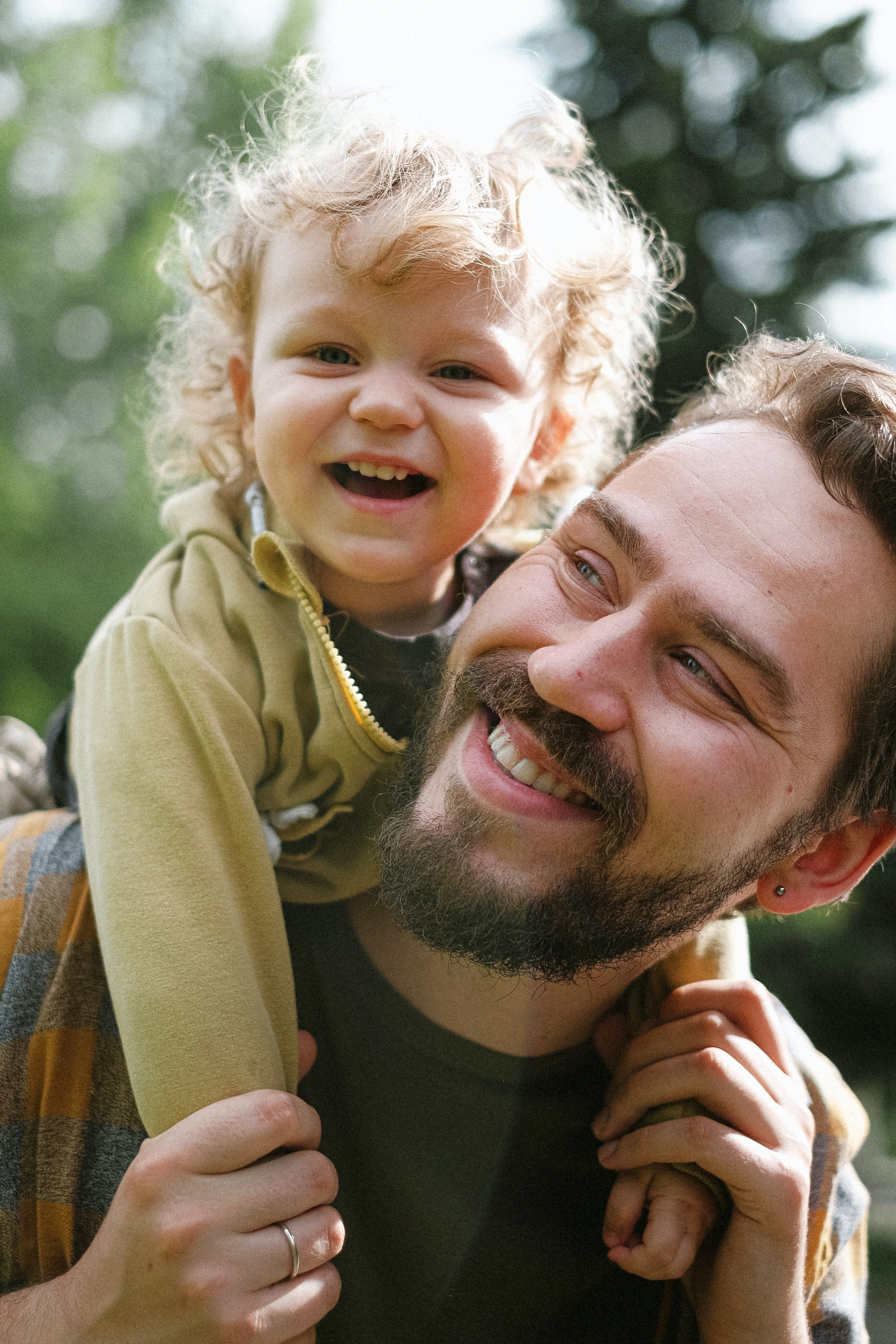
When we think about family, what does your mind conjure? A mother, a father, and a few children? Or maybe a mother and children. Or a father and his brood. How you achieve being your best self is largely influenced by your family.
Maybe your experience with family is having two moms, or two dads. You might have a foster family with a mom and several children of various races with different backgrounds.
Or you just might have developed a family of your own by gathering people in need you’ve met, who need the support of family. Maybe you needed the presence of others who needed you, and found you needed them too.
Family can come in lots of shapes and sizes. A mother and a grandmother leading the brood, or a father and grandfather, like we see on the TV show, Blue Bloods. Fact is, it’s not about whether family members are related or not, it’s about people who feel a connection to each other, who may live together or not, but feel some sort of bond and mutual support that keeps them tied together. That bond can play an important part in your being your best self.
For those who have good family relationships, thoughts of family likely bring a sense of togetherness, laughter, and warmth. These are the people you can talk to about your problems and disappointments, and trust you’ll be heard without judgment.
They’re also the ones who will share your joys and triumphs.
Fundamentally, family has your back. Or at least it’s supposed to.
But, if you can’t relate to the warmth, laughter, and togetherness, you may have a family who doesn’t know how to function with support and lack of judgment. And if that’s the case, you may be suffering from wounds and scars from your family. And those can be hard to overcome and heal.
Family members in families like this are often scarred from being hurt by damaged people. It’s easy to see that in cases like this, your family might not be a strong influence in being your best self.
Family members who were treated harshly, or even abused, and who in turn, repeat those same behaviors with their loved ones. Because of their own scars, they may not be fully aware that their behavior toward people they love could be causing deep seated damage.
What about you? Is your family life full of joy, laughter, sharing, loving, and support..? Or is it a place you feel alienated and alone, defensive and afraid..? Or if you’re grown now, what are your memories like? Positive or hurtful? Maybe you feel anger and don’t know why.
It’s possible it started when you were too young to remember, or that you do remember the pain and you can’t figure out how to get over it.
Here’s the thing. It can be a lot of work to get the therapy you need to come to peace with your past traumas, but ketamine treatment can help resolve the symptoms and the fall-out. It can help you feel better, and by feeling better you can understand your feelings and even change them. If your family has hindered you in being your best self, ketamine can help.
At Innovative Psychiatry we help people every week — who suffer from disorders like these — achieve remission with ketamine treatment. Your relationships with your family can be wonderful, or they can be extremely difficult. Sometimes, they’re a combination of both. But if you’ve been wounded, and scarred, ketamine treatment is something you can do to help you heal.
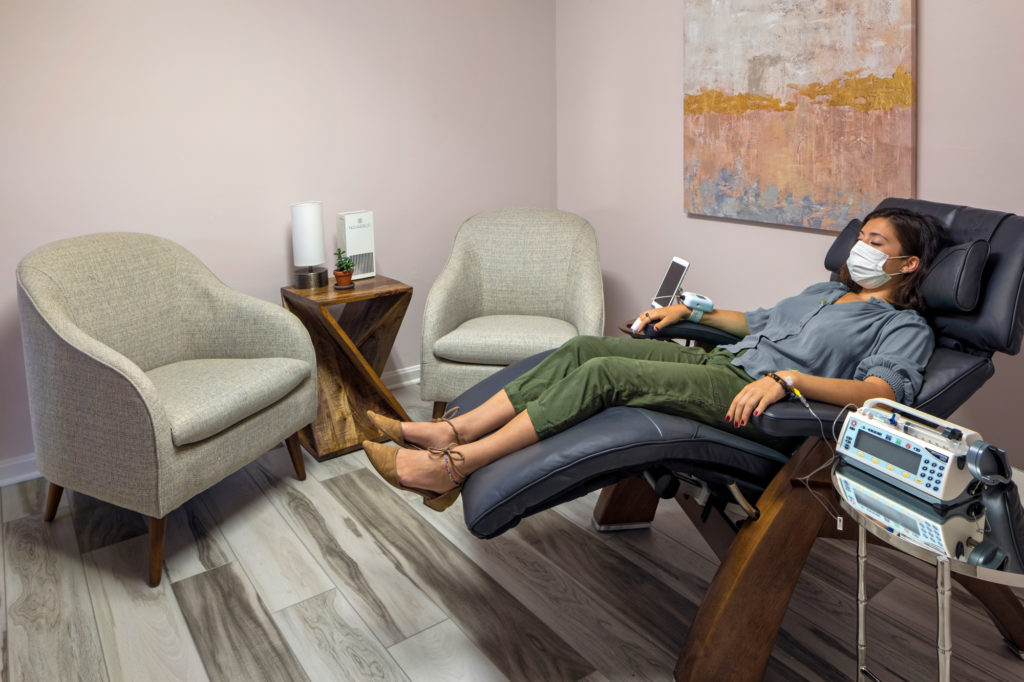
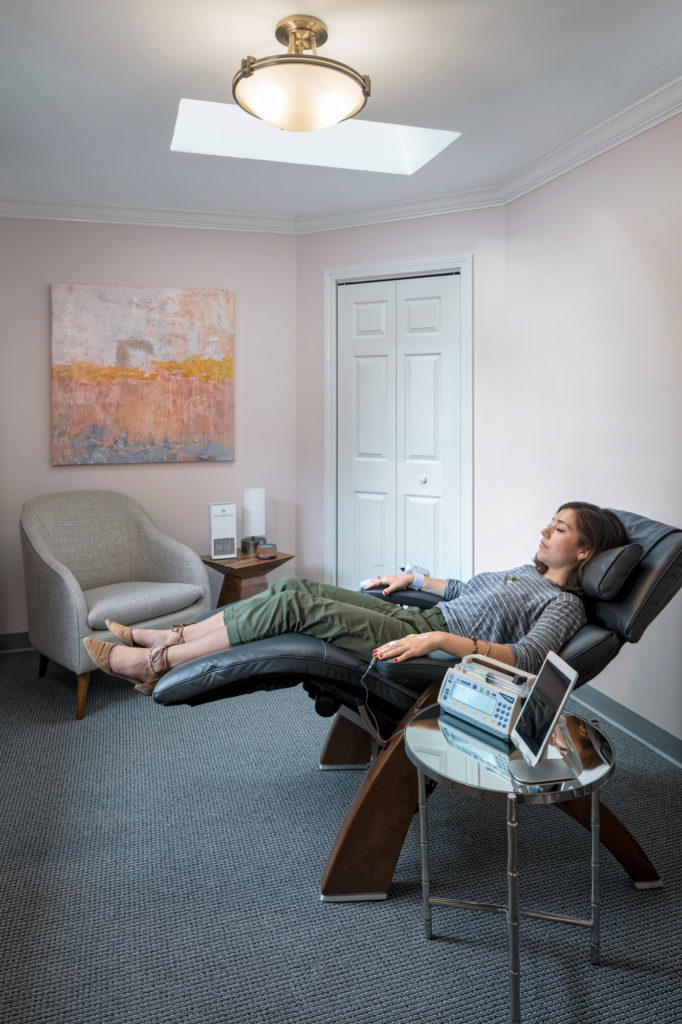
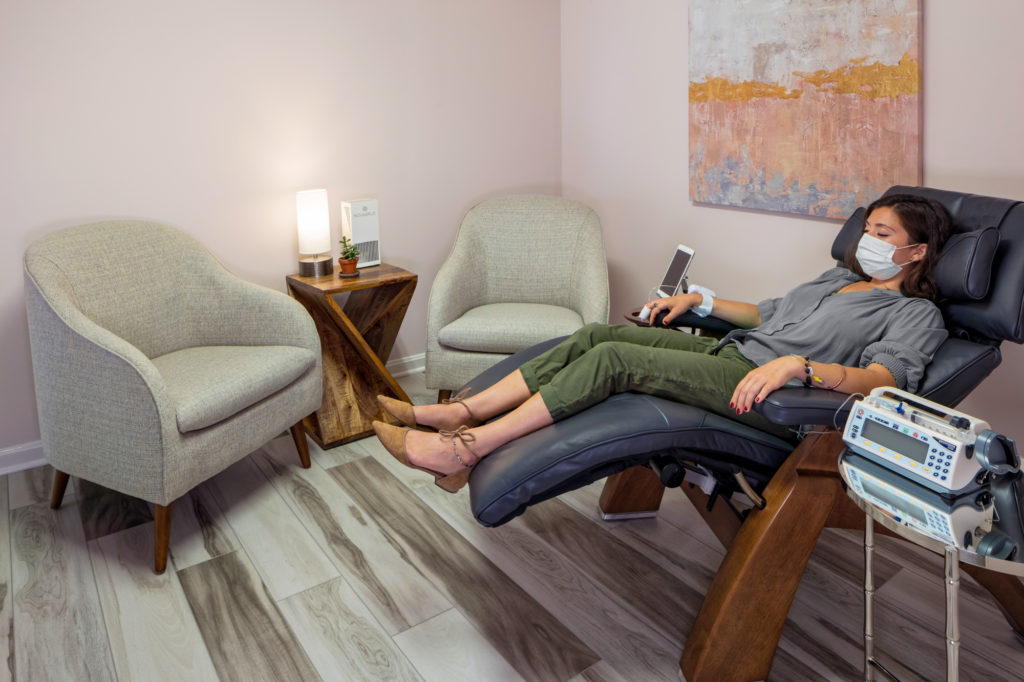
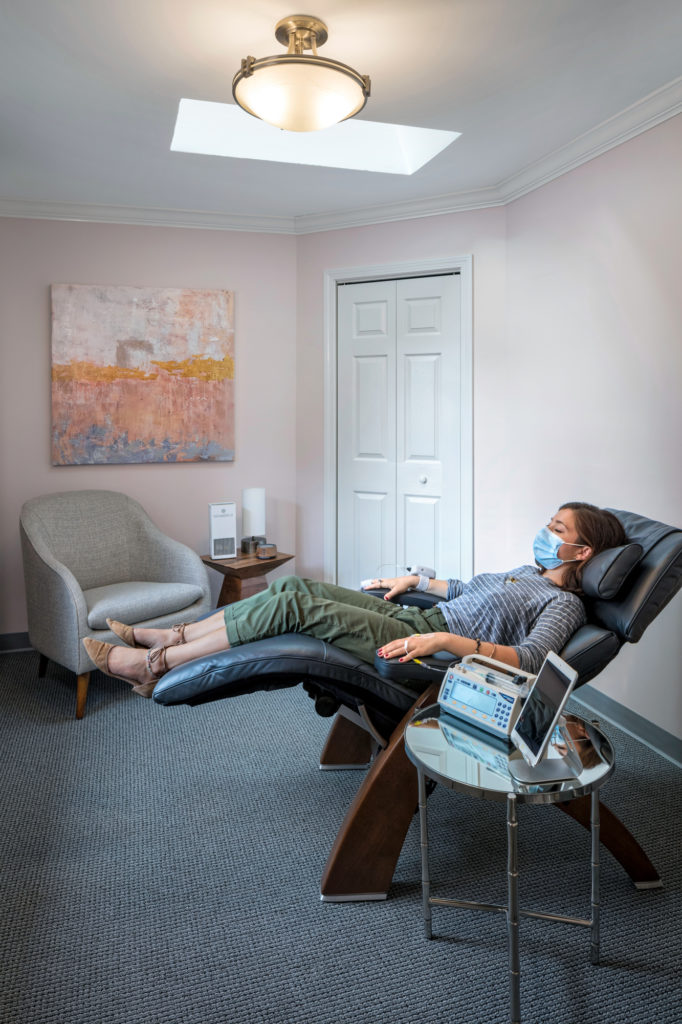
And when you come for treatment, we’ll take you to a private treatment room with a soothing atmosphere, so you can relax. We also have installed plasma cell technologyto destroy all the bacteria, viruses, and mold in the room. You can rest assured that you’re safe from infection and can focus on your treatment…and getting better.
When you’ve lived with these painful symptoms for so long, you can’t imagine you can be free of them, it’s hard to imagine how some infusions can resolve your misery, but they often can.
We’ve been doing this for years, and we know that ketamine treatment isn’t for everyone. For some people It doesn’t work. For others, it doesn’t seem to work initially, then weeks later, remission sneaks up and takes over. In still other cases, symptoms dissipate after the first or second infusion. Ketamine response is different in different people, just as everyone is different, and everyone’s brain is unique.
But the bottom line is that you are likely to transformed by ketamine treatment.
If you suffer from symptoms that interfere with your life, call us.
We want you to get better. That’s what we’re about.
Anxiety is a part of all our lives. Feeling nervous before a test, or before a meeting with the boss. But for some, anxiety continues to get worse until it is a disorder…and needs an intervention because it’s interfering in your life. How can you know the difference?
For example, a time of life when anxiety is so thick in the air you can cut it with a knife… is middle school. And it’s true that most middle schoolers struggle with some amount of anxiety on a regular basis. Does he like me? Am I ugly? Did she talk to me because I’m a charity case, or does she think I’m worthwhile..? It goes on and on. Self doubt and insecurity is part of the backdrop at that time of life. But there is a difference between anxiety vs. an anxiety disorder.
Britney and Analise were both 13, and cute boys filled their thoughts. The dreams they carried in their hearts of being swept off their feet by their fellow 12- and 13- year old classmates were just that — dreams. But their hearts swooned when they thought about certain boys in their class.
As the girls walked home from school, they talked about the upcoming 8th grade graduation dance. “Has anyone asked you to go to the dance?” Analise asked.
Britney said, “No…, you?”
Analise looked at her feet…”No…. I sort of doubt anyone will. So if no one asks you, will you go anyway?”
Britney lit up. “Yes I think I will. I mean really, Analise, we could ask some boys to go, you know? We don’t have to wait for them!”
“Would you do that? I know people do that…but I just don’t think I could… Just getting my nerve up to call would be so hard…I don’t think I could do it. Look at my hands…they’re shaking just thinking about it.”
“Analise, lots of girls will ask boys to the dance. You wouldn’t draw attention to yourself if you did, too. It’s scary to ask someone, knowing you can be turned down. But honestly, it’s what boys go through all the time. Even though it scares me to ask somebody too, I still think girls should carry some of the load.”
(Britney had some anxiety vs. an anxiety disorder…? Not so much of a disorder.)
Britney walks into the City Library, and stops at the head librarian’s desk. “Ahem… I’m looking for the librarian. Is she here today?”
Her eyes met with the woman at the desk. “Britney!!” Analise was elated. “I haven’t seen you in years!! What have you been doing???”
“Analise, I would have known you anywhere!!! I’m in town for a conference for women lawyers. I have to speak, which I don’t mind. But I just had to make time to come see you! How long have you worked here?”
“I was hired straight out of college and have been here ever since. A few promotions and I’m head librarian. I love my job.”
“Ana, this is perfect for you. Remember when we talked about asking boys to the 8th grade dance?? You didn’t go, and I did. I realize now that I shouldn’t have pushed you. It just wasn’t your thing.”
(Anxiety vs. an anxiety disorder: the difference is that Britney was motivated by hers…and Analise was blocked by hers.)
“Honestly, Britney. It turns out I have an anxiety disorder and I take medication that helps but it doesn’t wipe it away. I felt so much shame as a teenager. But it’s been a revelation to understand that I have a disorder, that it’s not that I’m a coward. Gosh, life is hard for kids. Have you experienced any difficulty with anxiety since then?” Analise looked at Britney intently.
“Sure, I’ve had anxiety, but nothing hard to deal with. I’ve been nervous about one thing or another along the way. Asking a boy to that dance was really tough. I felt humiliated and my hands were shaking. But he went with me, and we had a pretty good time. I think that through the years, I’ve been able to just go ahead and do things that were hard, and most of the time it helped me gain confidence.
“Which is a good thing because I’m in the public eye so much now for my job. It’s just the path my life took.” Britney scratched her forearm thoughtfully.
“Brit, I’m really glad for you. So glad that you have been able to keep pushing through in what you wanted to do. Glad you’re enjoying the life you have. Glad for you that you’ve been promoted along the way. Your job sounds perfect for you. I can clearly see that the anxiety you’ve experienced has been part of your growth rather than a disorder requiring treatment. And I’m also so glad that a job like this one was available for me to enjoy and follow my own path. We’re both “following our bliss” as they say.”
Britney smiled her winning smile, and looked at her watch. “I wish I didn’t have to rush off, but I need to get to the conference. It’s wonderful to see you again, Analise, and to see how well your life is going.”
“I’m thrilled I got to see you too, Britney. And by the way, I’m getting married this summer. You’ll get an invitation. He’s a chemical engineer and my best friend. If you can make it to the wedding, I’d love it. Now hurry and run! You mustn’t be late! “
The two women hugged, kissed cheeks, and Britney took off.
Analise sat back down at her desk and thought about their conversation. She smiled to herself when she thought of how far she’d really come.
…
Both Analise and Britney felt anxiety in 8th grade. The anxiety seemed to motivate Britney to overcome it and make the call to a boy. But it stopped Anallise in her tracks.
Anxiety is a part of life for everyone. Many experience it in small manageable doses like Britney did. Over her life, she came to see the anxiousness she felt before a challenge as an opportunity to overcome. So she just kept stepping up to overcome it.
Britney saw anxiety as a motivator.
In Britney’s life, anxiety built a fire under her to accomplish more, overcome more.
Analise, on the other hand, felt blocked by the anxiety she felt about that dance. Her anxiety was too intense for her to move forward. It didn’t motivate her, it made her feel crippled. Frozen. Incapable of meeting the challenge. As Ana’s life continued, she never felt motivated by anxiety, but had to get it under control just so she could function at all.
She had headaches, GI upsets, and aches and pains she couldn’t explain. She’d be invited on dates, and spend the date in the restroom of the restaurant, unable to enjoy the opportunity. And it was so embarrassing. She felt out of control of her life.
Anxiety vs. an anxiety disorder… Britney managed the former well, and Analise found treatment for the latter. And they’re both doing well now.
So in her late teens she sought psychiatric care and took medication. With the help of the medication, she could push forward in her education.
However, after college, it became clear that Analise’s main anxiety issue was social. It prevented her having fun at the 8th grade dance, it made it hard to date in high school and college. But she learned about IV ketamine treatment and what it could potentially do for social anxiety.
So after college, once she was working at the City Library, she saw a psychiatrist who offered IV ketamine treatment, and it changed everything for her.
She became comfortable attending librarian meetings, or talking at length to scholars who came to the library for research. And she began to date again because her fear was gone.
She was so thrilled to share with Britney her upcoming marriage. Oh sure, the wedding would be fun, but it was the aspects of marriage that require deep communication that excited her the most.
At Innovative Psychiatry, we see people with anxiety disorders all the time. We get to enjoy the pleasure of watching people receive IV ketamine treatment and lose their fear of social situations. With the anxiety gone, they’re able to let their true personality emerge in a variety of situations. No longer do they stare at their feet.
If you suffer from symptoms of disorders like these, call us.
When you come for treatment, we’ll will meet you at the door and lead you to your private treatment room where you’ll find a comfy recliner. The room is in a constant state of disinfection from a plasma cell technology developed by The Department of Defense and NASA to destroy viruses (including COVID-19 related forms like the delta variant and the lambda and mu variants), bacteria, and mold in the air and on surfaces. Designed for the Space Station, this technology is powerful and wipes out these invaders. So you’re safe from infection when you’re with us. That leaves you free to focus on getting the most from your treatment.
Remember, most people struggle with some anxiety now and then, but if you suffer with symptoms that are persistent and that interfere with your life, causing you to miss important opportunities, you may benefit from treatment. It can make all the difference for you.
Learn to recognize signs and symptoms of bipolar disorder in your teen. Then get help. Fast.
It’s the worst shock to hear your adolescent child has done things you raised him not to do. Every parent experiences this. But some parents get socked in the gut. Instead of your teen sneaking out with friends at a sleepover, you hear he got rowdy and broke out a sliding glass door. Or that your son was found in bed with a 14 year old daughter of your family friends. Or that your 15 year old daughter was arrested for possession of marijuana, and has been selling it, too. Loving teens with bipolar disorder can include many scenarios like these…. and worse. I’m telling you…bipolar in teens. You hope you handled each incident well, that your teen learned (they do learn, right??) …and that it won’t happen again. And then something worse happens the following week. Each shock drains you, and leaves you feeling like a bad parent — even when the cause of all this is a disorder in your teen’s brain.
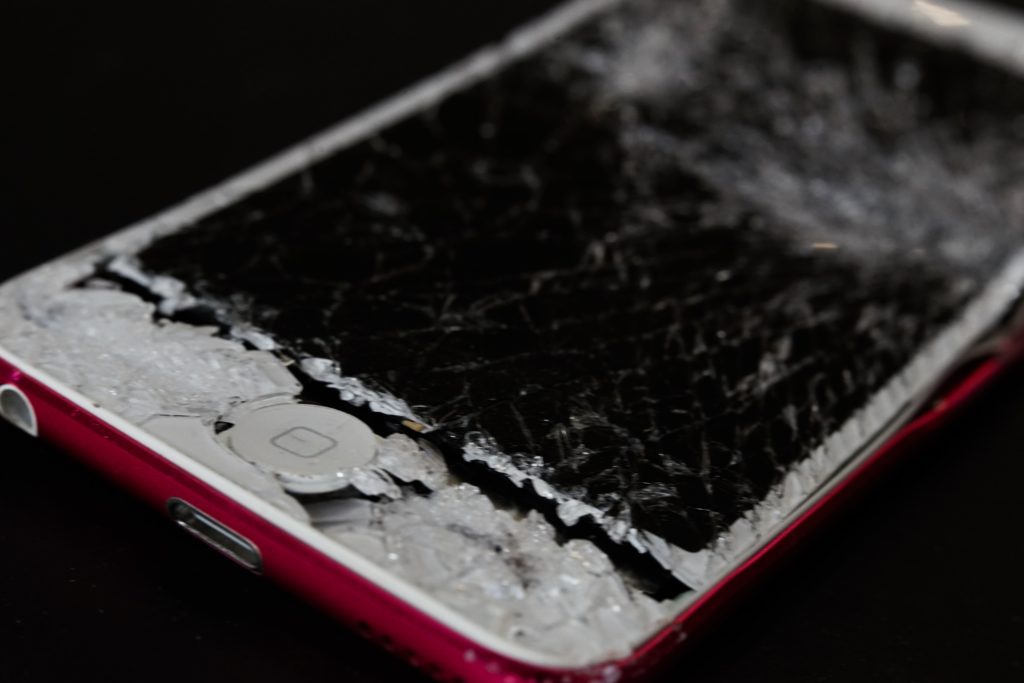
Is your teen acting in a way she never has before? Is she storming angrily around, maybe slamming whatever is in her hand and breaking it? How many times has she broken her mobile phone since Christmas? 3? 4? 5? Oh no…even more??
Does your child — who has always been a conscientious student — seem to have lost interest in school.. and is even furious about it?
Does he quietly sneak off… spending hours who knows where? Maybe he’s in bed when you check in the morning…? Do you get calls from other parents about destructive things your child has done? It’s embarrassing, and you feel so helpless.
Where Does Discipline Fit When You Seek Help for Bipolar in Teens?
Oh, you can give them a lecture, sure — but it seems to fall on deaf ears… and may even trigger rage. Still, they need love, patience, and structure. And most of all, medical care.
Your child needs structure, natural consequences, and firmness. But most of all, your teen needs lots of love, understanding, and support in the face of his consequences. He wonders: how does it happen? How did he land here…again? He’s ill and his urges are often counter to what a peaceful society dictates. And you know what? He’s probably just as confused by them as you are.
Does she seem to want time alone, maybe playing the piano or guitar…Then a few hours later is cursing her life, her friends, her future..?
Does he sleep on and on 12 or 18 hours at a time, then go for 3 days hardly sleeping?
Are you noticing that he talks about sex, talks about his “sex life” when you feel he’s way too young for all that…?
Maybe you feel you just have a rebellious teen on your hands…and you might…but don’t hesitate to look deeper. Heavy punishment will not “get his attention” or “teach him to submit to authority” … This is a disorder in his brain. He needs loving structure. On occasion, you might restrict him, without shame, and use that time to spend with him, working on hobbies or cooking together. Bipolar in teens requires your time, attention, quick-thinking, and support. You can give him time with you to help him center himself.
Even so, depression can pull him into a pit of despair at some point that’s so overwhelming. It’s a cruel disease, and so painful to watch. You may be tempted to take his dark mood personally, but he’s not intending to offend you. It’s his brain function doing this. He’s miserable…
And the alarming changes in your son or daughter could be signs of something that has gone awry in their brain.
Like bipolar disorder.
At What Age Does Bipolar Begin?
Bipolar Disorder is often diagnosed during adolescence, but it can be seen in children…or not emerge until college or later in adulthood.
But it needs to be identified and diagnosed as soon as possible, because diagnosis opens the path to treatment. And the earlier effective treatment begins, the better his chances to find stability and lead a rewarding life.
Bipolar in teens isn’t easy to accurately diagnose. It’s up, down, and all over the place and doctors often get it wrong. It shares some symptoms with ADHD, and sometimes with psychotic disorders. And certainly with depression. In fact, we think these disorders are linked in some way. Sometimes bipolar in teens causes hallucinations or delusions just like in primary psychotic disorders. And ADHD-like symptoms are often seen in bipolar teens—the distractibility and the impulsivity when they’re manic, the not paying attention during long stretches of depression. All of these symptoms are the result of disordered brain function and we shouldn’t be surprised to see the overlap.
The hard thing, really, is to figure out what’s going on.
Bipolar in teens is the biggest challenge to your love, and the more you learn HOW to love them, the more hope you build together.
Parenting a teen with bipolar disorder can be scary. So much change, so many alarming reactions. You may look at them and think (secretly): who are you and what have you done with my kid?
And school. What about school? If he’s going to class and doing homework, whew, that’s a relief. But for many teens who are living in a chaotic brain, school is at the bottom of their list. The chaotic condition affects their ability to learn, to read, to do any kind of work consistently. A teen who learned to read at age 4 can find it impossible to read when he’s in the throes of mania or the darkest depression of his life. As a result, without effective treatment, he’s at high risk for failure. It can change the course of his life…
But if it’s scary for you, imagine how frightening it is for your teen to have so many things happening in his mind. He feels powerful at times, more powerful than anyone, and doesn’t understand why he’s not being treated with the deference and respect he believes he’s due.
Then, later he may crash from his mania, plunge into depression… and lay in bed for hours sobbing, feeling so so sorry for his behavior. They say there are two persons in bipolar disorder. The one who creates the messes, and the one left to deal with the fallout. And as his parent, you are the one who tries the hardest to find solutions … and probably find yourself feeling more helpless than anything else.
So even if bipolar in teens can be heartbreaking, you can’t give up. Because your child is suffering. And you’re suffering, too.
What Do the Symptoms Look Like?
Bipolar disorder can look really different in different kids. In one you may see sorrow, listlessness, despair. In another you may see “acting out,” as people like to call it. It can be all over the map. Even in the same day. Sometimes at the same time. What you see in behavior is often the outward expression of what’s happening in her brain.
Friends with the same problems who are self medicating the same way become threatening to your child’s sobriety, and ability to stabilize.
And then there are the comorbid conditions (other disorders that accompanies the first one) that complicate… everything. Perhaps you find alcohol in his car, or marijuana or pills in his drawer — and then all of a sudden substance use threatens to take hold.
And sadly, substances can make the bipolar symptoms so much worse. You could face a DUI or DWI with him. Charges. Calls to the police. And social isolation because people feel they need to protect their family from your child.
If you’ve been there, you know what I mean.
Maybe your 13 year old daughter has condoms in her purse. You’re so alarmed! Heartbroken. Terrified of the potential consequences for her. Pregnancy, STDs, assault. And of course you panic. But hypersexuality is a common symptom of bipolar disorder, even in teens.
Take care when you respond to your teen’s behaviors. At times you may be in a rage — because you feel helpless and angry and overwhelmed. But moderate your response. Because you have a child with a fragile stability… as much as he tries to convince you otherwise. Too much humiliation, too much shame, and he could feel he has to escape himself. Because he feels helpless, too. Suicidal thoughts are common in teens with bipolar, and the impulsive behaviors and fragile self image can lead to sudden suicide attempts or suicide death.
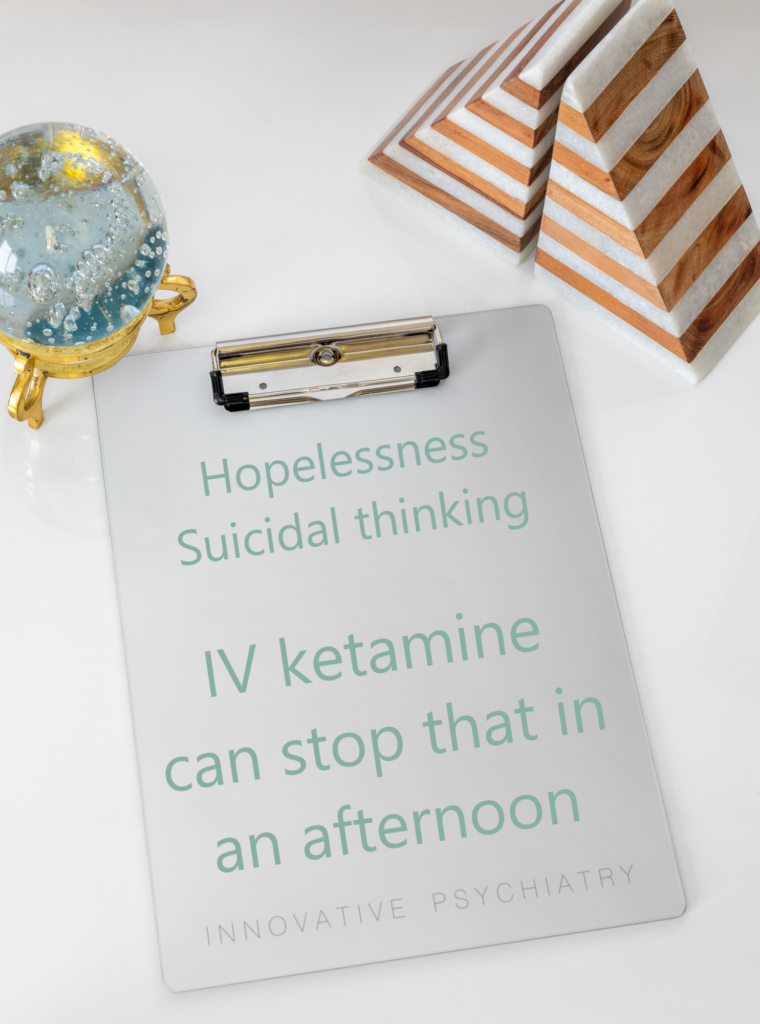
If you see suicidal thinking in your teen, IV ketamine treatment can stop those thoughts in an afternoon. We conducted a large real-world study in our practice using ketamine in hundreds of patients—includingadolescents — with depression and suicidal ideation that shows how incredibly effective it can be.
Get help. Seek medical care. Find therapy. For your teen and for you.
We’re happy to say that IV ketamine treatment has a strong and promising effect on bipolar depression specifically. It’s fast and it’s thorough. It doesn’t work for everyone —because everyone’s brain is unique. But it works for many people who have treatment resistant depression or bipolar depression, even when everything else fails. No other medicine can lay claim to that. Chances are it will work so well for you that you’ll feel transformed.
Ketamine sees bipolar depression like major depression. It releases mRNA to turn on DNA which triggers release of Brain Derived Neurotrophic Factor (BDNF) which turbo boosts the proliferation of synapses (connections between brain cells). When that happens, signals fly across your brain at rocket speed, which rapidly opens up communication between parts of the brain.
Creativity turns on. Fear gets turned down. That sad hollow feeling and the inability to enjoy anything pleasurable are kicked to the curb when ketamine hits the lateral habenula to tamp down those restrictors of good emotions. Neuroplasticity flourishes in your brain cells so they become able to change, and you become able to embrace change in your thinking… which can help you get better.
— Lori Calabrese, MD
Imagine this for your teen. It could change her life. It could SAVE her life.
We’ve talked about the difficulties with bipolar disorder. Let’s talk about the blessings of it. When your teen is stable on medications, and symptoms are controlled, she will be one of the most sensitive, caring, affectionate of your children. He’s creative and may write poetry, or music, or lyrics…or may paint or write books.
Some of the most talented musicians, artists, and poets currently in the world, and throughout history, have struggled with bipolar disorder. The gifting of this beautiful person will hold you in awe. Their capacity for love and giving can be second to none. To watch these abilities expressed is a gift you’ll carry in your heart forever. Don’t give up. There is more help now than ever before.
At Innovative Psychiatry, we know that treating both the depression and the mania or hypomania in bipolar disorder is crucial. There isn’t one medicine that treats all the symptoms equally and perfectly for everyone. So you need your doctor’s full attention.
While IV ketamine treatment often relieves bipolar depression dramatically, it doesn’t work on the manic or hypomanic symptoms. But they’re treatable.
It may take a collection of meds to treat the manic symptoms. Or…one pill might do it for you. But it’s more likely it will require more than one. For adults and teens with bipolar II disorder—some people call it bipolar 2–if depression is the dominant symptom, IV ketamine treatment can be transformative. So many others — just like you — say that every day.
If you’re hoping that you or that teen you love might a candidate for IV ketamine treatment — and want to find out — call us and come in for a consult.
When you begin treatment, you’ll find yourself cozy in a quiet room that feels like a spa so you can fully relax and let the tensions of the day melt away. To make you feel safe here, we’ve installed plasma-cell technology that destroys 99.999% of viruses, bacteria, and molds in the air and on our surfaces…. so you don’t have to worry about delta and mu variants. Our technology was developed by NASA and the Department of Defense — groundbreaking stuff, really, that we’ve invested in to keep you safe. So you can settle in to making the most of your treatment.
Thanks to the Delta variant, the pandemic is not over… yet. Impaired cognition has reached a crisis point for many throughout the world.
Elanna walked into the kitchen and laid her hands on the counter top. Why was she here? She looked for her phone, but she was holding it. Well, that was good, at least. She looked around for a hint…water was OFF at the sink. Well, that was good. Finally she remembered her bill she needed to pay by check. So she hurried to her desk to write the check and mail it. What had her son told her to read about…? What to do about brain fog? What was it?
The next morning she found the envelope to pay the bill on her desk. Oh NO!!! That needed to be mailed yesterday!!! So she slipped it into her purse to take it to the post office.
Then her phone rang. It was the box store to schedule delivery for her refrigerator. “Tuesday, between 3pm and 5pm? Yes,I’ll be here.”
Next, she brought in the mail, and felt relieved that at least her bill payment had gone out today, even if it was a day late. A special envelope caught her attention. She pulled at it to free it from the rest of the stack. She recognized the handwriting and eagerly opened it.
A wedding shower for her closest friend’s daughter! On Tuesday at 3:30pm. Wonderful!
She called immediately to RSVP and assured her friend she’d be there with bells on!
Remember Elanna’s bill payment in her purse…? She doesn’t….
The following day she grabbed her purse, stuffing an apple in it on her way out the door in case she got hungry. She made several stops to find just the right gift. It wasn’t easy, because she found herself distracted repeatedly by all the appealing things on display that had nothing to do with a wedding shower.
The weekend was a whirlwind of activity, and finally Tuesday morning arrived. She wrapped her gift, dressed enthusiastically, then rushed out the door for the shower. She had great fun with her friends and their daughters, everyone twittering about Hannah’s wedding.
She asked around, super casually, what they knew about brain fog… and if brain fog was a thing. One of the young women said, “It’s a mental fuzziness, an inability to think clearly, make decisions clearly, that kind of thing.”
After helping with cleanup, Elanna got home at dusk and saw a note on her door. She pulled it off and set it on the kitchen counter.
She was tired, so she picked up her laptop, and sat in the recliner with her feet up.
After a long exhale, and relief in her throbbing feet (heels are such a pain!), she noticed the laptop stilll folded closed in her lap. What was I going to do? She closed her eyes…and drifted off to sleep…then the phone rang. “Hello, I’m calling for Elanna. Would you like to reschedule the delivery of your refrigerator?” Oh no. That was today…..ugghh.
What To Do About Brain Fog… It Affects So Many Aspects of Life
The customer service agent explained she owed another $79.00 for the repeat delivery. (Yikes!). She also encouraged her to go to their website and make a note of the new delivery order number.
Elanna thought, I don’t want to go to their website..! “Can you just give it to me now?”
“No ma’am. My department delivers the appliance. The scheduling department assigns the delivery order numbers. And keep in mind that this number is different than the order number itself. This is about the second delivery. You’ll need this to give to the delivery person so you can be sure you get the correct appliance.”
Elanna looked up the website…then thought, where?? Where do I go? How do I get there? She looked at the menu and there was nothing about deliveries or delivery order numbers. Where do I go???
The phone rang again… this time it was the creditor she thought she had paid. She was sure she mailed it. Then again…
Confusion, scatterbrained mistakes, a feeling of helplessness…can be costly.
Elanna searched her purse, and there, under the stuffed apple, was a crumpled envelope. Oh no….
“I’m sorry. I forgot it was in my purse.”
“ Yes ma’am…be sure to add $25.00 to that check as a late charge.”
Frustration! What Can You Do about Brain Fog??
Elanna was so frustrated she didn’t know whether to cry or scream. But she still hadn’t written that email. She would do that right now. Write to Ben, Write to Ben, Write to Ben, she murmured to herself so she wouldn’t forget by the time she got into her email. So many unread new messages! So much junk that needed clearing out. After a quick hello, telling him about a couple of events of the week, she transitioned to her real reason for writing.
But.. her mind was blank. And she felt blank. She didn’t remember what she had meant to say very clearly…it was all mottled and tangled in her mind…like a wisp of dust floating away. She finally wrote that there was just so much going on…and closed out the email. It was quick, insubstantial, and pretty meaningless.
How frustrating!
What in the world was wrong with her? She pushed the laptop aside, and went to the kitchen for ice cream. Elanna needed a BREAK!!!
And what about you? Have you noticed your mind is foggier than it used to be? Do you think less quickly, calculate more slowly…or have trouble with creative problem solving? When you write that cover letter or that email, is it clunky and poorly composed?
Oh to be able to think again!
Actually, neuroscientists have found that this reduced cognition — what we’re calling brain fog here — is a widespread problem for people in all walks of life.
In addition, there’s a surge of concern among physicians and neurologists that we’re actually in a global cognitive crisis.
Listen up.
We now know that 50% of people who recover from the COVID-19 infection suffer from brain fog and fatigue. 50%! Many experience ongoing difficulties in executive function, cognitive control and just overall decreases in cognition that lead to disability and impaired functioning and sometimes, disability.
An over arching fear among health experts is that these deficiencies could go on and on — for years.
The cognitive skills we’re talking about include the ability to focus attention, to perceive, register information, lay down memory and retrieve it, as well as difficulties with word finding, language and reasoning.
Add to this, the fact that the world population is aging … and that will heighten this cognition crisis. Experts say that by 2060, the number of people 65 and older is expected to double.
Makes you stop and think. And gulp.
Who’ll take care of them all… errr…I mean all of us?
85% -94% of people with acute depression suffer cognitive impairment. Brain fog.
So what can YOU do about brain fog?
The Role of Psychiatric Conditions in This Cognitive Decline
Look at depression, and you’re looking at over 264 million people across the globe who suffer from it. Depression not only lowers mood and zest for life, but it also impairs cognition, attention focus, memory, information processing, decision making skills, cognitive flexibility, and executive functioning.
The fact is that 85%-94% of people with acute depression experience cognitive impairment. Once you reach remission from depression, you can still suffer cognitive impairment. 40-45% of people who achieve remission report cognitive impairment in at least one area.
This is huge.
And so pressing that neurologists are working hard to develop forms of cognition remediation therapy.
So far, cognitive remediation therapy shows promising. Combining holistic approaches to diet and health, exercise, cognitive training, antidepressant therapy, and neuromodulation seems to help.
And of course, if your treatment for depression, PTSD,drinking isn’t working for you, IV ketamine treatment could be just the ticket.
A Ketogenic Diet May be a Promising Option for Improved Cognition and Clearing Brain Fog
It could feel so good to have the fog clear.
We work with ketogenic diets in many of our patients. (One of the many ways we’re at the forefront in our field – and why we get such good results.)
Of course, some find that overwhelming, unappealing, or inconvenient. But we educate, empower, and motivate our patients to consider all their options so they can surge forward and reclaim their best selves.
We can help you leverage your gut microbiome with food rather than too many probiotics, flavonoids for improved cognitive functioning, and your own ketones as a fantastic energy source for the mitochondria in your brain (and throughout your body) — without the brain fog or food coma that can accompany carb and sugar surges.
Mitochondria are tiny organelles in the cell that produce the energy needed to power that cell.
It’s a brilliant concept, and a novel treatment approach for mood and anxiety disorders (and in our hands even in chronic anorexia!) but you rarely hear psychiatrists talk about it
But we will. Lots more to come.
Meanwhile, one option is to treat the disorder that may be contributing to brain fog with IV ketamine treatment. While we’re not portraying that IV ketamine kills brain fog, we know that brain fog that happens with some psychiatric disorders can improve when the disorder is treated.
A few studies, between 2015 and as recently as 2020, have reported sone improvement in brain fog with IV ketamine treatment. So that’s promising, too.
You’ll be able to relax in a quiet and soothing treatment room to make the most of your ketamine treatment.
At Innovative Psychiatry, many patients ask what to do about brain fog. Of course, everyone is different and the kind of brain fog and the reasons behind it are different. The work-up, the recommendations for exercise, ketogenic and metabolic diets, the lifestyle changes — are specific to you, and to your ongoing struggle with anxiety, trauma, or mood. All of these things together can make a noticeable difference.
If there is enough difference that you can write a knockout piece of copy, complete assignments and projects, draft a quick email, pick up the house — then that’s going to improve your life. And that may be just the beginning.
When you come for treatment, you’ll find a lovely, relaxing private room with a heated zero-gravity recliner to help you get the most from your treatment. Don’t let the gorgeousness fool you. We’ve installed hospital-grade plasma cell technology to remove all viruses, bacteria, and mold from the air and hard and soft surfaces…yes, including the Delta variant! So you can rest assured knowing you’re safe from infection in our offices.
Sometimes the symptoms attached to a disorder make the disorder so much more unbearable.
We look forward to meeting you and working together with you to help you know hope.
Alcohol Use Disorder is the most common substance use disorder. It causes economic, psychosocial, medical, and personal burdens across the globe that nothing else compares to.
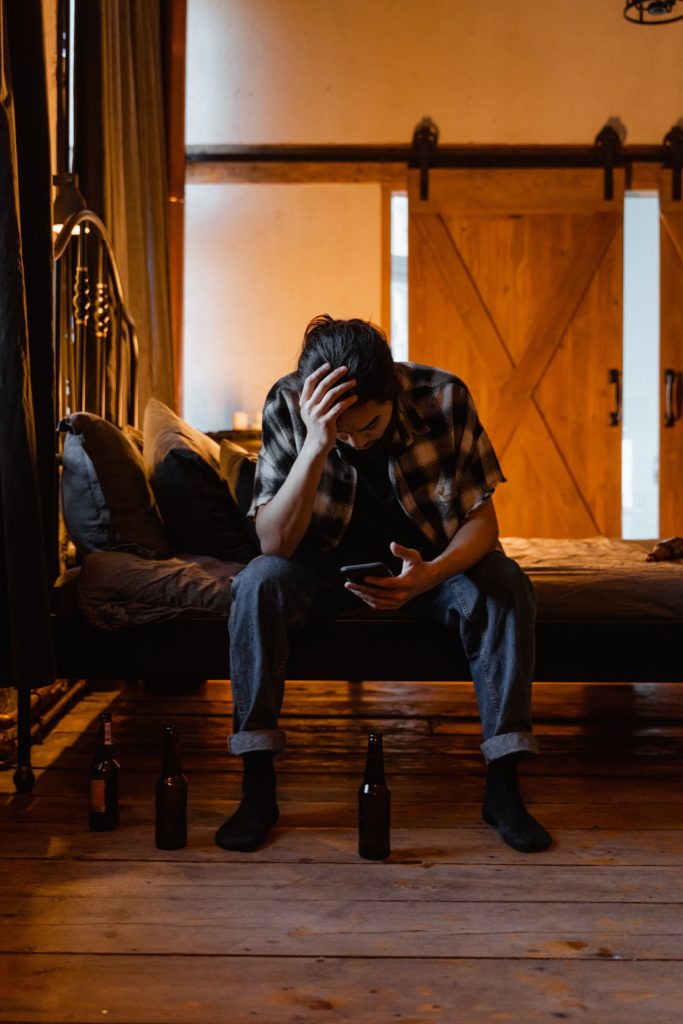
During the pandemic, people who’ve lost jobs and income, or been hospitalized with COVID, or who’ve lost loved ones to the vicious virus, have clear and easy-to-identify reasons for depression. But the vast majority of people who haven’t experienced things like this still struggled with depression and anxiety — and didn’t understand why. For many, that anxiety led to heavier drinking and substance use than was typical for them. And so for them–and maybe for you–taking a second look at ketamine’s effectiveness in erasing alcohol memory triggers is even more relevant if they’re trying to reduce the heavier drinking they’ve been doing. People need to get jobs again, and need to reduce their use of alcohol and other substances they’ve been turning to to cope. They need to take action.
If this is you, maybe you need to take action. Jump in.
We know that the rate of relapse for those attempting to achieve sobriety is very high. Unfortunately, with so many alternative and creative FDA approved treatments available, none has really demonstrated robust success. So, that leads to a closer look at ketamine treatment.
While there are good outcomes with ketamine treatment for alcohol use disorder, this treatment calls for in-depth exploration through further studies.
Two recent studies offered more information about these outcomes. (Still, more are needed. We know that and applaud our colleagues who continue to break ground in this field.)
One study published in the American Journal of Psychiatry December 2019 right before COVID-19 began to grow in the US revealed plenty. The stress of COVID-19 might show a thwarted effect. The monumental stress so many experienced. And to which so many succumbed. Thankfully, during this study, no one had heard of COVID.
Elias Dakwar, M.D., led this study, then followed it with one focused on cocaine use. He’s Assistant Professor of Clinical Psychiatry at Columbia University. And he’s become intrigued with whether ketamine can reduce craving in addictive disorders. …Interesting, right?
Motivational Enhancement Therapy targets a person’s motivation and determination to stop drinking alcohol. Ketamine can improve motivation and initiative… and motivational enhancement therapy can, too.
So the synergy between the two can be remarkably effective.
But wait…
There is another way that ketamine helps empower an individual to stop drinking. It impacts your memories tied to drinking in the past by erasing alcohol memory triggers.
In a study published in Nature, Ravi Das and his research team looked at whether ketamine could put the brakes on a phenomenon called maladaptive reward memories. They play a big role in substance abuse.
The idea is that when you see a cocktail, or a cold beer, it triggers memories associated with drinking it in the past.
(The same thing happens to sugar addicts. See a moist brownie, or a sundae dripping with hot fudge, and it triggers memories of the depth of enjoyment you experienced when you ate those before.)
And you want more.
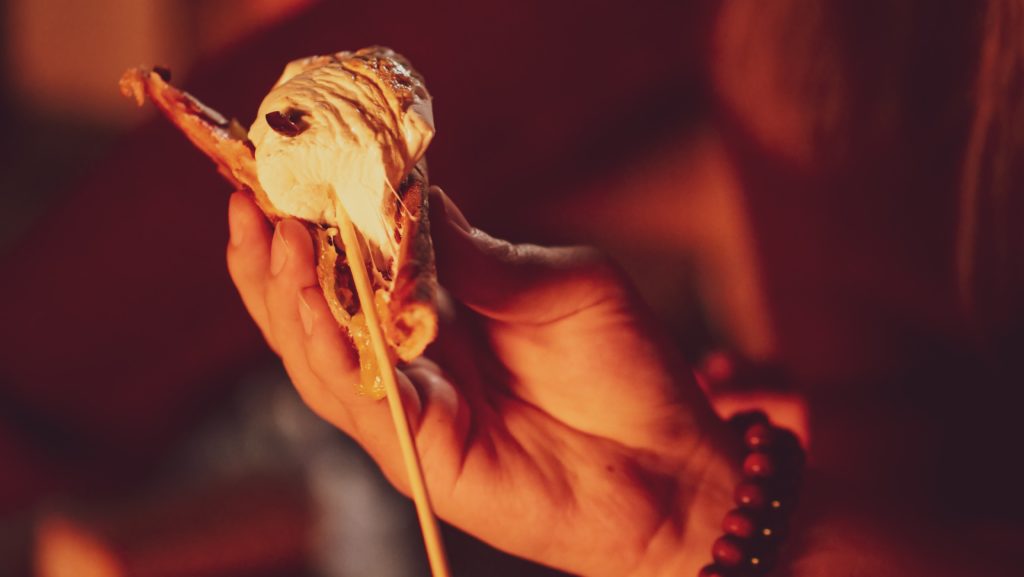
Who can drink just one beer… or eat just one s’more?
We say these are maladaptive reward memories, because that decadent taste and texture, or the good feeling you had when you drank that cocktail or ice cold beer, is the reward you received from it. It’s maladaptive because those rewards are not necessarily good for you. More of the chocolatey treat leads to weight gain… and all the ills associated with too much sugar.
By the same token, the desire to have more of that feeling you get with more beer or cocktails, can lead to intoxication, impaired driving… and, we all know, to a PROBLEM.
So that’s where control comes in. To have one treat, or one alcoholic drink, then to stop and have no more. (We’re using the example of chocolate to make the problem more relatable for you if you don’t use alcohol. Hits a little closer to home, doesn’t it?)
Back to this new study. The researchers displayed a glass of cold beer, along with photos of people drinking, laughing, having a good time. It was all about studying the effect of memories associated with drinking alcohol. Ketamine treatment blocks the memory formation associated with alcohol consumption. They believed it could erase the triggersin the environment that seem to spur you to drink.
Their conclusion was that while ketamine can erase alcohol memory triggers, it is not a magic bullet all in itself—but rather it would be most effective when it’s combined with motivational enhancement therapy.
So if you understand that you need to incorporate the two together, to get the most out of treatment… then your power to stop drinking, or even greatly reduce drinking alcohol can be dramatically increased.
It’s like 1 + 1 = 3.6. (I love this kind of new math.)
It’s interesting that ketamine’s ability to erase or rework memories has been considered by some as a negative. So let’s be really clear here: ketamine doesn’t erase memory. But it can and it does dampen and strips the thrill away from memory rewards.
Innovative thinking and an innovative approach to alcohol—a problem that just about everyone thinks they have an answer for. We’re grateful to Drs. Dakwar and Das for giving us a whole new fresh idea for a substance use disorder that kills millions every year.
At Innovative Psychiatry, we see so many people whose drinking has changed dramatically following IV ketamine treatment. Reduced cravings, renewed motivation, abstinence. They get their lives back, they get their jobs back, and they get their relationships on track. Since alcohol use disorder can be right in there along with depression, anxiety, PTSD and other substance use disorders, IV ketamine can address multiple disorders at the same time. Ketamine’s ability to rewrite those memories, to change your experience when you’re exposed to scenarios that had previously provided triggers for you, can bring such freedom, hope, and a sense of control over your life… that you’ll be thrilled to get to know your best self.
We offer IV ketamine treatment in a soothing, relaxing, and private environment so you can settle in and get the most from your treatment.
We also have prepared our offices for you by installing technology that destroys viruses, bacteria, and molds in the air and on surfaces. See the little white box in the photo? It’s amazing that such a small container can be so powerful. NASA and The Department of Defense designed our disinfecting technology. (We’ve learned we can’t be too safe, haven’t we?) So you can rest reassured when you come for IV ketamine treatment. You can rest. You can set an intention… create a mindset… that will allow you to move forward while ketamine goes to work.
If you have found you don’t have the control you wish you did over alcohol, call us.
It delights us to talk with you, and with your healthcare team, to coordinate treatment to help you enjoy more success as you build your life and relationships.
Innovative Psychiatry is a full service psychiatric practice, and we offer IV ketamine treatment. If you find you drink more alcohol at a time than you wish, or more often than you intend, give yourself the benefit that ketamine can provide. Call us and let’s find out if you’re a candidate for this extraordinary treatment.
Ketamine isn’t for everyone. But we can absolutely evaluate whether you’re a good candidate or not for this treatment. Since the percentage of those who don’t respond is low, chances are IV ketamine will give you the advantage you need to move forward in your life without the burden of excessive and harmful drinking.
Ask yourself…”Do you prefer good times…or interesting times…?”
We’ve talked about how to recover after a crisis or trauma so you can get back up. Let’s take another step. Let’s talk about making use of your experiences so you can — and will — move forward. First and foremost, like letting go of the memories of falling short in the past. A failed grade, a missed touchdown, the end of a relationship, a project that didn’t impress your boss… or all those times you were late in picking up the kids… or forgot the cupcakes for the classroom on your child’s birthday. Or those painful devastating memories when you over-reacted to your child’s mistake and left her heartbroken. These are the interesting times: how they help you and others depends on how closely tuned in you are to the lessons to be gained and put into practice.
If you continue to revisit these moments of moral failure and apologize for them over and over, you’ll likely find yourself stuck in shame, remorse, and regret. These feelings can be so crippling. And you can find yourself immersed in interesting times… how to recover..?
Move forward and build a rewarding life. To do that, you just must find the way within yourself to LET GO of the past. Only then can you invest in the present and the future, as well.
Let go of the pain, too. A broken relationship, the memories of dysfunction, conflicts, betrayal, harsh, vicious words. All of these create scars, and scars can hold you back, tether you to those experiences and hold you in the past.
So, you have to let those memories go, release them, and embrace your experiences of today. Allow yourself to enjoy the new developments in your life.
Without these crippling memories and the pain…which tend to become the more interesting times that can help you eventually… without them you can’t learn how to exit them. To rise above them. To build your own good times with the insight that you have learned how to navigate another corner of life… because of the challenges, pain, and obstacles you worked to overcome.
Another thing to think about…and apply… is that when someone says something that annoys you, and you allow yourself to react,you’ll be the one who suffers. A big step toward letting go and moving forward is to let go of the need to have the last word, to punish the speaker with your anger, and to lash out.
It’s far more liberating to step back, put on your “logic filter” and run their comment through that. Leave your emotions locked in the closet until you have seen the situation logically, calmly, and with compassion toward yourself and the one who is speaking. Be the presence of peace in the conversation.
Build your sense of optimism on a pragmatic foundation. Rather than thinking of optimism as a DisneyWorld sort of reality, with streamers and balloons and fireworks and cartoon characters skipping around, think in terms of what has happened and the good outcomes that can emerge along with the bad ones.
Dig in to find treasures in your life. Ways you can make the world a better place for others, or just for one person. But watch for those opportunities. Watch for interesting times, how they can help you and others make better decisions on this go round.
Putting Trauma in Its Place
To move forward, there are certainly things that you can do to invite a more hopeful frame of mind. But there are also traumas and pain that have to heal and be put behind you so the “overcoming” efforts can bear fruit for you.
If you’re like most people, there were painful events, confusion, and even trauma and loss that emerged this last year. 2020 is a year we’ll not forget. Odds are, you acquired some trauma and sorrow in the process.
Avoid wallowing. Grief must be faced, then suffered, and put away soon so you have the room in your mind and heart to embrace the good that’s emerging…along with the bad.
The pandemic was …interesting. Not good times. And yet…good things happened. Babies were born, learned to walk and talk, some companies did well. Some employees excelled, and so did some students.
Look back at your resilient moments. What did you learn? Can you take it with you to next year and the year after?
Careers Have Been INTERESTING, TOO Lately… And oh yes…RELATIONSHIPS!
It’s not at all uncommon to enter a career path, and advice comes from everywhere telling you to stick it out, have tenacity and perseverance.
That’s just great advice for lots of things. But how do you know when it’s time to let go?
Well, no one can determine that but you. Whether it’s about a career path, or a relationship, or the city you live in… We know we can miss so much if we cut bait and leave before giving the current situation a chance. (At the same time, when you can see you’re going down with the ship, it may be time to swim for shore before it’s too late.)
Your heart may not want to let go, but your experience says that this is not going to recover and you need to save yourself…to try again another day. Interesting times and how they help you gather the tools you need to move forward, giving your room for more good times to enjoy your life.
Some principles apply to multiple types of situations… like relationships, jobs, projects…Here are some questions you can ask yourself as you work through your decision:
Do you sense a lack of respect for you in your environment or relationship?
And maybe most of the time you’re giving more than you take?
Do you find that you think more about the past than the present? Are you in a good ol’ days mentality?
Are you crying more than laughing far too often?
And what about anger? Is it more commonly the way you feel…or is love, contentment, and peace the way you usually feel?
Is the passion and joy gone?
Do you find you feel “less than others,” because of others’ attitudes toward you?
Do you feel physically and mentally exhausted…most of the time??
If you know what it is to be appreciated, supported to grow and excel, and you’ve been stuck in a situation for a prolonged period of time, it’s possible you are ready to let go. And move forward.
And as you embrace that purpose, you begin to gain from not only the experience, but what you did with it. Purpose, direction, and hope can build and grow in you as a result. And with hope, strength and resilience.
You don’t have all the answers, and neither do we. We’re all seeking to learn from our experiences so we can move forward in life. Because life isn’t perfect for anyone, is it? Fostering resilience is a great place to start.
At Innovative Psychiatry, we wish like you do for the good times…but keep learning that it’s the interesting times that give us more to help you.
It’s also true that sometimes choosing to face the obstacle of interesting times and push through it is overwhelming. Sometimes to face those interesting times you need depression, anxiety, and trauma treated effectively. That’s where IV ketamine treatment can come in.
IV ketamine can do things other medicines haven’t … and it can do so rapidly. That’s why we opened a separate arm of my practice that’s specifically equipped to provide IV ketamine treatment. Ketamine treatment has demonstrated repeatedly its unique ability to smash depression symptoms, sweep away anxiety, and stop suicidal thoughts in their tracks.
Because making this remarkable treatment available to whoever is a candidate for it is so important, we encourage communication from your healthcare team.
We want you to have hope.
And, because the pandemic is still making people sick, we have equipped our offices with technology designed by NASA and the Department of Defense, to clean viruses, bacteria, and molds from the air to help you stay well. We’ve taken every precaution to protect you from infection when you’re with us.
The result is peace of mind so you can focus on getting better.
We invite you to reach out for a treatment that works rapidly in most people, even in interesting times, to restore your motivation, initiative, hope…and creativity. You should have a rewarding and fulfilling life.
To the restoration and fulfillment of your best self,
June has been National PTSD Awareness Month. And June is nearly over. But PTSD awareness shouldn’t end with June. If you have PTSD, it can go on day after day…after day.
Something terrible happened. Over time, it seemed you slowly got past it. You hardly thought about it anymore. Then, in a split second, you’re there again. Something happens that triggers the memory, and you’re fighting all of the sickening feelings that just well up inside. You’re determined to break free and run. Turns out a friend is hugging you…. And you come back to yourself and feel embarrassed about your “over-reaction.” Some wounds appear invisible. But they run deep, and wide. And when they do, PTSD can be crippling, and it can take you captive in a moment.
National PTSD Awareness Month gives us an opportunity to realize that PTSD exists — more often than you imagine, and in people you’d never suspect… that it’s sometimes surprising in the way it’s triggered… and (so importantly!) that those who suffer from it have experienced severe trauma. While it’s true that two people can suffer the same kind of car crash or the same horrible domestic violence, and only one of the two develops PTSD, that doesn’t mean one is weaker than the other. The impact of PTSD has NOTHING to do with how tough someone is. There are a lot of factors that come together to predispose you to PTSD. Genetics can play a big role. And one huge new mind-blowingly transformative treatment — IV ketamine — can be exceedingly effective.
It’s important for you and for the people you know and love to learn the signs and symptoms of PTSD — for your own health and wellbeing, and to help others who suffer from it. Because since some wounds are invisible, so also the symptoms are sometimes only visible to those closest to the person suffering from them.
You may have symptoms of depression, anger, rage, irritability, suddenly becoming startled… or feeling numb and disconnected. There may be flashbacks or nightmares, or you may just find yourself reliving the terrible experience over and over. You also may have increasingly aroused emotions and mental thoughts, which can make it tough to sleep.
Ok, but there’s more to think about and watch for. Like the types of PTSD. Because all PTSD cases aren’t alike.
PTSD doesn’t accumulate traumas like depression can accumulate “reasons to be depressed.”
Comorbid PTSD – symptoms of trauma combined with symptoms of other disorders.
It’s not at all uncommon for people with comorbid PTSD to also have substance use issues. Because most people who suffer from PTSD typically suffer with more than one disorder, comorbid PTSD is probably the most common form of PTSD. Some disorders that often occur with PTSD are panic disorder and depression.
Normal Stress Response – This occurs during and following an experience that’s traumatic and stressful but before PTSD begins.
Not all people who experience a normal stress response advance to PTSD.
Acute Stress Response – Typically, someone experiences an acute stress response after a huge stress, like being frightened by a perceived predator, a near miss auto accident
…or even a frightening accident where all parties survived. But if acute stress symptoms keep coming back for a month or more, they may be transitioning to PTSD. Symptoms of acute stress response may include headache, sweating, chest pains, palpitations, nausea, and stomach pain. Acute Stress Disorder can be treated using support groups or therapy …and medication. IV ketamine treatment has shown great promise in treatment.
Complex PTSD – This describes a condition associated with more than one traumatic event.
A cluster of events, each driving its own response. And the responses can interfere with each other, drive each other, and complicate each other. Because some wounds are invisible… but still present and exhibiting deep trauma, which causes more of its own.
So… how can you know if you have PTSD? Maybe you feel anxious in the moment, or sudden sounds cause you to jump. Is that PTSD?
When most people go through a shocking or traumatic experience, they feel shaken, and off balance for awhile, but in time and with the kind of self care that helps them feeling their own pain and loss, they usually move on. Certainly they keep a memory that never leaves, but they don’t experience the torment and flashbacks of PTSD.
However, some people are deeply injured by a terrible experience, and may not improve without intensive treatment. As we’ve said before, while we don’t understand all the intricacies to explain why one person suffers so much more extensively than another, we do know there is a genetic link to this process.
If it happened to someone you love, or even to you, would you recognize the symptoms and know what to say in support? If you’re not informed and prepared in advance, you may be tempted to be irritable, dismissive, or annoyed.
First, of course, there has to have been a traumatic event. Something has happened that terrified you, you felt threatened to the point of death, and what you saw in the process was shattering.
Symptoms may emerge within a month…or they may not erupt for years. But once they emerge, they can cause severe problems socially, at work, and in relationships. Because PTSD symptoms show. Whether it’s a sudden panic attack in front of others, and you’re far too disrupted to explain, or in some other way, they make it close to impossible to go about your daily routine. Basic tasks can be impossible.
These symptoms fall into roughly 4 groups:
Intrusive memories, avoidance, negative changes in thinking …or mood, and changes in your physical and/or emotional reactions.
The symptoms you suffer may vary in intensity. With time, they may seem to disappear, then out of the blue you may be confronted with a moment that mimics that first trauma, and suddenly you’re in it. You’re terrified. You’re fighting for your life. Except that nothing dangerous or life threatening is happening. It just “feels” like it’s the same.
You can see how these moments could be upsetting to friends or co-workers. And eventually embarrassing for you.
You may wonder if you need to see a doctor. If these disturbing moments have been happening for more than a month since the original incident, then it is wise to see a psychiatrist. He or she can be very useful in directing your treatment, or referring you to additional treatment. Your psychiatrist is a specialist. Some wounds are invisible but he or she knows how to find them and treat them, to help you find your way back to a rewarding life.
If you should have suicidal thoughts, call a friend, family member, or a neighbor to spend time with you. Call your doctor to reveal the severity of your symptoms. In a crisis, call the National Suicide Prevention Lifeline (800) 237-TALK or text CONNECT to 741741, or call 911. Remember this has nothing to do with your mental strength or courage. The fact that you reach out for help is a great step of bravery for you to protect your well-being.
And if the thoughts are persistent, know that IV ketamine treatment can be dramatically fast working and can stop those thoughts in an afternoon. That reprieve will give you time to seek out more treatments.
At Innovative Psychiatry, we have seen IV ketamine treatment provide a wonderful lifting of symptoms and relief from PTSD to many patients. It’s nothing short of remarkable to see what this treatment can do for someone caught in the throes of trauma. Many patients find talk therapy and other forms distinctly more liberating after ketamine infusions. We like to work with your healthcare team to learn how we can help the process of restoration in your life.
IV ketamine treatment ferrets out the painful memories and thoughts and can dramatically relieve them. Just because some wounds are invisible doesn’t mean they can’t be healed.
You’ll have a zero-gravity, soft leather recliner to make your experience feel well supported and secure, and heat at the touch of a button. We want you to get better, and want to help that happen any way we can.
Resilience – The power to bounce back emotionally after a major disappointment or event.
Here we are. COVID cases have dropped dramatically…right along with COVID deaths. We’re slowly transitioning from the pandemic to what we hope will be post-pandemic. Slowly over time. It won’t be a one day change, but an advancing progressive adjustment to a less restrictive environment. Some people have stopped wearing masks. However, many of us still do. The CDC says fully vaccinated people can go without wearing masks, especially around others who are fully vaccinated. But this doesn’t apply to those who are unvaccinated. This is one of a thousand frustrations all around you. So you’ll want to stay resilient when life changes–and we’ll give you some ideas how to do that.
A crowd of employers have begun calling employees back to work. Most employers of office workers have moved their employees home to avoid spread of illness, and all those employees are beginning to go back to work little by little. It’s not that they’ve not been working, but they haven’t had a commute as they work and meet on Zoom at home.
Of course, our role is NOT to tell you when you should return to work in your company facility. Or when the kids should be back in school.
We just want to help you make the transitions ahead, embrace the adjustment within yourself that will allow you to make this change when the time is right. To help you navigate your concerns or anxiety if you face it.
You may have lost a loved one over the past year. Maybe you had to watch the funeral of a loved one over Zoom or Facetime. That must have been difficult for you. So many incidents and events were shocking. For so many people.
You may have had a baby over the last year. Did you have a COVID baby? We’ve learned that the birth of a baby during all the isolation, social distancing, and mask wearing has created such intense loneliness for some new mothers that postpartum depression has been more widespread and support has been hard to come by for many isolated moms.
One first time mom, who was weeping in frustration and overwhelmed, said, “I’ve always heard it takes a village to raise a child. So WHERE’S MY VILLAGE???” If you’re one of those parents, you will have to find your own transition and recovery. Make sure you’re fully vaccinated so you’re free to seek out friends and family to get their support, and improve your own resilience.
Then there are the children. Children who’ve been involved in distance/remote learning have displayed behavior outbursts and other forms of acting out. But on the other hand, some children thrived from the closer nurturing they felt while being home. And as they move into summer, and then repopulate schools in the fall (or whenever that will happen!) they may need guidance to help them adapt smoothly, re-socialize, and integrate in their school’s routine.
Maybe you’ve asked “Why me?” through the crises and losses the last year and a half. But when you think that way it nurtures self pity…which can be suffocating. Better to ask yourself in that instance…”Why NOT me?” Because if you’re alive in this world you’re going to have struggles, difficulties, and losses.
And you may be tempted to want to run. But resilience comes when you plant your feet, square your shoulders, and get through it. You can be resilient when life changes.
When my friend heard there was a pandemic wrapping around the world, her first thought was to get on a plane and escape it. Then she looked at the charts and maps on the internet and saw that this infection covered the globe, and there was nowhere to run. What a shock that felt like.
But by staying where we are, using personal protective equipment, and isolating ourselves, using social distancing when in public, we as a nation and as a planet have survived together.
Many say, “Failure is not an option”…but actually failure is a requirement for resilience. And in terms of the pandemic, as well as working at home, learning at home, there have been countless efforts that failed and required we try again and again to get whatever the need was to work. Stronger internet connections, getting food to people who needed it, keeping online services up and functioning well.
Here are some strategies for building resilience now:
Recognize that difficulties, losses, and inconveniences are part of life. Realize right off that all these things are not a sign of unfair punishment of you or me, but just part of life. And realize that you’ll find your way through it.
Make the serenity prayer a part of you…to accept things you cannot change. To change those things you can (or change the things you cannot accept.) And hold onto the wisdom to know the difference. So focus on where to put your attention… changing the things you CAN change. And choosing peace about the rest.
Choose Life. Choose what is good for you. Walk away from things that aren’t good for you. (Yep, we said walk away. Seriously walk away…) Then be patient and compassionate with yourself.
Here’s a challenge for you: Every day, list 3 things you’re grateful for. It will help you maintain peace and the strength to face new challenges…because you know that challenges are part of being alive too, right?
And… you know? every time there is a failure, or disappointment, or loss… once you’ve responded to it and moved forward, ask yourself, what you might learn from it… or whether someone was help from the natural fallout of it, etc. There is meaning all around you, and when you’re stressed with difficulty, it’s easy to miss it. So make a point to focus on the meaning you find in all those challenges… that will deepen those roots of resilience, too.
Stay Resilient When Life Changes — If you fall, you can snap right back up on your feet
Of course, not everyone can effectively build their own treasure chest of resilience. A disorder can make that very difficult. So we do offer IV ketamine treatment to help restore your resilience. To help your brain restore it’s own synapse connections, to take the G proteins off those rafts in the cell membrane and put them back to work. To slow down the bursting cells in the lateral habenula. And to generally help your hippocampus and amygdala function better, so YOU can function better.
So Reach Out for Resilience and the Life You Long to Build
At Innovative Psychiatry, we have the privilege of seeing people who have achieved remission from these disorders every week. Remission means you have energy to support others, to build your own life and healthy strong relationships, and to face difficulties with strength. Remission means you once again feel like the very best self you’ve ever experienced. It means you stay resilient when life changes and can snap back in the face of difficulties.
And while we’re transitioning from active pandemic to a post-COVID world, we’re not there yet. And we want you to have the confidence that in our office you’re completely safe from infection caused by any virus, bacteria, or mold. Our plasma cell technology that continually scrubs the air you breathe to keep you safe from viruses, bacteria, and molds while you’re receiving treatment with us.
Reach out for resilience. If you struggle with the disorders we talked about, reach out for the hope of remission.
This is National Eating Disorder Awareness Week — NEDAwareness Week
People come in a wide variety, don’t they? No one more deserving than another. Whether there are differences in skin color, differences in gender, differences in sexual orientation, differences in religion…or differences in IDEAS. And no matter the differences, no matter the variety, every body deserves a seat at the table. We may speak of the table as a place to eat, or we may speak of the table as a place to exchange ideas. It happens that this week we’re talking about both. Because we want to think about how NEW ideas and NEW approaches can bring NEW FREEDOM to people with eating disorders.
An eating disorder causes you to see food and yourself in a distorted way. A way that affects you both physically and mentally. That distortion creates distorted eating patterns. And those eating patterns can cause damage to your body and your mind… as well as your life expectancy. And of all the eating disorders, anorexia nervosa is the most dangerous. With its poor response to treatment, such persistence, such rigidity. It takes over. It’s exhausting. We need more effective treatment for anorexia.
Eating disorders affect 32 million Americans. Twice as many women as men. Whether it’s bulimia, binge eating, anorexia nervosa, avoidant/restrictive eating disorder, or others, the need to raise awareness for support, education, and especially effective treatment, is paramount.
And although we hate bad news, there’s more bad news. The death rate in women with anorexia is 10 times greater than in other women. One major reason is that the metabolic and medical problems caused by self-starvation can be critical, even fatal. And also because the desperation triggered by anorexia can lead to suicide… and often does.
So let’s talk about what an eating disorder is…and what it isn’t.
In general, a variety of biological, psychological, and sociocultural factors tangle together and lead to a disorder of this type.
The idea that eating disorders are a “girl’s disease” a disorder where a girl seeks her parents’ approval is false. Archaic. Fiction. Can you say Old Wives’ Tale?? Similar to some other diseases, there is a biological basis for anorexia — and genetic studies identifying the first 8 genetic loci! — that is exacerbated by sociocultural and psychological/psychiatric components.
And, by the way, let’s square off against the idea that eating disorders aren’t serious. They can, and often do, wreak havoc on you and the people who love you. They can interfere with your relationships, your livelihood, and your own sense of peace and self-respect. And they can tear down your health.
We need to up our game if we want to erase this hold they have on us, and erase the shame and stigma they carry. We need to up our game if we want to make headway in treating the most deadly of these disorders — anorexia nervosa.
Anorexia has the highest mortality rate of any psychiatric illness. (Or it did, until the opioid crisis recently claimed the lives of so many.) That mortality is caused by the medical consequences of binge eating, purging, starvation, over-exercising. And these consequences include heart attack, kidney failure, osteoporosis, electrolyte imbalance… and suicide.
Because of the stigma attached to eating disorders, early diagnosis can be hard to achieve. And early diagnosis is important for effective treatment. Because these disorders can begin at any age. And last for years
…and let’s get One Thing Straight Now:
Eating disorders are NOT a matter of choice. They’re diseases governed by physiology and biology, with genetic, social, cultural, and psychological factors. Help remove the stigma associated with eating disorders, to make the world a safer place for everyone… because every body deserves a seat at the table.
Stigma comes from ignorance. It’s the inclination to pour shame on anything not understood. And that shame can be crippling. It can force someone who suffers into hiding…isolation… when it’s light, enlightenment, and help that is so deeply needed.
When you’ve been isolated in the throes of shame, (and you know you haven’t done anything to deserve it!) it’s hard…really hard...to come out. Sometimes it’s hard just coming outdoors, for Pete’s sake! But sometimes, it’s coming out with truth about yourself. About your sexual orientation, about your habits, or about the way you think…or eat. It makes you feel vulnerable… and like you’re making yourself a target for hatred, stigma, and judgment.
Sometimes eating disorders live silently inside— and sometimes they can’t help but show themselves, and then the anguish, the anger, the frustration, and the way they take over your life becomes…unbearable. And stigma or not, you realize you just have to find help.
And especially, if you suffer from Anorexia Nervosa.
There is plenty of stigma about anorexia… and you may hear people toss the term around disrespectfully, because they don’t grasp the critical nature of the disease. If they suffered from it themselves, they would not speak hateful words in ignorance, because they, too, would be informed. But that’s the nature of the beast of stigma, isn’t it?
The death rate in women with anorexia is 10 times the death rate in those who don’t suffer from it. But every body deserves a seat at the table, a chance to live well… and not die from the critical medical conditions caused by self-starvation.
And again, remember that this self-starvation is not by choice, but is associated with genetic factors, and fueled by changes in the brain that happen in some women and men when they start to lose weight, get energized, and begin to exercise compulsively. And we recognize that there are a host of other factors that can contribute to a slow spiral, a continuous weight lose, the emergence of anxiety, fear, and rigid rules.
But sadly, the most distinctive and cruel of the symptoms of anorexia is the “anorexia voice.” A voice talking to you, controlling you, commanding you, every minute of every day, telling you what to eat, what not to eat, when to exercise, when to feel guilty, and on and on and on it goes.
Treatment is effective only when “the voice” can be silenced, and you are free to make choices you want to make. About food, about love, about activity… about hope.
So what can be done?
Sometimes if you have a new idea, it takes courage to offer it up — like Conflict Zone: A Play on Eating Disorder Recovery, a live-streamed one woman show with a compelling storyline about the lived experience of recovering from an eating disorder kicking off NEDAwareness Week — but it could be brilliant. It could deeply resonate. It could breed a whole new movement fueled by hope.
And while it may draw stigma and resistance from those who don’t understand the idea, those who need what the idea could provide grab onto that thread of hope.
We’ve had the opportunity to work with a few other researchers to write up and publish a case report that incorporated a specially designed modified ketogenic diet combined with ketamine infusions that resulted in complete remission of severe and enduring anorexia in a 29-year old woman who had been ill for 15 years. Striking. Striking that her remission is complete and sustained and has persisted now for over a year. (See our blog about Caroline).
The case report has taken off, generated a lot of interest (and a lot of controversy — as you might guess when we put a ketogenic diet and ketamine on the table). It’s nice to see the metrics climb, the interest rise, to see the hope bud in people with anorexia who’ve lost hope of ever beating it… and to see the sparks fly in the imagination of the scientists, doctors, therapists and dietitians who try to help them. Our case report was recommended by Drs. Miletta and Horvath in Faculty Opinions as a New Finding, Interesting Hypothesis and Technical Advance, and written up in a lovely Faculty Opinions blog.
So… we’re now following up with a small clinical trial involving more subjects which is registered on ClinicalTrials.gov. Because we need an N greater than 1. We need to see if what worked will work for more people with chronic anorexia. This next step will give us more information about the effectiveness of our new sequenced approach in the treatment of anorexia.
As you can imagine, we’re cautiously excited to see what we can learn. And we’re hoping to see more and more studies to support novel treatments for anorexia.
At Innovative Psychiatry, we’re so pleased to see people with severe treatment resistant depression, bipolar depression, social anxiety, PTSD, and suicidal thoughts achieve remission with serial titrated ketamine infusions.
When you consider that the first paper published using ketamine for the treatment of a psychiatric disorder was using ketamine infusions for the treatment of anorexia — unbelievable but true!– more than 20 years ago, it’s WAY past time for people with anorexia to have truly effective treatment options to help them achieve remission. Every body deserves a seat at the table.
As our clinical trial launches, we remain right here, in the office, with boots on the ground, and continue to treat all of our patients for the symptoms that interfere with their lives.
We work to help you get the treatment that will help you with your symptoms and give you the freedom to live a rewarding life. In addition, we also work with our colleagues over the phone, email, and at conferences to learn all we can to better help you find remission. And, we pursue research opportunities to increase the medical knowledge available to all of us. For you.
Because every body deserves a seat at the table, including you!
We want to see you build a fulfilling life. That’s our heart in all we do.
Across the country, extreme winter storms have descended upon us. Even in the Gulf states, short sleeve weather is suddenly shifting to snow. Temperatures are dropping from 70 degrees to 17 degrees.
And the gray skies that bring snow, also contribute to Seasonal Affective Disorder. Gray on the outside can turn some people gray on the inside. And typically, about 5% American adults suffer depression symptoms this time of year only. These sufferers feel fine the other seasons of the year. But something about gray skies, less light, and snow trigger sadness. Which is why they call it SAD. Call it seasonal affective disorder or SAD or any other name. It still feels like depression.
Symptoms include sadness, low energy, fatigue, weight gain or loss, and reduced interest in things they used to enjoy.
And specifically, symptoms begin in late fall…and subside in spring.
Sound familiar? If you’ve ever suffered from depression, you probably recognize these symptoms. Because this disorder that’s associated only with winter is aseasonal depression.
Some believe that the longer nights and shorter days interfere with your body’s internal clock. And that can result in changes in the brain. So using natural light and light boxes can help.
But this year… Katie Bar the Door!!
This year all bets are off. Due to the extra strain and anxiety caused by the COVID pandemic, plus the addition of flu season, the pandemic is causing anxiety and depression on its own. As the infection and death rate have grown, there is also SAD pulling people into darker places.
Social distancing reduces social interaction. Increased stress arises from financial difficulties, employment layoffs and remote learning. That cooped up feeling from being inside the house all day…as well as heightened alert about health… These stressors can cause brain cell changes that can lead to depression.
It goes without saying that so much time in the house because of COVID means less exposure to natural sunlight. You see where this is going.
SAD + COVID precautions + Flu season = Increased risk of depression and anxiety
We’re not making light of the bombarding risks facing you this winter that threaten your wellbeing. On the contrary, recognize that this season holds a unique storm of confusing symptoms. These symptoms can emerge in your health and your wellbeing.
The symptoms can be from depression you’ve had all year, or the result of COVID’s strain, or if it only happens this time of year it could be from SAD…. That’s why they call it seasonal affective disorder.
And being informed and familiar can help protect you from confusion and overwhelm if a tangle of symptoms should emerge in you or your family.
There are things you can do. For SAD, light therapy is helpful for lots of people.
Symptoms of SAD intersect with symptoms of major depressive disorder, and some of the symptoms can also be found in cases of flu and COVID, like fatigue.
So don’t be too unnerved if you find you have feelings of a deep dread, or increased agitation, or nervousness. If at all possible, this is not the time for controversial conversations about politics or religious differences. You may not realize the the underlying agitation or fear you feel may actually be stimulated by the pandemic and its restrictions, rather than the subject that seems so upsetting.
Families have been thrown into upheaval and even split apart by this dread and agitation that only began since the COVID crisis. Keep your relationships shielded and safe.
This is a great time for finding ways to reassure the people in your world, to find light-hearted discussions, and to maintain a sense of humor. This is a time for helping the people around you to maintain stability and get through this, rather than allowing controversy to up-end those already on shaky ground.
Find Healthy Ways to Bring Light Into Your Life
Seek out healthy and productive ways of occupying your thoughts, and avoid those counter to your wellbeing, such as alcohol and substance use. Do your best to find ways to brighten your family and friends with online games, painting projects, sewing and knitting (not just for the ladies now… you guys are missing creative fun if you don’t try it!), and all the ideas you can come up with that will get everyone talking and laughing in front of the computer screen!
If you’ve experienced SAD in prior years, this year may be more severe, so seek natural light as often as possible… You can call it seasonal affective disorder or just depression… either way, there’s hope.
And if you do have depression symptoms that don’t respond to medication, there’s hope. If the medication that has been effective for years has suddenly become ineffective over the past year, hang on. IV ketamine treatment just may make the difference you need.
We have patients who may require a few more than the traditional six infusions, who recover so dramatically they haven’t needed more. That’s not to say those same patients might not eventually need another infusion eventually. They know to watch for the signs.
But sometimes people read articles and misunderstand about how ketamine treatment works. They think they have to keep getting infusions every couple months, or they read that ketamine treatment can’t really last.
Broad assumptions should be avoided when it comes to treatment in the brain. Results vary among different people, and as we often remind our readers, ketamine doesn’t work for everyone. But when it works, it can work dramatically well. And it can do a transformative work in most patients who are candidates for it.
Whether You Call It Seasonal Affective Disorder or Something Else, You Might Want to See what Ketamine Treatment Can Do for You
We also invite our ketamine patients to ask their healthcare team to collaborate with us as we deliver the infusions and they can follow up with any needed therapies.
Also, for the sake of safety, we have a protocol for patients who come to the office that involves special instructions, mask wearing, and special safety precautions.
To this end, we’ve installed technology that destroys viruses including the COVID and flu viruses, as well as bacteria and molds in the air and on surfaces. This means that when we open the door for your appointment, you can come inside for treatment with confidence, knowing you’re safe.
Don’t wait.
You may call it seasonal affective disorder…or SAD… or major depression or other affective disorders, but if they’re not helped by medication, call us.
This is a tough winter, and these intensive winter storms aren’t making it any easier. Reach out for resilience.
Your remission is what we live to help you achieve.