Tag: Ketamine Treatment for Suicidal Thoughts

  • Can We Stop Suicides?

    Can We Stop Suicides?


    By Moises Velasquez-Manoff –
    Contributing Opinion Writer

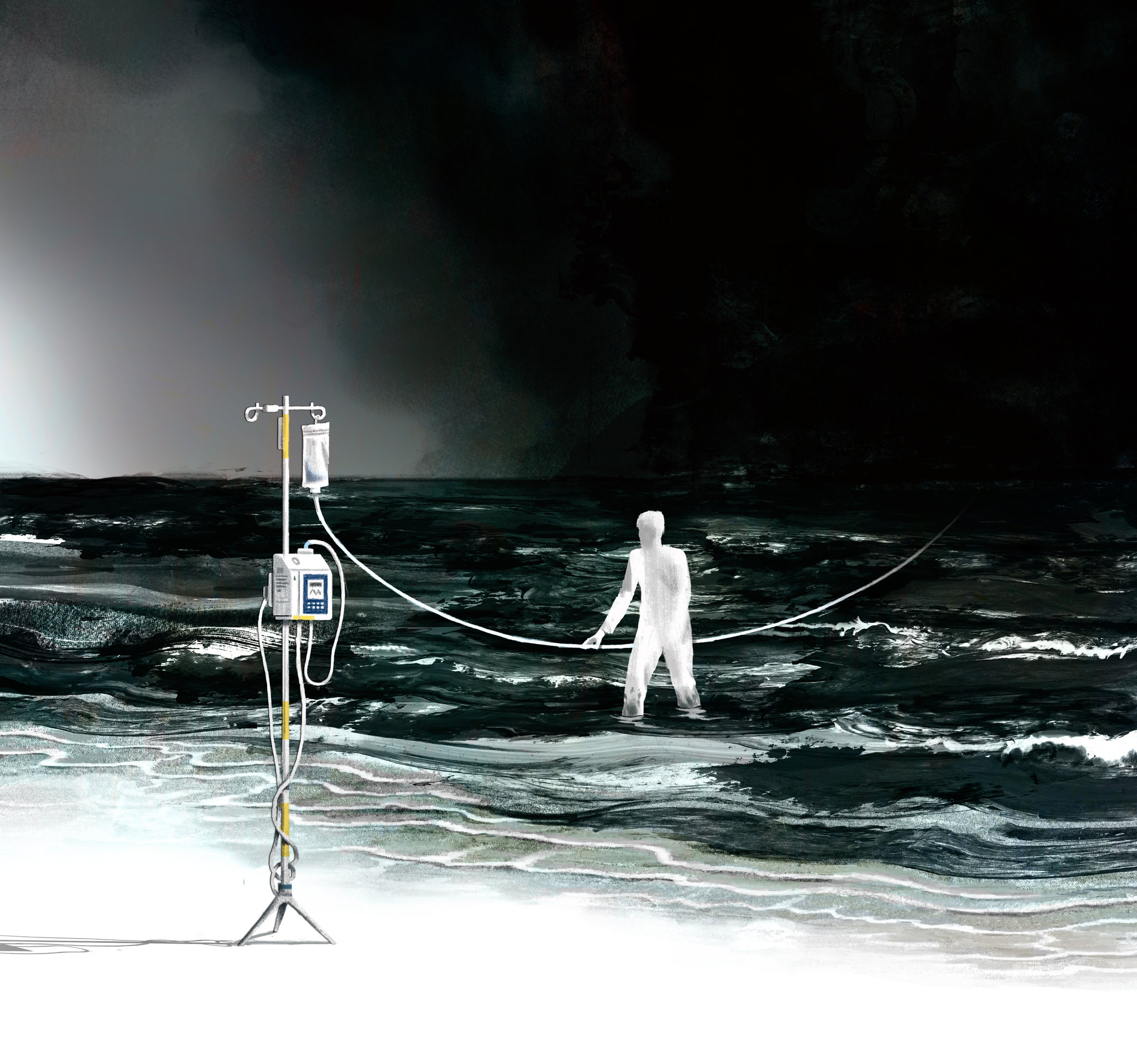
    It’s been way too long since there was a new class of drugs to treat depression. Ketamine might be the solution.

    In May of 2017, Louise decided that her life was just too difficult, so she’d end it. In the previous four years, three siblings and a half-sibling had died, two from disease, one from fire and one from choking. Close friends had moved away. She felt painfully, unbearably alone. It would be the fourth time Louise (I’m using her middle name to protect her privacy), then 68, would attempt suicide, and she was determined to get it right.

    She wrote a letter with instructions on where to find important documents and who should inherit what. She packed up her jewelry and artwork, addressing each box to particular friends and family members. Then she checked into a motel — homes where people have committed suicide lose value and she didn’t want hers to sell below market — put a plastic sheet on the bed, lay down and swallowed what she figured was an overdose of prescription pills with champagne.

    A few days later, she woke up in a psychiatric ward in Albuquerque. The motel maid had found her. “I was very upset I had failed,” she told me recently. So she tried to cut her wrists with a bracelet she was wearing — unsuccessfully.

    The suicide rate has been rising in the United States since the beginning of the century, and is now the 10th leading cause of death, according to the Centers for Disease Control and Prevention. It’s often called a public health crisis. And yet no new classes of drugs have been developed to treat depression (and by extension suicidality) in about 30 years, since the advent of selective serotonin reuptake inhibitors like Prozac.Please disable your ad blockerAdvertising helps fund Times journalism.How to whitelist

    The trend most likely has social causes — lack of access to mental health care, economic stress, loneliness and despair, the opioid epidemic, and the unique difficulties facing small-town America. These are serious problems that need long-term solutions. But in the meantime, the field of psychiatry desperately needs new treatment options for patients who show up with a stomach full of pills.

    Now, scientists think that they may have found one — an old anesthetic called ketamine that, at low doses, can halt suicidal thoughts almost immediately.

    Informed opinions on today’s vital issues.Subscribe to The New York Times

    Depression ran in Louise’s family. It had afflicted all her siblings, both of her parents and her grandmother. Prozac had helped Louise for a time, but stopped working for her in the late 2000s, as it sometimes does. No other drug seemed able to lift her dark moods.

    After her suicide attempt, Louise’s psychiatrist suggested she try ketamine. She agreed, and received an infusion intravenously. Within hours, her sense of well-being improved. The hospital discharged her. Back home, she discovered that going to the market was no longer a “herculean task.” Getting her car washed wasn’t an insurmountable chore. “Life was better,” she said. “Life was doable.”

    Using ketamine to treat depression and suicidality is somewhat controversial. Numerous small studies suggest that it holds great promise, but it’s only now being tested in placebo-controlled trials with hundreds of patients. It is also popular as a club drug in some circles. Like morphine, it may operate on the opioid system, and it can induce feelings of euphoria. Occasionally ketamine abusers develop severe symptoms, including brain damage, persistent hallucinations and a painful inflammation of the bladder called cystitis.

    Nonetheless, if proven safe and effective in small doses, ketamine stands to transform how doctors deal with suicidal patients and depression generally.

    [Discover the most compelling features and reporting from The New York Times Opinion section, selected by our editors. Sign up for the Sunday Best newsletter.]

    The drug seems to address a longstanding problem in emergency psychiatry. Sedation and physical restraint aside, doctors have few ways to quickly stop suicidal ideation, or thoughts of killing oneself. The current crop of anti-depressants can take weeks and sometimes months to work, if they work at all. They may also, paradoxically, increase suicidality in some patients. Talk therapy takes time to help as well (assuming it does). Here’s a sobering fact: Some studies indicate that suicide risk peaks soon after patients have been discharged from a medical facility.

    Researchers at Yale discovered ketamine’s potential as an antidepressantin the late 1990s and scientists at the National Institute of Mental Healthconfirmed it the mid 2000s. Numerous studies followed suggesting that the drug helps precisely with that subset of depressive patients — about a third — for whom nothing else works. It doesn’t work for everyone in this group, but when it does, it works within hours, not weeks.

    Suicidality doesn’t perfectly overlap with depression. Many people attempt suicide not because they’re clinically depressed, but rather impulsively, because they’ve been fired or they’ve broken up with girl- and boyfriends, or sometimes because they’re just really drunk. I’ve heard people who show up in the hospital in this state — despondent, angry and uninhibited more than depressed — described as “drunkicidal.”

    Many are fine once they sober up. For those who aren’t, ketamine may help independent of its effect on depression. And because ketamine is already approved by the Food and Drug Administration, doctors can prescribe it off-label. Meaning that not only does a drug exist right now that could help with depression and suicidality, it’s theoretically available to patients.

    I kept thinking about this during the recent spate of high-profile suicides: the chef Anthony Bourdain, the designer Kate Spade, the actress Margot Kidder. Could ketamine have saved any of them? Did they know about it? Did their psychiatrists?

    Get our weekly newsletter and never miss an Op-Doc

    Watch Oscar-nominated short documentaries from around the world made for you.SIGN UP

    “More patients should be aware of this,” Louise told me. “It really is a godsend.”

    Earlier this year, I wrote about ketamine and depression for Wired, and patients I interviewed told me some version of the same thing — that ketamine changed their lives and, in some cases, saved it.

    Ketamine works differently from other antidepressants. The prevailing theory is that it affects the brain’s glutamate system, which scientists now realize may be involved in depression, rather than the better-known serotonin pathway used by drugs like Prozac. Animal research suggests that partly blocking certain glutamate receptors increases brain plasticity — the ability of the brain to make new neuronal connections — and corrects some of the abnormalities that result from chronic stress. These salutary effects on the brain, coupled with how quickly ketamine works, have inspired a flurry of research. A number of drugs either derived from ketamine, or based on how scientists think it works, are in development.The pharmaceutical company Janssen is working on a nasal spray.

    But ketamine has what many view as a major flaw. It can produce dissociative and hallucinatory side effects while it is being administered. Patients can feel as if they’ve left their bodies or that they’re dying. Louise described her first ketamine experience as being like Picasso’s painting “Guernica” — disjointed and unpleasant. But subsequent treatments, she said, were “wonderful” — full of images of birds, fish and whales.

    Questions also remain about the safety of long-term use. Depressed patients often have to return for “booster” treatments (Louise finds that she needs an infusion once a month). The drug is considered safe when given once, but no one is sure how repeated doses may affect the brain. And ketamine can be addictive, too.

    Nonetheless, dozens of clinics have opened around the country offering ketamine infusions as an off-label treatment for depression. Views on these clinics run the gamut from concerns about profiteering (Louise’s treatments cost $500 out-of-pocket; most insurance companies don’t cover ketamine when it is prescribed off-label) to acknowledgment that they may be helping desperately ill patients.

    Dr. Jeffrey Lieberman, the psychiatrist in chief of Columbia University Medical Center, told the health care news site STAT that some patients may be “getting fleeced.”

    Dr. Samuel Wilkinson, a Yale psychiatrist who studies ketamine, worries that some of these clinic operators forgo more established treatments to try ketamine. Case in point: Louise refused electroconvulsive therapy, because she remembers it making her mother and grandmother into “living zombies.” In Dr. Wilkinson’s view, patients should strongly consider all other reasonable possibilities before moving to ketamine. (And electroconvulsive therapy, which retains a gruesome reputation, has in fact improved greatly, he said.) He also worries that patients’ suicidal impulses could seem to disappear after ketamine treatment, leading to discharge from the hospital, but then rebound after the ketamine is stopped or tapered — something he’s seen happen in a research setting.

    The deeper issue here is one of weighing the risks of new treatment that hasn’t been fully vetted and has unclear long-term side effects against a condition whose primary symptom is the urge to kill oneself.

    Dr. Michael Grunebaum, a Columbia psychiatrist who studies ketamine, thinks the drug should no longer be relegated to a last-line treatment. “It makes sense that it move up in the treatment algorithm in E.R.s and inpatient units,” he told me. (Although if emergency rooms everywhere began offering ketamine, it could create new problems, he adds. As has occurred with opioids, people might claim to be suicidal when, in reality, they’re trying to get high.)

    The most ringing endorsement of ketamine may come from those on the front lines of medicine: E.R. doctors. I met Louise through a doctor friend, Lowan Stewart, who works at the emergency room in Santa Fe, N.M., where she was first admitted after overdosing. He also treats patients at the ketamine clinic where Louise ended up going. Generally speaking, the protocol in emergency rooms doesn’t include giving suicidal patients ketamine, and he argues that this should change.

    His view, informed by the extreme backdrop of the E.R., is worth considering. He regularly sees patients with gunshot and knife wounds, people experiencing psychotic episodes, car accident and drug overdose victims — and of course suicidal patients. Sometimes these patients beg him to kill them. Other times they threaten or attack police officers — an attempt at “suicide by cop.” Once he stabilizes them, he often has to lock them in a padded room for up to 24 hours dressed only in tearable paper pajamas, perhaps sedated, until a psychiatrist arrives. “It’s horrible,” he told me. The reality of a busy E.R. is that these patients often end up crying alone, he said.

    E.R. doctors are often quite familiar with ketamine; Dr. Stewart uses it as an anesthetic regularly on children precisely because it’s considered so safe. Now that research has revealed its potential to treat depression and stop suicidal impulses, he thinks that doctors should offer it to suicidal patients in the E.R. “We could help so many people,” he said.

    Moises Velasquez-Manoff, the author of “An Epidemic of Absence: A New Way of Understanding Allergies and Autoimmune Diseases” and an editor at Bay Nature magazine, is a contributing opinion writer.

    [Read the Original Post Here]

  • Can a party drug stop the increasing rate of suicide?

    Can a party drug stop the increasing rate of suicide?

    Ketamine is showing promise in alleviating suicidal thoughts.

    DEREK BERES 03 December, 2018

    • The popular party drug has shown promise in stopping suicidal thoughts in a number of small clinical studies.
    • First synthesized in 1962, the anesthetic was used to treat Vietnam War soldiers in the early seventies.
    • Though the accompanying hallucinations are a roadblock to widespread therapy, innovations in psychiatry are necessary.

    The dirtiest drug I ever tried was ketamine. Besides having a general aversion to snorting powder, I vividly recall one evening in 1995 when, after ingesting a hearty dose of the anesthetic, I could no longer tell the difference between standing, sitting, and lying down. Fortunately I was in a safe environment; the effects eventually wore off, my relationship to gravity restored. The following morning was rough, causing me to swear off the drug forever.

    Bad experiences create aversions. There are too many horror stories to count about the curious traveler landing in Los Angeles to partake in recreational marijuana who ends up eating fifty milligrams when five would have sufficed. Once that experience is locked into memory it’s doubtful you’ll ever enjoy an edible again. Dosage matters. If you’re not careful, you’re writing off a potential beneficial therapy due to ignorance and over-enthusiasm. Getting back on the horse, as it goes, takes a certain determination.

    Ketamine isn’t actually dirty, I just took too much. Others are finding a lot of benefit to the chemical. The recent uptick in clinical cases promoting ketamine as an antidote to suicidal thinking is one such victory.

    This isn’t exactly new. In June, 2017 I covered this study, discussing the means by which ketamine works:

    Ketamine is responsible for blocking the N-methyl-D-aspartate (NMDA) receptor, which causes an immediate alleviation of depressive effects, while another metabolite in the drug helps the effects last for hours. This blockage is also what causes the hallucinogenic effects.

    First synthesized in 1962 by Wayne State University chemistry professor, Calvin Stevens, it was first tested on human prisoners (following animal trials). Regardless of the ethics of testing on the prison population, it was approved for clinical use by the FDA in 1970. Shortly thereafter it was used an anesthesia in the Vietnam War.

    Ketamine was also immediately used outside of clinics and hospitals, quickly “discovered” by the psychedelic community. By the time I stumbled into it in the nineties, it was synonymous with ecstasy on the rave scene. It wasn’t until 1999 that the US government labelled it as a federally controlled substance. It has never been an especially blacklisted drug, not to the level of other clubbing substances.

    Now, with life expectancy dropping in America for the second straight year due to the opioid crisis and increased rates of suicide, ketamine is being looked at more closely. There is no single reason for these data about declining life spans, Moises Velasquez-Manoff writes in the NY Times,

    The trend most likely has social causes — lack of access to mental health care, economic stress, loneliness and despair, the opioid epidemic, and the unique difficulties facing small-town America. These are serious problems that need long-term solutions. But in the meantime, the field of psychiatry desperately needs new treatment options for patients who show up with a stomach full of pills.

    Ketamine might be that treatment, he continues, noting that it has been shown to “halt suicidal thoughts almost immediately.” Not that there aren’t hurdles to overcome. Cultural associations are one, but there is evidence that ketamine causes brain damage, cystitis, and persistent hallucinations in abusers. Abuse is key here. Like my dreadful evening, too much is too much.

    Current treatments for depressive and suicidal disorders can take weeks to months to kick in, however, some of which actually increase the likelihood of suicide. Velasquez-Manoff writes that ketamine operates differently from antidepressants by working on the brain’s glutamate system rather than the serotonin system—most of the body’s serotonin is produced in the gut, anyway.

    Animal research suggests that partly blocking certain glutamate receptors increases brain plasticity — the ability of the brain to make new neuronal connections — and corrects some of the abnormalities that result from chronic stress. These salutary effects on the brain, coupled with how quickly ketamine works, have inspired a flurry of research.

    The hallucinations present another hurdle for clinical usage. If you’re not accustomed to such mind states, doing so while lying back in a doctor’s chair might not be the place to start. Or…it might be. “Setting” has long been an integral part of the psychedelic experience, as important to the outcome as strength and dose of the substance. Feeling safe under the guidance of an experienced professional might allow for mind wandering without the accompanying fear.

    Which has, in fact, always been a part of the psychedelic experience. Ayahuasca should not be consumed alone or out on the scene; the shamanic ritual is a necessary component. Separating substance from context is certain to result in a terrifying experience, which is a shame given the potential therapeutic applications of these substances.

    Ketamine might not have the stamp of approval yet, but the fact that it’s being treated seriously is a good start. We know our current drug program is not working. All options should be on the table. That we live in one of the most advanced civilizations ever, with a wealth of resources and information, yet cannot take care of an increasing number of citizens is problematic. There is no singular solution, so we have to exhaust all possibilities.

    [Read the Original Post Here]

  • NYT asks: Can We Stop Suicides? Here’s Our Response

    NYT asks: Can We Stop Suicides? Here’s Our Response

    Can we stop suicide? Yes, IV ketamine is saving lives daily.

    An article published this past Friday, Nov. 30, 2018, in the New York Times Opinion section, asks about a possible remedy for suicidal thinking. Well researched, but not quite well enough. Keep reading…

    Author Moises Velasquez-Manoff explored the notion that maybe…just maybe…we can quell the epidemic rate of suicide. He points out that the suicide rate keeps rising, and according to the Centers for Disease Control and Prevention, suicide is now the 10th leading cause of death. After nearly two decades of growing statistics, suicide seems to be higher than it’s ever been. 

    Tragically, medicines to quell that tide have not kept up with the death statistics and doctors have been increasingly helpless to save a life in time.

    Until now. As research and clinical use of ketamine has increased, thousands of suicidal patients have been saved, giving them time to participate in therapy and other treatments so they can heal and rebuild fulfilling lives. 

    Best Mainstream Article on Ketamine to Date

    Can we stop suicide? Yes, with a series of IV ketamine infusions.

    Kudos to Mr. Velasquez-Manoff for his thorough research about ketamine and its effectiveness in treating suicide. All too often, articles in national publications provide a narrow, myopic view of ketamine and what it can do. 

    These articles have sometimes misrepresented the potential of this medicine because of a lack of thorough research. While there’s more to the story, which we’ll talk about, there’s lots of good information here for you to read and pass on to your friends and family.

    So…Can We Stop Suicide? 

    Let’s take a stroll through this NYT article, and talk about the truths and the half truths in the quest for what matters.

    NYT: Using ketamine to treat depression and suicidality is somewhat controversial. Numerous small studies suggest that it holds great promise, but it’s only now being tested in placebo-controlled trials with hundreds of patients. 

    Dr. Calabrese: It’s true that it’s been controversial. Like with many controversies, those who make the effort to find and read the research results for themselves quickly understand the value and significance of this drug. Too many listen to hearsay and scuttlebutt and form erroneous opinions… 

    “Ketamine will never get approved for this,” or “There are too many dangers with ketamine,” they say ….  cautious? skeptical? negative Nellies?

    We hear their voices loud and long. But clearly, in real-world psychiatry, this is a medication that is revolutionizing outpatient practice.

    Can we stop suicide? Yes, with a series of ketamine infusions.

    In all fairness, there is plenty we don’t — and can’t — know. Not yet. IV ketamine treating for treatment-resistant depression (TRD)  — and other psychiatric disorders —  has only been in moderately wide use for a few years. And it will be years before we really know the long-term consequences of single and repeat infusions, even with these tiny doses. Of course. That’s what long-term means.

    And we want to know long-term physiologic effects from low-dose repeated ketamine infusions or maintenance treatment — on the bladder, particularly.

    What about long-term impact on quality of life? Let’s talk about that. Since ketamine infusions for TRD use a much, much smaller dose than is ever used in anesthesia, and since we have 50 years of surgeries to go on, it seems pretty unlikely that a short sequence of a few tiny doses of ketamine will have any more negative impact on an individual’s quality of life than their severe treatment-resistant depression did.

    What we hear — and what my colleagues around the country hear –is that ketamine treatment can be transformative. 

    At the same time, the idea that it’s only now being tested in placebo-controlled trials is only true if the author is referring to this decade. Early trials at the beginning of this century were purely investigative to see what ketamine could do.

    We’ve said all along, ketamine isn’t for everyone.

    Still, its effectiveness is extraordinary especially for those who are most severely ill, and at highest risk for suicide.

    In the last few years, trials that were launched even earlier have finally gotten published. It takes time to conceptualize a study, and get it approved by the ethics committees and reviews boards that do these things. Then to  recruit exactly the right patients if you’re a major academic center,  collect, and analyze the data… we’re talking about a lot of time. 

    But even with that said, placebo-controlled trials have flourished in the last few years, as witnessed at the International Conference on Ketamine and Other Compounds for Psychiatric Disorders 2018, where researchers came from across the globe to present their findings. And more roll off the presses each month.

    NYT: Now, scientists think that they may have found one — an old anesthetic called ketamine that, at low doses, can halt suicidal thoughts almost immediately.

    Can we stop suicide? Yes with ketamine treatment.

    Dr. Calabrese: Yes! Isn’t that great news? In the last 50 years, there has been nothing that could stop suicidal thinking in 4 hours or less — sometimes within the first hour.

    And the beauty is that IV ketamine treatment doesn’t just make the suicidal thoughts easier to bear, it erases them.

    I wish it happened this way with every patient, but we still haven’t found a medicine that works the same way on everyone. Even so, psychiatry has never seen a medicine do this so quickly, so clearly, and so effectively in so many patients.

    NYT: After her suicide attempt, Louise’s psychiatrist suggested she try ketamine. She agreed, and received an infusion intravenously. Within hours, her sense of well-being improved. The hospital discharged her. Back home, she discovered that going to the market was no longer a “herculean task.” Getting her car washed wasn’t an insurmountable chore. “Life was better,” she said. “Life was doable.”

    Can we stop suicide? Yes, with a series of ketamine infusions.

    Dr. Calabrese: I love that the author included Louise’s story. Her description is characteristic of the descriptions I hear from my patients after ketamine treatment begins to take hold. And note that her response was hours after one infusion, not a series. Then the hospital discharged her.

    A single ketamine infusion can provide a wonderful respite from the heavy lead blanket that is depression, the emptiness and vacancy of feeling, the darkness and despondency…for a few days, or a week, or maybe even 2 weeks.

    But we know that one infusion fades.  Pretty much everybody knows that. 

    If your doctor provides you with only one ketamine infusion, it’s almost cruel…it whets your appetite for how life could be…only for it to be snatched away again in a week or two.

    This is the reason “ketamine treatment” has come to mean a series of  IV infusions at tiny doses over 2-3 weeks. It’s the repetition of infusions close together that seems to stack the benefits and overcome the temporary nature of a single infusion.

    What we’re feverishly all working to find out is: exactly how many infusions? 6? 8? Should the dose be based on real body weight or ideal body weight? Some ask if it should be based on body weight at all or just fixed like they’re doing with esketamine. Should the series be all one dose? or should the dose increase? how fast and how high? is there a best dose? 

    Research has not answered these questions yet.

    In our practice, we are sticklers for data, and we collect (and are about to publish) our outcomes.  We’ve already presented them at conferences in Europe and in the U.S.

    Can we stop suicide? YES, with a series of ketamine infusions.

    Here’s a clinical pearl: dose titration is important, and many physicians and nurses don’t titrate the dose to achieve the best response.

    This practice is often the cause for patients to believe ketamine doesn’t work for them. Not in every case, but far too often.

    Seek out a psychiatrist who is up-to-date.

    There seems to be so much misinformation circulating, and  disappointed patients could possibly avoid disappointment if they — and their doctors — had access to more up-to-date information. Doctors only know the up-to-date information if they take the time to search it out.

    NYT: The drug seems to address a longstanding problem in emergency psychiatry. Sedation and physical restraint aside, doctors have few ways to quickly stop suicidal ideation, or thoughts of killing oneself. The current crop of anti-depressants can take weeks and sometimes months to work, if they work at all. They may also, paradoxically, increase suicidality in some patients. Talk therapy takes time to help as well (assuming it does).

    Dr. Calabrese: This is a paradox to be sure. The antidepressants prescribed to treat depression can sometimes actually increase suicidal thoughts and actions as a side effect in some people. Confusing and discouraging if you’re suffering without solutions. And they’re slow to work.  Even lithium and clozapine — clear anti-suicide champions — are slow to work.

    Imagine what rapid relief would feel like.  Quick relief from suicidal thoughts — whether you’re an adult or an adolescent or even a child — can give you time to do the work to scaffold things into your everyday life that can keep you well.

    One infusion can give you relief. Several can cement remission. Not for just hours or a day or a few weeks or a month. For many patients, remission gives them the time and space to make changes that keep their symptoms at bay.

    Imagine that instead of sitting in an ER or on an inpatient unit somewhere.

    NYT: Dr. Michael Grunebaum, a Columbia psychiatrist who studies ketamine, thinks the drug should no longer be relegated to a last-line treatment. “It makes sense that it move up in the treatment algorithm in E.R.s and inpatient units,” he told me. (Although if emergency rooms everywhere began offering ketamine, it could create new problems, he adds. As has occurred with opioids, people might claim to be suicidal when, in reality, they’re trying to get high.)

    Dr. Calabrese: There’s an important point we need to make here. When a psychiatrist provides ketamine in the safest, most therapeutic way, the psychiatrist manages the dose and rate and the therapeutic experience so that the biological changes that ketamine induces — dendritic branching and synaptic proliferation — can be optimized. One of the indicators of this during the infusion is the degree of dissociation. With an infusion (as opposed to IM or intranasal or oral use), this can be very carefully controlled. And the responsibility for controlling the access, and the infusion experience lies with the doctor. This is not about getting high.

    Because people have used ketamine abusively in clubs and on the street, the massive doses they use in those settings — and repeat far too often — can provoke frightening hallucinations.  Some people crave that, and use more and more.

    If you use ketamine on the street you may think you “get” ketamine treatment…what it’s like… and that it’s likely all about the “trip.” But, that’s a street culture thing. That’s not the science of medicine that heals depression and anxiety and erases suicidal thoughts.

    Can we stop suicide? Yes, with a series of ketamine infusions.

    But when psychiatrists provide this medicine with skill and deep expertise, titrating the dose and the number of infusions, working synergistically with the rest of the patient’s medications and clinicians, it’s neither dangerous nor addictive. 

    The goal is remission, not ketamine ad infinitum.

    When a patient needs a new dose every month, ad infinitum, that patient likely didn’t achieve remission in the first place. 

    We want remission for you.  We want you to get better, get going, and give back.

    All in all, we loved Moises Velasquez-Manoff’s article. And glad we’ve had this opportunity to set the record straight.

    It’s refreshing to read a journalistic article about ketamine treatment for mood disorders that’s as close to accurate as this one.

    The question was, “Can we stop suicide?” And the answer is a resounding YES, most of the time, if you let us know you need the help.

    It’s wonderful when journalists help spread the word about novel and advanced treatments that relieve severe symptoms like suicidal thinking. The goal is to find relief and remission from the suffering. And new hope that you take with you into your future.

    At Innovative Psychiatry we see patients every week who experience renewed joy, purpose in life, creativity, motivation, and initiative after a full course of ketamine treatment. And those who have the best results are often the ones who had the most severe symptoms.

    Can we stop suicide? Yes, with a series of ketamine infusions.

    Even if no other medicine or treatment has helped you before, even if your doctor told you there was nothing more they could do to help you, even if you’ve been sick for decades, you are  not hopeless.

    So take hope.

    So many people with a story like yours have gotten better with ketamine treatment.

    If you have lost hope, call us.

    Find out what it’s like to feel alive, hopeful, and able to to build a new life. Chances are we can help you live again… and enjoy the little things in life like you haven’t in what may seem like a lifetime. 

    We want to help you get well.

    Can we stop suicide? Yes, with a series of IV ketamine infusions.


  • Fuel Hope With Gratefulness All Year Round

    Fuel Hope With Gratefulness All Year Round

    Fuel hope with gratefulness this season.

    Surprising Results Can Follow Counterintuitive Choices

    Thank you.

    Such sweet words.

    Here in the US, we’re just ending a four-day celebration we call Thanksgiving weekend. True, the official day for Thanksgiving is the fourth Thursday of November each year — but it’s also true that most families spend the entire four day weekend continuing to celebrate, spend time together, and enjoy this holiday set aside for gratefulness.

    Plus, you probably know that “the holidays,” starting with Thanksgiving and lasting through New Year’s Day, is a difficult time for some people. Yet many others actually enjoy all the festivities, sharing, eating, and laughing that goes with good times together.

    Whether you’re a celebrator or an abstainer from these gatherings, there are some things we can talk about to improve these days for the grievers, and improve sensitivity for the revelers.

    Thanksgiving was first conceived by the Pilgrims after their original successful harvest in the New World. 

    That doesn’t mean it was their first harvest, but rather the first time it was successful and there was food to eat. There’s nothing like starvation to inspire gratitude for food.

    They called it their harvest festival. 

    George Washington made a proclamation that Thanksgiving should be celebrated in 1789, and it was sporadically celebrated. However, Thomas Jefferson chose not to celebrate the observance, so the day of gratefulness tended to be hit and miss until 1863. 

    In the midst of the Civil war, Abraham Lincoln declared Thanksgiving be observed as a federal holiday on the fourth Thursday of November … and that has continued to this day.

    Fuel hope with gratefulness for family.

    It might strike you as odd that President Lincoln started a federal holiday observation when the country was at war with itself, when families were torn apart by sons, fathers, and grandfathers marching off to to battle…

    Homes and farms were burned. Families were seeing more funerals than birthdays. 

    Does that sound like a time to be thankful…?

    Can you imagine the uproar? 

    “Have you heard what he’s done now???  He’s declared thankfulness as a national holiday, of all things!!”

    “I’m not surprised…after all, seeing as how we do have SO MUCH to be thankful for right now… I’m so sick of  this war and this administration!  I’ve lost my farm!  How will I feed my family?!!

    …and on and on it might have gone.

    Doesn’t sound all that different from what we hear today, does it?

    Counterintuitive Declaration in the Middle of the Chaos

    Is it possible he had a higher purpose than just creating confusion in the midst of the terrible war?

    We do know that he had an abiding faith. He seemed to understand that choosing thankfulness can inspire better decisions and better outcomes. Thinking of others inspires generosity…and his nation needed generous hearts from top to bottom if it were to heal.

    Some of the most liberating principles of life have been around for hundreds of years and dozens of generations. And sometimes they’re hard to grasp because they’re locked in counterintuitive thinking.

    Oprah Winfrey put it this way:

    “Be thankful for what you have; you’ll end up having more. If you concentrate on what you don’t have, you will never, ever have enough.” — Oprah Winfrey

    And therein lies the secret. The secret of justice and unity that President Lincoln reached for, the secret of poverty vs. abundance that Oprah warned about, the benefit that we all receive when we take the time to focus on everything and everyone in our life that’s good.

    The Secret of Gratefulness.

    “At times our own light goes out and is rekindled by a spark from another person. Each of us has cause to think with deep gratitude of those who have lighted the flame within us.” –Albert Schweitzer

    Albert Schweitzer may not be a familiar name to anyone under the age of 50. But, he won a Nobel Peace Prize in 1952 for his extensive work in Africa in an area now known as Gabon, near the Republic of the Congo.

    He had studied extensively in theology and medicine, and as a newlywed set out with his bride to live in this place where sickness and suffering were crushing the people. Over the course of his life he built an enormous hospital complex to treat the thousands who came to him for help.

    He wasn’t perfect — and even embraced perspectives that would offend us now in our modern culture — but he gave what he had from who he was and helped make life better for thousands. 

    It’s no mystery why he might have felt his “light go out” from time to time. His work was demanding and unrelenting in a place where hardships abounded.

    But he understood gratitude.

    Do you ever feel as though your light is going out…and you need it rekindled? Me, too. In fact, most of us can say that words of encouragement spoken at the right time can help to turn us around.

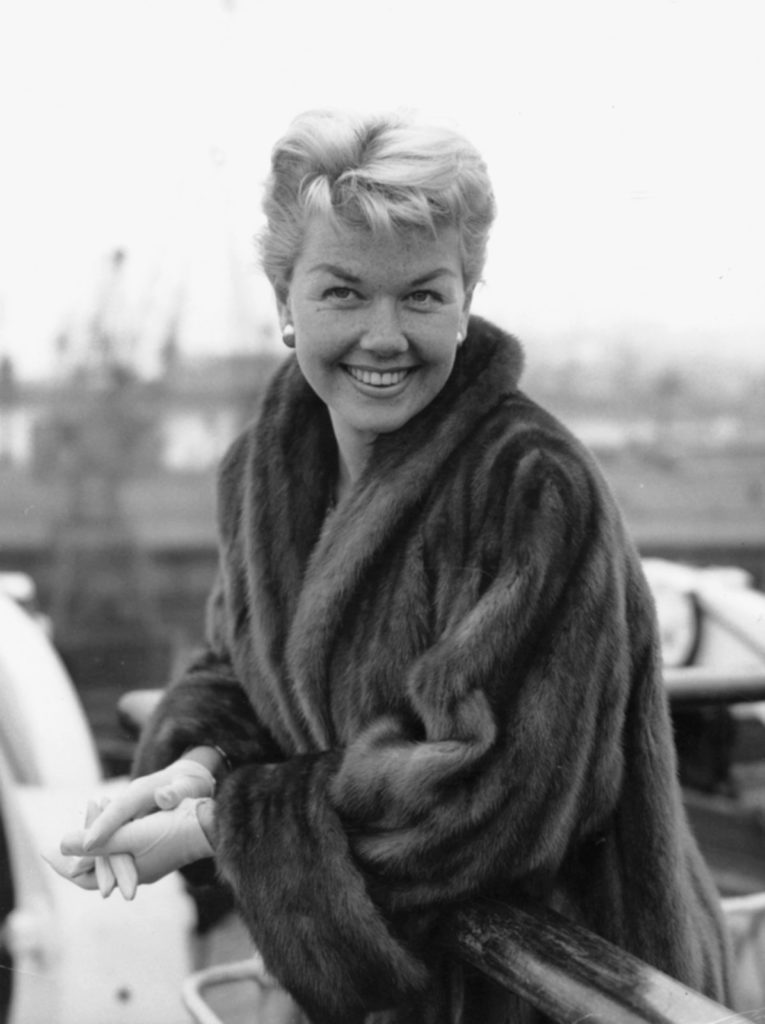
    Beloved 20th Century Actress Doris Day has seen it all.  She knows the value in that counterintuitive assertion of gratefulness. In her own words:

    “Gratitude is riches. Complaint is poverty.”

    Fuel hope with gratefulness.

    On her way to becoming a dance star, her car collided with a train. Her injuries took a serious toll that permanently ended her dancing career. But, rather than give up, she turned to singing under the training of a voice coach. She soon made movies that were wildly popular in the mid 1900’s … and her fans assumed her life was perfect.

    But behind the sweetheart-girl-next-door image she presented to the public… was a victim  of domestic abuse, a history of 4 marriages, the widow of the only man she loved, loss of her fortune, and complete exhaustion.

    But she, too, understands gratitude in the face of adversity.

    As humans we may envy what another has that we don’t. Wealth, charm, health, fame…but focusing on what we don’t have does nothing to improve our situation.

    Turning a laser beam of attention on our envy of another person only fuels a raging fire of jealousy inside us. And we grow more bitter and focused inward. It isolates us and doesn’t improve anything.

    On the other hand, being grateful for the gifts, the benefits, the talents we do have, empowers us to make those gift, talents, and benefits bigger, brighter, and more abundant.

    Helen Keller said that she cried that she had no shoes, until she met a man who had no feet.

    Helen Keller, if you’re not familiar with her, was blind, deaf, and mute… so you can see her metaphor about the lack of shoes…

    “Necessity is the mother of invention,” they say. So her gratitude for having feet led her to find ways to serve mankind, and especially others who were blind, deaf, or mute… or all three.

    Miss Keller knew there was no place in her life for self pity.

    She came to understand gratitude at a young age.

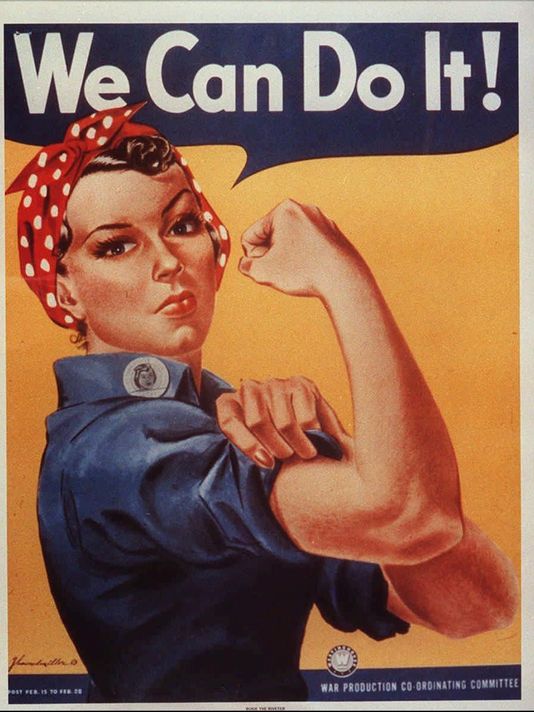
    During World War II, as able-bodied men went to war, and women and children were left behind, women who’d never considered such a thing went to work for wages.  It was a time of hardship. But, rather than complain, these women put on their work shoes and headed for the factories. 

    Many of us had grandmothers and great grandmothers who worked in the factories to make bombs, aircraft, trucks, and other tools needed to fight the war.

    Fuel hope with gratefulness.

    Is it any wonder that gratefulness and the can-do attitude that was required to rise above those difficulties led to a song in the last year of the war that strengthened that frame of mind? :

    You have to accentuate the positive, 

    Eliminate the negative, 

    And latch on to the affirmative, 

    But don’t mess with Mr. In-Between.

    Comical?  Maybe so…but you get the message.

    Like we saw with the man with no shoes, there is always something to be grateful for. And gratitude has a way of propelling you above the circumstances you wish would change, so you can see the bigger picture. 

    Gratefulness transforms your perspective.

    And when that happens, you’re no longer a victim, but rather on top of your circumstances. The circumstance may not change the way you want it to, but your improved outlook can give you power over it.

    No one is without flaws, and no one’s life is perfect. But each of us can contribute to the lives of others in some way, and in the process gain the freedom to overcome our own struggles on some level.

    Psychiatric disorders can render you emotionally paralyzed… trapped inside inertia, fatigue, and despair. And as you know, there are other types of paralysis. If you’ve experienced this, you may be able to relate to Jon Morrow.

    Jon Morrow is a wildly successful blogger whose body is paralyzed by Spinal Muscular Dystrophy.  He can move nothing except his eyes and lips. Helpless?  Well, he was for awhile. But he has pushed through from a point of inertia and despair to doing what he could do…until he learned to drive traffic to his blogs and has achieved the status of the most widely read blogger in the world.

    He has generated more than 200 million views of his blogs and earned $50 million as a result.  

    A spoiled rich kid?  Not in the least. This guy was facing the end of his life because of his need for healthcare, and no money to pay for it.  His story is hugely inspiring. If he can accomplish his dreams…anyone can.

    And Jon understands gratefulness.

    Look for his blog Unstoppable.me. It will give you a shot in the arm to choose and express gratefulness and overcome adversity.

    Gratefulness is liberating, empowering, and humbling… all at the same time. 

    Fuel hope with gratefulness

    So now that the Thanksgiving 2018 holiday weekend is behind us…let’s not lose sight of the lessons we’ve learned together as we venture through the rest of the winter holiday season and into the new fledgling year 2019.

    With gratefulness you can turn on the light in someone in your world, and illuminate your own heart at the same time.

    Still, if you’re suffering under the weight of a psychiatric disorder that hasn’t yielded to any medicine you and your doctor have tried, there is something more you can do as you focus on gratitude in your life.

    Ketamine treatment is a series of IV infusions that have demonstrated in thousands of cases an extraordinary capacity for relieving depression and anxiety in the vast majority of those who have not been helped by anything else.

    From severe treatment-resistant depression, bipolar depression, and suicidal thinking, to social anxiety, PTSD, OCD, and addictions, ketamine has the remarkable ability to rebuild signaling structures and systems along with regulating a wide variety of puzzle pieces in the brain that make up the sense of wellbeing, joy, motivation, and initiative you long for.

    Fuel hope with gratefulness.

    At Innovative Psychiatry, we’re big believers in joy. Happiness. And gratitude. We offer help and we offer hope — with new treatments that can turn things around for you.

    Call us. We want you to experience relief and the ability to build a rewarding life you enjoy… and to revive and renew the relationships in your life that are important to you.

    With gratitude for the opportunity to share my thoughts with you this year, I want to wish you a warm and heartfelt joyous season of holidays. 

    To the renewal of your best self,

    Lori Calabrese, M.D.
    Lori Calabrese, MD offers innovative psychiatric treatment like IV Ketamine
error: Content is protected !!