
Tag: Mental Health

  • 3 Ways to Stop Repetitive Thoughts

    3 Ways to Stop Repetitive Thoughts

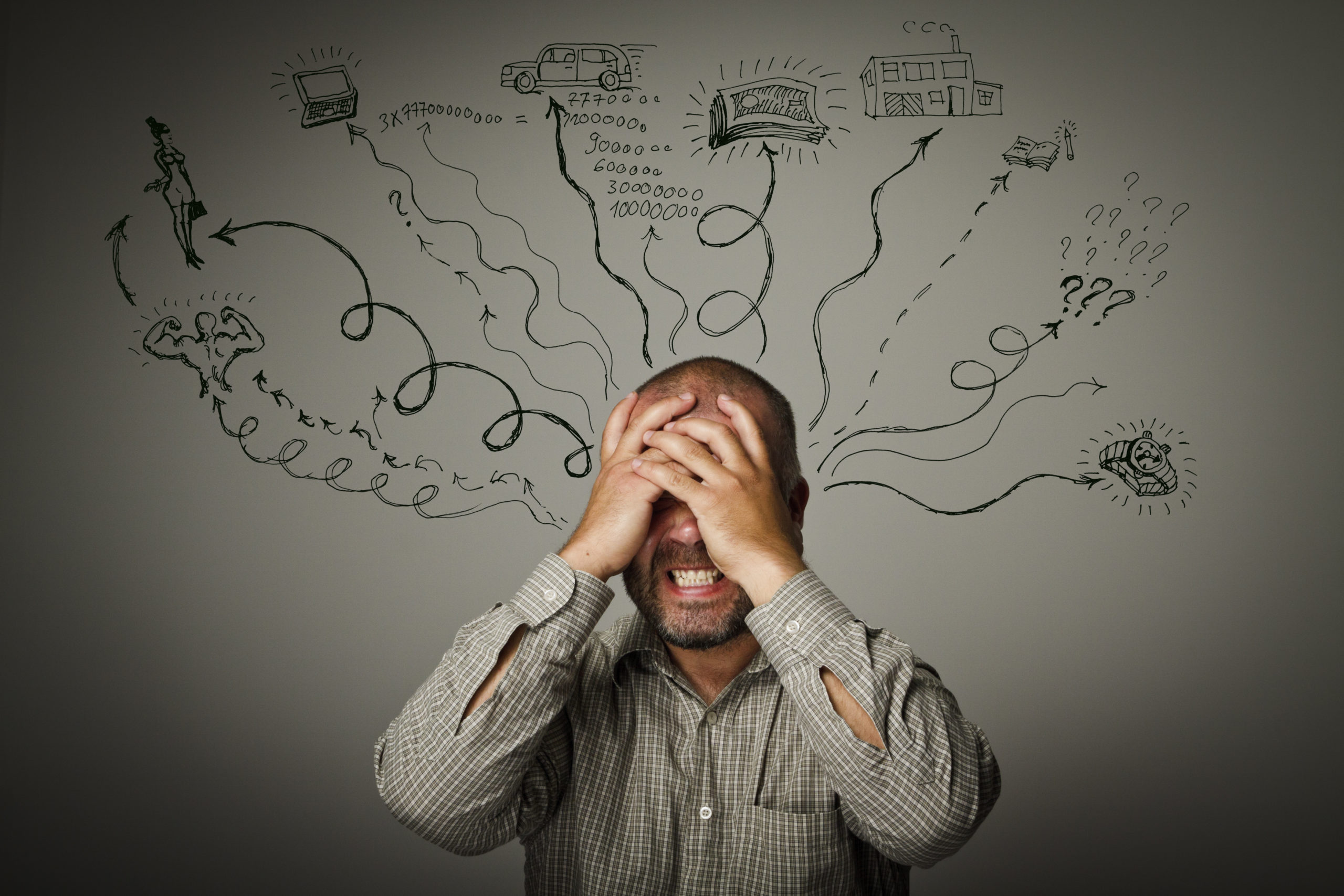
    repetitive thoughtsHave you ever had fast, recurring thoughts about a particular topic that you just couldn’t shake? You may be experiencing repetitive thoughts, which is a common symptom of anxiety. Psychiatrists sometimes refer to these as “ruminative thoughts.” Here are 3 ways to stop them.

    1. Write

    When you find yourself having repetitive thoughts, stop for a minute and write them down. Getting your thoughts on paper frees up your mind, allowing you to feel less anxious. Writing actually engages your mind and helps to reduce the power of your repetitive thoughts. You don’t have to forget about these thoughts entirely. Writing them down allows you to revisit them when you’re mind isn’t moving so quickly.

    2. Breathe

    You may find that your breathing changes during your bouts of repetitive thoughts. When your mind is racing, be aware and work to slow your breathing. Slowly breathe in through your nose, counting to 3, and breathe out through your mouth, slowly counting to 5. You’ll start to notice that your mind and body will be more relaxed.

    3. Focus

    When your mind is racing, it may be difficult to focus on anything but your thoughts. However, it’s important to focus on the present especially during times like this. Focusing on the present allows you to accept what you can’t change and let it go. As much as you may like to, you can’t change the past so it only encourages your anxiety to constantly think about it.

    Remember, it takes time to change old habits or develop new ones. Start slowly by choosing one of these tips to use the next time you find yourself dealing with repetitive thoughts. For more tips or to schedule an appointment, contact our office today.

    To getting you back to your best self,
    Lori Calabrese, MD
    calabrese-0180_G

  • 4 Strategies to Overcome Test Anxiety

    4 Strategies to Overcome Test Anxiety

    test anxietyIt’s that time of year when thoughts turn to beginning a new school year and thinking about how things may go. As a student, you may already be experiencing some anxiety about taking tests. Take these last few weeks to master these 4 strategies to overcome text anxiety!

    Plan Your Time

    You have a lot of material to study in a short amount of time, and that could make anyone anxious. How are you going to remember it all? The best course of action here is to make and keep a study plan. List out the tasks you need to accomplish and then break them into smaller, more manageable sub-tasks. This will keep you from feeling overwhelmed, and will keep you on task and focused on the material you need to know.

    Change Your Perspective

    Sometimes a change in perspective is all we need. See the test as your friend instead of your enemy. Embrace it and you’ll notice that the stress you usually experience may be a thing of the past. Stop all negative self-talk and focus on what needs to be done.

    Be Mindful

    It’s important to take time to regroup and collect your thoughts throughout the day. Being mindful of right here, right now is a great way to decrease your stress and anxiety. If the test you’re studying for is in a week, your mind may be flooded with thoughts on how you’re going to pass, when to study, how you’re going to retain the information you’ve learned, and so on. The practice of mindfulness doesn’t take that away; it just brings your thoughts and focus back to the present.

    Cover the Basics

    The basics consist of taking care of your basic needs; diet, sleep, and exercise. Eating a balanced diet will keep your body fueled with the nutrition it needs to stay focused and ready for anything that comes your way. Getting enough sleep is also essential as it calms your mind and body, which decreases stress and anxiety. Lastly, exercise gives you more energy and decreases stress.

    Education can be stressful for a number of reasons, but taking tests no longer has to be. Follow these 4 strategies to conquer test anxiety once and for all! For more information on conquering anxiety or to schedule an appointment, please contact our office today.

    To getting you back to your best self,
    Lori Calabrese, MD

    calabrese-0180_G

  • 4 Ways to Overcome Mental Exhaustion

    4 Ways to Overcome Mental Exhaustion

    mental exhaustionMental exhaustion often disguises itself as overwhelm and stress. If you’ve ever complained about not having enough time in the day, you may be suffering from mental exhaustion. Here are 4 ways to overcome it!

    1. Relax

    Relaxation is often elusive to many of us for one reason or another. It’s not enough to relax; you need to give yourself permission to relax. Don’t feel guilty about doing nothing. Your mind, body, and spirit need the rest so sit back and enjoy it!

    2. Be Realistic

    For many of us, our to do list is full of tasks we know we’re not going to accomplish that day. It’s time to start being realistic about how much you can get done during the day. Don’t overextend yourself with a full to do list. Leave some room for more enjoyable things, like taking a walk or reading.

    3. Practice Prioritization

    At the beginning of each day, choose the three tasks that must be completed that day. These are the most important tasks you should be focusing on, which help you prioritize your day. It’s also helpful to find more efficient ways of handling your tasks. For example, setting up your bills on auto-pay will take the stress off of you each month because you don’t have to manually pay them.

    4. Seek Rest Opportunities

    Rest opportunities are all around us but many of us are too exhausted to see them. While you’re waiting in line, try some mindfulness techniques or breathing exercises. Some mindfulness techniques include paying close attention to physical feelings, such as how your feet feel on the floor or in your shoes, how your shoulders feel (i.e. are they tense, back, hunched forward). These can be used in public, making it a perfect option while standing in line at the supermarket.

    Relaxing your mind and recovering from mental exhaustion is essential for good mental health. It’s important to take time for yourself, even if it’s just 20 minutes a day, to help you unwind and feel better.

    To getting you back to your best self,
    Lori Calabrese, MD

    calabrese-0180_G

  • Is IV Ketamine Therapy the Future of Depression Treatments?

    Is IV Ketamine Therapy the Future of Depression Treatments?

    Each year, millions of Americans are diagnosed with major depression. Not all of them will seek treatment, and roughly 40% of those who do will not respond to antidepressants.

    Fortunately, there’s an alternative to Treatment-Resistant Depression – IV Ketamine Therapy

    IV ketamine therapy relieves treatment-resistant depression.

    Ketamine is administered at a low dose by IV infusion, and it works quickly. Many patients feel the benefits within hours. Although it is not FDA approved for the treatment of depression, several studies have shown it to be safe and effective when used as an IV infusion in low doses.

    It’s not uncommon for doctors to go “off-label” in prescribing medications. That means they prescribe medications to treat conditions research has demonstrated the medication is effective for. The medication might not have been approved for that use, but the FDA often approves a given medication only once. Once it is approved for use, research and experience sometimes reveals other uses for the medication.

    Scientific studies have shown that even a low dose of ketamine administered IV can dramatically improve depressive symptoms. Symptoms like suicidal thoughts, loss of pleasure or interest in things, and decreased concentration tend to respond quickly. In fact, the rapid response to IV ketamine infusions can be life saving. Studies have shown that a single dose of IV ketamine often dramatically reduce suicidal thoughts.

    Patients with Depression Respond to IV Ketamine Therapy when Nothing Else Appears to be Working

    Low self-esteem, impaired sleep and appetite, overeating, decreased sexual desire, and other depressive symptoms also improve rapidly. With IV ketamine treatment, patients who’ve been unable to escape depression have a better chance. By putting lifestyle changes into place that help keep depression in remission, they can life more rewarding lives.

    It’s important to note that Ketamine is not a miracle drug. Although it’s effective for the majority of patients, it doesn’t always work for everyone. As we know, the treatment of depression is complex and the best outcomes occur when treatment is comprehensive and tailored to each patient individually.

    If you’ve been battling depression and feel as though traditional antidepressants aren’t working, it may be time to consider IV Ketamine infusions.

    For more information or to schedule an appointment, please contact my office today.

    To getting you back to your best self,
    Lori Calabrese, MD
    calabrese-0180_G

  • Can Exercise Ease Depression?

    Can Exercise Ease Depression?

    exercise-depressionExercise is important to our physical health but it’s also essential to our mental well-being. If you’re feeling down, one of the best things you can do is to get active. It doesn’t take much; a brisk 30-minute walk is sometimes all it takes to help you feel better.

    When you’re depressed, your brain doesn’t function like it should. In fact, depression shuts down the brain’s ability to adapt to new situations. Certain chemicals in the brain are limited that decrease communication in the brain during depression.

    During exercise, our bodies release endorphins and serotonin. Endorphins are a natural antidepressant and serotonin boosts mood. It also increases blood flow to the brain, which can cause an increase in memory and alertness.

    It has a number of physical and mental health benefits, including, but not limited to:

    • Increasing self-esteem
    • Gaining confidence
    • Creating a distraction from your nagging thoughts
    • Fresh air and sunshine to bolster mood

    Before you start any exercise routine, always check with your doctor to make sure it’s safe for you. In the meantime, prepare yourself for what you’ll do to burn calories and ease your depression symptoms. Think of activities you enjoy doing because making exercise fun means you’ll stick with it longer. Don’t forget to set reasonable goals for yourself and prepare for setbacks.

    While exercise is a great method to help you feel better, it may not be enough. You may still need an antidepressant, but that doesn’t mean you get to skip the exercise! Medication and exercise are a great combination and should be taken together.

    To getting you back to your best self,
    Lori Calabrese, MD
    calabrese-0180_G

  • Do I have Social Anxiety?

    Do I have Social Anxiety?

    social anxietyOur society is a social one. But what happens when you feel nervous in social situations? There could be a number of reasons why this happens, including social anxiety.


    Social anxiety, formerly known as social phobia, is the fear of interaction with others that often brings about self-consciousness, feelings of being judged and negatively evaluated, and tends to lead to avoidance of social situations. It is the third largest psychiatric condition in the country, and it is estimated that about 7% of the population is affected. For example, a fear of public speaking is considered a specific form of social anxiety. Those with generalized social anxiety are nervous and uncomfortable in almost all social situations.

    What are the Symptoms of Social Anxiety?

    There are a number of physiological symptoms including, but not limited to:

    • Racing heart
    • Blushing
    • Intense fear
    • Dry mouth
    • Trembling
    • Excessive sweating
    • Twitching of the facial muscles

    These symptoms manifest due to an increased fear of certain social situations, such as being watched while doing something or meeting new people. If you were teased or heavily criticized as a child, you may have social anxiety disorder. It’s not uncommon for teasing and bullying to be a catalyst for this condition, as those actions tend to make people shy away from social situations (avoidance).

    Treatment Options

    It’s important to note that you can overcome social anxiety with the proper treatment. Cognitive‐behavioral therapy has been very successful in the treatment of social anxiety. There are also several medications which can be used to treat severe social anxiety.

    Experiencing anxiety in social situations is no fun and can make you want to avoid them entirely. It’s time to seek treatment for your social anxiety so that you can enjoy life once again.

    To getting you back to your best self,
    Lori Calabrese, MD
    calabrese-0180_G

  • Ketamine Reduces OCD Symptoms

    Ketamine Reduces OCD Symptoms

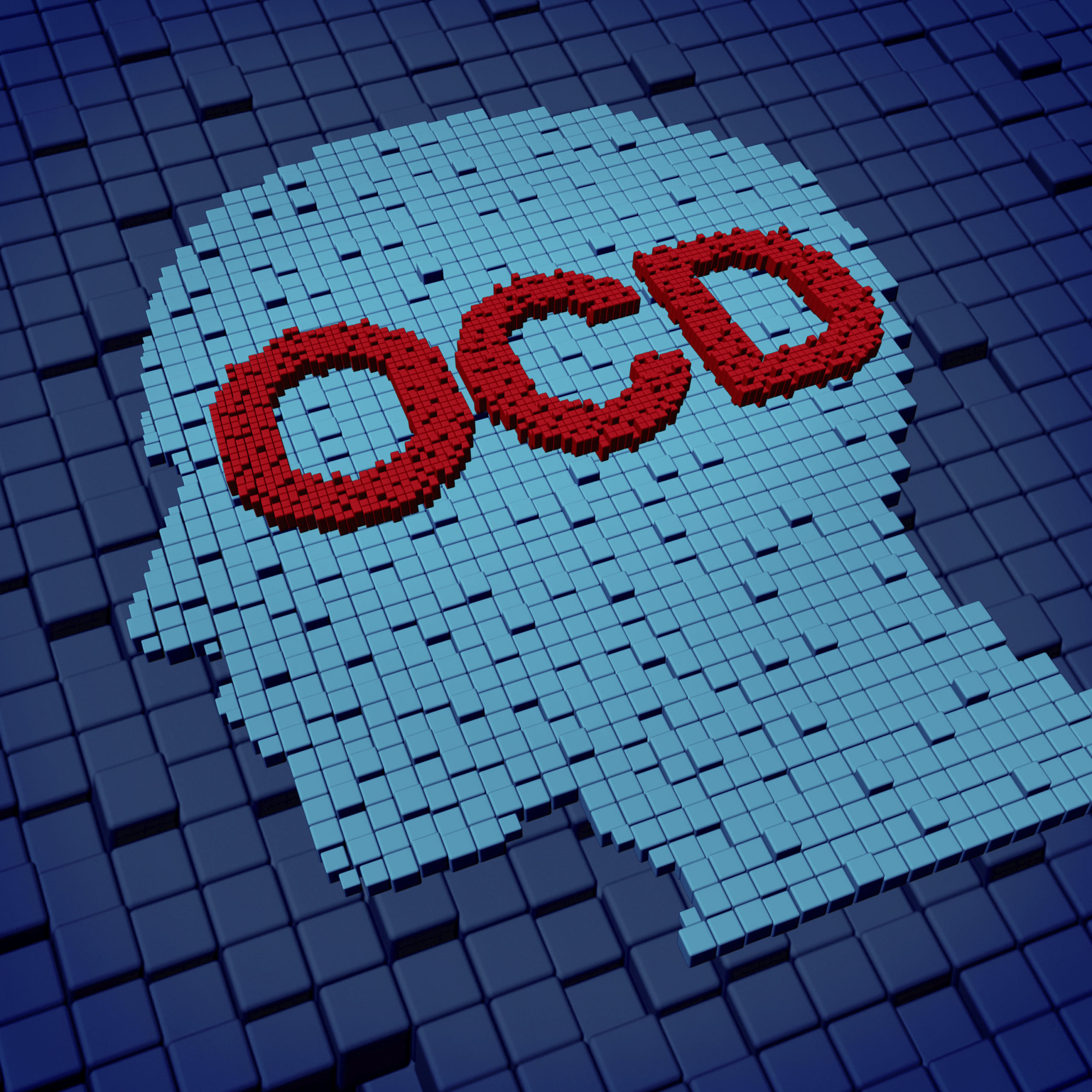
    ketamineObsessive-compulsive disorder is a psychiatric disorder that causes repetitive behaviors, intrusive thoughts, and fear. The traditional treatment for OCD has been cognitive behavior therapy, drug therapy, or a combination. But Ketamine has shown promise in reducing OCD symptoms. The theory that ketamine reduces OCD has been studied and continues to be backed up by ongoing research.
    Ketamine Reduces OCD Quickly and Affordably

    A recent study was presented to the American Psychological Association (APA) during the annual meeting showing promising results of ketamine therapy to reduce OCD symptoms. This study included 10 unmedicated patients with OCD who were each given an infusion of 0.5mg of ketamine and 0.5mg of saline randomly.

    During the first week, half of the patients responded to treatment. The patients who received ketamine in the first infusion were evaluated two weeks later; 40% responded to treatment.

    Ketamine Reduces OCD in 40% of Patients who Were Studied

    The theory is that ketamine infusions work through the glutamate system to rapidly decrease the symptoms of OCD. More research is necessary to fully understand the sustained effect of ketamine in the treatment of OCD. However, this study has shown promising results for future OCD treatment.

    Call My Office to Hear More about How Ketamine Reduces OCD

    To getting you back to your best self,
    Lori Calabrese, MD
    calabrese-0180_G

  • 3 Myths About OCD

    3 Myths About OCD

    OCDObsessive-compulsive disorder (OCD) is a psychiatric disorder that affects approximately 1 in 100 Americans each year. This disorder is often misunderstood and those suffering struggle with the stigma associated with it. This stigma can negatively impact all areas of life. It’s time to stop the stigma with these 3 myths about OCD.

    1. Having OCD Means You’re a “Clean Freak” or “Germaphobe”

    OCD manifests differently in different people, which means no two cases are necessarily the same. Only a portion of people with OCD have a fear of germs or have compulsions of keeping themselves and everything around them clean. There are many fears or obsessions associated with OCD so to say that being afraid of germs or liking to be clean is a sign of OCD is perpetuating stigma. Common fears in people with OCD include:

    • Fear of certain numbers, colors, words, etc.
    • Fear of committing a sin
    • Fear of germs
    • Fear of a loved one dying

    In addition to these fears, those with OCD also cope with compulsive behaviors. Many of these behaviors are repetitive and include:

    • Hand washing
    • Tapping or touching objects
    • Counting
    • Repeating certain movements
    • Hoarding

    Each patient is different and will experience OCD differently. In addition, symptoms can change over time, with some disappearing and new ones popping up.

    2. Having OCD Means You Love Being Neat and Organized

    How many of you have heard someone say, “I have OCD” while tidying up or trying to stay organized? High levels of anxiety accompany OCD, so, while you may think that someone enjoys being organized, they’re really doing it to stave off anxiety. It’s not something they enjoy doing; it’s something they feel as though they have to do to feel better.

    3. Having OCD Means You’re Weak and Uptight

    If you don’t have a psychiatric disorder, it’s difficult to understand those who do because a healthy mind doesn’t work the same way. Those with OCD aren’t weak because they can’t stop compulsive behavior. Their brain is wired differently making it difficult or even impossible for them to change their behavior without treatment. Getting upset or frustrated with someone who has OCD isn’t beneficial to anyone and it may make him or her feel worse about him or herself.

    It’s important to know the facts before speaking on a subject. We all have our opinions, but, oftentimes, it’s those very opinions that keep the stigma surrounding psychiatric disorders alive. It’s this stigma that often prevents people from seeking treatment for one reason or another.

    To getting you back to your best self,
    Lori Calabrese, MD
    calabrese-0180_G

error: Content is protected !!