
Tag: IV Ketamine for Psychiatric Mood Disorders

  • Does Hopelessness Accompany Suicidal Thoughts or Cause Them?

    Does Hopelessness Accompany Suicidal Thoughts or Cause Them?

    Tim dragged himself into the school cafeteria where the photographers had set up equipment to take school pictures.

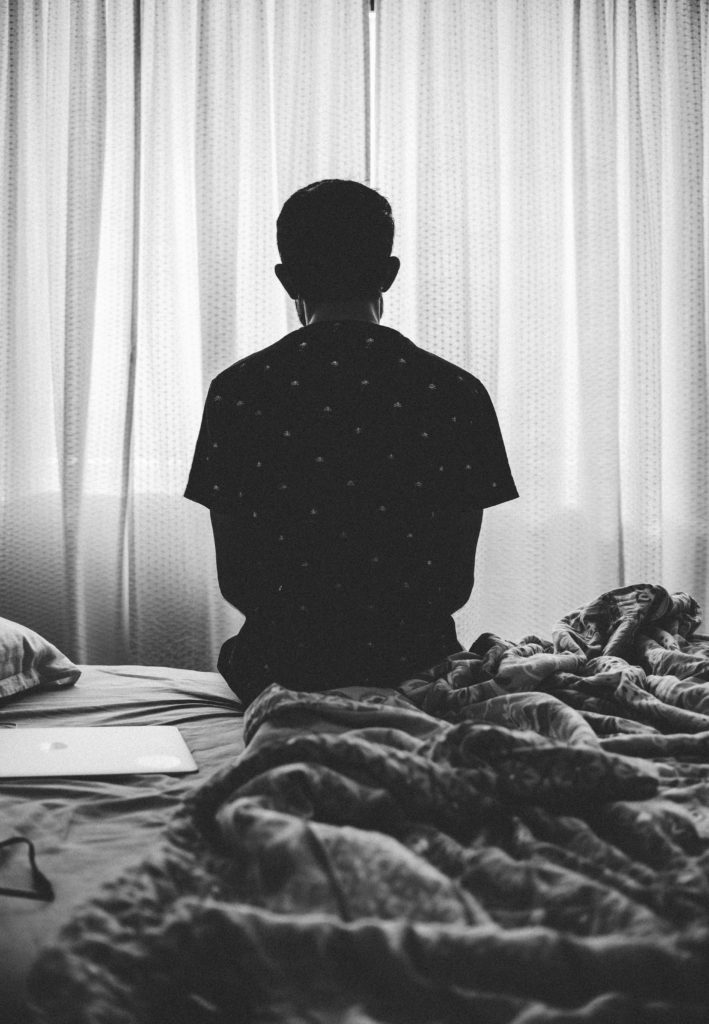
    He felt angry, bitter, sullen, and hopeless. What purpose could there be in school pictures? What’s the point? he thought. Tim hated being at school. He felt like he would self-destruct if he didn’t get out of there. Then it was his turn for his portrait. He stared at the camera. The photographer said, “Smile!” (Does hopelessness accompany suicidal thoughts…or cause them?)

    He just stared straight ahead. Enduring. He knew if he smiled it would make him look like a horror-movie character. Click. Flash. And it was over.

    Tim got up, and dragged himself out of the cafeteria and out the back door of the school.  He shuffled home. He couldn’t stand being there any longer. 

    Right behind Tim in the line a pretty girl waited her turn. Emily smiled for the camera. She didn’t want to. But she tried to do the right thing. Her sad eyes gave away her despair. Emily lived in a neighborhood where everyone knew each other, got together, barbecued, and enjoyed the community.

    The problem with that is that one of her neighbors offered to spend time helping her with her music lessons. Her parents encouraged her to take advantage of the expertise of this “nice man.” Luis was 41, college educated, and very musical.

    Emily didn’t know how to tell her parents that every time she went to his house, he had other ideas in mind. She felt ashamed. Troubled. Scared. Dirty.

    She tried to be responsible and do everything expected of her. Her parents just knew she was a good student, kind, and obedient. Does hopelessness accompany suicidal thoughts…or cause them?

    Once when Emily tried to tell her mom about Luis, her mom corrected her before she could get it out. She told her to be sure to be respectful toward him when she was at his house.

    Emily clammed up.

    But she was reaching the breaking point. After two years, she didn’t think she could take this any longer. She didn’t know how to stop it. She was feeling more and more hopeless that there would ever be an end to it. And Luis threatened that if she told anyone he would hurt her family.

    So Does Hopelessness Accompany Suicidal Thoughts or Cause Them?

    Both Tim and Emily were losing their strength to hang on. Of the two, Tim was the most likely to be identified by teachers as one who might need to see a psychiatrist. His facial expressions, attitude, and disposition made him a likely candidate for that kind of help.

    Emily, on the other hand, seemed quiet, compliant, and responsible to the school staff. Her teachers guessed she must come from a very nice family.  Emily’s depression wasn’t easy to notice because she didn’t let it show. Her goal was to please those in authority in her life.

    Tim’s doctor, on the other hand, diagnosed him with bipolar II disorder. He prescribed medication, but Tim did not feel much better.

    Tim directed his anger at his dad. Because he felt his dad lacked understanding for his condition. He resented his dad expecting him to function when he felt so bad. He wished he could crawl into a hole and hide from the world.

    Emily felt completely alone in the world because she couldn’t talk to anyone about what she was going through. And though her parents were good people, they had no idea she continuously faced such a horror.

    We can look at Tim and Emily and draw our own conclusions. But you have to ask yourself does hopelessness accompany suicidal thoughts…or does it cause them?

    Tim’s problem wasn’t his dad so much as the symptoms of his illness that weren’t relieved by his medicine. And Tim didn’t know how to approach his dad in a way to help him see what he was going through. His dad just felt he needed to discipline his belligerent son.

    In Emily’s case, it seemed that her problems could be resolved by simply blowing the whistle on Luis. That message is plastered on the walls of the school… “Tell someone!”

    She’d heard that message all her life.  She could go to the school nurse, or a teacher she trusted, or even a police officer. But she didn’t.  When she would think about it, all she could think of was how hurt her parents would be that she talked to a stranger instead of keeping their business in the family. 

    She was also afraid her dad might do something crazy to Luis that would get him arrested, then  what would her mom and brothers do?

    Every time she thought about talking to someone she hit a wall of all the reasons why she couldn’t…

    Then, in a two week period, two students in the high school took their own lives.

    Everyone wondered why. 

    No one dreamed Emily was sad or had any reason to do such a thing. Except her heartbroken parents… because Emily left a note. And Luis was arrested.

    Tim’s dad was devastated. He’d been doing his best to help Tim get the treatment he needed, but each new medication required several weeks –sometimes months — to see if it helped him feel better. Talk therapy takes time, everyone said. And he hadn’t heard of a treatment like IV ketamine. He just assumed Tim’s doctor would do what was best for his son.

    It was so hard to know the difference between his son’s bipolar symptoms and just a bad rebellious attitude. He worried about it all the time. Just not knowing how to respond to Tim’s responses.  He wished he had a guide book. But now it was too late. He just didn’t realize how severe it was.

    These two deaths stunned and rocked the school they both attended. Two very different students who didn’t know each other, but who both could have been helped…if only…

    Does hopelessness accompany suicidal thoughts…or does it cause them?

    If you knew Tim or Emily, you’d likely have been grief stricken by their deaths. Probably baffled.  And for good reason. Because hopelessness and despair come in different forms. And you probably wish you could have helped them.
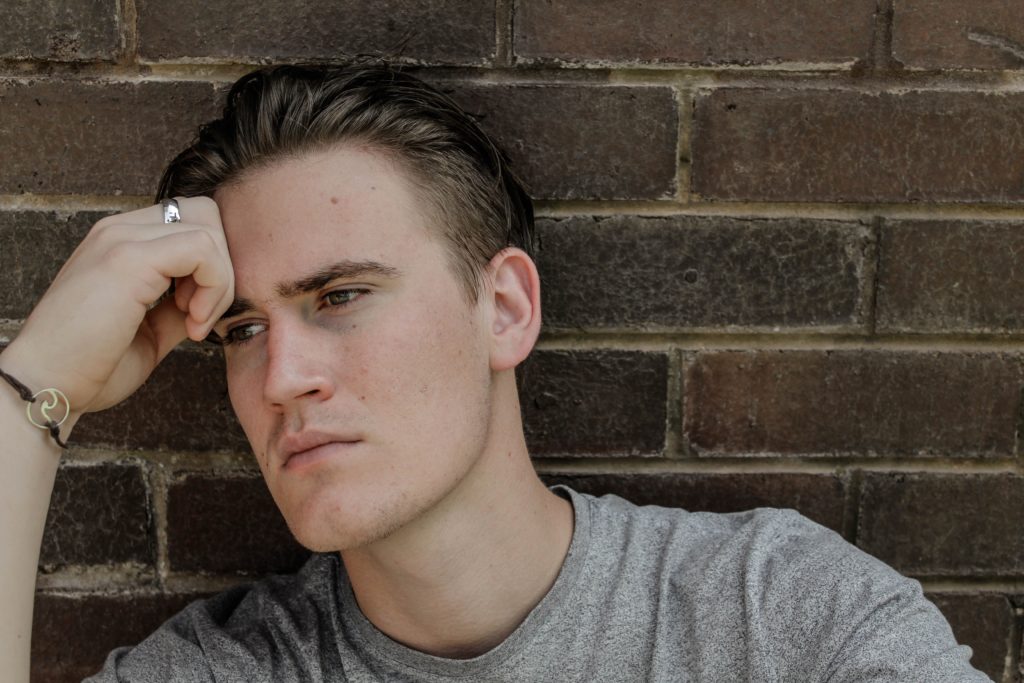
    Tim’s hopelessness was within him, as a symptom of a severe and difficult-to-treat illness.

    Tim probably spent most of his time in the throes of bipolar depression. When your mind and outlook are so dark so much of the time, you can desperately need a break from it. 

    But if you know of no medicine that will supply that break for you…  if your doctor knows of no medicine that will help without trying one after another… you get your hopes up over and over…only to experience a new type of grim despair. Hopelessness grows after years of this…and it may dawn on you there’s nothing that can help.

    And you don’t know where to look for hope.

    Emily’s hopelessness was internal, too. She felt trapped by an external force. If that external force could have been removed from her life, she probably could have recovered. Unless conditions like PTSD or severe depression complicated her condition. But even those conditions can be relieved with a novel and advanced treatment like IV ketamine.

    Children and teens should be able to live healthy, active, trusting lives in a perfect world. But it’s not a perfect world.

    When they’re assaulted, and wounded, they may need special care with a skilled therapist, support from friends and family, and treatment to help them heal. Sometimes that can be treatment with a novel, advanced treatment like IV ketamine.

    A group of researchers led by Ilya Baryshnikov, M.D., asked whether the hopelessness people with depressive disorders experience is a crucial predictor of suicidal thoughts and plans.

    They guessed that hopelessness was the sign that a person would be having suicidal thoughts, so they conducted an in-depth study which was just published this month in the Journal of Clinical Psychiatry.   

    They followed 406 people for 10 years, and used diagnostic tools to determine what role hopelessness played, as well as what role the severity of the depression played, in each person’s experience with suicidal thoughts.

    Standard tools like Scale for Suicidal Ideation, Beck Depression Inventory, Beck Hopelessness Scale, Beck Anxiety Inventory, Perceived Social Support Scale – Revised, and Eysenck Personality Inventory helped them evaluate the state of mind as well as personality traits of their subjects. 

    They found that hopelessness served to explain the suicidal thoughts, but wasn’t so much a crucial prerequisite… and that it’s actually the severity of the depression that leads to suicidal thoughts.

    In the cases of Tim and Emily, both needed intervention. For Tim, IV ketamine could have possibly changed his whole world. By helping him to achieve remission, and restoring his energy and hope, his world — and his relationship with his dad — could have been transformed. 

    It’s likely his dad, like so many, had no idea that IV ketamine was an option. Much less understanding about what it could do for his son.

    For Emily, it is possible the long term stress of abuse wore down her resilience, undermining her resolve to protect herself and report Luis. To trust her parents and make them listen, so they could help.

    In her case, too, IV ketamine could have helped restore her emotional strength to do what was needed to make herself and other girls in her neighborhood safe …to speak up.

    At Innovative Psychiatry, we see teens like Tim and Emily — and find the transformative effects of IV ketamine treatment can bring restoration not only to their outlook, but to many aspects of their lives. Relationships grow stronger, energy for school improves their performance, and their hope and joy billow. Not for everyone, certainly, but for most,

    If you, or your teen, have been depressed from major depressive disorder or from bipolar depression, and oral antidepressants aren’t working, call us. Let’s talk about whether you’re a candidate for IV ketamine treatment.

    If you’ve suffered from a major trauma that other treatments haven’t helped, call us. IV ketamine treatment can restore you if PTSD has impaired your function in life.

    IV ketamine can be dramatically effective also with severe social anxiety, alcohol abuse disorder, substance abuse disorder, and can stop suicidal thinking in an afternoon.

    We want you, and your teen, to be restored to the best you ever, and have a rewarding a fulfilling life with your own joy… and hope… abounding. 
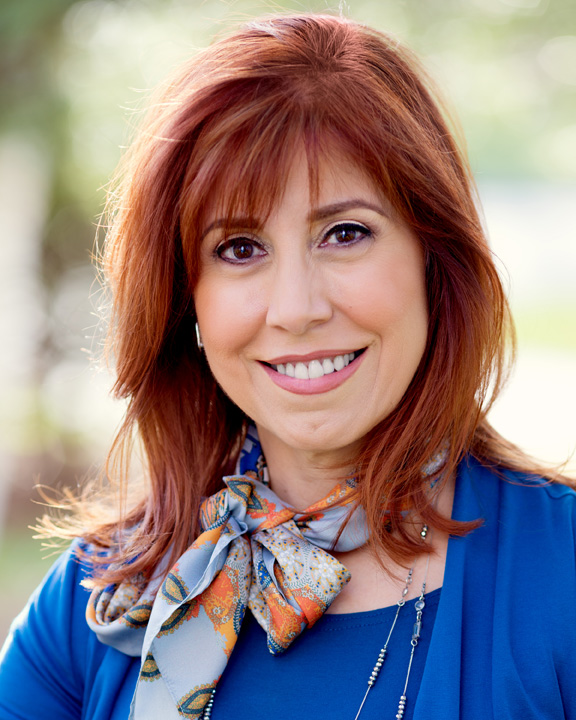
    Lori Calabrese, M.D. is on the front end of the race to stop PTSD in its tracks using IV ketamine treatment.

    To the restoration of your best self,
  • Spravato: Esketamine Nasal Spray Controversy Storms Ahead

    Spravato: Esketamine Nasal Spray Controversy Storms Ahead

    This man is happy following treatment in spite of esketamine nasal spray controversy.

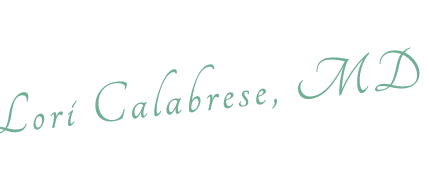
    Have you tried Spravato?

    Periodically, we’ve added our two cents to the discussion. Since its approval by the FDA in March of last year, we’ve seen a variety of protests from psychiatrists about its value for treating treatment resistant and severe depression. A recent article published in The Lancet provides an overview of the back and forth discussion. A group of physicians wrote a series of editorials published in The Lancet in October 2019, challenging Spravato’s value when weighed against its dangers and modest effectiveness. And the esketamine nasal spray controversy surges forward.

    A significant benefit for Spravato is supposed to be that because the FDA approved it, some insurances cover the cost of the medication and the cost of the doctor’s 2-hour office visit to administer it. (Stay with us–more on this later!) That’s a substantial benefit in the eyes of some patients.

    There have not yet been head-to-head controlled trials comparing racemic ketamine infusions to Spravato. But there are plenty of physicians around the country who have used both in their offices with patients. And when you compare Spravato with the effectiveness of IV ketamine treatment, Spravato’s benefit is less dramatic, and rather than occurring rapidly and robustly — it seems much milder and more gradual.

    Spravato esketamine nasal spray controversy is hot on The Lancet.

    In addition,  FDA approval requires the use of an antidepressant at the same time as Spravato.

    (It’s like Spravato is an adjunctive treatment to an antidepressant you’re starting at the same time, or an add-on to an antidepressant that’s on board but not completely effective.) Hmm. When you think about it, it may be harder and harder to know what the FDA trials really showed.

    So let’s look at the objections of these doctors, and the response from a team led by Ella Daly, M.D., associated with Janssen, the maker of Spravato.

    A Former FDA Recruiter Expresses Misgivings about Spravato’s Trials

    One of the critics of Spravato’s FDA approval was a former FDA reviewer himself. Erik Turner, MD, of Oregon Health and Science University in Portland, OR, made a point in his editorial.

    He said that some physicians who had heard that Spravato was a “game-changer” were likely to feel disappointed when they found out that  81% of the response to this medicine was experienced by those who were given the placebo!  

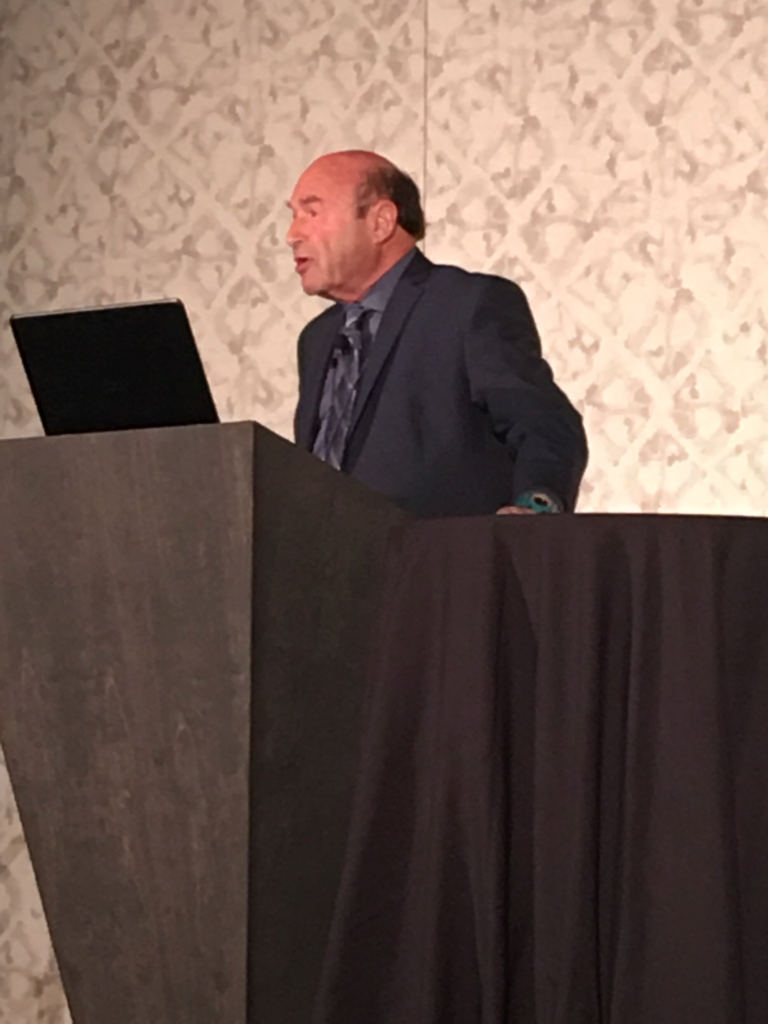
    Dr. Erik Turner challenges FDA approval of Spravato esketamine nasal spray.
    Erik Turner, M.D.

    As a former reviewer himself, he expressed his concern that esketamine nasal spray was basically approved on only two positive trials, in spite of the failed ones. 

    In a short-term trial to show effectiveness, the response of reduced symptoms was not maintained for even 24 hours. It’s not hard to see why that wasn’t satisfactory. 

    In the FDA trials, Janssen used the Montgomery-Asberg Depression Rating Scale (MADRS) to rate change in mood in the subjects who were taking esketamine spray. Surprisingly, there was only a mean 4 point improvement on that scale which has a possible score of 60. 

    It’s only fair to note that 69% of subjects who were taking the active drug vs. placebo technically responded. However, when we consider that they deemed only 2 points on the MADRS as “clinically significant,” practicing psychiatrists might not see it the same way when evaluating their own patients.

    Still, 52% of the placebo group scored 50% or higher improvement on their MADRS rating. So research team labeled them “responders,” (meaning the nasal spray they were testing had made them feel 50% better). But…the nasal spray that the placebo group was using was a placebo….

    You can see why Dr. Turner had some misgivings about the accuracy of the conclusions.

    Maintenance Trial Findings Distorted..?

    Dr. Turner also challenged whether the maintenance trial’s findings were up to par because a single site in Poland was the basis for those results. Trouble was that 100% of participants in the placebo group there relapsed. Which most researchers consider a red flag.

    The Janssen team defended their findings, and pointed out that the FDA didn’t see the need to eliminate data from the Polish site. In this recent response published by Dr. Daly and her colleagues, they produced another analysis which eliminated the Polish data. They used updated estimates and concluded they maintained the statistical significance.

    Dr. Turner came up with his own calculation based on information openly accessible to the public. His conclusion was that there was a “non-significant difference.” So he made the appeal “in the spirit of open science” that Janssen would provide an unbiased researcher with the patient-level data to hopefully resolve this conflict and try to replicate Janssen’s findings.

    Then …there is the issue that 6 people died during FDA trials. Of the six, 3 were suicides. The suicides occurred on the 4th day, the 12th day, and the 20th day after the last dose of esketamine.

    Esketamine nasal spray controversy is about Spravato not helping people like the FDA implied it would.
    There were no deaths with the placebo.

    Again …troubling. And confusing for a lot of people.

    Right now, the FDA says that Spravato can only be administered in offices, clinics, or hospitals registered with the Spravato Risk Evaluation and Mitigation Strategy  (Spravato REMS). Patients must remain in the office for monitoring for 2 hours after each dose.

    Another Editorial by Two Experts Fuels the Esketamine Nasal Spray Controversy

    Ioana Cristea, Ph.D., of the University of Pavia in Italy, also published one of the editorials in October in The Lancet with Florian Naudet, M.D., Ph.D., of Universitaire de Rennes in France.

    Dr. Cristea pointed out that the mild benefits of Spravato should be weighed against its potential for harm.

    She also holds that since Spravato is so expensive, has high potential for abuse, and has a troublesome history for safety, the bar for FDA approval for antidepressants should be raised.

    And she has a point.

    In the real world, our patients suffer severe and complex disorders, and the need for robust and rapid solutions for them has been gaping for 30 years. 

    Mild benefits that build gradually are only effective in select patients. 

    At Innovative Psychiatry we do use Spravato for select patients — but we use IV ketamine much more often. 

    Why?

    Because IV ketamine treatment can yield such rapid and robust benefits. And many patients need a treatment that’s both rapid and robust. It’s often life-saving. And we’ve published our results using IV ketamine infusions to stop suicidal thinking in real-world patients and presented our ongoing data at several conferences.

    For some patients, the insurance coverage that makes Spravato more accessible to them is well worth the risk of a less robust outcome. And we’re pleased to help them access the treatment best suited to them.

    With that said, since Spravato is made with the left-side enantiomer of the racemic ketamine molecule, it’s lacking the attributes of the right-side enantiomer. This is a subject that’s been side-stepped. We need more data about the right-side enantiomer.

    Esketamine Nasal Spray Controversy – Was Spravato the Only Alternative to IV Ketamine?

    And another thought. Janssen’s stance in developing the esketamine nasal spray was that ketamine was only available in IV form. But was that a real concern? Long before Spravato was approved, compounding pharmacies were already creating nasal sprays for ketamine, so it’s clear that a nasal spray using the full racemic ketamine molecule was a viable consideration. Some doctors have been prescribing that, and oral lozenges (called troches).

    Spravato esketamine nasal spray provides only a mild and gradual benefit in some people.

    So was it really because ketamine was only available in IV form? Or was it because ketamine’s patent had expired? (Hint: The big money is in the patent.)

    Is it possible that safety and effectiveness were sacrificed in lieu of monster profits?

    There is no pharmaceutical company sponsoring controlled studies of racemic ketamine.

    But there are real-world physicians with complicated patients around the country willing to carefully and diligently report what they see in their day-to-day offices. These are retrospective studies of their protocols, their patients, and their patients’ responses. Submitted for peer-review. And published.

    We know because we’re one of them. (We’re actually the first one of them. With the largest numbers, and with extraordinary responses to treatment.)

    Why do we do this?

    Because we know that once insurance companies realize that IV ketamine treatment in the office can rapidly stop suicidal thoughts and plans in patients with treatment-resistant depressioneven those who’ve made attempts before, been hospitalized, been failed by ECT, failed by TMS — those insurance companies are going to be pressured to stand up and listen.

    If we can turn these patients around (you? someone you love? someone you know?) so that they don’t have to go to the ER, and don’t have to be psychiatrically hospitalized…. WOW! What insurance company wouldn’t jump at paying for IV ketamine infusions instead of ambulances, ERs, and hospital days??

    That’s what I advocate for. Every day. Safe, effective, rapid treatment. Hope. Better lives for my patients.

    Imagine that.

    Imagine the goodwill gesture — such a small gesture, and such a small cost –for your insurance company to just simply approve payment for the codes we use everyday for office-based IV ketamine infusions for depression.

    What a concept. Radical. Life-saving.

    Read the paper. See for yourself.

    IV ketamine treatment stands as the most rapid, effective treatment against severe and treatment-resistant depression, as well as suicidal thinking, that we’ve ever seen. In the office, in an evening. In less than an hour.

    Which insurance company will step up and pay for IV ketamine to save a life?

    A girl can dream …and that goes for psychiatrists and their patients, too.

    If you believe Spravato can work for you, call us. We’re happy to provide this treatment for you. Don’t let the esketamine nasal spray controversy discourage you. In some people it works very well.

    Esketamine nasal spray controversy didn't stop this man from responding to treatment.

    If you’ve tried Spravato and you were disappointed with the results, call us and let’s talk about what IV ketamine might do that Spravato can’t.

    We’ll help you understand the differences in the fixed doses available with Spravato and compare them to what is available when ketamine is used IV.

    And if you suffer from severe depression or bipolar depression, PTSD, social anxiety, alcohol use disorder, or another substance use disorder, and have been failed by other treatments, call us, too.

    Because you can feel good again.

    You can rebuild your life with the motivation, initiative, and energy that’s been missing with restored hope … and joy. What’s more, creativity can return and grow as you invest in your career, your relationships, and your hobbies.

    We’re all about seeing you restored, fulfilled, rewarded.

    Give yourself the opportunity to live well again.

    Lori Calabrese, M.D. is on the front end of the race to stop PTSD in its tracks using IV ketamine treatment.

    To the restoration of your best self,

  • Student Need for Psychiatric Care on Campus Quadrupled

    Student Need for Psychiatric Care on Campus Quadrupled

    Mason walked to the student union and plopped down to drink his coffee.

    Man, he just wasn’t feeling it. He went to class, but the studying and note taking, and researching all year was getting to him. He just wanted to go to bed and stay there. Just another example of student need for psychiatric care on campus. I’m a statistic, he thought to himself. Great.

    It was that time in the semester for another round of exams, and he was worried he couldn’t pass them. He tried to study but it just didn’t stick. He’d go over it and over it…but couldn’t seem to retain much at all. 

    It’s not like he was partying or anything…he wasn’t doing much of anything social. He didn’t feel like seeing anybody. Just wanted to be alone.  So he’d try to study then just lay his book down and turn over and go back to sleep. 

    Spiring Break was 3 weeks away.  Maybe that would help.  But he had to pass all his exams before then. What was he going to do?  His self-confidence was fading, and he was feeling more and more like a real loser. What was wrong with him?

    “Hey Mase! What’s up? Are you going to the campus movie night tonight?”

    “No man.  I’ve gotta study…”  Mason felt like he was lying, because he knew studying wouldn’t help anything. His brain was a lump of cold oatmeal.  Useless.

    “Oh really? You know we’ve got a study group going for Chemistry, right?  You wanna join us?”

    “Maybe, man.  Where do you meet…? “  He knew he wouldn’t go.  He couldn’t handle being around people right now…

    “We meet in Greg’s dorm room. At Stratton Hall.  327 Tomorrow after lunch.”

    “Thanks man. Maybe I will…”

    Depressed or Anxious Students Seek Solitude to Avoid Embarrassment

    Mason trudged off toward his dorm before someone else came along to strike up more conversation.  He felt like he was dumb as a rock. What had happened to him?  It used to be easy to learn. Mason’s self doubts were common for students suffering from disorders. Student need for psychiatric care was weighing down the healthcare system on campus.

    Once in his dorm, he sat at his desk and opened his economics book…determined to get something out of it. He opened to the page he was supposed to be reading and started reading.

    Then his mind wandered off to an online game he had played last year…  the action was really good in it. And it was challenging.  He had to really work at making points. There were some cool guys who played… Wonder why they…

    Aaackkk!!! Mason realized his mind was wondering again.  He put his eyes back on the beginning of that page and started reading again.  He read the first half of that page 4 times…and couldn’t recall what it said.  

    He slammed his book shut and dove into his bed and covered his head with his pillow. And that’s when his roommate walked in talking out loud. Mason pulled another pillow over his head.

    If only he could sleep. I mean really sleep. When was the last time he’d actually slept all night?  Laying there in the dark, his mind wandering…his worry about school choking him… listening to his roommate snore.  How does he do that??  He’s over there sleeping like he doesn’t have a care in the world. 
    Student need for psychiatric care is tripled what it used to be on campus and this young man needs treatment.

    He knew his parents would disown him if he didn’t make the grades. He was so tired…

    Student Need for Psychiatric Care on Campus Soars

    It’s true. Mason isn’t alone. The Center for Collegiate Mental Health (CCMH) at Pennsylvania State University released an annual report in 2018 that showed that student demand for mental health care on 550 university campuses increased by 30-40% between 2009-2015. The increase in enrollment was only 5%. 

    The primary complaints have been much the same as they’ve always been as students seek counseling for depression, anxiety, and relationship struggles. 

    And there’s a difference between relationship counseling and student need for psychiatric care due to depression, bipolar disorder, anxiety disorders, and PTSD.

    But, a recent article in Psychiatric News, a publication of the American Psychiatric Association, indicated that students carry more distress than they used to, and it’s more upsetting and worrisome to them.

    So they tend to take things harder, and if they never struggled before, they still are more likely to struggle in college.

    Social Media is Again at Fault

    Students now are also tormented by the belief that everyone else around them has a perfect life, and that they’re the only one struggling.

    This is largely related to the facade they see on social media. As they internalize these false beliefs, some students succumb to self-doubt and self-hatred, because of these comparisons.

    Suicide May Be a Consideration..?

    On top of that, suicide has become less implausible…more common place—at least from some students’ perspectives.  Obviously, this is a grave concern for campus counseling services. Through surveys, the CCMH has found that suicidal thoughts have increased among students every year for the 8th year in a row.

    Student need for psychiatric care on campus is overwhelming, and some students slip through the cracks.

    The reality of it has burdened these organizations to not only train their own staff for suicidal thoughts in students.

    They also must train everyone on campus to recognize signs and symptoms and take action… including campus police, professors, residential advisors, librarians, and anyone else whose job includes student contact.

    Some campuses focus on meeting the need in more minorities and male students, who tend to avoid mental health services. Other campus are including a counseling office in the campus clinic to make counseling more accessible with less stigma. 

    At any rate, while all these campuses scramble to provide services their students’ needs, the demand has risen so fast that they remain limited in resources for what they can do.

    Meanwhile, more intervention is needed. The demand overwhelms the system.

    Many of These Suffering Students Can Achieve Remission Off Campus

    Many of these students are diagnosed for the first time with depressive or anxiety disorders in college. But many more were diagnosed years earlier, and have been undergoing treatment before college. The increased pressure and demands of college often push them into more severe symptoms.

    For these who’re being treated before they enter college, or for whom treatment has become inadequate, a very real option can be IV ketamine treatment. When medicines are no longer helping, or never did, IV ketamine infusions can relieve symptoms dramatically. 

    The lack of energy, the struggle to learn, the despair, can be replaced by motivation, initiative, and the creativity to study and perform once again. 

    The restoration of brain circuitry, and proliferation of structures in the brain can rapidly build the resilience to embrace school again.

    On top of that, suicidal thoughts or behaviors can be eradicated in an afternoon with IV ketamine treatment. It’s a remarkable way to reverse suicidal thoughts, so a student can focus on getting better.

    IV Ketamine Can Transform Students and Reduce Student Need for Psychiatric Care on Campus

    At Innovative Psychiatry, we see students like this regain their joy and hope after IV ketamine treatment and walk out with confidence. IV ketamine treatment can lift your student’s outlook and energy. Despair can become hope, and listlessness can turn into purpose-driven initiative.

    These students are resilient and happily studying together because of IV ketamine treatment.

    That sullen student can wake up with new ideas, energy to socialize, and a song he’s singing. 

    This treatment can be transformative. And the more ill your child is, the more powerfully it seems to work.

    If your child sounds like Mason, or if his symptoms are even worse, call us

    And if you can relate to Mason’s story, and don’t know where to turn for help, call us… we want to help you rediscover your creativity, energy for work, relationships, and fun. We want to see your hope restored.

    Don’t let something like your education or your future fall by the wayside. You don’t have to because you do have options. 

    Let us help you live again with joy.

    Lori Calabrese, M.D. is on the front end of the race to stop PTSD in its tracks using IV ketamine treatment.

    To the restoration of your best self,

  • Relieve the Heartbreak of Elderly Depression with IV Ketamine

    Relieve the Heartbreak of Elderly Depression with IV Ketamine

    Ruby’s daughter let herself in with her key at the back door.

    When she walked in, the house was dark. Strange…she thought. Her mom was usually home on Saturdays.  She quietly stepped through the house looking for some sign of her mom.  A grave sense of dread came over her as the house continued to be silent…what was she going to find…? She stepped into her mom’s bedroom, and saw her form lying in bed. Joan stopped and caught her breath. Joan had been worried about her mom lately, and the heartbreak of elderly depression, since her husband died 11 months ago.

    Then a weak voice said, “Hi honey…”

    Joan exhaled. What a relief.

    “Hi Mom! The house was dark and quiet…  I was concerned.  You rarely leave the house on Saturday…”

    Joan stopped short of voicing what she’d feared.

    “Are you feeling ok? Why are you in bed..? It’s really dark in here…”

    “What day is it?” Ruby quietly asked.

    “It’s Saturday, Mom. How long have you been in bed..?”

    “Well, I remember watching the weather on Tuesday…I was wondering if I needed to wrap the pipes.”

    “Ok.  That was Tuesday…  Do you remember what happened Wednesday?”

    “I guess I’ve just been sleeping…”

    “Mom?  Since Tuesday?”

    “I don’t know…maybe? I got up and went to the bathroom at times then just felt tired and went back to bed…”

    “Do you remember if you ate anything..?”

    “No…not really.”

    Joan was alarmed.  Her mom hadn’t eaten since Tuesday.  No wonder she was weak. And she’d gone four days without her medicines. 

    Four Days without Her Medication

    Joan headed to the kitchen to make her mom some soup.  She wanted to go easy and see how she digested soup before solid food.  After opening the can of soup and dumping it in the pan, she looked at her mom’s medicines.

    Well, that confirmed it. The pills were still in the Wednesday, Thursday, and Friday compartments.

    Joan was shaken to think if she hadn’t dropped by, and another week had gone by, what could have happened.

    Joan brought her mom the bowl of soup with some crackers and a glass of milk on a tray.  She helped her 84 year-old mom sit up and propped her with pillows, then set the tray in front of her.  Slowly, her mom nibbled on a cracker, sipped the milk and finally scooped a spoonful of hot chicken noodle soup.  She closed her eyes as she swallowed.

    “Ok mom?”

    “ Yes, it tastes good.”

    Joan talked about trivial things to try to lighten the mood. Ruby had looked after everyone all her life, but since Joan’s dad, her mom had seemed less and less engaged in her own life.

    Maybe listless was the word. 

    She’d withdrawn from her bridge friends. She’d said it didn’t seem as fun anymore. Her grandkids were all grown with families of their own. Cleaning house and cooking was a chore without Charles to do it for.

    She just got tired of the struggle. What was the point?

    She felt tired all the time, and found herself taking more and more naps.  

    How do you find purpose in life after the companion who’s been there for 62 years is suddenly gone?

    The Heartbreak of Elderly Depression

    The more questions Joan asked, the clearer it became that her mom wasn’t fighting the flu, she was depressed. At least she seemed to be.

    Joan wondered how long she’d been depressed. And whether she’d thought about ending her life… It had really shaken her to walk through that dark silent house.

    She asked her mom more questions. Ruby was matter-of-fact. “Yes, the doctor told me I was depressed a couple years before your dad died. He prescribed some pills for me, and I took them, but they didn’t do anything. I think they must have been those sugar pills you hear people talk about. I finally stopped taking them.  There was no point.”

    “Joan,” Ruby said, “I miss your dad. Charles and I talked about everything. Without him, life is flat. It’s just so empty. I have you and your sister, and I love you both, and all the grandkids and their families. But I feel so empty.”

    “Mom, I can only try to imagine how much loss you feel with Dad gone. We all miss him, but he was your constant companion and love for 62 years. I ache for you… and I can’t help but feel that even though grief has made you feel empty, that does’t mean your time on earth is finished. Maybe something can be done to help you feel better, you know? Would you be ok with me making an appointment to see Dr. McShane? We can go together.. Ok?”

    The Heartbreak of Elderly Depression – How Can We Help?

    Here’s the thing. Our parents (and grandparents) do look after everyone else all their lives. Then, they slow down, and the the rest of the family can easily forget to touch base. Why? Because life is busy. We all live with packed schedules, and a week can go by without our even noticing it.

    Our elderly loved ones can find themselves withdrawing, slowing down, and feeling somewhat useless. It’s not that unusual for depression to follow. 

    In many cases, prescribed antidepressants help. But in some, they don’t help in spite of trying more than one. When the disorder doesn’t respond to multiple treatments, something more advanced is needed.

    IV Ketamine Treatment Can Reverse Elderly Depression

    IV ketamine for treatment resistant depression may just be the treatment of choice, to restore your parent’s brain circuity. By turning on mRNA which switches DNA to “ON” your brain-derived-neurotrophic-factor (BDNF) turbo boosts the prolific and rapid production of dendrites and dendritic spines to sweep through the important parts of the brain with connections to send signals at the speed of light.

    Depression lifts, joy surges, creative thought grows, and Grandma gets that sparkle back in her eye,  and has the energy to play bridge with the girls again… and make cookies for children in the neighborhood.

    At Innovative Psychiatry we love treating grandparents and watching them get a new lease on life. Of course, if they’re grieving losses, they can grieve while still enjoying life. 

    Ketamine treatment doesn’t prevent grief, which is a part of life.  But ketamine can help them think through the grief in a healthy, healing way. And meanwhile, they can also enjoy their friends, family, and grandchildren.

    Your Loved One Can Recover from the Heartbreak of Elderly Depression, and So Can You

    Do you have a parent or grandparent who seems to have lost their joy for living? Maybe they’ve tried antidepressants but still seem serious, irritable, edgy… or bland, shut down, and without energy. Maybe you notice they don’t bathe very often anymore, and have lost interest in their appearance, or in things they normally love to do. 

    If this sounds familiar, and you have loved ones you hope can be helped by IV ketamine treatment, call us. 

    In fact, if this describes you, please call us and let us help you find your joy again.

    IV ketamine treatment rapidly proliferates your brain circuits with an abundance of new synapse connections that make the way for restored creativity, emotion like joy, happiness, love…and hope. You want to do things you enjoy again.

    Amazingly, this proliferation also increases emotional energy that can translate to more physical energy, too. Initiative and motivation increase, and joie de vivre abounds. Few phrases express what ketamine can do like this French phrase, which means “a cheerful enjoyment of life and exultation of spirit.” 

    If you have lost the song in your heart, you can have that restored. Some of our patients report waking up in the mornings singing. 

    How about you?  Have you lost your song? IV ketamine treatment can restore it, and give you that, “Oh what a beautiful morning!” feeling. 

    It’s amazing to realize that people with joy and a song in their heart are that way because they have a LOT more synapses than others, isn’t it? 

    Let us help you and your mom find your songs again.

    Lori Calabrese, M.D. is on the front end of the race to stop PTSD in its tracks using IV ketamine treatment.

    To the restoration of your best self,
  • ASKP Conference 2019: Celebrating the Response to Ketamine

    ASKP Conference 2019: Celebrating the Response to Ketamine

    A sullen, depressed teen girl is laughing and happy because she's fighting suicide with ketamine.

    The Importance of Meeting Together

    Every once in a while — sometimes only once or twice in a physician’s career — a medicine or treatment comes along that’s a game changer. Something that sets its own records, raises its own bar, and helps people so profoundly that their lives are better because of it. A treatment so remarkable, it establishes a turning point for them. Where life is divided by the “before” and “after” of that treatment. IV ketamine is such a treatment. And we’re celebrating the response to ketamine every day.

    In the field of psychiatry, ketamine’s use off-label has established that line: the misery of “before” and the wellbeing of “after” for growing masses of patients who suffered all their lives, lived at risk of suicide, and found life difficult to bear. The same people who now are enjoying their families, their friendships, their work, and their hobbies.

    And because ketamine is FDA-approved for anesthesia, it presents us with a double- edged sword. On the one hand, it has shown us how safe it is with patients in every age group for 50 years at very high doses as an anesthesia and in pain. And on the other hand, its rapidly growing use in psychiatric disorders is off-label — outside of its FDA labelling for anesthesia.

    Collaboration in a New Field: Ketamine Off-Label

    Neuroscience researchers, psychiatrists, anesthesiologists, emergency department physicians and more have been scrambling to understand this medicine and its effects for years as we navigate this new territory.  

    And the best way to do that?  

    To put our heads together and exchange information, experiences, ideas, and data; and learn all we can together to bring the safest, most effective treatment to our patients.

    Do we see it all the same way?  Of course not. But by coming together regularly we grow and expand our grasp of what ketamine can do for our patients.

    And we have something deeply in common. We’re all celebrating the response to ketamine we see at every turn.

    ASKP for Ketamine Treatment

    The American Society of Ketamine Physicians (ASKP) is about this very thing. We gathered a few days ago to learn from each other, grapple with difficult issues we face, and to expand our knowledge and expertise to better serve our patients.

    This was the second annual meeting of ASKP, and we’re inspired by how we’re growing in numbers and experience.

    As physicians we vow to first do no harm. And then of course, beyond that, we want to help. For more than 50 years, and in more than 19,000 scientific papers, brilliant minds around the world have dug deep and broad in their research — from their universities, their labs, their clinics, and their practices to understand the science and the nuances of ketamine.  All so ketamine can help people who suffer.

    Dr. Jennifer Winegarden, who spoke on the use of ketamine in refractory cancer pain,  put it like this: 

    We are really here because we want to relieve suffering, but coming up with a consensus for how exactly we’re going to do that is a lot of work; we are still in our infancy in discovering how we are going to do that.

    The Speakers

    Steve Mandel, M.D.

    ASKP conference where we were celebrating the response to ketamine.
    Steve Mandel, M.D.

    President of ASKP and one of its founding members, introduced the meeting with a call for collaboration.

    He quoted Stephen Hyde, MD, a pioneer in ketamine treatment in Australia, stating “Given the unacceptably high rates of suffering, disability, and premature death experienced by people with treatment-resistant depression and the surprisingly low rates of problems arising from the use of ketamine to treat the disorder, this is a therapy that all patients and their doctors should be discussing.”

    And the speakers? Well, to read the list is to begin to stroll through ketamine’s hall of fame in clinical psychiatry. It was inspiring to listen to speakers who’ve been blazing the trail in the field of ketamine for treatment resistant depression.

    Sanjay Mathew, M.D.

    Professor of Psychiatry and Behavioral Sciences at Baylor University Medical School Houston and a key player in ketamine research in psychiatry, addressed us with a comprehensive review of ketamine for treatment-resistant depression even though the Houston airport was under water! Fantastic.

    Gerard Sanacora, Ph.D., M.D.

    Director of Yale Depression Research Program, another major thought leader and key researcher in ketamine and esketamine for TRD — in fact, a leader every which way! — the lead author on the APA Council of Research Task Force on Novel Biomarkers and Treatments for the Consensus Statement in 2017 on the use of ketamine off-label for depression . . . I could go on and on. He summarized the new data on esketamine, the left-facing ketamine enantiomer from Phase 2 and 3 clinical trials.

    Amit Anand, M.D.

    Professor of Medicine at the Cleveland Clinic and Vice Chair for Research for the Center for Behavioral Health there, and an expert on brain imaging, psychopharmacology of mood disorders, and ketamine. He spoke on a new study of the comparative efficacy of ECT vs ketamine for treatment resistant depression (TRD) where they plan to enroll 200 patients–so exciting because it will be so large.

    David Sheehan, M.D.

    David Sheehan MD celebrates the response to ketamine at the ASKP conference.

    Of course, one of the true greats in our field. He is the father of anxiety research, and an expert in depression, suicide assessment and harm reduction…. and the list goes on. His clinical work and research career spans 50 years and more than 800 publications on anxiety, depression, and suicide. He has developed multiple rating scales in the field that are widely used in clinical research and presented a gripping talk on the assessment, documentation and pharmacologic management of suicidality. He is Distinguished University Health Professor Emeritus at the University of South Florida College of Medicine, and has mentored and collaborated with scores of the major researches in the field over his career.

    Rachel Dalthorp, M.D.

    ASKP Board member, clinical psychiatrist and specialist in reproductive psychiatry at Balance Women’s Health in Oklahoma City, OK, spoke about hormonal challenges in ketamine treatment, and how to work with them to ensure optimum response.

    Omid Naim, M.D.

    of Santa Monica, CA and La Maida, spoke about the importance of creating and building community in transformation and healing.

    ASKP conference, Jeff Becker, MD celebrating the response to ketamine in his brilliant presentation.
    Jeff Becker, M.D.

    Jeff Becker, M.D.

    a clinician with deep expertise in neurospychiatry funtional medicine and noetics, first researched ketamine in 1998, and has been using ketamine in his clinical since 2004. He spoke about fMRI findings in ketamine treatment, and the important roles of chandelier cells, pyramidal neurons, and basket cells during ketamine treatment. Jeff, as always, was brilliant.

    Daniel Richman, M.D.

    Attending Physician at the Hospital for Special Surgery and a Clinical Instructor in the Pain Management Ceneter at New York Presbyterian and Memorial Sloan Kettering, and an expert on the treatment of Complex Regional Pain Syndrome (CRPS), presented a review of the challenges and the success in using ketamine infusions in anesthesia for CRPS — extraordinary help for the worst pain imaginable.

    Jessica Katzmann, Psy.D.

    focuses on ketamine-assisted psychotherapy in her practice, Healing Realms, and she spoke about how to help patients experience wellness and process their improvement and their experiences after ketamine treatment.

    Jennifer Winegarden, D.O.

    an expert on hospice medicine and the Chief Medical Officer of The Medical Team Hospice in Michigan, spoke on end of life care in hospice treating intractable pain with ketamine.

    There were lightening abstract presentations which wrapped up the conference: ketamine infusions with concurrent TMS, (Cindy McKinzie, PsyD. and Melanie Dillon, LCPC of Chicago), a case report of ketamine use for PMDD (Cassandra Gentry, PA, of Balance Women’s Health, OK), and a a review of Ketamine for Anxiety (Michael Banov, MD of PsychAtlanta in Georgia).

    My Own Presentation

    I was honored to speak about my own work with ketamine. The talk was titled, “Real World Results: When Ketamine Stops Suicide” — pretty edgy, but thank goodness, I wasn’t the only one who spoke on suicidality. Suicide was discussed at so many different points throughout the conference, wherever we clustered, over coffee … and Dr. Sheehan’s superb talk on the assessment of suicidal ideation was a beautiful synthesis of clinical research, wisdom, and temperance. He drove home the important point that it is impossible to predict suicide for an individual.

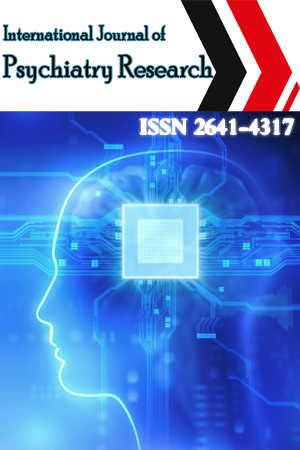
    International Journal of Psychiatry Research celebrates the response to ketamine.

    My data on using IV ketamine in suicidal patients with treatment resistant depression was published recently in the International Journal of Psychiatry Research. As I said, we’re celebrating the response to ketamine at Innovative Psychiatry.

    I spoke about the real world results we’ve seen when we use ketamine for treatment resistant depression — and find that many of the people who come to us are suicidal, have made suicide attempts, have been hospitalized for suicidal thinking.

    Real Patients in the Real World

    Sometimes ketamine doesn't  work, and the sadness continues.

    They feel terrible, and want those terrible thoughts to stop. One of the striking findings in my practice is how quickly — and completely — ketamine stopped suicidal thinking in real patients.

    I say real patients because I really mean real people–with complicated lives, multiple stressors, multiple other psychiatric stuff going on at the same time — most had 3 other psychiatric diagnoses in addition to treatment-resistant depression. Most were on 4 or more psychiatric medications, and had failed multiple antidepressants in the past. Many had been hospitalized, many had made suicide attempts… or multiple attempts. Many had failed ECT. Some had failed TMS.

    Or….I should say, our available treatments had failed them.

    They were just doing the best that they could to hold on until a better treatment became available that could help them.

    A Holding Environment

    For many of them, that better treatment was a short series of IV ketamine infusions — with the dose increased (or “titrated”) along the way.

    We work to create a holding environment–to hold on to hope, to offer it to our patients when their hope is strung out pretty thin, to offer it to their families, to give them a chance and to buy a little time so that treatment of their underlying depression, anxiety and trauma can begin. So that the suffering can stop.

    Celebrating the response to ketamine after Lori Calabrese's presentation.

    There is palpable excitement in the room when suicidal thinking falls away. In the IV ketamine treatment room, in the patient’s living room, in a crowded lecture hall when you describe this to other doctors. (…That’s me answering questions on the floor after my talk.)

    Celebrating the Response to Ketamine – The Game Changer

    We're fighting suicide with ketamine to erase suicidal ideation and people are getting well.

    Ketamine infusions don’t always work. I have to emphasize that, because we have to be clear: of course they don’t. We’re trying desperately to understand what are the factors involved when they don’t work for some people.

    But when they do –and they often do — when suicidal thoughts just stop, when the veil lifts, when the ability to enjoy things again slowly creeps back in for someone who has been stuck for so long in such a bad place …. well, then, it’s a celebration.

    So today we’re celebrating the response to ketamine.

    We’re talking, we’re writing, we’re buzzing with hope for the future and for the future of our patients.

    And we have hope to offer them. Real data from hundreds of people that we’ve treated. So that we can say, in our hands, this is what we find, this is what we see, this is what you can expect.

    We need more research–the elegant, beautiful, randomized, placebo-controlled trials with carefully curated patient populations, and primary and secondary endpoints, and exhaustive data analysis.

    And we need more real-world results with real, lived experience. Live suffering. And, yes, the messiness that comes with the complex and devastating psychiatric disorders that we treat every day.

    So indeed, let’s work together.

    Let’s celebrate the response to ketamine, and talk.

    Let’s talk about serial, titrated ketamine infusions, and how they can stop suicidal thinking. How they can maybe turn around that trip to the ER because you might not need it. How they might keep you out of the hospital.

    Joyful girl is celebrating the response to ketamine that changed her depression to joy.

    Most definitely, let’s talk. While we celebrate (and let’s keep celebrating the response to ketamine). And let’s talk so that we can save lives.

    Let’s talk so that we get insurance to listen and to reimburse you for a treatment that can potentially save your life.

    Because an infusion is cheaper than an ambulance ride. Less expensive than a night on a gurney in the ER. Much less awful than days spent hospitalized on a psych ward.

    Oh yes, let’s do talk. Doctor to doctor. Doctor to patient. Mother to daughter. Friend to friend. Share the news:

    Lori Calabrese. Titrated Serial Ketamine Infusions Stop Outpatient Suicidality and Avert ER Visits and Hospitalizations. Int J Psychiatr Res. 2019; 2(5): 1-12.

    We’re working hard every day to help you find the resilience you wish for, the fulfillment of a rewarding life, the enrichment of strong, mutual relationships.

    To the reinvigorating of your best self,

    Lori Calabrese, MD offers innovative psychiatric treatment like IV Ketamine

    Lori Calabrese, MD

  • Buy Esketamine Online..? Get Real.

    Buy Esketamine Online..? Get Real.

    When you're in despair you may be tempted try to buy esketamine online. But seek a psychiatrist's care; he'll help you find the relief you need.

    The news outlets, journals, and lifestyle magazines have been chock-full of articles about ketamine treatment for depression the last few years, with sprinklings about esketamine from time to time…

    Then, this past March, esketamine received FDA approval for depression and suicidal ideation under the name Spravato. Developed by Janssen, owned by Johnson & Johnson, esketamine nasal spray won approval packaged in an innovative spray dispenser that metes out a precise dose in each spray. And literally — within just a few months — people are already looking to buy esketamine online.

    Unbelievable, right?

    Michael Thase, M.D., an investigator of intranasal esketamine during FDA trials, noted that “this treatment has addiction liability — it is a Schedule III controlled substance in the eyes of the Drug Enforcement [Administration]. It’s identical to the parent drug, ketamine.”

    When he said that esketamine is identical to its parent drug ketamine, he was referring to its controlled substance rating. Both drugs are Schedule III.

    And even though there were 3 suicides during the trials, Dr. Thase pointed out that during the follow-up phase of the study, no one experienced craving or abuse among the subjects who received esketamine.

    He continued that it’s important to have a 2-hour observation period in the office after each dose. And went on to say that esketamine nasal spray treatment is “administered twice a week in clinical practice.”

    As we now know, esketamine was FDA approved with stipulations that it must be provided with an antidepressant, in a doctor’s office (or medical setting like a hospital), and the patient must be monitored for 2 hours.

    So, during that 2-hour observation time, they monitor the patient’s blood pressure and watch for signs of sedation and dizziness or other adverse reactions. And, not surprisingly, sometimes patients need kind, warm support from someone to help them get through an unpleasant psychoactive experience.

    Clearly, it’s not an at-home medical treatment.

    So here’s something to think about.

    With all that said, more and more people are looking for ways to buy esketamine online...

    You're depressed and you want to buy esketamine online to get relief. But that's a dangerous idea. Your psychiatrist can help you get treatment.

    It’s not a good idea.

    Before we had internet, if you got sick, you went to the doctor. The doctor examined you, figured out what was wrong, and took care of it… maybe sent you home with a prescription.  If your pipe sprung a leak, you called a plumber who came out and fixed it.

    People depended on experts to fix their problems.  

    But since search engines took center stage, everybody’s a DIYer. Just google what you need to do, order what you need online, find a YouTube video that shows you exactly what to do, and — do it yourself. Everything from erecting a power pole and replacing spark plugs to folding sheets the right way to … treating your own maladies.

    And THAT MAY WORK FOR YOU as long as you stick to relatively low-risk problems. But when it comes to treating your own illnesses with medicines acquired from a questionable source, you can really set yourself up for a life-threatening – or fatal – disaster.

    Serious Consequences When You “Treat” Yourself, Like If You Buy Esketamine Online

    We talked in the past about the danger that arises when club goers use ketamine to get high, and try to “treat” their own depression in the process. There are substantial risks. When ketamine is used in high doses and way too often, addiction raises its ugly head. But beyond the risk of addiction lies the risk of serious damage to the bladder. 

    Someone who has been dosing himself with controlled substances for entertainment might consider himself an “expert” in using those substances.  

    This young woman is fighting despair and suicidal thoughts. She plans to ask her psychiatrist if esketamine nasal spray can help.

    However, a hazard looms with such practices. It works like this: during ketamine or esketamine treatment, some people experience a pleasant floating sensation as it’s working in the circuitry and structures of the brain. Others, however, experience a stronger sensation we call dissociation. A feeling that you’re detached from your body, or detached from yourself…or maybe even in another place. For some, this is a bit unpleasant. And it passes. But for others…and here’s where it can get slippery…this can be a very appealing experience.  And for those, it’s disappointing when the treatment ends, and those feelings dissipate. 

    But what happens if you have a bagful of ketamine on the table? Do you think you would just put it away? 

    Not likely.  Not likely at all.

    Because along with this experience, you’ve also lost a lion’s share of your inhibitions, too. So why not just dose up again?  Keep the good times rollin’, as they say?

    Someone who would have received 0.5 mg/kg or a bit more over 40 or 50 minutes under a doctor’s supervision might take 5 times, 10 times, 20 times, or more than that amount on his own.

    This is how addiction is born. And how bladders are destroyed.

    Then tomorrow, he’s ready to buy esketamine online, again.

    Controlled Substances Require a Physician’s Supervision for YOUR Safety

    Controlled substances are controlled to protect you from the dangers of over use, from side effects, adverse reactions, and from overdose. When you defy those safety measures, you put yourself at extreme risk.

    So let’s talk now about esketamine.  

    We don’t know a lot about esketamine so far. It hasn’t been widely used yet. But a wise person recognizes that since the FDA stipulated approval of esketamine in the presence of specific parameters, it’s a safe bet they need to be followed.

    Don't buy esketamine online.This woman sits in darkness and despair without hope. But she plans to see her psychiatrist and ask for esketamine nasal spray.

    First, it must be administered in a registered medical office or hospital/clinic under strict guidelines.

    Second, you must remain in the office for observation for a full 2 hours after administration, and a safety report has to be sent in to an oversight safety monitoring program every time you come into the office.

    It must be administered along with an antidepressant.

    And finally, esketamine nasal spray may not be taken home or out of the office.

    This assures that the medicine is not overused, or given to someone else. The medication from the pharmacy is pure — it hasn’t been tainted or adulterated with anything.

    What IF You COULD Buy Esketamine Online?  

    Would that be a DIY Solution or a DIY Tragedy?

    Hint: Some things should be left to the experts.

    Now, let’s picture what it would be like if you actually found an online source for esketamine. It might be produced in a developing country, or by a chemist prodigy with questionable integrity, and shipped out in a little baggie… and without FDA restrictions. 

    While we recognize the FDA isn’t a perfect institution, its requirements do set restrictions that help keep consumers safe.  Or at least saf-ER. Without that protection, you have no idea if the esketamine you might receive would destroy your organs, cause blindness, trigger psychosis… or worse. 

    Any chemical or pharmaceutical treatment for brain or behavior disorders has the power to incapacitate or disable you if it’s not pure, well tested, and administered with precision.

    So often we talk about the delicate brain systems and the precision and care necessary to treat disorders with a medication like ketamine — and we administer it IV because of the precision, flexibility and responsiveness that the IV route allows in psychiatric treatment. It’s just as critical when treating with esketamine. Just as vital that a psychiatrist is supervising the treatment — and your response to it — expertly. 

    Don't try to buy esketamine online. Relief. Release. The joy when depression lifts after esketamine treatment.

    It’s all about you, and your improved life.

    So you can experience a truly therapeutic dose that can help you feel more balanced and better, function better, and live a happier, more fulfilling life.

    There are no shortcuts to reaching that goal.

    No bargains.

    No fun “trips” killing two birds with one stone.

    And if you were able to find esketamine in bulk form, without that innovative sprayer..well you’re taking your life and your health in your hands. 

    DIY Brain Surgery

    So let me ask you this. Let’s say your PCP referred you to a brain surgeon. You call and make the appointment, then on the designated day you appear in his office. He looks at your x-rays and scans, and tells you he agrees with your PCP that you need surgery.  You meet with the scheduler to schedule it.

    Then a few days later, you get the call and find out the cost of the surgery…and the amount you’ll have to pay as a co-insurance payment.

    WHAAA???

    You could pay off your house for that!!

    All you can see is white. Shocked. Stunned. There is just no way. You’re not going to pay that.

    So you get to thinking.  You know… it can’t be that hard…  You start looking on YouTube for DIY brain surgery…   It’s hard to find much. So you keep trying different key words. Then you drive to the University Bookstore and ask for a textbook for neurosurgeons…  You know you can always close the incision with staples.  That’s what they use in the hospital right..?

    Ok, I’m pulling your leg.  Who would do that?  Ever?? Now, there are some unusually determined people out there who go over the line. All the time.

    But NO ONE would attempt surgery on his own brain.  Why?  Because it would more than likely cause brain damage, or worse. Because it would destroy your ability to think, to walk, to speak, to see. And that’s if you were lucky.

    It’s for this reason you need to leave treatment of brain and behavior disorders to an expert in brain and behavior disorders. To avail yourself of the expertise and experience required to effectively treat the most delicate and most central managing system of your very life.

    Brain Treatment is for the Experts

    If you’re looking for a shortcut to health and well-being, put your doctor’s appointment setter on speed-dial.  How’s that for a shortcut?

    Meanwhile, if you struggle with depression that hasn’t responded to treatment, symptoms that persist no matter what you do, suicidal thoughts that return again and again … if medicines aren’t helping, just call us. Give yourself the advantage of deep psychiatric expertise, patient and skillful dose titration (with IV ketamine), and quick response to reactions and needs.

    We offer comprehensive evaluations to determine if IV ketamine infusions or esketamine nasal spray could be an appropriate and effective treatment for you.

    Neither treatment can give you a sure-fire guarantee. No treatment can. But when ketamine is administered properly, our patients often enjoy an amazing improvement. For many, it’s fast, and it’s robust … with IV ketamine, the improvement can begin within just a few hours.

    A dDon't buy esketamine online. A joyful peace replaces despair with esketamine treatment.  Find an expert psychiatrist for your best outcome.

    Your life is too precious to wreck. Don’t search for ways to buy esketamine online… or ketamine either, for that matter. It can lead to a slippery slope of abuse, addiction, and worse. You’re just too valuable to miss the relief and wellbeing proper treatment can provide.

    Your life is yours to live, and we want to help you gain the opportunity to live it well. With joy, loving relationships, and accomplishments.

    You really can be the best you can be.

    Lori Calabrese, MD explains esketamine FDA approval and what it involves.

    To your best self in the months ahead, 

    signature of Lori Calabrese, M.D.

    Lori Calabrese, M.D.

  • Family: Suffering Together With Psychiatric Disorders

    Family: Suffering Together With Psychiatric Disorders

    If you have a family suffering together with psychiatric disorders reach out for support. You all need it.

    “I don’t care what the &%@!* you think!! It’s all your fault!! I’m outta here!!!”

    With that, Ben picked up the massive carved oak coffee table and  threw it at the window. It hit the window and the wall with a thud, pushing the window frame in a contorted mangle of metal and glass out toward the garden, knocking a gash into the wall with the impact. Families that are suffering together with psychiatric disorders know this scene so well…

    The table fell to the floor, unaffected by its collision, except for a few paint scrapes off the wall. The wall, however, didn’t do so well.

    By then, Ben had already grabbed a china lamp and slung it toward another window. The shattering glass of the window and the shattering china in the lamp base formed a tinkling wind-chimes sort of symphony as they fell.

    Ben beat his face with both fists, cursing his life.

    Suffering Together

    A little girl like this one can be lost in the chaos when a family suffering from psychiatric disorders is in turmoil.

    Little 6-year-old Sara shrank back into the shadows of the hallway. She knew not to cross her big brother at times like this. He was her hero and had been her best friend ever since she was born.  He was kind, patient and included her even though he was 7 years older. 

    It scared her when he got like this, but she also instinctively knew he just couldn’t help it.  She knew he’d probably cry again after this rage subsided, because he felt so helpless to control it and so sad about hurting the family.

    She slipped back into her room and quietly closed the door to play with her dolls…and try to not hear what was happening.

    Then her mom’s gentle voice sounded soothing and reassuring. She was helping him calm down, like she had so many times before. After 30 minutes or so  (it was hard to tell time, but especially when every second seems like an eternity…) she heard Ben trying to talk through sobs… she knew what he was probably saying, and she wanted to go hug him. But she thought it was better to let mom do that right now. He might be embarrassed to know she heard all of that.

    Each One Copes in His Own Way

    Sara felt confident the “storm” had passed, but then the front door slammed so hard the house seemed to crack. She quietly opened her door to look and listen. Ben and Mom were talking in low tones in the living room…but she could see her older brother’s door was open.

    Then a car started and screeched away outside.

    Ohhhhh.  I guess Ben’s episode made Gregory mad again.  (Huge sigh)  I wish everyone could just be happy.  We must be the only family that goes through this.. 

    Out of nowhere Scruffy, their mixed breed little dog, scooted between Sara’s legs and into her room for safety. She picked him up, and could feel him trembling…

    Hugging Scruffy close to her, Sara withdrew back into her room and ever-so-quietly closed the door.

    Quiet Distractions Provide Solace

    She set up a tea party in her closet where it would be extra quiet… and brought in Baby Alive and Jenna to share it with her.  hmmm….we need one more, she thought.  She reached under her bed and pulled out Timothy, her cream-colored teddy bear…and took him into the “tea room” in her closet floor. With the light turned on, she pulled her closet door shut.

    Shame Torments

    Ben had stopped sobbing by now…and was looking at his feet. It’s never going to stop, he thought.  What’s wrong with me?? I always ruin everything. I’m the black sheep of this family.

    Why can’t I be like everyone else…?  I’m so worthless, stupid, bad, and rotten to the core. I should never have been born… I’ll probably end up being a criminal…

    “Whatcha thinking, Ben?” Ben’s mom waited patiently for Ben to gather his thoughts.

    While Ben was searching for words, the front door opened. 

    Learning to Support Each Other In the Family

    His dad was home from work. Ben tried to look pleasant.

    “Hi Dad…”

    “What’s going on…?  Has something happened…?” Ben’s dad spotted the bashed windows and looked worried. Then his eyes fell on Ben’s swollen red face. Ben felt humiliated and didn’t know what to say.

    “Hi Bill.  How was your day?”  Ben’s mom hated to bombard him with the latest family crisis when he’d just walked in from a stressful day. And she also hoped to give Ben a break from his dad’s scrutiny.

    “It was fine, Lil. Is everything ok?”  

    The air in the room hung heavy with tension. But they were a family, and they needed to face times like these together, so Lily spoke up.

    “Everything’s fine, honey. Ben had another episode today. It was terrible for him…well, for all of us. He’s feeling pretty discouraged right now. We were talking about what we could do to find a doctor that might help more than Dr. Mendolssohn has. Someone maybe who specializes in adolescent bipolar disorder?”

    Ben focused on the pet hair on the rug. Bill nodded and stared at his feet, hands in his pockets. Lily stroked the sofa cushion. When a family is suffering together with psychiatric disorders…well, each one harbors his own secret pain.

    A big part of that pain is helplessness.

    This young man is angry because his family is suffering together with psychiatric disorders and he feels helpless.

    Bill spoke first. “I noticed the car is gone…did Gregory leave?”  

    Ben sighed.  Lily nodded.

    “And Sara…?”

    The NON-Squeaky Wheel Needs Attention, Too

    Lily sprang up from the sofa and headed for Sara’s room.  Her little girl had been so quiet…and with all the turmoil, she forgot to check on her. Guilt swelled up and threatened to choke her.

    Tap, tap, tap.  “Sara? May I come in please?”  Lily tried to sound cheerful.

    Tap-Tap-Tap. “Sara?”

    Lily opened the door and didn’t see Sara.  

    “Sara??”

    A tiny muffled voice squeaked, “yes, Mom?”

    Lily got down on her knees and looked under the bed. Nothing.

    She looked on the other side of Sara’s bed. Nothing but a couple stuffed animals.  

    “Sara? Where are you?”

    The closet door opened. Sara’s hair was disheveled and the rims of her eyes were red. She’d been crying.  Lily rushed over to her and swooped her up in a hug.  

    “Whatcha doing in your closet..?”

    “Tea party…”

    “Wanna help me cook supper?”

    “Yeah!”  

    She swung Sara onto her hip and off they went to the kitchen, chattering about the tea party.

    With Psychiatric Disorders, Symptoms Can Look Like Bad Behavior

    Ben is walking alone to sort his thoughts because his family is suffering together with psychiatric disorders.

    Bill was sitting with Ben, helping him with his algebra homework.  He knew a lecture about behavior wasn’t what Ben needed. He needed acceptance and support. Bill had made plenty of mistakes while he learned how to provide what his family needed in times like this.

    So.

    Another day. Once again they’d survived another major bump in the road. Tomorrow they’d call the insurance company about the damaged windows. But for now, they were thankful for peace.

    He and Lily did their best to try to help Ben’s self-image remain strong…though they knew all too well that their best efforts might not be enough. They also tried to be sure Gregory had their time, support, and attention, too. It was easy in this household to be overlooked.

    They were learning to avoid reacting with even more conflict or criticism. But rather to choose words and tone that soothed. Everyone needed it. And they believed their reactions were improving.

    Family: Suffering Together with Psychiatric Disorders

    Which brings up little Sara. They worked hard to try to protect her innocence and sweetness. But they couldn’t protect her from the frequent upheavals in her own home.

    Families suffering with psychiatric disorders work hard to keep their relationship strong.

    They also knew they had to be sure to communicate and make time for their relationship with each other. That was usually the first to be sacrificed.

    Most of the time they were both stretched pretty thin.

    Breathe.

    Got anyone in your family with a psychiatric condition?  It might be an eating disorder, bipolar disorder, severe depression, social anxiety (yes…that’s a disorder too), addiction, PTSD… there are lots of possibilities.

    No matter what the condition, and whether it’s you or someone else, a family with a psychiatric disorder suffers together, feels helpless together, gets frustrated together… no one escapes.

    And while it’s easy to blame, that doesn’t accomplish much, does it?  It just makes the wounds infect.

    When it gets right down to it, there is likely some genetic connection that links you all to the disorder. In this family, Ben drew the short straw.  And bears the stigma. 

    But just as Bill isn’t to blame for the high blood pressure he inherited from his grandmother, and Lily isn’t to blame for her kidney stones, Ben inherited the tendency to develop his condition before he was ever born.

    To try to manage his blood pressure, Bill either jogs or takes a brisk walk every night after work while Lily cooks dinner. Lily is careful to stay hydrated to avoid more stones. Ben tries to get out and play football in the afternoons and they work together to see that he eats balanced meals and gets to bed early. And they all take medication for these health problems.

    When The Brain is Disordered, It Can Be Hard to Maintain Order At All

    Not just for the person with the condition, but everyone close to him, too.

    So don’t be fooled. The family tries to maintain these routines, but that’s not as easy as it sounds. It takes a concerted effort, and they try to support each other and understand when things don’t go as planned. Because, when a family is suffering together with psychiatric disorders, everything is more complicated, it seems.

    Families like this have plenty of bad days.  More days than they care to admit actually… where all the opportunities to manage their collective health slip through their fingers.

    But they do try. And when things fall apart, they help each other get up and try again. Or at least they try to. Sometimes everyone just gets sick and tired of it all. So they retreat into their corners to recover a bit, then come together and face their life together again. At least that’s their intention.

    Life Is Challenging on Some Level for Us All

    If you don’t have a person in your family who has a health condition, maybe things go smoothly for you…?  But I bet they don’t go as smoothly as you wish. Nobody’s life is perfect.

    Still, if you do have one or more family members who endure chronic illness, (the genetics often strike multiple times in a family) you probably feel like no one can imagine what it’s like. You likely feel isolated and alone. Maybe you feel embarrassed, because your life isn’t perfect. And you’re right to some degree. No one knows what it’s like to live your life. But you don’t know what it’s like to live someone else’s either.

    I can say this however… that if your family suffers with a member who has a brain or behavior disorder, we know it impacts the whole family. And our hearts are with you.

    Is Your Outpost Suffering Together with Psychiatric Disorders?

    Family is our most important outpost of support. No matter what the challenges a family faces, they don’t manage them well all the time.  In fact, it’s fair to say there are LOTS of times the whole family seems to implode.

    Some families have financial struggles. Other families have marriage struggles. And still other families have health struggles.  But whatever the challenges, pulling together is the best way for everyone to come out in the best shape possible.

    But then, that’s life, isn’t it?

    It’s for you we work at Innovative Psychiatry to find better solutions, more effective treatments, and the compassion and support you need. And we’ve found extraordinary results for families like yours with ketamine treatment. You may have a family member with bipolar disorder, major depression, or PTSD. If so, call us.

    She just might be a candidate for IV ketamine treatment. That also goes for social anxiety, addictions…and of course suicidal thoughts. ALWAYS take suicidal thoughts seriously. And let us help.

    But don’t forget to take note of other family members who may be suffering in addition. They may need treatment, too, so they have the energy to conquer the days, weeks, and months of stress at home.

    There is help available for your family. To feel better, with restored hope, and more harmony.

    Lori Calabrese, MD offers innovative psychiatric treatment like IV Ketamine

    To the fresh emergence of your best selves,

    Lori Calabrese, M.D.

  • Omegas: The Very Real Effect of Fatty Acids on Your Brain

    Omegas: The Very Real Effect of Fatty Acids on Your Brain

    The very real effect of fatty acids like omega-3s help your brain function at its best.

    Eat a diet that supports your positive mood and mental health.

    We’ve talked about the microbiome, or “second brain,” and how we can weaken or strengthen it with what we eat. We’ve talked about eating fresh vegetables of all colors. And how fermented foods like sauerkraut, pickles, kimchee, and kombucha introduce healthful organisms into our intestinal DNA system. We’ve talked about curcumin, and its benefits against depression. Now let’s talk about the very real effect of fatty acids on your brain.

    Did you know that some of the most important, even vital, foods you can ingest are fatty acids? Maybe that sounds a little creepy… But it’s true.

    The World Health Organization estimates that major depression is the greatest single cause of disability worldwide.

    A study by JR Hibbeln showed that around the world, countries that consume the least amount of fatty fish show the highest levels of major depression (MDD) in their population. And countries where fatty fish is the main diet show the lowest incidence of MDD.

    You Have a FAT Brain

    You think I’m kidding..??

    The effect of fatty acids on the brain turned this miserable man to a happy fulfilled one.

    I’m telling you, your brain is 60% fat.  60% !! Shocking fact when you step on the scale. But don’t try to lose that excess weight from your head, because THAT fat is pretty important. 

    Fats reside in the neuronal membranes–the brain cell membranes–and in the myelin sheaths that surround them. And they’re important for delicate synapses. Remember that synapses are the connections between neurons.

    The saturated fatty acids are combined in what’s called a lipid bilayer and that lipid bilayer forms the membrane that surrounds each brain cell. It’s made up of straight chain carbon atoms so the membrane is more firm like butter is firm at room temperature.

    Now–this is where it gets interesting– unsaturated fatty acids are made of bent chain double bond curvy molecule structures. Because of this, there’s more space between molecules so when unsaturated fats are incorporated into the cell membrane, the membrane is more fluid. So, if you compared oil to the firmness of butter, these are more fluid like olive oil, for example. 

    The omega 3 fatty acids are fluid ones.

    Another remarkable characteristic of omega-3 fatty acids is that they’re precursors to eicosanoids like prostaglandin which can reduce inflammation. Super important for psychiatric disorders, which are associated with increased inflammation.

    Eicosanoids go by the nickname ‘local hormones’ because they act on cells close to their site of production. So fatty acids in your brain cause the release of prostaglandin, which reduces inflammation that contributes to depression.

    That’s a mouthful! But it tells a promising story.

    Get the effect of fatty acids by eating more fatty fish.

    The effect of fatty acids on your brain results in wellbeing for you.

    Fatty acids like omega-3s are considered essential fatty acids, and you can only obtain them from your diet.

    So to maintain a healthier, more positive outlook, decrease inflammation that can lead to depression, and actually fight depression symptoms, increase the amount of mackerel, salmon, oysters, sardines, and trout in your diet. Make sense? I hope so, because doing that can make a real, tangible difference for you.

    In addition, seaweed is a nutrient dense food that’s rich in omega-3 fatty acids. Nori seaweed typically presents itself in sushi, and is a tasty snack on its own.  Also spirulina and chlorella are also in the algae family and are a good source of omega-3s that you can add to shakes and smoothies.

    Fatty Acids Are Essential for Your Brain Health

    In a presentation at the annual meeting for the Society of Biological Psychiatry in NYC last year, Dr. Roel Mocking spoke about the critical requirement of fatty acids in psychiatric wellness.

    He demonstrated that Omega 3 fatty acids reduce inflammation, reduce the release of cortisol from the hypothalamus-pituitary-adrenal-cortex-axis, and activate the amygdala. 

    This family love to hike together and enjoy life together.
    The amygdala is one part of the brain that contributes significantly in processing emotion and decision-making. When someone’s amygdala is damaged, or destroyed, they tend to be fearless, and don’t use the necessary caution to make safe decisions since the caution the amygdala would create is absent. 

    So, by multiplying your fatty fish consumption, you provide your amygdala the fuel to be activated to process fear and enhance circumspect decisions. You can also reduce the release of cortisol, the stress hormone that has a negative impact on your health. And you equip your brain to reduce inflammation…all of which improve your mental and emotional functioning.

    The Effect of Fatty Acids on Your Brain

    Dr. Drew Ramsey, a nutritional psychiatrist, and author of 3 books on foods that feed the brain, is an assistant clinical professor at Columbia University. Dr. Ramsey promotes better nutrition for the brain with his patients. He laments that most Americans overfeed themselves in calories but starve themselves of the critical micronutrients the brain needs to thrive.

    He prescribes antidepressants and other medications for his patients, and engages in psychotherapy with them, too. And he teaches that fresh and nutrition-packed foods help make other treatments more effective.

    It’s a shame, according to Dr. Ramsey, that it’s so rare for Americans to eat foods that meet the needs of the “most complex and energy consuming organ in the body” which is the human brain.

    Eat the Rainbow

    This meal can contribute to the effect of fatty acids on your brain.

    He recommends “eating the rainbow,” as in eating all the colors of fruits and vegetables. Fresh foods like oranges, apples, bananas, pineapple, bell peppers, tomatoes, avocados, kale, sweet potatoes, and blueberries. 

    Combine these with fish like mackerel, salmon, trout, sardines. And walnuts, pecans, and almonds.

    These can help prevent harmful inflammation, and feed your brain, your heart, and your digestive system.

    They can reduce symptoms of depression and anxiety, and promote mental clarity. 

    Ketamine Treatment Can Help Give You a Fresh Start

    So, if your diet changes and medications aren’t bringing the relief you hope for, then let’s talk about ketamine treatment. Because this remarkable treatment of at least 6 infusions within 2-3 weeks has been changing lives across the country.  It just may change yours, too.

    At Innovative Psychiatry, we encourage brain supporting foods that improve your outlook and emotional wellbeing. 

    While we don’t center an entire treatment program around food, we do work with patients and guide them in supporting their brain function by avoiding food dyes and preservatives.

    In addition, we show them that by adding healthy foods, micronutrients, and lifestyle changes, they give their brains and emotions an optimal environment for restoration.

    This young woman is upbeat because of the effect of fatty acids in her diet.

    If you suffer from depression, symptoms of anxiety, or other mood disorders, and other treatments have brought no relief, call us.

    We’ll talk with you and determine whether you’re a candidate for ketamine treatment. We’ll guide you to eat foods that improve your well being. And please do follow the links in this article to read more information about your microbiome and your restoration.

    It’s all about getting better. Enjoying your life. Watching symptoms fade and your strengths rise. 

    Call us, and let’s create a plan to help you restore joy and fulfillment in your life.

    Can we stop suicide? Yes, with a series of IV ketamine infusions.
  • OCD: Better Treatment Targets For a Happier You

    OCD: Better Treatment Targets For a Happier You

    OCD: better treatment targets can relieve this girl's intrusive and upsetting thoughts.

    Obsessive-Compulsive Disorder or OCD is a term that is sometimes thrown around mistakenly. It’s sometimes used to describe someone’s careful behavior… you know, like careful organization, attention to detail, or a tendency toward cleanliness, which of themselves are actually normal behaviors. Many of us may be particular about these things without giving them a second thought. So to use the term in jest to poke fun at someone’s distinctive tidiness, for example, should be discouraged. You know why? Because doing so fuels stigma for one thing, and trivializes a serious medical condition. But neuroscience research is showing us that with OCD better treatment targets can give you a happier, more fulfilling life.

    People with OCD have recurrent, intrusive, unwanted thoughts that just occur—like cardiac arrthymias—out of the blue and over and over, upsetting them, plagueing them and precipitating compulsive behaviors they use to relieve the anxiety spiked by their obsessive thoughts.

    Obsessive thoughts can fall into certain categories — such as fear of harm coming to you or someone you love, fear of harming others or yourself, fear of illness or contamination, or preoccupation with things like patterns, numbers, morality, or gender identity. Insecurity about the future. Fear of throwing up.

    And so many others.

    The thoughts can have a certain theme for weeks or months… and the themes can vary within a day or over time. How often they occur can vary dramatically even for the same person. Their intensity can vary, too — and really affects the degree to which they intrude in your life.

    These thoughts — and the behaviors they invoke — can be so upsetting and time consuming that they interfere with your ability to be on time, and be present, and function at work, school, or in your social life. In fact, they can interfere to such a degree that they cause intense discomfort and distress. And it’s the intensity and distress that sets apart those who have OCD and suffer from a disorder compared to those who are just a bit more hygienic or meticulous than their friends. There’s a BIG difference.

    If you have OCD, unpleasant or fearful thoughts can fuel a reaction–and if the reaction is a behavior, we call that behavior a compulsive behavior. That reaction always starts and intends to relieve your anxiety. Right? But it becomes so repetitive and time consuming, it distresses you even more.

    Compulsions can range from excessive doubting or asking (did she have an accident? is he cheating on me? did I do that right?) to excessive hand-washing, skin picking, or excessive safety checking — checking and rechecking the door knob, the knob on the stove, or locking and unlocking your car, or something else potentially dangerous. You could meticulously clean, re-read, re-write, or arrange objects. You do … and redo.

    And there’s so much more.

    There are also some other subdivisions of this disorder that you may not have even heard of: like harm OCD, obsessive slowness, tic-related OCD, and even pure obsessional OCD — where there are no observable compulsive actions but obsessive thoughts that just won’t stop.

    Bottom line: many people suffer from a complex mixture of these types of obsessions and compulsions.

    It’s surprising how often the diagnosis is missed.

    It may surprise you to know that many people with OCD are aware that their intrusive thoughts aren’t true and that the compulsive actions they take don’t help. But they still can’t make them stop. And this causes them severe distress.

    OCD: Better Treatment Targets Are Desperately Needed

    Brain and Behavior Research Foundation presented a talk recently regarding the work of researchers to find more treatment options for those with OCD who are not helped by current available medications or psychotherapy. Because there’s a HUGE need.

    Treatments for OCD

    Serotonin Reuptake Inhibitors (SRIs) have been the only proven monotherapy, or singular form of medication treatment.

    The serotonin system is pretty extensive. It’s involved in many different parts of the central nervous system: From the hippocampus, cerebral cortex, cerebellum, basal ganglia, thalamus, limbic cortex, and temporal lobe, to the rostral raphe nuclei, caudal raphe nuclei, and the spinal cord. Exhaustive, isn’t it?

    Remission with SRIs is only 10-15% which is wonderful for those who achieve it, but the other 85-90%, need more help than that.

    Those who achieve a partial response to an SRI experience a decrease in symptoms in 20-40% of cases… but only 20% still enjoy improvement after ten years.

    Not great.

    So it goes without saying how seriously we need to explore OCD better treatment targets that are effective. So here are some possible options on the horizon…

    Augmentation strategies

    OCD: better treatment targets can dispel the fearful obsessions this girl experiences.

    Glutamatergic agents like Ketamine

    Studies continue to investigate IV ketamine treatment for OCD. One study may show good responses, then another shows it’s less effective. Researchers are guessing this may be due to different types of symptoms needing different treatments. You can see that it’s so important to research more deeply — and study different patient populations — to see which ones do respond and which ones don’t.  And to learn why.

    Is it based on the types of symptoms the patient experiences? Fear of harming others vs. Fear of contamination? Or is it based on comorbidity, such as cognitive rigidity or the presence co-morbid depression or anxiety? Researchers continue to explore these questions.

    A common augmentation strategy is with dopaminergic blockade agents, such as atypicals, as they’re called. (A shortcut for atypical antipsychotics–we often avoid saying the “antipsychotic” part and just call them atypicals.) Interestingly, these medicines fast-tracked for FDA approval treat psychotic disorders often have promising results with a variety of neuropsychiatric conditions.

    They’re pretty amazing. They can get you unstuck, and get your thoughts unstuck. They’re like Goo Be Gone–you don’t quite know where all of those repetitive stuck thoughts went. They just seem to dissolve.

    When the meds work.

    Exposure and Response Prevention (ERP)

    This form of therapy can be extremely effective, but it’s hard for some patients to see it through. It requires patient and consistent steps to bring about progress.

    The steps required can cause so much anxiety that patients sometimes decide it’s not worth it to them… so they quit. It’s also hard to find enough skilled therapists to meet the needs of patients who need this kind of treatment. Here at Innovative Psychiatry we’re not able to offer this therapy to new patients. But we can offer other treatments.

    For those who have not improved with medicine or therapy, surgery can be a consideration.

    We don’t offer that either. Just sayin…

    Ablative Neurosurgery

    When medicines and psychotherapy bring no improvement, an option may be ablative neurosurgery. This involves surgically interrupting precise connections between the cortex and striatum.
    The cortex is the part of the brain where you make decisions and decide what action you’re going to take. The striatum is important for carrying out those actions. So creating a disconnect between the two interrupts the cycle. This procedure can be 50-70% effective.

    The problem with ablative neurosurgery is that it’s surgery…. and its non-reversible

    It’s non-reversible. 

    Deep Brain Stimulation

    Deep brain stimulation is high-frequency stimulation achieved by implanting electrodes deep into the brain that are powered by a device planted in the chest…something like a pacemaker for the brain.

    When there’s a disturbance in the reward system of the brain it can lead to addiction, depression, and/or OCD.

    And good outcomes have been achieved with deep brain stimulation.

    For instance, the most common target site that’s been used for DBS is the ventral capsule/ventral striatum (VC/VS) and the nucleus accumbens (NAc) area. This area is approved for deep brain stimulation and is also being investigated for other purposes.

    A newer target was utilized in a recent and exciting study. Keep reading…

    A recent study (March 2019) seeking an alternative to ablation neurosurgery was conducted by Tyagi et al., and compared the effectiveness of deep brain stimulation at the ventral capsule/ventral striatal (VC/VS)  region and the anteromedial subthalamic nucleus (amSTN) region in the same patients. They tested to determine the differences on mood and cognitive flexibility and associated neural circuitry. They also used cognitive behavioral therapy throughout the process. 

    Each patient received DBS in one region at a time, then at a separate time in the other region. Each patient received significant improvement of OCD symptoms following DBS to each site. But they didn’t get any real additional improvement after having stimulation to both sites at once. 

    Hand washing by someone with OCD: better treatment targets will restore a rewarding life to so many.

    But listen to this – It was so exciting to find that when patients received DBS to the VC/VS region, they experienced improved mood. When they received DBS to the limbic STN area, it improved their cognitive flexibility without affecting their mood at all.

    Better Treatment Targets

    So while DBS was effective for OCD symptoms at both targeted sites, this implies that if a patient is having more difficulty with co-morbid depression, then she might receive relief for both conditions following DBS to the VC/VS region. However, if the patient’s greatest difficulty is with rigid cognitive thinking and needs more cognitive flexibility, then the NAc region might be the preferred target for DBS. Very cool. How many more sites can be mapped for this?

    All in all, this study opened up more possibilities to be investigated for treating OCD by isolating the specific sub-symptoms different people endure. Just imagine how much more effective OCD treatment could be if we were able to identify the targets in the brain where stimulation would relieve each OCD symptom.

    OCD: Better Treatment Targets Will Improve Quality of Life

    At Innovative Psychiatry, we’ve worked with a variety of treatments for OCD including SRIs, Transcranial Magnetic Stimulation (TMS), and IV ketamine treatment. Both TMS and ketamine treatment continue to be studied to improve outcomes for patients with OCD. There’s lots of work to be done still. And so we keep a close eye on advancements in neuroscience research to help us provide the most personalized care possible at this point.

    With each passing year, we hope for more discoveries to guide us to more and more finely-tuned options.

    Effective Treatment Includes Tools to Restore What’s Missing

    Depression can be treated with IV ketamine treatment and brought to remission. But it doesn’t always happen that way. Your treatment might be challenged by underlying variations in serum levels or cerebrospinal levels of a certain folate or of hormones. In the same way, OCD treatment can be deterred by individual symptoms and the brain regions involved in a given person’s disorder.

    This is why personalized treatment and care is so important. So let’s say it again:

    One Size Doesn’t Fit ALL!!

    We want to help you get better. We want you to have the freedom to pursue the life you want, the career you believe in, and build the relationships that will fulfill your life.

    If you suffer from a disorder that has not responded to multiple treatment strategies, call us. We specialize in finding effective treatment for your individual symptoms. No matter what advances are being made in psychiatry and neuroscience, if you don’t feel better, it’s hard to see the relevance. We get that.

    Call us. We’re here to help.

    Lori Calabrese, MD explains esketamine FDA approval and what it involves.

    To the liberation of your best self,

    signature of Lori Calabrese, M.D.

    Lori Calabrese, MD

  • Can Genetic Clues Really Predict Bipolar Disorder and Schizophrenia?

    Can Genetic Clues Really Predict Bipolar Disorder and Schizophrenia?

    Can genetic clues really predict bipolar disorder in people like this young woman, who doesn't understand her disorder.

    If you struggle with bipolar disorder, and the symptoms that seem to dominate your life, it may help you to know that many psychiatric disorders don’t really come with a list of predictable symptoms.

    If you have times when you’re short-tempered, highly energetic, sure of yourself, and quick to argue, you may have a mood disorder…or you may have had a frustrating week at work… And so goes the conundrum. You may feel like you’re low on energy most of the time, or find it hard to identify purpose for your life. How do you know if you’ve got something going on? How can you get a clue? It may seem far-fetched, but can genetic clues really predict bipolar disorder and schizophrenia?

    We look for clues all the time–little signs and symptoms that herald bigger problems to come. If you have all that going on… and it seems to run in cycles…  depression interrupted by periods of energy, over-confidence, a strong drive to win arguments… then periods when you can only think about dying…or ending your life yourself… Well, chances are, this may be more than a bad week at work. In fact, you should probably see a good psychiatrist in your area to help sort it out — because you may have a disorder. And if you do, treatment can help.

    So, let’s say maybe you feel intrigued to talk someone you just met into having risky sex with you…or maybe you’ve lost touch with the limits of your credit cards and feel inspired to do lots of shopping or travel and splurging. Maybe spending money gives you exhilarating feelings, but you feel like you’re accomplishing so much– and …you don’t notice this is out of character for you. You think it’s great.

    Oh boy.

    Your Disorder May Display Different Characteristics Than Someone Else’s

    Fighting cranes depict the unexpected conflict from someone with bipolar disorder.

    People with bipolar disorder don’t usually display all the symptoms, but they do display some of them. Whether it’s something like getting frustrated that leads to a major blowup and rage…and display of super human strength… or something like feeling untouchable and indestructible that leads you to do things that are so risky (so incredibly fun!) that the adrenaline just courses through your veins. Rather than feeling fear per se, you feel exhilarated — and want more of that feeling.

    Let’s look at it this way…

    If you contract a virus, something like the common cold, it’s easy to predict your symptoms, isn’t it?  

    Sneezing and a runny nose is how it starts.

    Sound familiar?  

    If it’s a particularly nasty cold, you might even have a fever. Then, the runny nose gives way to a stuffy head, maybe a cough or a scratchy throat, and you just feel awful. So predictable. We can pick up on the first inklings

    But some psychiatric disorders aren’t quite so easy to pick up on. 

    So Many Symptoms – Who Can Tell?

    Sure, there’s depression.  Everyone knows what that is…right? Or maybe not…  If you broke a nail right before a black tie event, that may seem depressing. But we’re not using the word appropriately when we say that. Because major depressive disorder (MDD) is a disorder… i.e., an illness. Grab your file and smooth out that nail. It won’t interfere with your fun at all. But if you have MDD, it’s not likely you’ll be able to have a very good time. Depression just takes the fun out of everything.

    Shopping can be fun, but sometimes spending way too much can be a sign of bipolar disorder.

    At the same time if you shopped for the event, spent your entire month’s earnings on an outfit for the affair, and left yourself with pretty much nothing to live on or pay bills with until your next paycheck, it’s pretty clear you used poor judgment. And poor judgment is not a disorder. It’s merely doing something risky that seemed like a good idea at the time …but a tough decision to live with the rest of the month. On the other hand, poor judgment can be a symptom of a disorder.

    Oh. Like when?

    So can explosive outbursts. Fits of rage. Or destruction of property. Again, they can be, but of themselves aren’t necessarily signs of a disorder.  So it begs the question: are there clues that predict whether a disorder is in the making? Are there genetic clues that really predict bipolar disorder and schizophrenia? Well… the answer is sometimes. And maybe.

    (This is where we tear our hair out.)

    You do need a psychiatrist to figure all this out. 

    Thirty years ago, a psychiatrist may or may not have been able to help. But chances were much better than they were 100 years ago, you know?  At that point, psychiatrists stumbled in the dark and devised theories to explain patients’ behavior, with little scientific evidence. There was so little we knew about the brain. Sometimes they helped their patients, but often they couldn’t. 

    In the absence of neuroscience discovery, psychiatrists did what all scientists do: they hypothesized. And they looked for evidence to see if they were right.

    Is it any surprise this branch of medicine was cloaked in stigma? 

    Can Genetic Clues Really Predict Bipolar Disorder and Schizophrenia?

    Now we’re advancing into the 21st century, and we’re still fighting the stigma that began in the dark absence of clear scientific evidence.

    So, let’s talk about where we’ve come in psychiatry.

    Now we can separate the genes on the chromosomes.

    You know what chromosomes are, right? Your DNA. But that tiny microscopic structure – that’s a map of who we are – is made up of genes. Now those are really tiny.
    We know what many of the chromosomes actually do. We also know that a tendency to develop various diseases can be found in specific positions on certain chromosomes.

    By the same token, certain clusters of genes in certain locations on the chromosomes can indicate personality traits that emerge in someone who has not yet developed a disorder. Genetic clues that can perhaps predict the later onset of bipolar disorder and schizophrenia… and the list goes on.

    Nicholas Pediaditakis, M.D.’s article in Psychiatric Times under the title, “The Dog That Did Not Bark,” explains how this might work. Sometimes, certain clusters of genes are missing… like if the “barking” genes are missing, it could result in a dog that doesn’t bark. 

    A child's temperament can be a clue to bipolar disorder or schizophrenia through genetic personality predictors.

    When that happens in people the genes that express themselves as personality traits, can create a “lopsided” personality, as he put it.  So the genes that would express themselves as socially outgoing may be missing or sparse, which can show up in the person as aloofness or an aversion to social situations along with a sense of autonomy. 

    Of course, this is an oversimplification for our purposes in this post, but the point is that this person is “premorbid”(in the sense that he doesn’t have signs of a disorder yet), but his “lopsided” personality can be a signal of schizophrenia or bipolar disorder that may be lurking in the future.

    Dr. Pediaditakis goes on to say that this premorbid asocial trait may result in a group of individuals who may be vulnerable and later turn out to develop schizophrenia or bipolar disorder. It’s sort of like a preview in the developing brain. He says,

    This synchrony is an emergent property of complexity. This probabilistic shift heralds the expression of the disorders and results in the development of characteristic symptoms for both schizophrenia and bipolar disorder.”

    The Give and Take That Leads to Gifting and Brilliance

    He also says that while both of these disorders tend to include psychosis at some point, there is also some trade off with traits that can be quite favorable.

    For instance, since their personality doesn’t include social traits, it’s as though they’re able to think in terms of unconventional alternatives and distinguish original and revolutionary patterns …whether scientific, mathematical, artistic, or musical. 

    Basically, since they have some freed up space in their head, they can also be remarkably gifted. Sound familiar?  

    Can genetic clues really predict         Can genetic clues really predict bipolar disorder?  This brooding man wants to know.

    It brings to mind the book and movie, “A Beautiful Mind,” about John Nash, Jr., the gifted mathematician who suffered from schizophrenia. And Vincent Van Gogh, the brilliant but tormented artist. And entertainers like Carrie Fisher, Mel Gibson, and Mariah Carey (to name just a few) who’ve struggled with bipolar disorder along with their creative brilliance.

    There’s a physiological reason, one only identifiable by neuroscience, that these great talents are simultaneously struggling with a severe disorder, while also displaying their creative gifts. The two might actually be linked, if indirectly.

    Neuroscience Leads the Way to Understanding More About These Disorders

    Molecular genetics, functional neuroimaging, and translational neuroscience has made great advancements in the diagnosis and treatment of both bipolar disorder or schizophrenia. Stigma about disorders like these is dying a slow death… we hope, in time, it will disappear altogether. 

    And we hope that time comes soon.

    Modern medical and neuroscience breakthroughs are exploding. And they raise the question: Can genetic clues really predict bipolar disorder and schizophrenia? There’s so much more we’re learning about brain circuitry, the hippocampus, the amygdala, the lateral habenula… and what is called translational neuroscience, where we take basic science research and translate it into clinical applications that help people. Like you, and the people you love.

    In the meantime, if you’ve been diagnosed with bipolar disorder, and if the medicines prescribed for you haven’t helped, you need treatment that works.

    You Deserve to Feel Better

    Ketamine treatment can make a dramatic difference in managing your bipolar disorder by wrangling bipolar depression. Scores of people in your position have been relieved to discover the difference ketamine treatment makes. 

    If your medicines are helping, you’re in a wonderful position. You’re finding you’re able to live your life with less difficulty and build upon the things that matter to you. But if your medicines aren’t working, if you’re tormented, living in chaos, and unable to invest in your job or relationships because of your symptoms, call us.

    Can genetic clues really predict bipolar disorder? Ketamine treatment  can  can give you great relief, if it does..

    At Innovative Psychiatry, we see people with bipolar disorder get much better all the time. Because lifting them out of depression that just hasn’t wanted to budge is a game-changer. When ketamine relieves depression, there is so much more time and energy left for managing your life. 

    We’re here to see that you get the help you need to enjoy your life, build up what’s broken down, and relish your friends, your family, and your work, as well.

    It can get better for you.  You’ll see.

    Can we stop suicide? Yes, with a series of IV ketamine infusions.
error: Content is protected !!