
Tag: IV Ketamine for Psychiatric Mood Disorders

  • Want to Help Ketamine Remission Last? First Strengthen Your Personal Infrastructure

    Want to Help Ketamine Remission Last? First Strengthen Your Personal Infrastructure

    Help ketamine remission last but letting go of bitterness, possessions, and fear.

    In past posts, we’ve talked about remission by ketamine, the 50-year-old anesthesia medicine that stepped up to the plate in the last ten years or so… to bridge the gap in the treatment of an array of psychiatric disorders.

    And once you’ve achieved remission, you want to help ketamine remission last. You don’t want to return to your same old ways of reacting. Or to the same old stress and risk losing the ground you’ve gained.

    So let’s continue. We’ve talked about the growing body of evidence that demonstrates the extraordinary antidepressant effects of this medicine in numerous psychiatric disorders. Illnesses like severe treatment-resistant depression and bipolar depression. as well as its unparalleled impact on PTSD to arrest symptoms and restore peace to the traumatized individual.  

    In our own practice, Innovative Psychiatry, we’ve seen ketamine treatment make a dramatic difference with social anxiety, that cruel disorder that creates obstacles between you and financial success, self respect, meaningful relationships, and general fulfillment in life.

    Help ketamine remission last by building meaningful relationships.

    So that after ketamine treatment, you can effectively interview for the job you want. You can initiate and develop loving relationships. In fact, you can basically BE who you are and at your best. While you contribute to your team at work and your family and community, as well.  So you want to help ketamine remission last.

    But it doesn’t stop there. We’ve also seen ketamine treatment relieve OCD symptoms, providing the neuroplasticity for needed changes through therapy.

    And then there’s alcohol use disorder as well as crack and other addictions, which ketamine (as demonstrated through the work of Dakwar and others) helps you conquer by weakening or erasing cravings. 

    We’ve seen similar positive results in our own practice, though there have not yet been enough studies to validate this benefit across the board… yet.

    Then, possibly the most amazing of all is suicidal thinking…no matter what the cause that led to it… can be eradicated, often within an hour, and usually in less than four. We’ve seen extensive positive outcomes of this life-saving benefit in our office.

    Your Personal Infrastructure Seems to Play Some Role in Making or Breaking Your Remission

    Sometimes people achieve remission with ketamine treatment only to lose it after a few months as the stressors of life wear away at the repair work the treatment accomplished, and the remission is lost… or seems to be.

    Interestingly, because stress is such an important cause of the pruning of brain cell connections (synapses) it appears that sometimes when patients receive ketamine treatment while under severe stress, it seems to not work for them.

    Then, sometimes it happens that the patient finally begins to enjoy ketamine’s benefits after the stress is significantly reduced. This is something we’ve observed multiple times but lack the extensive research to back up… yet.

    So it’s important that we distinguish those benefits we see every week at Innovative Psychiatry from those that have already been validated by peer-reviewed research.

    It takes time for research to catch up with the widespread use of ketamine treatment. And it requires multiplied studies upon more studies to establish the reliability of any benefit.

    So let’s be clear that the benefits of ketamine treatment we’ve seen at Innovative Psychiatry have already been reported in research studies. But, not with the overwhelming stacked-up body of evidence that stands behind ketamine for depression. Not enough to proclaim them from the housetops without an explanation.

    Even so, it’s important that you know these things are happening, and we’re playing a waiting game for the research to catch up and explain what we’re seeing in practice.

    Meanwhile, while we wait, we want to let you know that we’re discussing what we’ve found works for our patients. And although we make the disclaimer that this is not individualized medical advice for you personally, we want to share the best of what we’re reading and actually doing. In the name of transparency. And in the name of hope.

    Help ketamine remission last by unburdening yourself of self consciousness.

    Now to recap…we were talking about how stress seems to undermine the benefits of ketamine…or at least it appears to. And there’s more to stress than meets the eye. Right?

    Sometimes the stress is inside our heads…like things aren’t going the way we wish they would, or something we hoped would last doesn’t, or maybe people aren’t doing what we think they should.

    Or we like the job but hate the commute and arrive at work ready to rip someone’s head off…or we hate the job and every day is miserable.

    …or we have friends who drive us crazy, use and abuse us, but we keep spending time with them.

    And that’s where “infrastructure’ comes in. You want to help ketamine remission last. And the rebuilding of your environment, your decision-making, your thinking patterns, and your responses to the challenging moments in life, is part of your personal infrastructure. All of that tries to return you to your former state before treatment…or can establish you in your new peaceful life of joy and productivity.

    It’s impossible to cover all those elements in one post, but we’ll attempt to show ways you can tackle certain elements that make up your inner and outer environment over time… here and in some posts to come.

    A Full Overhaul Of Your Life, Step by Step, Can Be the BEST Medicine

    Help ketamine remission last by overhauling your attitudes, expectations, and responses.

    And a good place to start is by taking a look at learning to let go. It’s completely normal and natural to assume that any depression or anxiety you have is the result of the behavior of others. That you just got worn down from it all.

    And there may be some truth in that. 

    But in exploring the causes, it may surprise you to learn that their behavior may not actually be the cause, as much as your reaction to their behavior that is.

    Now understand this. We’re not implying here in any sense that your lack of response to ketamine, or the loss of remission, is in any way your fault, or even within your control.

    But it’s important to understand that the best prescription for maintaining stability with remission includes maintaining health in those things in your life and environment that you can control.

    Things like your respect for yourself and for other people. Your persistence in pursuing peace in your life and relationships. The development of a kindness-centered approach to yourself and those in the world around you.

    …And the evaluation of your life and simplification of the burdens and demands it presents. Ensuring  you have the power to enjoy life’s simplest pleasures…which may include letting go of things that pull you down or hold you back.

    These are things that can help ketamine remission last.

    So let’s talk about a fundamental skill that can change your life…for the better.

    Letting Go

    When we talk about letting go, it’s not reserved to only one thing…such as letting go of a relationship. Since relationships can be so important in our lives, and the ending of them can be so painful, letting go of relationships that have died is high on the list.

    Help ketamine remission last by reducing relationship conflicts and replacing with harmony.

    But there are other issues in our lives that may present themselves as we consider letting go to reduce stress. 

    Such as letting go of being right in our discussions at work with our boss or co-workers, and in our discussions at home with those we love most, such as our spouse and kids.

    And what about letting go of fighting to get our way, when obstacles are thrown in our path? This may be akin to letting go of being right, but it has a personality all its own. 

    Possessions Can Shift from Useful Tools to… Jailer

    How about letting go of your pride in your possessions…?  For instance, let’s imagine a teenager sets his icy soft drink can on your dining room table…allowing condensation to mar its flawless finish? 

    What goes through your mind when you see it? Rage that a kid with no manners has caused your beloved heirloom table some damage…?  Fear that your spouse will hit the ceiling? Compassion for a young man who didn’t know better… so you pick up the can and set it on a coaster for him? 

    It’s ok to enjoy having nice things, but when the “thing” is higher on your priority list than the development and well-being of a person…well that “thing” is controlling you.

    Which do you value more: A 19th century mahogany table with a flawless finish that was handed down through your family over a hundred years….?   Or a tall and lanky boy who needs a haircut and a clean t-shirt ?

    If you’re honest with yourself, it really might be the table. But if that’s the case, maybe it will help you see the kinds of things you can work on, possibly with a therapist, to improve the infrastructure in your head.

    Because anger causes stress. And anger toward that kid is stress you don’t need. Compassion on the other hand doesn’t, and actually supports your remission frame of mind.

    Remember…you’re learning to nurture peace… in your head. And to do it means developing a response of gratitude, humility, and kindness.

    What If You Lost It All?

    Help ketamine remission last by shedding attachments to things and cherishing people you love.

    On the other hand, picture your belongings lost in a fire. No one’s fault, really. But it cost you every material thing you own.  How do you feel about that?  Sad?  Sure… all those memories and photos…but the house and belongings?

    This is a loss you’ll never fully recover from materially, but does it reach the core of who you are?

    Now.  Picture the phone call that makes the world STOP. Your spouse, your three children, and your only grandchild have been in a terrible car accident. No one survived.

    What do you feel? What does the furniture or sports car mean to you now?  

    My point here is that we have a way of putting people and things on a priority list… and that list can get all mixed up. But this scenario helps to show how those things we think are important lose their glow instantly when those at the core of our hearts are lost.

    And that being the case, putting ourselves through unnecessary stress to preserve things that pale in comparison to those we love… well, it’s a waste of valuable moments and energy when we think about what really matters to us.

    And therein lies the secret. Rather than wasting our lives by hurting people to preserve things, we find our life is best spent preserving the moments with those we love the most. 

    And the things…the houses, cars, antiques, reputation, recognition…none of these things can compete with the people we love the most.

    The Greedy Monkey

    You’ve heard the story of the monkey who is shown a jar of cookies.  A jar that has a small mouth. He sticks his hand in and grabs a cookie…but can’t pull his hand out unless he lets go of the cookie.  The opening just won’t accommodate anything larger than his open hand. 

    Because he won’t let the cookie go, he panics. Swinging the jar around in the air in a temper because it won’t give him the cookie, he finally smacks himself on the head with the jar and it hurts so much, he immediately lets go of the cookie to hold his head.

    Sound familiar… at all?  Is there anything in your life that’s pleasurable to you that you don’t want to let go?  And if circumstances prevent you from having it or keeping it…does it make you mad?

    If you have any marred tables or unyielding jars in your life, take a moment and breathe…  Think about what trying to protect and preserve that “thing” costs you.  Are your feelings on your cuff?  Do do you snap at people when its security is threatened?  Do you feel panic at the idea of it being removed from your life…?

    The Surprise Benefits of Letting Go

    The unexpected surprise you can discover by disengaging from “it” is that the angst of control that you’re powerless to perfect is replaced by a growing peace and relief.  And when you have succeeded in reaching that point, that same peace and relief is a signal that you’ve now added a brick to the foundation in your personal infrastructure.  

    Help ketamine remission last by showing kindness, sowing seeds of love, and nurturing peace.

    That thing, whether it’s your marriage, your shiny sports car, your child who’s supposed to fulfill your dreams….your house, the money you make in your job that prevents you from spending time with those who yearn for your attention…no matter what it is, has been holding you back and isn’t deserving of what it takes from you.

    Picture serenity in your life.  Peace.  What has been removed from the picture when you think of it?

    An alcoholic wife, an abusive screaming boyfriend, a job that you bring home and work on till you go to bed…? Maybe it’s more house than you can afford, so you’re driven to work three jobs to pay the bills. If it is, that house controls you.  

    Life is short. We get the most out of it when we can cherish every moment.  In your daydreams, when you wish for reprieve…what do you erase from your life in your mind’s eye to make room for hope?  Peace?  Love?  Enjoyment?

     Commit to Finding Ways to Let It Go

    First of all, in your mind and heart.

    This is one facet of the infrastructure in your life that you may need to confront and adjust to make room for remission. 

    It will be easier to explore these things after you’ve had ketamine treatments because of the neuroplasticity that results. The ability to think in new ways. To change, and make productive decisions for your life.

    So…to get there… you may want to consider ketamine treatment for severe and suffocating depression, your wracking and immobilizing bipolar depression, PTSD that injects traumatic reactions into your days…and your nights. 

    OCD that stands in the way of your achievements, and that social anxiety that has plagued and isolated you since you were a child.  And for suicidal thinking that threatens to snuff your life before you even have a chance to recover.

    Wanna Help Ketamine Remission Last?  You Can If You Strengthen Your Infrastructure

    Strengthening your infrastructure involves ferreting out burdens you can lift off yourself, like excess belongings, excess weight, whatever it is that requires your service and obligation…and prevents you from freely enjoying opportunities with those relationships that matter.

    Let it go. Help Ketamine Remission Last

    By giving your brain…your inner self…the most optimal environment for healing and growing possible.

    It means simplifying the grandness of your life… For you, it might mean living beneath your means so you can travel, write, or volunteer. Or shedding those friendships that demand your time but don’t contribute. It’s shedding the less meaningful to free up time and space for what’s ultimately important.

    For this person it may mean letting go of the bitterness he carries toward his ex-spouse for leaving him.  For another, it may mean selling the house to travel the country in an RV and stop and paint when the view is spectacular.

    And for someone else, it can mean retiring from the corporate job to teach underprivileged children, or to cook meals in a soup kitchen for the homeless.

    For you? Maybe it’s saying no to all those obligations that crowd your life so you have time to spend with those who adore you.

    Basically, it’s about pulling weeds in your life to help ketamine remission last, and to preserve your joy. To put the life ketamine helps you find to the very best use.

    You know what your strengths are…if you take time to think about it. Those special gifts you have ached to get out.

    No one can tell you what it is for you. But that’s the fun of exploring your own infrastructure to find your path for cherishing the moments of life, and enjoying your new found joy.  It’s a painful process that gives birth to fulfillment.  And along that path, you’ll find joy.

    Even though we don’t see everyone achieve remission with ketamine treatment, we do get to see that most do. And more and more physicians are learning better and better methods for administering ketamine for the best possible outcomes.

    Help ketamine remission last by preserving and cherishing moments with those you love.

    The result is that more physicians are reporting higher numbers and better outcomes. The field of ketamine for psychiatric disorders is growing as physicians and researchers collaborate and learn from each other.

    Meanwhile, researchers and physicians alike continue to discover more with hopes of bringing relief and remission to those who aren’t experiencing it now.

    If you suffer from symptoms that no medicine has helped, call us.  

    We’re here to help you experience life the way you’ve longed to live it. 

    To the liberating of your best self, 

    Lori Calabrese, MD offers innovative psychiatric treatment like IV Ketamine


    Lori Calabrese, M.D.
  • Can You Overdo Probiotics? What Will it Hurt? What Can Happen?

    Can You Overdo Probiotics? What Will it Hurt? What Can Happen?

    What’s too much? Too little? Or maybe it’s the wrong strain? How do you get it right..?

    You know the saying, “If a little does a little bit of good… then a lot must do a whole lot of good…”  But when it comes to probiotics, too much of a good thing can be a bad thing.

    We’ve talked before about the microbiome, the ginormous collection of microbes that live in your gut.

    Some of those bacteria, fungi, viruses, and other microbes maintain a thriving ecosystem of sorts that assists your body in many of its functions. And they also provide a powerful immune system to protect you from infections, cancer, and viruses from the common cold to HIV.

    There are — at any given moment – -10 microbes to every single cell in the human body. So we’re vastly outnumbered from the start.

    Side effects too much probiotics can be alarming, like racing thoughts,  pounding heart rate, numbness in left arm.

    But thankfully, the majority of those microbes help us function and protect us from invaders. The rest of them are always on the attack and being destroyed or eaten by the “good” bacteria.

    Until something happens that jars that system out of balance. For example:

    An infection treated by antibiotics, where the good bacteria are wiped out along with the bad.

    Stomach upset that results in vomiting or diarrhea, where massive evacuation of the intestine leaves behind a weakened balance of beneficial and destructive microbes.

    An injury that drives you to take a heavy load of ibuprofen, and your stomach lining becomes irritated, causing pain and bleeding.

    In each of these examples, ingesting probiotics can help to restore balance in your gut, and relieve symptoms.

    But, there are so many probiotic products! How do you know what to take and what to avoid? How do you know you won’t cause more harm than good?

    The fact is, it’s hard to know. And unless you conduct some deep research on the subject, but rather grab a bottle off the grocery store shelf, you may not know now or ever.

    Since you hear all around you how probiotics make you healthy, it’s natural that so many people want to overload their systems with “good bacteria” without respecting the balance within the microbiome that keeps everything working. But, can you overdo probiotics?

    Balance is The Secret to Nature’s Success

    For instance, when you think about the jungle, it may be tempting to remove everything you consider unpleasant so you can enjoy an exotic hike when you’re on vacation.

    So let’s say we had a way of removing all the mosquitos, spiders, and other pesky insects, as well as lions, and snakes, and gila monsters. That does make it sound like strolling through the jungle would be so much safer for us…  

    But.  

    We know, don’t we, that there is a balance in the eco system, and every creature is somewhere on the food chain? So if we removed insects… then birds and reptiles and anteaters might starve. And that would starve the larger predators and soon… well, the whole system would likely collapse.

    We know we can’t do that. Balance is the key all through nature, and it’s when our body systems are balanced that we experience well-being.

    Microbes in our body must be balanced too.

    The same is true with the microbes in your gut. We must respect and support the balance there. 

    So when you get sick you may need to build up the good microbes a bit. But if you try to flood your system with good microbes that overwhelm the balance with the destructive ones, other systems can be thrown out of balance, too.

    As we’ve stressed before, your microbiome is your gut-brain axis. So what goes on in your microbiome shows up in your emotions and vice versa.

    There are even specific bacteria that contribute to a happier outlook, reduce anxiety, and increase wellbeing. Some of the most helpful are Lactobacillus plantarum, Lactobacillus acidophilus, Lactobacillus brevis, Bifidobacterium lactis (B. animalis), and Bifidobacterium longum.

    Can you overdo probiotics? Not by eating fermented foods rich in them.

    Fermented foods, like kombucha, kimchi, kefir, plain yogurt and sauerkraut introduce live bacterial cultures. They’re probiotic foods–they introduce varied bacterial strains that are so important to your health.

    But sometimes, if you can’t or don’t eat these, you might choose to buy a probiotic capsule. (Yep … we’ve all been guilty.) Sometimes it’s easier, faster, or you just need or want the extra assurance of varied bacterial cultures.

    If you choose a probiotic, it should include the specific bacterial strains above that help prop up and stabilize your outlook.

    And your dosing should be in moderation. Researchers state that a good probiotic should have up to 10 billion colony forming units (CFU) that you take daily, and that it should have at least 5 different strains per bottle. The more variety the better. 

    The reason you take a probiotic is to strengthen your beneficial bacteria so they’re not overwhelmed by the destructive ones, right?

    At the same time, you don’t want to overwhelm your system with those beneficial bacteria. There are so many questions we don’t yet have answers for… like can you overdo probiotics?

    Or… what happens if the yin-yang balance of tension between the two is removed? Do some of the beneficial bacteria switch sides? Do they become destructive… mimicking symptoms they have always before helped to eradicate?

    In which case… maybe too much of a good thing is a bad thing?

    Here is a better, more effective approach.

    Balance of Power in Your Microbiome is the Ticket

    But here’s where balance comes in. If your probiotic provides a great deal more than 10 billion CFU per day, you need to get your doctor’s advice. There are some products that provide 40 billion…and others even 400 billion CFUs.

    And while these may be helpful in someone who has been seriously ill and may need a strong probiotic for a few days, it’s not that hard to introduce too much probiotic into your system.

    Overdoing It By Over Dosing Probiotics

    Can You Overdo Probiotics?

    When this happens, side effects can emerge. It may be as simple as stomach upset and diarrhea, which can be terribly unpleasant. Or as complex as mimicking severe psychiatric symptoms like depression or anxiety or panic attacks.

    We need to learn from each other, and from research, and take caution when we hear of bad experiences others have had from accidentally mismanaging their probiotics.

    While research has not caught up with the widespread use of probiotics yet — we don’t have hard and fast guidelines about exactly what, how strong, how much, how often and for what, exactly — we’re learning more all the time. And there are cases of those who took a misstep and paid the price.

    Here’s one example…something that could happen to anyone:

    Carolyn is a 64-year-old woman in excellent health who’s always been robust and energetic.

    She’s cared for pets and farm animals all her life and loves working with and riding horses. There’s nothing she’s afraid of… nothing she won’t try.  In a word, she’s resilient.

    Years earlier, Carolyn had suffered a knee injury that occasionally flared up. She had been taking large doses of ibuprofen that eventually irritated her stomach and led to bloating, shortness of breath, cramping, and bloody diarrhea.

    She was frustrated with the misery and prolonged diarrhea, so she sought the advice of her nutritionist. He suggested a potent probiotic that provided 400 billion CFUs a day until the bottle was empty.  So she followed his advice and took the whole bottle. At that point she was feeling wonderful… physically and emotionally. 
    Can you overdo probiotics? Sometimes too much of a good thing is a bad thing.

    She was wrapped in a sense of burgeoning wellbeing and decided if a little did a little bit of good…  Her nutritionist suggested if she was to continue taking the probiotics, she should cut her dose in half.

    She went to the store to buy another bottle and continued to take the original dosage without reducing them. What could it hurt?

    Four days later, she awoke in the middle of the night feeling anxious. Her heart was racing, her left arm numb, and she was lightheaded. Eventually, she was able to go back to sleep, but the feelings of anxiety kept recurring.

    Three more days passed. She was laying in her bed at night when gripping fear overwhelmed her. Her thoughts were racing out of control, she was lightheaded…she thought of dying, of losing her mind, felt detached and terrified.

    Eventually, the terrible fear subsided, the racing thoughts slowed down, and she realized she was going to be ok. 

    But she was shaken.

    Carolyn had never experienced anything like this before in her life. She’d always been resilient and solid…both feet firmly planted… through even the most severe crises in her life.  What had happened to her?

    Even though the symptoms had passed again, they recurred often and unpredictably the next few days. She researched frantically to find answers for what was happening to her.

    The only thing that was different in her life was the probiotics, which had quickly healed her stomach problems. Could it have caused these new symptoms?

    Then she found an article in Mental Health Daily about the side effects and adverse reactions to probiotics that people have reported. And there she found her answer.

    That if you take more than 20 billion CFUs (she was taking 400 billion CFUs) per day, you can get side effects. And anxiety is listed as one of them. Who knew? She stopped the probiotics immediately. And hoped it would help.

    To the Emergency Department…A Heart Attack?

    Then, the next day, she woke from a sound sleep and believed she was having a heart attack. With her heart beating out of her chest, thoughts of dying in her bed overwhelmed her. She drove herself to the ED to get help. (Maybe not the best decision, but Carolyn was an independent sort.)

    She told the emergency department personnel that the only thing in her life that had changed was that she was taking probiotics. The nurse sloughed it off and said, “Probiotics never hurt anyone.”

    Her EKG was clear, so they gave her a medicine to calm her and sent her home.

    Happily, three days after she stopped taking the probiotic supplement, the anxiety dissipated, and she felt like herself again.

    She wanted to throw a party to celebrate!

    Professional Nutritionist Baffled

    The fact that the ED nurse had no idea probiotics could do this comforted Carolyn. She felt embarrassed to have unwittingly taken too much probiotics for too long…but apparently even some medical professionals weren’t aware there could be side effects with probiotics.

    Later, she told her nutritionist what happened, and he asked her why she didn’t stop when he told her to???  

    She sheepishly explained. 

    Then he said, “In my 25 years in nutrition, I’ve never heard of side effects with probiotics!”

    Carolyn told him, “Well, it sure happened to me!”

    She’s been doing great ever since the whole incident and is elated to be herself again. But she learned a hard lesson. “Harmless” probiotics deserve respect for their power and impact on the human system.

    Can you overdo probiotics? Maybe, but if you get them right you'll have health and wellbeing.

    From now on, she’ll ALWAYS follow directions when it comes to over-the-counter remedies. And especially probiotics!

    The good news is that if probiotics can cause this much change in someone who’s healthy, they can also make a significant difference in anyone who’s not.

    Along with improving health in your stomach and intestines, as well as reducing inflammation and infection throughout your body, they can also relieve symptoms of depression and anxiety.

    But be aware, they’re not to be taken lightly. Experts say that since each individual is unique, there is no one-size-fits-all for probiotic supplementation.

    Remember: In general terms, up to 10 billion CFUs daily. Start gently. Watch for out-of-the-ordinary symptoms. A specific strain may not be right for you, or a specific combination. Take several days or a couple weeks to test the effects of partial doses, raising the dose a little each day as long as you have no negative symptoms. Include your doctor in the process.

    This story isn’t to scare you away from using a preparation that can help you become stronger and more resilient. But rather to alert you to possible risks if you use probiotics without supervision or awareness of potential side effects.

    One more piece to the puzzle of health and wellbeing.

    And speaking of wellbeing, how is yours?

    When Nothing Else Helps, What Then?

    The use of things like probiotics to strengthen your microbiome, and bioavailable curcumin to improve your health, your mood, and your wellbeing, eating a healthy diet that includes fermented dishes like kimchee, sauerkraut, and yogurt, along with frequent exercise and a good night’s sleep, can all help you to achieve wellbeing in your life and reduce stress.

    But some of us are genetically predisposed to certain conditions, or find that life stressors spark symptoms or depression, anxiety, PTSD, OCD, addiction, and even suicide.

    Maybe you’ve taken the medicines your doctor prescribes but don’t feel they work because you’re still not better. Maybe the wait, or the weight gain, or other side effects are all not worth it any more.

    If that sounds like you, you may be a candidate for the kind of forward-thinking, innovative ketamine treatment that we offer.

    Since the beginning of this century it’s been intensively studied for treatment-resistant depression, bipolar depression, suicidal thoughts, and now for other psychiatric disorders. In the last few years its use has become more and more widespread, and studies have proliferated to learn more.

    For those of us in psychiatry who are treating our sickest patients with it, it’s the most extraordinary medicine we’ve seen in 50 years. In fact, in our lifetime.

    Can you overdo probiotics? Maybe, but you can get well with ketamine treatment.

    Interestingly, it seems to have the most robust effects on those whose disorder is the most severe. 

    If that sounds like you, we may be able to help you get better.

    As we say so often, ketamine isn’t for everyone…  But nothing else available works so rapidly and so well for so many struggling with hopelessness.

    So, if you’ve endured symptoms of a severe mood disorder way too long, call us.

    We want to help you start your new year on better footing, with the power to enjoy your life and relationships, and contribute to the lives of others.

    Here at Innovative Psychiatry, we see people who’ve been depressed for years walk out with joy, hope, and the energy to engage in the things that are important to them.

    Give yourself the chance to really live.

    To the emergence of your best self, 


    Lori Calabrese, M.D.
    Lori Calabrese, MD offers innovative psychiatric treatment like IV Ketamine

  • Treatment of Psychiatric Disorders: 2019 Year of Promise

    Treatment of Psychiatric Disorders: 2019 Year of Promise

    Treatment of psychiatric disorders with ketamine brings remarkable results.

    Compounds and methods for treating severe psychiatric disorders are getting better and better…

    Charlie sank into a chair in utter discouragement, as she realized she had awakened again, after hoping as she went to sleep that this would be her last night. Her last time to breathe. Night after night she prayed to die in her sleep. Morning after morning she woke up again. Ugh.

    She felt betrayed by whatever cruel powers that be…that there seemed to be no compassion for her misery…and no escape.

    She dragged herself to the bathroom and turned on the shower. Instantly, she saw an image of herself hanging by a rope from the shower head.

    And she screamed.

    Then climbed into the bathtub and stood sobbing under the shower.

    Finally, she shampooed her hair, soaped up her body, rinsed, and turned off the water.

    There was nothing to do but go to work…AGAIN…and try to function…AGAIN… and hopefully not get fired, because of her poor performance.  Tears filled her eyes…

    Suicidal Thoughts Can Be Deadly

    Charlie is one of millions in the US who want to die as a result of depression.  Approximately a million people commit suicide each year, and many times that amount try but survive. And many times more than those get struggle with suicidal thoughts that keep coming back.

    Because relatively few tell anyone they’re thinking about or even considering suicide, it’s been impossible thus far to estimate the number.

    Treatment for psychiatric disorders can turn anguish into joy.

    They don’t want to die, they just don’t want to live with this kind of misery any more. Maybe you know someone like this… or you’ve felt like this yourself.

    You are the ones we want to reach, to help, and to treat so you can rebuild fulfilling and rewarding lives again.

    Ketamine Treatment Continues to be Misrepresented

    With all its talents — with all its extraordinary mechanisms of actions — IV ketamine treatment may need a good PR firm!

    When have you seen a safe, rapid, extraordinarily effective, life-saving treatment misrepresented, misunderstood, lambasted, and gossiped about more than ketamine? (Think about that for a minute.)

    I saw a comment in STAT magazine the other day that took the cake.

    There were lots of great comments, some more informed than others. But you do sort of expect that in a national publication. And… there was a lengthy comment–difficult to decipher–claiming ketamine was inherently dangerous.

    It was clear the individual didn’t know about the research and data. All the information that’s poured out around the globe about ketamine and related compounds for psychiatric disorders over the last 10-15 years.

    The commenter seemed to only be acquainted with its dangerous and highly abusable street form, Special K. And with the extremely high doses used on the streets… repeatedly over and over and often… he or she had seen the damage that abuse of ketamine can do.

    As a psychiatrist, I hate to see it represented that way, but I cherish free speech, and freedom of expression. I also cherish scientific advancement and use it — every day — to relieve suffering.

    Ketamine should definitely be administered under a psychiatrist’s close supervision, not self-dosed.

    Then … there are the articles by young residents and clinicians, aspiring academics, and others. Those who have little true experience with the medicine or the treatment. But they’ve jumped in to write reviews of the literature or opinion pieces about it.

    Treatment of psychiatric disorders gave this man his smile.

    The best way to learn about ketamine treatment for psychiatric disorders is to hear directly from experts who actually use it — with many, many patients — every day in their offices or research units to treat psychiatric conditions. In this case, from the neuroscience researchers and psychiatrists who have worked with it a long time.

    Because the truth is, the majority of physicians have read snippets about it here and there. They’re just now getting up to speed. And some have distorted ideas about it.

    An article in VeryWell Mind by Naveed Saleh, M.D., May 2018, made some erroneous statements about ketamine treatment for suicidal thinking.

    First, he claimed that ketamine is best absorbed through the intramuscular (IM) route, which is just simply false.

    Ketamine is 100% bioavailable only when it’s given by the intravenous (IV) route. In IV form it’s delivered straight to the brain tissues that so desperately need its benefits. IM and IN (nasal spray), lozenges, troches, and oral liquids are all less bioavailable.

    In addition, there are other problems with IM injections of ketamine that we’ve discussed and that are described in that Time Magazine article we talked about.

    He also made claimed that if ketamine is to be widely-used, it most likely will be as an adjunct to other medications. Another misunderstanding of his research. Because the evidence says…

    Ketamine Treatment Acts Independently of Other Medications

    While that may or may not be true, my vote is that it won’t need to be. Evidence shows it doesn’t depend on other medicines for its mechanism of action. It’s not dependent on other medications to create a “partial response” that it augments. It acts independently on its own merits.

    In fact, the most robust research is in patients where medication has FAILED — patients who have TRD, or treatment-resistant depression.

    The left half of the ketamine molecule, known as esketamine, is nearing completion in its FDA trials and IS being tested as an adjunct to other medicines, not as a primary or stand-alone treatment. It’s being packaged as an intranasal spray, and has had some serious setbacks while seeking FDA approval.

    It’s exciting to see what new glimpses researchers will find as they continue to study ketamine and other related compounds for treatment of suicidal thoughts, depression, bipolar depression, PTSD, OCD, social anxiety, and addictions. Maybe it will be a new action not yet identified, or maybe additional applications or conditions that could be responsive to this extraordinary treatment. 

    But the majority of patients who receive IV ketamine treatment report that other antidepressants or anxiolytics have failed, and, even if they walk in on antidepressants and mood stabilizers, they attribute their response and remission to ketamine treatment.

    Ketamine Treatment of Psychiatric Disorders…

    At Innovative Psychiatry, we see the majority of patients with severe treatment-resistant depression, bipolar depression, and suicidal thoughts. respond and achieve remission. They are real-life, real-world people just like you or people you know. Often, they don’t have just one thing or just one disorder — because psychiatric symptoms and disorders are complex and tend to run hand-in-hand.

    We call that complex psychiatric cormorbidity.

    Don’t let the term scare you.

    It just means that when we see patients with treatment-resistant depression — as in unipolar depression and bipolar depression — they often also have other things, too, like social anxiety, PTSD, OCD, and addictions.

    They’re often hopeless. Often suicidal.

    It’s one of the reasons we’re so interested in following the research in using ketamine to treat suicidal thoughts and these other psychiatric conditions — and one of the reasons I write about them so often and devote space to them here.

    Suicidal thinking can disappear within a few hours with IV ketamine treatment. Think about what that would be like for you … or someone you love.

    If you’d like to consider ketamine treatment, give us a call. We can talk it through.

    The Microbiome Has Been Underestimated

    The microbiome is the collection of genes included in the trillions of bacteria, fungi, and viruses that populate the gut along nerve pathways connecting your brain to the rest of your body. These microorganisms provide our immune system and all work together to help our minds and bodies function properly and in partnership.

    Treatment for psychiatric disorders includes feeding your microbiome.

    Another area psychiatry is advancing quickly forward is in its understanding of the importance of the microbiome and its effect on psychiatric illness.

    When the balance between good organisms is outweighed by “bad” organisms, we become sick in some way. This may be an upset stomach, a systemic virus, or a disorder like depression, to name a few. Restoring the balance of these systems in our gut can help restore our health.

    In fact, physicians have come to understand that sometimes the extensive use of antibiotics may destroy so much bacteria that the good bacteria that fights disease becomes depleted.

    The more we learn, the more we can refine this essential part of our bodies to support our emotional well-being, as well as fight inflammation throughout our bodies.

    But, we’re also learning it’s possible to overdo good organisms, too.  And other disease symptoms can begin if there are far too many of them. It’s a balanced eco-system we’re looking for…  We’ll be talking more about that soon.

    Plans Unfolding for the 2019 Year Ahead

    And we’re brimming at Innovative Psychiatry. (How’s that for 2019?) With new initiatives, new efforts, and exciting plans.

    We’re expanding our hours and our availability, and preparing to publish our outcomes peer-reviewed journals in the hope of adding to the growing body of evidence of ketamine treatment’s remarkable benefits for treating an array of psychiatric disorders. (I’ll keep you posted as that develops.)

    We hope to present our outcomes at more national and international conferences this year.

    On top of that, we’re adding some opportunities to help us get more help to more of our patients to finance the cost of their treatment, and help fight for insurance companies to reimburse patients for the cost of their treatment.

    Ketamine Treatment: Getting Better, Giving Back

    Another opportunity in the wings is a program we’re developing — the first in the country– that would allow us to help patients Get Better and Give Back to their communities with special volunteer opportunities

    This program can help patients who would not have access to treatment any other way.

    As we get all our irons in the fire scheduled and the details sorted out, we’ll update you so you’ll know what to watch for. G

    2019 promises to be a year of hope, and a year of gratitude and goodwill, as we see more people feeling better... and getting well… after years of struggling without solutions.

    We want to see progress made toward insurance companies covering ketamine infusions for psychiatric disorders. The medical billing code for ketamine infusions exist but it is usually rejected when it is linked to a psychiatric diagnosis. We continue to fight stigma and stigmatizing terms.

    Hope is on the horizon. It’s going to be a good year.

    If you battle depressive symptoms, or suicidal thoughts like Charlie, that haven’t gotten better, despite various medicines you’ve tried, please get in touch with us if you’re interested in ketamine treatment.

    It consists of several doses of IV ketamine, usually about 6, and sometimes a few more, over 2-3 weeks. Ketamine isn’t appropriate for all patients — and doesn’t work as well for some as it does for most of our patients — so it’s not for everyone.

    But we see such high percentages of response, we can say that most likely the chances are it will be a great help to you.

    Treatment of psychiatric disorders like ketamine brings unparalleled relief.

    Most of our patients find after a full series of infusions, they can do things they’ve procrastinated about for years, enjoy things they used to enjoy, take advantage of energy to work, create, and socialize they had found impossible, in many cases for years.  And build relationships and careers that are rewarding and satisfying.

    We look forward to talking with you, and helping you find your smile again.

    To the best YOU you can be in 2019,

    Lori Calabrese, MD offers innovative psychiatric treatment like IV Ketamine
    Lori Calabrese, M.D.

  • Advances in Psychiatric Treatment: 2018 in Review

    Advances in Psychiatric Treatment: 2018 in Review

    Happy New Year!!  The big silver ball falls tonight to celebrate the birth of 2019.

    Advances in psychiatric treatment help this man find joy again.

    Let’s celebrate the unprecedented, transforming, and ever-accelerating advances in psychiatric treatment this year and the neuroscience that backs it up.

    Celebrate is the word. Because we’re so grateful to the courageous researchers around the beginning of the 21st century who dared to test new ideas and compounds to treat psychiatric disorders.

    This testing, and subsequent investigation, snowballed into a field of life-changing breakthroughs and developments like ketamine treatment, transcranial magnetic stimulation (TMS), and other “outside the box” novel treatments.

    We’ve watched TMS press forward from an almost incredulous idea to its more prestigious position as a very effective non-drug treatment for patients with major depression and OCD who have not responded to traditional treatments.

    True advancement risks misunderstanding, distrust, and adjustment before it’s accepted, and the breakthroughs in psychiatry are no different. There have been skeptics and naysayers, and those who prefer to “wait and see.” But tireless researchers press on.

    Psychiatric Treatments Are Improving

    Ketamine treatment has, in a relatively short time, emerged from being a who? kid on the block to a blockbuster this year. We know it as possibly the most rapid, robust, and effective treatment for patients with treatment-resistant depression and for depressed patients with suicidal thoughts.

    The discovery of its hidden talents and the explosion of research publications testing at its effectiveness for PTSD, OCD, addictions, and anorexia (actually one of the first published studies on IV ketamine!) has inspired numerous investigations into other rapid-acting medicines by demonstrating its widespread and neuroplastic actions in the brain.

    Across the fields of psychiatry and neuroscience, 2018 has been a very good year, with breakthrough research published all year long.

    Let’s look at some of the 21st century discoveries that have been rising to new heights in 2018.

    Outside The Box

    Schizophrenia and Autism Spectrum Disorder

    In 2018, the ballooning mental health crisis drove researchers to find more biological causes for these illnesses, and more ways to treat them effectively.

    For instance, researchers identified master keys (neat name!) in terms of genetic markers that identify complex disorders like schizophrenia and autism spectrum disorder (ASD).

    And after studying the genetic connections, they found that too much of a specific master key: MIR-137, can result in symptoms of schizophrenia … and too little of it can result in symptoms of ASD. 

    How’s that for a startling connection?

    Just knowing this can potentially pave the way for development of treatments for these disorders — using MIR-137, for example.

    Better Therapy for PTSD

    Since treatment for PTSD has traditionally been burdensome for both therapist and patient, treatments are being sought that are effective but more practical. Research supported by NIMH produced a new psychotherapy approach, called written exposure therapy, or WET.

    Advances in Psychiatric Treatment make getting well available to more people.
    By writing about the specific traumatic event, patients were found to improve as much in only 5 sessions as they improved in 12 sessions with cognitive processing therapy, or CPT.

    5 sessions are better than 12, wouldn’t you say?  For patients tormented by severe PTSD symptoms, 5 sessions are far better than 12. Just ask them.

    Better Suicide Prevention..?

    Since there are 45,000 suicides in the U.S. every year, it’s essential to develop ways to predict and prevent suicide in individuals that don’t rely on that individual telling someone. Because, many of those who succeed in ending their lives never tell anyone, so it behooves us to find more effective ways of predicting … and preventing.

    Researchers tackled electronic medical records and found that half of those who commit suicide and 2/3 of those who try but fail, have had a mental health evaluation in the last year.

    Using these records, they leverage things like diagnosis, substance abuse, use of mental health emergency treatment and in-patient hospitalizations, self harm, and scores on Patient Health Evaluations, to predict those patients at risk for suicidal intent and death.

    By better predicting those most likely to attempt suicide, we hope to provide adequate treatment in time… and help restore the lives of those who have lost hope.

    It’s not enough … but it’s just one more way to try to reach and help some people before it’s too late.

    Social Media Surprise

    We think of social media in the “fun” category, don’t we? Or do we?  If you’re like me, you know more people than you want to admit who have sworn off social media. But why? Isn’t it all about the fun? …or is it?

    The first study ever to examine the link between social media usage and mental health issues found that there’s an undeniable link between the amount of time you use social media and the intensity of the loneliness you feel.

    Or, put another way, if you’re depressed to start with, the less time you spend on social media the less depressed and lonely you’ll feel.

    These researchers only included Facebook, Instagram, and Snapchat in the study.

    Now… finally…

    Ketamine Treatment Continues to Demonstrate Its Prowess

    There are so many more breakthroughs and advancements we could talk about that they would fill a book…and it’s just too much for one blog.

    Advances in psychiatric treatment  cause those who suffer to reach for hope that's emerging about ketamine's healing.

    But it’s an exciting time in the world of mental health disorders as neuroscience researchers continue to delve into and investigate the causes, mechanisms, treatments, and prevention of these disorders. 

    Your hope for recovery… and remission… is more warranted than it’s ever been. You really can get better…even well.

    During 2018, physicians and researchers have collaborated, exchanged, and built upon the information that’s accumulating to support the rapid and robust antidepressant treatment of more and more disorders. 

    We’re Learning about Doses

    A study published in October 2018, led by Massachusetts General Hospital researchers, tested four ketamine infusion doses against each other to determine the more effective dose.

    Their trial tested 0.1mg/kg, 0.2mg/kg, 0.5mg/kg, and 1.0mg/kg of ketamine in a single 40 minute infusion. The results showed that the two smallest doses weren’t very effective at all for depression, but the two largest were.

    And that’s the range that we usually use at Innovative Psychiatry. It’s a very small dose…smaller than the dose typically used for anesthesia. 

    More study is needed, testing these two against some slightly higher doses.  And also more testing with these two doses measuring the most effective dose against bipolar disorder, social anxiety, PTSD, OCD, general anxiety, panic attacks, addictions, and eating disorders

    The more we learn, the more we need to know!

    And We’re Learning What Doses Halt Suicidal Thinking in Outpatients

    I presented my work using ketamine infusions on an outpatient basis with suicidal patients, and reported how quickly it works to halt suicidal thinking, and the doses required in Oxford, England at the First International Conference on Ketamine and Related Compounds and again at KRIYA Conference 2018 in San Francisco.

    Ketamine’s Impact on G Proteins Transforms Depression Treatment

    Extensive work on ketamine’s antidepressant actions with G proteins shows these actions are independent of the NMDA receptors… and that it relieves depression faster than SSRIs can by quickly sliding the G proteins off the lipid rafts. Plus…and this is a big plus…it also lasts longer than the half life of ketamine itself because the Gs are much slower to return to the rafts.

    A November 2018 study demonstrated that removal of G proteins from the lipid rafts was not only rapid…beginning within 15 minutes…but that returning to the lipid rafts was much slower after ketamine treatment than after SSRI’s. 
    Advances in psychiatric treatment have taught us about ketamine's rapid relief for depression is caused by its blocking cell bursts in the lateral habenula.

    All of this knowledge lights the path to more research as well as customizing personalized treatment for major depression … and soon, for other psychiatric disorders.

    Advances in Psychiatry Treatment

    Ketamine treatment is quickly becoming more sophisticated. The more we learn, the more effective your treatments will become. 

    Those naysayers who scoffed in the early years of ketamine development, who said ketamine will never see the light of day, have reason to rethink their stance now about this tide-turning treatment for those afflicted with disorders like major depression or anxiety.

    The snowball is rolling down the hill and is quickly becoming gargantuan. It’s exciting to consider…at this rate… the wonders we’ll learn about ketamine and all the other new insights into psychiatric treatment this coming year in 2019. 

    It just keeps getting better.  And more hopeful. 

    Restoration is Available for You

    So before you look forward, take a quick look back. If you face your own daily battle with symptoms of mood disorders. If you have sought treatment for severe depression, bipolar depression, social anxiety, PTSD, OCD, substance use disorder, and even suicidal thinking… and if that treatment hasn’t relieved your symptoms, perhaps you should consider ketamine treatment. 

    We encourage you or your doctor to contact us and discuss this extraordinary treatment that’s taking psychiatry by storm.

    Not for any other reason than the hope of getting you better and getting your life back. Reclaiming your joy, your relationships, your work satisfaction, and overall fulfillment in life.

    We love collaborating with your healthcare team to help you reach the best health and wellbeing you possibly can.

    Ketamine treatment won’t make you someone you’re not. But it can restore you to the very best version of yourself. A version you may not remember right now, but the one who’s buried inside you underneath the difficult symptoms that can seem to dominate everything.

    Ketamine, like any other medicine, isn’t for everyone…but if you’ve suffered without relief from numerous other medicines, it may be just right for you. Ketamine struts its best stuff in those who are the most severely ill. 

    This treatment has nothing to do with the world of “getting high…”  It just works in your brain in interesting ways to get a lot done fast. It works on your mRNA, your BDNF, your lateral habenula, in your synapses and signaling systems, and in your cell walls with the G proteins and lipid rafts.  So much happens so fast. And day by day, the symptoms of disorders fade away.

    Advances in psychiatry turn sullen despair to laughter.

    You can be vibrant, creative, motivated, patient, and engaged. You can enjoy the little things again, build your relationships again…put thoughts together and excel again.

    Start your New Year 2019 on the path to wellbeing and feeling whole. Call us.

    We’re eager to help you find the life you were meant to live without symptoms blocking the way.

    To the restoration of your best self in 2019, 

    Lori Calabrese, M.D.
    Lori Calabrese, MD offers innovative psychiatric treatment like IV Ketamine
  • This Holiday Season: Real Love Means Helping

    This Holiday Season: Real Love Means Helping

    Real love means helping your loved one and not judging.

    Ketamine and you are beacons of hope for someone you love 

    The holiday season is upon us…once again.  The anticipation of gifts and family gatherings, great food and fun times runs rampant among the younger set, and is deeply appreciated by the older generation, as well.

    But if your family includes one or more members who suffer from mood or anxiety disorders… or eating disorders or substance misuse, the holidays at your house may be somewhat unpredictable.

    You may have the awkward disjoint of some family members who just want to have fun, and others who are mowed down by unexpected “land mines” that cut them off at the knees, and  instead of fun, they grieve, brood, or become explosive.

    This time last year we talked about some of the things that can happen in such a family during the holiday season, along with thoughts about how to help each other cope.

    But today, let’s go a little deeper. Let’s think about more than the inconvenience of your loved one’s suffering, and explore some dynamics that help a family member and his or her family interact, support each other, and learn together how to create a reassuring and loving, informed and  prepared, unit.

    Step 1. If you or another family member are repelled by the thought of a psychiatric disorder in your family…

    Maybe you should challenge yourself. Face the reality there’s a serious need in someone you love…

    …and choose love – as in compassion – rather than flaunting that you don’t have the same struggles. It’s tempting…to compare yourself that way. But that comparison is apples to oranges.

    You may not have a disorder, but he or she does. And he/she needs some help from you in living with it.

    Consider, maybe, choosing empathy over your fear of  “family shame.” Rather than embracing prejudices about symptoms you don’t understand, accept the responsibility you bear as a family to educate yourself and your family members about the science behind the disorder. 

    Sure…it’s not fair…not to you, nor your family…but especially not to the one whose life has been pervaded by this illness. 

    And yes, outbursts and other behaviors that may happen when he’s stressed can be embarrassing. But… who cares?

    Family first, right?

    Neuroscience has come too far for family and friends to find comfort in – or hide behind – stigma.  The most powerful way to fight stigma is with information.

    I know…I know…! A couple decades ago  we thought these disorders were about a “chemical imbalance.” It was our best information at the time. And stigma surrounded anyone who suffered with symptoms of a psychiatric disorder.

    In fact, it still does.

    So…No, he’s not lazy. It’s the depression that saps his strength. 

    No, she’s not weak. Maybe battle weary, but not weak. A malfunction in her brain circuitry drives the symptoms you see. Whether it’s social anxiety, PTSD, or bipolar disorder… or even addiction.

    Let go of old superstitions…viewpoints passed down through generations from a time when the brain was a complete mystery. Old wives told tales about a man acting like a man, or a woman performing “as she should” that were geared towards driving improved behaviors using shame.

    Leave your judgment at the door, and exchange it for love.  And acceptance. 

    Live. And let live.

    Take the risk to love and support your family member.

    It’s ok to admit you don’t understand their behavior, but loving them and accepting them as they are, and daring yourself to learn the science behind their behaviors can give them a place to heal… and even save their lives.

    Too many suicides result from too many wounds inflicted by judgmental family members.

    There’s no place for judgment in a family. The family works best when it’s a refuge for its members, a place of safety. Be a force for safety in your loved one’s life.

    Step 2. Learn the science about your loved one’s illness…

    If you’ve gotten past Step 1, roll up your sleeves and start googling all the information you can find to deepen your appreciation and grasp of your family member’s distress and anguish. 

    Learn what happens in the lateral habenula that intensifies depression. And what happens to BDNF and signaling structures that carry signals around the brain and help you think, create, hope, and initiate.

    When BDNF and signaling structures are reduced, your loved one has a much harder time thinking, creating, hoping, or initiating anything.  Motivation and initiative die… and a sense of worthlessness overwhelms her.

    So when you see her lying on the couch for days, you can remind yourself that she’s not lazyshe’s in pain. She may not be able to identify it herself, but her thoughts are sluggish, it’s hard to express herself, and she may ache all the time like you do when you have the flu. 

    Just between you and me… that one who annoys you during the holidays doesn’t struggle with poor character, so quell the temptation to show disapproval. These are symptoms of an illness you can be sure she wishes would lift…and go away.

    So learn why she seems so listless and so shut down. 

    Consider, just for a moment, the possibility that she’s doing the very best she can.

    And gear your response to fit someone who’s making their best effort. You may not like what you see … but be assured that the struggle you can’t see is gargantuan.

    Step 3. Once you’ve learned enough science so you can lend some  understanding… take some time.

    Help yourself “see” that your sister, or mother, or brother, or son is suffering from a disorder that makes his emotions and his body feel really terrible.

    Or he’s suffering with a disorder that drives his behavior to show his pain in ways that make you uncomfortabletake a breath. Then take the time to sit with him often. And listen. 

    Show him you want to learn.

    Ask him what it’s like for him, ask him if he can think of what you might do to help.  Show him, (in spite of the awkwardness you may feel in acknowledging this condition is real),  that you have his back. 

    Show her you want to know what she feels. Ask if it’s sometimes better and sometimes worse or the same all the time.

    Show her you’re interested and want to know what she goes through.

    And if she doesn’t want to talk about it, respect that and just sit quietly for awhile because you accept that this is something you really don’t know much about.

    Don’t preach. Just don’t do it. Not about what you believe she needs to do. She’s heard it a thousand times before. She would do ANYTHING that would truly help, but she’s also an expert at following the advice of others then discovering it didn’t help at all. Don’t lecture. Just don’t.

    Your family member is an expert on her condition. This is an excellent time for humility from you. And a commitment to pitch in wherever you can.

    Because Real Love Means Helping

    These are ways you can give a priceless gift to your loved one. The gifts of validation…  and understanding.

    Think about this: You’d do this in a heartbeat for a family member with cancer. Or kidney disease. Or an amputated leg.

    Your loved one’s illness may cause more suffering, and could be more deadly, than any of these other diseases.

    Step 4. Make yourself available as a partner in hope.

    After trying steps 1-3 as many times as it takes, you may be ready for Step 4.

    Avoid saying things that criticize or judge.

    Speak words of hope.

    Develop a demeanor of acceptance and appreciation.

    Pitch in and help if he or she will trust you enough to do that as an act of support.

    This is all about earning trust. And you can do that with humility, acceptance, an eagerness to learn, and a strong desire to help.

    Medication

    For many of those with serious disorders, remembering medication on schedule can be very challenging. REMEMBER: prescribed medication doesn’t necessarily mean your loved one is effectively treated.

    If he says the medicine isn’t helping, it isn’t helping. As soon as he feels improvement, he’ll eagerly let you know. But he can’t find out if a medicine works unless he takes it like he’s supposed to.

    You can offer to help him remember his medicine on schedule. If four months go by without improvement, it’s time to see his psychiatrist again.

    But you know what? Medicines do help about 50-66% of people who take them. Sometimes a second try on a second medicine or combination of medicines can provide the needed help.

    Your non-judgmental helpfulness can prove to be just the ticket to give him the chance to see if the medicine will help.  

    If you had all the things going on in your mind that he has going on in his…you might forget to take your meds too. She could use a helping hand, if she trusts you to care… and not judge.

    Psychotherapy

    Another way to help might be to help him remember his therapy appointments, and to help him get to them, if necessary. Again, when he forgets or can’t find a ride, or has a flat tire…or a panic attack… this is not irresponsibility, like it may appear.

    The distractions, emotional plunges, panic attacks, or reactions to what goes on all make it easy to forget in the moment about important things like medications and therapist appointments. 

    But they’re important. 

    So try to cut him some slack, and do what you can to help him make those appointments.

    Good Food

    Ok call it a balanced diet, if you like. But unless you live with him, you may not realize how hit and miss his schedule can be…and if he lives alone he may find it difficult to get his disordered brain to be organized about eating properly.

    But by partnering with him for his nutrition, you might be able to help him eat a nutritious meal by helping him plan or by bringing him a meal. High protein, low carbohydrates, plenty of fresh fruits and vegetables, can do wonders to help him stabilize.  

    And it’s even more helpful for him to avoid certain preservatives, dyes, and artificial flavorings. Fresh and healthy is the best, but sometimes you have to do the best you can, just so he eats.

    A Good Night’s Sleep 

    In some disorders, like bipolar disorder for example, there’s a triad of components that influence stability.

    Those are medication, nutrition, and adequate rest. In bipolar disorder, if any of the three shift out of balance, it can throw your loved one’s mental/emotional balance out of whack, too.

    Different people need varied amounts of sleep to be rested…but with a mental health disorder he may need more…and he may only be able to actually sleep a lot less.

    Insomnia is a symptom of many disorders. But if he’s not sleeping much, then he needs to seek better prescriptions that help him sleep.

    You might offer to accompany him to the doctor to help him describe his insomnia and to add to his credibility with his doctor. Showing that you’ve witnessed the severity of his insomnia can be helpful to the doctor in prescribing the best treatment.

    If he’s sleeping too much, say 12-16 hours a day, then that’s a symptom too, so suggest he talk to his doctor for help.

    It’s important to get at least 8 hours of sleep every night to be at your best… but some need 10 or 11.

    Let’s add to the triad, exercise. It also plays a role in bringing balance in some disorders.

    …and offering to take a walk with him can often make it easier for him.

    All in all, investing your love and effort in trying to understand and support your family member who seems difficult at this time of year, can make the difference for him in managing his illness. Love and support are priceless to him. Judgment and rejection can make it seem impossible to him to cope at all.

    Or to even keep trying.

    Remember, it’s probably not that he’s selfish, or lazy, or a brat. He just may be doing the very best that he can.

    What If These Steps Don’t Help?

    The fact is, that these are guidelines for partnering for hope with your loved one’s wellbeing. But in some cases, medications don’t bring balance or relief, you may see he continues to have no appetite or wants to eat way too much, and  he goes days without sleep or sleeps around the clock.

    If the treatment is not relieving the symptoms, he may be like a full 1/3 of people with disorders for whom medication just doesn’t help.

    If he’s tried two – or more – treatments or medications that fail to help him feel better, sleep better, enjoy better behavior and the freedom to live the life he wants to live, he may need a novel, more advanced, treatment. And you help him with that.

    IV Ketamine Treatment 

    As we’ve talked about, real love means helping, and that could be helping him find the treatment he needs.

    Until the last several years, there was no hope beyond those medicines.  But neuroscience research has turned a corner. And IV ketamine treatment is available now. 

    As one of the most effective medical treatments for the highest percentage of depressed patients unhelped by other medicines, IV ketamine treatment can do more than just help.

    Ketamine’s Unique

    It can restructure the signaling circuits in your brain as well as other areas like the hippocampus, the amygdala, the prefrontal cortex, and the lateral habenula so that you can feel just as great as you did when you were the very best version of yourself. 

    And the result can be lots of consistent joy, restored hope, increased motivation, heightened creativity, the ability to enjoy what you used to enjoy, and the energy to invest in yourself and your relationships, as well as the stability to excel at your job.

    Sound good?

    And there’s more…

    If you’ve thought about ending your life…well it can erase those thoughts in less than 4 hours. Giving you the freedom to pursue the treatment you need to build your life again on solid ground.

    For the first time in history, the untreated can get their lives back and be restored for a fulfilling and rewarding life. And that means you.While it’s not effective for everyone, it IS effective and transforming for most… so chances are ketamine treatment is just what you need.

    If you feel you fit these criteria, call us. We want to help you enjoy the life you’ve yearned for… if you’ve been un-helped through severe depression, unrelenting bipolar disorder, PTSD, OCD, addiction, panic disorder, and social anxiety… or if you’ve been thinking about dying… let’s talk about what ketamine treatment can do for you.

    Lori Calabrese, MD offers innovative psychiatric treatment like IV Ketamine
                  

    To the transformation to your best self, 

    Lori Calabrese, M.D.
  • 2018 Innovative Psychiatry: Ketamine Developments

    2018 Innovative Psychiatry: Ketamine Developments

    2018 Innovative Psychiatry ketamine developments show 80% response in treatment-resistant disorders.

    What a year it’s been!!

    As this busy year creeps toward its end, it’s fun to look back on all we’ve accomplished in our hard work to help find more effective treatment for those who suffer with symptoms that don’t respond to traditional treatment.

    Since the early beginnings in my work as a psychiatrist, I’ve been devoted to staying on the leading edge, and to finding solutions for those whose symptoms persist despite their best efforts.

    2018 Innovative Psychiatry ketamine developments demonstrated 80% response in patients with treatment resistant disorders.
    As I’ve added innovative and advanced treatments to my practice to extend our effectiveness. And I’ve discovered that IV ketamine treatment in a series of infusions given closely together, is the most exciting, effective treatment for depression that just won’t lift.

    So, we’ve invested time, money, and staff to help us learn more about this treatment for those who need it, and about what it can do.

    Interventions and Adjustments

    At the beginning of the year, we explored a variety of schedules and extended hours. We’ve continued to adjust them all year.  It’s always a moving target as we try to offer an opportunity for everyone to be seen and treated.

    Since I began providing ketamine treatment 3 years ago, we’ve been compiling data to learn more about the outcomes with our own patients here, as well as with those who come to us from outside Innovative Psychiatry.

    And we’ve consistently been amazed at what we see. But more about that in a bit.

    Then, in March, I had the opportunity to attend the International Conference on Ketamine and Related Compounds for Psychiatric Disorders 2018, in Oxford, England.

    2018 Innovative Psychiatry ketamine developments included attendance at the Oxford Conference.

    This conference was the first gathering globally of neuroscience researchers, psychiatrists, and psychopharmacologists specializing in ketamine research for psychiatric use.

    This momentous academic gathering explored the rapidly emerging data on the history, development, and use of ketamine, and related compounds in psychiatric treatment — in basic neuroscience, neuroimaging, and clinical studies. How does it work? Why does it work? How can we know? What does neuroimaging tell us about ketamine and the default mode network (DMN)? What’s in the pipeline with esketamine and related compounds? These are some of the questions research has been answering about ketamine. We’re gaining confidence in it as a viable and extremely useful treatment, as opposed to just an experimental treatment that would soon dissipate (as naysayers claimed). 

    I presented some of my data on treatment of suicidal thinking, and what ketamine can do to erase it in a poster session.  

    Next, came the first annual American Society of Ketamine Physicians (ASKP) Conference in September, where I saw a number of the same professionals I’d seen in Oxford…again meeting to share insights and experiences with the use of ketamine treatment in psychiatry and in pain management.

    Again, we talked about the broad applications of ketamine.  And the openness among us sharing information and insights helped to broaden the horizon for all present regarding what ketamine can do to relieve suffering in our patients.

    Suffering that, for far too many, had remained unrelieved before ketamine.

    Friendships were building at both of these conferences as we learned from each other, asked questions, and exchanged information. I took notes as fast as I could type. The information was compelling, exciting, and clinically useful.

    Then, in November, along came KRIYA Conference 2018. Many of the same medical professionals gathered along with a host of others, and something magical happened.

    These celebrated and deeply experienced experts in the field of ketamine treatment for psychiatric disorders left any pretense (they might have justifiably possessed) at the door.

    Deep connection happened. And a light bulb turned on. 

    2018 Innovative Psychiatry ketamine developments included a well-received presentation at the Kriya conference in San Francisco.

    We took notes voraciously, exchanged ideas generously, talked intensively, asked questions of each other, and utilized every second we were together.

    We gathered for coffee before the speakers began. Chatted on the steps. Talked on the way in and out, and everywhere in between. And lingered even after we were ushered from the building at the end of the day … then met at restaurants and continued far into the night. 

    I presented from the podium this time, and appreciated the enthusiastic response my data received. But I have to say, when it comes to the feats of ketamine, it’s hard to not be excited.

    In fact, Raquel Bennett Ph.D., the founder of KRIYA, declared in her opening remarks that we’re witnessing, and are also players in, the birth of a new field: ketamine for psychiatric disorders. And that this time will go down in history as a renaissance of psychiatric treatment.

    As the year has progressed, those of us in this new field are collaborating and continually refining and improving our methods of treatment as we probe more deeply into the potential of this extraordinary treatment.

    The Birth of a New Field

    If you or someone you love suffers from depression that has not responded to treatment, this collection of researchers and doctors understands, and we’re all working tirelessly to find answers for you.  

    You really aren’t alone.

    We’re also watching research for more evidence about new areas of ketamine research to show us more ways to apply it.

    2018 Innovative Psychiatry ketamine developments include ongoing research and collaboration globally.

    At the same time, ketamine’s actions inspire more research into why it’s so effective, and pharmaceutical companies are developing new and related medications with the advances in this frontier.

    Ketamine treatment consistently shows a strong response rate for treatment-resistant depression and bipolar depression; plus there is exciting emerging data for those with disorders like OCD, social anxiety, and substance use disorders that haven’t responded to other medications. 

    2018 Innovative Psychiatry ketamine developments include research opportunities.

    We continue to collaborate and follow research to find ways to increase those numbers. To make a rewarding life available to more people.

    I’ve been busy behind the scenes reviewing new research for upcoming new treatments– like esketamine, rapastinel infusions, and brexanolone infusions for post-partum depression and the exciting work done by the scientists at Neuro-Rx.

    Our Experiences at Innovative Psychiatry with You Provides Useful Aid to Other Patients in Other Practices

    My experiences with my patients in the last few years inspired me to respond to a Request of Information from the NIH/NIMH on the use of ketamine for suicidal patients — hopefully to help shape future research directions. And … to write an article that we plan to publish in a scientific journal. More information about this should be coming in the weeks ahead.

    As a result of all these new connections, I’ve had the opportunity to collaborate on an international level. 
    2018 Innovative Psychiatry ketamine developments include ongoing research in my practice to allow new drug trials.

    Over the summer, we began exploring how to serve as a potential study site so we could offer patients the opportunity to participate in clinical research trials with new medications — more on that to come. 

    This would give people an opportunity to get treatment with a new agent long before it’s available to the general public.

    Exciting, isn’t it?

    As you know, we’re all about educating our patients.

    In addition to our Ketamine Blog, we offer The Ketamine Library for our patients. (Who does that? I can tell you, from my trips around the country and into Europe … no one we know.)

    Extraordinary efforts at education. It’s one of the things we’re known for. 

    2018 Innovative Psychiatry

    And we’ve also added Instagram to reach more of our readers. We’re getting the word out about new breakthroughs in treatment.

    And have you noticed the facelift to our website menu bar

    You’ll notice a new menu along the top emphasizing our Ketamine Blog.  (It should really be called the Ketamine and So Many Other New Things Blog –but that didn’t fit very well!)  Seriously, we’ve been busy writing all year. 

    If you haven’t explored the blog much, jump in — we write about everything from science to heartache, from fear to gratitude, from children to aging gracefully, from friendships to loneliness, from narcissism (STILL such a hot topic!) to ketamine wannabees.

    And… we also offer advice, recommendations, and insights on the topics that are hard to find anywhere else — from how to screen a ketamine clinic to why your doctor might not yet be offering ketamine treatment. Check it out!

    We write about stories, successes and failures.

    I look forward to telling you more about all that and about other new initiatives we have planned, coming up in the new year ahead.

    This has been such an exciting year in the advancement of better and more effective treatment for our patients. The ground is rumbling with new breakthroughs for 2019.

    Enjoy your holiday season as it unfolds, and remember to take a moment to show kindness to those around you. It’s one of the most important things we can do for each another.

    Ketamine Inspires Hope

    Lots of inspiring news here. The purpose in all we do is to help you get better. And with the hundreds of medicines at our disposal, only about 2/3 of people psychiatrists treat with all those medicines actually improve. 

    Ask your psychiatrist to help you get better. But if you’ve tried a couple of medications…or even if you’ve tried 30!…and you don’t feel better, ketamine may really help you. 

    Ketamine treatment is amazing. It can smash depression, relieve social anxiety, dismantle PTSD, break addiction, and erase suicidal thinking within a couple hours. That’s why we’re celebrating the 2018 Innovative Psychiatry ketamine developments that are saving and restoring lives. 

    Ketamine treatment seems to demonstrate its greatest power with those who are the most ill, who’ve had the least amount of hope.

    If this sounds like you, or someone you love, call us. 

    2018 Innovative Psychiatry ketamine developments help more people achieve a fulfilling life.

    We are most thrilled by the opportunity to help you get better, really truly better, and to feel well and able to build the life of meaning you’ve always wished for.

    To find the motivation and initiative to pursue, and invest in, those things that are important to you. To build relationships that have the depth and longevity to add strength to your life. Basically, to have the energy to live well, rather than endure.

    Give yourself your best hope.  Call for an appointment to see if ketamine treatment is right for you.

    To the release and restoration of your best self, 

    Lori Calabrese, MD offers innovative psychiatric treatment like IV Ketamine
    Lori Calabrese, M.D.

  • Remission by Ketamine Treatment:  How You Can Hold On to the Benefits

    Remission by Ketamine Treatment: How You Can Hold On to the Benefits

    Remission by ketamine treatment allows these girls to play in the surf.IV Ketamine is a Most Extraordinary Medicine 

    Here Are Some Ways to Hold On to Its Benefits

    This ONE medicine can relieve a wide array of psychiatric disorders. Remission by ketamine treatment is at center stage of the mental health world.

    The same medicine that lifts depression and restores creativity, initiative, and hope, also stops suicidal thinking in 4 hours or less and relieves social anxiety.. and, oh yes, OCD. It restores balance in bipolar disorder, and dramatically reduces cravings in substance use disorders…it helps PTSD heal and may also prevent PTSD in first responders.

    Ketamine isn’t just an anesthesia medicine any more.

    It’s changing lives and taking the world by storm.

    It can restore your power to enjoy the beauty of a yellow warbler as it sings among the cherry blossoms. Remission by ketamine treatment empowers you to enjoy the beauty of this yellow bird in these cherry blossom branches.Remember when you felt nothing…? A void. Empty. Isolated. But remission with ketamine treatment changes everything.

    You’ve never seen a medicine like this. While pharmaceutical companies are testing other forms of the ketamine molecule, or other molecules similar to ketamine, there is so much more to be learned about ketamine itself!

    These other molecules don’t rival ketamine in effectiveness — well, actually, nobody’s doing head to head comparisons. 

    Because ketamine itself has become the gold standard. Its broad reach and widespread actions relieve suffering in so many different disorders that for so many it has become hope in a jar.

    Who could have ever dreamed the day would come when a few infusions could lift a new mother right out of postpartum depression and empower her to bond and enjoy her newborn…?  Those heartbreaking stories you hear in the news … can be averted.  

    Think what ketamine could have done for Vincent Van Gogh if ketamine treatment had been available in his world. Of course, it was unheard of, but it could have saved not only his ear…but his life.

    Because it’s saving lives.

    Remission by Ketamine Treatment: Antidote for Psychiatric Misery

    The terrible anguish that depressed persons suffer has an antidote now.  Six treatments (or a couple more) and you can live again, create again, enjoy people again, come out of the terror of darkness again.

    You can feel love, hope, initiative, motivation, and creativity. In the morning, you can spring out of bed, Remission by ketamine treatment empowers you to enjoy the flavor of a fresh tomato.and sustain energy and productivity all through the day. Enjoy the taste of a flavorful tomato right off the vine. Tackle long forgotten projects again, complete them, and look at your work with deep satisfaction.

    You no longer have to be trapped in a vacuum, unable to connect, lost in the shadows of your mind. You don’t have to fear your own reactions to unexpected noises, or insensitive comments someone drops in your presence.

    Feel whole again, find out you can have self-control, and build a life you’re proud of. For many who suffer with depression anxiety that just won’t cut them a break, such a concept is an elusive dream.

    But it’s time for us to take a step further, and learn more.

    For instance, what factors influence how effective ketamine treatment is for you?

    Infrastructure for Optimal Wellbeing

    Without question, one factor is simply all those unknowns. Because we’re learning daily about what ketamine can do, as well as the unique genetic, environmental, and other factors that may prevent one brain from responding to ketamine when the next one responds so dramatically. There are factors we just don’t know or understand yet.

    We have so much to investigate and learn.

    But there are some factors we do recognize.

    For instance, it appears that there are environmental factors and personal ones, too, that may determine how long a series of ketamine infusions will benefit you.

    Remission is Most Enduring when Your Personal Infrastructure Is in Place

    When we speak of infrastructure, we’re referring to all the things in your life that play a part in your outlook and productivity. Things like your attitude, your response to stress or conflict, your nutrition.

    To get the most out of ketamine treatment, it helps to do the work to learn and practice healthier Remission by ketamine lasts longer if you do the work, practice self love, and embrace change.reactions and responses, so you don’t pull the same old problems in after you.

    It helps if you’ve learned to practice self-love along with respect for others. To manage your anger, and avoid the pitfalls of co-dependency. It helps to feed your microbiome to help maintain your emotional balance.

    Because even if ketamine’s wonderful repair work brings you to peace, if you haven’t done repair work in your thinking, your attitude, your outlook, your view of yourself…as well as your view of others… the destructive habits that may have crept in with the misery of your disorder in the first place will slowly tear down the work your ketamine treatment accomplished in your brain.

    Not what you want.

    You could, then, get a booster infusion to refresh the good repair.  

    On the other hand, if you’re actively participating in therapy to help you change your attitude and outlook, as well as your responses to the things that happen in your life, you may find your outlook stabilizes after you reach remission… and lasts.

    This, of course, is not to say that if remission doesn’t last, it’s your fault. It’s not. There are far too many factors involved in what you’ve experienced to blame your symptoms on any one thing, especially something within your control.

    But consider this.

    Choices You Make Can Strengthen Remission

    If a stressful life has found you reacting and angry in response to small frustrations, or if you’ve beenRemission by ketamine treatment lifts the feeling of abandonment, isolation, despair. in a toxic relationship where you know you’re being abused and exploited, and stressors like these aren’t changed, you can see why you’d become more and more worn down and stressed…even despondent…all over again.

    But let’s say you found the courage to leave that destructive relationship…or you figured out how to change the way you perceive small frustrations so you’re able to be unruffled by them (and ketamine can help you accomplish these things)…you can see how the peace and emotional health in your life would benefit.  Don’t you think..?

    That’s the thing about ketamine. It can do its part to restore those brain structures that have been worn down and broken by stress, but it can’t force you to get some distance from those factors.

    That’s a step you must take … and ketamine treatment can help you get there.

    Hard Decisions Lead to Better Living

    Here at Innovative Psychiatry we’ve seen this happen in our patients time and again. Sometimes, a patient reaches remission and has a new lease on life. But in a month or two she’s so disappointed because she thinks the ketamine treatment has “worn off.”

    However, rather than the treatment wearing off, it’s far more likely that new damage is happening because of her unchanged thinking or environment. When our patient understood the impact of those things, and she entered counseling, her need for booster or refresher infusions seemed to disappear. We have seen this process in many patients.

    Many patients have been able to enjoy remission for over 2 years once they learned to make healthy changes in their lives.

    There really are things you can do – with ketamine’s help – to maintain the joy of remission by ketamine treatment.

    Medical Skill with Ketamine Treatment Can Turn B- Results to A+ Results

    Another important factor in achieving and maintaining remission seems to unmistakably be tied to the methods used in administering this medicine. The outstanding and life-saving benefits of ketamine treatment have changed the way the world views depression, social anxiety, bipolar disorder, PTSD, OCD, substance abuse disorders, eating disorders…and suicidal thinking.

    But, to get the most out of your ketamine infusion, in addition to building your infrastructure, you need to choose a psychiatrist who is most skilled in administering ketamine to your best advantage. 

    We use precision infusion pumps, state-of-the-art monitoring equipment, and we’re adept at titrating dose, rate, and frequency to achieve optimal outcomes.

    Our goal for you is remission of your symptoms with ketamine treatment. 

    There’s no question that ketamine treatment can renew your hope if you or your loved one suffers with stubborn symptoms.

    Know that you can feel better, live better, and restore what your symptoms have taken from you. You can find your real and best self, and enjoy the world you’re in.

    If you suffer from symptoms that medicines and treatments haven’t helped, call us. We can help you turn your emotional and mental chaos into order through ketamine treatment. You can enjoy new hope and purpose for your life.

    Lori Calabrese, MD offers innovative psychiatric treatment like IV KetamineTo the realization of your best self,

    Lori Calabrese, MD

  • Will My Doctor Give Me an IV Ketamine Treatment Referral?

    Will My Doctor Give Me an IV Ketamine Treatment Referral?

    Will my doctor give me an IV ketamine treatment referral?

    Hoping for an IV Ketamine Treatment Referral?

    Recently, we talked about reasons some doctors may be reluctant to provide IV ketamine treatment for psychiatric mood disorders. We talked about how difficult it is to harvest all the information about ketamine for depression on the internet and become informed. No drug company spends millions of dollars in marketing a drug they won’t profit from. So there aren’t the usual easy-to-digest brochures and videos that help a doctor assimilate the information quickly. And there’s so much out there!

    Over 1200 papers, thousands of pages, that require trainloads of nights and weekends to study. When does a busy physician ingest all that?

    Skepticism about Prescribing Off-Label

    We also talked about the skepticism of doctors who want to see more solid long term studies. Studies with large numbers of subjects followed for years to see what long-term side effects might arise.

    In addition, we talked about what an enormous undertaking it is to set up a practice or clinic for IV ketamine Will my doctor give me an IV ketamine treatment referral?infusions. The protocols, the staff, the expensive equipment for monitoring and delivering the infusion. Plus the extra office space, the federal and state regulations that have to be followed regarding storage of a controlled substance, biohazardous waste, etc.

    It can be overwhelming for a psychiatrist who is accustomed to a practice of verbal evaluations and 15 minute med checks.

    To make a long story short, some psychiatrists aren’t that eager to prescribe a drug off-label. They want to see more studies, and they want to be sure it’s safe. Not to mention the fact that there’s fear of abuse.

    Ketamine for Depression is Spreading by Word of Mouth

    And this is the reason doctors who are currently treating their patients with ketamine for psychiatric mood disorders are publishing their results.

    We want you and your doctor to have the benefit of our experiences with our patients, the methods we’ve found to be the most effective and safe, and the reports of our patients after treatment.

    Because as we mentioned in the prior article, since pharmaceutical companies can’t make a huge profit with a drug that’s off patent, doctors everywhere just aren’t receiving all the usual aids offered to familiarize us with all the data about ketamine.

    Without Pharmaceutical Billions, Ketamine Resorts to Grass Roots

    So it’s become more of a grass roots movement, if you will, to share information with each other, with neuroscientists, and with the public, and raise awareness of the effectiveness of treatment with ketamine for psychiatric mood disorders, like depression and anxietyYoung woman enjoying life since IV ketamine treatment referral.

    Using the best practices encouraged by the Consensus Statement of the American Psychiatric Association Council of Research Task Force on Novel Biomarkers and Treatments, psychiatrists across the US and around the world, are finding ketamine treatment to have rapid and robust antidepressant results. And their patients are enjoying restored lives, restored enjoyment, and restored hope.

    Ketamine’s Short Duration: A Solution that Restores Joy in Life

    Some professionals caution that ketamine treatment has a short duration. But, psychiatrists and the anesthesiologists who’ve been using ketamine for decades, have made a discovery. And that is that approximately 6 infusions over a 2-week period seems to “stack up” enough of ketamine’s benefits that they last far more than just six times longer than one infusion. Like a synergistic treatment cluster.

    For many patients, this regimen brings more than improvement… it brings remission. For others, as long as there are maintenance doses to keep ketamine’s actions working, their lives are lived as if they’re well. Really well.

    So with so many doctors treating hundreds and thousands of patients with extraordinary results, why isn’t word spreading faster?  

    Frustrating, isn’t it?

    “Will my doctor give me an IV ketamine treatment referral?”

    Sorting Through the Literature

    You hope so. But understand that your doctor may need more time to come to an informed and confident opinion JAMA Psychiatryabout ketamine treatment. It may have a lot to do with the information he or she has found on the subject. She may be reading peer-reviewed studies as she gets time. Or he may have run into some articles that present vague results. But encourage them to keep researching. Because there are plenty of professional journals publishing exciting findings, even though there are some articles that are less optimistic.

    In fact, there are dozens of articles across the internet, written about ketamine treatment by biased individuals. Those who either aren’t medical professionals, or are biased without experience with ketamine. And these articles influence those seeking information, and sour them against recognizing the facts when they see them.

    When people form opinions without building them upon a foundation of neuroscience, but rather on the comments of others, prejudices form. Biases form based on impressions, opinions, hearsay… you can read examples in all sorts of forums on the web. Opinions tossed out with “impact,” but with little or no fact.

    Second Opinions May be Helpful

    And truth be told, while your doctor’s learning for himself what he believes about ketamine, you can learn about ketamine treatment and discuss seeking ketamine treatment.  And then share your results with your doctor and with your family.

    In fact, your family may suggest you let “a second set of eyes” look at you and your illness. Especially if they can see you haven’t been improving. Most doctors respect that, and it’s an ideal time to check with a doctor who offers innovative treatments like IV ketamine treatment.

    Still, understand that your doctor may not feel comfortable referring you for a treatment he’s not yet confident about. But you’re responsible for your own well-being and health. In the 21st century healthcare environment, individuals have become informed about their health and wellbeing and are far more engaged in looking for solutions than ever before. And you can choose to seek out physicians who do offer ketamine treatment, then report your results back to your doctor. By doing that, you’ll give him a data point to build his own research around.

    It’s true that some doctors have been known to react to a patient’s stepping away from their recommendations. And that’s a shame, if their advice has not helped you recover. It’s also true that you as the patient are the person actually living with your symptoms. And enduring them. I daresay, you should not be punished for actively seeking a better quality of life.

    The same is true if you’re a parent of a teen who struggles with a mood disorder. An example is with treatment-resistant bipolar depression. Since research shows that early treatment gives your child the best hope of getting better, as a parent you probably feel compelled to find the solution that really works.

    IV Ketamine Treatment for Depression – Experimental?

    Ketamine treatment is still considered “experimental” by some psychiatrists, but for those of us who have seen extraordinary success in the lives of so many patients, it’s become a relied upon and almost miraculous solution.

    The consensus statement by the task force mentioned above points out that more studies are needed with large populations. True. Of course that’s true. But, the task force members also laud the results of IV ketamine treatment with their own patients. The guidelines they suggest for providing ketamine were not to discourage doctors from using it, but rather to encourage doctors who offer it to offer it within safe parameters.

    At Innovative Psychiatry, we use the same careful monitoring and other safeguards recommended by the APA task force, as well as others, and have for years. We’ve seen very positive responses in 80% of our patients who have been failed by  traditional antidepressants over the long term.Enjoying things I used to enjoy since an IV ketamine treatment referral.

    They’re amazed at the continuous improvement in their lives, their relationships, and their enjoyment of life.

    If traditional antidepressant treatment has failed you, call us. We’ll schedule an appointment to determine whether IV ketamine treatment is right for you.

    We’re here to help you find joy in life again.

    To the emerging of your best self,

    Lori Calabrese, M.D.
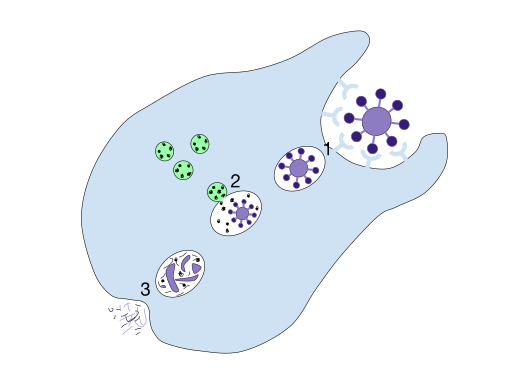
    Lori Calabrese, MD offers innovative psychiatric treatment like IV Ketamine

error: Content is protected !!