
Tag: IV Ketamine for Social Anxiety

  • CT doctors using new nasal spray to treat severely depressed patients

    CT doctors using new nasal spray to treat severely depressed patients

    By Peggy McCarthy, Conn. Health I-Team Writer Published 11:51 am EDT, Tuesday, August 13, 2019
    Some Connecticut hospitals and doctors and a clinic are starting to treat severely depressed patients with a new nasal spray called Spravato, touted as the most significant federally approved depression medication since Prozac was approved in 1987.

    Spravato, which received Food and Drug Administration (FDA) approval in March, has raised hopes for preventing suicides and relieving depression after other treatments have failed. But there are concerns about possible side effects, including drug abuse, elevated blood pressure and heart rate, sedation, and hypersensitivity to surroundings.

    The nasal spray is prescribed for treatment-resistant depression after at least two other antidepressants haven’t worked and is given with an oral antidepressant. It is only administered in restrictive clinical settings to reduce potential for abuse and side effects.

    Nationally, of the 17.3 million adults with depression, one-third are treatment-resistant, increasing their risk of suicide.

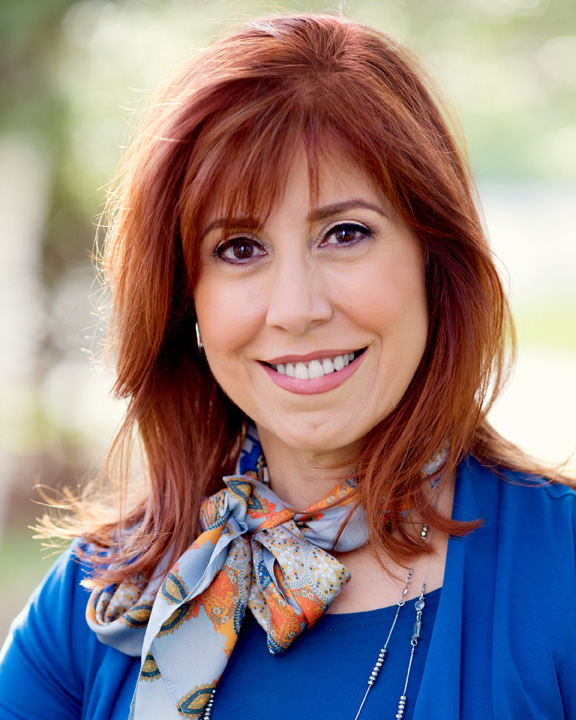
    Yale New Haven Hospital, the Institute of LivingUConn Health John Dempsey Hospital, Wheeler ClinicVA Connecticut Healthcare, and Dr. Lori Calabrese in South Windsor report that they have either started or are planning to offer the fast-acting medication whose chemical name is esketamine. It is designed to show results in hours and days compared to the weeks and months it takes for traditional antidepressants to work.

    Dr. Jayesh Kamath, director of the mood and anxiety disorders program at UConn Health, has conducted esketamine studies for Janssen, its manufacturer. “I want to make sure people hear the positives and the negatives of this medication,” he said.

    While he said that “it is changing how we treat depression” and shows promise for enabling severely depressed people to function, he added that “the results are concerning about side effects.”

    Janssen, a Johnson & Johnson subsidiary, is charging $590 to $885 for the medicine, depending on dosage. This does not include costs charged by providers for administering it. Veterans who receive it at the VA will not be charged. Medicaid and Husky will cover it, according to the state Department of Social Services.

    A Janssen spokesperson said insurance companies are starting to cover it and Janssen is providing help, such as co-pay coupons.

    Janssen refused to provide a list of Spravato-certified treatment centers and applicants in Connecticut but said that nationally about 1,600 sites have been certified. Restrictions imposed on Spravato sites include: prohibiting it from being sent home with patients; requiring patients to remain at the site for at least two hours and not drive for another day; and specifications for dosages, screening and monitoring patients, and labeling and handling of the medication.

    Dr. Michael Twist, Wheeler Clinic’s medical director, said Spravato can be a replacement for electric convulsive therapy. “This is going to be a way of getting someone much better much quicker,” he said. “It’s huge.”

    Esketamine: A derivative of ketamine

    Esketamine is a derivative of ketamine, an anesthetic that has been abused as a party drug called Special K. Yale School of Medicine pioneered research on ketamine for depression starting in 1995. It has not been approved by the FDA to treat depression because as a generic drug, it doesn’t have the profit-making potential to attract research funding, several doctors said.

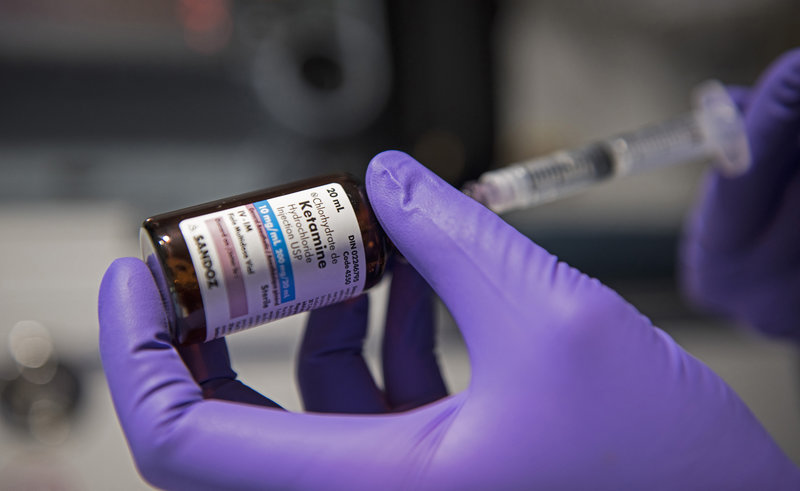
    Ketamine is FDA-approved as an anesthetic administered intravenously or by intramuscular injections. The chemical difference between the two drugs is that ketamine is comprised of two mirror-image molecules and esketamine (Spravato) is comprised of one of those molecules.

    Some doctors, including Calabrese, provide it intravenously “off label” for depression treatment, a legal use of a non-approved medication that is usually not covered by insurance.

    Calabrese, a psychiatrist, said she will continue to offer intravenous ketamine in addition to Spravato. She said an analysis of 144 of her suicidal patients showed 68 percent no longer had suicidal thoughts after ketamine treatment and 82 percent had diminished suicidal thoughts. She said there were no suicide attempts, emergency room visits, or hospitalizations from the time of treatment through follow-up four weeks later. She charges patients $502 for ketamine.

    Dr. Vincent Carlesi, an anesthesiologist and pain management specialist in Stamford and Ridgefield, is among other physicians who offer intravenous ketamine. Patients with depression are referred by psychiatrists, said Robin Asken, the practice’s manager. She wouldn’t provide numbers, but reported seeing “a marked improvement in quite a few of the patients.” The charge is $850 per infusion, which is typically not reimbursed by insurance, Asken said.

    Dr. John Krystal, psychiatry chairman of the Yale School of Medicine, said that “it is very moving to hear the stories of people who have been depressed for many years, who have tried multiple treatments without success, and then to hear how they had their first good clinical response to ketamine, often within 24 hours of their first doses.”

    He said people have told him it saved their lives.

    Yale medical school’s first ketamine study was at a clinic it ran at the Connecticut VA in 1995 and 1996. Five years ago, it established a ketamine clinic at Yale New Haven Hospital and last year, it opened a new ketamine program at the VA, Krystal said.

    This story was reported under a partnership with the Connecticut Health I-Team, a nonprofit news organization dedicated to health reporting.

    [Read the Original Post Here]

  • Nasal spray Spravato, offering fresh hope for severely depressed patients, arrives in Connecticut

    Nasal spray Spravato, offering fresh hope for severely depressed patients, arrives in Connecticut

    Spravato, which received Food and Drug Administration (FDA) approval in March, has raised hopes for preventing suicides and relieving depression after other treatments have failed. But there are concerns about possible side effects, including drug abuse, elevated blood pressure and heart rate, sedation, and hypersensitivity to surroundings.

    The nasal spray is prescribed for treatment-resistant depression after at least two other antidepressants haven’t worked and is given with an oral antidepressant. It is only administered in restrictive clinical settings to reduce potential for abuse and side effects.

    Nationally, of the 17.3 million adults with depression, one-third are treatment-resistant, increasing their risk of suicide.

    Yale New Haven Hospital, the Institute of LivingUConn Health John Dempsey Hospital, Wheeler ClinicVA Connecticut Healthcare, and Dr. Lori Calabrese in South Windsor report that they have either started or are planning to offer the fast-acting medication whose chemical name is esketamine. It is designed to show results in hours and days compared to the weeks and months it takes for traditional antidepressants to work.

    Positives and negatives

    Dr. Jayesh Kamath, director of the mood and anxiety disorders program at UConn Health, has conducted esketamine studies for Janssen, its manufacturer. “I want to make sure people hear the positives and the negatives of this medication,” he said.

    While he said that “it is changing how we treat depression” and shows promise for enabling severely depressed people to function, he added that “the results are concerning about side effects.”

    Janssen, a Johnson & Johnson subsidiary, is charging $590 to $885 per dose for the medicine. This does not include costs charged by providers for administering it. Veterans who receive it at the VA will not be charged. Medicaid and Husky will cover it, according to the state Department of Social Services.

    A Janssen spokesperson said insurance companies are starting to cover it and Janssen is providing help, such as co-pay coupons.[Health] State’s first pediatric dialysis center will open soon at Connecticut Children’s »

    Janssen refused to provide a list of Spravato-certified treatment centers and applicants in Connecticut but said that nationally about 1,600 sites have been certified. Restrictions imposed on Spravato sites include: prohibiting it from being sent home with patients; requiring patients to remain at the site for at least two hours and not drive for another day; and specifications for dosages, screening and monitoring patients, and labeling and handling of the medication.

    Dr. Michael Twist, Wheeler Clinic’s medical director, said Spravato can be a replacement for electric convulsive therapy. “This is going to be a way of getting someone much better much quicker,” he said. “It’s huge.”

    Diminished suicidal thoughts

    Esketamine is a derivative of ketamine, an anesthetic that has been abused as a party drug called Special K. Yale School of Medicine pioneered research on ketamine for depression starting in 1995. It has not been approved by the FDA to treat depression because as a generic drug, it doesn’t have the profit-making potential to attract research funding, several doctors said.

    Ketamine is FDA-approved as an anesthetic administered intravenously or by intramuscular injections. The chemical difference between the two drugs is that ketamine is comprised of two mirror-image molecules and esketamine (Spravato) is comprised of one of those molecules.

    Dr. John Krystal, psychiatry chair of the Yale School of Medicine.
    Dr. John Krystal, psychiatry chair of the Yale School of Medicine.

    Some doctors, including Calabrese, provide it intravenously “off label” for depression treatment, a legal use of a non-approved medication that is usually not covered by insurance.[Health] Bristol Hospital opens emergency center for patients in mental health crises »

    Calabrese, a psychiatrist, said she will continue to offer intravenous ketamine in addition to Spravato. She said an analysis of 144 of her suicidal patients showed 68 percent no longer had suicidal thoughts after ketamine treatment and 82 percent had diminished suicidal thoughts. She said there were no suicide attempts, emergency room visits, or hospitalizations from the time of treatment through follow-up four weeks later. She charges patients $502 for ketamine.

    Dr. Vincent Carlesi, an anesthesiologist and pain management specialist in Stamford and Ridgefield, is among other physicians who offer intravenous ketamine. Patients with depression are referred by psychiatrists, said Robin Asken, the practice’s manager. She wouldn’t provide numbers, but reported seeing “a marked improvement in quite a few of the patients.” The charge is $850 per infusion, which is typically not reimbursed by insurance, Asken said.

    , said that “it is very moving to hear the stories of people who have been depressed for many years, who have tried multiple treatments without success, and then to hear how they had their first good clinical response to ketamine, often within 24 hours of their first doses.”

    He said people have told him it saved their lives.

    Yale medical school’s first ketamine study was at a clinic it ran at the Connecticut VA in 1995 and 1996. Five years ago, it established a ketamine clinic at Yale New Haven Hospital and last year, it opened a new ketamine program at the VA, Krystal said.

    This story was reported under a partnership with the Connecticut Health I-Team, a nonprofit news organization dedicated to health reporting. (c-hit.org)

    [Read the Original Article Here]

  • Buy Esketamine Online..? Get Real.

    Buy Esketamine Online..? Get Real.

    When you're in despair you may be tempted try to buy esketamine online. But seek a psychiatrist's care; he'll help you find the relief you need.

    The news outlets, journals, and lifestyle magazines have been chock-full of articles about ketamine treatment for depression the last few years, with sprinklings about esketamine from time to time…

    Then, this past March, esketamine received FDA approval for depression and suicidal ideation under the name Spravato. Developed by Janssen, owned by Johnson & Johnson, esketamine nasal spray won approval packaged in an innovative spray dispenser that metes out a precise dose in each spray. And literally — within just a few months — people are already looking to buy esketamine online.

    Unbelievable, right?

    Michael Thase, M.D., an investigator of intranasal esketamine during FDA trials, noted that “this treatment has addiction liability — it is a Schedule III controlled substance in the eyes of the Drug Enforcement [Administration]. It’s identical to the parent drug, ketamine.”

    When he said that esketamine is identical to its parent drug ketamine, he was referring to its controlled substance rating. Both drugs are Schedule III.

    And even though there were 3 suicides during the trials, Dr. Thase pointed out that during the follow-up phase of the study, no one experienced craving or abuse among the subjects who received esketamine.

    He continued that it’s important to have a 2-hour observation period in the office after each dose. And went on to say that esketamine nasal spray treatment is “administered twice a week in clinical practice.”

    As we now know, esketamine was FDA approved with stipulations that it must be provided with an antidepressant, in a doctor’s office (or medical setting like a hospital), and the patient must be monitored for 2 hours.

    So, during that 2-hour observation time, they monitor the patient’s blood pressure and watch for signs of sedation and dizziness or other adverse reactions. And, not surprisingly, sometimes patients need kind, warm support from someone to help them get through an unpleasant psychoactive experience.

    Clearly, it’s not an at-home medical treatment.

    So here’s something to think about.

    With all that said, more and more people are looking for ways to buy esketamine online...

    You're depressed and you want to buy esketamine online to get relief. But that's a dangerous idea. Your psychiatrist can help you get treatment.

    It’s not a good idea.

    Before we had internet, if you got sick, you went to the doctor. The doctor examined you, figured out what was wrong, and took care of it… maybe sent you home with a prescription.  If your pipe sprung a leak, you called a plumber who came out and fixed it.

    People depended on experts to fix their problems.  

    But since search engines took center stage, everybody’s a DIYer. Just google what you need to do, order what you need online, find a YouTube video that shows you exactly what to do, and — do it yourself. Everything from erecting a power pole and replacing spark plugs to folding sheets the right way to … treating your own maladies.

    And THAT MAY WORK FOR YOU as long as you stick to relatively low-risk problems. But when it comes to treating your own illnesses with medicines acquired from a questionable source, you can really set yourself up for a life-threatening – or fatal – disaster.

    Serious Consequences When You “Treat” Yourself, Like If You Buy Esketamine Online

    We talked in the past about the danger that arises when club goers use ketamine to get high, and try to “treat” their own depression in the process. There are substantial risks. When ketamine is used in high doses and way too often, addiction raises its ugly head. But beyond the risk of addiction lies the risk of serious damage to the bladder. 

    Someone who has been dosing himself with controlled substances for entertainment might consider himself an “expert” in using those substances.  

    This young woman is fighting despair and suicidal thoughts. She plans to ask her psychiatrist if esketamine nasal spray can help.

    However, a hazard looms with such practices. It works like this: during ketamine or esketamine treatment, some people experience a pleasant floating sensation as it’s working in the circuitry and structures of the brain. Others, however, experience a stronger sensation we call dissociation. A feeling that you’re detached from your body, or detached from yourself…or maybe even in another place. For some, this is a bit unpleasant. And it passes. But for others…and here’s where it can get slippery…this can be a very appealing experience.  And for those, it’s disappointing when the treatment ends, and those feelings dissipate. 

    But what happens if you have a bagful of ketamine on the table? Do you think you would just put it away? 

    Not likely.  Not likely at all.

    Because along with this experience, you’ve also lost a lion’s share of your inhibitions, too. So why not just dose up again?  Keep the good times rollin’, as they say?

    Someone who would have received 0.5 mg/kg or a bit more over 40 or 50 minutes under a doctor’s supervision might take 5 times, 10 times, 20 times, or more than that amount on his own.

    This is how addiction is born. And how bladders are destroyed.

    Then tomorrow, he’s ready to buy esketamine online, again.

    Controlled Substances Require a Physician’s Supervision for YOUR Safety

    Controlled substances are controlled to protect you from the dangers of over use, from side effects, adverse reactions, and from overdose. When you defy those safety measures, you put yourself at extreme risk.

    So let’s talk now about esketamine.  

    We don’t know a lot about esketamine so far. It hasn’t been widely used yet. But a wise person recognizes that since the FDA stipulated approval of esketamine in the presence of specific parameters, it’s a safe bet they need to be followed.

    Don't buy esketamine online.This woman sits in darkness and despair without hope. But she plans to see her psychiatrist and ask for esketamine nasal spray.

    First, it must be administered in a registered medical office or hospital/clinic under strict guidelines.

    Second, you must remain in the office for observation for a full 2 hours after administration, and a safety report has to be sent in to an oversight safety monitoring program every time you come into the office.

    It must be administered along with an antidepressant.

    And finally, esketamine nasal spray may not be taken home or out of the office.

    This assures that the medicine is not overused, or given to someone else. The medication from the pharmacy is pure — it hasn’t been tainted or adulterated with anything.

    What IF You COULD Buy Esketamine Online?  

    Would that be a DIY Solution or a DIY Tragedy?

    Hint: Some things should be left to the experts.

    Now, let’s picture what it would be like if you actually found an online source for esketamine. It might be produced in a developing country, or by a chemist prodigy with questionable integrity, and shipped out in a little baggie… and without FDA restrictions. 

    While we recognize the FDA isn’t a perfect institution, its requirements do set restrictions that help keep consumers safe.  Or at least saf-ER. Without that protection, you have no idea if the esketamine you might receive would destroy your organs, cause blindness, trigger psychosis… or worse. 

    Any chemical or pharmaceutical treatment for brain or behavior disorders has the power to incapacitate or disable you if it’s not pure, well tested, and administered with precision.

    So often we talk about the delicate brain systems and the precision and care necessary to treat disorders with a medication like ketamine — and we administer it IV because of the precision, flexibility and responsiveness that the IV route allows in psychiatric treatment. It’s just as critical when treating with esketamine. Just as vital that a psychiatrist is supervising the treatment — and your response to it — expertly. 

    Don't try to buy esketamine online. Relief. Release. The joy when depression lifts after esketamine treatment.

    It’s all about you, and your improved life.

    So you can experience a truly therapeutic dose that can help you feel more balanced and better, function better, and live a happier, more fulfilling life.

    There are no shortcuts to reaching that goal.

    No bargains.

    No fun “trips” killing two birds with one stone.

    And if you were able to find esketamine in bulk form, without that innovative sprayer..well you’re taking your life and your health in your hands. 

    DIY Brain Surgery

    So let me ask you this. Let’s say your PCP referred you to a brain surgeon. You call and make the appointment, then on the designated day you appear in his office. He looks at your x-rays and scans, and tells you he agrees with your PCP that you need surgery.  You meet with the scheduler to schedule it.

    Then a few days later, you get the call and find out the cost of the surgery…and the amount you’ll have to pay as a co-insurance payment.

    WHAAA???

    You could pay off your house for that!!

    All you can see is white. Shocked. Stunned. There is just no way. You’re not going to pay that.

    So you get to thinking.  You know… it can’t be that hard…  You start looking on YouTube for DIY brain surgery…   It’s hard to find much. So you keep trying different key words. Then you drive to the University Bookstore and ask for a textbook for neurosurgeons…  You know you can always close the incision with staples.  That’s what they use in the hospital right..?

    Ok, I’m pulling your leg.  Who would do that?  Ever?? Now, there are some unusually determined people out there who go over the line. All the time.
    But NO ONE would attempt surgery on his own brain.  Why?  Because it would more than likely cause brain damage, or worse. Because it would destroy your ability to think, to walk, to speak, to see. And that’s if you were lucky.

    It’s for this reason you need to leave treatment of brain and behavior disorders to an expert in brain and behavior disorders. To avail yourself of the expertise and experience required to effectively treat the most delicate and most central managing system of your very life.

    Brain Treatment is for the Experts

    If you’re looking for a shortcut to health and well-being, put your doctor’s appointment setter on speed-dial.  How’s that for a shortcut?

    Meanwhile, if you struggle with depression that hasn’t responded to treatment, symptoms that persist no matter what you do, suicidal thoughts that return again and again … if medicines aren’t helping, just call us. Give yourself the advantage of deep psychiatric expertise, patient and skillful dose titration (with IV ketamine), and quick response to reactions and needs.

    We offer comprehensive evaluations to determine if IV ketamine infusions or esketamine nasal spray could be an appropriate and effective treatment for you.

    Neither treatment can give you a sure-fire guarantee. No treatment can. But when ketamine is administered properly, our patients often enjoy an amazing improvement. For many, it’s fast, and it’s robust … with IV ketamine, the improvement can begin within just a few hours.

    A dDon't buy esketamine online. A joyful peace replaces despair with esketamine treatment.  Find an expert psychiatrist for your best outcome.

    Your life is too precious to wreck. Don’t search for ways to buy esketamine online… or ketamine either, for that matter. It can lead to a slippery slope of abuse, addiction, and worse. You’re just too valuable to miss the relief and wellbeing proper treatment can provide.

    Your life is yours to live, and we want to help you gain the opportunity to live it well. With joy, loving relationships, and accomplishments.

    You really can be the best you can be.

    Lori Calabrese, MD explains esketamine FDA approval and what it involves.

    To your best self in the months ahead, 

    signature of Lori Calabrese, M.D.

    Lori Calabrese, M.D.

  • Ketamine Restores Brain Circuitry Damaged by Depression – FAST

    Ketamine Restores Brain Circuitry Damaged by Depression – FAST

    Ketamine restores brain circuitry to bring joy to depressed people.

    In a world where things go wrong and people get sick, every once in awhile something comes along that makes things right again. I’m talking about something that’s so dramatic in its solutions we’re tempted to call it a “miracle.” 

    But we won’t.

    We’ll call it a game-changer.

    Because IV ketamine treatment is changing history.

    Nothing elicits our excitement like a tool that helps people to the degree this one does. So many people with complex co-morbid psychiatric disorders drop their shackles of symptoms …and discover they’re free to live rewarding lives.

    IV Ketamine Restores Brain Circuitry

    Ketamine does exactly that in the vast majority of those who were before hopeless in their condition. People whose severe illnesses prevented them from working, from building relationships, from enjoying anything. People whose lives were at risk because symptoms like suicidal thinking were made worse by their own despair.

    The World Health Organization (WHO) declares depression and other severe mood disorders the leading cause of disability throughout the world. And yet, until the last several years, at least a third of these people could not be helped.

    But, in the last decade, an often-abused anesthetic has emerged as a game-changer that millions were searching for.

    Ketamine — so safe and effective that the WHO lists it as one of its 10 essential medicines — is now rising as one of most effective and extraordinarily restorative treatments we’ve ever had.

    But to be clear — and to be fair — there are still some who don’t benefit. We continue to watch for more research that helps us understand why. And to look for and learn ways to possibly help them and more.

    New Study Throws Open the Shutters on Synapse Restoration

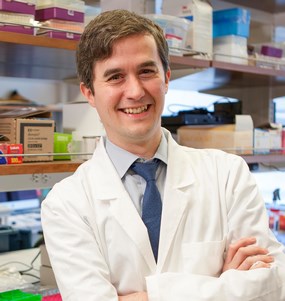
    Conor Liston, M.D., Ph.D

    A study just released this month by Conor Liston of Weill Cornell Medicine, and colleagues, revealed yet more than we knew before about how ketamine works to achieve this remarkable restoration.

    Dr. Liston is a leading researcher in the field of circuitry specific to the prefrontal cortex and its impact on cognitive and emotional processes. It’s the dedication of researchers like Dr. Liston, and a host of others, that has helped us understand and use the benefits of ketamine for our patients. We never take our neuroscience researchers for granted.

    The combined effort of research teams like Dr. Liston’s in the U.S. and Tokyo resulted in expanded understanding of just what happens when ketamine reaches the brain in someone who’s stressed and depressed.

    Of course their work is performed in the laboratory with lab animals, but gives insight about what happens in the brains of people, and how ketamine restores brain circuitry for them. Insights like this are changing the course of psychiatric treatment.

    Ketamine’s Active Role with Neurons and Dendrites

    The researchers used a “cutting-edge” technology that included light microscopes and allowed them to view the tiny dendrites and dendritic spines of synapses (in the medial prefrontal cortex) over time, so they could see what happens there over several hours, and then what happens after more than a day.

    It turned out that the neuronal circuits changed first, with a readily observable change in behavior, in the initial 3 hours after ketamine. (Hold that thought: the circuit activity changes first.)

    Then, over the next 12-24 hours, they saw that the number of spines had increased by well over half of those that had been lost during stress.

    So they realized that the new spines and synapses were the result of the improved circuit activity. 

    Extraordinary.

    New Technology Opens New Doors

    This is the first time we’ve had an inkling into the timing of the effects and repair instigated by ketamine. The improvement seems to be a one-two punch. Once the spines survive a few days, they form new connections, and then within another 2-7 days, improved behavior and function became apparent.

    This brand new discovery of ketamine’s effects helps us understand that there can be an immediate response to ketamine, and then a longer lasting reversal of symptoms that occurs a little later.

    Both of these functions are important.

    Old Treatment Replaced by New Insights

    Remember that the old premise for treating depression was to increase the availability of neurotransmitters like serotonin to improve the movement of signals in the brain. For some people this was enough to help relieve the depression.

    This weeping woman needs to know ketamine restores brain circuitry and lifts depression.

    But in too many others, it did very little to relieve anything. We know now that stress prunes the signaling structures themselves. Stress from life, illness — whateverbreaks down, weakens, and destroys the synapses. The dendrites, dendritic spines, and synapses that are the highways the signals travel must be rebuilt.  Without these structures, neurotransmitters like serotonin, dopamine, and norepinephrine can’t do their job.

    Ketamine comes along and reverses this destructive process. It repairs damaged circuits, rebuilds new dendritic spines and synapses, increases connections, and lubricates signals with neurotransmitters … in the medial prefrontal cortex and in other key parts of the brain, too.

    This revelation about how ketamine restores brain circuitry will most likely contribute to the ongoing development of new psychiatric drugs. We’re excited about the possibility that new medications can be designed to do all of this before they’re used by physicians for our patients.

    Getting Closer to Bigger Breakthroughs

    So we have a new paradigm, a new pattern to build upon. We may see over 80% response in patients with ketamine now, but we’re shooting for the time when researchers can improve upon this across the board… to be able to truly relieve psychiatric suffering — hopefully in our lifetime.

    And we keep getting closer.

    The Modes of Response Vary

    As it stands now, there are some people who are so responsive to ketamine treatment that they feel remarkably better after the first infusion, and with each treatment, they become more and more hopeful, brighter, more joyful, more creative, and more resilient.

    There are others who sense nothing for 3 or more infusions, then finally experience improvement, relief, and eventually joy just like the first group. These may require a few more than six infusions to reach that point.

    woman wearing blue denim jacket standing in front of white concrete buildings

    Then there are those who may have 8 or 9 infusions. They may experience a few days of improvement throughout the process, but seem to keep losing the beneficial effects. In those cases, we explore other body systems and serum levels to find areas that need to be treated so the “treatment-resistance” can be penetrated, then with another infusion or two they finally achieve the same joy and resilience. We call it remission. And we fight for it.

    Still, of course, there remains that small group who don’t seem to improve, so we continue to press on, to explore reasons…and possible solutions.

    Science …and ART

    IV ketamine treatment is the most remarkable treatment for mood disorders we’ve seen. And clinicians and researchers are looking beyond “mood disorders” all the time. Addictions and substance use disorders, for example, were considered to be disorders of motivated behaviors and treatment focused on teaching behavior control. We’ve learned so much, and while treating these disorders is complex, we’re finding IV ketamine can play a dramatic role in reducing craving and contributing to abstinence. “Dramatic” is an understatement.

    Overall, the administration of IV ketamine treatment is both a science and an art. 

    Ketamine Treatment is a Process Toward Restoration

    At Innovative Psychiatry in South Windsor, CT we encourage our patients to have patience with the process. To hold a commitment to see it through to fulfillment. And to consider a “booster” infusion if benefits subside or fade — whether it’s once every year or two, or twice a year…or every 3-4 months, if necessary.
    woman wearing black V-neck T-shirt during daytime

    Because every brain is different, and every life has its own unique character and pitfalls. It may be necessary to build and improve the infrastructure in your life. To accept yourself and others as they are, and learn to embrace the joys of life and ignore the stressors. All of this can help strengthen your remission and help it last longer.

    If you’ve suffered the symptoms of a disorder without relief from treatments or medications, call us.

    We’re committed to your restoration and eventual joy.

    To the rediscovery of your best self,

    Lori Calabrese, MD offers innovative psychiatric treatment like IV Ketamine
    signature of Lori Calabrese, M.D.
    Lori Calabrese, M.D.

  • Behind the Buzz: How Ketamine Changes the Depressed Patient’s Brain

    Behind the Buzz: How Ketamine Changes the Depressed Patient’s Brain

    The anesthetic-cum-party drug restores the ability to make connections among brain cells. The Food and Drug Administration’s approval last month of a depression treatment based on ketamine generated headlines, in part, because the drug represents a completely new approach for dealing with a condition the World Health Organisation has labelled the leading cause of disability worldwide. The FDA’s approval marks the first genuinely new type of psychiatric drug—for any condition—to be brought to market in more than 30 years.

    Although better known as a party drug, the anesthetic ketamine has spurred excitement in psychiatry for almost 20 years, since researchers first showed that it alleviated depression in a matter of hours. The rapid reversal of symptoms contrasted sharply with the existing set of antidepressants, which take weeks to begin working. Subsequent studies have shown ketamine works for patients who have failed to respond to multiple other treatments, and so are deemed “treatment-resistant.”

    Despite this excitement, researchers still don’t know exactly how ketamine exerts its effects. A leading theory proposes that it stimulates regrowth of synapses (connections between neurons), effectively rewiring the brain. Researchers have seen these effects in animals’ brains, but the exact details and timing are elusive.

    new study, from a team led by neuroscientist and psychiatrist Conor Liston at Weill Cornell Medicine, has confirmed that synapse growth is involved, but not in the way many researchers were expecting. Using cutting-edge technology to visualize and manipulate the brains of stressed mice, the study reveals how ketamine first induces changes in brain circuit function, improving “depressed” mice’s behavior within three hours, and only later stimulating regrowth of synapses.

    As well as shedding new light on the biology underlying depression, the work suggests new avenues for exploring how to sustain antidepressant effects over the long term. “It’s a remarkable engineering feat, where they were able to visualize changes in neural circuits over time, corresponding with behavioral effects of ketamine,” says Carlos Zarate, chief of the Experimental Therapeutics and Pathophysiology Branch at the National Institute of Mental Health, who was not involved in the study. “This work will likely set a path for what treatments should be doing before we move them into the clinic.”

    Another reason ketamine has researchers excited is that it works differently than existing antidepressants. Rather than affecting one of the “monoamine” neurotransmitters (serotonin, norepinephrine, and dopamine), as standard antidepressants do, it acts on glutamate, the most common chemical messenger in the brain. Glutamate plays an important role in the changes synapses undergo in response to experiences that underlie learning and memory. That is why researchers suspected such “neuroplasticity” would lie at the heart of ketamine’s antidepressant effects.

    Ketamine’s main drawback is its side effects, which include out-of-body experiences, addiction and bladder problems. It is also not a “cure.” The majority of recipients who have severe, difficult-to-treat depression will ultimately relapse. A course of multiple doses typically wears off within a few weeks to months. Little is known about the biology underlying depressive states, remission and relapse. “A big question in the field concerns the mechanisms that mediate transitions between depression states over time,” Liston says. “We were trying to get a better handle on that in the hopes we might be able to figure out better ways of preventing depression and sustaining recovery.”

    Chronic stress depletes synapses in certain brain regions, notably the medial prefrontal cortex (mPFC), an area implicated in multiple aspects of depression. Mice subjected to stress display depression-like behaviors, and with antidepressant treatment, they often improve. In the new study, the researchers used light microscopes to observe tiny structures called spines located on dendrites (a neuron’s “input” wires) in the mPFC of stressed mice. Spines play a key role because they form synapses if they survive for more than a few days.

    For the experiment, some mice became stressed when repeatedly restrained, others became so after they were administered the stress hormone corticosterone. “That’s a strength of this study,” says neuroscientist Anna Beyeler, of the University of Bordeaux, France, who was not involved in the work, but wrote an accompanying commentary article in Science. “If you’re able to observe the same effects in two different models, this really strengthens the findings.” The team first observed the effects of subjecting mice to stress for 21 days, confirming that this resulted in lost spines. The losses were not random, but clustered on certain dendrite branches, suggesting the damage targets specific brain circuits.

    The researchers then looked a day after administering ketamine and found that the number of spines increased. Just over half appeared in the same location as spines that were previously lost, suggesting a partial reversal of stress-induced damage. Depression-like behaviors caused by the stress also improved. The team measured brain circuit function in the mPFC, also impaired by stress, by calculating the degree to which activity in cells was coordinated, a measure researchers term “functional connectivity.” This too improved with ketamine.

    When the team looked closely at the timing of all this, they found that improvements in behavior and circuit function both occurred within three hours, but new spines were not seen until 12 to 24 hours after treatment. This suggests that the formation of new synapses is a consequence, rather than cause, of improved circuit function. Yet they also saw that mice who regrew more spines after treatment performed better two to seven days later. “These findings suggest that increased ensemble activity contributes to the rapid effects of ketamine, while increased spine formation contributes to the sustained antidepressant actions of ketamine,” says neuroscientist Ronald Duman, of the Yale School of Medicine, who was not involved in the study. Although the molecular details of what happens in the first hours are not yet fully understood, it seems a restoration of coordinated circuit activity occurs first; this is then entrenched by neuroplasticity effects in synapses, which then maintain behavioral benefits over time.

    [To prove that new synapses were a cause of antidepressant effects, rather than just coinciding with the improved behaviors, the team used a newly developed optogenetic technique, which allowed them to eliminate newly formed spines using light. Optogenetics works by introducing viruses that genetically target cells, causing them to produce light-sensitive proteins. In this case, the protein is expressed in newly formed synapses, and exposure to blue light causes the synapse to collapse. The researchers found that eliminating newly formed synapses in ketamine-treated mice abolished some of the drug’s positive effects, two days after treatment, confirming that new synapses are needed to maintain benefits. “Many mechanisms are surely involved in determining why some people relapse and some don’t,” Liston says, ” but we think our work shows that one of those involves the durability of these new synapses that form.”

    And Liston adds: “Our findings open up new avenues for research, suggesting that interventions aimed at enhancing the survival of these new synapses might be useful for extending ketamine’s antidepressant effects.” The implication is that targeting newly formed spines might be useful for maintaining remission after ketamine treatment. “This is a great question and one the field has been considering,” Duman says. “This could include other drugs that target stabilization of spines, or behavioral therapies designed to engage the new synapses and circuits, thereby strengthening them.”

    The study used three behavioral tests: one involving exploration, a second a struggle to escape, and a third an assessment of how keen the mice are on a sugar solution. This last test is designed to measure anhedonia—a symptom of depression in which the ability to experience pleasure is lost. This test was unaffected by deleting newly formed spines, suggesting that the formation of new synapses in the mPFC is important for some symptoms, such as apathy, but not others (anhedonia)—and that different aspects of depression involve a variety of brain circuits.

    These results could relate to a study published last year that found activity in another brain region, the lateral habenula, is crucially involved in anhedonia, and injecting ketamine directly into this region improves anhedonia-related behavior in mice. “We’re slowly identifying specific regions associated with specific behaviors,” Beyeler says. “The factors leading to depression might be different depending on the individual, so these different models might provide information regarding the causes of depression.”

    One caveat is that the study looked at only a single dose, rather than the multiple doses involved in a course of human treatment, Zarate says. After weeks of repeated treatments, might the spines remain, despite a relapse, or might they dwindle, despite the mice still doing well? “Ongoing effects with repeated administration, we don’t know,” Zarate says. “Some of that work will start taking off now, and we’ll learn a lot more.” Of course, the main caution is that stressed mice are quite far from humans with depression. “There’s no real way to measure synaptic plasticity in people, so it’s going to be hard to confirm these findings in humans,” Beyeler says.

    [Read the Original Article]

  • Cerebral Folate Deficiency and Its Impact on Treatment-Resistance

    Cerebral Folate Deficiency and Its Impact on Treatment-Resistance

    Man thinks alone on cold silent shore may have cerebral folate deficiency.

    “If I see far, it’s that I stand on the shoulders of giants.”

    If you find yourself feeling alone and forgotten in your symptoms, feeling that there’s no one who really cares, please let me emphasize that there are hundreds, even thousands, of neuroscience researchers, medical doctors with PhDs, biochemists, psychopharmacologists, and psychiatrists who have been painstakingly searching for the answers you need for your suffering for generations, and millennia. You can feel alone, but there’s a host of people who have your back.

    After eons of exploration, and hundreds of generations have suffered without remedy, we are living in an amazing time when solutions are emerging. 

    Treating cerebral folate deficiency empowers you to enjoy the people you love.

    We’ve learned that the mild-mannered anesthesia medicine, ketamine hydrochloride, has been hiding in plain sight for nearly five decades, all along carrying within it the power to potentially transform your crippling depression, PTSD, and social anxiety into resilience, remission, fulfillment…and a rewarding life.

    It was right under our noses, but we were missing it…

    What else is lurking in plain sight that may hold the secret to relief for millions of people?

    More to Learn to Relieve Psychiatric Disorders

    While the vast majority of severely ill patients has been enjoying a life they’d not been capable of enjoying until they were treated with IV ketamine,  there were still those who seemed to be unaffected and un-helped by it. We haven’t known why.

    And even some of those who seemed unaffected and un-helped by ketamine treatment, began to improve in a slowly spreading glow until they too achieved remission months later.

    And we learned about genetic alleles for BDNF that may indicate an individual’s responsiveness to treatment, and clinical indicators associated with treatment response.

    Now we’ve been learning even more.  About deficiencies of nutrients that can cause depression and other disorders. One of these deficiencies has been exposed as a key factor in autism. And when the deficiency was treated with high doses, the symptoms of autism diminished!

    Who knew?

    Right under our noses.  Sometimes it takes generations of exploration passed down through generations of researchers to find the answers we’re looking for … which were lurking in plain sight.

    We’ve talked about how a deficiency in testosterone can be a culprit blocking remission from depression. 

    Another BIG player is cerebral folate. 

    Cerebral Folate Deficiency

    Cerebral folate deficiency is the cause of treatment-resistant depression in many people, and is easily treated.

    Folate is vitamin B-9, and provides important services throughout the body. In the brain, it plays an important role in neurotransmitter production. So when it’s deficient, the neurotransmitters tend to be produced more slowly.

    You can read the label on your breakfast cereal box and see that it contains folic acid.  But folic acid can’t cross the blood-brain barrier, which is there to protect the the brain from fluctuations that can interfere with its function.

    Only in the form of folinic acid or methylfolate can folate reach the brain. And to do that it has to have a transport, called the folate receptor alpha, to take it there.

    So to get B-9 into your brain to do its part in the neurotransmitter factory, it has to be in a certain form that can get through the security gate of the brain, known as the blood-brain barrier. Plus, it has to hitch a ride on a specific type of truck, and that truck has to be a specific model – the “low affinity folate transporter.”

    It’s not hard to picture that a brain can get low on this stuff. So many hoops to jump through! 

    How Cerebral Folate Deficiency Can Affect You

    And interestingly, most of the research  about this has involved infants and children. In fact, the story of folate in the brain has a gripping history. It involves autistic children and infants with severe neurological disorders..but as those discoveries made their way into adult psychiatry.

    Well, we’re talking about it now because it turns out that adults have deficiencies too…and this is a deficiency that may contribute to why your depression seems treatment-resistant — but the problem is not that hard to treat. Which is good news…really good news.

    Cerebral folate deficiency may cause this man treatment-resistant depression.

    In fact, if we find you’re treatment- resistant because of folate deficiency, we can prescribe folinic acid or l-methylfolate to treat the deficiency. Then, you may find you’re not treatment-resistant any more. Sound like a plan?

    This is BIG news.

    What this means is that some people who don’t get better with ketamine treatment, may just need their folate deficiency restored so their neurotransmitter factory can crank up again and turn out those much needed neurotransmitters.

    Then, ketamine has what it needs on hand to help you get dramatically better. 

    Isn’t that amazing??

    Researchers Paved the Way

    In 2005, Dr. VT Ramaeker defined cerebral folate deficiency as “any neuropsychiatric disorder involving problems getting enough folate into the brain.” He was referring to the infants he treated. They had severe neurological illness, and happily, many of them responded to high doses of folinic acid.

    Then, in 2013, Dr. Richard Frye studied 93 pediatric patients with autism and found that 75.3% had cerebral folate deficiency. He also found that those patients who had a cerebral folate deficiency also had antibodies to the folate receptor alpha — that specialized transport truck that takes the folate into the brain.

    Treating cerebral folate deficiency can transform depression to joy.

    The following year, we’re back to Dr. Ramaeker, who measured cerebral folate in 18 patients with treatment-resistant schizophrenia…and you guessed it! 15 of them had cerebral folate deficiency. He treated 8 of them with high doses of folinic acid and 7of them got better.

    Now, I should explain that finding the level of folic acid in the brain is a bit more involved than lab work. It requires a lumbar puncture so the folic acid in the cerebrospinal fluid can be measured. The measure of folic acid found in the cerebrospinal fluid is then multiplied by 1.5 to find the level in the brain.

    Then, in 2017, Dr. Lisa Pan measured folic acid in 33 patients with treatment-resistant unipolar depression. 12 of these had cerebral folate deficiency and 10 out of those 12 responded after high doses of folinic acid.

    Google’s Take on Folate and Cerebral Folate

    When you google “folate,” you get all sorts of links about how folate is needed in your body. It helps make red and white blood cells in the bone marrow, convert carbohydrates into energy, and manufacture RNA and DNA.

    (Hmmmm, makes you stop and think about BDNF. How it turns on mRNA to switch on DNA so the synapses proliferate and rebuild circuitry in the brain…  interesting…)

    But when you google “cerebral folate,” you find yourself reading about autism, and about treating it with folinic acid.

    Cerebral Folate Deficiency Causes Tragedies

    Cerebral folate is so important in the brain, that the lack of it causes all sorts of tragic results…. in infants, neural tube defects, spina bifida, cleft palate…

    To think that autism, schizophrenia, and depression show links to cerebral folate deficiency — in at least some people — pushes us and the psychiatric and neuroscience research community to learn more about the central role that l-methylfolate and folinic acid play in the the central nervous system and in the genesis of psychiatric disorders.

    These early important studies should prompt more extensive clinical studies. And they should prompt more interest in testing our patients with treatment-resistant disorders for this deficiency so that we can treat it sooner rather than later, don’t you think?

    Unfortunately, that’s not as easy as it sounds. But it’s a start for us to realize this B vitamin is essential to our health and wellbeing. And just might be the key to your treatment-resistant disorder.

    Treating Deficiencies in Vital Nutrients Helps You Thrive

    At Innovative Psychiatry we test for cerebral folate deficiency when we suspect it could be a cause of treatment-resistance. We prescribe treatment for it to help improve your response to your treatment, including ketamine, and in turn, potentially improve your resilience and remission.

    Remission gives the power to enjoy, which you can experience after treating cerebral folate deficiency.

    If you suffer from treatment-resistant depression, and think you might be a candidate for ketamine treatment, call us. We’ll do an evaluation to learn more about you and your illness. We can also order testing to help ensure your best outcome with IV ketamine treatment.

    With so many who have gone before us, shining the light brighter so we can better see the obstacles to your joy, we’re here to help you find the life you ache to live.

    Ketamine KRIYA Conference 2018
  • Low T in Men Causing Your Treatment Resistant Depression..?

    Low T in Men Causing Your Treatment Resistant Depression..?

    Low T in men can be overlooked as the cause of depression.

    Since low testosterone in men has long been presumed to accompany aging, it can be overlooked as a cause of TRD in young men.

    John had gained 75 lbs (!) through the stressful and exhausting project at work. He’d come to hate the way he looked.

    Co-workers had turned on each other, undercutting rather than supporting each other as a team. John was a team player, and while his skill was beyond the skill of others on the team, he could feel himself slipping into depression…again. And his skills were slipping, too.

    Because he was losing his edge, it was getting harder and harder to think through to solutions, much less articulate them to the others. He knew he was doomed. As long as his mind worked he could maintain his position in the department, but as depression returned, he became sluggish, he felt dense, and hopelessness rose like water in a submerged car.

    To add insult to injury, his girlfriend was complaining that they never went out anymore, and that she felt he’d lost interest in her. He knew he hadn’t lost interest in her any more than anything else…he just didn’t have the energy to face restaurant crowds…or even show her what she meant to him. In fact, he hardly had the energy to get out of bed on lots of days.

    And to make matters worse, his sex drive was shot. He just didn’t care about anything, but also felt like a failure as a man.

    Before the project began, he had a few suicidal thoughts at night…  But through the tormented road at work this year, the suicidal thoughts were cramming into each hour of the day at about 40/hour. He winced to himself… almost sounds like the speed of a car rather than an obsession to die.

    This had been going on most of his adult life. Why couldn’t it be fixed? Why oh why did he keep trying…going to work…diving into the hopelessness again and again day after day? Why not just get off…?

    What was wrong with him? Where could he find a doctor who could help him..??

    Treatment Resistant Depression

    Major Depressive Disorder (MDD) is complicated by a discouraging rate of relapse, even with those who achieve remission at some point. Studies of long duration have shown that patients who have residual symptoms after treatment have a worse prognosis. Which is why we do all we can to help our patients achieve remission, if possible.

    Low T in men has similar symptoms as treatment resistant depression, so it may be the low T needs to be treated to improve depression.

    Treatment resistant depression (TRD) causes immeasurable suffering. Because the symptoms don’t improve with traditional medicines, the ongoing struggle to find relief only seems to worsen symptoms. And untreated depressive symptoms that go on in spite of treatments can be debilitating and costly.

    Treatment resistance occurs in 45% of depressed patients. These are patients whose symptoms have not improved after at least 2 medicine trials… or some combination…for 12-16 weeks each. This condition increases risks because of higher prevalence of suicidal thoughts, attempts, and tragically, death. Nearly a third of treatment resistant patients attempt suicide in their lifetime.

    For years, most people thought that there were far more depressed women than men. That women are more prone to depression because they are more expressive of their emotions. But it turns out that isn’t true.

    Depressed Men Don’t Act Like Depressed Women

    When men are depressed they may show it with anger, irritability or aggression.

    However, studies emerged revealing that many men display different depression symptoms than women, and as a result their depression can be overlooked. Rather than sadness, they sometimes exhibit anger, irritability, and aggression. As such, those around them may pull away, rather than recognizing their loved one is actually depressed.

    Another factor is that men are less likely to talk about how they’re feeling or seek help. So that creates the idea there aren’t as many depressed men as women, because their families can’t read their minds, right?

    So a man who’s irritable and autocratic may actually be depressed, rather than just a difficult guy. (Surprising, sometimes.) This is good news for those friends and family members who love them. Because, if he is, he needs treatment… but he may not ask for it. Even if he does, there is a strong chance the treatment won’t help, or at least, not much.

    If we’re to know what to do for him, we have to consider other things first.

    So what causes depression in men

    Low T in Men

    Honestly, the same things that cause depression in women, for the most part. Chronic stress, genetic factors, environmental factors, biological events like heart attack, stroke, chronic pain, or amputation, and other illnesses like diabetes, Parkinson’s, heart disease, or cancer.

    But, there’s another condition that’s often overlooked. Low testosterone, or low T, is seen with hypogonadism. 

    The testes produce most testosterone (90-95%). But a small portion is produced in the adrenal gland. And studies have established that testosterone treatment can help men feel better emotionally, so a deficiency of testosterone can erode their mood and outlook.

    Some men receive the diagnosis of hypogonadism. This is a condition that causes their bodies to produce too little testosterone.

    Low T in men is sometimes seen in young men who have treatment resistant depression symptoms.

    It’s been said that hypogonadism, or low T, is a malady of elderly men. But, that’s a generalization that doesn’t take into account the many men between ages 18-40 whose testosterone level is below 10.4 nmol/L and who have treatment resistant depression. 

    Low T in YOUNG Men

    Low testosterone is a leading cause of treatment resistant depression in older men, but many overlook that it’s a big cause of treatment resistant depression in younger (age 18-40) men, too.

    Stanley Korenman, M.D., and his team published their work about the link between low T in young men (ages 18-40) and depression in a paper published November 2018 in the Journal of the Endocrine Society.

    They studied 186 young men who made visits to a university medical center for any reason between the years 2013-2015. These men had symptoms of treatment resistant depression.

    The prevalence of hypogonadism was present in 22.6% of these men.

    The authors called for more research to determine if the hypogonadism causes the treatment resistant depression or if the treatment resistant depression causes the hypogonadism…maybe both?

    Because to neglect this connection may be to ignore a condition that’s reversible. One that turns treatment resistant depression into treatable depression. And treatable depression can be transformed to remission.

    We Strive to Treat YOU in YOUR Own Uniqueness

    Our approach at Innovative Psychiatry is to treat each underlying condition and its own symptoms, then watch to see how the /improvements in function combine toward resilience and remission.  It can be a tedious process but it’s all worth it when your symptoms finally dissipate.

    A key component of your recovery may include IV ketamine treatment, if you have a treatment resistant disorder. Ketamine does its best work in patients with the most complex treatment resistant illnesses. But for ketamine to do its best work in restoring your brain cell connections prolifically, you need to treat other conditions like low T that may get in the way.

    For this reason, we also may encourage you to see a specialist as we work on the process of treating your depression. We always love to work with your specialized health care team to help you get the most personalized care so you can feel really good again.

    Low T in men can be treated it can also help to relieve treatment resistant depression.
    There is no one-size-fits-all remedy for everyone and every complexity of illnesses. But we  must work together, exhaustively, and explore your disorders, your nutrient imbalances, your social and work life, your family life, your exercise, your diet…every aspect of your health…to tease apart those elements that may be contributing to the way you feel.

    And while it may require an investment of time, effort, treatments, and re-evaluations for awhile, it will all be worth it when you look in the mirror and love the person you see there.  Better days are ahead.

    You will never hear me say, “There’s nothing more we can do.”  Those days are over in psychiatry, I hope… but you will hear me ask, “What was the very best YOU you’ve ever been…? That’s the you we’re going to help you find again – together.”

    To the restoration of your best self, 

    Lori Calabrese, MD offers innovative psychiatric treatment like IV Ketamine
    Lori Calabrese, M.D.
  • Ketamine May Relieve Depression By Repairing Damaged Brain Circuits

    Ketamine May Relieve Depression By Repairing Damaged Brain Circuits

    NPR Logo

    Ketamine appears to restore faulty connections between brain cells, according to research performed in mice.

    The anesthetic ketamine can relieve depression in hours and keep it at bay for a week or more.

    Now scientists have found hints about how ketamine works in the brain.

    In mice, the drug appears to quickly improve the functioning of certain brain circuits involved in mood, an international team reported Thursday in the journal Science. Then, hours later, it begins to restore faulty connections between cells in these circuits.

    The finding comes after the Food and Drug Administration in March approved Spravato, a nasal spray that is the first antidepressant based on ketamine.

    The anesthetic version of ketamine has already been used to treat thousands of people with depression. But scientists have known relatively little about how ketamine and similar drugs affect brain circuits.

    The study offers “a substantial breakthrough” in scientists’ understanding, says Anna Beyeler, a neuroscientist at INSERM, the French equivalent of the National Institutes of Health, who wasn’t involved in the research. But there are still many remaining questions, she says.

    Previous research has found evidence that ketamine was creating new synapses, the connections between brain cells. But the new study appears to add important details about how and when these new synapses affect brain circuits, says Ronald Duman, a professor of psychiatry and neuroscience at Yale University.

    Studying ketamine’s antidepressant effects in mice presented a challenge. “There’s probably no such thing as a depressed mouse,” says Dr. Conor Liston, a neuroscientist and psychiatrist at Weill Cornell Medicine in New York and an author of the Sciencepaper.

    FDA Approves Esketamine Nasal Spray For Hard-To-Treat Depression

    So Liston and a team of scientists from the U.S. and Japan gave mice a stress hormone that caused them to act depressed. For example, the animals lost interest in favorite activities like eating sugar and exploring a maze.

    Then the team used a special laser microscope to study the animals’ brains. The researchers were looking for changes to synapses.

    “Stress is associated with a loss of synapses in this region of the brain that we think is important in depression,” Liston says. And sure enough, the stressed-out mice lost a lot of synapses.

    Next, the scientists gave the animals a dose of ketamine. And Liston says that’s when they noticed something surprising. “Ketamine was actually restoring many of the exact same synapses in their exact same configuration that existed before the animal was exposed to chronic stress,” he says.

    In other words, the drug seemed to be repairing brain circuits that had been damaged by stress.

    That finding suggested one way that ketamine could be relieving depression in people. But it didn’t explain how ketamine could work so quickly.

    Was the drug really creating all these new synapses in just a couple of hours?

    To find out, the team used a technology that makes living brain cells glow under a microscope. “You can kind of imagine Van Gogh’s Starry Night,” Liston says. “The brain cells light up when they become active and become dimmer when they become inactive.”

    That allowed the team to identify brain circuits by looking for groups of brain cells that lit up together.

    And that’s when the scientists got another surprise.

    After the mice got ketamine, it took less than six hours for the brain circuits damaged by stress to begin working better. The mice also stopped acting depressed in this time period.

    But both of these changes took place long before the drug was able to restore many synapses.

    “It wasn’t until 12 hours after ketamine treatment that we really saw a big increase in the formation of new connections between neurons,” Liston says.

    The research suggests that ketamine triggers a two-step process that relieves depression.

    First, the drug somehow coaxes faulty brain circuits to function better temporarily. Then it provides a longer-term fix by restoring the synaptic connections between cells in a circuit.

    One possibility is that the synapses are restored spontaneously once the cells in a circuit begin firing in a synchronized fashion, says INSERM’S Beyeler, who wrote a commentary accompanying the study.

    The new study suggests not only how ketamine works but also why its effects typically wear off after a few days or weeks, she says. “What we can imagine is that ketamine always has this short-term antidepressant effect, but then if the synaptic changes are not maintained, you will have relapse,” Beyeler says.

    If that’s true, she says, scientists’ next challenge is to find a way to maintain the brain circuits that ketamine has restored.

    [Read the Original Post Here]

  • Weekly Ketamine Infusions Show Initial, Repeated Depression Benefits

    Weekly Ketamine Infusions Show Initial, Repeated Depression Benefits

    A new study shows that weekly ketamine infusions are associated with continued and maintained reductions in depressive symptoms among patients with treatment-resistant depression.

    The findings, which are considered novel among studies assessing ketamine administration for patients with treatment-resistant depression, evidence the promising role the controversial drug could play in psychiatric care.

    A team of investigators, led by Jennifer L. Phillips, PhD, an associate scientist in the Mood Disorders Research Unit at The Royal’s Institute of Mental Health Research, conducted a randomized, double-blind crossover comparison of single ketamine infusion versus active placebo control midazolam. The assessment, held with 41 participants with treatment-resistant depression at single treatment center, observed patients receive 6 open-label ketamine infusions 3 times per week over 2 once patients had a relapse of depressive symptoms.

    Patients who reported a decrease of at least 50% in the Montgomery-Åsberg Depression Rating Scale (MADRS) received another 4 additional infusions once weekly in a maintenance phase.

    Those administered a single ketamine infusion reported significantly reduced depressive symptoms at the primary efficacy endpoint of 24 hours post-care versus those treated with midazolam. The therapy showed cumulative antidepressant effects over repeated infusions, as well a doubling of antidepressant response rate in patients, according to linear mixed models.

    Investigators found that 59% of patients met the response criteria following repeated infusions, with 3 infusions serving as the median dosage required to reach achieved response. In patients receiving weekly maintenance infusions, no further improvement in MADRS scores were reported.

    The first-of-its-kind findings come just 1 month following the US Food and Drug Administration (FDA) approval of esketamine nasal spray (Spravato) for the treatment of patients with treatment-resistant depression. At the time, the therapy made history as the first novel treatment indicated for depression in 30 years—and headlines as one of the first hallucinogenic drugs to reach indication for a common condition.

    Dennis Charney, MD, Dean of Icahn School of Medicine at Mount Sinai and a member of the Yale University team that led pioneering antidepressant ketamine trials in the 1990s, told MD Magazine® that microdosing or implementing controversial therapies for psychiatric care require what any other trial requires: control, safety, and a carefully-assessed standard for efficacy.

    “No matter what treatment is being assessed, you have to follow those scientific approaches,” Charney said. “For conditions that don’t have effective treatments available, there should be an open mind.”

    Adversely, Dan Iosifescu, MD, associate professor of Psychiatry at NYU School of Medicine, director of Clinical Research at Nathan S. Kline Institute for Psychiatric Research, and prominent ketamine investigator, told MD Mag that—among other reasons—ketamine will never reach at-home therapy use due to its prominent abuse as street drug Special-K. He anticipated the marketed therapy will be costly, and prescribed as long-term therapy for only a small depression patient population.

    “For the majority of individuals that benefit from it, it will be essentially buying them time for other treatments—be them pharmacotherapies or device-based treatment, or psychotherapies, because those are beginning to work much more slower than ketamine does,” he said.

    Whatever its marketed use entails, Phillips and colleagues concluded positively that ketamine showed both initial and repeated benefits for antidepressant effects as a once-weekly infusion.

    “These findings provide novel data on efficacious administration strategies for ketamine in patients with treatment-resistant depression,” they wrote. “Future studies should further expand on optimizing administration to better translate the use of ketamine into clinical settings.”

    The study, “Single, Repeated, and Maintenance Ketamine Infusions for Treatment-Resistant Depression: A Randomized Controlled Trial,” was published online in The American Journal of Psychiatry.

    [Read the Original Article Here]

  • RESILIENCE! It’s the New Buzzword Among People with Mood and Anxiety Disorders

    RESILIENCE! It’s the New Buzzword Among People with Mood and Anxiety Disorders

    Reslience! it's the buzzword that people with psychiatric disorders are talking about.

    Too much screen time? Let yourself have 2 more minutes of it right now: because if you’ve been tooling around reading anything related to mood disorders or anxiety disorders, IV ketamine, and other advanced treatments, you’ve probably noticed that there’s buzz about resilience.

    Because of the world that has opened up since IV ketamine began treating depressed patients with its ability to create new branches and connections, the expectations of these patients have soared.

    No longer are patients satisfied to have a little relief from their depression. They’ve learned they can feel good. Feel “normal.” Enjoy participating in life the way others do.

    So now the question you hear on the internet isn’t this: “Will any medicine help me feel at least a little bit better…?”  No.. now it’s this: “Will this medicine help me feel resilient again?” Or “What can I do during this treatment to help it work… improve my chances of remission… develop more resilience?”

    Now before we go on, I want to clarify that no doctor can promise or guarantee remission of symptoms from disorders like depression, bipolar disorder, PTSD, addiction,social anxiety, or to promise or guarantee that suicidal thinking will go away. There just isn’t any medicine in psychiatry that helps 100% of people get well.

    Resilience! It's the Buzzword.
    But, even so, there are many people who’ve suffered for years, even decades, with these disorders who are now living lives they never dreamed possible. They’re painting, excelling at work, meeting the loves of their lives, enjoying their families, and contributing to their important relationships. They’re investing in hobbies, socializing with friends and family, and feeling good about themselves and their accomplishments.

    This doesn’t happen overnight, but resilience has freed them to invest in their lives, and provides the energy for things they could never do before.

    Resilience Protects You From Falling in the Ditch

    And when hard times come along, they have the resilience to grieve a bit, then brush themselves off and keep moving forward. This may be the most remarkable change of all.

    Resilience is the ability to adapt when a crisis comes along… to adapt to whatever the situation may be. To bounce back, recover, and move forward after an onslaught of difficulty.

    Since psychiatric mood and anxiety disorders often develop as a response to some degree, to something environmental or an upsetting/traumatic event, if you can adapt to that event or force in your environment, you can remove that response from your psyche.

    Adaptation is the way organisms throughout your world survive. When there’s a strong wind, if trees don’t bend under the wind they’ll be splintered and destroyed. But their ability to bend is their means of survival and the way they develop resilience.

    The same is true of you.

    If you have a continuous source of stress in your world, one that assaults your senses, emotions, or body, you can eventually be beaten down and weakened or destroyed by those assaults.

    But if you can find a way to bend like a tree does, to adjust yourself to accommodate those assaults, hurts, and winds of fury without being damaged, it will help you avoid being traumatized. And that’s how you’ll develop resilience.

    This brings up the story of a friend of mine. 

    Resilience! It's the new buzzword with patients who have been depressed.

    Jillian grew up in a small town in the midwest, and was a faithful member of a tiny congregation there. The pastor had served in her church for 40 years, and unwittingly preached a serious sermon every Sunday that reflected the smallness of his own tiny world in that tiny town.

    Jillian, like the rest of the church members, worked hard to live up to the expectations her pastor laid out in his sermons. Her town was small, her world was small, and those expectations left her view of life small, too.

    Culture Shock – From Small Town to Big City

    As she approached her thirtieth birthday, her husband broke the news to her. He’d been transferred to Chicago. 

    So they packed up their belongings, and moved into a pretty little apartment in that big, new city.  Her birthday was anything but a celebration. The traffic overwhelmed her … the variety of people she saw at the grocery store, the post office, and everywhere else were just so different than any she’d ever seen before.

    Hairstyles, clothing styles, and the way people just talked made her feel more like she was on another planet than just in a different city. She felt afraid to meet people or make friends. She was afraid she looked like a fool and she couldn’t imagine how you could trust anyone.

    This sad woman lacks resilience to bounce back after hardship.

    The more time she spent alone, the more isolated she felt. And the sadder she became. She was lonely. She missed the comfort of her home town.

    Her husband asked her often if she was making any friends. But she just told him that the people she ran into on the street weren’t “her kind of people” — and she felt safer alone.

    One day he arrived home from work and announced they’d been invited to dinner by one of his co-workers. She was excited to meet this co-worker and his wife. Surely they’d be a good match socially, too.

    The following Friday, Jillian and her husband drove to the address her husband pulled from his pocket. The front yard was alive with a variety of blooms that reminded her of English gardens she’d seen in books at the library. It was just beautiful.

    Jillian Adapts and Learns Resilience

    They knocked on the door — and it was opened by the strangest-lookingpeople she’d ever seen. She immediately wanted to go home, but her husband held her hand firmly as he warmly greeted the couple.

    Her husband’s co-worker had jet black hair that was shaved on the sides with a narrow path of hair from his forehead to his crown, pulled into a ponytail.  His wife had bright pink hair with spikes on top enhanced by a shag that softly fell on the left side of her head; the right side was shaved from her temple to her ear.

    Jillian’s alarm choked her. Then Cass, the pink-haired woman, spoke up and told her how glad she was to meet her. That most of her co-workers were middle- aged or nearing retirement, and she ached for friends her own age.

    When she spoke, Jillian began to relax. What a warm and genuine person, she thought. 

    “May I help you in the kitchen?”

    “Yes, I’d love the help!”

    So the two of them disappeared into the kitchen to finish up with dinner, and their husbands settled in to talk shop and about their hobbies outside of work.

    Jillian and Cass had so much more in common than she could have dreamed — and by the time they called the guys to sit down and eat, she had forgotten about the “strange” hairstyles.  She realized that her perspective of the world in her small town had apparently been pretty sheltered. And she was thankful she had found someone who could be a true friend.

    Resilience is Adapting to Your Situation, Which Helps You Bounce Back After Surprises, Disappointments, and Hardships

    The point is, that Jillian adapted. She was experiencing a stressful situation, and it was affecting her emotionally. Sadness was growing as well as isolation and loneliness. If she’d remained unwilling to bend, she might have eventually plunged into depression.

    Resilience gives this woman peace in the face of difficulty.
    But, after exposure to a stressor that felt threatening to her, she was instead willing to look beyond her distaste, and read the heart of a person who was ready and able to offer her real friendship. And many great adventures lay ahead as a result.

    Resilience! It’s the new buzzword for a reason. Beyond reduced depression symptoms, resilience protects your life from being interrupted by a trauma or disappointment.

    While this is an oversimplified example, it shows you how important it is to bend, rather than break. To change the way you think in a stressful situation so you can bounce back from disillusionment, disappointment, or betrayal.

    Resilience! It’s the New Buzzword for Adapting and Growing Stronger

    But, here’s the thing. Sometimes you face stressors that feel threatening to you when you don’t feel equipped to respond with resilience. In fact, sometimes you may not feel resilient at all.

    Sound familiar?

    Times when you’re drowning in depression or terrorized with PTSD. When you don’t have the energy to get out of bed, much less “bend with the wind.” What do you do then?

    Ketamine Treatment Enhances Resilience

    Well, that’s when you may need treatment. You need to get the help of your psychiatrist to get those symptoms under control. To empower resilience. And if the medications that have been prescribed for you haven’t helped, then you may need something more targeted, more potent.

    One medicine we use at Innovative Psychiatry for exactly this is IV ketamine treatment. We’re experts in ketamine treatment and we’ve offered it for years–way before most doctors–and most people–ever even heard about it.

    Resilience. It's the new buzzword among people who were depressed and now live in joy.

    You may need something like that to help you enjoy resilience and to make it stronger. Because from its vantage point, ketamine has a list of actions that can help you develop the resilience that will see you through stressors and losses that may come along in the future.

    Neuroplasticity Helps You Build Resilience

    Ketamine stimulates neuroplasticity, which is the ability of the cells in the brain to change and adapt. That neuroplasticity can enhance your psychotherapy, especially when your therapy is 24 hours after your infusion.

    It can also help you change your perspective of life and people. In doing that, it can help you learn how to “bend with the wind,” or whatever crosses your path. You can create and build up a level of resilience that empowers you to roll with the punches in life.

    Numerous studies have shown that the more often you adapt to small stressors in your life, the stronger you’ll be at adapting to big calamities. And the more you change your thinking to adapt to difficulty, the stronger your resilience can be.

    So, you can do things to strengthen your resilience…by choosing adaptive behaviors in smaller crises day by day.

    For example, you don’t have to succumb to the same old habits when something frustrates you, or makes you angry. With the help of ketamine stimulating your neuroplasticity, you can choose to think a different thought. Then practice it.

    I’m never going to get out of this job or this company. I’m doomed to a future of misery and mediocrity…

    You have the choice to accept that thought…or to grab the wheel and change its direction, like so:

    I’m not going to succumb to that thinking. I WILL excel at this job because I’m working hard to perform well. And I will be rewarded with promotions that will give me the resume that will promote me when I apply to new jobs. Bottom line, I’m not giving up..!

    You have choices when thoughts come to you, and when your choice is empowered by the neuroplasticity of IV ketamine treatment, you CAN overcome.

    Resilience helps you build a stronger remission of your symptoms... In fact, resilience is the reason so many people can undergo tremendous stressors, and bounce back.

    Resilience gives this woman peace in the face of difficulty.

    People like you, and those you love. Because resilience isn’t something you’re born with or NOT born with. Resilience is something you can develop with practice, determination, and persistence.

    That’s so important that I want to say it again: resilience is something that can be developed. You can develop it. And we can help you.

    We want you to live as the best YOU, you can be. And you can with the ability to adapt, and to apply resilience.

    Ketamine KRIYA Conference 2018
error: Content is protected !!