
Tag: IV Ketamine for Social Anxiety

  • Navigating COVID Delta and Omicron As the New Year Dawns To 2022

    Navigating COVID Delta and Omicron As the New Year Dawns To 2022

    We’ve been doing COVID’s version of life on this planet for close to 2 years. We’ve done what we’re told, but this coronavirus just keeps dumping more on us. When will this be over?

    About the time we think we’re pushing the delta variant back, who should step up to bat but omicron? We hope you’ve enjoyed Christmas and the winter holidays. Now as we look to the New Year, so many are asking, “When will it end?” How long must we continue wearing masks, testing, avoiding crowds, and getting boosters? Navigating COVID delta and omicron requires tenacity and determination going forward.

    As we move into 2022, we face a new highly contagious variant: omicron. For example, omicron, has caused a startling surge in cases in New York City… and is so contagious that it’s expected to become the dominant strain of COVID in just weeks, compared to delta’s timetable of taking months to do the same thing.

    One epidemiologist, Dr. Jay Verma, warns that if lightning speed adjustments aren’t made now, the danger of omicron taking over with record-breaking hospitalizations and death is irrefutable.

    And that’s the risk with navigating COVID delta and omicron.

    Every few months we seem to hear about another variant of COVID-19, and are given new instructions. 

    We’re tired of it. But even so, you can’t get millions of people to comply with new instructions all that quickly… People as a whole tend to resist change. At first, COVID gave symptoms like cough, shortness of breath, and fever. Now a “loud” symptom to watch for is a scratchy throat.

    So what do we do?  We get a scratchy throat and worry.  And worry.  We go for testing.  At any other time in our lives, a scratchy throat meant a cold or flu (or maybe just allergies), was starting. We knew what to do with it. But, a scratchy throat now means “get a COVID test.”

    And unlike the past symptom alarms, it also means it can get worse and worse if you haven’t been fully vaccinated. (Fully vaccinated used to mean two shots, but now it means two “plus a mRNA-based booster.”)

    Will it EVER Stop? Will COVID be with us forever?

    And, by the way, what on earth is an mRNA – based booster?  Well, specifically, It’s a booster supplied by Moderna or Pfizer.

    We’re at war.

    As to the question of whether the pandemic will ever end, there is no answer yet. There are experts who question whether we’ll ever see the end of COVID-19, and get back to normal. More experts suggest we should accept that we’re at war with this virus, and accept the adjustments that are inevitably part of wartime.

    We keep assembling our “antiCOVID troops” and so far that includes 3 vaccinations, masks, hand washing…and social distancing. (Been to UPS to ship gifts recently? The social distancing pushes people right out the door! This is December. And it’s cold out there…)

    Yes, we’re hoping for things to get better. But some experts believe these variants will keep reproducing ad infinitum. We’ll see. But what about in the meantime?

    It’s tough to make adjustments in war time.

    Meanwhile, we don’t want to isolate. We want to get out, mix with friends, gather for weddings, and we want to enjoy ourselves. 

    While we sympathize — we’re all in the same boat, right?—to keep our families well, to keep our children in school uninterrupted, we have to participate in these latest requirements put forth last Tuesday.

    We have to just do it.

    If we don’t, omicron is going to spread faster than we can imagine. And those without all three vaccinations (including a booster), are likely to be the ones who get seriously sick in the coming year. Boosters offer additional protection against delta and omicron. They’re a necessary part of our arsenal.

    We’re told that those with all three vaccinations are less likely to get seriously sick if they’re infected. However, those without all three vaccines are most at risk for critical illness and death if they’re infected.

    So navigating COVID delta and omicron requires a few pointers for preparing for the new year and with it, the growing wave of omicron. 

    Are you playing tug o’war?

    Now let’s talk about you, and how this may affect you. Stress happens when you want a situation to be different than it is. Picture the rope in a tug-of-war. When someone’s stationed at each end, the tension in the rope is tight. Now picture yourself at one end of the rope and the COVID war at the other end. 

    As long as you pull on your end of the rope, and COVID pulls on the other, with the necessity of masks, hand washing, and social distancing that you may resent, stress is the result for you. That rope is tight. Your stress heightens, and anxiety takes hold …and maybe even depression.  

    But if you let go of the rope by deciding to accept that you can’t change the situation—by complying with the adjustments you’re asked to make in this war—your rope goes slack, and your stress is relieved over this issue.

    Over-simplified? Maybe. But clear.

    You could just stop tugging.

    You might want to evaluate your approach to the next leg of the pandemic that lies before us in the new year, navigating COVID delta and omicron. Your peace and emotional balance is worth more than your resistance… don’t you think?  

    And …if your anxiety and depression, or your substance and alcohol use, are already bad—and you can’t change your mind or make decisions that improve your frame of mind—then you may need treatment.

    If you’ve taken other medications and treatments that haven’t helped, IV ketamine treatment may be just the thing to not only relieve the symptoms of stress, but actually help you achieve remission.

    Imagine having your resilience restored, your outlook on life brightened, the strength and resolve to build meaningful, healthy relationships, the creativity and motivation to excel in your job. And the peace, freedom, and hope to build a rewarding life.

    Just Imagine.

    Ketamine isn’t for everyone. But odds are that you’re squarely in the middle of those whose lives can be transformed by this extraordinary treatment

    At Innovative Psychiatry, we work with people every day struggling with these same symptoms. They come in bearing up under the burden of these symptoms, and complete treatment with a new lease on life, new hope, new freedom from symptoms.

    IV ketamine treatment can reverse symptoms of these disorders, replace them with joy, motivation, initiative, and confidence.
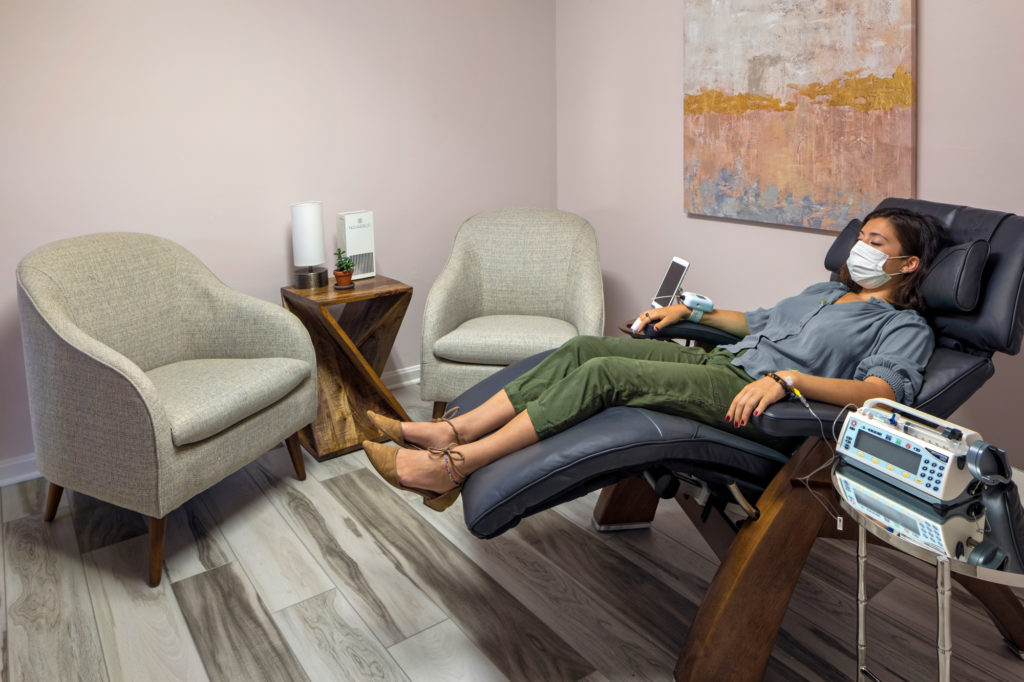
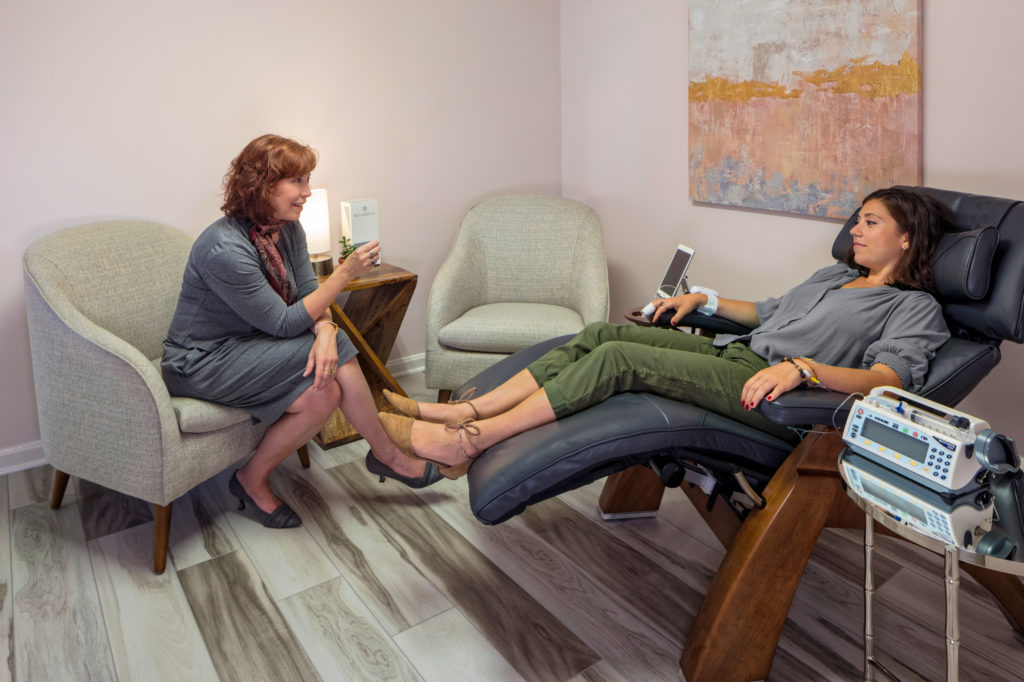
    When you come for ketamine treatment, you'll have a comfortable, quiet room to get the most from your treatment.

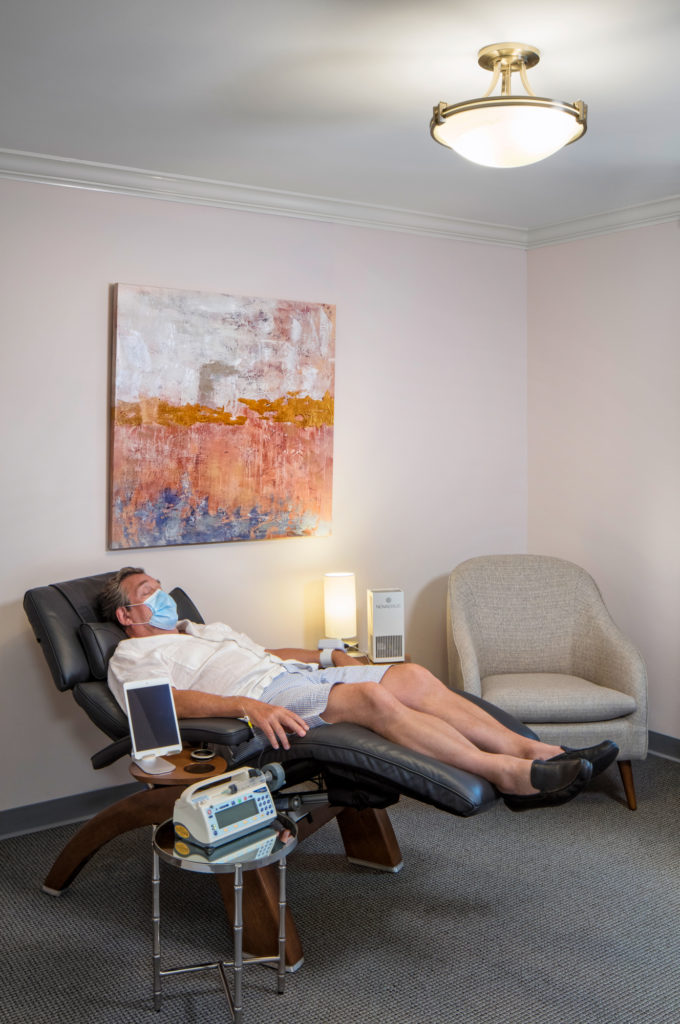
    When you come in, you’ll find a comfy, heated recliner you can settle into, and relax. A little white box on the table will be quietly running, destroying (not filtering, but destroying) viruses and bacteria in the air. This little miracle worker uses plasma cell technology to destroy the DNA in the microbes in the air, making the air pure for you to breathe. And it’s efficient. It destroys 99.99% of all microbes in the air, including viruses like flu and COVID with all its variants like omicron and delta.

    We go the extra mile (in every way) to ensure you’re safe from infection and able to focus on getting the most from your treatment.

    IF you suffer from these symptoms and nothing else is helping, call us.

    What else has you in a tug of war? Depression? Apathy? Anxiety that doesn’t let up? Trauma? PTSD symptoms? Bipolar depression? Suicidal thoughts? Or worries about suicidal thoughts in someone you love?

    We’re here to help. With all the tugs. With all the wars you may be fighting…

    Lori Calabrese, M.D. is on the front end of the race to stop PTSD in its tracks using IV ketamine treatment.

    To the restoration of your best self,

  • Suicide at Christmas? Who would do such a thing? and WHY???

    Suicide at Christmas? Who would do such a thing? and WHY???

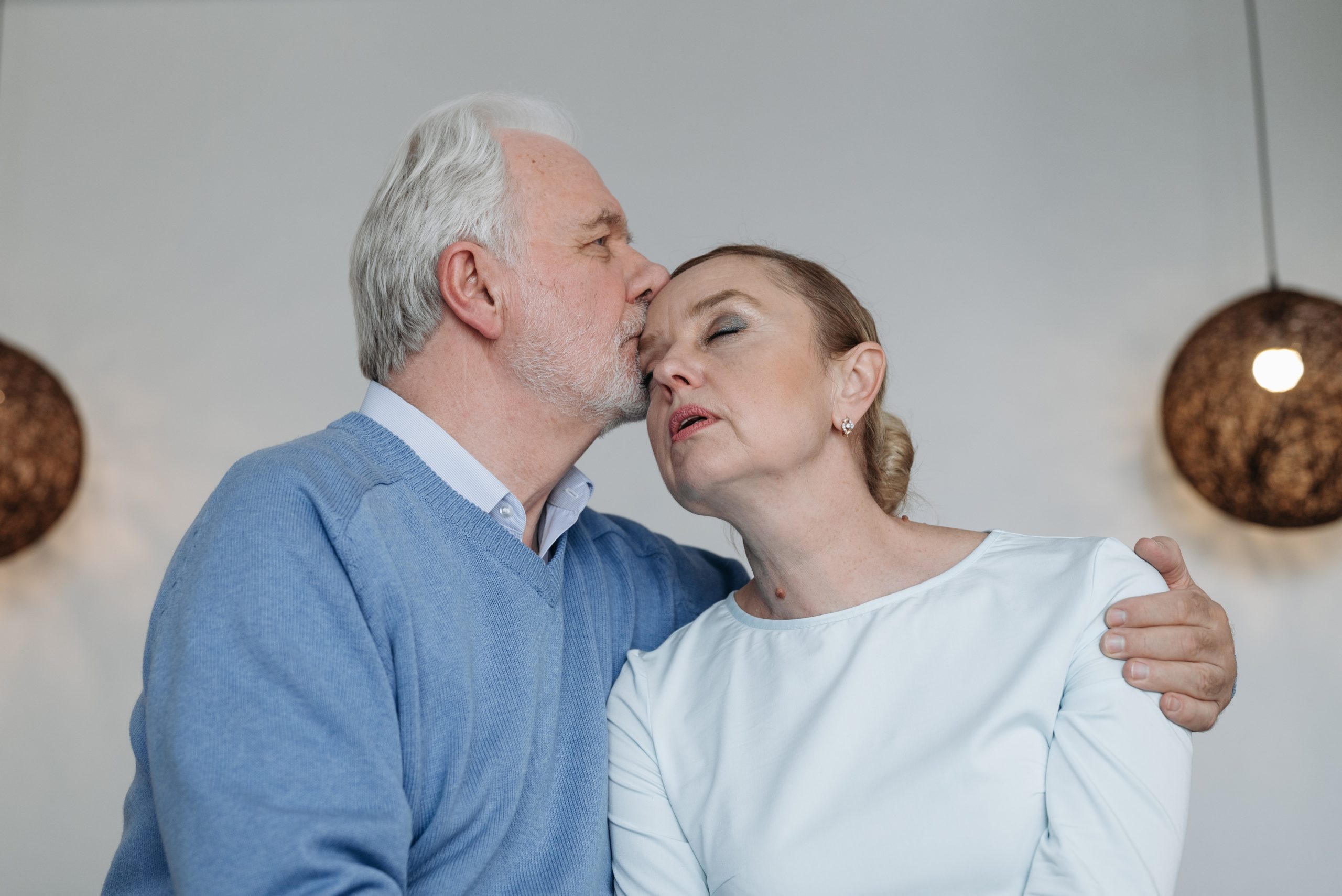
    People like your mom, your brother, your nephew, your grandfather, your aunt…your spouse or son or daughter. This time of year is a time of disappointments, when broken relationships or perceived failures are felt most deeply, and those loved ones who have died before are acutely missed.

    For some, it’s a logical time to find reasons to die. Suicide at Christmas is all too common, so we need to be tuned in to those around us for signs of grief, defeat, despair, or inappropriate cheer which can be a way of hiding disturbing thoughts.

    Monty was depressed, but it was hard for his family and friends to grasp how he sees this holiday season. When he arrived downcast, instead of with an air of celebration, it was easy for them to be impatient with his “downer” attitude.

    For his family, it was hard to wrap their heads around the idea that some people aren’t living in the moment of Christmas, excited about exchanging gifts and seeing friends and relatives they haven’t seen in forever.

    Rather, some, like Monty, may be suffering about things that happened in years past, and the holiday atmosphere brings the memory to life.                  

    Monty felt responsible for a tragedy long ago, and assumed everyone present was blaming him. He also resents some people who are present whom — he feels — carry some blame for the tragedy. 

    And sometimes, everyone’s cheer is more than he can bear. So he looked for a way to escape the noise and pressure. To find a private corner to be alone in his sorrow. He also thought a little bottle of spirits would be just the thing to help him forget.

    With all the festive chatter and cheer, it’s easy to miss a pending suicide at Christmas.

    What does the family see?  It’s likely they don’t see Monty suffering helplessly. Sadly, what they often see is the family screwup getting drunk instead of “contributing” to the family experience. They see selfishness. And they pour shame on this family member whose complicated life they don’t understand.

    But suffering isn’t necessarily selfish at all, is it? Sometimes it’s just misery. Despair. Hopelessness. 

    And when someone like Monty knows he’ll be judged for his suffering,  when he (or she) KNOWS he will find no compassion — only criticism — sometimes that alone is enough to push him deeper into his dark place. And in that place, he may make the decision to stop the misery by destroying himself.

    Let’s hope not.

    But it’s for these reasons–and many others–that the holidays is a time that some people take their lives. Sometimes privately, or in a clandestine way, and sometimes in a public way.

    There is no simple solution to the conflicts in a family gathering that includes someone who is susceptible to suicidal thoughts and/or actions.

    Every family has conflicts, whether spoken or unspoken… secret resentments or boisterous loud ones. Jealousies, insecurities, and differences of opinion. What’s the saying..?  “If we both think alike, one of us is superfluous.“

    Variety is the spice of life, but in a family, subtle differences can stimulate conflict. And that happens a lot.

    But for someone like Monty, whose mind makes him feel hurt more deeply, who has a fractured sense of himself, those differences can torment. Devastate.

    And those minor conflicts among family can highlight Monty’s insecurities and shame.

    So while you can’t save everyone all the time, you can offer a warm hug or handshake, a friendly and compassionate conversation. You can seek ways to set the suffering one at ease. A little effort and genuine support can prevent a suicide at Christmas.

    And who’s the suffering one?

    It’s the one who seems to always create a scene, gets into trouble when the family is trying to celebrate. It’s the one who sits alone looking down, awkward, or angry. Like Monty. Or maybe she looks like she’s going to cry. 

    You most likely know who it is in your family who tends to be the lightning rod. That family member you watched grow up… and he surprised you with his mistakes, problems, scrapes… just so many things. That loved one is possibly in pain and needs love and acceptance to get through this holiday. If he seems like a clown, he just may be laughing on the outside but crying on the inside…

    If THAT one disappears, find out where he is. He may have gone to the backyard to whittle on a stick. Or he may have left with plans to jump off a bridge. No, you’re not your brother’s keeper …but you are someone who can show compassion and caring if someone is in danger of serious injury. Your act of love can thwart a suicide at Christmas and that may give someone like Monty some much needed time.

    How hard is it to listen?

    If you have a family member like Monty, you likely know who it is.  And you may be weary of their shenanigans. But, maybe, just maybe, they can use acceptance, someone to listen. So ask them their story. And let them talk… and show you’re listening.

    IF…and that’s a big IF… but IF they’re contemplating suicide this is a good time to listen to them talk about it. Don’t be afraid to even ask, “Do you ever feel like hurting yourself?” and then, “What about now?” Opening the door of communication without judgment can be lifesaving. Call the Suicide Hotline at the bottom of this post.

    Many who are contemplating suicide at Christmas have been suffering from Seasonal Affective Disorder for months caused by the reduction of light in the fall months. Don’t think anytime of the year is devoid of suicide risk. Whatever cheers up one person, is just as likely to trigger suicidal thinking in another.

    In addition, the risk of suicide doesn’t end during the holiday season, but actually increases in January.

    Also, it’s good for you to be equipped with the knowledge that if he’s thinking about suicide, IV ketamine can stop those suicidal thoughts in an afternoon. So he can be free of the tortuous thoughts and mental images… and focus on getting better through therapy, medication, or IV ketamine treatment for depression.

    In fact, in our practice, we’re transparent about how we can help. We’ve looked at results, published them, and presented (nationally internationally) on the effect of IV Ketamine Infusions for Suicidal Thinking showing how they can prevent a trip to the Emergency Room, or a hospitalization.

    To be able to remove suicidal thoughts in a day is life changing, even life saving, for so many.

    At Touchpoints180™, we’re privileged to see people come in racked in the throes of suicidal thinking, and often see them at peace a few hours later. Stopping suicidal thoughts isn’t a cure-all. But it gives you time to seek treatment, participate in therapy, and overall pursue remission. It keeps you safe while you get better.

    Receive your ketamine treatment in a comfy recliner to erase memory triggers of alcohol use.

    When you come in for your infusions, you can just sink into your recliner, settle back and relax. That white box on the lamp table labeled Novaerus is a wonderful piece of advanced technology that destroys the DNA of viruses, bacteria, and mold spores in the air. This plasma cell technology was designed for the International Space Station, and is outstanding in removing 99.99% of all pathogens in the air and specific to the square footage of your infusion suite. So you’ll breathe pure, clean, safe air. Your mind can rest at ease knowing you’re safe from infection (including COVID-19 delta, lambda, and omicron) in this uncertain world.

    Don’t let suicidal thoughts rob you of your life. if you have symptoms of suicidal thoughts, call us.

    Also call if you have a loved one like Monty who’s been having suicidal ideas.

    Life can be so much better when your symptoms are out of the way. Imagine that…life without symptoms of despair, hopelessness. You deserve a life worth living and the power to live it. Let us help.

    Reach out for a life free of shame and despondency. Let us help.

    The Happiest of Holidays to you and yours.

    If you — or someone you know — is considering suicide, please contact the National Suicide Prevention Lifeline at 1-800-273-TALK (8255), text “home” to the Crisis Text Line at 741-741 or go to suicidepreventionlifeline.org.

    Lori Calabrese, M.D. is on the front end of the race to stop PTSD in its tracks using IV ketamine treatment.

    To the restoration of your best self,

  • If Holiday Depression Crushes Your Spirit, There’s Hope

    If Holiday Depression Crushes Your Spirit, There’s Hope

    Yes, it’s the Holidays, but that doesn’t mean it’s a time of comfort and joy for everyone…

    Depression is soul crushing at any time of year. But the stressors that pour out during the holidays can magnify the misery. Here is Tom’s story about how holiday depression crushed his spirit. There is hope for relief.

    Tom was finding the stress of the holiday season building inside him, till he felt he was reaching the breaking point.  Holiday depression was crushing his spirit. With working at home, the noise of the family outside the study door, his reduced income indirectly related to the pandemic, and kids wishing for expensive gifts for Christmas, he was wringing his hands.

    Add to that the car needed new tires, and now with snow on the ground, the risks were heightened all the more. He would have to get those tires.

    And yet…this was the season of giving. A season of good will, and sharing cheer. Tom didn’t feel cheerful… He felt worried… and depressed.

    In fact, he’d been depressed since the beginning of the pandemic…doctors had prescribed medicines that didn’t help.  He felt trying to treat this was hopeless. It must just be this pandemic, and he knew there were people all over the world who had it tougher than he did.

    And what about his job?  Just how secure was it?  His job required some creativity, and Tom didn’t feel creative. In fact, he felt like a rock. A smooth rock that lay at the bottom off a river, one that the trials of life rushing over him all the time had worn away his rough edges… leaving,…well, not much.

    Tom had read that people everywhere were more depressed than they’d ever been, so what made him so special..?  He’d just have to keep plodding, and try to get the gifts the kids wanted, and hope for the best. 

    Boy he could sure benefit from Sara’s presence right now. She’d always had a way of finding a silver lining that he could never see, God rest her sweet soul. He so needed her right now.

    “Sara, why did you have to go..?? I need you. The kids need you!!”

    Tom stood up, shuddered, and decided a quick walk to the mailbox might help his doldrums.

    Good grief, he was talking to his dead wife now. He had to get a grip!!

    As he walked through the kitchen, he grabbed an apple and took a bite. Ugghhh…not very good, so he chucked it in the trash.

    Life tasted like sawdust these days.

    Charlotte rushed into the room, and said, “Daddy, can I get a dress for the Winter dance at school? Pleeeeease…?”  (Oh no…more expenses.). 

    Tom offered a weak smile, said, “Sure honey, but try to keep the cost down…” and shuffled back to his study. When it rains, it seems to not only pour but deluge. Holiday depression crushes your spirit.

    Just as he sat down at his desk, he heard a shrill shriek, and adolescent male shouts.  Oh no.

    Tom ran downstairs, and saw quickly that the dishwasher was pouring soap suds into the floor of the kitchen and front hall.  He called for, “Towels!! Lots of towels!!” 

    Kids came running with bath towels and hand towels and a mop. Before too long they had sopped up the water, mopped the kitchen, and started a load of towels to wash. He knew he needed to replace the dishwasher...sigh….

    Back in his study, Tom noticed he had an email from his boss, asking that he call him.  Tom’s stomach dropped to the floor. What could it be? He couldn’t lose his job, he just couldn’t. Not right now.

    Like a man walking to the gallows, Tom picked up the phone and called his boss.  The man answered the phone right off, and Tom braced himself.

    “Hi Tom, thanks for calling me back.  I have some news and wanted to give it to you right away, so you can plan.”  (Oh no…plan… for unemployment?)

    “That project you took Lead on last summer drew a lot of attention from the C suites, and they are very impressed.  You’ll be receiving a bonus next week that I think will please you, and they’re prepared to offer you a promotion if you’re interested. It will mean more responsibility and higher pay that might help you get a sitter for your kids while you work.  I know it’s been a challenge at home.”

    Tom was numb. They weren’t firing him.  They were giving him a bonus and a raise. What?

    He was shocked.

    But he gathered his composure and thanked his boss. Made an appointment to discuss the changes and demands of the new position, and hung up.

    Then, he leaned over his desk and put his head in his hands. He would be able to get the dishwasher fixed AND put new tires on the car. Why wasn’t he excited?  At least, relieved.

    He felt nothing. Bland.

    Even though things had a way of working out, it didn’t change the way he felt. He felt empty, flat, emotionless… hopeless. Why??

    All he could think was, Who cares..? It doesn’t matter….

    This time of the year is intended to bring people together, give a sense of joy and celebration. And it does for many.

    But there are those, like Tom, who can’t experience much joy…or pleasure.

    Those for whom holiday depression crushes their spirit.

    Because the pathology of stress is such that it strips your ability to ENJOY. It all comes down to the dendrites and dendritic spines on the neurons in your brain…as well as the lateral habenula. 

    Stress pathology results in the thinning and pruning of those dendrites and dendritic spines, leaving them ineffective for transmitting signals effectively. The lateral habenula sports a mechanism that prevents your ability to feel pleasure, unless the cell bursting there is tamped down. 

    IV ketamine builds up the dendrites and they become dense and healthy, restoring the broad communication of signals around the brain, dendritic spines, proliferating them using BDNF (brain-derived-neurotrophic-factor).

    Our quiet, private treatment rooms allow you to relax to receive your IV ketamine treatment.

    At Innovative Psychiatry, we see people every week experience joy, hope, and resilience through IV ketamine treatment. Because of its broad action in the brain, ketamine is bringing relief of symptoms to so many who suffer from severe treatment resistant depression, bipolar depression, PTSD, social anxiety, suicidal thinking, substance use and alcohol use disorders.

    When you come in for treatment, a white box may catch your attention where it graces a table. That little box is a powerful tool for keeping you safe and healthy while you’re with us.

    Labeled Novaerus, this instrument uses plasma cell technology that processes the air in the room and destroys the DNA of viruses, bacteria, and mold — even COVID and its variants. All these pathogens are destroyed, leaving the air clean and pure for you to breathe, so relax.

    Our air purifying technology was developed by the Department of Defense and NASA and is 99.99% effective in destroying viral DNA. Because we go to every extent to keep you safe, so you can focus on your treatment and get the most from it.

    After all, you’ll be with us 6 or 8 times…maybe more…and you need the assurance that you’ll stay well while you’re here.

    Treatment resistant depression can be devastating, but if holiday depression has crushed your spirit, call us.

    Let’s talk about whether IV ketamine treatment is an option for you.

    If it is, you need to give yourself the opportunity to live the best life you can live, while you discover, and enjoy being, your best self.

    Lori Calabrese, M.D. is on the front end of the race to stop PTSD in its tracks using IV ketamine treatment.

    To the restoration of your best self,

  • Loss of a Loved One by Suicide is a Great Grief for Loved Ones

    Loss of a Loved One by Suicide is a Great Grief for Loved Ones

    On November 20, we observed International Survivors of Suicide Loss Day. While a single day dedicated to observe such loss is a meager effort, it’s not nearly enough.

    Few losses magnify the sense of powerlessness like the loss of a loved one by suicide. Many times the loss comes after an extended period, months or years, of suicidal attempts. Sometimes the family and friends are surprised by this event. When they are, it’s natural for denial to protect them for a time from the reality of the loss. What could I have done to prevent this? How could I have saved him? If only…

    Crystal, at 45, felt deeply spent. Since her son, Jake, was in first grade, she’d worried about him and how to help him find more joy in life. To experience the day to day routine with joy and contentment. To feel proud of his accomplishments. And to want to improve. 

    Instead, he was a loving, sweet child who seemed overwhelmed by life. He carried a massive weight of inferiority on his shoulders.

    In the early years, a child with a psychiatric disorder may show dramatic signs of it. Signs that make it easier to diagnose. Or he may have more subtle signs. He may feel heartbroken much of the time for reasons that are difficult to identify. 

    He may be often corrected by his teachers. And he may feel like the class dunce because he fails to win their favor. He may tell himself he’s fundamentally flawed and not worthy of approval. Such a philosophy about himself can be deeply damaging.

    Jake became increasingly symptomatic as he moved through his teens. He was admitted to psychiatric units multiple times, with complex diagnoses of comorbid conditions.

    With each hospitalization, Jake learned more about himself and his illness, and so did his mom.

    But once he was discharged from the facility, he might function more smoothly for awhile, then nosedive into another traumatic and painful episode of depression, anhedonia, and mixed states.

    He began to talk about dying in elementary school, but his first attempt happened in junior high.

    For the rest of his adolescence… his attempts and trips to the ED, multiplied. During his twenties the attempts became more frequent and more traumatic for him and for his mom.

    For some people, knowing someone who regularly attempts suicide is tiresome. They accuse their suicidal friend or family member of seeking attention. And when that person dies by suicide, their response is sometimes, “What a relief for the family.”

    This response lacks understanding of this person’s condition, and lacks compassion both for him and his family and friends.

    Loss of a loved one by suicide is heartbreaking. Devastating. Suffocating.

    While we want to focus today on Crystal, you can’t fully grasp her loss without understanding her son.

    Jake’s life was full of pain, desperation, and despair. He didn’t understand his pain, or why it lasted like it did. 

    By his late twenties, his suicide attempts were frequent and severe. He had resolved the only way he’d succeed in ending his life was to use sharp edges, so his family hid all the knives from him. Then he found arrowheads that were sharp and continued to mutilate his wrists. Still, someone always found him in time.

    When he finally ended his life at the age of 28, his mother was devastated. It seemed to her he’d had a heart attack… which was shocking at his young age. 

    That was heartbreaking enough. 

    But little by little, as time went by after his death, she kept reliving his last weeks, and remembered something his friend had told her. That Jake was using some manmade concoction that had been reported to give a high in small amounts but when overused, it caused death.

    Finally, Crystal had to face that he had been methodically trying to end his life; not out of rebellion, or rage, or revenge, but out of desperation to escape the misery he felt

    It wasn’t that he didn’t want to live, but he was certain he didn’t want to live like THAT any more. Without hope of peace, of building a life, of enjoying lasting relationships. He felt he was a prisoner in his own skin. A prison caused by his disordered mind.

    After all the struggles, all the pain, all the times he got in trouble, all his heartbreak, all his desperation…do you think Crystal was relieved when he died?

    No…nothing could be further from the truth.

    Crystal spent his life looking for the right doctor, the best treatment, some sort of hope that would help him live a quality of life that rewarded him for surviving all he’d endured. When she realized he had died, all she could think of was that they never found his peace. None of their efforts paid off. The latest treatment wasn’t given to him in time. 

    She felt sorrowful that their lifelong quest was never realized. She felt guilt that she hadn’t tried hard enough, although she had given it all she had.

    That she had to give up her quest to find help for him. It was hard to grasp that the search was over. That they never conquered the torment.

    Each person’s grief is his own, and each grieves for different reasons. Grief is so personal, but its impact is multiplied when the cause is suicide, and especially if the loved one was a child, a spouse, or the parent. 

    During the first month or two, friends of Crystal were sympathetic and offered her love and support. But as the months went by, they encouraged her to “move on.” Their well meaning “encouragement” only applied guilt and pressure Crystal didn’t need. She knew she couldn’t move on. She guessed that someday it might not hurt so much, but she had no interest in forcing herself to stuff her pain and memories to make others around her more comfortable.

    Unfortunately, Crystal began to withdraw from some of her friends, because she knew she needed space to grieve at her own rate. To come to terms with all her efforts to save her son and the fact that they failed.

    It was a LOT to swallow.

    She told herself that he knew she loved him, he knew she fought for him and his hope.  Crystal found hope and peace in knowing he KNEW he was loved deeply by her, in spite of his treatment by others. The more she let that knowledge sink deep into her heart and memories, it allowed her anguish to decrease.

    And Crystal learned that healing from the loss of a loved one by suicide, that her son’s life ended at his own hand, in a way that was indirect, required time. She needed time.

    Yes, while it’s true that some people grieve and never move forward to live rewarding lives again, Crystal knew instinctively that wouldn’t be her. She knew she needed to heal so she could enjoy life again at some point. So she guarded her heart, and her memories, and opened that part of herself only to those who had the capacity to understand and not pass judgment.

    On the first anniversary of his death, Crystal joined with her adult children and they reminisced about Jake and the things they loved about him. They shared an upbeat time together honoring Jake’s memory, and Crystal found she breathed easier in the days that followed.

    Eighteen months after Jake’s death, Crystal missed him terribly, but was beginning to feel a little gleam of life in her heart again from time to time.  The more she healed, the easier it was to talk with trusted family members about Jake, his illness, his beauty, and his mistakes. The more openly she talked about him with trusted loved ones, the freer she felt.

    She realized that healing was coming. She knew the loss of her son by suicide was not something she would ever get over or put behind her. Crystal knew she was forever altered by his death as anyone would be after the loss of a loved one by suicide. But she also knew she needed to heal from the shock and trauma and guilt she suffered, so she could live again.

    At Innovative Psychiatry, we conducted a study about the use of IV ketamine for suicidal thinking. We have found IV ketamine to be remarkably effective in stopping suicidal thoughts in as little as an afternoon. This allows you to work toward getting help while avoiding hospitalization or a trip to the E.D.

    With the tragic loss of life and suffocating grief of loved ones that suicide causes, to be able to stop suicidal thinking… is priceless. You can seek further treatment, counseling, and improve your quality of life with the valuable time ketamine can buy for you.

    When you come for ketamine treatment, you'll have a comfortable, quiet room to get the most from your treatment.

    When you come for treatment, you’ll be led to a private treatment room with a comfy recliner to receive your infusion. A pretty white box on the table will alert you to the safety of your environment. This box applies plasma cell technology to destroy all the viruses (including COVID variants Beta, Delta, lambda, and omicron), plus bacteria and mold, too. In fact, when we say all, we mean 99.99%.

    You can be assured you’re as safe as possible from infection while in our offices, so you can focus on getting the most from your treatment.

    If you suffer from suicidal thoughts, or know someone who does, reach out for the treatment that can stop them. IV ketamine treatment is lifesaving, and you deserve to be relieved of those awful thoughts and urges.

    There is an answer that can give you hope and peace.

    Lori Calabrese, M.D. is on the front end of the race to stop PTSD in its tracks using IV ketamine treatment.

    To the restoration of your best self,

  • Thanksgiving’s About More than Food… Think About It…

    Thanksgiving’s About More than Food… Think About It…

    Thanksgiving isn’t just turkey and dressing. Shocking…right? But it’s not about the food.

    Thanksgiving's not just about food, but about gratitude, forgiveness, generosity, and kindness.

    It’s about being thankful. Appreciating every good thing in your life. Expressing your appreciation, recognizing you can’t do this life alone. Thanksgiving’s about more than food, and it’s worth the effort to focus on what gratitude is really about.

    You may feel alone in the world, but there’s an army of faithful workers who make your life function. From those who work for utilities companies, to those who farm your food and those grocers who sell it to you, the list goes on…and on.

    It’s an attitude of gratitude that empowers you to live in joy. Without gratitude, you may be left with dark resentment twisting into bitterness and anger deep in your gut. But it’s amazing how allowing yourself to choose gratefulness and appreciation can transform bitterness to joy. Watch what happens when Grace tries out an attitude of gratefulness:

    Grace walked along the sidewalk, grumbling to herself. She was a graphic designer for a marketing firm, and when the decorations went up at work…her outlook plunged. The holidays had arrived again, and she wasn’t happy about it.

    She felt so alone in the world, and holidays were a time for sharing with loved ones. Grace knew she’d burned her bridges, but how she wished her family and friends would forgive her failures and welcome her back into their gatherings.

    Grace knew why they ignored her. Because she had caused scenes at so many gatherings in the past. She either stomped about in a rage, or drank too much and ended up breaking something or making an utter fool of herself.

    She didn’t like herself very much because she knew others didn’t like her either.

    She’d been going to AA, and the leader talked about doing the next good thing. That you didn’t have to have all your life and future figured out…that was overwhelming to anyone. Just do the next good thing. Maybe load the dishwasher, or wash a load of clothes. Then, there was walking the dog. Or maybe making brownies for the elderly lady next door. If you keep doing the next good thing, it keeps your hands busy and your heart engaged. 

    And it’s easier to not drink.

    Even so, Grace could’t seem to stay focused on the next good thing. She was angry, resentful, bitter. Her other siblings were loved and admired by her parents. They were invited to every gathering.

    They were the crown jewels of the family…she was yesterday’s garbage.  At least that was the way it seemed to her.

    And when she had been invited to the family gathering, the feelings of inferiority she had led to her drinking before she arrived. Just to get the courage. But that’s what caused the problems.  

    Grace couldn’t seem to have a single drink of wine, beer, or “special” eggnog. She always wanted another. The more she drank the better she felt and the easier it was to blend with everyone.  

    At least, that’s how she felt.

    Because Thanksgiving’s about more than the food. It’s about a loving gathering of people. She wanted to fit in. Still, she always seemed to mess up.

    And then, they began ignoring her, resenting her behavior… and showing their disrespect of her

    By the time she felt woozy, she realized the family was offended, and she’d failed again.

    Now the family didn’t speak to her anymore. And she resigned herself to going to AA everyday to get through the holidays without a binge.

    At the meeting that day, someone talked about how important it is to come to peace with your feelings toward the people who have hurt you. To face that you’ve also hurt them. And to turn it over to your higher power while you practiced forgiving them and expressing gratitude for the power to forgive them.

    Grace hadn’t looked at it that way before … the power to forgive them. She didn’t have to live with the bitterness that was eating her alive.  She had the power to forgive them.

    Because again, Thanksgiving’s about more than food.

    After the meeting,  a friend told her about a treatment that can make it much easier to not drink, so she can put these forgiveness lessons into motion more effectively.

    She told Grace about IV ketamine treatment, and how it can remove the desire to drink.

    It sounded too good to be true, but her friend said she had received this treatment herself, and actually felt transformed. That she’d been sober for five months so far.

    She said the treatment actually makes you feel better.  That it hadn’t occurred to her that depression had fueled her drinking, but she didn’t feel depressed anymore and actually felt a lot of joy…and hope for the future.

    Grace decided then and there, she would find out how to get this treatment. She also decided she would adopt an attitude of gratefulness and give it a chance to change her angry bitterness.

    What a delight it was to realize that what she was learning from AA and her friend about IV ketamine treatment was creating new expectations for her holidays going forward. Thanksgiving’s about more than food now, and she was learning to live with freedom, gratitude, and sharing.

    So Grace expressed her gratitude for the people she met at AA, and all she was learning.  She was grateful that she had people with good hearts to spend her time with when she felt so alone. She was thankful she didn’t have to face the holiday season alone, and that there was a way to have gratitude…and peace…at a time when she had seethed with bitterness in the past.

    She realized she needed to ask forgiveness of her family for creating the scenes she’d made before, and she needed to make every effort, partake of every solution she could, to stop the drinking, and all that went with it.

    She called the psychiatry practice her friend had told her about to learn more about IV ketamine treatment. And she made an appointment.

    Three days later, she walked into the practice wearing her mask for the pandemic. The nurse led her to a long consultation with the doctor, and then later, a private treatment room and she settled into the comfy recliner.

    The treatment lasted about 45 minutes and she went back for a few more over the next couple of weeks. By the time she received her 4th treatment, she was feeling so much better. She felt hopeful. After she’d had 7 treatments, her desire to drink had become very weak.

    She found it was so much easier to forego offers of alcohol, and her hope kept growing.

    Grace decided to write a letter to her family right before Thanksgiving, so they could read it together. She told them she was receiving treatment for her drinking, and was also attending AA.  That she hoped they could all forgive her for the messes she had made during previous holidays. She was also hopeful that she’d be able to join them some year for holiday gathering—but she wasn’t pressing for that to happen

    She set about making a Thanksgiving meal for the AA group, and experienced such joy doing it for those who had nowhere to go and no family to share with. Grace was astounded at the joy flowing inside her as she chose gratitude to hold in her heart through the holiday season. 

    While she was sad to miss her family time, she was grateful she had the wherewithal to provide Thanksgiving dinner for her AA “family” and anticipated sharing her effort with excitement.

    She knew in her heart that the time would come when she’d be with her family again, but meanwhile, she was learning to bloom where she was planted.

    And she did bloom, didn’t she? Gratitude, forgiveness, and a generous heart combined with IV ketamine treatment transformed her holiday, didn’t it?

    And the same can happen for you.

    We talk about the infrastructure that helps you maintain the benefits of ketamine treatment, like forgiveness, joy, generosity, and kindness. Practicing gratitude and joy…practicing forgiveness, can pave a smooth pathway for ketamine treatment to take hold and continue working. 

    The stress of anger, bitterness, and resentment can make that road rough and difficult…and can weaken the benefits of your treatment.

    IV ketamine treatment is a safe and extraordinary treatment for depression, bipolar depression, PTSD, social anxiety, substance use disorder, alcohol use disorder and suicidal thoughts.  And while it’s treating and relieving one disorder on the list, it may also treat others you’re suffering with.

    Like with Grace’s friend, it relieved her depression along with her alcohol misuse.

    Ketamine turns on mRNA which switches DNA to ON, signaling the brain-derived-neurotrophic-factor to trigger dendrites and dendritic spines to flourish in the brain cells. The result is a bumper crop of connections to move signals around the brain fast.

    You feel energized, motivated, full of initiative, joy…and hope. You can excel in your job, build strong, healthy relationships, enjoy life!

    While ketamine is amazing, it’s not for everyone. It works best in those with severe treatment resistant disorders. For whatever reason, it seems to be at its best in those with severe illness, and sometimes has a less dramatic effect in those with milder symptoms. While we don’t understand why this remarkable treatment isn’t equally effective for everyone who needs it, the percentage of those for whom it’s not effective is small. For this reason, chances are that it could be transformative for you.

    At Innovative Psychiatry, we love seeing people like Grace — who’ve been unable to stop drinking or using substances — find the kind of relief ketamine can provide. To see their hopelessness changed to hope is extraordinary. and sometimes breathtaking.

    When you come for treatment, we’ll meet you at the door and lead you to your private treatment room where you can settle into your comfy recliner. Because we go the extra mile, you’ll see a white box on the table that’s busy destroying all the viruses (including COVID and its variants), bacteria, and molds that are in the air. We also have surfaces disinfected in a similar way. 

    We want you to rest in confidence, knowing you’re as safe as possible from infection while you’re with us… so you can focus on getting the most from your treatment.

    When you come for ketamine treatment, you'll have a comfortable, quiet room to get the most from your treatment.

    IV ketamine treatment can restore the synapses — nerve connections — in your brain to such thorough function that it’s as if they’ve been turbo boosted. In addition, ketamine tamps down the bursting cells in the lateral habenula so you can feel pleasure, experience joy, and rise above depression. Ketamine also moves the G cells off lipid rafts so they can get to work helping your thoughts and feelings to move around your brain.

    You deserve to feel better, to function at your best, and to share your hope with others. 

    Reach out and embrace gratitude. Revel in hope.

    If you suffer from the symptoms we’ve talked about here, call us.

    Hope, gratitude, and a rewarding life are yours for the taking.

    Lori Calabrese, M.D. is on the front end of the race to stop PTSD in its tracks using IV ketamine treatment.

    To the restoration of your best self,

  • Grieving Loss as the COVID Saga Drags On…

    Grieving Loss as the COVID Saga Drags On…

    If you’ve known someone who’s had COVID-19, you may have also known someone who died from this coronavirus. Hundreds of thousands have died since January 2020, but your loved one was not just “part of the crowd.” Death of your cherished love one is life changing for you. What do you do with the grief?

    Since nearly 750K people have died in the US alone from COVID, most of us have known someone who died. Some of us know several people who’ve died. And beyond COVID-19, many have died from heart disease, cancer, accidents, suicide, and scores of other causes. Starting in January 2020, few people are left who’ve been untouched by the loss of a loved one. The death of someone significant in your life leaves you empty, bereaved, even angry. And you’re left to do something with belongings, and find a way to move forward. Let’s talk about the grieving… grieving loss as the COVID saga drags on. Since death is part of life, grieving those we’ve lost is a very real part of living…

    Stephanie walked along the walkway, mask firmly in place. She was armed with hand sanitizer in her purse, and a spare mask. She and her family had complied with the protocols for protection from COVID-19 all along.  So much time alone in the house — so she’d learned to play music all the time so she wouldn’t feel so alone.  

    Text messages and phone calls filled in spaces through the day that would have otherwise felt like isolation, and overall, she was doing pretty well.

    Her husband, Dan, had worked from home, but his company had been transitioning workers back at a rate of a handful a week. Today was his first day back in the building. 

    But, he came home feeling bad… aching and exhausted. Fever was 102.3. Now that was alarming. 

    She got him settled in bed, gave him some Tylenol, and started thinking. This was his first day. The coronavirus would not have already shown symptoms if he got it at work that day.

    So where else had he been in the last week?

    Nowhere. He’d been home. Who was he exposed to?

    Oh wait. He’d gone across the street to borrow gas for the lawnmower. That took about 10 minutes. Surely not.  

    The more she thought about it, the more she realized she was right. He’d been at the neighbor’s house ten minutes. She decided to call over there to ask if anyone in the house is sick.

    So she did, and wouldn’t you know… their son had gotten COVID at school. She felt sick. He wore his mask, used hand sanitizer, but still got the virus from someone at school. So… he brought it home. And in a quick ten minute visit, Dan was exposed.

    Within 5 days, Dan’s breathing was alarmingly labored. Stephanie called 911 and Dan was rushed to the hospital. In ICU, he was quickly placed on a ventilator and IV medications were started. 

    For reasons that baffled Stephanie, her husband’s condition worsened fast. 

    Dan died 3 days after his admission.

    Stephanie and her son, Jacob, felt lost. In shock. Surely she would wake up and this would be a terrible dream.

    Shock and denial engulfed her.

    They went through the motions of moving Dan to the funeral home and making preparations. They arranged a memorial service over Zoom and let all Dan’s friends know when to tune in.

    She didn’t want to see anyone, but knew she was grieving the loss as the COVID saga drags on. She had to pull herself together to respond — to her son, to their family, to their friends.

    The tragedy was senseless. Heartbreaking. For a week or two, she felt like she was in a fog. She kept expecting Dan to walk through the door and tell her it was all a mistake. That he was fine.

    But he didn’t walk through the door. And Stephanie was angry.

    Eventually, as the reality sank in, Stephanie felt angry. Angry that Dan was gone, angry that he’d left her, angry she had to rear their son by herself. She found she was short tempered, irritable, quick to retaliate with clerks, the checkout person at the grocery store, her son, and her parents.

    The longer that went on, the more she blamed herself for making life hard for her son, and others. She loathed herself for being unpleasant with everyone. But she was just so mad.

    She felt guilty for snapping at those around her, and for Dan’s death. If only she’d been more helpful that day when he was mowing and ran out of gasoline.

    She found herself bargaining.

    How much better it would have been if she had taken the gas can in the car to the gas station and brought him home some gasoline. Then he would not have gone to the neighbor’s house. Maybe it would have saved his life…and they never would have even known he might have died. Their life would still be stable and good.

    Why didn’t she? If only she had!!!!!!

    She knew she was just grieving…grieving loss as the COVID saga continued…still it felt real. But so futile.

    Was she being lazy..?  What WAS she doing that day when Dan needed that gas?? If only she could bring him back. If only he was still alive….and life was normal.

    If only…

    Depression began to take hold

    Stephanie found she lost interest in being with her friends. She just wanted to nap. She took her son to school, then went home and went to sleep. Life had lost its luster. The appeal was gone.

    She had lived her life for Dan and Jacob. They were everything to her. All the things she used to enjoy — like watercolors, hiking, school board meetings…it was all so empty now. In fact, it was miserable. Anything that involved people made her feel like she was on display… the single mom, the woman whose husband died. She couldn’t bear being in that atmosphere so she didn’t go. 

    The days and weeks wore on. She tried to be cheerful for Jacob. She tried to talk to him and listen to him about his feelings of loss. But she didn’t feel she was very good at it because she felt so broken inside.

    So she called in pizza, or Uber Eats — she didn’t have the energy to face cooking — and they ate and talked some, or she put on a movie they could watch together.

    Grieving loss as the COVID pandemic continues… well, it takes its own path. Grief has a life of its own…

    After a couple months of this, Stephanie began to see her situation in a new light.

    Acceptance rises ….

    Her thinking became more realistic when she thought about Dan’s death…more logical.  And the more she looked at it all realistically, the better she felt. As if a lead blanket was lifting off her.

    She heard someone say that the answer to “Why me?” is Why not me? That life is made up of good times and hard times. And this pandemic has made millions of people sick. Not just Dan. 

    That hundreds of thousands of people have died in this country as a result. Including Dan. And just like her, hundreds of thousands of families are shattered because of loss. Not just Stephanie and Jacob. Of course, this was months after Dan died. It seemed that grief just had to take its course, but she felt she was beginning to see light between the clouds…

    She could see there was no shame in grief. But she could also see she must not stay tied up in grief forever. She could see she needed to rise up, shower, dress, and take Jacob somewhere up lifting.  

    As the days and weeks passed by, and Stephanie dove into all the tasks she needed to tend to, she found she could feel the sunshine again. She felt hope beginning to bubble up inside her.

    At times, a wave of grief would over take her and she had to excuse herself and sob over how much she missed Dan. But then it would subside, and she could function again, to some degree. 

    Have you lost a loved one during the pandemic? Do you find yourself in a swirl of confused emotion, and feeling guilty to boot?

    Since depression can creep in and take over during grief, how long should you let the depression continue without seeking treatment?

    You’ve probably guessed the answer… “It depends.”

    Grieving loss as the COVID pandemic continues takes courage. But it’s not permanent.

    If you find yourself stuck in grief that turns into depression for an extended period of time, say several months…and it’s not getting better… maybe you should consider IV ketamine treatment.

    At Innovative Psychiatry, there is no magic cure for grieving a loved one. It’s something we each go through after a terrible loss from death or divorce, for example. And while there there is no official time stamp that determines when your grief should be complete, it is possible for you to get stuck in anger…or depression…and feel helpless to continue moving forward.

    Receive your ketamine treatment in a comfy recliner to erase memory triggers of alcohol use.

    In addition, depression can become complicated with other problems like substance and alcohol misuse. IV ketamine can be a great help with those, and make it less difficult to move forward and reach the point of acceptance and peace with this loss.

    We offer IV ketamine treatment for those who are candidates and would like to give themselves the best opportunity to get better. When you come for treatment, we’ll meet you at the door and take you straight to your private beautiful room where you can get comfy in your zero gravity recliner. You’ll be monitored with state-of-the-art equipment to so we can ensure you’re at your best during the infusion.

    Feel free to bring a playlist (without words) that can run for about an hour and earbuds or headphones.

    You’ll notice an elegant white box labeled Novaerus on the table. This unassuming box is quite a hero in our offices. Developed by NASA and the Department of Defense, this plasma cell technology is busy working 24/7 to destroy and remove from the air all the viruses, bacteria, and mold. So the air you breathe is fresh and cleaned continuously, and your lungs are not exposed to pathogens that cause disease. (All COVID variants included.) You can feel safe from infection when you come for treatment, and you can focus on getting the most from your infusion.

    Grieving loss as the COVID saga drags on is challenging, but you will survive it.

    Grief can be complicated. In addition to the loss of your loved one, the loss may include major changes to your life that also must be managed. Isolation. Loneliness. Perhaps reduced income. To manage difficulties you were unprepared to face, it helps to have the benefit of remission giving you a clear mind to address all you need to.

    The loss of someone you care about can be devastating, but as you proceed with support through the stages of grief, and get treatment if you need it, you can recover, rise again, and move forward in your life.

    Lori Calabrese, M.D. is on the front end of the race to stop PTSD in its tracks using IV ketamine treatment.

    To the restoration of your best self,
  • Anxiety vs. an Anxiety Disorder: What’s the Difference?

    Anxiety vs. an Anxiety Disorder: What’s the Difference?

    Anxiety is a part of all our lives. Feeling nervous before a test, or before a meeting with the boss. But for some, anxiety continues to get worse until it is a disorder…and needs an intervention because it’s interfering in your life. How can you know the difference?

    For example, a time of life when anxiety is so thick in the air you can cut it with a knife… is middle school.  And it’s true that most middle schoolers struggle with some amount of anxiety on a regular basis. Does he like me? Am I ugly? Did she talk to me because I’m a charity case, or does she think I’m worthwhile..? It goes on and on. Self doubt and insecurity is part of the backdrop at that time of life. But there is a difference between anxiety vs. an anxiety disorder.

    Britney and Analise were both 13, and cute boys filled their thoughts. The dreams they carried in their hearts of being swept off their feet by their fellow 12- and 13- year old classmates were just that — dreams. But their hearts swooned when they thought about certain boys in their class. 

    As the girls walked home from school, they talked about the upcoming 8th grade graduation dance. “Has anyone asked you to go to the dance?” Analise asked. 

    Britney said, “No…, you?”

    Analise looked at her feet…”No…. I sort of doubt anyone will. So if no one asks you, will you go anyway?”

    Britney lit up. “Yes I think I will. I mean really, Analise, we could ask some boys to go, you know?  We don’t have to wait for them!”

    “Would you do that? I know people do that…but I just don’t think I could… Just getting my nerve up to call would be so hard…I don’t think I could do it. Look at my hands…they’re shaking just thinking about it.”

    “Analise, lots of girls will ask boys to the dance. You wouldn’t draw attention to yourself if you did, too. It’s scary to ask someone, knowing you can be turned down. But honestly, it’s what boys go through all the time. Even though it scares me to ask somebody too, I still think girls should carry some of the load.”

    (Britney had some anxiety vs. an anxiety disorder…? Not so much of a disorder.)

    Tears filled Analise’s eyes. “Thank you for the vote of confidence, but there’s just no way. I’d rather not go at all…”

    Twenty Years passes….

    Britney walks into the City Library, and stops at the head librarian’s desk. “Ahem… I’m looking for the librarian. Is she here today?”  

    Her eyes met with the woman at the desk. “Britney!!” Analise was elated. “I haven’t seen you in years!! What have you been doing???”

    “Analise, I would have known you anywhere!!!  I’m in town for a conference for women lawyers. I have to speak, which I don’t mind. But I just had to make time to come see you!  How long have you worked here?”

    “I was hired straight out of college and have been here ever since. A few promotions and I’m head librarian. I love my job.”

    “Ana, this is perfect for you. Remember when we talked about asking boys to the 8th grade dance??  You didn’t go, and I did. I realize now that I shouldn’t have pushed you. It just wasn’t your thing.”

    (Anxiety vs. an anxiety disorder: the difference is that Britney was motivated by hers…and Analise was blocked by hers.)

    “Honestly, Britney. It turns out I have an anxiety disorder and I take medication that helps but it doesn’t wipe it away. I felt so much shame as a teenager. But it’s been a revelation to understand that I have a disorder, that it’s not that I’m a coward. Gosh, life is hard for kids. Have you experienced any difficulty with anxiety since then?” Analise looked at Britney intently.

    “Sure, I’ve had anxiety, but nothing hard to deal with. I’ve been nervous about one thing or another along the way. Asking a boy to that dance was really tough. I felt humiliated and my hands were shaking. But he went with me, and we had a pretty good time. I think that through the years, I’ve been able to just go ahead and do things that were hard, and most of the time it helped me gain confidence. 

    “Which is a good thing because I’m in the public eye so much now for my job. It’s just the path my life took.” Britney scratched her forearm thoughtfully.  

    “Brit, I’m really glad for you. So glad that you have been able to keep pushing through in what you wanted to do. Glad you’re enjoying the life you have. Glad for you that you’ve been promoted along the way. Your job sounds perfect for you. I can clearly see that the anxiety you’ve experienced has been part of your growth rather than a disorder requiring treatment. And I’m also so glad that a job like this one was available for me to enjoy and follow my own path. We’re both “following our bliss” as they say.”

    Britney smiled her winning smile, and looked at her watch. “I wish I didn’t have to rush off, but I need to get to the conference. It’s wonderful to see you again, Analise, and to see how well your life is going.”

    Ana and Brit discuss the difference between anxiety vs. an anxiety disorder.

    “I’m thrilled I got to see you too, Britney. And by the way, I’m getting married this summer. You’ll get an invitation. He’s a chemical engineer and my best friend. If you can make it to the wedding, I’d love it. Now hurry and run! You mustn’t be late! “

    The two women hugged, kissed cheeks, and Britney took off.

    Analise sat back down at her desk and thought about their conversation. She smiled to herself when she thought of how far she’d really come.

    Both Analise and Britney felt anxiety in 8th grade.  The anxiety seemed to motivate Britney to overcome it and make the call to a boy. But it stopped Anallise in her tracks.

    Anxiety is a part of life for everyone. Many experience it in small manageable doses like Britney did. Over her life, she came to see the anxiousness she felt before a challenge as an opportunity to overcome. So she just kept stepping up to overcome it.

    Britney saw anxiety as a motivator.

    In Britney’s life, anxiety built a fire under her to accomplish more, overcome more.

    Analise, on the other hand, felt blocked by the anxiety she felt about that dance. Her anxiety was too intense for her to move forward. It didn’t motivate her, it made her feel crippled. Frozen. Incapable of meeting the challenge. As Ana’s life continued, she never felt motivated by anxiety, but had to get it under control just so she could function at all. 

    She had headaches, GI upsets, and aches and pains she couldn’t explain. She’d be invited on dates, and spend the date in the restroom of the restaurant, unable to enjoy the opportunity. And it was so embarrassing. She felt out of control of her life.

    Anxiety vs. an anxiety disorder… Britney managed the former well, and Analise found treatment for the latter. And they’re both doing well now.

    So in her late teens she sought psychiatric care and took medication. With the help of the medication, she could push forward in her education.  

    However, after college, it became clear that Analise’s main anxiety issue was social. It prevented her having fun at the 8th grade dance, it made it hard to date in high school and college.  But she learned about IV ketamine treatment and what it could potentially do for social anxiety.

    So after college, once she was working at the City Library, she saw a psychiatrist who offered IV ketamine treatment, and it changed everything for her.

    She became comfortable attending librarian meetings, or talking at length to scholars who came to the library for research. And she began to date again because her fear was gone.

    She was so thrilled to share with Britney her upcoming marriage. Oh sure, the wedding would be fun, but it was the aspects of marriage that require deep communication that excited her the most.

    At Innovative Psychiatry, we see people with anxiety disorders all the time. We get to enjoy the pleasure of watching people receive IV ketamine treatment and lose their fear of social situations. With the anxiety gone, they’re able to let their true personality emerge in a variety of situations. No longer do they stare at their feet.

    Ketamine treatment has demonstrated great results for social anxiety, treatment resistant depression, PTSD, substance and alcohol use disorders, and suicidal thoughts.

    If you suffer from symptoms of disorders like these, call us.

    When you come for ketamine treatment, you'll have a comfortable, quiet room to get the most from your treatment.

    When you come for treatment, we’ll will meet you at the door and lead you to your private treatment room where you’ll find a comfy recliner. The room is in a constant state of disinfection from a plasma cell technology developed by The Department of Defense and NASA to destroy viruses (including COVID-19 related forms like the delta variant and the lambda and mu variants), bacteria, and mold in the air and on surfaces. Designed for the Space Station, this technology is powerful and wipes out these invaders. So you’re safe from infection when you’re with us. That leaves you free to focus on getting the most from your treatment.

    Remember, most people struggle with some anxiety now and then, but if you suffer with symptoms that are persistent and that interfere with your life, causing you to miss important opportunities, you may benefit from treatment. It can make all the difference for you.

    Lori Calabrese, M.D. is on the front end of the race to stop PTSD in its tracks using IV ketamine treatment.

    To the restoration of your best self,
  • How Neglect in Early Childhood Changes Girls’ Brains for Surviving

    How Neglect in Early Childhood Changes Girls’ Brains for Surviving

    We talked last week about how childhood abuse alters girls’ brain development, slowing down the maturing of emotional circuits in key areas. But what about neglect?  Does the neglect of a little girl do the same thing?

    The light grew darker as the sun had set and Bryanna shivered. She didn’t like the dark. She scooted her stool to the light switch and turned on the light to chase the monsters away, then did the same in the hall, kitchen, and family room. Bryanna knew her parents had to work so they’d have food, but she so wished she had her family at home. This was the third night in a row that no one was home when she had to turn on lights. (Neglect in early childhood puts a little girl at risk.)

    Her tummy growled and she realized she was hungry, so she opened the fridge and found some lunchmeat and mustard. Then she found bread in the pantry and put it on the table. She reached up and opened the silverware drawer and felt around above her eye level. She felt the long table knives and wrapped her fingers around one and pulled.

    Back at the table, she worked and worked to open the mustard, and finally snapped it open. Then squeezed the plastic bottle upside down until some clear juice and some mustard came out on her bread. She frowned at the clear stuff. That’s not mustard, she murmured to herself. 

    But she just stirred her knife in the clear stuff, then spread it all on her bread. Next, she freed a piece of lunchmeat from the package and carefully put it on the bread and covered it with more bread.

    Taking a bite out of her sandwich, she walked with it to the family room and turned on the TV. A big blob of mustard plopped from her sandwich onto the carpet. Bryanna frowned and scrubbed it with a napkin.

    Switching channels to her favorite Disney show, she settled on the sofa to eat.

    Bryanna felt her aloneness, and wished someone would come over or even call. She knew Grandma wouldn’t because she lived 8 hours away. She didn’t want Uncle Jason to come because he wasn’t very nice. So, she picked up her teddy bear and hugged him tight so she’d feel better.

    Finally, as the night grew later, she leaned over on a sofa pillow in front of the TV and went to sleep.

    When she woke up, the house was filled with morning light.

    So, dragging her bear by the arm, Bryanna went to the kitchen to find her cereal. But first, she looked in the driveway.

    Empty.

    No one came home. Siggghhhhhh.

    Does Bryanna know she’s neglected? Probably not. At least, not yet. Once she’s in school and hears about the kids whose moms are home waiting for them, she’ll begin to make the comparison. And eventually, it’s likely she’ll become increasingly unhappy about it.

    At this point, however, she just knows she’s tired of being lonely, and wishes they would return, because neglect in early childhood is hard for little persons who ache to be nurtured.

    Bryanna decided to get a pen off the table, and she put a mark at the top of an old newspaper. That was for yesterday. Then she put a mark next to it. That’s for today, she whispered.

    How many days would they be gone before they came home..?

    Bryanna is 4. Her ability to care for her own needs seems mature, considering her age. But Bryanna has been left alone many times in her life. She gets lonesome, sometimes scared, but she solves problems, feeds herself with what she can find, and entertains herself very well for a 4 year-old.

    She loves her teddy bear like any 4 year-old. And using her stool, she can turn the lights on when the dark becomes frightening. She knows how to make her own sandwich, eat cereal, entertain herself to help the time pass, and keep track of how long her parents are gone this time.

    Like any young child, she might wish to be surrounded by family, and conversation, and laughter. But that is not her life. Waiting is her life. And when you think of a four year old that you know, you probably don’t see such self sufficiency.

    What’s the difference?

    We spoke last week about a paper published in the American Journal of Psychiatry where a group of 234 girls aged 8-18 were given MRIs, then scanned again 5 years later.

    They studied the impact abuse in early childhood had on girls. They found that while abuse alters their brains specifically in the emotion processing areas, causing delayed maturing of emotion processing in very specific brain areas, neglect actually accelerates brain development of the entire brain.

    Think about that. 

    If a child has no one to care for her, her brain hurries and advances quickly so she can take care of herself. So she can survive. There are actual changes in the cells of her brain that race to mature ahead of when they should.

    Maybe that improves her ability to survive.

    You can see an example of that in Bryanna, above. It’s just a fact that neglect in early childhood poses too great a burden on a young child and results in markedly increased risks of depression, anxiety, and other disorders.

    (This scenario doesn’t only happen in third world children, or somewhere else far away — it happens right here in the US, in all kinds of families, including homes with parents who have jobs and could choose to parent differently.)

    As a result, you see that little girl’s BrainAGE accelerated beyond her chronological age.

    Parents may think if they leave their 4 year old with cereal and peanut butter and the TV on, she’ll be fine for awhile. They may even think they can leave a four year old to care for her younger siblings. But to survive, and to help her siblings survive, her brain ends up advancing in maturing… so she can manage the responsibility. 

    We now have MRI proof of that.

    This is abuse by neglect. It doesn’t mean you have a really smart child…though you do. It means you’re abusing your children and putting all of them at risk.

    (That tidbit was tossed out free to any parent who makes this mistake.)

    Neglect is no joke. No parent should pat themselves on the back, proud of how their little girl is “so grown up.”
    The more severe the neglect, the more advanced and matured the whole brain of the child becomes. A little girl living on the streets, without parents, is likely to advance in whole brain maturity even more dramatically, in order to dodge authorities and keep her siblings together, find daily shelter for them, and food.

    This is in contrast to the abuse we talked about last week, where yelling, berating, and hitting abuse led to delayed development in the emotion-processing circuits in the brains of those girls who experienced that kind of abuse.

    So, to recap: little girls who are neglected experience advanced maturing across their whole brain, but those who are physically, sexually and emotionally abused experience changes in specific circuits that process emotion, and those changes specifically delay their emotional development.

    Both are bad.

    Neglect in early childhood causes whole-brain advanced maturing.

    So how does this affect the little girl? These MRI findings are exciting — but preliminary. They add to the body of research that shows that childhood abuse and/or neglect are associated with increased risks of developing depression, anxiety, PTSD, and substance misuse (alcohol, cannabis….the gamut) throughout her life.

    Depression and anxiety that seems to come out of nowhere? It may well be the direct fall-out of the stress of the neglect or abuse in childhood. That type of stress causes hypervigilance … and it can prune dendritic branches and wear down the synapses between your brain cells.

    And you know what happens? When they get pruned, you get pruned. We live like our biology. You lose energy, interests, enthusiasm, focus, friends, resilience. Words can’t reach you. Therapy feels useless.

    At Innovative Psychiatry, we often work with women who were abused or neglected as children. Now they suffer from disorders that disrupt their lives. Severe stress does that. But we find that even though we can’t rewrite their history, we can treat some of the disorders that have resulted from their past abuse or neglect…or both.

    We’ve seen it do such wonderful work in people with depression and other disorders. And many times the result of trauma and neglect is depression, substance or alcohol use disorders, social anxiety, or PTSD. Sometimes it’s hopelessness that seeps in as thoughts of death as a relief or frank suicidal thinking. So often, treating the symptoms of these disorders, and making suicidal thoughts go away, holds the key to a fulfilling and radiant life.

    IV ketamine treatment has a fifty year history of safe, effective use in children, adolescents and adults of all ages.

    If you suffered neglect in early childhood, you’ve probably experienced recurring problems through the years. Anxiety? Depression? PTSD?
    Ketamine isn’t for everyone, but it helps so many that it’s reasonable to hope it can do wonderful things for you.

    When you come for ketamine treatment, you'll have a comfortable, quiet room to get the most from your treatment.

    When you come for treatment, bring a sweater and wear a mask. We’ll meet you at the door and take you to your treatment room where you can nestle into a welcoming recliner. You’ll note a snazzy white box on the table with the label Novaerus. That’s the plasma cell technology developed by the Department of Defense and NASA that destroys bacteria, viruses, and molds in the air… and can even lift them off hard surfaces and destroy them. It actually destroys their DNA.

    This technology was designed for the Space Station to prevent contamination. (And we were the first ketamine treatment center in the country to install it!) You need to know when you come in for treatment that you’re in the safest possible environment — and that we’ve gone above and beyond to protect you from COVID-19 and all the new variants…delta variant, lambda, and mu. (And even the flu.) While you’re in our office, you can breathe easy. Because we’re on the forefront of innovation.

    Music (without words) and soothing sound can deepen your experience. So you can settle in and flow as the ketamine begins… and get the most from it.

    You’ve been through enough. It’s time to get better. And to move forward in your life with hope and purpose…as well as the energy to fulfill your desires and live with joy.

    Lori Calabrese, M.D. is on the front end of the race to stop PTSD in its tracks using IV ketamine treatment.

    To the restoration of your best self,

  • Live with Someone with Bipolar 2 in the Family? It’s Not Easy, Is It?

    Live with Someone with Bipolar 2 in the Family? It’s Not Easy, Is It?

    We talked about the difference between living with bipolar 2 and bipolar II disorder.

    Have you ever lived with someone in your family who’s so ill that the rest of the family just hangs on and survives? Someone who’s so ill that the parents’ attention is all sucked up by that one’s needs..?  Maybe your sister needs help with math, or your brother needs support for his science project. Maybe you need to give your speech tonight to someone who will listen before you give it for a grade tomorrow.

    There are lots of types of illnesses. Some families have a person who’s fighting cancer, or heart disease. Others have a family member who is in a wheelchair, or in chronic pain, or is losing their memory. All of these families are challenged, and everyone has to make sacrifices.

    Trauma Can Occur When You Live With Someone With Bipolar 2

    But in a family that’s living with bipolar 2, there’s another atmosphere. It’s like walking on eggshells. The sacrifices are somewhat different. They can even be somewhat traumatic.

    For someone with bipolar 2, the pain is not in their feet, or their back…it’s in their emotions. Think about what your home would be like if one person in your family was as angry as you’ve been when you were your angriest. Or as sad as you’ve been when you were your saddest. Or even sadder. And they feel like that…not for a day or a week but almost all the time.

    Then, think about the happiest moment you’ve ever had, multiply it by ten, or 50, and that’s how happy this family member is sometimes …until he gets ANGRY. (Or until he becomes sad.) Like too happy…too jovial. Scary happy.

    It can be overwhelming for him — and also for you.

    Because someone living with bipolar 2 can change from one extreme of emotion to another in a short time. (If he changes from happy and energetic to depressed and sluggish and hopeless (and back again) at least four times in a year, he’s got rapid cycling. And some rapid cyclers make that swift change in a day. Talk about a roller coaster…) 

    Some people with bipolar 2 may be depressed for a year or more before they come out of the depression and feel energetic and joyful again. The depressions are long, awful… terrible, really. But a family member who is always down, as bad as you feel for him, is hard to be around. 

    That’s just the hard truth.

    At the same time, someone who is always upbeat, acting silly, making jokes, talking over everyone else, can also be tiring to be around… eventually.

    And again, your parents are often absorbed with that same family member, giving all they know to give… and too drained and tired to listen to your speech, or help with the science fair, when things finally calm down at 3 am.

    If you’re the parent living with bipolar 2 in the family, you have a heavier load than you ever dreamed you would. Because you live with the weight of all the bills, the dishwasher that needs repair, the yard that’s becoming overgrown, and the letter from the Homeowners’ Association threatening to fine you if you don’t get your house painted…. while you’re stumbling around without having slept. Exhausted isn’t even the word.

    You have to work, but during your work day, you get a call from the school that your child with bipolar 2 has had a meltdown in class because a student made a cutting remark. You KNOW you need to help one child with his science fair project, and help another with her math, while you also try to soothe the child with bipolar 2 and help him face natural consequences.

    Trouble is, he’s so sensitive. His sense of worth is in the toilet and it’s so tough to help build it back up. To help him accomplish things he can be proud of. He’s so capable and intelligent, but sabotages himself without realizing it. 

    And one of his worst triggers? Being put down by a friend.

    Oh, and there’s still that science fair. So at 1am, your middle son’s helping you help your youngest put together his science fair project. Right. Your brother waited patiently for three days for help, but it wasn’t possible. So the family pitches in to be sure he has something to show.

    When you live with bipolar 2 in the family, you’re not trying to help your little brother win, you’re all just trying to spare him of the humiliation of having nothing, getting a zero, and standing out like a sore thumb.

    Then you get up in the morning to get ready for school. And your older brother just lays there, staring at the wall. When mom wakes everyone up, he doesn’t move. He just says, “I can’t.”  

    And then, when you get home from school, and you’re eager to tell mom about your speech, you can hear her speaking softly to your big brother in his bedroom. And your brother is yelling. About how he can’t face school. And how tired he is of feeling this way. And how he wants to die.

    To DIE??? Your brother wants to die?? You go to your room and sit on your bed…remembering when grandpa died. When you went to the funeral home. And saw him in his coffin. 

    You DON’T want your brother to die!! And you worry what will happen if he does.   

    The National Suicide Prevention Lifeline: 1-800-273-TALK (8255)

    There are traumatic moments, days, and weeks when you live with someone with bipolar 2.

    But there are also good moments, and good days, and good weeks. He’s the most kind and caring person you know. So caring, so tuned in to your needs, that he’s your best friend. You appreciate him so much. 

    …Until he begins to change and become agitated. And he talks of his frustration in a clipped, pressured way — as though he can’t get the words out fast enough. You can feel kind of betrayed, but you remember him doing this before, and your gut instinct says this is part of his illness.

    He’s sick of it. You’re sick of it, too. (We get it.)

    And something you learned when you were much younger was to never argue with him when he’s like this. You know better. So you listen and listen and listen to his heartbreaking diatribe. And you worry what will bring it to an end. Will he maybe just calm down? Or will try to kill himself again..?  If only he’d go to sleep and wake up relaxed and at peace…

    The good news is that IV ketamine treatment can be a wonderful treatment to relieve the long painful bouts of depression that your loved one with bipolar 2 experiences.

    And the toll that it takes on the other family members who live with someone with bipolar 2. That toll can turn into treatment resistant depression, especially if you’re in the same family. (Does anyone ever talk about this?)

    IV ketamine treatment can relieve that treatment resistant depression in family members, too. We often make the point that ketamine treatment isn’t for everyone, and it’s not. But it works extraordinarily well in most people with treatment resistant depression. In fact, it can relieve a whole family who has suffering from the stressors of living with someone with bipolar 2 disorder.

    When you live with someone who’s not well, sometimes you get sick, too.

    IV ketamine can relieve the depression for someone living with bipolar 2.

    At Innovative Psychiatry, we’ve seen people who suffer with long, protracted periods of depression get better, enjoy motivation and initiative, and the relief when their mood is restored to joy.

    And the same relief and restoration can happen for you. We’re set up to greet you at the door and bring you right in — no sitting in a waiting room! What’s more, we’ve gone the extra mile and equipped our offices and treatment rooms with plasma cell technology that continually destroys viruses, bacteria, and mold in the air and on all the surfaces—it doesn’t trap them on a filter. So you can come in for treatment with complete confidence and peace of mind that the air you breathe in our gorgeous space is 99.999% free and clean. Because we know you need peace of mind.

    And most important for you: if you have someone with bipolar 2 in your family, be sure that you’re taking time for yourselves, and each other, as you help your loved one find the treatment they need.

    Bipolar Disorder is a family illness. Everyone may need to get well. We’re here to help get you and your loved ones get the care you need.

    Don’t try to face it all alone.

    Lori Calabrese, M.D. is on the front end of the race to stop PTSD in its tracks using IV ketamine treatment.

    To the restoration of your best self,

  • Living with Bipolar 2 When It’s You Who’s Got It

    Living with Bipolar 2 When It’s You Who’s Got It

    Is it Bipolar II, or Bipolar 2? Hard to get it straight? (Bipolar 2 is what’s all over the net but Bipolar II is what’s in the journals.)

    Actually, if you suffer from bipolar II disorder, it’s no laughing matter. It’s a lot like bipolar I, except the highs are much less intense. So we call them hypomanic. Even so, they’re not nothing. Not even close. Living with bipolar 2 is no fun, but with support, medical treatment, and patience with yourself, it can be possible to live an enjoyable life. To be well.

    But first, you need to recognize it, then you need the best psychiatrist you can get…right?

    How else can you find some leveling out of the horrific ups and downs?

    So Charming…almost Irresistible

    Sometimes you’re a charmer, and you feel like you’re beautiful to other people, which is awkward when it’s the opposite sex you’re charming. Neither your spouse nor the spouse of the one you’re charming appreciates your beauty…you know?? You feel like you have such gifts to share — and honestly you do — but when hypomania sets in what seems like gifts you give to others, from your perspective, may actually be symptoms. Yep, you heard that right… not really charm or beauty but symptoms of the disorder.

    Disappointing, I know.  Still you’re a creative, intelligent, giving person when you’re in that in-between place we call “your fun self.” And you really are a lovely person everyone around you cherishes as a friend… and your friends get that you’re living with bipolar 2. They know it’s no piece of cake.

    So, what’s it like when your charming and gifted self disappears?  Are you sorry to see him go? You can feel so bad about yourself when you’re depressed, and you feel like you’re more likable when you’re charming. Makes sense, doesn’t it?

    So think back. How were you feeling a month or two ago?  Did you feel charming and gifted?  If not, maybe that was a time you weren’t dealing with hypomania…

    So let’s say it was four months ago. If you have had 4 or more bouts of hypomania within the last year…then you know you’re a rapid cycler. That means you have these hypomanic episodes more often than some people do with bipolar II. (Still, you’re certainly not competing with anybody!) Mostly it just helps to have a feel for how often this happens so you can recognize it and respond to it, and so those who love you can, too.

    And it can help to be in touch with your cycles so you can avoid “mishaps…”

    You might even say to your sister or your mom…do I seem hypomanic to you? Or am I just in a good mood?

    It’s often easier for the people closest to you to tell the difference than for you. Because for you it might just feel GREAT. Fantastic. Beautiful. Normal. And whether you’re in a great mood or hypomanic, just feeding into a good mood can trigger an episode of hypomania. You stay up later, go out more, get super charged….and before you know it, yikes! Try to put a lid on it, if you’re able to.

    In the process of living with bipolar 2, maybe you feel edgy and impatient when you’re energized like this.  Instead of feeling charming and gifted and full of energy, maybe you feel more irritable and agitated? This is one form of mixed states, and it’s not much fun, either. (To say the least.) For some people that agitated state lasts longer, but then still for others it can be much shorter. And what are you supposed to do with yourself ….with those irritable, edgy feelings when you have them?

    I guess it’s hard not to punch someone, but it’s super good you hold back from doing that. It’s your condition getting you riled up…not really the other person as much. (Although we have to agree that some people are pretty annoying!) It’s a fact of life. Still, it’s important not to punch anyone, right?

    What’s it like when that charming feeling goes away? You may feel like your average self. Or…you may feel irritable and edgy. Or you may feel desperately low, sinking down, dark, sad, and angry.

    You feel so terribly tired, so defeated, like you want to die...  When you’re feeling that way, it’s not so clear to you that the way you feel is a symptom, and it will pass.

    And you feel like that for…weeks?? Months??  Do you know what can be done to help you feel better and not feel so terrible for so long?

    IV ketamine treatment can make a huge difference when you’re living with bipolar 2 depression.

    It works for bipolar depression just as it works for treatment resistant depression ….Imagine what it would be like to have bipolar 2 with no depression?

    Oh…It turns out it’s really called bipolar II! Not 2? Yes, not you bipolar 2, even though that’s a quick cute shorthand. It should be Bipolar II.

    With IV ketamine treatment, you would get six or eight infusions, roughly, over 2-3 weeks, and you should start to feel better if you do it when you’re depressed. LOTS better. Most people do. Just like with major depression, the dendrites at the synapses become pruned and broken and thinned out from the stress of the disorder. Ketamine restores them, builds them back up using brain-derived-neurotrophic-factor(BDNF). Ketamine sails through your lateral habenula and tamps down the bursting cells that prevent you from enjoying pleasure. Those G proteins slide off the lipid rafts in the cell membrane and get the neurotransmitters moving so signals shoot around your brain again, making you feel good. Happy. Creative.

    Living with Bipolar 2 means you're usually depressed unless you have ketamine treatment.

    You know, ketamine can stop those thoughts…the suicidal ones. Very quickly in our hands and in our office. Treatment doesn’t affect your memory …and suicidal thoughts can stop within a few short hours.

    Maybe you should think about IV ketamine treatment if you start feeling down again. And there are now more ways to get financing to pay for medical treatments like this.

    If you’ve actually had suicidal thoughts and images in the past, you know how serious that can be. 

    Just remember that there’s ketamine treatment if you get that down again. It can be like hope in a jar.

    You shouldn’t have to live with terrible depression.

    At Innovative Psychiatry, we see patients with bipolar II every day, and ketamine infusions help them feel so much better so much of the time. Not all, of course. But most. We treat their hypomania and mixed states separately from the depression. We watch them transform from burdened and depressed to walking with a spring in their step and chatting with ease. IV ketamine can do that.

    If you struggle and suffer from Bipolar II disorder, the symptoms that can be lifted off you by relieving your depression will make your life so much easier to manage. There are medications that help with hypomania, too. So many people with bipolar II / bipolar 2 have enjoyed the freedom that comes from ketamine treatment.

    When you come for treatment, you’ll enjoy a gorgeous, private treatment room where you can lay back and relax to make the most of your treatment. And we’ve gone the extra mile to install plasma cell technology to protect you from infection. This technology, developed by the Department of Defense and NASA, is high tech enough that it destroys 99.999% of viral and bacterial DNA from our indoor air, so we’re as infection-free as you can get. You can feel safe safe, without fear of the delta or mu variant, and become a happier, more relaxed person… free to live and enjoy your life.

    Whatever your shorthand is — II or 2 – living with bipolar 2 can be tough. And when it is, remember that IV ketamine’s extraordinary ability to defeat depression could be just the thing to pull you out and help you enjoy a rewarding life.

    If you’ve suffered from these symptoms, call us.

    Let us help you turn the corner and live again.

    Lori Calabrese, M.D. is on the front end of the race to stop PTSD in its tracks using IV ketamine treatment.

    To the restoration of your best self,

error: Content is protected !!